WELCOME
ICU SCORING SYSTEM
Introduction
► Severity of illness scoring systems are developed to
evaluate delivery of care & provide prediction of
outcome of groups of critically ill patients who are
admitted to ICUs.
► Scoring systems consists of two parts: a severity
score, which is a number (generally the higher this is,
the more severe the condition) & a calculated
probability of mortality.
Classification of Scoring Systems
► Anatomical scores: depend on the anatomical area involved.
Mainly used for trauma patients [e.g. abbreviated injury score (AIS) &
injury severity score (ISS)].
► Therapeutic weighted scores: based on the assumption that
very ill patients require more complex interventions & procedures than
patients who are less ill e.g., the therapeutic intervention scoring
system (TISS).
► Organ-specific score: similar to therapeutic scoring; the sicker a
patient the more organ systems will be involved, ranging from organ
dysfunction to failure [e.g. sequential organ failure assessment
(SOFA)].
Classification of Scoring Systems
► Physiological assessment: based on the degree of
derangement of routinely measured physiological variables [e.g.
acute physiology and chronic health evaluation (APACHE) &
simplified acute physiology score (SAPS)].
► Simple scales: based on clinical judgment (e.g. survive or die).
► Disease specific: [e.g. Ranson’s criteria for acute pancreatitis,
subarachnoid haemorrhage assessment using the World Federation
of Neurosurgeons score & liver failure assessment using Child-Pugh
or model for endstage liver disease (MELD) scoring].
Types of Scoring Systems
First day scoring systems:
► APACHE scoring systems
► SAPS (simplified acute physiology score)
► MPM (mortality prediction model)
Repetitive scoring systems:
► OSF (organ system failure)
► SOFA (sequential organ failure assessment)
► ODIN (organ dysfunction & infection system)
► MODS (multiple organs dysfunction score)
► LOD (logistic organ dysfunction)
The Ideal Scoring System
1. On the basis of easily/routinely recordable variables
2. Well calibrated
3. A high level of discrimination
4. Applicable to all patient populations
5. Can be used in different countries
6. The ability to predict functional status or quality of life after
ICU discharge.
No scoring system currently incorporates all these features
• Why Predict Outcome ?
a. prognosis
b. cost-benefit analysis
c. withdrawal of treatment
d. comparison between different centres
e. monitoring/assessment of new therapies
f. population sample comparison in studies
Acute Physiology & Chronic Health Evaluation
(APACHE)
► The APACHE score is the best-known & most widely
used score with good calibration & discrimination.
► The original APACHE score was developed in 1981 to
classify groups of patients according to severity of
illness & was divided into 2 sections: physiology score
to assess the degree of acute illness & preadmission
evaluation to determine the chronic health status of the
patient.
Original APACHE score:
► 34 physiologic measures (0-4)
 Sum of all acute physiology scores (APS)
 Worst of the initial 24 hour after ICU admission
► Chronic health
 A (excellent health)
 B
 C
 D (severe chronic organ system insufficiency)
APACHE II score:
► The APACHE II scoring system was released in 1985 and
included a reduction in the number of variables to 12.
► The APACHE II scoring system is measured during the
first 24 h of ICU admission with a maximum score of 71. A
score of 25 represents a predicted mortality of 50% and a
score of over 35 represents a predicted mortality of 80%.
APACHE II score:
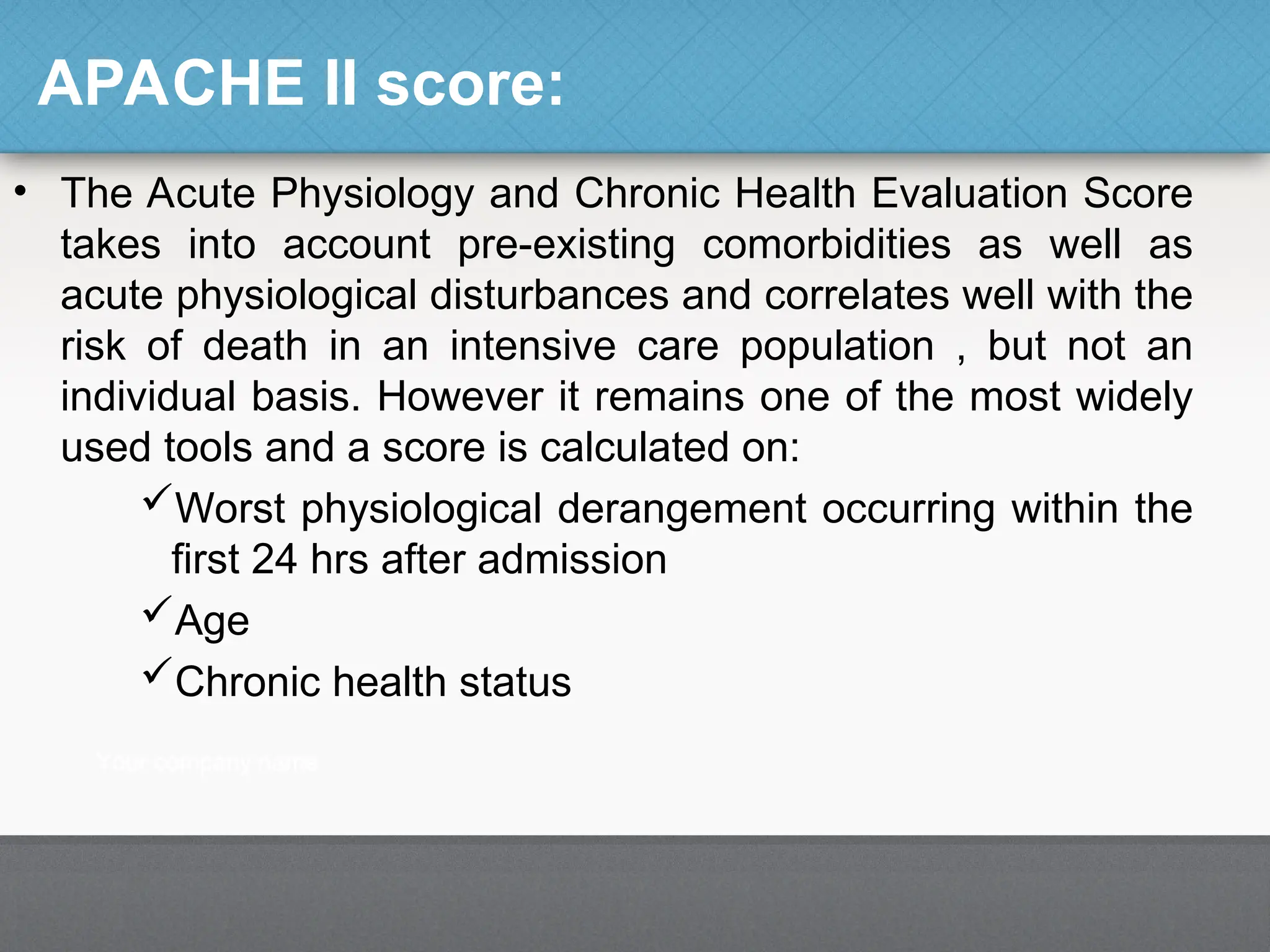
• The Acute Physiology and Chronic Health Evaluation Score
takes into account pre-existing comorbidities as well as
acute physiological disturbances and correlates well with the
risk of death in an intensive care population , but not an
individual basis. However it remains one of the most widely
used tools and a score is calculated on:
Worst physiological derangement occurring within the
first 24 hrs after admission
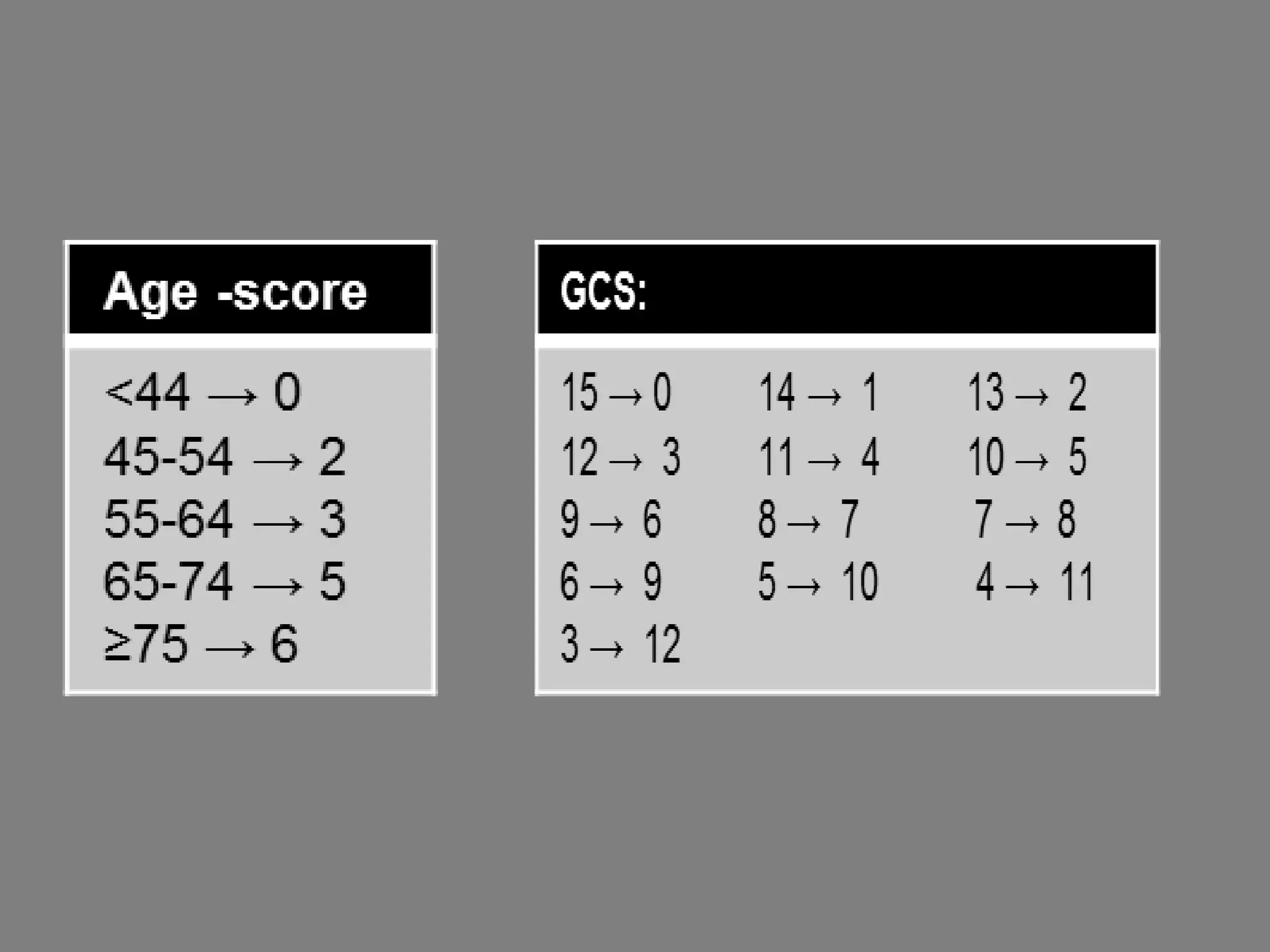
Age
Chronic health status
APACHE II score:
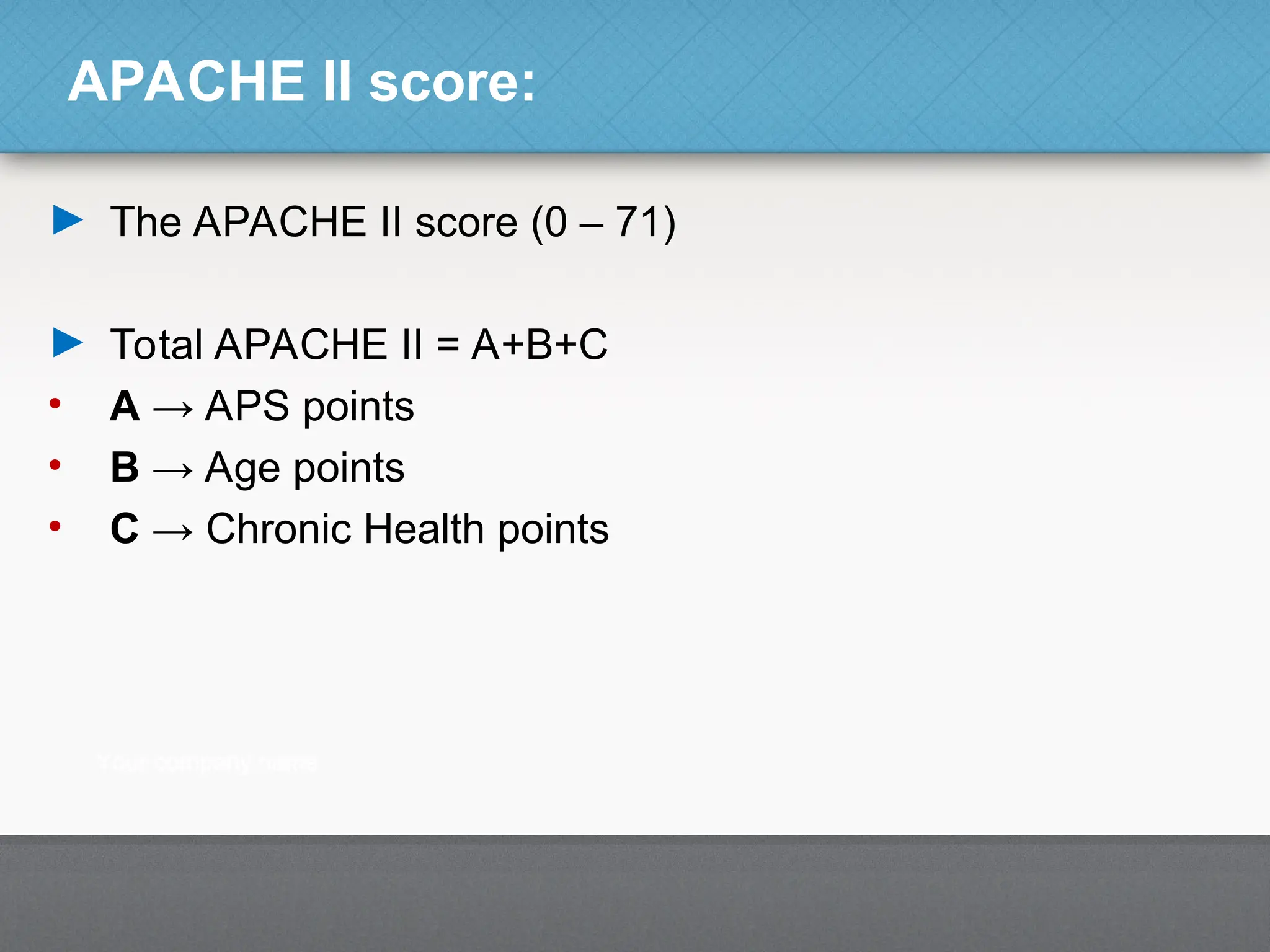
► The APACHE II score (0 – 71)
► Total APACHE II = A+B+C
• A → APS points
• B → Age points
• C → Chronic Health points
The APACHE II Score
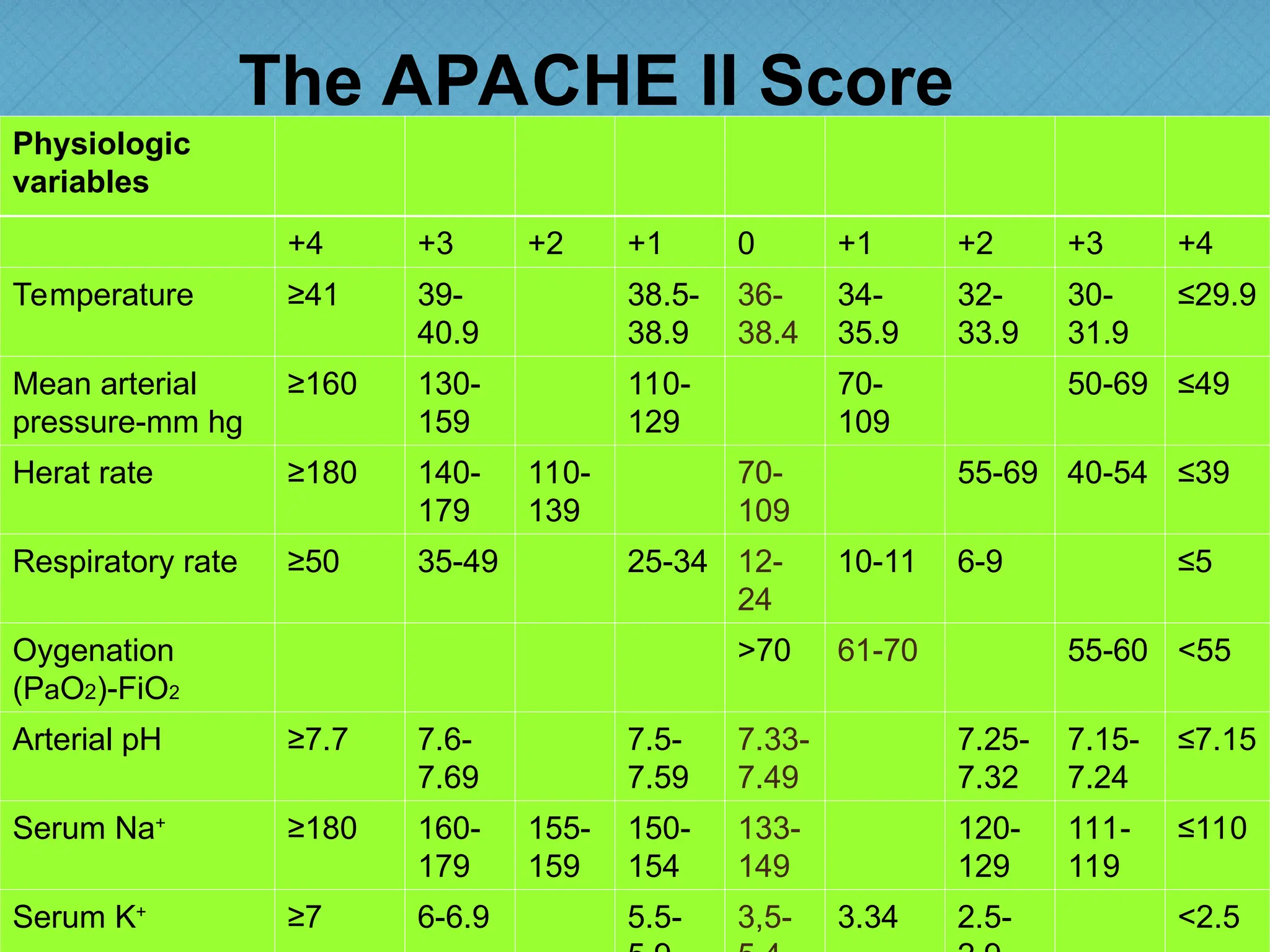
Physiologic
variables
+4 +3 +2 +1 0 +1 +2 +3 +4
Temperature ≥41 39-
40.9
38.5-
38.9
36-
38.4
34-
35.9
32-
33.9
30-
31.9
≤29.9
Mean arterial
pressure-mm hg
≥160 130-
159
110-
129
70-
109
50-69 ≤49
Herat rate ≥180 140-
179
110-
139
70-
109
55-69 40-54 ≤39
Respiratory rate ≥50 35-49 25-34 12-
24
10-11 6-9 ≤5
Oygenation
(PaO2)-FiO2
>70 61-70 55-60 <55
Arterial pH ≥7.7 7.6-
7.69
7.5-
7.59
7.33-
7.49
7.25-
7.32
7.15-
7.24
≤7.15
Serum Na+
≥180 160-
179
155-
159
150-
154
133-
149
120-
129
111-
119
≤110
Serum K+
≥7 6-6.9 5.5- 3,5- 3.34 2.5- <2.5
The APACHE II Score (contd)
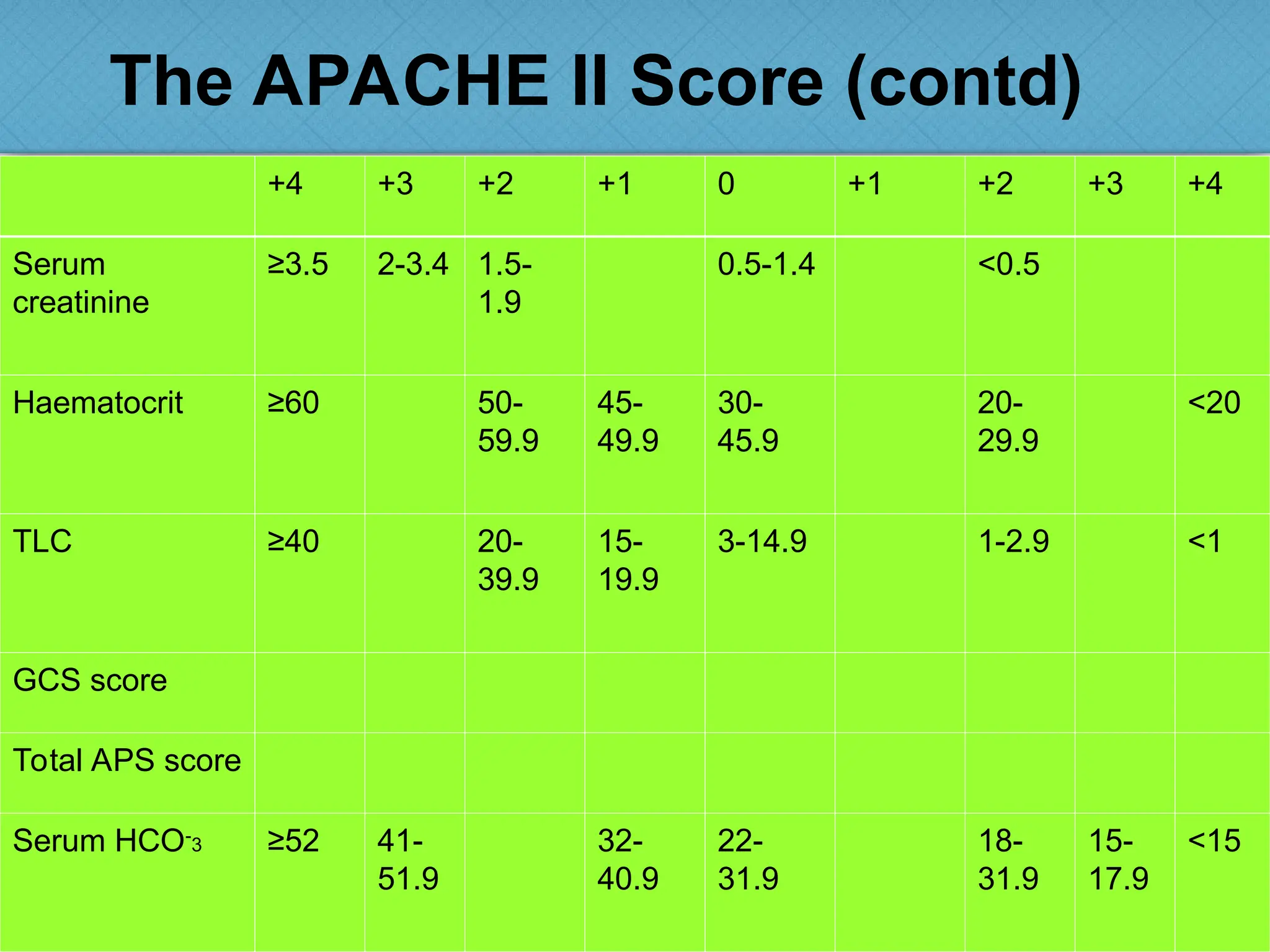
+4 +3 +2 +1 0 +1 +2 +3 +4
Serum
creatinine
≥3.5 2-3.4 1.5-
1.9
0.5-1.4 <0.5
Haematocrit ≥60 50-
59.9
45-
49.9
30-
45.9
20-
29.9
<20
TLC ≥40 20-
39.9
15-
19.9
3-14.9 1-2.9 <1
GCS score
Total APS score
Serum HCO-
3 ≥52 41-
51.9
32-
40.9
22-
31.9
18-
31.9
15-
17.9
<15
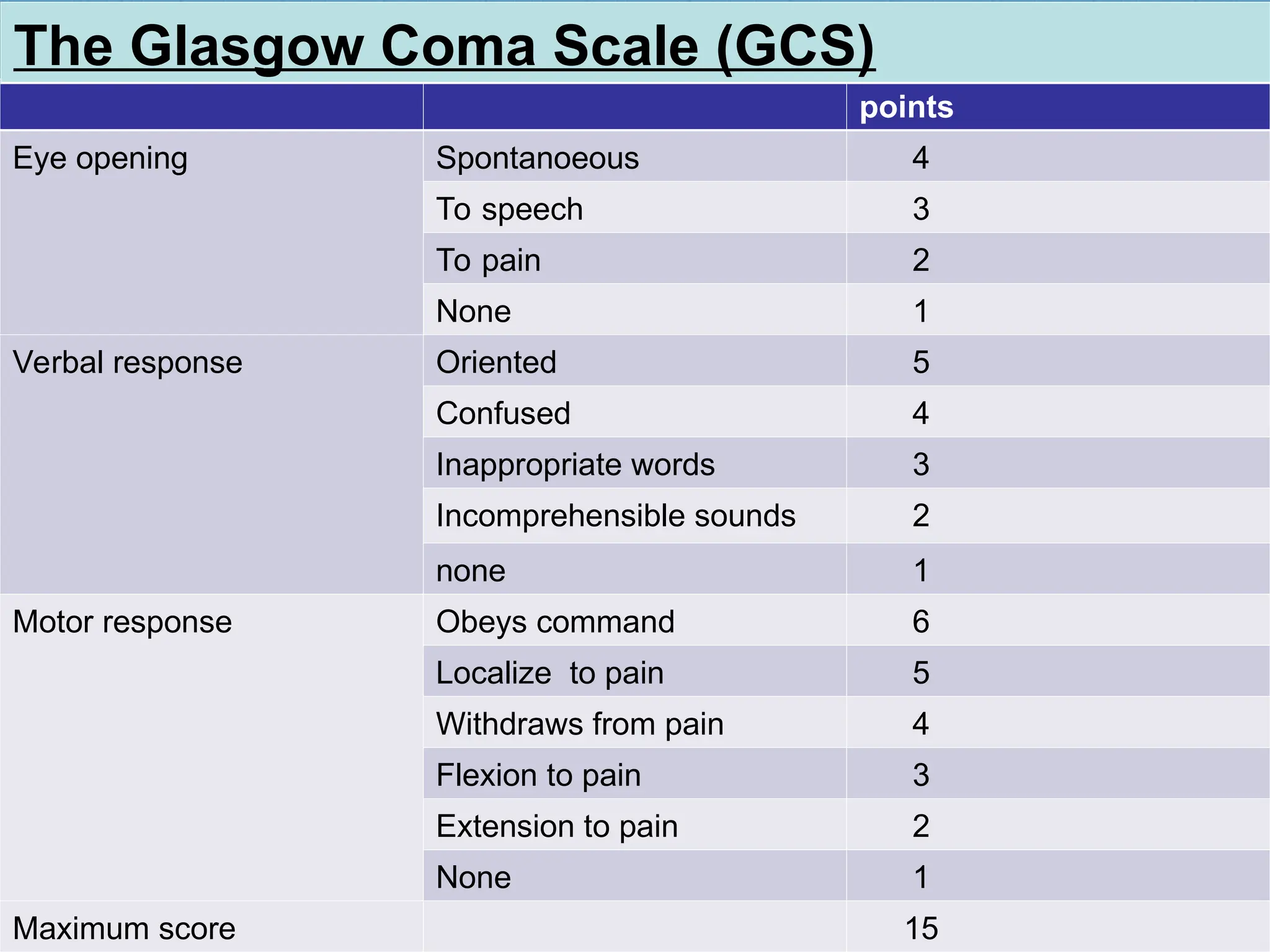
points
Eye opening Spontanoeous 4
To speech 3
To pain 2
None 1
Verbal response Oriented 5
Confused 4
Inappropriate words 3
Incomprehensible sounds 2
none 1
Motor response Obeys command 6
Localize to pain 5
Withdraws from pain 4
Flexion to pain 3
Extension to pain 2
None 1
Maximum score 15
The Glasgow Coma Scale (GCS)
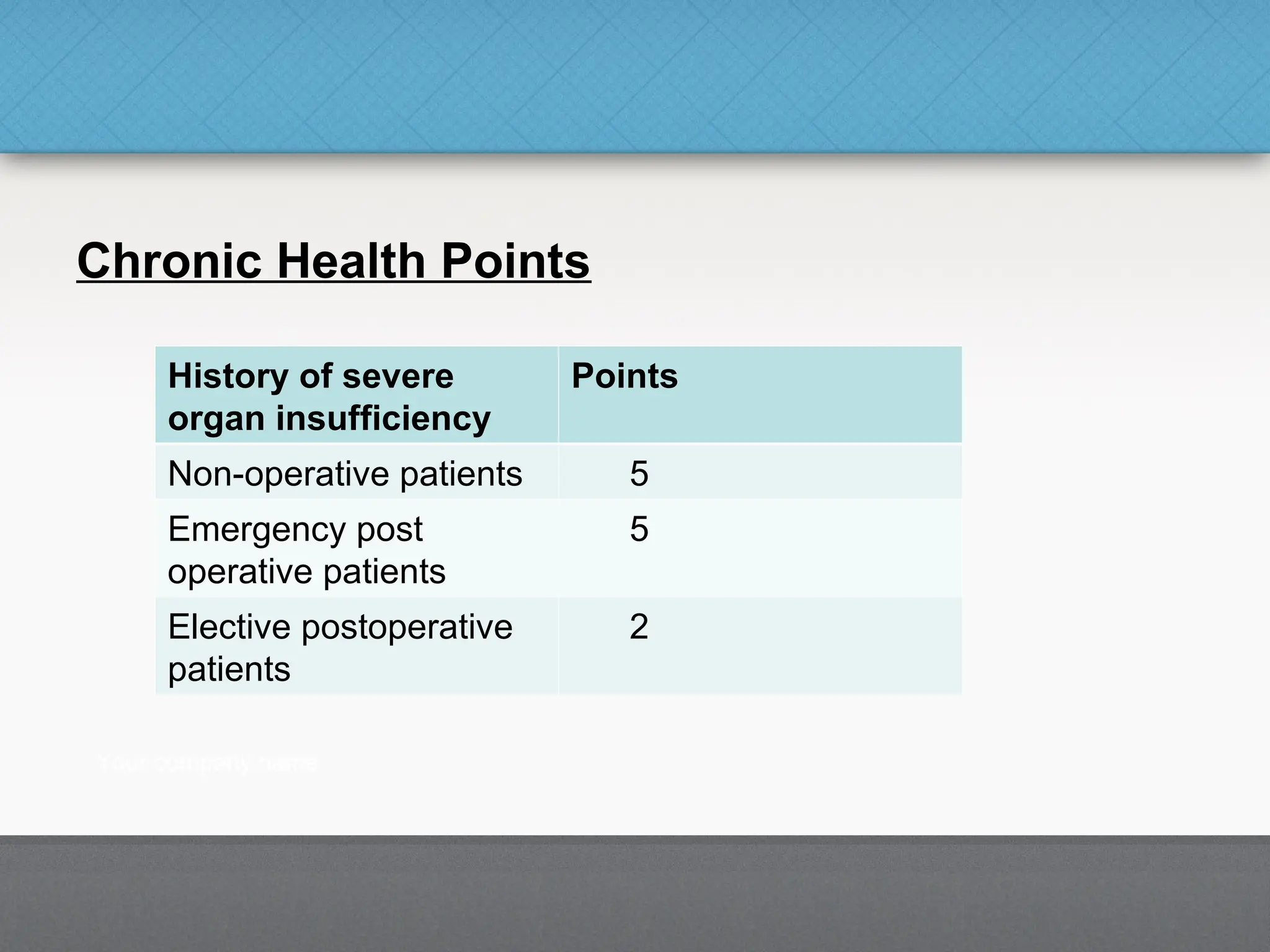
Chronic Health Points
History of severe
organ insufficiency
Points
Non-operative patients 5
Emergency post
operative patients
5
Elective postoperative
patients
2
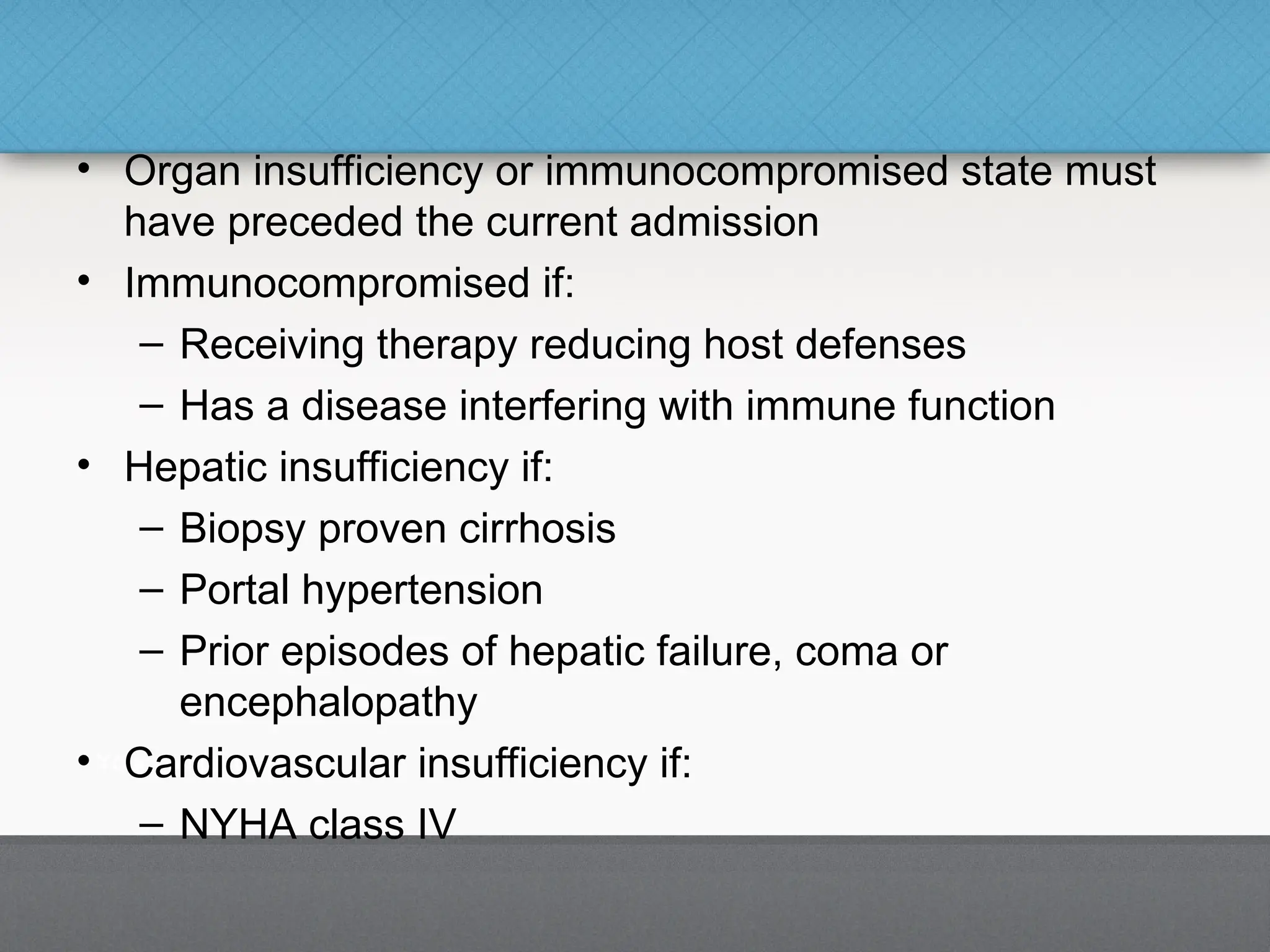
• Organ insufficiency or immunocompromised state must
have preceded the current admission
• Immunocompromised if:
– Receiving therapy reducing host defenses
– Has a disease interfering with immune function
• Hepatic insufficiency if:
– Biopsy proven cirrhosis
– Portal hypertension
– Prior episodes of hepatic failure, coma or
encephalopathy
• Cardiovascular insufficiency if:
– NYHA class IV
• Respiratory insufficiency if:
– Chronic obstructive, restrictive or vascular disease
– Documented chronic hypoxia, hypercapnia , severe
pulmonary hypertension
– Respiratory dependency
• Renal insufficiency if:
– On chronic dialysis
APACHE III score:
► APACHE III, released in 1991, was developed with the
objectives of improved statistical power, ability to predict
individual patient outcome, and identify the factors in ICU
that influence outcome variations but it is far more
complex than the 2 previous scoring systems.
► 17 physiological variables & Total score (0 – 299)
► Acid-base disturbances
► GCS score – based on the worst
► Age score
► 7 co-morbidities (cardiac, respiratory & renal failures
excluded)
APACHE IV score:
► The APACHE IV scoring system was published in 2006.
Limitations:
► Complexity – has 142 variables.
► But web-based calculations can be done.
► Developed and validated in ICUs of USA only.
Simplified Acute Physiology Score (SAPS)
► The SAPS score was first released in 1984 as an alternative
to APACHE scoring.
► The original SAPS score is obtained in the first 24 h of ICU
admission by assessment of 14 physiological variables, but
no input of pre-existing disease was included.
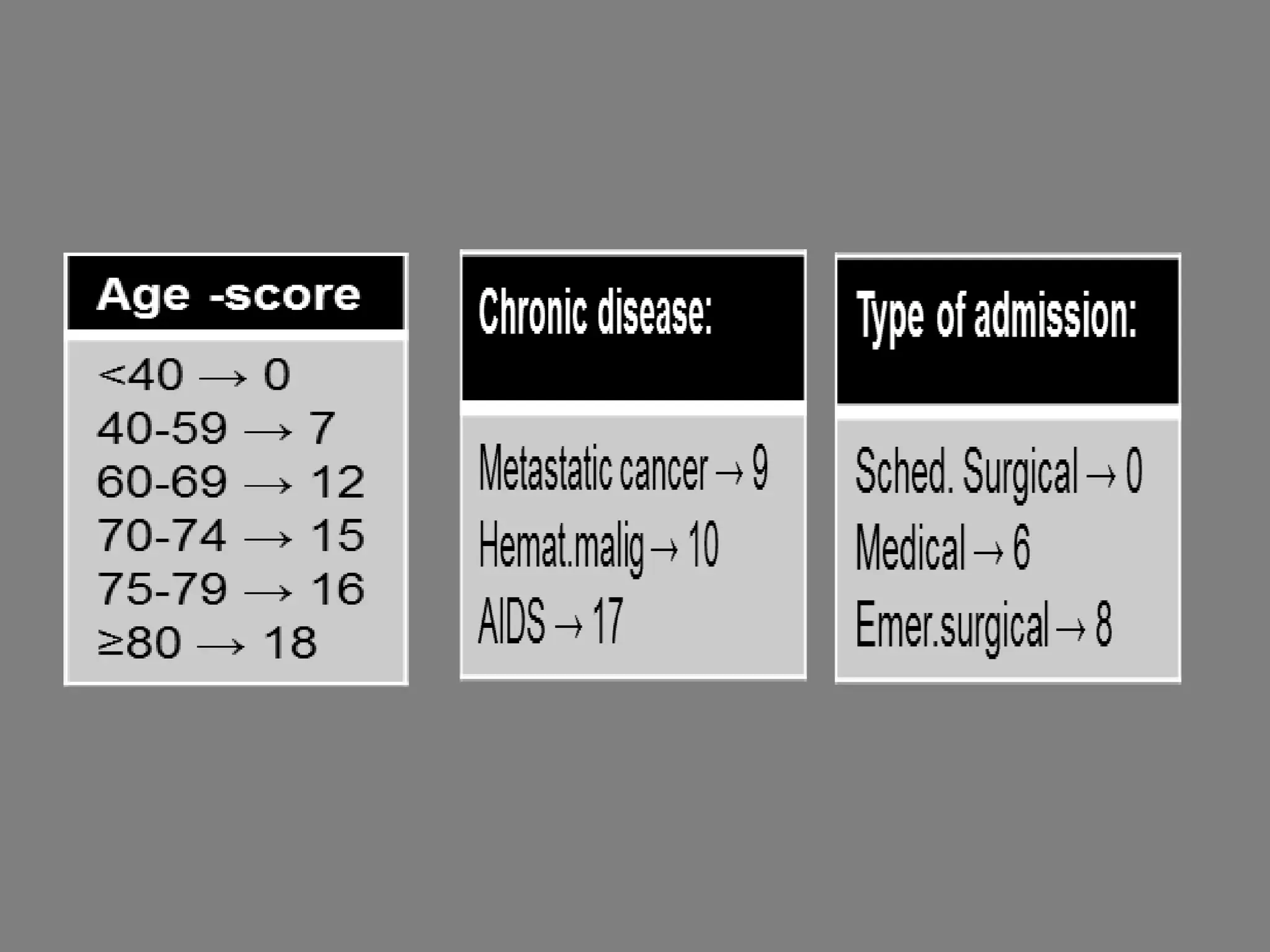
► It has been superseded by the SAPS II & SAPS III, both of
which assess the 12 physiological variables in the first 24 h
of ICU admission & include weightings for pre-admission
health status & age.
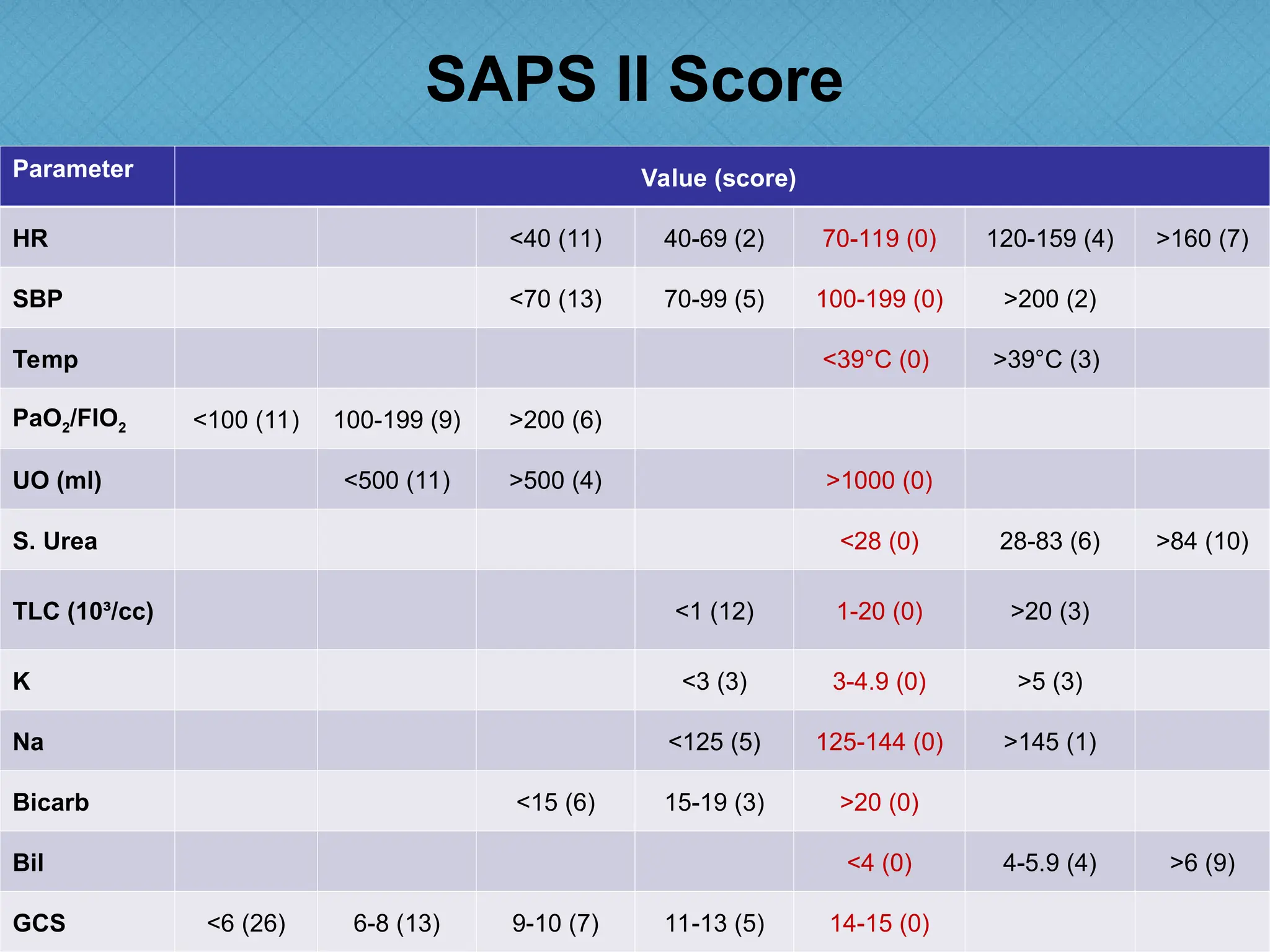
SAPS II Score
Parameter Value (score)
HR <40 (11) 40-69 (2) 70-119 (0) 120-159 (4) >160 (7)
SBP <70 (13) 70-99 (5) 100-199 (0) >200 (2)
Temp <39°C (0) >39°C (3)
PaO2/FIO2 <100 (11) 100-199 (9) >200 (6)
UO (ml) <500 (11) >500 (4) >1000 (0)
S. Urea <28 (0) 28-83 (6) >84 (10)
TLC (10³/cc) <1 (12) 1-20 (0) >20 (3)
K <3 (3) 3-4.9 (0) >5 (3)
Na <125 (5) 125-144 (0) >145 (1)
Bicarb <15 (6) 15-19 (3) >20 (0)
Bil <4 (0) 4-5.9 (4) >6 (9)
GCS <6 (26) 6-8 (13) 9-10 (7) 11-13 (5) 14-15 (0)
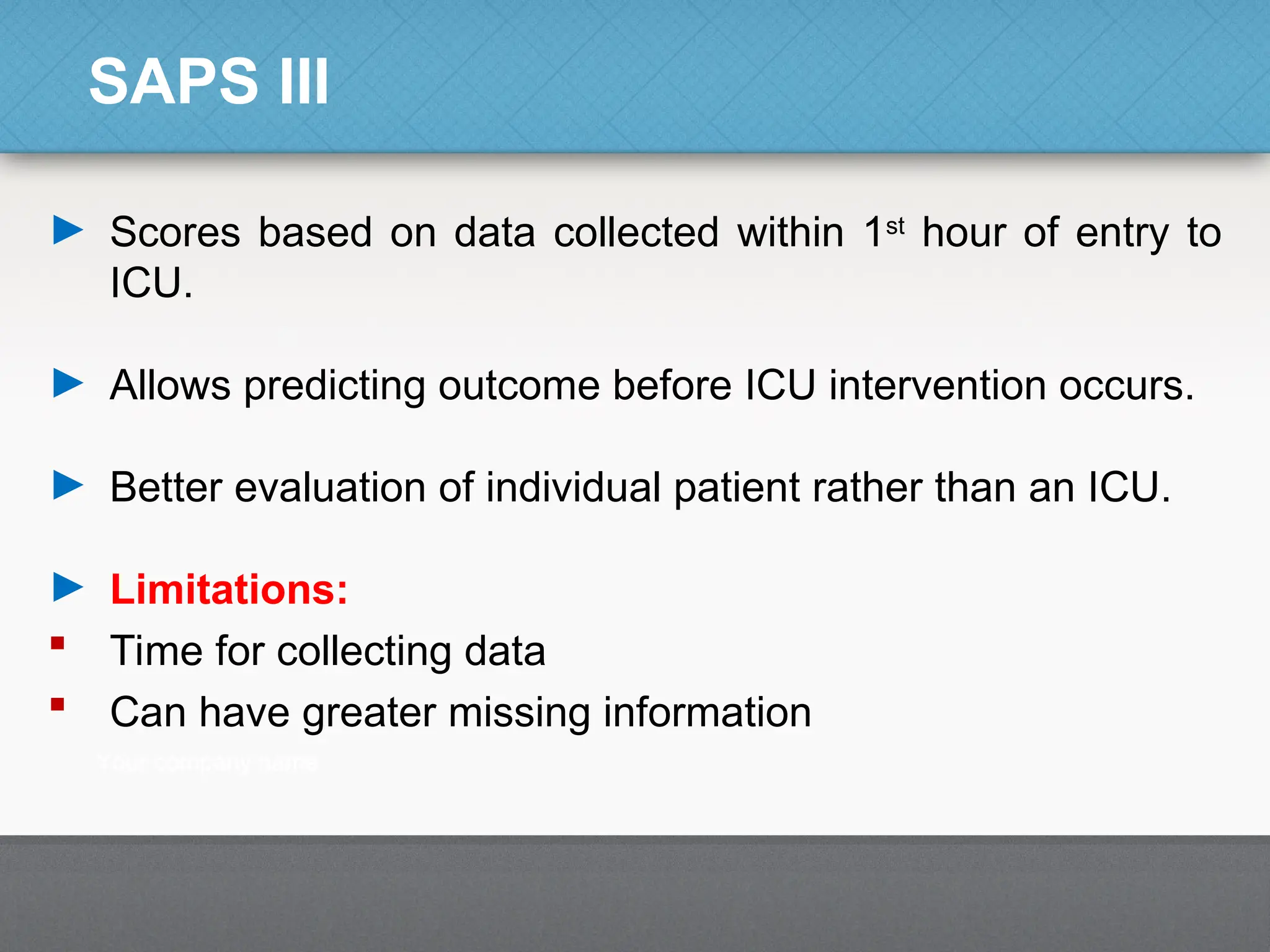
SAPS III
► Scores based on data collected within 1st
hour of entry to
ICU.
► Allows predicting outcome before ICU intervention occurs.
► Better evaluation of individual patient rather than an ICU.
► Limitations:
 Time for collecting data
 Can have greater missing information
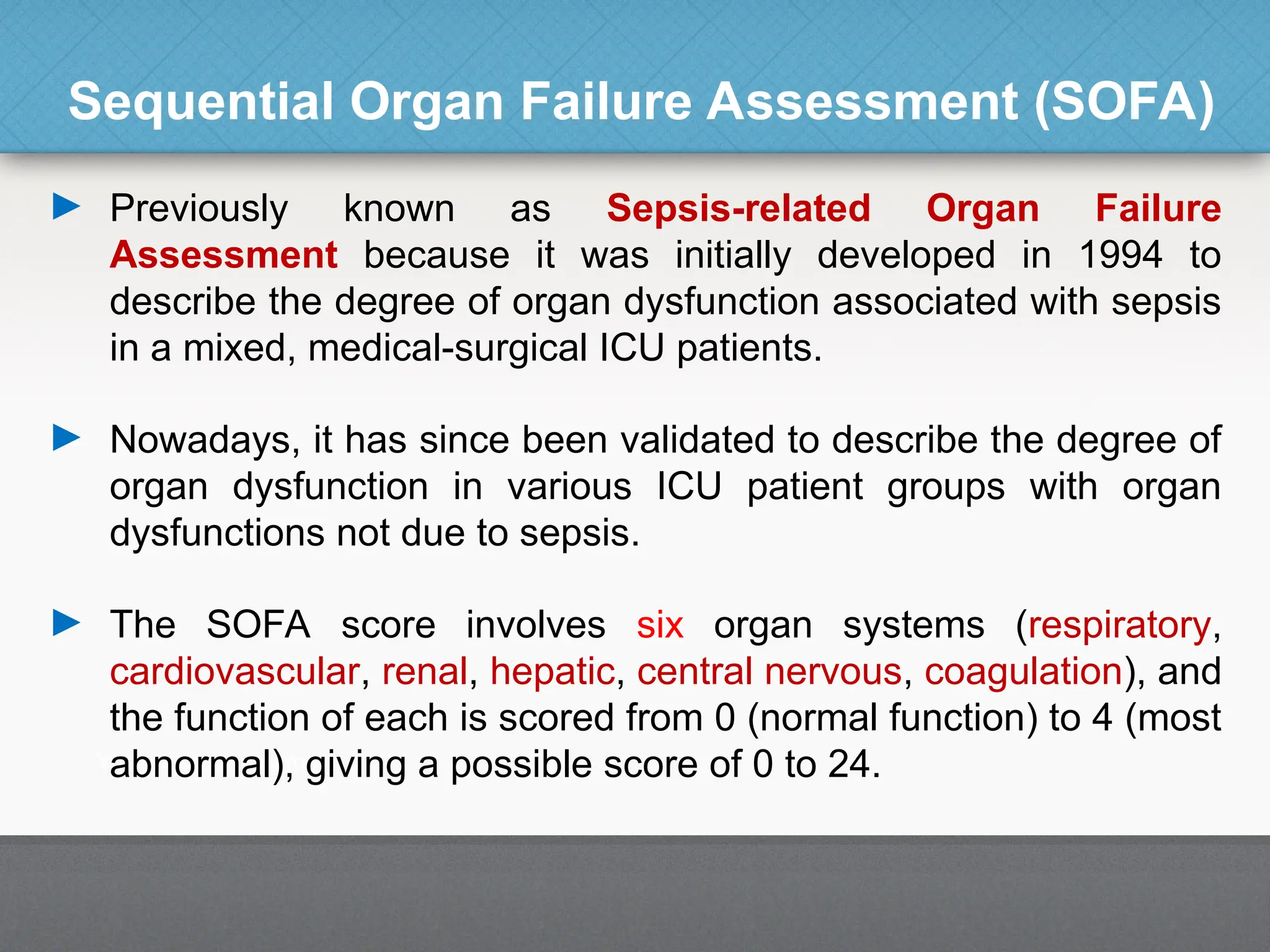
Sequential Organ Failure Assessment (SOFA)
► Previously known as Sepsis-related Organ Failure
Assessment because it was initially developed in 1994 to
describe the degree of organ dysfunction associated with sepsis
in a mixed, medical-surgical ICU patients.
► Nowadays, it has since been validated to describe the degree of
organ dysfunction in various ICU patient groups with organ
dysfunctions not due to sepsis.
► The SOFA score involves six organ systems (respiratory,
cardiovascular, renal, hepatic, central nervous, coagulation), and
the function of each is scored from 0 (normal function) to 4 (most
abnormal), giving a possible score of 0 to 24.
Sequential Organ Failure Assessment (SOFA)
► Mortality rate increases as number of organs with
dysfunction increases.
► Unlike other scores, the worst value on each day is
recorded.
► A key difference is in the cardiovascular component;
instead of the composite variable, the SOFA score uses a
treatment-related variable (dose of vasopressor agents).
Sequential Organ Failure Assessment (SOFA)
► Maximal (highest total) SOFA score: is the sum of highest
scores per individual during the entire ICU stay. A score of >15
predicted mortality of 90%.
► Mean SOFA score (ΔSOFA): is the average of all total SOFA
scores in the entire ICU stay. ΔSOFA for 1st
10 days is significantly
higher in non-survivors.
► Delta SOFA score: maximum SOFA – admission SOFA
Multiple Organ Dysfunction Score (MODS)
► The MODS scores six organ systems: respiratory (PO2/FIO2 in
arterial blood); renal (serum creatinine); hepatic (serum
bilirubin); cardiovascular (pressure-adjusted heart rate);
haematological (platelet count) & CNS (Glasgow Coma Score)
with weighted scores (0–4) awarded for increasing abnormality
of each organ systems.
► Scoring is performed on a daily basis.
► Total score ranges from 0-24.
► ΔMODS predicts mortality to a greater extent than Admission
MODS score .
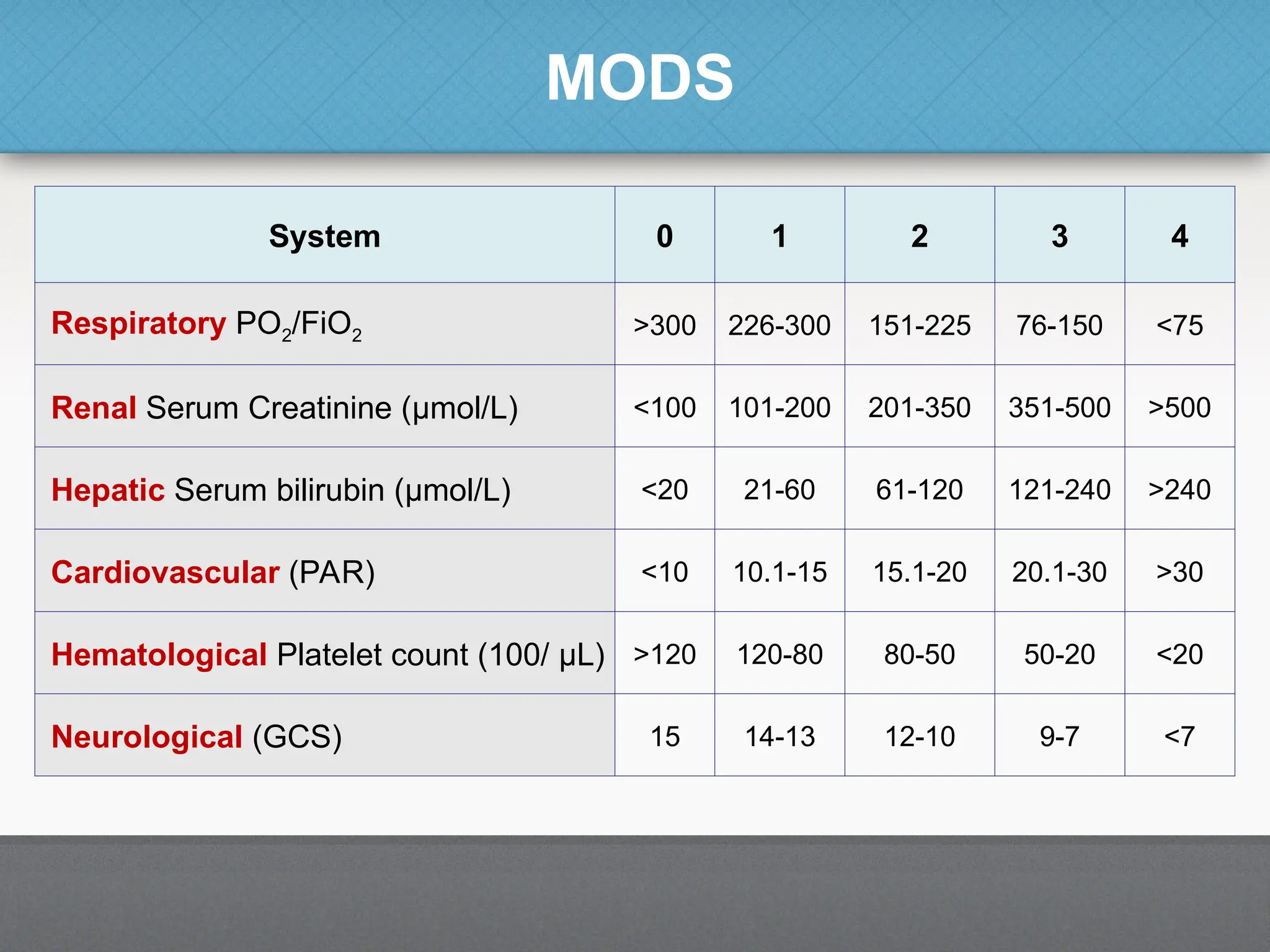
MODS
System 0 1 2 3 4
Respiratory PO2/FiO2 >300 226-300 151-225 76-150 <75
Renal Serum Creatinine (μmol/L) <100 101-200 201-350 351-500 >500
Hepatic Serum bilirubin (μmol/L) <20 21-60 61-120 121-240 >240
Cardiovascular (PAR) <10 10.1-15 15.1-20 20.1-30 >30
Hematological Platelet count (100/ μL) >120 120-80 80-50 50-20 <20
Neurological (GCS) 15 14-13 12-10 9-7 <7
MODS
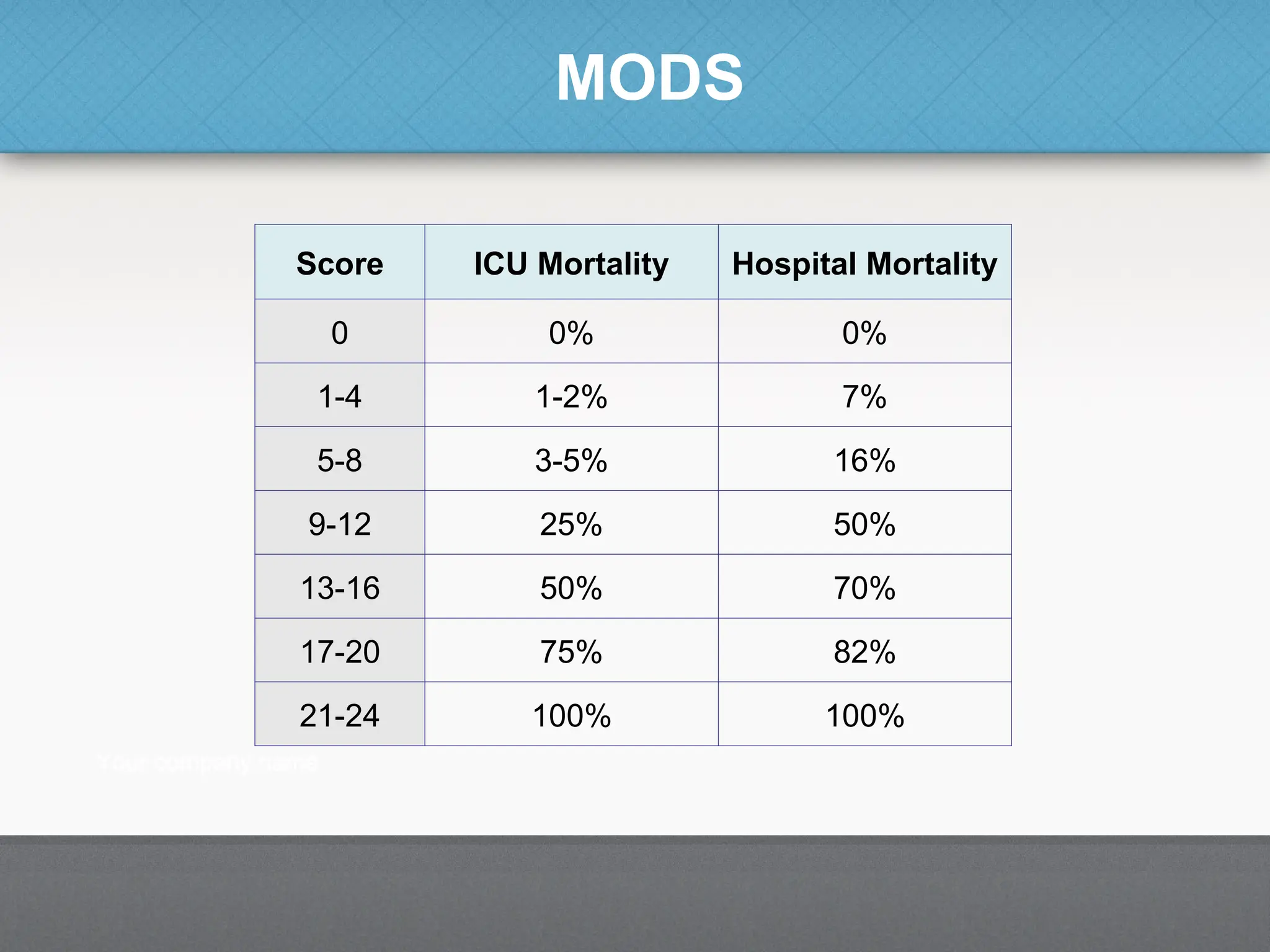
Score ICU Mortality Hospital Mortality
0 0% 0%
1-4 1-2% 7%
5-8 3-5% 16%
9-12 25% 50%
13-16 50% 70%
17-20 75% 82%
21-24 100% 100%
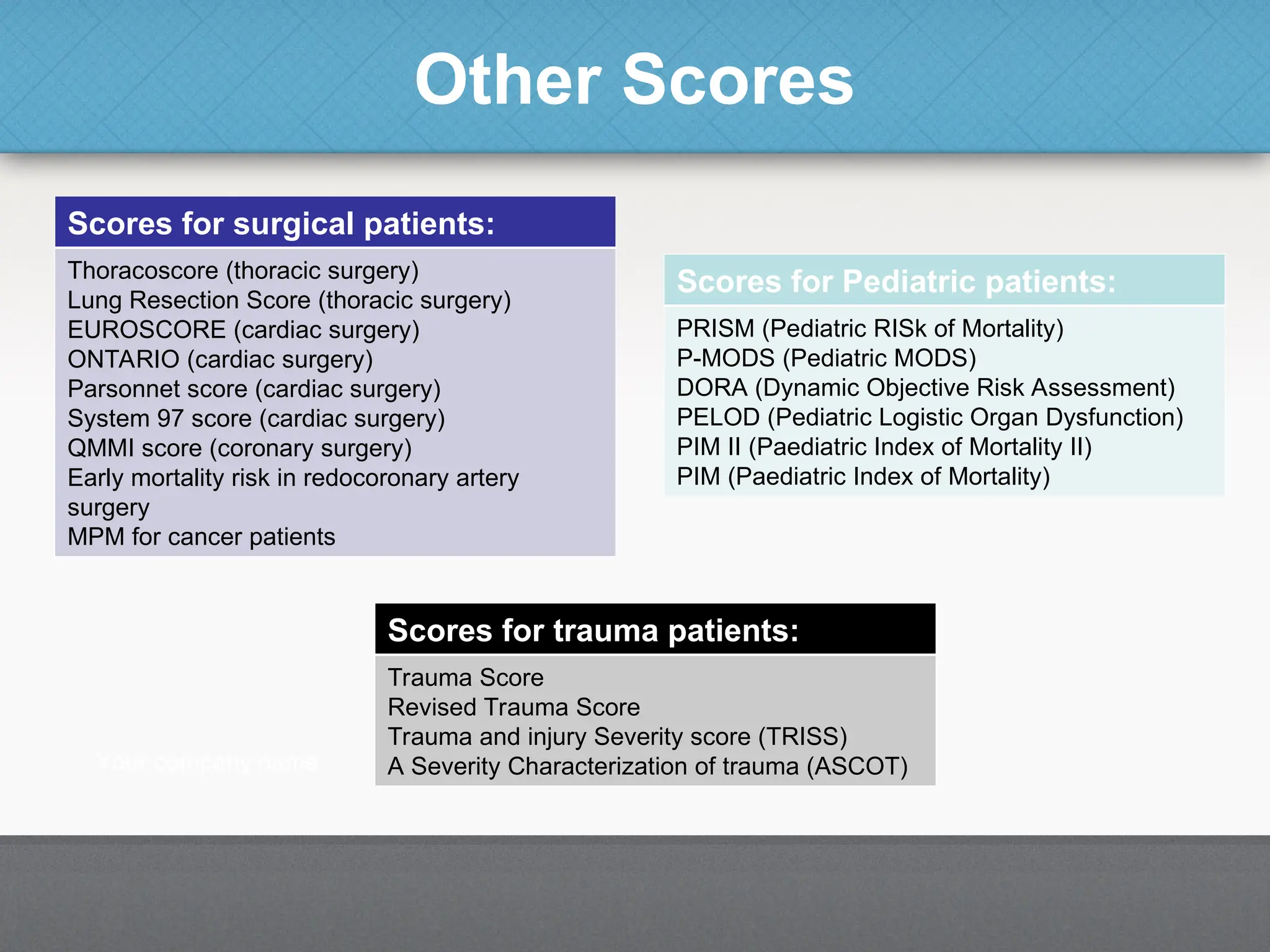
Other Scores
Scores for Pediatric patients:
PRISM (Pediatric RISk of Mortality)
P-MODS (Pediatric MODS)
DORA (Dynamic Objective Risk Assessment)
PELOD (Pediatric Logistic Organ Dysfunction)
PIM II (Paediatric Index of Mortality II)
PIM (Paediatric Index of Mortality)
Scores for surgical patients:
Thoracoscore (thoracic surgery)
Lung Resection Score (thoracic surgery)
EUROSCORE (cardiac surgery)
ONTARIO (cardiac surgery)
Parsonnet score (cardiac surgery)
System 97 score (cardiac surgery)
QMMI score (coronary surgery)
Early mortality risk in redocoronary artery
surgery
MPM for cancer patients
Scores for trauma patients:
Trauma Score
Revised Trauma Score
Trauma and injury Severity score (TRISS)
A Severity Characterization of trauma (ASCOT)
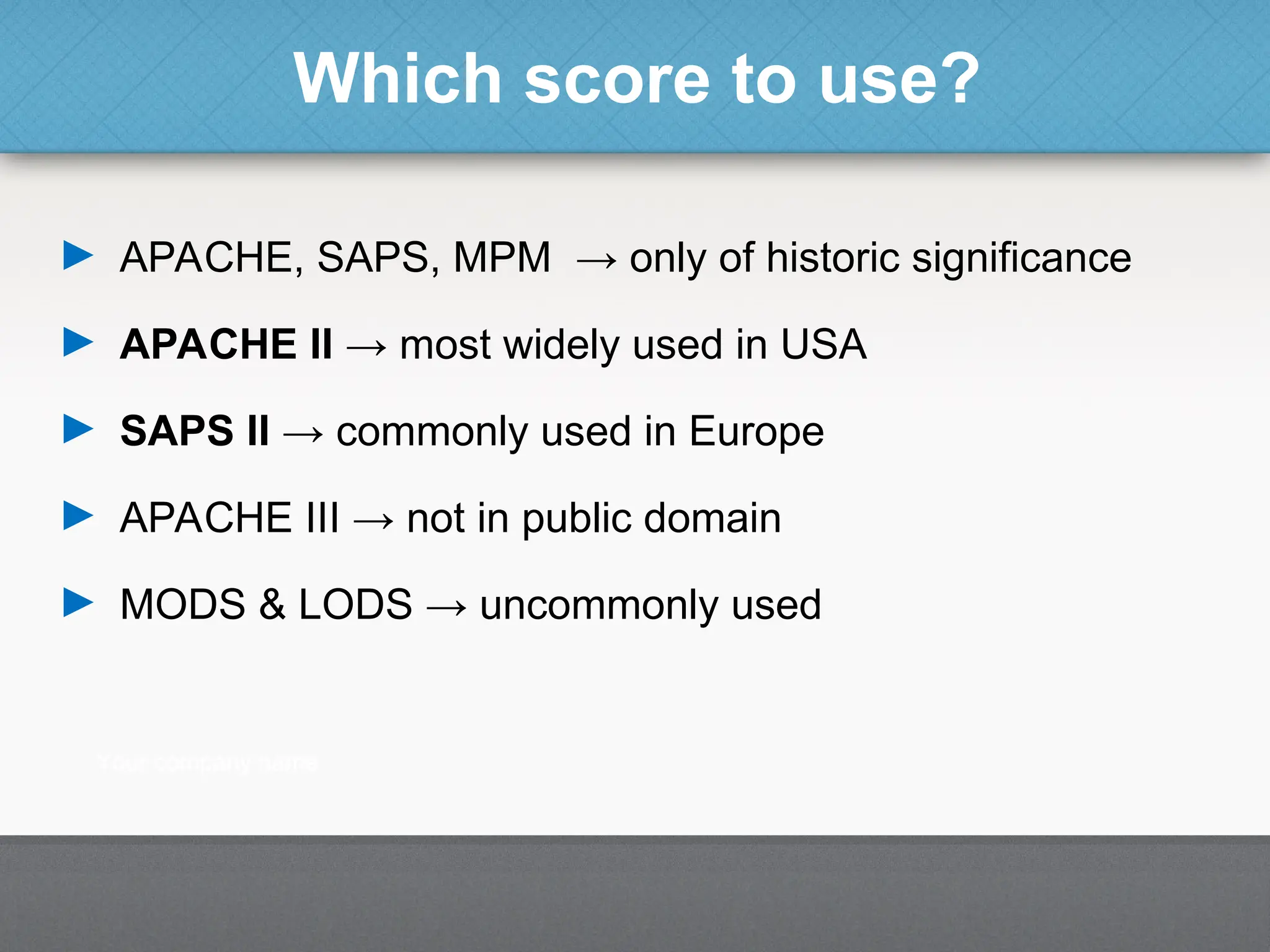
Which score to use?
► APACHE, SAPS, MPM → only of historic significance
► APACHE II → most widely used in USA
► SAPS II → commonly used in Europe
► APACHE III → not in public domain
► MODS & LODS → uncommonly used
THANK YOU
THANK YOU

At present Modern icu scoring systems-.ppt

  • 1.
  • 2.
  • 3.
    Introduction ► Severity ofillness scoring systems are developed to evaluate delivery of care & provide prediction of outcome of groups of critically ill patients who are admitted to ICUs. ► Scoring systems consists of two parts: a severity score, which is a number (generally the higher this is, the more severe the condition) & a calculated probability of mortality.
  • 4.
    Classification of ScoringSystems ► Anatomical scores: depend on the anatomical area involved. Mainly used for trauma patients [e.g. abbreviated injury score (AIS) & injury severity score (ISS)]. ► Therapeutic weighted scores: based on the assumption that very ill patients require more complex interventions & procedures than patients who are less ill e.g., the therapeutic intervention scoring system (TISS). ► Organ-specific score: similar to therapeutic scoring; the sicker a patient the more organ systems will be involved, ranging from organ dysfunction to failure [e.g. sequential organ failure assessment (SOFA)].
  • 5.
    Classification of ScoringSystems ► Physiological assessment: based on the degree of derangement of routinely measured physiological variables [e.g. acute physiology and chronic health evaluation (APACHE) & simplified acute physiology score (SAPS)]. ► Simple scales: based on clinical judgment (e.g. survive or die). ► Disease specific: [e.g. Ranson’s criteria for acute pancreatitis, subarachnoid haemorrhage assessment using the World Federation of Neurosurgeons score & liver failure assessment using Child-Pugh or model for endstage liver disease (MELD) scoring].
  • 6.
    Types of ScoringSystems First day scoring systems: ► APACHE scoring systems ► SAPS (simplified acute physiology score) ► MPM (mortality prediction model) Repetitive scoring systems: ► OSF (organ system failure) ► SOFA (sequential organ failure assessment) ► ODIN (organ dysfunction & infection system) ► MODS (multiple organs dysfunction score) ► LOD (logistic organ dysfunction)
  • 7.
    The Ideal ScoringSystem 1. On the basis of easily/routinely recordable variables 2. Well calibrated 3. A high level of discrimination 4. Applicable to all patient populations 5. Can be used in different countries 6. The ability to predict functional status or quality of life after ICU discharge. No scoring system currently incorporates all these features
  • 8.
    • Why PredictOutcome ? a. prognosis b. cost-benefit analysis c. withdrawal of treatment d. comparison between different centres e. monitoring/assessment of new therapies f. population sample comparison in studies
  • 9.
    Acute Physiology &Chronic Health Evaluation (APACHE) ► The APACHE score is the best-known & most widely used score with good calibration & discrimination. ► The original APACHE score was developed in 1981 to classify groups of patients according to severity of illness & was divided into 2 sections: physiology score to assess the degree of acute illness & preadmission evaluation to determine the chronic health status of the patient.
  • 10.
    Original APACHE score: ►34 physiologic measures (0-4)  Sum of all acute physiology scores (APS)  Worst of the initial 24 hour after ICU admission ► Chronic health  A (excellent health)  B  C  D (severe chronic organ system insufficiency)
  • 11.
    APACHE II score: ►The APACHE II scoring system was released in 1985 and included a reduction in the number of variables to 12. ► The APACHE II scoring system is measured during the first 24 h of ICU admission with a maximum score of 71. A score of 25 represents a predicted mortality of 50% and a score of over 35 represents a predicted mortality of 80%.
  • 12.
    APACHE II score: •The Acute Physiology and Chronic Health Evaluation Score takes into account pre-existing comorbidities as well as acute physiological disturbances and correlates well with the risk of death in an intensive care population , but not an individual basis. However it remains one of the most widely used tools and a score is calculated on: Worst physiological derangement occurring within the first 24 hrs after admission Age Chronic health status
  • 13.
    APACHE II score: ►The APACHE II score (0 – 71) ► Total APACHE II = A+B+C • A → APS points • B → Age points • C → Chronic Health points
  • 14.
    The APACHE IIScore Physiologic variables +4 +3 +2 +1 0 +1 +2 +3 +4 Temperature ≥41 39- 40.9 38.5- 38.9 36- 38.4 34- 35.9 32- 33.9 30- 31.9 ≤29.9 Mean arterial pressure-mm hg ≥160 130- 159 110- 129 70- 109 50-69 ≤49 Herat rate ≥180 140- 179 110- 139 70- 109 55-69 40-54 ≤39 Respiratory rate ≥50 35-49 25-34 12- 24 10-11 6-9 ≤5 Oygenation (PaO2)-FiO2 >70 61-70 55-60 <55 Arterial pH ≥7.7 7.6- 7.69 7.5- 7.59 7.33- 7.49 7.25- 7.32 7.15- 7.24 ≤7.15 Serum Na+ ≥180 160- 179 155- 159 150- 154 133- 149 120- 129 111- 119 ≤110 Serum K+ ≥7 6-6.9 5.5- 3,5- 3.34 2.5- <2.5
  • 15.
    The APACHE IIScore (contd) +4 +3 +2 +1 0 +1 +2 +3 +4 Serum creatinine ≥3.5 2-3.4 1.5- 1.9 0.5-1.4 <0.5 Haematocrit ≥60 50- 59.9 45- 49.9 30- 45.9 20- 29.9 <20 TLC ≥40 20- 39.9 15- 19.9 3-14.9 1-2.9 <1 GCS score Total APS score Serum HCO- 3 ≥52 41- 51.9 32- 40.9 22- 31.9 18- 31.9 15- 17.9 <15
  • 17.
    points Eye opening Spontanoeous4 To speech 3 To pain 2 None 1 Verbal response Oriented 5 Confused 4 Inappropriate words 3 Incomprehensible sounds 2 none 1 Motor response Obeys command 6 Localize to pain 5 Withdraws from pain 4 Flexion to pain 3 Extension to pain 2 None 1 Maximum score 15 The Glasgow Coma Scale (GCS)
  • 18.
    Chronic Health Points Historyof severe organ insufficiency Points Non-operative patients 5 Emergency post operative patients 5 Elective postoperative patients 2
  • 19.
    • Organ insufficiencyor immunocompromised state must have preceded the current admission • Immunocompromised if: – Receiving therapy reducing host defenses – Has a disease interfering with immune function • Hepatic insufficiency if: – Biopsy proven cirrhosis – Portal hypertension – Prior episodes of hepatic failure, coma or encephalopathy • Cardiovascular insufficiency if: – NYHA class IV
  • 20.
    • Respiratory insufficiencyif: – Chronic obstructive, restrictive or vascular disease – Documented chronic hypoxia, hypercapnia , severe pulmonary hypertension – Respiratory dependency • Renal insufficiency if: – On chronic dialysis
  • 21.
    APACHE III score: ►APACHE III, released in 1991, was developed with the objectives of improved statistical power, ability to predict individual patient outcome, and identify the factors in ICU that influence outcome variations but it is far more complex than the 2 previous scoring systems. ► 17 physiological variables & Total score (0 – 299) ► Acid-base disturbances ► GCS score – based on the worst ► Age score ► 7 co-morbidities (cardiac, respiratory & renal failures excluded)
  • 22.
    APACHE IV score: ►The APACHE IV scoring system was published in 2006. Limitations: ► Complexity – has 142 variables. ► But web-based calculations can be done. ► Developed and validated in ICUs of USA only.
  • 23.
    Simplified Acute PhysiologyScore (SAPS) ► The SAPS score was first released in 1984 as an alternative to APACHE scoring. ► The original SAPS score is obtained in the first 24 h of ICU admission by assessment of 14 physiological variables, but no input of pre-existing disease was included. ► It has been superseded by the SAPS II & SAPS III, both of which assess the 12 physiological variables in the first 24 h of ICU admission & include weightings for pre-admission health status & age.
  • 24.
    SAPS II Score ParameterValue (score) HR <40 (11) 40-69 (2) 70-119 (0) 120-159 (4) >160 (7) SBP <70 (13) 70-99 (5) 100-199 (0) >200 (2) Temp <39°C (0) >39°C (3) PaO2/FIO2 <100 (11) 100-199 (9) >200 (6) UO (ml) <500 (11) >500 (4) >1000 (0) S. Urea <28 (0) 28-83 (6) >84 (10) TLC (10³/cc) <1 (12) 1-20 (0) >20 (3) K <3 (3) 3-4.9 (0) >5 (3) Na <125 (5) 125-144 (0) >145 (1) Bicarb <15 (6) 15-19 (3) >20 (0) Bil <4 (0) 4-5.9 (4) >6 (9) GCS <6 (26) 6-8 (13) 9-10 (7) 11-13 (5) 14-15 (0)
  • 26.
    SAPS III ► Scoresbased on data collected within 1st hour of entry to ICU. ► Allows predicting outcome before ICU intervention occurs. ► Better evaluation of individual patient rather than an ICU. ► Limitations:  Time for collecting data  Can have greater missing information
  • 27.
    Sequential Organ FailureAssessment (SOFA) ► Previously known as Sepsis-related Organ Failure Assessment because it was initially developed in 1994 to describe the degree of organ dysfunction associated with sepsis in a mixed, medical-surgical ICU patients. ► Nowadays, it has since been validated to describe the degree of organ dysfunction in various ICU patient groups with organ dysfunctions not due to sepsis. ► The SOFA score involves six organ systems (respiratory, cardiovascular, renal, hepatic, central nervous, coagulation), and the function of each is scored from 0 (normal function) to 4 (most abnormal), giving a possible score of 0 to 24.
  • 28.
    Sequential Organ FailureAssessment (SOFA) ► Mortality rate increases as number of organs with dysfunction increases. ► Unlike other scores, the worst value on each day is recorded. ► A key difference is in the cardiovascular component; instead of the composite variable, the SOFA score uses a treatment-related variable (dose of vasopressor agents).
  • 29.
    Sequential Organ FailureAssessment (SOFA) ► Maximal (highest total) SOFA score: is the sum of highest scores per individual during the entire ICU stay. A score of >15 predicted mortality of 90%. ► Mean SOFA score (ΔSOFA): is the average of all total SOFA scores in the entire ICU stay. ΔSOFA for 1st 10 days is significantly higher in non-survivors. ► Delta SOFA score: maximum SOFA – admission SOFA
  • 30.
    Multiple Organ DysfunctionScore (MODS) ► The MODS scores six organ systems: respiratory (PO2/FIO2 in arterial blood); renal (serum creatinine); hepatic (serum bilirubin); cardiovascular (pressure-adjusted heart rate); haematological (platelet count) & CNS (Glasgow Coma Score) with weighted scores (0–4) awarded for increasing abnormality of each organ systems. ► Scoring is performed on a daily basis. ► Total score ranges from 0-24. ► ΔMODS predicts mortality to a greater extent than Admission MODS score .
  • 31.
    MODS System 0 12 3 4 Respiratory PO2/FiO2 >300 226-300 151-225 76-150 <75 Renal Serum Creatinine (μmol/L) <100 101-200 201-350 351-500 >500 Hepatic Serum bilirubin (μmol/L) <20 21-60 61-120 121-240 >240 Cardiovascular (PAR) <10 10.1-15 15.1-20 20.1-30 >30 Hematological Platelet count (100/ μL) >120 120-80 80-50 50-20 <20 Neurological (GCS) 15 14-13 12-10 9-7 <7
  • 32.
    MODS Score ICU MortalityHospital Mortality 0 0% 0% 1-4 1-2% 7% 5-8 3-5% 16% 9-12 25% 50% 13-16 50% 70% 17-20 75% 82% 21-24 100% 100%
  • 33.
    Other Scores Scores forPediatric patients: PRISM (Pediatric RISk of Mortality) P-MODS (Pediatric MODS) DORA (Dynamic Objective Risk Assessment) PELOD (Pediatric Logistic Organ Dysfunction) PIM II (Paediatric Index of Mortality II) PIM (Paediatric Index of Mortality) Scores for surgical patients: Thoracoscore (thoracic surgery) Lung Resection Score (thoracic surgery) EUROSCORE (cardiac surgery) ONTARIO (cardiac surgery) Parsonnet score (cardiac surgery) System 97 score (cardiac surgery) QMMI score (coronary surgery) Early mortality risk in redocoronary artery surgery MPM for cancer patients Scores for trauma patients: Trauma Score Revised Trauma Score Trauma and injury Severity score (TRISS) A Severity Characterization of trauma (ASCOT)
  • 34.
    Which score touse? ► APACHE, SAPS, MPM → only of historic significance ► APACHE II → most widely used in USA ► SAPS II → commonly used in Europe ► APACHE III → not in public domain ► MODS & LODS → uncommonly used
  • 36.

Editor's Notes

  • #7 Calibration: assesses the degree of correspondence between the estimated probability of mortality and that actually observed. Calibration is considered to be good if the predicted mortality is close to the observed mortality Discrimination: means the ability of the scoring model to discriminate between patients who die from those who survive, based on the predicted mortalities especially using a ROC curve, an AUC is required to be > 0.70 Area under ROC: 0.5 –chance performance 1 perfect prediction 0.8 accepted cut-off
  • #31 Cardiovascular pressure adjusted heart rate (PAR) = ( HR*CVP) /MAP