Sampling Intensity
and
Minimum Detectable Differences
Soils in a loblolly pine
plantation in the Piedmont
Mobley, Yang, Yanai, Bacon,
Nelson, Richter
SSSAJ in review
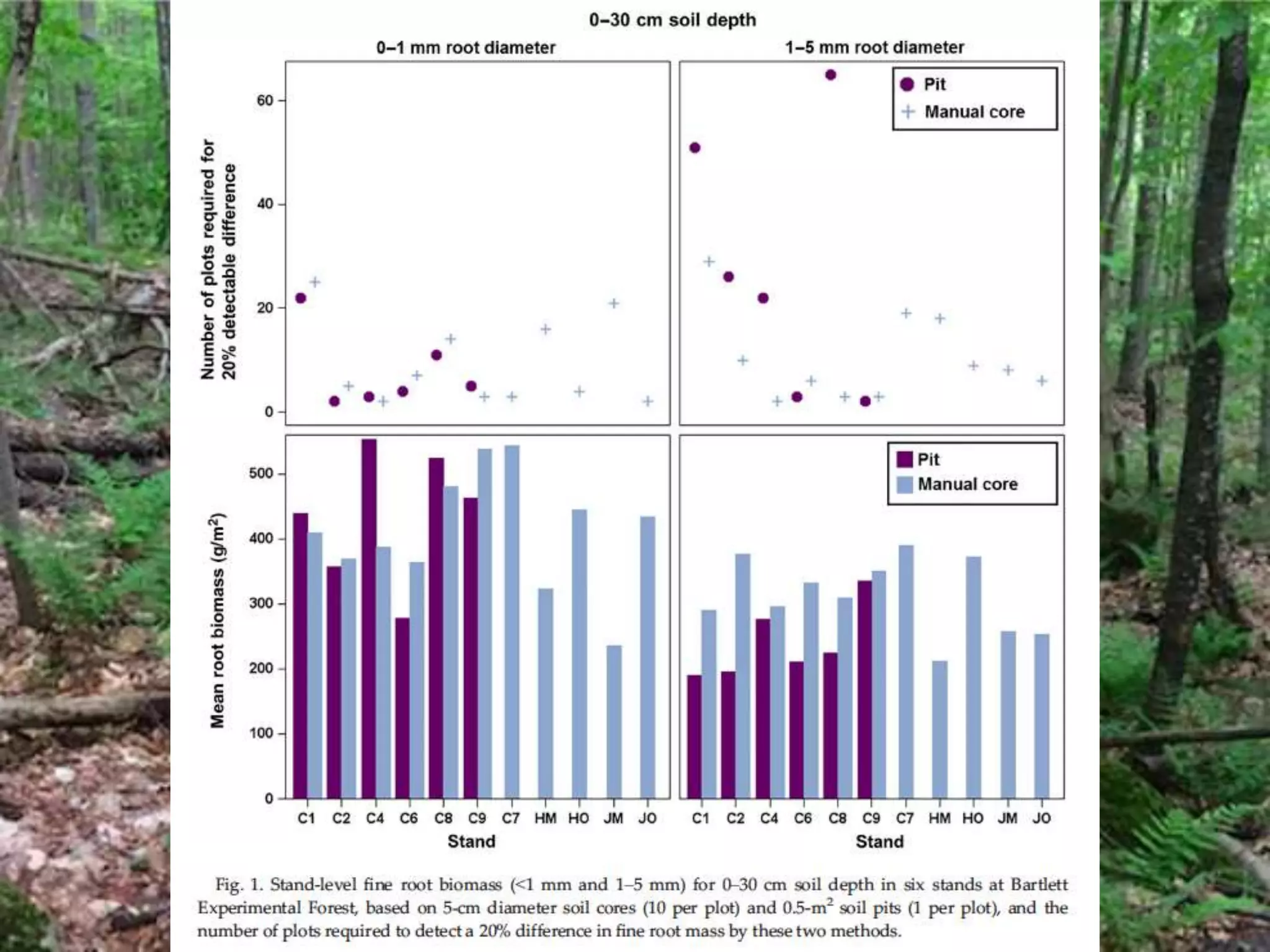
Roots in rocky soils in the
White Mountains
Fahey, Yanai, Gonzales,
Lombardi
Ecosphere 2017
Quantitative Soil Pits Manual Cores
Power Cores
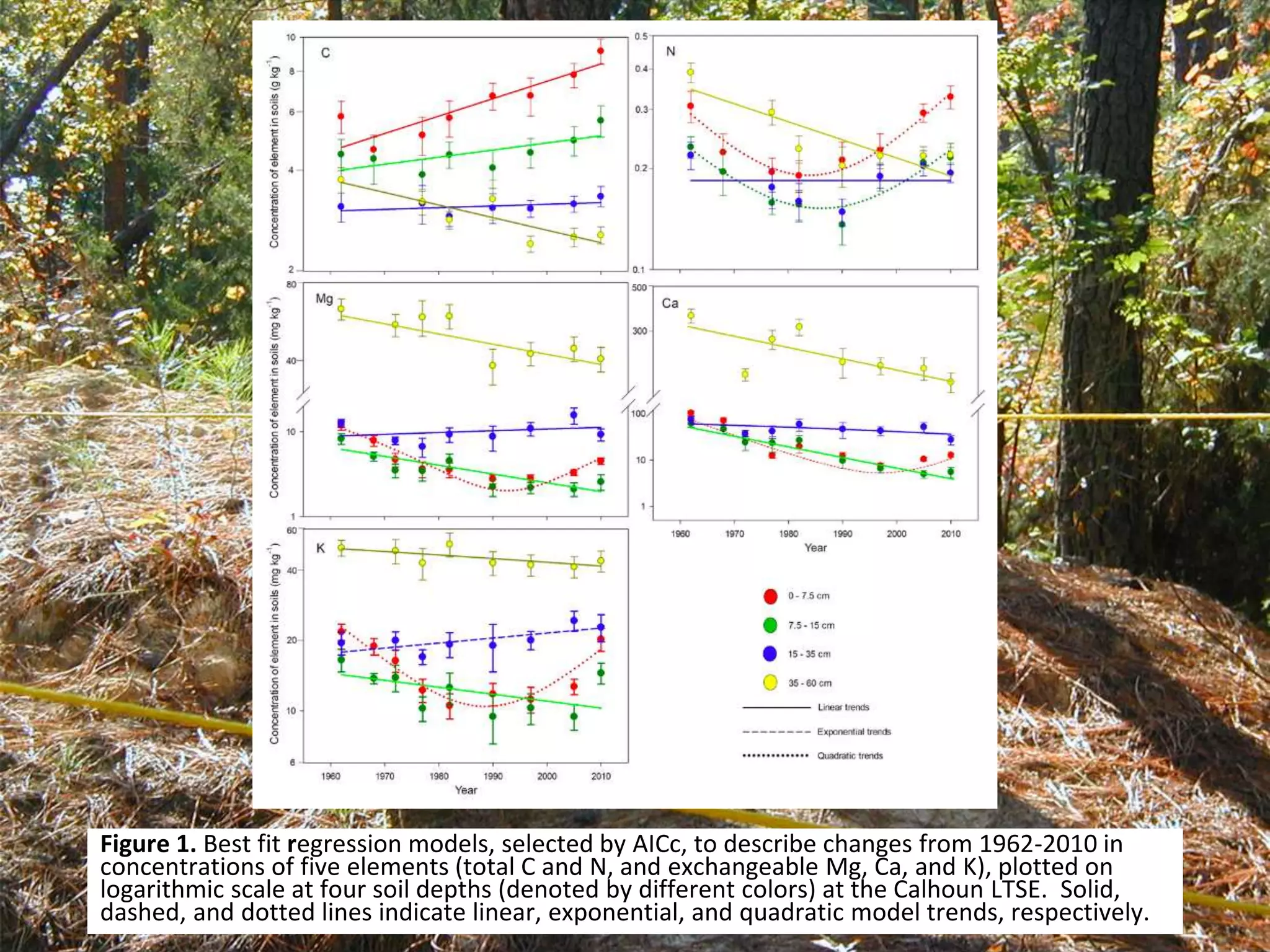
Figure 1. Best fit regression models, selected by AICc, to describe changes from 1962-2010 in
concentrations of five elements (total C and N, and exchangeable Mg, Ca, and K), plotted on
logarithmic scale at four soil depths (denoted by different colors) at the Calhoun LTSE. Solid,
dashed, and dotted lines indicate linear, exponential, and quadratic model trends, respectively.
Table 1. Model types, actual rates of change, and minimum rates of
detectable change, for five elements at two soil depths at the Calhoun LTSE.
Values in bold indicate that the actual change exceeded the MDC.
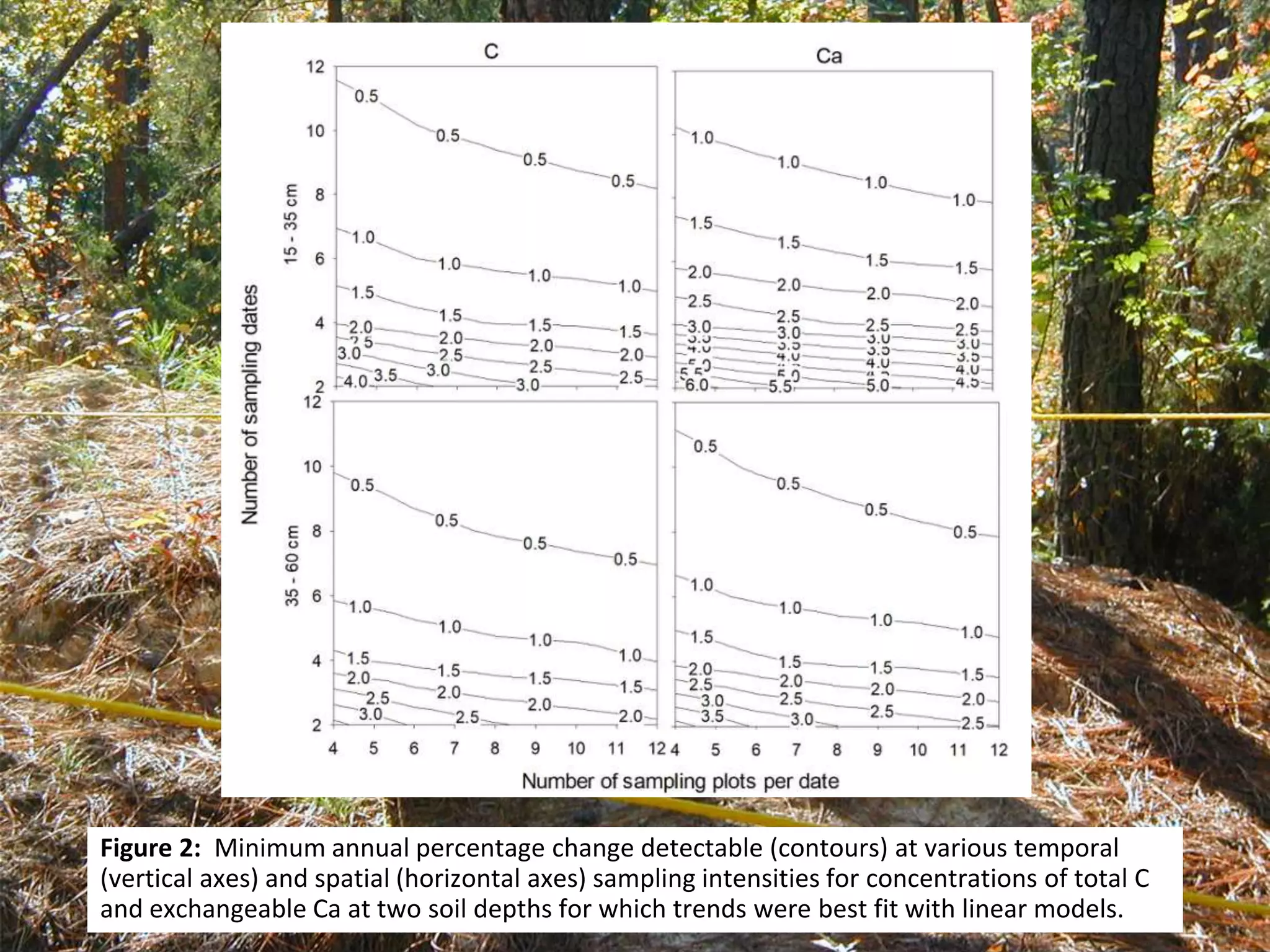
Figure 2: Minimum annual percentage change detectable (contours) at various temporal
(vertical axes) and spatial (horizontal axes) sampling intensities for concentrations of total C
and exchangeable Ca at two soil depths for which trends were best fit with linear models.
Yang, Y., C.R. See, R.D. Yanai and M.A. Arthur. 2017. Sampling effort and uncertainty in litterfall mass and
nutrient flux in northern hardwoods. Ecosphere, 8(11):e01999. DOI: 10.1002/ecs2.1999
Advice for Monitoring Designs
Quantify the relationship between sampling
intensity and minimum detectable differences to
aid in making decisions about monitoring designs.
Consider the number of sites (plots, replicates)
and sampling intensity within them.
Consider costs of both sample collection and
analysis.
Recommended sampling intensity may differ for
multiple variables measured.

Asm2018 5 yanai

  • 1.
    Sampling Intensity and Minimum DetectableDifferences Soils in a loblolly pine plantation in the Piedmont Mobley, Yang, Yanai, Bacon, Nelson, Richter SSSAJ in review Roots in rocky soils in the White Mountains Fahey, Yanai, Gonzales, Lombardi Ecosphere 2017
  • 2.
    Quantitative Soil PitsManual Cores Power Cores
  • 5.
    Figure 1. Bestfit regression models, selected by AICc, to describe changes from 1962-2010 in concentrations of five elements (total C and N, and exchangeable Mg, Ca, and K), plotted on logarithmic scale at four soil depths (denoted by different colors) at the Calhoun LTSE. Solid, dashed, and dotted lines indicate linear, exponential, and quadratic model trends, respectively.
  • 7.
    Table 1. Modeltypes, actual rates of change, and minimum rates of detectable change, for five elements at two soil depths at the Calhoun LTSE. Values in bold indicate that the actual change exceeded the MDC.
  • 8.
    Figure 2: Minimumannual percentage change detectable (contours) at various temporal (vertical axes) and spatial (horizontal axes) sampling intensities for concentrations of total C and exchangeable Ca at two soil depths for which trends were best fit with linear models.
  • 9.
    Yang, Y., C.R.See, R.D. Yanai and M.A. Arthur. 2017. Sampling effort and uncertainty in litterfall mass and nutrient flux in northern hardwoods. Ecosphere, 8(11):e01999. DOI: 10.1002/ecs2.1999
  • 10.
    Advice for MonitoringDesigns Quantify the relationship between sampling intensity and minimum detectable differences to aid in making decisions about monitoring designs. Consider the number of sites (plots, replicates) and sampling intensity within them. Consider costs of both sample collection and analysis. Recommended sampling intensity may differ for multiple variables measured.