83
łňłŊňŎŃŐŁŔňŁ
ŁšŞ—řŧŤ, Ō. (2000).ĻŭţűŪş šŧş ŰťŪ Šŝş ŨşŰŚ ŰŵŪ šűŪşŧŨźŪ ůŰťŪ ŅũũŚŢş. ŁťśũŞ: ʼnńŇň
American Psychological Association. (1998). APA Sexual Harassment: Myths and Realities [Media Infor-
mation]. Washington, DC: Author. Retrieved Jannuary 9, 1998 from the World Wide Web: http://
www.apa.org/pubinfo/harass.html
ŁŬŲūũůřŧŤ, Ņ. & ŔŦŨŜ››ūŰ ¨. (2003). 205 Šŧŵ—şŰŧŨśŮ şůŨŜůţŧŮ šşŧ ţ—ŴŹųŵůť Ŭ—ŚŢŵŪ ŴűųŬŦţŭş›ţŝşŮ,
ŨŬŧŪŵŪŧŨŜŮ ţŭšşůŝşŮ, ţŨ›şŝŢţűůťŮ (2Ť Ţŧš.). ŁťśũŞ:ʼnŞŮůŞũŦŹůŤŭ.
Campbell, C. J. & Landenburger, K. (1995). Violence against Women. In C. I. Fogel & N. F. Woods (Eds).
Women’s health Care (pp. 407-425).Thousand Oaks, London: Sage.
¨ŢŨŤŠŦřũũŤ-ʼnūŰŵ—ůţś, ł. & ŅŦŹŠūŰ-ʼnŞŬŞŮůŢŬŠŜūŰ, ő. (1992). ¨ŭŸ—Ŭŧ ņŵŜŮ. ŇŢŮŮŞŨūũŜŧŤ: łřũŦŞŭ
Dobash, R. E., & Dobash, R. P. (Eds.). (1998). Rethinking violence against women. Thousand Oaks.
Calif.: Sage.
ńuropean Commission (1999).Sexual Harassment at the workplace in the Euro-pean Union. Luxem-
bourg: OfÀce for ofÀcial publications of the European Commu-nities.
Fitzgerald, L. F. (1993). Sexual Harassment: Violence against women in the workplace. American Psy-
chologist, 48(10) 1070-1076.
Fitzgerald, L. F., Drasgow, F., Hulin, C. L., Gelfand, M. J.& Magley, V.J. (1997). Antecedents and con-
sequences of sexual harassment in organizations: A test of an Integrated model. Journal of Applied
Psychology, 82 (4), 578-589.
Frey, D. & Carlock, C.J.(1991). Practical techniques for enhancing self-esteem. Ohio: Acc.Dev.
Gutek, B. A. (1985). Sex and the workplace. San Fransisco: Jossey-Bass.
Gutek, B. A., & Morasch, B. (1982). Sex-ratios, sex-role spillover, and sexual harassment of women at
work. Journal of Social Issues, 38(4), 55-74.
KŚũůŬū ńŬŢŰũŹũ ŠŦŞ ŇŚ—ŞůŞ ňŮŷůŤůŞŭ (2003). ŅŪŢŬ-ŬŧŨŬšţŪţŧşŨŜ Šŝş ŨşŰŚ ŰŵŪ šűŪşŧŨźŪ: ŐŭźŰť
›şŪţũũşŢŧŨŜ ţ›ŧŢť—ŧŬũŬšŧŨŜ śŭţűŪş. ĺŧťŢŮŤ ůūŰ ʼnńŇň,ŁťśũŞ.
KŚũůŬū ńŬŢŰũŹũ ŠŦŞ ŇŚ—ŞůŞ ňŮŷůŤůŞŭ (2000). Œ›ŚůŰţ Űť ůŧŵ›Ŝ. ŁťśũŞ: ŁŰůūŚŧšūŮŤ.
Koss, M. P., & Hoffman, K. (2000). Survivors of violence by male partners: Gen-der and cultural consid-
erations. In R.M. Eisler, & M. Hersen (Eds.), Handbook of gender, culture, and health (pp. 471-489).
London: Lawrence Erlbaum publishers.
ŎŰŷŧŢŬ, Ŋ. (1989). Ň ŨşŨŬ›Ŭŧť—śŪť šűŪşŝŨş (ŋůűŬ. Œ. ŁũťūŰŨŦřŭ). ŁťśũŞ: ńŨŨŤũŦŧř ŠŬř——ŞůŞ
(ŏŬŴůŷůŰ›Ť ŚŧšūŮŤ ŢŪŢšŷťŤ 1979).
Saal, F. E. (1996). Men’s misperceptions of Women’s interpersonal behaviors and sexual harassment. In
M. S. Stockdale (Ed.), Sexual Harassment in the work-place, perspectives, frontiers, and response
strategies (pp. 67-83). London: Sage.
őŞŠŧŞũř, ¨. (1999, ňŞũūŰřŬŦūŭ). Ň Ńŝş ůŰťŪ ŬŧŨŬšśŪţŧş ŏŬŞŧůŦŧř ůūŰ őŰũŢšŬŜūŰ łŜŞ ŧŞůř ůŴũ ŠŰũŞŦŧŹũ:
łŪŬųŜ —ťŢśŪ, (Ů. 36-40). ŁťśũŞ: ʼnŜũŤŮŤ ¨Ť—ūŧŬŞůŦŧŹũ ŃŰũŞŦŧŹũ.
Schneider, K. T., Swan, S., & Fitzgerald, L. F. (1997). Job-Related and psycho-logical effects of sexual
harassment in the workplace: Empirical evidence from two organizations. Journal of Applied Psy-
chology, 82(3), 401-415.
86.
84
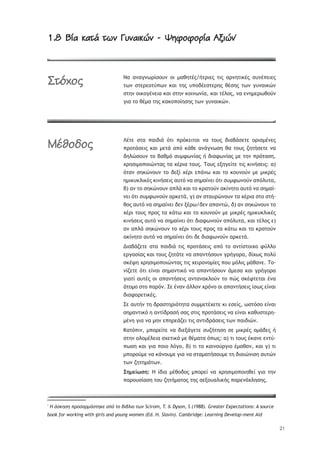
Scirom, T. &Dyson, S. (1988). Greater Expectations: A source book for working with girls and young
women (Ed. H. Slavin). Cambridge: Learning Development Aid.
Sutherlan, C., Bybee, D., & Sullivan, C. (1998). The long term effects of battering on women’s health.
Women’s health: Research on gender, behavior, and policy, 4 (1) 41-70.
Stockdale, M. S. (1996). What we know and what we need to learn about sexual harassment. In M. S.
Stockdale (Ed.), Sexual Harassment in the workplace, per-spectives, frontiers, and response strate-
gies (pp. 3-25). London: Sage.
Walker, L. (1994). Violence against Women. Washington, DC: American Psycho-logical Association.
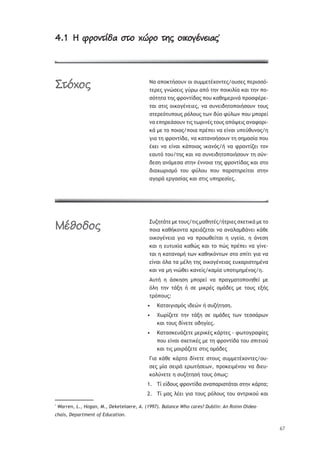
Warren, L., Hogan, M., Deketelaere, A. (1997). Balance Who cares? Dublin: An Roinn Oideachais, De-
partment of Education.






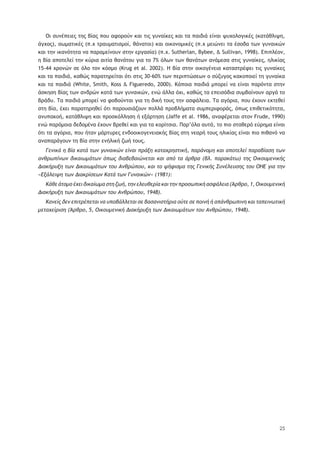








![83
łňłŊňŎŃŐŁŔňŁ
ŁšŞ—řŧŤ, Ō. (2000). ĻŭţűŪş šŧş ŰťŪ Šŝş ŨşŰŚ ŰŵŪ šűŪşŧŨźŪ ůŰťŪ ŅũũŚŢş. ŁťśũŞ: ʼnńŇň
American Psychological Association. (1998). APA Sexual Harassment: Myths and Realities [Media Infor-
mation]. Washington, DC: Author. Retrieved Jannuary 9, 1998 from the World Wide Web: http://
www.apa.org/pubinfo/harass.html
ŁŬŲūũůřŧŤ, Ņ. & ŔŦŨŜ››ūŰ ¨. (2003). 205 Šŧŵ—şŰŧŨśŮ şůŨŜůţŧŮ šşŧ ţ—ŴŹųŵůť Ŭ—ŚŢŵŪ ŴűųŬŦţŭş›ţŝşŮ,
ŨŬŧŪŵŪŧŨŜŮ ţŭšşůŝşŮ, ţŨ›şŝŢţűůťŮ (2Ť Ţŧš.). ŁťśũŞ:ʼnŞŮůŞũŦŹůŤŭ.
Campbell, C. J. & Landenburger, K. (1995). Violence against Women. In C. I. Fogel & N. F. Woods (Eds).
Women’s health Care (pp. 407-425).Thousand Oaks, London: Sage.
¨ŢŨŤŠŦřũũŤ-ʼnūŰŵ—ůţś, ł. & ŅŦŹŠūŰ-ʼnŞŬŞŮůŢŬŠŜūŰ, ő. (1992). ¨ŭŸ—Ŭŧ ņŵŜŮ. ŇŢŮŮŞŨūũŜŧŤ: łřũŦŞŭ
Dobash, R. E., & Dobash, R. P. (Eds.). (1998). Rethinking violence against women. Thousand Oaks.
Calif.: Sage.
ńuropean Commission (1999).Sexual Harassment at the workplace in the Euro-pean Union. Luxem-
bourg: OfÀce for ofÀcial publications of the European Commu-nities.
Fitzgerald, L. F. (1993). Sexual Harassment: Violence against women in the workplace. American Psy-
chologist, 48(10) 1070-1076.
Fitzgerald, L. F., Drasgow, F., Hulin, C. L., Gelfand, M. J.& Magley, V.J. (1997). Antecedents and con-
sequences of sexual harassment in organizations: A test of an Integrated model. Journal of Applied
Psychology, 82 (4), 578-589.
Frey, D. & Carlock, C.J.(1991). Practical techniques for enhancing self-esteem. Ohio: Acc.Dev.
Gutek, B. A. (1985). Sex and the workplace. San Fransisco: Jossey-Bass.
Gutek, B. A., & Morasch, B. (1982). Sex-ratios, sex-role spillover, and sexual harassment of women at
work. Journal of Social Issues, 38(4), 55-74.
KŚũůŬū ńŬŢŰũŹũ ŠŦŞ ŇŚ—ŞůŞ ňŮŷůŤůŞŭ (2003). ŅŪŢŬ-ŬŧŨŬšţŪţŧşŨŜ Šŝş ŨşŰŚ ŰŵŪ šűŪşŧŨźŪ: ŐŭźŰť
›şŪţũũşŢŧŨŜ ţ›ŧŢť—ŧŬũŬšŧŨŜ śŭţűŪş. ĺŧťŢŮŤ ůūŰ ʼnńŇň,ŁťśũŞ.
KŚũůŬū ńŬŢŰũŹũ ŠŦŞ ŇŚ—ŞůŞ ňŮŷůŤůŞŭ (2000). Œ›ŚůŰţ Űť ůŧŵ›Ŝ. ŁťśũŞ: ŁŰůūŚŧšūŮŤ.
Koss, M. P., & Hoffman, K. (2000). Survivors of violence by male partners: Gen-der and cultural consid-
erations. In R.M. Eisler, & M. Hersen (Eds.), Handbook of gender, culture, and health (pp. 471-489).
London: Lawrence Erlbaum publishers.
ŎŰŷŧŢŬ, Ŋ. (1989). Ň ŨşŨŬ›Ŭŧť—śŪť šűŪşŝŨş (ŋůűŬ. Œ. ŁũťūŰŨŦřŭ). ŁťśũŞ: ńŨŨŤũŦŧř ŠŬř——ŞůŞ
(ŏŬŴůŷůŰ›Ť ŚŧšūŮŤ ŢŪŢšŷťŤ 1979).
Saal, F. E. (1996). Men’s misperceptions of Women’s interpersonal behaviors and sexual harassment. In
M. S. Stockdale (Ed.), Sexual Harassment in the work-place, perspectives, frontiers, and response
strategies (pp. 67-83). London: Sage.
őŞŠŧŞũř, ¨. (1999, ňŞũūŰřŬŦūŭ). Ň Ńŝş ůŰťŪ ŬŧŨŬšśŪţŧş ŏŬŞŧůŦŧř ůūŰ őŰũŢšŬŜūŰ łŜŞ ŧŞůř ůŴũ ŠŰũŞŦŧŹũ:
łŪŬųŜ —ťŢśŪ, (Ů. 36-40). ŁťśũŞ: ʼnŜũŤŮŤ ¨Ť—ūŧŬŞůŦŧŹũ ŃŰũŞŦŧŹũ.
Schneider, K. T., Swan, S., & Fitzgerald, L. F. (1997). Job-Related and psycho-logical effects of sexual
harassment in the workplace: Empirical evidence from two organizations. Journal of Applied Psy-
chology, 82(3), 401-415.](https://image.slidesharecdn.com/askiseiseuaisthitopoiisisstosep1-141221171054-conversion-gate02/85/Askiseis-euaisthitopoiisis-sto_sep-1-85-320.jpg)