











FLIPPING THE
TERMINAL EXPERIENCE
...AND OTHER CONTRARIAN LOGIC

presented by
M. Arthur Gensler, FAIA
Founder, Gensler
The Beginning
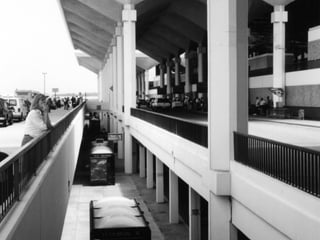
1919
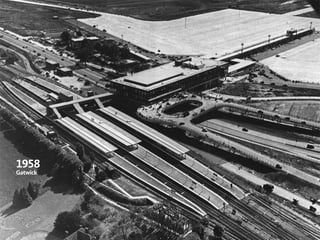
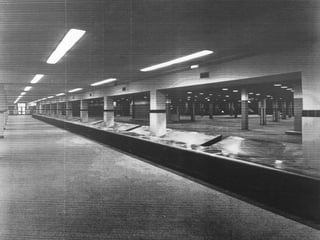
1958
Gatwick
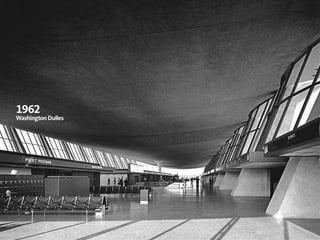
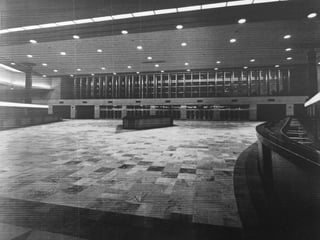
1962
Washington Dulles
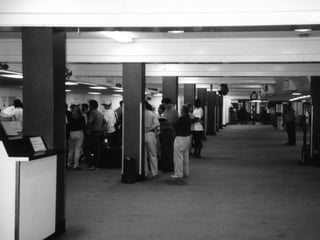
1979
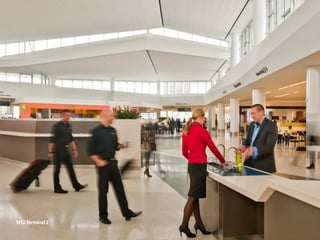
SFO Terminal 2
The Arrival Experience
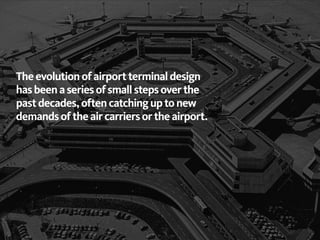
The evolution of airport terminal design
has been a series of small steps over the
past decades, often catching up to new
demands of the air carriers or the airport.
What happens if we take a different
approach to many of the “givens?”
Do we end up with a significantly different—and
potentially better—end result for the passenger?
Do airports and air carriers get better
facilities than they otherwise might?
Rethinking what the
terminal can be requires:
1.	 Asking the most basic questions—
    the ones we think have already
    been answered
2.	 Thinking about what remains
    tiresome to the passenger
3.	 Avoiding preconceived solutions
Remember that we have been wrong before.
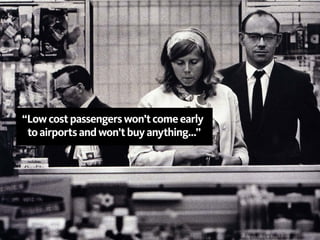
“Low cost passengers won’t come early
 to airports and won’t buy anything…”
Actually they do, and most airports have seen enormous
     changes in passenger behavior and spending.
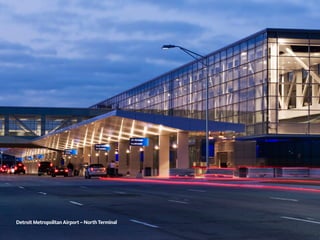
Detroit Metropolitan Airport – North Terminal
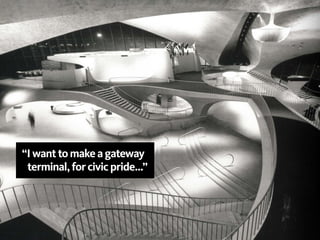
“I want to make a gateway
 terminal, for civic pride…”
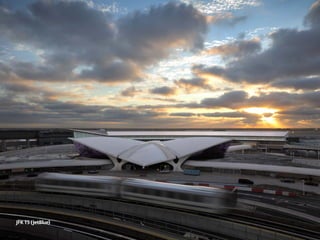
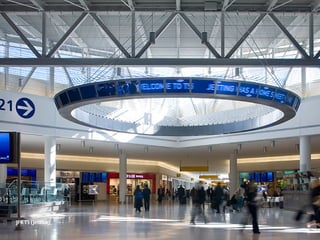
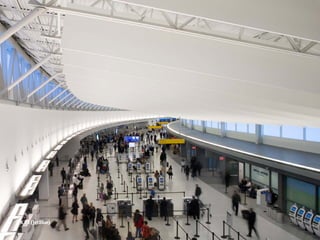
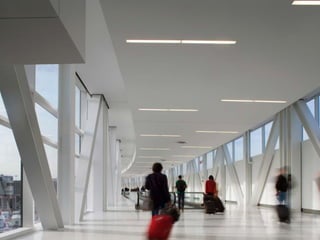
JFK T5 (JetBlue)
Actually, we should not confuse the city hall with the airport.
    Gateways are only evident to the arriving passenger,
    not departing…and we often don’t do much for the
     arriving passenger to “announce” where they are.
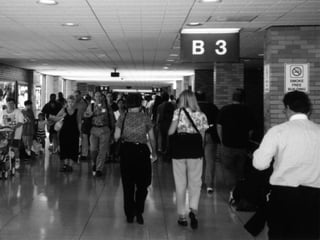
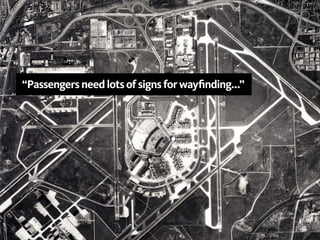
“Passengers need lots of signs for wayfinding...”
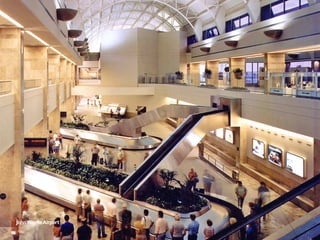
Actually they don’t, and the building should help
    passengers find their way, not the signs.
   Fewer signs = more effective wayfinding.
John Wayne Airport
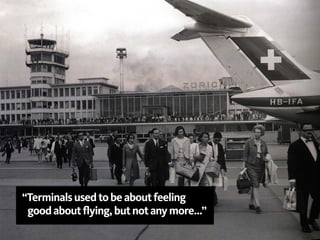
“Terminals used to be about feeling
 good about flying, but not any more…”
Terminals should be memorable for lifting us up,
  not for demoralizing the travel experience.
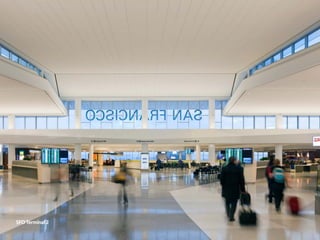
SFO Terminal 2
Common Wisdom vs. Contrarian Approaches
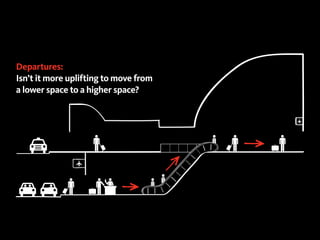
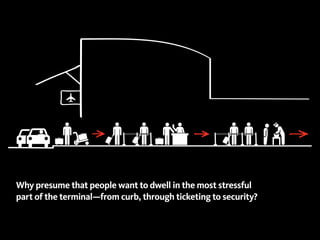
Departures Up vs. Departures Down
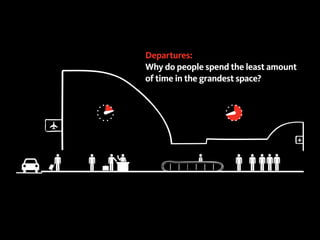
Departures:
Why do people spend the least amount
of time in the grandest space?
Departures:
Isn’t it more uplifting to move from
a lower space to a higher space?
Why presume that people want to dwell in the most stressful
part of the terminal—from curb, through ticketing to security?
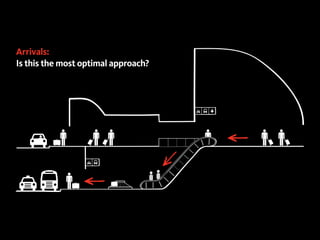
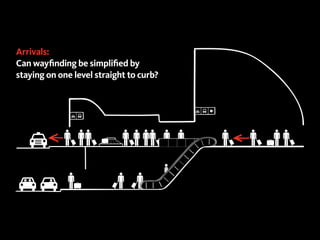
Arrivals Up vs. Arrivals Down
Arrivals:
Is this the most optimal approach?
Arrivals:
Can wayfinding be simplified by
staying on one level straight to curb?
If you accept the potential advantage
       of the inverted terminal,
          what do you get…?
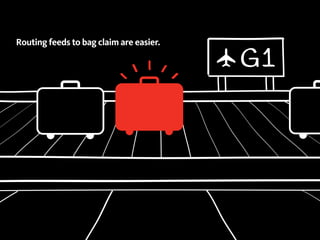
Routing feeds to bag claim are easier.
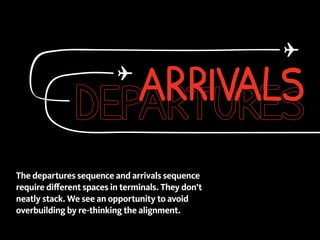
The departures sequence and arrivals sequence
require different spaces in terminals. They don’t
neatly stack. We see an opportunity to avoid
overbuilding by re-thinking the alignment.
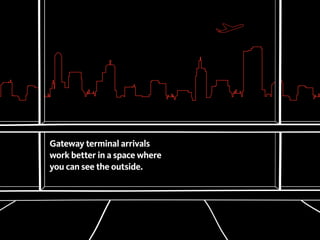
Gateway terminal arrivals
work better in a space where
you can see the outside.
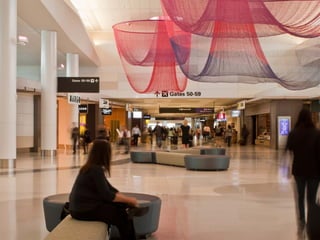
Decentralized Retail
Centralized Concessions vs.
                            and Food and Beverage
Does lumping these areas together really equal
critical mass for sales, or simply create inconvenience?
JFK T5 (JetBlue)
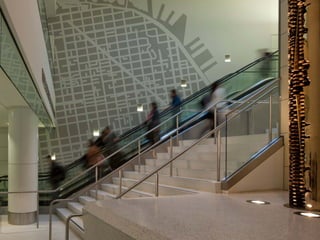
SFO Terminal 2
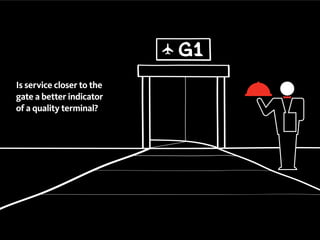
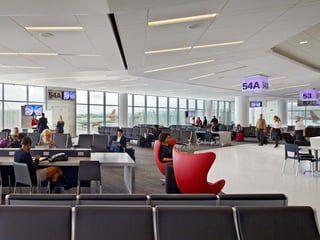
Is service closer to the
gate a better indicator
of a quality terminal?
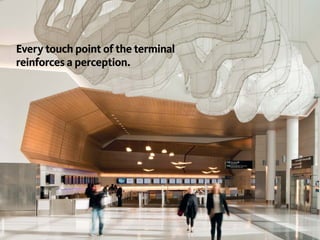
Is the terminal of the future about the “experience?”
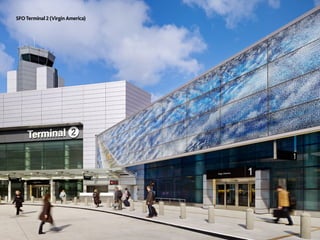
SFO Terminal 2 (Virgin America)
Every touch point of the terminal
reinforces a perception.
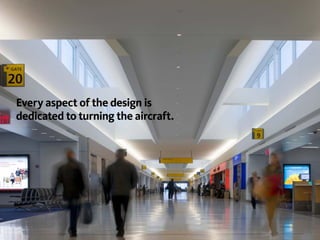
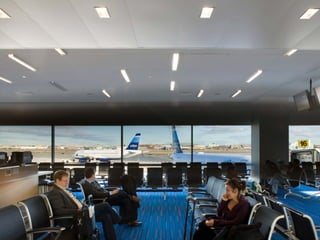
Is it about the “operations?”
JFK T5 (JetBlue)
Every aspect of the design is
dedicated to turning the aircraft.
It’s about rethinking every aspect of the terminal,
                  inside and out.
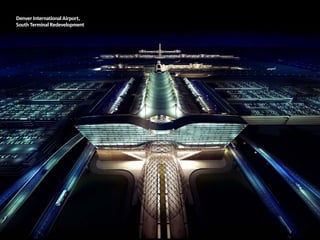
Denver International Airport,
South Terminal Redevelopment
presented by
M. Arthur Gensler, FAIA
Founder, Gensler

Art Gensler - AAAE Keynote 2012