intelligence for aquacultur
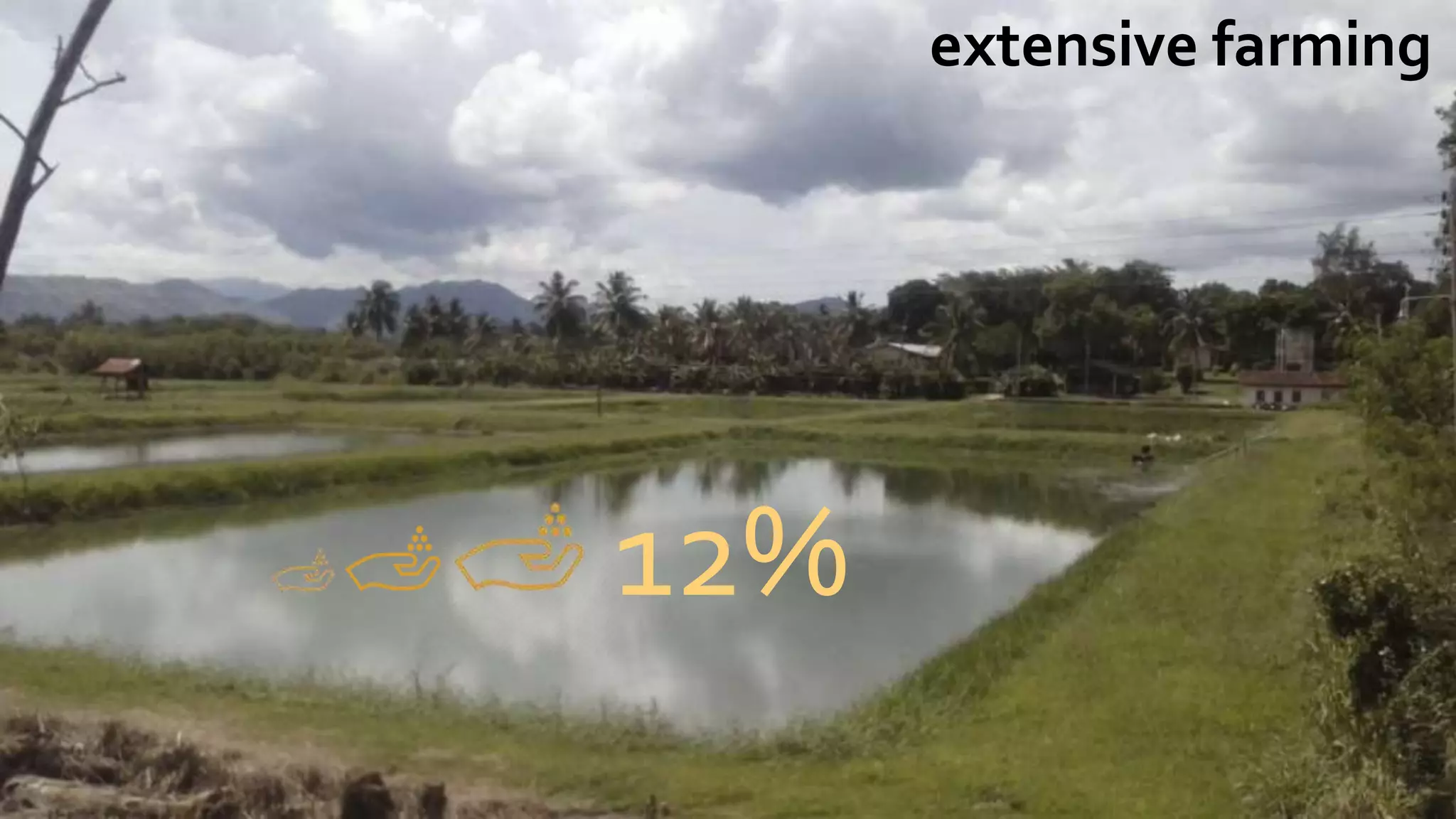
extensive farming
12%
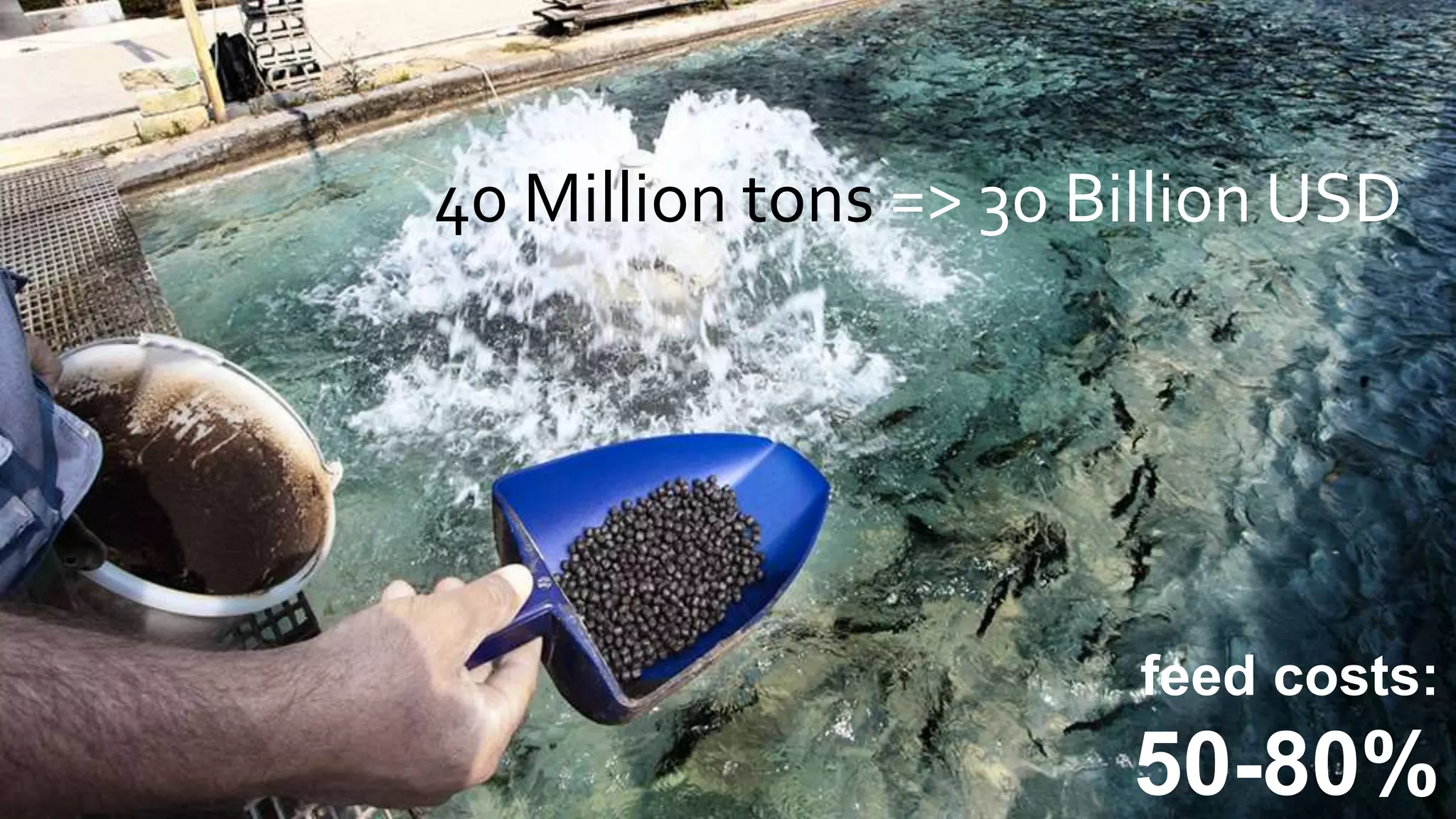
feed costs:
50-80%
40 Million tons => 30 Billion USD
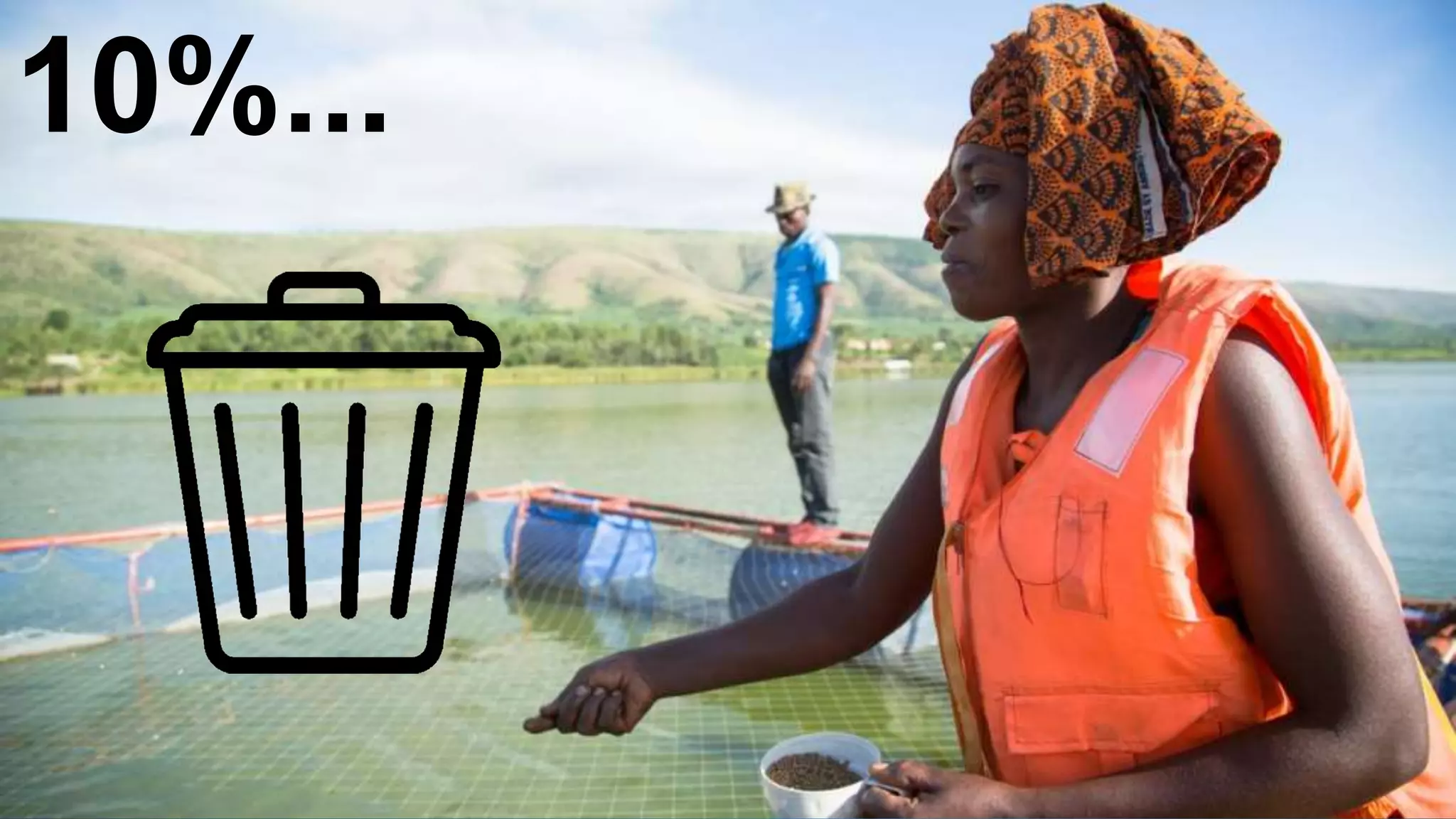
10%...
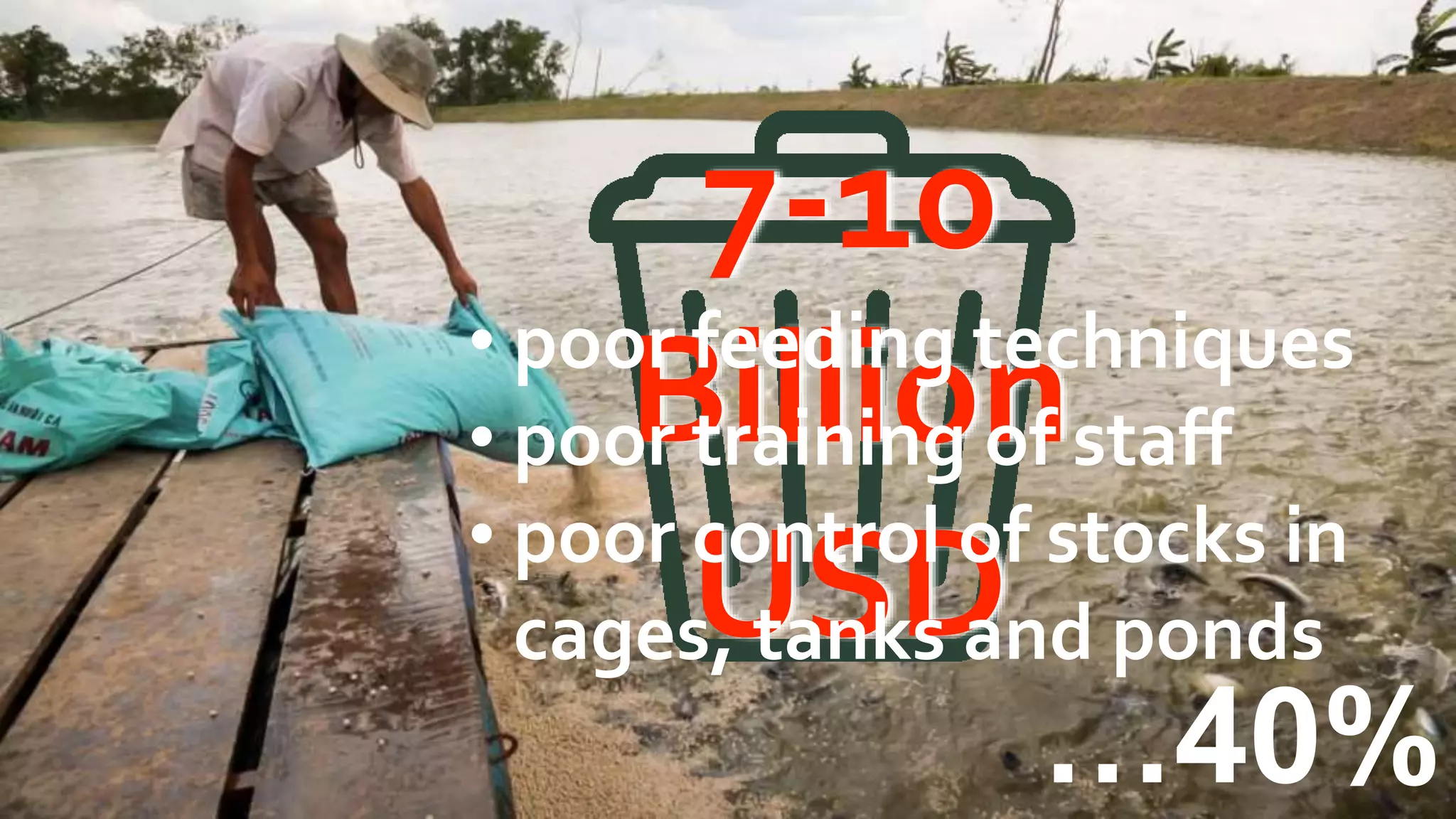
…40%
7-10
Billion
USD
• poor feeding techniques
• poor training of staff
• poor control of stocks in
cages, tanks and ponds
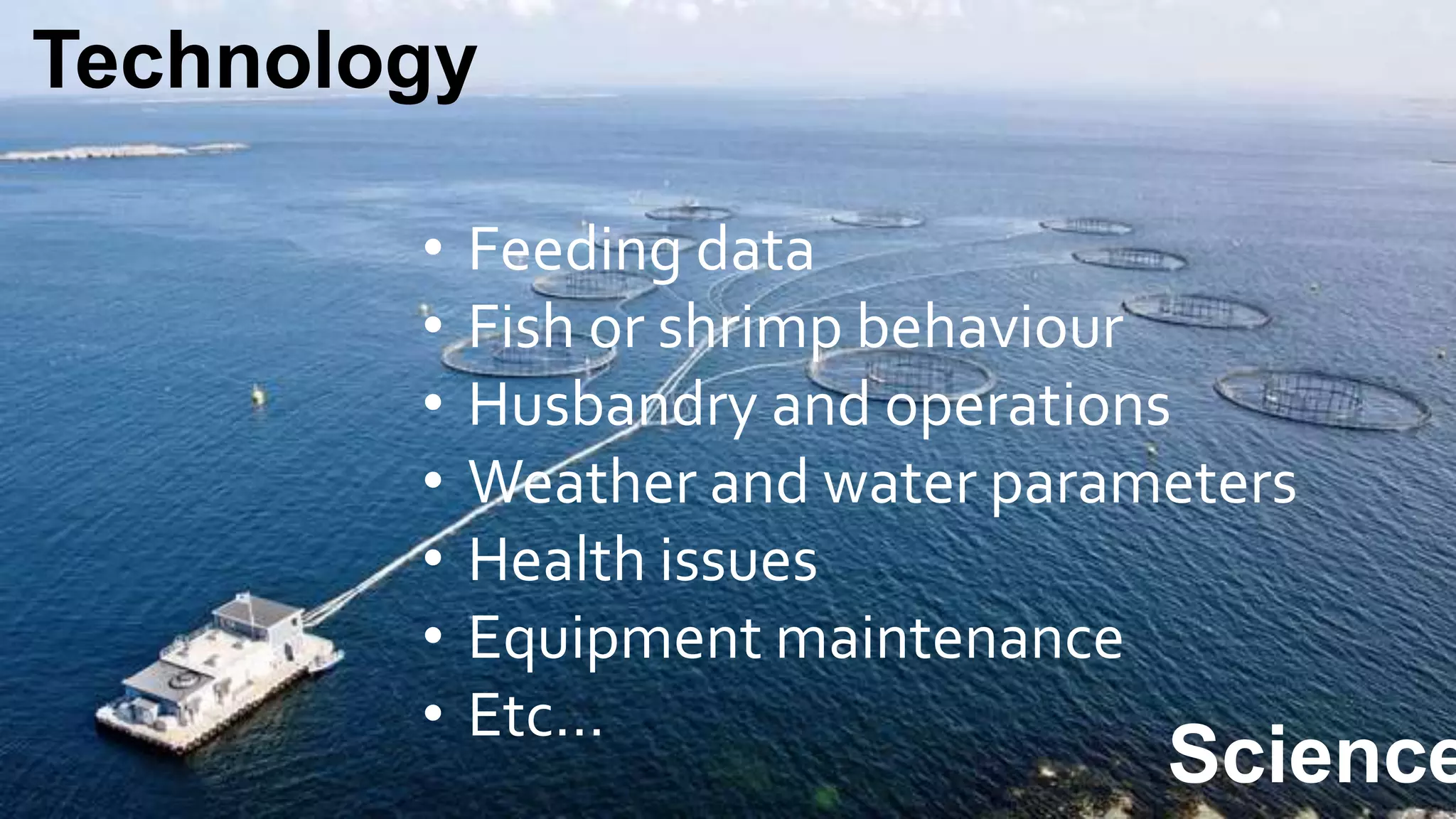
Technology
Science
• Feeding data
• Fish or shrimp behaviour
• Husbandry and operations
• Weather and water parameters
• Health issues
• Equipment maintenance
• Etc…
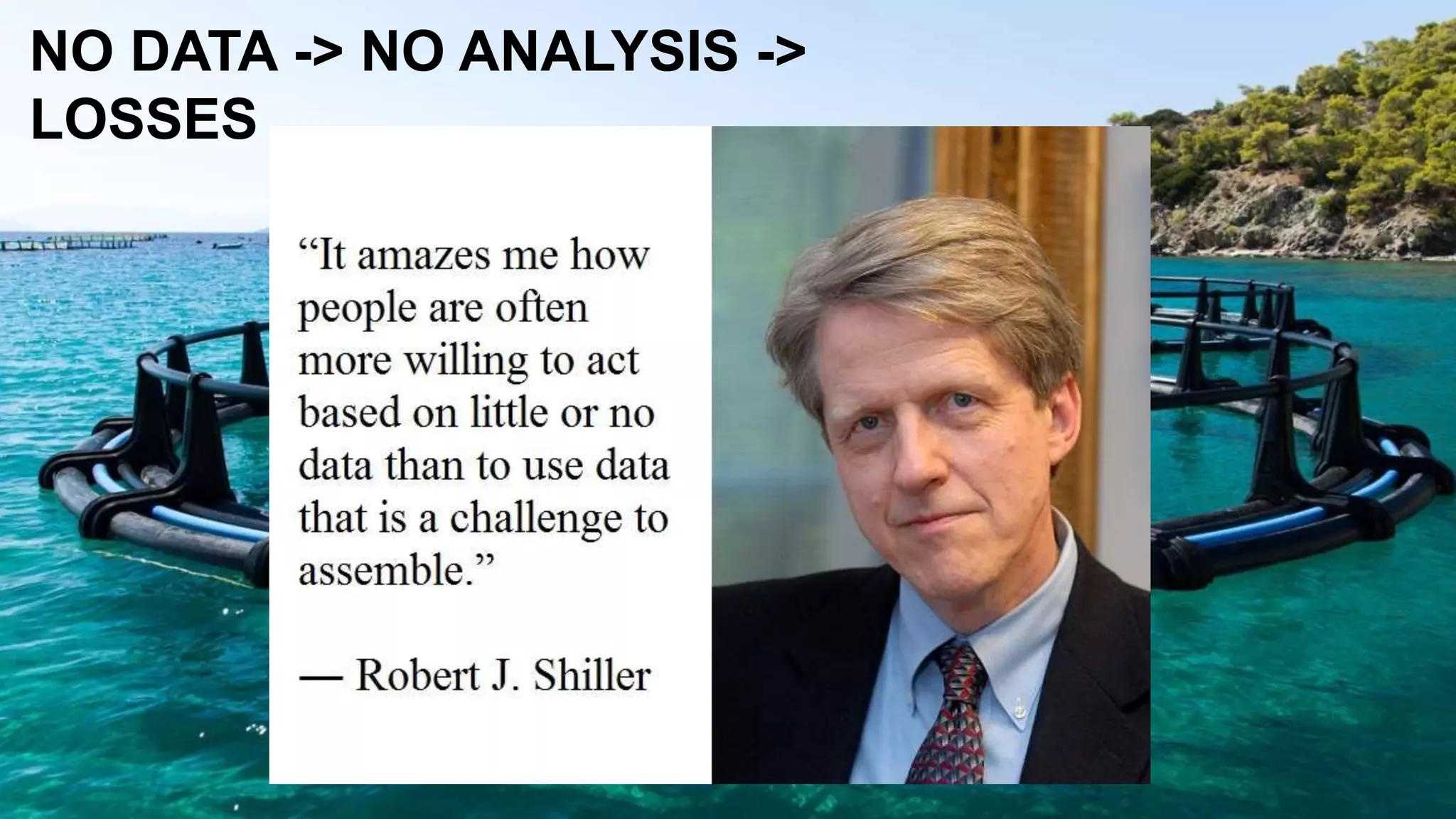
NO DATA -> NO ANALYSIS ->
LOSSES
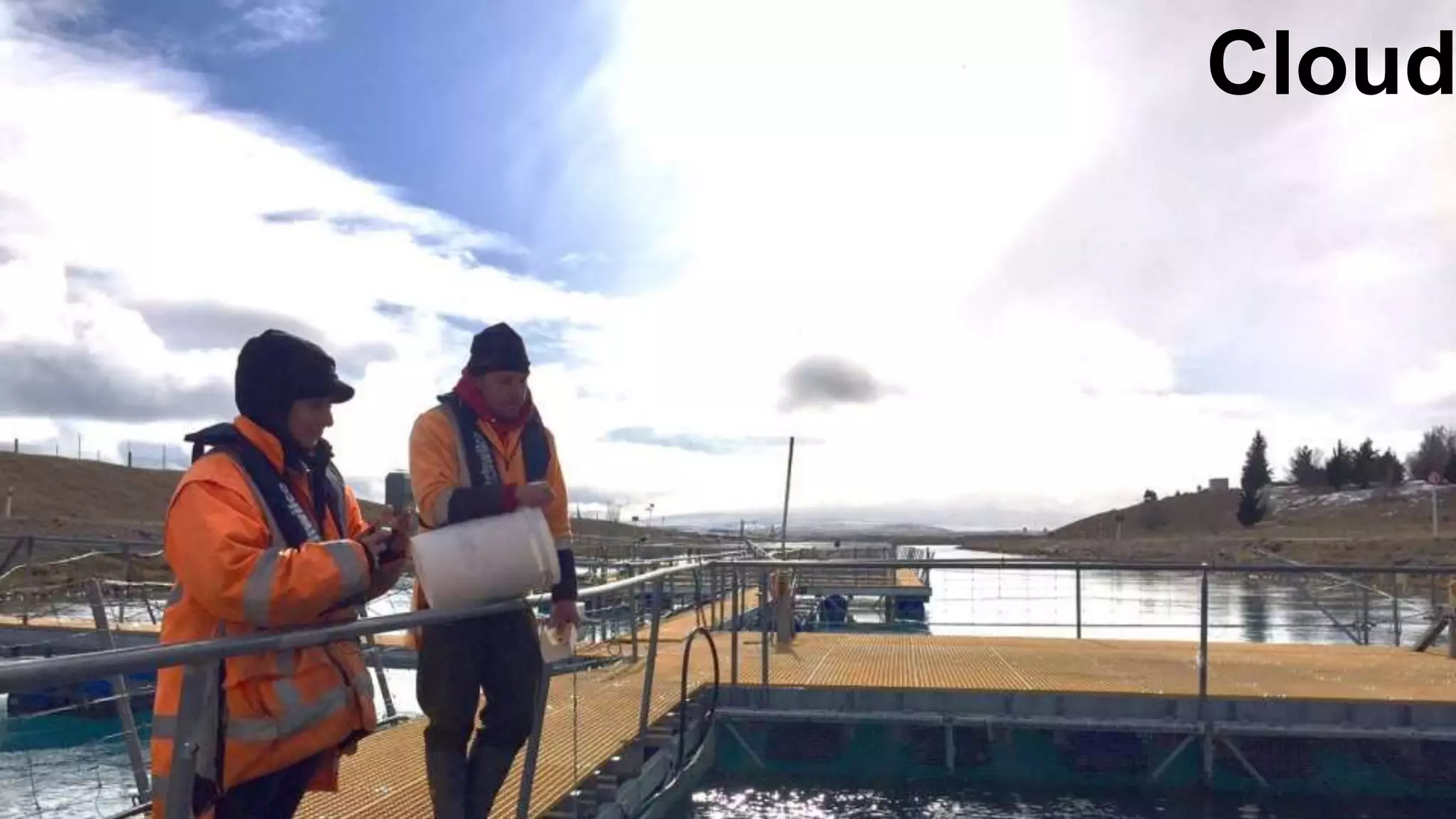
Cloud
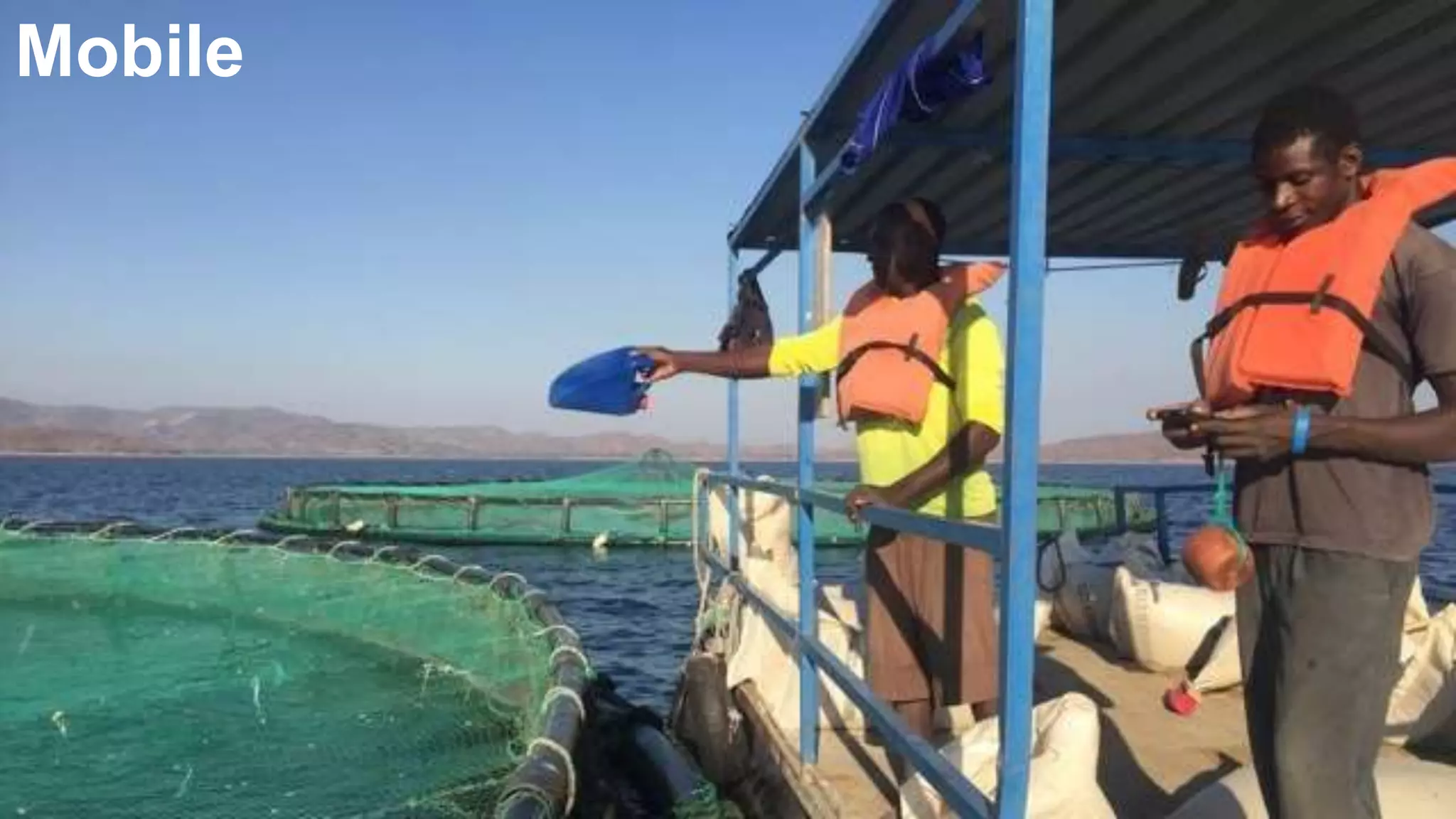
Mobile
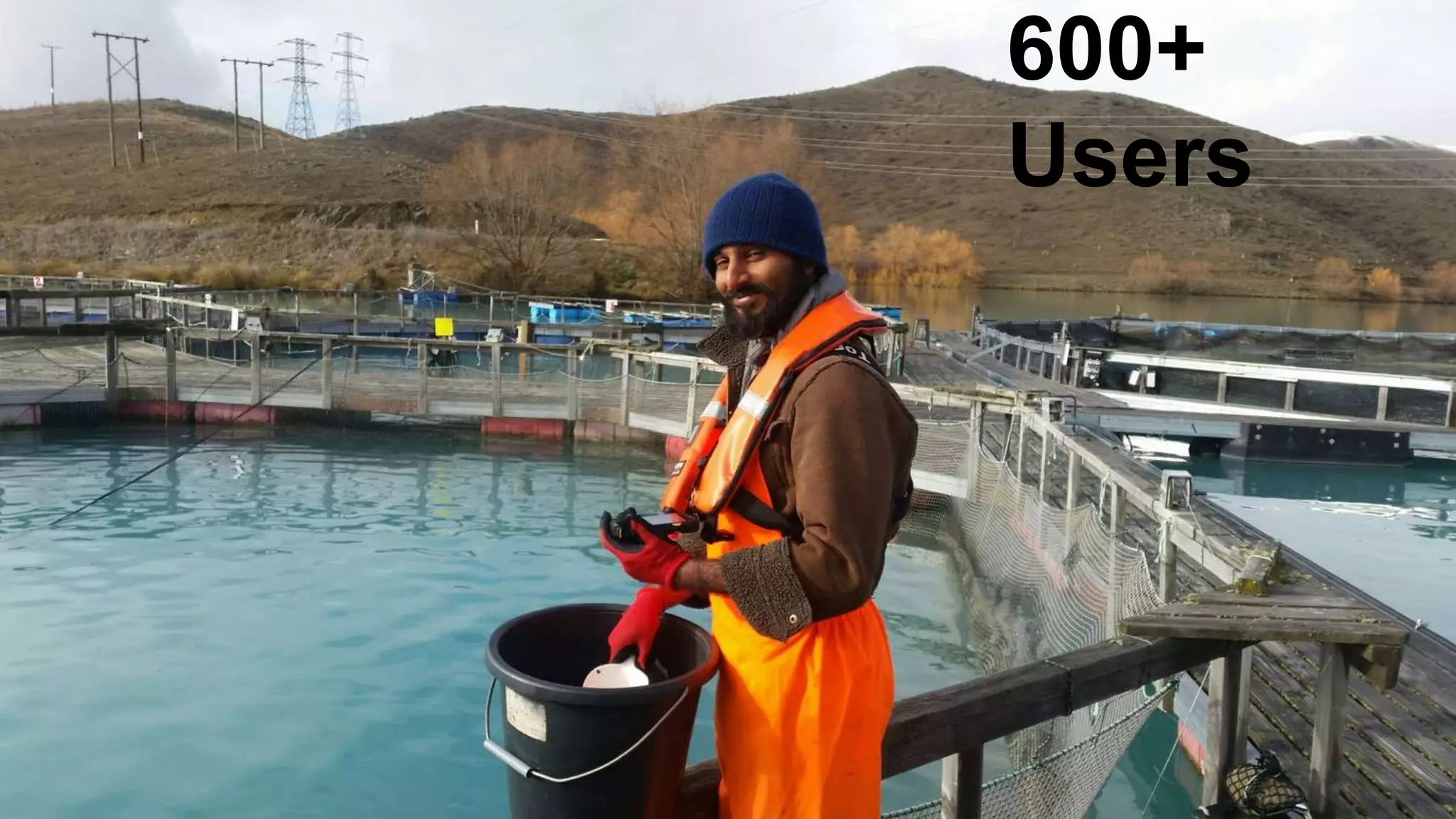
600+
Users
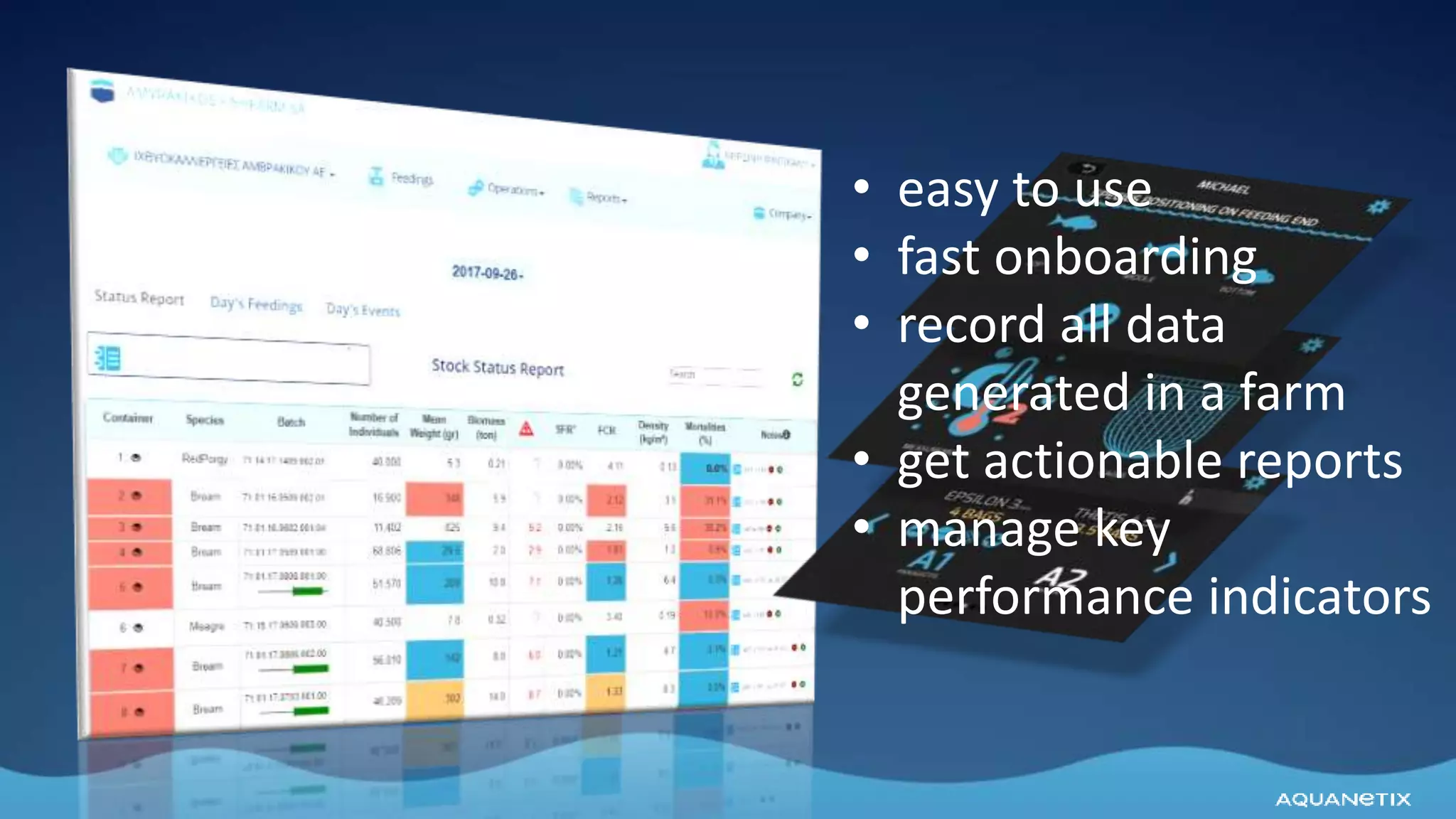
• easy to use
• fast onboarding
• record all data
generated in a farm
• get actionable reports
• manage key
performance indicators
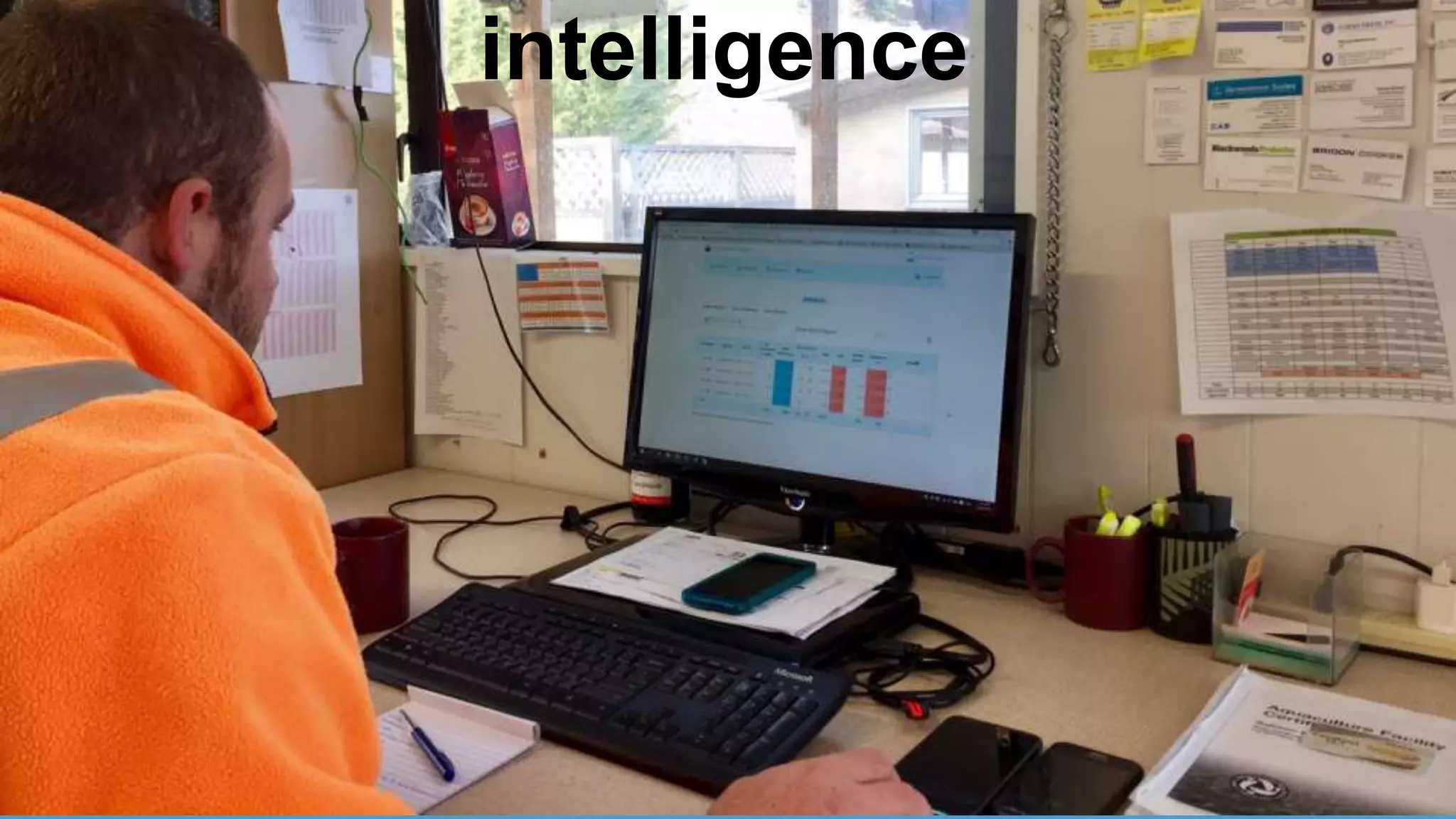
intelligence
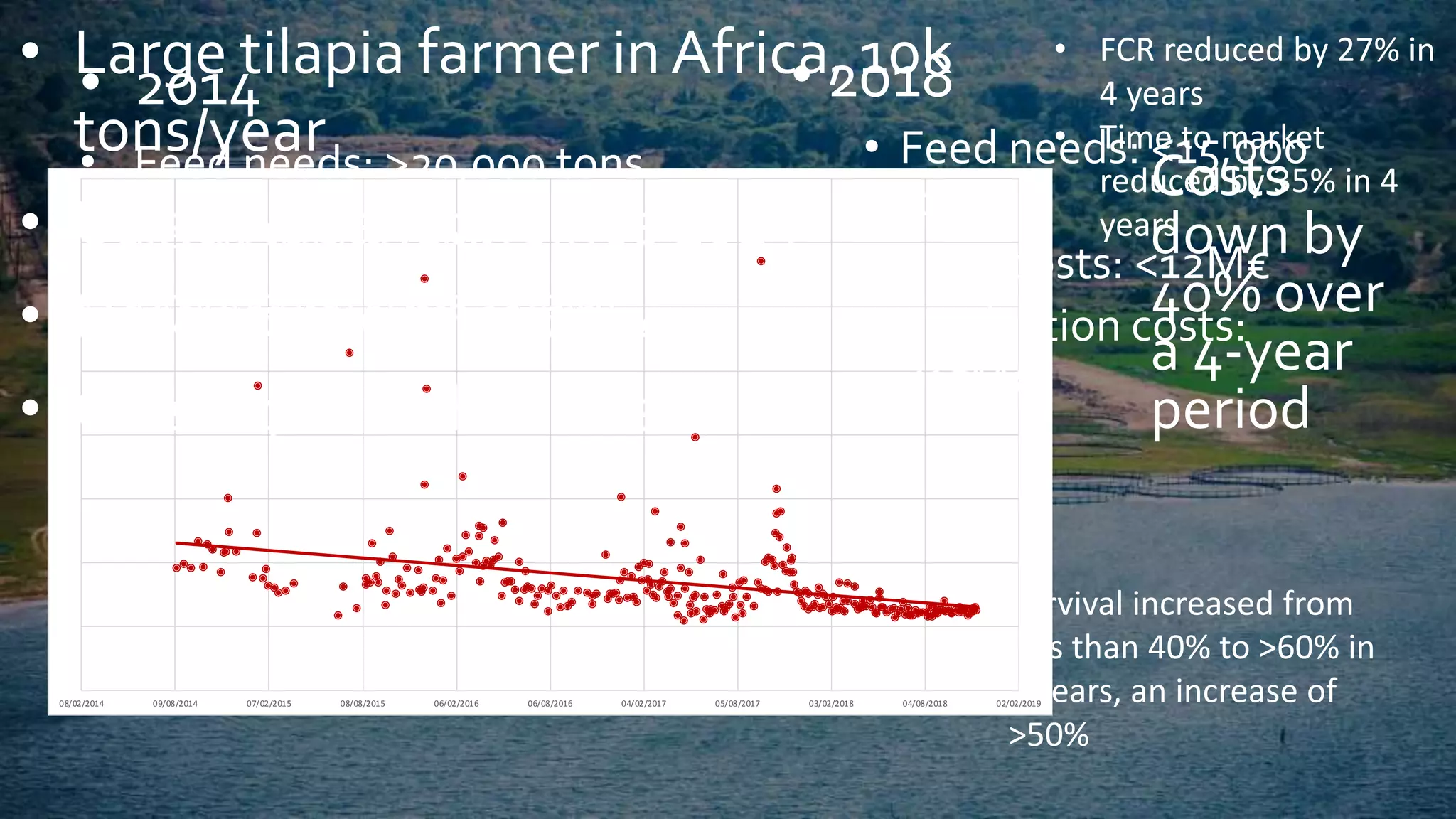
08/02/2014 09/08/2014 07/02/2015 08/08/2015 06/02/2016 06/08/2016 04/02/2017 05/08/2017 03/02/2018 04/08/2018 02/02/2019
FCR final Weeks Linear (FCR final) Linear (Weeks)
• FCR reduced by 27% in
4 years
• Time to market
reduced by 35% in 4
years
Survival increased from
less than 40% to >60% in
4 years, an increase of
>50%
08/02/2014 09/08/2014 07/02/2015 08/08/2015 06/02/2016 06/08/2016 04/02/2017 05/08/2017 03/02/2018 04/08/2018 02/02/2019
Costs
down by
40% over
a 4-year
period
• Large tilapia farmer in Africa, 10k
tons/year
• Using Aquanetix since 2015
• Data from end of 2014
• Over 240 batches closed
• 2014
• Feed needs: >20,000 tons
• Feed costs: >16M€
• Production costs: >20M€
• 2018
• Feed needs: <15,000
tons
• Feed costs: <12M€
• Production costs:
<15M€
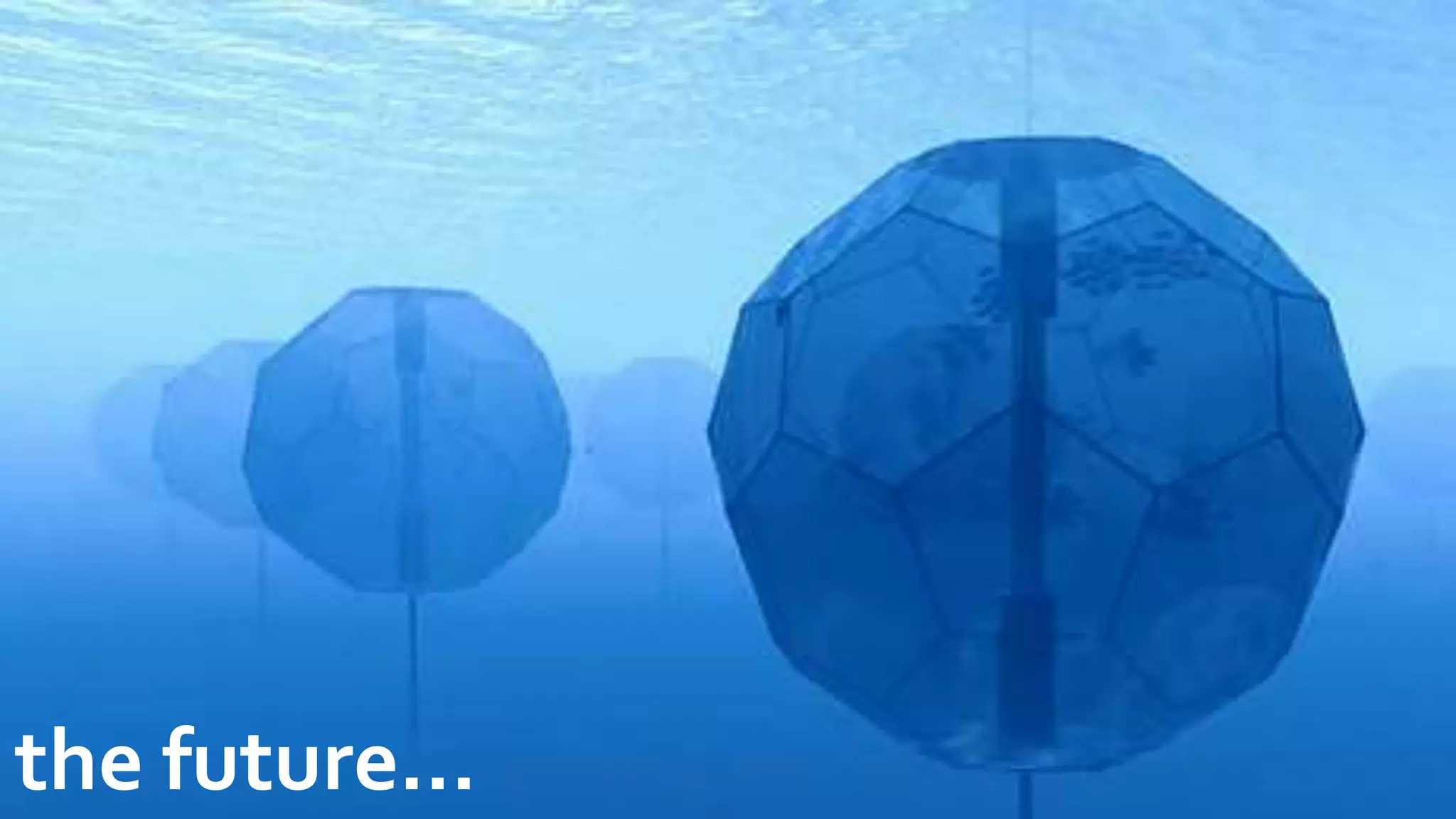
the future…
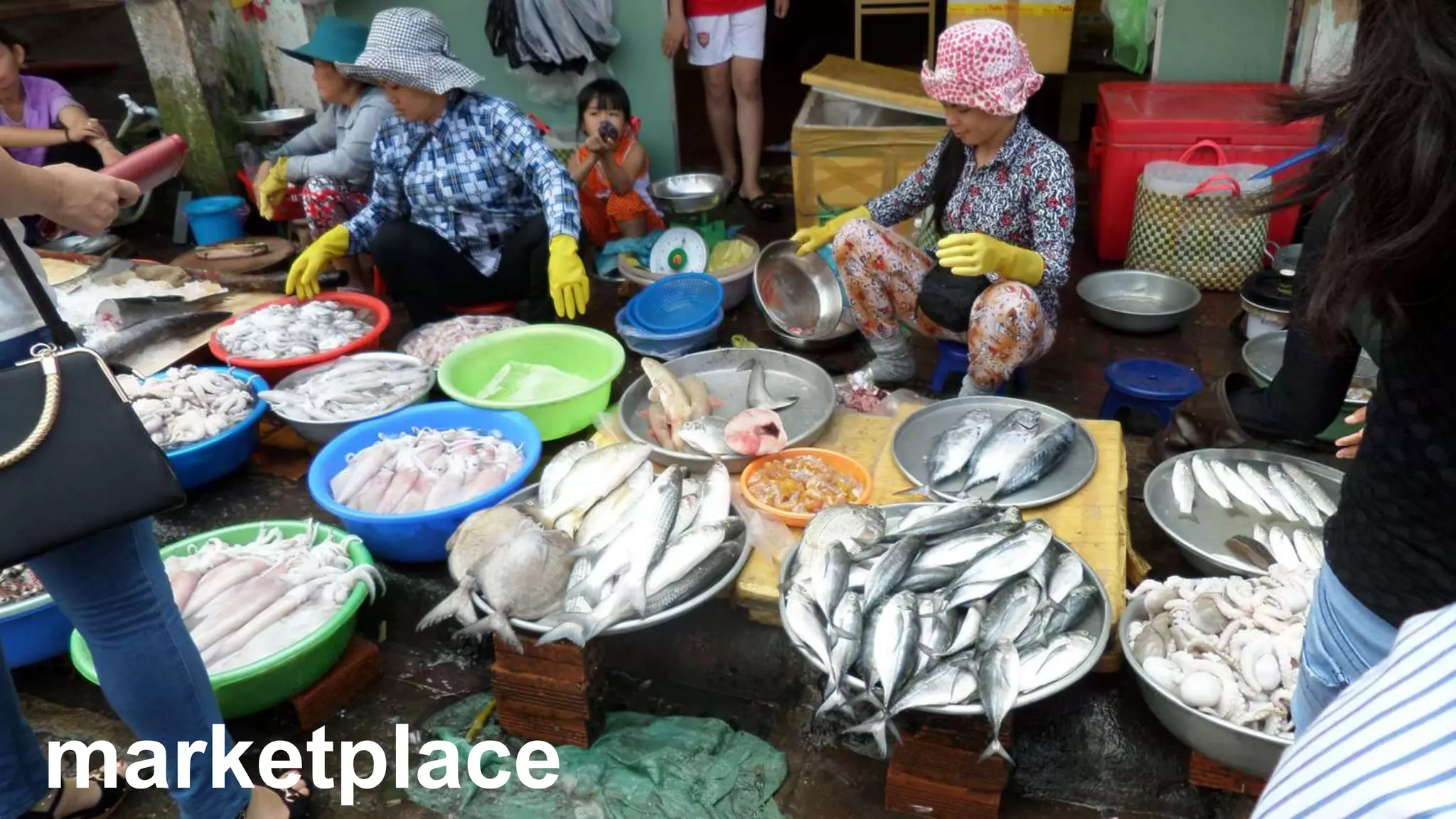
marketplace
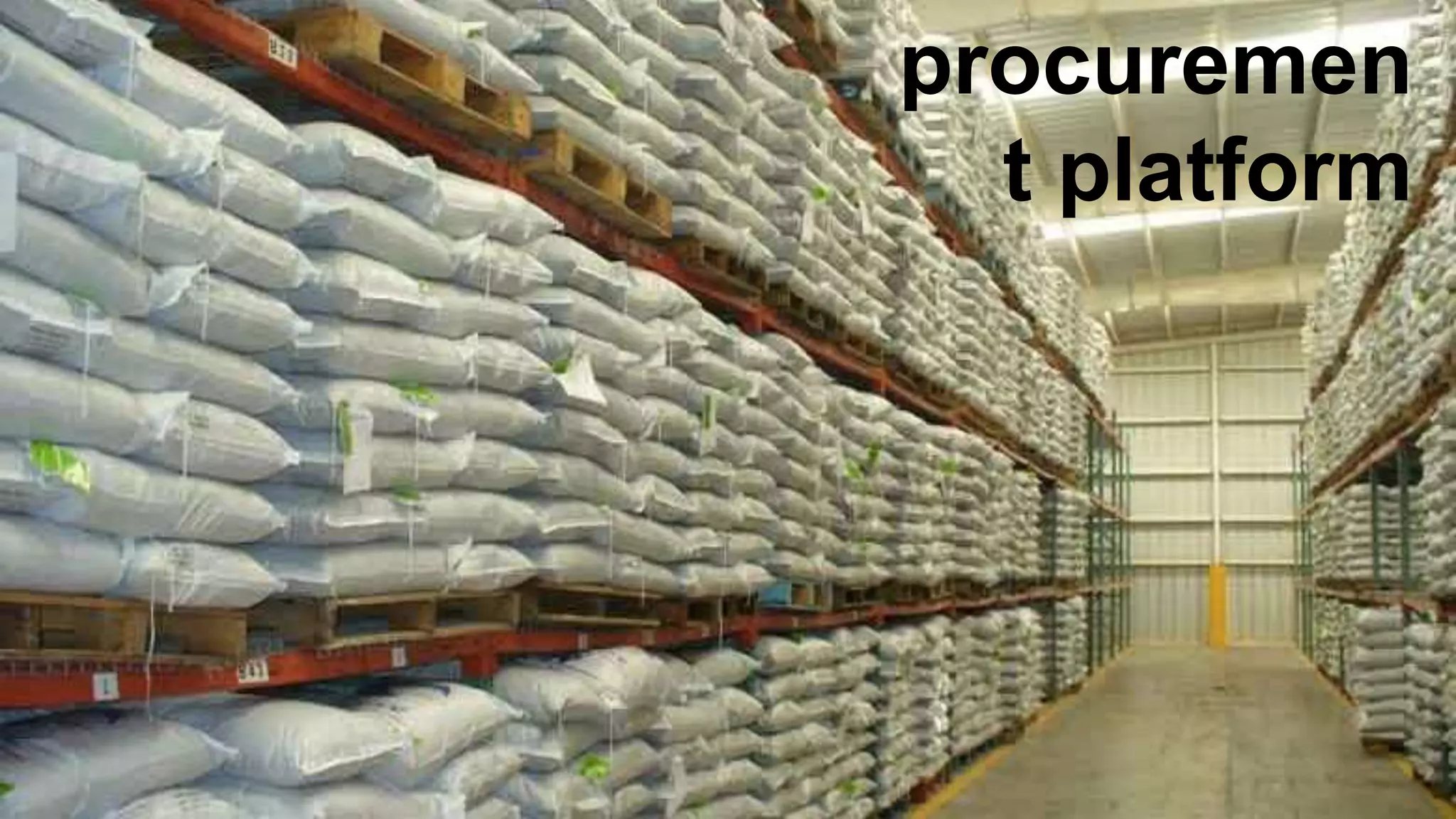
procuremen
t platform
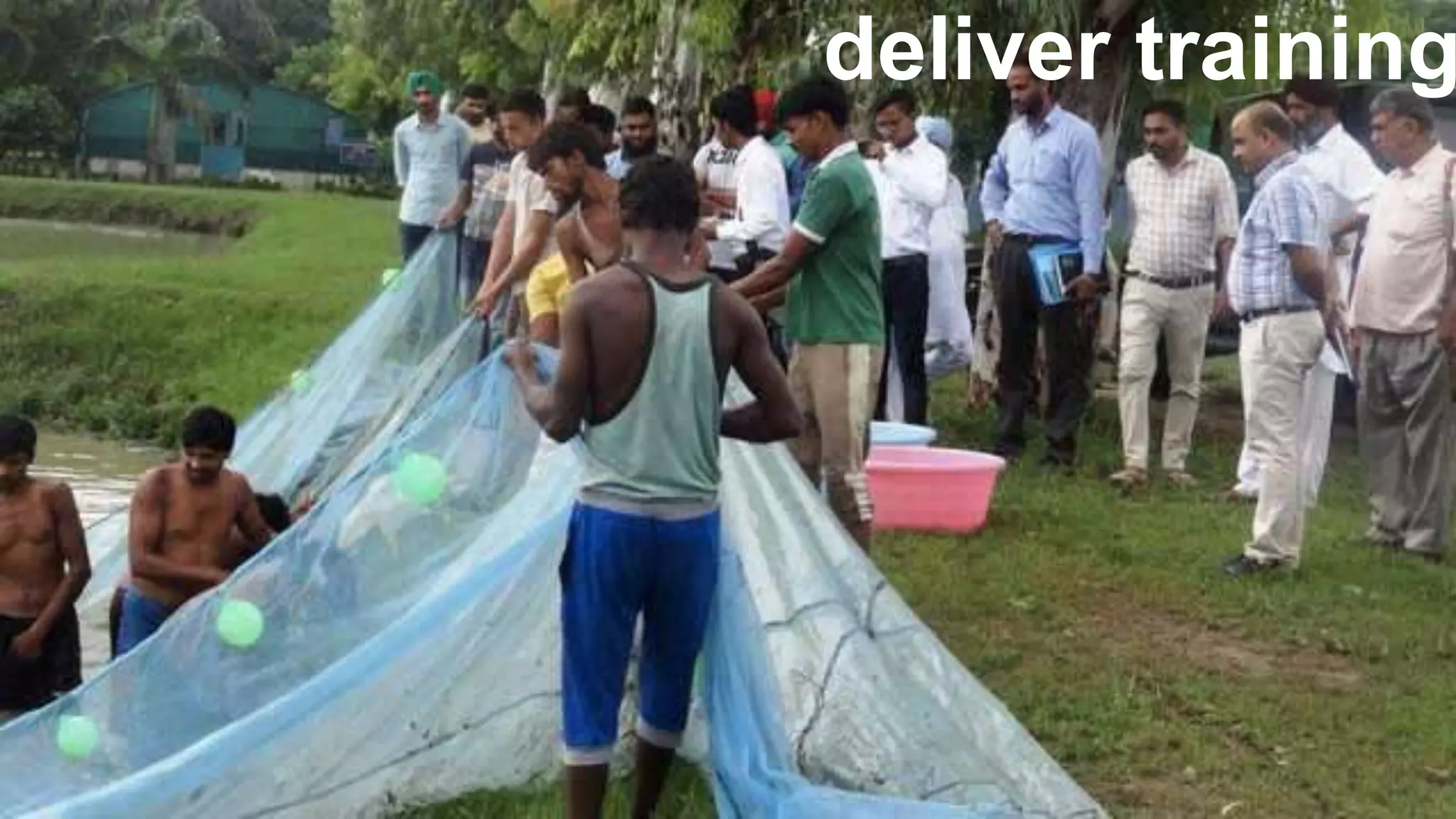
deliver training
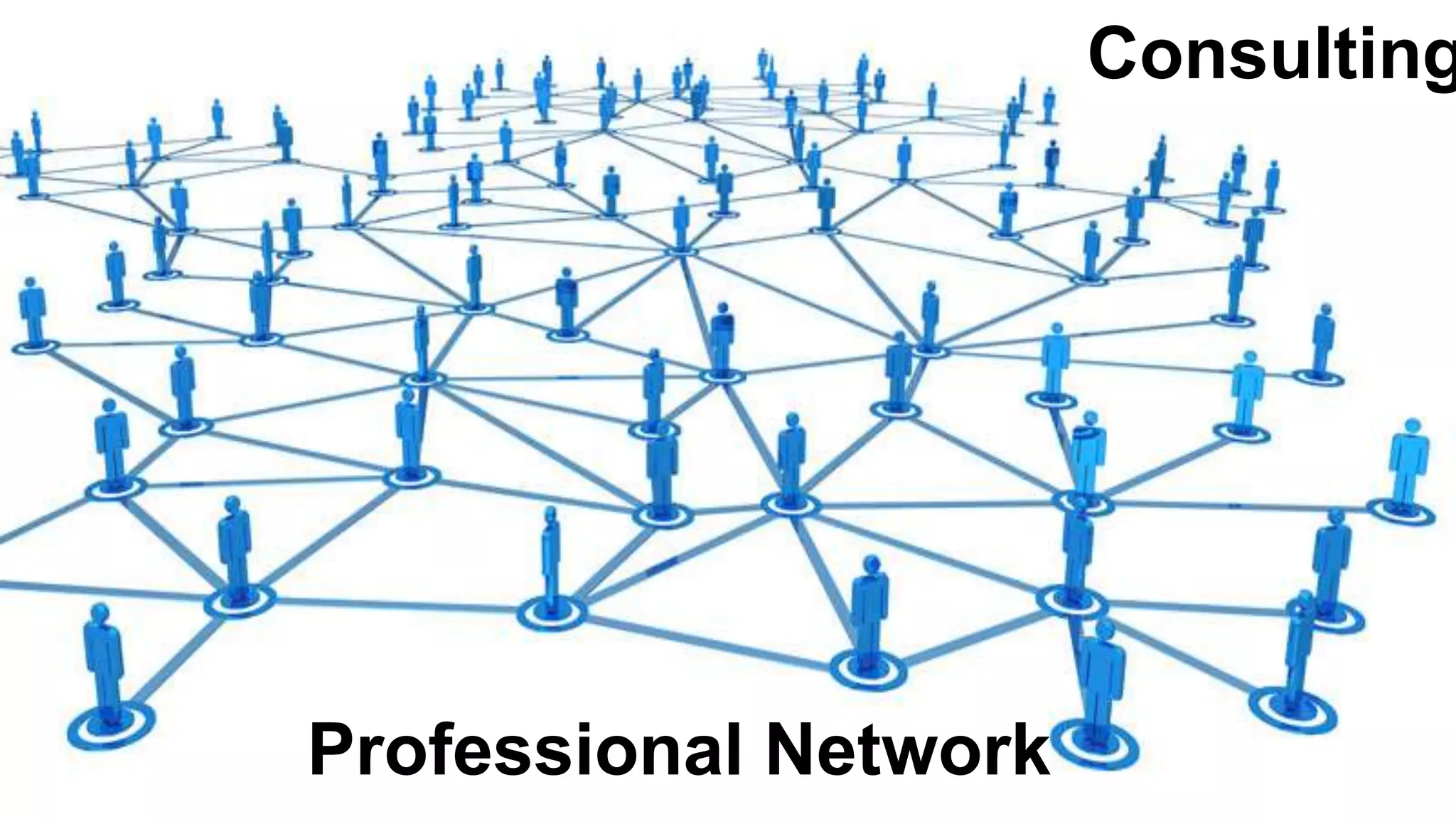
Consulting
Professional Network
artificial
intelligence
thank you
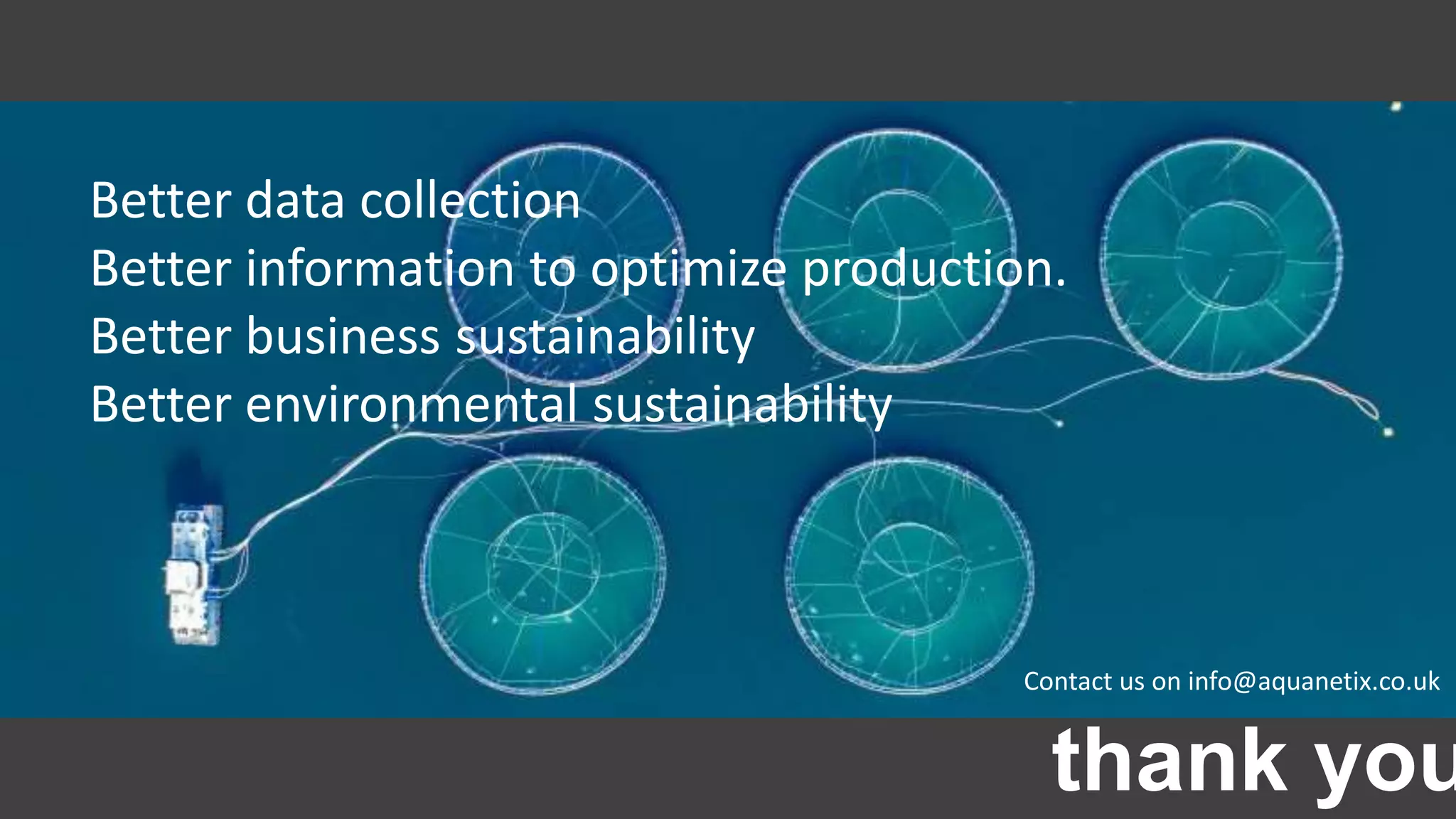
Better data collection
Better information to optimize production.
Better business sustainability
Better environmental sustainability
Contact us on info@aquanetix.co.uk

Aquanetix at Open Coffee #100

Editor's Notes

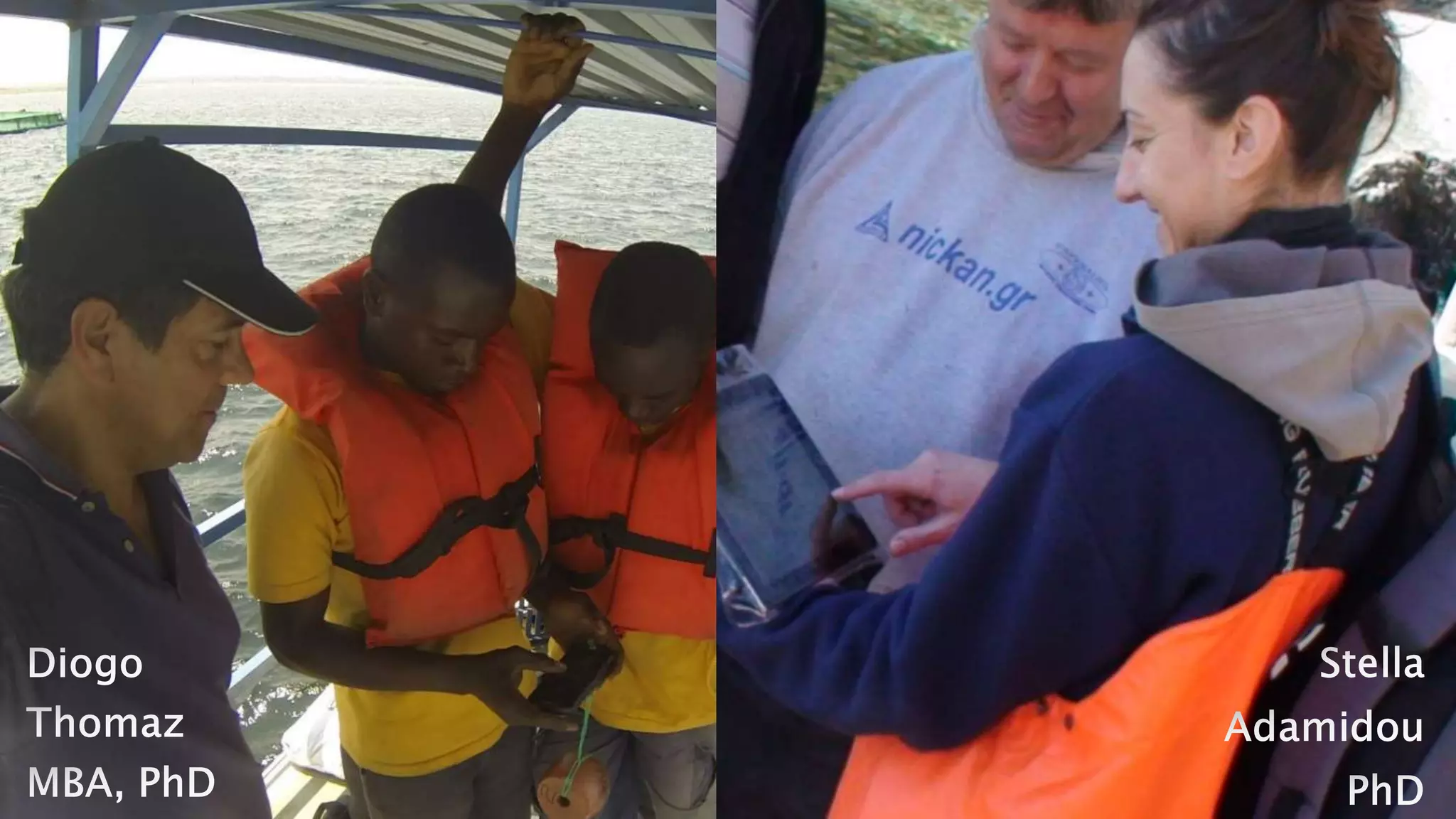
  • #2 My name is Diogo Thomaz, I am one of the co-founders of Aquanetix. Together with Stella Adamidou, we would like to thank Georgos Tziralis for inviting us to present Aquanetix in this Open Coffee event. Aquanetix is a software platform for the management of aquaculture farms.
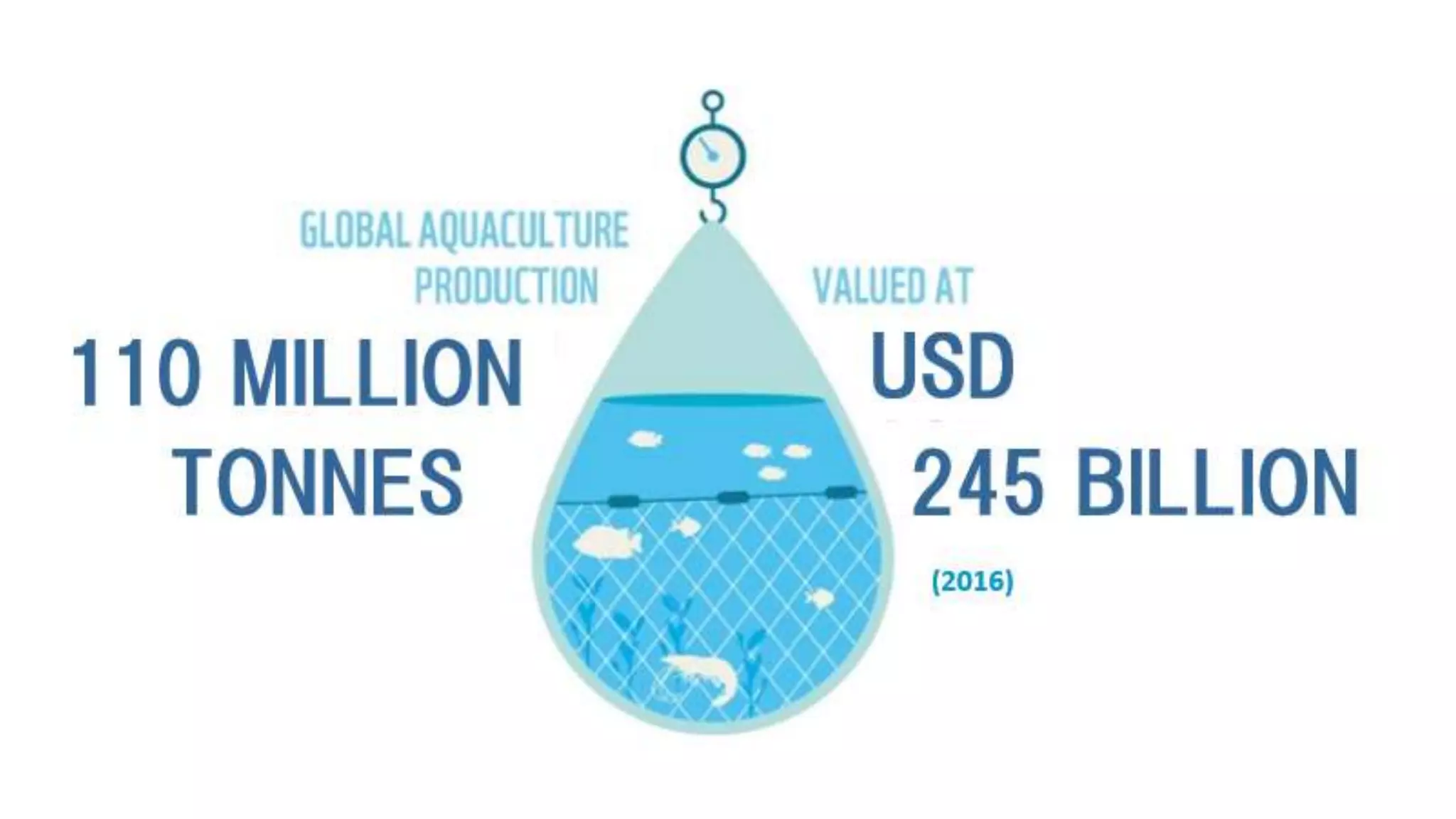
  • #3 I just want to give you an idea of the size of this market. Aquaculture, is the production of fish and shellfish in tanks, ponds or cages. The Food and Agriculture Organization has estimated that in 2016 Global Aquaculture production was around 110 Million tons with a value close to 250 billion USD. As a reference for you, the typical bass and bream farm you see whilst driving in the Greek seaside has an annual turnover of around 5 million Euros and spends around 2.5 million Euros in fish feeds every year. Not small businesses.
  • #4 Stella is a fish nutritionist and I am a geneticist; together we have over 35 years of work experience in the aquaculture industry and Aquanetix, that we started back in 2012 is the product of this experience. We are both passionate about the aquaculture industry and we strongly believe that aquaculture is the solution for the preservation of our oceans.
  • #5 Most aquaculture production today still relies on natural productivity in ponds and lagoons and non commercial feeds. But the industry is changing; A recent report on the animal feeds industry, Mentions that in 2016, aqua feeds production grew by 12%, which is at least twice as fast as aquaculture production; This means that not only new farms start every year but also that more farms switch from extensive to intensive farming and they use commercial feeds to grow their stocks.
  • #6 For the farms that use commercial feeds, feed is a key ingredient. It is a significant fraction of production costs that ranges between 50-80%, and it is also a natural resource that is limited and must be used wisely.   Around 40 million metric tons of aqua feeds were produced globally last year, with an estimated total value of around € 30 billion USD
  • #7 No matter the big cost, Farmers in general overfeed their stocks and for this reason a significant fraction of the feed is wasted during feeding. Its not just the value of feeds wasted but also the impact of this waste on the environment surrounding the farms. The loss of feed is estimated to be between 10% for the best managed farms and
  • #8 …40% or more for many farms around the world. These are feeds that are fed but never reach the fish or shrimp. The cost of feed loss annually is estimated to be between 7-10 billion USD. We believe that this is the biggest problem in the Aquaculture industry. The main reasons for this are poor feeding techniques, poor training of staff and poor control of stocks in cages, tanks and ponds.
  • #9 There is technology and there is science in Aquaculture but in order to apply these we need data. Each pond, tank or cage generates lots of data, every day that affect the performance of livestock, such as feeding data, fish or shrimp behaviour, husbandry and operations, Weather and water parameters, health, equipment maintenance and more. If we could collect and convert it into useful information we could greatly improve the way we feed and ensure sustainability of our industry, both financial and environmental.
  • #10 Without data and the use of data, feeding techniques will not improve, good farming decisions will not be made, feed waste will continue and industry sustainability remains in jeopardy. Then, why don’t people use data? Economist Robert Shiller said … It amazes me how people are often more willing to act based on little or no data than to use data that is a challenge to assemble. And this has been our mission for the last 5 years: to make Aquaculture Data easy to collect and use.
  • #11 We needed a system that would reach all farmers, small and large, wherever they are. A system that does not require from farmers to be IT experts or to manage in-house computer servers or to hire highly qualified IT personnel: we opted for the Cloud – we will manage and take care of their data.
  • #12 We also wanted to involve in data collection workers that feed fish and shrimp. This way we could reduce errors and make data more reliable. We wanted this data to be available immediately to managers – So, we built a mobile Application that is easy to use and knows who recorded what.
  • #13 Aquanetix launched in 2015 and today we have over 250 farms in 31 countries all around the world using our software; around 600 users of the mobile App collect feedings and other parameters every day. Approximately 200 tons are fed each day on Aquanetix – that’s the average feed production of two typical European aquafeed mills;
  • #14 Both the web and mobile applications are very easy to use, allowing farmers and workers to come onboard in just a few minutes. Today, with our mobile application workers and managers can record all data generated in a farm. On the web platform managers can get actionable reports, check performance of stocks on key performance indicators.
  • #15 It is a unique experience; workers collect data with the mobile App, Aquanetix receives the data, processes it through proprietary algorithms and delivers the KPIs managers need in order to assess performance and make decisions. All of this is real-time, so managers really gain control over their farms and are now able to make on-time decisions that will optimize feeding and reduce both costs and environmental impact.
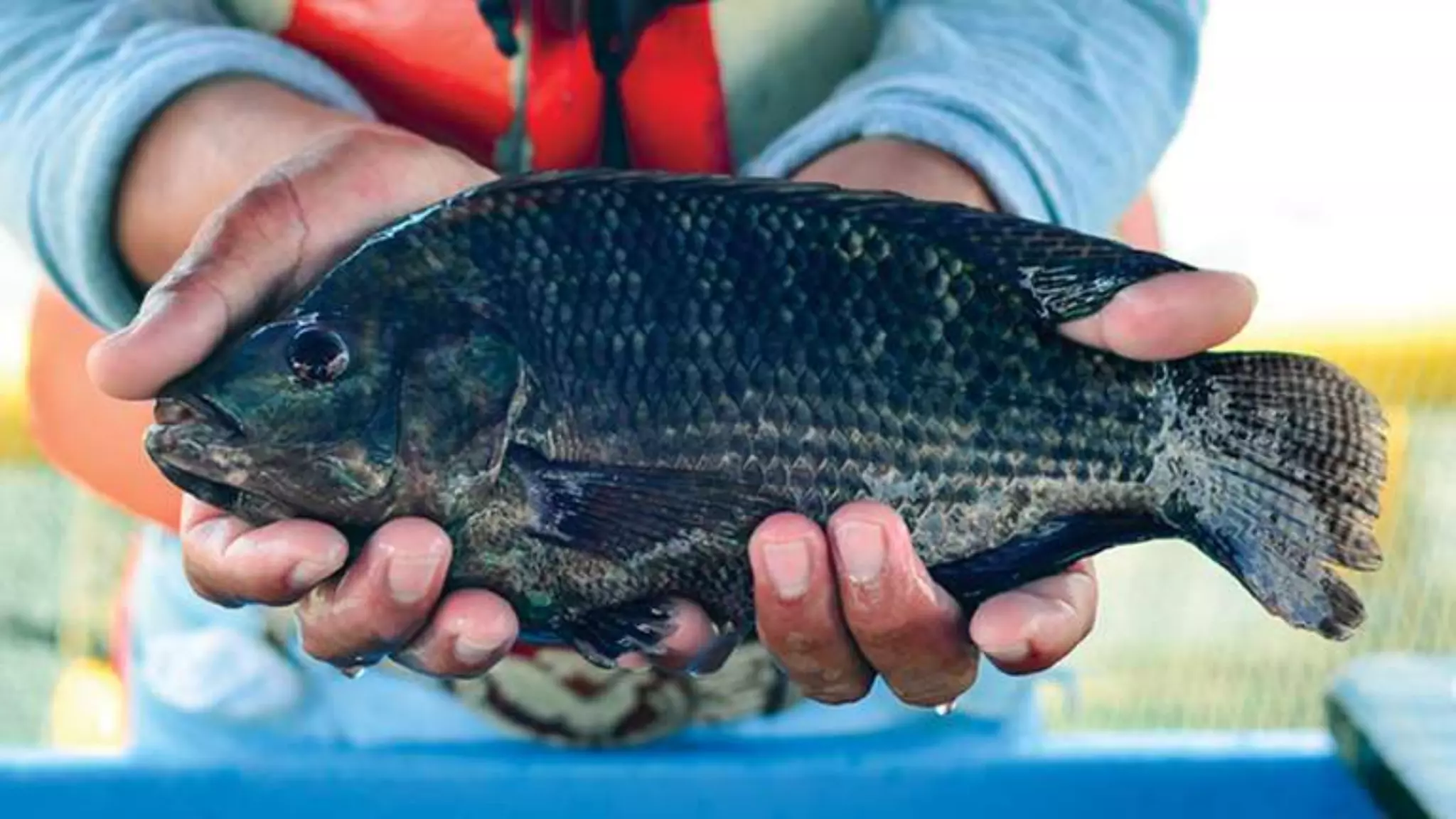
  • #16 Let me show you a case study from one of our customers. This is a tilapia, one of the fish most farmed in the world.
  • #18 And what’s next for Aquanetix? It is already at the core of aquaculture businesses, collecting data and supporting decisions;
  • #19 Aquanetix knows what fish or shrimp stocks farmers have, it forecasts production and knows when these stocks will be ready for harvest. We can become the farmer’s marketplace where farmers advertise and sell their fish or shellfish.
  • #20 Aquanetix already helps its users plan production, forecasting feeds’ needs and ensuring they never run out of feeds. It can go one step further, becoming the procurement platform for small and large farmers, providing access to more suppliers and better deals.
  • #21 Aquanetix also helps managers follow performance of their staff Identifying high achievers and those that need further training. It can in fact deliver this training, using the mobile App to send directly into workers hands the best training videos and apps.
  • #22 It can also link specialists such as vets and nutritionists with farmers, wherever they are, to help solve problems in situations where the necessary knowledge is not close by. Aquanetix can become a platform where aquaculture professionals offer and seek their services.
  • #23 And one more thing… with the use of machine learning and artificial intelligence algorithms Aquanetix can use its vast datasets and learn about good management, good nutrition and good feeding technique and start advising even the smallest farmer on how to best feed and manage its stocks in order to get the best performance results.
  • #24 In summary, Aquanetix is transforming the way Aquaculture companies collect data and use information to optimize production. This has an impact on business sustainability and on environmental sustainability as well. Thank you for your attention. Me, Stella and our team will be here the rest of the evening for anyone interested to know more about Aquanetix.