DISORDERS OF MALABSORPTION
Presenter : Dr UDAY V
INTRODUCTION – OVERVIEW
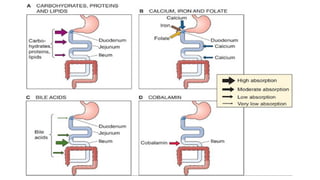
1. Physiology of Digestion and Absorption
2. Approach to Malabsorption
a. Etiology
b. Approach to Malabsorption
c. Tests for malabsorption
3. Malabsorption diseases
a. Celiac Disease
b. Abetalipoproteinemia
c. Short bowel syndrome
d. Bacterial overgrowth syndrome
e. Tropical sprue
f. Whipples disease
g. Carbohydrate malabsorption
h. Protein losing enteropathy
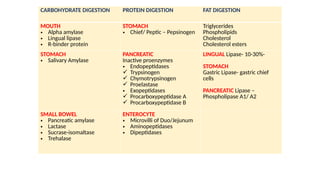
CARBOHYDRATE DIGESTION PROTEIN DIGESTION FAT DIGESTION
MOUTH
• Alpha amylase
• Lingual lipase
• R-binder protein
STOMACH
• Chief/ Peptic – Pepsinogen
Triglycerides
Phospholipids
Cholesterol
Cholesterol esters
STOMACH
• Salivary Amylase
PANCREATIC
Inactive proenzymes
• Endopeptidases
 Trypsinogen
 Chymotrypsinogen
 Proelastase
• Exopeptidases
 Procarboxypeptidase A
 Procarboxypeptidase B
LINGUAL Lipase- 10-30%-
STOMACH
Gastric Lipase- gastric chief
cells
PANCREATIC Lipase –
Phospholipase A1/ A2
SMALL BOWEL
• Pancreatic amylase
• Lactase
• Sucrase-isomaltase
• Trehalase
ENTEROCYTE
• Microvilli of Duo/Jejunum
• Aminopeptidases
• Dipeptidases
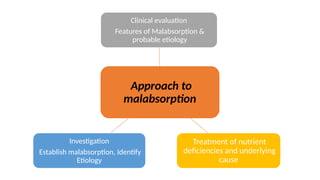
Approach to
malabsorption
Clinical evaluation
Features of Malabsorption &
probable etiology
Treatment of nutrient
deficiencies and underlying
cause
Investigation
Establish malabsorption, Identify
Etiology
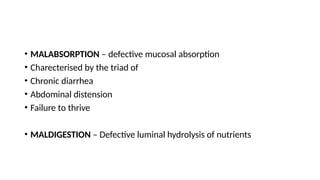
• MALABSORPTION – defective mucosal absorption
• Charecterised by the triad of
• Chronic diarrhea
• Abdominal distension
• Failure to thrive
• MALDIGESTION – Defective luminal hydrolysis of nutrients
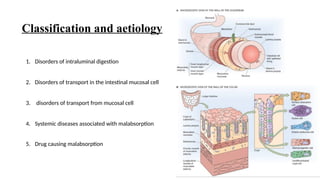
1. Disorders of intraluminal digestion
2. Disorders of transport in the intestinal mucosal cell
3. disorders of transport from mucosal cell
4. Systemic diseases associated with malabsorption
5. Drug causing malabsorption
Classification and aetiology
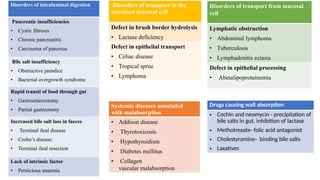
Disorders of intraluminal digestion
Pancreatic insufficiencies
• Cystic fibrosis
• Chronic pancreatitis
• Carcinoma of pancreas
Bile salt insufficiency
• Obstructive jaundice
• Bacterial overgrowth syndrome
Rapid transit of food through gut
• Gastroenterostomy
• Partial gastrectomy
Increased bile salt loss in faeces
• Terminal ileal disease
• Crohn’s disease
• Terminal ileal resection
Lack of intrinsic factor
• Pernicious anaemia
Disorders of transport in the
intestinal mucosal cell
Defect in brush border hydrolysis
• Lactase deficiency
Defect in epithelial transport
• Celiac disease
• Tropical sprue
• Lymphoma
Disorders of transport from mucosal
cell
Lymphatic obstruction
• Abdominal lymphoma
• Tuberculosis
• Lymphadenitis ectasia
Defect in epithelial processing
• Abetalipoproteinemia
Systemic diseases associated
with malabsorption
• Addison disease
• Thyrotoxicosis
• Hypothyroidism
• Diabetes mellitus
• Collagen
vascular malabsorption
Drugs causing wall absorption
• Cochin and neomycin - precipitation of
bile salts in gut, inhibition of lactase
• Methotrexate- folic acid antagonist
• Cholestyramine- binding bile salts
• Laxatives
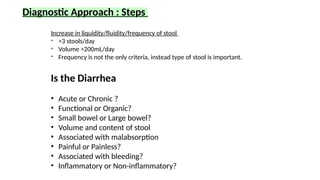
Diagnostic Approach : Steps
Is the Diarrhea
• Acute or Chronic ?
• Functional or Organic?
• Small bowel or Large bowel?
• Volume and content of stool
• Associated with malabsorption
• Painful or Painless?
• Associated with bleeding?
• Inflammatory or Non-inflammatory?
Increase in liquidity/fluidity/frequency of stool
- >3 stools/day
- Volume >200mL/day
- Frequency is not the only criteria, instead type of stool is important.
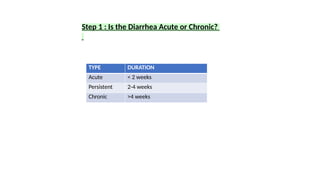
Step 1 : Is the Diarrhea Acute or Chronic?
TYPE DURATION
Acute < 2 weeks
Persistent 2-4 weeks
Chronic >4 weeks
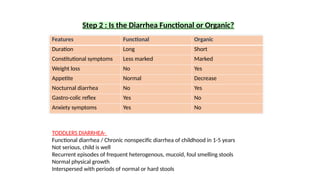
Step 2 : Is the Diarrhea Functional or Organic?
Features Functional Organic
Duration Long Short
Constitutional symptoms Less marked Marked
Weight loss No Yes
Appetite Normal Decrease
Nocturnal diarrhea No Yes
Gastro-colic reflex Yes No
Anxiety symptoms Yes No
TODDLERS DIARRHEA-
Functional diarrhea / Chronic nonspecific diarrhea of childhood in 1-5 years
Not serious, child is well
Recurrent episodes of frequent heterogenous, mucoid, foul smelling stools
Normal physical growth
Interspersed with periods of normal or hard stools
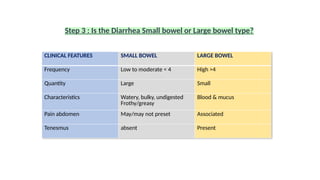
Step 3 : Is the Diarrhea Small bowel or Large bowel type?
CLINICAL FEATURES SMALL BOWEL LARGE BOWEL
Frequency Low to moderate < 4 High >4
Quantity Large Small
Characteristics Watery, bulky, undigested
Frothy/greasy
Blood & mucus
Pain abdomen May/may not preset Associated
Tenesmus absent Present
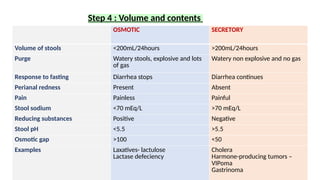
Step 4 : Volume and contents
OSMOTIC SECRETORY
Volume of stools <200mL/24hours >200mL/24hours
Purge Watery stools, explosive and lots
of gas
Watery non explosive and no gas
Response to fasting Diarrhea stops Diarrhea continues
Perianal redness Present Absent
Pain Painless Painful
Stool sodium <70 mEq/L >70 mEq/L
Reducing substances Positive Negative
Stool pH <5.5 >5.5
Osmotic gap >100 <50
Examples Laxatives- lactulose
Lactase defeciency
Cholera
Harmone-producing tumors –
VIPoma
Gastrinoma
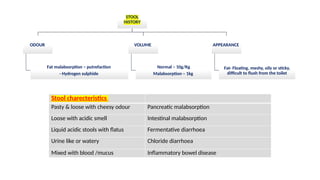
STOOL
HISTORY
ODOUR
Fat malabsorption – putrefaction
- Hydrogen sulphide
VOLUME
Normal – 10g/Kg
Malabsorption – 1kg
APPEARANCE
Fat- Floating, meshy, oily or sticky,
difficult to flush from the toilet
Stool charecteristics
Pasty & loose with cheesy odour Pancreatic malabsorption
Loose with acidic smell Intestinal malabsorption
Liquid acidic stools with flatus Fermentative diarrhoea
Urine like or watery Chloride diarrhoea
Mixed with blood /mucus Inflammatory bowel disease
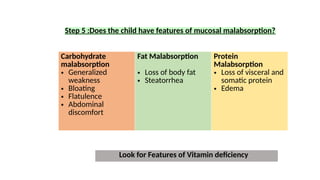
Step 5 :Does the child have features of mucosal malabsorption?
Carbohydrate
malabsorption
• Generalized
weakness
• Bloating
• Flatulence
• Abdominal
discomfort
Fat Malabsorption
• Loss of body fat
• Steatorrhea
Protein
Malabsorption
• Loss of visceral and
somatic protein
• Edema
Look for Features of Vitamin deficiency
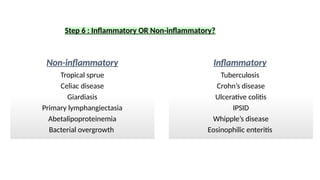
Step 6 : Inflammatory OR Non-inflammatory?
Non-inflammatory
Tropical sprue
Celiac disease
Giardiasis
Primary lymphangiectasia
Abetalipoproteinemia
Bacterial overgrowth
Inflammatory
Tuberculosis
Crohn’s disease
Ulcerative colitis
IPSID
Whipple’s disease
Eosinophilic enteritis
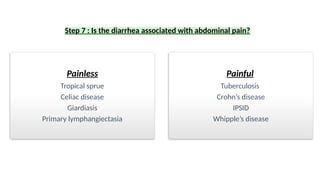
Step 7 : Is the diarrhea associated with abdominal pain?
Painless
Tropical sprue
Celiac disease
Giardiasis
Primary lymphangiectasia
Painful
Tuberculosis
Crohn’s disease
IPSID
Whipple’s disease
Step 8 : Is the diarrhea associated with bleeding?
No Blood
Tropical sprue
Celiac disease
Giardiasis
Immunodeficiency
Primary lymphangiectasia
Blood +
Tuberculosis
IBD
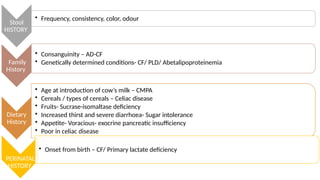
Stool
HISTORY
• Frequency, consistency, color, odour
Family
History
• Consanguinity – AD-CF
• Genetically determined conditions- CF/ PLD/ Abetalipoproteinemia
Dietary
History
• Age at introduction of cow’s milk – CMPA
• Cereals / types of cereals – Celiac disease
• Fruits- Sucrase-isomaltase deficiency
• Increased thirst and severe diarrhoea- Sugar intolerance
• Appetite- Voracious- exocrine pancreatic insufficiency
• Poor in celiac disease
PERINATAL
HISTORY
• Onset from birth – CF/ Primary lactate deficiency
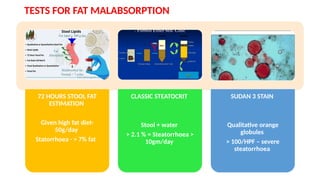
TESTS FOR FAT MALABSORPTION
72 HOURS STOOL FAT
ESTIMATION
Given high fat diet-
50g/day
Statorrhoea - > 7% fat
CLASSIC STEATOCRIT
Stool + water
> 2.1 % = Steatorrhoea >
10gm/day
SUDAN 3 STAIN
Qualitative orange
globules
> 100/HPF – severe
steatorrhoea
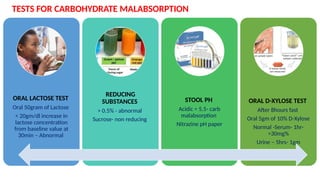
TESTS FOR CARBOHYDRATE MALABSORPTION
ORAL LACTOSE TEST
Oral 50gram of Lactose
< 20gm/dl increase in
lactose concentration
from baseline value at
30min – Abnormal
REDUCING
SUBSTANCES
> 0.5% - abnormal
Sucrose- non reducing
STOOL PH
Acidic < 5.5- carb
malabsorption
Nitrazine pH paper
ORAL D-XYLOSE TEST
After 8hours fast
Oral 5gm of 10% D-Xylose
Normal -Serum- 1hr-
>30mg%
Urine – 5hrs- 1gm
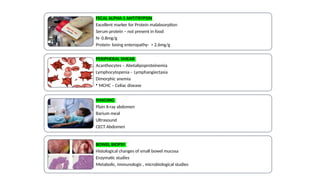
FECAL ALPHA-1 ANTITRYPSIN
Excellent marker for Protein malabsorption
Serum protein – not present in food
N- 0.8mg/g
Protein- losing enteropathy- > 2.6mg/g
PERIPHERAL SMEAR
Acanthocytes – Abetalipoproteinemia
Lymphocytopenia - Lymphangiectasia
Dimorphic anemia
• MCHC – Celiac disease
IMAGING
Plain X-ray abdomen
Barium meal
Ultrasound
CECT Abdomen
BOWEL BIOPSY
Histological changes of small bowel mucosa
Enzymatic studies
Metabolic, immunologic , microbiological studies
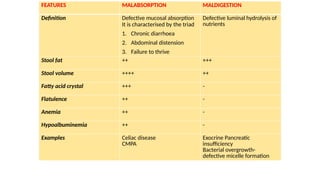
FEATURES MALABSORPTION MALDIGESTION
Definition Defective mucosal absorption
It is characterised by the triad
1. Chronic diarrhoea
2. Abdominal distension
3. Failure to thrive
Defective luminal hydrolysis of
nutrients
Stool fat ++ +++
Stool volume ++++ ++
Fatty acid crystal +++ -
Flatulence ++ -
Anemia ++ -
Hypoalbuminemia ++ -
Examples Celiac disease
CMPA
Exocrine Pancreatic
insufficiency
Bacterial overgrowth-
defective micelle formation
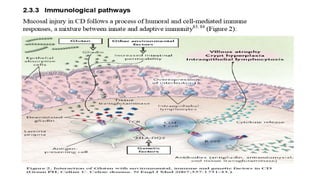
CELIAC DISEASE
DEFINITION : Celiac Disease
Immune- mediated enteropathy
caused by a permanent sensitivity to gluten
in genetically susceptible individuals.
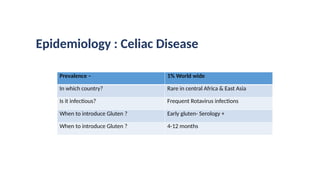
Epidemiology : Celiac Disease
Prevalence – 1% World wide
In which country? Rare in central Africa & East Asia
Is it infectious? Frequent Rotavirus infections
When to introduce Gluten ? Early gluten- Serology +
When to introduce Gluten ? 4-12 months
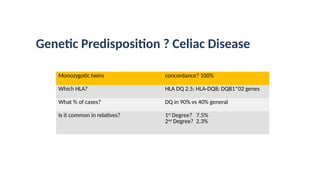
Genetic Predisposition ? Celiac Disease
Monozygotic twins concordance? 100%
Which HLA? HLA DQ 2.5; HLA-DQ8; DQB1*02 genes
What % of cases? DQ in 90% vs 40% general
Is it common in relatives? 1st
Degree? 7.5%
2nd
Degree? 2.3%
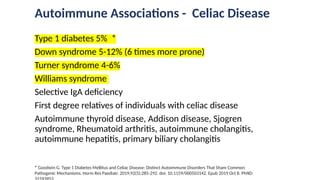
Autoimmune Associations - Celiac Disease
Type 1 diabetes 5% *
Down syndrome 5-12% (6 times more prone)
Turner syndrome 4-6%
Williams syndrome
Selective IgA deficiency
First degree relatives of individuals with celiac disease
Autoimmune thyroid disease, Addison disease, Sjogren
syndrome, Rheumatoid arthritis, autoimmune cholangitis,
autoimmune hepatitis, primary biliary cholangitis
* Goodwin G. Type 1 Diabetes Mellitus and Celiac Disease: Distinct Autoimmune Disorders That Share Common
Pathogenic Mechanisms. Horm Res Paediatr. 2019;92(5):285-292. doi: 10.1159/000503142. Epub 2019 Oct 8. PMID:
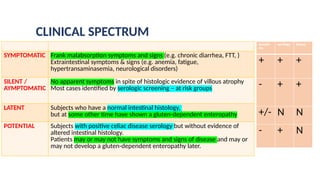
CLINICAL SPECTRUM
SYMPTOMATIC Frank malabsorption symptoms and signs (e.g. chronic diarrhea, FTT, )
Extraintestinal symptoms & signs (e.g. anemia, fatigue,
hypertransaminasemia, neurological disorders)
SILENT /
AYMPTOMATIC
No apparent symptoms in spite of histologic evidence of villous atrophy
Most cases identified by serologic screening – at risk groups
LATENT Subjects who have a normal intestinal histology,
but at some other time have shown a gluten-dependent enteropathy
POTENTIAL Subjects with positive celiac disease serology but without evidence of
altered intestinal histology.
Patients may or may not have symptoms and signs of disease and may or
may not develop a gluten-dependent enteropathy later.
sympto
ms
serology biopsy
+ + +
- + +
+/- N N
- + N
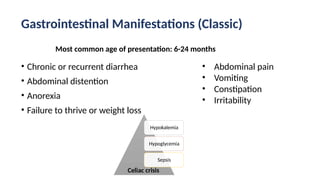
Gastrointestinal Manifestations (Classic)
• Chronic or recurrent diarrhea
• Abdominal distention
• Anorexia
• Failure to thrive or weight loss
• Abdominal pain
• Vomiting
• Constipation
• Irritability
Most common age of presentation: 6-24 months
Hypokalemia
Hypoglycemia
Sepsis
Celiac crisis
Non-Gastrointestinal Manifestations (Non-Classic)
• Dermatitis herpetiformis
• Dental enamel hypoplasia
of permanent teeth
• Osteopenia/ osteoporosis
• Short stature
• Delayed puberty
• Iron deficient anemia resistant to oral iron
• Hepatitis
• Arthritis
• Epilepsy with occipital calcifications
Most common age of presentation: older children to adult
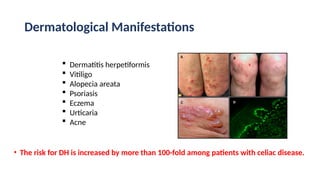
Dermatological Manifestations
• The risk for DH is increased by more than 100-fold among patients with celiac disease.
 Dermatitis herpetiformis
 Vitiligo
 Alopecia areata
 Psoriasis
 Eczema
 Urticaria
 Acne
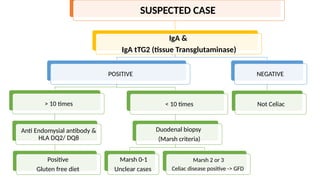
SUSPECTED CASE
IgA &
IgA tTG2 (tissue Transglutaminase)
POSITIVE
> 10 times
Anti Endomysial antibody &
HLA DQ2/ DQ8
Positive
Gluten free diet
< 10 times
Duodenal biopsy
(Marsh criteria)
Marsh 0-1
Unclear cases
Marsh 2 or 3
Celiac disease positive -> GFD
NEGATIVE
Not Celiac
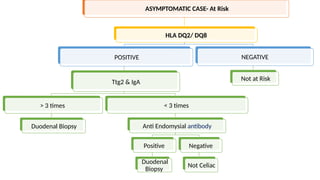
ASYMPTOMATIC CASE- At Risk
HLA DQ2/ DQ8
POSITIVE
Ttg2 & IgA
> 3 times
Duodenal Biopsy
< 3 times
Anti Endomysial antibody
Positive
Duodenal
Biopsy
Negative
Not Celiac
NEGATIVE
Not at Risk
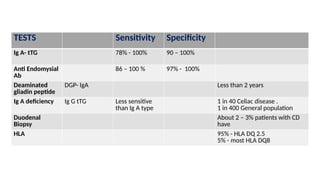
TESTS Sensitivity Specificity
Ig A- tTG 78% - 100% 90 – 100%
Anti Endomysial
Ab
86 – 100 % 97% - 100%
Deaminated
gliadin peptide
DGP- IgA Less than 2 years
Ig A deficiency Ig G tTG Less sensitive
than Ig A type
1 in 40 Celiac disease .
1 in 400 General population
Duodenal
Biopsy
About 2 – 3% patients with CD
have
HLA 95% - HLA DQ 2.5
5% - most HLA DQ8
C Consultation with a skilled dietitian
E Education about the disease
L Lifelong adherence to a gluten-free diet
I Identification and treatment of nutritional deficiencies
A Access to an advocacy group and health behaviour support
C Continuous long-term follow-up by a multidisciplinary team
TREATMENT : Celiac Disease
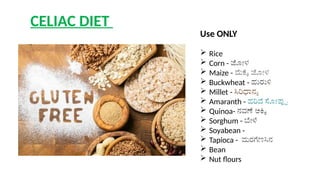
CELIAC DIET
Use ONLY
 Rice
 Corn - ಜೋಳ
 Maize - ಮೆಕ್ಕೆ ಜೋಳ
 Buckwheat - ಹುರುಳಿ
 Millet - ಸಿರಿಧಾನ್ಯ
 Amaranth - ಹರಿವೆ ಸೋಪ್ಪು
 Quinoa- ನವಣೆ ಅಕ್ಕಿ
 Sorghum - ಬೇಳೆ
 Soyabean -
 Tapioca - ಮರಗೆಣಸಿನ
 Bean
 Nut flours
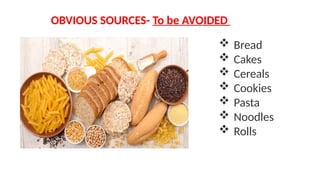
OBVIOUS SOURCES- To be AVOIDED
 Bread
 Cakes
 Cereals
 Cookies
 Pasta
 Noodles
 Rolls
The CODEX Alimentarius Guidelines
Gluten- free food item < 20ppm
(equivalent to 20mg gluten in 1kg of product)
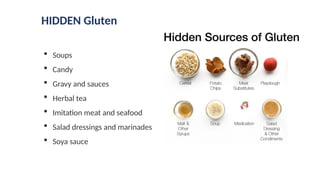
HIDDEN Gluten
 Soups
 Candy
 Gravy and sauces
 Herbal tea
 Imitation meat and seafood
 Salad dressings and marinades
 Soya sauce
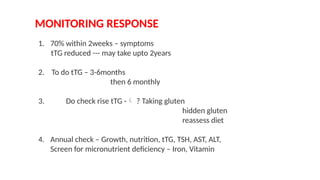
MONITORING RESPONSE
1. 70% within 2weeks – symptoms
tTG reduced --- may take upto 2years
2. To do tTG – 3-6months
then 6 monthly
3. Do check rise tTG - ? Taking gluten
hidden gluten
reassess diet
4. Annual check – Growth, nutrition, tTG, TSH, AST, ALT,
Screen for micronutrient deficiency – Iron, Vitamin
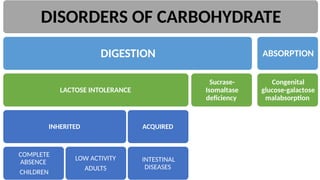
DISORDERS OF CARBOHYDRATE
DIGESTION
LACTOSE INTOLERANCE
INHERITED
COMPLETE
ABSENCE
CHILDREN
LOW ACTIVITY
ADULTS
ACQUIRED
INTESTINAL
DISEASES
Sucrase-
Isomaltase
deficiency
ABSORPTION
Congenital
glucose-galactose
malabsorption
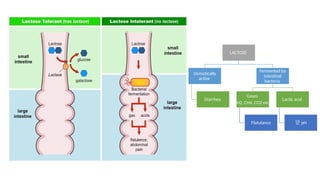
LACTOSE
Osmotically
active
Diarrhea
Fermented by
intestinal
bacteria
Gases
H2, CH4, CO2 etc
Flatulance
Lactic acid
 pH
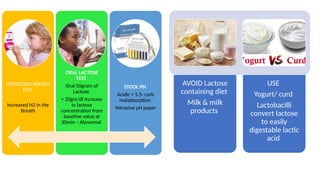
HYDROGEN BREATH
TEST
Increased H2 in the
Breath
ORAL LACTOSE
TEST
Oral 50gram of
Lactose
< 20gm/dl increase
in lactose
concentration from
baseline value at
30min – Abnormal
STOOL PH
Acidic < 5.5- carb
malabsorption
Nitrazine pH paper
AVOID Lactose
containing diet
Milk & milk
products
USE
Yogurt/ curd
Lactobacilli
convert lactose
to easily
digestable lactic
acid
• ABETALIPOPROTEINEMIA
• Etiology
The causative factor is mutations in the
• Microsomal Triglyceride Transfer Protein Gene (MTTP) ,
• localized to chromosome 4q22-24.
 Inherited metabolic disorder
 With a heterogeneous clinical presentation
 Estimated frequency of the disease is 1 in 10,00,000.
 The name “abetalipoproteinemia” is derived from the typical lack of lipoproteins
with beta-electrophoretic mobility on electrophoresis.
 ApoB- 48 Chylomicrons , ApoB-100 VLDL
 Bassen and kornzweig syndrome
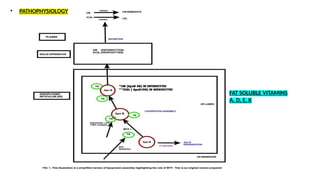
• PATHOPHYSIOLOGY
FAT SOLUBLE VITAMINS
A, D, E, K
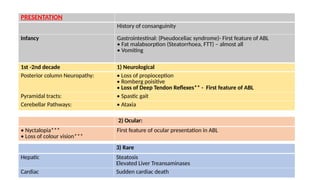
1st -2nd decade 1) Neurological
Posterior column Neuropathy: • Loss of propioception
• Romberg poisitive
• Loss of Deep Tendon Reflexes** - First feature of ABL
Pyramidal tracts: • Spastic gait
Cerebellar Pathways: • Ataxia
2) Ocular:
• Nyctalopia***
• Loss of colour vision***
First feature of ocular presentation in ABL
3) Rare
Hepatic Steatosis
Elevated Liver Treansaminases
Cardiac Sudden cardiac death
PRESENTATION
History of consanguinity
Infancy Gastrointestinal: (Pseudoceliac syndrome)- First feature of ABL
• Fat malabsorption (Steatorrhoea, FTT) – almost all
• Vomiting
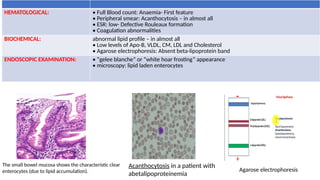
HEMATOLOGICAL: • Full Blood count: Anaemia- First feature
• Peripheral smear: Acanthocytosis – in almost all
• ESR: low- Defective Rouleaux formation
• Coagulation abnormalities
BIOCHEMICAL: abnormal lipid profile – in almost all
• Low levels of Apo-B, VLDL, CM, LDL and Cholesterol
• Agarose electrophoresis: Absent beta-lipoprotein band
ENDOSCOPIC EXAMINATION: • “gelee blanche” or “white hoar frosting” appearance
• microscopy: lipid laden enterocytes
The small bowel mucosa shows the characteristic clear
enterocytes (due to lipid accumulation).
Acanthocytosis in a patient with
abetalipoproteinemia
Agarose electrophoresis
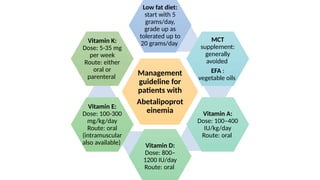
Management
guideline for
patients with
Abetalipoprot
einemia
Low fat diet:
start with 5
grams/day,
grade up as
tolerated up to
20 grams/day
MCT
supplement:
generally
avoided
EFA :
vegetable oils
Vitamin A:
Dose: 100–400
IU/kg/day
Route: oral
Vitamin D:
Dose: 800–
1200 IU/day
Route: oral
Vitamin E:
Dose: 100-300
mg/kg/day
Route: oral
(intramuscular
also available)
Vitamin K:
Dose: 5-35 mg
per week
Route: either
oral or
parenteral
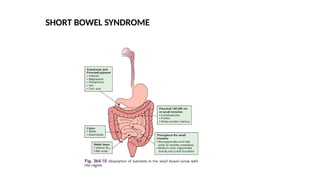
SHORT BOWEL SYNDROME
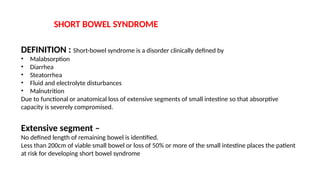
DEFINITION : Short-bowel syndrome is a disorder clinically defined by
• Malabsorption
• Diarrhea
• Steatorrhea
• Fluid and electrolyte disturbances
• Malnutrition
Due to functional or anatomical loss of extensive segments of small intestine so that absorptive
capacity is severely compromised.
Extensive segment –
No defined length of remaining bowel is identified.
Less than 200cm of viable small bowel or loss of 50% or more of the small intestine places the patient
at risk for developing short bowel syndrome
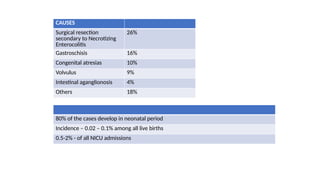
CAUSES
Surgical resection
secondary to Necrotizing
Enterocolitis
26%
Gastroschisis 16%
Congenital atresias 10%
Volvulus 9%
Intestinal aganglionosis 4%
Others 18%
80% of the cases develop in neonatal period
Incidence – 0.02 – 0.1% among all live births
0.5-2% - of all NICU admissions
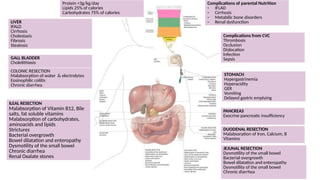
Protein <3g/kg/day
Lipids 25% of calories
Carbohydrates 75% of calories
Complications of parental Nutrition
- IFLAD
- Cirrhosis
- Metabilic bone disorders
- Renal dysfunction
Complications from CVC
Thrombosis
Occlusion
Dislocation
Infection
Sepsis
STOMACH
Hypergastrinemia
Hyperacidity
GER
Vomiting
Delayed gastric emptying
GALL BLADDER
Cholelithiasis
LIVER
IFALD
Cirrhosis
Cholestasis
Fibrosis
Steatosis
PANCREAS
Exocrine pancreatic insufficiency
ILEAL RESECTION
Malabsorption of Vitamin B12, Bile
salts, fat soluble vitamins
Malabsorption of carbohydrates,
aminoacids and lipids
Strictures
Bacterial overgrowth
Bowel dilatation and enteropathy
Dysmotility of the small bowel
Chronic diarrhea
Renal Oxalate stones
DUODENAL RESECTION
Malabsorption of Iron, Calcium, B
Vitamins
COLONIC RESECTION
Malabsorption of water & electrolytes
Eosinophilic colitis
Chronic diarrhea
JEJUNAL RESECTION
Dysmotility of the small bowel
Bacterial overgrowth
Bowel dilatation and enteropathy
Dysmotility of the small bowel
Chronic diarrhea
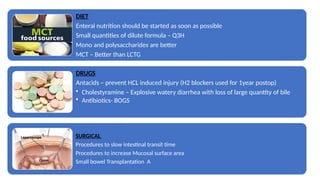
DIET
Enteral nutrition should be started as soon as possible
Small quantities of dilute formula – Q3H
Mono and polysaccharides are better
MCT – Better than LCTG
DRUGS
Antacids – prevent HCL induced injury (H2 blockers used for 1year postop)
• Cholestyramine – Explosive watery diarrhea with loss of large quantity of bile
• Antibiotics- BOGS
SURGICAL
Procedures to slow intestinal transit time
Procedures to increase Mucosal surface area
Small bowel Transplantation A
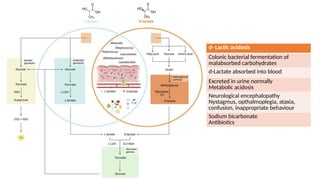
d- Lactic acidosis
Colonic bacterial fermentation of
malabsorbed carbohydrates
d-Lactate absorbed into blood
Excreted in urine normally
Metabolic acidosis
Neurological encephalopathy
Nystagmus, opthalmoplegia, ataxia,
confusion, inappropriate behaviour
Sodium bicarbonate
Antibiotics
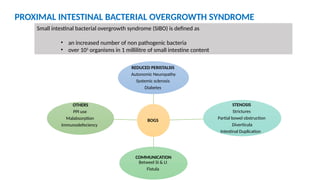
BOGS
REDUCED PERISTALSIS
Autonomic Neuropathy
Systemic sclerosis
Diabetes
STENOSIS
Strictures
Partial bowel obstruction
Diverticula
Intestinal Duplication
COMMUNICATION
Betweel SI & LI
Fistula
OTHERS
PPI use
Malabsorption
Immunodefeciency
PROXIMAL INTESTINAL BACTERIAL OVERGROWTH SYNDROME
Small intestinal bacterial overgrowth syndrome (SIBO) is defined as
• an increased number of non pathogenic bacteria
• over 105
organisms in 1 millilitre of small intestine content
MANIFESTATIONS MECHANISM
Diarrhoea, abdominal pain, and flatulence
Weight loss, symptoms of iron deficiency anaemia, vitamin
D deficiency, hypocalcaemia, and even osteoporosis
Abdominal distension Bacteria actively participate in the fermentation process of
disaccharides and lead to an excess of formed gases, which
is associated with the feeling of distension and the presence
of abdominal pain
Steatorrhea Deconjugation of bile by intestinal bacteria
D-xylose test – abnormal D- xylose is absorbed by the bacteria
Schilling test – abnormal B12 absorbed by the bacteria
Intestinal biopsy – normal Bacteria is non invasive
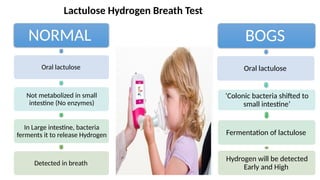
Lactulose Hydrogen Breath Test
NORMAL
Oral lactulose
Not metabolized in small
intestine (No enzymes)
In Large intestine, bacteria
ferments it to release Hydrogen
Detected in breath
BOGS
Oral lactulose
‘Colonic bacteria shifted to
small intestine’
Fermentation of lactulose
Hydrogen will be detected
Early and High
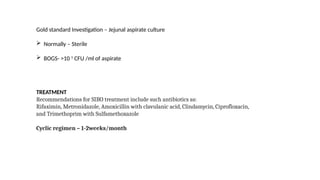
Gold standard Investigation – Jejunal aspirate culture
 Normally – Sterile
 BOGS- >10 5
CFU /ml of aspirate
TREATMENT
Recommendations for SIBO treatment include such antibiotics as:
Rifaximin, Metronidazole, Amoxicillin with clavulanic acid, Clindamycin, Ciprofloxacin,
and Trimethoprim with Sulfamethoxazole
Cyclic regimen – 1-2weeks/month
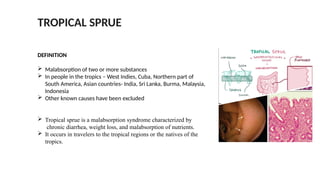
DEFINITION
 Malabsorption of two or more substances
 In people in the tropics – West Indies, Cuba, Northern part of
South America, Asian countries- India, Sri Lanka, Burma, Malaysia,
Indonesia
 Other known causes have been excluded
 Tropical sprue is a malabsorption syndrome characterized by
chronic diarrhea, weight loss, and malabsorption of nutrients.
 It occurs in travelers to the tropical regions or the natives of the
tropics.
TROPICAL SPRUE
.
EPIDEMIOLOGY
The disease usually affects the indigenous population and
travelers with a stay greater than 1 month in the endemic areas.
It is rarely seen in visitors who stay for less than 2 weeks in
these areas. The incidence is declining in India and Pakistan,
likely secondary to improved hygiene and rampant use of
antibiotics
The disease is rarely seen in the African continent, China, and
the Middle East. There have been only a few cases in the USA.
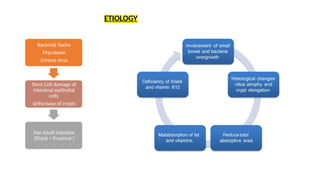
ETIOLOGY
Bacterial Toxins
Mycotoxin
Corona virus
Stem Cell damage of
intestinal epithelial
cells
@the base of crypts
Pan Small intestine
(Distal > Proximal )
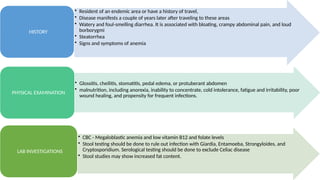
• Resident of an endemic area or have a history of travel,
• Disease manifests a couple of years later after traveling to these areas
• Watery and foul-smelling diarrhea. It is associated with bloating, crampy abdominal pain, and loud
borborygmi
• Steatorrhea
• Signs and symptoms of anemia
HISTORY
• Glossitis, cheilitis, stomatitis, pedal edema, or protuberant abdomen
• malnutrition, including anorexia, inability to concentrate, cold intolerance, fatigue and irritability, poor
wound healing, and propensity for frequent infections.
PHYSICAL EXAMINATION
• CBC - Megaloblastic anemia and low vitamin B12 and folate levels
• Stool testing should be done to rule out infection with Giardia, Entamoeba, Strongyloides, and
Cryptosporidium. Serological testing should be done to exclude Celiac disease
• Stool studies may show increased fat content.
LAB INVESTIGATIONS
• Endoscopic evaluation will show changes in the duodenum and jejunum involving absent duodenal
folds and the presence of scalloped folds and mucosal fissures.
• Increased villous crypt depth, nuclear immaturity, enlarged epithelial cells, intraepithelial
lymphocytic infiltrates, increased inflammatory cells in the lamina propria, and accumulation of lipid
underneath the basement membrane.
ENDOSCOPY
• Combination therapy of Tetracycline 250 mg PO four times daily and oral folic acid 5 mg
daily is given for 3 to 6 months.
• In endemic areas and patients with a relapsing course, the treatment duration may be
extended up to a year.
• Severe dehydration, Electrolyte imbalance, and Symptomatic anemia –Needs
hospitalisation
TREATMENT
• The prognosis of tropical sprue is usually good.
• The response with treatment has been excellent in people who acquired it during travel to
endemic regions, with rare or no recurrence.
• The recurrence rate in residents of endemic regions is reported to be around 20%, with
frequent relapses over the years.
PROGNOSIS
ETIOLOGY
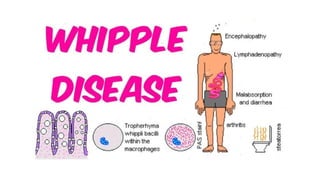
Tropheryma whipplei
gram-positive bacillus,
periodic acid-Schiff-
positive (PAS), and acid-
fast negative
EPIDEMIOLOGY
Associated with the HLA
B27 haplotype
one to three in every
one million people
mean age of onset of
symptoms is age 55
M:F = 4:1
PATHOPHYSIOLOGY
It consists primarily of
altered macrophage
function and activation
and an impaired type 1
T-cell response
The organism is
ingested by
macrophages which can
be observed PAS.
The malabsorption seen
is due to disruption of
the normal villus
function.
CLINICAL FEATURES
Gastrointestinal
symptoms that
resemble other
malabsorption
syndromes
peripheral
lymphadenopathy in
about 50% of the cases.
CVS- Pericarditis
CNS – Nystagmus
Oculomasticatory
myoarrhythmias
Eye- Uveitis
Hyperpigmentation –
light sensitive areas
DIAGNOSIS
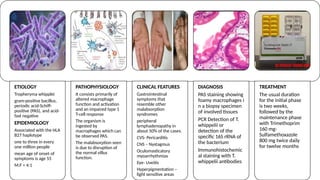
PAS staining showing
foamy macrophages i
n a biopsy specimen
of involved tissues
PCR Detection of T.
whippelii or
detection of the
specific 16S rRNA of
the bacterium
Immunohistochemic
al staining with T.
whippelii antibodies
TREATMENT
The usual duration
for the initial phase
is two weeks,
followed by the
maintenance phase
with Trimethoprim
160 mg-
Sulfamethoxazole
800 mg twice daily
for twelve months
PROTEIN LOSING ENTEROPATHY
DEFINITION Protein-losing enteropathy (PLE) is a condition in which excess loss of proteins occurs through the
gastrointestinal tract due to different etiologies. It should be suspected in patients with low serum proteins
and in whom other causes of hypoproteinemia have been ruled out.
CAUSES 1. Primary erosive/ulcerative gastrointestinal disorders : inflammatory bowel diseases (both ulcerative
colitis and crohn’s disease), gastrointestinal malignancies, any erosions or ulcers of stomach or duodenum,
clostridium difficile colitis, carcinoid syndrome, graft vs. Host disease.
2. Non-erosive/non-ulcerative gastrointestinal disorders : topical sprue, celiac disease, menetrier’s disease,
amyloidosis, cutaneous burns, eosinophilic gastroenteritis, bacterial overgrowth, intestinal parasitic
infections, Whipple’s disease.
3. Disorders causing increased interstitial pressure or lymphatic obstruction
Primary intestinal lymphangiectasia, right-sided heart failure, constrictive pericarditis, congenital heart
disease, cirrhosis with portal hypertension gastropathy, hepatic venous outflow obstruction, and thoracic
duct obstruction.
PATHOPHYSIOLOGY This condition occurs when the loss of proteins through the gastrointestinal tract exceeds the synthesis of proteins
by the body, leading to hypoproteinemia.
In conditions causing inflammation and erosions of the gastrointestinal tract, the mucosal permeability increases,
leading to excessive leakage of serum proteins into the gut, and poor reabsorption. This state leads to
hypoproteinemia.
In diseases causing increased lymphatic pressure and lymphatic obstruction, there is an increased leak of lymph into
the gastrointestinal tract and decreased absorption of chylomicrons, resulting in a deficiency of fat-soluble vitamins
and protein loss.
CLINICAL FEATURES Diarrhea, bloating, abdominal pain, etc
Loss of immunoglobulins and lymphocytes - frequent infections
Decreased oncotic pressure
Peripheral edema (most common presenting symptom)
Ascites and pleural effusions
INVESTIGATION Low albumin and low globulins in their serum.
Alpha 1 antitrypsin (a1at) intestinal clearance
TREATMENT /
MANAGEMENT Treating the underlying pathology is the mainstay of treatment.
Diet rich in protein and medium chain triglycerides and low in fat is considered the best diet in this condition.
Patients may require 2 to 3g/kg/day of protein.
Replacement of micronutrients, electrolytes, and vitamin deficiencies should occur as appropriate.
Octreotide has been considered beneficial in primary intestinal lymphangiectasia and menetrier disease by
decreasing lymphatic pressure and reducing intestinal protein loss.
REFERENCES
1. A Riyaz , Textbook of Paediatric Gastroenterology & Hepatology, 4th
Edition
2. Nelson Textbook of pediatrics, 21st
Edition
3. Sonawane R. ABETALIPOPROTEINEMIA. Pediatr Oncall J. 2016;13: 1-8. doi: 10.7199/ped.oncall.2016.1
4. Siniewicz-Luzeńczyk K, Bik-Gawin A, Zeman K, Bąk-Romaniszyn L. Small intestinal bacterial overgrowth syndrome
in children. Prz Gastroenterol. 2015;10(1):28-32. doi: 10.5114/pg.2014.47494. Epub 2015 Feb 6. PMID:
25960812; PMCID: PMC4411403.
5. Brar HS, Aloysius MM, Shah NJ. Tropical Sprue. [Updated 2023 Jan 30]. In: StatPearls [Internet]. Treasure Island
(FL): StatPearls Publishing; 2023 Jan-. Available from: https://www.ncbi.nlm.nih.gov/books/NBK567742
6. Nagra N, Dang S. Protein-Losing Enteropathy. [Updated 2023 Jun 12]. In: StatPearls [Internet]. Treasure Island
(FL): StatPearls Publishing; 2023 Jan-. Available from: https://www.ncbi.nlm.nih.gov/books/NBK542283/

approach o malabsorption in children.pptx

  • 1.
  • 2.
    INTRODUCTION – OVERVIEW 1.Physiology of Digestion and Absorption 2. Approach to Malabsorption a. Etiology b. Approach to Malabsorption c. Tests for malabsorption 3. Malabsorption diseases a. Celiac Disease b. Abetalipoproteinemia c. Short bowel syndrome d. Bacterial overgrowth syndrome e. Tropical sprue f. Whipples disease g. Carbohydrate malabsorption h. Protein losing enteropathy
  • 3.
    CARBOHYDRATE DIGESTION PROTEINDIGESTION FAT DIGESTION MOUTH • Alpha amylase • Lingual lipase • R-binder protein STOMACH • Chief/ Peptic – Pepsinogen Triglycerides Phospholipids Cholesterol Cholesterol esters STOMACH • Salivary Amylase PANCREATIC Inactive proenzymes • Endopeptidases  Trypsinogen  Chymotrypsinogen  Proelastase • Exopeptidases  Procarboxypeptidase A  Procarboxypeptidase B LINGUAL Lipase- 10-30%- STOMACH Gastric Lipase- gastric chief cells PANCREATIC Lipase – Phospholipase A1/ A2 SMALL BOWEL • Pancreatic amylase • Lactase • Sucrase-isomaltase • Trehalase ENTEROCYTE • Microvilli of Duo/Jejunum • Aminopeptidases • Dipeptidases
  • 5.
    Approach to malabsorption Clinical evaluation Featuresof Malabsorption & probable etiology Treatment of nutrient deficiencies and underlying cause Investigation Establish malabsorption, Identify Etiology
  • 6.
    • MALABSORPTION –defective mucosal absorption • Charecterised by the triad of • Chronic diarrhea • Abdominal distension • Failure to thrive • MALDIGESTION – Defective luminal hydrolysis of nutrients
  • 7.
    1. Disorders ofintraluminal digestion 2. Disorders of transport in the intestinal mucosal cell 3. disorders of transport from mucosal cell 4. Systemic diseases associated with malabsorption 5. Drug causing malabsorption Classification and aetiology
  • 8.
    Disorders of intraluminaldigestion Pancreatic insufficiencies • Cystic fibrosis • Chronic pancreatitis • Carcinoma of pancreas Bile salt insufficiency • Obstructive jaundice • Bacterial overgrowth syndrome Rapid transit of food through gut • Gastroenterostomy • Partial gastrectomy Increased bile salt loss in faeces • Terminal ileal disease • Crohn’s disease • Terminal ileal resection Lack of intrinsic factor • Pernicious anaemia Disorders of transport in the intestinal mucosal cell Defect in brush border hydrolysis • Lactase deficiency Defect in epithelial transport • Celiac disease • Tropical sprue • Lymphoma Disorders of transport from mucosal cell Lymphatic obstruction • Abdominal lymphoma • Tuberculosis • Lymphadenitis ectasia Defect in epithelial processing • Abetalipoproteinemia Systemic diseases associated with malabsorption • Addison disease • Thyrotoxicosis • Hypothyroidism • Diabetes mellitus • Collagen vascular malabsorption Drugs causing wall absorption • Cochin and neomycin - precipitation of bile salts in gut, inhibition of lactase • Methotrexate- folic acid antagonist • Cholestyramine- binding bile salts • Laxatives
  • 9.
    Diagnostic Approach :Steps Is the Diarrhea • Acute or Chronic ? • Functional or Organic? • Small bowel or Large bowel? • Volume and content of stool • Associated with malabsorption • Painful or Painless? • Associated with bleeding? • Inflammatory or Non-inflammatory? Increase in liquidity/fluidity/frequency of stool - >3 stools/day - Volume >200mL/day - Frequency is not the only criteria, instead type of stool is important.
  • 10.
    Step 1 :Is the Diarrhea Acute or Chronic? TYPE DURATION Acute < 2 weeks Persistent 2-4 weeks Chronic >4 weeks
  • 11.
    Step 2 :Is the Diarrhea Functional or Organic? Features Functional Organic Duration Long Short Constitutional symptoms Less marked Marked Weight loss No Yes Appetite Normal Decrease Nocturnal diarrhea No Yes Gastro-colic reflex Yes No Anxiety symptoms Yes No TODDLERS DIARRHEA- Functional diarrhea / Chronic nonspecific diarrhea of childhood in 1-5 years Not serious, child is well Recurrent episodes of frequent heterogenous, mucoid, foul smelling stools Normal physical growth Interspersed with periods of normal or hard stools
  • 12.
    Step 3 :Is the Diarrhea Small bowel or Large bowel type? CLINICAL FEATURES SMALL BOWEL LARGE BOWEL Frequency Low to moderate < 4 High >4 Quantity Large Small Characteristics Watery, bulky, undigested Frothy/greasy Blood & mucus Pain abdomen May/may not preset Associated Tenesmus absent Present
  • 13.
    Step 4 :Volume and contents OSMOTIC SECRETORY Volume of stools <200mL/24hours >200mL/24hours Purge Watery stools, explosive and lots of gas Watery non explosive and no gas Response to fasting Diarrhea stops Diarrhea continues Perianal redness Present Absent Pain Painless Painful Stool sodium <70 mEq/L >70 mEq/L Reducing substances Positive Negative Stool pH <5.5 >5.5 Osmotic gap >100 <50 Examples Laxatives- lactulose Lactase defeciency Cholera Harmone-producing tumors – VIPoma Gastrinoma
  • 14.
    STOOL HISTORY ODOUR Fat malabsorption –putrefaction - Hydrogen sulphide VOLUME Normal – 10g/Kg Malabsorption – 1kg APPEARANCE Fat- Floating, meshy, oily or sticky, difficult to flush from the toilet Stool charecteristics Pasty & loose with cheesy odour Pancreatic malabsorption Loose with acidic smell Intestinal malabsorption Liquid acidic stools with flatus Fermentative diarrhoea Urine like or watery Chloride diarrhoea Mixed with blood /mucus Inflammatory bowel disease
  • 15.
    Step 5 :Doesthe child have features of mucosal malabsorption? Carbohydrate malabsorption • Generalized weakness • Bloating • Flatulence • Abdominal discomfort Fat Malabsorption • Loss of body fat • Steatorrhea Protein Malabsorption • Loss of visceral and somatic protein • Edema Look for Features of Vitamin deficiency
  • 16.
    Step 6 :Inflammatory OR Non-inflammatory? Non-inflammatory Tropical sprue Celiac disease Giardiasis Primary lymphangiectasia Abetalipoproteinemia Bacterial overgrowth Inflammatory Tuberculosis Crohn’s disease Ulcerative colitis IPSID Whipple’s disease Eosinophilic enteritis
  • 17.
    Step 7 :Is the diarrhea associated with abdominal pain? Painless Tropical sprue Celiac disease Giardiasis Primary lymphangiectasia Painful Tuberculosis Crohn’s disease IPSID Whipple’s disease
  • 18.
    Step 8 :Is the diarrhea associated with bleeding? No Blood Tropical sprue Celiac disease Giardiasis Immunodeficiency Primary lymphangiectasia Blood + Tuberculosis IBD
  • 19.
    Stool HISTORY • Frequency, consistency,color, odour Family History • Consanguinity – AD-CF • Genetically determined conditions- CF/ PLD/ Abetalipoproteinemia Dietary History • Age at introduction of cow’s milk – CMPA • Cereals / types of cereals – Celiac disease • Fruits- Sucrase-isomaltase deficiency • Increased thirst and severe diarrhoea- Sugar intolerance • Appetite- Voracious- exocrine pancreatic insufficiency • Poor in celiac disease PERINATAL HISTORY • Onset from birth – CF/ Primary lactate deficiency
  • 20.
    TESTS FOR FATMALABSORPTION 72 HOURS STOOL FAT ESTIMATION Given high fat diet- 50g/day Statorrhoea - > 7% fat CLASSIC STEATOCRIT Stool + water > 2.1 % = Steatorrhoea > 10gm/day SUDAN 3 STAIN Qualitative orange globules > 100/HPF – severe steatorrhoea
  • 21.
    TESTS FOR CARBOHYDRATEMALABSORPTION ORAL LACTOSE TEST Oral 50gram of Lactose < 20gm/dl increase in lactose concentration from baseline value at 30min – Abnormal REDUCING SUBSTANCES > 0.5% - abnormal Sucrose- non reducing STOOL PH Acidic < 5.5- carb malabsorption Nitrazine pH paper ORAL D-XYLOSE TEST After 8hours fast Oral 5gm of 10% D-Xylose Normal -Serum- 1hr- >30mg% Urine – 5hrs- 1gm
  • 22.
    FECAL ALPHA-1 ANTITRYPSIN Excellentmarker for Protein malabsorption Serum protein – not present in food N- 0.8mg/g Protein- losing enteropathy- > 2.6mg/g PERIPHERAL SMEAR Acanthocytes – Abetalipoproteinemia Lymphocytopenia - Lymphangiectasia Dimorphic anemia • MCHC – Celiac disease IMAGING Plain X-ray abdomen Barium meal Ultrasound CECT Abdomen BOWEL BIOPSY Histological changes of small bowel mucosa Enzymatic studies Metabolic, immunologic , microbiological studies
  • 23.
    FEATURES MALABSORPTION MALDIGESTION DefinitionDefective mucosal absorption It is characterised by the triad 1. Chronic diarrhoea 2. Abdominal distension 3. Failure to thrive Defective luminal hydrolysis of nutrients Stool fat ++ +++ Stool volume ++++ ++ Fatty acid crystal +++ - Flatulence ++ - Anemia ++ - Hypoalbuminemia ++ - Examples Celiac disease CMPA Exocrine Pancreatic insufficiency Bacterial overgrowth- defective micelle formation
  • 24.
  • 26.
    DEFINITION : CeliacDisease Immune- mediated enteropathy caused by a permanent sensitivity to gluten in genetically susceptible individuals.
  • 27.
    Epidemiology : CeliacDisease Prevalence – 1% World wide In which country? Rare in central Africa & East Asia Is it infectious? Frequent Rotavirus infections When to introduce Gluten ? Early gluten- Serology + When to introduce Gluten ? 4-12 months
  • 28.
    Genetic Predisposition ?Celiac Disease Monozygotic twins concordance? 100% Which HLA? HLA DQ 2.5; HLA-DQ8; DQB1*02 genes What % of cases? DQ in 90% vs 40% general Is it common in relatives? 1st Degree? 7.5% 2nd Degree? 2.3%
  • 29.
    Autoimmune Associations -Celiac Disease Type 1 diabetes 5% * Down syndrome 5-12% (6 times more prone) Turner syndrome 4-6% Williams syndrome Selective IgA deficiency First degree relatives of individuals with celiac disease Autoimmune thyroid disease, Addison disease, Sjogren syndrome, Rheumatoid arthritis, autoimmune cholangitis, autoimmune hepatitis, primary biliary cholangitis * Goodwin G. Type 1 Diabetes Mellitus and Celiac Disease: Distinct Autoimmune Disorders That Share Common Pathogenic Mechanisms. Horm Res Paediatr. 2019;92(5):285-292. doi: 10.1159/000503142. Epub 2019 Oct 8. PMID:
  • 31.
    CLINICAL SPECTRUM SYMPTOMATIC Frankmalabsorption symptoms and signs (e.g. chronic diarrhea, FTT, ) Extraintestinal symptoms & signs (e.g. anemia, fatigue, hypertransaminasemia, neurological disorders) SILENT / AYMPTOMATIC No apparent symptoms in spite of histologic evidence of villous atrophy Most cases identified by serologic screening – at risk groups LATENT Subjects who have a normal intestinal histology, but at some other time have shown a gluten-dependent enteropathy POTENTIAL Subjects with positive celiac disease serology but without evidence of altered intestinal histology. Patients may or may not have symptoms and signs of disease and may or may not develop a gluten-dependent enteropathy later. sympto ms serology biopsy + + + - + + +/- N N - + N
  • 32.
    Gastrointestinal Manifestations (Classic) •Chronic or recurrent diarrhea • Abdominal distention • Anorexia • Failure to thrive or weight loss • Abdominal pain • Vomiting • Constipation • Irritability Most common age of presentation: 6-24 months Hypokalemia Hypoglycemia Sepsis Celiac crisis
  • 33.
    Non-Gastrointestinal Manifestations (Non-Classic) •Dermatitis herpetiformis • Dental enamel hypoplasia of permanent teeth • Osteopenia/ osteoporosis • Short stature • Delayed puberty • Iron deficient anemia resistant to oral iron • Hepatitis • Arthritis • Epilepsy with occipital calcifications Most common age of presentation: older children to adult
  • 34.
    Dermatological Manifestations • Therisk for DH is increased by more than 100-fold among patients with celiac disease.  Dermatitis herpetiformis  Vitiligo  Alopecia areata  Psoriasis  Eczema  Urticaria  Acne
  • 35.
    SUSPECTED CASE IgA & IgAtTG2 (tissue Transglutaminase) POSITIVE > 10 times Anti Endomysial antibody & HLA DQ2/ DQ8 Positive Gluten free diet < 10 times Duodenal biopsy (Marsh criteria) Marsh 0-1 Unclear cases Marsh 2 or 3 Celiac disease positive -> GFD NEGATIVE Not Celiac
  • 36.
    ASYMPTOMATIC CASE- AtRisk HLA DQ2/ DQ8 POSITIVE Ttg2 & IgA > 3 times Duodenal Biopsy < 3 times Anti Endomysial antibody Positive Duodenal Biopsy Negative Not Celiac NEGATIVE Not at Risk
  • 38.
    TESTS Sensitivity Specificity IgA- tTG 78% - 100% 90 – 100% Anti Endomysial Ab 86 – 100 % 97% - 100% Deaminated gliadin peptide DGP- IgA Less than 2 years Ig A deficiency Ig G tTG Less sensitive than Ig A type 1 in 40 Celiac disease . 1 in 400 General population Duodenal Biopsy About 2 – 3% patients with CD have HLA 95% - HLA DQ 2.5 5% - most HLA DQ8
  • 39.
    C Consultation witha skilled dietitian E Education about the disease L Lifelong adherence to a gluten-free diet I Identification and treatment of nutritional deficiencies A Access to an advocacy group and health behaviour support C Continuous long-term follow-up by a multidisciplinary team TREATMENT : Celiac Disease
  • 40.
    CELIAC DIET Use ONLY Rice  Corn - ಜೋಳ  Maize - ಮೆಕ್ಕೆ ಜೋಳ  Buckwheat - ಹುರುಳಿ  Millet - ಸಿರಿಧಾನ್ಯ  Amaranth - ಹರಿವೆ ಸೋಪ್ಪು  Quinoa- ನವಣೆ ಅಕ್ಕಿ  Sorghum - ಬೇಳೆ  Soyabean -  Tapioca - ಮರಗೆಣಸಿನ  Bean  Nut flours
  • 41.
    OBVIOUS SOURCES- Tobe AVOIDED  Bread  Cakes  Cereals  Cookies  Pasta  Noodles  Rolls
  • 42.
    The CODEX AlimentariusGuidelines Gluten- free food item < 20ppm (equivalent to 20mg gluten in 1kg of product)
  • 43.
    HIDDEN Gluten  Soups Candy  Gravy and sauces  Herbal tea  Imitation meat and seafood  Salad dressings and marinades  Soya sauce
  • 44.
    MONITORING RESPONSE 1. 70%within 2weeks – symptoms tTG reduced --- may take upto 2years 2. To do tTG – 3-6months then 6 monthly 3. Do check rise tTG - ? Taking gluten hidden gluten reassess diet 4. Annual check – Growth, nutrition, tTG, TSH, AST, ALT, Screen for micronutrient deficiency – Iron, Vitamin
  • 45.
    DISORDERS OF CARBOHYDRATE DIGESTION LACTOSEINTOLERANCE INHERITED COMPLETE ABSENCE CHILDREN LOW ACTIVITY ADULTS ACQUIRED INTESTINAL DISEASES Sucrase- Isomaltase deficiency ABSORPTION Congenital glucose-galactose malabsorption
  • 46.
  • 47.
    HYDROGEN BREATH TEST Increased H2in the Breath ORAL LACTOSE TEST Oral 50gram of Lactose < 20gm/dl increase in lactose concentration from baseline value at 30min – Abnormal STOOL PH Acidic < 5.5- carb malabsorption Nitrazine pH paper AVOID Lactose containing diet Milk & milk products USE Yogurt/ curd Lactobacilli convert lactose to easily digestable lactic acid
  • 48.
    • ABETALIPOPROTEINEMIA • Etiology Thecausative factor is mutations in the • Microsomal Triglyceride Transfer Protein Gene (MTTP) , • localized to chromosome 4q22-24.  Inherited metabolic disorder  With a heterogeneous clinical presentation  Estimated frequency of the disease is 1 in 10,00,000.  The name “abetalipoproteinemia” is derived from the typical lack of lipoproteins with beta-electrophoretic mobility on electrophoresis.  ApoB- 48 Chylomicrons , ApoB-100 VLDL  Bassen and kornzweig syndrome
  • 49.
  • 50.
    1st -2nd decade1) Neurological Posterior column Neuropathy: • Loss of propioception • Romberg poisitive • Loss of Deep Tendon Reflexes** - First feature of ABL Pyramidal tracts: • Spastic gait Cerebellar Pathways: • Ataxia 2) Ocular: • Nyctalopia*** • Loss of colour vision*** First feature of ocular presentation in ABL 3) Rare Hepatic Steatosis Elevated Liver Treansaminases Cardiac Sudden cardiac death PRESENTATION History of consanguinity Infancy Gastrointestinal: (Pseudoceliac syndrome)- First feature of ABL • Fat malabsorption (Steatorrhoea, FTT) – almost all • Vomiting
  • 51.
    HEMATOLOGICAL: • FullBlood count: Anaemia- First feature • Peripheral smear: Acanthocytosis – in almost all • ESR: low- Defective Rouleaux formation • Coagulation abnormalities BIOCHEMICAL: abnormal lipid profile – in almost all • Low levels of Apo-B, VLDL, CM, LDL and Cholesterol • Agarose electrophoresis: Absent beta-lipoprotein band ENDOSCOPIC EXAMINATION: • “gelee blanche” or “white hoar frosting” appearance • microscopy: lipid laden enterocytes The small bowel mucosa shows the characteristic clear enterocytes (due to lipid accumulation). Acanthocytosis in a patient with abetalipoproteinemia Agarose electrophoresis
  • 52.
    Management guideline for patients with Abetalipoprot einemia Lowfat diet: start with 5 grams/day, grade up as tolerated up to 20 grams/day MCT supplement: generally avoided EFA : vegetable oils Vitamin A: Dose: 100–400 IU/kg/day Route: oral Vitamin D: Dose: 800– 1200 IU/day Route: oral Vitamin E: Dose: 100-300 mg/kg/day Route: oral (intramuscular also available) Vitamin K: Dose: 5-35 mg per week Route: either oral or parenteral
  • 53.
  • 54.
    SHORT BOWEL SYNDROME DEFINITION: Short-bowel syndrome is a disorder clinically defined by • Malabsorption • Diarrhea • Steatorrhea • Fluid and electrolyte disturbances • Malnutrition Due to functional or anatomical loss of extensive segments of small intestine so that absorptive capacity is severely compromised. Extensive segment – No defined length of remaining bowel is identified. Less than 200cm of viable small bowel or loss of 50% or more of the small intestine places the patient at risk for developing short bowel syndrome
  • 55.
    CAUSES Surgical resection secondary toNecrotizing Enterocolitis 26% Gastroschisis 16% Congenital atresias 10% Volvulus 9% Intestinal aganglionosis 4% Others 18% 80% of the cases develop in neonatal period Incidence – 0.02 – 0.1% among all live births 0.5-2% - of all NICU admissions
  • 56.
    Protein <3g/kg/day Lipids 25%of calories Carbohydrates 75% of calories Complications of parental Nutrition - IFLAD - Cirrhosis - Metabilic bone disorders - Renal dysfunction Complications from CVC Thrombosis Occlusion Dislocation Infection Sepsis STOMACH Hypergastrinemia Hyperacidity GER Vomiting Delayed gastric emptying GALL BLADDER Cholelithiasis LIVER IFALD Cirrhosis Cholestasis Fibrosis Steatosis PANCREAS Exocrine pancreatic insufficiency ILEAL RESECTION Malabsorption of Vitamin B12, Bile salts, fat soluble vitamins Malabsorption of carbohydrates, aminoacids and lipids Strictures Bacterial overgrowth Bowel dilatation and enteropathy Dysmotility of the small bowel Chronic diarrhea Renal Oxalate stones DUODENAL RESECTION Malabsorption of Iron, Calcium, B Vitamins COLONIC RESECTION Malabsorption of water & electrolytes Eosinophilic colitis Chronic diarrhea JEJUNAL RESECTION Dysmotility of the small bowel Bacterial overgrowth Bowel dilatation and enteropathy Dysmotility of the small bowel Chronic diarrhea
  • 57.
    DIET Enteral nutrition shouldbe started as soon as possible Small quantities of dilute formula – Q3H Mono and polysaccharides are better MCT – Better than LCTG DRUGS Antacids – prevent HCL induced injury (H2 blockers used for 1year postop) • Cholestyramine – Explosive watery diarrhea with loss of large quantity of bile • Antibiotics- BOGS SURGICAL Procedures to slow intestinal transit time Procedures to increase Mucosal surface area Small bowel Transplantation A
  • 58.
    d- Lactic acidosis Colonicbacterial fermentation of malabsorbed carbohydrates d-Lactate absorbed into blood Excreted in urine normally Metabolic acidosis Neurological encephalopathy Nystagmus, opthalmoplegia, ataxia, confusion, inappropriate behaviour Sodium bicarbonate Antibiotics
  • 59.
    BOGS REDUCED PERISTALSIS Autonomic Neuropathy Systemicsclerosis Diabetes STENOSIS Strictures Partial bowel obstruction Diverticula Intestinal Duplication COMMUNICATION Betweel SI & LI Fistula OTHERS PPI use Malabsorption Immunodefeciency PROXIMAL INTESTINAL BACTERIAL OVERGROWTH SYNDROME Small intestinal bacterial overgrowth syndrome (SIBO) is defined as • an increased number of non pathogenic bacteria • over 105 organisms in 1 millilitre of small intestine content
  • 60.
    MANIFESTATIONS MECHANISM Diarrhoea, abdominalpain, and flatulence Weight loss, symptoms of iron deficiency anaemia, vitamin D deficiency, hypocalcaemia, and even osteoporosis Abdominal distension Bacteria actively participate in the fermentation process of disaccharides and lead to an excess of formed gases, which is associated with the feeling of distension and the presence of abdominal pain Steatorrhea Deconjugation of bile by intestinal bacteria D-xylose test – abnormal D- xylose is absorbed by the bacteria Schilling test – abnormal B12 absorbed by the bacteria Intestinal biopsy – normal Bacteria is non invasive
  • 61.
    Lactulose Hydrogen BreathTest NORMAL Oral lactulose Not metabolized in small intestine (No enzymes) In Large intestine, bacteria ferments it to release Hydrogen Detected in breath BOGS Oral lactulose ‘Colonic bacteria shifted to small intestine’ Fermentation of lactulose Hydrogen will be detected Early and High
  • 62.
    Gold standard Investigation– Jejunal aspirate culture  Normally – Sterile  BOGS- >10 5 CFU /ml of aspirate TREATMENT Recommendations for SIBO treatment include such antibiotics as: Rifaximin, Metronidazole, Amoxicillin with clavulanic acid, Clindamycin, Ciprofloxacin, and Trimethoprim with Sulfamethoxazole Cyclic regimen – 1-2weeks/month
  • 63.
    DEFINITION  Malabsorption oftwo or more substances  In people in the tropics – West Indies, Cuba, Northern part of South America, Asian countries- India, Sri Lanka, Burma, Malaysia, Indonesia  Other known causes have been excluded  Tropical sprue is a malabsorption syndrome characterized by chronic diarrhea, weight loss, and malabsorption of nutrients.  It occurs in travelers to the tropical regions or the natives of the tropics. TROPICAL SPRUE
  • 64.
    . EPIDEMIOLOGY The disease usuallyaffects the indigenous population and travelers with a stay greater than 1 month in the endemic areas. It is rarely seen in visitors who stay for less than 2 weeks in these areas. The incidence is declining in India and Pakistan, likely secondary to improved hygiene and rampant use of antibiotics The disease is rarely seen in the African continent, China, and the Middle East. There have been only a few cases in the USA.
  • 65.
    ETIOLOGY Bacterial Toxins Mycotoxin Corona virus StemCell damage of intestinal epithelial cells @the base of crypts Pan Small intestine (Distal > Proximal )
  • 66.
    • Resident ofan endemic area or have a history of travel, • Disease manifests a couple of years later after traveling to these areas • Watery and foul-smelling diarrhea. It is associated with bloating, crampy abdominal pain, and loud borborygmi • Steatorrhea • Signs and symptoms of anemia HISTORY • Glossitis, cheilitis, stomatitis, pedal edema, or protuberant abdomen • malnutrition, including anorexia, inability to concentrate, cold intolerance, fatigue and irritability, poor wound healing, and propensity for frequent infections. PHYSICAL EXAMINATION • CBC - Megaloblastic anemia and low vitamin B12 and folate levels • Stool testing should be done to rule out infection with Giardia, Entamoeba, Strongyloides, and Cryptosporidium. Serological testing should be done to exclude Celiac disease • Stool studies may show increased fat content. LAB INVESTIGATIONS
  • 67.
    • Endoscopic evaluationwill show changes in the duodenum and jejunum involving absent duodenal folds and the presence of scalloped folds and mucosal fissures. • Increased villous crypt depth, nuclear immaturity, enlarged epithelial cells, intraepithelial lymphocytic infiltrates, increased inflammatory cells in the lamina propria, and accumulation of lipid underneath the basement membrane. ENDOSCOPY • Combination therapy of Tetracycline 250 mg PO four times daily and oral folic acid 5 mg daily is given for 3 to 6 months. • In endemic areas and patients with a relapsing course, the treatment duration may be extended up to a year. • Severe dehydration, Electrolyte imbalance, and Symptomatic anemia –Needs hospitalisation TREATMENT • The prognosis of tropical sprue is usually good. • The response with treatment has been excellent in people who acquired it during travel to endemic regions, with rare or no recurrence. • The recurrence rate in residents of endemic regions is reported to be around 20%, with frequent relapses over the years. PROGNOSIS
  • 69.
    ETIOLOGY Tropheryma whipplei gram-positive bacillus, periodicacid-Schiff- positive (PAS), and acid- fast negative EPIDEMIOLOGY Associated with the HLA B27 haplotype one to three in every one million people mean age of onset of symptoms is age 55 M:F = 4:1 PATHOPHYSIOLOGY It consists primarily of altered macrophage function and activation and an impaired type 1 T-cell response The organism is ingested by macrophages which can be observed PAS. The malabsorption seen is due to disruption of the normal villus function. CLINICAL FEATURES Gastrointestinal symptoms that resemble other malabsorption syndromes peripheral lymphadenopathy in about 50% of the cases. CVS- Pericarditis CNS – Nystagmus Oculomasticatory myoarrhythmias Eye- Uveitis Hyperpigmentation – light sensitive areas DIAGNOSIS PAS staining showing foamy macrophages i n a biopsy specimen of involved tissues PCR Detection of T. whippelii or detection of the specific 16S rRNA of the bacterium Immunohistochemic al staining with T. whippelii antibodies TREATMENT The usual duration for the initial phase is two weeks, followed by the maintenance phase with Trimethoprim 160 mg- Sulfamethoxazole 800 mg twice daily for twelve months
  • 70.
    PROTEIN LOSING ENTEROPATHY DEFINITIONProtein-losing enteropathy (PLE) is a condition in which excess loss of proteins occurs through the gastrointestinal tract due to different etiologies. It should be suspected in patients with low serum proteins and in whom other causes of hypoproteinemia have been ruled out. CAUSES 1. Primary erosive/ulcerative gastrointestinal disorders : inflammatory bowel diseases (both ulcerative colitis and crohn’s disease), gastrointestinal malignancies, any erosions or ulcers of stomach or duodenum, clostridium difficile colitis, carcinoid syndrome, graft vs. Host disease. 2. Non-erosive/non-ulcerative gastrointestinal disorders : topical sprue, celiac disease, menetrier’s disease, amyloidosis, cutaneous burns, eosinophilic gastroenteritis, bacterial overgrowth, intestinal parasitic infections, Whipple’s disease. 3. Disorders causing increased interstitial pressure or lymphatic obstruction Primary intestinal lymphangiectasia, right-sided heart failure, constrictive pericarditis, congenital heart disease, cirrhosis with portal hypertension gastropathy, hepatic venous outflow obstruction, and thoracic duct obstruction.
  • 71.
    PATHOPHYSIOLOGY This conditionoccurs when the loss of proteins through the gastrointestinal tract exceeds the synthesis of proteins by the body, leading to hypoproteinemia. In conditions causing inflammation and erosions of the gastrointestinal tract, the mucosal permeability increases, leading to excessive leakage of serum proteins into the gut, and poor reabsorption. This state leads to hypoproteinemia. In diseases causing increased lymphatic pressure and lymphatic obstruction, there is an increased leak of lymph into the gastrointestinal tract and decreased absorption of chylomicrons, resulting in a deficiency of fat-soluble vitamins and protein loss. CLINICAL FEATURES Diarrhea, bloating, abdominal pain, etc Loss of immunoglobulins and lymphocytes - frequent infections Decreased oncotic pressure Peripheral edema (most common presenting symptom) Ascites and pleural effusions INVESTIGATION Low albumin and low globulins in their serum. Alpha 1 antitrypsin (a1at) intestinal clearance TREATMENT / MANAGEMENT Treating the underlying pathology is the mainstay of treatment. Diet rich in protein and medium chain triglycerides and low in fat is considered the best diet in this condition. Patients may require 2 to 3g/kg/day of protein. Replacement of micronutrients, electrolytes, and vitamin deficiencies should occur as appropriate. Octreotide has been considered beneficial in primary intestinal lymphangiectasia and menetrier disease by decreasing lymphatic pressure and reducing intestinal protein loss.
  • 72.
    REFERENCES 1. A Riyaz, Textbook of Paediatric Gastroenterology & Hepatology, 4th Edition 2. Nelson Textbook of pediatrics, 21st Edition 3. Sonawane R. ABETALIPOPROTEINEMIA. Pediatr Oncall J. 2016;13: 1-8. doi: 10.7199/ped.oncall.2016.1 4. Siniewicz-Luzeńczyk K, Bik-Gawin A, Zeman K, Bąk-Romaniszyn L. Small intestinal bacterial overgrowth syndrome in children. Prz Gastroenterol. 2015;10(1):28-32. doi: 10.5114/pg.2014.47494. Epub 2015 Feb 6. PMID: 25960812; PMCID: PMC4411403. 5. Brar HS, Aloysius MM, Shah NJ. Tropical Sprue. [Updated 2023 Jan 30]. In: StatPearls [Internet]. Treasure Island (FL): StatPearls Publishing; 2023 Jan-. Available from: https://www.ncbi.nlm.nih.gov/books/NBK567742 6. Nagra N, Dang S. Protein-Losing Enteropathy. [Updated 2023 Jun 12]. In: StatPearls [Internet]. Treasure Island (FL): StatPearls Publishing; 2023 Jan-. Available from: https://www.ncbi.nlm.nih.gov/books/NBK542283/