Agenda
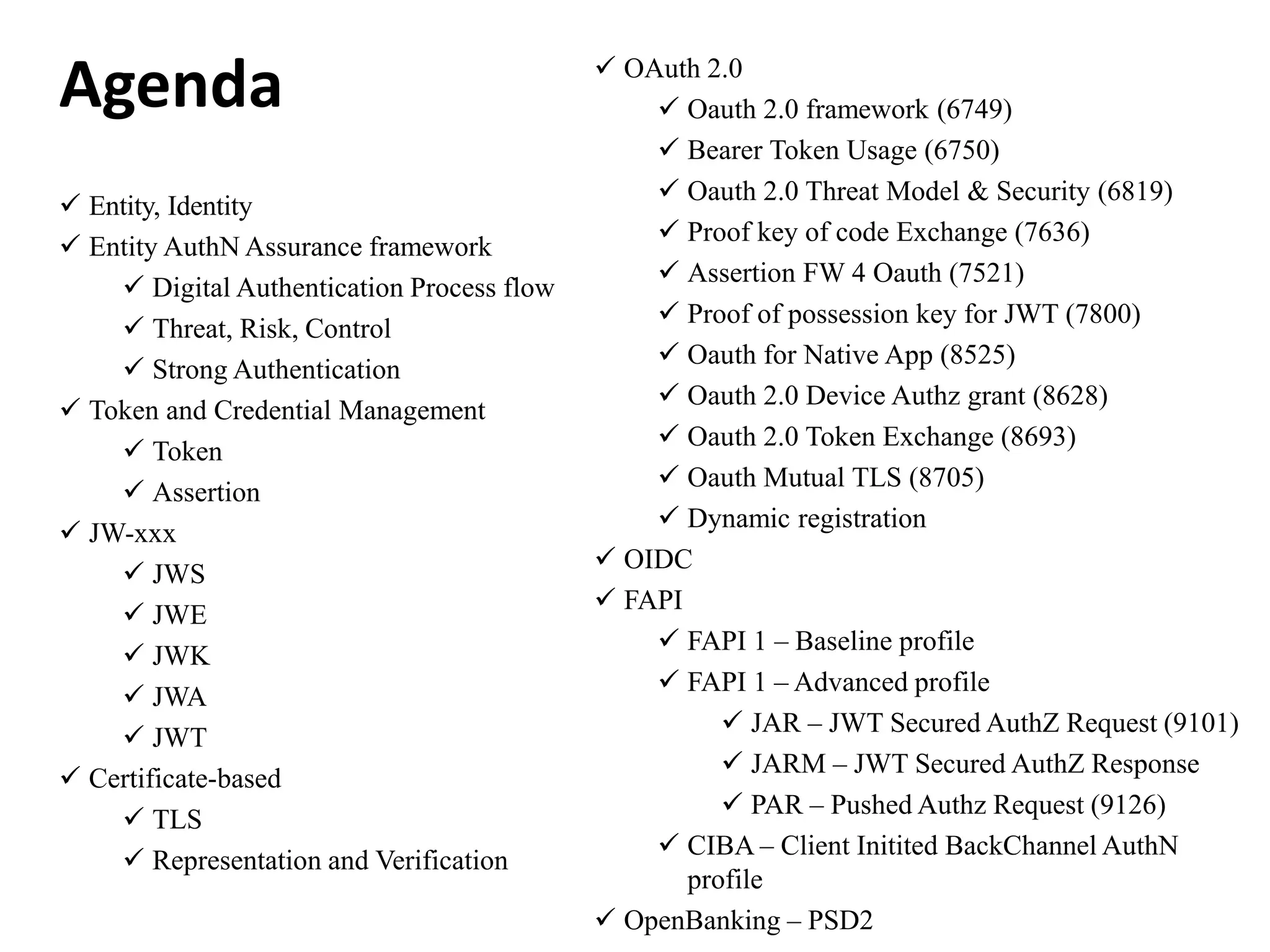
 Entity, Identity
 Entity AuthN Assurance framework
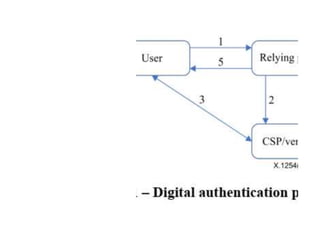
 Digital Authentication Process flow
 Threat, Risk, Control
 Strong Authentication
 Token and Credential Management
 Token
 Assertion
 JW-xxx
 JWS
 JWE
 JWK
 JWA
 JWT
 Certificate-based
 TLS
 Representation and Verification
 OAuth 2.0
 Oauth 2.0 framework (6749)
 Bearer Token Usage (6750)
 Oauth 2.0 Threat Model & Security (6819)
 Proof key of code Exchange (7636)
 Assertion FW 4 Oauth (7521)
 Proof of possession key for JWT (7800)
 Oauth for Native App (8525)
 Oauth 2.0 Device Authz grant (8628)
 Oauth 2.0 Token Exchange (8693)
 Oauth Mutual TLS (8705)
 Dynamic registration
 OIDC
 FAPI
 FAPI 1 – Baseline profile
 FAPI 1 – Advanced profile
 JAR – JWT Secured AuthZ Request (9101)
 JARM – JWT Secured AuthZ Response
 PAR – Pushed Authz Request (9126)
 CIBA – Client Initited BackChannel AuthN
profile
 OpenBanking – PSD2
IDENTITY
Identity = set of attributes
related to an entity [iso 29115]
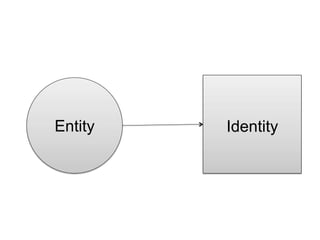
Entity Identity
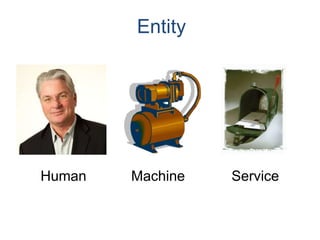
Entity
Human Machine Service
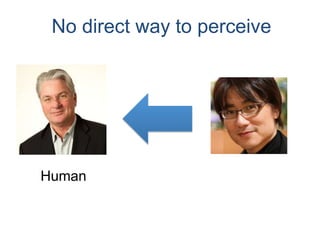
No direct way to perceive
Human
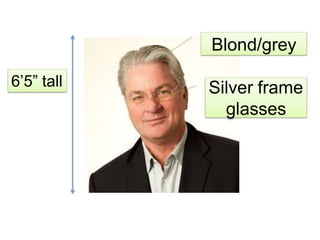
Blond/grey
Silver frame
glasses
6’5” tall
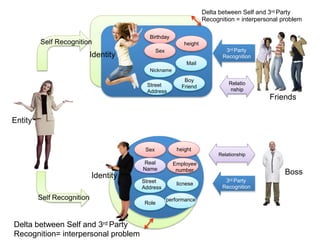
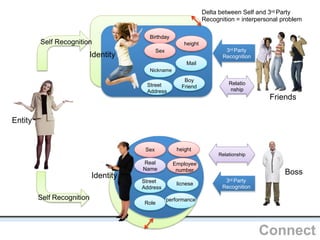
Entity
Identity
Sex
height
Boy
Friend
Sex height
Real
Name
Self Recognition
Delta between Self and 3rd Party
Recognition = interpersonal problem
Delta between Self and 3rd Party
Recognition= interpersonal problem
Role
Relatio
nship
3rd Party
Recognition
Relationship
Friends
Boss
Self Recognition
Identity
3rd Party
Recognition
Street
Address
Mail
Nickname
Birthday
Street
Address
Employee
number
licnese
performance
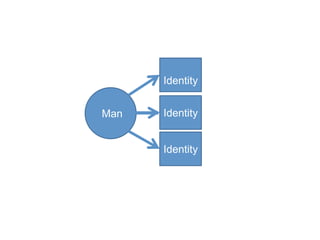
Man
Identity
Identity
Identity
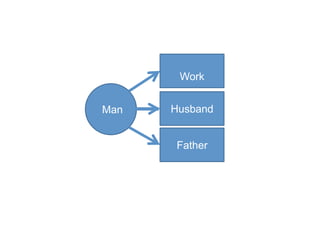
Man
Work
Husband
Father
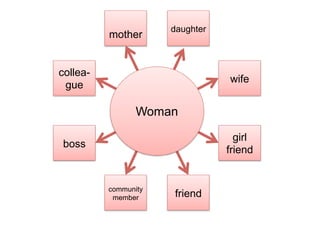
daughter
mother
wife
girl
friend
collea-
gue
boss
community
member friend
Woman
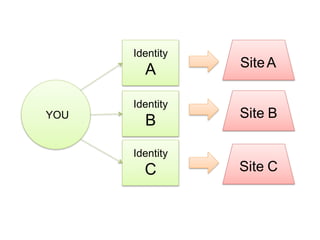
YOU
Identity
A
Identity
B
Identity
C
SiteA
Site B
Site C
Entity Authentication
Assuarance Framework
A digital identity is the unique representation of an entity engaged
in an online transaction. Assurance– that the digital identity with
which one is interacting is consistent with the claimed identity, lies at
the heart of online trust, security and access control
Assurance = a statement that something will certainly be
true or will certainly happen, particularly when there has
been doubt about it [oxford dictionary]
authentication [b-ISO/IEC 18014-2]: Provision of
assurance of the claimed identity of an entity
Claimed Identity = An applicant’s declaration of
unvalidated and unverified personal attributes
[NIST SP 800-63-3]
{
"sub": "1234567890",
"name": "John Doe",
"admin": true
}
JSON Web Token Claims
JSON web tokens (JWTs) claims are pieces of information asserted about a
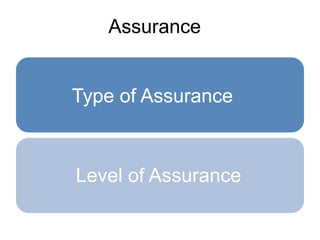
Assurance
Type of Assurance
Level of Assurance
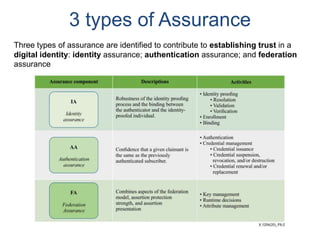
3 types of Assurance
Three types of assurance are identified to contribute to establishing trust in a
digital identity: identity assurance; authentication assurance; and federation
assurance
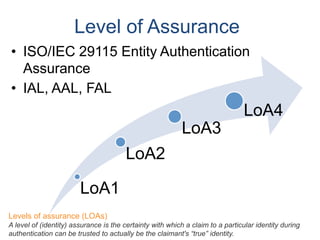
Level of Assurance
• ISO/IEC 29115 Entity Authentication
Assurance
• IAL, AAL, FAL
LoA4
LoA3
LoA2
LoA1
Levels of assurance (LOAs)
A level of (identity) assurance is the certainty with which a claim to a particular identity during
authentication can be trusted to actually be the claimant's “true” identity.
How to increase LoA?
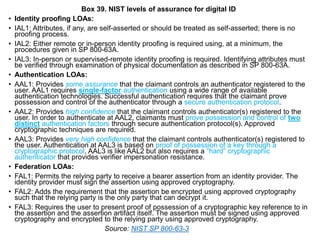
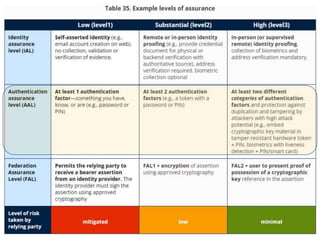
Box 39. NIST levels of assurance for digital ID
• Identity proofing LOAs:
• IAL1: Attributes, if any, are self-asserted or should be treated as self-asserted; there is no
proofing process.
• IAL2: Either remote or in-person identity proofing is required using, at a minimum, the
procedures given in SP 800-63A.
• IAL3: In-person or supervised-remote identity proofing is required. Identifying attributes must
be verified through examination of physical documentation as described in SP 800-63A.
• Authentication LOAs:
• AAL1: Provides some assurance that the claimant controls an authenticator registered to the
user. AAL1 requires single-factor authentication using a wide range of available
authentication technologies. Successful authentication requires that the claimant prove
possession and control of the authenticator through a secure authentication protocol.
• AAL2: Provides high confidence that the claimant controls authenticator(s) registered to the
user. In order to authenticate at AAL2, claimants must prove possession and control of two
distinct authentication factors through secure authentication protocol(s). Approved
cryptographic techniques are required.
• AAL3: Provides very high confidence that the claimant controls authenticator(s) registered to
the user. Authentication at AAL3 is based on proof of possession of a key through a
cryptographic protocol. AAL3 is like AAL2 but also requires a “hard” cryptographic
authenticator that provides verifier impersonation resistance.
• Federation LOAs:
• FAL1: Permits the relying party to receive a bearer assertion from an identity provider. The
identity provider must sign the assertion using approved cryptography.
• FAL2: Adds the requirement that the assertion be encrypted using approved cryptography
such that the relying party is the only party that can decrypt it.
• FAL3: Requires the user to present proof of possession of a cryptographic key reference to in
the assertion and the assertion artifact itself. The assertion must be signed using approved
cryptography and encrypted to the relying party using approved cryptography.
Source: NIST SP 800-63-3
Digital Authentication
Process Flow
authentication [b-ISO/IEC 18014-2]: Provision of
assurance of the claimed identity of an entity
digital authentication involves verification, to some
degree of confidence, of an entity’s claimed identity
for the purpose of granting it access to an online
service
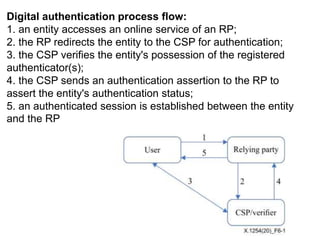
Digital authentication process flow:
1. an entity accesses an online service of an RP;
2. the RP redirects the entity to the CSP for authentication;
3. the CSP verifies the entity's possession of the registered
authenticator(s);
4. the CSP sends an authentication assertion to the RP to
assert the entity's authentication status;
5. an authenticated session is established between the entity
and the RP
1
2
3
7
6
4
5
• assertion [b-ITU-T X.1252]: A statement made by an entity without accompanying
evidence of its validity
• authentication factor [b-ISO/IEC 19790]: Piece of information and/or process used to
authenticate or verify the identity of an entity
• authentication protocol [b-ISO/IEC 29115]: Defined sequence of messages between
an entity and a verifier that enables the verifier to perform authentication of an entity
• credential [b-ITU-T X.1252]: A set of data presented as evidence of a claimed identity
and/or entitlements
• identity proofing [b-ISO/IEC 29115]: Process by which the registration authority (RA)
captures and verifies sufficient information to identify an entity to a specified or
understood level of assurance
• multifactor authentication [b-ISO/IEC 19790]: Authentication with at least two
independent authentication factors
• mutual authentication [b-ISO/IEC 29115]: Authentication of identities of entities which
provides both entities with assurance of each other's identity
• verification [b-ISO/IEC 29115]: Process of checking information by comparing the
provided information with previously corroborated information
• credential service provider (CSP): A trusted actor that issues or manages credentials
• identity service provider (ISP): responsible for identity proofing an entity's claimed
identity and ensuring that this claimed identity is associated with the credential used by
the entity
• identifier: One or more attributes that uniquely characterize an entity in a specific
context
• relying party (RP): Actor that relies on an identity assertion or claim
Terms and Definitions
Threat, Risk, Control
Strong Authentication
Token and Credential
Management
JW-xxx
JWS, JWE, JWK, JWA, JWT
Certificate-based
TLS, Representation & Verification
OAuth 2.0
OIDC
OpenID Connect Core 1.0
FAPI
Financial-grade API
OpenBanking & PSD2
Why not just OAuth?
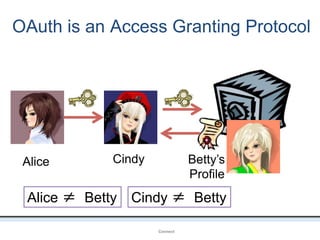
OAuth is an Access Granting Protocol
OpenIDConnect
Betty’s
Profile
Alice Cindy
Cindy ≠ Betty
Alice ≠ Betty
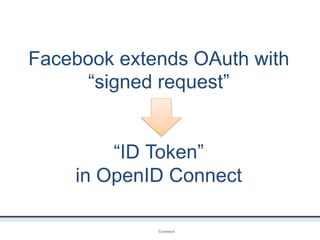
Facebook extends OAuth with
“signed request”
OpenIDConnect
“ID Token”
in OpenID Connect
Token Swap Attack
OpenIDConnect
Login with Amazon
OpenIDConnect
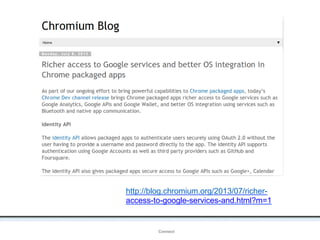
http://blog.chromium.org/2013/07/richer-
access-to-google-services-and.html?m=1
OpenIDConnect
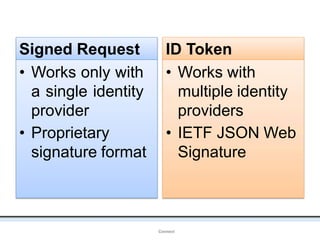
Signed Request
• Works only with
a single identity
provider
• Proprietary
signature format
ID Token
• Works with
multiple identity
providers
• IETF JSON Web
Signature
OpenIDConnect
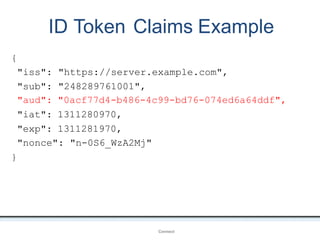
ID Token Claims Example
OpenIDConnect
{
"iss": "https://server.example.com",
"sub": "248289761001",
"aud": "0acf77d4-b486-4c99-bd76-074ed6a64ddf",
"iat": 1311280970,
"exp": 1311281970,
"nonce": "n-0S6_WzA2Mj"
}
Stick with OpenID Connect
and not “OAuth Authentication”
OpenIDConnect
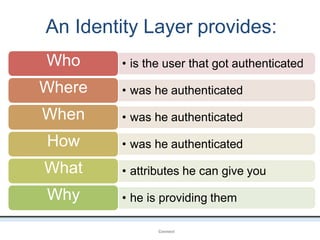
An Identity Layer provides:
OpenIDConnect
• is the user that got authenticated
• was he authenticated
• attributes he can give you
• he is providing them
Who
Where
When
How
What
Why
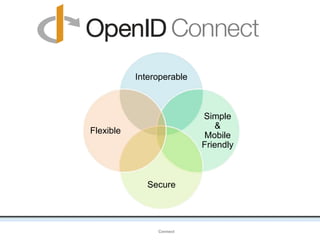
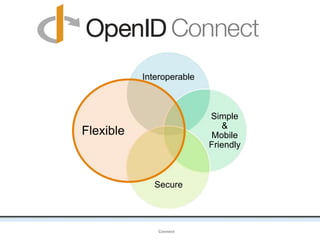
Interoperable
OpenIDConnect
Simple
&
Mobile
Friendly
Secure
Flexible
Interoperable
OpenIDConnect
Simple
&
Mobile
Friendly
Secure
Flexible
Interoperable
OpenIDConnect
Simple
&
Mobile
Friendly
Secure
Flexible
Interoperable
OpenIDConnect
Simple
&
Mobile
Friendly
Secure
Flexible
Interoperable
OpenIDConnect
Simple
&
Mobile
Friendly
Secure
Flexible
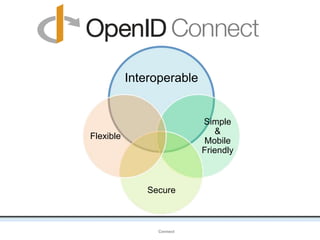
Interoperable
OpenIDConnect
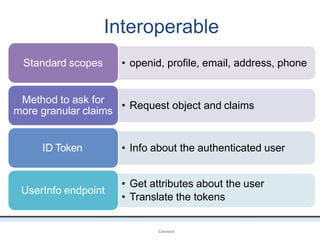
• openid, profile, email, address, phone
Standard scopes
• Request object and claims
Method to ask for
more granular claims
• Info about the authenticated user
ID Token
• Get attributes about the user
• Translate the tokens
UserInfo endpoint
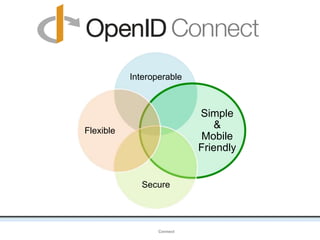
Simple & Mobile Friendly
OpenIDConnect
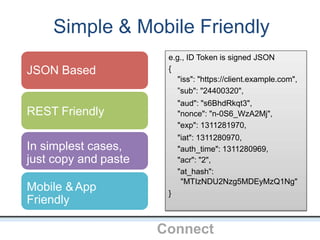
JSON Based
REST Friendly
In simplest cases,
just copy and paste
Mobile &App
Friendly
e.g., ID Token is signed JSON
{
"iss": "https://client.example.com",
”sub": "24400320",
"aud": "s6BhdRkqt3",
"nonce": "n-0S6_WzA2Mj",
"exp": 1311281970,
"iat": 1311280970,
"auth_time": 1311280969,
"acr": "2",
"at_hash":
"MTIzNDU2Nzg5MDEyMzQ1Ng"
}
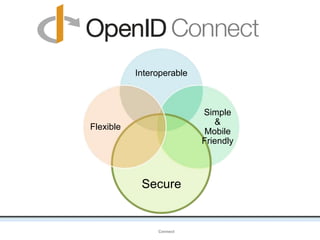
Secure
OpenIDConnect
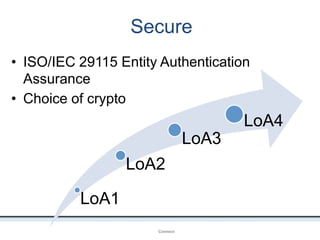
• ISO/IEC 29115 Entity Authentication
Assurance
• Choice of crypto
LoA4
LoA3
LoA2
LoA1
Flexible
OpenIDConnect
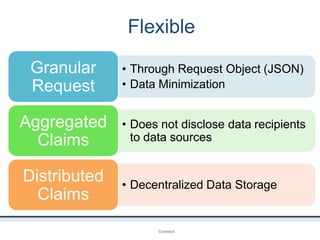
• Through Request Object (JSON)
• Data Minimization
Granular
Request
• Does not disclose data recipients
to data sources
Aggregated
Claims
• Decentralized Data Storage
Distributed
Claims
Choice of your provider
OpenIDConnect
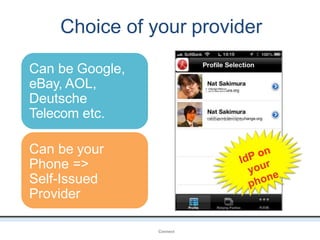
Can be Google,
eBay, AOL,
Deutsche
Telecom etc.
Can be your
Phone =>
Self-Issued
Provider
Details
OpenIDConnect
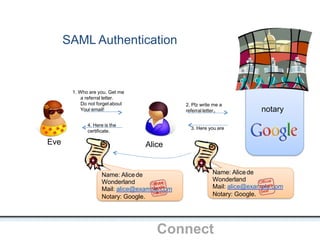
Name: Alicede
Wonderland
Mail: alice@example.com
Notary: Google.
Name: Alicede
Wonderland
Mail: alice@example.com
Notary: Google.
SAML Authentication
OpenIDConnect
2. Plz write me a
referral letter。
3. Here you are
Alice
1. Who are you. Get me
a referral letter.
Do not forgetabout
Your email!
4. Here is the
certificate.
notary
Eve
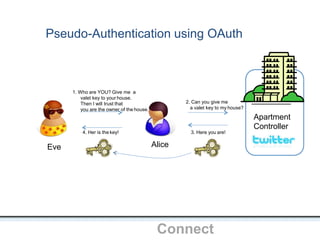
1. Who are YOU? Give me a
valet key to your house.
Then I will trust that
you are the owner of the house.
2. Can you give me
a valet key to my house?
3. Here you are!
Alice
4. Her is the key!
Pseudo-Authentication using OAuth
OpenIDConnect
Apartment
Controller
Eve
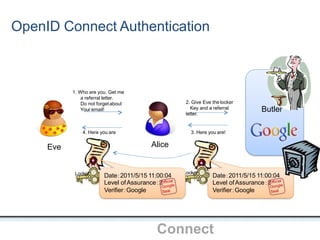
OpenID Connect Authentication
OpenIDConnect
1. Who are you. Get me
a referral letter.
Do not forgetabout
Your email!
2. Give Eve the locker
Key and a referral
letter.
3. Here you are!
Alice
4. Here you are
Date:2011/5/15 11:00:04
Level ofAssurance:2
Verifier:Google
Butler
Locker Locker
Eve
Date:2011/5/15 11:00:04
Level ofAssurance:2
Verifier:Google
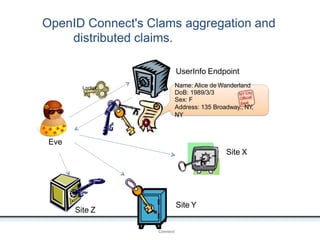
OpenID Connect's Clams aggregation and
distributed claims.
OpenIDConnect
Name: Alice de Wanderland
DoB: 1989/3/3
Sex: F
Address: 135 Broadway., NY,
NY
Locker
UserInfo Endpoint
Site X
Site Y
Site Z
Eve
Applying it to Enterprise model
OpenIDConnect
OpenIDConnect
Entity
Identity
Sex
height
Boy
Friend
Sex height
Real
Name
Self Recognition
Delta between Self and 3rd Party
Recognition = interpersonal problem
Delta between Self and 3rd Party
Recognition= interpersonal problem
Role
Relatio
nship
3rd Party
Recognition
Relationship
Friends
Boss
Self Recognition
Identity
3rd Party
Recognition
Street
Address
Mail
Nickname
Birthday
Street
Address
Employee
number
licnese
performance
OpenIDConnect
Real
Name
Professional
qualification
department
Geo-location
Employee
number
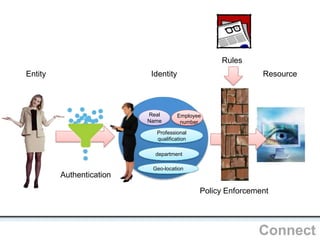
Entity Identity Resource
Authentication
Policy Enforcement
Rules
OpenIDConnect
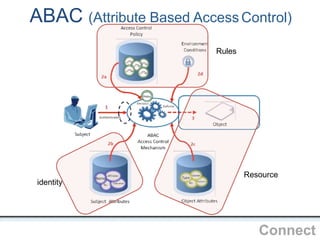
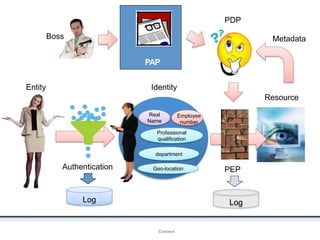
ABAC (Attribute Based Access Control)
Based on SP800-162 figure on page viii
identity
Resource
Rules
Real
Name
Professional
qualification
department
Geo-location
Employee
number
Entity Identity
Resource
Authentication PEP
PDP
PAP
Boss
OpenIDConnect
Metadata
Log Log
What kind of
OpenIDConnect
“Identity” (set of attributes)
an enterprise needs?
Current Standard Claims wont do
OpenIDConnect
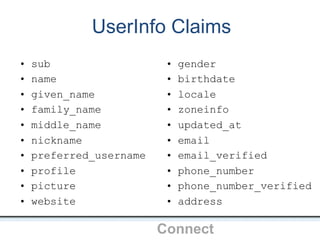
UserInfo Claims
OpenIDConnect
• sub
• name
• given_name
• family_name
• middle_name
• nickname
• preferred_username
• profile
• picture
• website
• gender
• birthdate
• locale
• zoneinfo
• updated_at
• email
• email_verified
• phone_number
• phone_number_verified
• address
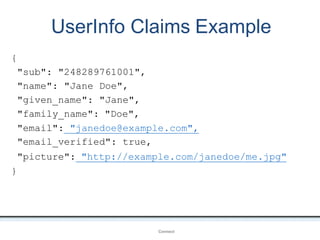
UserInfo Claims Example
OpenIDConnect
{
"sub": "248289761001",
"name": "Jane Doe",
"given_name": "Jane",
"family_name": "Doe",
"email": "janedoe@example.com",
"email_verified": true,
"picture": "http://example.com/janedoe/me.jpg"
}
Perhaps we need standard
“enterprise” claims
OpenIDConnect
SCIM?
OpenIDConnect
SCIM Enterprise User Schema Extension
OpenIDConnect
• employeeNumber
– Numeric or alphanumeric identifier assigned to a person, typically
based on order of hire or association with an organization.
• costCenter
– Identifies the name of a cost center. organization Identifies the name
of an organization.
• division
– Identifies the name of a division.
• department
– Identifies the name of a department.
• manager
– The User's manager. A complex type that optionally allows Service
Providers to represent organizational hierarchy by referencing the "id"
attribute of another User.
Not Quite.
OpenIDConnect
Perhaps we need standard
“enterprise” claims
OpenIDConnect
Q
OpenIDConnect
When shall I start using
OpenID Connect?
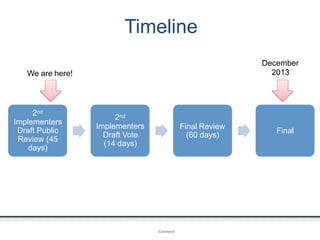
Timeline
OpenIDConnect
2nd
Implementers
Draft Public
Review (45
days)
2nd
Implementers
Draft Vote
(14 days)
Final Review
(60 days)
Final
We are here!
December
2013
Q
OpenIDConnect
uestions?
OAuth and OpenID Connect:
In the Trenches
OpenIDConnect
Wednesday, July 10, 4:00 – 5:30 PM
Salon C/D/E
to be continued at …
Details …
OpenIDConnect
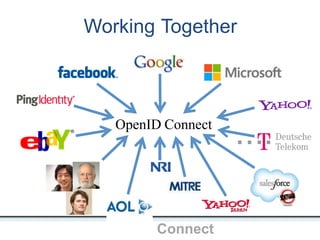
Working Together
OpenID Connect
OpenIDConnect
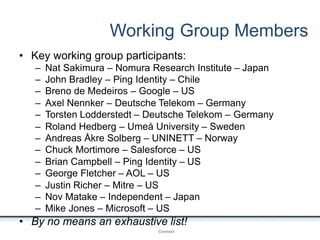
Working Group Members
OpenIDConnect
• Key working group participants:
– Nat Sakimura – Nomura Research Institute – Japan
– John Bradley – Ping Identity – Chile
– Breno de Medeiros – Google – US
– Axel Nennker – Deutsche Telekom – Germany
– Torsten Lodderstedt – Deutsche Telekom – Germany
– Roland Hedberg – Umeå University – Sweden
– Andreas Åkre Solberg – UNINETT – Norway
– Chuck Mortimore – Salesforce – US
– Brian Campbell – Ping Identity – US
– George Fletcher – AOL – US
– Justin Richer – Mitre – US
– Nov Matake – Independent – Japan
– Mike Jones – Microsoft – US
• By no means an exhaustive list!
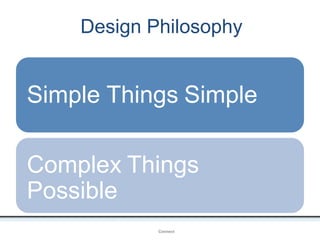
Design Philosophy
OpenIDConnect
Simple Things Simple
Complex Things
Possible
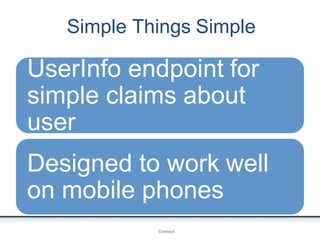
Simple Things Simple
OpenIDConnect
UserInfo endpoint for
simple claims about
user
Designed to work well
on mobile phones
How We Make It Simple
OpenIDConnect
• Build on OAuth 2.0
• Use JavaScript Object Notation (JSON)
• Build only the pieces that you need
• Goal: Easy implementation on all modern
development platforms
Complex Things Possible
OpenIDConnect
Encrypted Claims
Aggregated Claims
Distributed Claims
A Look Under the Covers
OpenIDConnect
• ID Token
• Claims Requests
• UserInfo Claims
• Example Protocol Messages
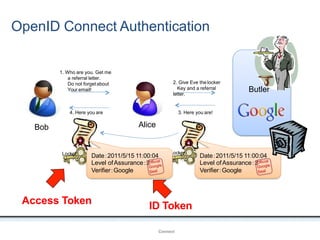
OpenID Connect Authentication
OpenIDConnect
1. Who are you. Get me
a referral letter.
Do not forgetabout
Your email!
2. Give Eve the locker
Key and a referral
letter.
3. Here you are!
Alice
4. Here you are
Date:2011/5/15 11:00:04
Level ofAssurance:2
Verifier:Google
Butler
Locker Locker
Bob
Date:2011/5/15 11:00:04
Level ofAssurance:2
Verifier:Google
Access Token ID Token
ID Token
OpenIDConnect
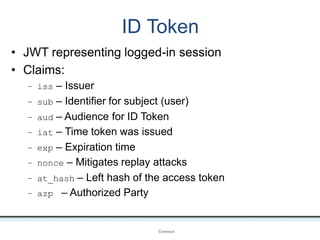
• JWT representing logged-in session
• Claims:
– iss – Issuer
– sub – Identifier for subject (user)
– aud – Audience for ID Token
– iat – Time token was issued
– exp – Expiration time
– nonce – Mitigates replay attacks
– at_hash – Left hash of the access token
– azp – Authorized Party
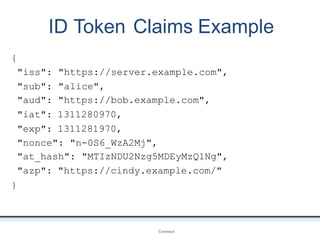
ID Token Claims Example
OpenIDConnect
{
"iss": "https://server.example.com",
"sub": "alice",
"aud": "https://bob.example.com",
"iat": 1311280970,
"exp": 1311281970,
"nonce": "n-0S6_WzA2Mj",
"at_hash": "MTIzNDU2Nzg5MDEyMzQ1Ng",
"azp": "https://cindy.example.com/"
}
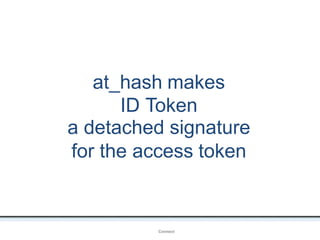
at_hash makes
ID Token
a detached signature
for the access token
OpenIDConnect
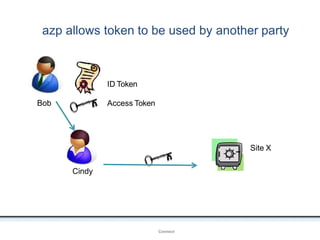
azp allows token to be used by another party
OpenIDConnect
Site X
Cindy
Bob
ID Token
Access Token
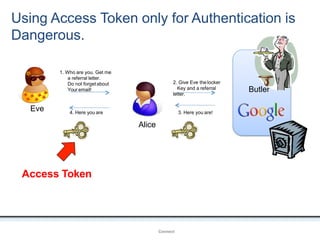
Using Access Token only for Authentication is
Dangerous.
OpenIDConnect
1. Who are you. Get me
a referral letter.
Do not forgetabout
Your email!
2. Give Eve the locker
Key and a referral
letter.
3. Here you are!
Alice
4. Here you are
Butler
Access Token
Eve
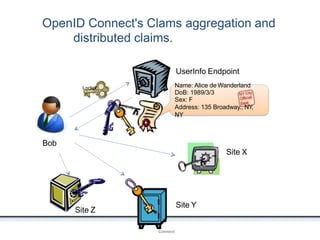
OpenID Connect's Clams aggregation and
distributed claims.
OpenIDConnect
Name: Alice de Wanderland
DoB: 1989/3/3
Sex: F
Address: 135 Broadway., NY,
NY
Locker
UserInfo Endpoint
Site X
Site Y
Site Z
Bob
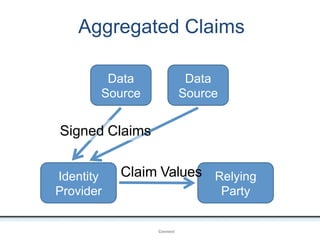
Aggregated Claims
OpenIDConnect
Data
Source
Data
Source
Identity
Provider
Relying
Party
Signed Claims
Claim Values
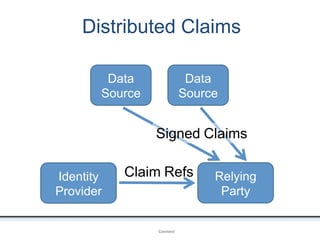
Distributed Claims
OpenIDConnect
Identity
Provider
Signed Claims
Relying
Party
Claim Refs
Data
Source
Data
Source
Claims Requests
OpenIDConnect
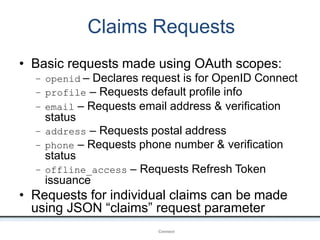
• Basic requests made using OAuth scopes:
– openid – Declares request is for OpenID Connect
– profile – Requests default profile info
– email – Requests email address & verification
status
– address – Requests postal address
– phone – Requests phone number & verification
status
– offline_access – Requests Refresh Token
issuance
• Requests for individual claims can be made
using JSON “claims” request parameter
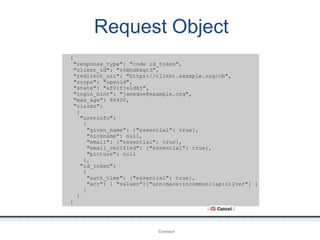
Request Object
OpenIDConnect
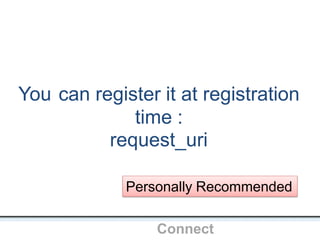
You can register it at registration
time :
request_uri
Personally Recommended
OpenIDConnect
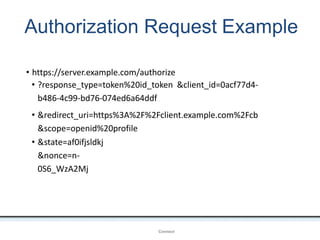
Authorization Request Example
• https://server.example.com/authorize
• ?response_type=token%20id_token &client_id=0acf77d4-
b486-4c99-bd76-074ed6a64ddf
• &redirect_uri=https%3A%2F%2Fclient.example.com%2Fcb
&scope=openid%20profile
• &state=af0ifjsldkj
&nonce=n-
0S6_WzA2Mj
OpenIDConnect
Authorization Response Example
OpenIDConnect
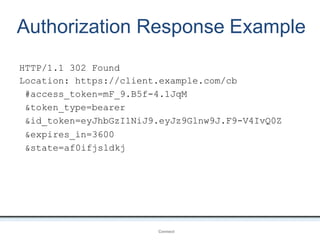
HTTP/1.1 302 Found
Location: https://client.example.com/cb
#access_token=mF_9.B5f-4.1JqM
&token_type=bearer
&id_token=eyJhbGzI1NiJ9.eyJz9Glnw9J.F9-V4IvQ0Z
&expires_in=3600
&state=af0ifjsldkj
UserInfo Request Example
OpenIDConnect
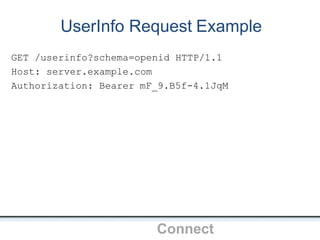
GET /userinfo?schema=openid HTTP/1.1
Host: server.example.com
Authorization: Bearer mF_9.B5f-4.1JqM
Connect Specs Overview
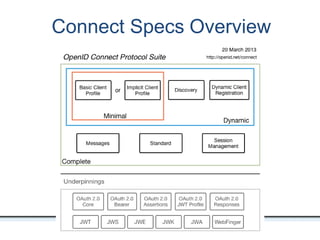
OpenIDConnect
Resources
OpenIDConnect
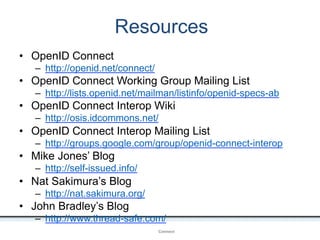
• OpenID Connect
– http://openid.net/connect/
• OpenID Connect Working Group Mailing List
– http://lists.openid.net/mailman/listinfo/openid-specs-ab
• OpenID Connect Interop Wiki
– http://osis.idcommons.net/
• OpenID Connect Interop Mailing List
– http://groups.google.com/group/openid-connect-interop
• Mike Jones’ Blog
– http://self-issued.info/
• Nat Sakimura’s Blog
– http://nat.sakimura.org/
• John Bradley’s Blog
– http://www.thread-safe.com/
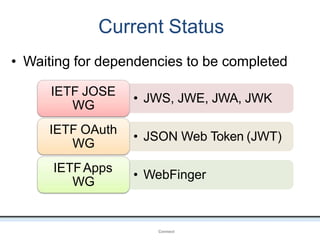
Current Status
OpenIDConnect
• Waiting for dependencies to be completed
• JWS, JWE, JWA, JWK
• JSON Web Token (JWT)
• WebFinger
IETF JOSE
WG
IETF OAuth
WG
IETFApps
WG
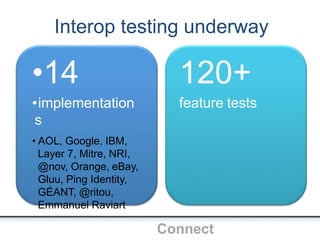
Interop testing underway
•14
•implementation
s
• AOL, Google, IBM,
Layer 7, Mitre, NRI,
@nov, Orange, eBay,
Gluu, Ping Identity,
GÉANT, @ritou,
Emmanuel Raviart
OpenIDConnect
120+
feature tests
Start Building
OpenIDConnect
Start Building
•No
w!
OpenIDConnect
http://nat.sakimura.org/
OpenIDConnect

api-security-Jan23.pptxsdfffffffffffffffffffffffffffff

  • 1.
    Agenda  Entity, Identity Entity AuthN Assurance framework  Digital Authentication Process flow  Threat, Risk, Control  Strong Authentication  Token and Credential Management  Token  Assertion  JW-xxx  JWS  JWE  JWK  JWA  JWT  Certificate-based  TLS  Representation and Verification  OAuth 2.0  Oauth 2.0 framework (6749)  Bearer Token Usage (6750)  Oauth 2.0 Threat Model & Security (6819)  Proof key of code Exchange (7636)  Assertion FW 4 Oauth (7521)  Proof of possession key for JWT (7800)  Oauth for Native App (8525)  Oauth 2.0 Device Authz grant (8628)  Oauth 2.0 Token Exchange (8693)  Oauth Mutual TLS (8705)  Dynamic registration  OIDC  FAPI  FAPI 1 – Baseline profile  FAPI 1 – Advanced profile  JAR – JWT Secured AuthZ Request (9101)  JARM – JWT Secured AuthZ Response  PAR – Pushed Authz Request (9126)  CIBA – Client Initited BackChannel AuthN profile  OpenBanking – PSD2
  • 2.
  • 3.
    Identity = setof attributes related to an entity [iso 29115]
  • 4.
  • 5.
  • 6.
    No direct wayto perceive Human
  • 7.
  • 8.
    Entity Identity Sex height Boy Friend Sex height Real Name Self Recognition Deltabetween Self and 3rd Party Recognition = interpersonal problem Delta between Self and 3rd Party Recognition= interpersonal problem Role Relatio nship 3rd Party Recognition Relationship Friends Boss Self Recognition Identity 3rd Party Recognition Street Address Mail Nickname Birthday Street Address Employee number licnese performance
  • 9.
  • 10.
  • 11.
  • 12.
  • 13.
  • 14.
    A digital identityis the unique representation of an entity engaged in an online transaction. Assurance– that the digital identity with which one is interacting is consistent with the claimed identity, lies at the heart of online trust, security and access control
  • 15.
    Assurance = astatement that something will certainly be true or will certainly happen, particularly when there has been doubt about it [oxford dictionary]
  • 16.
    authentication [b-ISO/IEC 18014-2]:Provision of assurance of the claimed identity of an entity
  • 17.
    Claimed Identity =An applicant’s declaration of unvalidated and unverified personal attributes [NIST SP 800-63-3] { "sub": "1234567890", "name": "John Doe", "admin": true } JSON Web Token Claims JSON web tokens (JWTs) claims are pieces of information asserted about a
  • 18.
  • 19.
    3 types ofAssurance Three types of assurance are identified to contribute to establishing trust in a digital identity: identity assurance; authentication assurance; and federation assurance
  • 20.
    Level of Assurance •ISO/IEC 29115 Entity Authentication Assurance • IAL, AAL, FAL LoA4 LoA3 LoA2 LoA1 Levels of assurance (LOAs) A level of (identity) assurance is the certainty with which a claim to a particular identity during authentication can be trusted to actually be the claimant's “true” identity.
  • 21.
  • 22.
    Box 39. NISTlevels of assurance for digital ID • Identity proofing LOAs: • IAL1: Attributes, if any, are self-asserted or should be treated as self-asserted; there is no proofing process. • IAL2: Either remote or in-person identity proofing is required using, at a minimum, the procedures given in SP 800-63A. • IAL3: In-person or supervised-remote identity proofing is required. Identifying attributes must be verified through examination of physical documentation as described in SP 800-63A. • Authentication LOAs: • AAL1: Provides some assurance that the claimant controls an authenticator registered to the user. AAL1 requires single-factor authentication using a wide range of available authentication technologies. Successful authentication requires that the claimant prove possession and control of the authenticator through a secure authentication protocol. • AAL2: Provides high confidence that the claimant controls authenticator(s) registered to the user. In order to authenticate at AAL2, claimants must prove possession and control of two distinct authentication factors through secure authentication protocol(s). Approved cryptographic techniques are required. • AAL3: Provides very high confidence that the claimant controls authenticator(s) registered to the user. Authentication at AAL3 is based on proof of possession of a key through a cryptographic protocol. AAL3 is like AAL2 but also requires a “hard” cryptographic authenticator that provides verifier impersonation resistance. • Federation LOAs: • FAL1: Permits the relying party to receive a bearer assertion from an identity provider. The identity provider must sign the assertion using approved cryptography. • FAL2: Adds the requirement that the assertion be encrypted using approved cryptography such that the relying party is the only party that can decrypt it. • FAL3: Requires the user to present proof of possession of a cryptographic key reference to in the assertion and the assertion artifact itself. The assertion must be signed using approved cryptography and encrypted to the relying party using approved cryptography. Source: NIST SP 800-63-3
  • 24.
  • 25.
    authentication [b-ISO/IEC 18014-2]:Provision of assurance of the claimed identity of an entity
  • 26.
    digital authentication involvesverification, to some degree of confidence, of an entity’s claimed identity for the purpose of granting it access to an online service
  • 27.
    Digital authentication processflow: 1. an entity accesses an online service of an RP; 2. the RP redirects the entity to the CSP for authentication; 3. the CSP verifies the entity's possession of the registered authenticator(s); 4. the CSP sends an authentication assertion to the RP to assert the entity's authentication status; 5. an authenticated session is established between the entity and the RP
  • 28.
  • 30.
    • assertion [b-ITU-TX.1252]: A statement made by an entity without accompanying evidence of its validity • authentication factor [b-ISO/IEC 19790]: Piece of information and/or process used to authenticate or verify the identity of an entity • authentication protocol [b-ISO/IEC 29115]: Defined sequence of messages between an entity and a verifier that enables the verifier to perform authentication of an entity • credential [b-ITU-T X.1252]: A set of data presented as evidence of a claimed identity and/or entitlements • identity proofing [b-ISO/IEC 29115]: Process by which the registration authority (RA) captures and verifies sufficient information to identify an entity to a specified or understood level of assurance • multifactor authentication [b-ISO/IEC 19790]: Authentication with at least two independent authentication factors • mutual authentication [b-ISO/IEC 29115]: Authentication of identities of entities which provides both entities with assurance of each other's identity • verification [b-ISO/IEC 29115]: Process of checking information by comparing the provided information with previously corroborated information • credential service provider (CSP): A trusted actor that issues or manages credentials • identity service provider (ISP): responsible for identity proofing an entity's claimed identity and ensuring that this claimed identity is associated with the credential used by the entity • identifier: One or more attributes that uniquely characterize an entity in a specific context • relying party (RP): Actor that relies on an identity assertion or claim Terms and Definitions
  • 31.
  • 32.
  • 33.
  • 34.
  • 35.
  • 36.
  • 37.
  • 38.
  • 39.
  • 40.
  • 41.
    OAuth is anAccess Granting Protocol OpenIDConnect Betty’s Profile Alice Cindy Cindy ≠ Betty Alice ≠ Betty
  • 42.
    Facebook extends OAuthwith “signed request” OpenIDConnect “ID Token” in OpenID Connect
  • 43.
  • 44.
  • 45.
  • 46.
    Signed Request • Worksonly with a single identity provider • Proprietary signature format ID Token • Works with multiple identity providers • IETF JSON Web Signature OpenIDConnect
  • 47.
    ID Token ClaimsExample OpenIDConnect { "iss": "https://server.example.com", "sub": "248289761001", "aud": "0acf77d4-b486-4c99-bd76-074ed6a64ddf", "iat": 1311280970, "exp": 1311281970, "nonce": "n-0S6_WzA2Mj" }
  • 48.
    Stick with OpenIDConnect and not “OAuth Authentication” OpenIDConnect
  • 49.
    An Identity Layerprovides: OpenIDConnect • is the user that got authenticated • was he authenticated • was he authenticated • was he authenticated • attributes he can give you • he is providing them Who Where When How What Why
  • 50.
  • 51.
  • 52.
  • 53.
  • 54.
  • 55.
    Interoperable OpenIDConnect • openid, profile,email, address, phone Standard scopes • Request object and claims Method to ask for more granular claims • Info about the authenticated user ID Token • Get attributes about the user • Translate the tokens UserInfo endpoint
  • 56.
    Simple & MobileFriendly OpenIDConnect JSON Based REST Friendly In simplest cases, just copy and paste Mobile &App Friendly e.g., ID Token is signed JSON { "iss": "https://client.example.com", ”sub": "24400320", "aud": "s6BhdRkqt3", "nonce": "n-0S6_WzA2Mj", "exp": 1311281970, "iat": 1311280970, "auth_time": 1311280969, "acr": "2", "at_hash": "MTIzNDU2Nzg5MDEyMzQ1Ng" }
  • 57.
    Secure OpenIDConnect • ISO/IEC 29115Entity Authentication Assurance • Choice of crypto LoA4 LoA3 LoA2 LoA1
  • 58.
    Flexible OpenIDConnect • Through RequestObject (JSON) • Data Minimization Granular Request • Does not disclose data recipients to data sources Aggregated Claims • Decentralized Data Storage Distributed Claims
  • 59.
    Choice of yourprovider OpenIDConnect Can be Google, eBay, AOL, Deutsche Telecom etc. Can be your Phone => Self-Issued Provider
  • 60.
  • 61.
    Name: Alicede Wonderland Mail: alice@example.com Notary:Google. Name: Alicede Wonderland Mail: alice@example.com Notary: Google. SAML Authentication OpenIDConnect 2. Plz write me a referral letter。 3. Here you are Alice 1. Who are you. Get me a referral letter. Do not forgetabout Your email! 4. Here is the certificate. notary Eve
  • 62.
    1. Who areYOU? Give me a valet key to your house. Then I will trust that you are the owner of the house. 2. Can you give me a valet key to my house? 3. Here you are! Alice 4. Her is the key! Pseudo-Authentication using OAuth OpenIDConnect Apartment Controller Eve
  • 63.
    OpenID Connect Authentication OpenIDConnect 1.Who are you. Get me a referral letter. Do not forgetabout Your email! 2. Give Eve the locker Key and a referral letter. 3. Here you are! Alice 4. Here you are Date:2011/5/15 11:00:04 Level ofAssurance:2 Verifier:Google Butler Locker Locker Eve Date:2011/5/15 11:00:04 Level ofAssurance:2 Verifier:Google
  • 64.
    OpenID Connect's Clamsaggregation and distributed claims. OpenIDConnect Name: Alice de Wanderland DoB: 1989/3/3 Sex: F Address: 135 Broadway., NY, NY Locker UserInfo Endpoint Site X Site Y Site Z Eve
  • 65.
    Applying it toEnterprise model OpenIDConnect
  • 66.
    OpenIDConnect Entity Identity Sex height Boy Friend Sex height Real Name Self Recognition Deltabetween Self and 3rd Party Recognition = interpersonal problem Delta between Self and 3rd Party Recognition= interpersonal problem Role Relatio nship 3rd Party Recognition Relationship Friends Boss Self Recognition Identity 3rd Party Recognition Street Address Mail Nickname Birthday Street Address Employee number licnese performance
  • 67.
  • 68.
    OpenIDConnect ABAC (Attribute BasedAccess Control) Based on SP800-162 figure on page viii identity Resource Rules
  • 69.
  • 70.
    What kind of OpenIDConnect “Identity”(set of attributes) an enterprise needs?
  • 71.
    Current Standard Claimswont do OpenIDConnect
  • 72.
    UserInfo Claims OpenIDConnect • sub •name • given_name • family_name • middle_name • nickname • preferred_username • profile • picture • website • gender • birthdate • locale • zoneinfo • updated_at • email • email_verified • phone_number • phone_number_verified • address
  • 73.
    UserInfo Claims Example OpenIDConnect { "sub":"248289761001", "name": "Jane Doe", "given_name": "Jane", "family_name": "Doe", "email": "janedoe@example.com", "email_verified": true, "picture": "http://example.com/janedoe/me.jpg" }
  • 74.
    Perhaps we needstandard “enterprise” claims OpenIDConnect
  • 75.
  • 76.
    SCIM Enterprise UserSchema Extension OpenIDConnect • employeeNumber – Numeric or alphanumeric identifier assigned to a person, typically based on order of hire or association with an organization. • costCenter – Identifies the name of a cost center. organization Identifies the name of an organization. • division – Identifies the name of a division. • department – Identifies the name of a department. • manager – The User's manager. A complex type that optionally allows Service Providers to represent organizational hierarchy by referencing the "id" attribute of another User.
  • 77.
  • 78.
    Perhaps we needstandard “enterprise” claims OpenIDConnect
  • 79.
    Q OpenIDConnect When shall Istart using OpenID Connect?
  • 80.
    Timeline OpenIDConnect 2nd Implementers Draft Public Review (45 days) 2nd Implementers DraftVote (14 days) Final Review (60 days) Final We are here! December 2013
  • 81.
  • 82.
    OAuth and OpenIDConnect: In the Trenches OpenIDConnect Wednesday, July 10, 4:00 – 5:30 PM Salon C/D/E to be continued at …
  • 83.
  • 84.
  • 85.
    Working Group Members OpenIDConnect •Key working group participants: – Nat Sakimura – Nomura Research Institute – Japan – John Bradley – Ping Identity – Chile – Breno de Medeiros – Google – US – Axel Nennker – Deutsche Telekom – Germany – Torsten Lodderstedt – Deutsche Telekom – Germany – Roland Hedberg – Umeå University – Sweden – Andreas Åkre Solberg – UNINETT – Norway – Chuck Mortimore – Salesforce – US – Brian Campbell – Ping Identity – US – George Fletcher – AOL – US – Justin Richer – Mitre – US – Nov Matake – Independent – Japan – Mike Jones – Microsoft – US • By no means an exhaustive list!
  • 86.
    Design Philosophy OpenIDConnect Simple ThingsSimple Complex Things Possible
  • 87.
    Simple Things Simple OpenIDConnect UserInfoendpoint for simple claims about user Designed to work well on mobile phones
  • 88.
    How We MakeIt Simple OpenIDConnect • Build on OAuth 2.0 • Use JavaScript Object Notation (JSON) • Build only the pieces that you need • Goal: Easy implementation on all modern development platforms
  • 89.
    Complex Things Possible OpenIDConnect EncryptedClaims Aggregated Claims Distributed Claims
  • 90.
    A Look Underthe Covers OpenIDConnect • ID Token • Claims Requests • UserInfo Claims • Example Protocol Messages
  • 91.
    OpenID Connect Authentication OpenIDConnect 1.Who are you. Get me a referral letter. Do not forgetabout Your email! 2. Give Eve the locker Key and a referral letter. 3. Here you are! Alice 4. Here you are Date:2011/5/15 11:00:04 Level ofAssurance:2 Verifier:Google Butler Locker Locker Bob Date:2011/5/15 11:00:04 Level ofAssurance:2 Verifier:Google Access Token ID Token
  • 92.
    ID Token OpenIDConnect • JWTrepresenting logged-in session • Claims: – iss – Issuer – sub – Identifier for subject (user) – aud – Audience for ID Token – iat – Time token was issued – exp – Expiration time – nonce – Mitigates replay attacks – at_hash – Left hash of the access token – azp – Authorized Party
  • 93.
    ID Token ClaimsExample OpenIDConnect { "iss": "https://server.example.com", "sub": "alice", "aud": "https://bob.example.com", "iat": 1311280970, "exp": 1311281970, "nonce": "n-0S6_WzA2Mj", "at_hash": "MTIzNDU2Nzg5MDEyMzQ1Ng", "azp": "https://cindy.example.com/" }
  • 94.
    at_hash makes ID Token adetached signature for the access token OpenIDConnect
  • 95.
    azp allows tokento be used by another party OpenIDConnect Site X Cindy Bob ID Token Access Token
  • 96.
    Using Access Tokenonly for Authentication is Dangerous. OpenIDConnect 1. Who are you. Get me a referral letter. Do not forgetabout Your email! 2. Give Eve the locker Key and a referral letter. 3. Here you are! Alice 4. Here you are Butler Access Token Eve
  • 97.
    OpenID Connect's Clamsaggregation and distributed claims. OpenIDConnect Name: Alice de Wanderland DoB: 1989/3/3 Sex: F Address: 135 Broadway., NY, NY Locker UserInfo Endpoint Site X Site Y Site Z Bob
  • 98.
  • 99.
  • 100.
    Claims Requests OpenIDConnect • Basicrequests made using OAuth scopes: – openid – Declares request is for OpenID Connect – profile – Requests default profile info – email – Requests email address & verification status – address – Requests postal address – phone – Requests phone number & verification status – offline_access – Requests Refresh Token issuance • Requests for individual claims can be made using JSON “claims” request parameter
  • 101.
  • 102.
    You can registerit at registration time : request_uri Personally Recommended OpenIDConnect
  • 103.
    Authorization Request Example •https://server.example.com/authorize • ?response_type=token%20id_token &client_id=0acf77d4- b486-4c99-bd76-074ed6a64ddf • &redirect_uri=https%3A%2F%2Fclient.example.com%2Fcb &scope=openid%20profile • &state=af0ifjsldkj &nonce=n- 0S6_WzA2Mj OpenIDConnect
  • 104.
    Authorization Response Example OpenIDConnect HTTP/1.1302 Found Location: https://client.example.com/cb #access_token=mF_9.B5f-4.1JqM &token_type=bearer &id_token=eyJhbGzI1NiJ9.eyJz9Glnw9J.F9-V4IvQ0Z &expires_in=3600 &state=af0ifjsldkj
  • 105.
    UserInfo Request Example OpenIDConnect GET/userinfo?schema=openid HTTP/1.1 Host: server.example.com Authorization: Bearer mF_9.B5f-4.1JqM
  • 106.
  • 107.
    Resources OpenIDConnect • OpenID Connect –http://openid.net/connect/ • OpenID Connect Working Group Mailing List – http://lists.openid.net/mailman/listinfo/openid-specs-ab • OpenID Connect Interop Wiki – http://osis.idcommons.net/ • OpenID Connect Interop Mailing List – http://groups.google.com/group/openid-connect-interop • Mike Jones’ Blog – http://self-issued.info/ • Nat Sakimura’s Blog – http://nat.sakimura.org/ • John Bradley’s Blog – http://www.thread-safe.com/
  • 108.
    Current Status OpenIDConnect • Waitingfor dependencies to be completed • JWS, JWE, JWA, JWK • JSON Web Token (JWT) • WebFinger IETF JOSE WG IETF OAuth WG IETFApps WG
  • 109.
    Interop testing underway •14 •implementation s •AOL, Google, IBM, Layer 7, Mitre, NRI, @nov, Orange, eBay, Gluu, Ping Identity, GÉANT, @ritou, Emmanuel Raviart OpenIDConnect 120+ feature tests
  • 110.
  • 111.
  • 112.

Editor's Notes

  • #15 Digital identity là một thể hiện duy nhất của một entity trong môi trường online. “Duy nhất” là trong ngữ cảnh
  • #16 Một tuyên bố về một điều gì đó chắc chắc là đúng hoặc chắc chắn xảy ra. Vì identity chỉ là 1 representation của 1 entity, hay chỉ chứa một tập attributes của entity nên từ identity không thể tái tạo lại được entity như nguyên bản. Vì vậy, từ identity chúng ta chỉ có thể có một tuyên bố về sự đảm bảo nó là thể hiện của entity
  • #17 Authentication la qua trinh cung cap su dam bao cho danh tinh duoc cung cap cua mot thuc te
  • #18 Claimed identity = mot ban khai bao ve nhung thuoc tinh cua thuc the, nhung chua duoc xac thuc hoac xac nhan. Hay noi cach khac la chua co su bao dam (assurance). JSON web tokens (JWTs) claims are pieces of information asserted about a subject
  • #19 Assurance la su dam bao mot dieu gi do la dung. Something ở đây có thể là một thực thể, 1 đối tượng hoặc một hành động nào đó… => chia theo type Assurance là sự đảm bảo, điều đó có nghĩa nó sẽ có mức độ đảm bảo khác nhau. Mức độ càng cao thì sự tin tưởng, chính xác càng lớn => level of assurance  Nhưng không thể là 100%, nên chỉ có thể là assurance chứ ko phải exactly
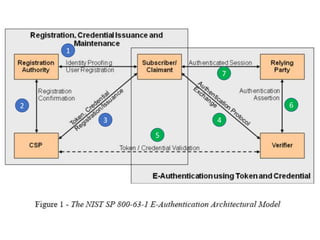
  • #20 Something: có thể là thực thể hoặc các event, action liên quan đến các thực thể diễn ra trong môi trường online. Trong trường hợp này có thể chia thành 3 loại: co the la identity, co the la qua trinh authentication, hoac su dam bao cho identity hoac authentication trong moi truong cross domain (tuc la su tương tacs giua nhiêu thuc the voi nhau) Identity assurance: quá trình verify chủ thể gắn với một identity ngoài đời thực (ví dụ như ID card, passport, CCCD…) tức là kiểm tra tên tuổi, mặt mũi, nốt ruồi giống với ID ko. Authentication assurance: verify claimed identity với identity đã đăng ký với hệ thống trước đó. Federation assurance: quá trình validate identity assertion trong môi trường cross-domain. Liên quan đến quá trình sharing id and authentication infor giữa các parties. Identity assurance: This assurance consists of the processes put in place to verify a subject's association with their real-world identity. Identity assurance is addressed in [b-ISO/IEC TS 29003]. Authentication assurance: Authentication establishes that a subject attempting to access a digital service is in control of the technologies used to authenticate. This assurance consists of the processes used to verify that a claimed identity is the same as the one that participated in the registration process and has previously been authenticated by the system. Federation assurance: This assurance consists of the process(es) used to communicate, protect and validate identity assertions being provided across different security domains. Identity federation is the sharing of online identity and authentication information between two or more parties.
  • #21 Assurance là sự đảm bảo, điều đó có nghĩa nó sẽ có mức độ đảm bảo khác nhau. Mức độ càng cao thì sự tin tưởng, chính xác càng lớn => level of assurance  Nhưng không thể là 100%, nên chỉ có thể là assurance chứ ko phải exactly
  • #22 Ví dụ: Lần đầu tiên đi chơi với bạn gái. Bạn ấy bảo em yêu anh => mình cũng ừ, nhưng chưa tin/đảm bảo lắm. Đứa nào chả nói thế => level 1 Lần sau đi chơi. Bạn ấy cho mình cầm tay, ôm, hôn chẳng hạn => có sự đảm bảo hơn xíu. Nhưng nghĩ mấy đứa người yêu trước cũng thế, mà sau cũng ko fail => level 2 Lần tiếp đi chơi. Bạn ấy bảo tối nay em là của anh => tin luôn, rất đảm bảo. => level 3 => accept transaction => cưới luôn. Ngày xưa mình dại, chỉ level 2 đã accept transaction rồi 
  • #26 Authentication la qua trinh cung cap su dam bao cho danh tinh duoc cung cap cua mot thuc te
  • #29 The usual sequence of interactions is as follows: 1. An individual Applicant applies to an RA through a registration process. 2. The RA identity proofs that Applicant. 3. On successful identity proofing, the RA sends the CSP a registration confirmation message. 4. A secret token and a corresponding credential are established between the CSP and the new Subscriber. When the Subscriber needs to authenticate to perform a transaction, he or she becomes a Claimant to a Verifier. The interactions are as follows: 1. The Claimant proves to the Verifier that he or she possesses and controls the token through an authentication protocol. 2. The Verifier interacts with the CSP to validate the credential that binds the Subscriber’s identity to his or her token. 3. If the Verifier is separate from the RP (application), the Verifier provides an assertion about the Subscriber to the RP, which uses the information in the assertion to make an access control or authorization decision. 4. An authenticated session is established between the Subscriber and the RP