
Dr. Ali Bandar,MD, PHD
Anesthesia
for
Laparoscopic
Surgery
Objectives
2
A. Introdution
B. Indications of Laparoscopic surgeries.
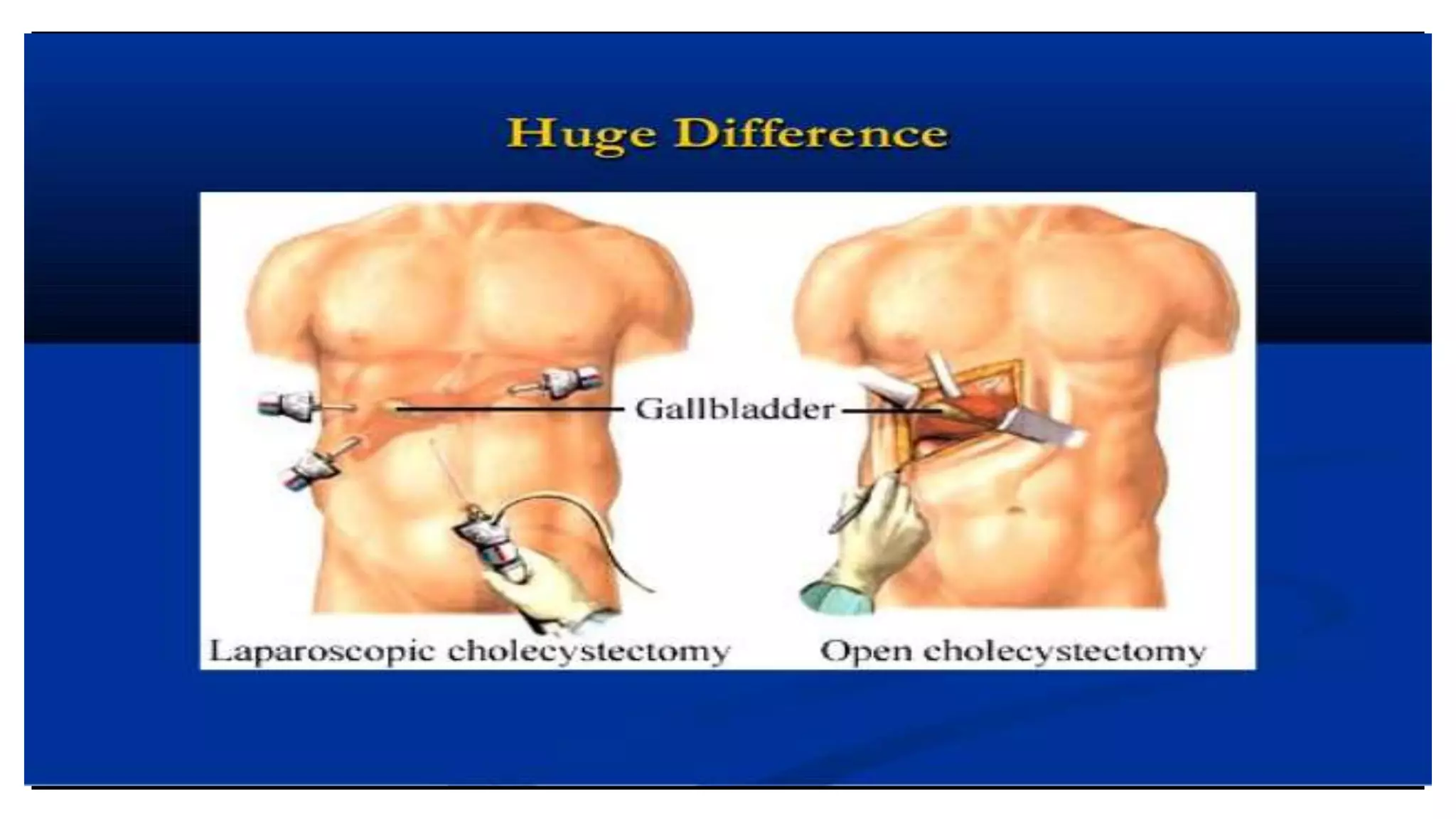
C. Advantages over laparotomy
D. Disadvantages
E. Contraindications
F. Anesthetic Consideration
G. Anesthetic techniques
Dr. Ali Bandar, MD, PHD
Introduction
3Dr. Ali Bandar, MD, PHD
General surgery: appendix, colon, small bowel, gallbladder, bile ducts,
stomach, esophagus, liver, spleen, pancreas, adrenals, hernia repairs, diagnostic
laparoscopy, adhesiolysis
Gynecologic procedures: Salpengectomy, Miomectomy, infiltelity…
Thoracoscopic surgery: Sympatectomy…
Cardiac surgery: Coronary artery bypass, valve repair
Orthopedics
Urologic procedures
Neurosurgery
Transplant surgery
A. Indications of Laparoscopic surgeries
Dr. Ali Bandar, MD, PHD
Advantages of laparoscopy over Laparotomy
Patient Specific:
 More cosmetic
 Shortert recovery
 Earlier return home
 Faster Activity
 Less cost
Surgoen Specific:
 Better Visualization
 ⬇ medical risk
 ⬇ ileus
 ⬇ damage to healthy
tissue
 ⬇ wound infection
 ⬇ P/O complications
 Better outcomes
Anesthetist Sp
⬇ Incisional stress
response
⬇ Opioid requirment
⬇ P/O Pain
⬇ Fluid shift
⬇ P/O Resp Dysfun.
6
Disadvantages:
 It needs well-trained surgeons.
 There is narrow, two-dimensional
visual field on video.
 General anesthesia is usually
needed.
 Higher costs (especially with
disposable instruments)Dr. Ali Bandar, MD, PHD
Related to Surgery :
 Diaphragmatic hernia.
 History of extensive surgery.
 Large intra-abdominal masses.
 Tumor of the abdorninal wall .
 Peritonitis.
 Coagulopathies.
 Surgeon inexperience (is the
strongest contraindication).
8
Patient refusal.
Related to Anesthesia:
 Severe cardiovascular or pulmonary
diseases(including bullae).
 Increased ICP or space occupying
lesions.
 Impending renal shutdown.
 Hypovolemic shock
Dr. Ali Bandar, MD, PHD
9
Anesthetic Considerations Of Laparoscopy:
1. General considerations
2. Considertaions related to positioning.
3. Considerations of gas insuflation
4. Considerations of pneumo-peritoneum
10
11
1. General Considerations
1. Dark Room
2. Trocar Injury(Vascular, Organs)
3. Potential conversion to open
4. Increased risk of PONV
Dr. Ali Bandar, MD, PHD
12
Anesthetic Considerations Of Laparoscopy:
1. General considerations
2. Considertaions related to
positioning.
3. Considerations of gas insufflation
4. Considerations of pneumo-peritoneum
13
Dr. Ali Bandar, MD, PHD
14
Trendelenburg
(lower abdominal
procedures)
- Appendectomy
- Hernia repair
Anti-
Trendelenburg
(upper abdominal
procedures)
-Cholecystectomy
- LSG Dr. Ali Bandar, MD, PHD
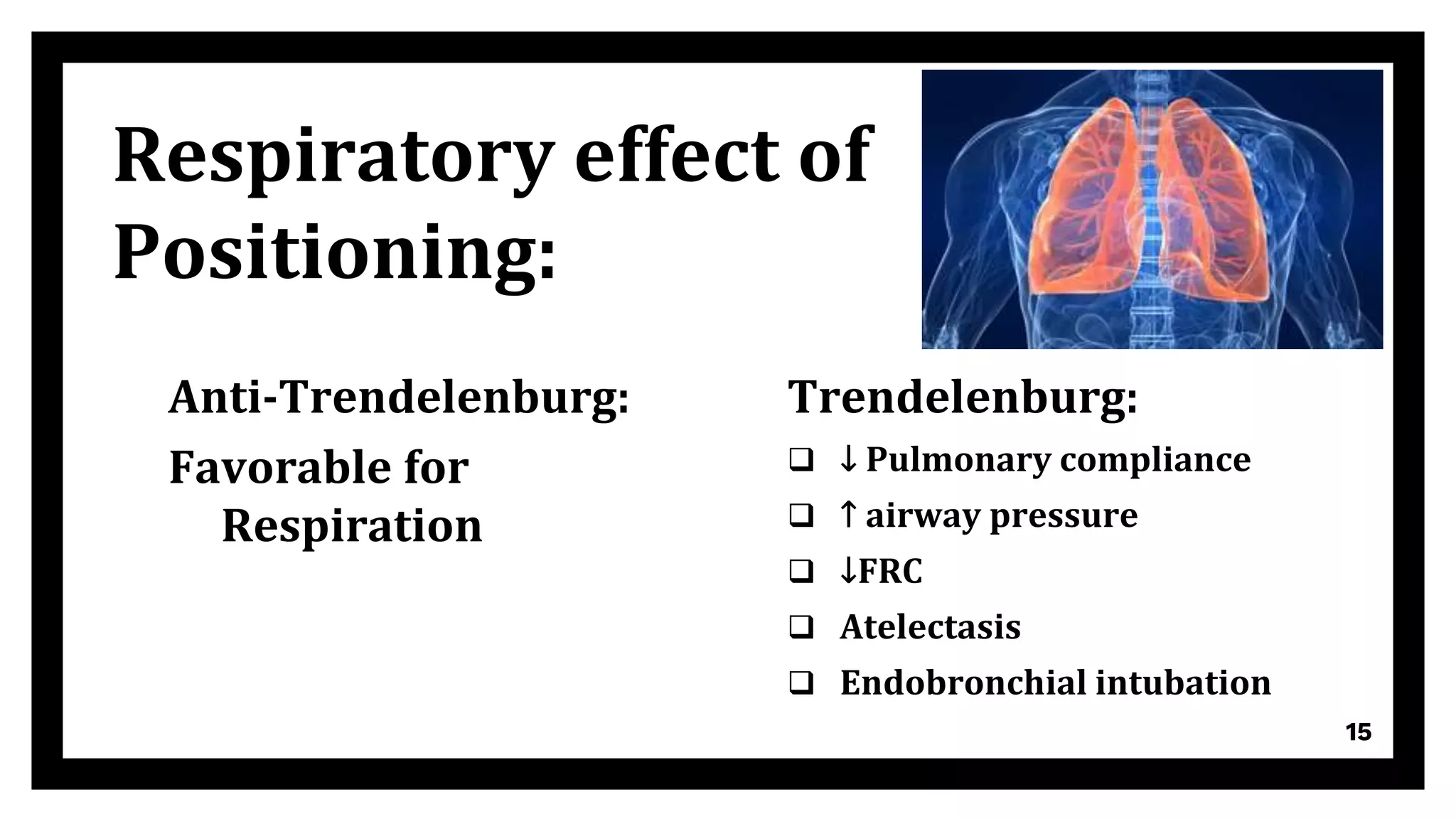
Anti-Trendelenburg:
Favorable for
Respiration
Trendelenburg:
 ↓ Pulmonary compliance
 ↑ airway pressure
 ↓FRC
 Atelectasis
 Endobronchial intubation
15
Respiratory effect of
Positioning:
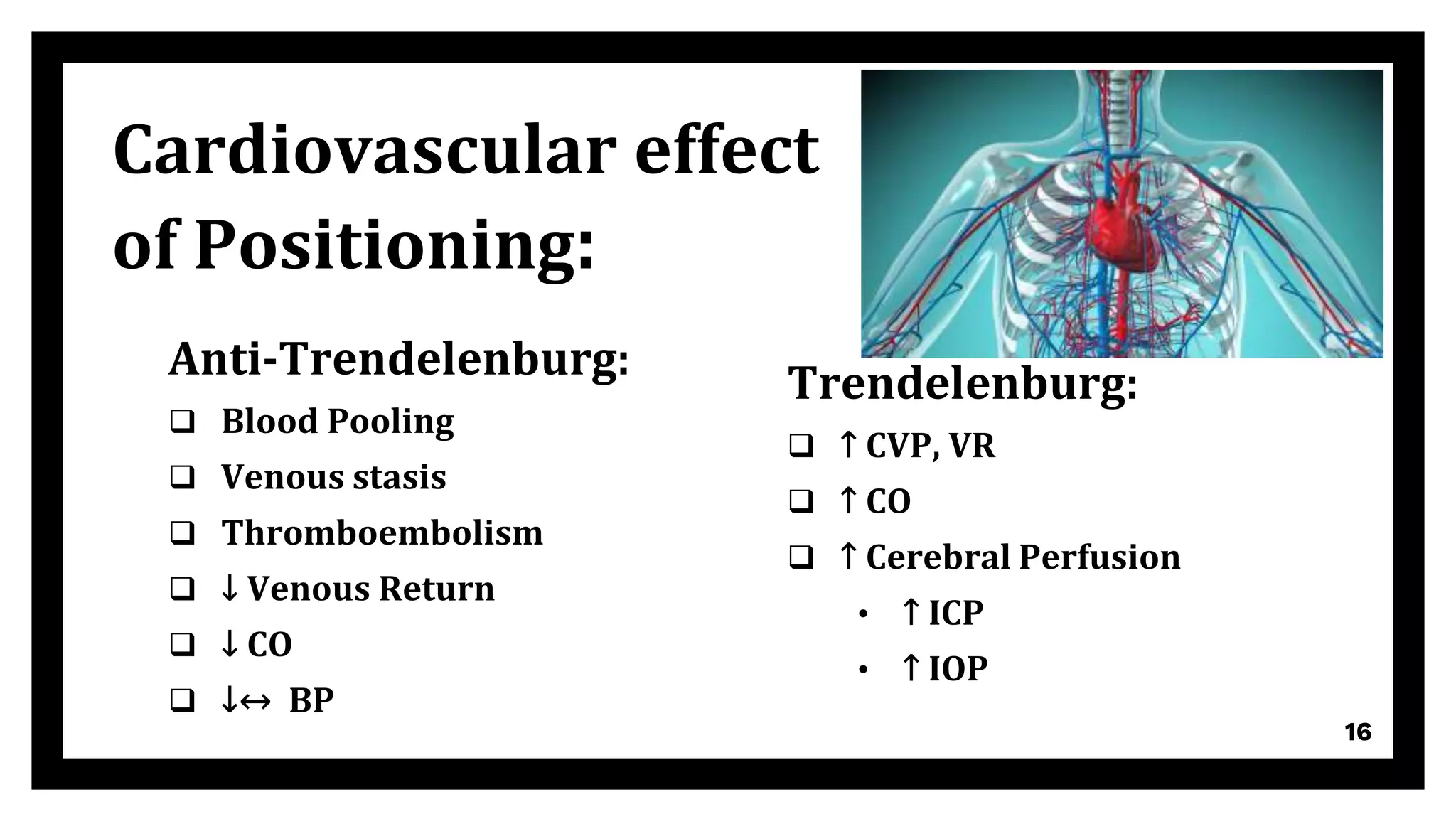
Anti-Trendelenburg:
 Blood Pooling
 Venous stasis
 Thromboembolism
 ↓ Venous Return
 ↓ CO
 ↓↔ BP
Trendelenburg:
 ↑ CVP, VR
 ↑ CO
 ↑ Cerebral Perfusion
• ↑ ICP
• ↑ IOP
16
Cardiovascular effect
of Positioning:
Brachial plexus palsy
effect of prolonged arm Abduction
17
Position – Nerve Injury:
Dr. Ali Bandar, MD, PHD
18
Effect of prolonged positioning:
 Head and neck congestion. They become dusky.
 Conjunctiva and eyelid edema.
 Retinal hemorrhage and detachment with
increased intraocular pressure.
 Cerebral edema with increased ICP.
 Laryngeal, tongue, and airway edema.
Anesthetic problems Of Laparoscopy:
1. General considerations
2. Considertaions related to positioning.
3. Considerations of Gas insufflation
4. Considerations of pneumo-peritoneum
19
20
Air N2O O2
Helium
Angon
CO2
What gases can be used?
Dr. Ali Bandar, MD, PHD
Why a Carbone Deoxide ??
 Non-flammable and does not support combustion.
 Readily diffuses through membranes & rapidly removed by
lungs
 Highly soluble; so, the risk embolization is minimal.
 CO2 levels in blood and expired air can be easily measured.
 High CO2 concentration of blood can be tolerated. As long as 02
requirements are met.
 Medical CO2 gas is readily available and inexpensive.
21
22
3. Considerations of GAS Insufflation
 Direct Peritonial irritation
CO2 produces postoperative shoulders pain
 HyperCarbia and respiratory Acidosis
 Hypothermia
 Subcutaneous Emphesyma
 Pneumothorax, Pneumomediastinum
Gas Embolism and acute PE
 Bronchial Intubation
Dr. Ali Bandar, MD, PHD
Anesthetic Considerations Of Laparoscopy:
1. General considerations
2. Considertaions related to positioning.
3. Considerations gas insufflation
4. Considerations of pneumo-peritoneum
23Dr. Ali Bandar, MD, PHD
24
Rapid Stretchening of the Peritonium:
It causes stimulation of the vagal reflexes leading to
bronchospasm and bradycardia up to sinus arrest especially
in young women
Avoid increased gas flow rates> 6L/ min. Normally, CO2 is
initially insufflated at a rate of 4-6L/min or less, but after the
initial pneumo-peritoneum, a constant gas flow of 200-
400mL/min is maintained to compensate for leaks during the
procedure.
Be ready with a vagolytic drug such as atropine. It may be
given prophylactically.
Effect Pneumo-peritonium CNS:
 The induction of pneumoperitoneum itself increases middle
cerebral artery blood flow
 Increased ICP:
o Increased lumbar spinal pressure → Decreased drainage
from lumbar plexus
o Hypercapnia, high systemic vascular resistance and head
low position combine to elevate intracranial pressure.
25
CardioVascular Effect of
Pneumo-Peritonium:
 ⬆ IAP up to 15-20 mm Hg, ⬆ venous return ⬇ ⬆ CVP, and
⬆CO.
 ⬆ IAP >20 mm Hg, compresses the IVC resulting ⬇ , ⇨ ⬇ CVP
and, CO.
 ⬆ IAP ⬇ femoral venous blood flow, which ⬆ the incidence of
deep venous thrombosis.
26Dr. Ali Bandar, MD, PHD
Respiratory Effect of
Pneumo-peritonium:
 Limitation of diaphragmatic and anterior abdominal
wall movement cause decreased lung volume,
atelectasis and dead space ventilation
 FRC ⬇ 20-25%
 Respiratory Compliance ⬇ 30-50%
 Respiratory Resistance ⬇
27
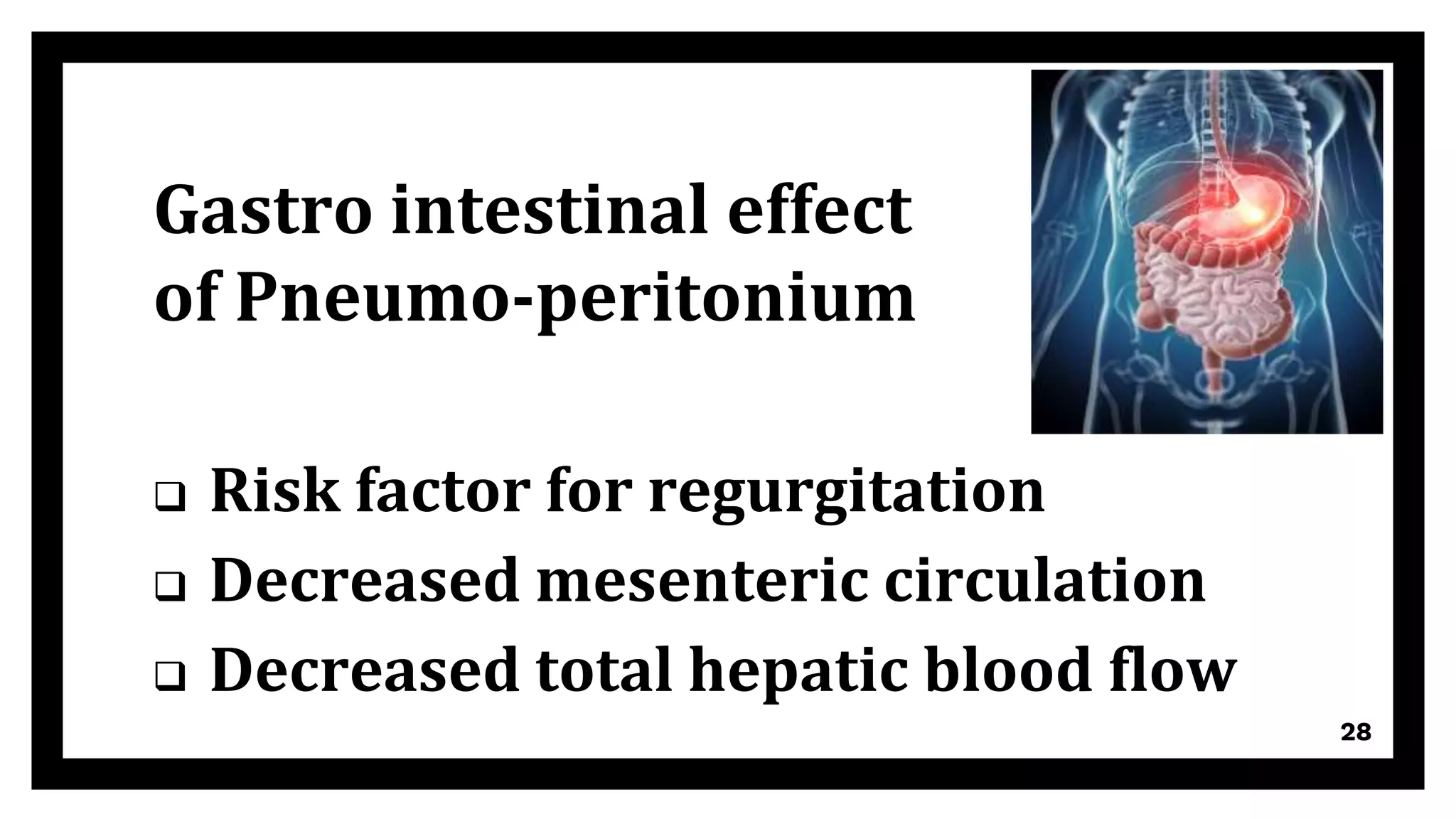
Gastro intestinal effect
of Pneumo-peritonium
 Risk factor for regurgitation
 Decreased mesenteric circulation
 Decreased total hepatic blood flow
28
Renal Effect of
Pneumo-Peritonium:
An Increased IAP decreases the GFR and urine output
about 50% (renal compartmental syndrome) due to
the following causes:
 Compression of renal vein and inferior vena cava.
 Reduction of renal cortical blood flow up to 60%.
 Renal parenchymal compression.
29Dr. Ali Bandar, MD, PHD
Anesthetic
Management
30Dr. Ali Bandar, MD, PHD
Anesthetic goals:
▪ Accommodate surgical requirments
▪ Monitoring for early detection of complication
▪ Recovery from anesthesia should be rapid
with minimal residual effect
▪ Consider to convert to open
31Dr. Ali Bandar, MD, PHD
32
Preoperative management:
1-Complete history, examination, and investigations
2- Consent for laparotomy .
3-Complete bowel preparation.
4-Premedications:
•Anti-emetics e.g., ondansetron (S-HT3 receptor antagonists).
•Antacids and H2 antagonists to decrease aspiration effects.
• Anticholinergics may be given to decrease the possibility of bradycardia
5- Pharmacological DVT prophylaxis ( as per surgeon )
Dr. Ali Bandar, MD, PHD
33
Intraoperative management:
 Monitoring as ASA standards
 Mechanical DVT prophylaxis
 General Anaesthsia:conducted by intubation, volatile agents ,
opioids, and controlled ventilation.
 Good muscle relaxation
 Positioning
 Naso-or orogastric tube
 Extubation: In addition to the usual criteria of extubation, extubation should be
delayed if venous congestion and edema are observed in the head, neck, upper chest,
eye, tongue...etc.
34
Post-operative management:
•Postoperative nausea and vomiting:
There is an increased incidence of postoperative nausea and
vomiting (the incidence is 42%).
•Postoperative pain:
postoperative pain (Multi-modal)
- local anesthetic infiltration of port site
-Paracetamol
-NSAIDs
-Opioids (+/-)
•Respiratory distress: It may occur if pneumothorax is not
detected intraoperatively.
NB . Don`t under-estimate surgical emphysema
Take Home Message
 Pt. selection
 Considerations
General
Positioning
Pneumoperitoneum
Gas insufflation
 Post op. pain management
 Post op. N&V
35Dr. Ali Bandar, MD, PHD
36Dr. Ali Bandar, MD, PHD

Anesthesia in Laparoscopic Surgery

  • 1.
    Dr. Ali Bandar,MD,PHD Anesthesia for Laparoscopic Surgery
  • 2.
    Objectives 2 A. Introdution B. Indicationsof Laparoscopic surgeries. C. Advantages over laparotomy D. Disadvantages E. Contraindications F. Anesthetic Consideration G. Anesthetic techniques Dr. Ali Bandar, MD, PHD
  • 3.
  • 4.
    General surgery: appendix,colon, small bowel, gallbladder, bile ducts, stomach, esophagus, liver, spleen, pancreas, adrenals, hernia repairs, diagnostic laparoscopy, adhesiolysis Gynecologic procedures: Salpengectomy, Miomectomy, infiltelity… Thoracoscopic surgery: Sympatectomy… Cardiac surgery: Coronary artery bypass, valve repair Orthopedics Urologic procedures Neurosurgery Transplant surgery A. Indications of Laparoscopic surgeries Dr. Ali Bandar, MD, PHD
  • 5.
    Advantages of laparoscopyover Laparotomy Patient Specific:  More cosmetic  Shortert recovery  Earlier return home  Faster Activity  Less cost Surgoen Specific:  Better Visualization  ⬇ medical risk  ⬇ ileus  ⬇ damage to healthy tissue  ⬇ wound infection  ⬇ P/O complications  Better outcomes Anesthetist Sp ⬇ Incisional stress response ⬇ Opioid requirment ⬇ P/O Pain ⬇ Fluid shift ⬇ P/O Resp Dysfun.
  • 6.
  • 7.
    Disadvantages:  It needswell-trained surgeons.  There is narrow, two-dimensional visual field on video.  General anesthesia is usually needed.  Higher costs (especially with disposable instruments)Dr. Ali Bandar, MD, PHD
  • 8.
    Related to Surgery:  Diaphragmatic hernia.  History of extensive surgery.  Large intra-abdominal masses.  Tumor of the abdorninal wall .  Peritonitis.  Coagulopathies.  Surgeon inexperience (is the strongest contraindication). 8 Patient refusal. Related to Anesthesia:  Severe cardiovascular or pulmonary diseases(including bullae).  Increased ICP or space occupying lesions.  Impending renal shutdown.  Hypovolemic shock Dr. Ali Bandar, MD, PHD
  • 9.
  • 10.
    Anesthetic Considerations OfLaparoscopy: 1. General considerations 2. Considertaions related to positioning. 3. Considerations of gas insuflation 4. Considerations of pneumo-peritoneum 10
  • 11.
    11 1. General Considerations 1.Dark Room 2. Trocar Injury(Vascular, Organs) 3. Potential conversion to open 4. Increased risk of PONV Dr. Ali Bandar, MD, PHD
  • 12.
  • 13.
    Anesthetic Considerations OfLaparoscopy: 1. General considerations 2. Considertaions related to positioning. 3. Considerations of gas insufflation 4. Considerations of pneumo-peritoneum 13 Dr. Ali Bandar, MD, PHD
  • 14.
    14 Trendelenburg (lower abdominal procedures) - Appendectomy -Hernia repair Anti- Trendelenburg (upper abdominal procedures) -Cholecystectomy - LSG Dr. Ali Bandar, MD, PHD
  • 15.
    Anti-Trendelenburg: Favorable for Respiration Trendelenburg:  ↓Pulmonary compliance  ↑ airway pressure  ↓FRC  Atelectasis  Endobronchial intubation 15 Respiratory effect of Positioning:
  • 16.
    Anti-Trendelenburg:  Blood Pooling Venous stasis  Thromboembolism  ↓ Venous Return  ↓ CO  ↓↔ BP Trendelenburg:  ↑ CVP, VR  ↑ CO  ↑ Cerebral Perfusion • ↑ ICP • ↑ IOP 16 Cardiovascular effect of Positioning:
  • 17.
    Brachial plexus palsy effectof prolonged arm Abduction 17 Position – Nerve Injury: Dr. Ali Bandar, MD, PHD
  • 18.
    18 Effect of prolongedpositioning:  Head and neck congestion. They become dusky.  Conjunctiva and eyelid edema.  Retinal hemorrhage and detachment with increased intraocular pressure.  Cerebral edema with increased ICP.  Laryngeal, tongue, and airway edema.
  • 19.
    Anesthetic problems OfLaparoscopy: 1. General considerations 2. Considertaions related to positioning. 3. Considerations of Gas insufflation 4. Considerations of pneumo-peritoneum 19
  • 20.
    20 Air N2O O2 Helium Angon CO2 Whatgases can be used? Dr. Ali Bandar, MD, PHD
  • 21.
    Why a CarboneDeoxide ??  Non-flammable and does not support combustion.  Readily diffuses through membranes & rapidly removed by lungs  Highly soluble; so, the risk embolization is minimal.  CO2 levels in blood and expired air can be easily measured.  High CO2 concentration of blood can be tolerated. As long as 02 requirements are met.  Medical CO2 gas is readily available and inexpensive. 21
  • 22.
    22 3. Considerations ofGAS Insufflation  Direct Peritonial irritation CO2 produces postoperative shoulders pain  HyperCarbia and respiratory Acidosis  Hypothermia  Subcutaneous Emphesyma  Pneumothorax, Pneumomediastinum Gas Embolism and acute PE  Bronchial Intubation Dr. Ali Bandar, MD, PHD
  • 23.
    Anesthetic Considerations OfLaparoscopy: 1. General considerations 2. Considertaions related to positioning. 3. Considerations gas insufflation 4. Considerations of pneumo-peritoneum 23Dr. Ali Bandar, MD, PHD
  • 24.
    24 Rapid Stretchening ofthe Peritonium: It causes stimulation of the vagal reflexes leading to bronchospasm and bradycardia up to sinus arrest especially in young women Avoid increased gas flow rates> 6L/ min. Normally, CO2 is initially insufflated at a rate of 4-6L/min or less, but after the initial pneumo-peritoneum, a constant gas flow of 200- 400mL/min is maintained to compensate for leaks during the procedure. Be ready with a vagolytic drug such as atropine. It may be given prophylactically.
  • 25.
    Effect Pneumo-peritonium CNS: The induction of pneumoperitoneum itself increases middle cerebral artery blood flow  Increased ICP: o Increased lumbar spinal pressure → Decreased drainage from lumbar plexus o Hypercapnia, high systemic vascular resistance and head low position combine to elevate intracranial pressure. 25
  • 26.
    CardioVascular Effect of Pneumo-Peritonium: ⬆ IAP up to 15-20 mm Hg, ⬆ venous return ⬇ ⬆ CVP, and ⬆CO.  ⬆ IAP >20 mm Hg, compresses the IVC resulting ⬇ , ⇨ ⬇ CVP and, CO.  ⬆ IAP ⬇ femoral venous blood flow, which ⬆ the incidence of deep venous thrombosis. 26Dr. Ali Bandar, MD, PHD
  • 27.
    Respiratory Effect of Pneumo-peritonium: Limitation of diaphragmatic and anterior abdominal wall movement cause decreased lung volume, atelectasis and dead space ventilation  FRC ⬇ 20-25%  Respiratory Compliance ⬇ 30-50%  Respiratory Resistance ⬇ 27
  • 28.
    Gastro intestinal effect ofPneumo-peritonium  Risk factor for regurgitation  Decreased mesenteric circulation  Decreased total hepatic blood flow 28
  • 29.
    Renal Effect of Pneumo-Peritonium: AnIncreased IAP decreases the GFR and urine output about 50% (renal compartmental syndrome) due to the following causes:  Compression of renal vein and inferior vena cava.  Reduction of renal cortical blood flow up to 60%.  Renal parenchymal compression. 29Dr. Ali Bandar, MD, PHD
  • 30.
  • 31.
    Anesthetic goals: ▪ Accommodatesurgical requirments ▪ Monitoring for early detection of complication ▪ Recovery from anesthesia should be rapid with minimal residual effect ▪ Consider to convert to open 31Dr. Ali Bandar, MD, PHD
  • 32.
    32 Preoperative management: 1-Complete history,examination, and investigations 2- Consent for laparotomy . 3-Complete bowel preparation. 4-Premedications: •Anti-emetics e.g., ondansetron (S-HT3 receptor antagonists). •Antacids and H2 antagonists to decrease aspiration effects. • Anticholinergics may be given to decrease the possibility of bradycardia 5- Pharmacological DVT prophylaxis ( as per surgeon ) Dr. Ali Bandar, MD, PHD
  • 33.
    33 Intraoperative management:  Monitoringas ASA standards  Mechanical DVT prophylaxis  General Anaesthsia:conducted by intubation, volatile agents , opioids, and controlled ventilation.  Good muscle relaxation  Positioning  Naso-or orogastric tube  Extubation: In addition to the usual criteria of extubation, extubation should be delayed if venous congestion and edema are observed in the head, neck, upper chest, eye, tongue...etc.
  • 34.
    34 Post-operative management: •Postoperative nauseaand vomiting: There is an increased incidence of postoperative nausea and vomiting (the incidence is 42%). •Postoperative pain: postoperative pain (Multi-modal) - local anesthetic infiltration of port site -Paracetamol -NSAIDs -Opioids (+/-) •Respiratory distress: It may occur if pneumothorax is not detected intraoperatively. NB . Don`t under-estimate surgical emphysema
  • 35.
    Take Home Message Pt. selection  Considerations General Positioning Pneumoperitoneum Gas insufflation  Post op. pain management  Post op. N&V 35Dr. Ali Bandar, MD, PHD
  • 36.

Editor's Notes

  • #2  Today's topic is Anesthesia for Laparoscopic surgery. It is very important topic as the use of laparoscopic techniques in is increasing in number, extensiveness and popularity. Aims to Referesh our knowledge is needed between time to time underline the principles of anaesthesia for laparoscopic surgery increase awareness of the risks and benefits of laparoscopic surgery from the anaesthetist’s ( and patient’s ) point of view to stimulate further interest and research in newer techniques which may reduce the risks  Summary Despite multiple advantages, Laparoscopy is not a synonym for risk free operation. The death rate during laparoscopic surgery is 0.1 to 1 per 1000 cases. Anesthesiologist must be aware, able to detect and manage those life threatening complication. .Capnography is one of the most important tool to tackle these complication and every one should know how to interrelate ETCO2 with other important findings
  • #4  Surgical procedures have been improved to reduce trauma to the pt, morbidity, mortality and hospital stay with consequent reduction in health care cost. The development of better equipment and facilities, along with increased knowledge and understanding of anatomy and pathology have allowed the development of endoscopy for diagnostic and operative procedure. Starting from 1970 used various pathologic gynecological conditions have been diagnosed and treated with laparoscope. This laparoscopic approach was extended to Appendectomy in 1981, then laparoscopic expanded impressively in scope and volume Many painful operations that once required prolonged hospitalizations are now being performed on an out Pt or short stay basis. the implications for anesthesiologist are to use the technique that not only allows for optimal surgical conditions, but intraoperative Pt comfort and safety, and a rapid anesthetic recovery
  • #6 pulmonary functions return to normal faster than in open surgeries especially in upper abdominal procedures. Due to the above advantages ,less postoperative periods of hospitalization
  • #8 Potential for major complication in inexperianced hands
  • #9 Most contraindications are relative with experienced hands Each Pt evaluated on a risk benefit basis
  • #10 Laparoscopic surgery induces complex physiologic changes that impact multiple organ systems. For minimizing complications and optimizing conditions to get successful surgical result, require an understanding of Anesthetic consideration in laparoscopic surgery.
  • #11  With the growth and sophistication of laparoscopic surgery, increased attention is now being focused on safety and complications. Laparoscopic surgery is associated with reduced surgical trauma, and therefore with a less acute phase response, as compared with open surgery.
  • #12 In the dark room staff can trip over items on the floor, make mistakes in patient records or read medications incorrectly. Vascular injury most commony accures while placing pneumoperitonium needle(veress) or placing primary trocar Major vascular injury:IVC, Aorta, illiac vessels Minur vascular injury: vessels of abdomenal wall, mesetery, or other organs Bleeding due to vascular injury at a port site, May be not be observed at the port site cannulas in with abdomen insuflated, delayed bleeding might be with in one hour up to 3 days Postoperative nausea and vomiting (PONV) are the most common symptoms affecting patients after surgery under general anesthesia, with an incidence of approximately 42%.1 The true incidence of PONV is difficult to determine because of the lack of a single stimulus of onset as well as the range of possible etiologies (medical, surgical, and patient and anesthesia associated). In the absence of antiemetic treatment, the incidence of PONV is estimated to be 25% to 30% for all surgical interventions and patient populations.2 However, the incidence rate of PONV after laparoscopic cholecystectomy (LC) is higher than that after other types of surgery.3,4 A rate of 46% to 75% has been reported for patients who did not receive antiemetic treatment after LC Multimodal regime seems effective
  • #14 Patient positioning usually needed to passively optimize surgical exposure with minimal retraction. Extreme positions place the pt at risk of movement on table Pt should be securely positioned with vulnerable pressure points and eyes protection
  • #15 As the surgical field during endoscopy is narrow, the change inpatient's position is helpful as It displace surrounding structures and organs(viscera) away from the surgical field. Steep Trendelenburg position (i.e., “head down”) is used to expose lower abdominal structures, such as in uterine or prostate surgery. Steep, reverse Trendelenburg position exposes upper abdominal structures, such as in gastric bypass surgery. Nonsliding mattresses are recommended to keep the patient from sliding cephalad
  • #16 Abdominal contents press on the diaphragm causing: decreased compliance of the lungs, which increases airway pressure. Decreased vital capacity and functional residual capacity. Therefore, endotracheal intubation is often preferred to protect the airway from hypoxia (inaddition to prevention of pulmonary aspiration).0 Increased endobronchial intubation due to elevation of the carina up wards. Frequent assessment of the position of endotracheal tube is mandatory.
  • #17 Trendelenburg position, in addition to improving exposure during lower abdominal procedure, is also indicated to increase venous return during hypotension and to prevent air emboli during central venous line placement. Leg elevation increases the venous return acutely (adds 600mL of blood to the central circulation). This precipitates or exacerbates congestive heart failure in compromised hearts. Rapid leg lowering decreases venous return acutely resulting in hypotension and decreased cardiac output, especially with general anesthesia or regional anesthesia. Therefore, arterial blood pressure monitoring is essential and body position must be changed gradually.
  • #18 Shoulder braces to keep the patient from moving are not recommended because the risk of compressive injury to the brachia! Plexus is significant. Treatment must be comprehensive and a multidisciplinary approach. There should be involvement of a neurologist and/or physical medicine specialist with other ancillary support. Pharmacologic agents used include Gabapentin, steroids and non-steroidal analgesics. Keeping the arms by the sides and avoiding arm boards which allow abduction, external rotation or hyperextension of the upper limb will reduce brachial plexus injury. Avoid shoulder plates that cause local pressure over the brachial plexus and also wrist bands that pull the humeral head onto the brachial plexus. Other methods used to prevent the patient sliding off the operating table include cross chest straps using foam material, gel mattresses which have high friction coefficient and eggshell foam
  • #20 Rapid Stretchening of the Peritonium: It causes stimulation of the vagal reflexes leading to bronchospasm and bradycardia up to sinus arrest especially in young women; therefore Avoid increased gas flow rates> 61/ min. Normally, CO2 is initially insufflated at a rate of 4-6L/min or less, but after the initial pneumo-peritoneum, a constant gas flow of 200-400mL/min is maintained to compensate for leaks during the procedure. Be ready with a vagolytic drug such as atropine. It may be given prophylactically.
  • #21 In contrast to other insufflation gases, such as helium and nitrous oxide, CO2 has a desirable safety profile Other Gases used: Air, was the 1st gas to be used, poorly soluble in blood causing embolic phenomenom O2: discarded because supporting conbustion N2O: Also Support combustion, Hazardous for operative team, bowl distention, increasing risk of PONV, Helium, Arganon: Expensive less soluble, risk of gas embolism
  • #22  CO2: Easy to controle Up to 200 mL of CO2 injected directly in to peripheral vein may not be lethal where only 20mL of air can be lethal Inert and not irritant to tissue
  • #23 Under GA, a PaCO2 progressively increases and reaches plateau after 15-30 min of CO2 insufflations The main mechanism of increases PaCO2 is CO2 absorption rather than respiratory, correction by increasing mechanical ventilation Capnography serves as non invasive monitor of PaCO2 during CO2 insufflations, its helps to detect intra vascular insufflation of CO2 Direct Peritonial irritation CO2 produces postoperative pain, which is referred to the shoulders because: CO2 Is not inert, but it forms carbonic acid when in contact with the moist peritoneum causing irritation. CO2 is not very soluble in the absence of red blood cells. It remains intra-peritoneally after the operation resulting in postoperative pain. We conclude that volume of residual pneumoperitoneum is a contributing factor in the etiology of postoperative pain after laparoscopic cholecystectomy. Due to insufflations of dry cold gas(CO2), body temperature decreases by 0.3°C/h. Measures to avoid hypothermia as temperature monitoring, warming and humidifying inspired gas, warming of i.v.fluid, and heating mattress or radiant heaters...etc, should be taken. Abdominal wall injury may cause subcutaneous emphysema due to improper placement of the insufflating needle. Operative time more than 3h and using 6 or more ports Any increase in Et CO2 after it has been plateued should suggest this complication it resolve soon after abdomen deflated presentation: undetected intraoperativly, un explained increase airway pressure, unequality chest rising, bulging diaphragm, cardiovascular compremise to be confirmed by CXR MANAGEMENT: deflation of abdomen, supportive consider ICT in tension pneumothorax, no PEEP in ruptured Bulla Causes of Pneumothorax and Pneumomediastinum: Potential chanels pleural and pericardial sacs defect in diafragm or weak points in aortic and esophageal hiatus diaphragmatic injury ruptur of lung bulla Gas Embolism and Acute Pulmonary Embolism: If a large CO2 volume is insufflated intra vascularly in advertently, it leads to gas embolism, which may lead to acute pulmonary embolism. It is suspected when the abdominal cavity does not distend equally in all four quadrants despite insufflations of several liters of CO2. Close monitoring during insufflations is important because early detection decreases morbidity and mortality Clinical Picture: such as hypotension, tachycardia, Mill-wheel murmur, and low end-tidal CO2, is similar to any pulmonary air embolism. It is discussed in more details in chapter"RespiratoryDiseases". Treatment: When It I ssuspected, It should be managed as air embolism. 1-Warn the surgeon immediately to stop insufflation. 2-Discontinue N2O to provide100% 02. Although N20 expands air embolism volume, it does not expand CO2 embolism volume because both N20 and CO2 are highly soluble; therefore, as N20 enters the embolus, CO2 leaves it. 3-Turn the patient steep head down, left lateral(Durant Position)to trap the gas in the right side of the heart. This position may avoid obstruction of pulmonary tracts and avoid right ventricular failure. (Durant: head down position, keeping a left ventricle air bubble away from coronary artria ostia, so that the bubble didn’t enter and occlude coronary artery, left lateral helps to trap air in nondepending segment, preventing to enter to pulmonary artery) 4-Central venous pressure catheter can help in diagnosis and aspiration of emboli. 5-Supportive therapy as 02, fluids, and vasopressors...etc. Cephalad displacement of diapfragm during pneumoperitonium, Cephalad movment of carina pt desating, increase in airway pressure, hypercarbia EtCO2 inreases in bronchial intubation, Subcutaneous emphysema and decreases in pneumothorax and CO2 embolism Post operative CO2 retention can result increased RR and EtCO2 in pt on spont breathing Physiological effect of CO2: After 15min of CO2 insufflation ICP increasing due to reflex vasodilatation, narcoses if more than 90mmhg PaCO2 has regulatory effect on ventilation via central and peripheral chemorecepters HyperCarbia and respiratory Acidosis: It occurs due to increased CO2 absorption. When the buffering capacity of blood is temporarily exceeded, respiratory acidosis occurs. Cardiovascular Effects: (initial stimulation followed by depression) • Hypercarbia up to 90 mm Hg produces sympathetic stimulation, which increases myocardial contractility, arterial blood pressure (with decreased systemic vascular resistance), heart rate, and cardiac output. Vasodilation of coronary and cerebral vessels (the latter increases cerebral edema) while vasoconstriction of pulmonary and capacitant vessels occur. • Hypercarbia more than 90 mm Hg produces a drop in the response. N.B. :Block of sympathetic system e.g., by subarachnoid block, ganglionblockers, or B blockers causes hypotension and decreases cardiac output (instead of sympathetic stimulation) in response to hypercarbia. •Hypercarbia increases arrhythmias. Respiratory Effects: (initial stimulation followed by depression). It is apparent in spontaneously breathing patients as with regional anesthesia; therefore, some authors recommend mechanical ventilation with general anesthesia. Increased CO2 up to 100-150 mm Hg (and acidosis) produces direct and indirect stimulation of the respiratory center via chemoreceptors, hormones, and autonomic nerves resulting in hyperventilation. Increased CO2> 150 mm Hg produces respiratory depression. CO2 alone causes bronchodilatation. Central Nervous Effects: (initial stimulation followed by depression) A slight increase in CO2 produces direct cortical depression (and increases the threshold for seizures). Further increases in CO2 stimulate sub-cortical and hypothalamic centers leading to indirect cortical stimulation (and it decreases the threshold for seizures). Further increases in CO2 inhibit sub-cortical and corticalcenters (i.e.,anesthetic-like state). CO2(and not H+ions) crosses the blood brain barrier decreasing the cerebrospinal fluid(CSF) pH, which produces cerebral vasodilatation. Therefore, cerebral blood flow increases, which increases intracranial pressure and causes cerebral edema. These effects are accentuated by venous congestion due to the Trendelenburg position and the increased intra-abdominal pressure. Renal Effects: Hypercarbia produces sympathetic stimulation, which: 0 increases ADH secretion, 0decreases renal cortical blood flow, and0 Produces vasoconstriction of glomerular afferent arterioles. All these decrease glomerular filtration rate leading to oliguria. This is accentuated by the effect of the intra-abdominal pressure
  • #24 Rapid Stretchening of the Peritonium: It causes stimulation of the vagal reflexes leading to bronchospasm and bradycardia up to sinus arrest especially in young women; therefore Avoid increased gas flow rates> 6L/ min. Normally, CO2 is initially insufflated at a rate of 4-6L/min or less, but after the initial pneumo-peritoneum, a constant gas flow of 200-400mL/min is maintained to compensate for leaks during the procedure. Be ready with a vagolytic drug such as atropine. It may be given prophylactically. When pneumoperitonium starting, volume icreasing, abdominal wall compliance decreases and IAP climbs. When the IAP exceeds the physiological threshold , starting compromise blood flow in individual organ system
  • #26 Increased IAP → Increased lumbar spinal pressure → Decreased drainage from lumbar plexus → Increased ICP → Hypercapnia, high systemic vascular resistance and head low position combine to elevate intracranial pressure. The induction of pneumoperitoneum itself increases middle cerebral artery blood flow
  • #27 An increased intra-abdominal pressure up to 15-20 mm Hg increases venous return due to reduction in splanchnic sequestration of blood with subsequent increases in central venous pressure, arterial blood pressure, and cardiac output. A further increase of intra-abdominal pressure>20 mm Hg, compresses the Inferior vena cava resulting in a decrease in venous return from the lower half of body, which in turn decreases central venous pressure and cardiac output, but cardiac output returns to normal later on. The arterial blood pressure remains elevated due to increased concentration of arginine vasopressin (which increases systemic vascular resistance). An increased intra-abdominal pressure reduces the femoral venous blood flow, which increases the incidence of deep venous thrombosis. Reduction in Venous return and CO can be attenuated by increasing circulating volume before pneumoperitonium Increased filling pressure can be achieved by fluid loading or tilting the pt to slight head down position before peritoneal insuflation Pneumotic compression device or elastic banding can prevent pooling Pt with ASA III or IV who volume depleted experience the most hemodynamic changes Preoperative prelaod augmentation offsets the hemodynamic effects of pneumoperitonium IV Nitroglycerin, nicardipin, or Dobutamin has been used to manage hemodynamic changes induced by increased IAP
  • #28 Intra abdominal distension leads to decrease in pulmonary dynamic compliance Increase IAP displaces the diaphragm upward FRC and total lung compliance decrease Early closure of smaller airway and basic atelectasis Increased peak airway pressure Increase in intrapulmonary shunt Limitation of diaphragmatic and anterior abdominal wall movement cause decreased lung volume, atelectasis and dead space ventilation FRC already reduced by induction of general anesthesia, decreases even further 20% after 5 min of abdominal insuflation Repiratory compliance and resistance after 15 min of deflation will return to preinsuflation limit
  • #29 Increased IAP Decreased lower esophageal sphincter tone (If barrier pressure increased more than 30 mm H2O) Gastric Decompression is mandatory Decreased total hepatic blood flow due to splanchnic compression, hormonal release catacholamine, Vasopressin and angiotensin lead to reduction splanchnic blood flow exept for adrenal glands Decreased mesenteric circulation Neuro-Endocrine Changes: Excessive intra-abdominal pressure(and hypercarbia) may activate the sympatho-adrenal axis, resulting in increased plasma levels of epinephrine, norepinephrine, renin, cortisol, aldosterone, antiduretic hormone(ADH), and atrial natriuretic peptide levels.
  • #30 An Increased intra-abdominal pressure decreases the glomerular filtration rate and urine output about 50% (renal compartmental syndrome) due to the following causes: Compression of renal vein and inferior vena cava. Reduction of renal cortical blood flow up to 60%. Renal parenchymal compression. Reduction of cardiac output. Elevation of plasma renin, aldosterone, and antidiuretic hormone Deminished RBF is the potent trigger for activation of RAAS Elevation of plasma renin, aldosterone, and ADH Fall in filtration pressure, and fall in urine output
  • #31  Anesthetic goals: Accommodate surgical requirments Monitoring for early detection of complication Recovery from anesthesia should be rapid with minimal residual effect Consider to convert to open The pneumoperitonium and pt position required for laparoscopic induce pathophysilogic changes that complicate anesthesia management A duration of some laparoscopic procedure, the risk unsuspected visceral injury, and the difficulty estimate the amount of blood loss are other factor to make anesthesia for laparoscopy a potential high risk
  • #34 Monitoring as ASA standards Mechanical DVT prophylaxis General Anaesthsia: General anesthesia is conducted by intubation, volatile agents , opioids, and controlled ventilation. Positioning Naso-or orogastric tube Good muscle relaxation is needed because: •It allows a better surgical field. •It allows the control of ventilation •Intubation is performed by a cuffed ETT •Volatile agents: Avoid halothane as it increases arrhythmias with hypercarbia. •N2O:Its use is controversial because: Extubation: In addition to the usual criteria of extubation, extubation should be delayed if venous congestion and edema are observed in the head, neck, upper chest, eye, tongue...etc
  • #36 Summary Despite multiple advantages, Laparoscopy is not a synonym for risk free operation. The death rate during laparoscopic surgery is 0.1 to 1 per 1000 cases. Anesthesiologist must be aware, able to detect and manage those life threatening complication. .Capnography is one of the most important tool to tackle these complication and every one should know how to interrelate ETCO2 with other important findings