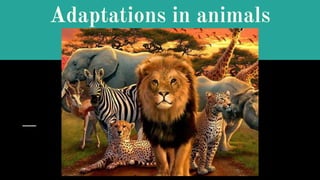
Adaptations in animals
Why do animals need to adapt?
All living things adapt to survive. They need to adapt to find food, shelter, air,
water, protection from predators and a place to nurture their young ones.
WHAT HAPPENS IF A LIVING THING IS UNABLE TO ADAPT TO IT'S
ENVIRONMENT?
What is habitat?
The place where a living organism lives in
nature is called habitat.
It is natural home of an animal.
What are the different types of adaptations in animals?
● Adaptations based on habitat
● Adaptations based on food habits
Animals can be classified into five major categories on
basis of their habitat.
● Terrestrial
● Aquatic
● Amphibians
● Arboreal
● Aerial
Terrestrial animals
Terrestrial animals live on land
ANIMALS LIVING IN PLAINS
Animals living in desert
● Camel
● Desert birds
● Snakes
● Desert lizard
● Desert rat
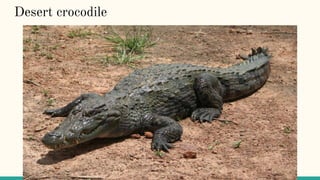
● Desert crocodiles
● Lungfish
Camel
● Stores fat in the
hump.
● Thick skin and
scanty hair
● Wide feet which
contain thick pad of
fat
DESERT KINGSNAKE
DESERT LIZARD
LUNGFISH
Desert rat
Desert crocodile
Animals living in polar region
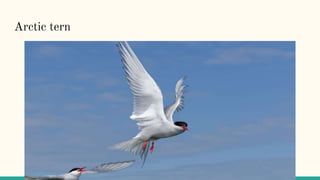
Arctic tern
Arctic ground squirrel
Scales of the fish
Dolphins
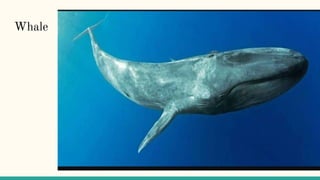
Whale
Aquatic animals
Sharks are not the
fastest fish in the ocean.
The fastest fish is
SAILFISH. It swims
nearly two times faster
than fastest shark.
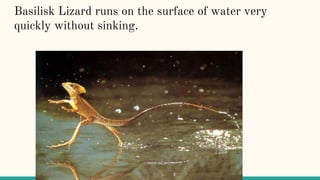
Basilisk Lizard runs on the surface of water very
quickly without sinking.
Amphibians
Animals that can live on land as
well as in water.
Frog
Turtle
AMPHIBIAN ANIMALS
●Animals that live both on
land and in water.
●During summer, some
animals like crocodile go to
sleep to escape heat and
water scarcity. This state of
inactivity is known as
AESTIVATION.
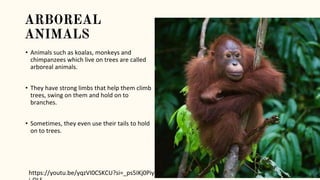
Arboreal animals
Animals that live on trees most of the
time are arboreal animals
ARBOREAL
ANIMALS
• Animals such as koalas, monkeys and
chimpanzees which live on trees are called
arboreal animals.
• They have strong limbs that help them climb
trees, swing on them and hold on to
branches.
• Sometimes, they even use their tails to hold
on to trees.
https://youtu.be/yqzVI0CSKCU?si=_ps5IKj0Piy
ARBOREAL ANIMALS – KOALA BEAR
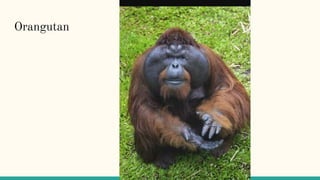
Orangutan
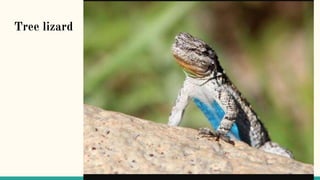
Tree lizard
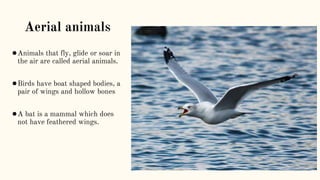
Aerial animals
●Animals that fly, glide or soar in
the air are called aerial animals.
●Birds have boat shaped bodies, a
pair of wings and hollow bones
●A bat is a mammal which does
not have feathered wings.
Bat’s wings are made up of thin layers of skin that help
it in flying.
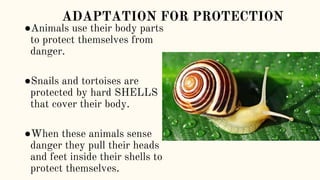
ADAPTATION FOR PROTECTION
●Animals use their body parts
to protect themselves from
danger.
●Snails and tortoises are
protected by hard SHELLS
that cover their body.
●When these animals sense
danger they pull their heads
and feet inside their shells to
protect themselves.
Cuttlefish
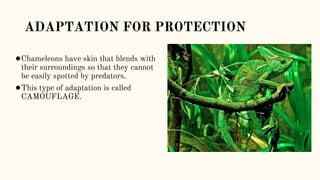
ADAPTATION FOR PROTECTION
●Chameleons have skin that blends with
their surroundings so that they cannot
be easily spotted by predators.
●This type of adaptation is called
CAMOUFLAGE.
ADAPTATION FOR PROTECTION
●A porcupine’s body is covered with
thick layer of sharp spines.
●Porcupines raise their spines when
they sense danger and thus keep
their predators away.
Adaptations based on food habits of animals
1. Herbivores
1. Carnivores
1. Omnivores
1. Scavengers
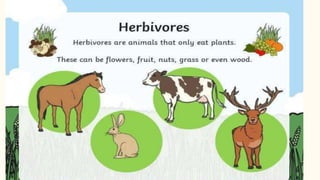
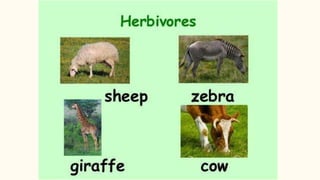
HERBIVORES
● ANIMALS THAT EAT PLANTS ARE CALLED HERBIVORES.
● THEY BITE THE GRASS WITH THE HELP OF THEIR SHARP FRONT
TEETH.
● THEY ALSO HAVE STRONG GRINDING TEETH AT THE BACK TO CHEW
FOOD.
● COWS, HORSES, RABBITS ARE HERBIVORES
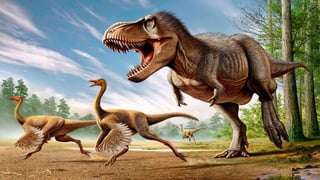
●CARNIVOROUS
ANIMALS EAT
ONLY THE FLESH
OF OTHER
ANIMALS
●THEY HAVE
SHARP POINTED
TEETH AND
CLAWS
●EAGLES HAVE
SHARP CLAWS
CALLED TALONS
●OMNIVOROUS ANIMALS EAT
BOTH ANIMAL FLESH AND
PLANTS
●CROWS, DOGS, BEARS ARE
EXAMPLES OF OMNIVOROUS
ANIMALS.
●OMNOVORES USE THEIR SHARP
FRONT TEETH AND STRONG
GRINDING TEETH TO EAT FOOD.
SCAVENGERS
SCAVENGERS EAT DEAD ANIMALS.
●VULTURES, HYENA AND HAWKS ARE
EXAMPLES OF SCAVENGERS
●VULTURES AND HAWKS HAVE
HOOKED BEAKS TO TEAR AND EAT
FLESH.
●HAWKS HAVE STRONG JAW BONES TO
CRUSH BONES OF DEAD ANIMALS
●SCAVENGERS KEEP ENVIRONMENT
CLEAN.
Scavengers
1. HAWKS HAVE STRONG
JAW BONES TO CRUSH
BONES OF DEAD
ANIMALS
1. SCAVENGERS KEEP
ENVIRONMENT
CLEAN.
HAWK
HYENA
Parasites
Giant panda
Dodo bird
Animals that are in danger of becoming extinct
are called endangered animals.
Caring for animals
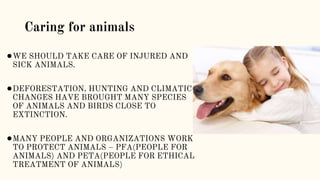
●WE SHOULD TAKE CARE OF INJURED AND
SICK ANIMALS.
●DEFORESTATION, HUNTING AND CLIMATIC
CHANGES HAVE BROUGHT MANY SPECIES
OF ANIMALS AND BIRDS CLOSE TO
EXTINCTION.
●MANY PEOPLE AND ORGANIZATIONS WORK
TO PROTECT ANIMALS – PFA(PEOPLE FOR
ANIMALS) AND PETA(PEOPLE FOR ETHICAL
TREATMENT OF ANIMALS)
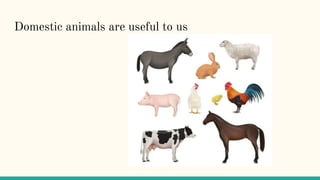
Domestic animals are useful to us
Measures to provide care to animals
Animals should be given energy
rich food
Caring for animals
●WE SHOULD TAKE CARE OF INJURED AND
SICK ANIMALS.
●DEFORESTATION, HUNTING AND CLIMATIC
CHANGES HAVE BROUGHT MANY SPECIES
OF ANIMALS AND BIRDS CLOSE TO
EXTINCTION.
●MANY PEOPLE AND ORGANIZATIONS WORK
TO PROTECT ANIMALS – PFA(PEOPLE FOR
ANIMALS) AND PETA(PEOPLE FOR ETHICAL
TREATMENT OF ANIMALS)
Domestic animals are useful to us
Measures to provide care to animals
Animals should be given energy
rich food
Measures to provide care to animals
We should clean and bathe
animals regularly
Measures to provide care to animals
Animals should be taken to a
veterinarian when they fall sick
They should be given proper vaccination when required
●Subdarbans tiger reserve in West Bengal.
●Jim Corbett Tiger reserve in Uttarakhand
●Pobitora Wildlife sanctuary in Assam
●Cauvery Wildlife sanctuary in Karnataka

Adaptations_in_animals_grade_4.pptx

  • 1.
  • 3.
    Why do animalsneed to adapt? All living things adapt to survive. They need to adapt to find food, shelter, air, water, protection from predators and a place to nurture their young ones. WHAT HAPPENS IF A LIVING THING IS UNABLE TO ADAPT TO IT'S ENVIRONMENT?
  • 6.
    What is habitat? Theplace where a living organism lives in nature is called habitat. It is natural home of an animal.
  • 7.
    What are thedifferent types of adaptations in animals? ● Adaptations based on habitat ● Adaptations based on food habits
  • 8.
    Animals can beclassified into five major categories on basis of their habitat. ● Terrestrial ● Aquatic ● Amphibians ● Arboreal ● Aerial
  • 10.
  • 12.
  • 14.
    Animals living indesert ● Camel ● Desert birds ● Snakes ● Desert lizard ● Desert rat ● Desert crocodiles ● Lungfish
  • 15.
    Camel ● Stores fatin the hump. ● Thick skin and scanty hair ● Wide feet which contain thick pad of fat
  • 17.
  • 18.
  • 19.
  • 20.
  • 21.
  • 22.
    Animals living inpolar region
  • 23.
  • 24.
  • 27.
  • 28.
  • 29.
  • 31.
    Aquatic animals Sharks arenot the fastest fish in the ocean. The fastest fish is SAILFISH. It swims nearly two times faster than fastest shark.
  • 32.
    Basilisk Lizard runson the surface of water very quickly without sinking.
  • 33.
    Amphibians Animals that canlive on land as well as in water.
  • 34.
  • 35.
  • 37.
    AMPHIBIAN ANIMALS ●Animals thatlive both on land and in water. ●During summer, some animals like crocodile go to sleep to escape heat and water scarcity. This state of inactivity is known as AESTIVATION.
  • 39.
    Arboreal animals Animals thatlive on trees most of the time are arboreal animals
  • 40.
    ARBOREAL ANIMALS • Animals suchas koalas, monkeys and chimpanzees which live on trees are called arboreal animals. • They have strong limbs that help them climb trees, swing on them and hold on to branches. • Sometimes, they even use their tails to hold on to trees. https://youtu.be/yqzVI0CSKCU?si=_ps5IKj0Piy
  • 41.
  • 42.
  • 43.
  • 44.
    Aerial animals ●Animals thatfly, glide or soar in the air are called aerial animals. ●Birds have boat shaped bodies, a pair of wings and hollow bones ●A bat is a mammal which does not have feathered wings.
  • 45.
    Bat’s wings aremade up of thin layers of skin that help it in flying.
  • 46.
    ADAPTATION FOR PROTECTION ●Animalsuse their body parts to protect themselves from danger. ●Snails and tortoises are protected by hard SHELLS that cover their body. ●When these animals sense danger they pull their heads and feet inside their shells to protect themselves.
  • 48.
  • 49.
    ADAPTATION FOR PROTECTION ●Chameleonshave skin that blends with their surroundings so that they cannot be easily spotted by predators. ●This type of adaptation is called CAMOUFLAGE.
  • 51.
    ADAPTATION FOR PROTECTION ●Aporcupine’s body is covered with thick layer of sharp spines. ●Porcupines raise their spines when they sense danger and thus keep their predators away.
  • 53.
    Adaptations based onfood habits of animals 1. Herbivores 1. Carnivores 1. Omnivores 1. Scavengers
  • 55.
    HERBIVORES ● ANIMALS THATEAT PLANTS ARE CALLED HERBIVORES. ● THEY BITE THE GRASS WITH THE HELP OF THEIR SHARP FRONT TEETH. ● THEY ALSO HAVE STRONG GRINDING TEETH AT THE BACK TO CHEW FOOD. ● COWS, HORSES, RABBITS ARE HERBIVORES
  • 61.
    ●CARNIVOROUS ANIMALS EAT ONLY THEFLESH OF OTHER ANIMALS ●THEY HAVE SHARP POINTED TEETH AND CLAWS ●EAGLES HAVE SHARP CLAWS CALLED TALONS
  • 62.
    ●OMNIVOROUS ANIMALS EAT BOTHANIMAL FLESH AND PLANTS ●CROWS, DOGS, BEARS ARE EXAMPLES OF OMNIVOROUS ANIMALS. ●OMNOVORES USE THEIR SHARP FRONT TEETH AND STRONG GRINDING TEETH TO EAT FOOD.
  • 63.
    SCAVENGERS SCAVENGERS EAT DEADANIMALS. ●VULTURES, HYENA AND HAWKS ARE EXAMPLES OF SCAVENGERS ●VULTURES AND HAWKS HAVE HOOKED BEAKS TO TEAR AND EAT FLESH. ●HAWKS HAVE STRONG JAW BONES TO CRUSH BONES OF DEAD ANIMALS ●SCAVENGERS KEEP ENVIRONMENT CLEAN.
  • 64.
    Scavengers 1. HAWKS HAVESTRONG JAW BONES TO CRUSH BONES OF DEAD ANIMALS 1. SCAVENGERS KEEP ENVIRONMENT CLEAN. HAWK HYENA
  • 65.
  • 68.
  • 69.
  • 70.
    Animals that arein danger of becoming extinct are called endangered animals.
  • 71.
    Caring for animals ●WESHOULD TAKE CARE OF INJURED AND SICK ANIMALS. ●DEFORESTATION, HUNTING AND CLIMATIC CHANGES HAVE BROUGHT MANY SPECIES OF ANIMALS AND BIRDS CLOSE TO EXTINCTION. ●MANY PEOPLE AND ORGANIZATIONS WORK TO PROTECT ANIMALS – PFA(PEOPLE FOR ANIMALS) AND PETA(PEOPLE FOR ETHICAL TREATMENT OF ANIMALS)
  • 72.
  • 73.
    Measures to providecare to animals Animals should be given energy rich food
  • 74.
    Caring for animals ●WESHOULD TAKE CARE OF INJURED AND SICK ANIMALS. ●DEFORESTATION, HUNTING AND CLIMATIC CHANGES HAVE BROUGHT MANY SPECIES OF ANIMALS AND BIRDS CLOSE TO EXTINCTION. ●MANY PEOPLE AND ORGANIZATIONS WORK TO PROTECT ANIMALS – PFA(PEOPLE FOR ANIMALS) AND PETA(PEOPLE FOR ETHICAL TREATMENT OF ANIMALS)
  • 75.
  • 78.
    Measures to providecare to animals Animals should be given energy rich food
  • 79.
    Measures to providecare to animals We should clean and bathe animals regularly
  • 80.
    Measures to providecare to animals Animals should be taken to a veterinarian when they fall sick
  • 81.
    They should begiven proper vaccination when required
  • 82.
    ●Subdarbans tiger reservein West Bengal. ●Jim Corbett Tiger reserve in Uttarakhand ●Pobitora Wildlife sanctuary in Assam ●Cauvery Wildlife sanctuary in Karnataka