Accounting Information Systems Controls Processes 3rd Edition Turner Test Bank
Accounting Information Systems Controls Processes 3rd Edition Turner Test Bank
Accounting Information Systems Controls Processes 3rd Edition Turner Test Bank
Accounting Information Systems Controls Processes 3rd Edition Turner Test Bank
Accounting Information Systems Controls Processes 3rd Edition Turner Test Bank
1.
Visit https://testbankfan.com todownload the full version and
browse more test banks or solution manuals
Accounting Information Systems Controls Processes
3rd Edition Turner Test Bank
_____ Press the link below to begin your download _____
https://testbankfan.com/product/accounting-information-
systems-controls-processes-3rd-edition-turner-test-bank/
Access testbankfan.com now to download high-quality
test banks or solution manuals
2.
Here are somerecommended products for you. Click the link to
download, or explore more at testbankfan.com
Accounting Information Systems Controls Processes 3rd
Edition Turner Solutions Manual
https://testbankfan.com/product/accounting-information-systems-
controls-processes-3rd-edition-turner-solutions-manual/
Accounting Information Systems The Processes Controls 2nd
Edition Turner Solutions Manual
https://testbankfan.com/product/accounting-information-systems-the-
processes-controls-2nd-edition-turner-solutions-manual/
Accounting Information Systems The Processes and Controls
2nd Edition Turner Test Bank
https://testbankfan.com/product/accounting-information-systems-the-
processes-and-controls-2nd-edition-turner-test-bank/
Genetics A Conceptual Approach 6th Edition Pierce
Solutions Manual
https://testbankfan.com/product/genetics-a-conceptual-approach-6th-
edition-pierce-solutions-manual/
Microeconomics Canada inthe Global Environment Canadian
8th Edition Parkin Solutions Manual
https://testbankfan.com/product/microeconomics-canada-in-the-global-
environment-canadian-8th-edition-parkin-solutions-manual/
5.
Ch 7 Testbank – 3e Page 1 of 32
ACCOUNTING INFORMATION SYSTEMS/3e
TURNER / WEICKGENANNT/COPELAND
Test Bank: CHAPTER 7: Auditing Information Technology – Bases Processes
NOTE: All new or adjusted questions are in red. New questions are identified by the letter A as part of
the question number; adjusted questions are identified by the letter X as part of the question number.
End of Chapter Questions:
1. Which of the following types of audits is most likely to be conducted for the purpose of
identifying areas for cost savings?
A. Financial Statement Audits
B. Operational Audits
C. Regulatory Audits
D. Compliance Audits
2. Financial statement audits are required to be performed by:
A. Governmental Auditors
B. CPAs
C. Internal Auditors
D. IT Auditors
3. Which of the following is not considered a cause for information risk?
A. Management’s geographic location is far from the source of the information needed to
make effective decisions.
B. The information is collected and prepared by persons who use the information for very
different purposes.
C. The information relates to business activities that are not well understood by those who
collect and summarize the information for decision makers.
D. The information has been tested by internal auditors and a CPA firm.
4. Which of the following is not a part of general accepted auditing standards?
A. General Standards
B. Standards of Fieldwork
C. Standards of Information Systems
D. Standards of Reporting
5. Which of the following best describes what is meant by the term “generally accepted auditing
standards”?
A. Procedures used to gather evidence to support the accuracy of a client’s financial
statements.
B. Measures of the quality of an auditor’s conduct carrying out professional responsibilities.
C. Professional pronouncements issued by the Auditing Standards Board.
D. Rules acknowledged by the accounting profession because of their widespread application.
6.
Ch 7 Testbank – 3e Page 2 of 32
6. In an audit of financial statement in accordance with generally accepted auditing standards, an
auditor is required to:
A. Document the auditor’s understanding of the client company’s internal controls.
B. Search for weaknesses in the operation of the client company’s internal controls.
C. Perform tests of controls to evaluate the effectiveness of the client company’s internal
controls.
D. Determine whether controls are appropriately operating to prevent or detect material
misstatements.
7. Auditors should develop a written audit program so that:
A. All material transactions will be included in substantive testing.
B. Substantive testing performed prior to year end will be minimized.
C. The procedures will achieve specific audit objectives related to specific management
assertions.
D. Each account balance will be tested under either a substantive test or a test of controls.
8. Which of the following audit objectives relates to the management assertion of existence?
A. A transaction is recorded in the proper period.
B. A transaction actually occurred (i.e., it is real)
C. A transaction is properly presented in the financial statements.
D. A transaction is supported by detailed evidence.
9. Which of the following statements regarding an audit program is true?
A. An audit program should be standardized so that it may be used on any client engagement.
B. The audit program should be completed by the client company before the audit planning
stage begins.
C. An audit program should be developed by the internal auditor during the audit’s
completion/reporting phase.
D. An audit program establishes responsibility for each audit test by requiring the signature
or initials of the auditor who performed the test.
10. Risk assessment is a process designed to:
A. Identify possible circumstances and events that may affect the business.
B. Establish policies and procedures to carry out internal controls.
C. Identify and capture information in a timely manner.
D. Review the quality of internal controls throughout the year.
11. Which of the following audit procedures is most likely to be performed during the planning
phase of the audit?
A. Obtain an understanding of the client’s risk assessment process.
B. Identify specific internal control activities that are designed to prevent fraud.
C. Evaluate the reasonableness of the client’s accounting estimates.
D. Test the timely cutoff of cash payments and collections.
7.
Ch 7 Testbank – 3e Page 3 of 32
12. Which of the following is the most significant disadvantage of auditing around the computer
rather than through the computer?
A. The time involved in testing processing controls is significant.
B. The cost involved in testing processing controls is significant.
C. A portion of the audit trail is not tested.
D. The technical expertise required to test processing controls is extensive.
13. The primary objective of compliance testing in a financial statement audit is to determine
whether:
A. Procedures have been updated regularly.
B. Financial statement amounts are accurately stated.
C. Internal controls are functioning as designed.
D. Collusion is taking place.
14. Which of the following computer assisted auditing techniques processes actual client input data
(or a copy of the real data) on a controlled program under the auditor’s control to periodically
test controls in the client’s computer system?
A. Test data method
B. Embedded audit module
C. Integrated test facility
D. Parallel simulation
15. Which of the following computer assisted auditing techniques allows fictitious and real
transactions to be processed together without client personnel being aware of the testing
process?
A. Test data method
B. Embedded audit module
C. Integrated test facility
D. Parallel simulation
16. Which of the following is a general control to test for external access to a client’s computerized
systems?
A. Penetration tests
B. Hash totals
C. Field checks
D. Program tracing
17. Suppose that during the planning phase of an audit, the auditor determines that weaknesses
exist in the client’s computerized systems. These weaknesses make the client company
susceptible to the risk of an unauthorized break-in. Which type of audit procedures should be
emphasized in the remaining phases of this audit?
A. Tests of controls
B. Penetration tests
C. Substantive tests
D. Rounding errors tests
8.
Ch 7 Testbank – 3e Page 4 of 32
18. Generalized audit software can be used to:
A. Examine the consistency of data maintained on computer files.
B. Perform audit tests of multiple computer files concurrently.
C. Verify the processing logic of operating system software.
D. Process test data against master files that contain both real and fictitious data.
19. Independent auditors are generally actively involved in each of the following tasks except:
A. Preparation of a client’s financial statements and accompanying notes.
B. Advising client management as to the applicability of a new accounting standard.
C. Proposing adjustments to a client’s financial statements.
D. Advising client management about the presentation of the financial statements.
20. Which of the following is most likely to be an attribute unique to the financial statement audit
work of CPAs, compared with work performed by attorneys or practitioners of other business
professions?
A. Due professional care
B. Competence
C. Independence
D. A complex underlying body of professional knowledge
21. Which of the following terms in not associated with a financial statement auditor’s requirement
to maintain independence?
A. Objectivity
B. Neutrality
C. Professional Skepticism
D. Competence
TEST BANK - CHAPTER 7 - MULTIPLE CHOICE
1. Accounting services that improve the quality of information provided to the decision maker, an
audit being the most common type of this service, is called:
A. Compliance Services
B. Assurance Services
C. Substantive Services
D. Operational Services
2. A type of assurance services that involves accumulating and analyzing support for the
information provided by management is called an:
A. Audit
B. Investigation
C. Financial Statement Examination
D. Control Test
3. The main purpose of an audit is to assure users of the financial information about the:
A. Effectiveness of the internal controls of the company.
B. Selection of the proper GAAP when preparing financial statements.
C. Proper application of GAAS during the examination.
D. Accuracy and completeness of the information.
9.
Ch 7 Testbank – 3e Page 5 of 32
4. Which of the following is not one of the three primary types of audits?
A. Compliance Audits
B. Financial Statement Audits
C. IT Audits
D. Operational Audits
5. This type of audit is completed in order to determine whether a company has adhered to the
regulations and policies established by contractual agreements, governmental agencies, or some
other high authority.
A. Compliance Audit
B. Operational Audit
C. Information Audit
D. Financial Statement Audit
6. This type of audit is completed to assess the operating policies and procedures of a client for
efficiency and effectiveness.
A. Efficiency Audit
B. Effectiveness Audit
C. Compliance Audit
D. Operational Audit
7. This type of audit is completed to determine whether or not the client has prepared and
presented its financial statements fairly, in accordance with established financial accounting
criteria.
A. GAAP Audit
B. Financial Statement Audit
C. Compliance Audit
D. Fair Application Audit
8. Financial statement audits are performed by _________ who have extensive knowledge of
generally accepted accounting principles (GAAP) in the US and/or International Financial
Reporting Standards (IFRS).
A. Public Auditors
B. Governmental Auditors
C. Certified Public Accountants
D. Internal Auditors
9. This type of auditor is an employee of the company he / she audits.
A. IT Auditor
B. Government Auditor
C. Certified Public Accountant
D. Internal Auditor
10.
Ch 7 Testbank – 3e Page 6 of 32
10. This type of auditor specializes in the information systems assurance, control, and security.
They may work for CPA firms, government agencies, or with the internal audit group.
A. IT Auditor
B. Government Auditor
C. Certified Public Accountant
D. Internal Auditor
11. This type of auditor conducts audits of government agencies or income tax returns.
A. IT Auditor
B. Government Auditor
C. Certified Public Accountant
D. Internal Auditor
12. An important requirement of CPA firms is that they must be ________ with regard to the
company being audited. The requirement allows CPA firms to provide a completely unbiased
opinion on the information it audits.
A. Neutral
B. Well-informed
C. Materially invested
D. All of the above
13. This type of audit is performed by independent auditors who are objective and neutral with
respect to the company and the information being audited.
A. Compliance Audit
B. Operational Audit
C. Internal Audit
D. External Audit
14. Which of the following scenarios does NOT impair the independence of a CPA firm from its
client?
A. The lead audit partner is the sister-in-law of the client’s VP of Accounting
B. One of the auditors owns stock in a competitor of the client
C. One of the auditors is the golf partner of the client’s CEO
D. The lead audit partner owns stock in the client
15. The independence of a CPA could be impaired by:
A. Having no knowledge of the company or the company management
B. By owning stock of a similar company
C. Having the ability to influence the client’s decisions
D. Being married to a stockbroker
11.
Ch 7 Testbank – 3e Page 7 of 32
16. Decision makers are typically forced to rely on others for information. When the source of the
information is removed from the decision maker, the information stands a greater chance of
being misstated. A decision maker may become detached from the source of information due
to geography, organizational layers, or other factors. This describes which cause of information
risk?
A. The lack of CPA independence
B. The volume and complexity of underlying data
C. The motive of the preparer
D. The remoteness of information
17. The IT environment plays a key role in how auditors conduct their work in all but which of the
following areas:
A. Consideration of Risk
B. Consideration of Information Fairness
C. Design and Performance of Audit Tests
D. Audit Procedures Used
18. The chance that information used by decision makers may be inaccurate is referred to as:
A. Sample Risk
B. Data Risk
C. Audit Trail Risk
D. Information Risk
19. Which of the following is not one of the identified causes of information risk?
A. Audited information
B. Remote information
C. Complexity of data
D. Preparer motive
20. The main reasons that it is necessary to study information-based processing and the related
audit function include:
A. Information users often do not have the time or ability to verify information themselves.
B. It may be difficult for decision makers to verify information contained in a computerized
accounting system.
C. Both of the above.
D. Neither of the above.
21. The existence of IT-based business processes often result in details of transactions being
entered directly into the computer system, results in a lack of physical evidence to visibly view.
This situation is referred to as:
A. Physical Evidence Risk
B. Loss of Audit Trail Visibility
C. Transaction Summary Chart
D. Lack of Evidence View
12.
Ch 7 Testbank – 3e Page 8 of 32
22. The existence of IT-based business processes, that result in the details of the transactions being
entered directly into the computer system, increases the likelihood of the loss or alternation of
data due to all of the following, except:
A. System Failure
B. Database Destruction
C. Programmer Incompetence
D. Environmental Damage
23. The advantages of using IT-based accounting systems, where the details of transactions are
entered directly into the computer include:
A. Computer controls can compensate for the lack of manual controls
B. Loss of audit trail view
C. Increased internal controls risks
D. Fewer opportunities to authorize and review transactions
24. The ten standards that provide broad guidelines for an auditor’s professional responsibilities are
referred to as:
A. Generally accepted accounting standards
B. General accounting and auditing practices
C. Generally accepted auditing practices
D. Generally accepted auditing standards
25. The generally accepted auditing standards are divided into three groups. Which of the following
is not one of those groups?
A. General Standards
B. Basic Standards
C. Standards of Fieldwork
D. Standards of Reporting
26. GAAS, generally accepted auditing standards, provide a general framework for conducting
quality audits, but the specific standards - or detailed guidance - are provided by all of the
following groups, except:
A. Public Company Accounting Oversight Board
B. Auditing Standards Board
C. Certified Fraud Examiners
D. International Auditing and Assurance Standards Board
27. This organization, established by the Sarbanes-Oxley Act, was organized in 2003 for the purpose
of establishing auditing standards for public companies.
A. Auditing Standards Board
B. Public Company Accounting Oversight Board
C. International Audit Practices Committee
D. Information Systems Audit and Control Association
13.
Ch 7 Testbank – 3e Page 9 of 32
28. This organization is part of the AICPA and was the group responsible for issuing Statements on
Auditing Standards which were historically widely used in practice.
A. Auditing Standards Board
B. Public Company Accounting Oversight Board
C. International Audit Practices Committee
D. Information Systems Audit and Control Association
29. This organization was established by the IFAC to set International Standards on Auditing (ISAs)
that contribute to the uniform application of auditing practices on a worldwide basis.
A. International Systems Audit and Control Association
B. Auditing Standards Board
C. Public Company Accounting Oversight Board
D. International Auditing and Assurance Standards Board (IAASB)
30. This organization issues guidelines for conducting the IT audit. The standards issued address
practices related to control and security of the IT system.
A. Auditing Standards Board
B. Public Company Accounting Oversight Board
C. International Audit Practices Committee
D. Information Systems Audit and Control Association
31. The audit is to be performed by a person or persons having adequate technical training and
proficiency as an auditor. This is one of the generally accepted auditing standards that is part of
the:
A. General Standards
B. Operating Standards
C. Fieldwork Standards
D. Reporting Standards
32. Independence in mental attitude is to be maintained in all matters related to the audit
engagement. This is one of the generally accepted auditing standards that is part of the:
A. General Standards
B. Operating Standards
C. Fieldwork Standards
D. Reporting Standards
33. The general guidelines, known as the generally accepted auditing standards, which include the
concepts of adequate planning and supervision, internal control, and evidence relate to the:
A. General Standards
B. Operating Standards
C. Fieldwork Standards
D. Reporting Standards
14.
Ch 7 Testbank – 3e Page 10 of 32
34. The general guidelines, known as the generally accepted auditing standards, which include the
concepts of presentation in accordance with the established criteria, the consistent application
of established principles, adequate disclosure, and the expression of an opinion, relate to the:
A. General Standards
B. Operating Standards
C. Fieldwork Standards
D. Reporting Standards
35. The role of the auditors is to analyze the underlying facts to decide whether information
provided by management is fairly presented. Auditors design ____1_____ to analyze
information in order to determine whether ____2_____ is/are valid.
A. 1=audit objectives; 2=management’s assertions
B. 1=audit tests; 2=audit objectives
C. 1=audit tests; 2=audit evidence
D. 1=audit tests; 2=management’s assertions
36. Although there are a number of organizations that provide detailed guidance, it is still necessary
for auditors to rely on other direction regarding the types of audit tests to use and the manner
in which the conclusions are drawn. These sources of information include:
A. Industry Guidelines
B. PCAOB
C. ASB
D. ASACA
37. Claims regarding the condition of the business organization and in terms of its operations,
financial results, and compliance with laws and regulations, are referred to as:
A. Financial Statements
B. Management Assertions
C. External Audit
D. Presentation and Disclosure
38. Which management assertion determines that transactions and related asset accounts balances
are actually owned and that liability account balances represent actual obligations?
A. Valuation and Allocation
B. Existence
C. Rights and Obligations
D. Classification and Presentation
39. Audit tests developed for an audit client are documented in a(n):
A. Audit Program
B. Audit Objective
C. Management Assertion
D. General Objectives
15.
Ch 7 Testbank – 3e Page 11 of 32
40. The management assertion related to valuation of transactions and account balances would
include all of the following, except:
A. Accurate in terms of dollar amounts and quantities
B. Supported by detailed evidence
C. Real
D. Correctly summarized
41. There are four primary phases of the IT audit. Which of the following is not one of those phases?
A. Planning
B. Evidence Audit
C. Tests of Controls
D. Substantive Tests
42. The main difference between substantive testing and controls testing is:
A. Substantive testing verifies whether information is correct, whereas control tests
determine whether the information is managed under a system that promotes
correctness.
B. Substantive testing determines whether the information is managed under a system that
promotes correctness, whereas Control testing verifies whether information is correct.
C. Substantive testing goes further in depth into the internal controls of a company, whereas
controls testing just identifies which controls need further review.
D. Substantive testing identifies which controls need further review, whereas controls testing
goes further in depth into the internal controls of a company.
43. During substantive testing, if material misstatements have been found to exist, which of the
following actions should be taken next?
A. Proceed to the audit completion in the reporting phase
B. Re-evaluate the audit risk in the planning phase
C. Re-perform detailed tests of balances
D. Re-perform an internal controls systems analysis
44. The proof of the fairness of the financial information is:
A. Tests of Controls
B. Substantive Tests
C. Audit Completion
D. Audit Evidence
45. Techniques used for gathering evidence include all of the following, except:
A. Physical examination of assets or supporting documentation
B. Observing activities
C. Adequate planning and supervision
D. Analyzing financial relationships
16.
Ch 7 Testbank – 3e Page 12 of 32
46. During this phase of the audit, the auditor must gain a thorough understanding of the client’s
business and financial reporting systems. When completing this phase, the auditors review and
assess the risks and controls related to the business.
A. Tests of Controls
B. Substantive Tests
C. Audit Completion / Reporting
D. Audit Planning
47. During the planning phase of the audit, auditors estimate the monetary amounts that are large
enough to make a difference in decision making. This amount is referred to as:
A. Risk
B. Materiality
C. Substantive
D. Sampling
48. The likelihood that errors or fraud may occur is referred to as:
A. Risk
B. Materiality
C. Control Tests
D. Sampling
49. A large part of the work performed by an auditor in the audit planning process is the gathering
of evidence about the company’s internal controls. This can be completed in any of the
following ways, except:
A. Interviewing key members of the accounting and IT staff.
B. Observing policies and procedures
C. Review IT user manuals and systems
D. Preparing memos to summarize their findings
50. Auditing standards address the importance of understanding both the automated and manual
procedures that make up an organization’s internal controls and consider how misstatements
may occur, including all of the following, except:
A. How transactions are entered into the computer
B. How financial statement are printed from the computer
C. How nonstandard journal entries and adjusting entries are initiated, recorded, and
processed.
D. How standard journal entries are initiated, recorded, and processed.
51. IT auditors may need to be called in to:
A. Consider the effects of computer processing on the audit.
B. To assist in testing the automated processes.
C. Both of the above.
D. None of the above.
17.
Ch 7 Testbank – 3e Page 13 of 32
52. Many companies design their IT system so that all documents and reports can be retrieved from
the system in readable form. Auditors can then compare the documents used to input the data
into the system with reports generated from the system, without gaining any extensive
knowledge of the computer system and does not require the evaluation of computer controls.
This process is referred to as:
A. Auditing through the system
B. Auditing around the system
C. Computer assisted audit techniques
D. Auditing with the computer
53. The audit practice of “auditing around the computer” is also referred to as:
A. The white box approach
B. The black box approach
C. Computer-assisted audit techniques (CAATs)
D. The gray box approach
54. Which of the following is the most effective way of auditing the internal controls of an IT
system?
A. Auditing with the Computer
B. Auditing through the computer
C. Auditing around the computer
D. Auditing in the computer
55. This approach, referred to as the whitebox approach, requires auditors to evaluate IT controls
and processing so that they can determine whether the information generated from the system
is reliable.
A. Auditing through the system
B. Auditing around the system
C. Computer assisted audit techniques
D. Auditing with the computer
56. The IT auditing approach referred to as “Auditing through the system” is necessary under which
of the following conditions?
A. Supporting documents are available in both electronic and paper form.
B. The auditor does not require evaluation of computer controls.
C. The auditor wants to test computer controls as a basis for evaluating risk and reducing the
amount of substantive audit testing required.
D. The use of the IT system has a low impact on the conduct of the audit.
57. Audit procedures designed to evaluate both general controls and application controls are
referred to as:
A. Substantive Tests
B. Audit Planning
C. IT Auditing
D. Test of Controls
18.
Ch 7 Testbank – 3e Page 14 of 32
58. The automated controls that affect all computer applications are referred to as:
A. General Controls
B. Specific Controls
C. Input Controls
D. Application Controls
59. Which of the following describes a mathematical sum of data that is meaningless to the financial
statements but useful for controlling the data and detecting possible missing items?
A. Hash Total
B. Batch Total
C. Validation Check
D. Sequence Verification total
60. The two broad categories of general controls that relate to IT systems include which of the
following:
A. IT systems documentation
B. IT administration and the related operating systems development and maintenance
processes
C. Authenticity table
D. Computer security and virus protection
61. Related audit tests to review the existence and communication of company policies regarding
important aspects of IT administrative control include all of the following, except:
A. Personal accountability and segregation of incompatible responsibilities
B. Job description and clear lines of authority
C. Prevention of unauthorized access
D. IT systems documentation
62. Auditors may send text messages through a company’s system to find out whether encryption
of private information is occurring properly. In addition, special software programs are available
to help auditors identify weak points in a company’s security measures. These are examples of:
A. Penetration tests
B. Authenticity tests
C. Vulnerability assessments
D. Access log reviews
63. Controls meant to prevent the destruction of information as the result of unauthorized access to
the IT system are referred to as:
A. IT administration
B. System controls
C. Information administration
D. Security controls
19.
Ch 7 Testbank – 3e Page 15 of 32
64. In addition to testing system documentation, auditors should test the three main functions of
computer applications. Which of the following is not one of these functions?
A. Output
B. Input
C. Processing
D. Data Storage
65. All of the following are examples of security controls except for?
A. Biometric access controls
B. Swipe Key access controls
C. Online firewall protection controls
D. All of the Above are examples of security controls
66. Auditors should perform this type of test to determine the valid use of the company’s computer
system, according to the authority tables.
A. Authenticity tests
B. Penetration tests
C. Vulnerability assessments
D. IT systems documentation
67. These tests of the security controls involve various methods of entering the company’s system
to determine whether controls are working as intended.
A. Authenticity tests
B. Penetration tests
C. Vulnerability assessments
D. IT systems documentation
68. These tests of security controls analyze a company’s control environment for possible
weaknesses. Special software programs are available to help auditors identify weak points in
their company’s security measures.
A. Authenticity tests
B. Penetration tests
C. Vulnerability assessments
D. IT systems documentation
69. One of the most effective ways a client can protect its computer system is to place physical
controls in the computer center. Physical controls include all of the following, except:
A. Proper temperature control
B. Locks
C. Security guards
D. Cameras
70. One of the most effective ways a client can protect its computer system is to place
environmental controls in the computer center. Environmental controls include:
A. Card keys
B. Emergency power supply
C. Alarms
D. Security guards
20.
Ch 7 Testbank – 3e Page 16 of 32
71. This type of application control is performed to verify the correctness of information entered
into software programs. Auditors are concerned about whether errors are being prevented and
detected during this stage of data processing.
A. Security controls
B. Processing controls
C. Input controls
D. Output controls
72. IT audit procedures typically include a combination of data accuracy tests where the data
processed by computer applications are reviewed for correct dollar amounts or other numerical
values. These procedures are referred to as:
A. Security controls
B. Processing controls
C. Input controls
D. Output controls
73. This type of processing control test involves a comparison of different items that are expected
to have the same values, such as comparing two batches or comparing actual data against a
predetermined control total.
A. Validation Checks
B. Batch Totals
C. Run-to-Run Totals
D. Balancing Tests
74. This law, also known as the first-digit law, was named after a physicist who discovered a specific,
but non-uniform pattern in the frequency of digits occurring as the first number in a list of
numbers:
A. Number-up Law
B. Benford’s Law
C. Adams’ Digit Law
D. Jackson First Digit Law
75. This is one of the computer-assisted audit techniques related to processing controls that
involves processing company data through a controlled program designed to resemble the
company’s application. This test is run to find out whether the same results are achieved under
different systems.
A. Integrated Test Facility
B. Embedded Audit Module
C. Parallel Simulation
D. Test Data Method
76. Regardless of whether the results are printed or retained electronically, auditors may perform
all of the following procedures to test application outputs, except:
A. Integrated Tests
B. Reasonableness Tests
C. Audit Trail Tests
D. Rounding Errors Tests
21.
Ch 7 Testbank – 3e Page 17 of 32
77. The auditor’s test of the accuracy of monetary amounts of transactions and account balances is
known as:
A. Testing of controls
B. Substantive tests
C. Compliance tests
D. Application tests
78. A process of constant evidence gathering and analysis to provide assurance on the information
as soon as it occurs, or shortly thereafter, is referred to as:
A. Real-time auditing
B. Virtual auditing
C. E-auditing
D. Continuous auditing
79. This phase of auditing occurs when the auditors evaluate all the evidence that has been
accumulated and makes a conclusion based on that evidence.
A. Tests of Controls
B. Audit Planning
C. Audit Completion / Reporting
D. Substantive Testing
80. This piece of audit evidence is often considered to be the most important because it is a signed
acknowledgment of management’s responsibility for the fair presentation of the financial
statements and a declaration that they have provided complete and accurate information to the
auditors during all phases of the audit.
A. Letter of Representation
B. Audit Report
C. Encounter Statement
D. Auditors Contract
81. Which of the following is a proper description of an auditor report?
A. Unqualified opinion - identifies certain exceptions to the clean opinion.
B. Adverse opinion - notes that there are material misstatements presented.
C. Qualified opinion - states that the auditors believe the financial statements are fairly and
consistently presented in accordance with GAAP.
D. Unqualified opinion - states that the auditors were not able to reach a conclusion.
82. When PCs are used for accounting instead of mainframes or client-server system, they face a
greater risk of loss due to which of the following:
A. Authorized access
B. Segregation of duties
C. Lack of backup control
D. All of the above
22.
Ch 7 Testbank – 3e Page 18 of 32
83. When companies rely on external, independent computer service centers to handle all or part of
their IT needs it is referred to as:
A. External Processing
B. WAN Processing
C. Database Management System
D. IT Outsourcing
84. Because it is not possible to test all transactions and balances, auditors rely on this to choose
and test a limited number of items and transactions and then make conclusions about the
balance as a whole.
A. Sampling
B. Materiality
C. Compliance
D. Substance
85. All types of auditors must follow guidelines promoting ethical conduct. For financial statement
auditors, the PCAOB/AICPA has established a Code of Professional Conduct, commonly called
the Code of Ethics, which consists of two sections. Which of the following correctly states the
two sections?
A. Integrity and responsibility
B. Principles and rules
C. Objectivity and independence
D. Scope and nature
86. The rule in the PCAOB/AICPA Code of Professional Conduct that is referred to as Responsibilities,
can be stated as:
A. CPAs should act in a way that will serve the public interest, honor the public trust, and
demonstrate commitment to professionalism.
B. To maintain and broaden public confidence, CPAs should perform their professional duties
with the highest sense of integrity.
C. In carrying out their professional duties, CPAs should exercise sensitive professional and
moral judgments in all their activities.
D. CPAs in public practice should observe the principles of the Code of Professional Conduct in
determining the scope and nature of services to be provided.
87. This concept means that the auditors should not automatically assume that their clients are
honest, but that they (the auditors) must have a questioning mind and a persistent approach to
evaluating evidence for possible misstatements.
A. Independence
B. Integrity
C. Due Care
D. Professional Skepticism
23.
Ch 7 Testbank – 3e Page 19 of 32
TEST BANK - CHAPTER 7 - TRUE / FALSE
1. All users of financial data - business managers, investors, creditors, and government agencies -
have an enormous amount of data to use to make decisions. Due to the use of IT systems, it is
easy to verify the accuracy and completeness of the information.
FALSE
2. In order to properly carry out an audit, accountants collect and evaluate proof of procedures,
transactions, and / or account balances, and compare the information with established
criteria.
TRUE
3. The only person who can perform a financial statement audit of a publicly traded company is a
government auditor who has extensive knowledge of generally accepted accounting
principles.
FALSE
4. Any professionally trained accountant is able to perform an operational audit.
TRUE
5. An important requirement for CPA firms is that they must be personally involved with the
management of the firm that is being audited.
FALSE
6. The most common type of audit service is the operating audit performed by internal auditors.
FALSE
7. All types of auditors should have knowledge about technology-based systems so that they can
properly audit IT systems.
TRUE
8. A financial statement audit is part of the IT audit.
FALSE
9. Auditors do not need to be experts on the intricacies of computer systems but they do need to
understand the impact of IT on their clients’ accounting systems and internal controls.
TRUE
10. An internal auditor is not allowed to assist in the performance of a financial statement audit.
FALSE
11. A financial statement audit is conducted in order for an opinion to be expressed on the fair
presentation of financial statements. This goal is affected by the presence or absence of IT
accounting systems.
FALSE
24.
Ch 7 Testbank – 3e Page 20 of 32
12. Information risk is the chance that information used by decision makers may be inaccurate.
TRUE
13. As a business grows, the volume and complexity of its transactions increase. At the same timed,
there is a decrease in the chance that misstated information may exist undetected.
FALSE
14. The remoteness of information, one of the causes of information risk, can relate to geographic
distance or organizational layers.
TRUE
15. The most common method for decision makers to reduce information risk is to rely on
information that has been audited by an independent party.
TRUE
16. Auditors have the primary responsibility to make sure that they comply with international
standards in all cases.
FALSE
17. There is not much room for professional judgement when performing audits, as a result of the
detailed guidance provided by organizations, such as the PCAOB.
FALSE
18. The responsibility for operations, compliance, and financial reporting lies with the auditors.
FALSE
19. The role of the auditor is to analyze the underlying facts to decide whether information
provided by management is fairly presented.
TRUE
20. Management assertions relate to the actual existence and proper valuation of transactions
and account balances.
TRUE
21. The same audit tests would test for completeness of a liability or an asset.
FALSE
22. Auditing testing for any single general auditing objective would involve the same testing
techniques even though there are different types of information collected to support different
accounts and transactions.
FALSE
23. Auditors must think about how the features of a company’s IT systems influence its
management assertions and the general audit objectives even though these matters have
little or no impact on the choice of audit methodologies used.
FALSE
24. Risk can be inherent in the company’s business, due to things such as the nature of
the Navy, hadthe greatest lot, £3,000; my coachman £40.
17th November, 1693. Was the funeral of Captain Young, who
died of the stone and great age. I think he was the first who in the
first war with Cromwell against Spain, took the Governor of
Havanna, and another rich prize, and struck the first stroke against
the Dutch fleet in the first war with Holland in the time of the
Rebellion; a sober man and an excellent seaman.
30th November, 1693. Much importuned to take the office of
President of the Royal Society, but I again declined it. Sir Robert
Southwell was continued. We all dined at Pontac's as usual.
3d December, 1693. Mr. Bentley preached at the Tabernacle, near
Golden Square. I gave my voice for him to proceed on his former
subject the following year in Mr. Boyle's lecture, in which he had
been interrupted by the importunity of Sir J. Rotheram that the
Bishop of Chichester80
might be chosen the year before, to the great
dissatisfaction of the Bishop of Lincoln and myself. We chose Mr.
Bentley again. The Duchess of Grafton's appeal to the House of
Lords for the Prothonotary's place given to the late Duke and to her
son by King Charles II., now challenged by the Lord Chief Justice.
The judges were severely reproved on something they said.
10th December, 1693. A very great storm of thunder and
lightning.
1st January, 1693-94. Prince Lewis of Baden came to London, and
was much feasted. Danish ships arrested carrying corn and naval
stores to France.
11th January, 1694. Supped at Mr. Edward Sheldon's, where was
Mr. Dryden, the poet, who now intended to write no more plays,
being intent on his translation of Virgil. He read to us his prologue
and epilogue to his valedictory play now shortly to be acted.
21st January, 1694. Lord Macclesfield, Lord Warrington, and Lord
Westmorland, all died within about one week. Several persons shot,
27.
LONDON
hanged, and madeaway with themselves.
11th February, 1694. Now was the great trial of the appeal of
Lord Bath and Lord Montagu before the Lords, for the estate of the
late Duke of Albemarle.
10th March, 1694. Mr. Stringfellow preached at Trinity parish,
being restored to that place, after the contest between the Queen
and the Bishop of London who had displaced him.
22d March, 1694. Came the dismal news of the disaster befallen
our Turkey fleet by tempest, to the almost utter ruin of that trade,
the convoy of three or four men-of-war, and divers merchant ships,
with all their men and lading, having perished.
25th March, 1694. Mr. Goode, minister of St.
Martin's, preached; he was likewise put in by the
Queen, on the issue of her process with the Bishop of London.
30th March, 1694. I went to the Duke of Norfolk, to desire him to
make cousin Evelyn of Nutfield one of the Deputy-Lieutenants of
Surrey, and entreat him to dismiss my brother, now unable to serve
by reason of age and infirmity. The Duke granted the one, but would
not suffer my brother to resign his commission, desiring he should
keep the honor of it during his life, though he could not act. He
professed great kindness to our family.
1st April, 1694. Dr. Sharp, Archbishop of York, preached in the
afternoon at the Tabernacle, by Soho.
13th April, 1694. Mr. Bentley, our Boyle Lecturer, Chaplain to the
Bishop of Worcester, came to see me.
15th April, 1694. One Mr. Stanhope preached a most excellent
sermon.
22d April, 1694. A fiery exhalation rising out of the sea, spread
itself in Montgomeryshire a furlong broad, and many miles in length,
burning all straw, hay, thatch, and grass, but doing no harm to trees,
28.
timber, or anysolid things, only firing barns, or thatched houses. It
left such a taint on the grass as to kill all the cattle that eat of it. I
saw the attestations in the hands of the sufferers. It lasted many
months. "The Berkeley Castle" sunk by the French coming from the
East Indies, worth £200,000. The French took our castle of Gamboo
in Guinea, so that the Africa Actions fell to £30, and the India to
£80. Some regiments of Highland Dragoons were on their march
through England; they were of large stature, well appointed and
disciplined. One of them having reproached a Dutchman for
cowardice in our late fight, was attacked by two Dutchmen, when
with his sword he struck off the head of one, and cleft the skull of
the other down to his chin.
A very young gentleman named Wilson, the younger son of one
who had not above £200 a year estate, lived in the garb and
equipage of the richest nobleman, for house, furniture, coaches,
saddle horses, and kept a table, and all things accordingly,
redeemed his father's estate, and gave portions to his sisters, being
challenged by one Laws, a Scotchman, was killed in a duel, not
fairly. The quarrel arose from his taking away his own sister from
lodging in a house where this Laws had a mistress, which the
mistress of the house thinking a disparagement to it, and losing by
it, instigated Laws to this duel. He was taken and condemned for
murder. The mystery is how this so young a gentleman, very sober
and of good fame, could live in such an expensive manner; it could
not be discovered by all possible industry, or entreaty of his friends
to make him reveal it. It did not appear that he was kept by women,
play, coining, padding, or dealing in chemistry; but he would
sometimes say that if he should live ever so long, he had wherewith
to maintain himself in the same manner. He was very civil and well-
natured, but of no great force of understanding. This was a subject
of much discourse.
24th April, 1694. I went to visit Mr. Waller, an extraordinary young
gentleman of great accomplishments, skilled in mathematics,
anatomy, music, painting both in oil and miniature to great
29.
WOTTON
perfection, an excellentbotanist, a rare engraver on brass, writer in
Latin, and a poet; and with all this exceedingly modest. His house is
an academy of itself. I carried him to see Brompton Park [by
Knightsbridge], where he was in admiration at the store of rare
plants, and the method he found in that noble nursery, and how well
it was cultivated. A public Bank of £140,000, set up by Act of
Parliament among other Acts, and Lotteries for money to carry on
the war. The whole month of April without rain. A great rising of
people in Buckinghamshire, on the declaration of a famous preacher,
till now reputed a sober and religious man, that our Lord Christ
appearing to him on the 16th of this month, told him he was now
come down, and would appear publicly at Pentecost, and gather all
the saints, Jews and Gentiles, and lead them to Jerusalem, and
begin the Millennium, and destroying and judging the wicked, deliver
the government of the world to the saints. Great multitudes followed
this preacher, divers of the most zealous brought their goods and
considerable sums of money, and began to live in imitation of the
primitive saints, minding no private concerns, continually dancing
and singing Hallelujah night and day. This brings to mind what I
lately happened to find in Alstedius, that the thousand years should
begin this very year 1694; it is in his "Encyclopædia Biblica." My
copy of the book printed near sixty years ago.
4th May, 1694. I went this day with my wife and
four servants from Sayes Court, removing much
furniture of all sorts, books, pictures, hangings, bedding, etc., to
furnish the apartment my brother assigned me, and now, after more
than forty years, to spend the rest of my days with him at Wotton,
where I was born; leaving my house at Deptford full furnished, and
three servants, to my son-in-law Draper, to pass the summer in, and
such longer time as he should think fit to make use of it.
6th May, 1694. This being the first Sunday in the month, the
blessed sacrament of the Lord's Supper ought to have been
celebrated at Wotton church, but in this parish it is exceedingly
neglected, so that, unless at the four great feasts, there is no
30.
communion hereabouts; whichis a great fault both in ministers and
people. I have spoken to my brother, who is the patron, to discourse
the minister about it. Scarcely one shower has fallen since the
beginning of April.
30th May, 1694. This week we had news of my Lord Tiviot having
cut his own throat, through what discontent not yet said. He had
been, not many years past, my colleague in the commission of the
Privy Seal, in old acquaintance, very soberly and religiously inclined.
Lord, what are we without thy continual grace!
Lord Falkland, grandson to the learned Lord Falkland, Secretary of
State to King Charles I., and slain in his service, died now of the
smallpox. He was a pretty, brisk, understanding, industrious young
gentleman; had formerly been faulty, but now much reclaimed; had
also the good luck to marry a very great fortune, besides being
entitled to a vast sum, his share of the Spanish wreck, taken up at
the expense of divers adventurers. From a Scotch Viscount he was
made an English Baron, designed Ambassador for Holland; had been
Treasurer of the Navy, and advancing extremely in the new Court. All
now gone in a moment, and I think the title is extinct. I know not
whether the estate devolves to my cousin Carew. It was at my Lord
Falkland's, whose lady importuned us to let our daughter be with her
some time, so that that dear child took the same infection, which
cost her valuable life.
3d June, 1694. Mr. Edwards, minister of Denton, in Sussex, a
living in my brother's gift, came to see him. He had suffered much
by a fire. Seasonable showers.
14th June, 1694. The public fast. Mr. Wotton, that extraordinary
learned young man, preached excellently.
1st July, 1694. Mr. Duncomb, minister of Albury, preached at
Wotton, a very religious and exact discourse.
The first great bank for a fund of money being now established
by Act of Parliament, was filled and completed to the sum of
31.
LONDON
£120,000, and putunder the government of the most able and
wealthy citizens of London. All who adventured any sum had four
per cent., so long as it lay in the bank, and had power either to take
it out at pleasure, or transfer it. Glorious steady weather; corn and
all fruits in extraordinary plenty generally.
13th July, 1694. Lord Berkeley burnt Dieppe and Havre de Grace
with bombs, in revenge for the defeat at Brest. This manner of
destructive war was begun by the French, is exceedingly ruinous,
especially falling on the poorer people, and does not seem to tend to
make a more speedy end of the war; but rather to exasperate and
incite to revenge. Many executed at London for clipping money, now
done to that intolerable extent, that there was hardly any money
that was worth above half the nominal value.
4th August, 1694. I went to visit my cousin, George Evelyn of
Nutfield, where I found a family of ten children, five sons and five
daughters—all beautiful women grown, and extremely well-
fashioned. All painted in one piece, very well, by Mr. Lutterell, in
crayon on copper, and seeming to be as finely painted as the best
miniature. They are the children of two extraordinary beautiful
wives. The boys were at school.
5th August, 1694. Stormy and unseasonable wet weather this
week.
5th October, 1694. I went to St. Paul's to see
the choir, now finished as to the stone work, and
the scaffold struck both without and within, in that part. Some
exceptions might perhaps be taken as to the placing columns on
pilasters at the east tribunal. As to the rest it is a piece of
architecture without reproach. The pulling out the forms, like
drawers, from under the stalls, is ingenious. I went also to see the
building beginning near St. Giles's, where seven streets make a star
from a Doric pillar placed in the middle of a circular area; said to be
built by Mr. Neale, introducer of the late lotteries, in imitation of
32.
those at Venice,now set up here, for himself twice, and now one for
the State.
28th October, 1694. Mr. Stringfellow preached at Trinity church.
22d November, 1694. Visited the Bishop of Lincoln [Tenison]
newly come on the death of the Archbishop of Canterbury, who a
few days before had a paralytic stroke,—the same day and month
that Archbishop Sancroft was put out. A very sickly time, especially
the smallpox, of which divers considerable persons died. The State
lottery81
drawing, Mr. Cock, a French refugee, and a President in the
Parliament of Paris for the Reformed, drew a lot of £1,000 per
annum.
29th November, 1694. I visited the Marquis of Normanby, and had
much discourse concerning King Charles II. being poisoned. Also
concerning the quinquina which the physicians would not give to the
King, at a time when, in a dangerous ague, it was the only thing that
could cure him (out of envy because it had been brought into vogue
by Mr. Tudor, an apothecary), till Dr. Short, to whom the King sent to
know his opinion of it privately, he being reputed a Papist (but who
was in truth a very honest, good Christian), sent word to the King
that it was the only thing which could save his life, and then the King
enjoined his physicians to give it to him, which they did and he
recovered. Being asked by this Lord why they would not prescribe it,
Dr. Lower said it would spoil their practice, or some such expression,
and at last confessed it was a remedy fit only for kings. Exception
was taken that the late Archbishop did not cause any of his
Chaplains to use any office for the sick during his illness.
9th December, 1694. I had news that my dear and worthy friend,
Dr. Tenison, Bishop of Lincoln, was made Archbishop of Canterbury,
for which I thank God and rejoice, he being most worthy of it, for his
learning, piety, and prudence.
13th December, 1694. I went to London to congratulate him. He
being my proxy, gave my vote for Dr. Williams, to succeed Mr.
33.
Bentley in Mr.Boyle's lectures.
29th December, 1694. The smallpox increased exceedingly, and
was very mortal. The Queen died of it on the 28th.
13th January, 1694-95. The Thames was frozen over. The deaths
by smallpox increased to five hundred more than in the preceding
week. The King and Princess Anne reconciled, and she was invited to
keep her Court at Whitehall, having hitherto lived privately at
Berkeley House; she was desired to take into her family divers
servants of the late Queen; to maintain them the King has assigned
her £5,000 a quarter.
20th January, 1695. The frost and continual snow have now
lasted five weeks.
February, 1695. Lord Spencer married the Duke of Newcastle's
daughter, and our neighbor, Mr. Hussey, married a daughter of my
cousin, George Evelyn, of Nutfield.
3d February, 1695. The long frost intermitted, but not gone.
17th February, 1695. Called to London by Lord Godolphin, one of
the Lords of the Treasury, offering me the treasurership of the
hospital designed to be built at Greenwich for worn-out seamen.
24th February, 1695. I saw the Queen lie in state.
27th February, 1695. The Marquis of Normanby told me King
Charles had a design to buy all King Street, and build it nobly, it
being the street leading to Westminster. This might have been done
for the expense of the Queen's funeral, which was £50,000, against
her desire.
5th March, 1695. I went to see the ceremony. Never was so
universal a mourning; all the Parliament men had cloaks given them,
and four hundred poor women; all the streets hung and the middle
of the street boarded and covered with black cloth. There were all
the nobility, mayor, aldermen, judges, etc.
34.
8th March, 1695.I supped at the Bishop of Lichfield and
Coventry's, who related to me the pious behavior of the Queen in all
her sickness, which was admirable. She never inquired of what
opinion persons were, who were objects of charity; that, on opening
a cabinet, a paper was found wherein she had desired that her body
might not be opened, or any extraordinary expense at her funeral,
whenever she should die. This paper was not found in time to be
observed. There were other excellent things under her own hand, to
the very least of her debts, which were very small, and everything in
that exact method, as seldom is found in any private person. In sum,
she was such an admirable woman, abating for taking the Crown
without a more due apology, as does, if possible, outdo the
renowned Queen Elizabeth.
10th March, 1695. I dined at the Earl of Sunderland's with Lord
Spencer. My Lord showed me his library, now again improved by
many books bought at the sale of Sir Charles Scarborough, an
eminent physician, which was the very best collection, especially of
mathematical books, that was I believe in Europe, once designed for
the King's Library at St. James's; but the Queen dying, who was the
great patroness of that design, it was let fall, and the books were
miserably dissipated.
The new edition of Camden's "Britannia" was now published (by
Bishop Gibson), with great additions; those to Surrey were mine, so
that I had one presented to me. Dr. Gale showed me a MS. of some
parts of the New Testament in vulgar Latin, that had belonged to a
monastery in the North of Scotland, which he esteemed to be about
eight hundred years old; there were some considerable various
readings observable, as in John i., and genealogy of St. Luke.
24th March, 1695. Easter Day. Mr. Duncomb, parson of this parish,
preached, which he hardly comes to above once a year though but
seven or eight miles off; a florid discourse, read out of his notes.
The Holy Sacrament followed, which he administered with very little
reverence, leaving out many prayers and exhortations; nor was
there any oblation. This ought to be reformed, but my good brother
35.
LONDON
did not wellconsider when he gave away this living and the next
[Abinger].
March, 1695. The latter end of the month sharp and severely
cold, with much snow and hard frost; no appearance of spring.
31st March, 1695. Mr. Lucas preached in the afternoon at Wotton.
7th April, 1695. Lord Halifax died suddenly at
London, the day his daughter was married to the
Earl of Nottingham's son at Burleigh. Lord H. was a very rich man,
very witty, and in his younger days somewhat positive.
14th April, 1695. After a most severe, cold, and snowy winter,
without almost any shower for many months, the wind continuing N.
and E. and not a leaf appearing; the weather and wind now
changed, some showers fell, and there was a remission of cold.
21st April, 1695. The spring begins to appear, yet the trees hardly
leafed. Sir T. Cooke discovers what prodigious bribes have been
given by some of the East India Company out of the stock, which
makes a great clamor. Never were so many private bills passed for
unsettling estates, showing the wonderful prodigality and decay of
families.
5th May, 1695. I came to Deptford from Wotton, in order to the
first meeting of the Commissioners for endowing an hospital for
seamen at Greenwich; it was at the Guildhall, London. Present, the
Archbishop of Canterbury, Lord Keeper, Lord Privy Seal, Lord
Godolphin, Duke of Shrewsbury, Duke of Leeds, Earls of Dorset and
Monmouth, Commissioners of the Admiralty and Navy, Sir Robert
Clayton, Sir Christopher Wren, and several more. The Commission
was read by Mr. Lowndes, Secretary to the Lords of the Treasury,
Surveyor-General.
17th May, 1695. Second meeting of the Commissioners, and a
committee appointed to go to Greenwich to survey the place, I being
one of them.
36.
21st May, 1695.We went to survey Greenwich, Sir Robert
Clayton, Sir Christopher Wren, Mr. Travers, the King's Surveyor,
Captain Sanders, and myself.
24th May, 1695. We made report of the state of Greenwich house,
and how the standing part might be made serviceable at present for
£6,000, and what ground would be requisite for the whole design.
My Lord Keeper ordered me to prepare a book for subscriptions, and
a preamble to it.
31st May, 1695. Met again. Mr. Vanbrugh was made secretary to
the commission, by my nomination of him to the Lords, which was
all done that day.
7th June, 1695. The commissioners met at Guildhall, when there
were scruples and contests of the Lord Mayor, who would not meet,
not being named as one of the quorum, so that a new commission
was required, though the Lord Keeper and the rest thought it too
nice a punctilio.
14th May, 1695. Met at Guildhall, but could do nothing for want of
a quorum.
5th July, 1695. At Guildhall; account of subscriptions, about
£7,000 or £8,000.
6th July, 1695. I dined at Lambeth, making my first visit to the
Archbishop, where there was much company, and great cheer. After
prayers in the evening, my Lord made me stay to show me his
house, furniture, and garden, which were all very fine, and far
beyond the usual Archbishops, not as affected by this, but being
bought ready furnished by his predecessor. We discoursed of several
public matters, particularly of the Princess of Denmark, who made so
little figure.
11th July, 1695. Met at Guildhall; not a full committee, so nothing
done.
37.
WOTTON
14th July, 1695.No sermon at church; but, after prayers, the
names of all the parishioners were read, in order to gathering the
tax of 4s. for marriages, burials, etc. A very imprudent tax, especially
this reading the names, so that most went out of the church.
19th July, 1695. I dined at Sir Purbeck Temple's, near Croydon;
his lady is aunt to my son-in-law, Draper; the house exactly
furnished. Went thence with my son and daughter
to Wotton. At Wotton, Mr. Duncomb, parson of
Albury, preached excellently.
28th July, 1695. A very wet season.
11th August, 1695. The weather now so cold, that greater frosts
were not always seen in the midst of winter; this succeeded much
wet, and set harvest extremely back.
25th September, 1695. Mr. Offley preached at Abinger; too much
controversy on a point of no consequence, for the country people
here. This was the first time I had heard him preach. Bombarding of
Cadiz; a cruel and brutish way of making war, first began by the
French. The season wet, great storms, unseasonable harvest
weather. My good and worthy friend, Captain Gifford, who that he
might get some competence to live decently, adventured all he had
in a voyage of two years to the East Indies, was, with another great
ship, taken by some French men-of-war, almost within sight of
England, to the loss of near £70,000, to my great sorrow, and pity of
his wife, he being also a valiant and industrious man. The losses of
this sort to the nation have been immense, and all through
negligence, and little care to secure the same near our own coasts;
of infinitely more concern to the public than spending their time in
bombarding and ruining two or three paltry towns, without any
benefit, or weakening our enemies, who, though they began, ought
not to be imitated in an action totally averse to humanity, or
Christianity.
38.
LONDON
29th September, 1695.Very cold weather. Sir Purbeck Temple,
uncle to my son Draper, died suddenly. A great funeral at
Addiscombe. His lady being own aunt to my son Draper, he hopes
for a good fortune, there being no heir. There had been a new
meeting of the commissioners about Greenwich hospital, on the new
commission, where the Lord Mayor, etc. appeared, but I was
prevented by indisposition from attending. The weather very sharp,
winter approaching apace. The King went a progress into the north,
to show himself to the people against the elections, and was
everywhere complimented, except at Oxford, where it was not as he
expected, so that he hardly stopped an hour there, and having seen
the theater, did not receive the banquet proposed. I dined with Dr.
Gale at St. Paul's school, who showed me many curious passages
out of some ancient Platonists' MSS. concerning the Trinity, which
this great and learned person would publish, with many other rare
things, if he was encouraged, and eased of the burden of teaching.
25th October, 1695. The Archbishop and myself went to
Hammersmith, to visit Sir Samuel Morland, who was entirely blind; a
very mortifying sight. He showed us his invention of writing, which
was very ingenious; also his wooden calendar, which instructed him
all by feeling; and other pretty and useful inventions of mills, pumps,
etc., and the pump he had erected that serves water to his garden,
and to passengers, with an inscription, and brings from a filthy part
of the Thames near it a most perfect and pure water. He had newly
buried £200 worth of music books six feet under ground, being, as
he said, love songs and vanity. He plays himself psalms and religious
hymns on the theorbo. Very mild weather the whole of October.
10th November, 1695. Mr. Stanhope, Vicar of
Lewisham, preached at Whitehall. He is one of the
most accomplished preachers I ever heard, for matter, eloquence,
action, voice, and I am told, of excellent conversation.
13th November, 1695. Famous fireworks and very chargeable, the
King being returned from his progress. He stayed seven or eight
days at Lord Sunderland's at Althorpe, where he was mightily
39.
entertained. These fireworkswere shown before Lord Romney,
master of the ordnance, in St. James's great square, where the King
stood.
17th November, 1695. I spoke to the Archbishop of Canterbury to
interest himself for restoring a room belonging to St. James's library,
where the books want place.
21st November, 1695. I went to see Mr. Churchill's collection of
rarities.
23d November, 1695. To Lambeth, to get Mr. Williams continued
in Boyle's lectures another year. Among others who dined there was
Dr. Covel, the great Oriental traveler.
1st December, 1695. I dined at Lord Sunderland's, now the great
favorite and underhand politician, but not adventuring on any
character, being obnoxious to the people for having twice changed
his religion.
23d December, 1695. The Parliament wondrously intent on ways
to reform the coin; setting out a Proclamation prohibiting the
currency of half-crowns, etc., which made much confusion among
the people.
25th December, 1695. Hitherto mild, dark, misty, weather. Now
snow and frost.
12th January, 1695-96. Great confusion and distraction by reason
of the clipped money, and the difficulty found in reforming it.
2d February, 1696. An extraordinary wet season, though
temperate as to cold. The "Royal Sovereign" man-of-war burned at
Chatham. It was built in 1637, and having given occasion to the levy
of ship money was perhaps the cause of all the after troubles to this
day. An earthquake in Dorsetshire by Portland, or rather a sinking of
the ground suddenly for a large space, near the quarries of stone,
hindering the conveyance of that material for the finishing St. Paul's.
40.
23d February, 1696.They now began to coin new money.
26th February, 1696. There was now a conspiracy of about thirty
knights, gentlemen, captains, many of them Irish and English
Papists, and Nonjurors or Jacobites (so called), to murder King
William on the first opportunity of his going either from Kensington,
or to hunting, or to the chapel; and upon signal of fire to be given
from Dover Cliff to Calais, an invasion was designed. In order to it
there was a great army in readiness, men-of-war and transports, to
join a general insurrection here, the Duke of Berwick having secretly
come to London to head them, King James attending at Calais with
the French army. It was discovered by some of their own party.
£1,000 reward was offered to whoever could apprehend any of the
thirty named. Most of those who were engaged in it, were taken and
secured. The Parliament, city, and all the nation, congratulate the
discovery; and votes and resolutions were passed that, if King
William should ever be assassinated, it should be revenged on the
Papists and party through the nation; an Act of Association drawing
up to empower the Parliament to sit on any such accident, till the
Crown should be disposed of according to the late settlement at the
Revolution. All Papists, in the meantime, to be banished ten miles
from London. This put the nation into an incredible disturbance and
general animosity against the French King and King James. The
militia of the nation was raised, several regiments were sent for out
of Flanders, and all things put in a posture to encounter a descent.
This was so timed by the enemy, that while we were already much
discontented by the greatness of the taxes, and corruption of the
money, etc., we had like to have had very few men-of-war near our
coasts; but so it pleased God that Admiral Rooke wanting a wind to
pursue his voyage to the Straits, that squadron, with others at
Portsmouth and other places, were still in the Channel, and were
soon brought up to join with the rest of the ships which could be got
together, so that there is hope this plot may be broken. I look on it
as a very great deliverance and prevention by the providence of
God. Though many did formerly pity King James's condition, this
design of assassination and bringing over a French army, alienated
41.
LONDON
many o£ hisfriends, and was likely to produce a more perfect
establishment of King William.
1st March, 1696. The wind continuing N. and E. all this week,
brought so many of our men-of-war together that, though most of
the French finding their design detected and prevented, made a shift
to get into Calais and Dunkirk roads, we wanting fire-ships and
bombs to disturb them; yet they were so engaged among the sands
and flats, that 'tis said they cut their masts and flung their great
guns overboard to lighten their vessels. We are yet upon them. This
deliverance is due solely to God. French were to have invaded at
once England, Scotland, and Ireland.
8th March, 1696. Divers of the conspirators tried and condemned.
Vesuvius breaking out, terrified Naples. Three of the unhappy
wretches, whereof one was a priest, were executed82
for intending
to assassinate the King; they acknowledged their intention, but
acquitted King James of inciting them to it, and died very penitent.
Divers more in danger, and some very considerable persons.
Great frost and cold.
6th April, 1696. I visited Mr. Graham in the
Fleet.
10th April, 1696. The quarters of Sir William Perkins and Sir John
Friend, lately executed on the plot, with Perkins's head, were set up
at Temple Bar, a dismal sight, which many pitied. I think there never
was such at Temple Bar till now, except once in the time of King
Charles II., namely, of Sir Thomas Armstrong.83
12th April, 1696. A very fine spring season.
19th April, 1696. Great offense taken at the three ministers who
absolved Sir William Perkins and Friend at Tyburn. One of them
(Snatt) was a son of my old schoolmaster. This produced much
altercation as to the canonicalness of the action.
42.
21st April, 1696.We had a meeting at Guildhall of the grand
committee about settling the draught of Greenwich hospital.
23d April, 1696. I went to Eton, and dined with Dr. Godolphin, the
provost. The schoolmaster assured me there had not been for
twenty years a more pregnant youth in that place than my grandson.
I went to see the King's House at Kensington. It is very noble,
though not great. The gallery furnished with the best pictures [from]
all the houses, of Titian, Raphael, Correggio, Holbein, Julio Romano,
Bassan, Vandyke, Tintoretto, and others; a great collection of
porcelain; and a pretty private library. The gardens about it very
delicious.
26th April, 1696. Dr. Sharp preached at the Temple. His prayer
before the sermon was one of the most excellent compositions I
ever heard.
28th April, 1696. The Venetian Ambassador made a stately entry
with fifty footmen, many on horseback, four rich coaches, and a
numerous train of gallants. More executions this week of the
assassins. Oates dedicated a most villainous, reviling book against
King James, which he presumed to present to King William, who
could not but abhor it, speaking so infamously and untruly of his late
beloved Queen's own father.
2d May, 1696. I dined at Lambeth, being summoned to meet my
co-trustees, the Archbishop, Sir Henry Ashurst, and Mr. Serjeant
Rotheram, to consult about settling Mr. Boyle's lecture for a
perpetuity; which we concluded upon, by buying a rent charge of
£50 per annum, with the stock in our hands.
6th May, 1696. I went to Lambeth, to meet at dinner the
Countess of Sunderland and divers ladies. We dined in the
Archbishop's wife's apartment with his Grace, and stayed late; yet I
returned to Deptford at night.
13th May, 1696. I went to London to meet my son, newly come
from Ireland, indisposed. Money still continuing exceedingly scarce,
43.
DEPTFORD
so that nonewas paid or received, but all was on trust, the mint not
supplying for common necessities. The Association with an oath
required of all lawyers and officers, on pain of præmunire, whereby
men were obliged to renounce King James as no rightful king, and to
revenge King William's death, if happening by assassination. This to
be taken by all the Counsel by a day limited, so that the Courts of
Chancery and King's Bench hardly heard any cause in Easter Term,
so many crowded to take the oath. This was censured as a very
entangling contrivance of the Parliament in expectation, that many in
high office would lay down, and others surrender. Many gentlemen
taken up on suspicion of the late plot, were now discharged out of
prison.
29th May, 1696. We settled divers offices, and other matters
relating to workmen, for the beginning of Greenwich hospital.
1st June, 1696. I went to Deptford to dispose of
our goods, in order to letting the house for three
years to Vice Admiral Benbow, with condition to keep up the garden.
This was done soon after.
4th June, 1696. A committee met at Whitehall about Greenwich
Hospital, at Sir Christopher Wren's, his Majesty's Surveyor-General.
We made the first agreement with divers workmen and for
materials; and gave the first order for proceeding on the foundation,
and for weekly payments to the workmen, and a general account to
be monthly.
11th June, 1696. Dined at Lord Pembroke's, Lord Privy Seal, a
very worthy gentleman. He showed me divers rare pictures of very
many of the old and best masters, especially one of M. Angelo of a
man gathering fruit to give to a woman, and a large book of the best
drawings of the old masters. Sir John Fenwick, one of the
conspirators, was taken. Great subscriptions in Scotland to their East
India Company. Want of current money to carry on the smallest
concerns, even for daily provisions in the markets. Guineas lowered
to twenty-two shillings, and great sums daily transported to Holland,
44.
where it yieldsmore, with other treasure sent to pay the armies, and
nothing considerable coined of the new and now only current stamp,
cause such a scarcity that tumults are every day feared, nobody
paying or receiving money; so imprudent was the late Parliament to
condemn the old though clipped and corrupted, till they had
provided supplies. To this add the fraud of the bankers and
goldsmiths, who having gotten immense riches by extortion, keep up
their treasure in expectation of enhancing its value. Duncombe, not
long since a mean goldsmith, having made a purchase of the late
Duke of Buckingham's estate at nearly £90,000, and reputed to have
nearly as much in cash. Banks and lotteries every day set up.
18th June, 1696. The famous trial between my Lord Bath and
Lord Montague for an estate of £11,000 a year, left by the Duke of
Albemarle, wherein on several trials had been spent,£20,000
between them. The Earl of Bath was cast on evident forgery.
20th June, 1696. I made my Lord Cheney a visit at Chelsea, and
saw those ingenious waterworks invented by Mr. Winstanley, wherein
were some things very surprising and extraordinary.
21st June, 1696. An exceedingly rainy, cold, unseasonable
summer, yet the city was very healthy.
25th June, 1696. A trial in the Common Pleas between the Lady
Purbeck Temple and Mr. Temple, a nephew of Sir Purbeck,
concerning a deed set up to take place of several wills. This deed
was proved to be forged. The cause went on my lady's side. This
concerning my son-in-law, Draper, I stayed almost all day at Court. A
great supper was given to the jury, being persons of the best
condition in Buckinghamshire.
30th June, 1696. I went with a select committee of the
Commissioners for Greenwich Hospital, and with Sir Christopher
Wren, where with him I laid the first stone of the intended
foundation, precisely at five o'clock in the evening, after we had
45.
dined together. Mr.Flamstead, the King's Astronomical Professor,
observing the punctual time by instruments.
4th July, 1696. Note that my Lord Godolphin was the first of the
subscribers who paid any money to this noble fabric.
7th July, 1696. A northern wind altering the weather with a
continual and impetuous rain of three days and nights changed it
into perfect winter.
12th July, 1696. Very unseasonable and uncertain weather.
26th July, 1696. So little money in the nation that Exchequer
Tallies, of which I had for £2,000 on the best fund in England, the
Post Office, nobody would take at 30 per cent discount.
3d August, 1696. The Bank lending the £200,000 to pay the array
in Flanders, that had done nothing against the enemy, had so
exhausted the treasure of the nation, that one could not have
borrowed money under 14 or 15 per cent on bills, or on Exchequer
Tallies under 30 per cent. Reasonable good harvest weather. I went
to Lambeth and dined with the Archbishop, who had been at Court
on the complaint against Dr. Thomas Watson, Bishop of St. David's,
who was suspended for simony. The Archbishop told me how
unsatisfied he was with the Canon law, and how exceedingly
unreasonable all their pleadings appeared to him.
September, 1696. Fine seasonable weather, and a great harvest
after a cold, wet summer. Scarcity in Scotland.
6th September, 1696. I went to congratulate the marriage of a
daughter of Mr. Boscawen to the son of Sir Philip Meadows; she is
niece to my Lord Godolphin, married at Lambeth by the Archbishop,
30th of August. After above six months' stay in London about
Greenwich Hospital, I returned to Wotton.
24th October, 1696. Unseasonable stormy weather, and an ill
seedtime.
46.
LONDON
November, 1696. LordGodolphin retired from the Treasury, who
was the first Commissioner and most skillful manager of all.
8th November, 1696. The first frost began fiercely, but lasted not
long. More plots talked of. Search for Jacobites so called.
15th-23d November, 1696. Very stormy weather, rain, and
inundations.
13th December, 1696. Continuance of extreme frost and snow.
17th January, 1696-7. The severe frost and weather relented, but
again froze with snow. Conspiracies continue against King William.
Sir John Fenwick was beheaded.
7th February, 1697. Severe frost continued with snow. Soldiers in
the armies and garrison towns frozen to death on their posts.
(Here a leaf of the MS. is lost.)
17th August, 1697. I came to Wotton after three months'
absence.
September, 1697. Very bright weather, but with sharp east wind.
My son came from London in his melancholy indisposition.
12th September, 1697. Mr. Duncombe, the rector, came and
preached after an absence of two years, though only living seven or
eight miles off [at Ashted]. Welcome tidings of the Peace.
3d October, 1697. So great were the storms all this week, that
near a thousand people were lost going into the Texel.
16th November, 1697. The King's entry very
pompous; but is nothing approaching that of King
Charles II.
47.
LONDON
2d December, 1697.Thanksgiving Day for the Peace, the King and
a great Court at Whitehall. The Bishop of Salisbury preached, or
rather made a florid panegyric, on 2 Chron. ix. 7, 8. The evening
concluded with fireworks and illuminations of great expense.
5th December, 1697. Was the first Sunday that St. Paul's had had
service performed in it since it was burned in 1666.
6th December, 1697. I went to Kensington with the Sheriff,
Knights, and chief gentlemen of Surrey, to present their address to
the King. The Duke of Norfolk promised to introduce it, but came so
late, that it was presented before be came. This insignificant
ceremony was brought in in Cromwell's time, and has ever since
continued with offers of life and fortune to whoever happened to
have the power. I dined at Sir Richard Onslow's, who treated almost
all the gentlemen of Surrey. When we had half dined, the Duke of
Norfolk came in to make his excuse.
12th December, 1697. At the Temple Church; it was very long
before the service began, staying for the Comptroller of the Inner
Temple, where was to be kept a riotous and reveling Christmas,
according to custom.
18th December, 1697. At Lambeth, to Dr. Bentley, about the
Library at St. James's.
23d December, 1697. I returned to Wotton.
1697-98. A great Christmas kept at Wotton, open house, much
company. I presented my book of Medals, etc., to divers noblemen,
before I exposed it to sale.
2d January, 1698. Dr. Fulham, who lately married my niece,
preached against atheism, a very eloquent discourse, somewhat
improper for most of the audience at [Wotton], but fitted for some
other place, and very apposite to the profane temper of the age.
5th January, 1698. Whitehall burned, nothing
but walls and ruins left.
48.
30th January, 1698.The imprisonment of the great banker,
Duncombe: censured by Parliament; acquitted by the Lords; sent
again to the Tower by the Commons.
The Czar of Muscovy being come to England, and having a mind
to see the building of ships, hired my house at Sayes Court, and
made it his court and palace, newly furnished for him by the King.84
21st April, 1698. The Czar went from my house to return home.
An exceedingly sharp and cold season.
8th May, 1698. An extraordinary great snow and frost, nipping the
corn and other fruits. Corn at nine shillings a bushel [£18 a load].
30th May, 1698. I dined at Mr. Pepys's, where I heard the rare
voice of Mr. Pule, who was lately come from Italy, reputed the most
excellent singer we had ever had. He sung several compositions of
the late Dr. Purcell.
5th June, 1698. Dr. White, late Bishop of Norwich, who had been
ejected for not complying with Government, was buried in St.
Gregory's churchyard, or vault, at St. Paul's. His hearse was
accompanied by two non-juror bishops, Dr. Turner of Ely, and Dr.
Lloyd, with forty other non-juror clergymen, who would not stay the
Office of the burial, because the Dean of St. Paul's had appointed a
conforming minister to read the Office; at which all much wondered,
there being nothing in that Office which mentioned the present King.
8th June, 1698. I went to congratulate the marriage of Mr.
Godolphin with the Earl of Marlborough's daughter.
9th June, 1698. To Deptford, to see how miserably the Czar had
left my house, after three months making it his Court. I got Sir
Christopher Wren, the King's surveyor, and Mr. London, his gardener,
to go and estimate the repairs, for which they allowed £150 in their
report to the Lords of the Treasury. I then went to see the
foundation of the Hall and Chapel at Greenwich Hospital.
49.
6th August, 1698.I dined with Pepys, where was Captain
Dampier,85
who had been a famous buccaneer, had brought hither
the painted Prince Job, and printed a relation of his very strange
adventure, and his observations. He was now going abroad again by
the King's encouragement, who furnished a ship of 290 tons. He
seemed a more modest man than one would imagine by the relation
of the crew he had assorted with. He brought a map of his
observations of the course of the winds in the South Sea, and
assured us that the maps hitherto extant were all false as to the
Pacific Sea, which he makes on the south of the line, that on the
north end running by the coast of Peru being extremely
tempestuous.
25th September, 1698. Dr. Foy came to me to use my interest
with Lord Sunderland for his being made Professor of Physic at
Oxford, in the King's gift. I went also to the Archbishop in his behalf.
7th December, 1698. Being one of the Council of the Royal
Society, I was named to be of the committee to wait on our new
President, the Lord Chancellor, our Secretary, Dr. Sloane, and Sir
R. Southwell, last Vice-President, carrying our book of statutes; the
office of the President being read, his Lordship subscribed his name,
and took the oaths according to our statutes as a Corporation for the
improvement of natural knowledge. Then his Lordship made a short
compliment concerning the honor the Society had done him, and
how ready he would be to promote so noble a design, and come
himself among us, as often as the attendance on the public would
permit; and so we took our leave.
18th December, 1698. Very warm, but exceedingly stormy.
January, 1698-99. My cousin Pierrepoint died. She was daughter
to Sir John Evelyn, of Wilts, my father's nephew; she was widow to
William Pierrepoint, brother to the Marquis of Dorchester, and
mother to Evelyn Pierrepoint, Earl of Kingston; a most excellent and
prudent lady.
50.
LONDON
The House ofCommons persist in refusing more
than 7,000 men to be a standing army, and no
strangers to be in the number. This displeased the Court party. Our
county member, Sir R. Onslow, opposed it also; which might
reconcile him to the people, who began to suspect him.
17th February, 1699. My grandson went to Oxford with Dr.
Mander, the Master of Baliol College, where he was entered a fellow-
commoner.
19th February, 1699. A most furious wind, such as has not
happened for many years, doing great damage to houses and trees,
by the fall of which several persons were killed.
5th March, 1699. The old East India Company lost their business
against the new Company, by ten votes in Parliament, so many of
their friends being absent, going to see a tiger baited by dogs.
The persecuted Vaudois, who were banished out of Savoy, were
received by the German Protestant Princes.
24th March, 1699. My only remaining son died after a tedious
languishing sickness, contracted in Ireland, and increased here, to
my exceeding grief and affliction; leaving me one grandson, now at
Oxford, whom I pray God to prosper and be the support of the
Wotton family. He was aged forty-four years and about three
months. He had been six years one of the Commissioners of the
Revenue in Ireland, with great ability and reputation.
26th March, 1699. After an extraordinary storm, there came up
the Thames a whale which was fifty-six feet long. Such, and a larger
of the spout kind, was killed there forty years ago (June 1658). That
year died Cromwell.
30th March, 1699. My deceased son was buried in the vault at
Wotton, according to his desire.
The Duke of Devon lost £1,900 at a horse race at Newmarket.
51.
The King preferringhis young favorite Earl of Albemarle to be first
Commander of his Guard, the Duke of Ormond laid down his
commission. This of the Dutch Lord passing over his head, was
exceedingly resented by everybody.
April, 1699. Lord Spencer purchased an incomparable library86
of
... wherein, among other rare books, were several that were printed
at the first invention of that wonderful art, as particularly "Tully's
Offices, etc." There was a Homer and a Suidas in a very good Greek
character and good paper, almost as ancient. This gentleman is a
very fine scholar, whom from a child I have known. His tutor was
one Florival of Geneva.
29th April, 1699. I dined with the Archbishop; but my business
was to get him to persuade the King to purchase the late Bishop of
Worcester's library, and build a place for his own library at St.
James's, in the Park, the present one being too small.
3d May, 1699. At a meeting of the Royal Society I was nominated
to be of the committee to wait on the Lord Chancellor to move the
King to purchase the Bishop of Worcester's library (Dr. Edward
Stillingfleet).
4th May, 1699. The Court party have little influence in this
Session.
7th May, 1699. The Duke of Ormond restored to his commission.
All Lotteries, till now cheating the people, to be no longer permitted
than to Christmas, except that for the benefit of Greenwich Hospital.
Mr. Bridgman, chairman of the committee for that charitable work,
died; a great loss to it. He was Clerk of the Council, a very
industrious, useful man. I saw the library of Dr. John Moore,87
Bishop of Norwich, one of the best and most ample collection of all
sorts of good books in England, and he, one of the most learned
men.
11th June, 1699. After a long drought, we had a refreshing
shower. The day before, there was a dreadful fire at Rotherhithe,
52.
LONDON
near the Thamesside, which burned divers ships, and consumed
nearly three hundred houses. Now died the famous Duchess of
Mazarin; she had been the richest lady in Europe. She was niece of
Cardinal Mazarin, and was married to the richest subject in Europe,
as is said. She was born at Rome, educated in France, and was an
extraordinary beauty and wit but dissolute and impatient of
matrimonial restraint, so as to be abandoned by her husband, and
banished, when she came into England for shelter, lived on a
pension given her here, and is reported to have hastened her death
by intemperate drinking strong spirits. She has written her own story
and adventures, and so has her other extravagant sister, wife to the
noble family of Colonna.
15th June, 1699. This week died Conyers
Seymour, son of Sir Edward Seymour, killed in a
duel caused by a slight affront in St. James's Park, given him by one
who was envious of his gallantries; for he was a vain, foppish young
man, who made a great éclât about town by his splendid equipage
and boundless expense. He was about twenty-three years old; his
brother, now at Oxford, inherited an estate of £7,000 a year, which
had fallen to him not two years before.
19th June, 1699. My cousin, George Evelyn, of Nutfield, died
suddenly.
25th June, 1699. The heat has been so great, almost all this
month, that I do not remember to have felt much greater in Italy,
and this after a winter the wettest, though not the coldest, that I
remember for fifty years last past.
28th June, 1699. Finding my occasions called me so often to
London, I took the remainder of the lease my son had in a house in
Dover Street, to which I now removed, not taking my goods from
Wotton.
23d July, 1699. Seasonable showers, after a continuance of
excessive drought and heat.
53.
August, 1699. Idrank the Shooters' Hill waters. At Deptford, they
had been building a pretty new church. The Bishop of St. David's
[Watson] deprived for simony.88
The city of Moscow burnt by the
throwing of squibs.
3d September, 1699. There was in this week an eclipse of the
sun, at which many were frightened by the predictions of the
astrologers. I remember fifty years ago that many were so terrified
by Lilly, that they dared not go out of their houses. A strange
earthquake at New Batavia, in the East Indies.
4th October, 1699. My worthy brother died at Wotton, in the 83d
year of his age, of perfect memory and understanding. He was
religious, sober, and temperate, and of so hospitable a nature, that
no family in the county maintained that ancient custom of keeping,
as it were, open house the whole year in the same manner, or gave
more noble or free entertainment to the county on all occasions, so
that his house was never free. There were sometimes twenty
persons more than his family, and some that stayed there all the
summer, to his no small expense; by this he gained the universal
love of the county. He was born at Wotton, went from the free
school at Guildford to Trinity College, Oxford, thence to the Middle
Temple, as gentlemen of the best quality did, but without intention
to study the law as a profession. He married the daughter of Colwall,
of a worthy and ancient family in Leicestershire, by whom he had
one son; she dying in 1643, left George her son an infant, who being
educated liberally, after traveling abroad, returned and married one
Mrs. Gore, by whom he had several children, but only three
daughters survived. He was a young man of good understanding,
but, over-indulging his ease and pleasure, grew so very corpulent,
contrary to the constitution of the rest of his father's relations, that
he died. My brother afterward married a noble and honorable lady,
relict of Sir John Cotton, she being an Offley, a worthy and ancient
Staffordshire family, by whom he had several children of both sexes.
This lady died, leaving only two daughters and a son. The younger
daughter died before marriage; the other afterward married Sir Cyril
54.
Wych, a nobleand learned gentleman (son of Sir —— Wych), who
had been Ambassador at Constantinople, and was afterward made
one of the Lords Justices of Ireland. Before this marriage, her only
brother married the daughter of —— Eversfield, of Sussex, of an
honorable family, but left a widow without any child living; he died
about 1691, and his wife not many years after, and my brother
resettled the whole estate on me. His sister, Wych, had a portion of
£6,000, to which was added £300 more; the three other daughters,
with what I added, had about £5,000 each. My brother died on the
5th of October, in a good old age and great reputation, making his
beloved daughter, Lady Wych, sole executrix, leaving me only his
library and some pictures of my father, mother, etc. She buried him
with extraordinary solemnity, rather as a nobleman than as a private
gentleman. There were, as I computed, above 2,000 persons at the
funeral, all the gentlemen of the county doing him the last honors. I
returned to London, till my lady should dispose of herself and family.
21st October, 1699. After an unusual warm and pleasant season,
we were surprised with a very sharp frost. I presented my
"Acetaria," dedicated to my Lord Chancellor, who returned me
thanks in an extraordinarily civil letter.
15th November, 1699. There happened this week so thick a mist
and fog, that people lost their way in the streets, it being so intense
that no light of candles, or torches, yielded any (or but very little)
direction. I was in it, and in danger. Robberies were committed
between the very lights which were fixed between London and
Kensington on both sides, and while coaches and travelers were
passing. It began about four in the afternoon, and was quite gone
by eight, without any wind to disperse it. At the Thames, they beat
drums to direct the watermen to make the shore.
19th November, 1699. At our chapel in the evening there was a
sermon preached by young Mr. Horneck, chaplain to Lord Guilford,
whose lady's funeral had been celebrated magnificently the
Thursday before. A panegyric was now pronounced, describing the
extraordinary piety and excellently employed life of this amiable
55.
LONDON
young lady. Shedied in childbed a few days before, to the excessive
sorrow of her husband, who ordered the preacher to declare that it
was on her exemplary life, exhortations and persuasion, that he
totally changed the course of his life, which was before in great
danger of being perverted; following the mode of this dissolute age.
Her devotion, early piety, charity, fastings, economy, disposition of
her time in reading, praying, recollections in her own handwriting of
what she heard and read, and her conversation were most
exemplary.
24th November, 1699. I signed Dr. Blackwell's election to be the
next year's Boyles Lecturer.
Such horrible robberies and murders were committed, as had not
been known in this nation; atheism, profaneness, blasphemy, among
all sorts, portended some judgment if not amended; on which a
society was set on foot, who obliged themselves to endeavor the
reforming of it, in London and other places, and began to punish
offenders and put the laws in more strict execution; which God
Almighty prosper! A gentle, calm, dry, temperate weather all this
season of the year, but now came sharp, hard frost, and mist, but
calm.
3d December, 1699. Calm, bright, and warm as in the middle of
April. So continued on 21st of January. A great earthquake in
Portugal.
The Parliament reverses the prodigious
donations of the Irish forfeitures, which were
intended to be set apart for discharging the vast national debt. They
called some great persons in the highest offices in question for
setting the Great Seal to the pardon of an arch-pirate,89
who had
turned pirate again, and brought prizes into the West Indies,
suspected to be connived at on sharing the prey; but the prevailing
part in the House called Courtiers, out-voted the complaints, not by
being more in number, but by the country party being negligent in
attendance.
56.
Welcome to ourwebsite – the perfect destination for book lovers and
knowledge seekers. We believe that every book holds a new world,
offering opportunities for learning, discovery, and personal growth.
That’s why we are dedicated to bringing you a diverse collection of
books, ranging from classic literature and specialized publications to
self-development guides and children's books.
More than just a book-buying platform, we strive to be a bridge
connecting you with timeless cultural and intellectual values. With an
elegant, user-friendly interface and a smart search system, you can
quickly find the books that best suit your interests. Additionally,
our special promotions and home delivery services help you save time
and fully enjoy the joy of reading.
Join us on a journey of knowledge exploration, passion nurturing, and
personal growth every day!
testbankfan.com




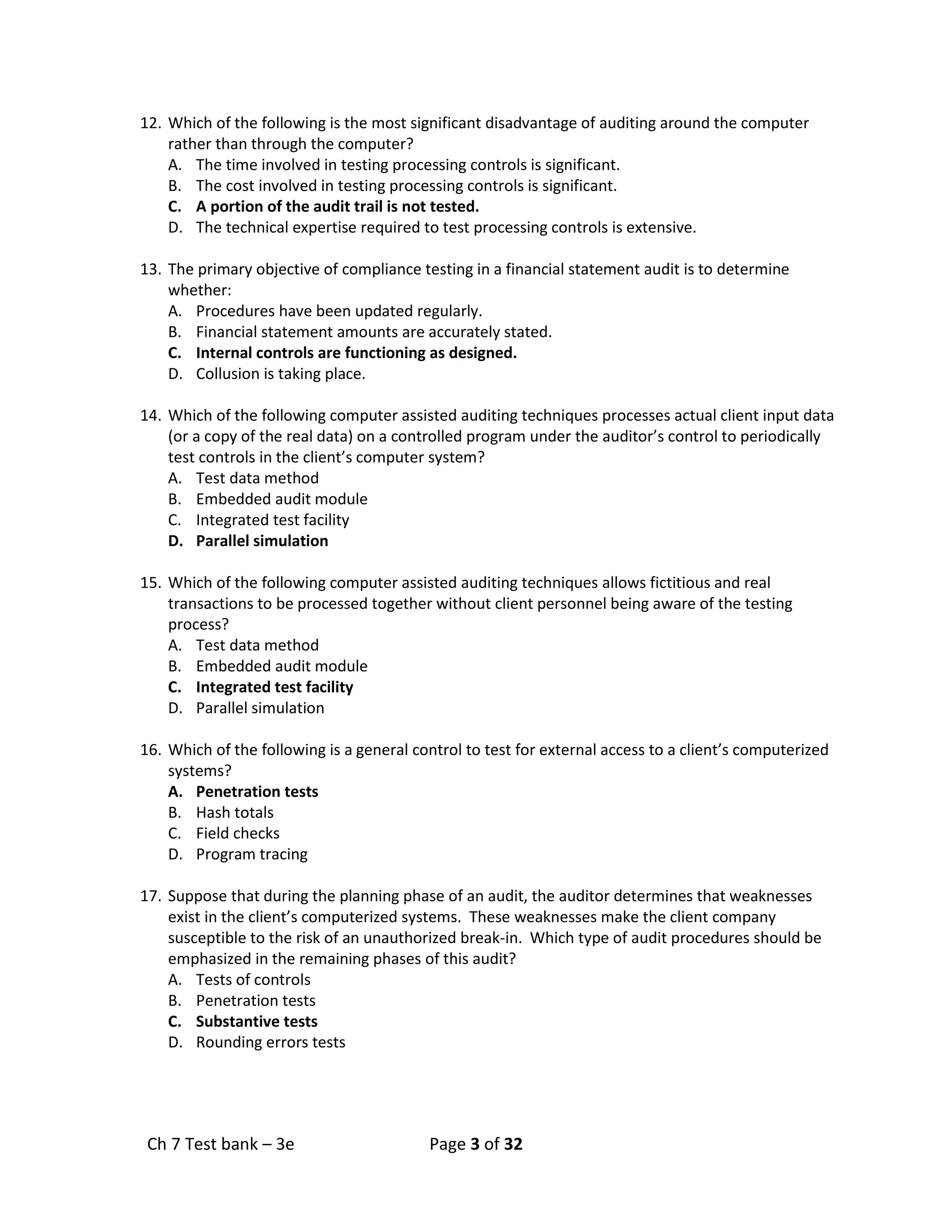
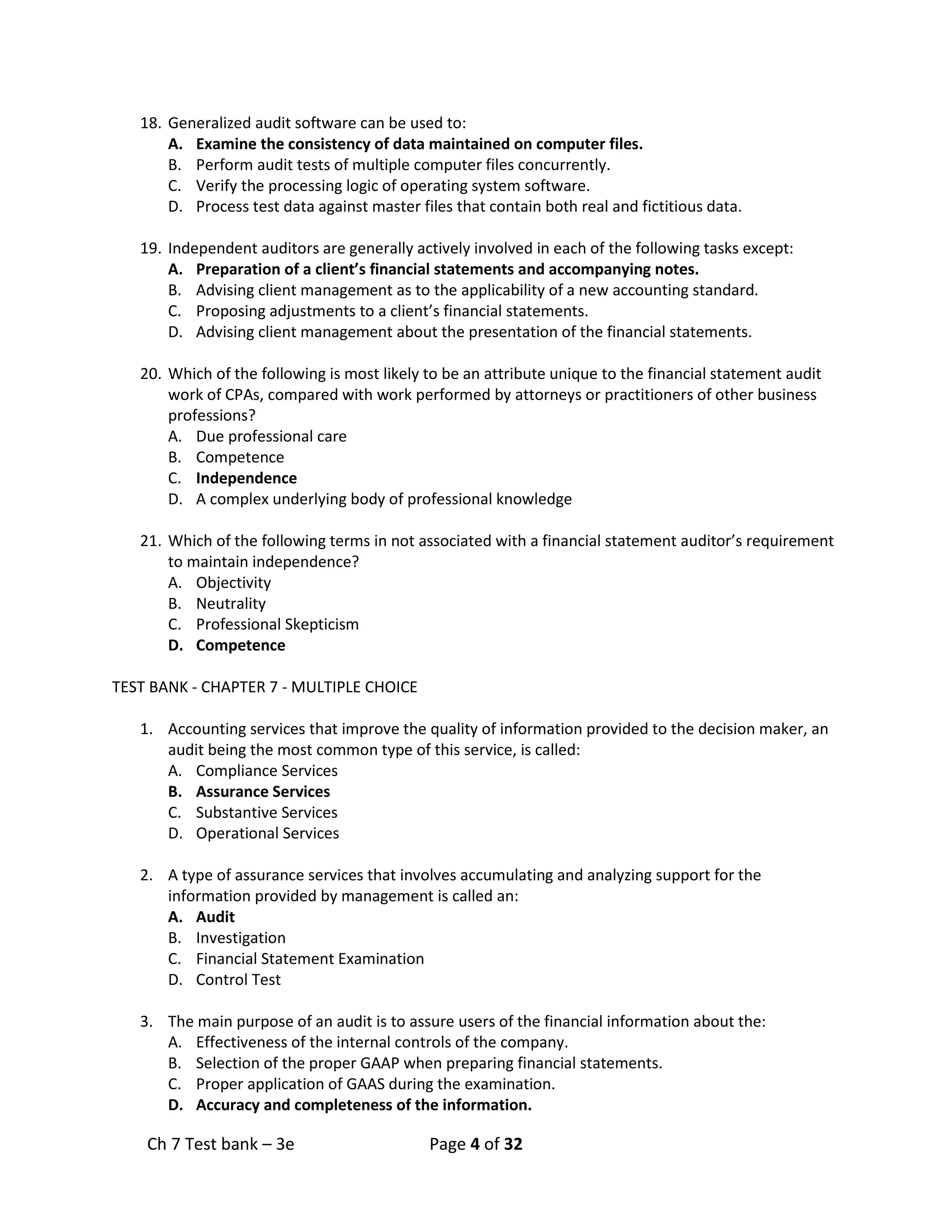
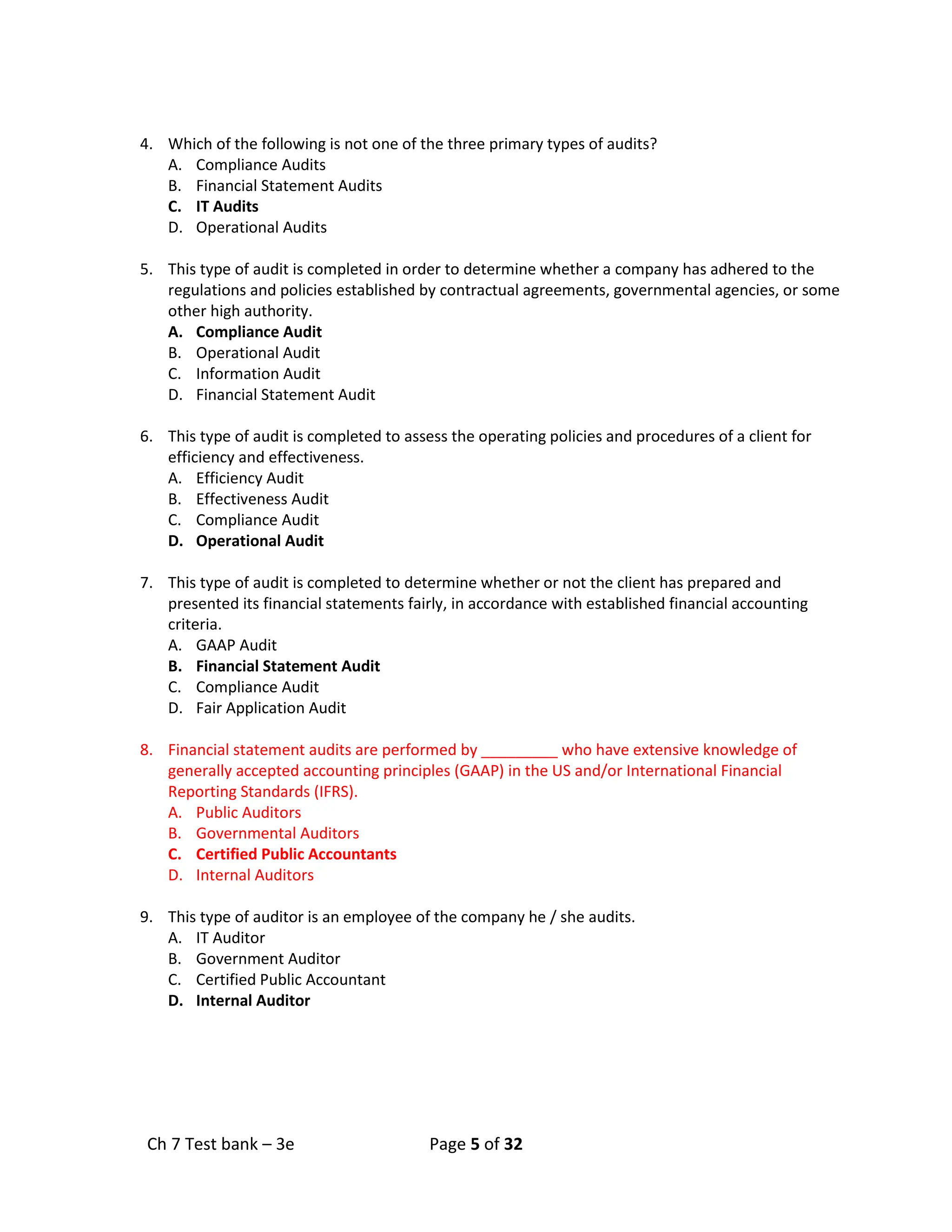
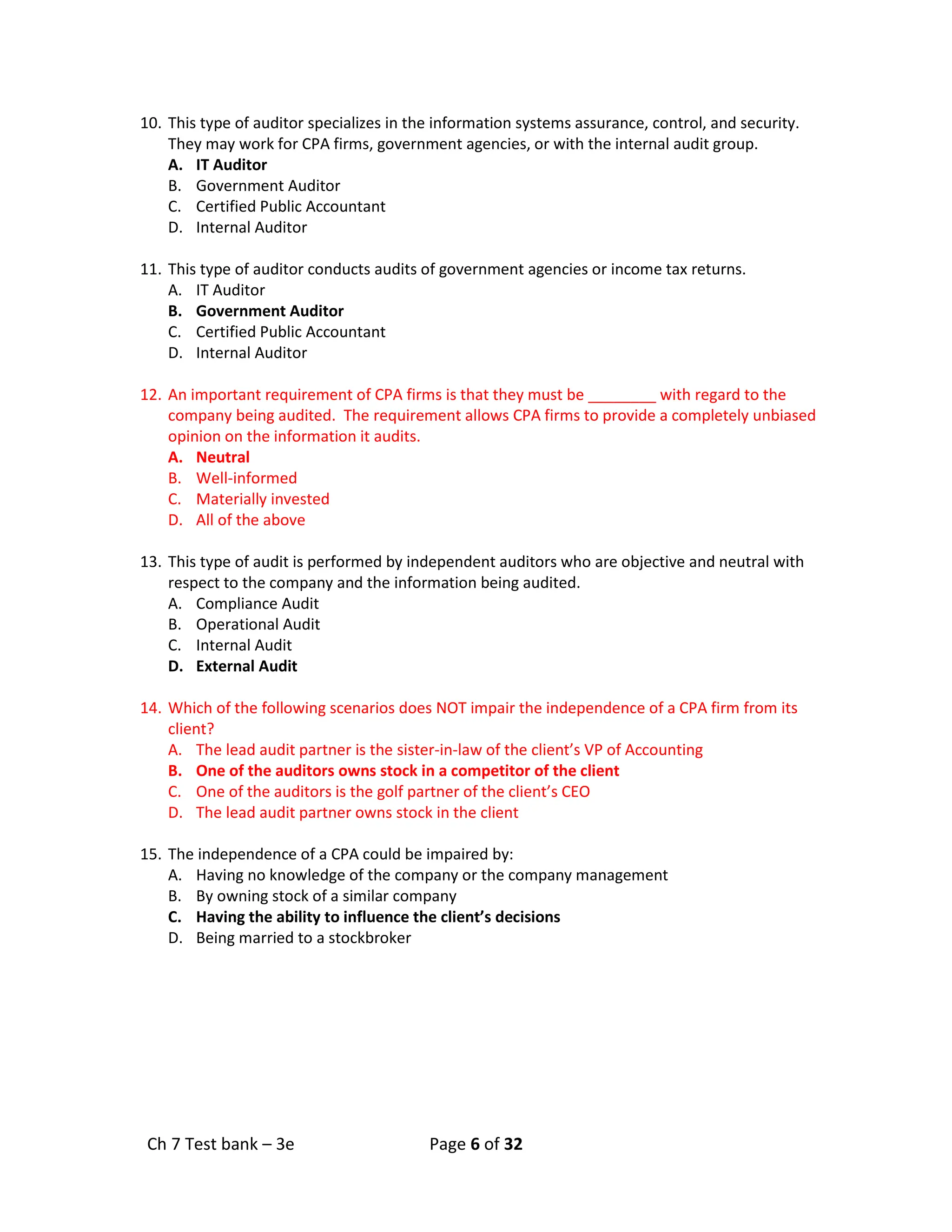
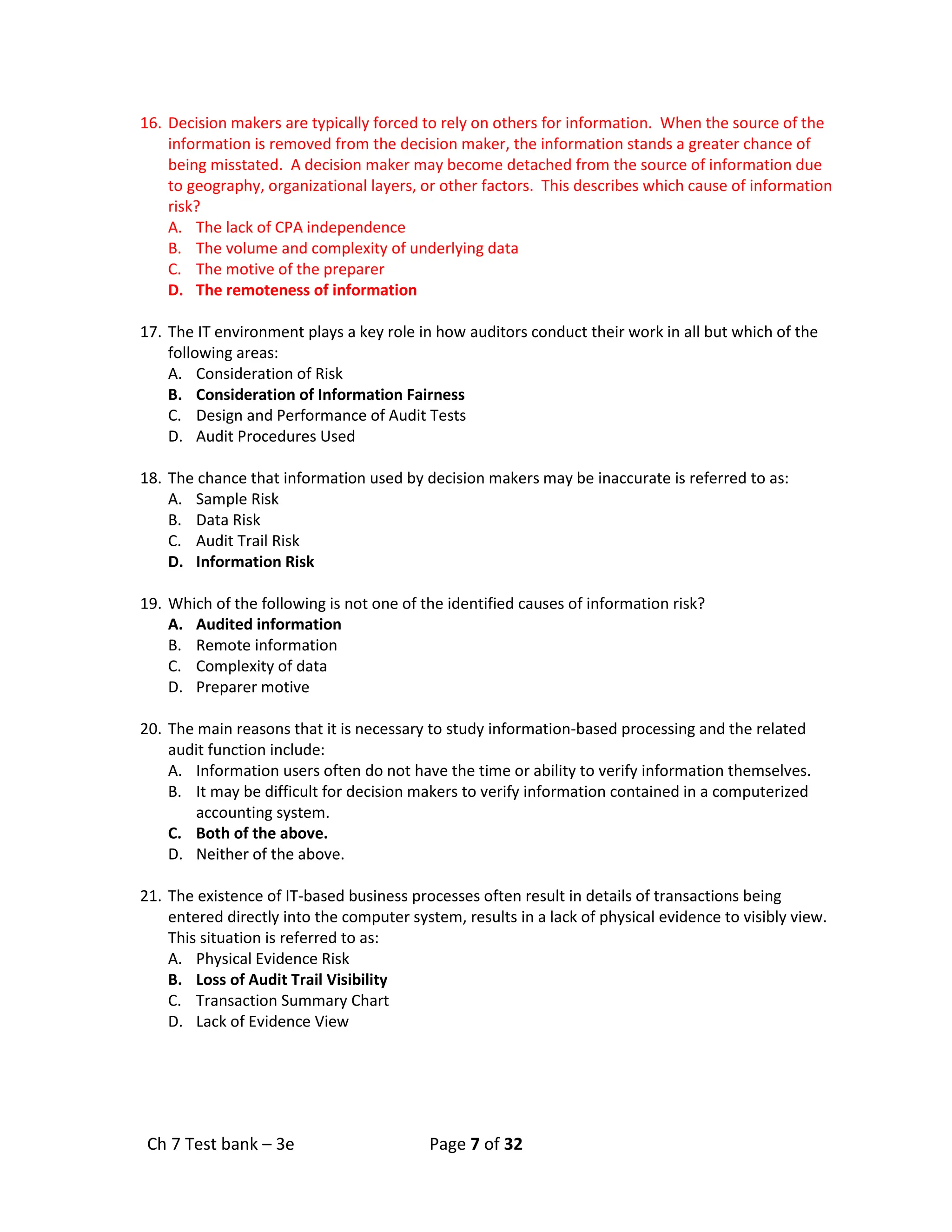
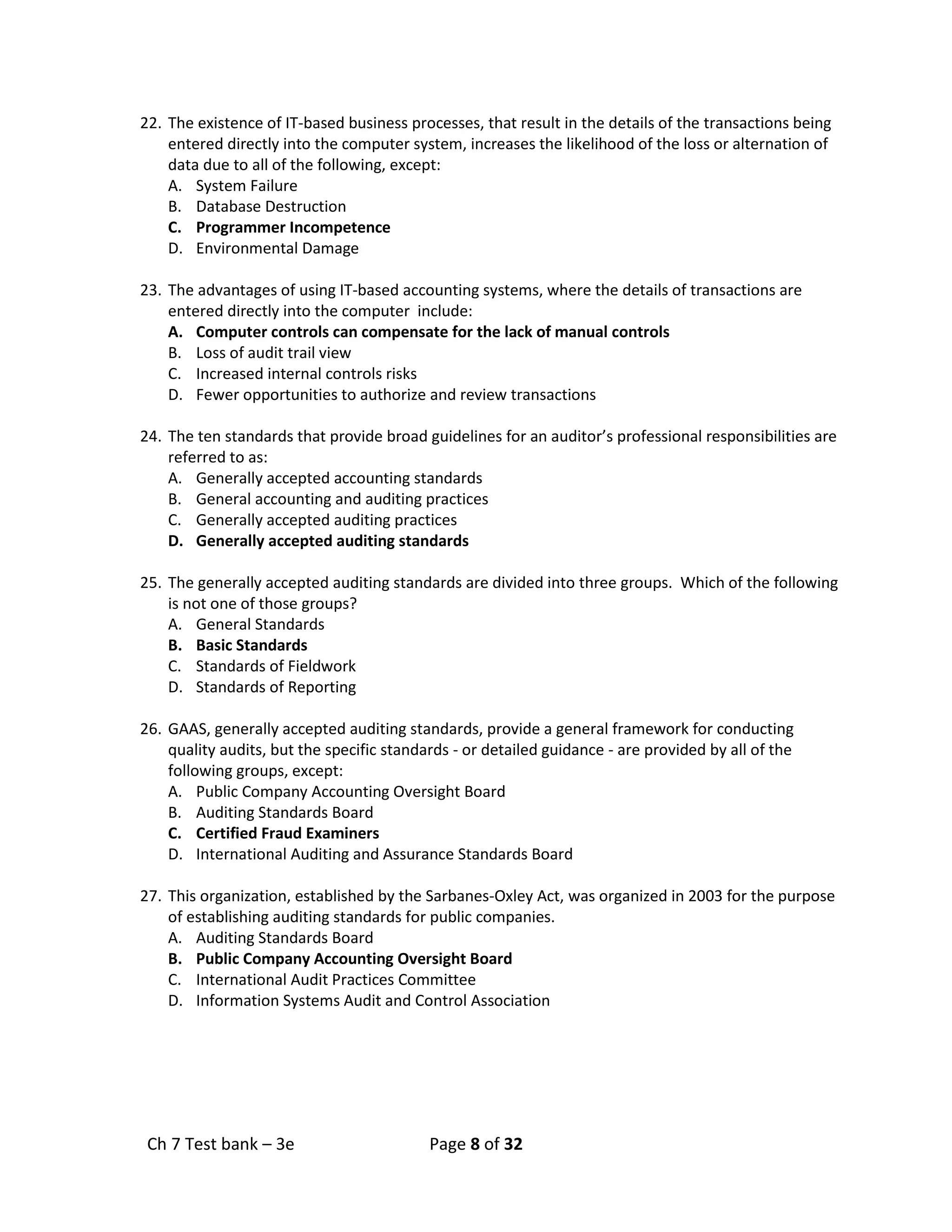
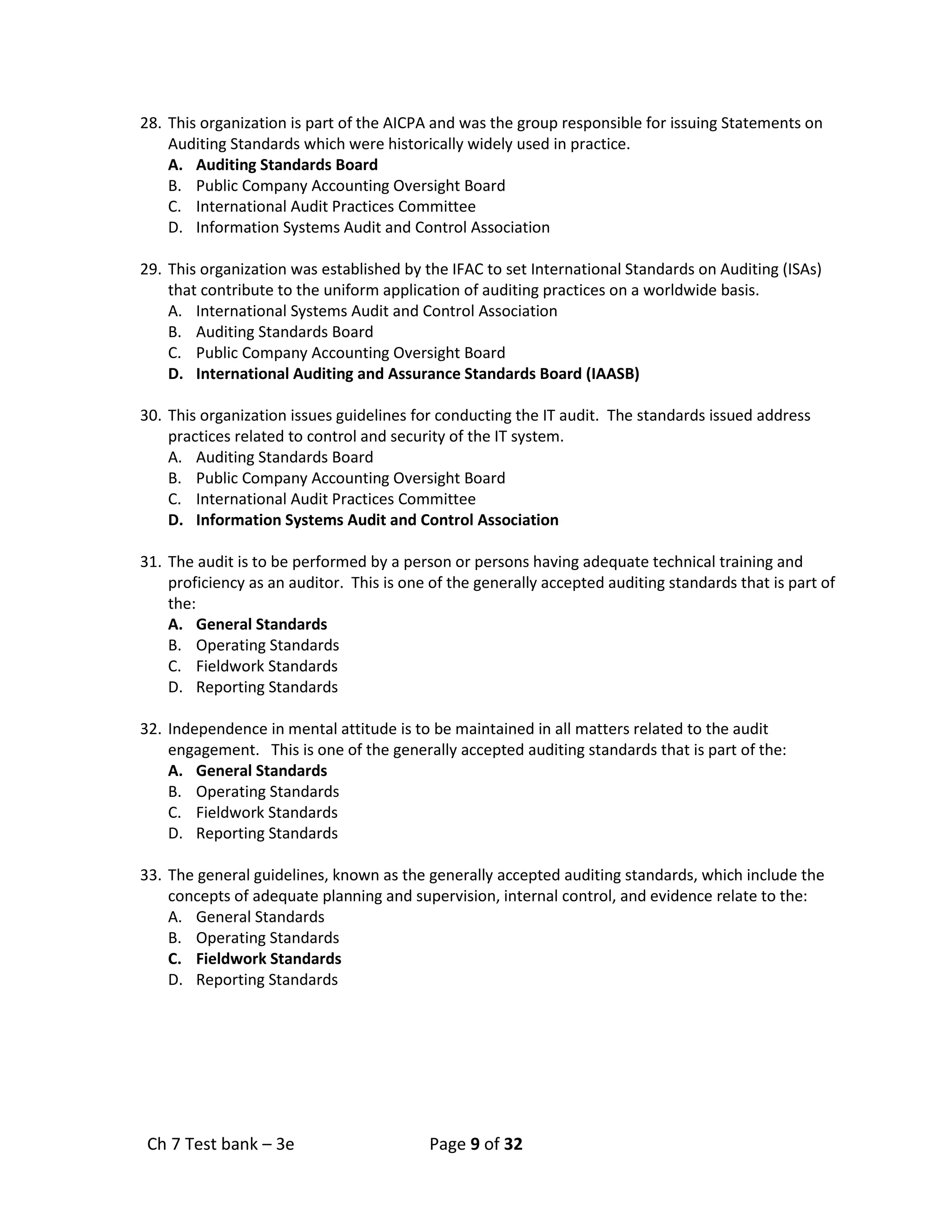
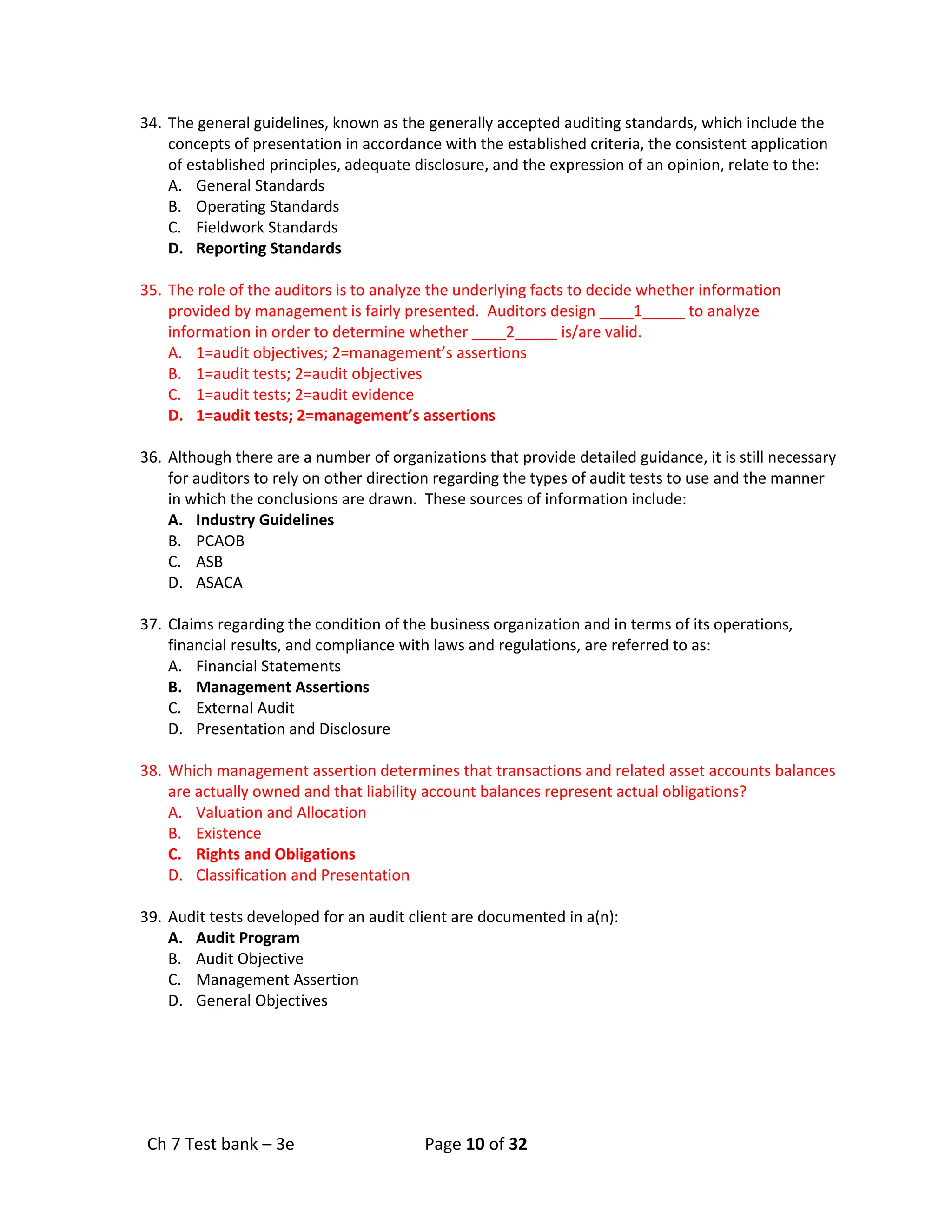
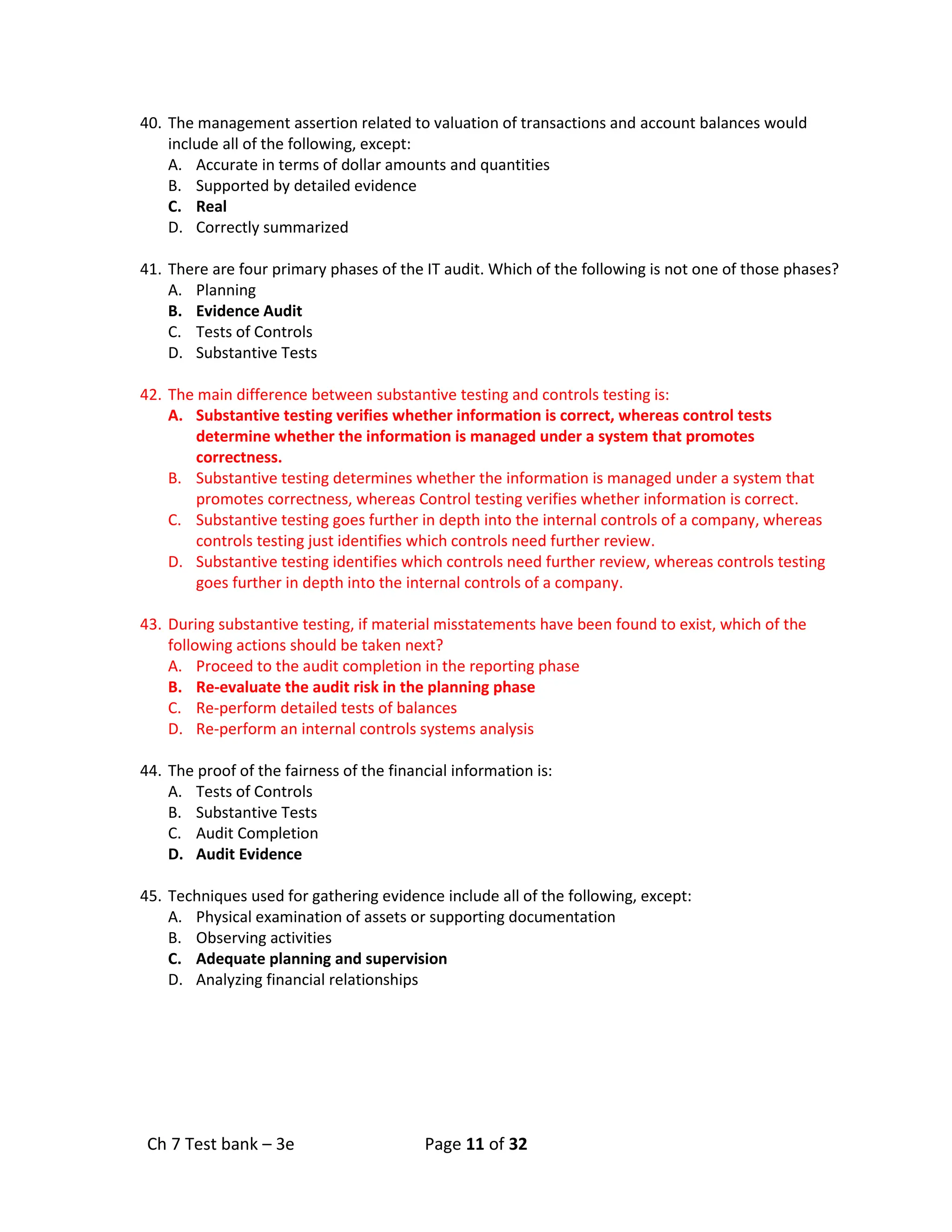
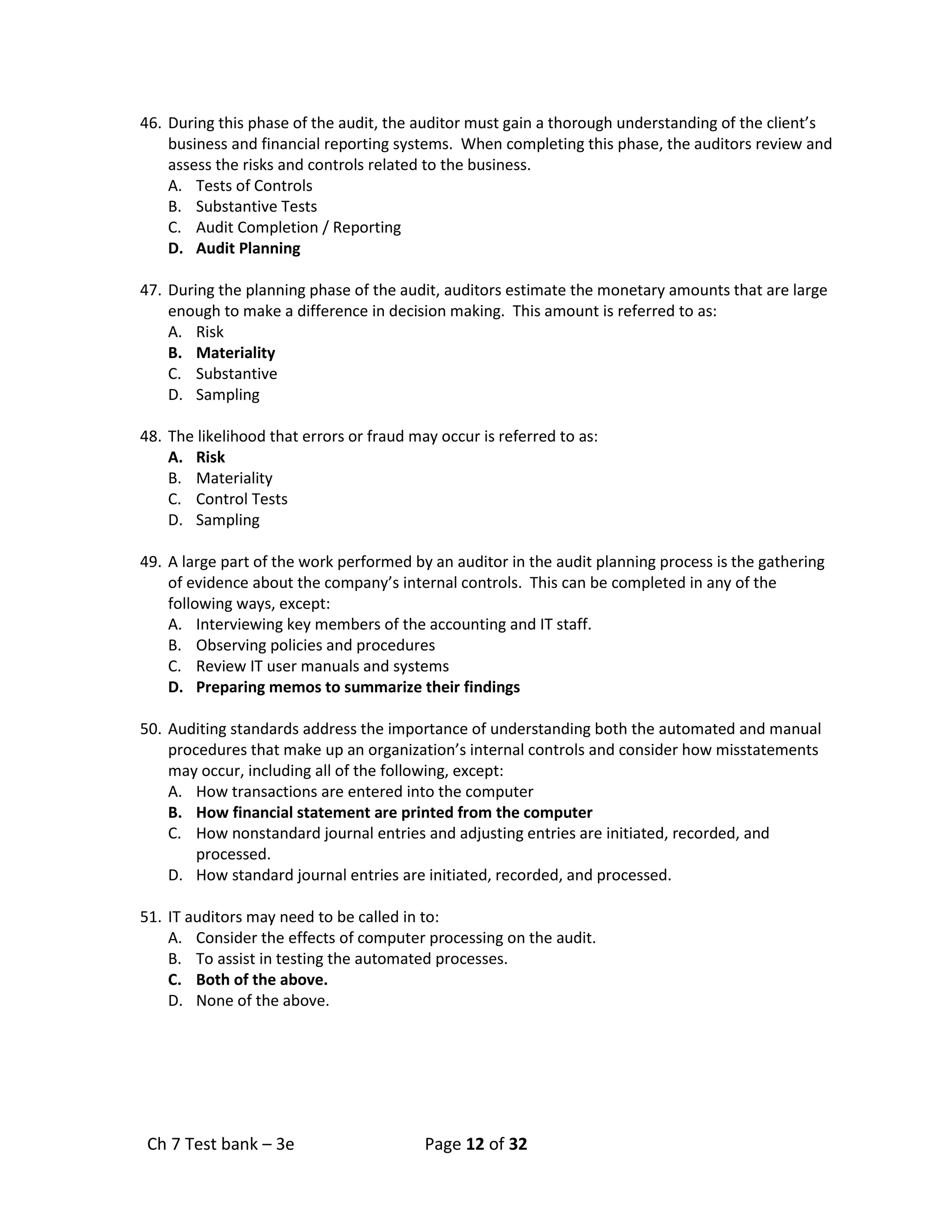
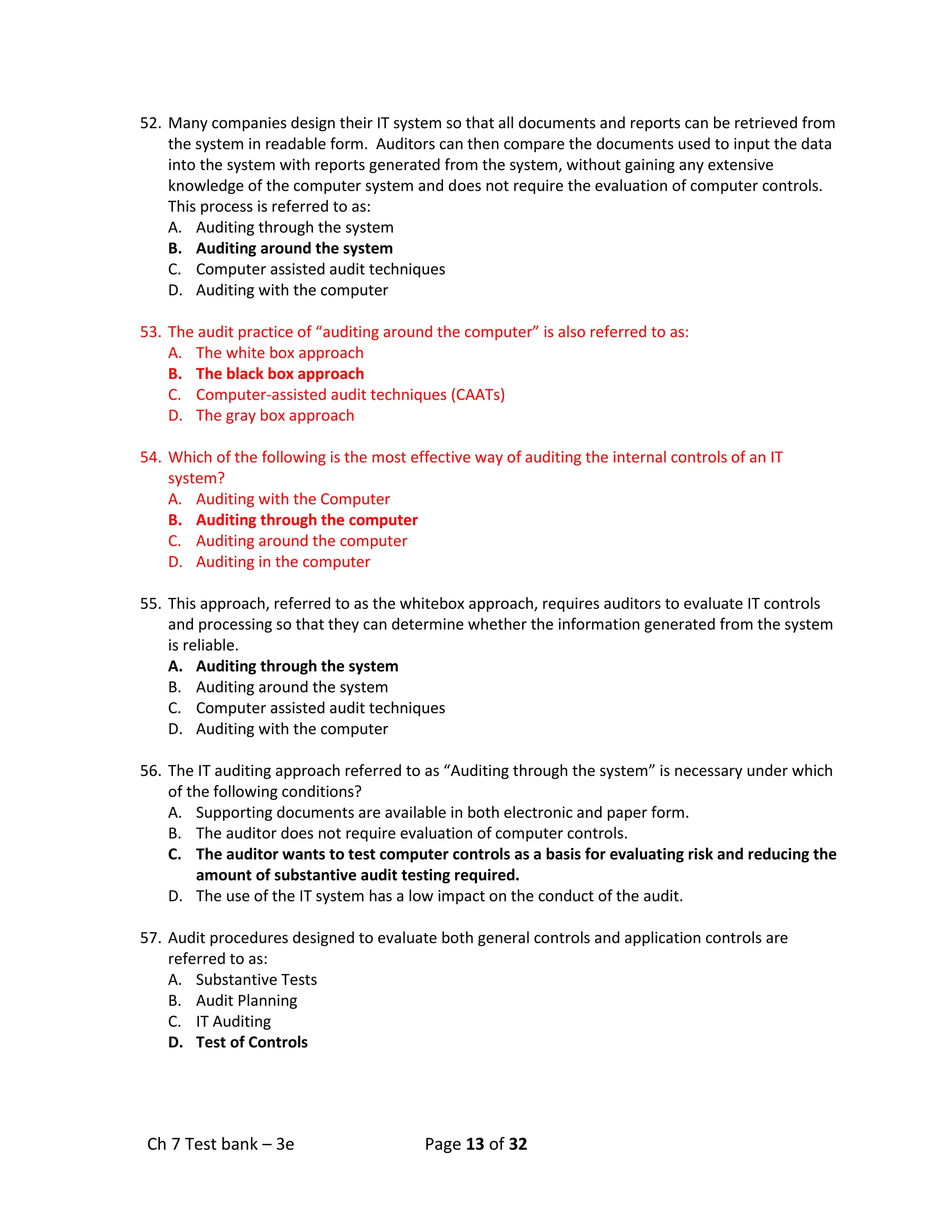
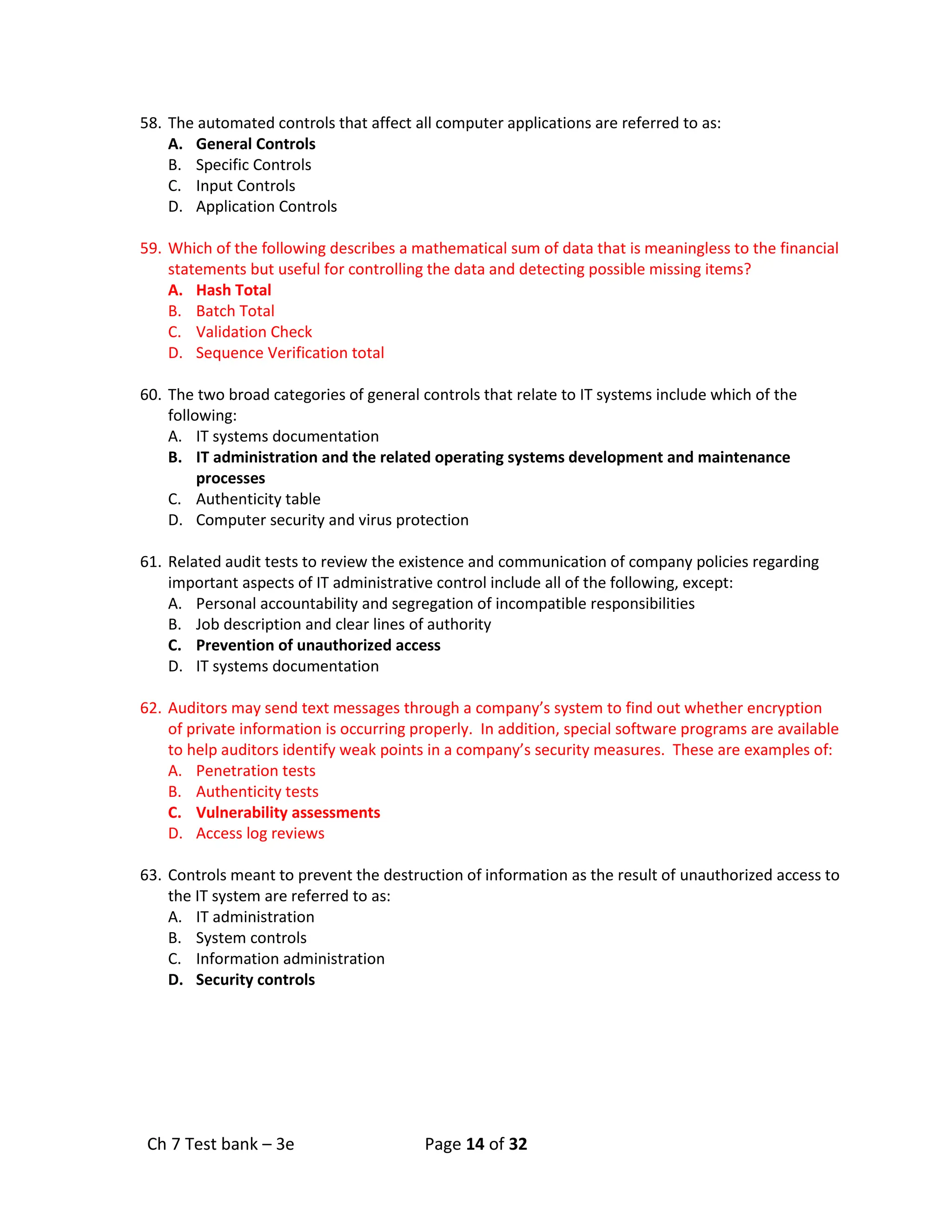
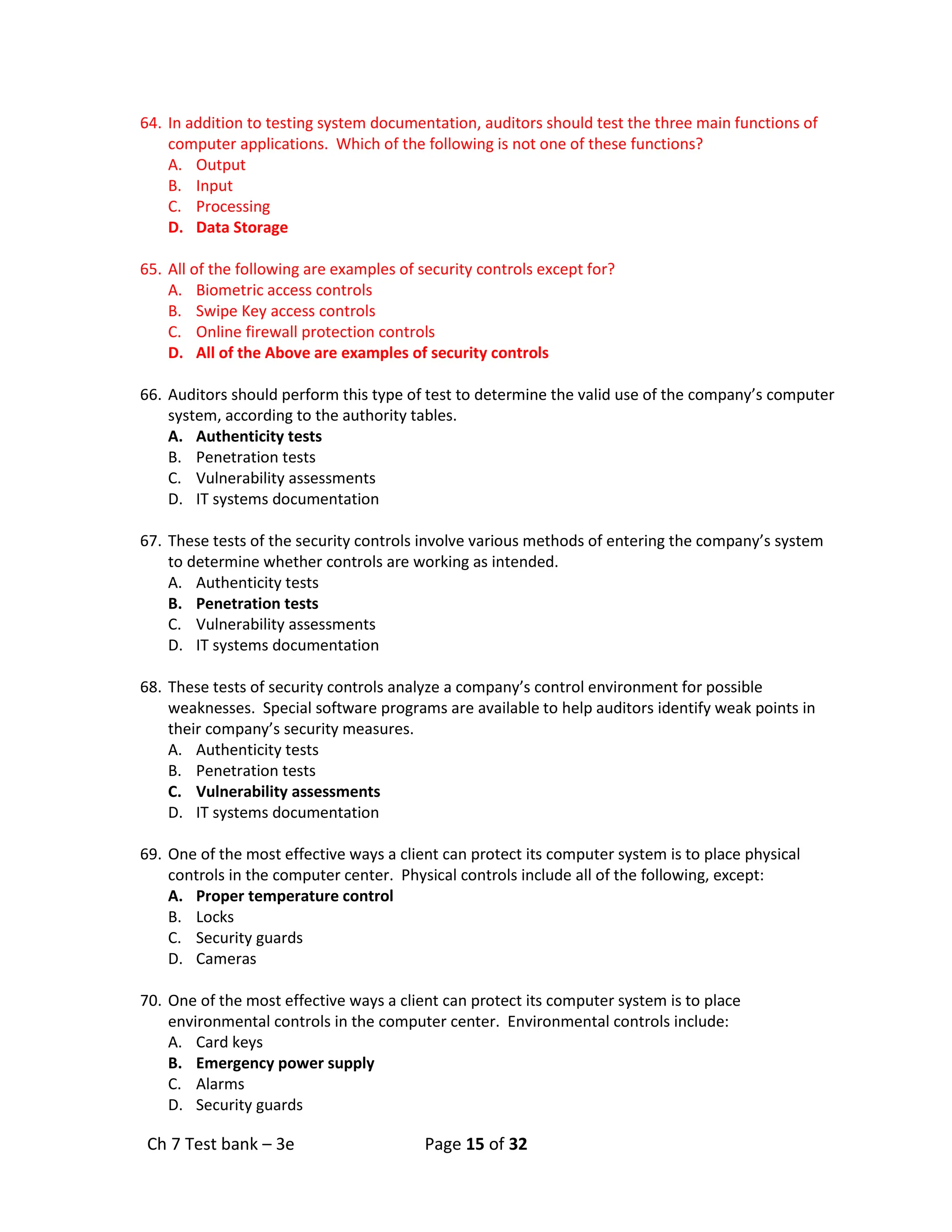
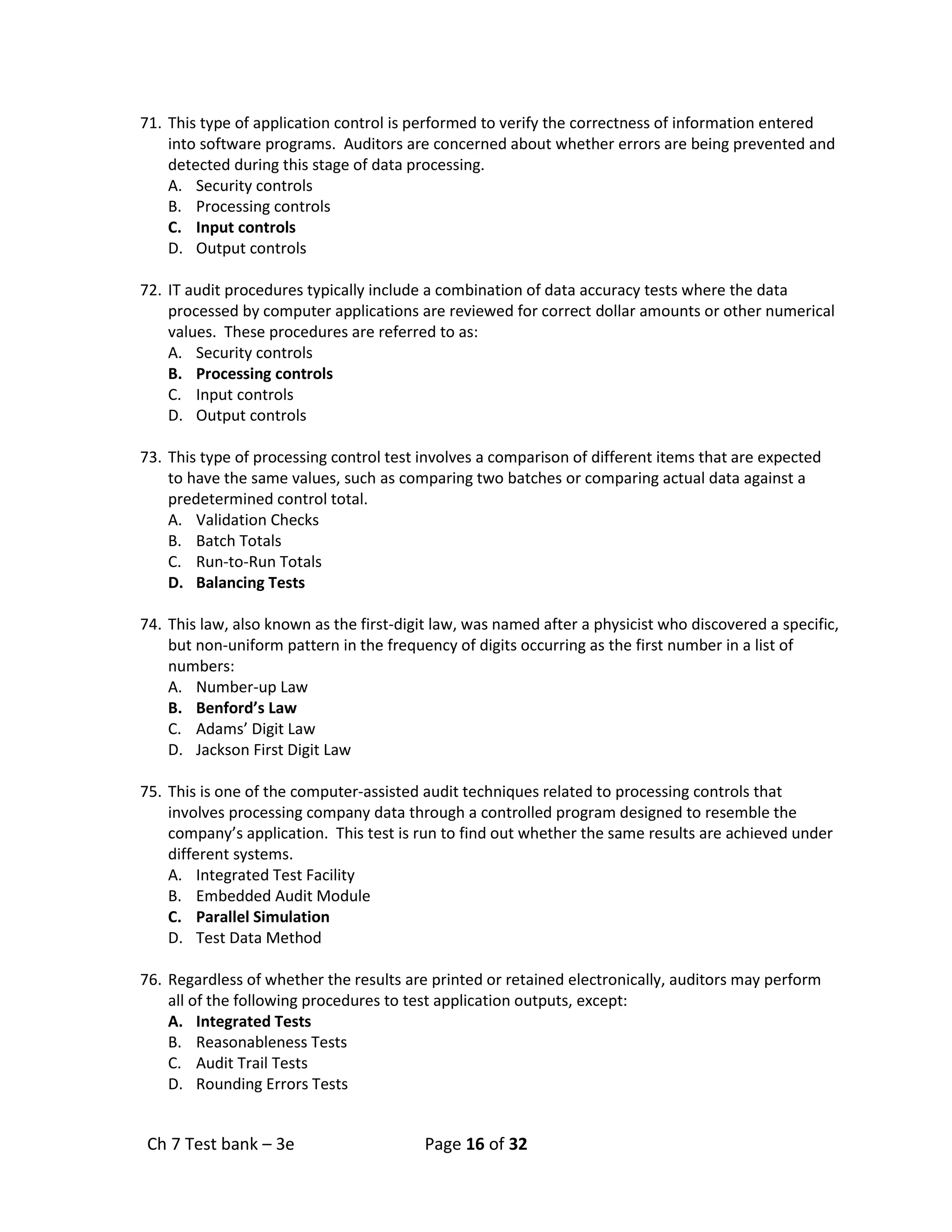
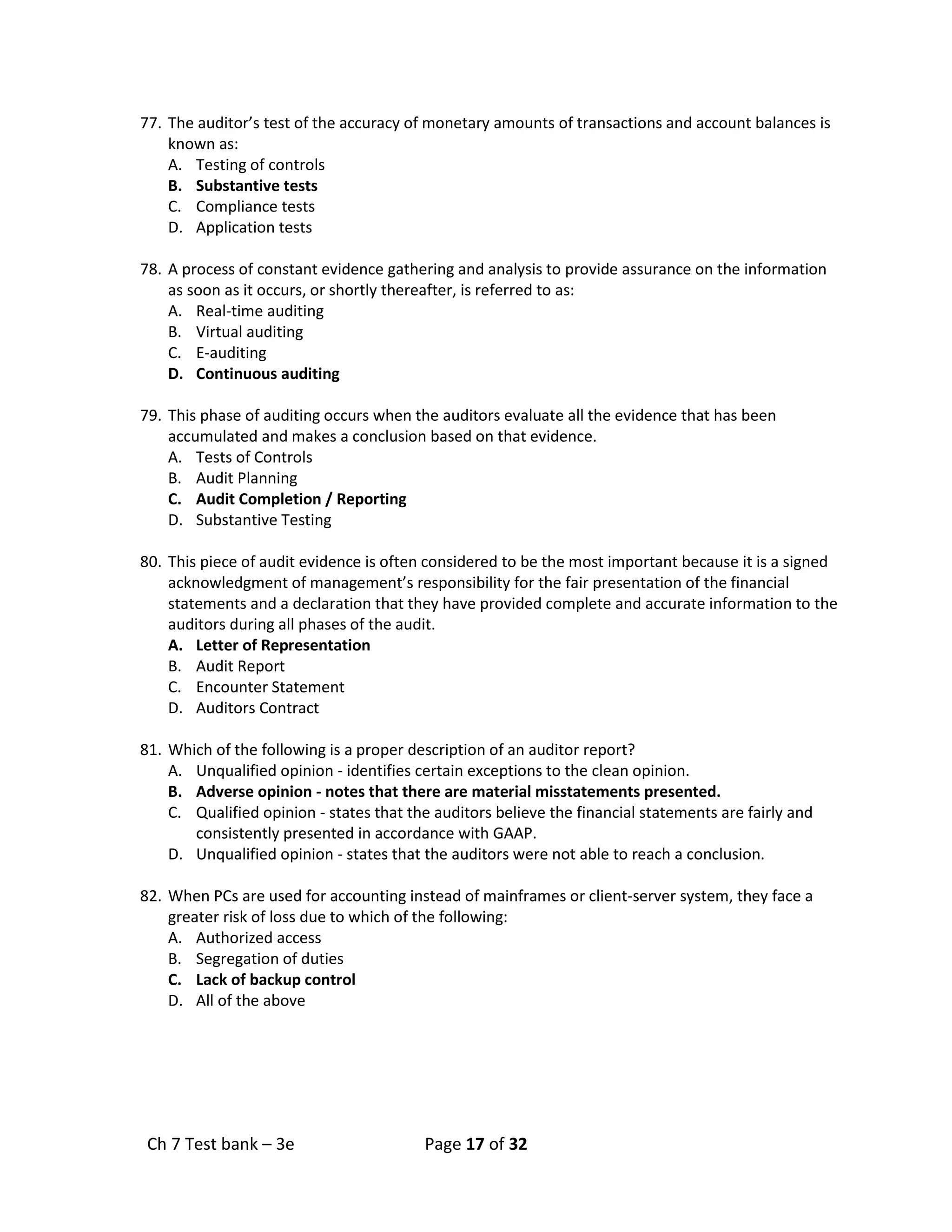
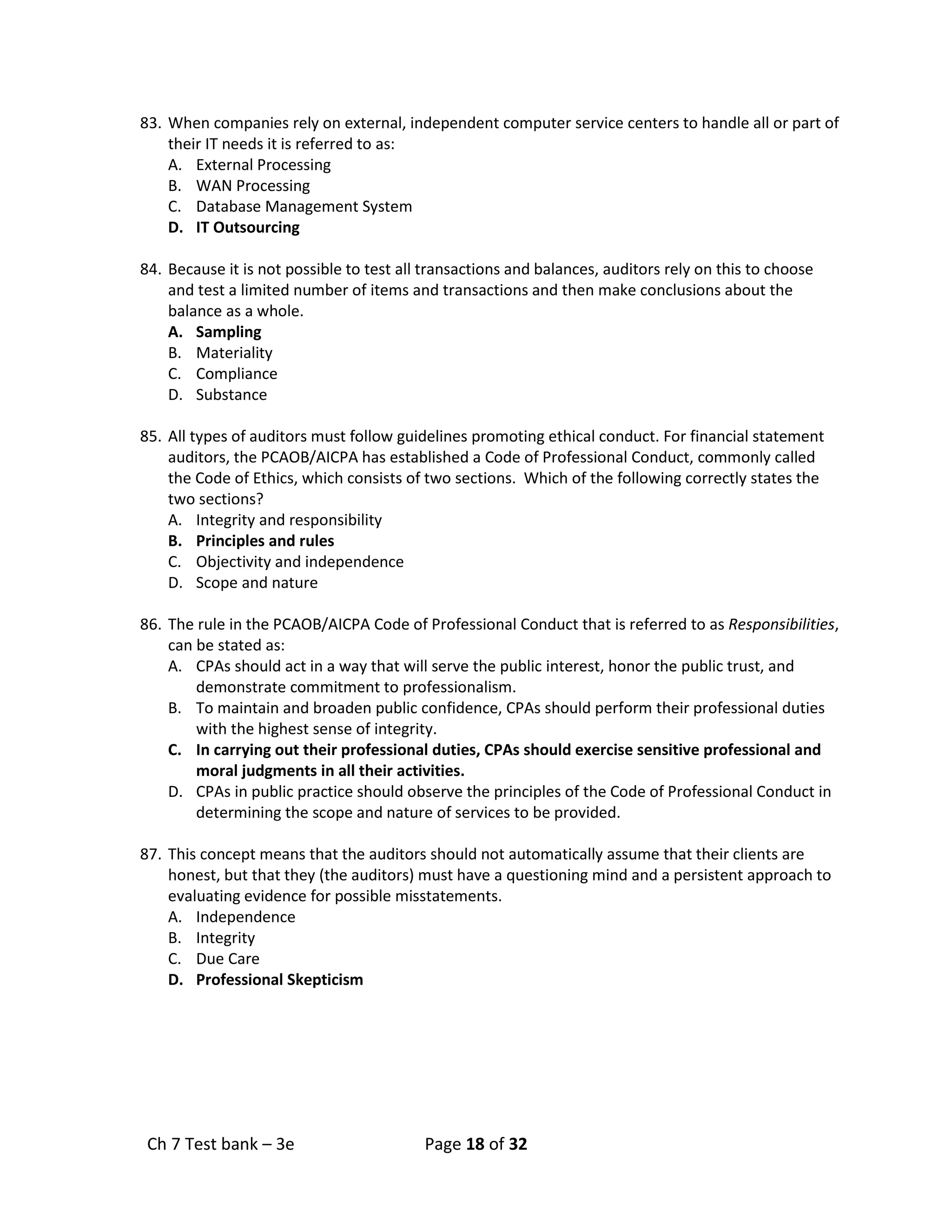

![WOTTON
perfection, an excellent botanist, a rare engraver on brass, writer in
Latin, and a poet; and with all this exceedingly modest. His house is
an academy of itself. I carried him to see Brompton Park [by
Knightsbridge], where he was in admiration at the store of rare
plants, and the method he found in that noble nursery, and how well
it was cultivated. A public Bank of £140,000, set up by Act of
Parliament among other Acts, and Lotteries for money to carry on
the war. The whole month of April without rain. A great rising of
people in Buckinghamshire, on the declaration of a famous preacher,
till now reputed a sober and religious man, that our Lord Christ
appearing to him on the 16th of this month, told him he was now
come down, and would appear publicly at Pentecost, and gather all
the saints, Jews and Gentiles, and lead them to Jerusalem, and
begin the Millennium, and destroying and judging the wicked, deliver
the government of the world to the saints. Great multitudes followed
this preacher, divers of the most zealous brought their goods and
considerable sums of money, and began to live in imitation of the
primitive saints, minding no private concerns, continually dancing
and singing Hallelujah night and day. This brings to mind what I
lately happened to find in Alstedius, that the thousand years should
begin this very year 1694; it is in his "Encyclopædia Biblica." My
copy of the book printed near sixty years ago.
4th May, 1694. I went this day with my wife and
four servants from Sayes Court, removing much
furniture of all sorts, books, pictures, hangings, bedding, etc., to
furnish the apartment my brother assigned me, and now, after more
than forty years, to spend the rest of my days with him at Wotton,
where I was born; leaving my house at Deptford full furnished, and
three servants, to my son-in-law Draper, to pass the summer in, and
such longer time as he should think fit to make use of it.
6th May, 1694. This being the first Sunday in the month, the
blessed sacrament of the Lord's Supper ought to have been
celebrated at Wotton church, but in this parish it is exceedingly
neglected, so that, unless at the four great feasts, there is no](https://image.slidesharecdn.com/6836-250324030953-3c366abe/75/Accounting-Information-Systems-Controls-Processes-3rd-Edition-Turner-Test-Bank-29-2048.jpg)
![those at Venice, now set up here, for himself twice, and now one for
the State.
28th October, 1694. Mr. Stringfellow preached at Trinity church.
22d November, 1694. Visited the Bishop of Lincoln [Tenison]
newly come on the death of the Archbishop of Canterbury, who a
few days before had a paralytic stroke,—the same day and month
that Archbishop Sancroft was put out. A very sickly time, especially
the smallpox, of which divers considerable persons died. The State
lottery81
drawing, Mr. Cock, a French refugee, and a President in the
Parliament of Paris for the Reformed, drew a lot of £1,000 per
annum.
29th November, 1694. I visited the Marquis of Normanby, and had
much discourse concerning King Charles II. being poisoned. Also
concerning the quinquina which the physicians would not give to the
King, at a time when, in a dangerous ague, it was the only thing that
could cure him (out of envy because it had been brought into vogue
by Mr. Tudor, an apothecary), till Dr. Short, to whom the King sent to
know his opinion of it privately, he being reputed a Papist (but who
was in truth a very honest, good Christian), sent word to the King
that it was the only thing which could save his life, and then the King
enjoined his physicians to give it to him, which they did and he
recovered. Being asked by this Lord why they would not prescribe it,
Dr. Lower said it would spoil their practice, or some such expression,
and at last confessed it was a remedy fit only for kings. Exception
was taken that the late Archbishop did not cause any of his
Chaplains to use any office for the sick during his illness.
9th December, 1694. I had news that my dear and worthy friend,
Dr. Tenison, Bishop of Lincoln, was made Archbishop of Canterbury,
for which I thank God and rejoice, he being most worthy of it, for his
learning, piety, and prudence.
13th December, 1694. I went to London to congratulate him. He
being my proxy, gave my vote for Dr. Williams, to succeed Mr.](https://image.slidesharecdn.com/6836-250324030953-3c366abe/75/Accounting-Information-Systems-Controls-Processes-3rd-Edition-Turner-Test-Bank-32-2048.jpg)
![LONDON
did not well consider when he gave away this living and the next
[Abinger].
March, 1695. The latter end of the month sharp and severely
cold, with much snow and hard frost; no appearance of spring.
31st March, 1695. Mr. Lucas preached in the afternoon at Wotton.
7th April, 1695. Lord Halifax died suddenly at
London, the day his daughter was married to the
Earl of Nottingham's son at Burleigh. Lord H. was a very rich man,
very witty, and in his younger days somewhat positive.
14th April, 1695. After a most severe, cold, and snowy winter,
without almost any shower for many months, the wind continuing N.
and E. and not a leaf appearing; the weather and wind now
changed, some showers fell, and there was a remission of cold.
21st April, 1695. The spring begins to appear, yet the trees hardly
leafed. Sir T. Cooke discovers what prodigious bribes have been
given by some of the East India Company out of the stock, which
makes a great clamor. Never were so many private bills passed for
unsettling estates, showing the wonderful prodigality and decay of
families.
5th May, 1695. I came to Deptford from Wotton, in order to the
first meeting of the Commissioners for endowing an hospital for
seamen at Greenwich; it was at the Guildhall, London. Present, the
Archbishop of Canterbury, Lord Keeper, Lord Privy Seal, Lord
Godolphin, Duke of Shrewsbury, Duke of Leeds, Earls of Dorset and
Monmouth, Commissioners of the Admiralty and Navy, Sir Robert
Clayton, Sir Christopher Wren, and several more. The Commission
was read by Mr. Lowndes, Secretary to the Lords of the Treasury,
Surveyor-General.
17th May, 1695. Second meeting of the Commissioners, and a
committee appointed to go to Greenwich to survey the place, I being
one of them.](https://image.slidesharecdn.com/6836-250324030953-3c366abe/75/Accounting-Information-Systems-Controls-Processes-3rd-Edition-Turner-Test-Bank-35-2048.jpg)
![21st April, 1696. We had a meeting at Guildhall of the grand
committee about settling the draught of Greenwich hospital.
23d April, 1696. I went to Eton, and dined with Dr. Godolphin, the
provost. The schoolmaster assured me there had not been for
twenty years a more pregnant youth in that place than my grandson.
I went to see the King's House at Kensington. It is very noble,
though not great. The gallery furnished with the best pictures [from]
all the houses, of Titian, Raphael, Correggio, Holbein, Julio Romano,
Bassan, Vandyke, Tintoretto, and others; a great collection of
porcelain; and a pretty private library. The gardens about it very
delicious.
26th April, 1696. Dr. Sharp preached at the Temple. His prayer
before the sermon was one of the most excellent compositions I
ever heard.
28th April, 1696. The Venetian Ambassador made a stately entry
with fifty footmen, many on horseback, four rich coaches, and a
numerous train of gallants. More executions this week of the
assassins. Oates dedicated a most villainous, reviling book against
King James, which he presumed to present to King William, who
could not but abhor it, speaking so infamously and untruly of his late
beloved Queen's own father.
2d May, 1696. I dined at Lambeth, being summoned to meet my
co-trustees, the Archbishop, Sir Henry Ashurst, and Mr. Serjeant
Rotheram, to consult about settling Mr. Boyle's lecture for a
perpetuity; which we concluded upon, by buying a rent charge of
£50 per annum, with the stock in our hands.
6th May, 1696. I went to Lambeth, to meet at dinner the
Countess of Sunderland and divers ladies. We dined in the
Archbishop's wife's apartment with his Grace, and stayed late; yet I
returned to Deptford at night.
13th May, 1696. I went to London to meet my son, newly come
from Ireland, indisposed. Money still continuing exceedingly scarce,](https://image.slidesharecdn.com/6836-250324030953-3c366abe/75/Accounting-Information-Systems-Controls-Processes-3rd-Edition-Turner-Test-Bank-42-2048.jpg)
![LONDON
November, 1696. Lord Godolphin retired from the Treasury, who
was the first Commissioner and most skillful manager of all.
8th November, 1696. The first frost began fiercely, but lasted not
long. More plots talked of. Search for Jacobites so called.
15th-23d November, 1696. Very stormy weather, rain, and
inundations.
13th December, 1696. Continuance of extreme frost and snow.
17th January, 1696-7. The severe frost and weather relented, but
again froze with snow. Conspiracies continue against King William.
Sir John Fenwick was beheaded.
7th February, 1697. Severe frost continued with snow. Soldiers in
the armies and garrison towns frozen to death on their posts.
(Here a leaf of the MS. is lost.)
17th August, 1697. I came to Wotton after three months'
absence.
September, 1697. Very bright weather, but with sharp east wind.
My son came from London in his melancholy indisposition.
12th September, 1697. Mr. Duncombe, the rector, came and
preached after an absence of two years, though only living seven or
eight miles off [at Ashted]. Welcome tidings of the Peace.
3d October, 1697. So great were the storms all this week, that
near a thousand people were lost going into the Texel.
16th November, 1697. The King's entry very
pompous; but is nothing approaching that of King
Charles II.](https://image.slidesharecdn.com/6836-250324030953-3c366abe/75/Accounting-Information-Systems-Controls-Processes-3rd-Edition-Turner-Test-Bank-46-2048.jpg)
![LONDON
2d December, 1697. Thanksgiving Day for the Peace, the King and
a great Court at Whitehall. The Bishop of Salisbury preached, or
rather made a florid panegyric, on 2 Chron. ix. 7, 8. The evening
concluded with fireworks and illuminations of great expense.
5th December, 1697. Was the first Sunday that St. Paul's had had
service performed in it since it was burned in 1666.
6th December, 1697. I went to Kensington with the Sheriff,
Knights, and chief gentlemen of Surrey, to present their address to
the King. The Duke of Norfolk promised to introduce it, but came so
late, that it was presented before be came. This insignificant
ceremony was brought in in Cromwell's time, and has ever since
continued with offers of life and fortune to whoever happened to
have the power. I dined at Sir Richard Onslow's, who treated almost
all the gentlemen of Surrey. When we had half dined, the Duke of
Norfolk came in to make his excuse.
12th December, 1697. At the Temple Church; it was very long
before the service began, staying for the Comptroller of the Inner
Temple, where was to be kept a riotous and reveling Christmas,
according to custom.
18th December, 1697. At Lambeth, to Dr. Bentley, about the
Library at St. James's.
23d December, 1697. I returned to Wotton.
1697-98. A great Christmas kept at Wotton, open house, much
company. I presented my book of Medals, etc., to divers noblemen,
before I exposed it to sale.
2d January, 1698. Dr. Fulham, who lately married my niece,
preached against atheism, a very eloquent discourse, somewhat
improper for most of the audience at [Wotton], but fitted for some
other place, and very apposite to the profane temper of the age.
5th January, 1698. Whitehall burned, nothing
but walls and ruins left.](https://image.slidesharecdn.com/6836-250324030953-3c366abe/75/Accounting-Information-Systems-Controls-Processes-3rd-Edition-Turner-Test-Bank-47-2048.jpg)
![30th January, 1698. The imprisonment of the great banker,
Duncombe: censured by Parliament; acquitted by the Lords; sent
again to the Tower by the Commons.
The Czar of Muscovy being come to England, and having a mind
to see the building of ships, hired my house at Sayes Court, and
made it his court and palace, newly furnished for him by the King.84
21st April, 1698. The Czar went from my house to return home.
An exceedingly sharp and cold season.
8th May, 1698. An extraordinary great snow and frost, nipping the
corn and other fruits. Corn at nine shillings a bushel [£18 a load].
30th May, 1698. I dined at Mr. Pepys's, where I heard the rare
voice of Mr. Pule, who was lately come from Italy, reputed the most
excellent singer we had ever had. He sung several compositions of
the late Dr. Purcell.
5th June, 1698. Dr. White, late Bishop of Norwich, who had been
ejected for not complying with Government, was buried in St.
Gregory's churchyard, or vault, at St. Paul's. His hearse was
accompanied by two non-juror bishops, Dr. Turner of Ely, and Dr.
Lloyd, with forty other non-juror clergymen, who would not stay the
Office of the burial, because the Dean of St. Paul's had appointed a
conforming minister to read the Office; at which all much wondered,
there being nothing in that Office which mentioned the present King.
8th June, 1698. I went to congratulate the marriage of Mr.
Godolphin with the Earl of Marlborough's daughter.
9th June, 1698. To Deptford, to see how miserably the Czar had
left my house, after three months making it his Court. I got Sir
Christopher Wren, the King's surveyor, and Mr. London, his gardener,
to go and estimate the repairs, for which they allowed £150 in their
report to the Lords of the Treasury. I then went to see the
foundation of the Hall and Chapel at Greenwich Hospital.](https://image.slidesharecdn.com/6836-250324030953-3c366abe/75/Accounting-Information-Systems-Controls-Processes-3rd-Edition-Turner-Test-Bank-48-2048.jpg)
![August, 1699. I drank the Shooters' Hill waters. At Deptford, they
had been building a pretty new church. The Bishop of St. David's
[Watson] deprived for simony.88
The city of Moscow burnt by the
throwing of squibs.
3d September, 1699. There was in this week an eclipse of the
sun, at which many were frightened by the predictions of the
astrologers. I remember fifty years ago that many were so terrified
by Lilly, that they dared not go out of their houses. A strange
earthquake at New Batavia, in the East Indies.
4th October, 1699. My worthy brother died at Wotton, in the 83d
year of his age, of perfect memory and understanding. He was
religious, sober, and temperate, and of so hospitable a nature, that
no family in the county maintained that ancient custom of keeping,
as it were, open house the whole year in the same manner, or gave
more noble or free entertainment to the county on all occasions, so
that his house was never free. There were sometimes twenty
persons more than his family, and some that stayed there all the
summer, to his no small expense; by this he gained the universal
love of the county. He was born at Wotton, went from the free
school at Guildford to Trinity College, Oxford, thence to the Middle
Temple, as gentlemen of the best quality did, but without intention
to study the law as a profession. He married the daughter of Colwall,
of a worthy and ancient family in Leicestershire, by whom he had
one son; she dying in 1643, left George her son an infant, who being
educated liberally, after traveling abroad, returned and married one
Mrs. Gore, by whom he had several children, but only three
daughters survived. He was a young man of good understanding,
but, over-indulging his ease and pleasure, grew so very corpulent,
contrary to the constitution of the rest of his father's relations, that
he died. My brother afterward married a noble and honorable lady,
relict of Sir John Cotton, she being an Offley, a worthy and ancient
Staffordshire family, by whom he had several children of both sexes.
This lady died, leaving only two daughters and a son. The younger
daughter died before marriage; the other afterward married Sir Cyril](https://image.slidesharecdn.com/6836-250324030953-3c366abe/75/Accounting-Information-Systems-Controls-Processes-3rd-Edition-Turner-Test-Bank-53-2048.jpg)