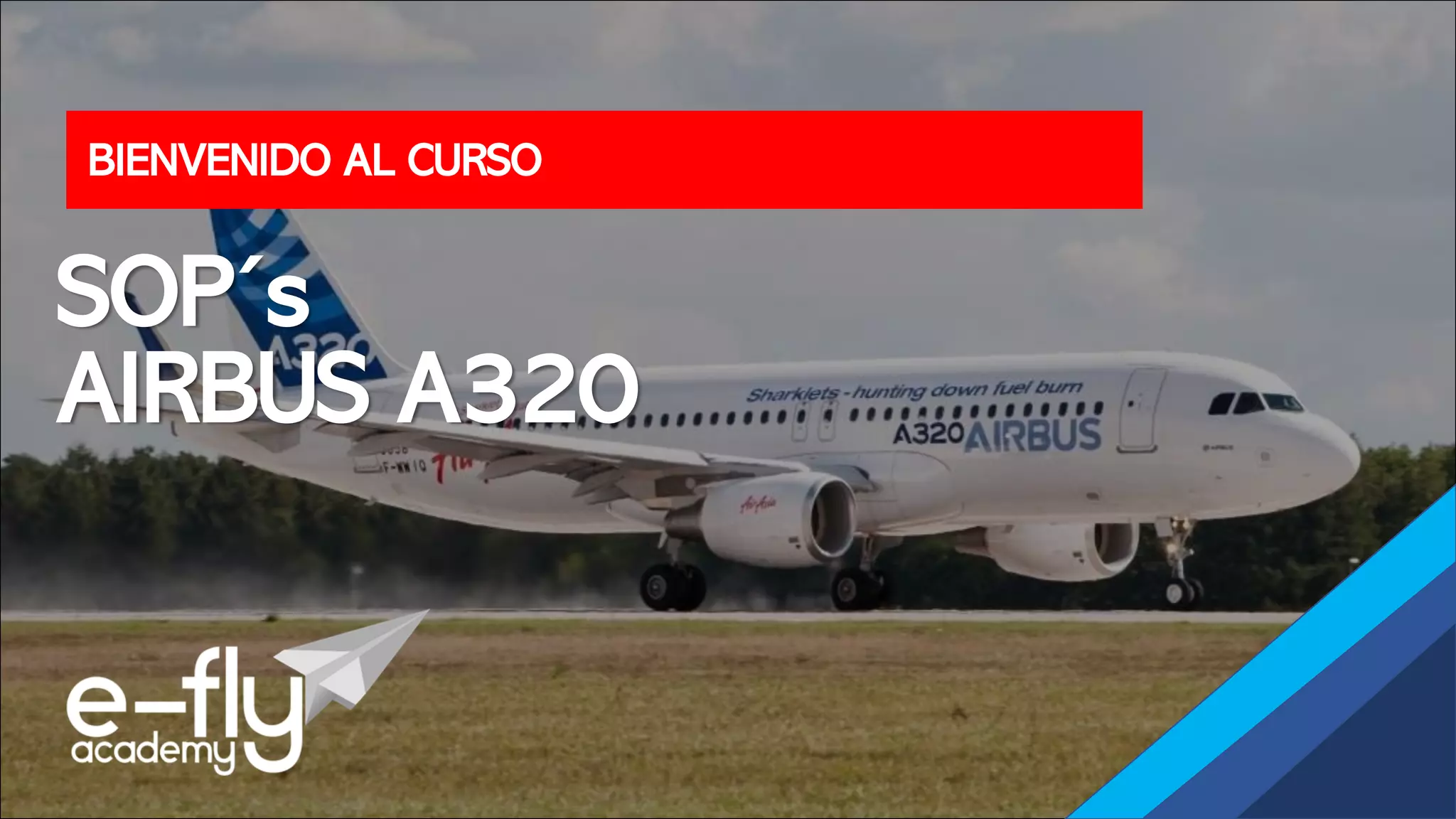
BIENVENIDO AL CURSO
SOP´s
AIRBUS A320
TEMARIO
• Safety Exterior Inspection.
• Preliminary Cockpit Preparation.
• Exterior Walkaround.
• Before Boarding Clearance.
• Cockpit Preparation.
• Departure Briefing.
• Emergency Briefing.
• Before Push & Start Clearance.
• At Push & Start Clearance.
• Engine Start – Manual.
• Engine Start – Automatic.
• After Start.
• Taxi.
• Departure Change.
• Before Takeoff.
• Takeoff.
• After Takeoff.
• Low Visibility T/O & Turbulence.
• Climb.
• Top Of Climb.
• Cruise.
• Descent Preparation.
• Arrival Briefing.
• Descent.
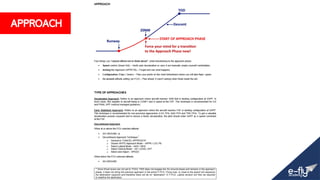
• Approach.
• Type Of Approaches.
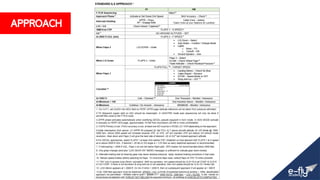
• Standard ILS Approach.
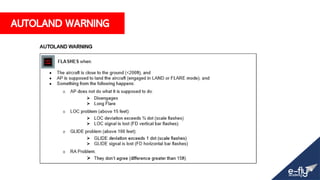
• Autoland Warning.
• Go Around.
• Rnav (Gnss) Approach – Final App.
TEMARIO
• Rnav (Gnss) Approach – Fpa.
• Rnav (Gnss) – Final App Or Fpa.
• Rnp Apch / Rnav (Gnss).
• Vor Approach – Trk / Fpa.
• Circling Approach.
• Visual Approach.
• Landing.
• After Landing.
• Parking.
• Securing The Aircraft.
• Post Flight Exterior Inspection.
• Disclaimer.
SOP´s AIRBUS A320
PRELIMINARY COCKPIT
PREPARATION
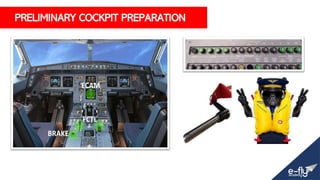
PRELIMINARY COCKPIT PREPARATION
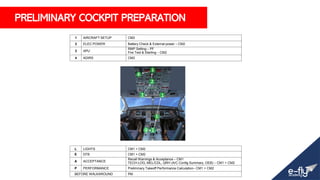
1 AIRCRAFT SETUP CM2
2 ELEC POWER Battery Check & External power – CM2
3 APU
RMP Setting – PF
Fire Test & Starting – CM2
4 ADIRS CM2
L LIGHTS CM1 + CM2
E EFB CM1 + CM2
A ACCEPTANCE
Recall Warnings & Acceptance – CM1
TECH-LOG, MEL/CDL, QRH (A/C Config Summary, OEB) – CM1 + CM2
P PERFORMANCE Preliminary Takeoff Performance Calculation– CM1 + CM2
BEFORE WALKAROUND PM
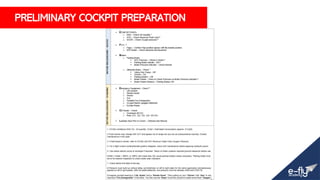
PRELIMINARY COCKPIT PREPARATION
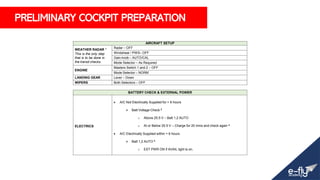
AIRCRAFT SETUP
WEATHER RADAR 1
This is the only step
that is to be done in
the transit checks.
Radar – OFF
Windshear / PWS– OFF
Gain knob – AUTO/CAL
Mode Selector – As Required
ENGINE
Masters Switch 1 and 2 – OFF
Mode Selector – NORM
LANDING GEAR Lever – Down
WIPERS Both Selectors – OFF
BATTERY CHECK & EXTERNAL POWER
ELECTRICS
• A/C Not Electrically Supplied for > 6 hours
➢ Batt Voltage Check 2
o Above 25.5 V – Batt 1,2 AUTO
o At or Below 25.5 V – Charge for 20 mins and check again 3
• A/C Electrically Supplied within < 6 hours
➢ Batt 1,2 AUTO 4
o EXT PWR ON if AVAIL light is on.
PRELIMINARY COCKPIT PREPARATION
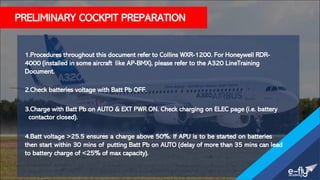
1.Procedures throughout this document refer to Collins WXR-1200. For Honeywell RDR-
4000 (installed in some aircraft like AP-BMX), please refer to the A320 LineTraining
Document.

2.Check batteries voltage with Batt Pb OFF.
3.Charge with Batt Pb on AUTO & EXT PWR ON. Check charging on ELEC page (i.e. battery
contactor closed).
4.Batt voltage >25.5 ensures a charge above 50%. If APU is to be started on batteries
then start within 30 mins of putting Batt Pb on AUTO (delay of more than 35 mins can lead
to battery charge of <25% of max capacity).
PRELIMINARY COCKPIT PREPARATION
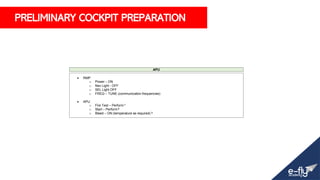
• RMP
o Power – ON
o Nav Light - OFF
o SEL Light OFF
o FREQ – TUNE (communication frequencies)
• APU
o Fire Test – Perform 1
o Start – Perform 2
o Bleed – ON (temperature as required) 3
APU
PRELIMINARY COCKPIT PREPARATION
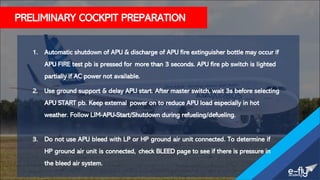
1. Automatic shutdown of APU & discharge of APU fire extinguisher bottle may occur if
APU FIRE test pb is pressed for more than 3 seconds. APU fire pb switch is lighted
partially if AC power not available.
2. Use ground support & delay APU start. After master switch, wait 3s before selecting
APU START pb. Keep external power on to reduce APU load especially in hot
weather. Follow LIM-APU-Start/Shutdown during refueling/defueling.
3. Do not use APU bleed with LP or HP ground air unit connected. To determine if
HP ground air unit is connected, check BLEED page to see if there is pressure in
the bleed air system.
PRELIMINARY COCKPIT PREPARATION
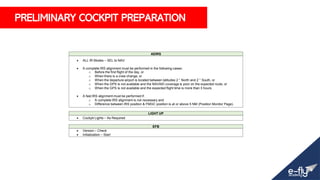
ADIRS
• ALL IR Modes – SEL to NAV
• A complete IRS alignment must be performed in the following cases:
o Before the first flight of the day, or
o When there is a crew change, or
o When the departure airport is located between latitudes 2 ° North and 2 ° South, or
o When the GPS is not available and the NAVAID coverage is poor on the expected route, or
o When the GPS is not available and the expected flight time is more than 3 hours.
• A fast IRS alignment must be performed if:
o A complete IRS alignment is not necessary and
o Difference between IRS position & FMGC position is at or above 5 NM (Position Monitor Page).
LIGHT UP
• Cockpit Lights – As Required
EFB
• Version – Check
• Initialization – Start
PRELIMINARY COCKPIT PREPARATION
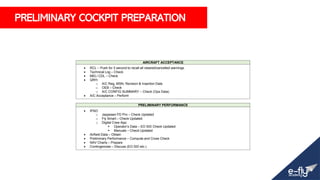
AIRCRAFT ACCEPTANCE
• RCL – Push for 3 second to recall all cleared/cancelled warnings.
• Technical Log – Check
• MEL/ CDL – Check
• QRH:
o A/C Reg, MSN, Revision & Insertion Date
o OEB – Check
o A/C CONFIG SUMMARY – Check (Ops Data)
• A/C Acceptance – Perform
PRELIMINARY PERFORMANCE
• IPAD:
o Jeppesen FD Pro – Check Updated
o Fly Smart – Check Updated
o Digital Crew App:
▪ Operator’s Data – EO SID Check Updated
▪ Manuals – Check Updated
• Airfield Data – Obtain
• Preliminary Performance – Compute and Cross Check
• NAV Charts – Prepare
• Contingencies – Discuss (EO SID etc.)
PRELIMINARY COCKPIT PREPARATION
SOP´s AIRBUS A320
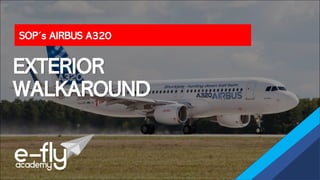
EXTERIOR
WALKAROUND
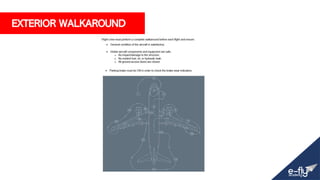
EXTERIOR WALKAROUND
SOP´s AIRBUS A320
BEFORE BOARDING
CLEARANCE
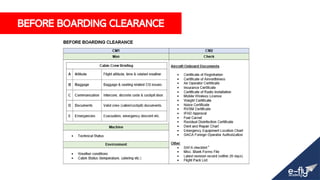
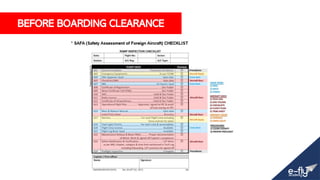
BEFORE BOARDING CLEARANCE
SOP´s AIRBUS A320
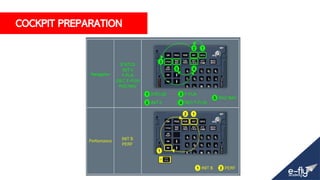
COCKPIT
PREPARATION
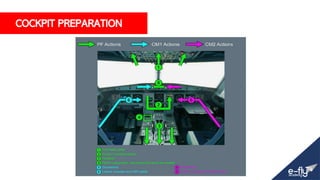
COCKPIT PREPARATION
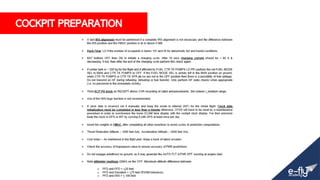
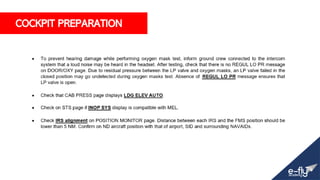
COCKPIT PREPARATION
COCKPIT PREPARATION
COCKPIT PREPARATION
SOP´s AIRBUS A320
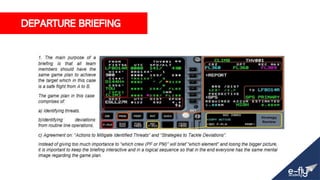
DEPARTURE
BRIEFING
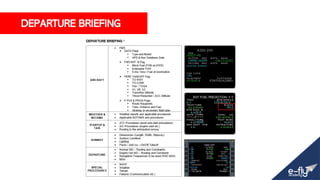
DEPARTURE BRIEFING
DEPARTURE BRIEFING
SOP´s AIRBUS A320
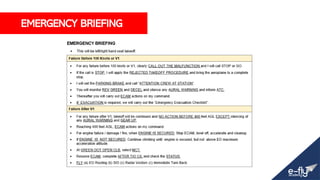
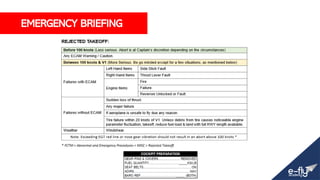
EMERGENCY
BRIEFING
EMERGENCY BRIEFING
EMERGENCY BRIEFING
SOP´s AIRBUS A320
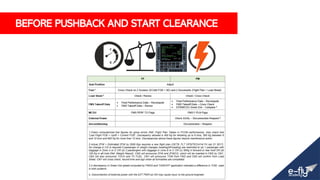
BEFORE PUSHBACK AND
START CLEARANCE
BEFORE PUSHBACK AND START CLEARANCE
SOP´s AIRBUS A320
AT PUSHBACK AND START
CLEARANCE
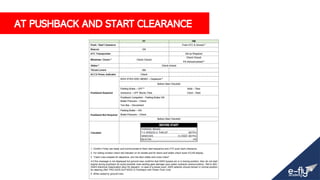
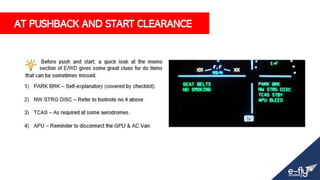
AT PUSHBACK AND START CLEARANCE
SOP´s AIRBUS A320
ENGINE START
MANUAL
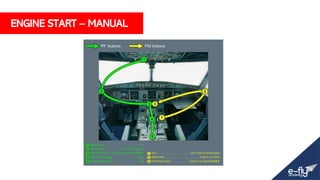
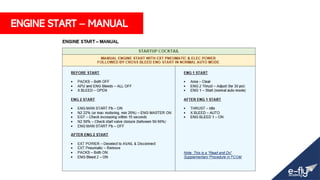
ENGINE START – MANUAL
SOP´s AIRBUS A320
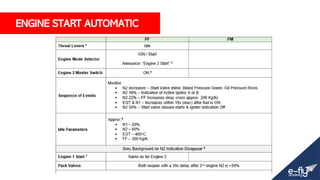
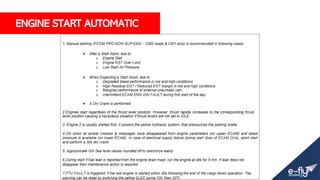
ENGINE START
AUTOMATIC
ENGINE START AUTOMATIC
SOP´s AIRBUS A320
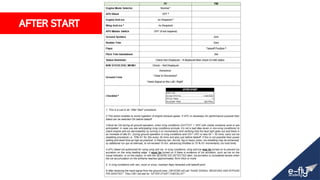
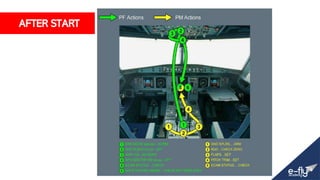
AFTER
START
AFTER START
AFTER START
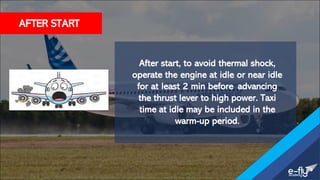
After start, to avoid thermal shock,
operate the engine at idle or near idle
for at least 2 min before advancing
the thrust lever to high power. Taxi
time at idle may be included in the
warm-up period.
AFTER START
SOP´s AIRBUS A320
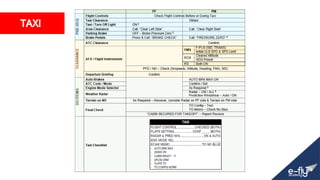
TAXI
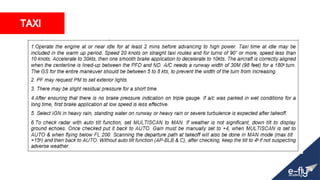
TAXI
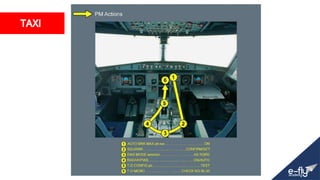
TAXI
TAXI
SOP´s AIRBUS A320
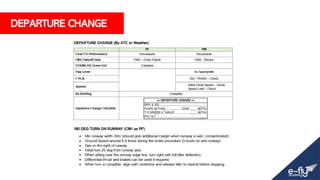
DEPARTURE
CHANGE
DEPARTURE CHANGE
SOP´s AIRBUS A320
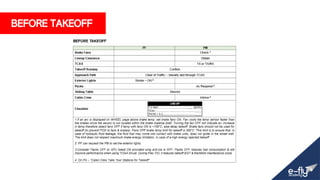
BEFORE
TAKEOFF
BEFORE TAKEOFF
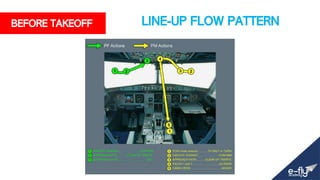
BEFORE TAKEOFF LINE-UP FLOW PATTERN
SOP´s AIRBUS A320
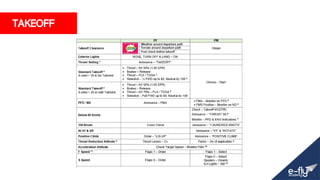
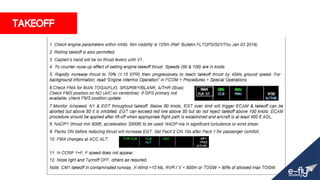
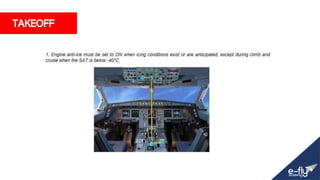
TAKEOFF
TAKEOFF
TAKEOFF
TAKEOFF
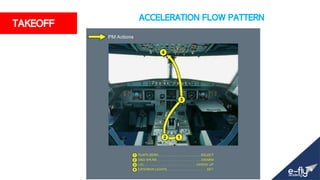
ACCELERATION FLOW PATTERN
SOP´s AIRBUS A320
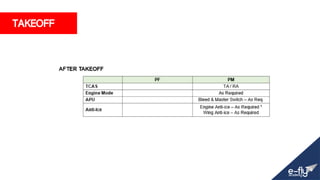
AFTER
TAKEOFF
TAKEOFF
TAKEOFF
SOP´s AIRBUS A320
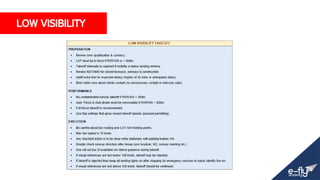
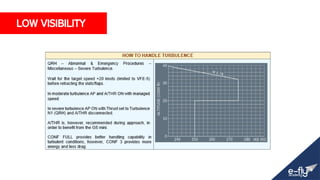
LOW
VISIBILITY
LOW VISIBILITY
LOW VISIBILITY
SOP´s AIRBUS A320
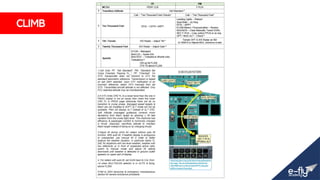
CLIMB
CLIMB
SOP´s AIRBUS A320
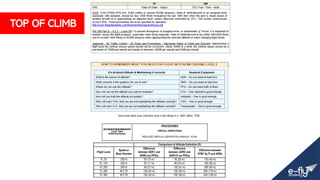
TOP OF
CLIMB
TOP OF CLIMB
SOP´s AIRBUS A320
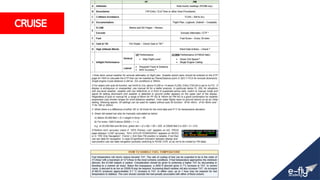
CRUISE
CRUISE
SOP´s AIRBUS A320
DESCENT
PREPARATION
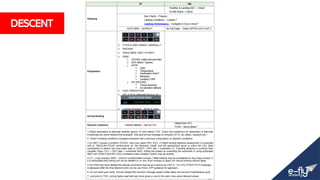
DESCENT
SOP´s AIRBUS A320
ARRIVAL
BRIEFING
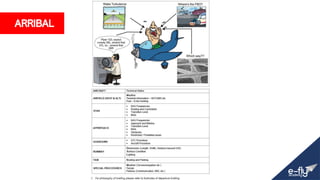
ARRIBAL
SOP´s AIRBUS A320
DESCENT
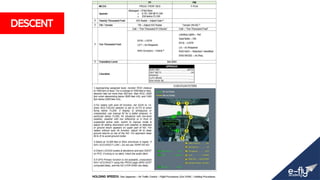
DESCENT
SOP´s AIRBUS A320
APPROACH
APPROACH
APPROACH
SOP´s AIRBUS A320
AUTOLAND
WARNING
AUTOLAND WARNING
SOP´s AIRBUS A320
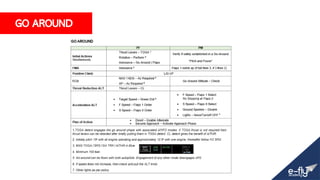
GO
AROUND
GO AROUND
SOP´s AIRBUS A320
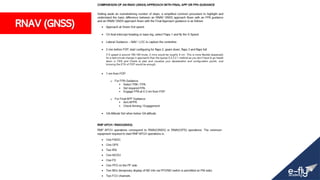
RNAV (GNSS)
APPROACH
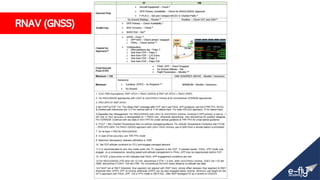
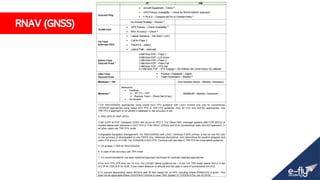
RNAV (GNSS)
RNAV (GNSS)
RNAV (GNSS)
SOP´s AIRBUS A320
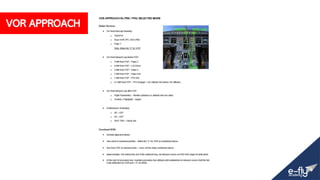
VOR
APPROACH
VOR APPROACH
SOP´s AIRBUS A320
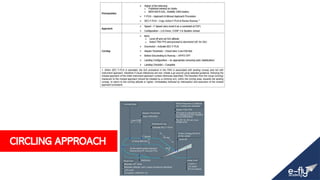
CIRCLING
APPROACH
CIRCLING APPROACH
SOP´s AIRBUS A320
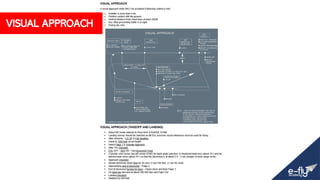
VISUAL
APPROACH
VISUAL APPROACH
SOP´s AIRBUS A320
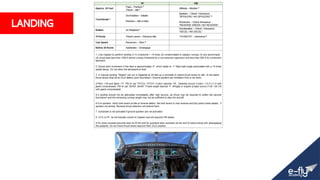
LANDING
LANDING
SOP´s AIRBUS A320
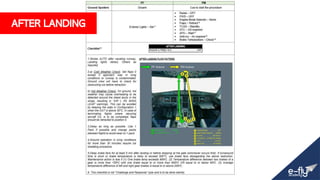
AFTER
LANDING
AFTER LANDING
SOP´s AIRBUS A320
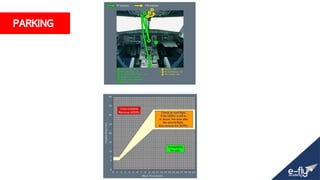
PARKING
PARKING
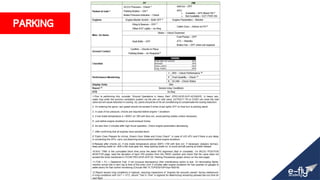
PARKING
SOP´s AIRBUS A320
SECURING THE
AIRCRAFT
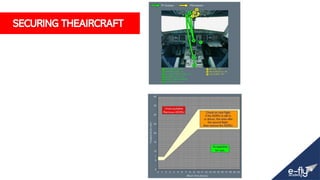
SECURING THEAIRCRAFT
FIN DEL CURSO
GRACIAS POR
PARTICIPAR

A320.pdf