Johan Verhaegen - 30.5.17
3 things you need to know
about people & technology
urgently
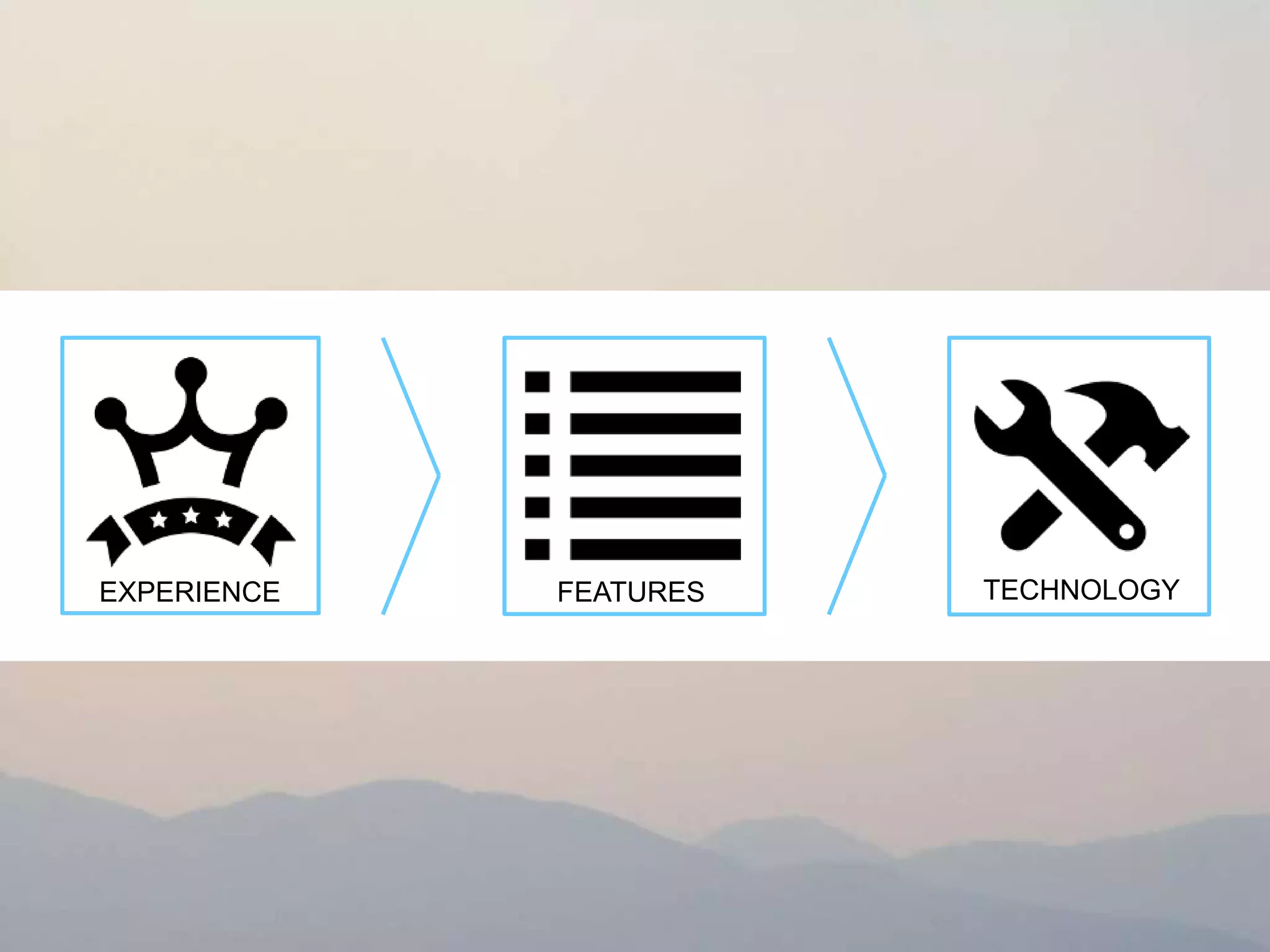
FEATURESEXPERIENCE TECHNOLOGY
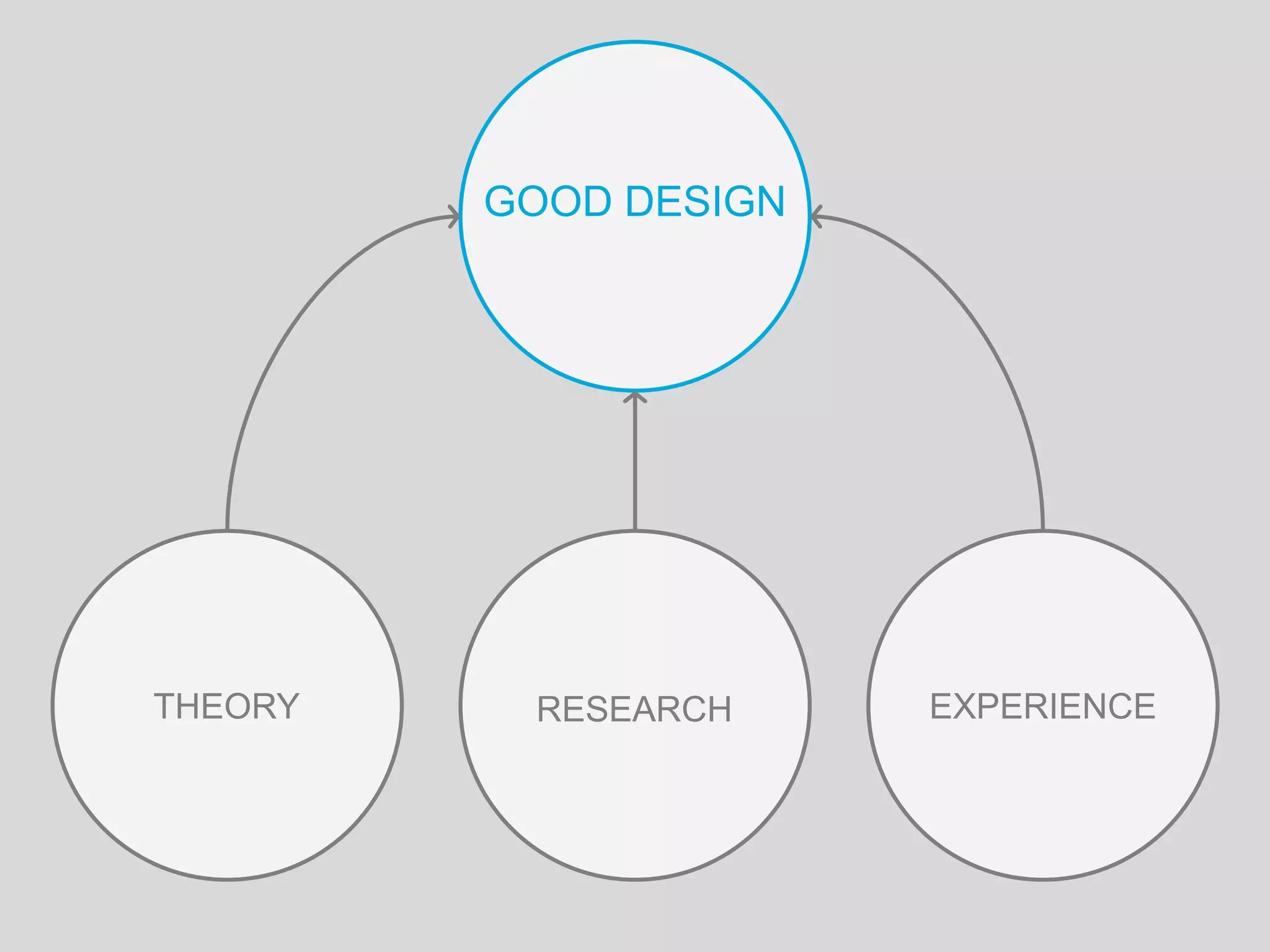
GOOD DESIGN
THEORY RESEARCH EXPERIENCE
Scientific foundation for design decisions and interaction
design principles
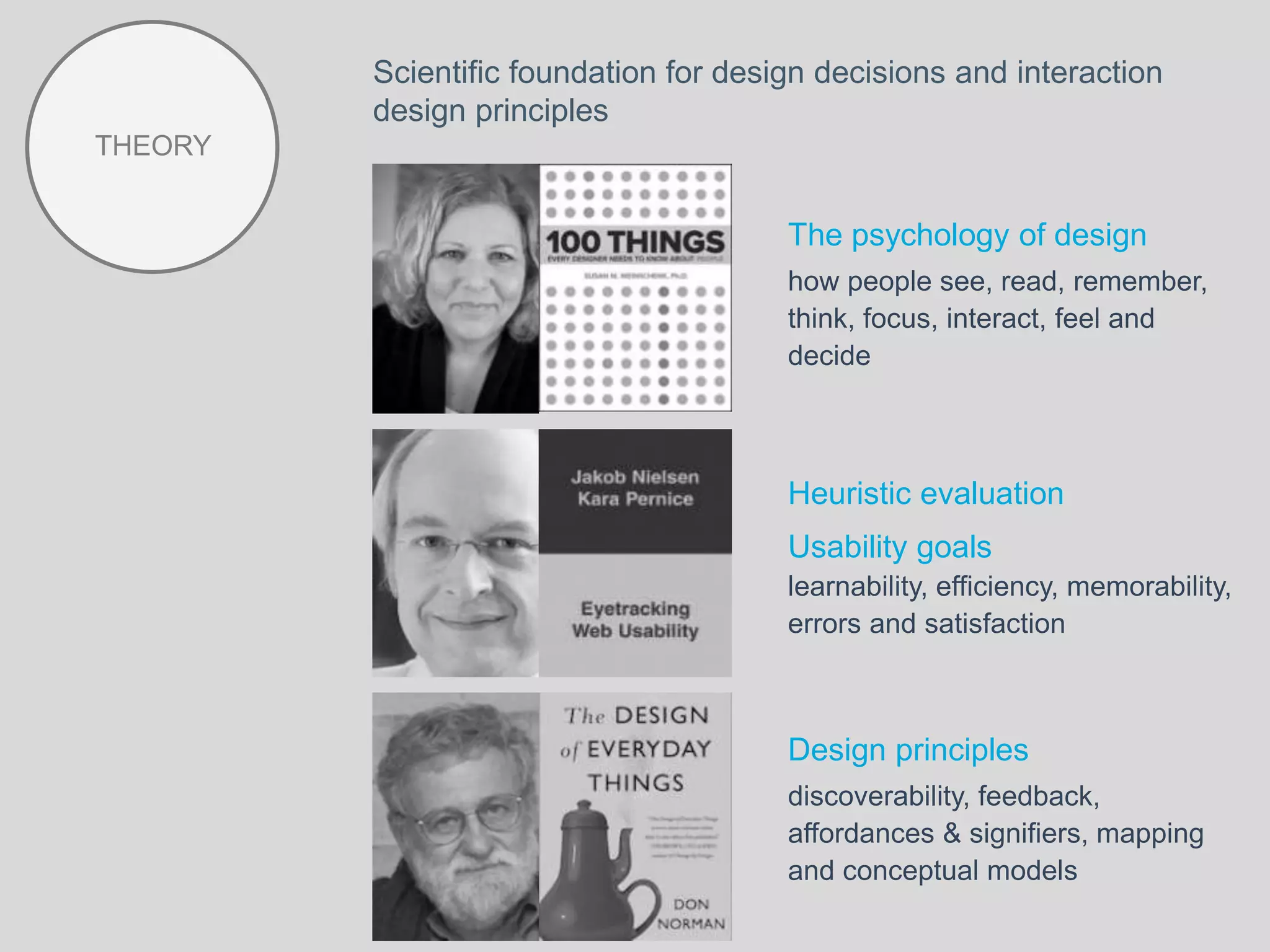
The psychology of design
how people see, read, remember,
think, focus, interact, feel and
decide
THEORY
Heuristic evaluation
Usability goals
learnability, efficiency, memorability,
errors and satisfaction
Design principles
discoverability, feedback,
affordances & signifiers, mapping
and conceptual models
RESEARCH Examples, best practices, inspiration, outside-in view,…
EXPERIENCE What you’ve learned in your own projects
1. PEOPLE GO FOR VALUE
COMMODITIES
GOODS
SERVICES
EXPERIENCES
Patiënt Familie Zorgverleners
AMBULANT GEHOSPITALISEE
RD
2. PEOPLE NEED TRUST
“A trip to Disney (…) feels like a centrally planned North
Korea, only with more fun [and] less torture.” John Foreman
“Arguing that you don't care
about the right to privacy
because you have nothing to
hide …
… is no different than saying
you don't care about free
speech because you have
nothing to say.”
“We’ve lost control of our
personal data.”
“It’s too easy for
misinformation to spread
on the web.”
“I thought once everybody could speak freely and
exchange information and ideas, the world is
automatically going to be a better place.
I was wrong about that.”
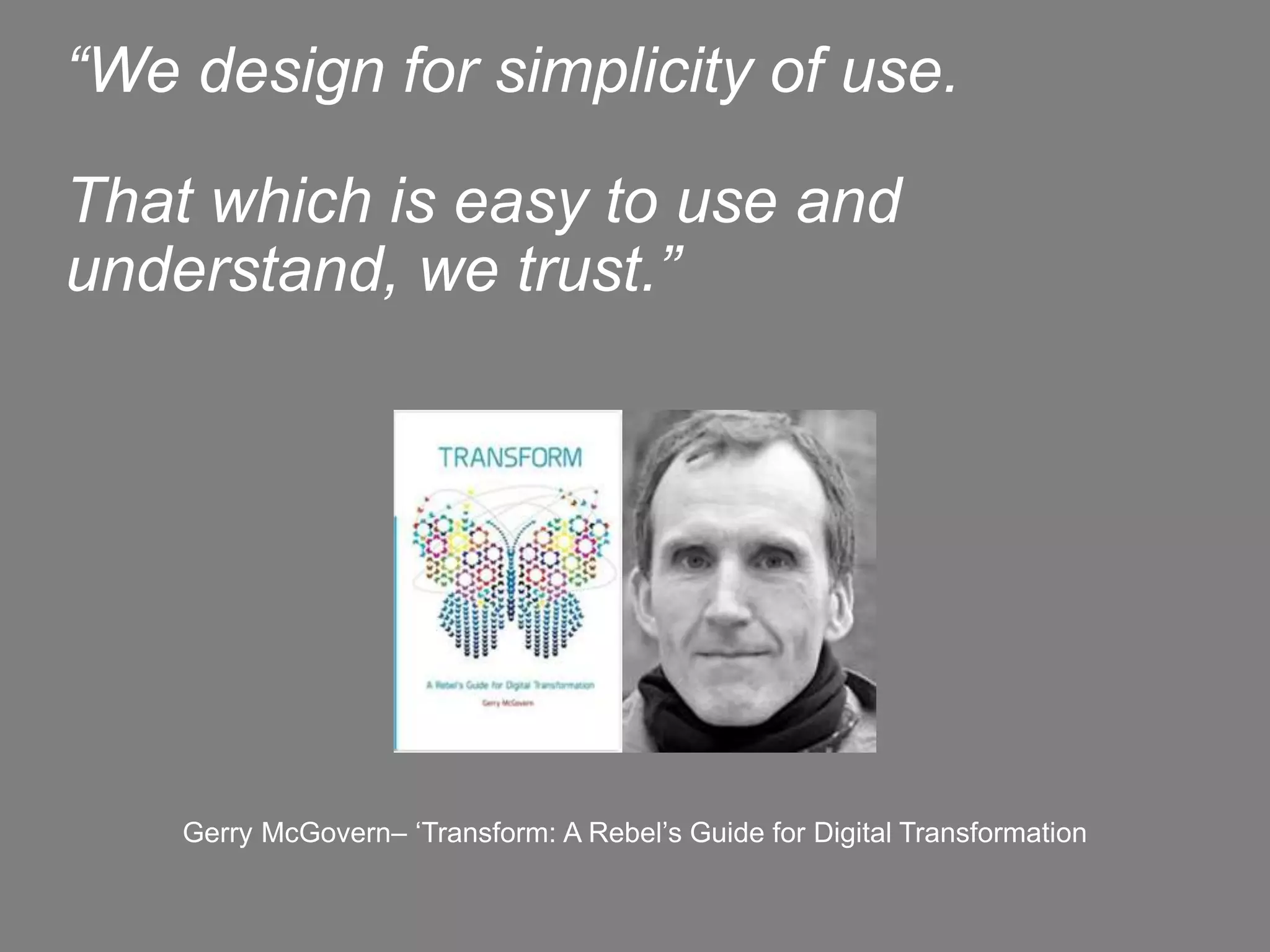
“We design for simplicity of use.
That which is easy to use and
understand, we trust.”
Gerry McGovern– ‘Transform: A Rebel’s Guide for Digital Transformation
“What makes something simple or complex? It’s not the
number of dials or controls or how many features it has: It is
whether the person using the device has a good conceptual
model of how it operates.
(…)
Complexity is often necessary. The design challenge is to
manage complexity so that it isn’t complicated.”
3. PEOPLE WANT TO BE IN
CONTROL
Why American farmers are hacking their own tractors
The Guardian – John Naughton – March 26, 2017
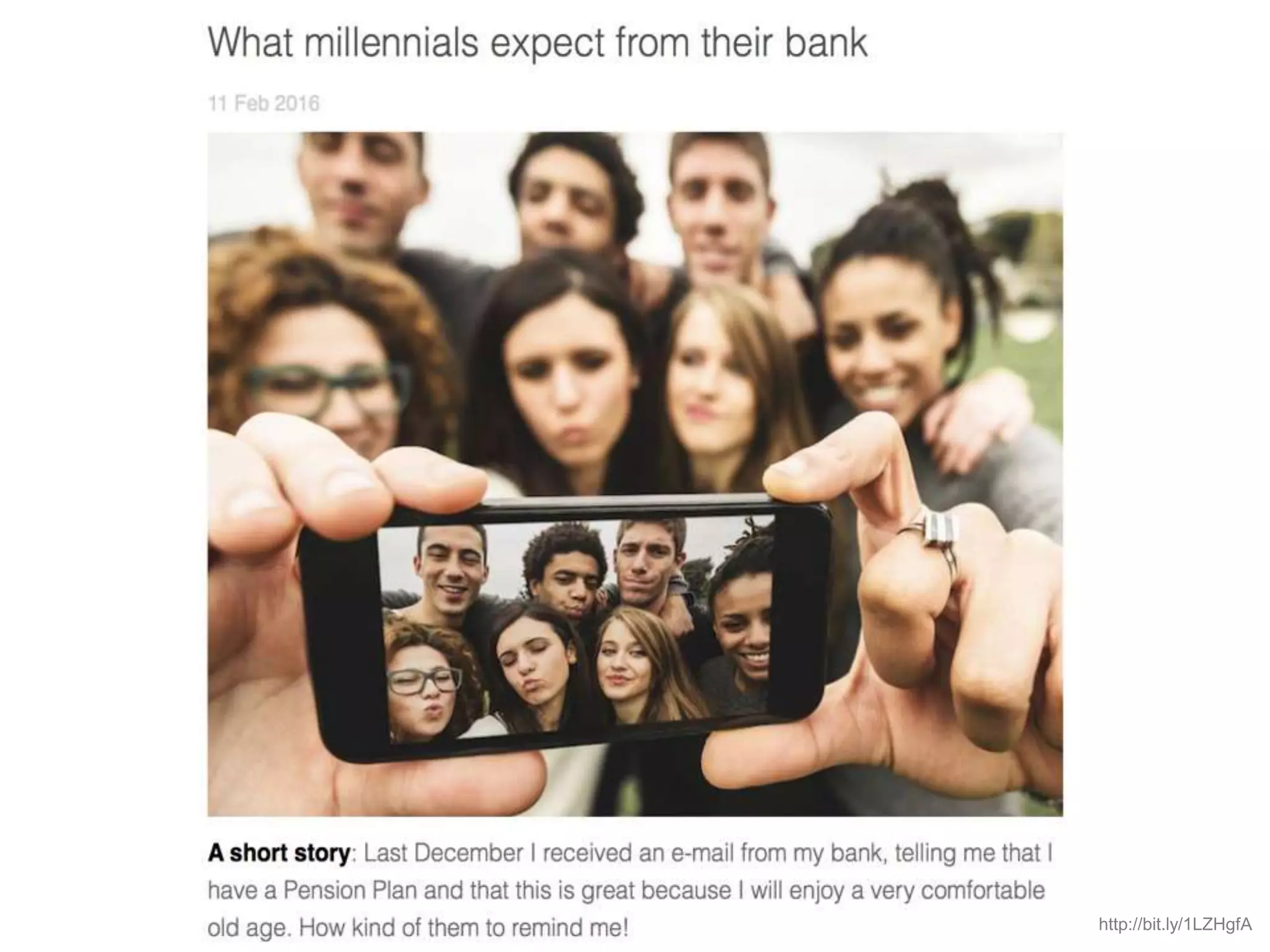
http://bit.ly/1LZHgfA
“Christened the
IWWIWWIWI (I want what I
want when I want it)
generation, young people
have become accustomed
to incessant purchase and
instant gratification,
heightened by a new
generation of click-and-buy
apps and shoppable
magazines.”
3 things you need to know about people & technology

3 things you need to know about people & technology

  • 1.
    Johan Verhaegen -30.5.17 3 things you need to know about people & technology urgently
  • 6.
  • 11.
  • 12.
    Scientific foundation fordesign decisions and interaction design principles The psychology of design how people see, read, remember, think, focus, interact, feel and decide THEORY Heuristic evaluation Usability goals learnability, efficiency, memorability, errors and satisfaction Design principles discoverability, feedback, affordances & signifiers, mapping and conceptual models
  • 13.
    RESEARCH Examples, bestpractices, inspiration, outside-in view,…
  • 14.
    EXPERIENCE What you’velearned in your own projects
  • 15.
    1. PEOPLE GOFOR VALUE
  • 16.
  • 25.
  • 26.
  • 27.
    “A trip toDisney (…) feels like a centrally planned North Korea, only with more fun [and] less torture.” John Foreman
  • 31.
    “Arguing that youdon't care about the right to privacy because you have nothing to hide … … is no different than saying you don't care about free speech because you have nothing to say.”
  • 32.
    “We’ve lost controlof our personal data.” “It’s too easy for misinformation to spread on the web.”
  • 33.
    “I thought onceeverybody could speak freely and exchange information and ideas, the world is automatically going to be a better place. I was wrong about that.”
  • 34.
    “We design forsimplicity of use. That which is easy to use and understand, we trust.” Gerry McGovern– ‘Transform: A Rebel’s Guide for Digital Transformation
  • 36.
    “What makes somethingsimple or complex? It’s not the number of dials or controls or how many features it has: It is whether the person using the device has a good conceptual model of how it operates. (…) Complexity is often necessary. The design challenge is to manage complexity so that it isn’t complicated.”
  • 42.
    3. PEOPLE WANTTO BE IN CONTROL
  • 43.
    Why American farmersare hacking their own tractors The Guardian – John Naughton – March 26, 2017
  • 44.
  • 45.
    “Christened the IWWIWWIWI (Iwant what I want when I want it) generation, young people have become accustomed to incessant purchase and instant gratification, heightened by a new generation of click-and-buy apps and shoppable magazines.”

Editor's Notes

  • #2 JG Ballard: “Wat schrijvers van science fiction vandaag uitvinden, zullen jij en ik morgen doen.”
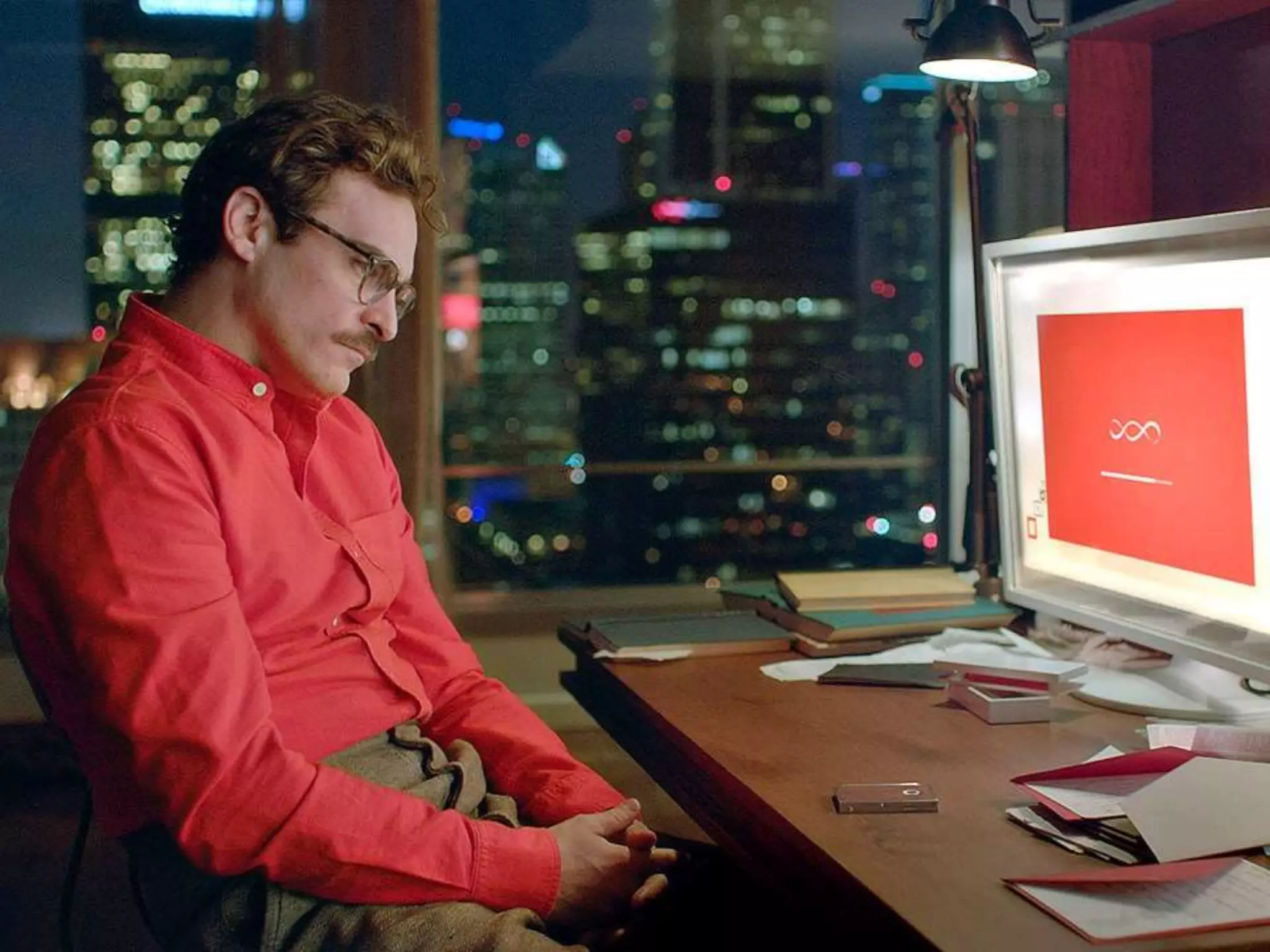
  • #3 Her – 2013 – Joachim Phoenix A lonely writer (Theodore Twombly) develops an unlikely relationship with his newly-purchased operating system that's designed to meet his every need. Installs a new OS, with Samantha as a voice. No more tapping, pointing or clicking, every interactions happens via conversational user interface. Falls in love, but discovers that she has a similar relationship with hundreds of other users.
  • #4 Ex Machina – 2014 – Oscar Isaac Humanoid robot murders its Mephistoles-like creator and flees into the outside world.
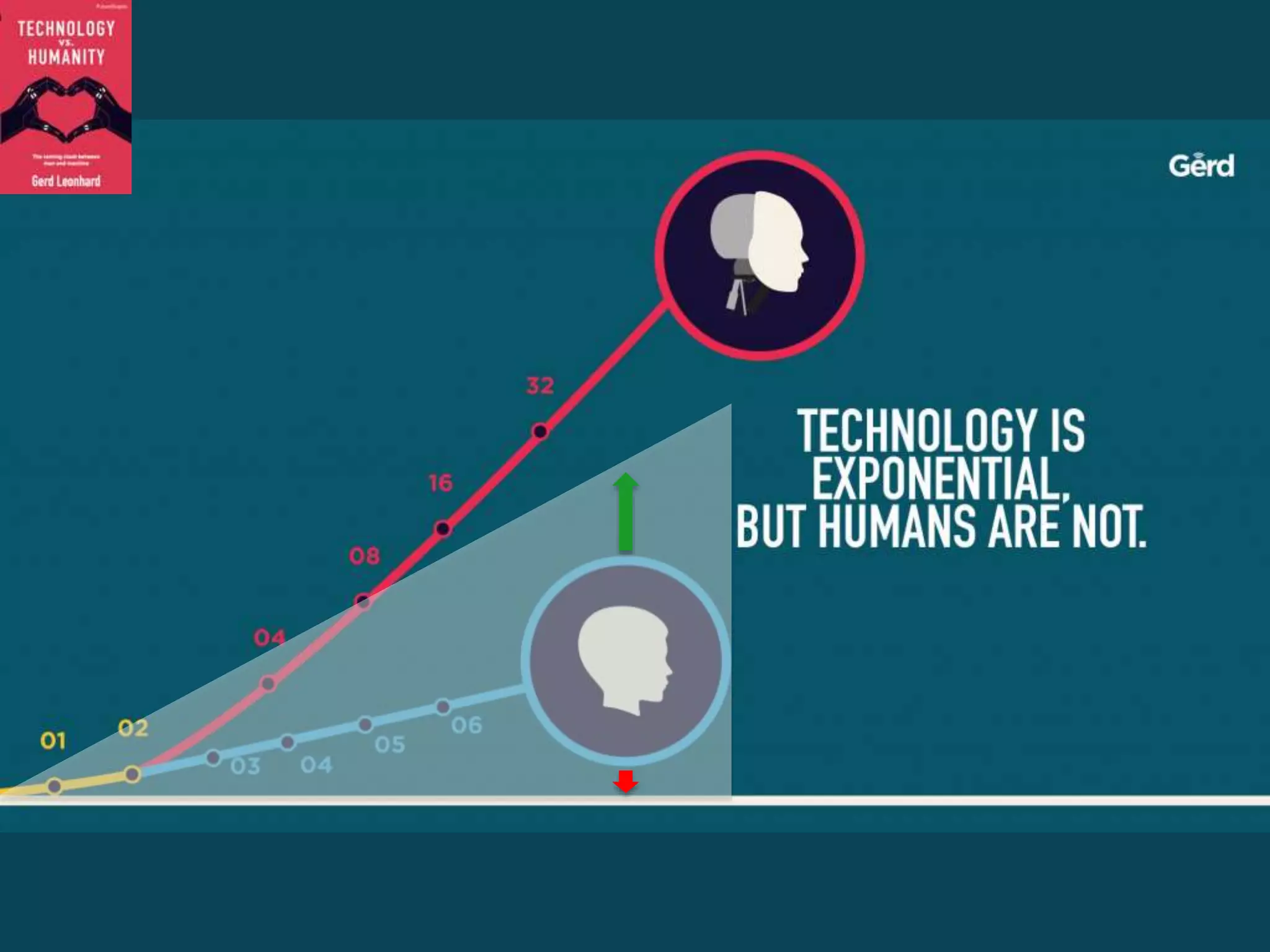
  • #5 Ghost in the Shell – 2017 – Scarlett Johansson A human saved from a terrible terrorist attack is cyber-enhanced to be a perfect soldier, but discovers along the way she has been lied to: her live was not saved, but stolen from her. She is essentially a machine capable of emotional introspection Unlike Sci-Fi movies of the 80’ies (Blade Runner) and 90’ies (Twelve Monkeys), these movies are not set in a future decades or ages away, but feel very close to the age we’re living in. Why is that? See the next slide (-> because technology is evolving more and more exponentially)
  • #7 The digital experience evolution websites, ecommerce, smartphones, wearables, self-driving cars,… all start from “wow, look what a cool thing we make happen” then “let’s add lots of features (because a competitor’s already have them” and in the best case they evolve in a superb experience. Some unicorn companies pull off the experience part right from the start. Dat is dus gemakkelijker gezegd dan gedaan. Hoe kunnen wij ervoor zorgen dat we meer op die experience focussen?
  • #17 Coffee beans: commodities Packaged coffee: goods Brewed coffee: services Starbucks: experiences
  • #20 Twill is a type of textile weave with a pattern of diagonal parallel rib.
  • #23 Getting Better With Age: “Since Boomers believe that they're getting better with age, marketers need to get better at the way they market to age.” Old Rush: “The age of aging will begin in 2014 as the last of the baby boomers turn 50. No other global trend will do more to impact the way we live, think, act, and interact with brands for the next twenty years. The Old Rush: Marketing for Gold in the Age of Aging is an invaluable primer for marketers who want to seize the next big fast-growth opportunity-a chance to propel their brands and businesses forward rapidly and on a global scale. In this book, Peter Hubbell makes a strong case for why the nearly 80 million baby boomers are marketing’s most valuable generation and then outlines the basic rules of marketing engagement”
  • #24 https://www.silvernest.com
  • #28 John Foreman, data analyst at MailChimp visited Disney World Orlando. The Truman Show, the fantastic movie where Jim Carey unknowingly lives his entire live from birth to… on a filmset directed by Ed Harris, viewed by billions of viewers.
  • #30 What does this building remind you of? Exactly an eye. The British government likes you to think it’s resembling a doughnut, because that’s a lot sweater to swallow than an eye. But make no mistake, it’s GCHQ (Government Communications) in Cheltenham and they are spying on you 24/7. And it’s there in the open since 2003, so you could predict simply from the looks of the what they were doing over there for more than 10 years (and even longer). (A familiar building, since The Guardian, The NYT and Der Spiegel started releasing the Snowden files - Tempora program) http://www.theguardian.com/world/2013/oct/03/edward-snowden-files-john-lanchester
  • #31 “Mae knew that she never wanted to work – never wanted to be – anywhere else. Her hometown, and the rest of California, the rest of America, seemed like a chaotic mess in the developing world. Outside the walls of the Circle, all was noise and struggle, failure and filth. But here, all had been perfected.”
  • #33 https://www.theguardian.com/technology/2017/mar/11/tim-berners-lee-web-inventor-save-internet “strike a balance that puts a fair level of data control back in the hands of people” “exploring alternative revenue models such as subscriptions and micropayments.” “fight against government overreach in surveillance laws”
  • #34 https://www.nytimes.com/2017/05/20/technology/evan-williams-medium-twitter-internet.html?_r=0
  • #44 https://www.theguardian.com/commentisfree/2017/mar/26/why-american-farmers-hacking-own-tractors
  • #45 http://www.higroup.com/ux-insights/what-millennials-expect-their-bank
  • #46 http://www.theguardian.com/fashion/2016/feb/14/fashion-industry-in-flux-end-of-the-runway-show
  • #52 Try to understand both technology & people