McGuire
Psychological
Motivational Theories
The McGuire Psychological Motivational Theories encompass a wide
range of active and passive, internal and external needs that drive human
behavior. These influential theories illustrate the complex interplay
between individual psychology and real-life examples, shedding light on
the fundamental motivations that influence our actions and decisions.
Need for Consistency
1 Active, Internal
Real-life example: Someone who values healthy living might consistently choose
nutritious food options to maintain a consistent lifestyle.
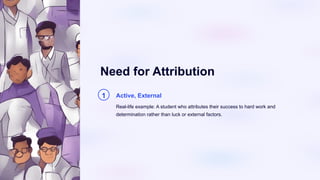
Need for Attribution
1 Active, External
Real-life example: A student who attributes their success to hard work and
determination rather than luck or external factors.
Cognitive Growth Motives
Need for Autonomy (Active,
Internal)
Real-life example: Someone who seeks
personal growth by setting individual goals
and making independent decisions.
Need for Stimulation (Active,
External)
Real-life example: Engaging in adventurous
activities like rock climbing or skydiving to
stimulate the mind and senses.
Affective Preservation Motives
Need for Tension Reduction
Real-life example: Engaging in relaxation
techniques or meditation to alleviate stress
and tension.
Need for Expression (Active,
External)
Real-life example: Sharing emotions through
art, writing, or talking to someone as a way to
express and release pent-up feelings.
Affective Growth Motives
1 Need for Assertion (Active, Internal)
Real-life example: Standing up for personal beliefs and values in a group
setting, even if it means facing opposition.
2 Need for Affiliation (Active, External)
Real-life example: Joining social or professional groups to foster connections
and build a sense of belonging.
Teleological and Utilitarian Needs
1 Teleological Need (Passive,
Internal)
Pursuing a long-term career goal with
the belief that it will lead to a fulfilling
and purposeful life.
2 Utilitarian Need (Passive,
External)
Studying for a degree with the
expectation that it will lead to better job
opportunities and financial stability.
Need for Categorization
1 Passive, Internal
Real-life example: Organizing a wardrobe by color or clothing type to simplify the
process of choosing outfits.
Need for Objectification
1 Passive, External
Real-life example: A person who surrounds themselves with motivational quotes and
images to externalize positivity and inspiration.
Affective Development
1 Need for Ego Defense (Passive, Internal)
Rationalizing a failure as a temporary setback rather than a reflection of
personal incompetence.
2 Need for Reinforcement (Passive, External)
Seeking approval and positive feedback from others to reinforce one's self-
esteem and confidence.
Thank You… 
Submitted by - Aditya Pratap Aggarwal |
2023AUGVPGP0036 | MBA – CONSUMER BEHAVIOR.

2023AUGVPGP0036 -McGuire-Psychological Assignment.pptx

  • 1.
    McGuire Psychological Motivational Theories The McGuirePsychological Motivational Theories encompass a wide range of active and passive, internal and external needs that drive human behavior. These influential theories illustrate the complex interplay between individual psychology and real-life examples, shedding light on the fundamental motivations that influence our actions and decisions.
  • 2.
    Need for Consistency 1Active, Internal Real-life example: Someone who values healthy living might consistently choose nutritious food options to maintain a consistent lifestyle.
  • 3.
    Need for Attribution 1Active, External Real-life example: A student who attributes their success to hard work and determination rather than luck or external factors.
  • 4.
    Cognitive Growth Motives Needfor Autonomy (Active, Internal) Real-life example: Someone who seeks personal growth by setting individual goals and making independent decisions. Need for Stimulation (Active, External) Real-life example: Engaging in adventurous activities like rock climbing or skydiving to stimulate the mind and senses.
  • 5.
    Affective Preservation Motives Needfor Tension Reduction Real-life example: Engaging in relaxation techniques or meditation to alleviate stress and tension. Need for Expression (Active, External) Real-life example: Sharing emotions through art, writing, or talking to someone as a way to express and release pent-up feelings.
  • 6.
    Affective Growth Motives 1Need for Assertion (Active, Internal) Real-life example: Standing up for personal beliefs and values in a group setting, even if it means facing opposition. 2 Need for Affiliation (Active, External) Real-life example: Joining social or professional groups to foster connections and build a sense of belonging.
  • 7.
    Teleological and UtilitarianNeeds 1 Teleological Need (Passive, Internal) Pursuing a long-term career goal with the belief that it will lead to a fulfilling and purposeful life. 2 Utilitarian Need (Passive, External) Studying for a degree with the expectation that it will lead to better job opportunities and financial stability.
  • 8.
    Need for Categorization 1Passive, Internal Real-life example: Organizing a wardrobe by color or clothing type to simplify the process of choosing outfits.
  • 9.
    Need for Objectification 1Passive, External Real-life example: A person who surrounds themselves with motivational quotes and images to externalize positivity and inspiration.
  • 10.
    Affective Development 1 Needfor Ego Defense (Passive, Internal) Rationalizing a failure as a temporary setback rather than a reflection of personal incompetence. 2 Need for Reinforcement (Passive, External) Seeking approval and positive feedback from others to reinforce one's self- esteem and confidence.
  • 11.
    Thank You…  Submittedby - Aditya Pratap Aggarwal | 2023AUGVPGP0036 | MBA – CONSUMER BEHAVIOR.