Eight days
a week:
Korea’s
History &
Culture
@walter_foreman
walter.foreman
Who knows more
about water…
fish or birds?
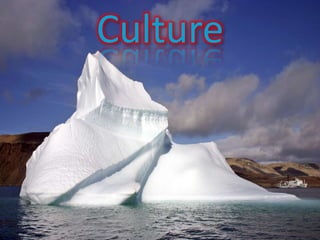
Culture
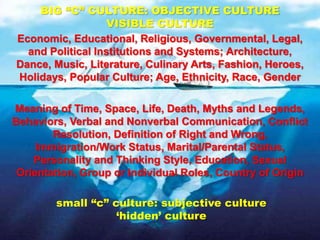
BIG “C” CULTURE: OBJECTIVE CULTURE
VISIBLE CULTURE
small “c” culture: subjective culture
‘hidden’ culture
Economic, Educational, Religious, Governmental, Legal,
and Political Institutions and Systems; Architecture,
Dance, Music, Literature, Culinary Arts, Fashion, Heroes,
Holidays, Popular Culture; Age, Ethnicity, Race, Gender
Meaning of Time, Space, Life, Death, Myths and Legends,
Behaviors, Verbal and Nonverbal Communication, Conflict
Resolution, Definition of Right and Wrong,
Immigration/Work Status, Marital/Parental Status,
Personality and Thinking Style, Education, Sexual
Orientation, Group or Individual Roles, Country of Origin
Walter
Foreman
@walter_foreman
walter.foreman
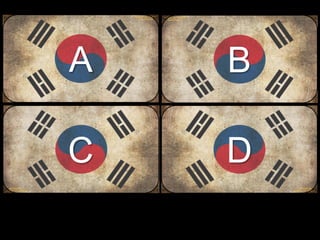
A B
C D
A
@walter_foreman
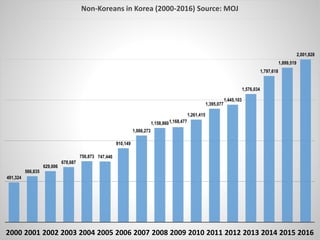
491,324
566,835
629,006
678,687
750,873 747,446
910,149
1,066,273
1,158,8601,168,477
1,261,415
1,395,077
1,445,103
1,576,034
1,797,618
1,899,519
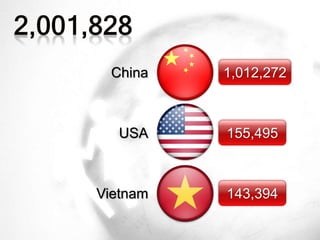
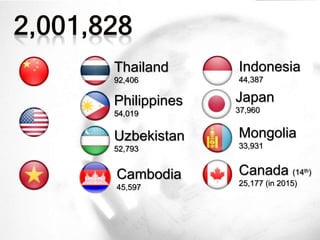
2,001,828
2000 2001 2002 2003 2004 2005 2006 2007 2008 2009 2010 2011 2012 2013 2014 2015 2016
Non-Koreans in Korea (2000-2016) Source: MOJ
1,012,272
155,495
143,394
China
USA
Vietnam
Japan
37,960
Thailand
92,406
Philippines
54,019
Uzbekistan
52,793
Indonesia
44,387
Mongolia
33,931
Cambodia
45,597
Canada (14th)
25,177 (in 2015)
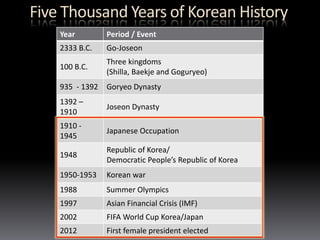
Five Thousand Years of Korean History
Year Period / Event
2333 B.C. Go-Joseon
100 B.C.
Three kingdoms
(Shilla, Baekje and Goguryeo)
935 - 1392 Goryeo Dynasty
1392 –
1910
Joseon Dynasty
1910 -
1945
Japanese Occupation
1948
Republic of Korea/
Democratic People’s Republic of Korea
1950-1953 Korean war
1988 Summer Olympics
1997 Asian Financial Crisis (IMF)
2002 FIFA World Cup Korea/Japan
2012 First female president elected
Japanese Rule (1910 – 1945)
 Japan annexed Korea in 1910
 Japan outlawed use of Korean language in an attempt to
eradicate Korean national identity
 Forced Korean’s to abandon Korean names and adopt
Japanese names
 Deep lament and resentment toward outsiders prevailed in
Korean literature and music
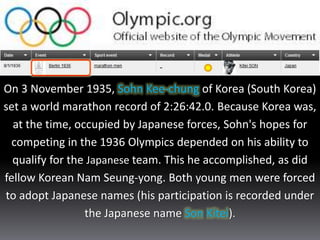
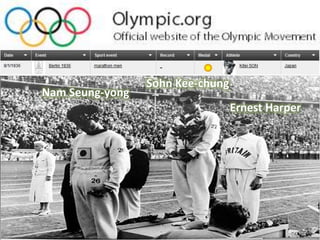
On 3 November 1935, Sohn Kee-chung of Korea (South Korea)
set a world marathon record of 2:26:42.0. Because Korea was,
at the time, occupied by Japanese forces, Sohn's hopes for
competing in the 1936 Olympics depended on his ability to
qualify for the Japanese team. This he accomplished, as did
fellow Korean Nam Seung-yong. Both young men were forced
to adopt Japanese names (his participation is recorded under
the Japanese name Son Kitei).
Sohn Kee-chung
Nam Seung-yong
Ernest Harper
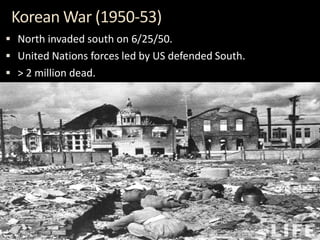
Korean War (1950-53)
 North invaded south on 6/25/50.
 United Nations forces led by US defended South.
 > 2 million dead.
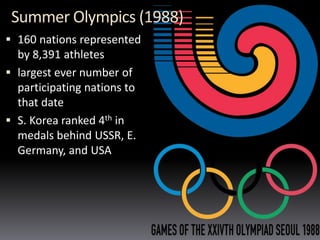
Summer Olympics (1988)
 160 nations represented
by 8,391 athletes
 largest ever number of
participating nations to
that date
 S. Korea ranked 4th in
medals behind USSR, E.
Germany, and USA
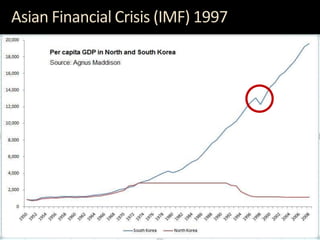
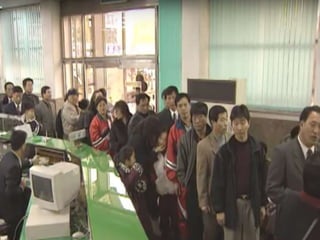
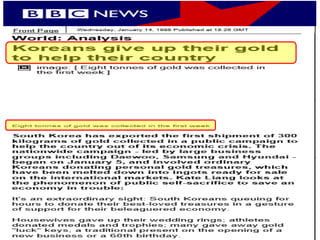
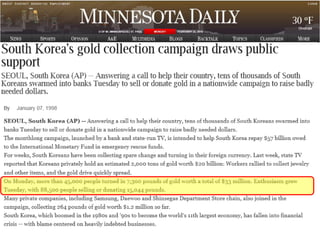
Asian Financial Crisis (IMF) 1997
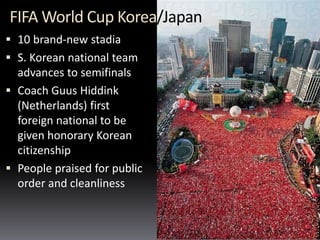
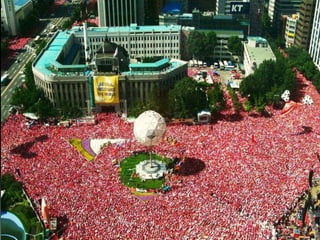
FIFA World Cup Korea/Japan
 10 brand-new stadia
 S. Korean national team
advances to semifinals
 Coach Guus Hiddink
(Netherlands) first
foreign national to be
given honorary Korean
citizenship
 People praised for public
order and cleanliness
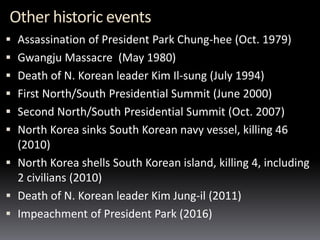
Other historic events
 Assassination of President Park Chung-hee (Oct. 1979)
 Gwangju Massacre (May 1980)
 Death of N. Korean leader Kim Il-sung (July 1994)
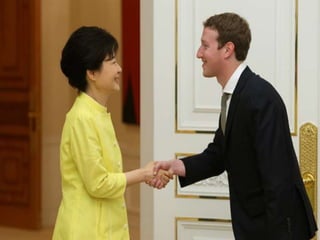
 First North/South Presidential Summit (June 2000)
 Second North/South Presidential Summit (Oct. 2007)
 North Korea sinks South Korean navy vessel, killing 46
(2010)
 North Korea shells South Korean island, killing 4, including
2 civilians (2010)
 Death of N. Korean leader Kim Jung-il (2011)
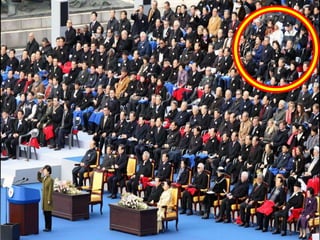
 Impeachment of President Park (2016)
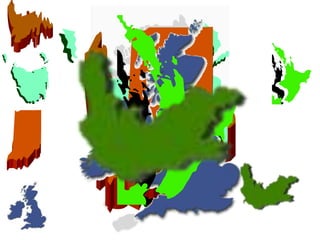
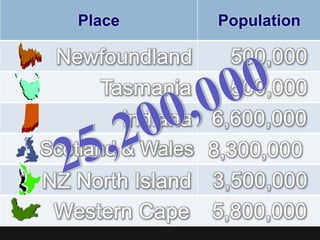
Place Population
Newfoundland 500,000
Tasmania
6,600,000Indiana
500,000
Scotland & Wales 8,300,000
NZ North Island 3,500,000
Western Cape 5,800,000
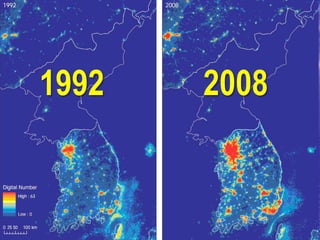
1992 2008
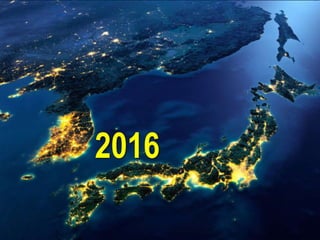
2016
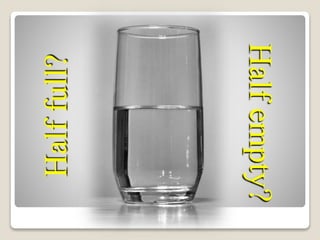
Halffull?
Halfempty?
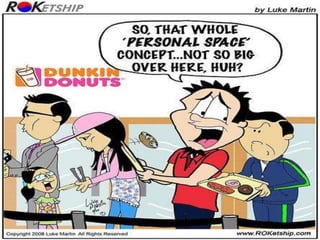
Luke Martin
www.roketship.com
Korea’s first Starbucks
opened in…
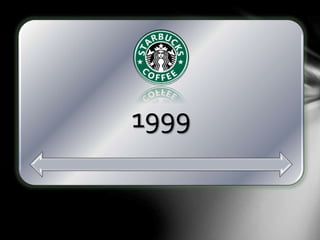
1999
Today there are 1,000+ stores.
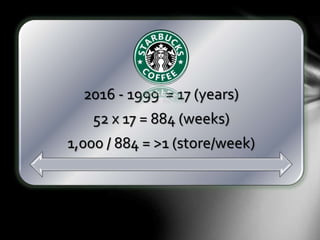
2016 - 1999 = 17 (years)
52 x 17 = 884 (weeks)
1,000 / 884 = >1 (store/week)
But…
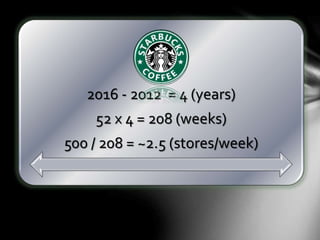
2016 - 2012 = 4 (years)
52 x 4 = 208 (weeks)
500 / 208 = ~2.5 (stores/week)
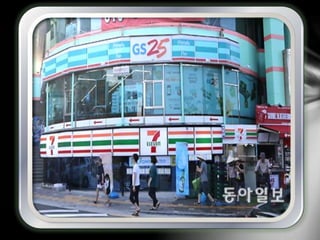
Korea’s first 24-hour
convenience store opened in…
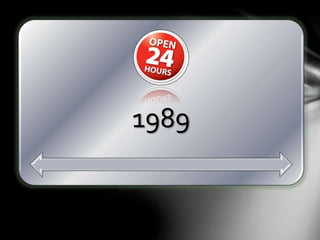
1989
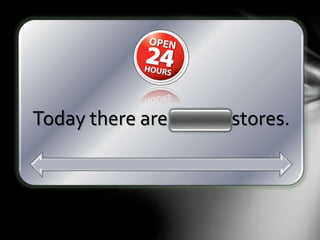
Today there are 33,500 stores.
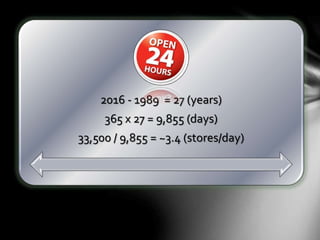
2016 - 1989 = 27 (years)
365 x 27 = 9,855 (days)
33,500 / 9,855 = ~3.4 (stores/day)
2016 - 1989 = 27 (years)
365 x 27 = 9,855 (days)
33,500 / 9,855 = ~3.4 (stores/day)
Halffull?
Halfempty?
BA
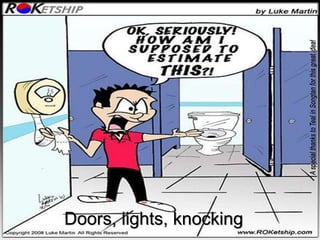
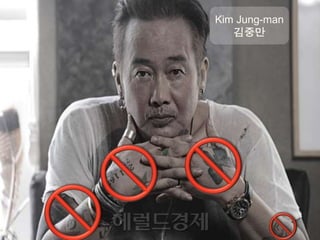
Doors, lights, knocking
Kim Jung-man
김중만
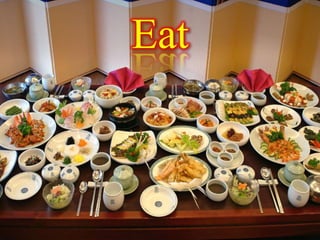
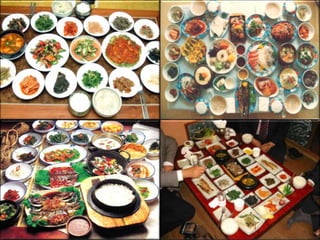
Eat
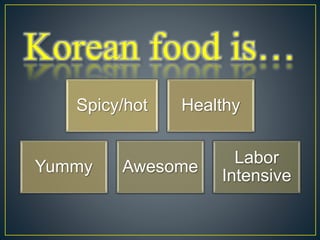
Korean food is…
Spicy/hot Healthy
Yummy Awesome
Labor
Intensive
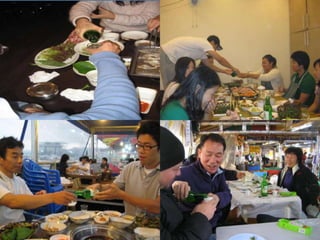
Drink
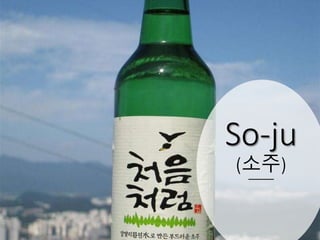
So-ju
(소주)
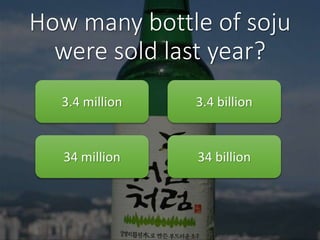
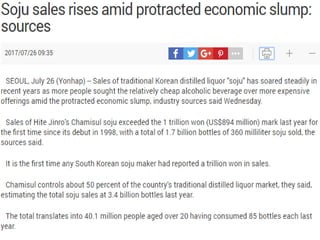
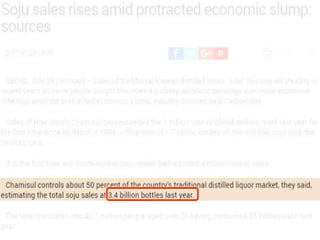
How many bottle of soju
were sold last year?
3.4 million 3.4 billion
34 million 34 billion
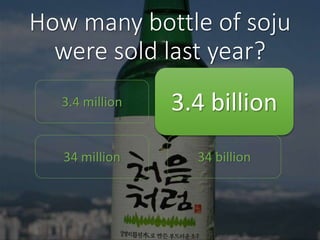
How many bottle of soju
were sold last year?
3.4 million 3.4 billion
34 million 34 billion
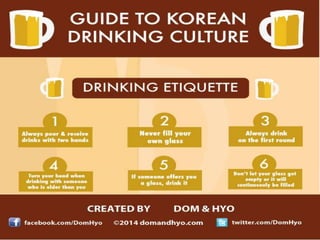
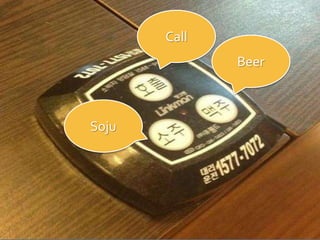
Call
Beer
Soju
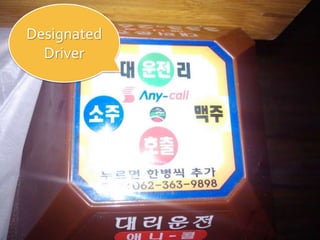
Designated
Driver
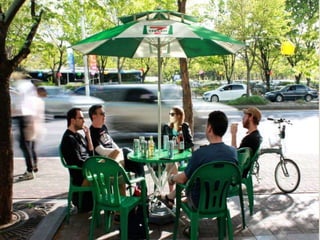
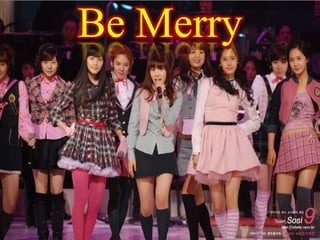
Be Merry
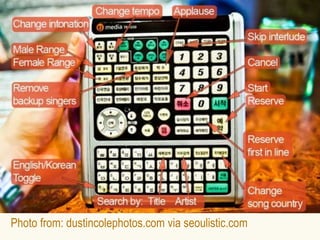
Photo from: dustincolephotos.com via seoulistic.com
Eight days
a week:
Korea’s
History &
Culture
@walter_foreman
walter.foreman

2017 TaLK Orientation Presentation (UPDATED)