The Next Newsroom Project Designing the ideal newsroom for  the next 50 years
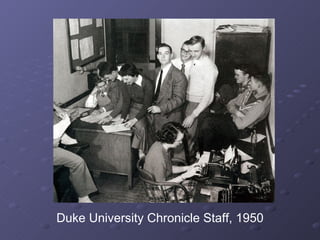
Duke University Chronicle Staff, 1950
Knight Foundation’s  News Challenge Funded through a Knight News Challenge Grant in 2007. Program awards $5 million a year for “innovative ideas using digital experiments to transform community news.” Of 10,000 applications, they chose 33 winners. Winners included academics, bloggers, community journalists, database programmers, video game developers, entrepreneurs.
What we proposed “ The prospect of building a new facility on campus gives the newspaper incredible freedom. It can consider the attributes of such a space, and the role it should play in fostering community throughout Duke, in the most expansive way possible… “ A university campus is an excellent place to examine the ideal role of news organizations in their communities.”
What we did  Researched and proposed the “ideal” newsroom. (Submitted Dec. 2008) Created a website on newsroom trends. Staged a conference on the “newsroom of the future.” (April 2008) Built a version of the newsroom in Second Life.
How we did it Recruited 30 volunteers. Interviewed journalists, architects, media advisers, newspaper executives. Profiled 20 newsrooms (professional, college, and community). Looked for ideas outside journalism.
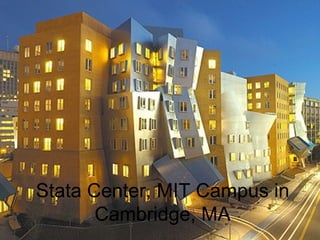
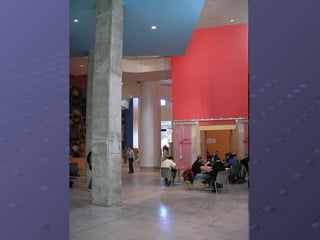
Stata Center at MIT Designed by Frank Gehry. Home to Computer Science, Artificial Intelligence Lab, Linguistics, Philosophy. Noam Chomsky and Tim Berners-Lee have offices there. Auditorium Space, flow promote collaboration.
Stata Center, MIT Campus in Cambridge, MA
 
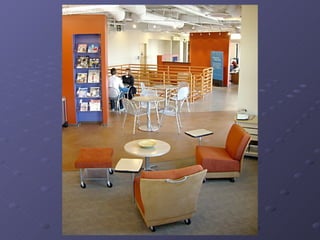
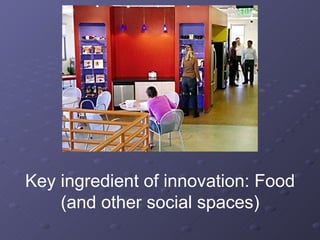
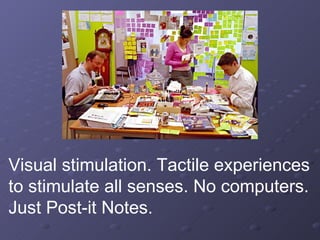
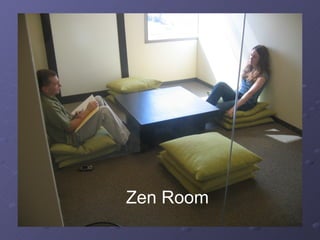
Jump Associates San Mateo, CA- based innovation consultants. Designed their offices to promote innovation.
 
Key ingredient of innovation: Food (and other social spaces)
Visual stimulation. Tactile experiences to stimulate all senses. No computers. Just Post-it Notes.
Zen Room
A few takeaways…
There will be many “next newsrooms” Disruptive at first; healthy in the long run. Moving away from homogenous model. No single “ideal” newsroom. Richer diversity of news and information.
If you’re building a space… It should be extremely adaptable and flexible. No wires. Nothing bolted down. Assume it will blown up every five years. It won’t solve all your problems.
The newsroom of the future exists It’s being built outside the U.S. Europe, Far East, Latin America, investing in new facilities, equipment, people and products. Tend to be more family owned, or independent media abroad. Some exceptions in U.S.: NY Times.
Russian news agency's RIA Novosti
The Daily Telegraph of London, U.K.
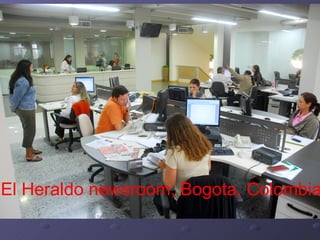
El Heraldo newsroom, Bogota, Colombia
Do you need a newsroom?
No, but…
There are good reasons to have a newsroom We are social animals, and have an instinctive need to gather. Just look around. Nothing replaces human contact. Just visit Silicon Valley. It helps create culture. Done right, it also boosts innovation.
Five principles every newsroom should embrace. The “newsroom of the future” should…
1. Be Multi-Platform Embrace all platforms. Don’t kill print; innovate around it. Multi-platform is different than “online first.” Understand which platforms your community is using and go there. Don’t try to get them to come to you. Mobile, Mobile, Mobile, Mobile.
2. Be a Center of Innovation We don’t know what’s next, but we know it’s coming. Plenty of online pioneers failed to continue innovating: CNET Salon Yahoo eBay Era of continuous change. Must have capacity to experiment, evolve. Change rewards, attract different people.
Innovation Strategies New York Times: Dedicated lab looking five years out. Cedar Rapids Gazette: Blowing up structure. Google: 20 percent rule Scripps Howard venture fund Chronicle: Student media incubator
3. Place community at the center
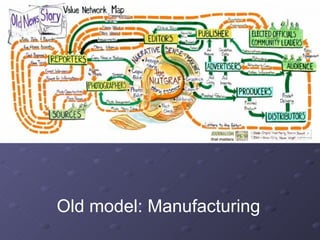
Old model: Manufacturing
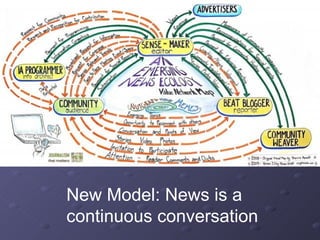
New Model: News is a  continuous conversation
Community: Physical and Cultural Create spaces for: Training Meeting Conversation Practice crowdsourcing: wikis, Twitter. Community will have a range of roles, from passive to commenter to contributor.
4. Learn to collaborate Co-opetition: Co-operate and compete. Link Share resources Chauncey Bailey project in the Bay Area Joint planning Find your place in the ecosystem of news.
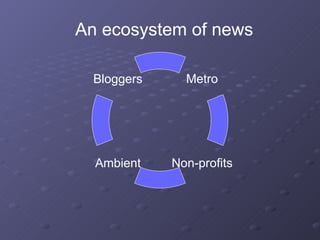
An ecosystem of news Metro Non-profits Bloggers Ambient
5. Promote transparency Consumers are drowning in news and information. Who can they trust? Build trust through transparency.
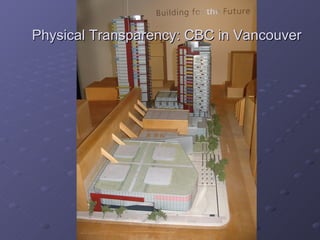
Physical Transparency: CBC in Vancouver
Cultural Transparency  Share source material Link to documents Common Language Project Whitehouse.gov The problem with Yelp
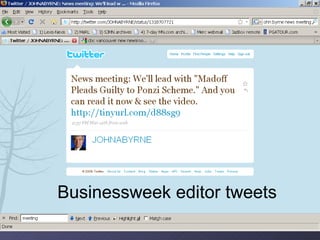
Businessweek editor tweets
Spokesman-Review blogged and  Webcast news meetings
Workflow Rapidly evolving Single, unified structure Conversations start with story first, platform second. It’s still about storytelling
New jobs for the newsroom Community/Conversation manager Aggregator “ Cybrarian” (via the Newsplex) Journalist programmers Dedicated multi-media team Social media manager Content Ninja (via Cedar Rapids Gazette) Innovation director
U.S. newsrooms to watch Cedar Rapids Gazette (Iowa) Las Vegas Sun Lawrence World Journal (Kansas)  New York Times Washington Post
Jennifer Carroll,  vice president of Gannett “We need curious thinkers, people who think critically, and have a love of the business. My view is that we can teach the tools, but we need innovative minds who are passionate.”
Contact me [email_address] Twitter: @sjcobrien or @nextnewsroom M: 415-298-0207
A new Chronicle Newsroom Fully integrated multi-media newsroom Large open spaces for adaptability Media incubator for programs and spaces to experiment Set within a larger media center shared by other journalism and new media groups Building designed to foster interaction and collaboration Plenty of public spaces: Food! Serving as a beacon on campus

Lessons from The Next Newsroom Project

  • 1.
    The Next NewsroomProject Designing the ideal newsroom for the next 50 years
  • 2.
  • 3.
    Knight Foundation’s News Challenge Funded through a Knight News Challenge Grant in 2007. Program awards $5 million a year for “innovative ideas using digital experiments to transform community news.” Of 10,000 applications, they chose 33 winners. Winners included academics, bloggers, community journalists, database programmers, video game developers, entrepreneurs.
  • 4.
    What we proposed“ The prospect of building a new facility on campus gives the newspaper incredible freedom. It can consider the attributes of such a space, and the role it should play in fostering community throughout Duke, in the most expansive way possible… “ A university campus is an excellent place to examine the ideal role of news organizations in their communities.”
  • 5.
    What we did Researched and proposed the “ideal” newsroom. (Submitted Dec. 2008) Created a website on newsroom trends. Staged a conference on the “newsroom of the future.” (April 2008) Built a version of the newsroom in Second Life.
  • 6.
    How we didit Recruited 30 volunteers. Interviewed journalists, architects, media advisers, newspaper executives. Profiled 20 newsrooms (professional, college, and community). Looked for ideas outside journalism.
  • 7.
    Stata Center atMIT Designed by Frank Gehry. Home to Computer Science, Artificial Intelligence Lab, Linguistics, Philosophy. Noam Chomsky and Tim Berners-Lee have offices there. Auditorium Space, flow promote collaboration.
  • 8.
    Stata Center, MITCampus in Cambridge, MA
  • 9.
  • 10.
    Jump Associates SanMateo, CA- based innovation consultants. Designed their offices to promote innovation.
  • 11.
  • 12.
    Key ingredient ofinnovation: Food (and other social spaces)
  • 13.
    Visual stimulation. Tactileexperiences to stimulate all senses. No computers. Just Post-it Notes.
  • 14.
  • 15.
  • 16.
    There will bemany “next newsrooms” Disruptive at first; healthy in the long run. Moving away from homogenous model. No single “ideal” newsroom. Richer diversity of news and information.
  • 17.
    If you’re buildinga space… It should be extremely adaptable and flexible. No wires. Nothing bolted down. Assume it will blown up every five years. It won’t solve all your problems.
  • 18.
    The newsroom ofthe future exists It’s being built outside the U.S. Europe, Far East, Latin America, investing in new facilities, equipment, people and products. Tend to be more family owned, or independent media abroad. Some exceptions in U.S.: NY Times.
  • 19.
  • 20.
    The Daily Telegraphof London, U.K.
  • 21.
    El Heraldo newsroom,Bogota, Colombia
  • 22.
    Do you needa newsroom?
  • 23.
  • 24.
    There are goodreasons to have a newsroom We are social animals, and have an instinctive need to gather. Just look around. Nothing replaces human contact. Just visit Silicon Valley. It helps create culture. Done right, it also boosts innovation.
  • 25.
    Five principles everynewsroom should embrace. The “newsroom of the future” should…
  • 26.
    1. Be Multi-PlatformEmbrace all platforms. Don’t kill print; innovate around it. Multi-platform is different than “online first.” Understand which platforms your community is using and go there. Don’t try to get them to come to you. Mobile, Mobile, Mobile, Mobile.
  • 27.
    2. Be aCenter of Innovation We don’t know what’s next, but we know it’s coming. Plenty of online pioneers failed to continue innovating: CNET Salon Yahoo eBay Era of continuous change. Must have capacity to experiment, evolve. Change rewards, attract different people.
  • 28.
    Innovation Strategies NewYork Times: Dedicated lab looking five years out. Cedar Rapids Gazette: Blowing up structure. Google: 20 percent rule Scripps Howard venture fund Chronicle: Student media incubator
  • 29.
    3. Place communityat the center
  • 30.
  • 31.
    New Model: Newsis a continuous conversation
  • 32.
    Community: Physical andCultural Create spaces for: Training Meeting Conversation Practice crowdsourcing: wikis, Twitter. Community will have a range of roles, from passive to commenter to contributor.
  • 33.
    4. Learn tocollaborate Co-opetition: Co-operate and compete. Link Share resources Chauncey Bailey project in the Bay Area Joint planning Find your place in the ecosystem of news.
  • 34.
    An ecosystem ofnews Metro Non-profits Bloggers Ambient
  • 35.
    5. Promote transparencyConsumers are drowning in news and information. Who can they trust? Build trust through transparency.
  • 36.
  • 37.
    Cultural Transparency Share source material Link to documents Common Language Project Whitehouse.gov The problem with Yelp
  • 38.
  • 39.
    Spokesman-Review blogged and Webcast news meetings
  • 40.
    Workflow Rapidly evolvingSingle, unified structure Conversations start with story first, platform second. It’s still about storytelling
  • 41.
    New jobs forthe newsroom Community/Conversation manager Aggregator “ Cybrarian” (via the Newsplex) Journalist programmers Dedicated multi-media team Social media manager Content Ninja (via Cedar Rapids Gazette) Innovation director
  • 42.
    U.S. newsrooms towatch Cedar Rapids Gazette (Iowa) Las Vegas Sun Lawrence World Journal (Kansas) New York Times Washington Post
  • 43.
    Jennifer Carroll, vice president of Gannett “We need curious thinkers, people who think critically, and have a love of the business. My view is that we can teach the tools, but we need innovative minds who are passionate.”
  • 44.
    Contact me [email_address]Twitter: @sjcobrien or @nextnewsroom M: 415-298-0207
  • 45.
    A new ChronicleNewsroom Fully integrated multi-media newsroom Large open spaces for adaptability Media incubator for programs and spaces to experiment Set within a larger media center shared by other journalism and new media groups Building designed to foster interaction and collaboration Plenty of public spaces: Food! Serving as a beacon on campus