Social Studies
Work,life and leisure-
Bombay Housing And challenges of
Environment
By Rithesh Darish-10-v
The Indian High School, Dubai
Expansion Of housing in Bombay in the
19th Century
• Bombay was a crowded city. While every Londoner in the 1840s enjoyed and
average space of 155 sq. yards, Bombay had a mere 9.5 sq. yards . By 1872, when
London had an average of 8 persons per house, the density in Bombay was a
high as 20.
• The Bombay Fort area which formed the heart of the city in the early 1800s was
divided between a ‘native’ town, where most of the Indians lived, and a
European or ‘white’ section.
• With the rapid and unplanned expansion of the city, the crises of housing and
water supply became acute by the mid-1850s. The arrival of the textile mills only
increased the pressure on Bombay’s housing.
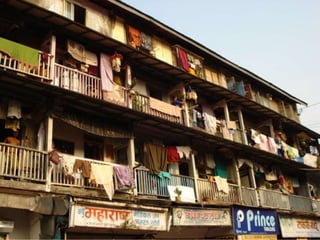
• In contrast, more than 70 per cent of the working people lived in the thickly
populated chawls of Bombay. Chawls were multi-storeyed structures which had
been built at from at least the 1860s in the ‘natives’ parts of the town. Like the
tenements in London, these houses were largely, owned by private landlords, such
as merchants, bankers, and building contractors, looking for quick ways of
earning money from anxious migrants. Each chawl was divided into smaller one-
room tenements which had no private toilets.
• People who belonged to the ‘depressed classes’ found it even
more difficult to find housing. Lower castes were kept out of
many chawls and often had to live in shelters made of
corrugated sheets, leaves, or bamboo poles.
• By 1918, Trust schemes (they focused on clearing poorer
homes out of the city center) had deprived 64,000 people of
their homes, but only 14,000 were rehoused. In 1918, a Rent
Act was passed to keep rents reasonable, but it had the
opposite effect of producing a severe housing crisis, since
landlords withdrew houses from the market.
• Expansion of the city has always posed a problem in Bombay
because of a scarcity of land. One of the ways the city of
Bombay has developed is through massive reclamation
projects.
* reclamation – the reclaiming of marshy or submerged areas or
other wasteland for settlements, cultivation or other use.
Land reclamation in Bombay
• Reclamation often meant the leveling of the hills around
Bombay. By the 1870s, although most of the private
companies closed down due to the mounting costs, the city
had expanded to about 22 sq.miles. As the population
continued to increase rapidly in the early 20th century, every
bit of the available area was build over and new areas were
reclaimed from the sea.
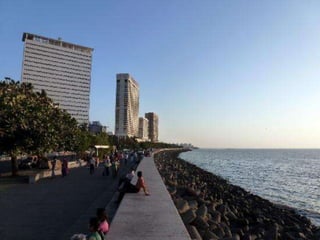
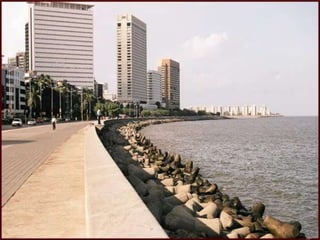
• A successful reclamation project was undertaken by the
Bombay Port Trust, which built a dry dock between 1914 and
1918 and used the excavated earth to create the 22 acre
Ballard estate. Subsequently, the famous marine drive of
Bombay was developed.
Bombay as the City of Dreams:The
world of Cinema and culture
• By 1925, Bombay had become India’s film
capital, producing films for a National audience.
The amount of money invested in about 50
Indian’s films in 1947 was Rupees 756 million. By
1987, the film Industry employed 520,000
people.
• Bombay films have contributed in a big way to
produced and image of the city as the blend of
dream and reality, of slums and star bungalows.
Cities and the challenge of the
environment
• City development everywhere occurred at the expense of ecology and
the environment. Large quantities of refuse and waste products
polluted air and water, while excessive noise became a feature of
urban life.
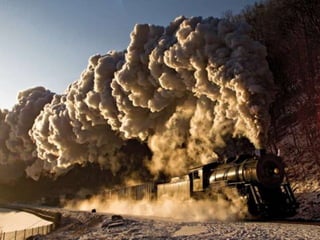
• The wide spread use of coal in homes and industries in 19th century
England raised serious problems. In industrial cities such as Leeds,
Bradford and Manchester, hundreds of factory chimneys spewed
black smoke into the sky. Shopkeepers, Home owners and others
complaint about the black fog that descended on their towns, causing
bad tempers, smoke related illness, and dirty clothes.
• People joined campaigns and their goal was to control the nuisance
through legislation. This was not at all easy since factory owners and
steam engine owners did not want to spend on technologies that
would improve their machines and owners got away with small
adjustments to their machinery that did nothing to stop the smoke.
• Calcutta to had long history of air pollution. Its inhabitance
inhaled grey smoke, particularly in the winter since the city was
built on Marshy land, the resulting fog combined with smoke to
generate thick black smog.
• High levels of pollution were a consequence of the huge
population that depended on dung and wood as fuel in their daily
life. But the main polluters were the industries and establishment
that used steam engines run on coal.
• The railway line introduced in 1885 brought a dangerous new
pollutant into the picture-coal from Raniganj. The high content of
ash in Indian coal was a problem. Many pleas were made to
banish the dirty mills from the city with no effect.
• However, in 1863, Calcutta became first Indian city to get smoke
nuisance legislation.
Social studies ppt.
Social studies ppt.

Social studies ppt.

  • 1.
    Social Studies Work,life andleisure- Bombay Housing And challenges of Environment By Rithesh Darish-10-v The Indian High School, Dubai
  • 2.
    Expansion Of housingin Bombay in the 19th Century • Bombay was a crowded city. While every Londoner in the 1840s enjoyed and average space of 155 sq. yards, Bombay had a mere 9.5 sq. yards . By 1872, when London had an average of 8 persons per house, the density in Bombay was a high as 20. • The Bombay Fort area which formed the heart of the city in the early 1800s was divided between a ‘native’ town, where most of the Indians lived, and a European or ‘white’ section. • With the rapid and unplanned expansion of the city, the crises of housing and water supply became acute by the mid-1850s. The arrival of the textile mills only increased the pressure on Bombay’s housing. • In contrast, more than 70 per cent of the working people lived in the thickly populated chawls of Bombay. Chawls were multi-storeyed structures which had been built at from at least the 1860s in the ‘natives’ parts of the town. Like the tenements in London, these houses were largely, owned by private landlords, such as merchants, bankers, and building contractors, looking for quick ways of earning money from anxious migrants. Each chawl was divided into smaller one- room tenements which had no private toilets.
  • 4.
    • People whobelonged to the ‘depressed classes’ found it even more difficult to find housing. Lower castes were kept out of many chawls and often had to live in shelters made of corrugated sheets, leaves, or bamboo poles. • By 1918, Trust schemes (they focused on clearing poorer homes out of the city center) had deprived 64,000 people of their homes, but only 14,000 were rehoused. In 1918, a Rent Act was passed to keep rents reasonable, but it had the opposite effect of producing a severe housing crisis, since landlords withdrew houses from the market. • Expansion of the city has always posed a problem in Bombay because of a scarcity of land. One of the ways the city of Bombay has developed is through massive reclamation projects. * reclamation – the reclaiming of marshy or submerged areas or other wasteland for settlements, cultivation or other use.
  • 5.
    Land reclamation inBombay • Reclamation often meant the leveling of the hills around Bombay. By the 1870s, although most of the private companies closed down due to the mounting costs, the city had expanded to about 22 sq.miles. As the population continued to increase rapidly in the early 20th century, every bit of the available area was build over and new areas were reclaimed from the sea. • A successful reclamation project was undertaken by the Bombay Port Trust, which built a dry dock between 1914 and 1918 and used the excavated earth to create the 22 acre Ballard estate. Subsequently, the famous marine drive of Bombay was developed.
  • 8.
    Bombay as theCity of Dreams:The world of Cinema and culture • By 1925, Bombay had become India’s film capital, producing films for a National audience. The amount of money invested in about 50 Indian’s films in 1947 was Rupees 756 million. By 1987, the film Industry employed 520,000 people. • Bombay films have contributed in a big way to produced and image of the city as the blend of dream and reality, of slums and star bungalows.
  • 9.
    Cities and thechallenge of the environment • City development everywhere occurred at the expense of ecology and the environment. Large quantities of refuse and waste products polluted air and water, while excessive noise became a feature of urban life. • The wide spread use of coal in homes and industries in 19th century England raised serious problems. In industrial cities such as Leeds, Bradford and Manchester, hundreds of factory chimneys spewed black smoke into the sky. Shopkeepers, Home owners and others complaint about the black fog that descended on their towns, causing bad tempers, smoke related illness, and dirty clothes. • People joined campaigns and their goal was to control the nuisance through legislation. This was not at all easy since factory owners and steam engine owners did not want to spend on technologies that would improve their machines and owners got away with small adjustments to their machinery that did nothing to stop the smoke.
  • 10.
    • Calcutta tohad long history of air pollution. Its inhabitance inhaled grey smoke, particularly in the winter since the city was built on Marshy land, the resulting fog combined with smoke to generate thick black smog. • High levels of pollution were a consequence of the huge population that depended on dung and wood as fuel in their daily life. But the main polluters were the industries and establishment that used steam engines run on coal. • The railway line introduced in 1885 brought a dangerous new pollutant into the picture-coal from Raniganj. The high content of ash in Indian coal was a problem. Many pleas were made to banish the dirty mills from the city with no effect. • However, in 1863, Calcutta became first Indian city to get smoke nuisance legislation.