

MUBESA(MAKERERE UNIVERSITY BIOMEDICAL ENGINEERING
STUDENTS’ ASSOCIATION)
DESIGNING A CAREER
IN
BIOMEDICAL ENGINEERING
By: BRIAN MATOVU
WHY MUBESA
• Makerere University Biomedical Engineering Students Association
• Student body formed in 2013 to bring together all BME sudents in MAK.
• A premier student body, where students discover themselves, build
relationships and make a difference in the world through biomedical
engineering.
What does MUBESA do?
• Participate in design competitions
• CAMTECH Uganda/ MUST.
• ABEC(African Bm Eng Consortium )
• RAN innovation Garages
• Internships(locally and internationally
like to CANADA, UK, SUDAN,
RWANDA, KENYA)
• Joint projects with western universities
like Duke, Case Western University
• BME conferences
• School outreach Programs
• Hospital outreach Programs
• Sports Gala
• BME inter university Quizes
• Freshman’s Challenge
• Career day
• Attend international conferences
• EMBS, IEEE, EWH
What do BIOMEDICAL ENGINEERS do?
• Perhaps a simpler question to answer is what don’t biomedical engineers do?
• What kind of career do you imagine for yourself? Doctor? Lawyer? Scientist?
Engineer? Teacher?CEO? Manager? Salesperson?=== how about combine all.
• Some biomedical engineers spend their days designing, manufacturing, or testing
mechanical medical devices such as prosthetics and orthotics, while others design
electrical circuits and computer software for medical instrumentation.
How do biomedical engineers differ from other
engineers?
BMEs must integrate biology and medicine with engineering
to solve problems related to living systems. Thus, biomedical
engineers are required to have a solid foundation in a more
traditional engineering discipline, such as electrical, mechanical or
chemical engineering. However, BMEs are expected to integrate
their engineering skills with their understanding of the complexity
of biological systems in order to improve medical practice. Thus,
biomedical engineers must be trained in the life sciences as well.
Where do BMEs work?
• Hospital as a hospital engineer/ clinical engineer
• Academic institutions like universityies as lecturers/ tutors
• As researchers in institutes like UCI, UVRI, UIRI,
• Designers and can work in medical manufacturing institutes/ companies
“Can also be what you are thinking about now”
Different branches of BME
• Clinical engineering
• Genetic engineering
• Tissue engineering
• Rehabilitation engineering
• Biomechanical engineering
• Telemedicine engineering
• Pharmaceutical engineering
• Biomaterial engineering
• Biosignal process engineering
• Bioinformatics
Grading of branches differs according to institutional setting
Bioinformatics
• involves developing and using computer tools to collect and analyze data
related to medicine and biology. Work in bioinformatics could involve
using sophisticated techniques to manage and search databases of gene
sequences that contain many millions of entries.
Biomaterial engineering
Involves study and development of substances that are engineered
for use in devices or implants that must interact with living tissue.
Examples of advances in this field include the development of
coatings that fight infection common in artificial joint implants,
materials that can aid in controlled drug delivery, and “scaffolds”
that support tissue and organ reconstruction.
Clinical engineering
Clinical engineers support and advance patient care by applying engineering
and managerial skills to healthcare technology. Clinical engineers can be
based in hospitals, where responsibilities can include managing the
hospital’s medical equipment systems, ensuring that all medical equipment
is safe and effective, and working with physicians to adapt instrumentation
to meet the specific needs of the physician and the hospital. In industry,
clinical engineers can work in medical product development, from product
design to sales and support, to ensure that new products meet the demands
of medical practice.
Genetic engineering
New discipline that involves the mapping, sequencing, and analyzing of
genomes–the set of all the DNA in an organism. A full understanding how
genes function in normal and/or diseased states can lead to improved
detection, diagnosis, and treatment of disease.
Rehabilitation engineering
The application of science and technology to improve the quality of life for
people with disabilities. This can include designing augmentative and alternative
communication systems for people who cannot communicate in traditional
ways, making computers more accessible for people with disabilities, developing
new materials and designs for wheelchairs, and making prosthetic legs for
runners in the Paralympics.
Current BME projects at MAK.
• Home based Diagnostic urine strip for pre eclampsia
• HOPITRACK
• FISTAPP
How can I be admitted in BME at MAK?
• PHYSICS, CHEMISTRY, BIOLOGY, MATHEMATICS, ECONOMICS
• Diploma from clinical medicine, electrical, mechanical, biotechnology,
• Points in 2013-……………..
In 2014…………..
In 2015………………..
In 2016………….
Where can I get more information about BME?
• Internet
• www.embs.org / www.embsstudents.org
• www.mubesa.com
• www.ewh.com
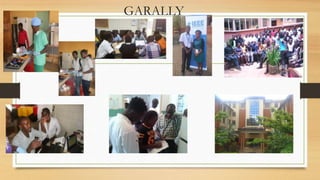
GARALLY

DESIGNING A CAREER IN BIOMEDICAL ENGINEERING- MUBESA

  • 1.
    MUBESA(MAKERERE UNIVERSITY BIOMEDICALENGINEERING STUDENTS’ ASSOCIATION) DESIGNING A CAREER IN BIOMEDICAL ENGINEERING By: BRIAN MATOVU
  • 2.
    WHY MUBESA • MakerereUniversity Biomedical Engineering Students Association • Student body formed in 2013 to bring together all BME sudents in MAK. • A premier student body, where students discover themselves, build relationships and make a difference in the world through biomedical engineering.
  • 3.
    What does MUBESAdo? • Participate in design competitions • CAMTECH Uganda/ MUST. • ABEC(African Bm Eng Consortium ) • RAN innovation Garages • Internships(locally and internationally like to CANADA, UK, SUDAN, RWANDA, KENYA) • Joint projects with western universities like Duke, Case Western University • BME conferences • School outreach Programs • Hospital outreach Programs • Sports Gala • BME inter university Quizes • Freshman’s Challenge • Career day • Attend international conferences • EMBS, IEEE, EWH
  • 4.
    What do BIOMEDICALENGINEERS do? • Perhaps a simpler question to answer is what don’t biomedical engineers do? • What kind of career do you imagine for yourself? Doctor? Lawyer? Scientist? Engineer? Teacher?CEO? Manager? Salesperson?=== how about combine all. • Some biomedical engineers spend their days designing, manufacturing, or testing mechanical medical devices such as prosthetics and orthotics, while others design electrical circuits and computer software for medical instrumentation.
  • 5.
    How do biomedicalengineers differ from other engineers? BMEs must integrate biology and medicine with engineering to solve problems related to living systems. Thus, biomedical engineers are required to have a solid foundation in a more traditional engineering discipline, such as electrical, mechanical or chemical engineering. However, BMEs are expected to integrate their engineering skills with their understanding of the complexity of biological systems in order to improve medical practice. Thus, biomedical engineers must be trained in the life sciences as well.
  • 6.
    Where do BMEswork? • Hospital as a hospital engineer/ clinical engineer • Academic institutions like universityies as lecturers/ tutors • As researchers in institutes like UCI, UVRI, UIRI, • Designers and can work in medical manufacturing institutes/ companies “Can also be what you are thinking about now”
  • 7.
    Different branches ofBME • Clinical engineering • Genetic engineering • Tissue engineering • Rehabilitation engineering • Biomechanical engineering • Telemedicine engineering • Pharmaceutical engineering • Biomaterial engineering • Biosignal process engineering • Bioinformatics Grading of branches differs according to institutional setting
  • 8.
    Bioinformatics • involves developingand using computer tools to collect and analyze data related to medicine and biology. Work in bioinformatics could involve using sophisticated techniques to manage and search databases of gene sequences that contain many millions of entries.
  • 9.
    Biomaterial engineering Involves studyand development of substances that are engineered for use in devices or implants that must interact with living tissue. Examples of advances in this field include the development of coatings that fight infection common in artificial joint implants, materials that can aid in controlled drug delivery, and “scaffolds” that support tissue and organ reconstruction.
  • 10.
    Clinical engineering Clinical engineerssupport and advance patient care by applying engineering and managerial skills to healthcare technology. Clinical engineers can be based in hospitals, where responsibilities can include managing the hospital’s medical equipment systems, ensuring that all medical equipment is safe and effective, and working with physicians to adapt instrumentation to meet the specific needs of the physician and the hospital. In industry, clinical engineers can work in medical product development, from product design to sales and support, to ensure that new products meet the demands of medical practice.
  • 11.
    Genetic engineering New disciplinethat involves the mapping, sequencing, and analyzing of genomes–the set of all the DNA in an organism. A full understanding how genes function in normal and/or diseased states can lead to improved detection, diagnosis, and treatment of disease.
  • 12.
    Rehabilitation engineering The applicationof science and technology to improve the quality of life for people with disabilities. This can include designing augmentative and alternative communication systems for people who cannot communicate in traditional ways, making computers more accessible for people with disabilities, developing new materials and designs for wheelchairs, and making prosthetic legs for runners in the Paralympics.
  • 13.
    Current BME projectsat MAK. • Home based Diagnostic urine strip for pre eclampsia • HOPITRACK • FISTAPP
  • 14.
    How can Ibe admitted in BME at MAK? • PHYSICS, CHEMISTRY, BIOLOGY, MATHEMATICS, ECONOMICS • Diploma from clinical medicine, electrical, mechanical, biotechnology, • Points in 2013-…………….. In 2014………….. In 2015……………….. In 2016………….
  • 15.
    Where can Iget more information about BME? • Internet • www.embs.org / www.embsstudents.org • www.mubesa.com • www.ewh.com
  • 16.