Definition of Biomedical
engineering
 Biomedical engineering (BME) is the
application of engineering principles and
design concepts to medicine and biology
for healthcare purposes (e.g. diagnostic or
therapeutic). This field seeks to close the
gap between engineering and medicine,
combining the design and problem solving
skills of engineering with medical biological
sciences to advance health care treatment,
including diagnosis, monitoring,
and therapy.
The history of biomedical
engineering
 The practice of biomedical engineering has
a long history. One of the earliest examples
is a wood and leather prosthetic toe found
on a 3,000-year-old Egyptian mummy.
Before that, even simple crutches and
walking sticks were a form of engineered
assistive devices, and the first person to
fashion a splint for a broken bone could be
considered to have been an early
biomedical engineer.
What are the devices that used
in biomedical engineering?
 ECG
 MRI
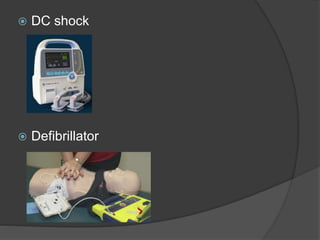
 DC shock
 Defibrillator
Conclusion
In Conclusion, Biomedical engineers have
a variety of options to choose from when
trying to specialize in a certain field of
interest. There doesn’t seem to be a
shortage of job-related to this field anytime
soon, as the rise of such engineers are
estimated to increase in vast quantities in
the next decade.

Bio medical engineer

  • 2.
    Definition of Biomedical engineering Biomedical engineering (BME) is the application of engineering principles and design concepts to medicine and biology for healthcare purposes (e.g. diagnostic or therapeutic). This field seeks to close the gap between engineering and medicine, combining the design and problem solving skills of engineering with medical biological sciences to advance health care treatment, including diagnosis, monitoring, and therapy.
  • 3.
    The history ofbiomedical engineering  The practice of biomedical engineering has a long history. One of the earliest examples is a wood and leather prosthetic toe found on a 3,000-year-old Egyptian mummy. Before that, even simple crutches and walking sticks were a form of engineered assistive devices, and the first person to fashion a splint for a broken bone could be considered to have been an early biomedical engineer.
  • 4.
    What are thedevices that used in biomedical engineering?  ECG  MRI
  • 5.
     DC shock Defibrillator
  • 6.
    Conclusion In Conclusion, Biomedicalengineers have a variety of options to choose from when trying to specialize in a certain field of interest. There doesn’t seem to be a shortage of job-related to this field anytime soon, as the rise of such engineers are estimated to increase in vast quantities in the next decade.