Download to read offline







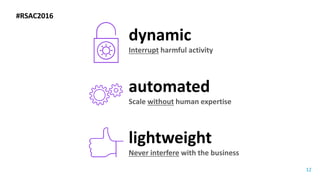
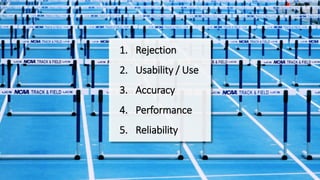





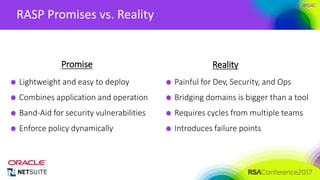
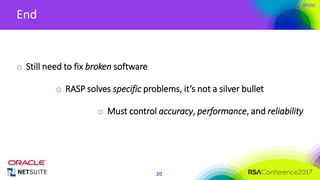


The document discusses Runtime Application Self-Protection (RASP) technology, which integrates security controls directly into applications to detect and prevent real-time attacks. It highlights the challenges of implementing RASP, including issues of rejection, usability, accuracy, performance, and reliability, while emphasizing that RASP is not a panacea for security vulnerabilities. The presentation concludes by encouraging organizations to assess their specific needs and challenges when considering RASP solutions.


![[OPD 2019] Governance as a missing part of IT security architecture](https://cdn.slidesharecdn.com/ss_thumbnails/owaspday-final-191021172307-thumbnail.jpg?width=640&height=640&fit=bounds)


