“In times of change, Learners Inherit the Earth.

While the Learned find themselves equipped to
        deal with a world that no longer exists”


                                        Eric Hoffer
                           Social Writer (1902-83)
Adding Value through Leadership
                  Development


                         Anurag Kumar
              CPO & VP Human Resources
                               PepsiCo
Key Questions for the session
 Why Leadership Development ?

 Why a Systematic Approach ?

 Who are the Leaders we need to Lead Change ?

 Do leaders shape organizations or do organizations shape
  leaders ?

 What are the implications of a leadership strategy to your
   – talent acquisition,
   – talent sustainability,
   – leadership practice
Who am I?
Roller-coaster of Experiences
  – Danfoss, ICI & Times of India
  – PepsiCo’s 7+ jobs in 17 years

Lived & Breathed development
  – 66% related assignments
  – Exposed to more than half the
    world’s practices

PepsiCo Team & Family
  – Pepsi-fied all the way
  – Through thick & thin
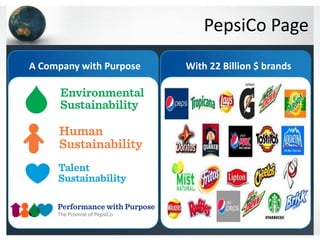
PepsiCo Page
A Company with Purpose   With 22 Billion $ brands
Why Leadership Development ?
Why Leadership Development?

• The hierarchical model ‘simply doesn't work anymore’.

• ‘Leading from Behind’ requires a change in mindset and
  different set of skills

• Innovation will drive our future: We need leaders who
  build communities that have innovative agility.

• Breeding the Best Learners to breed the Best Leaders.
Why Leadership Development?

          Leadership Quality Related to                                                                                            Leadership Quality
           Organizational Performance

                                                             100%                                                           100%            4%          7%
         Percentage of Leaders Rating Their Organization’s
          Overall Performance Against Their Competitors


                                                                                                                                            22%
                                                              80%                                              78%           80%                        31%


                                                              60%                                                            60%
                                                                                                    53%                                                       Excellent
                                                                                                                                            43%
                                                                                                                                                              Very Good
                                                                                                                                                        39%
                                                                                                                             40%                              Good
                                                              40%                     27%                                                                     Fair
                                                                                                                             20%            28%               Poor
                                                             20%                                                                                        21%
                                                                    6%     9%
                                                                                                                                            3%          3%
                                                                                                                             0%
                                                              0%                                                                       HR         LDR
                                                                    Poor   Fair       Good        Very Good   Excellent
                                                                             Leadership Quality


                     Organizations with the highest quality                                                                 Only 38 percent of the 12,423 leaders
                      leaders were 13 times more likely to                                                                reported that the quality of leadership in
                      outperform their competition in key                                                                     their organization is very good or
                              bottom-line metrics                                                                                         excellent.

Source: 2011 Center for Leadership Council
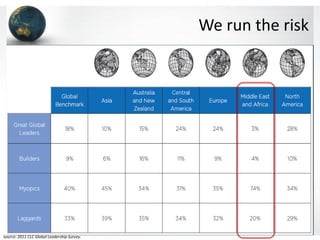
Why A Systematic Approach?
We run the risk


Source: 2011 CLC Global Leadership Survey.
Process is King

• Global Economy & new rules mandate the ‘right’
  way of doing business to succeed/ sustain in the
  long run.

• Excellence requires running Talent processes like
  Business processes.

• If you can’t measure it; how will you sustain it.
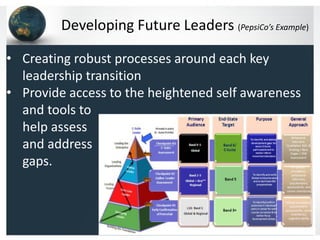
Developing Future Leaders (PepsiCo’s Example)

• Creating robust processes around each key
  leadership transition
• Provide access to the heightened self awareness
  and tools to
  help assess
  and address
  gaps.
Integrated Talent Management
• Driving Synergies is old school -> Move to integrating
  our approach as 1 talent management.

• The chain is as weak as its
  weakest link (silos).

• PepsiCo Example: Holistic
  Talent Sustainability
  means clear linkage from
  Objectives to measures and
  from rewards to career
  opportunities.
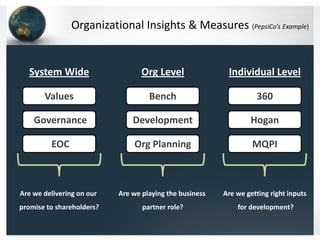
Organizational Insights & Measures (PepsiCo’s Example)


  System Wide                     Org Level               Individual Level

       Values                       Bench                          360

    Governance                 Development                       Hogan

         EOC                   Org Planning                       MQPI


Are we delivering on our   Are we playing the business   Are we getting right inputs
promise to shareholders?          partner role?              for development?
Who are the Leaders we need to
                Lead Change ?
Who are they?

• Investors having increasing interest in the integrity
  and ethics of leaders.

• PepsiCo’s Perspective:
   – Cultivate Authentic Leadership

   – Build Organization Savvy leaders

   – Global & Glocal ( Strategic, Learning & Cultural Agility)

   – Leading Change is half the leadership battle
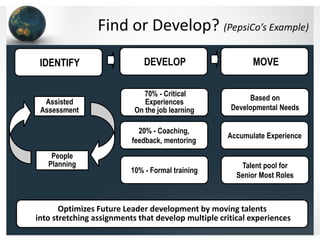
Find or Develop? (PepsiCo’s Example)

 IDENTIFY                     DEVELOP                      MOVE

                              70% - Critical
  Assisted                                                Based on
                              Experiences
 Assessment                On the job learning       Developmental Needs

                            20% - Coaching,
                                                    Accumulate Experience
                          feedback, mentoring
    People
   Planning                                             Talent pool for
                          10% - Formal training
                                                       Senior Most Roles


       Optimizes Future Leader development by moving talents
into stretching assignments that develop multiple critical experiences
Do leaders shape organizations or
 do organizations shape leaders?
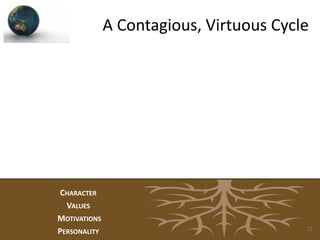
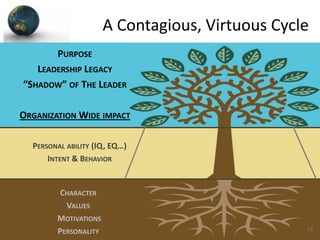
A Contagious, Virtuous Cycle


 CHARACTER
  VALUES
MOTIVATIONS
PERSONALITY                              11
A Contagious, Virtuous Cycle


PERSONAL ABILITY (IQ, EQ…)
    INTENT & BEHAVIOR


       CHARACTER
        VALUES
      MOTIVATIONS
      PERSONALITY                              12
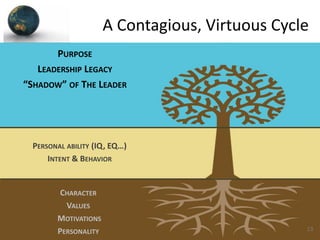
A Contagious, Virtuous Cycle
       PURPOSE
   LEADERSHIP LEGACY
“SHADOW” OF THE LEADER


  PERSONAL ABILITY (IQ, EQ…)
      INTENT & BEHAVIOR


         CHARACTER
          VALUES
        MOTIVATIONS
        PERSONALITY                              13
A Contagious, Virtuous Cycle
       PURPOSE
   LEADERSHIP LEGACY
“SHADOW” OF THE LEADER

ORGANIZATION WIDE IMPACT

  PERSONAL ABILITY (IQ, EQ…)
      INTENT & BEHAVIOR


         CHARACTER
          VALUES
        MOTIVATIONS
        PERSONALITY                              14
The implications of Leadership
                      Strategy
Key for Global Leaders
• Strengthening the core
  while ensuring future-
  proof plans


• Identifying high potential
  leaders while developing
  the right processes for
  succession, performance
  and experiences
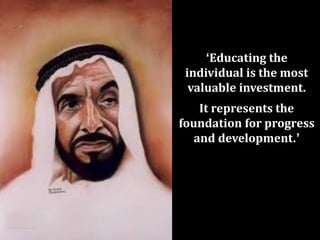
‘Educating the
 individual is the most
  valuable investment.
    It represents the
foundation for progress
   and development.’

Pepsico

  • 1.
    “In times ofchange, Learners Inherit the Earth. While the Learned find themselves equipped to deal with a world that no longer exists” Eric Hoffer Social Writer (1902-83)
  • 2.
    Adding Value throughLeadership Development Anurag Kumar CPO & VP Human Resources PepsiCo
  • 3.
    Key Questions forthe session  Why Leadership Development ?  Why a Systematic Approach ?  Who are the Leaders we need to Lead Change ?  Do leaders shape organizations or do organizations shape leaders ?  What are the implications of a leadership strategy to your – talent acquisition, – talent sustainability, – leadership practice
  • 4.
    Who am I? Roller-coasterof Experiences – Danfoss, ICI & Times of India – PepsiCo’s 7+ jobs in 17 years Lived & Breathed development – 66% related assignments – Exposed to more than half the world’s practices PepsiCo Team & Family – Pepsi-fied all the way – Through thick & thin
  • 5.
    PepsiCo Page A Companywith Purpose With 22 Billion $ brands
  • 6.
  • 7.
    Why Leadership Development? •The hierarchical model ‘simply doesn't work anymore’. • ‘Leading from Behind’ requires a change in mindset and different set of skills • Innovation will drive our future: We need leaders who build communities that have innovative agility. • Breeding the Best Learners to breed the Best Leaders.
  • 8.
    Why Leadership Development? Leadership Quality Related to Leadership Quality Organizational Performance 100% 100% 4% 7% Percentage of Leaders Rating Their Organization’s Overall Performance Against Their Competitors 22% 80% 78% 80% 31% 60% 60% 53% Excellent 43% Very Good 39% 40% Good 40% 27% Fair 20% 28% Poor 20% 21% 6% 9% 3% 3% 0% 0% HR LDR Poor Fair Good Very Good Excellent Leadership Quality Organizations with the highest quality Only 38 percent of the 12,423 leaders leaders were 13 times more likely to reported that the quality of leadership in outperform their competition in key their organization is very good or bottom-line metrics excellent. Source: 2011 Center for Leadership Council
  • 9.
  • 10.
    We run therisk Source: 2011 CLC Global Leadership Survey.
  • 11.
    Process is King •Global Economy & new rules mandate the ‘right’ way of doing business to succeed/ sustain in the long run. • Excellence requires running Talent processes like Business processes. • If you can’t measure it; how will you sustain it.
  • 12.
    Developing Future Leaders(PepsiCo’s Example) • Creating robust processes around each key leadership transition • Provide access to the heightened self awareness and tools to help assess and address gaps.
  • 13.
    Integrated Talent Management •Driving Synergies is old school -> Move to integrating our approach as 1 talent management. • The chain is as weak as its weakest link (silos). • PepsiCo Example: Holistic Talent Sustainability means clear linkage from Objectives to measures and from rewards to career opportunities.
  • 14.
    Organizational Insights &Measures (PepsiCo’s Example) System Wide Org Level Individual Level Values Bench 360 Governance Development Hogan EOC Org Planning MQPI Are we delivering on our Are we playing the business Are we getting right inputs promise to shareholders? partner role? for development?
  • 15.
    Who are theLeaders we need to Lead Change ?
  • 16.
    Who are they? •Investors having increasing interest in the integrity and ethics of leaders. • PepsiCo’s Perspective: – Cultivate Authentic Leadership – Build Organization Savvy leaders – Global & Glocal ( Strategic, Learning & Cultural Agility) – Leading Change is half the leadership battle
  • 17.
    Find or Develop?(PepsiCo’s Example) IDENTIFY DEVELOP MOVE 70% - Critical Assisted Based on Experiences Assessment On the job learning Developmental Needs 20% - Coaching, Accumulate Experience feedback, mentoring People Planning Talent pool for 10% - Formal training Senior Most Roles Optimizes Future Leader development by moving talents into stretching assignments that develop multiple critical experiences
  • 18.
    Do leaders shapeorganizations or do organizations shape leaders?
  • 19.
    A Contagious, VirtuousCycle CHARACTER VALUES MOTIVATIONS PERSONALITY 11
  • 20.
    A Contagious, VirtuousCycle PERSONAL ABILITY (IQ, EQ…) INTENT & BEHAVIOR CHARACTER VALUES MOTIVATIONS PERSONALITY 12
  • 21.
    A Contagious, VirtuousCycle PURPOSE LEADERSHIP LEGACY “SHADOW” OF THE LEADER PERSONAL ABILITY (IQ, EQ…) INTENT & BEHAVIOR CHARACTER VALUES MOTIVATIONS PERSONALITY 13
  • 22.
    A Contagious, VirtuousCycle PURPOSE LEADERSHIP LEGACY “SHADOW” OF THE LEADER ORGANIZATION WIDE IMPACT PERSONAL ABILITY (IQ, EQ…) INTENT & BEHAVIOR CHARACTER VALUES MOTIVATIONS PERSONALITY 14
  • 23.
    The implications ofLeadership Strategy
  • 24.
    Key for GlobalLeaders • Strengthening the core while ensuring future- proof plans • Identifying high potential leaders while developing the right processes for succession, performance and experiences
  • 25.
    ‘Educating the individualis the most valuable investment. It represents the foundation for progress and development.’