Analysis of the PV92 locus on chromosome 16 for the Alu Insertion
Johansen Pico
Biotechnical Engineering, Northwest Career and Technical Academy
Utilization of the polymerase chain reaction and gel electrophoresis to explore SINEs
Results (cont.)
The experiment explores the significance of
SINEs, also known as short interspeed elements, in
the human genome. The SINE that was targeted was
the Alu sequence on the PV92 locus on chromosome
16. This is possible through the polymerase chain
reaction, where DNA samples undergo thermal
cycling, and agarose gel electrophoresis, where
amplified samples of DNA are able to run through a
gel for visualization.
After the experiment was conducted, we
determined the zygosity of the Alu sequence with DNA
samples from lab group members. We were able to
display DNA strands that were homozygous
recessive, homozygous dominant, and heterozygous
for the Alu sequence. Through our findings, we were
able to determine the significance of SINEs regarding
genomic differentiation and human identification.
Abstract Introduction Introduction (cont.)
1. Collected 200 microliters of Instagene matrix for
each DNA sample
2. Two hairs with root/sheath placed in tubes
3. Heated tubes to 56 degrees C for 10 minutes
while vortexing tubes at halfway and end point
4. Heated tubes to 100 degrees C for 10 minutes and
centrifuged for 5 minutes
5. Drew 20 microliters of DNA from supernatant and
added to PCR tube
6. Created 1% agarose gel, stained with ethidium
bromide and two 10-toothed combs
7. After thermal cycling PCR tube samples, added 10
microliters of PV92 XC loading dye to each tube
8. Pipetted samples and controls into each well and
ran through gel for 30 minutes at 100V.
9. Visualized through a UV-transillumator
Materials and Methods
Discussion
Deoxyribonucleic acid, commonly shortened to
DNA, is hereditary material that is found in each of our
cells, specifically the nuclei. DNA derives from four
chemical bases, adenine, guanine, cytosine, and
thymine. These bases pair with each other: A with T
and C with G. The human genome alone consists of 3
billion of these base pairs, also shortened to bp, 95
percent of which is non-coding DNA. The arrangement
of these base pairs depends on what it is expressing
(Mandal, 2012).
DNA is constantly being replicated in cells. The
process involves the production of two identical
replicas from the original DNA strand. DNA
polymerases, a group of enzymes, perform all types of
replication (Berg, 2002). Polymerases extend existing
strands of DNA (Alberts, 2002).
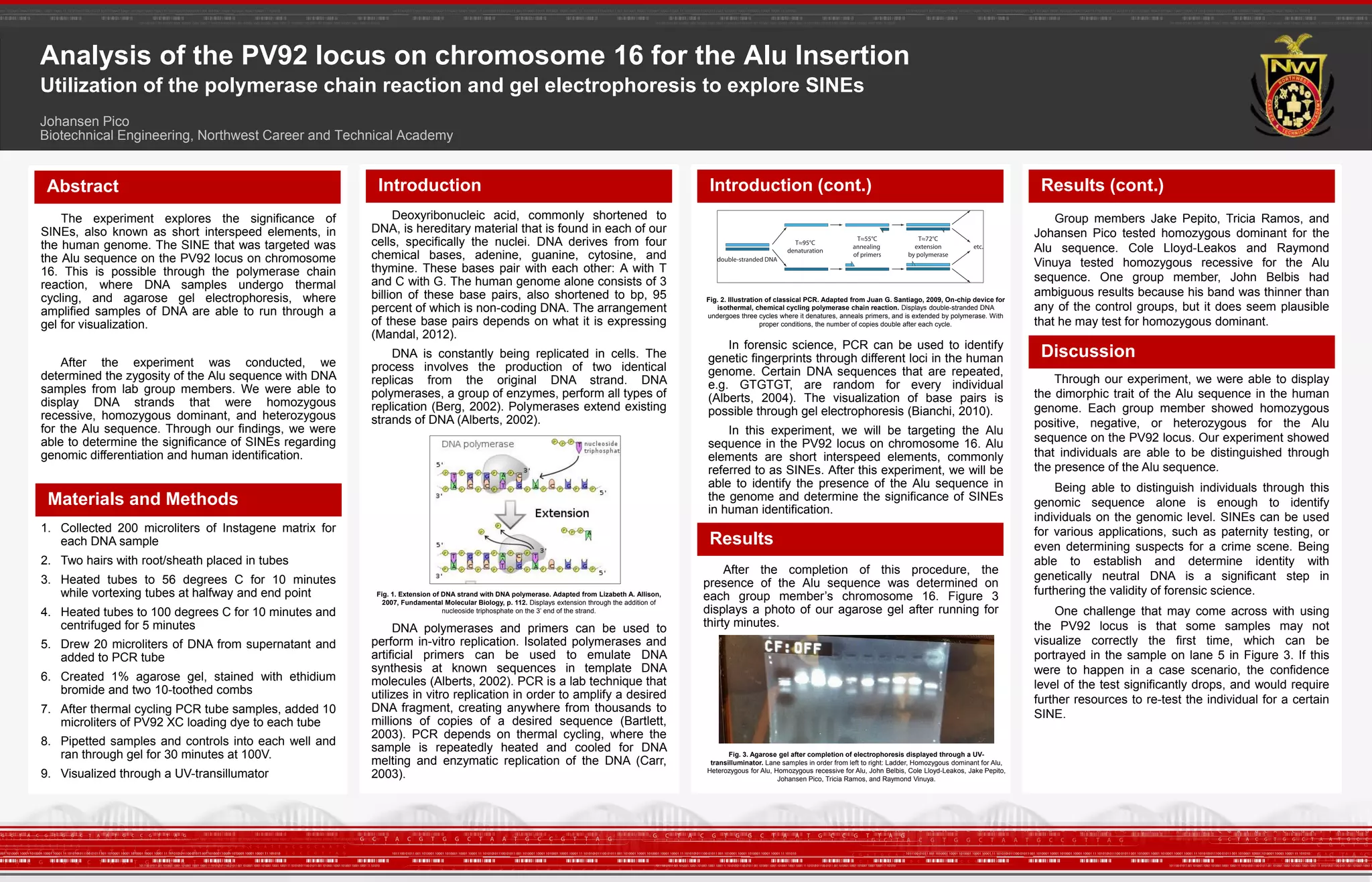
Fig. 2. Illustration of classical PCR. Adapted from Juan G. Santiago, 2009, On-chip device for
isothermal, chemical cycling polymerase chain reaction. Displays double-stranded DNA
undergoes three cycles where it denatures, anneals primers, and is extended by polymerase. With
proper conditions, the number of copies double after each cycle.
DNA polymerases and primers can be used to
perform in-vitro replication. Isolated polymerases and
artificial primers can be used to emulate DNA
synthesis at known sequences in template DNA
molecules (Alberts, 2002). PCR is a lab technique that
utilizes in vitro replication in order to amplify a desired
DNA fragment, creating anywhere from thousands to
millions of copies of a desired sequence (Bartlett,
2003). PCR depends on thermal cycling, where the
sample is repeatedly heated and cooled for DNA
melting and enzymatic replication of the DNA (Carr,
2003).
Fig. 1. Extension of DNA strand with DNA polymerase. Adapted from Lizabeth A. Allison,
2007, Fundamental Molecular Biology, p. 112. Displays extension through the addition of
nucleoside triphosphate on the 3’ end of the strand.
In forensic science, PCR can be used to identify
genetic fingerprints through different loci in the human
genome. Certain DNA sequences that are repeated,
e.g. GTGTGT, are random for every individual
(Alberts, 2004). The visualization of base pairs is
possible through gel electrophoresis (Bianchi, 2010).
In this experiment, we will be targeting the Alu
sequence in the PV92 locus on chromosome 16. Alu
elements are short interspeed elements, commonly
referred to as SINEs. After this experiment, we will be
able to identify the presence of the Alu sequence in
the genome and determine the significance of SINEs
in human identification.
Results
After the completion of this procedure, the
presence of the Alu sequence was determined on
each group member’s chromosome 16. Figure 3
displays a photo of our agarose gel after running for
thirty minutes.
Fig. 3. Agarose gel after completion of electrophoresis displayed through a UV-
transilluminator. Lane samples in order from left to right: Ladder, Homozygous dominant for Alu,
Heterozygous for Alu, Homozygous recessive for Alu, John Belbis, Cole Lloyd-Leakos, Jake Pepito,
Johansen Pico, Tricia Ramos, and Raymond Vinuya.
Group members Jake Pepito, Tricia Ramos, and
Johansen Pico tested homozygous dominant for the
Alu sequence. Cole Lloyd-Leakos and Raymond
Vinuya tested homozygous recessive for the Alu
sequence. One group member, John Belbis had
ambiguous results because his band was thinner than
any of the control groups, but it does seem plausible
that he may test for homozygous dominant.
Through our experiment, we were able to display
the dimorphic trait of the Alu sequence in the human
genome. Each group member showed homozygous
positive, negative, or heterozygous for the Alu
sequence on the PV92 locus. Our experiment showed
that individuals are able to be distinguished through
the presence of the Alu sequence.
Being able to distinguish individuals through this
genomic sequence alone is enough to identify
individuals on the genomic level. SINEs can be used
for various applications, such as paternity testing, or
even determining suspects for a crime scene. Being
able to establish and determine identity with
genetically neutral DNA is a significant step in
furthering the validity of forensic science.
One challenge that may come across with using
the PV92 locus is that some samples may not
visualize correctly the first time, which can be
portrayed in the sample on lane 5 in Figure 3. If this
were to happen in a case scenario, the confidence
level of the test significantly drops, and would require
further resources to re-test the individual for a certain
SINE.

PV92 Scientific Poster

  • 1.
    Analysis of thePV92 locus on chromosome 16 for the Alu Insertion Johansen Pico Biotechnical Engineering, Northwest Career and Technical Academy Utilization of the polymerase chain reaction and gel electrophoresis to explore SINEs Results (cont.) The experiment explores the significance of SINEs, also known as short interspeed elements, in the human genome. The SINE that was targeted was the Alu sequence on the PV92 locus on chromosome 16. This is possible through the polymerase chain reaction, where DNA samples undergo thermal cycling, and agarose gel electrophoresis, where amplified samples of DNA are able to run through a gel for visualization. After the experiment was conducted, we determined the zygosity of the Alu sequence with DNA samples from lab group members. We were able to display DNA strands that were homozygous recessive, homozygous dominant, and heterozygous for the Alu sequence. Through our findings, we were able to determine the significance of SINEs regarding genomic differentiation and human identification. Abstract Introduction Introduction (cont.) 1. Collected 200 microliters of Instagene matrix for each DNA sample 2. Two hairs with root/sheath placed in tubes 3. Heated tubes to 56 degrees C for 10 minutes while vortexing tubes at halfway and end point 4. Heated tubes to 100 degrees C for 10 minutes and centrifuged for 5 minutes 5. Drew 20 microliters of DNA from supernatant and added to PCR tube 6. Created 1% agarose gel, stained with ethidium bromide and two 10-toothed combs 7. After thermal cycling PCR tube samples, added 10 microliters of PV92 XC loading dye to each tube 8. Pipetted samples and controls into each well and ran through gel for 30 minutes at 100V. 9. Visualized through a UV-transillumator Materials and Methods Discussion Deoxyribonucleic acid, commonly shortened to DNA, is hereditary material that is found in each of our cells, specifically the nuclei. DNA derives from four chemical bases, adenine, guanine, cytosine, and thymine. These bases pair with each other: A with T and C with G. The human genome alone consists of 3 billion of these base pairs, also shortened to bp, 95 percent of which is non-coding DNA. The arrangement of these base pairs depends on what it is expressing (Mandal, 2012). DNA is constantly being replicated in cells. The process involves the production of two identical replicas from the original DNA strand. DNA polymerases, a group of enzymes, perform all types of replication (Berg, 2002). Polymerases extend existing strands of DNA (Alberts, 2002). Fig. 2. Illustration of classical PCR. Adapted from Juan G. Santiago, 2009, On-chip device for isothermal, chemical cycling polymerase chain reaction. Displays double-stranded DNA undergoes three cycles where it denatures, anneals primers, and is extended by polymerase. With proper conditions, the number of copies double after each cycle. DNA polymerases and primers can be used to perform in-vitro replication. Isolated polymerases and artificial primers can be used to emulate DNA synthesis at known sequences in template DNA molecules (Alberts, 2002). PCR is a lab technique that utilizes in vitro replication in order to amplify a desired DNA fragment, creating anywhere from thousands to millions of copies of a desired sequence (Bartlett, 2003). PCR depends on thermal cycling, where the sample is repeatedly heated and cooled for DNA melting and enzymatic replication of the DNA (Carr, 2003). Fig. 1. Extension of DNA strand with DNA polymerase. Adapted from Lizabeth A. Allison, 2007, Fundamental Molecular Biology, p. 112. Displays extension through the addition of nucleoside triphosphate on the 3’ end of the strand. In forensic science, PCR can be used to identify genetic fingerprints through different loci in the human genome. Certain DNA sequences that are repeated, e.g. GTGTGT, are random for every individual (Alberts, 2004). The visualization of base pairs is possible through gel electrophoresis (Bianchi, 2010). In this experiment, we will be targeting the Alu sequence in the PV92 locus on chromosome 16. Alu elements are short interspeed elements, commonly referred to as SINEs. After this experiment, we will be able to identify the presence of the Alu sequence in the genome and determine the significance of SINEs in human identification. Results After the completion of this procedure, the presence of the Alu sequence was determined on each group member’s chromosome 16. Figure 3 displays a photo of our agarose gel after running for thirty minutes. Fig. 3. Agarose gel after completion of electrophoresis displayed through a UV- transilluminator. Lane samples in order from left to right: Ladder, Homozygous dominant for Alu, Heterozygous for Alu, Homozygous recessive for Alu, John Belbis, Cole Lloyd-Leakos, Jake Pepito, Johansen Pico, Tricia Ramos, and Raymond Vinuya. Group members Jake Pepito, Tricia Ramos, and Johansen Pico tested homozygous dominant for the Alu sequence. Cole Lloyd-Leakos and Raymond Vinuya tested homozygous recessive for the Alu sequence. One group member, John Belbis had ambiguous results because his band was thinner than any of the control groups, but it does seem plausible that he may test for homozygous dominant. Through our experiment, we were able to display the dimorphic trait of the Alu sequence in the human genome. Each group member showed homozygous positive, negative, or heterozygous for the Alu sequence on the PV92 locus. Our experiment showed that individuals are able to be distinguished through the presence of the Alu sequence. Being able to distinguish individuals through this genomic sequence alone is enough to identify individuals on the genomic level. SINEs can be used for various applications, such as paternity testing, or even determining suspects for a crime scene. Being able to establish and determine identity with genetically neutral DNA is a significant step in furthering the validity of forensic science. One challenge that may come across with using the PV92 locus is that some samples may not visualize correctly the first time, which can be portrayed in the sample on lane 5 in Figure 3. If this were to happen in a case scenario, the confidence level of the test significantly drops, and would require further resources to re-test the individual for a certain SINE.