Download to read offline

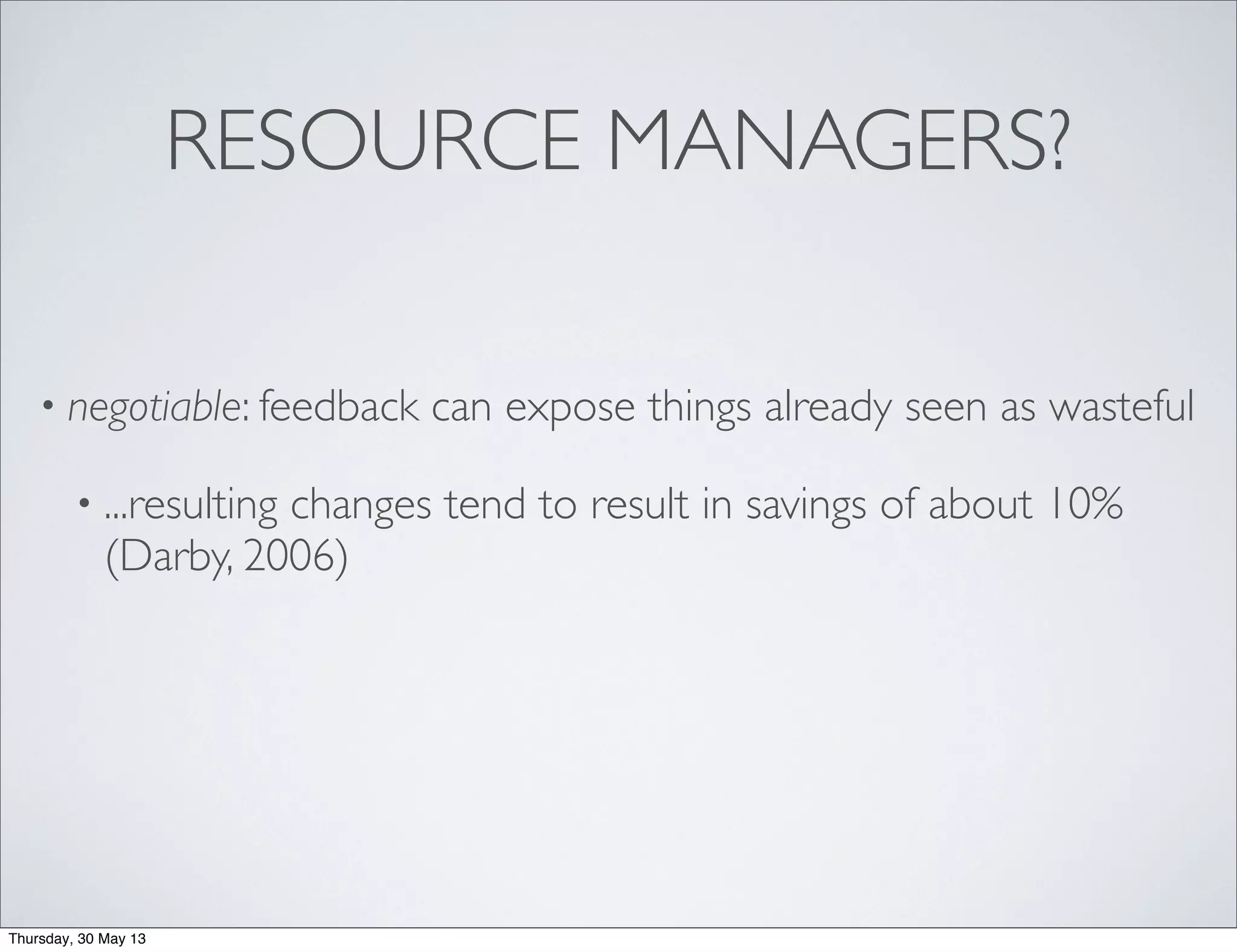
![“grounded in a basic
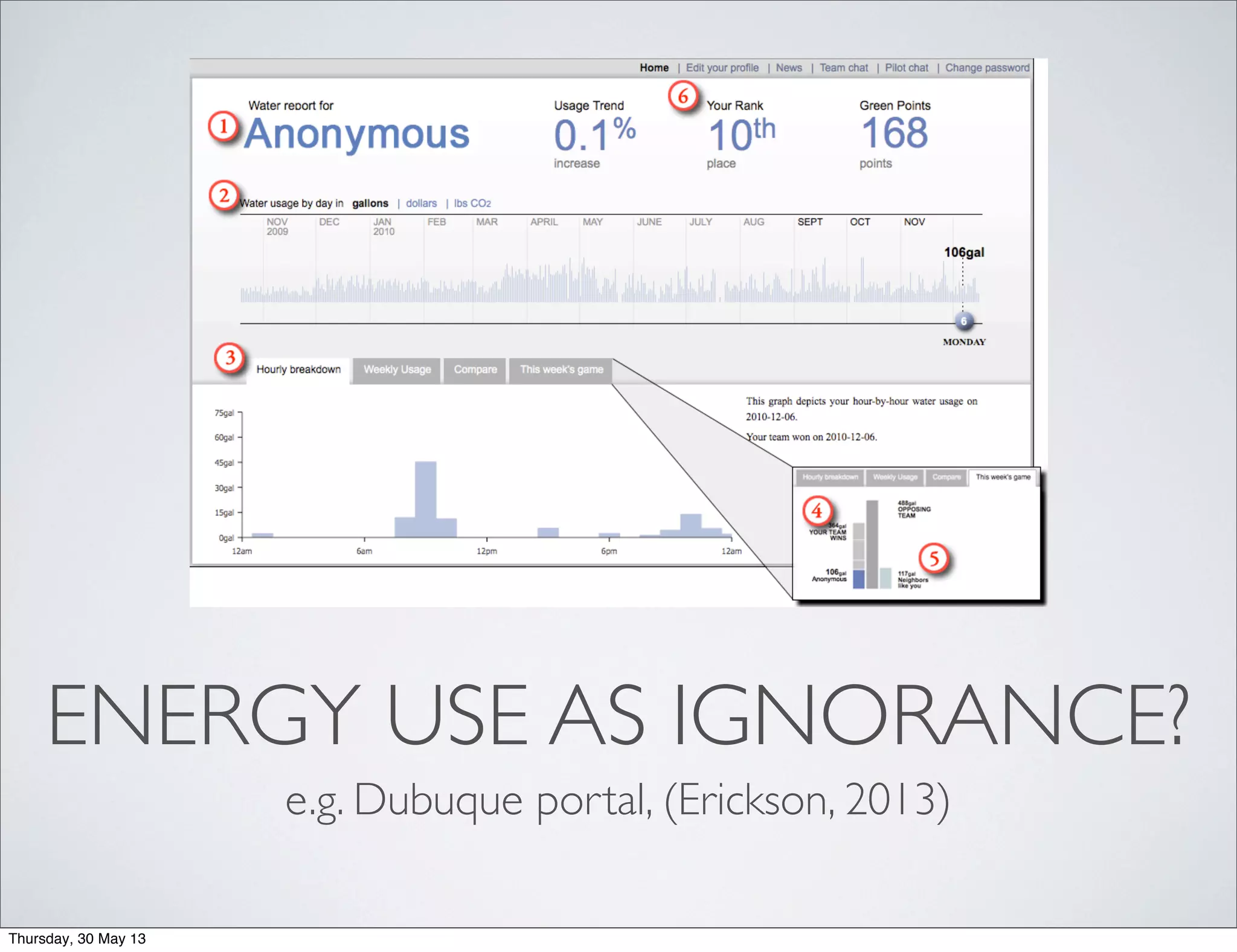
assumption that home dwellers
lack information” (Pierce, 2010),
[...] required if they are
understood as “micro-resource
managers” (Strengers, 2011)
disconnect between the types
and methods of feedback, and
“the realities of everyday life”
?
Thursday, 30 May 13](https://image.slidesharecdn.com/quantifyingourunderstandingofenergyuseitumay2013-130530030552-phpapp02/75/Quantifying-our-understanding-of-energy-use-itu-may-2013-13-2048.jpg)
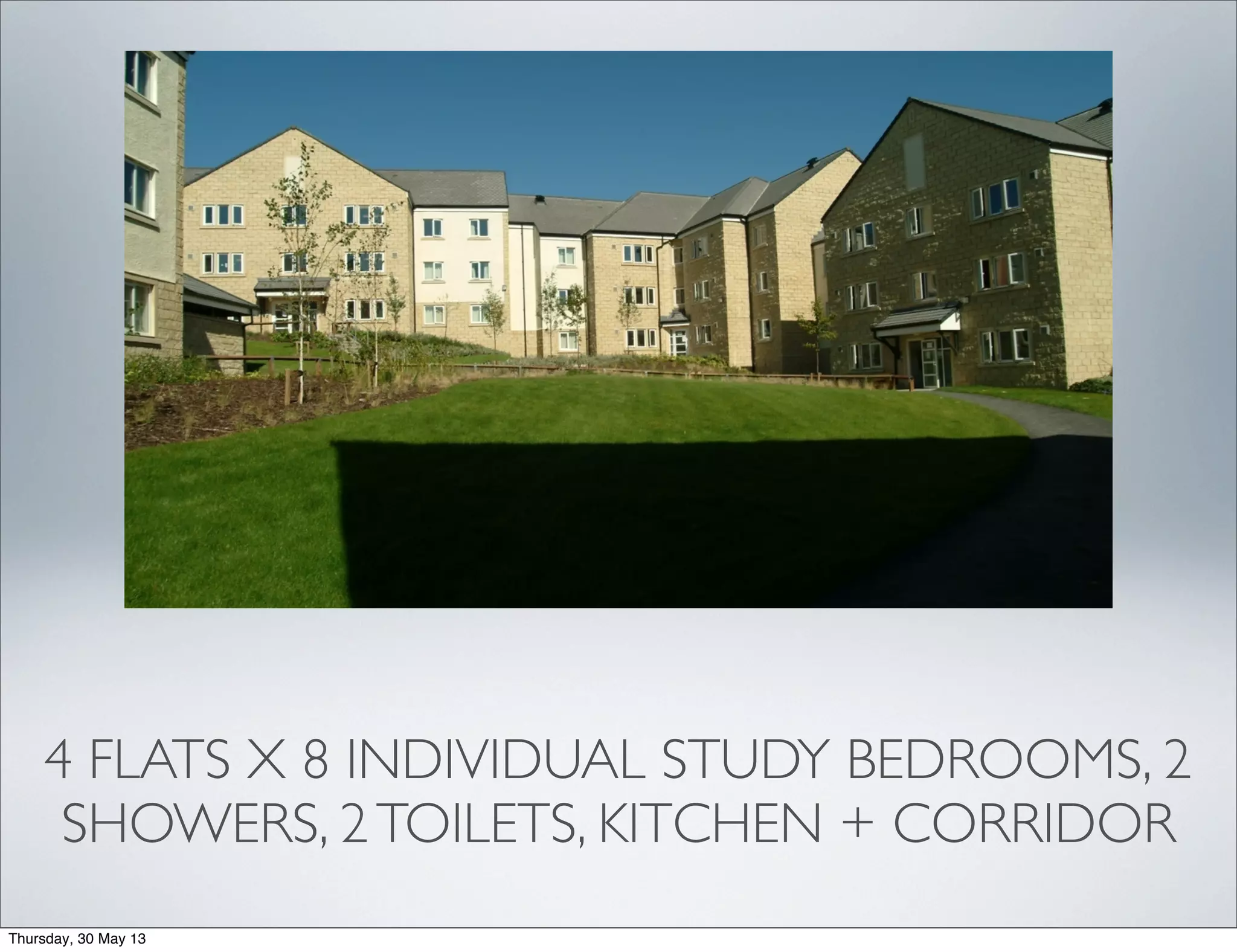
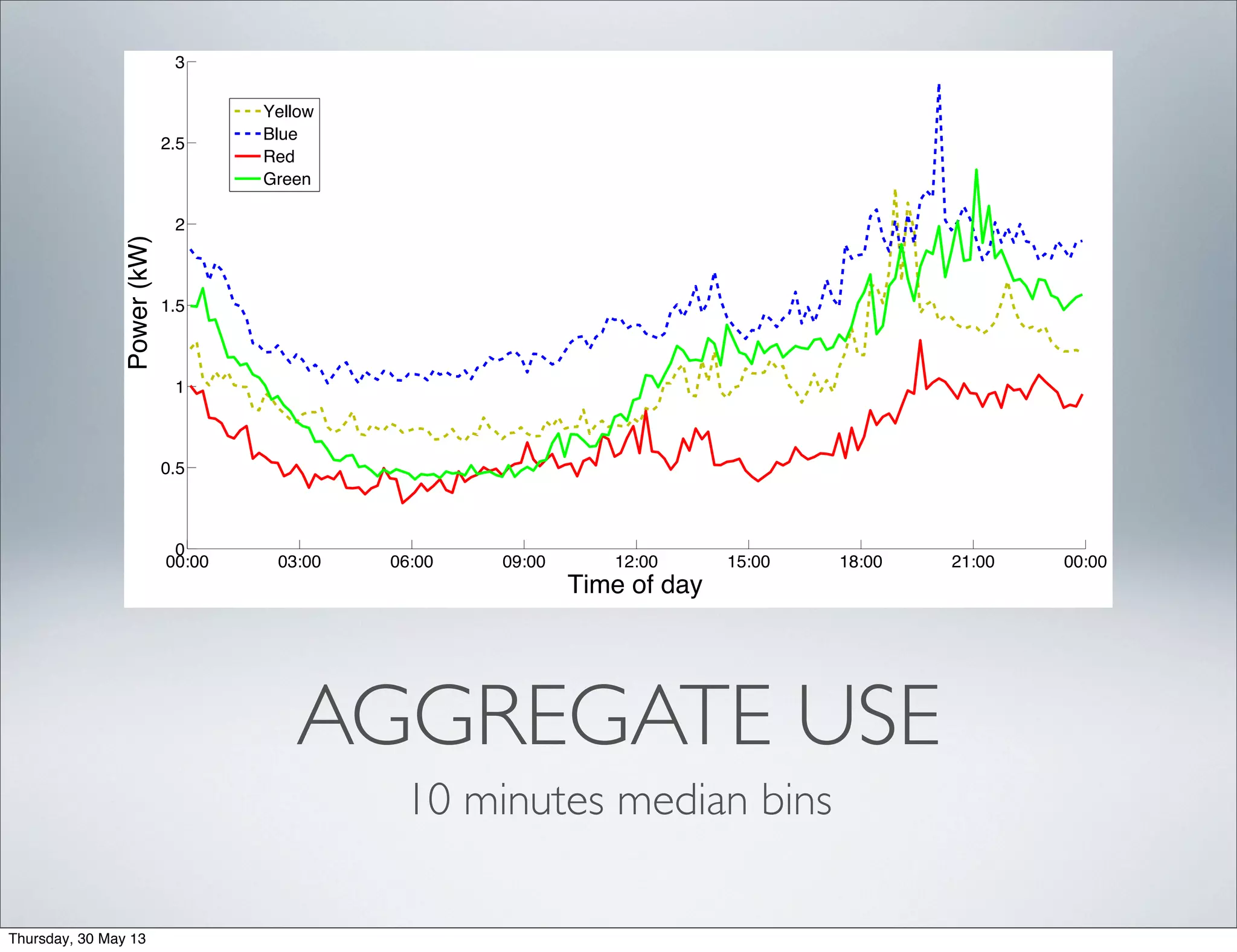
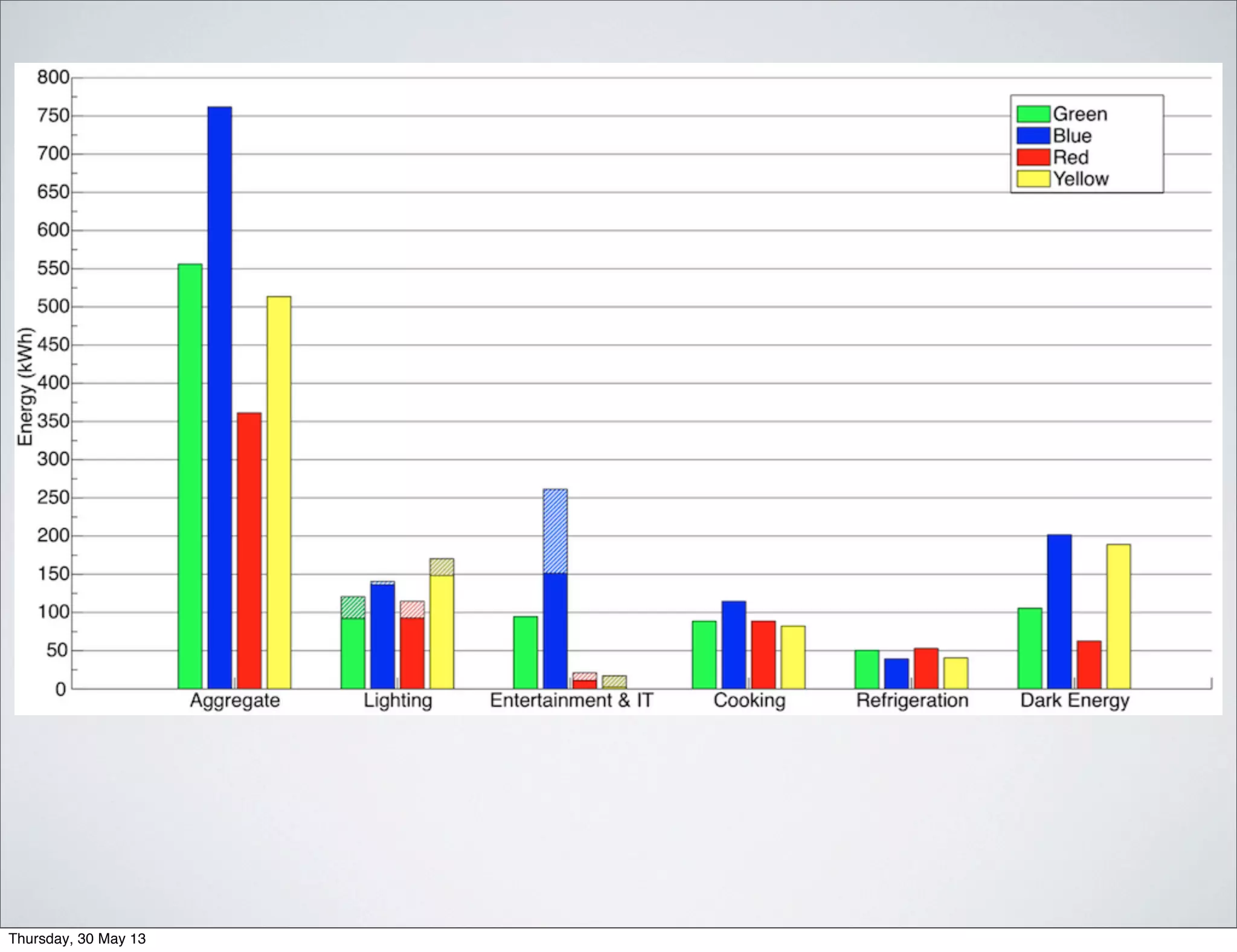
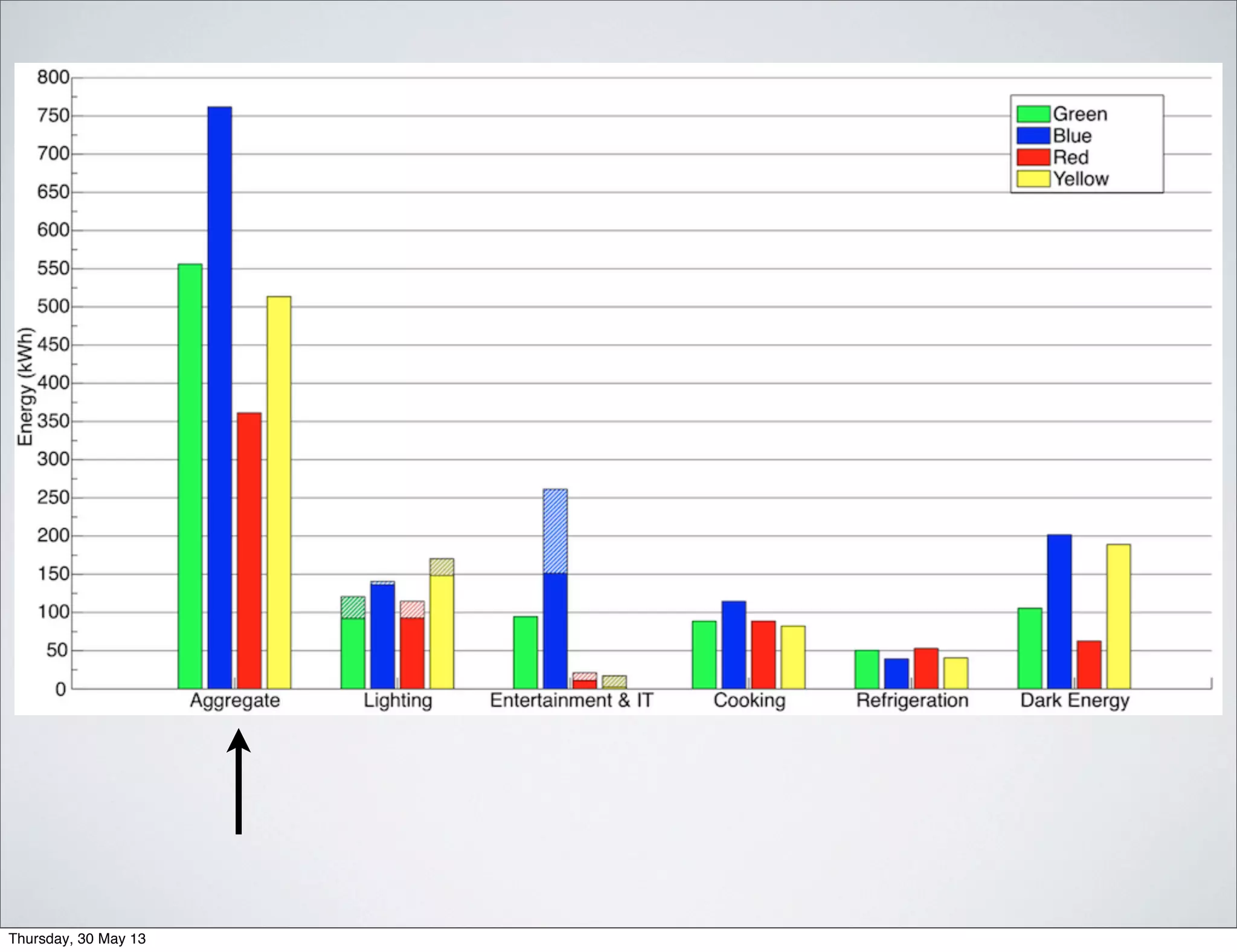
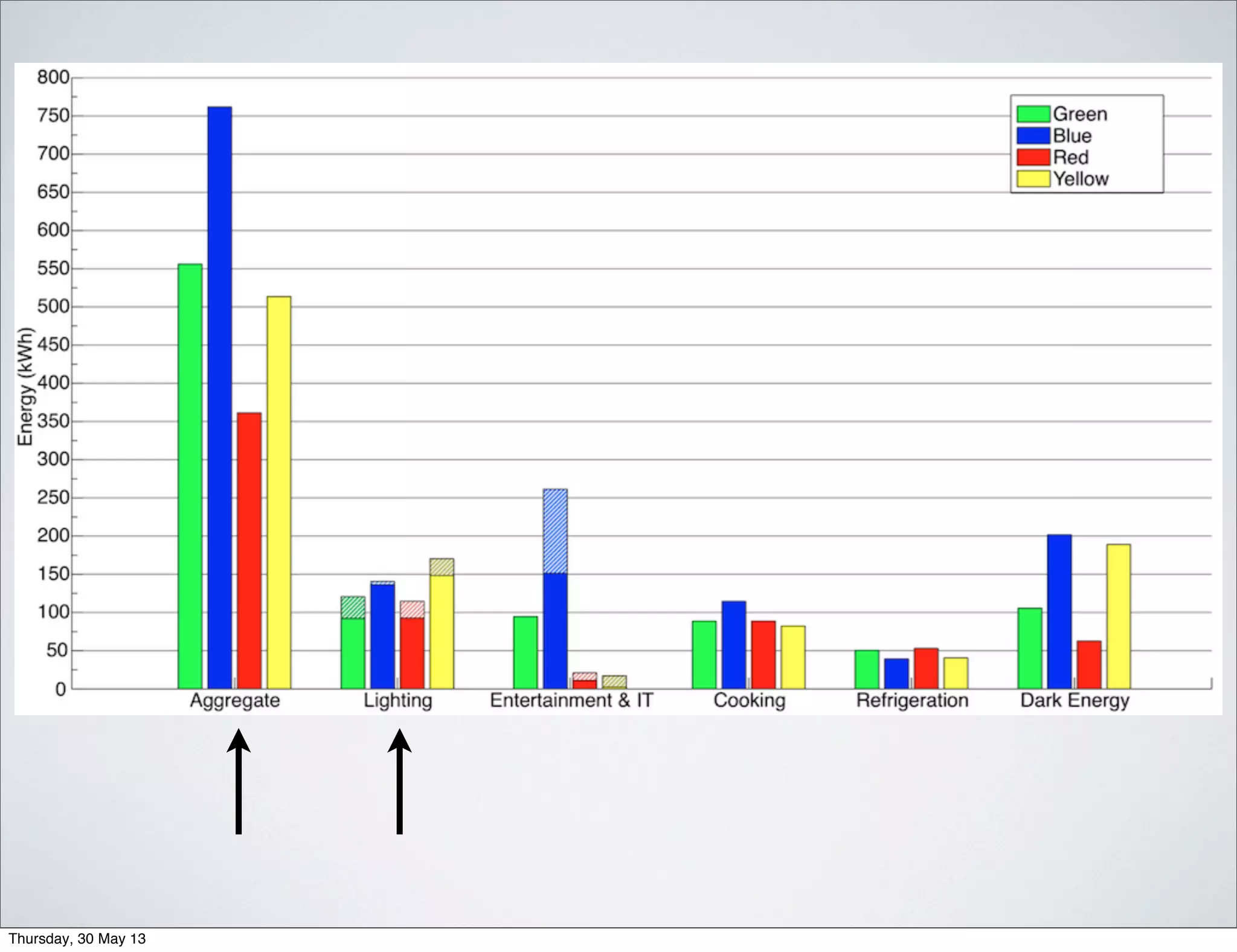
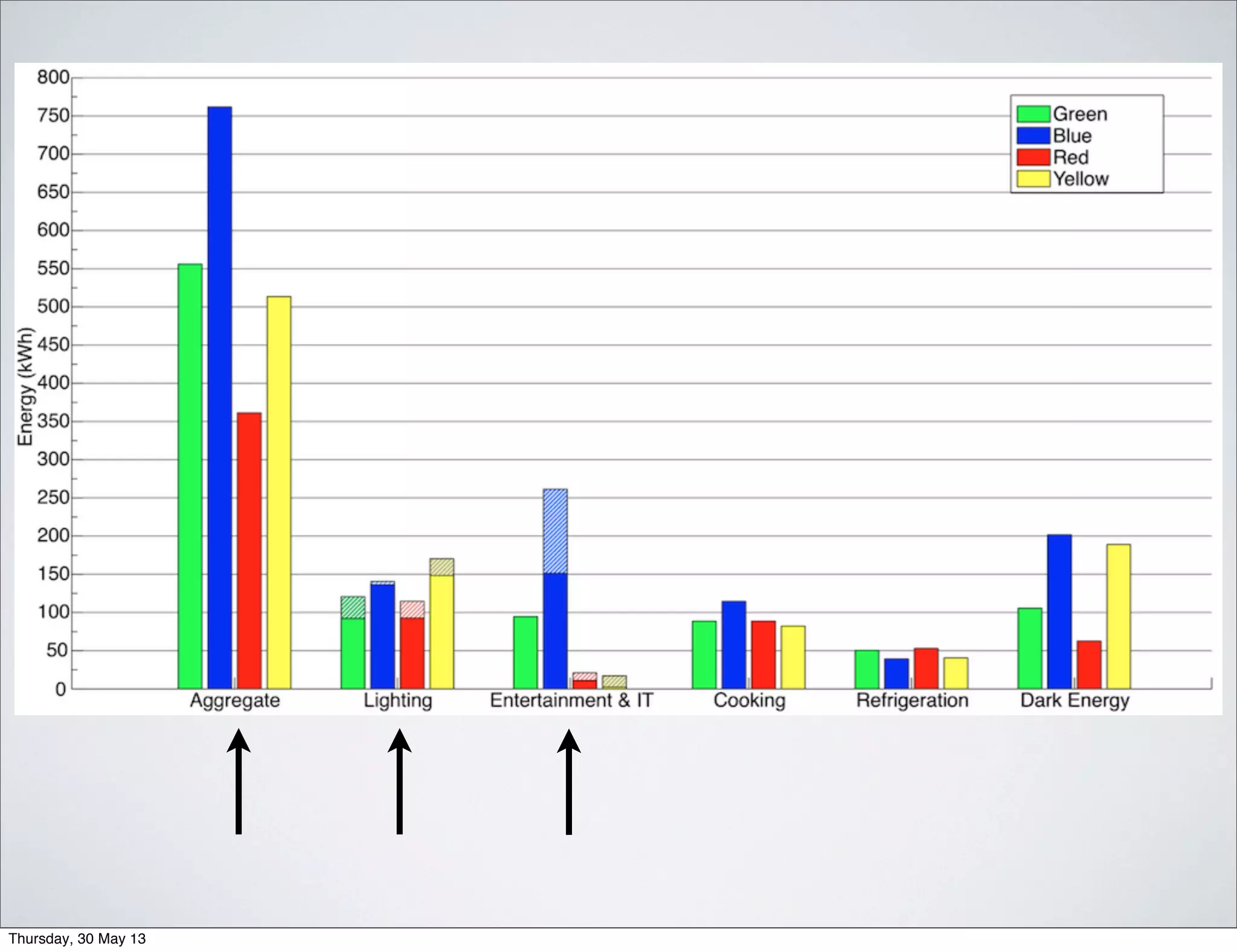
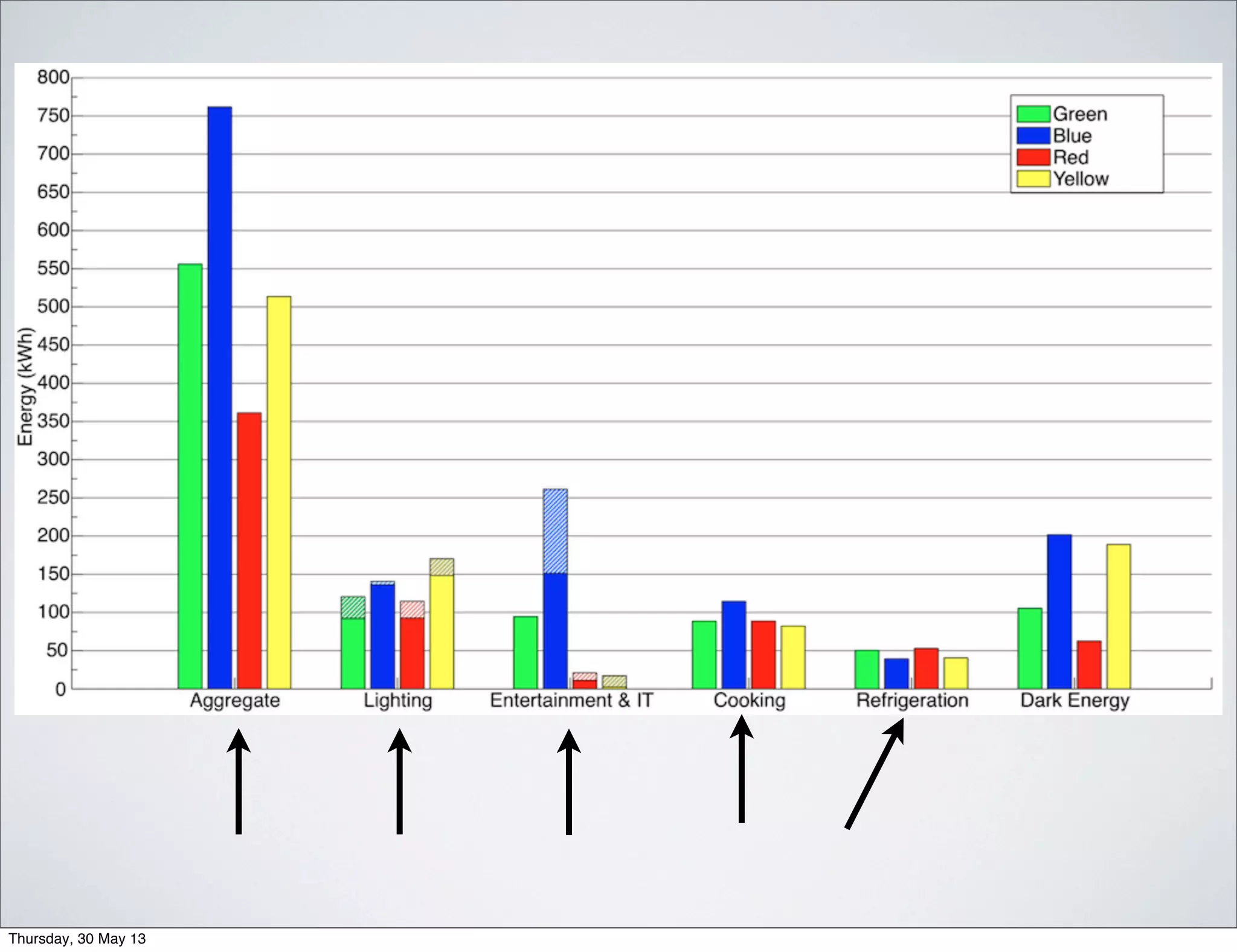
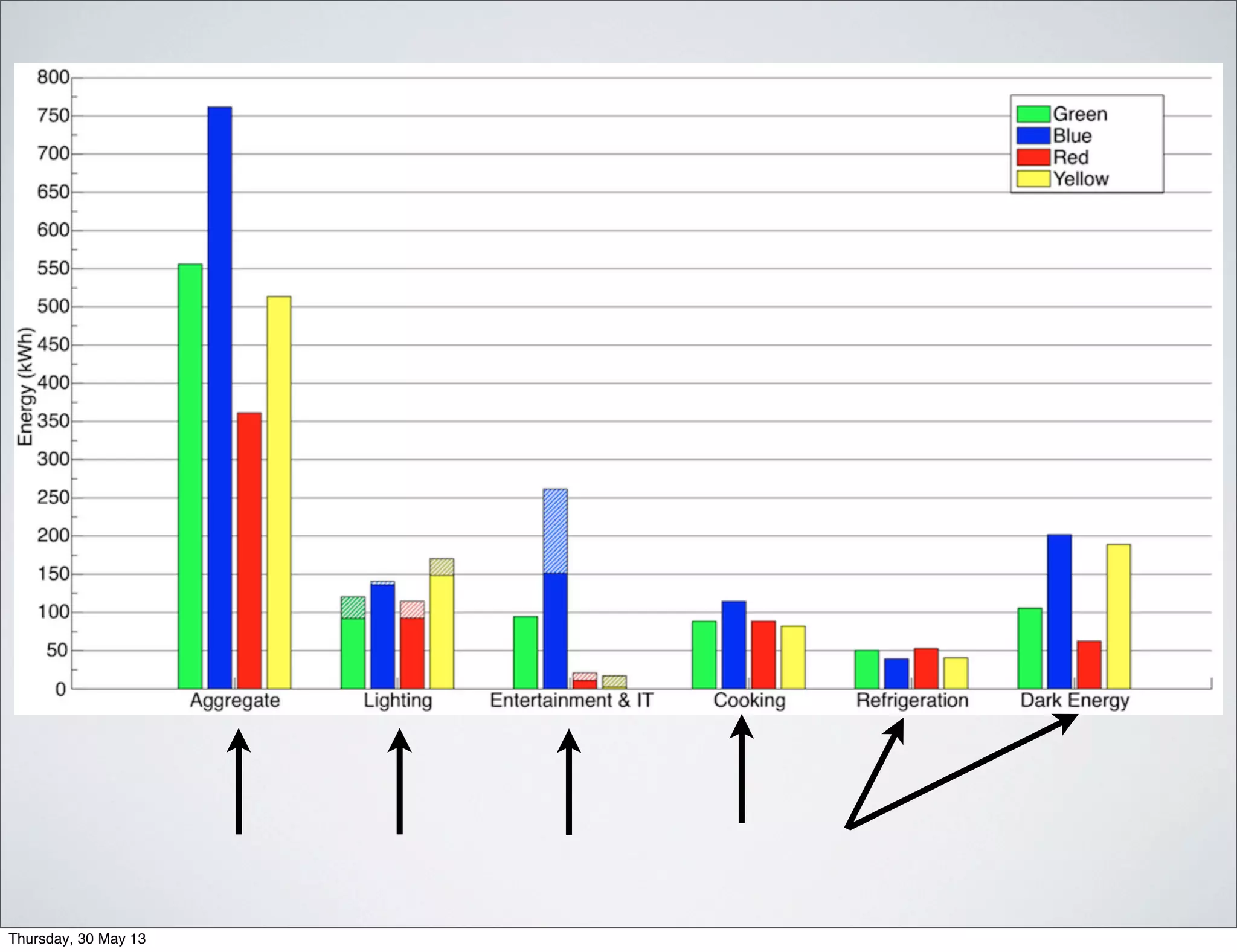
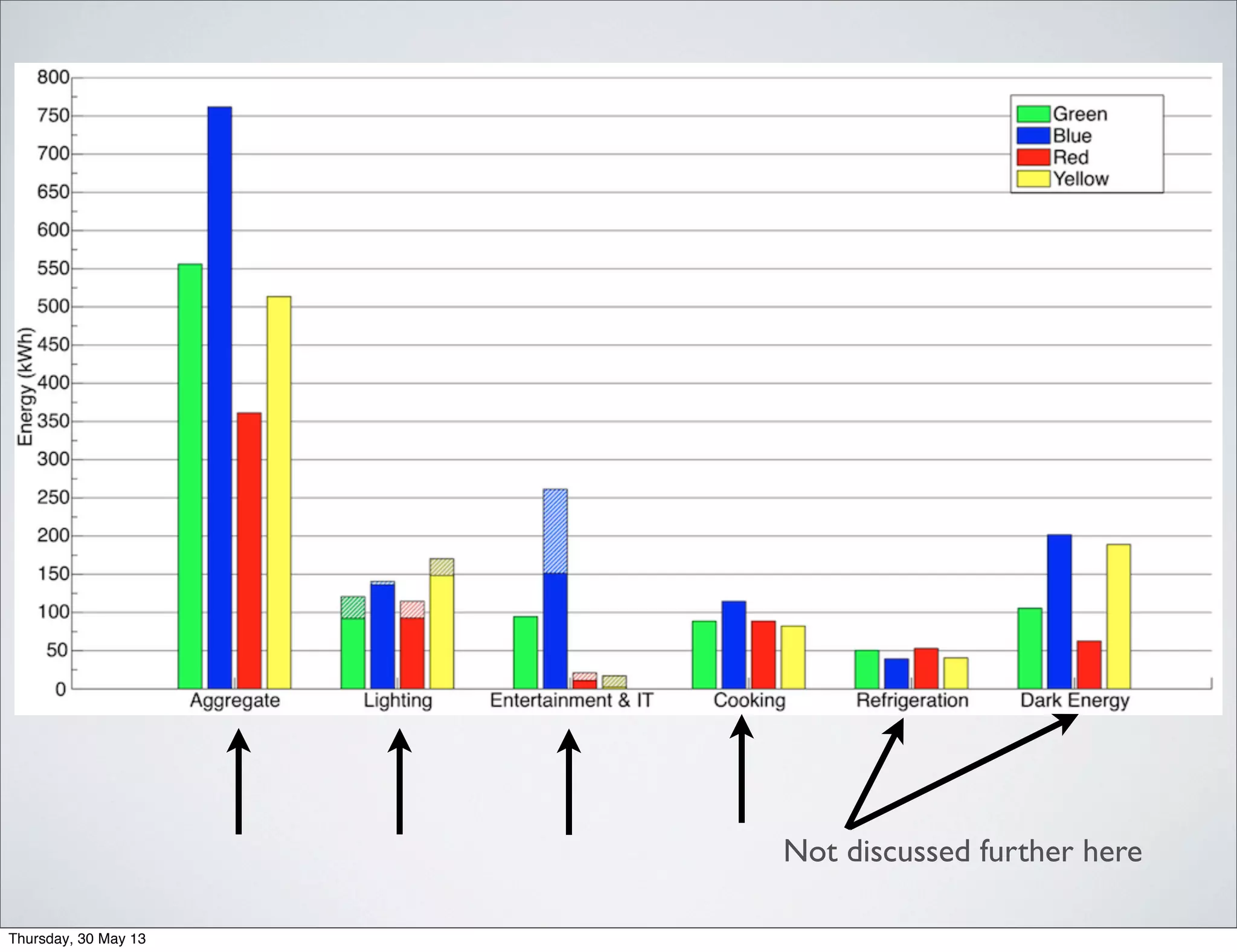
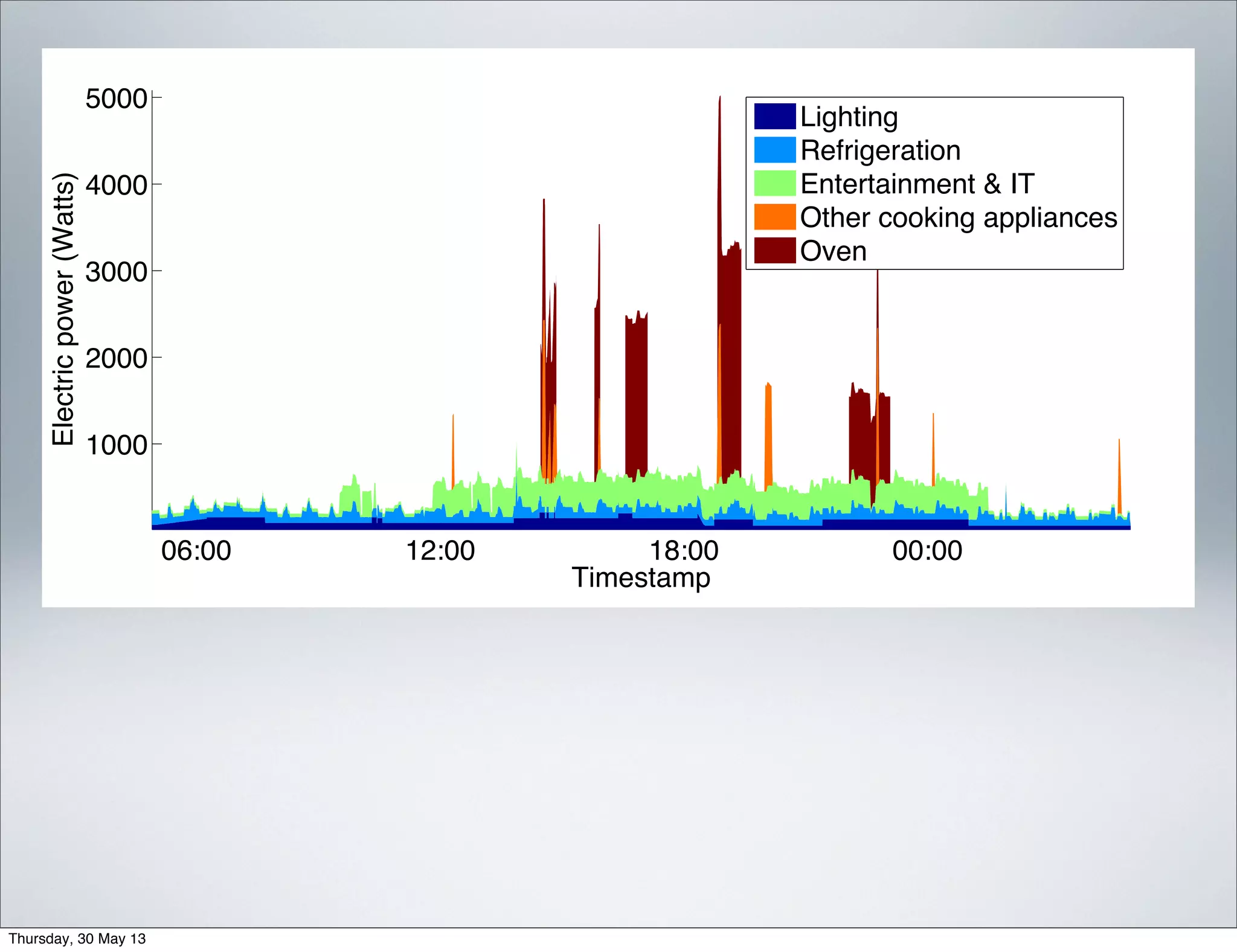
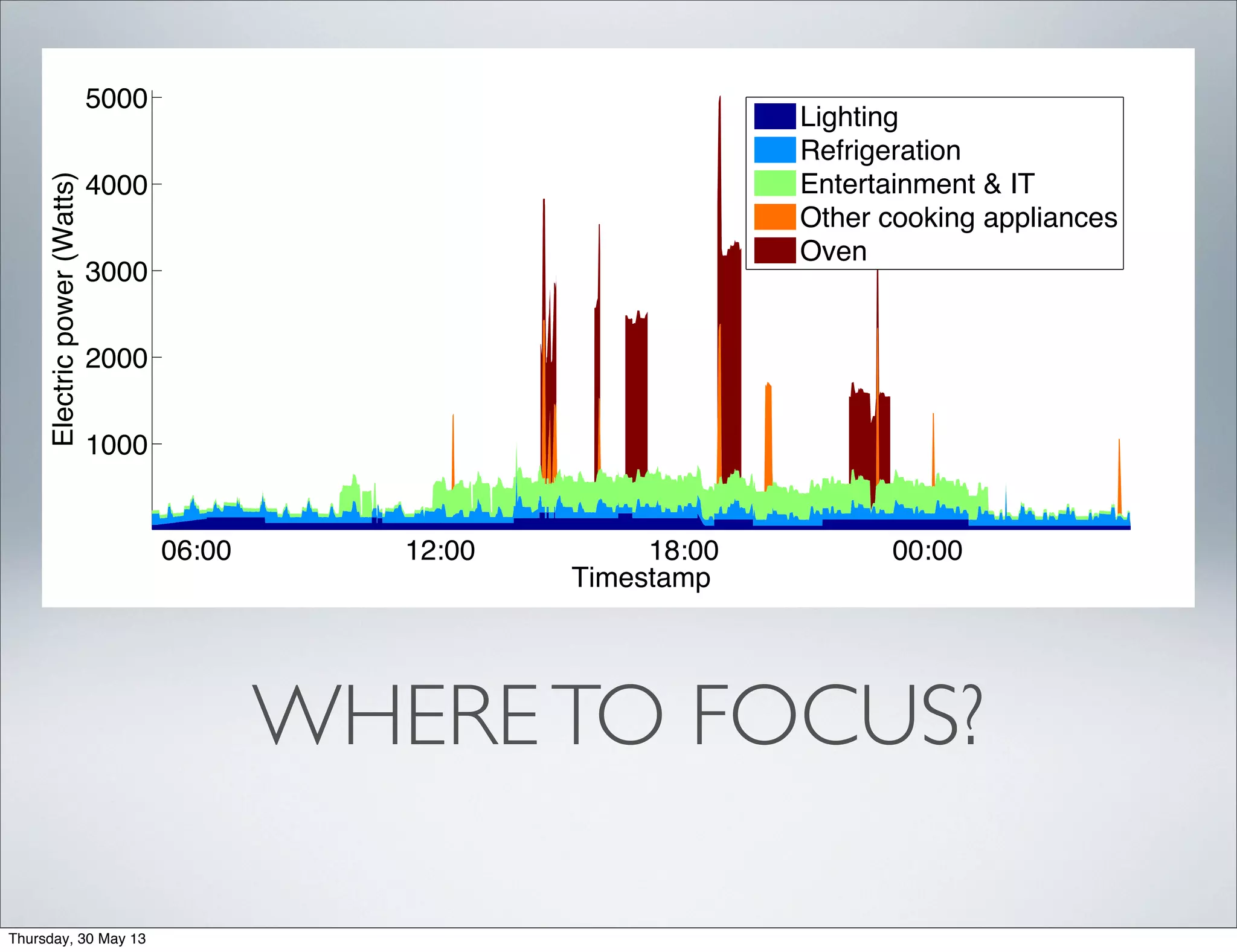
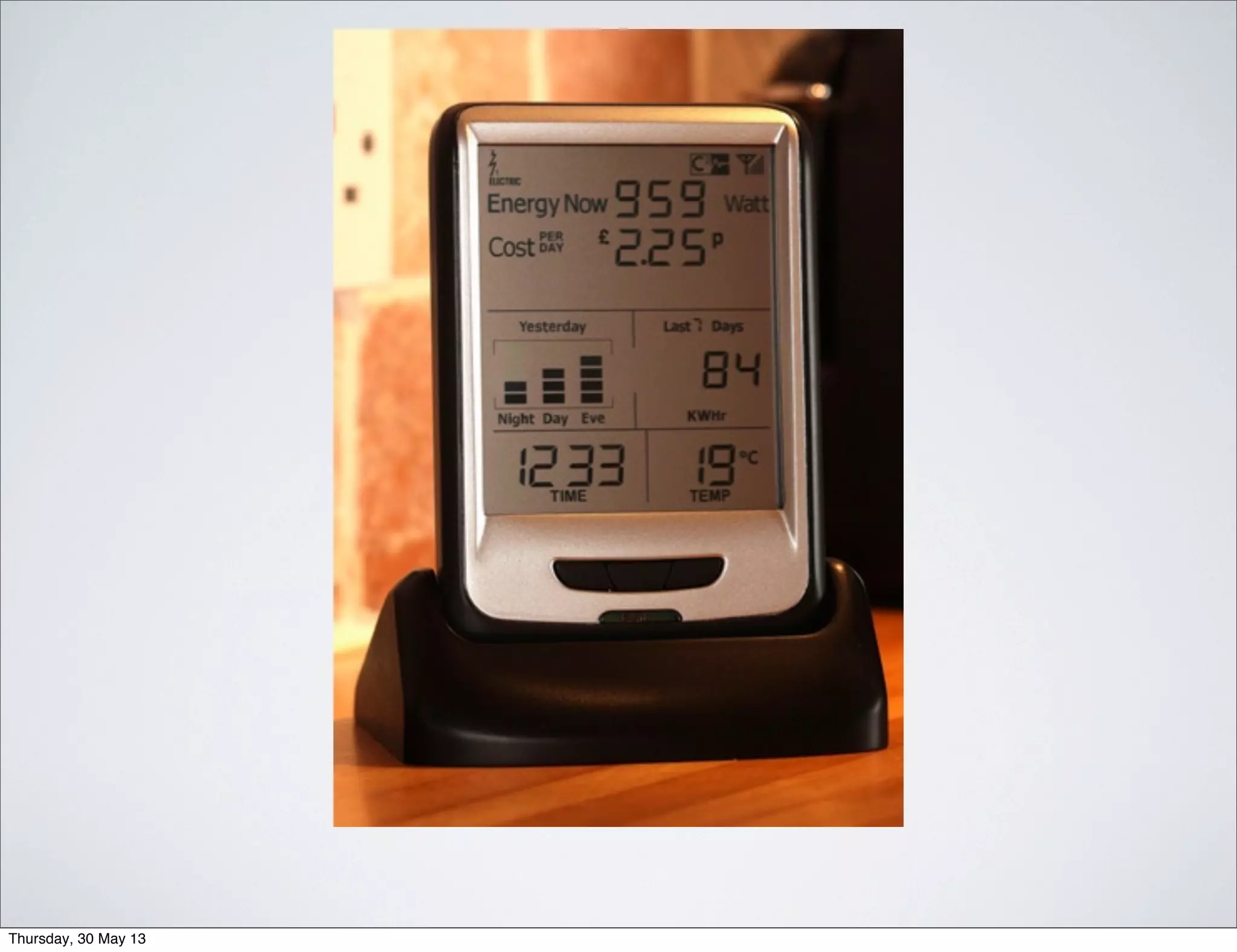
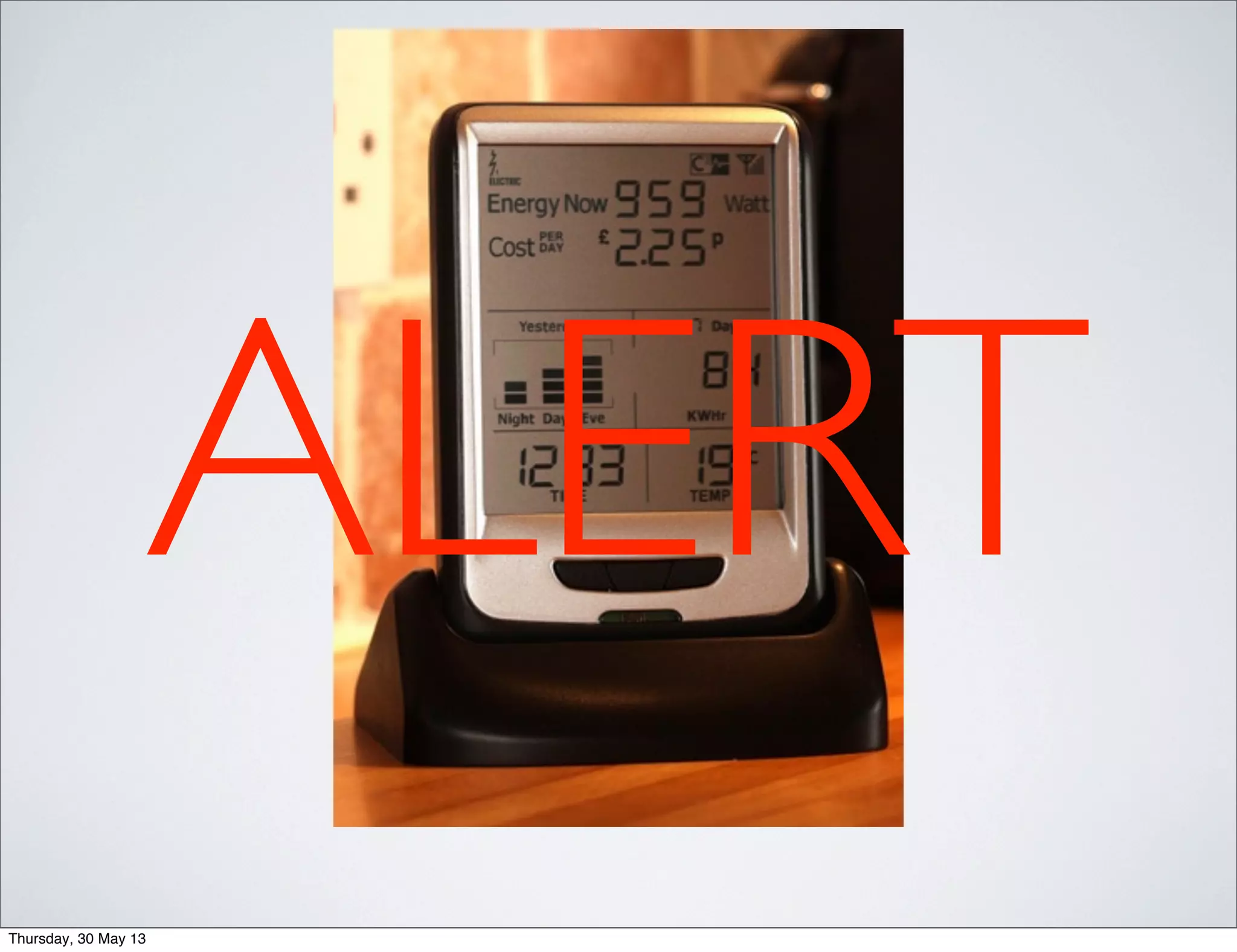
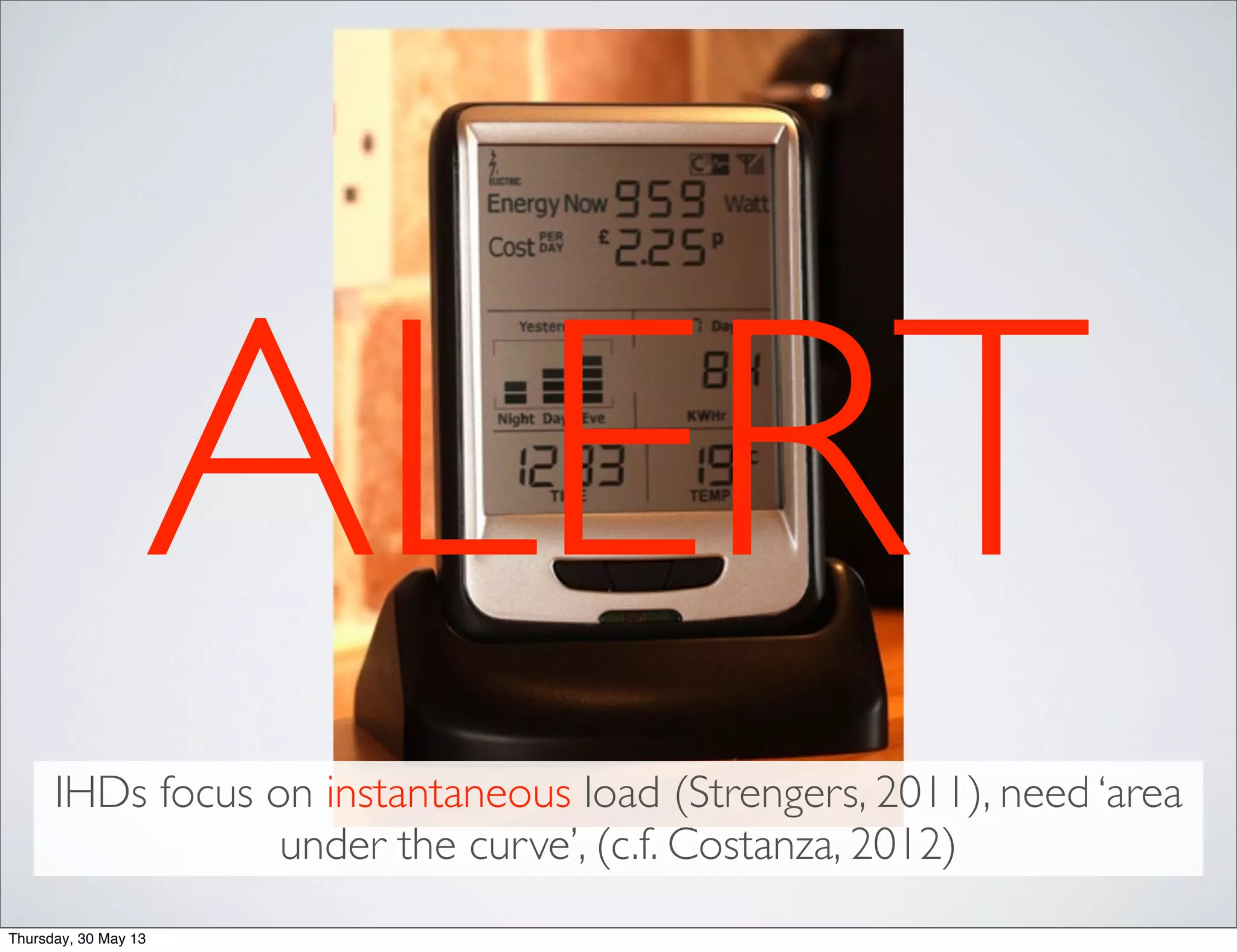
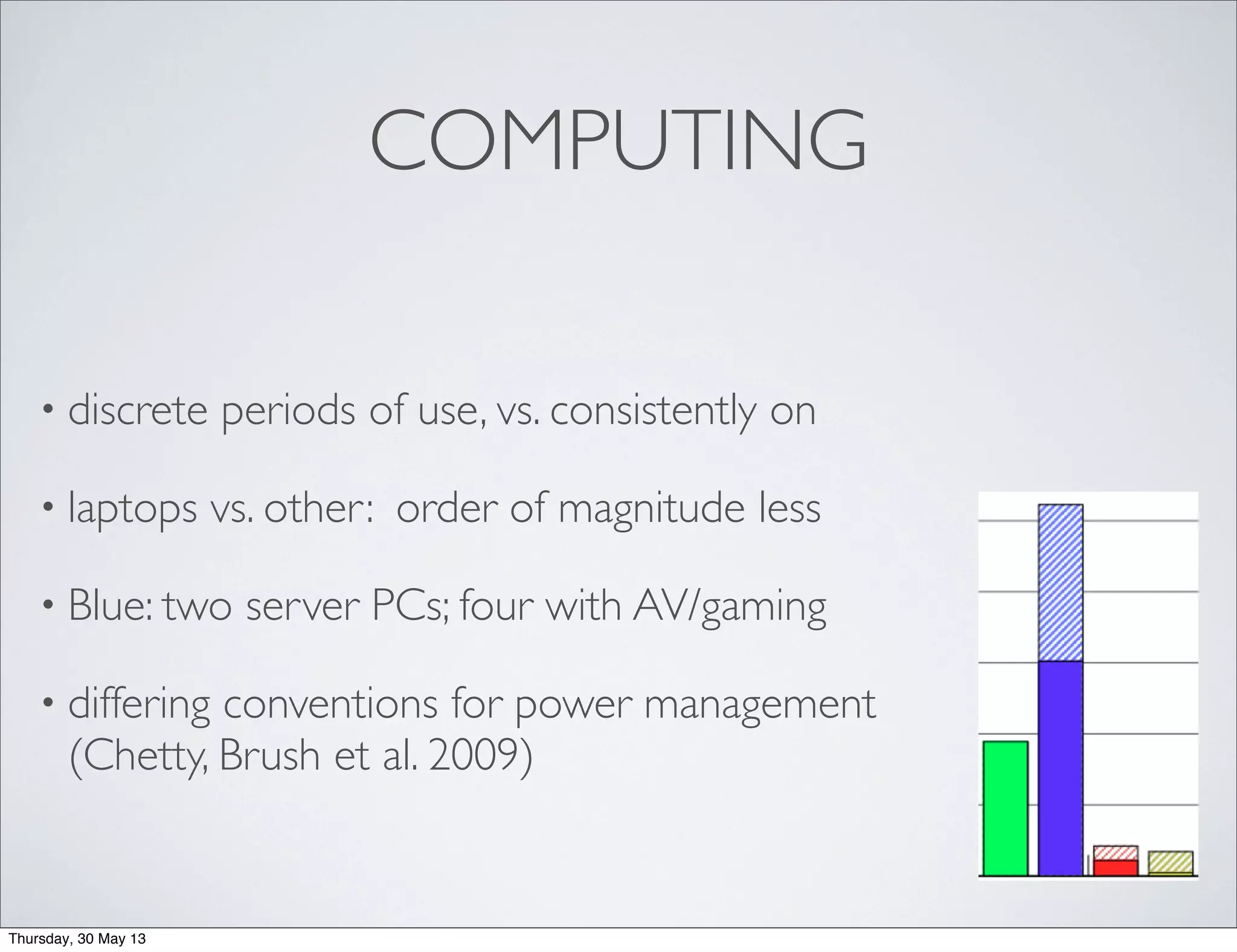
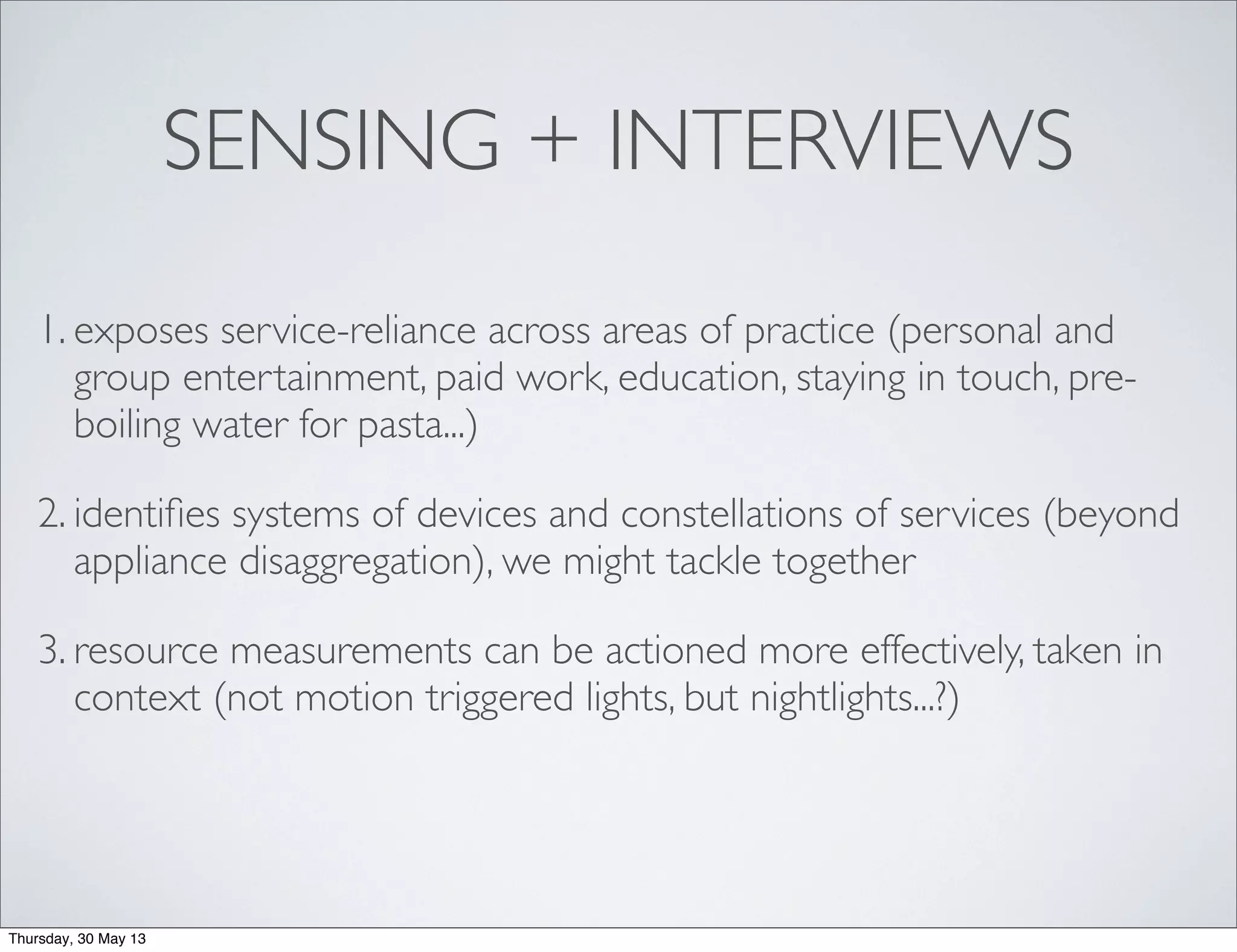
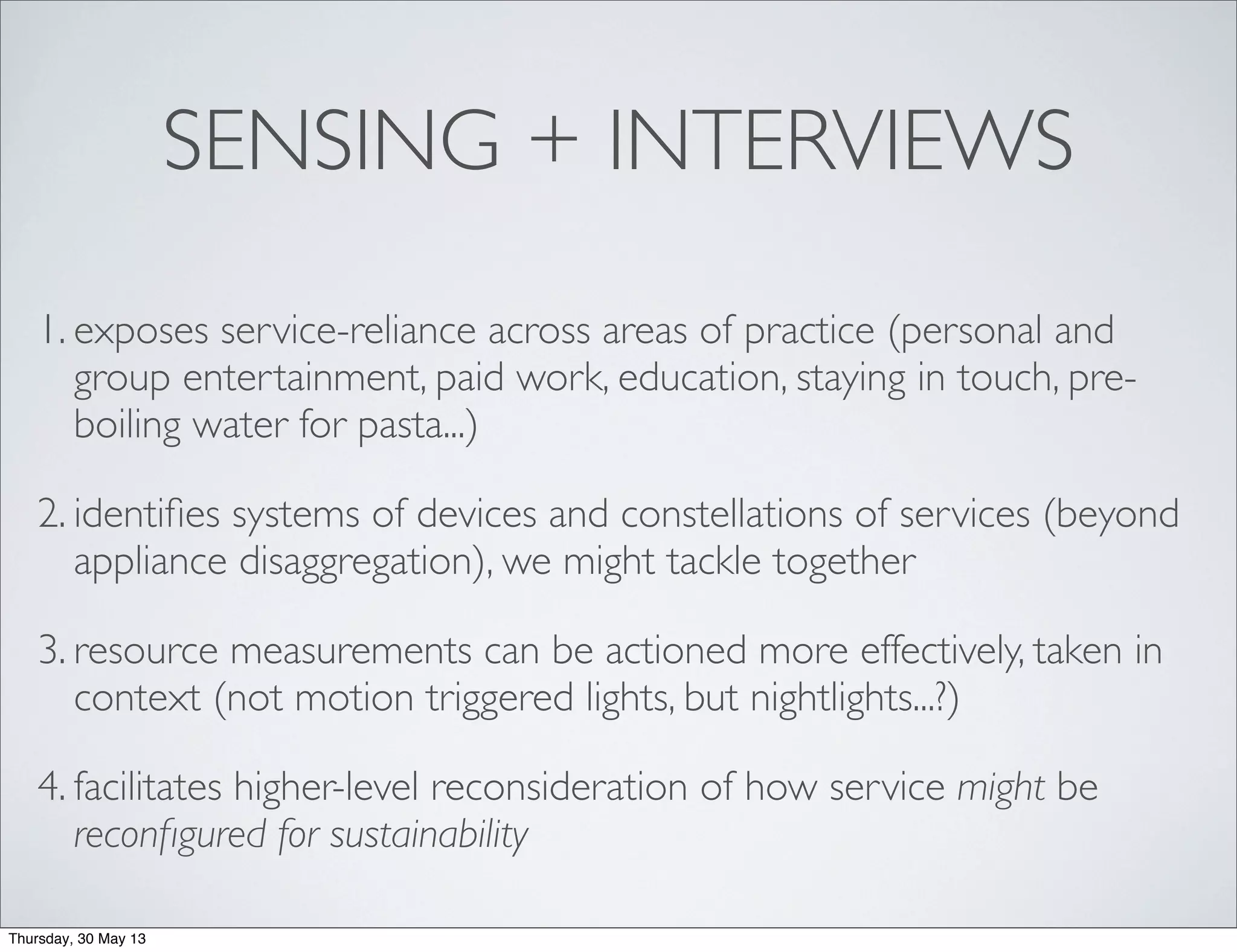
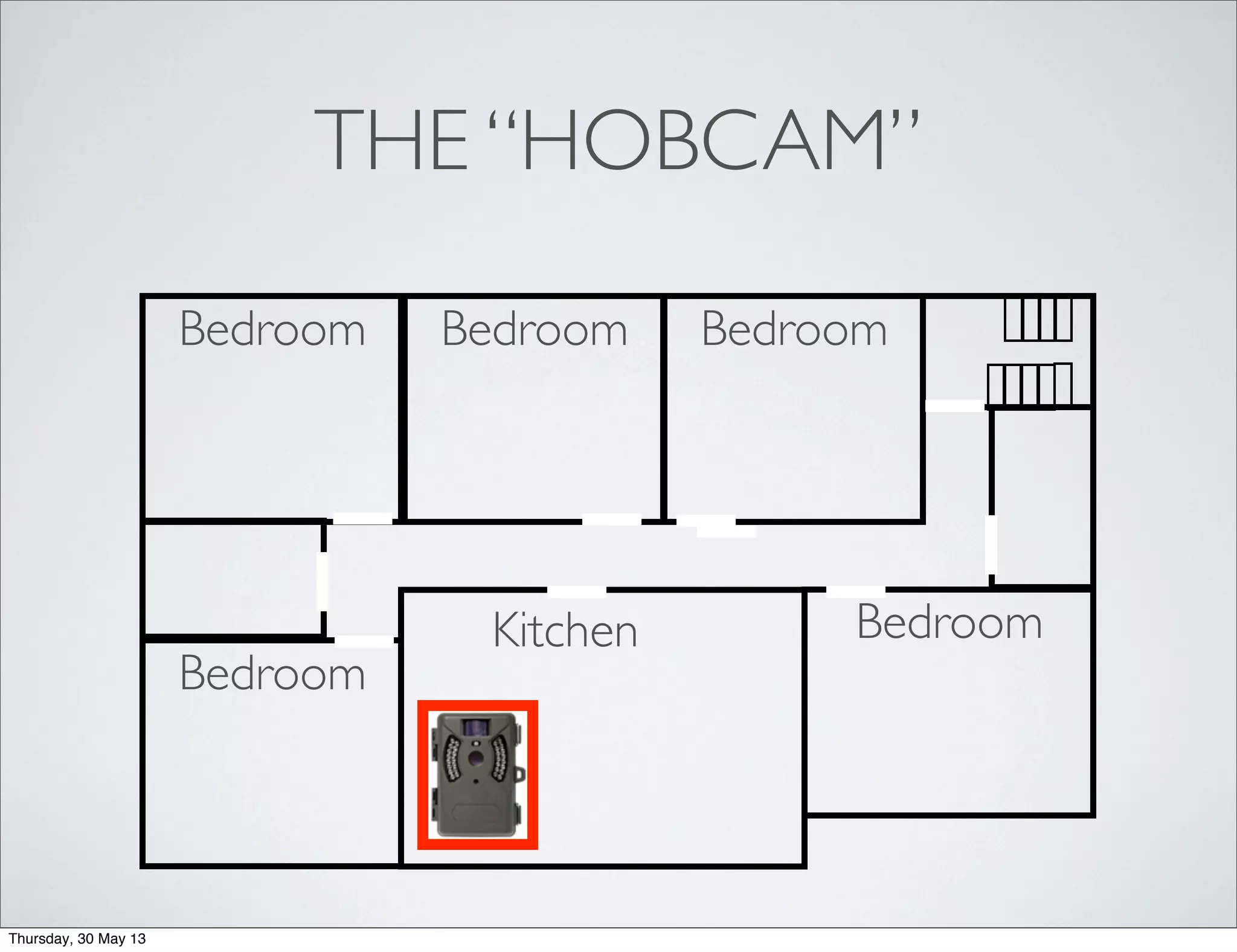

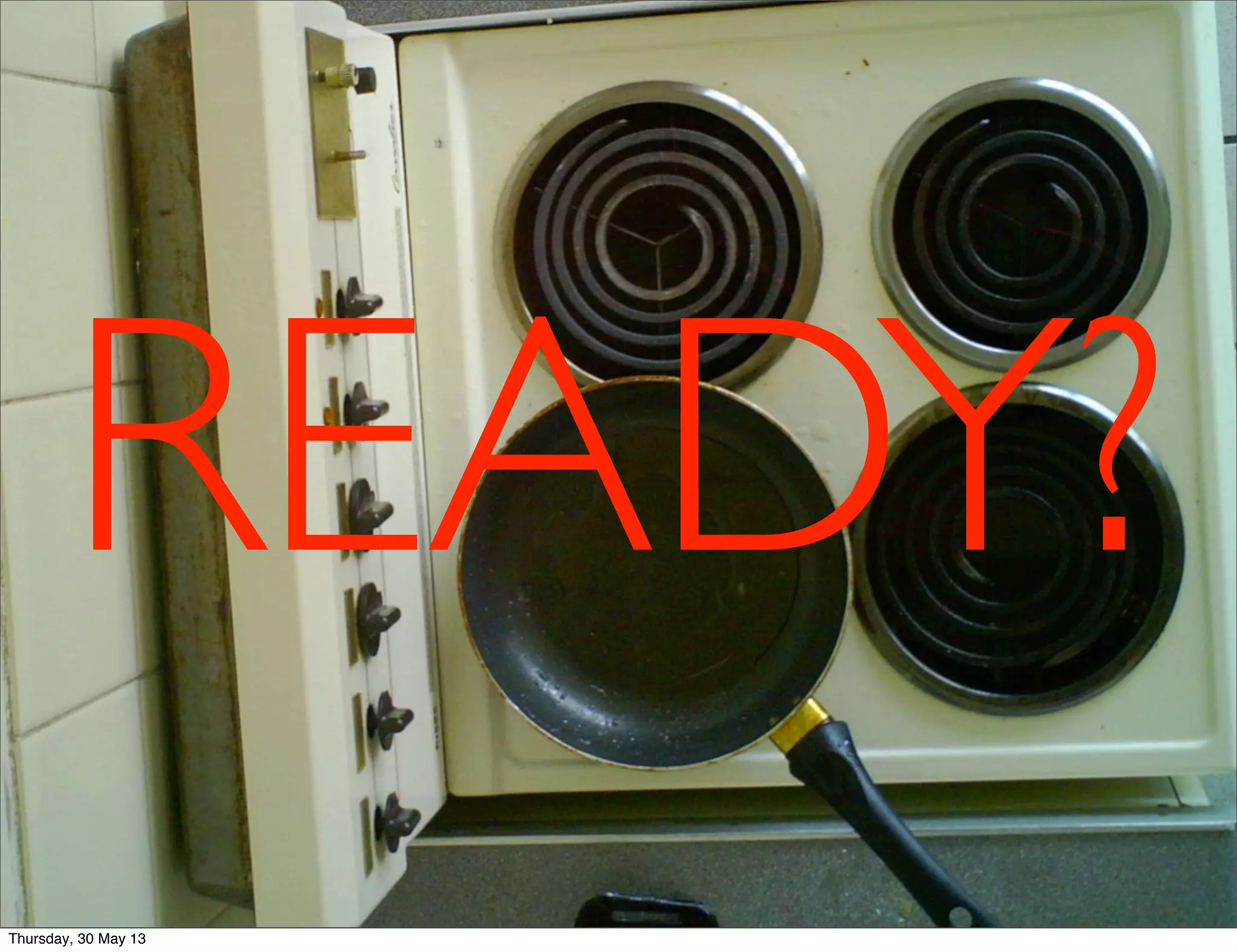
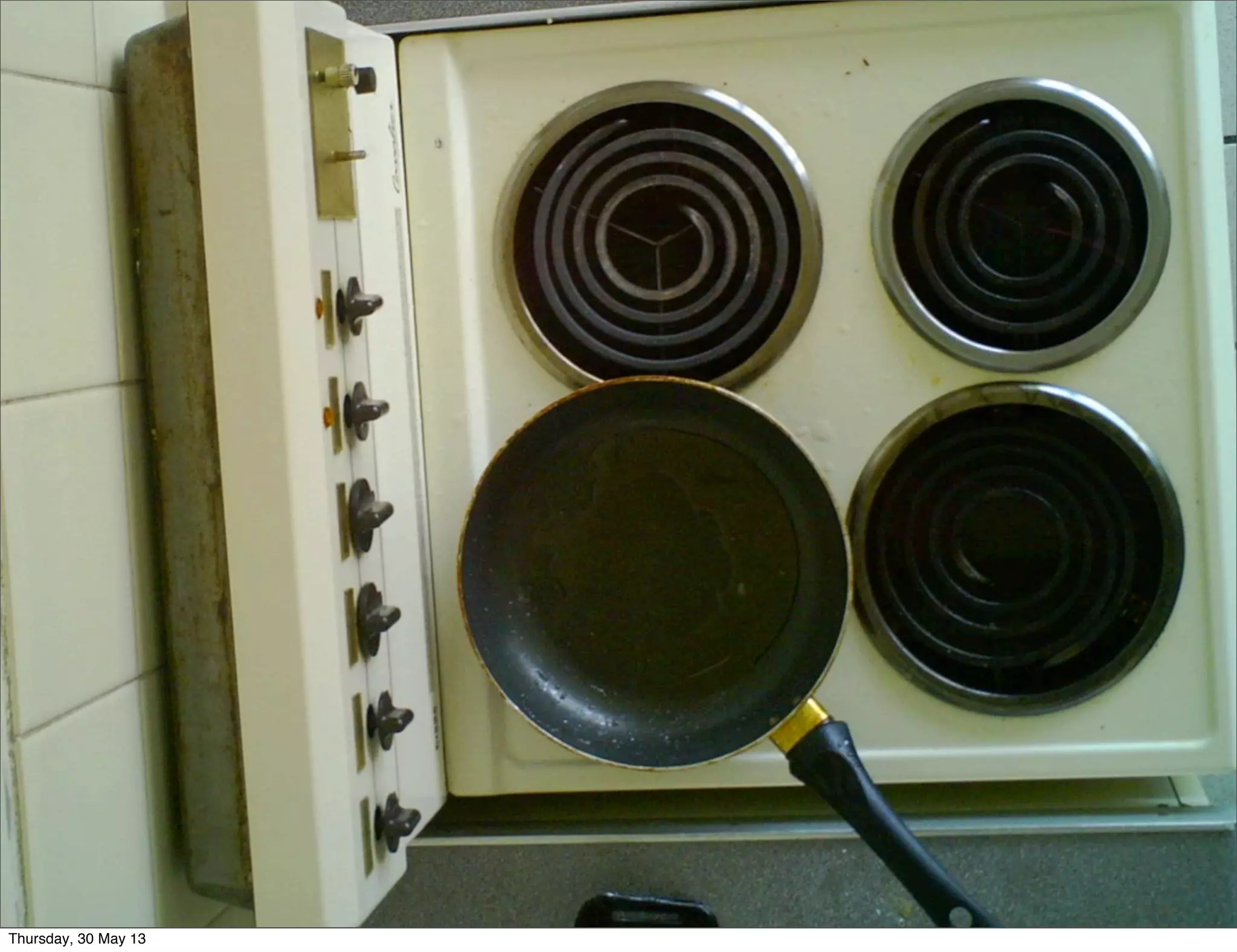
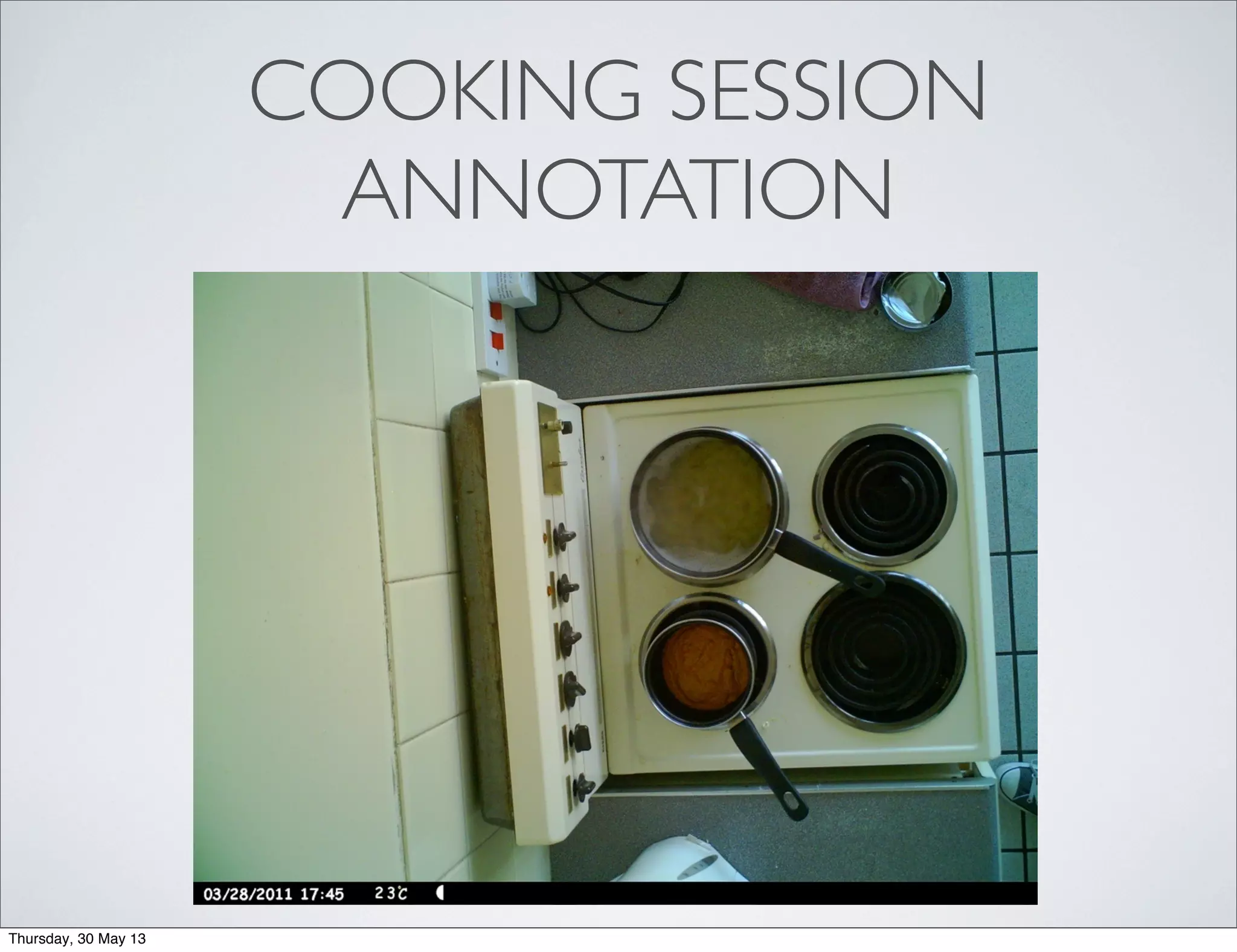
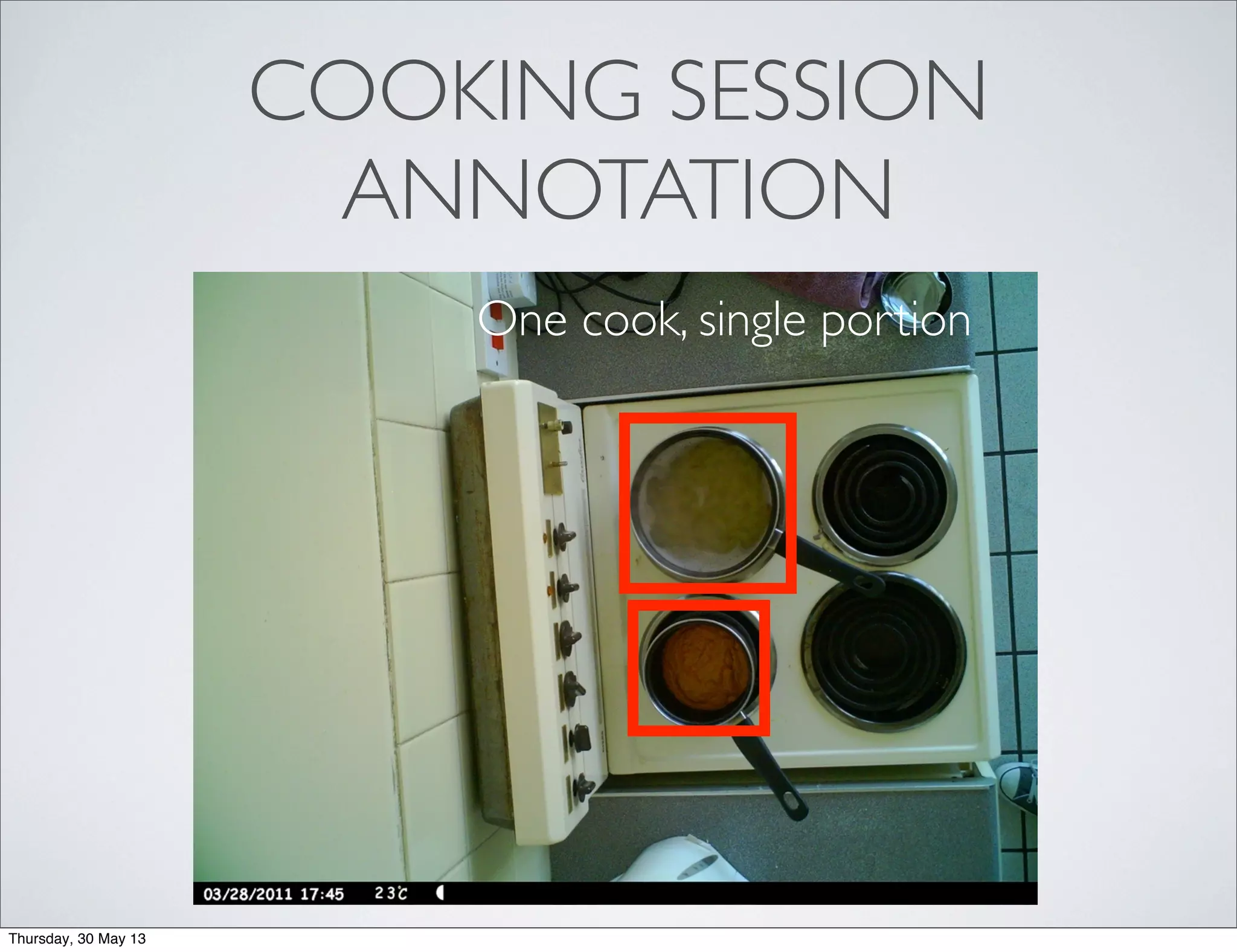
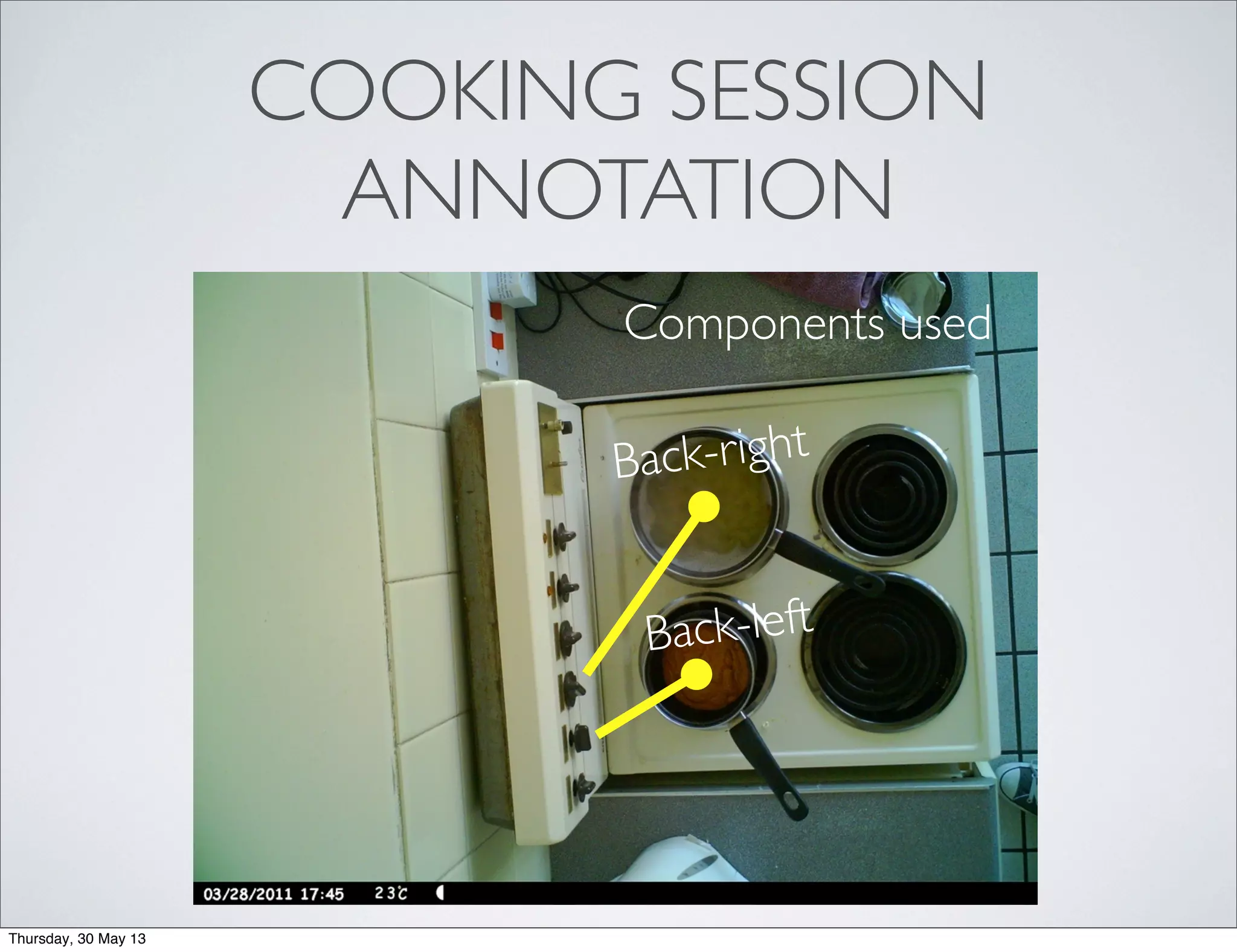
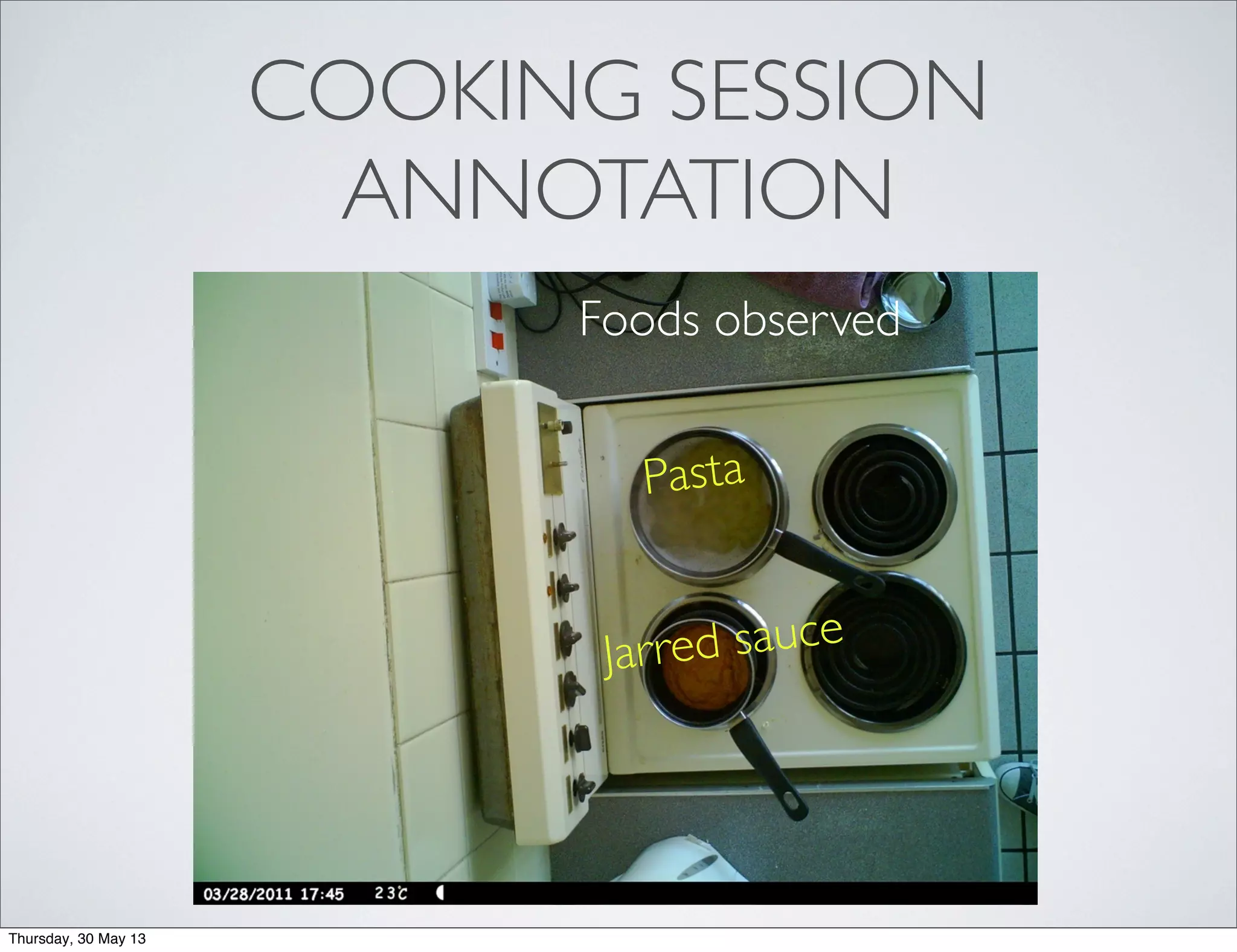
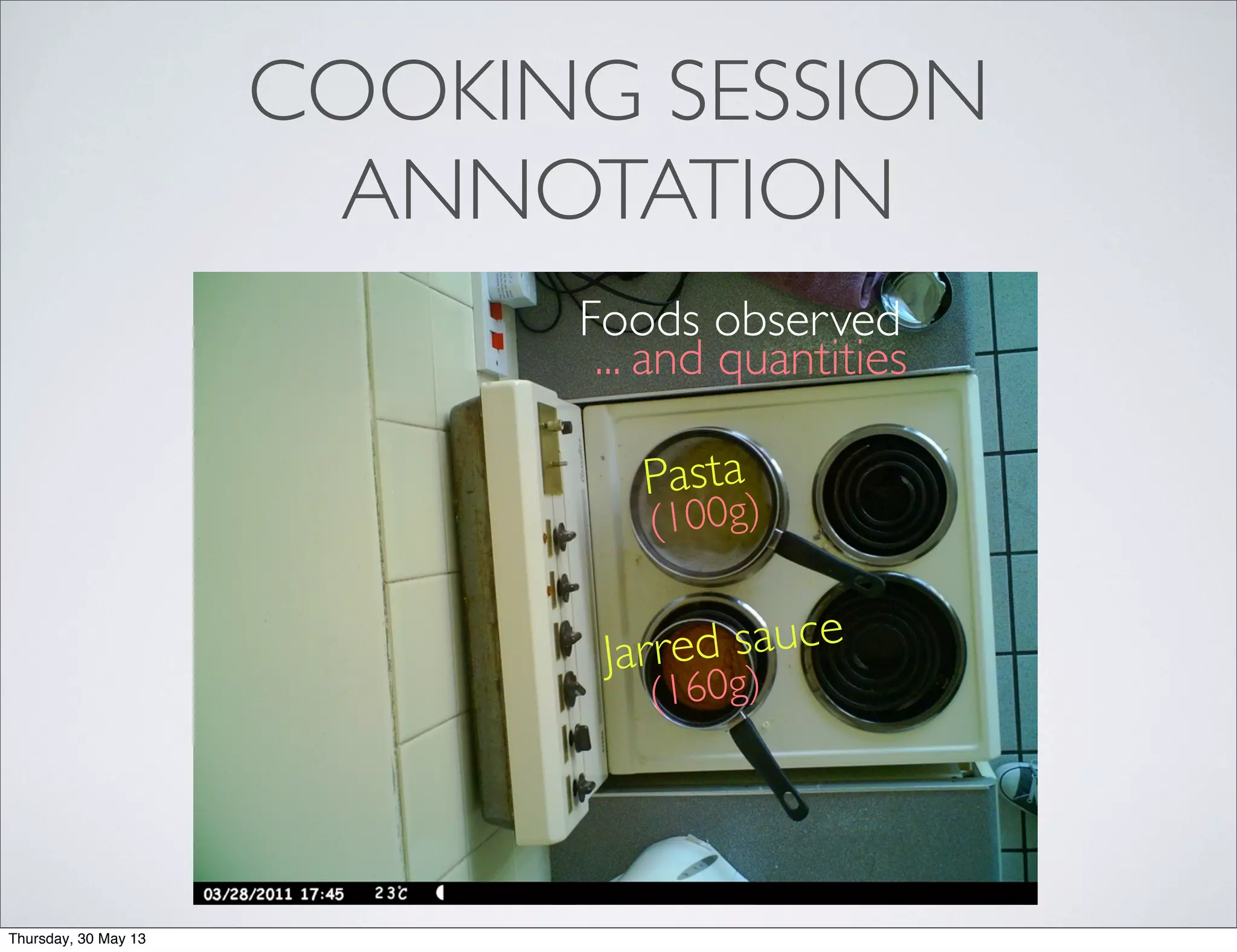
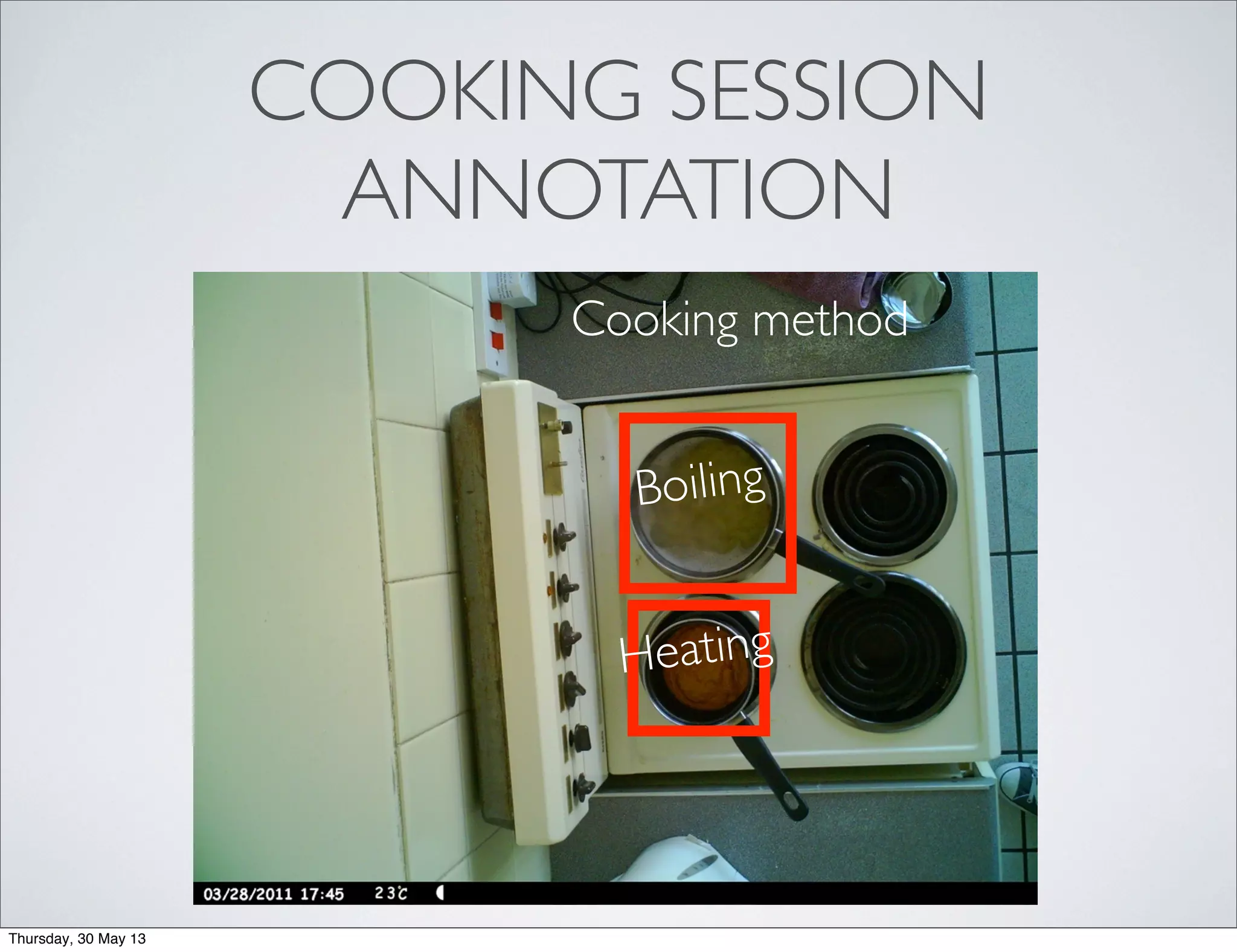
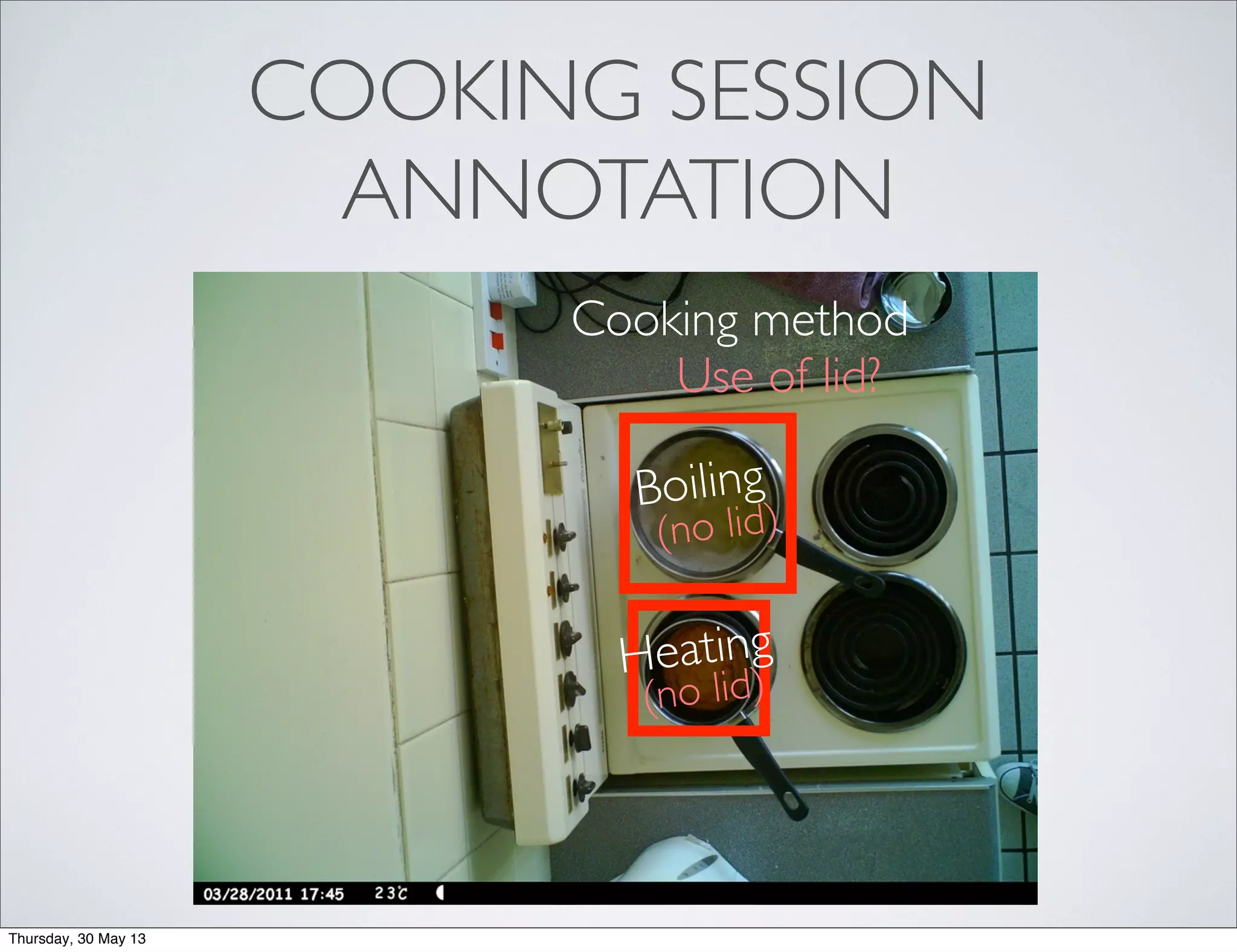
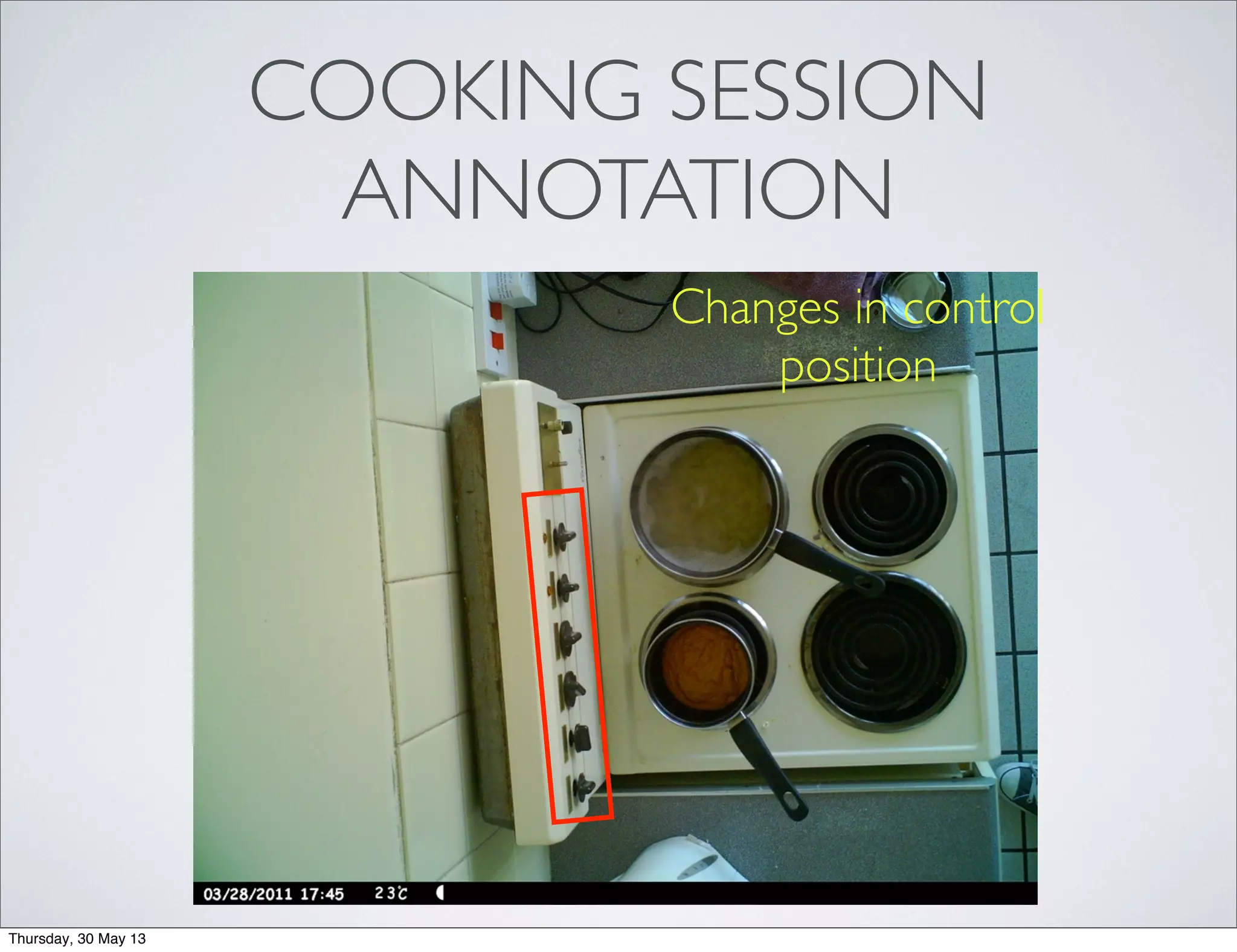

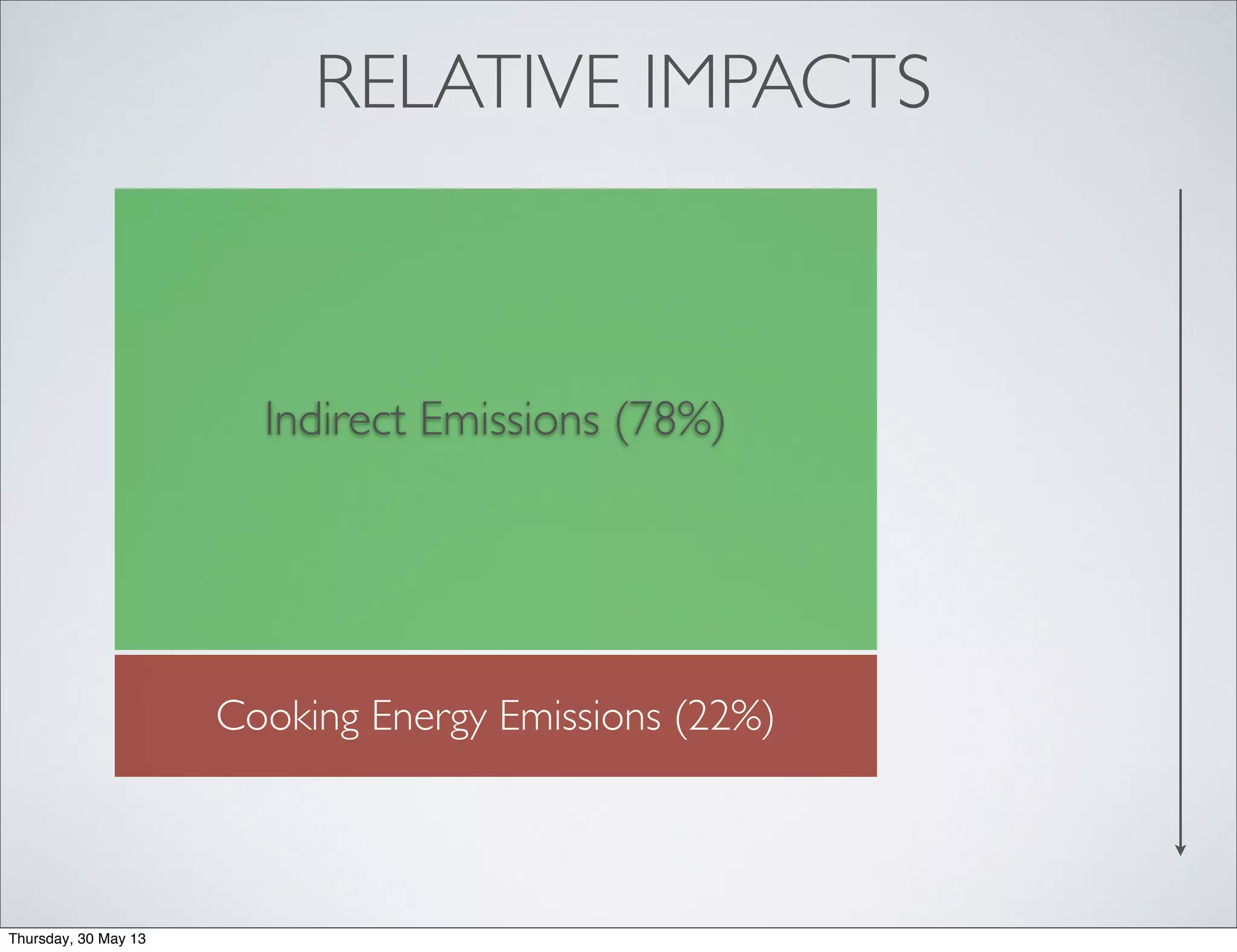
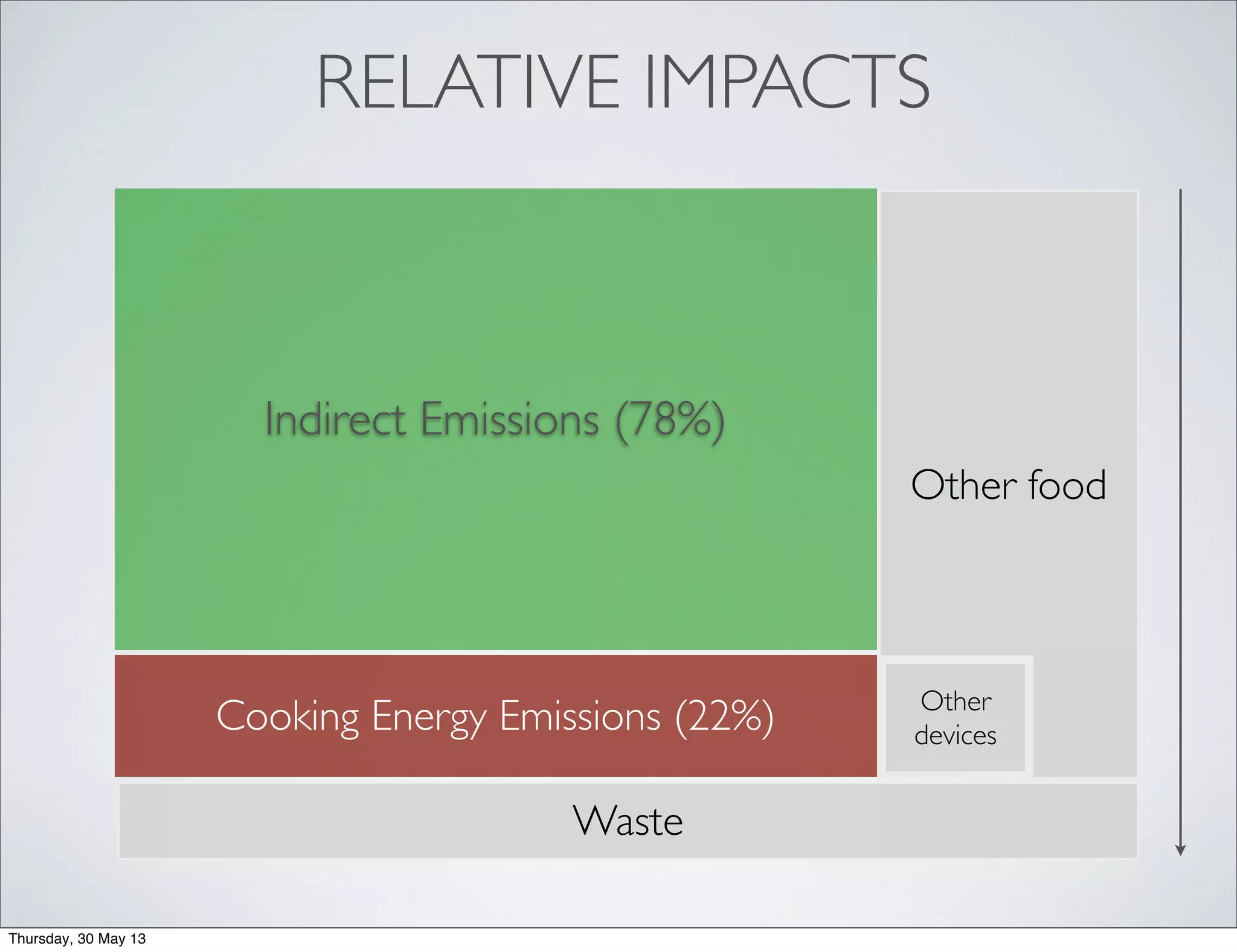
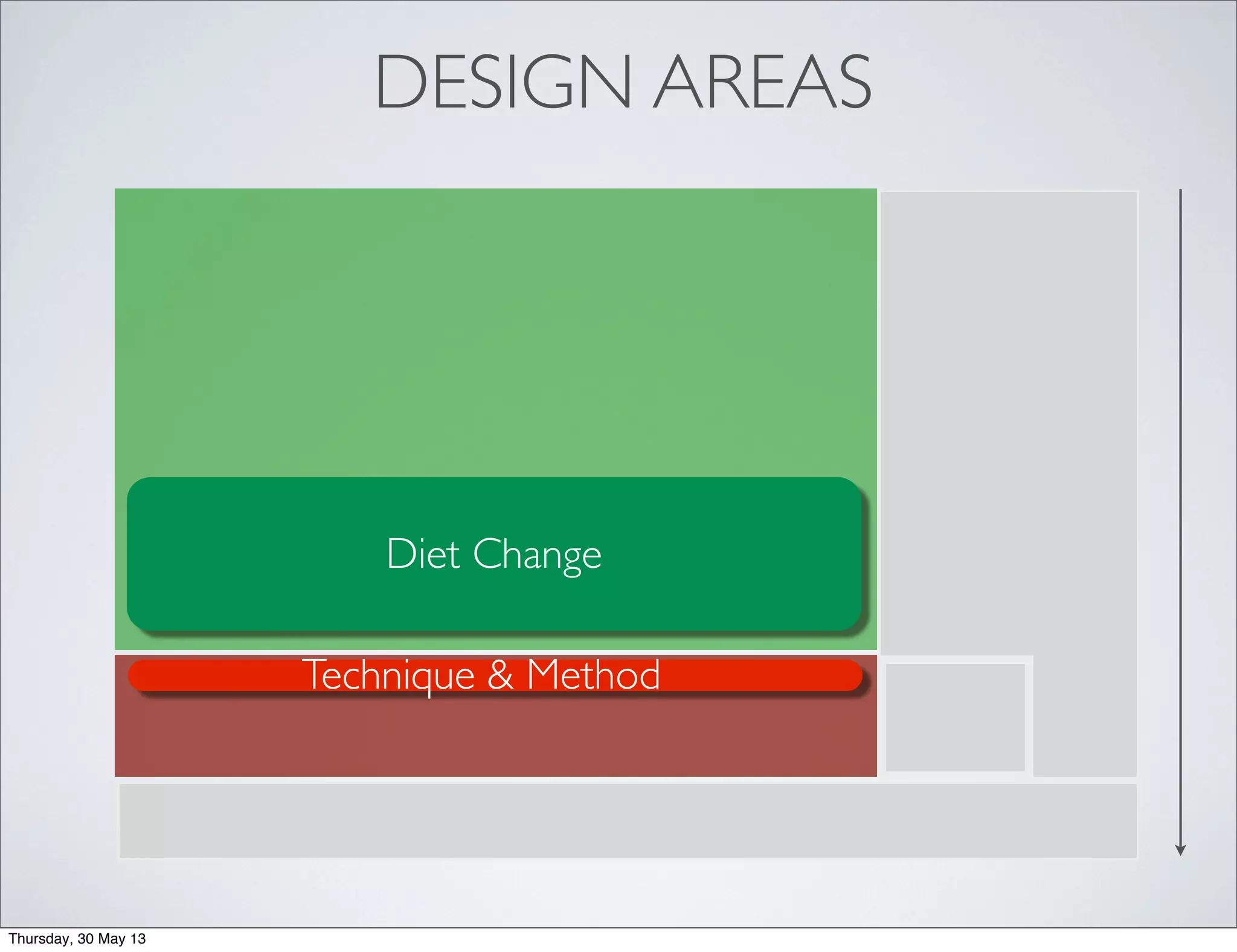
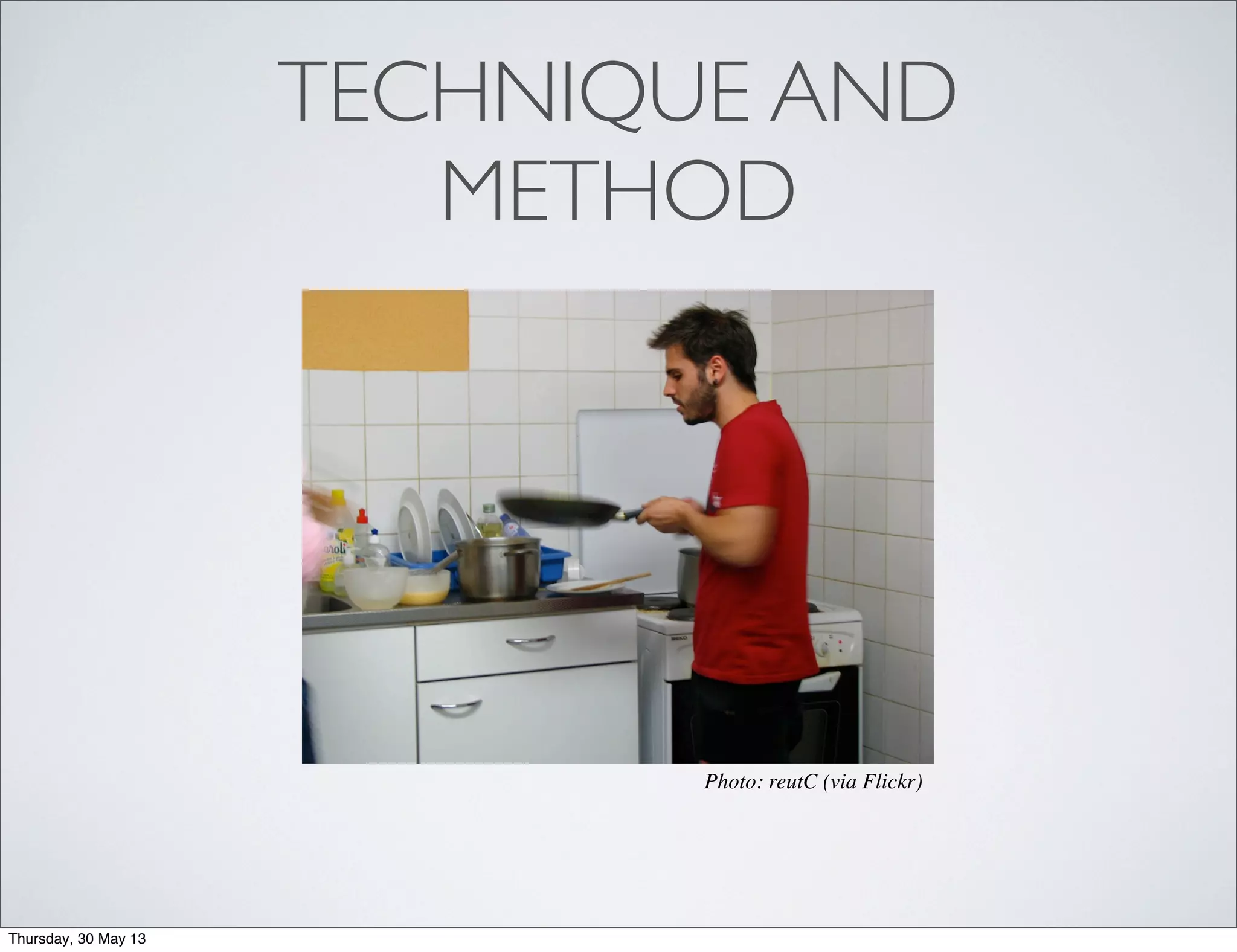
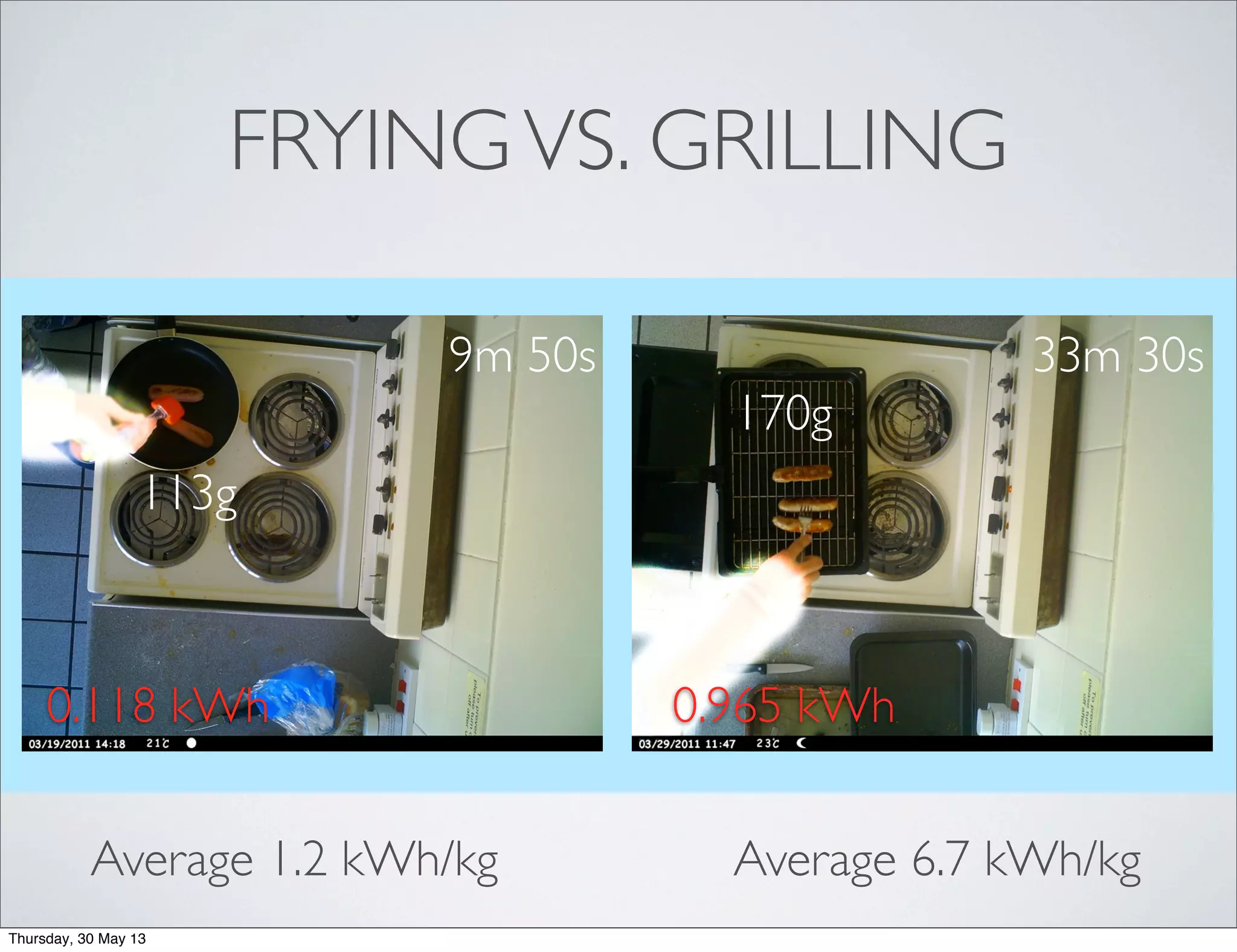
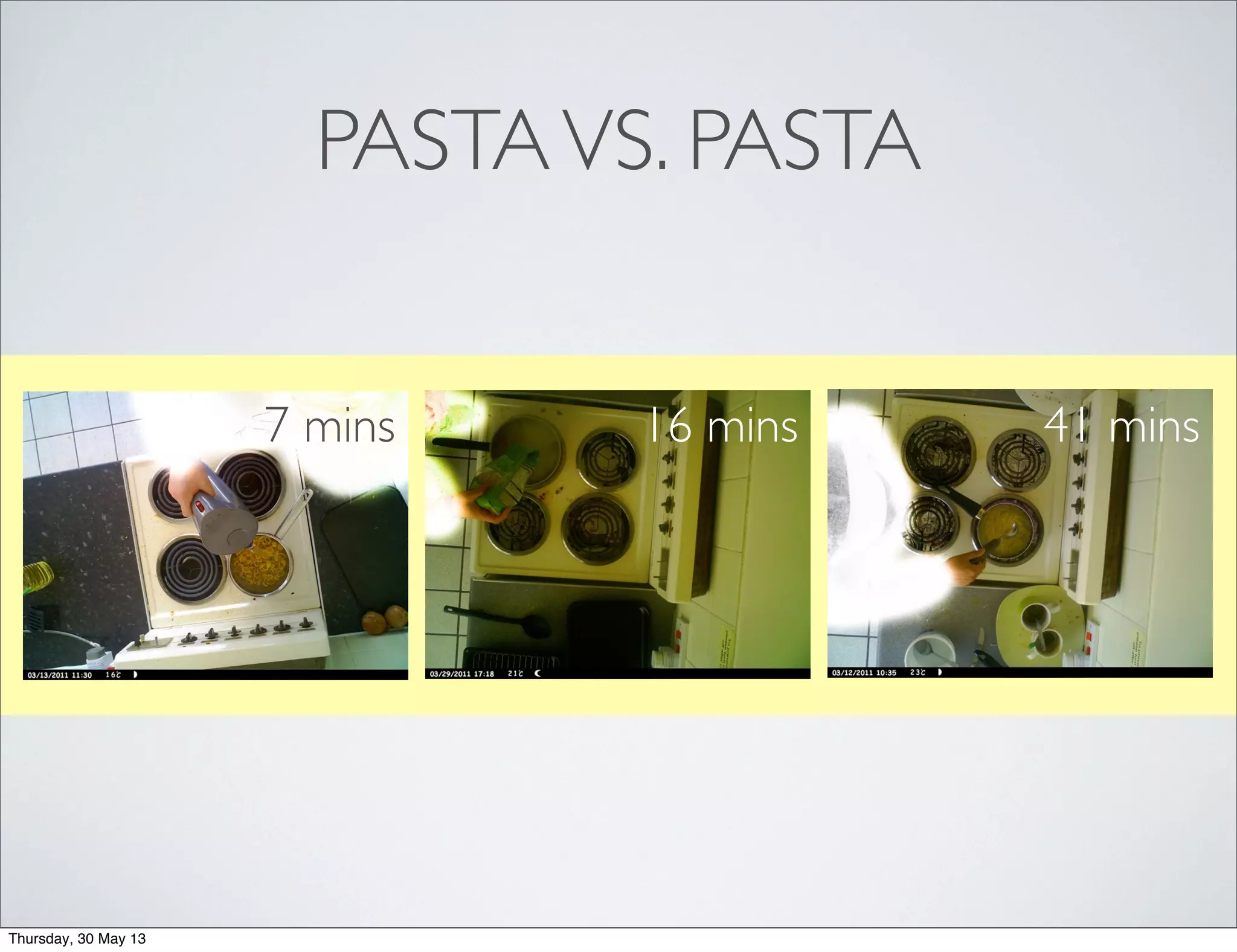
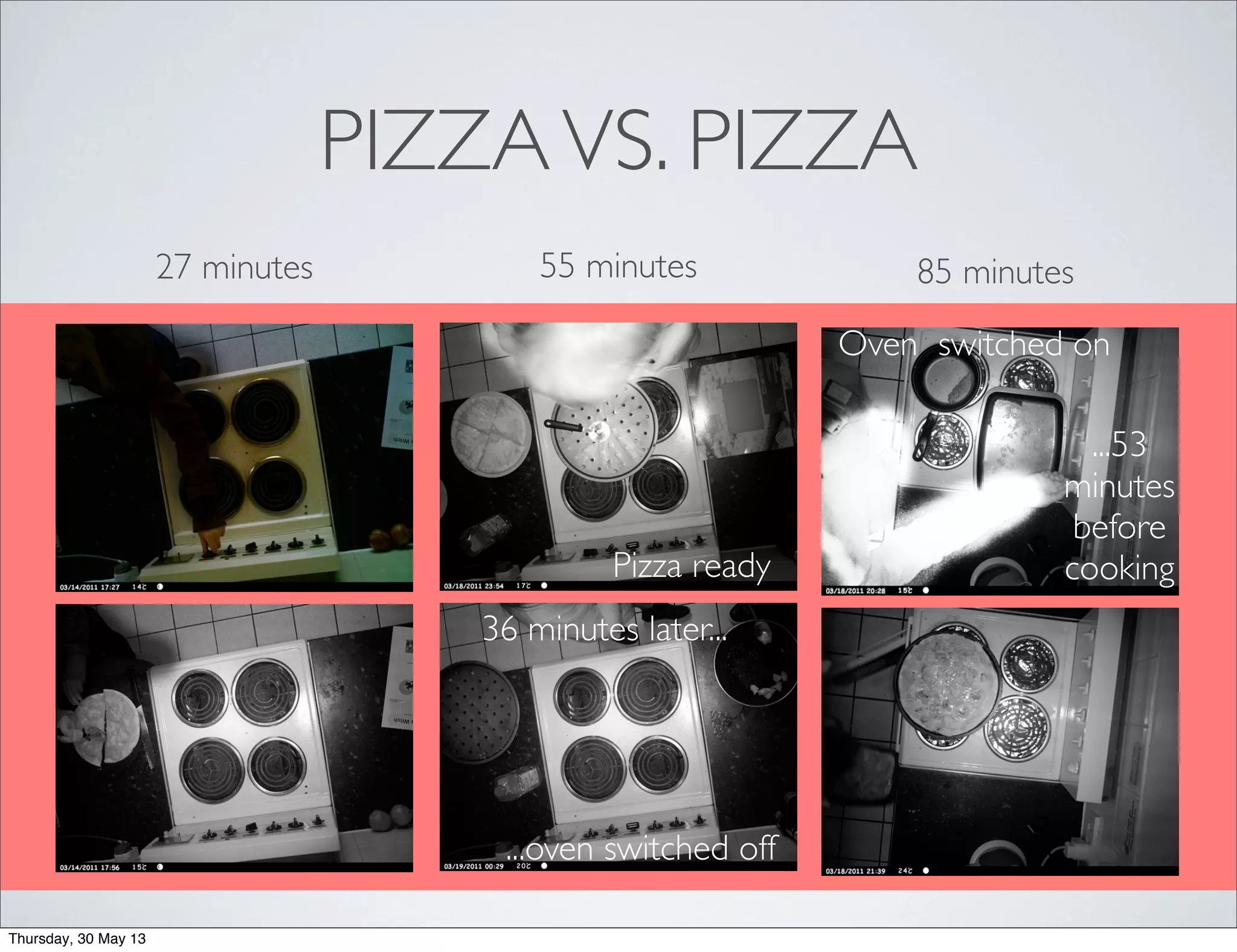

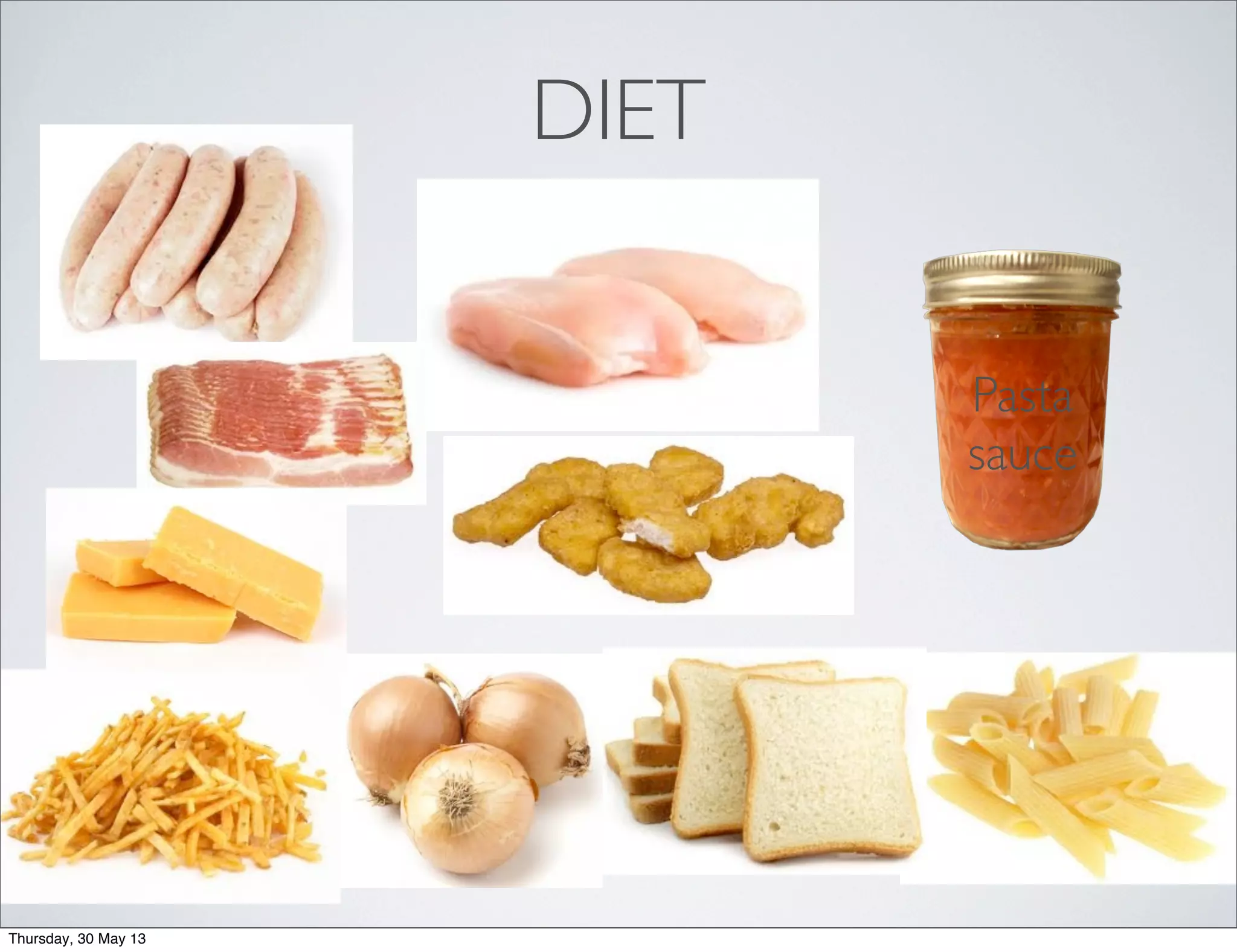
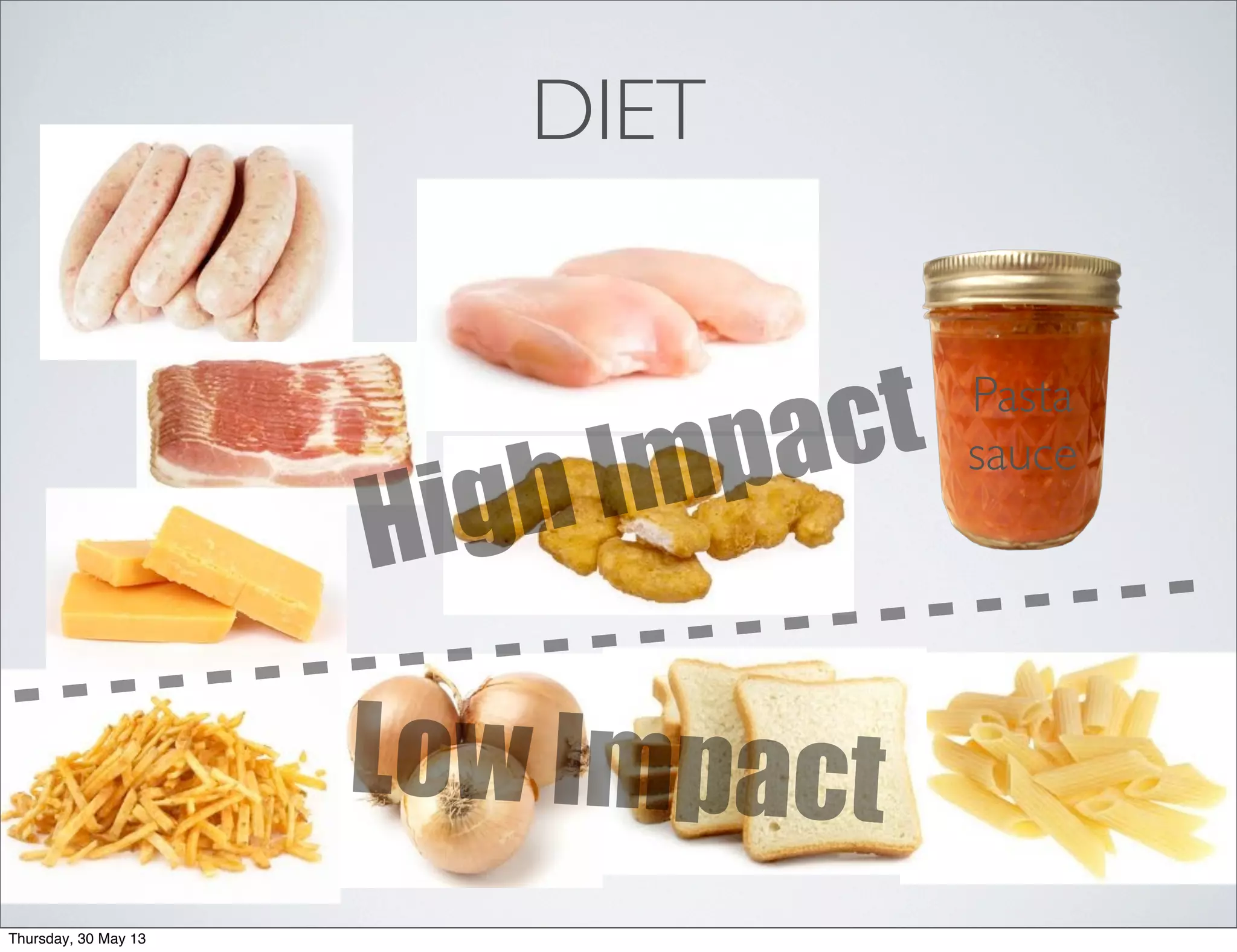
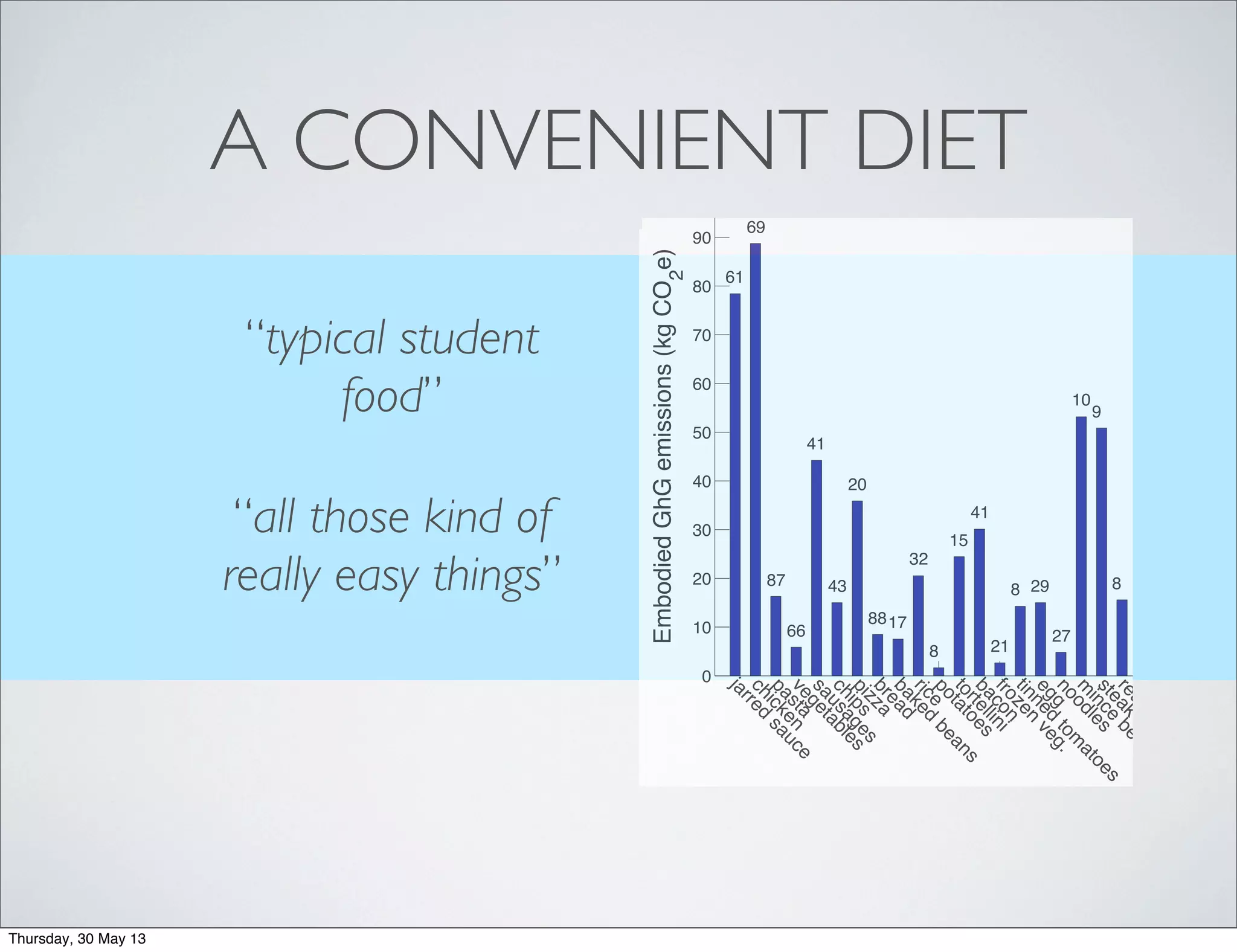
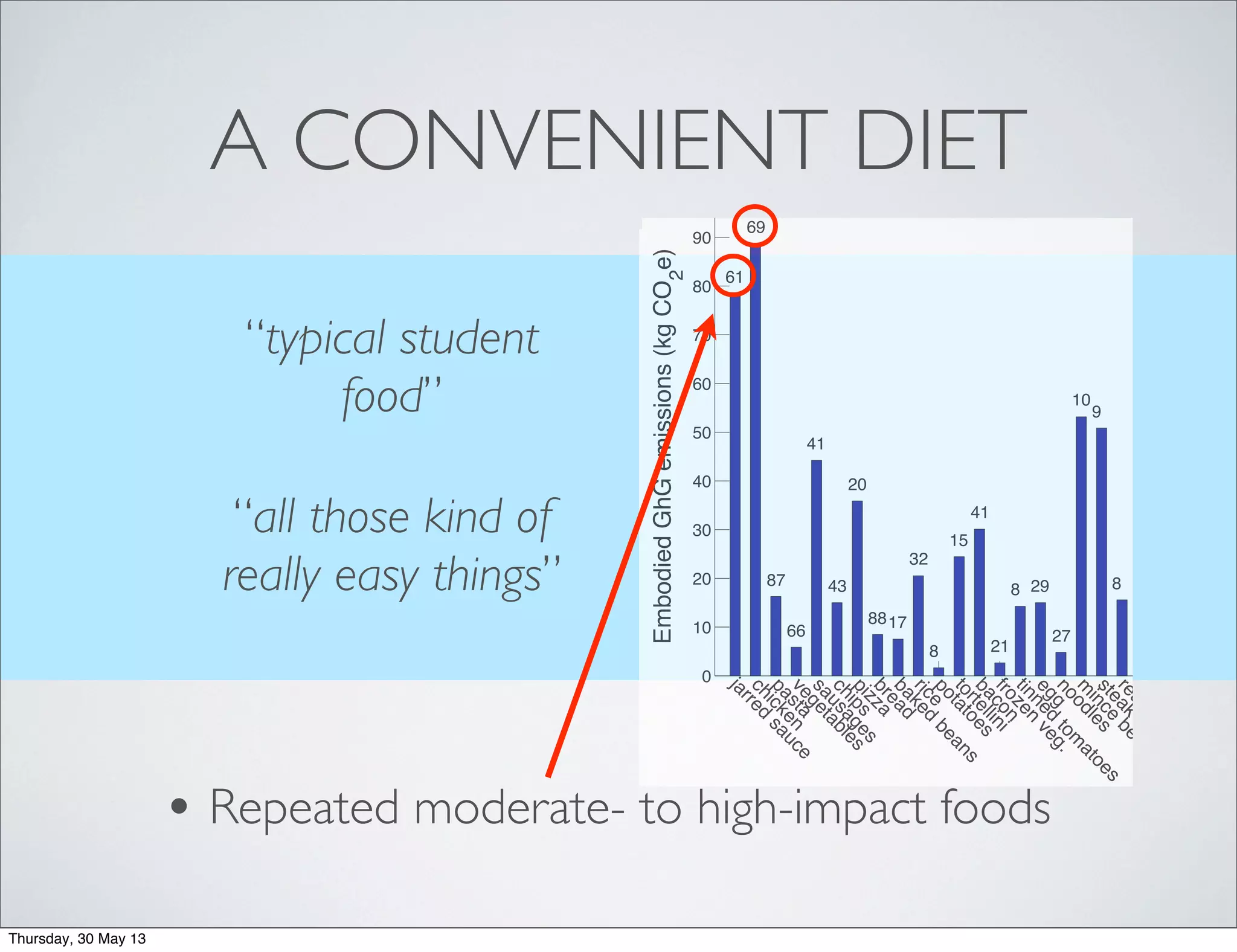
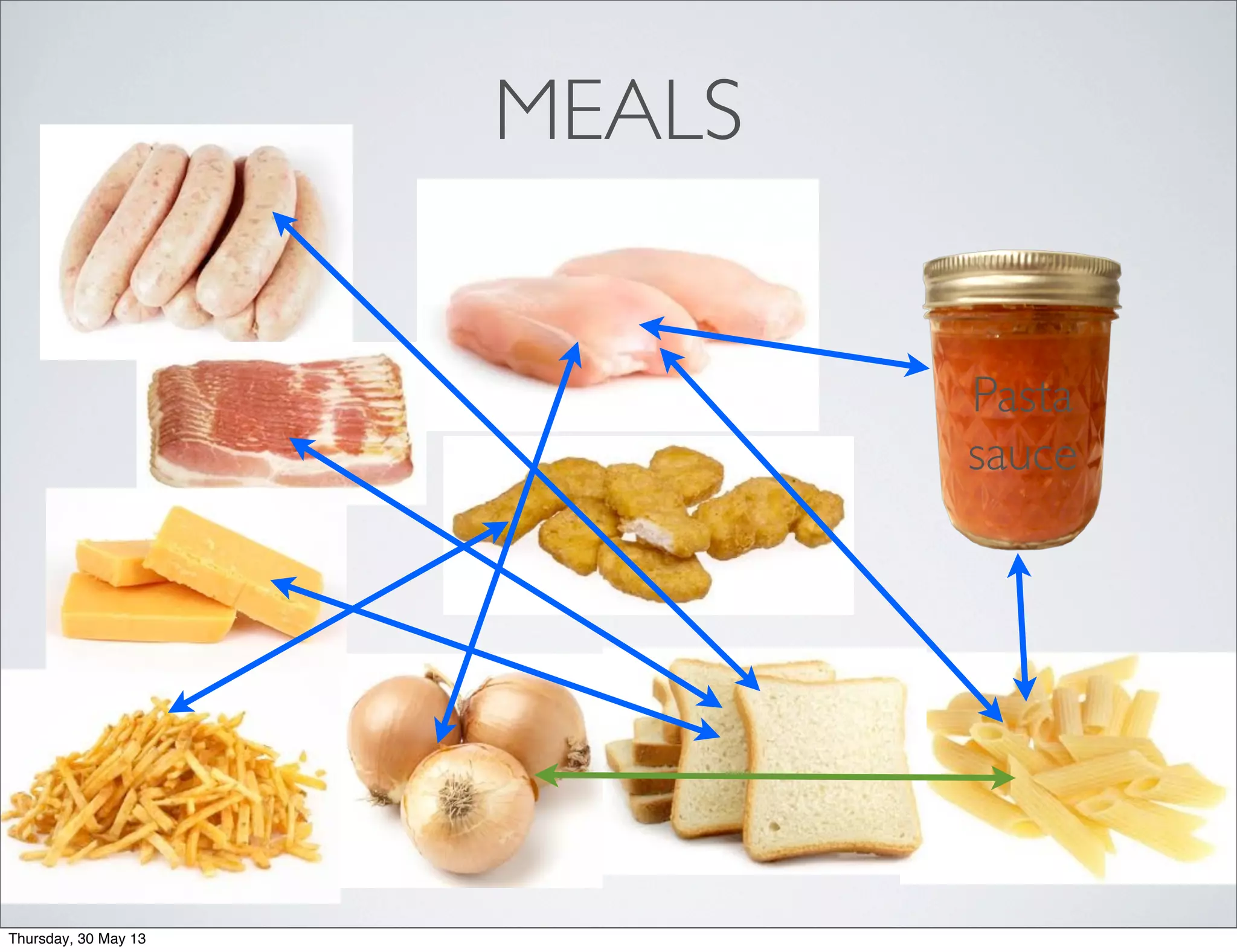
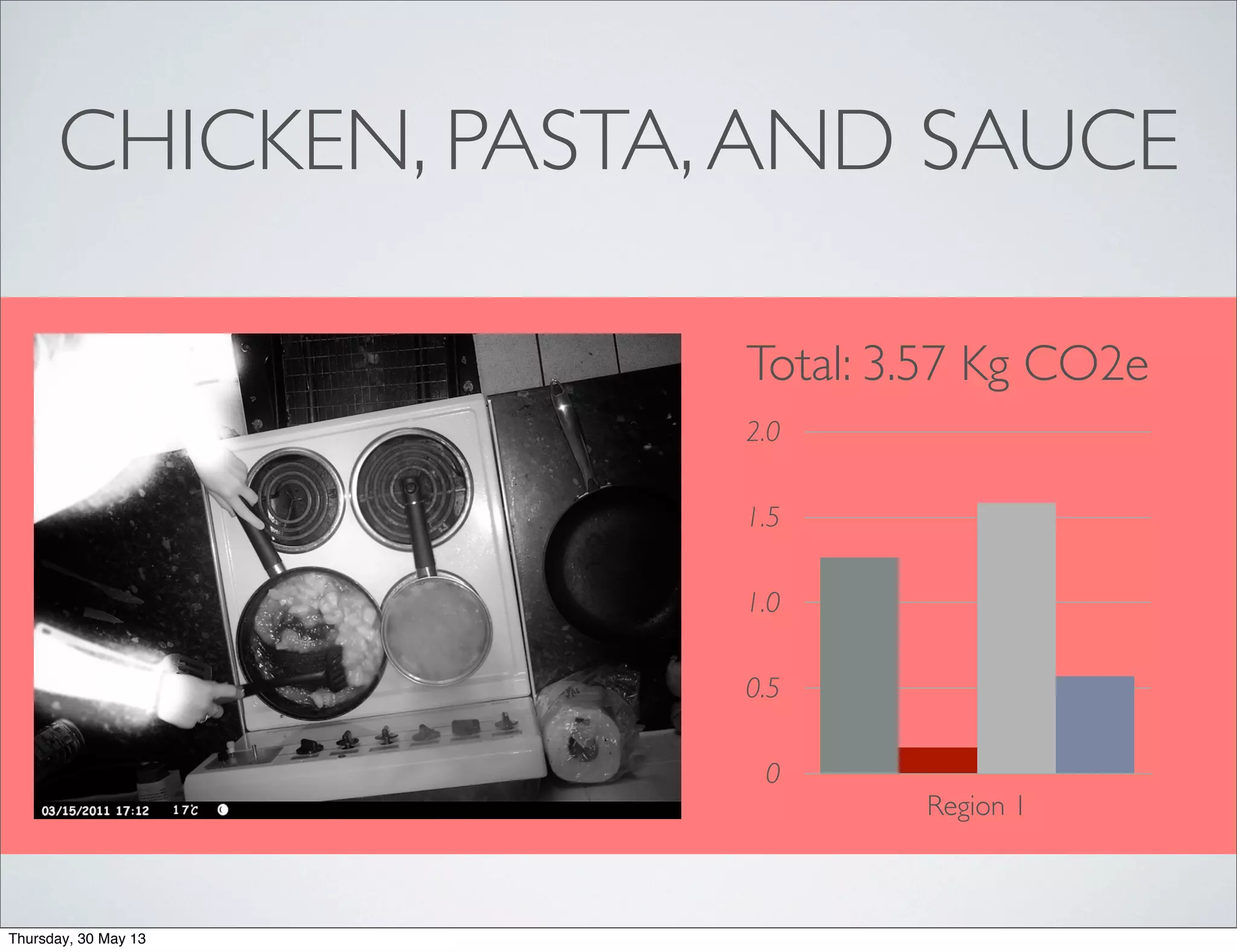
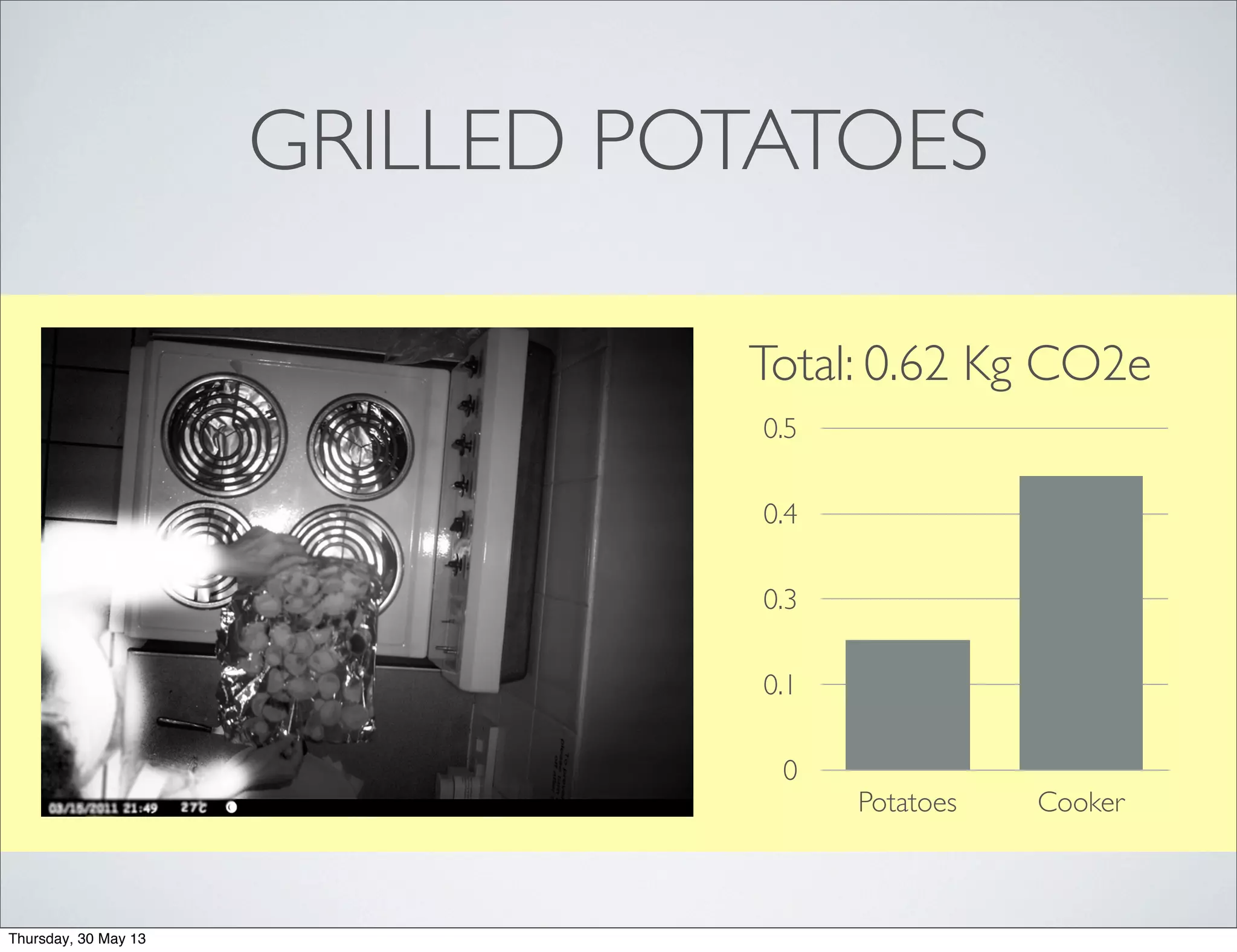
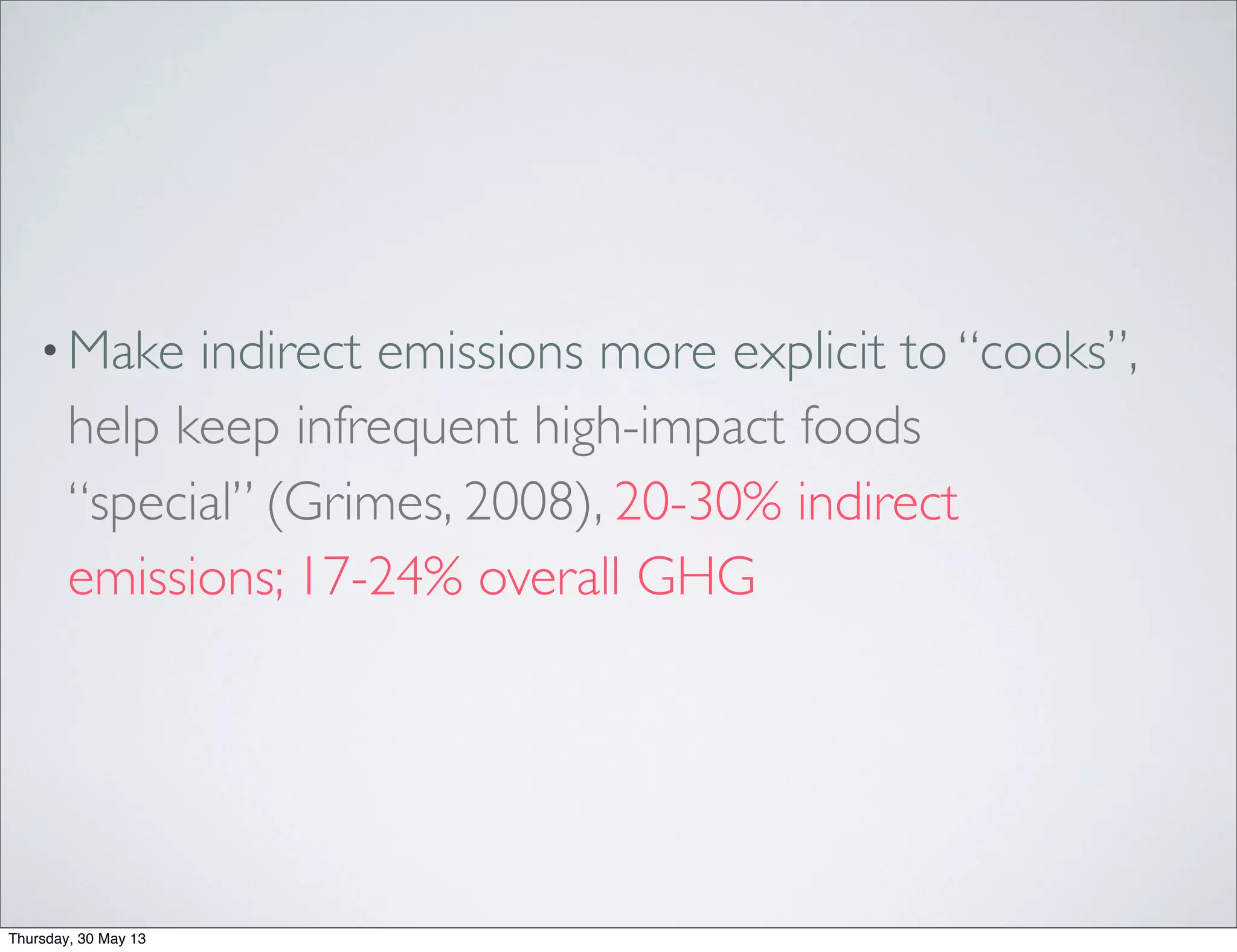
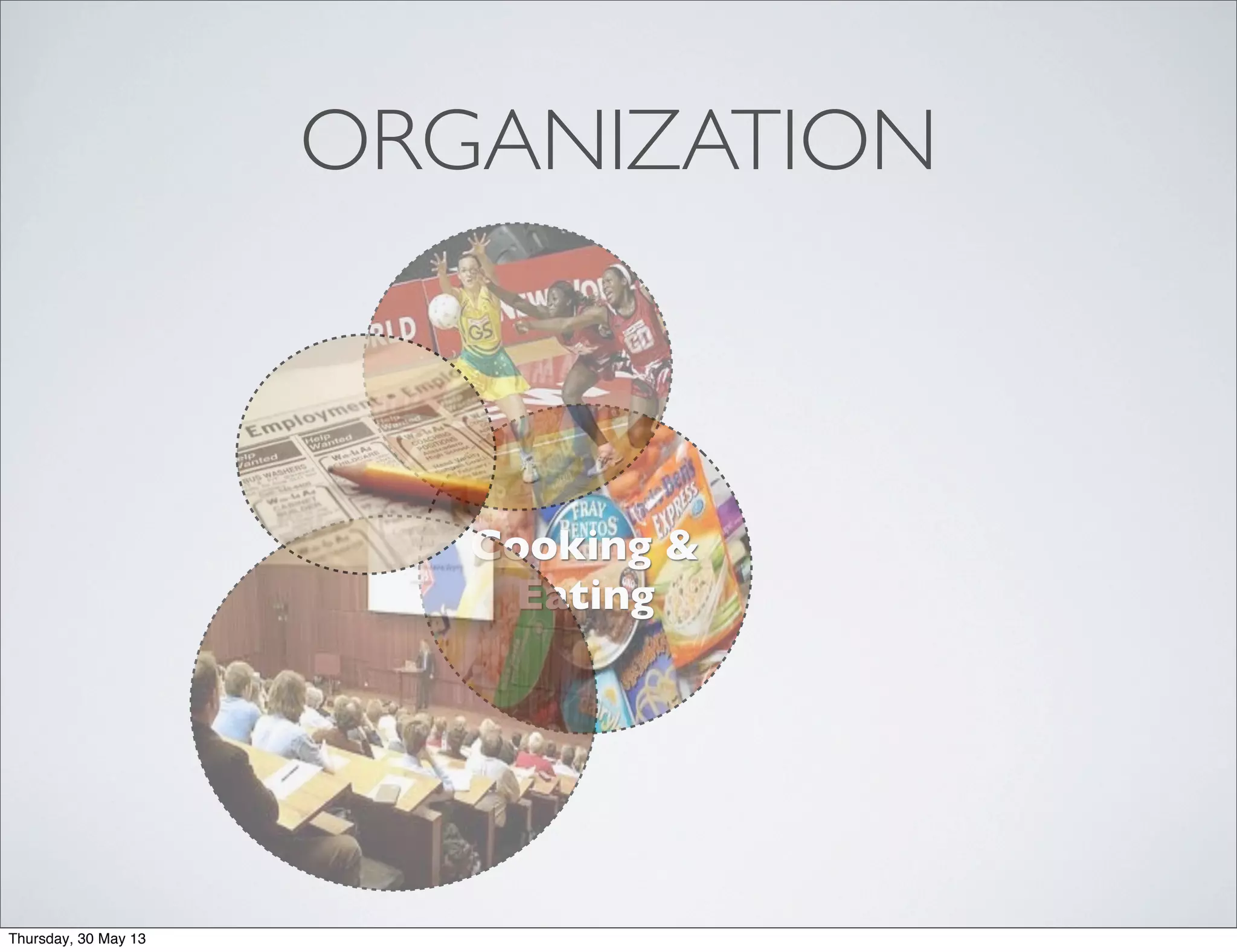
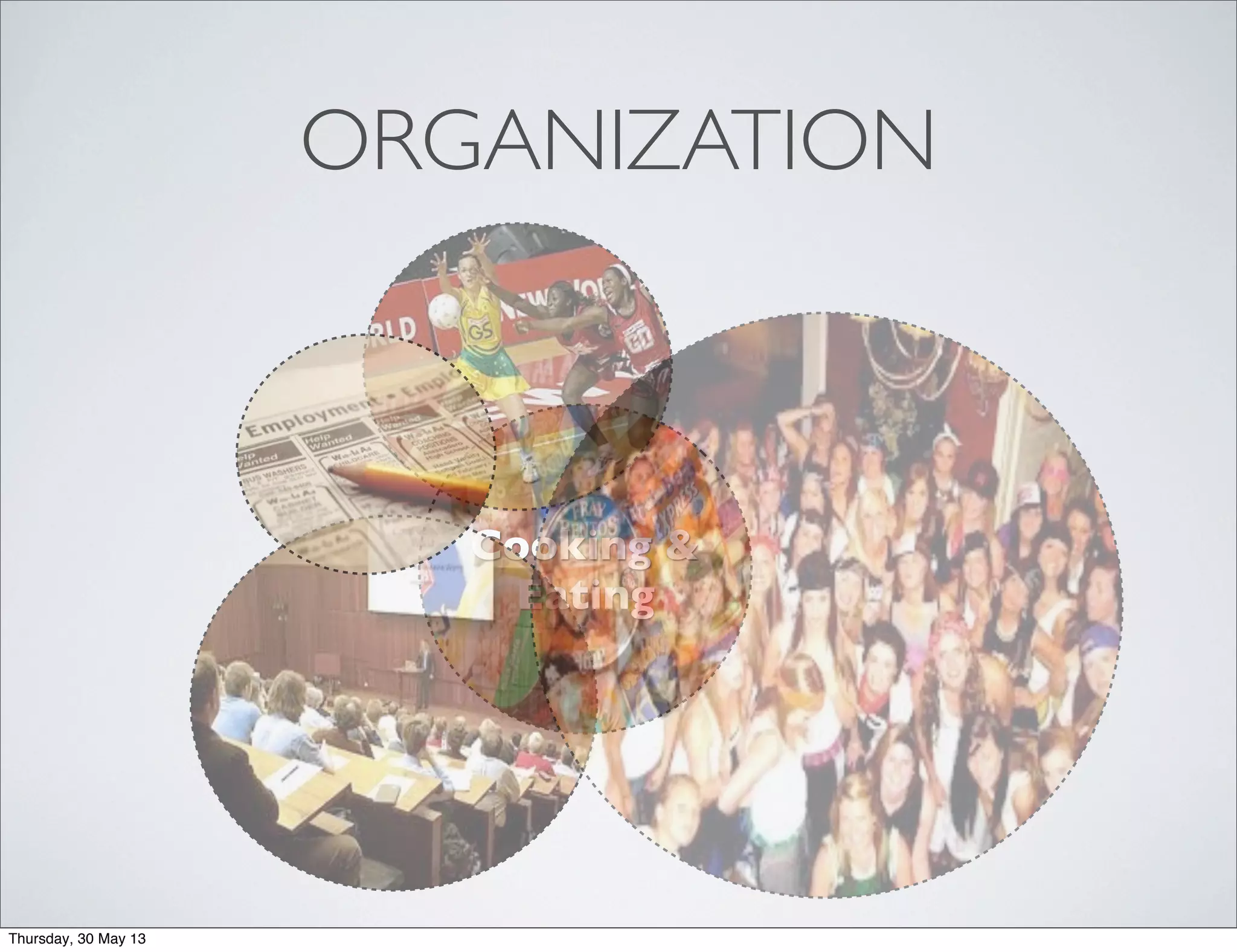
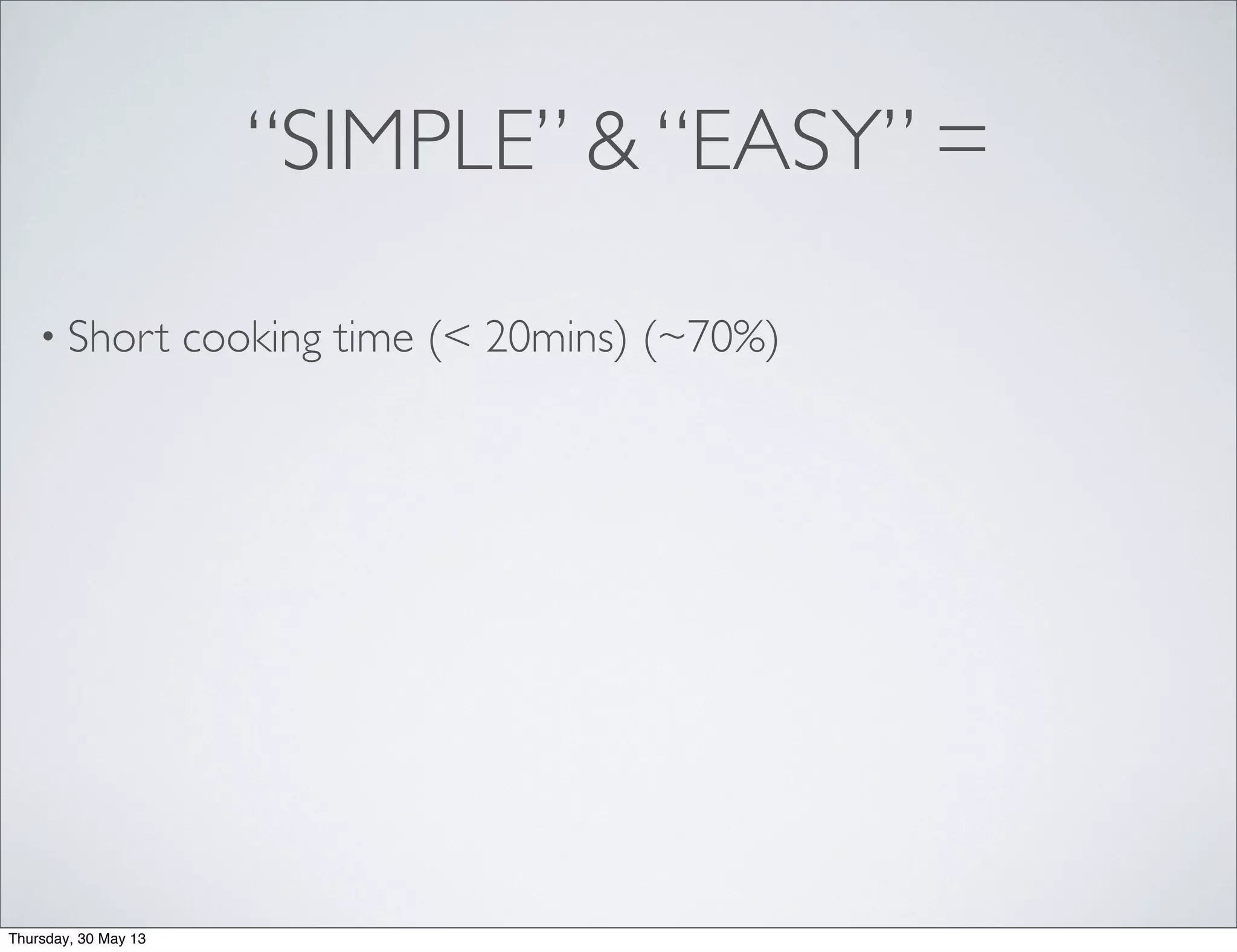
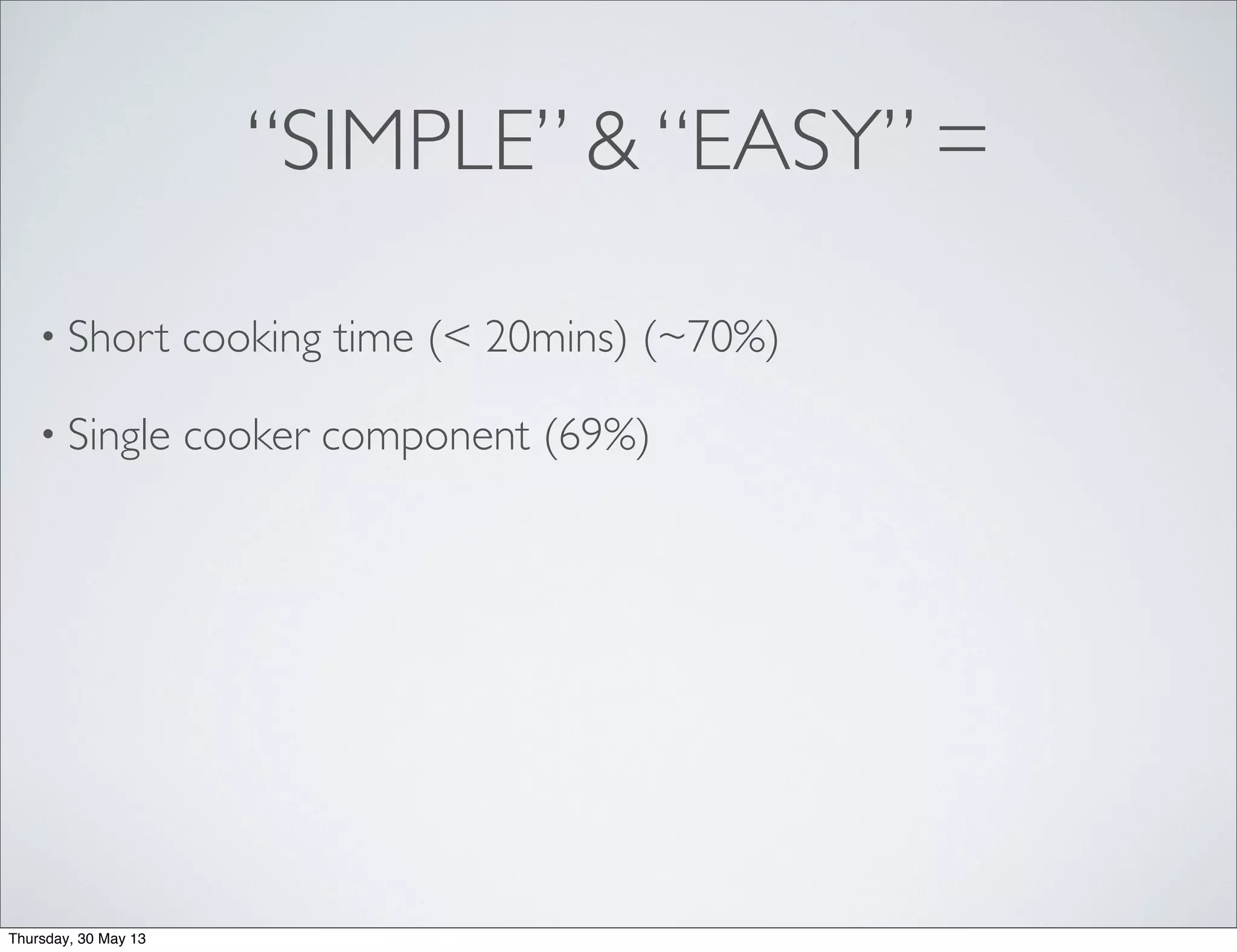
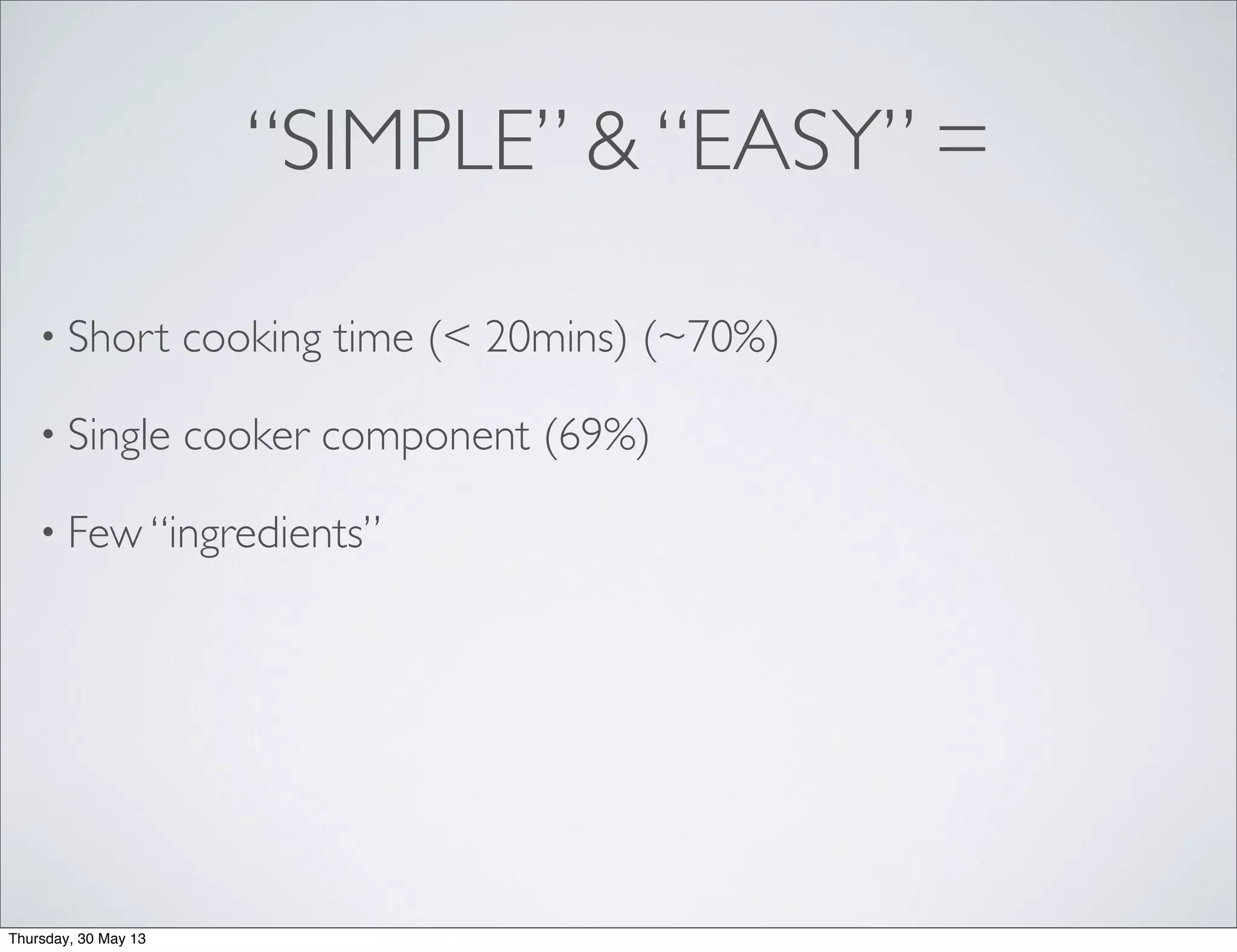
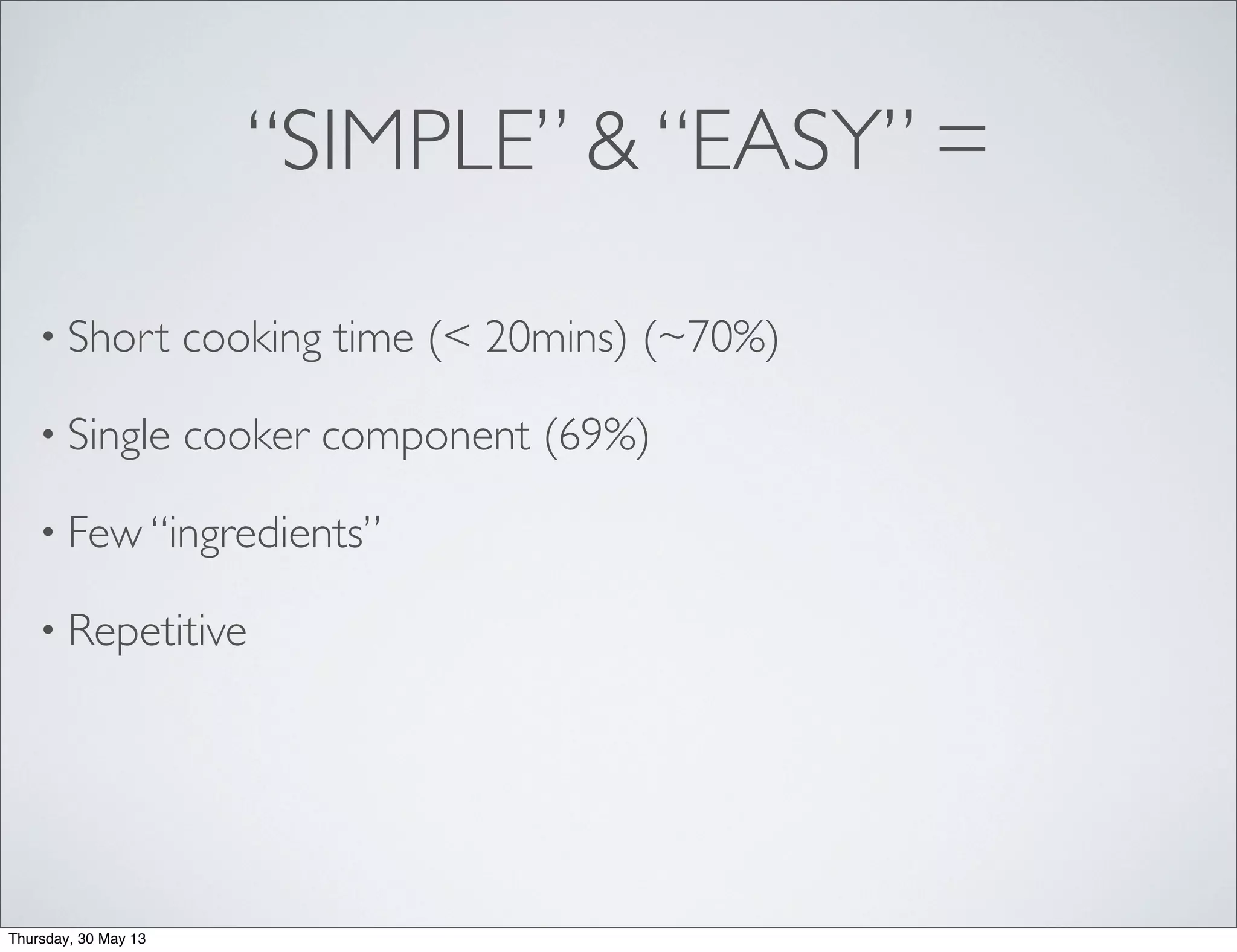
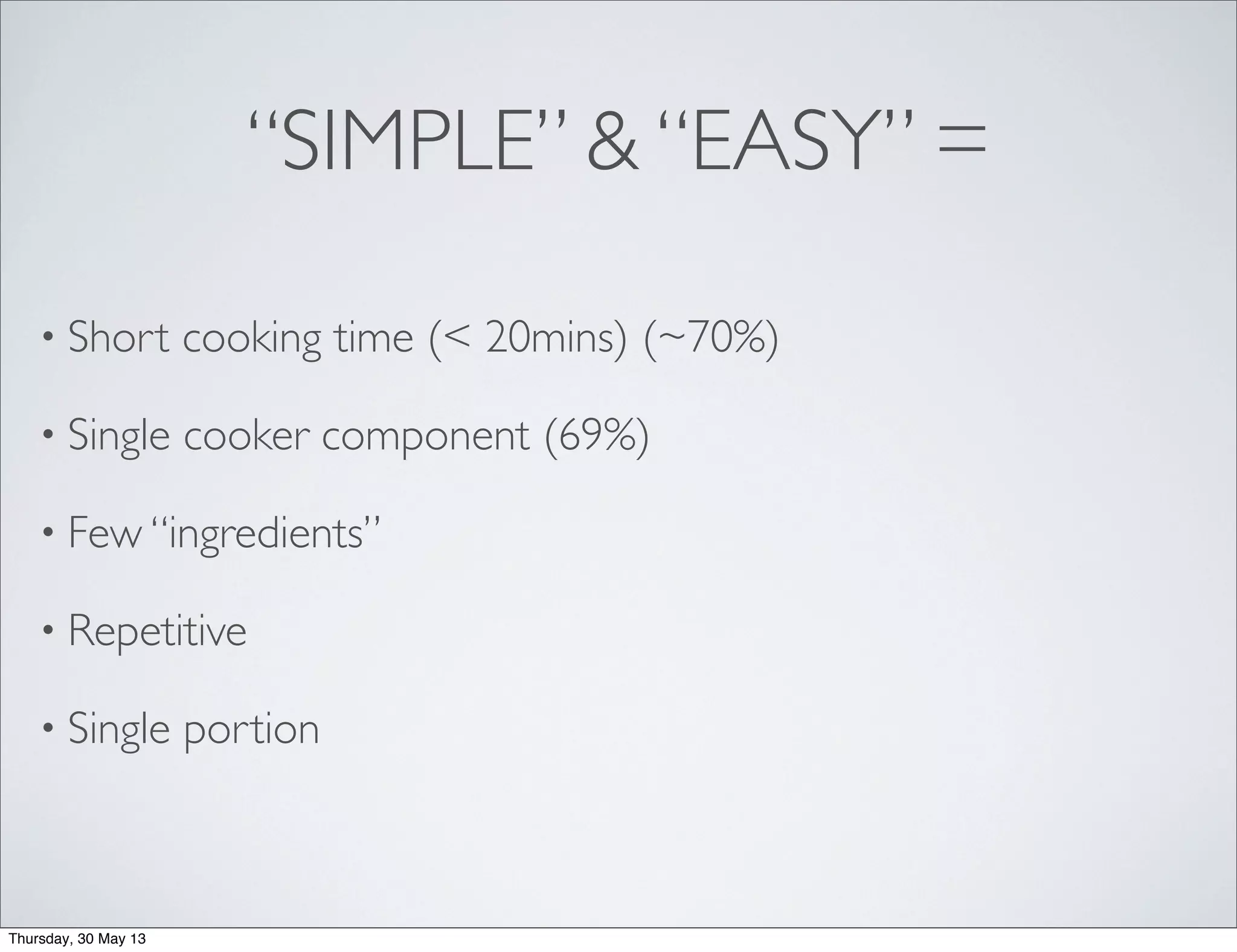
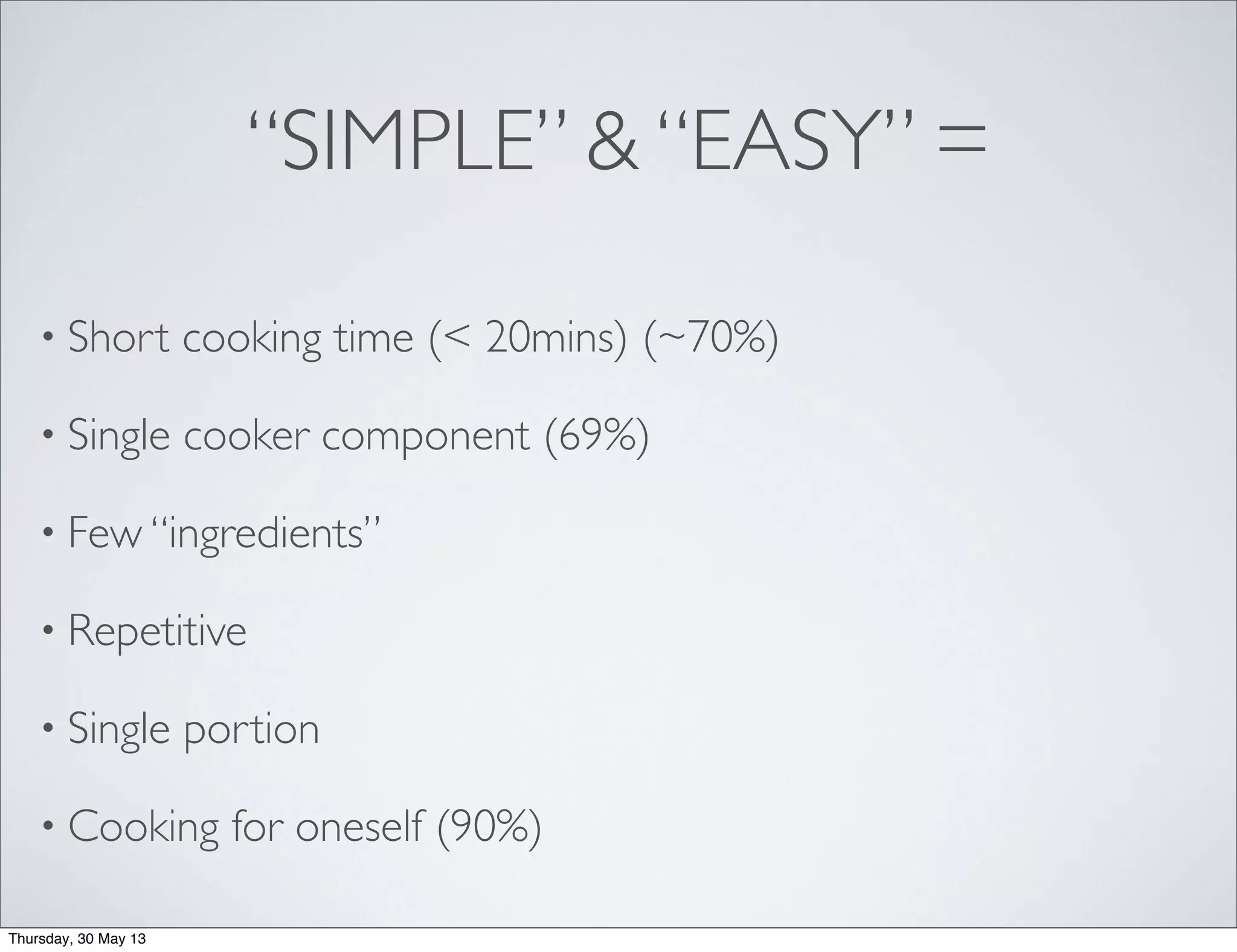
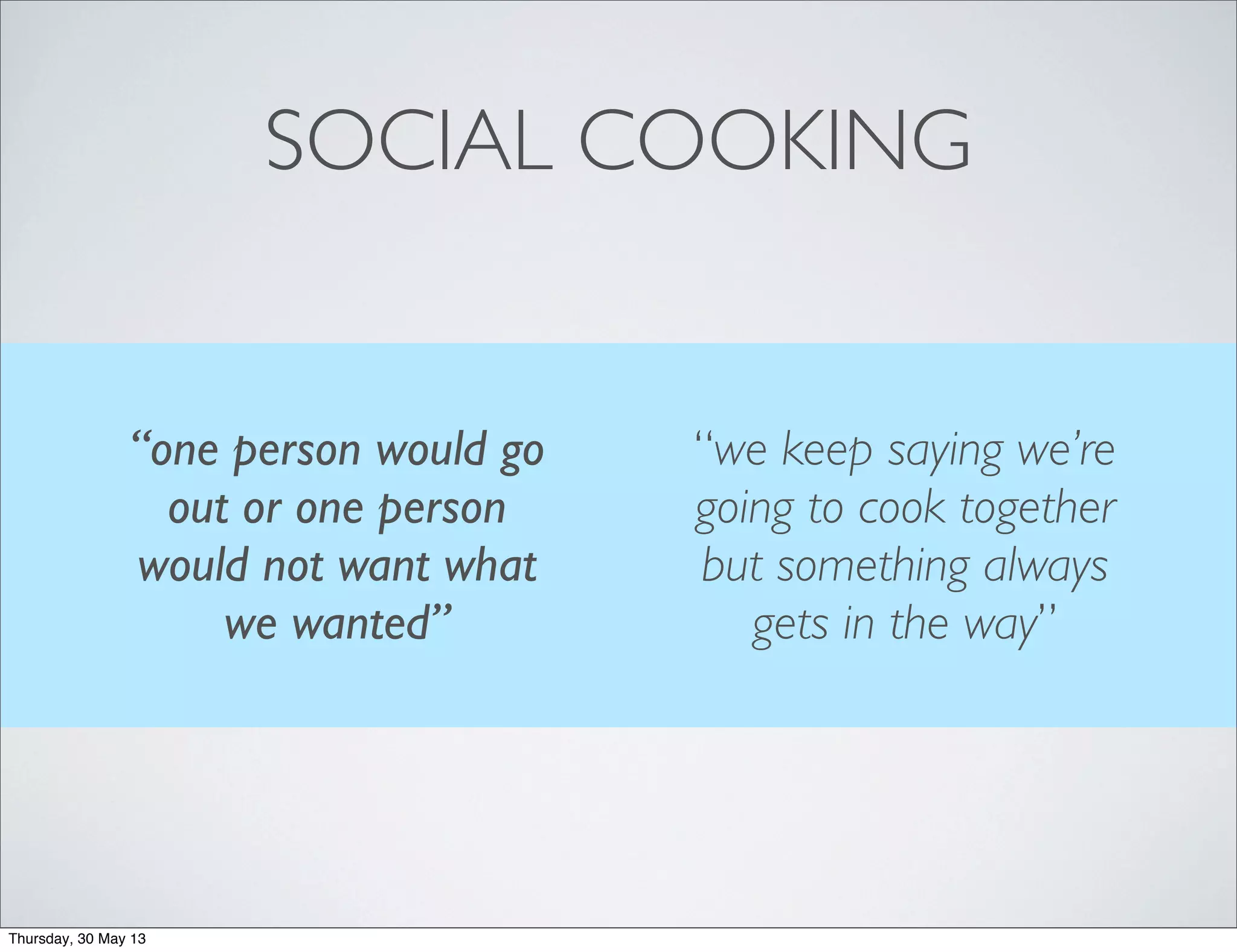

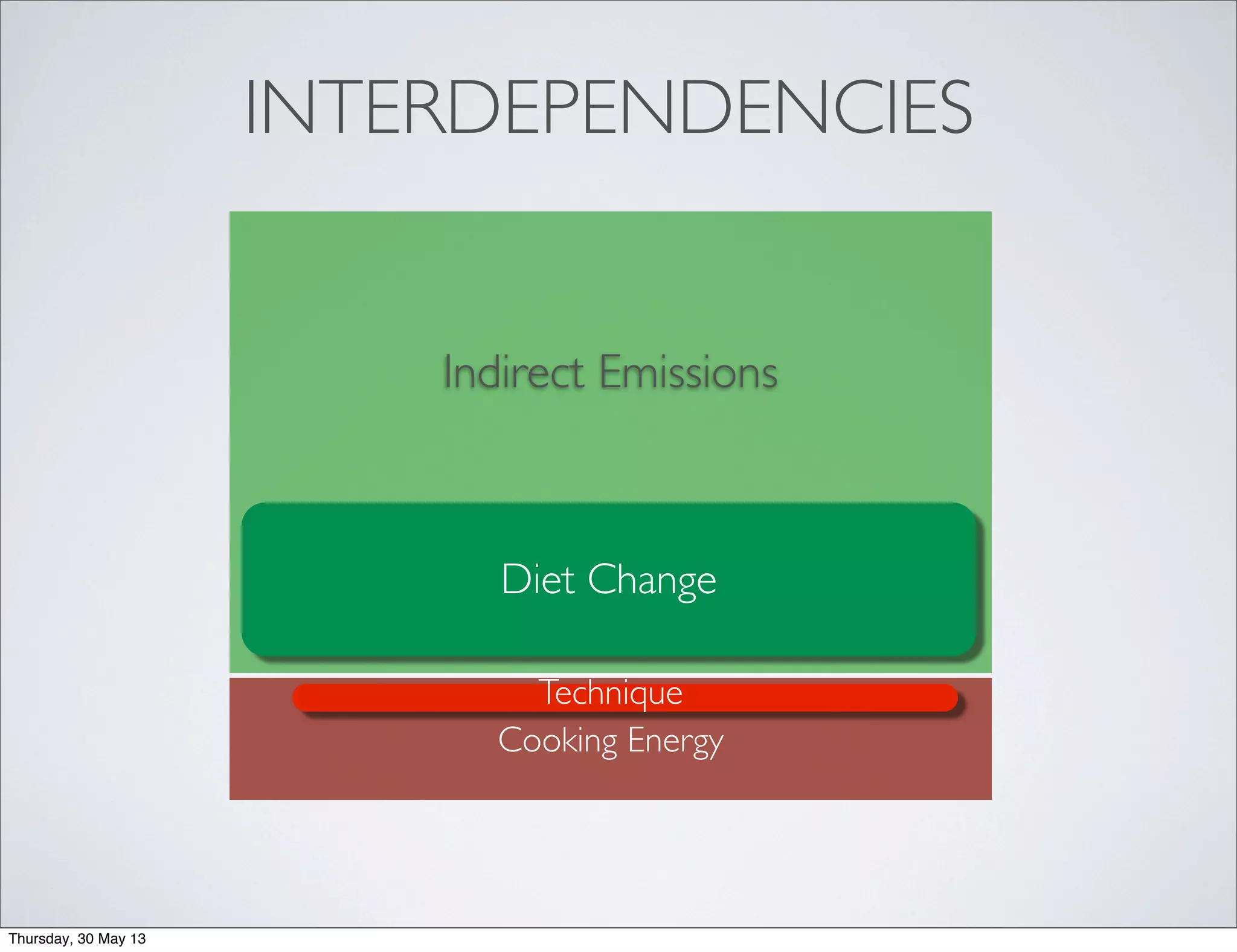
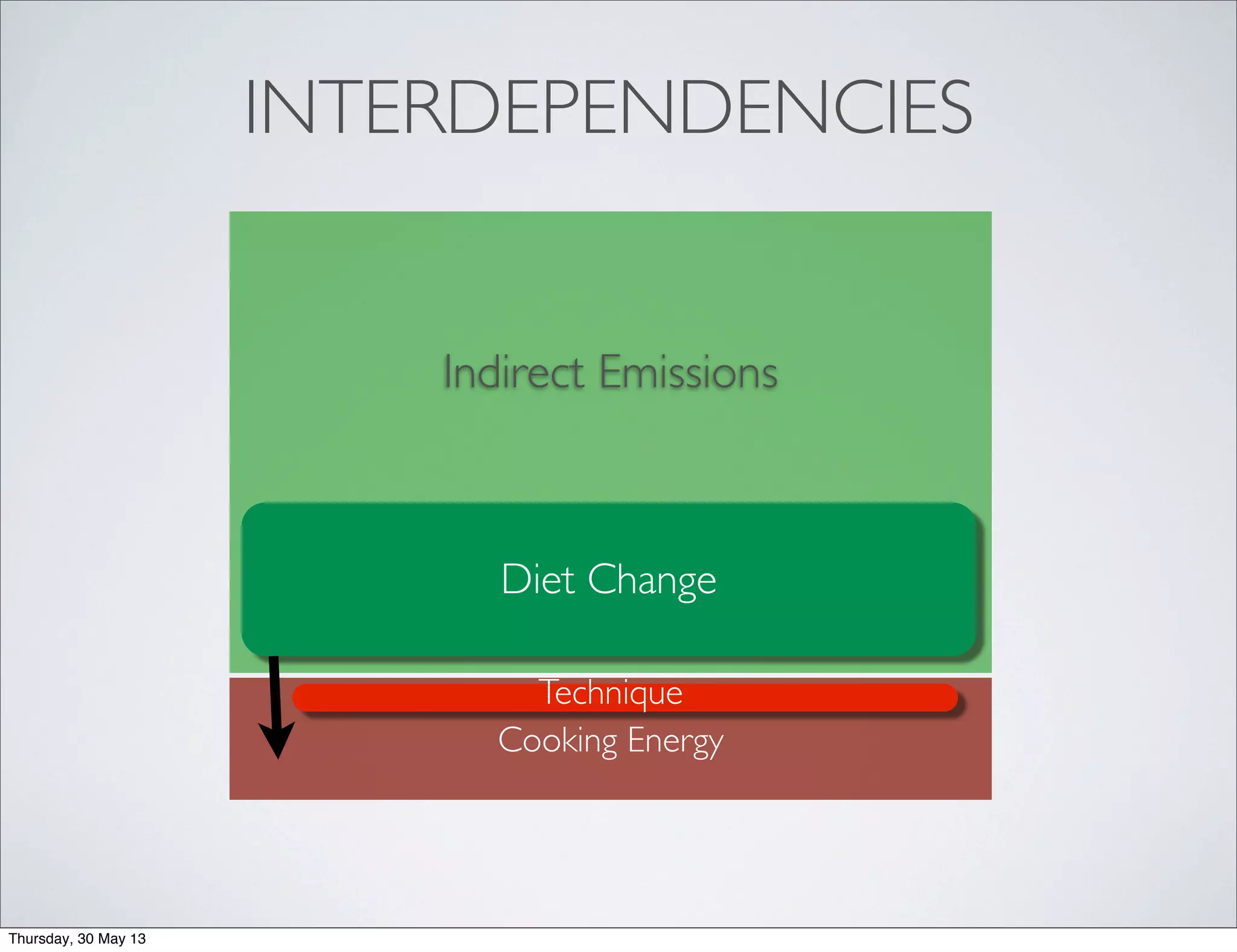
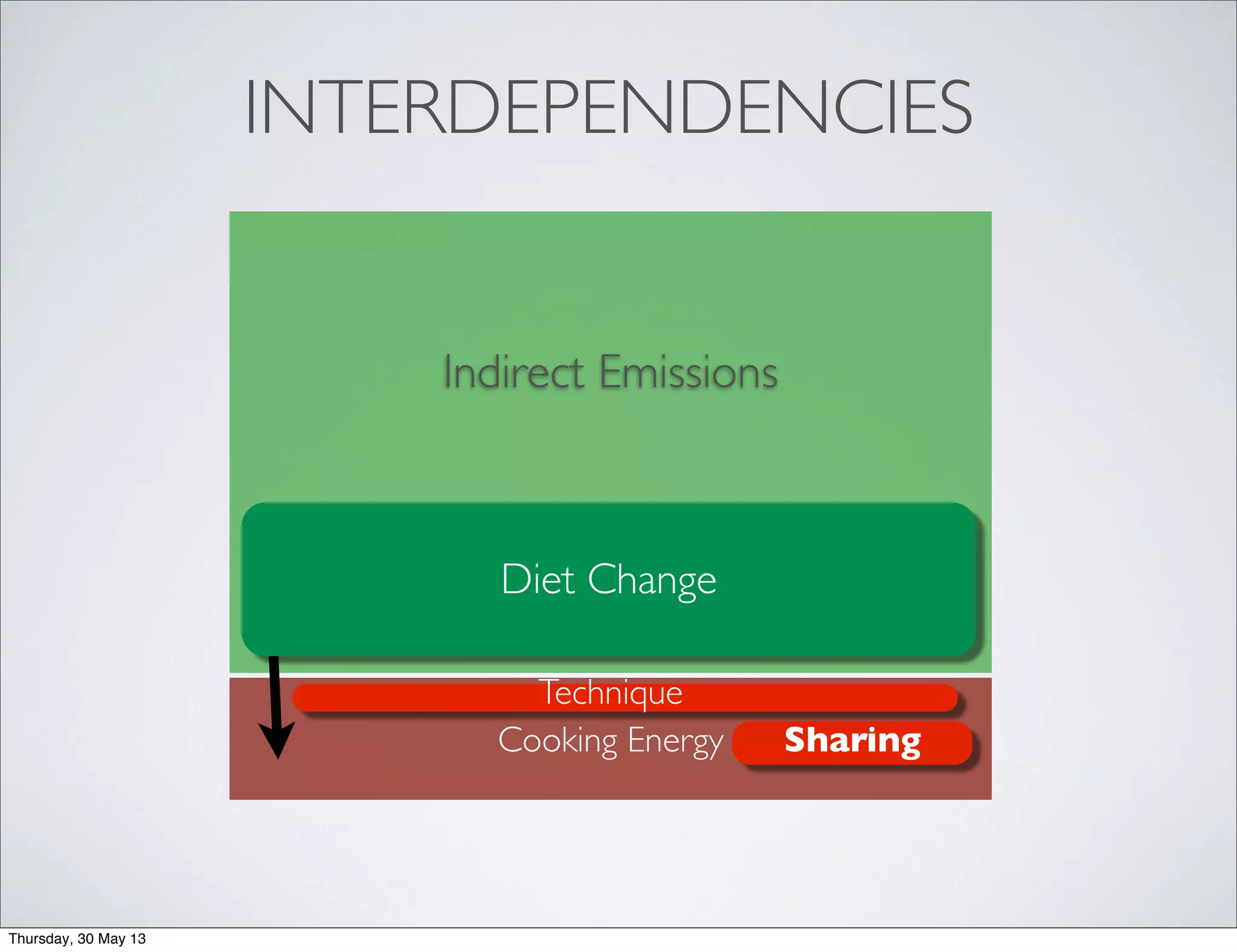
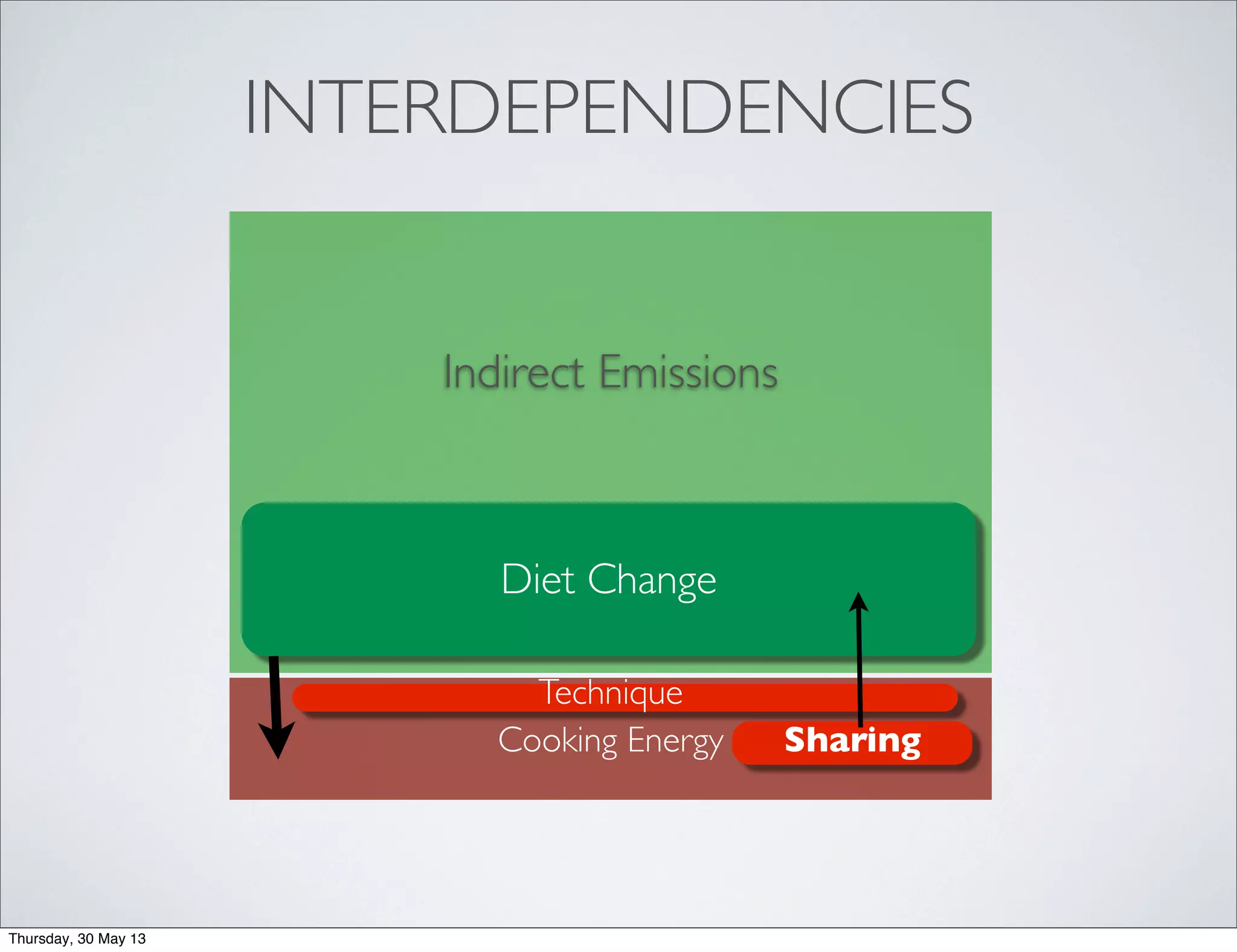
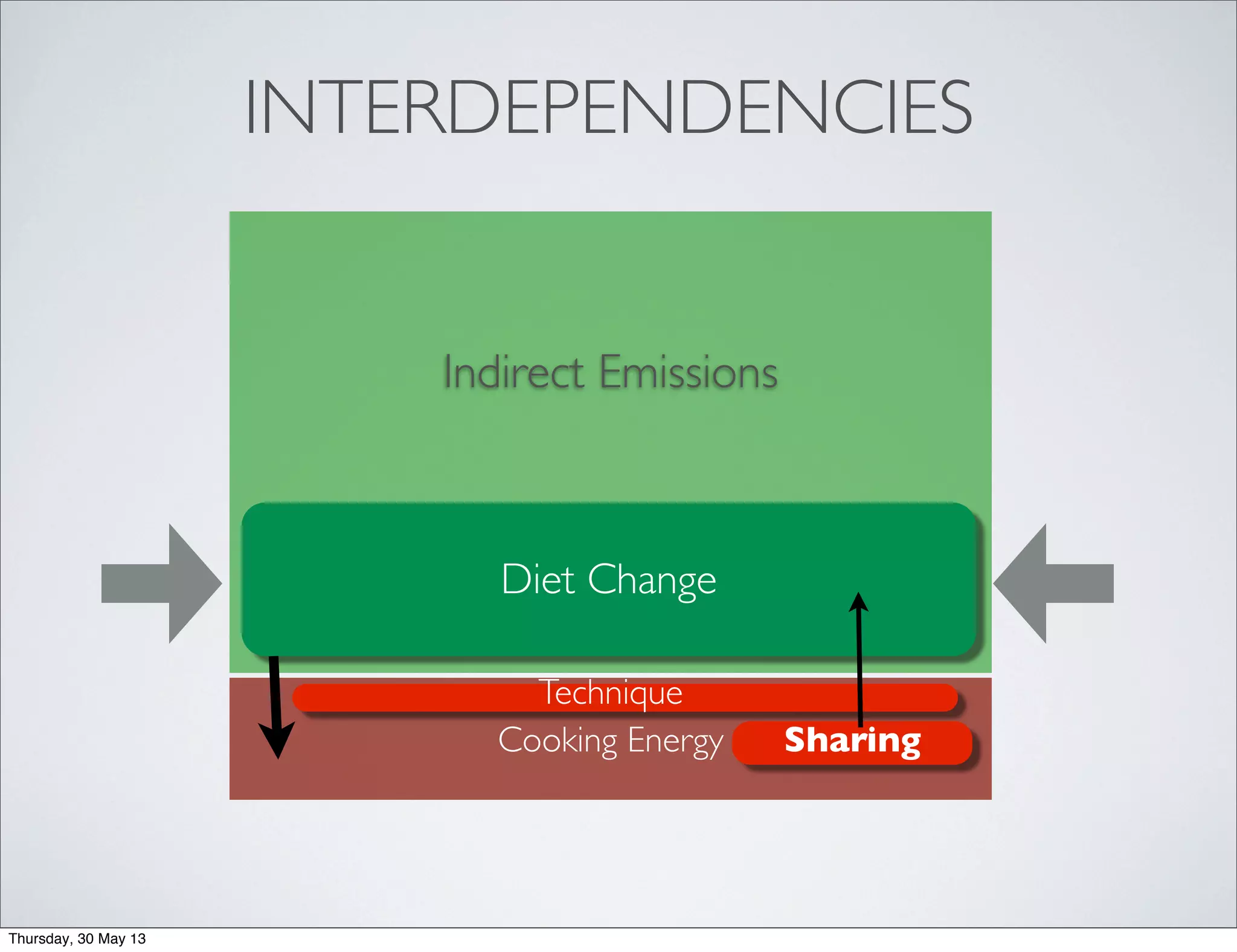
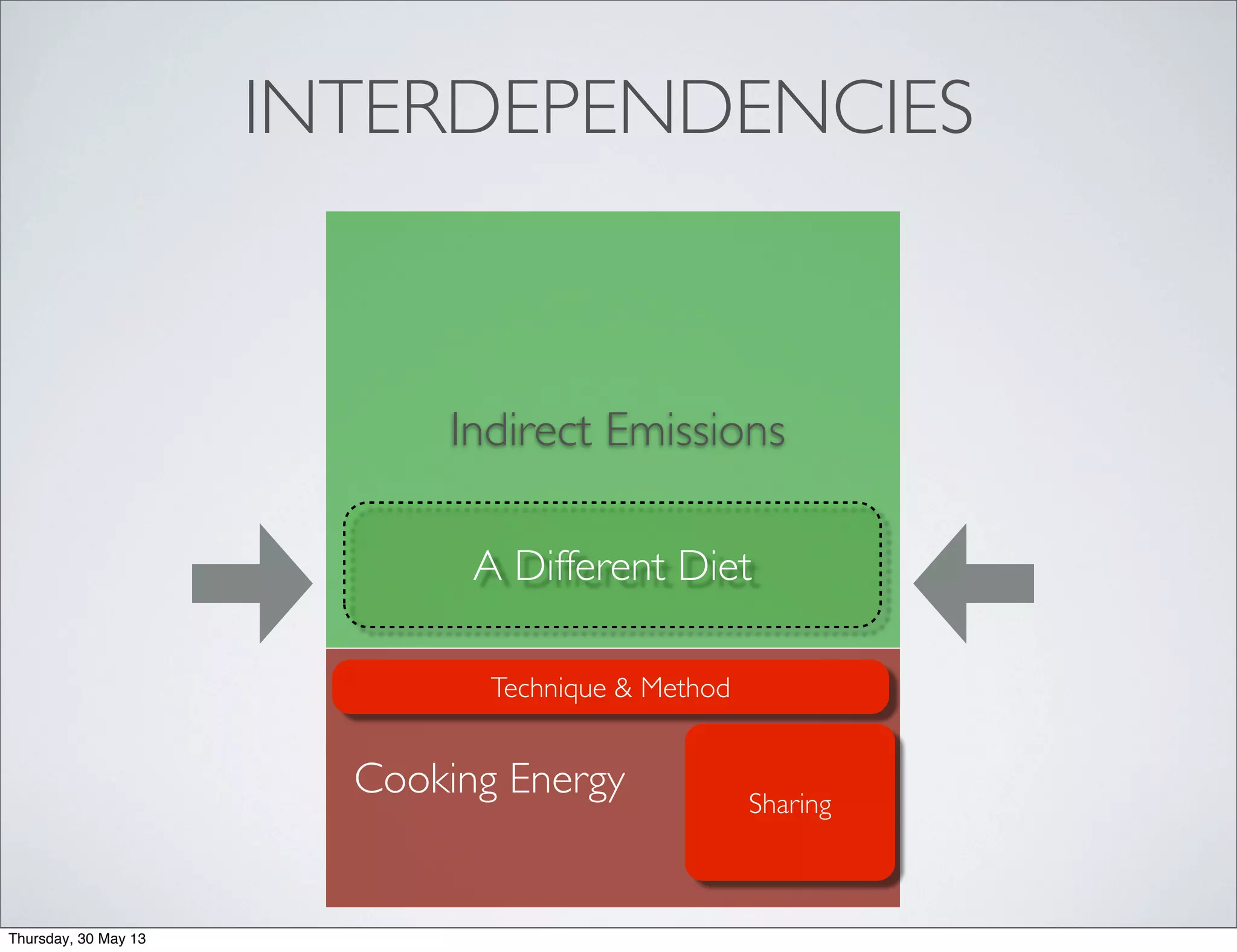



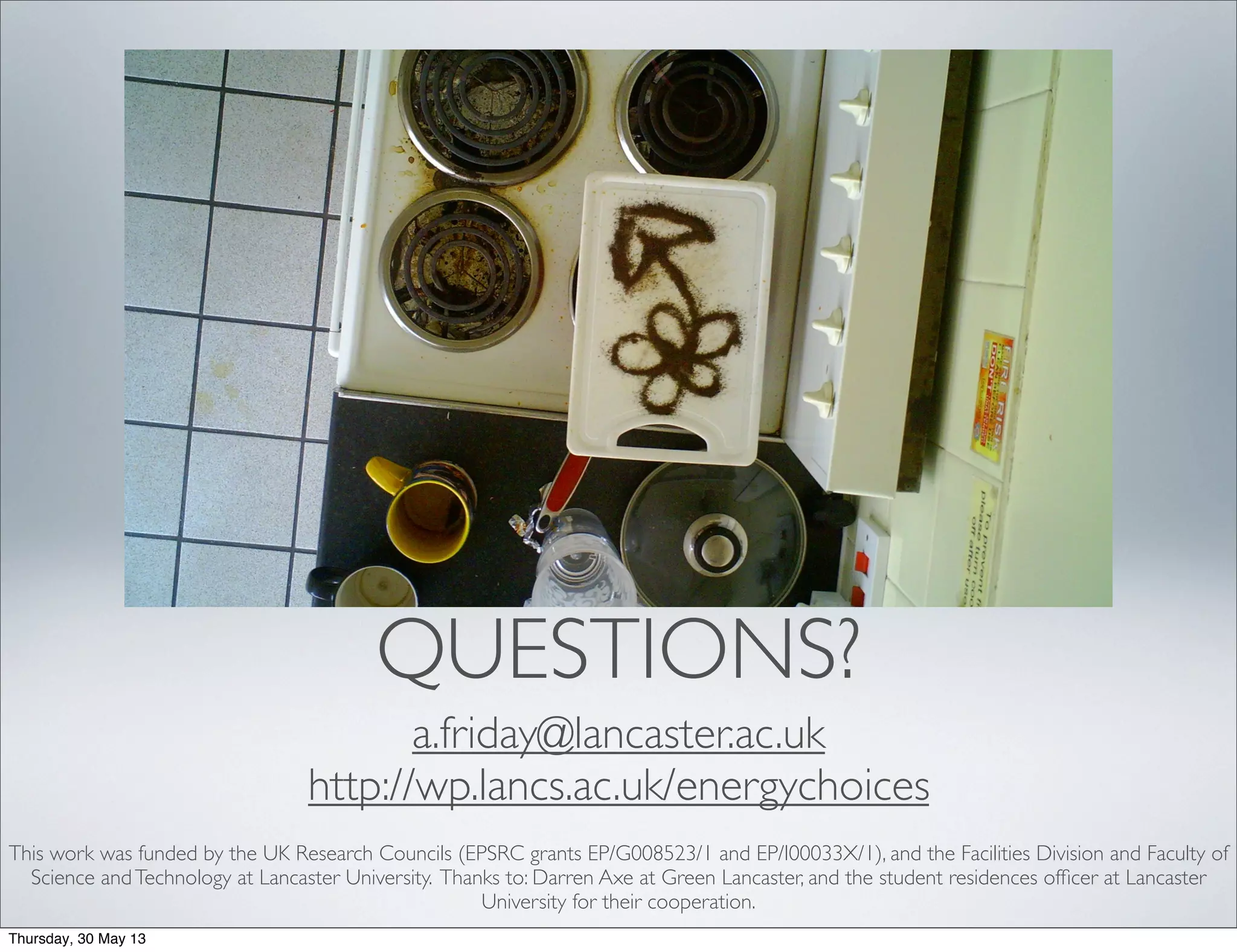

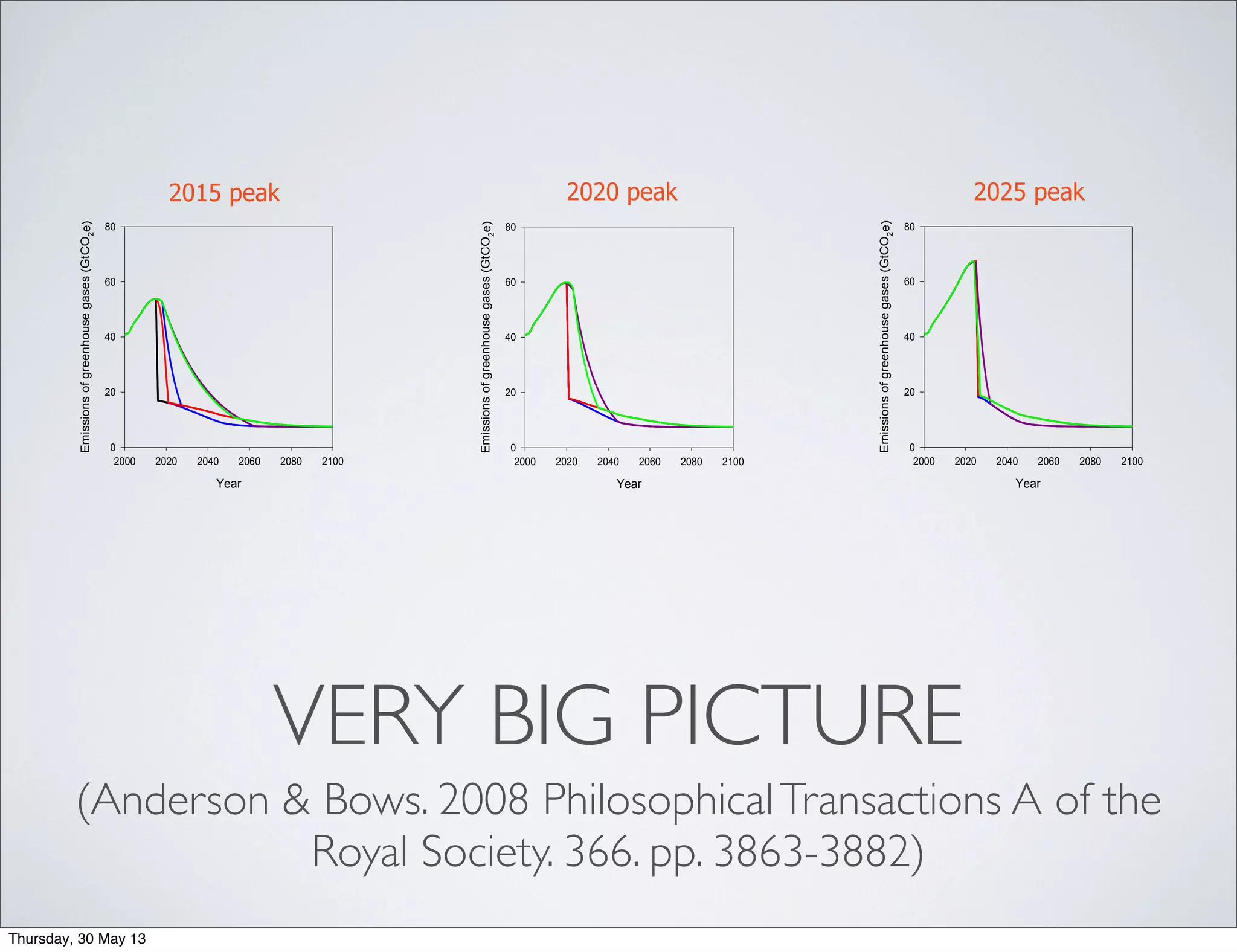
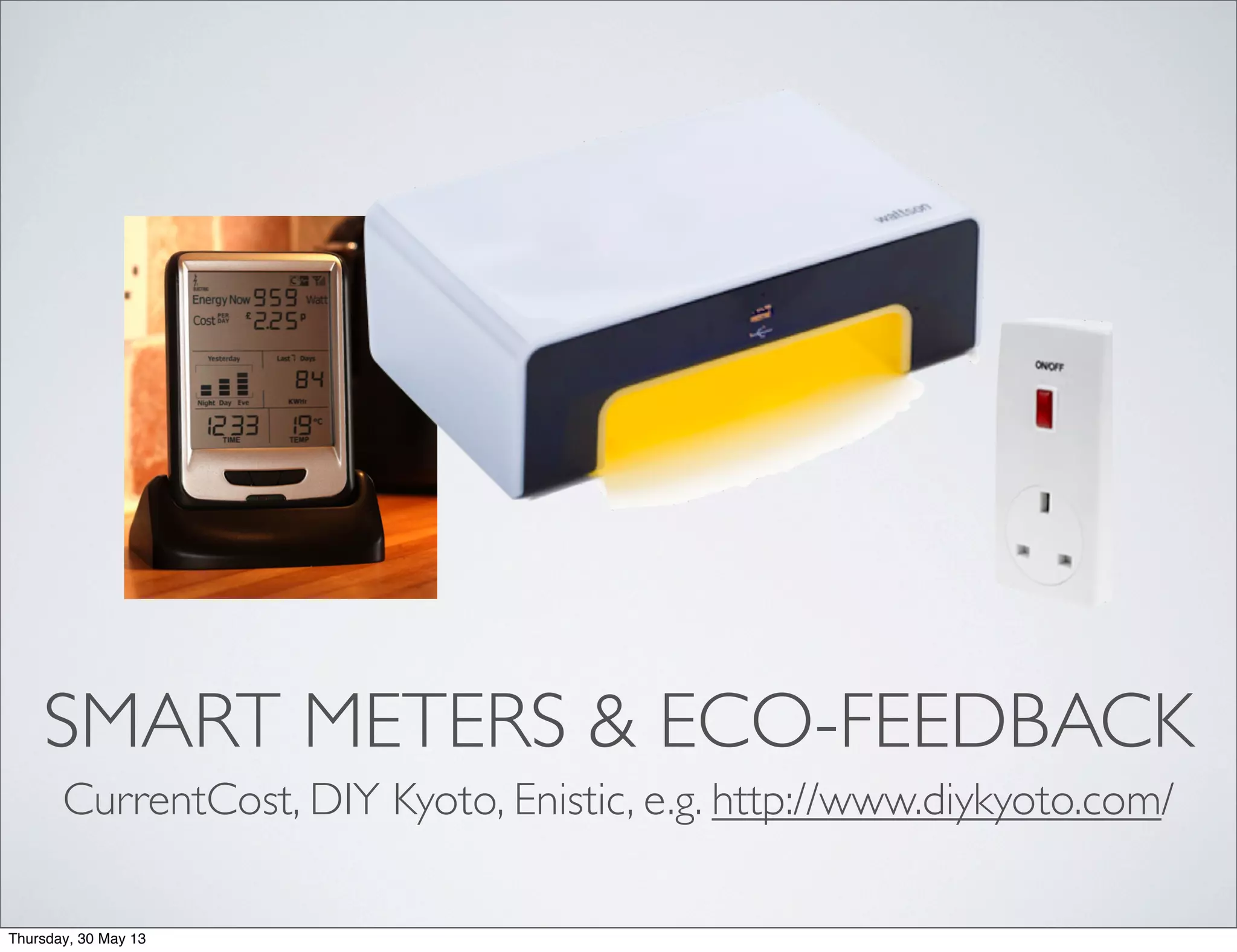
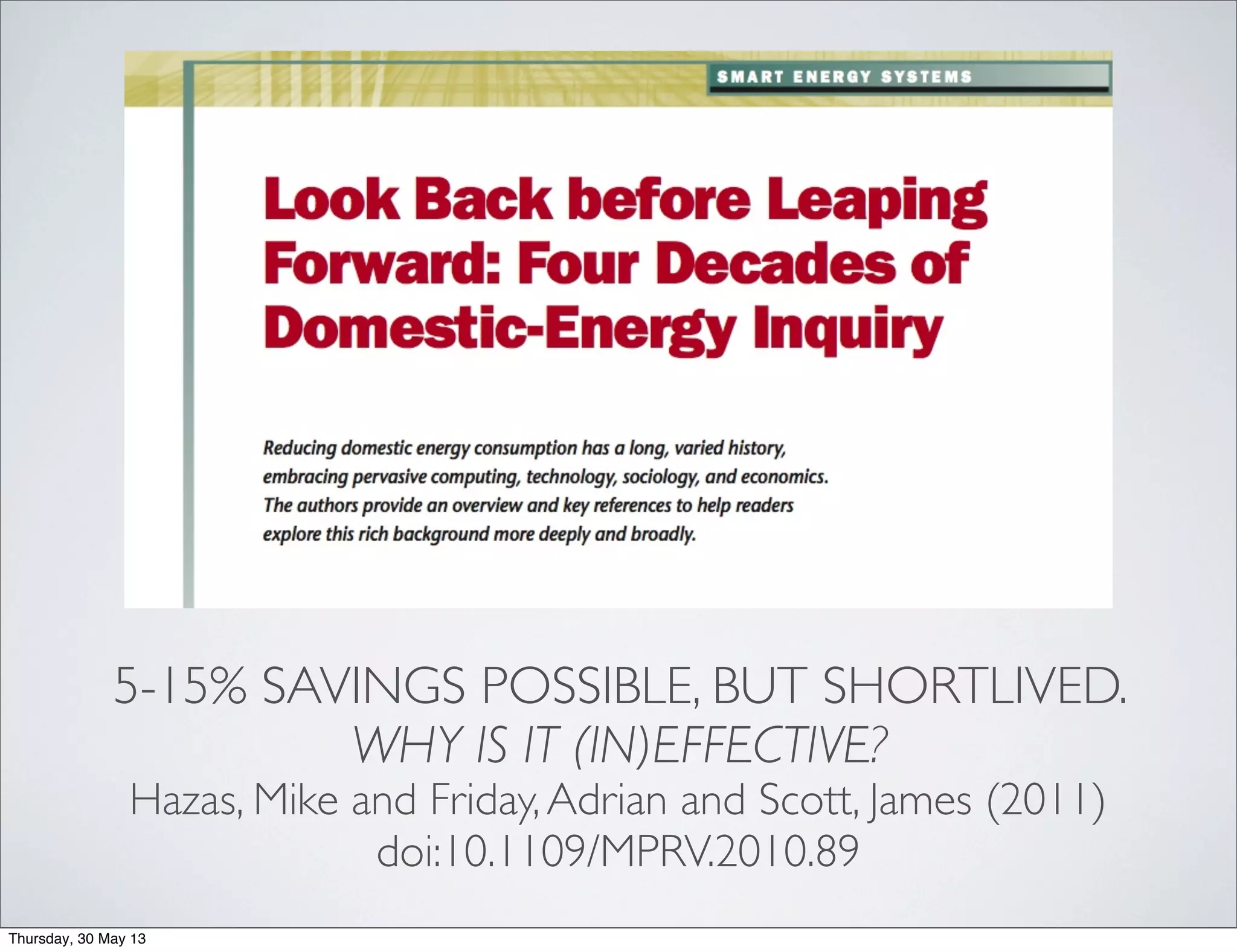
The document discusses the study of energy use in shared student accommodations, emphasizing the limitations of eco-feedback interventions, such as home displays, and advocating for a focus on reconfiguring energy-intensive activities like cooking. It highlights the importance of understanding how energy supports everyday life and proposes combining qualitative and quantitative methods to analyze energy consumption. The findings suggest that better intervention strategies are needed to reduce greenhouse gas emissions related to cooking practices and food choices.


![Vibe Coding vs. Spec-Driven Development [Free Meetup]](https://cdn.slidesharecdn.com/ss_thumbnails/vibecodingvsspecdrivendevelopment-251209105622-43f455e7-thumbnail.jpg?width=640&height=640&fit=bounds)


