Using Technology to Support
Writing as a Complex Activity


  Thomas DeVere Wolsey, Ed.D.
            San Antonio, Texas
    International Reading Association
Using Technology to Support
Writing as a Complex Activity
Thomas DeVere
 Wolsey, Ed.D.
 San Antonio, Texas
   International
Reading Association
Using Technology to Support Writing as a
 Complex Activity within the Disciplines

• In this session, participants will explore two aspects of
  working in digital environments: How to work with digital
  sources to inform their writing and How to bring together
  digital images and composing processes, as means for
  increasing language learning. Participants will learn how
  to use online tools their students can employ to draw or
  reuse images found on the Internet in service of writing
  as a means of learning. Examples of digital stories that
  combine images and words will be provided, and
  participants with computers or smartphones will have
  the opportunity to try some of the tools. By linking the
  parts of the brain that process images with those parts
  that process language, written work improves and so
  does student learning.
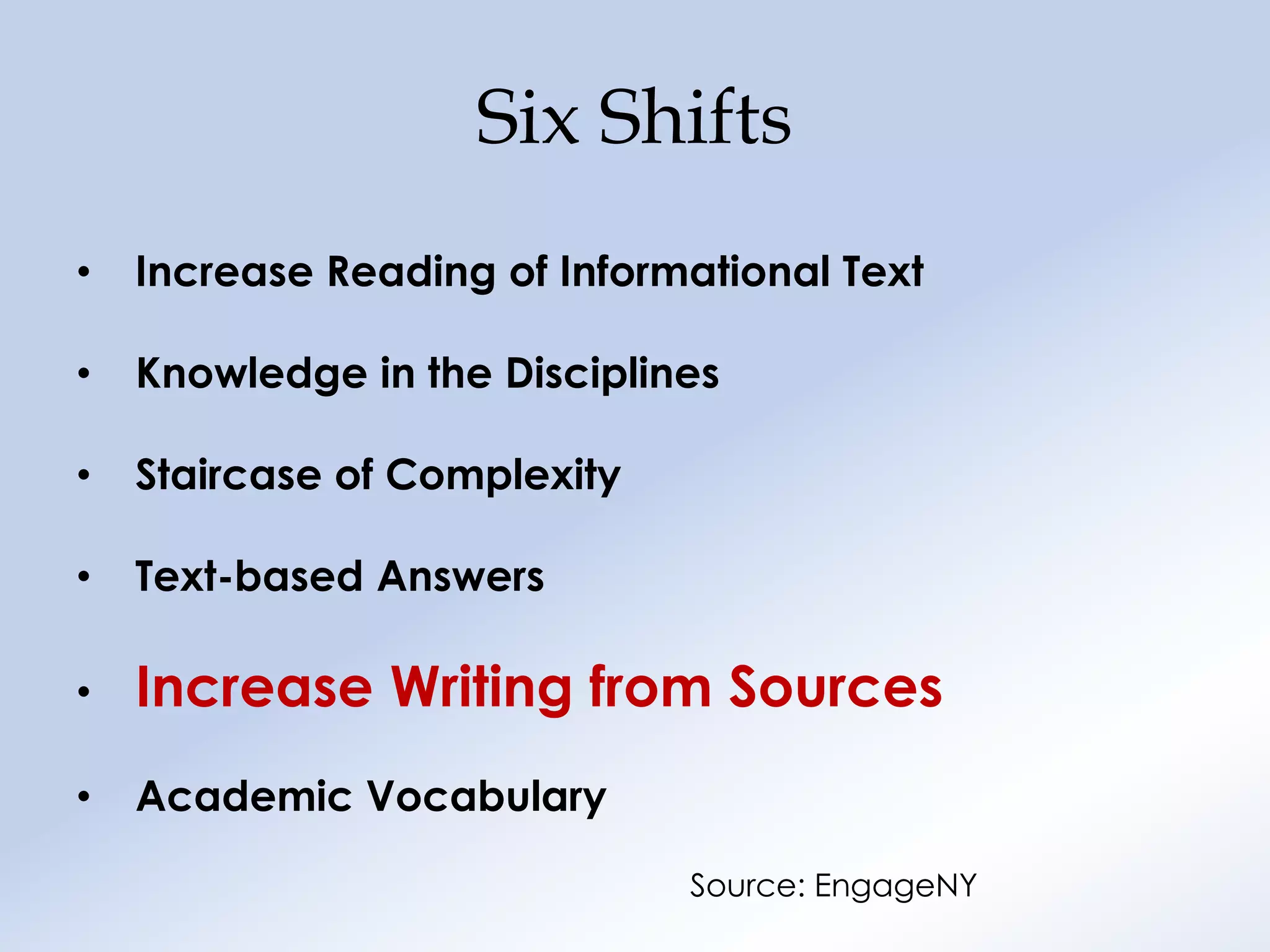
Six Shifts
•   Increase Reading of Informational Text

•   Knowledge in the Disciplines

•   Staircase of Complexity

•   Text-based Answers

•   Increase Writing from Sources
•   Academic Vocabulary

                              Source: EngageNY
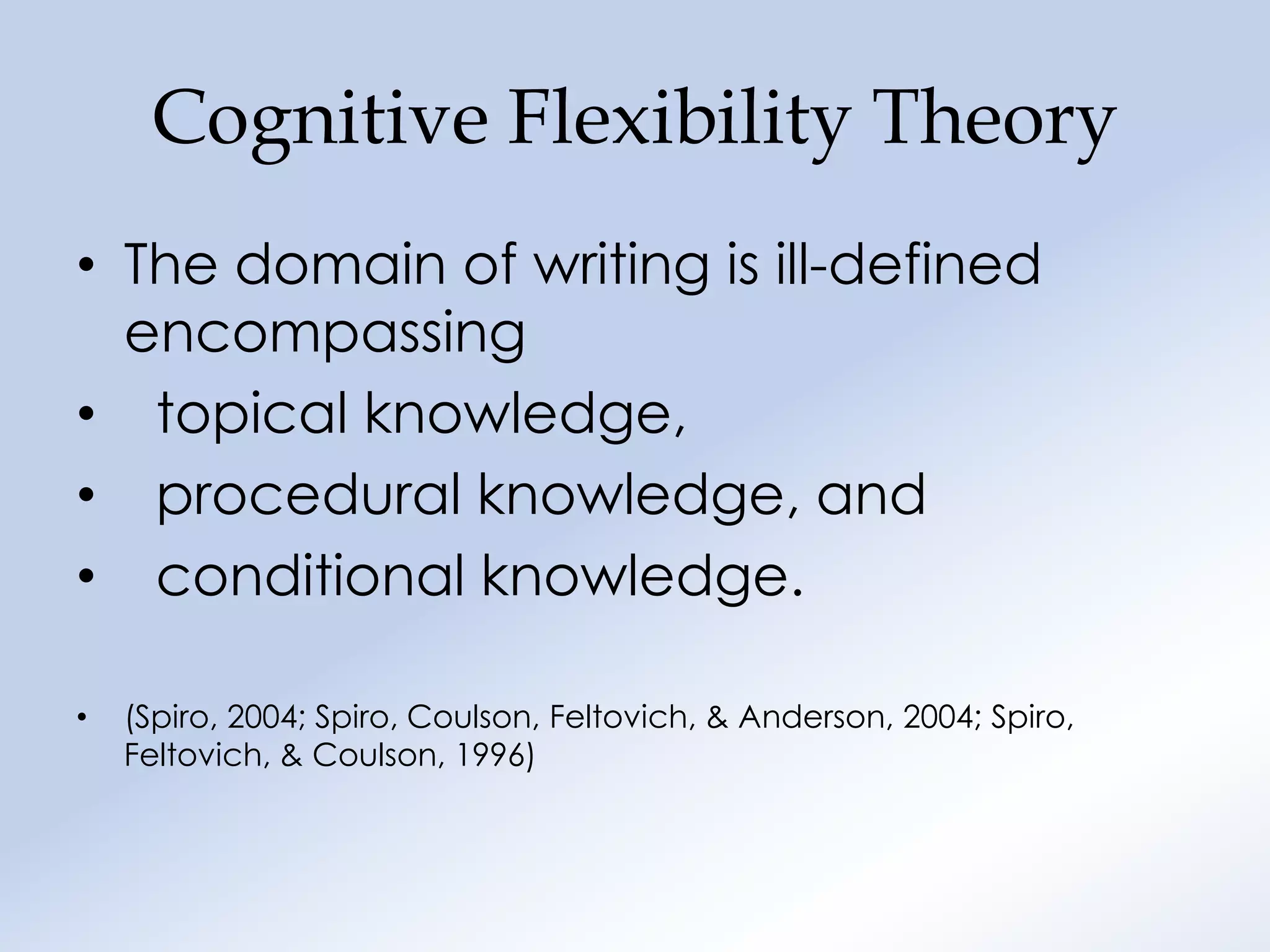
Cognitive Flexibility Theory
• The domain of writing is ill-defined
  encompassing
• topical knowledge,
• procedural knowledge, and
• conditional knowledge.

•   (Spiro, 2004; Spiro, Coulson, Feltovich, & Anderson, 2004; Spiro,
    Feltovich, & Coulson, 1996)
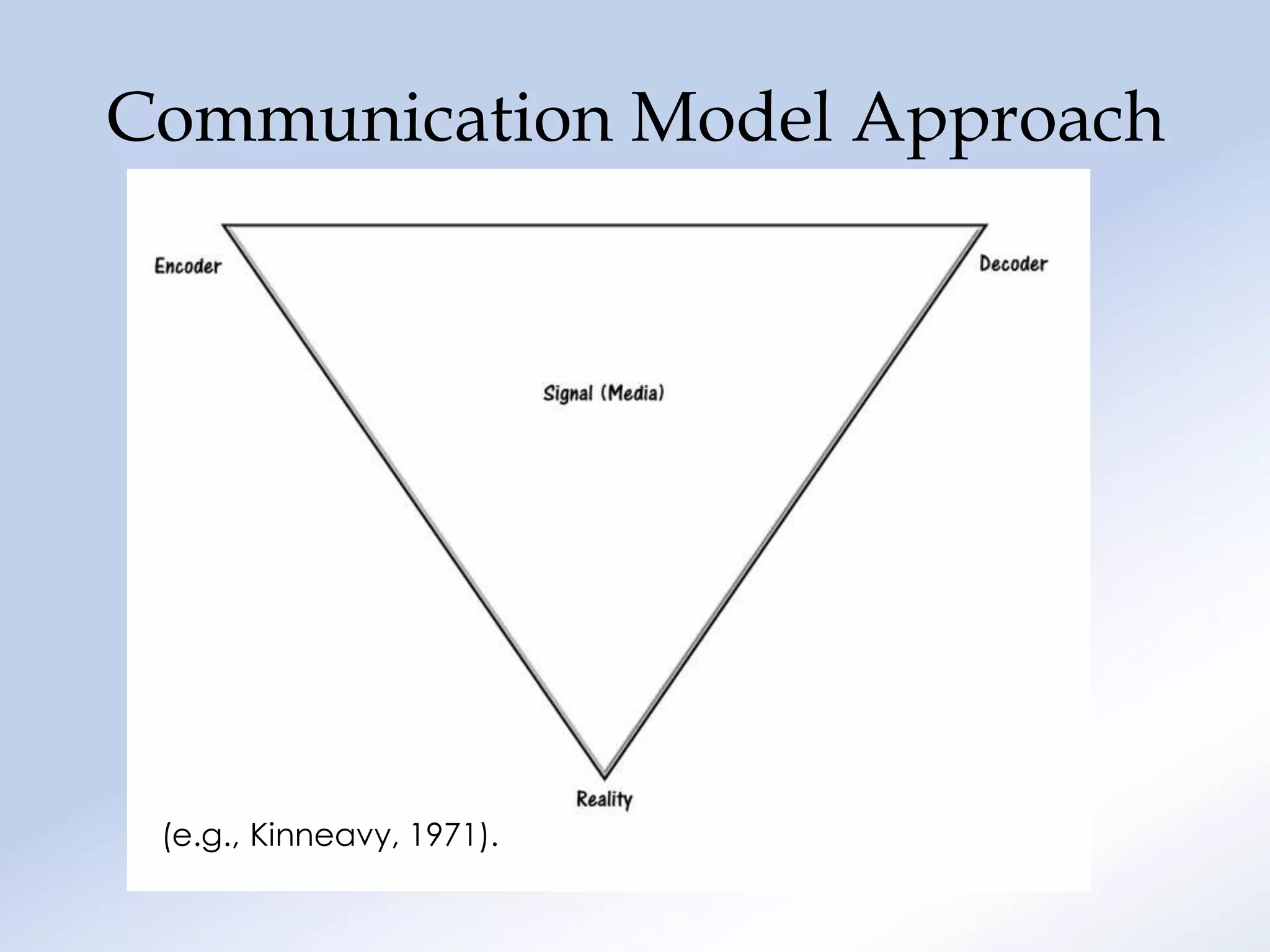
Communication Model Approach


 (e.g., Kinneavy, 1971).
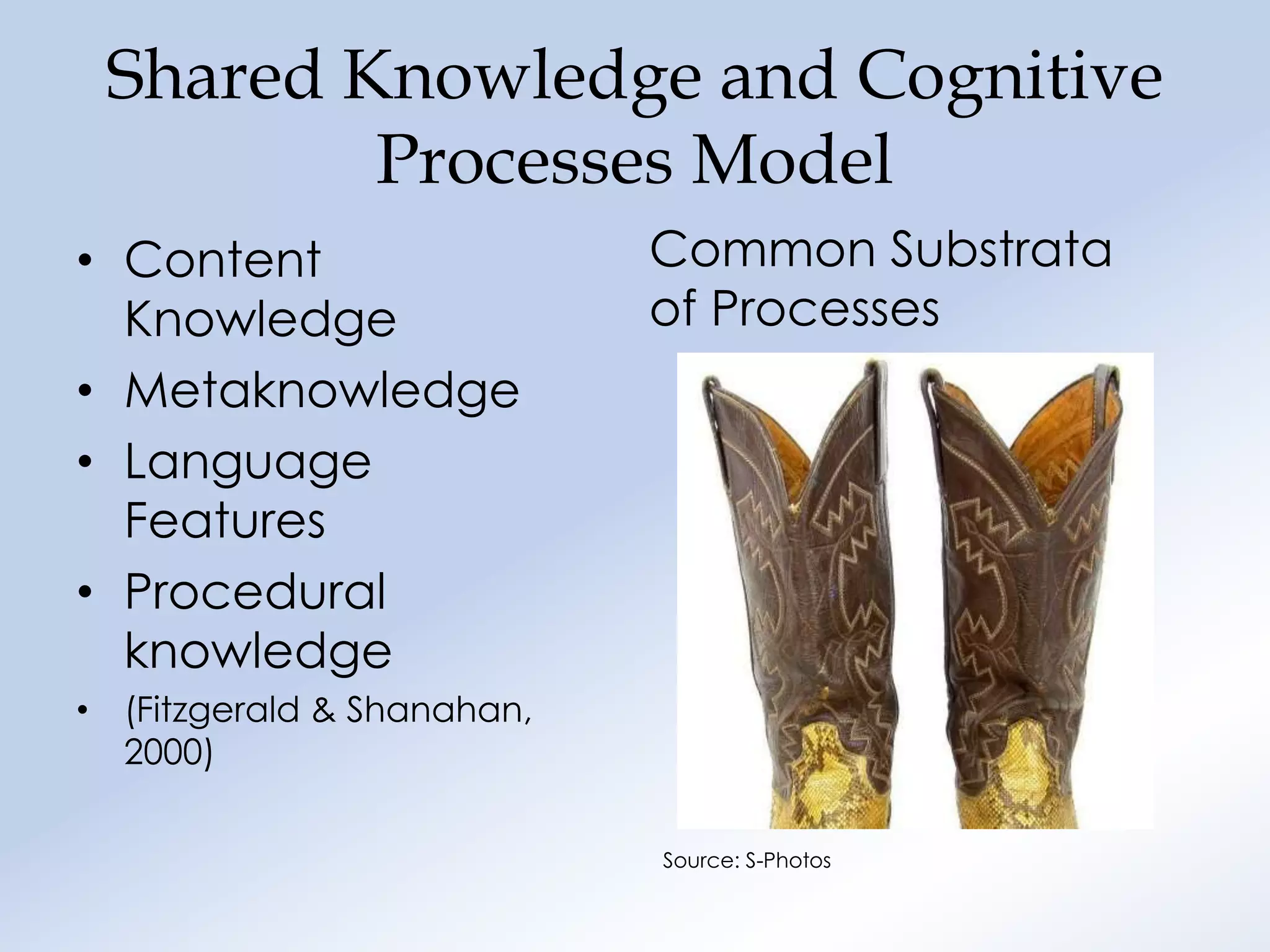
Shared Knowledge and Cognitive
         Processes Model
• Content                   Common Substrata
  Knowledge                 of Processes
• Metaknowledge
• Language
  Features
• Procedural
  knowledge
• (Fitzgerald & Shanahan,
  2000)

                            Source: S-Photos
New Literacies
• Speed
• Deictic
• Multiplicity of
  tools and
  dispositions
•   Leu, Kinzer, Coiro, and
    Cammack (2004)
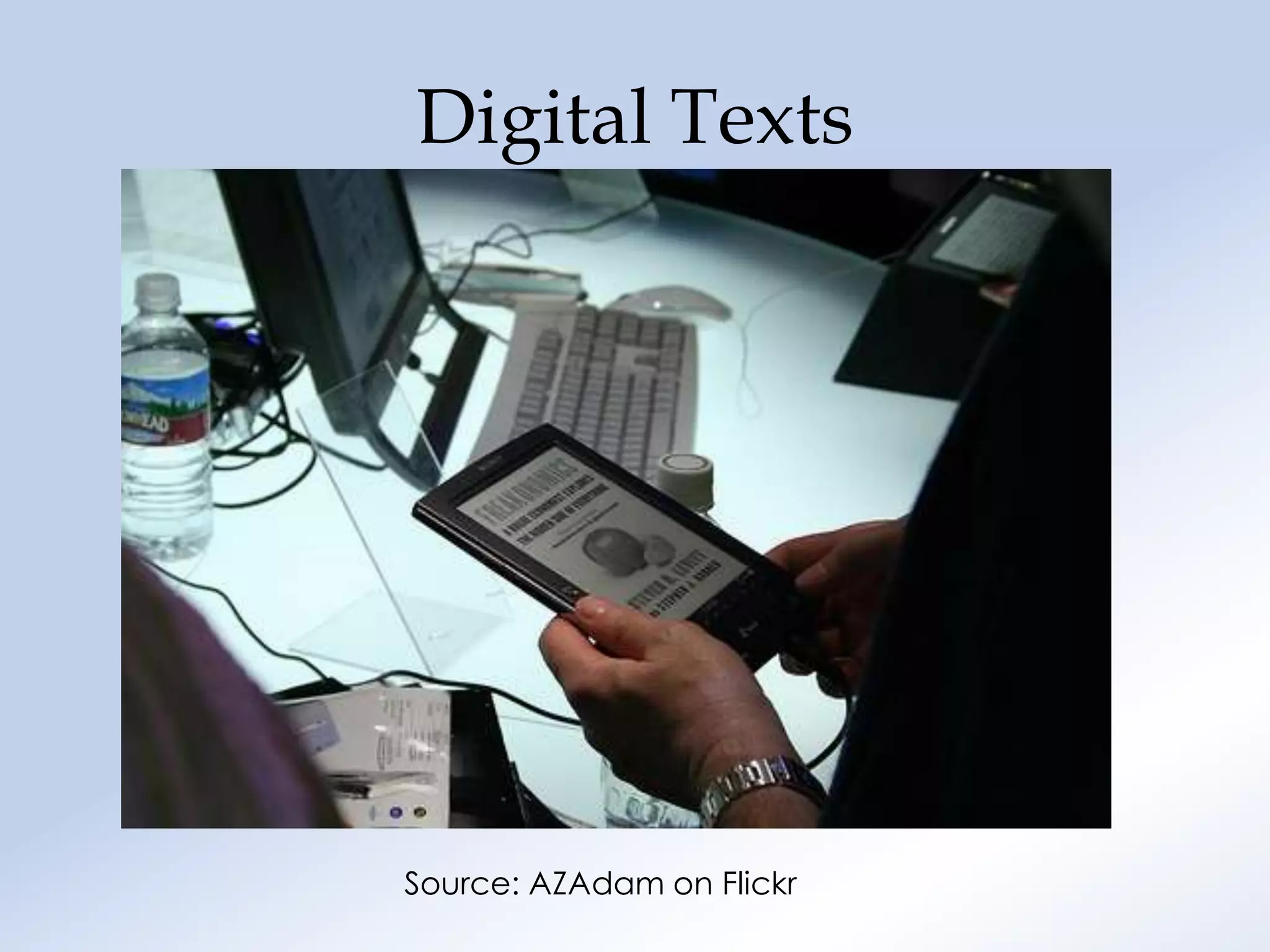
Digital Texts


Source: AZAdam on Flickr
Choosing Resources
• Evaluating
  resources
• Type of resource
  (genre or mode)
• Readability
• Working with
  Multiple Sources

•   (Wolsey, Lapp, & Fisher, in press)   Source: zapatopi.net
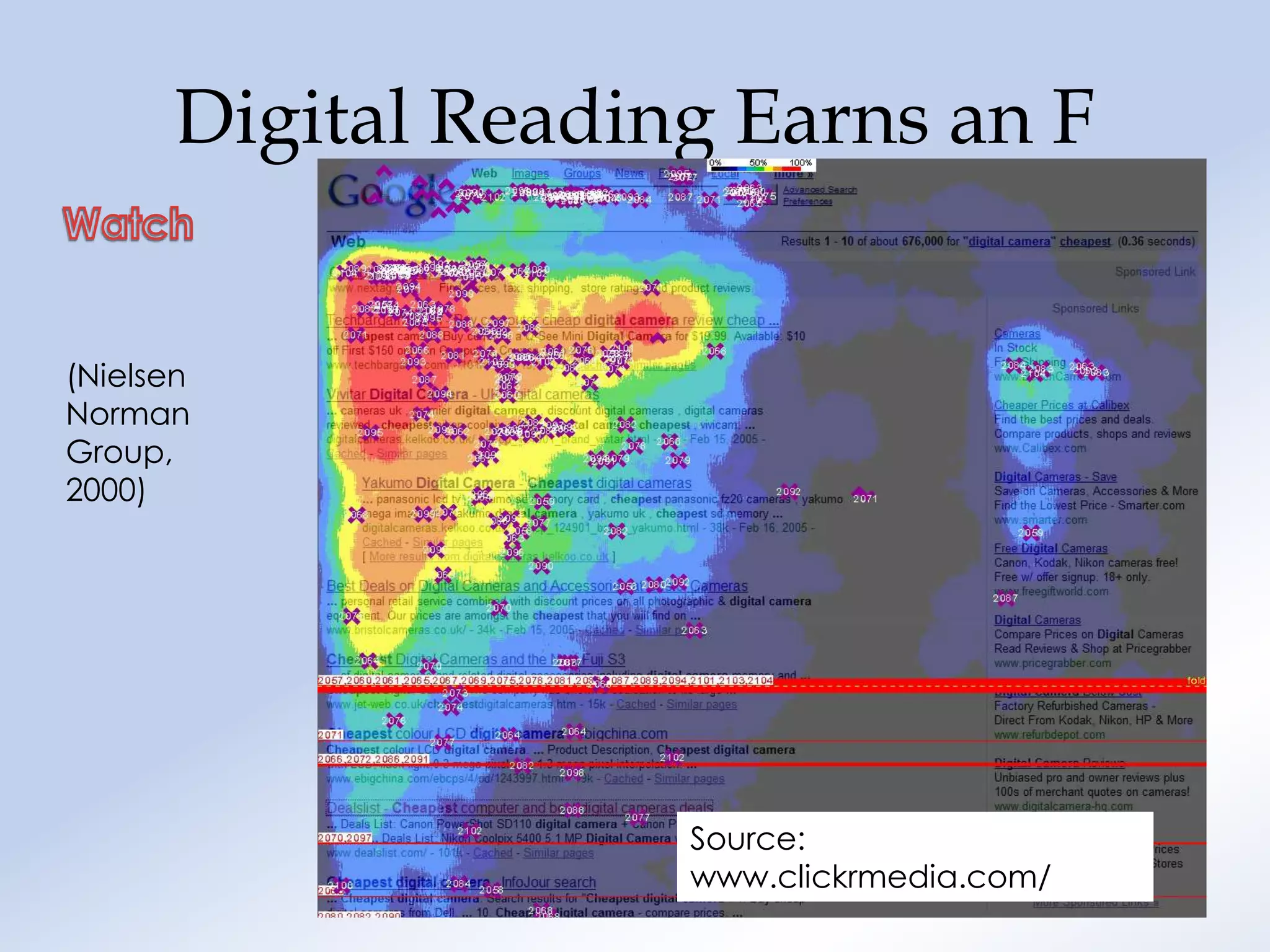
Digital Reading Earns an F


(Nielsen
Norman
Group,
2000)


                     Source:
                     www.clickrmedia.com/
Close Reading
• “Close reading is characterized by the
  use of evidence from the text to
  support analysis, conclusions, or views
  of texts” (Wolsey, Grisham, & Hiebert,
  2012, p. 2)
• Slow Reading (Newkirk, 2012)
Transforming Writing with
      Digital Images
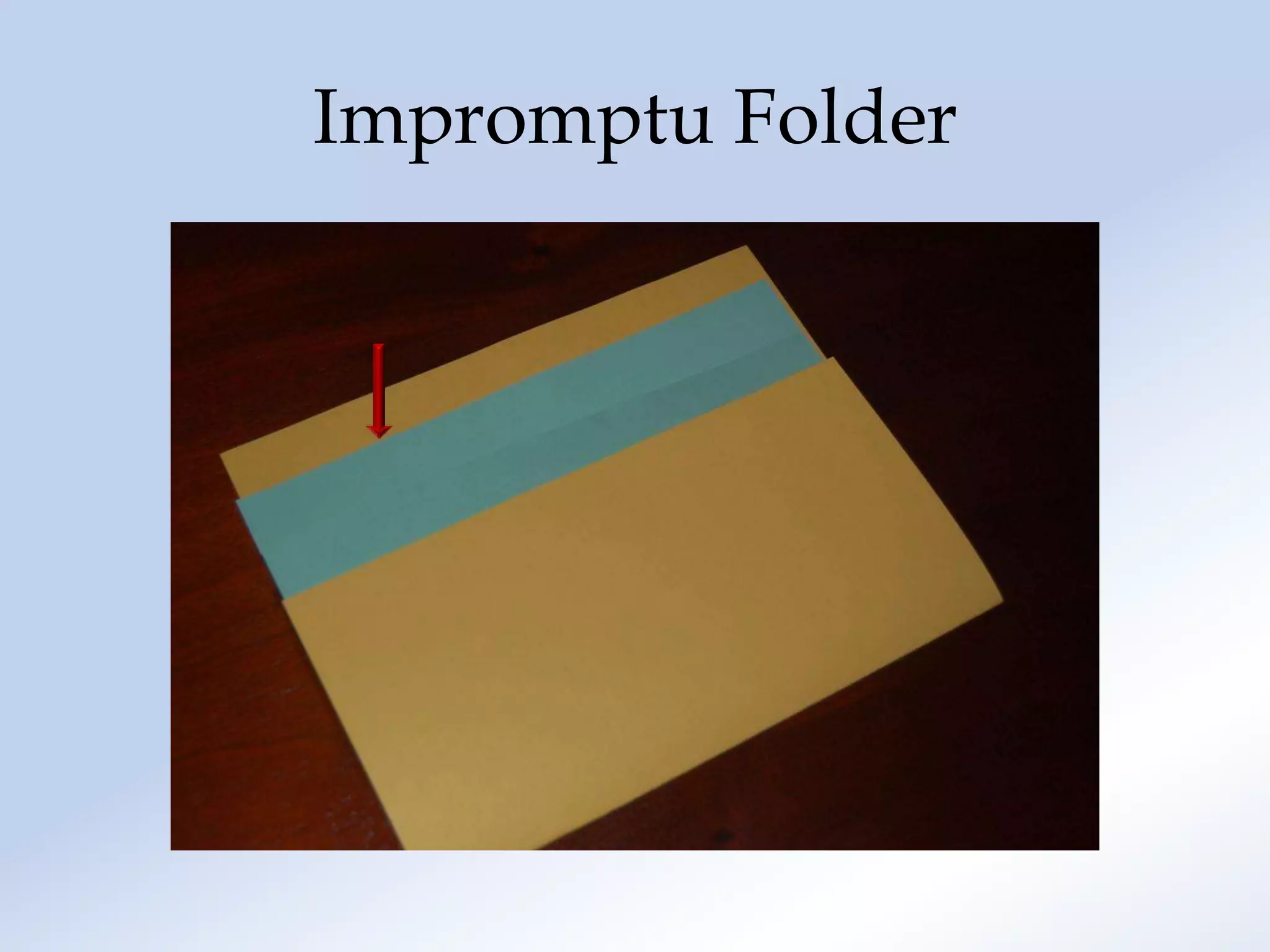
Impromptu Folder
Impromptu Folder
Write Me a Picture


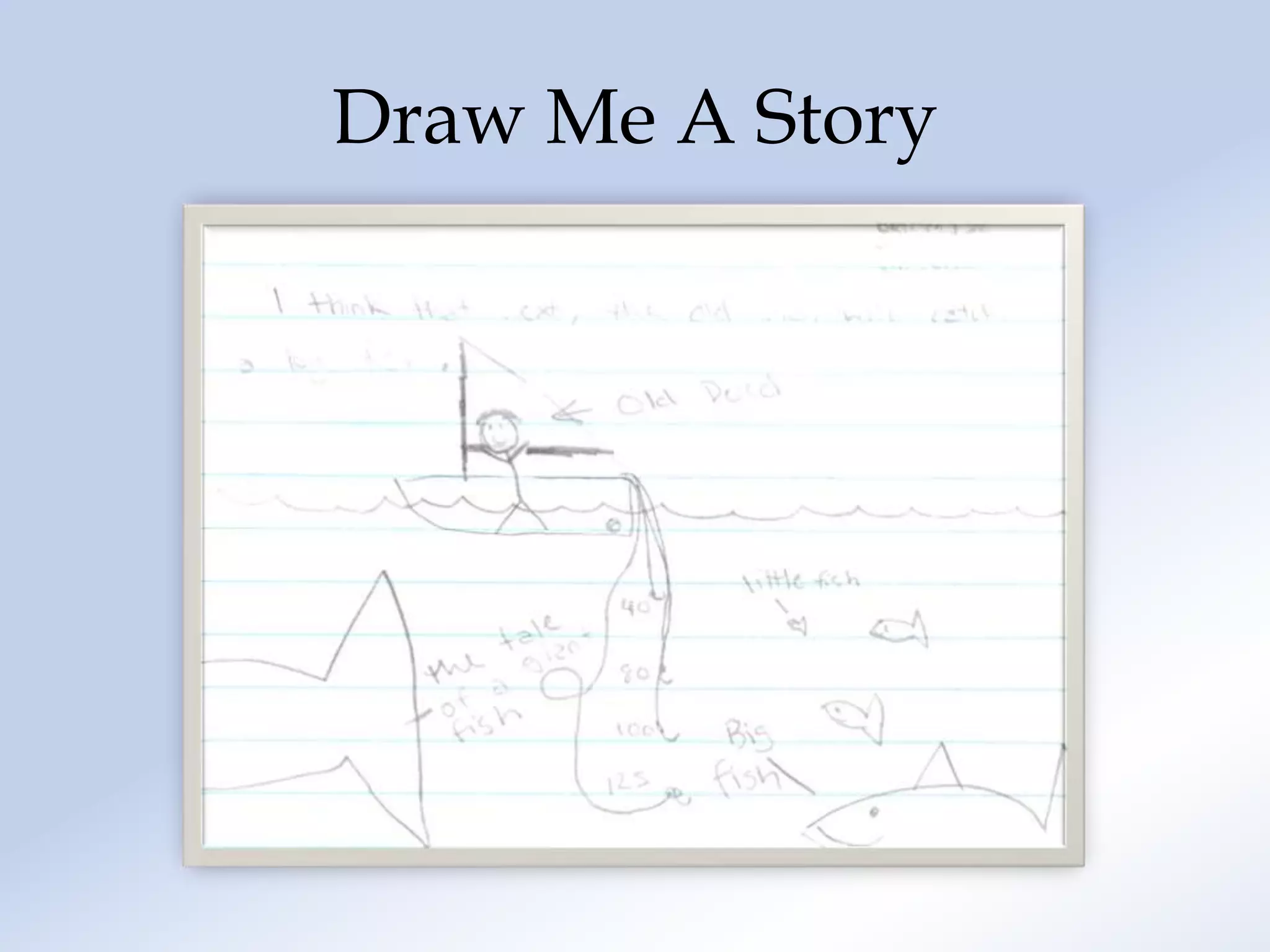
Draw Me a Story


Images and Words Together


InfoGraphics
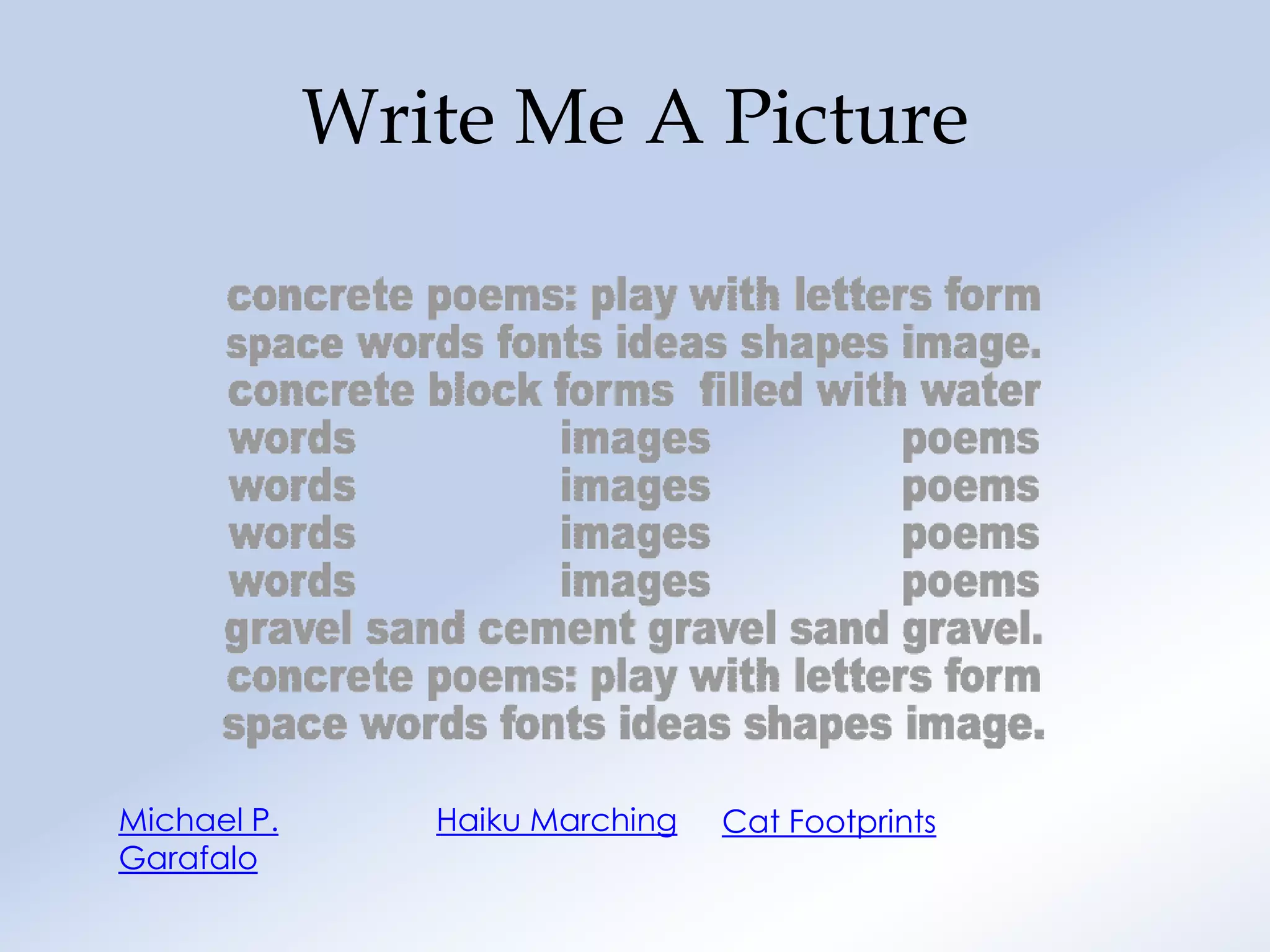
Write Me A Picture


Michael P.      Haiku Marching   Cat Footprints
Garafalo
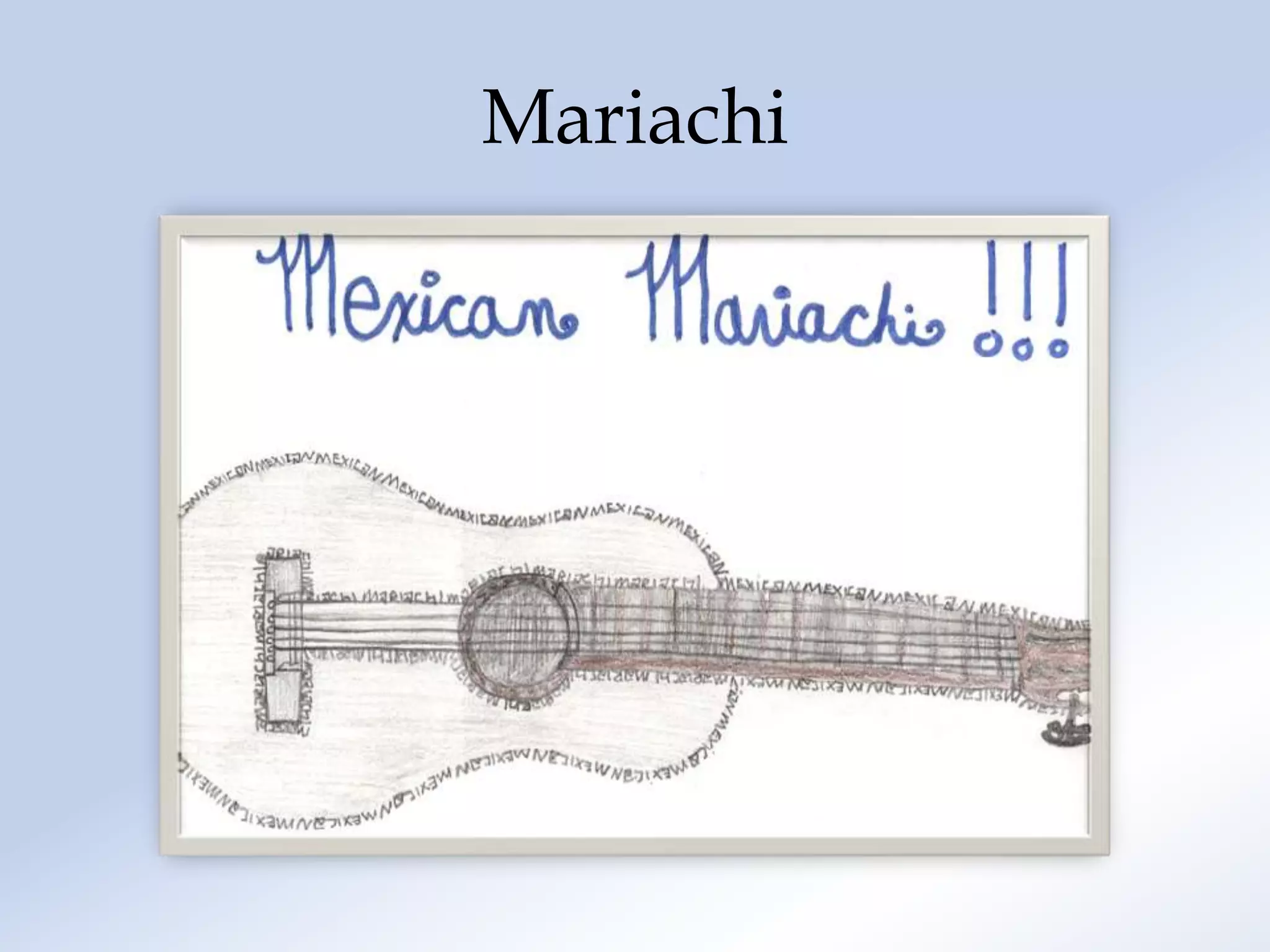
Mariachi
Draw Me A Story
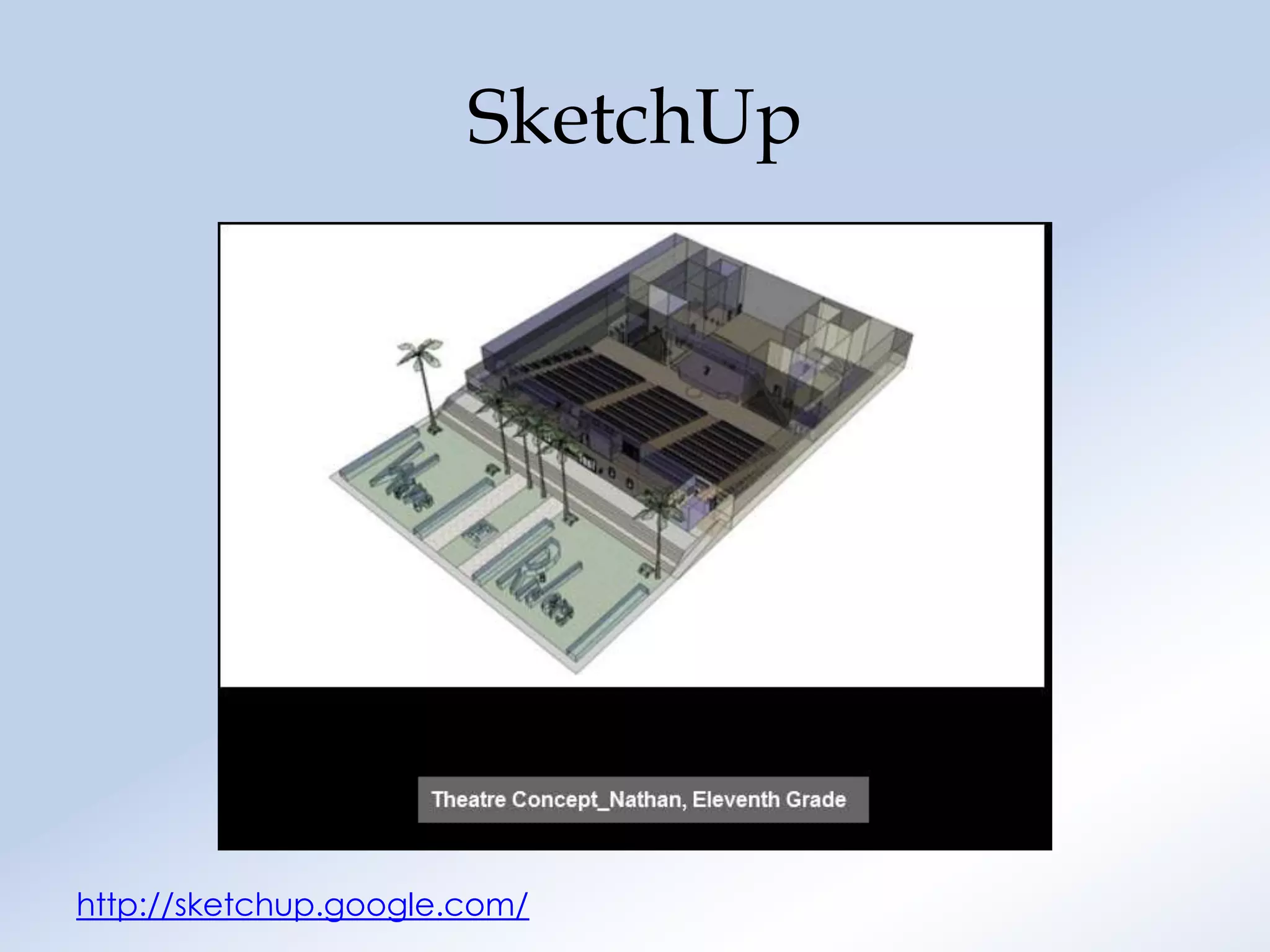
SketchUp


http://sketchup.google.com/
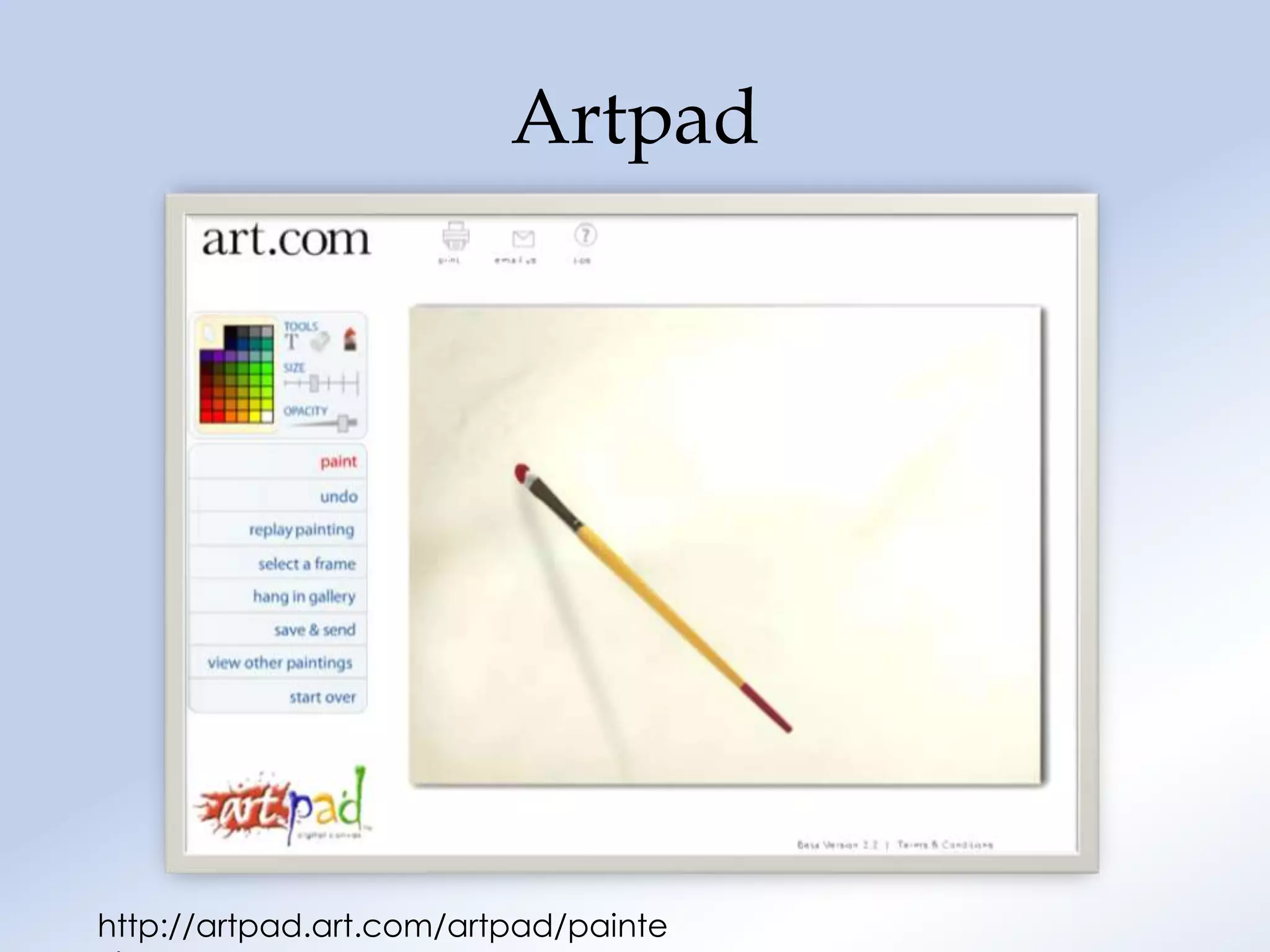
Artpad


http://artpad.art.com/artpad/painte
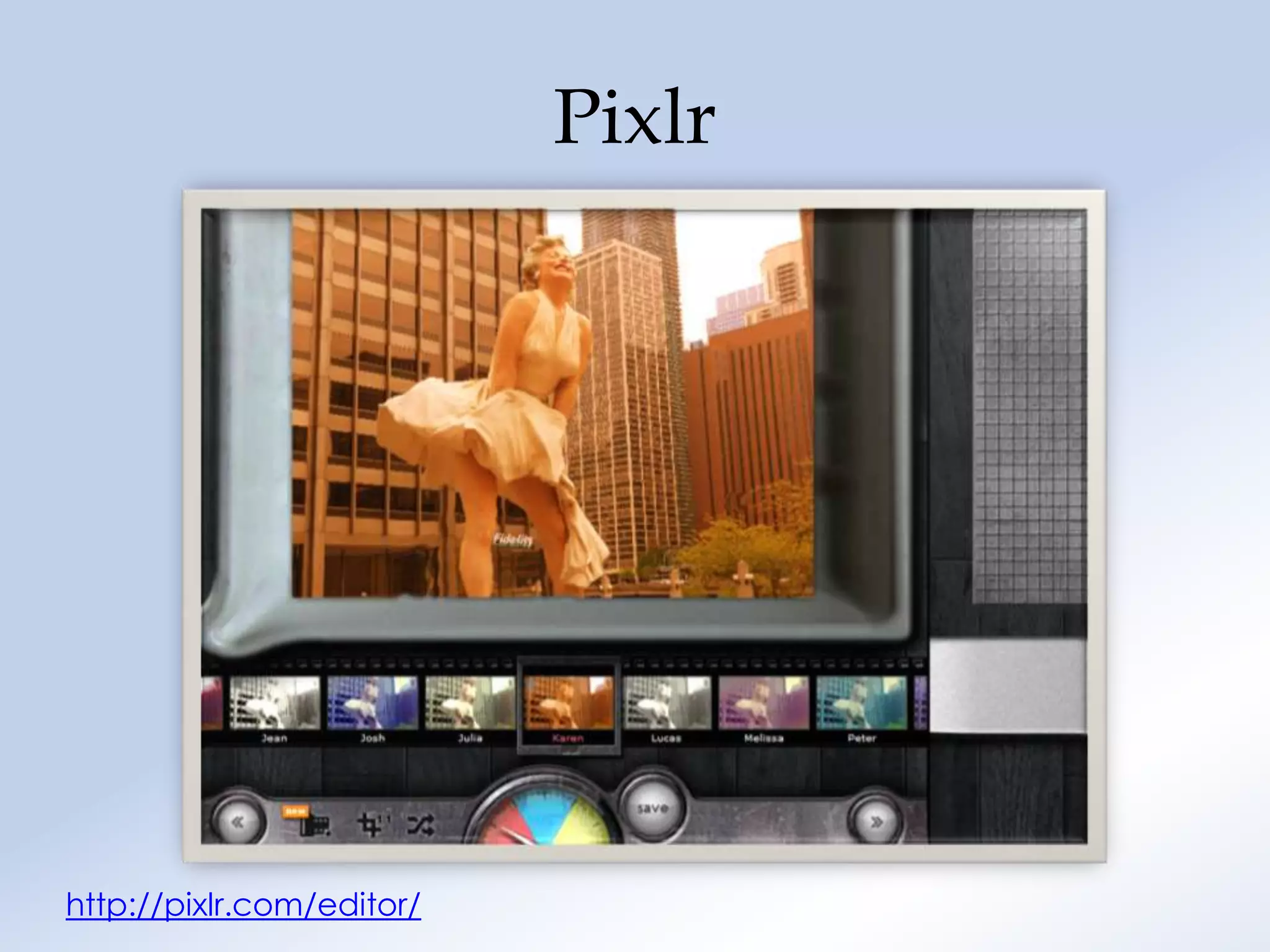
Pixlr


http://pixlr.com/editor/
The school photography project
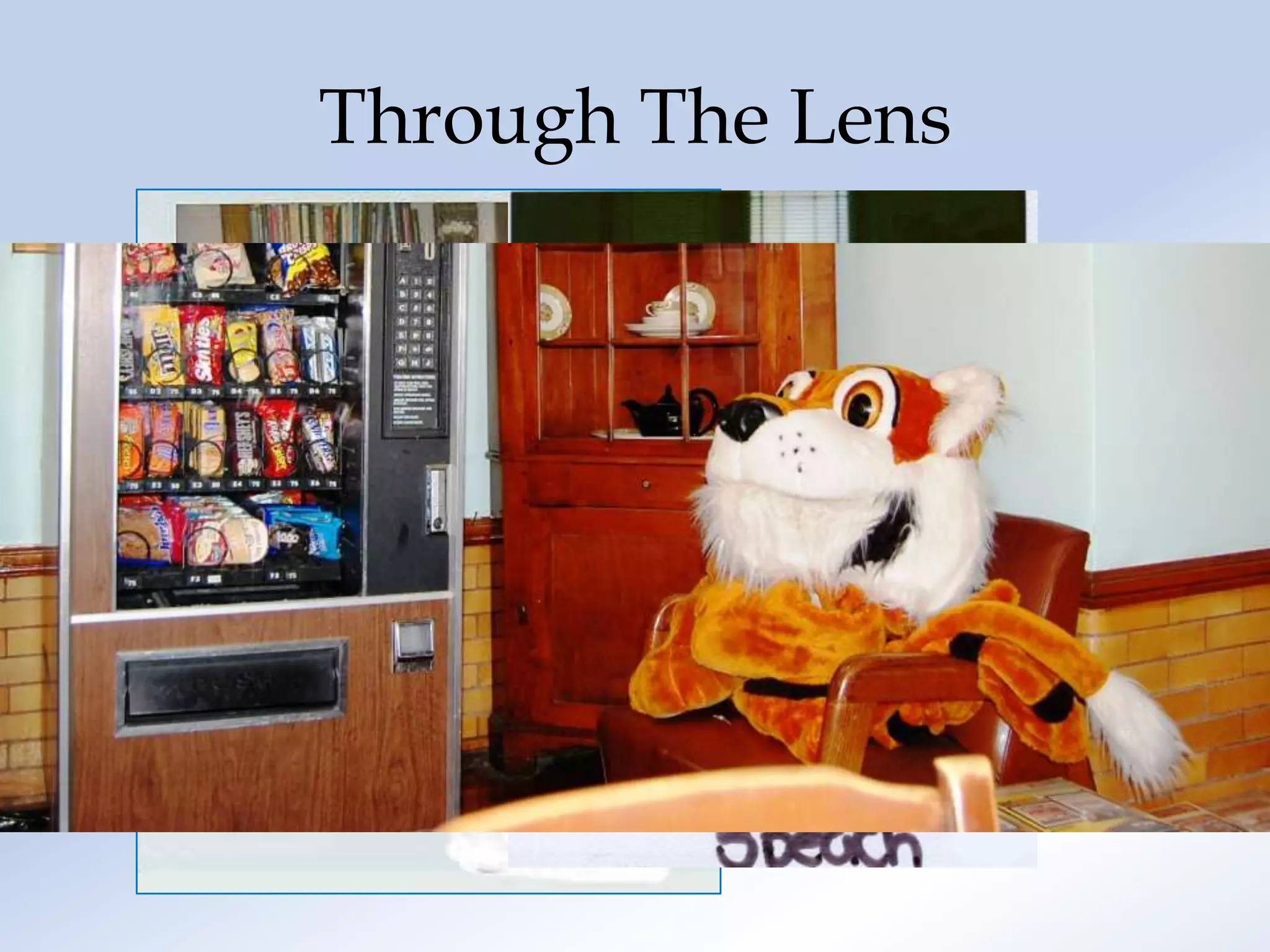
Through The Lens
Student-Created Images

• Drawing
  – SketchUp
  – Artpad
• Photography
  – Pixlr
  – PowerPoint and the digital camera
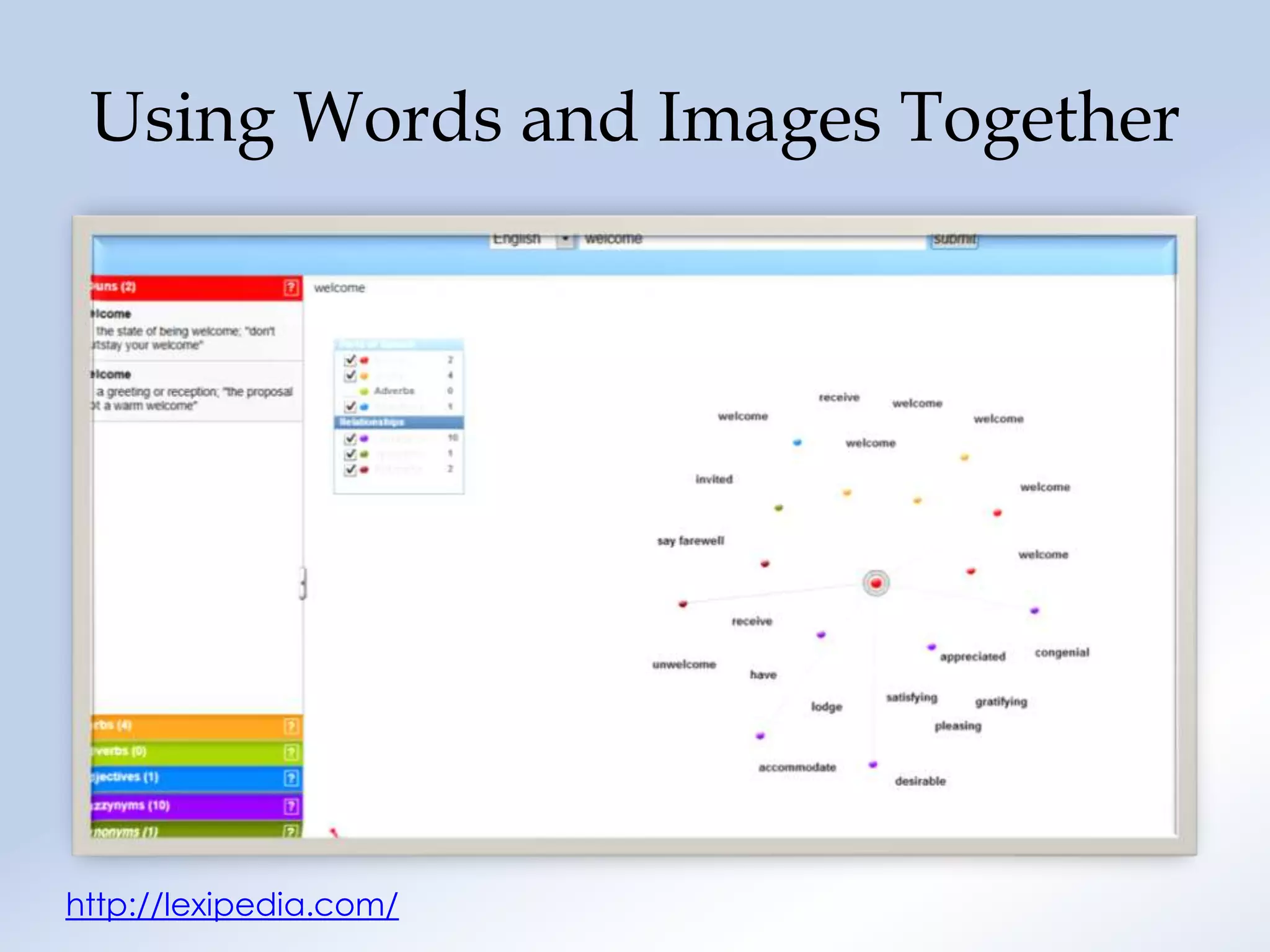
Using Words and Images Together


http://lexipedia.com/
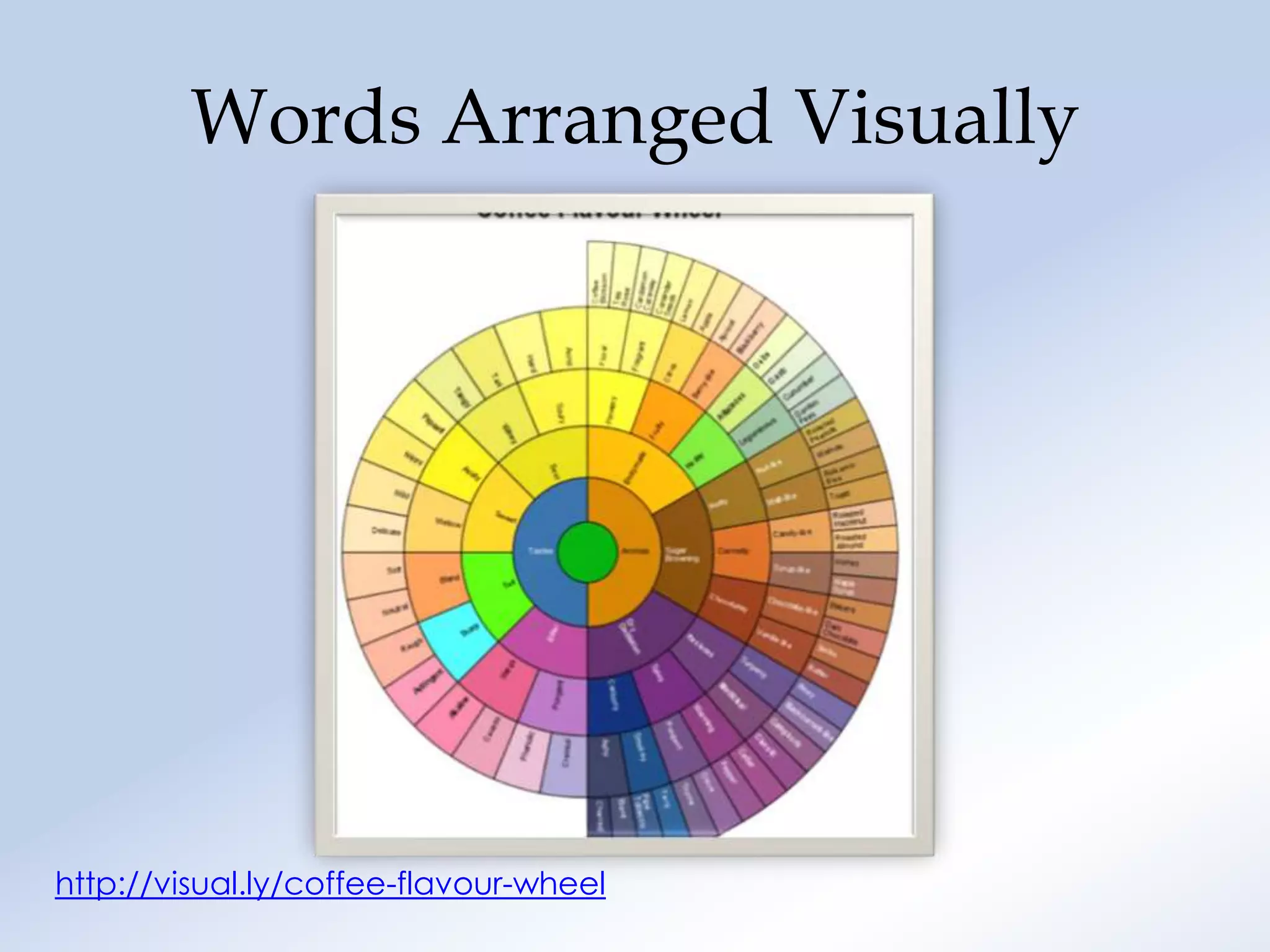
Words Arranged Visually


http://visual.ly/coffee-flavour-wheel
Infographics
• Data meets
  graphics
  meets words

• http://visual.ly/
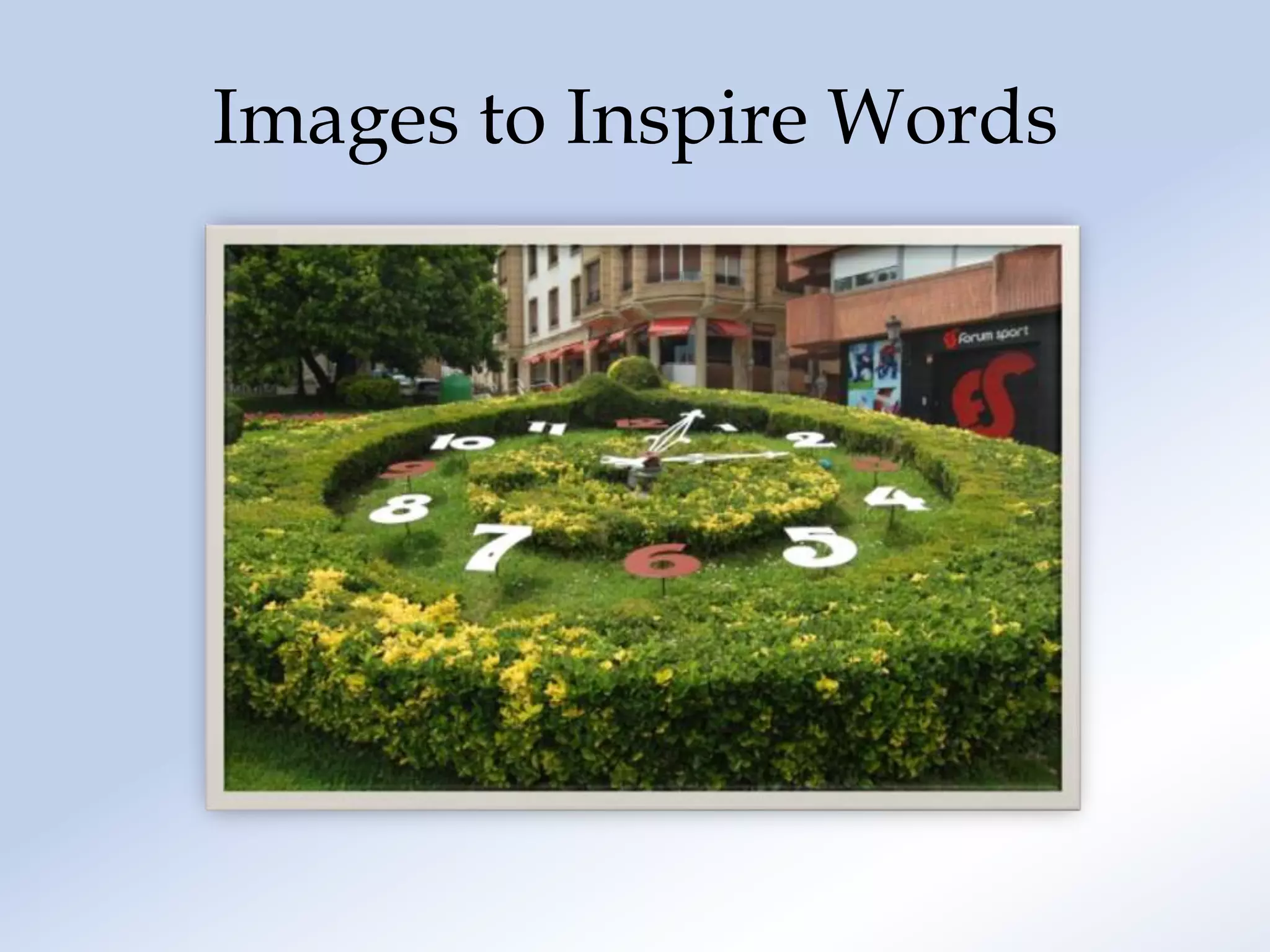
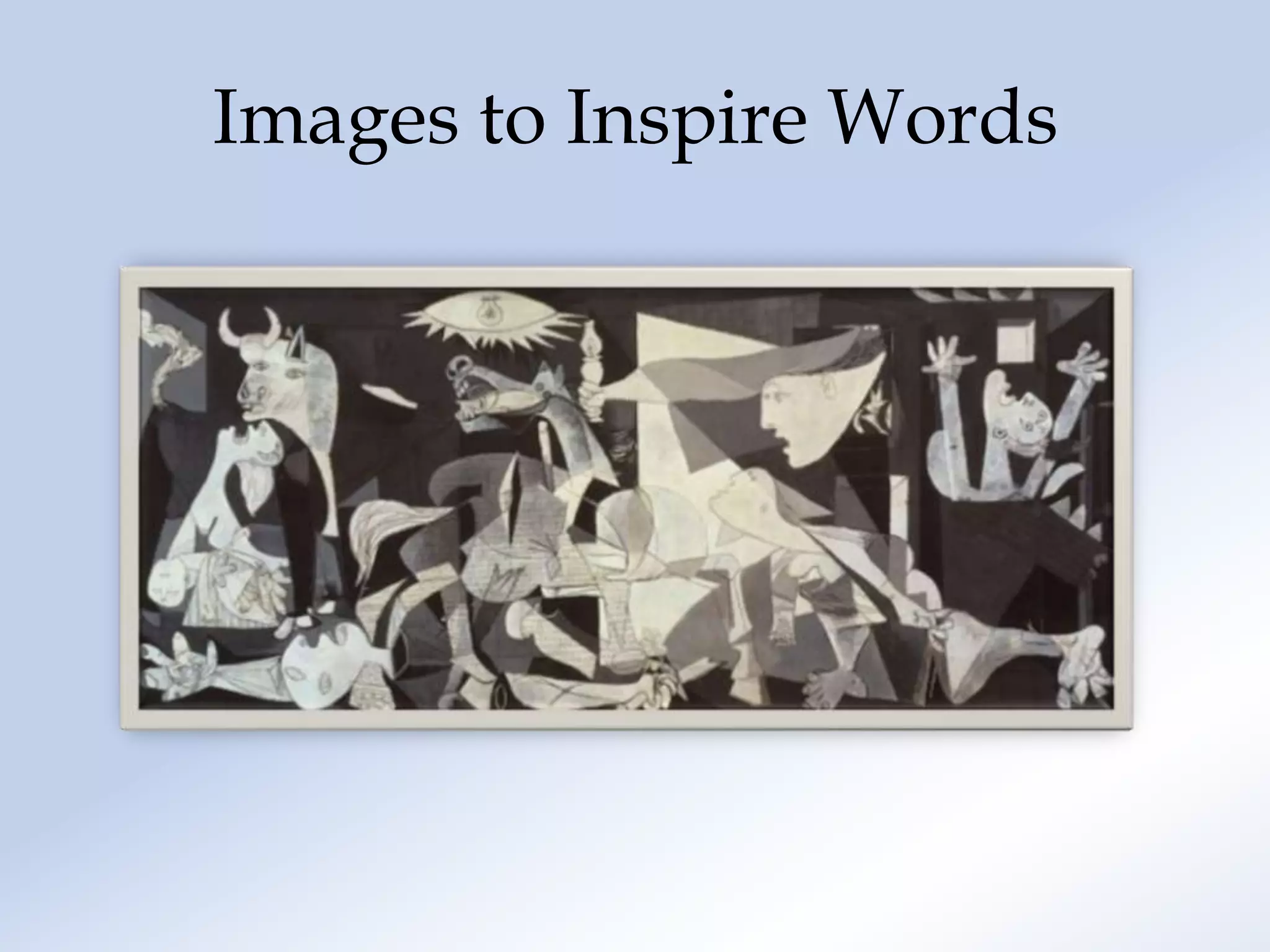
Images to Inspire Words
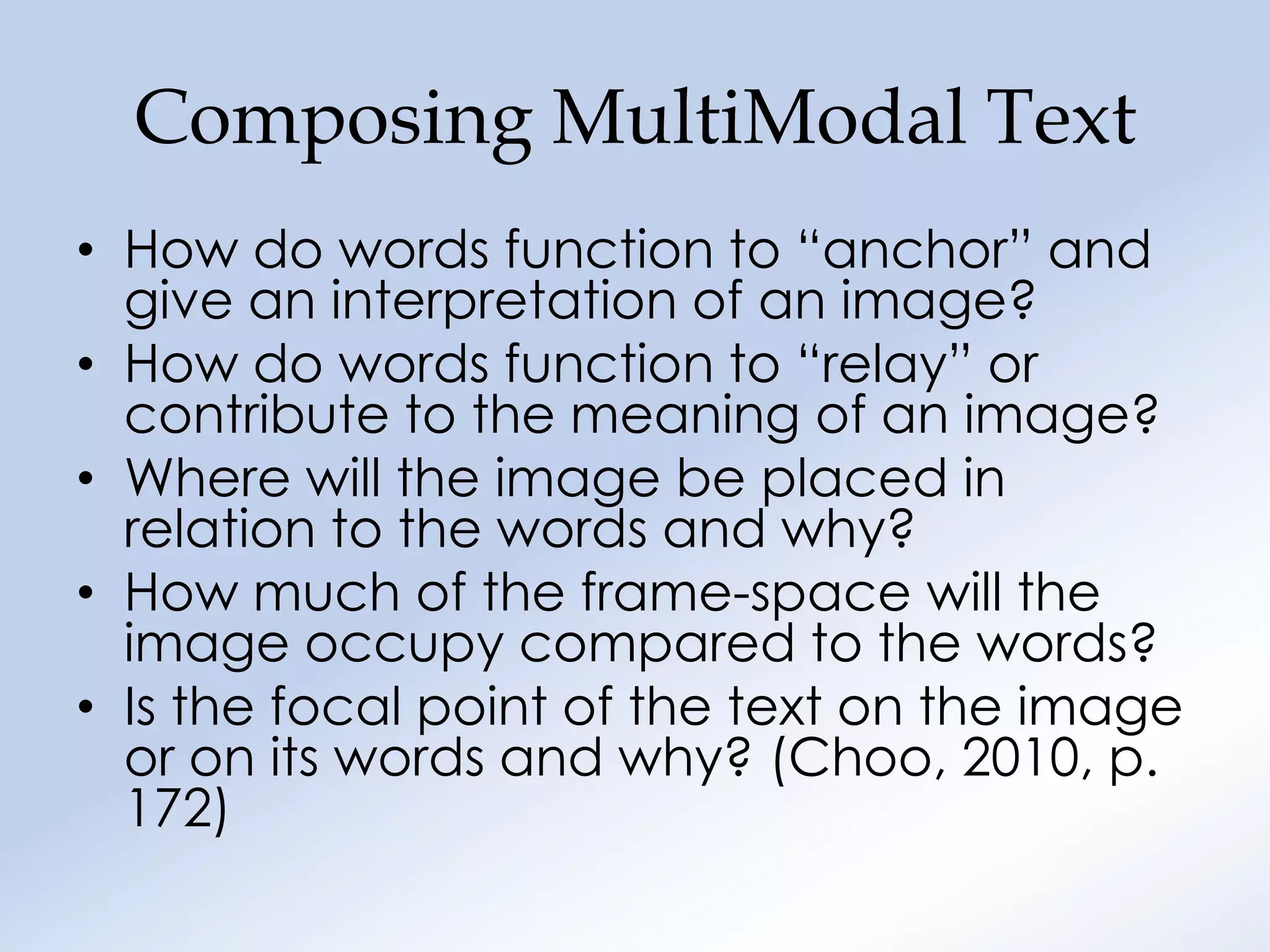
Digital Storytelling


• Animoto

• Voicethread

• Example Digital Story in Voicethread
CAST Image Collector
http://www.cast.org/teachingeverystud
ent/tools/imagecollector.cfm
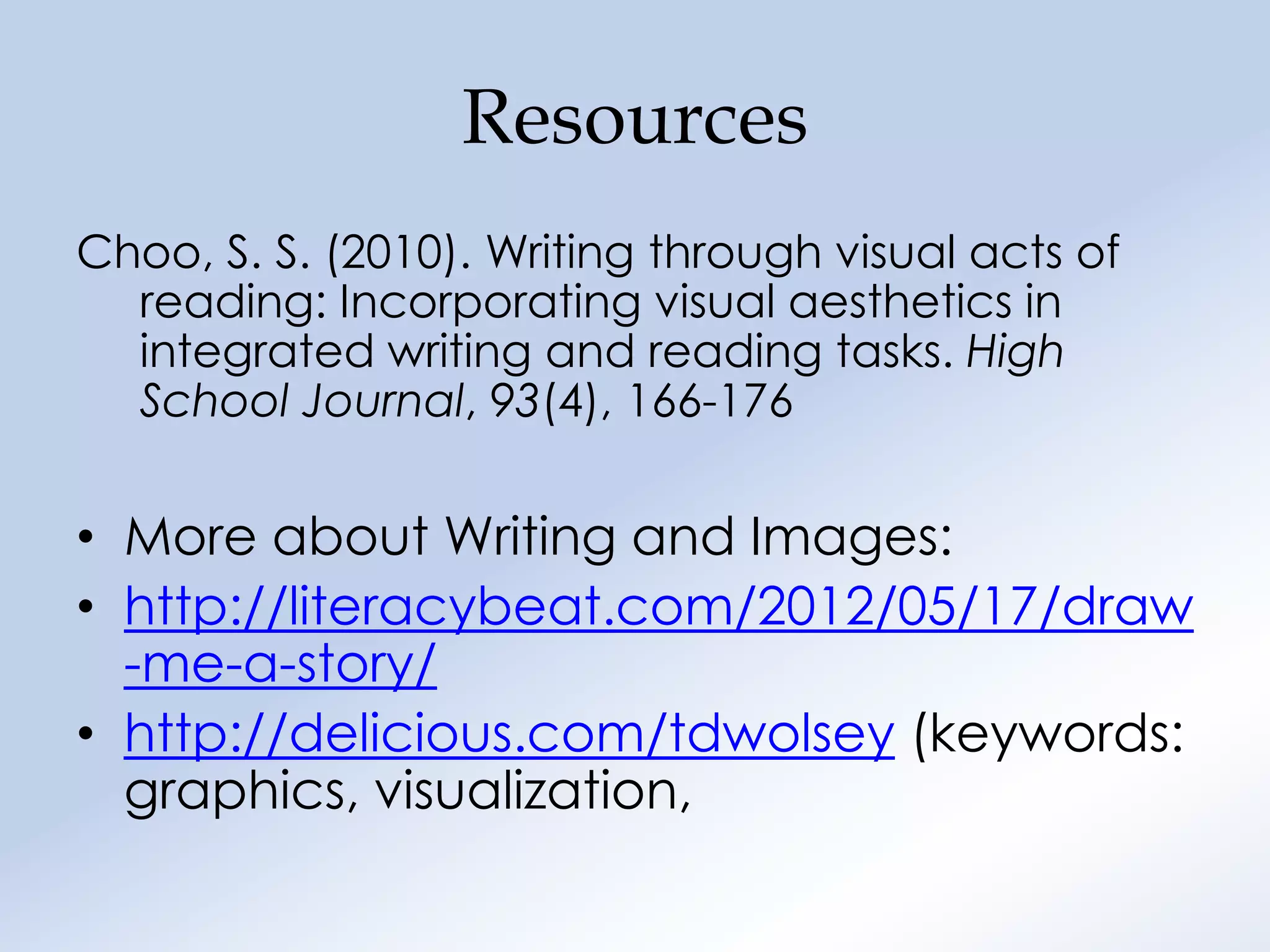
Composing MultiModal Text
• How do words function to “anchor” and
  give an interpretation of an image?
• How do words function to “relay” or
  contribute to the meaning of an image?
• Where will the image be placed in
  relation to the words and why?
• How much of the frame-space will the
  image occupy compared to the words?
• Is the focal point of the text on the image
  or on its words and why? (Choo, 2010, p.
  172)
Resources
Choo, S. S. (2010). Writing through visual acts of
  reading: Incorporating visual aesthetics in
  integrated writing and reading tasks. High
  School Journal, 93(4), 166-176


• More about Writing and Images:
• http://literacybeat.com/2012/05/17/draw
  -me-a-story/
• http://delicious.com/tdwolsey (keywords:
  graphics, visualization,
Contact and QR Code
Thomas DeVere Wolsey, Ed.D.
MSED Literacy Programs
Director
tom.wolsey@waldenu.edu

Using Technology to Support Writing as a Complex Activity

Editor's Notes

  • #5 http://engageny.org/sites/default/files/resource/attachments/common-core-shifts.pdf
  • #8 http://sphotos-a.xx.fbcdn.net/hphotos-snc6/c0.2.403.403/p403x403/603501_10150954877261086_969332461_n.jpg
  • #9 http://upload.wikimedia.org/wikipedia/commons/thumb/7/76/High-speed.jpg/1280px-High-speed.jpg
  • #10 http://www.flickr.com/photos/azadam/83277787/sizes/m/in/photostream/
  • #11 Plus encyclopedic content
  • #12 http://www.clickrmedia.com/wp/wp-content/uploads/2009/08/google-golden-triangle.jpg http://www.nngroup.com/articles/eyetracking-study-of-web-readers/ Video: http://vimeo.com/40021154
  • #14 QR Permalink: <imgsrc="http://qrcode.kaywa.com/img.php?s=8&d=http%3A%2F%2Fwww.delicious.com%2Fstacks%2Fview%2FHJRFaI" alt="qrcode" />
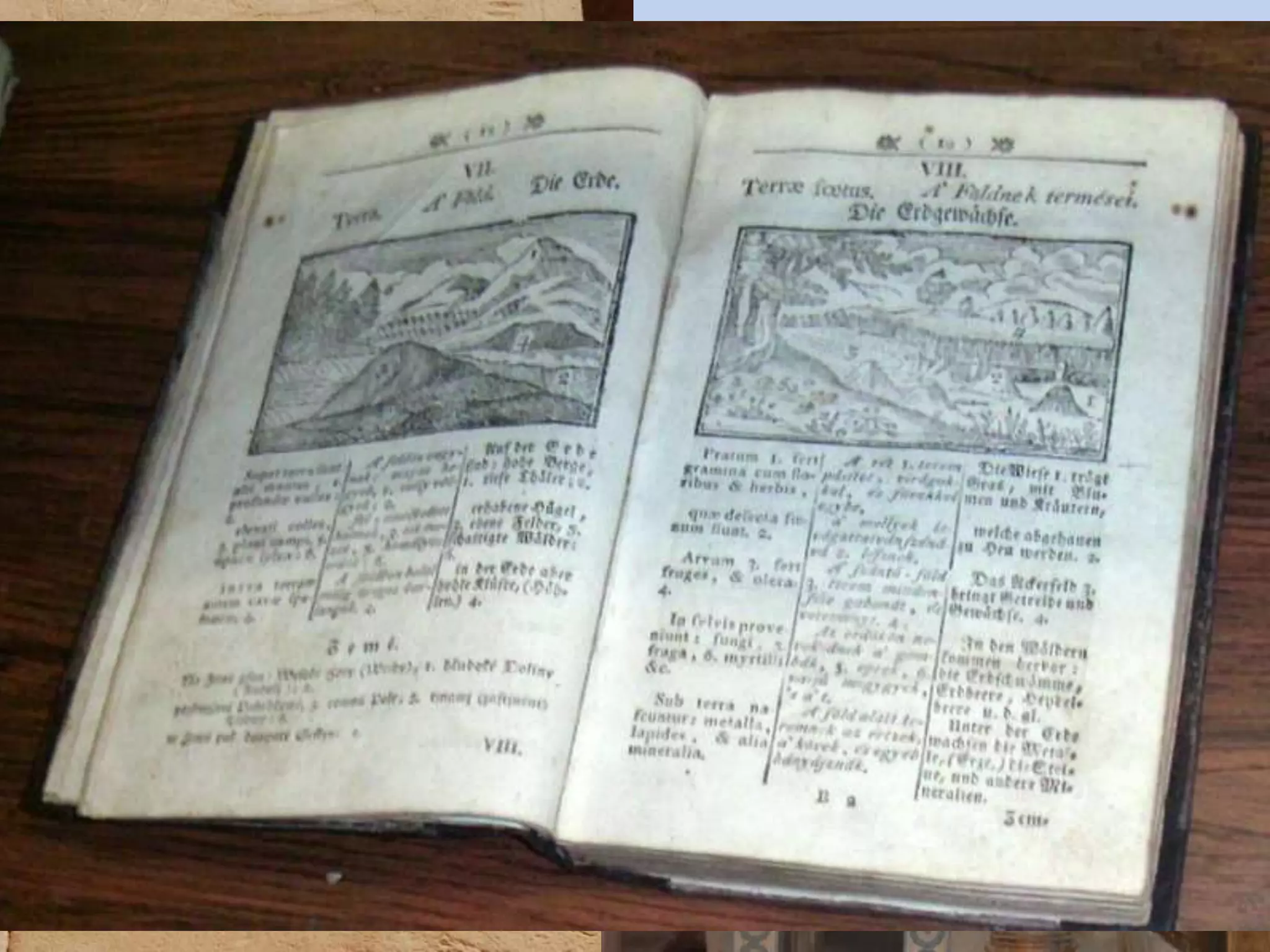
  • #17 OrbisPictus image source: Wikimedia Commons http://en.wikipedia.org/wiki/File:Orbispictus.JPG Talk about the expressive nature of language learning.
  • #18 http://www.gardendigest.com/concrete/mpgindex.htm
  • #21 Source: http://sketchup.google.com/ Once the project is designed, words will have to accompany the pictures to sell it.
  • #22 http://artpad.art.com/artpad/painter/
  • #23 http://pixlr.com/editor/
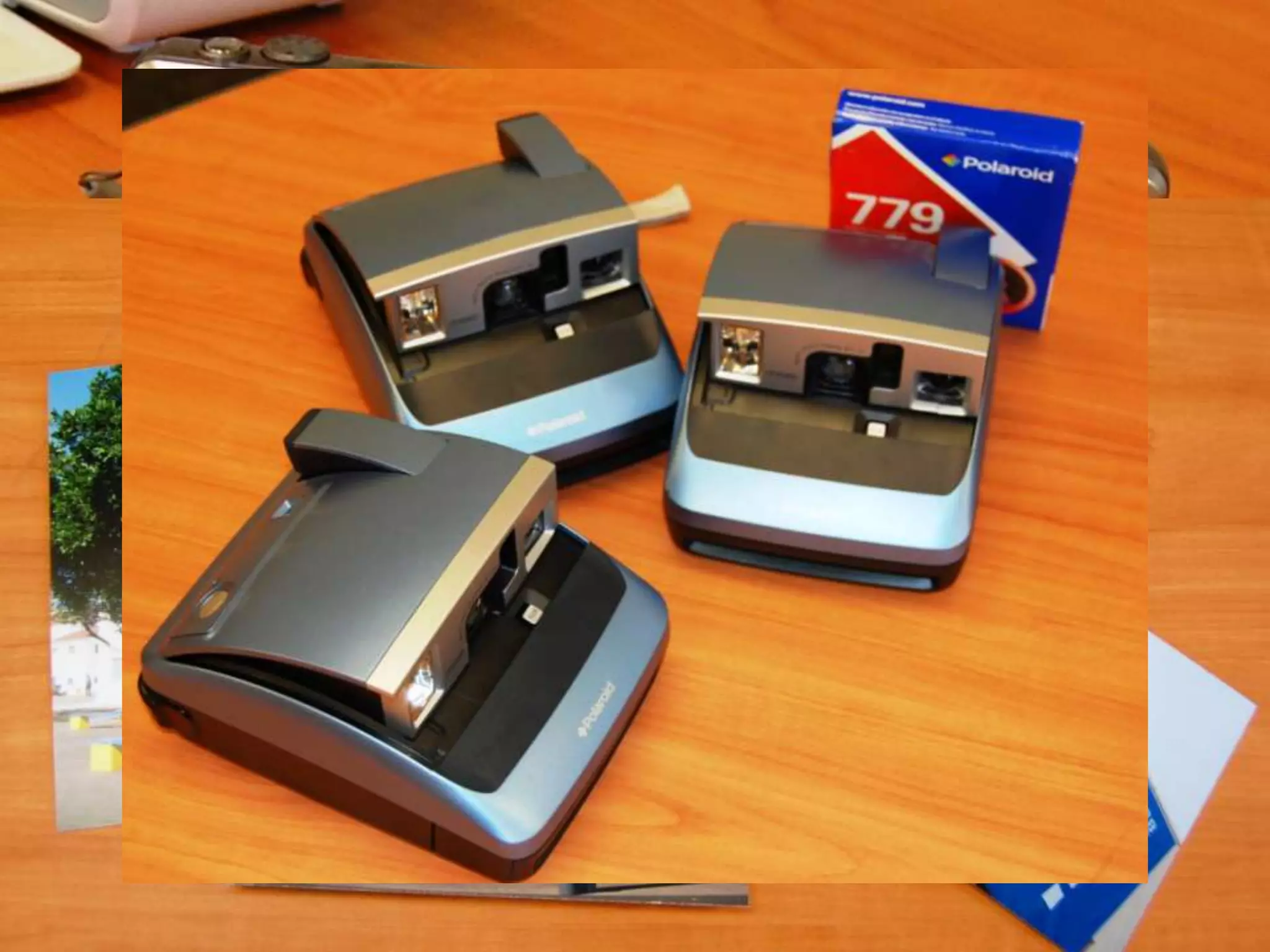
  • #24 PHOTOGRAPHY PROJECT Each middle school student was given a Polaroid® and one package of film with ten possible images in Phase II. Students were intrigued by the cameras; most knew about instant photography, but few had ever used this aging technology. Indeed, shortly after data collection was completed, Polaroid ceased most sales of the instant film. In Phase 3 of the Walls Speak research, digital cameras and presentation software were used in place of Polaroid film to help students organize and discuss their photographs. Students in this millennial generation (cf. Eisner, 2005) may not be fascinated with the novelty of digital photography. Still, their understanding of digital technologies may enhance their ability to use the cameras and software to manipulate images and describe them in ways that enhance image-based research. Further research is needed in this regard.  Once students returned to the interview room, they were asked to lay the photographs on a table and categorize them. They grouped the images and labeled them with felt-tipped markers. Then, researchers interviewed the students as they described their photographs and the categories in which they placed their photos.  [Click after 3 Polaroid Cameras.] About 40 seconds
  • #25 THROUGH THE LENSBethany made use of descriptive terms such as “pride” to label her photograph of the school mascot but also made symbolic use of school features to characterize her feelings and perceptions. An image she made of the podium in the school auditorium is labeled “freedom of speech.” During interviews, Bethany referred to this image and elaborated at length on her perception of the school as a place where she could and would be heard. Describing her photograph, she claimed, “I said freedom of speech because I like speaking and everybody has their own voice in this school. If there is an issue, you can speak up about it. If it is reasonable, if it is able to be met, then it will be met. And you can pretty much say what you want and people will listen to you.” Bethany only made nine usable photographs because she accidentally tripped the shutter at one point destroying one of the ten in the film pack. Of those nine photos, six of them contained images of people: a teacher, several students, and a lunch worker. During the interview, Bethany frequently referred to the occupants of the school even when prompted to look at the features of the building. She seemed unable to separate the people from the place and context. A photograph Bethany took of a friend she found in the school library mediated the following exchange. The photo was labeled, “studying.” Bethany said: I took this picture. It says future leader, because…We asked: We’re back in the library for this picture? Bethany replied: Yeah. And it says future leader because I believe everybody who goes here has an opportunity. There are all kinds of opportunities and everybody makes sure that all the students get opportunities. Because of those opportunities, it makes everybody in here future leaders. [Click after Future Leader.] About 33 seconds
  • #27 http://lexipedia.com/
  • #28 Infographics http://visual.ly/coffee-flavour-wheel
  • #31 Guernica Pablo Picasso, la exposición del Reina-Prado. Guernica is in the collection of Museo Reina Sofia, Madrid (low resolution image)