
“ As one day’s posts build on points raised or refuted in a previous day’s, readers must actively engage the process of “discovering” the author, and of parsing from fragment after fragment who is speaking to them, and why, and from where whether geographically, mentally, politically, or otherwise.”
-Steve Himmer, “The Labyrinth Unbound” (2003)
Platforms
Blogosphere and time
“ You know what's funny? I bet if I posted this email message on my blog, as a story, I'd get two dozen emails from readers — the ones who know how clueless I can be — telling me to get a clue, that you're obviously taking someone else. A bagel .”
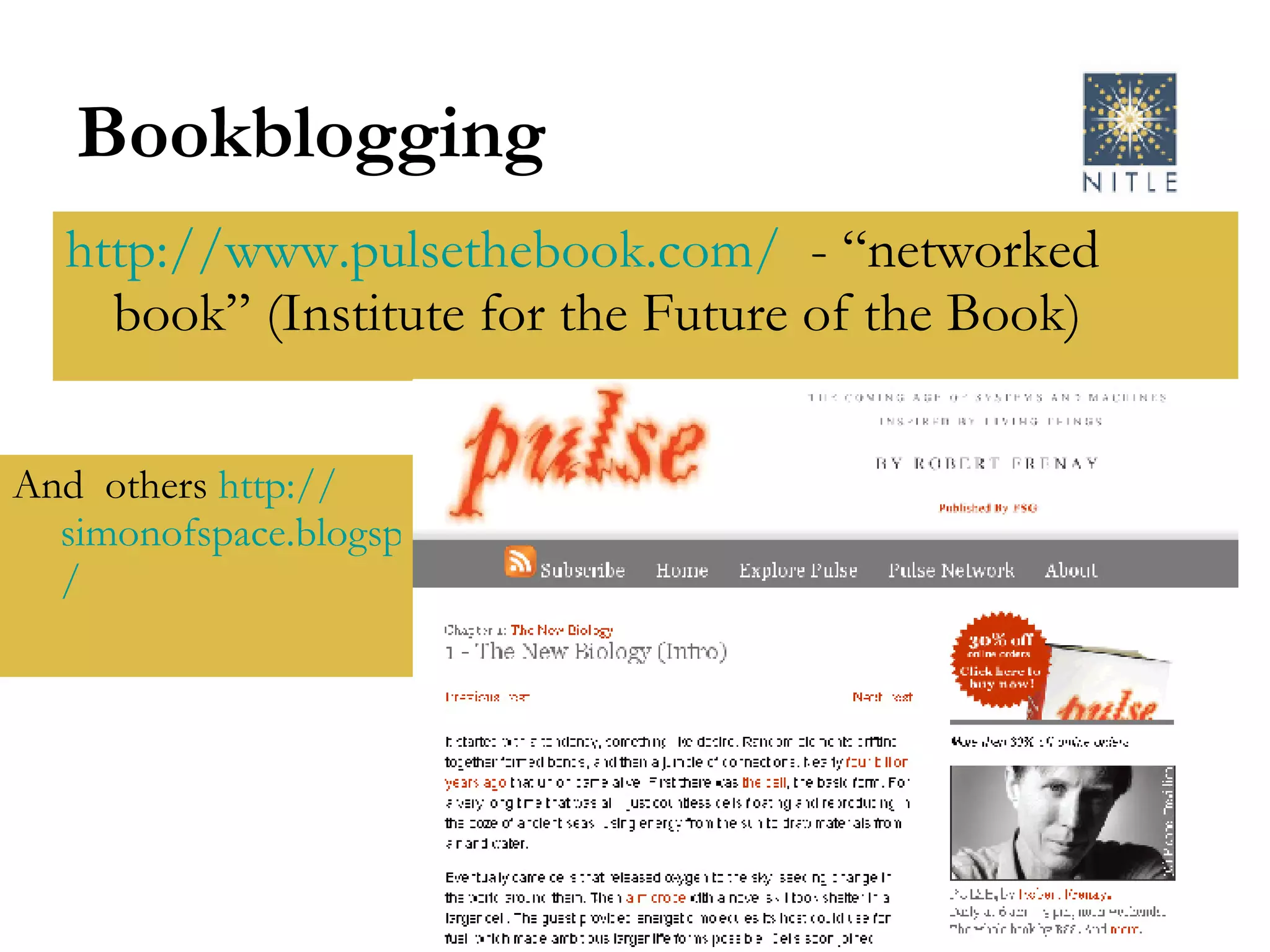
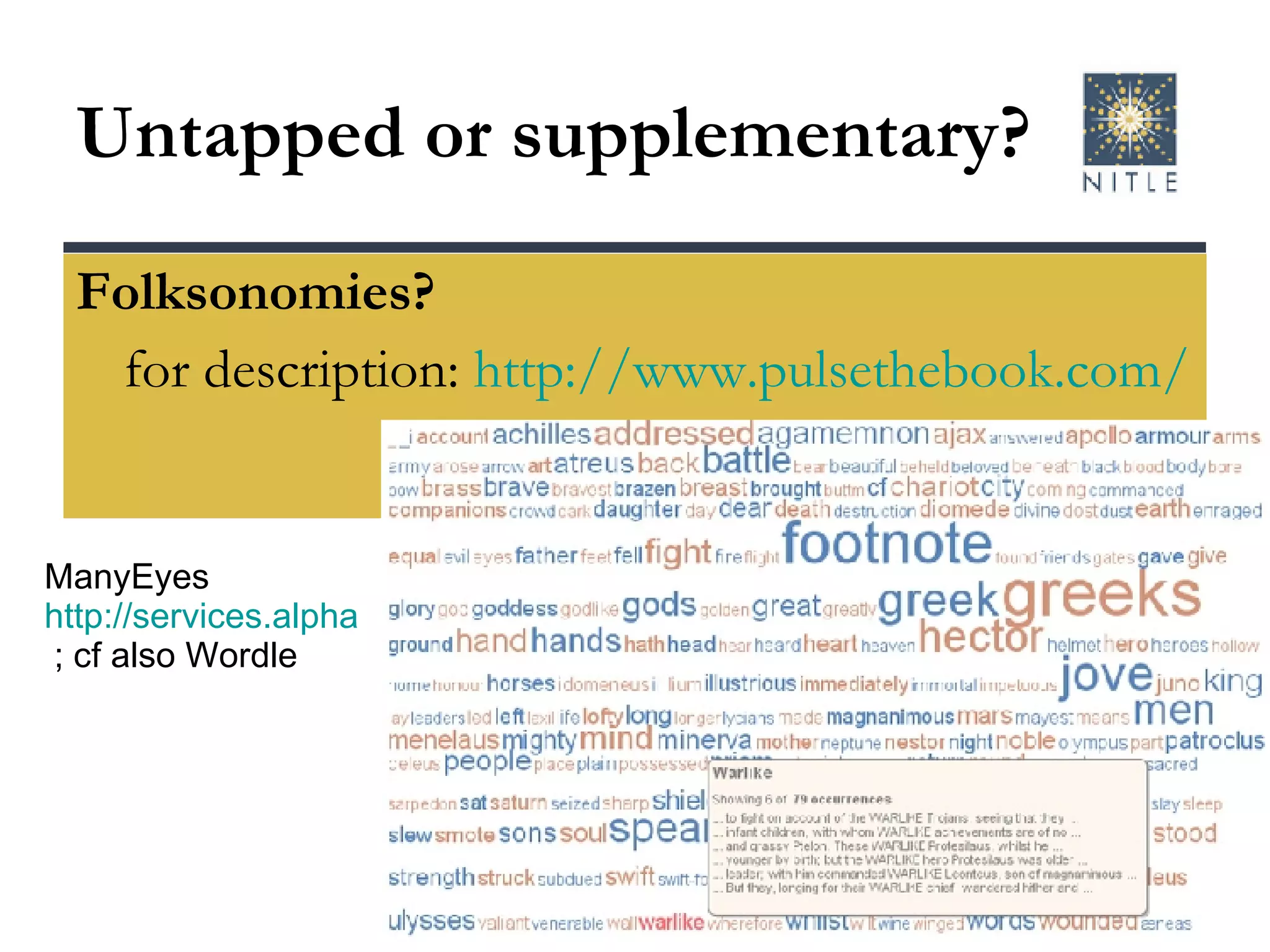
http://www.pulsethebook.com/ - “networked book” (Institute for the Future of the Book)
And others http:// simonofspace.blogspot.com /
Bookblogging
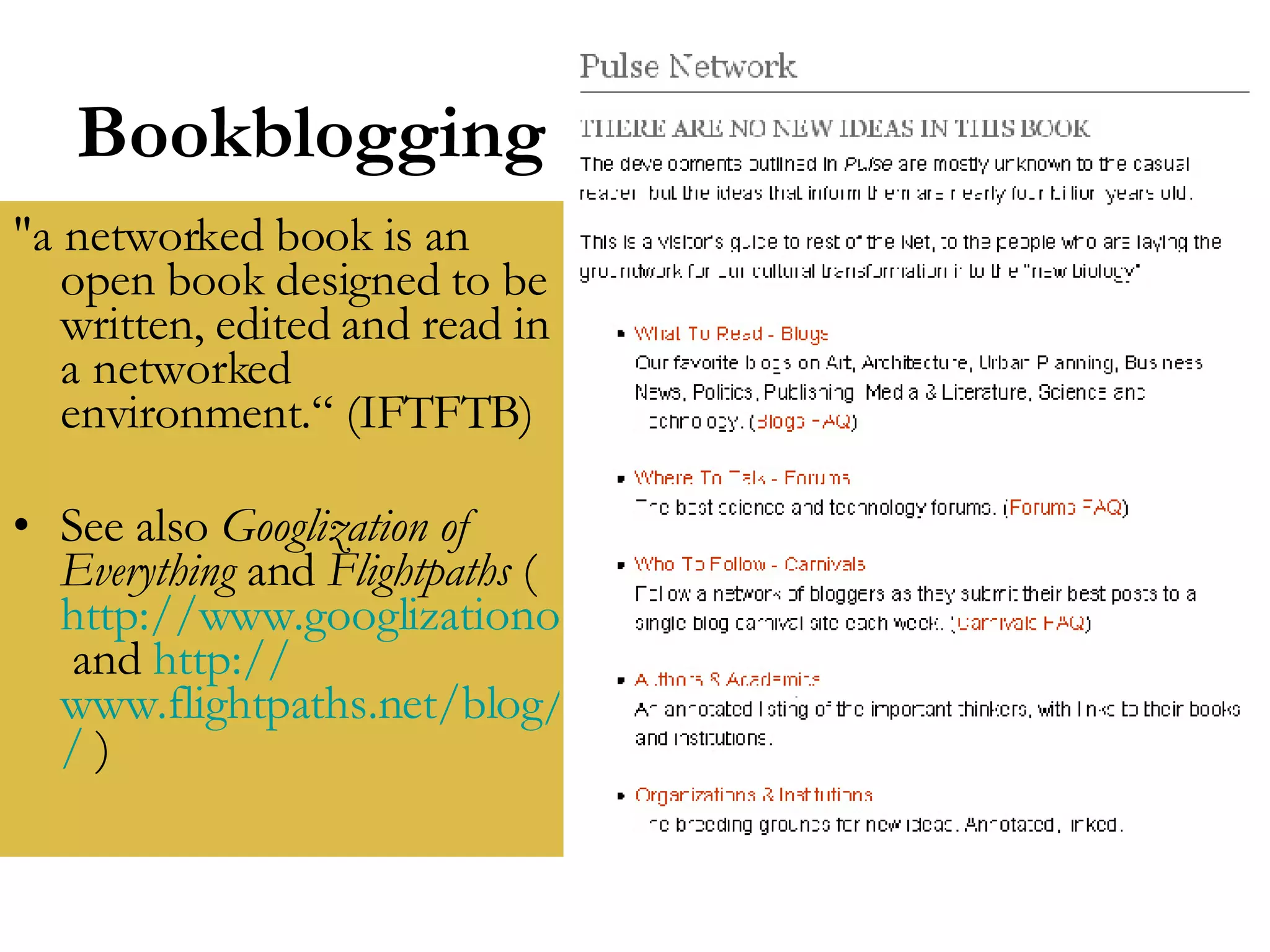
"a networked book is an open book designed to be written, edited and read in a networked environment.“ (IFTFTB)
See also Googlization of Everything and Flightpaths ( http://www.googlizationofeverything.com/ and http:// www.flightpaths.net/blog/index.php/about / )
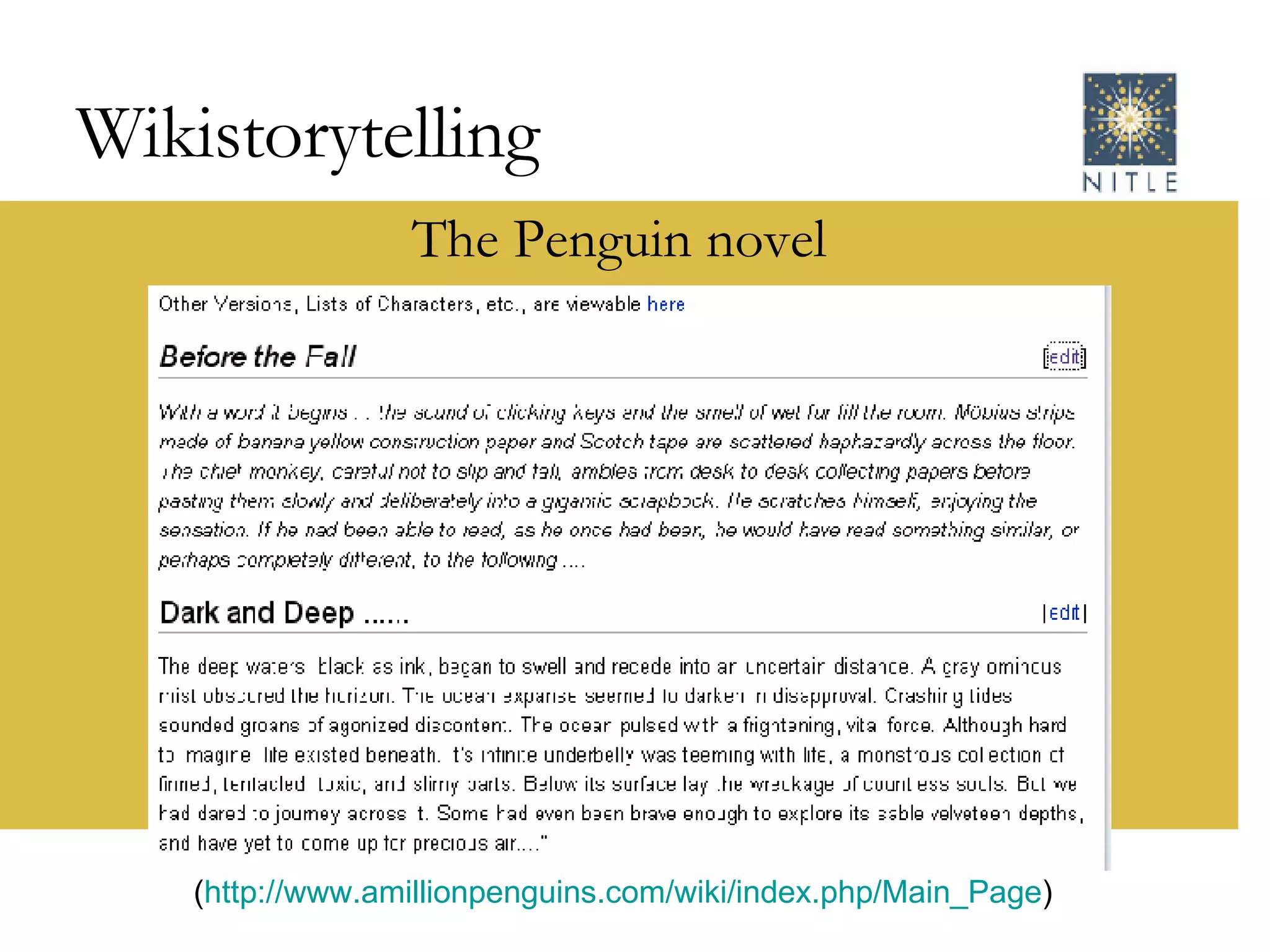
Wikistorytelling Can a collective create a believable fictional voice? How does a plot find any sort of coherent trajectory when different people have a different idea about how a story should end – or even begin? And, perhaps most importantly, can writers really leave their egos at the door? “ About”, http://www.amillionpenguins.com/wiki/index.php/About
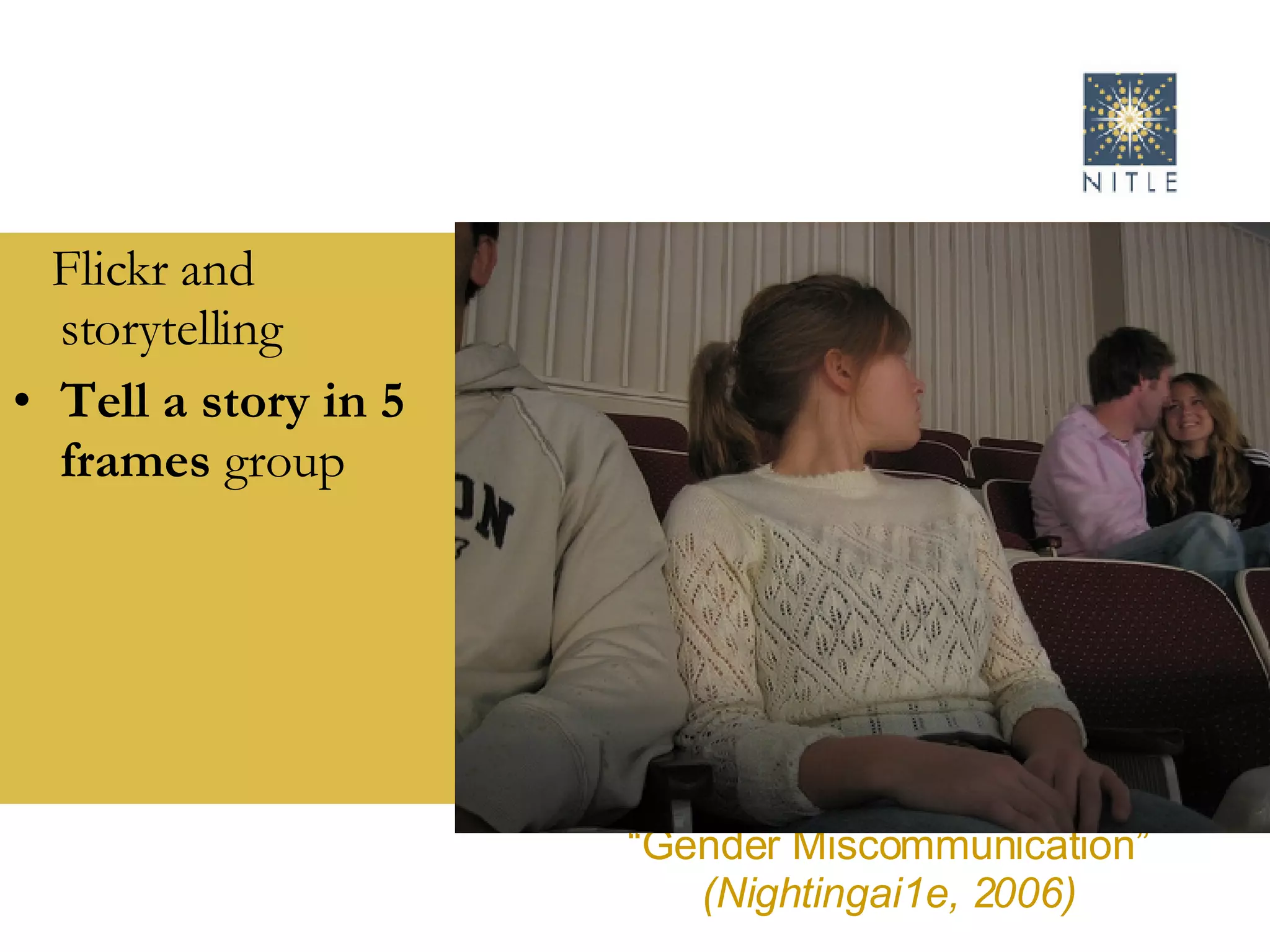
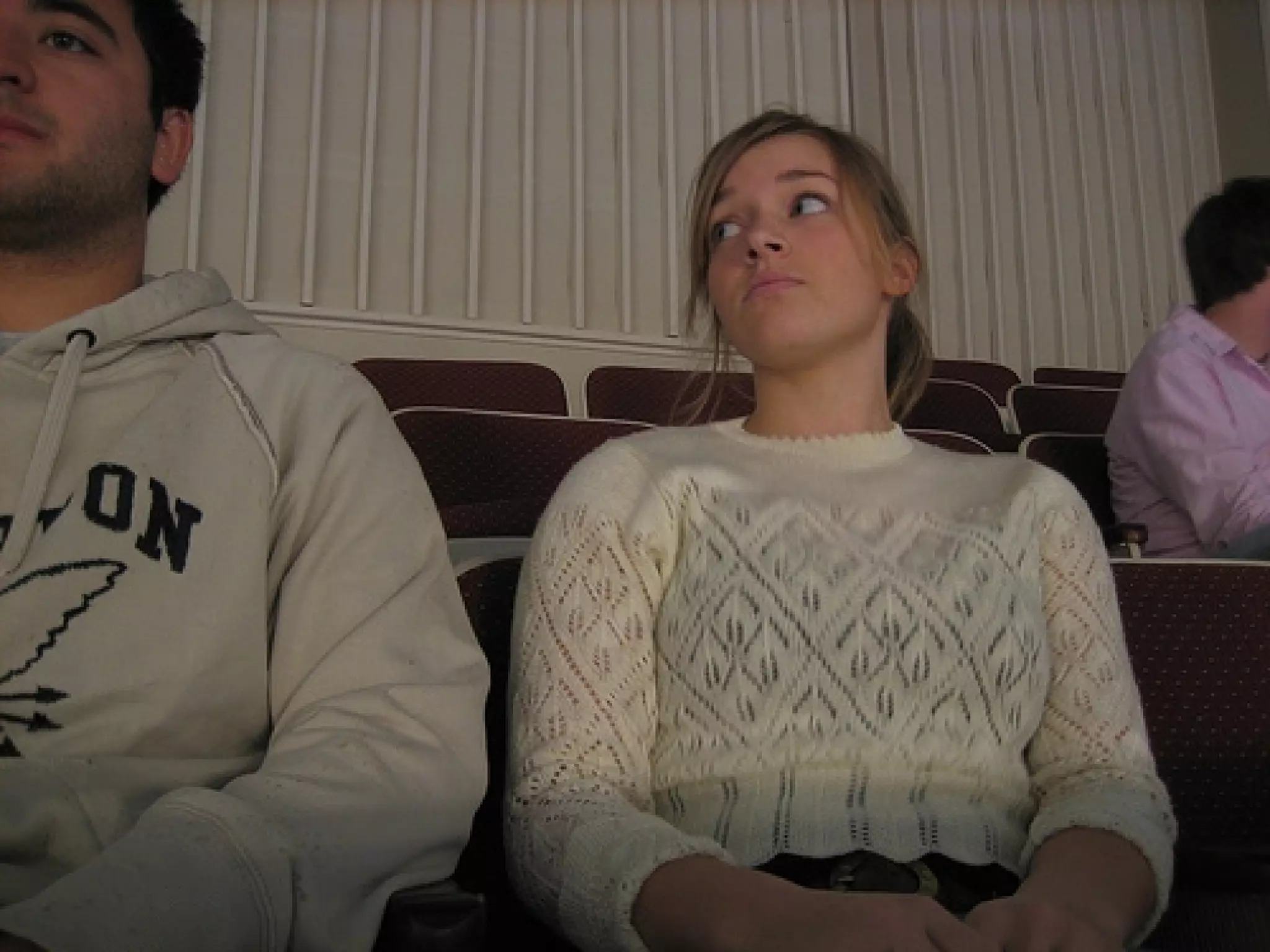
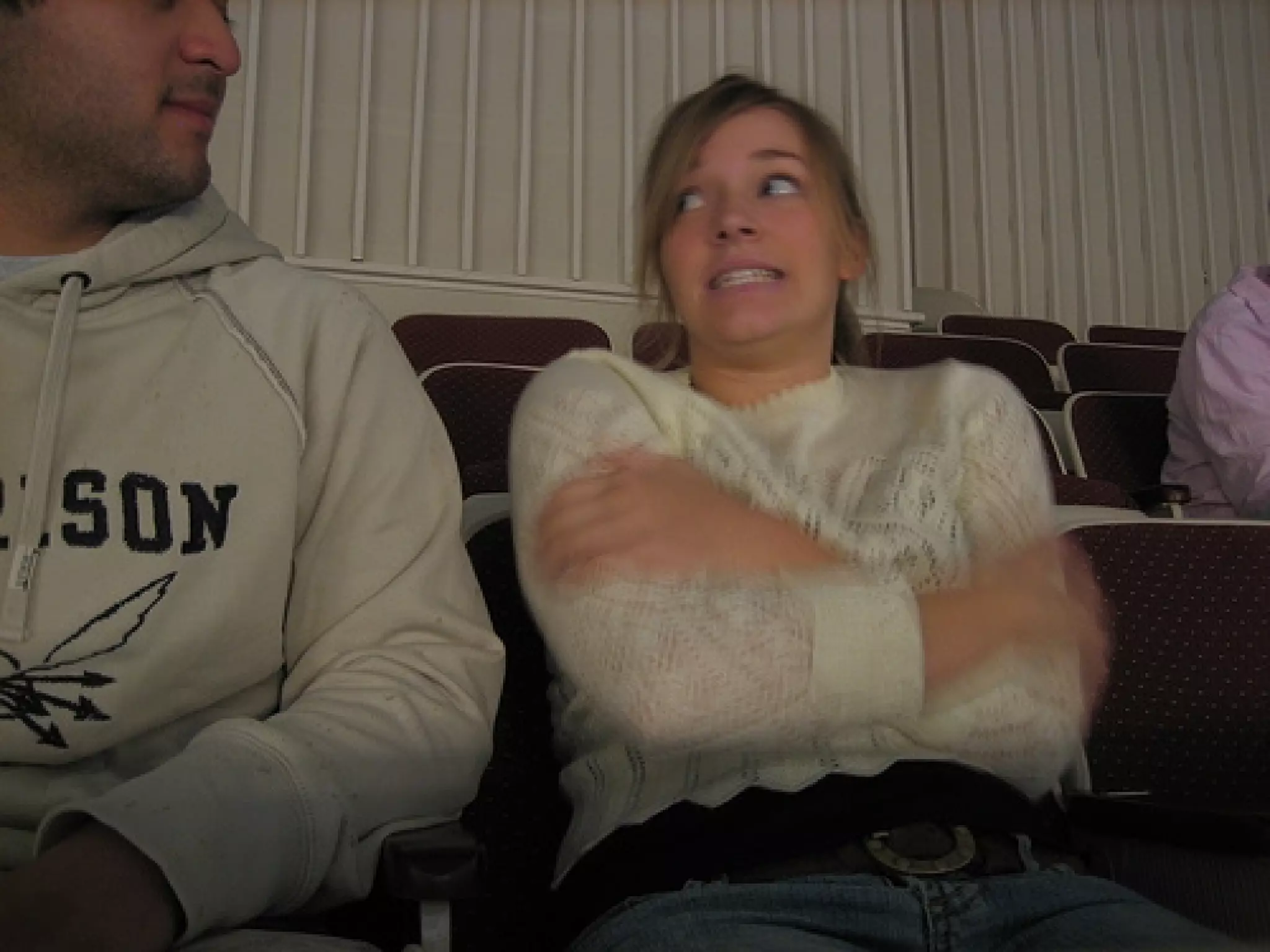
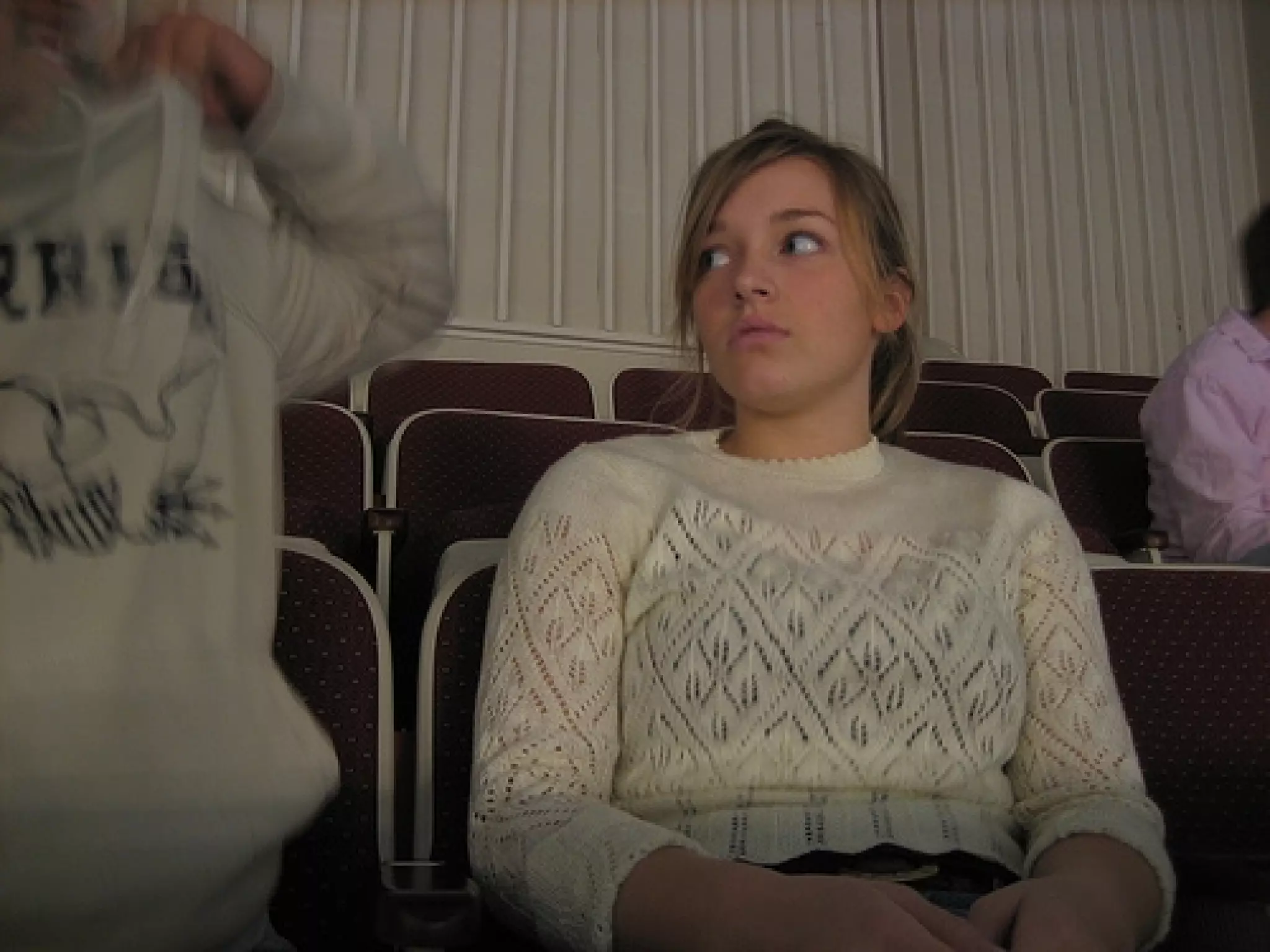
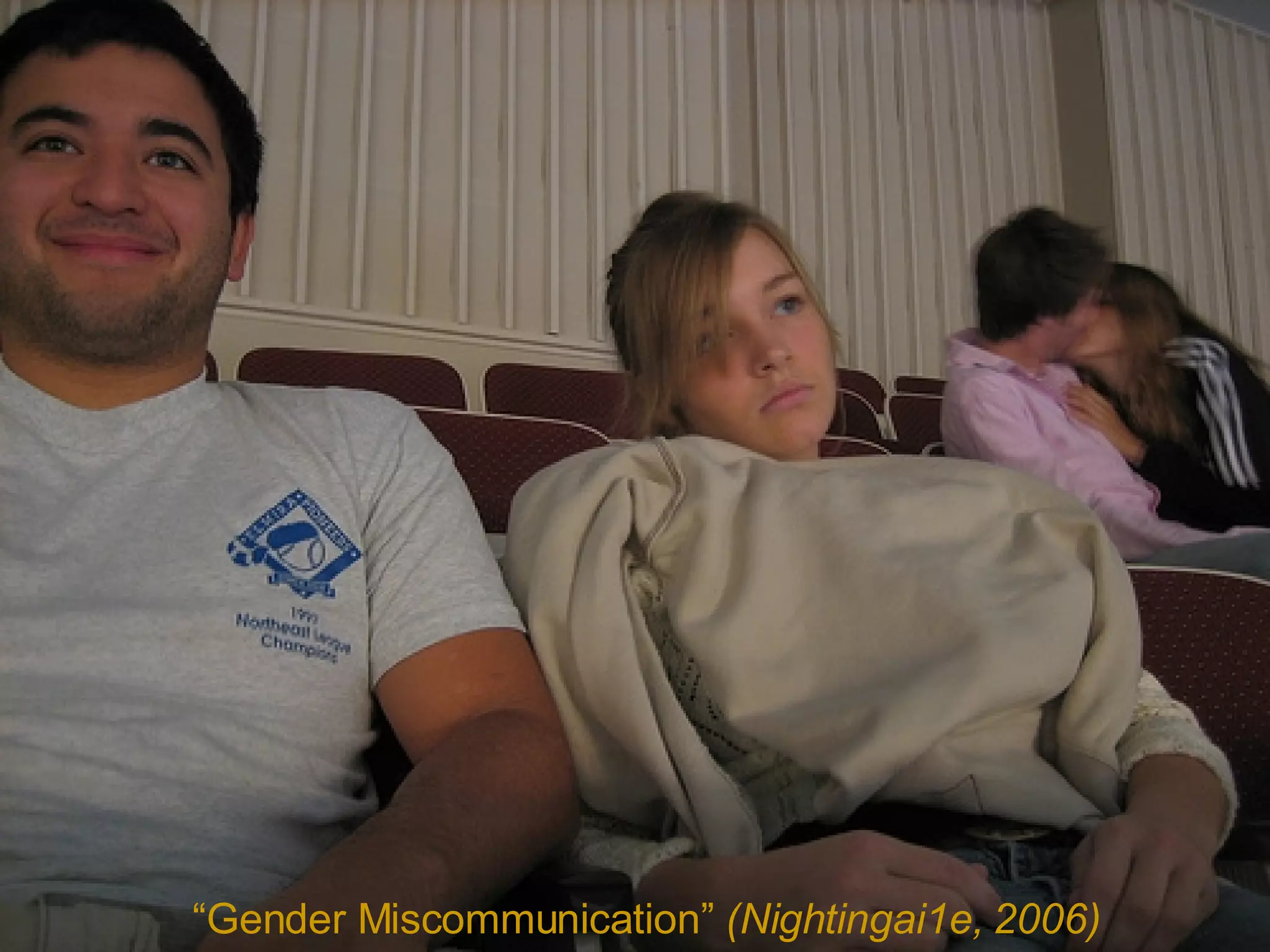
Flickr and storytelling
Tell a story in 5 frames group
“ Gender Miscommunication” (Nightingai1e, 2006)
IV. Web 2.0 storytelling
IV. Web 2.0 storytelling “ Gender Miscommunication” (Nightingai1e, 2006)
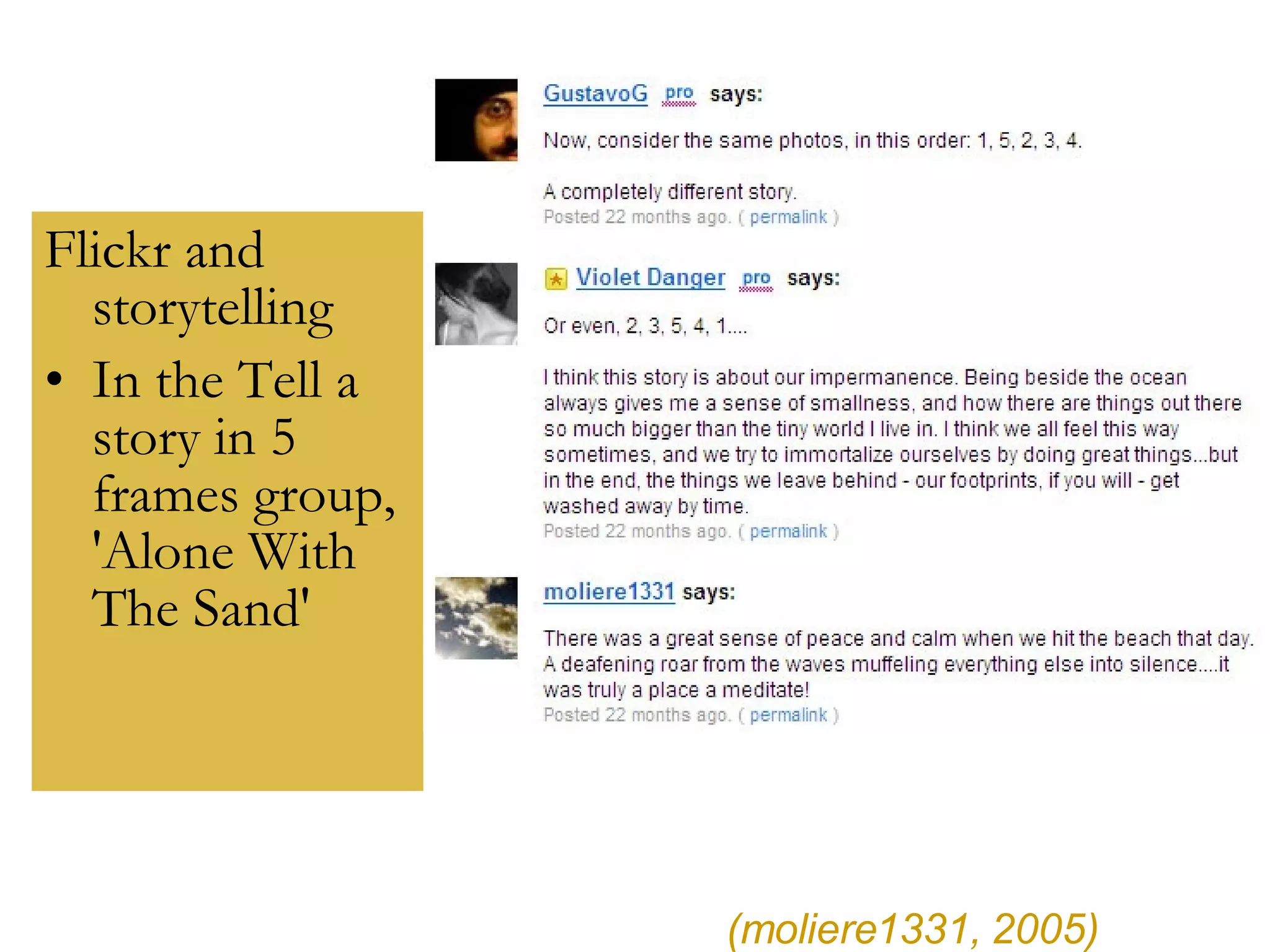
Flickr and storytelling
In the Tell a story in 5 frames group, 'Alone With The Sand'
(moliere1331, 2005)
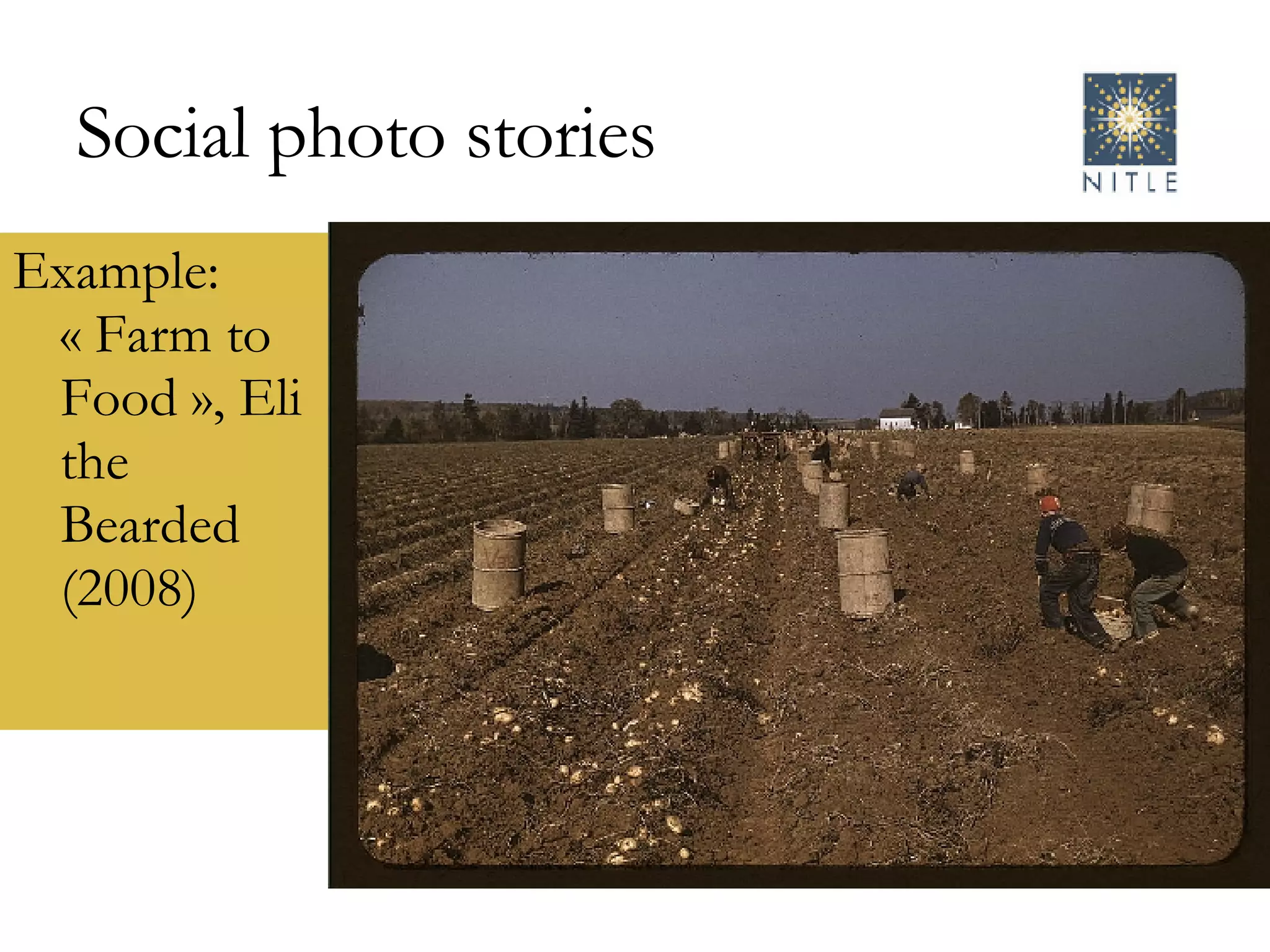
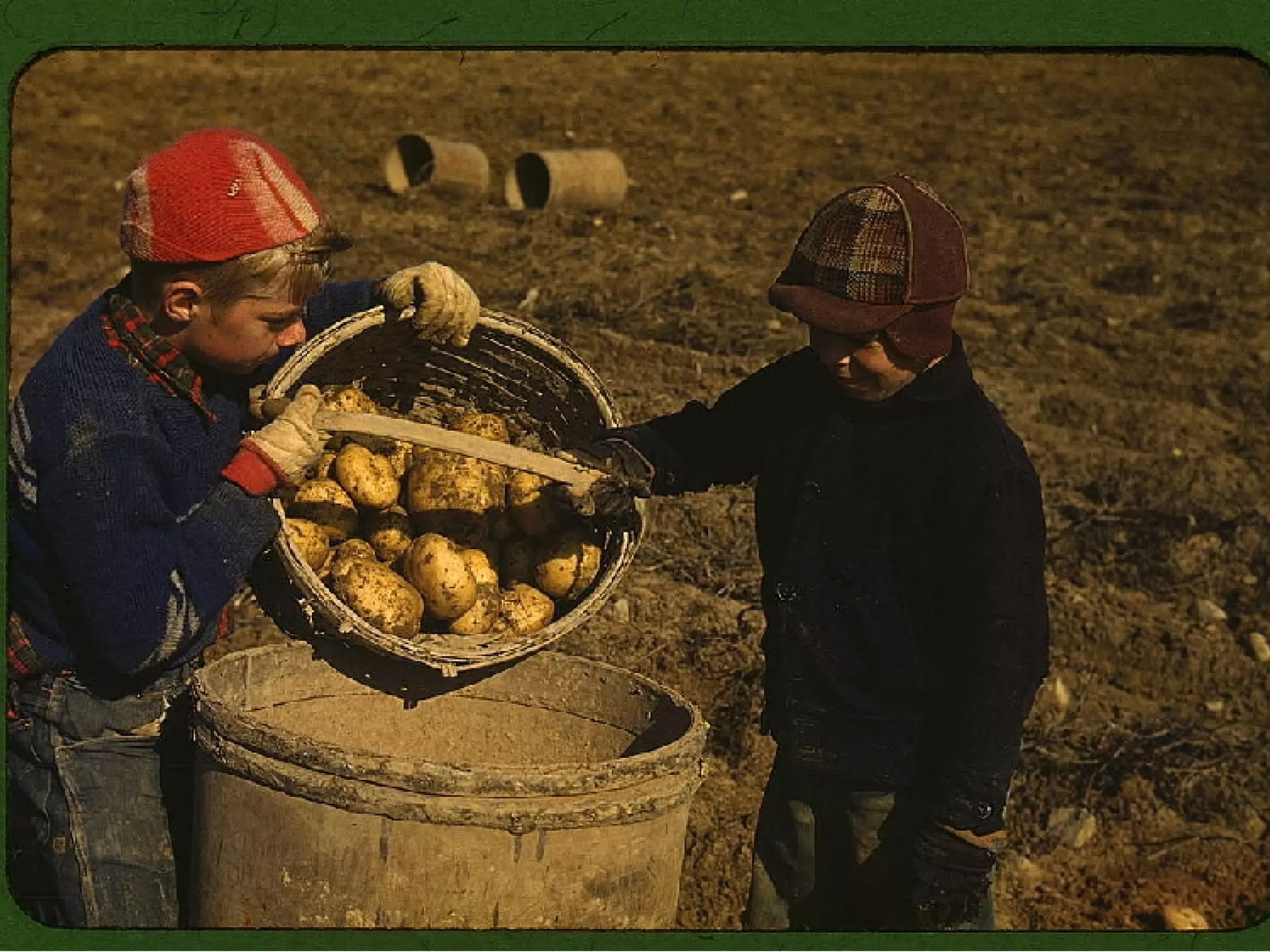
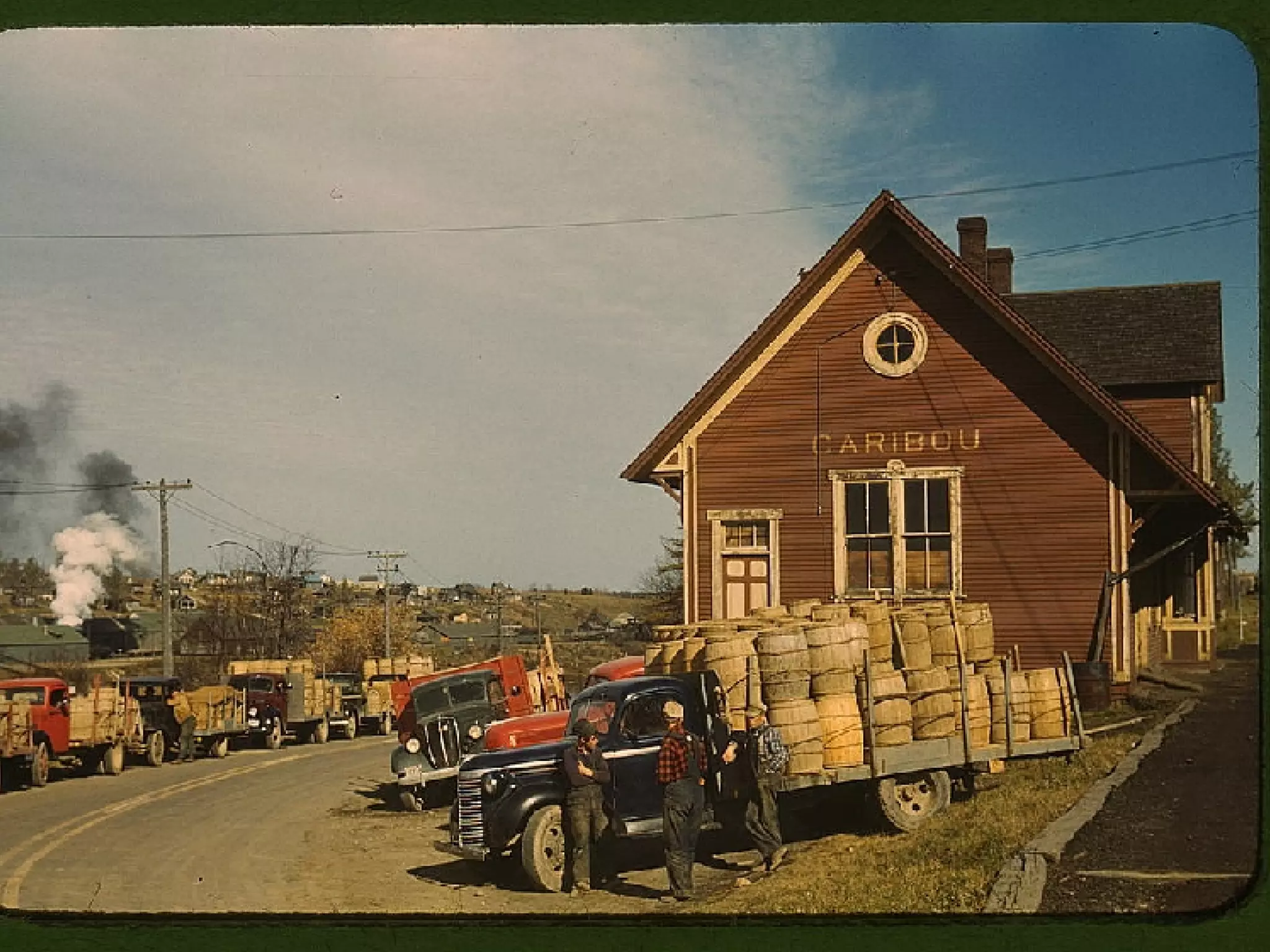
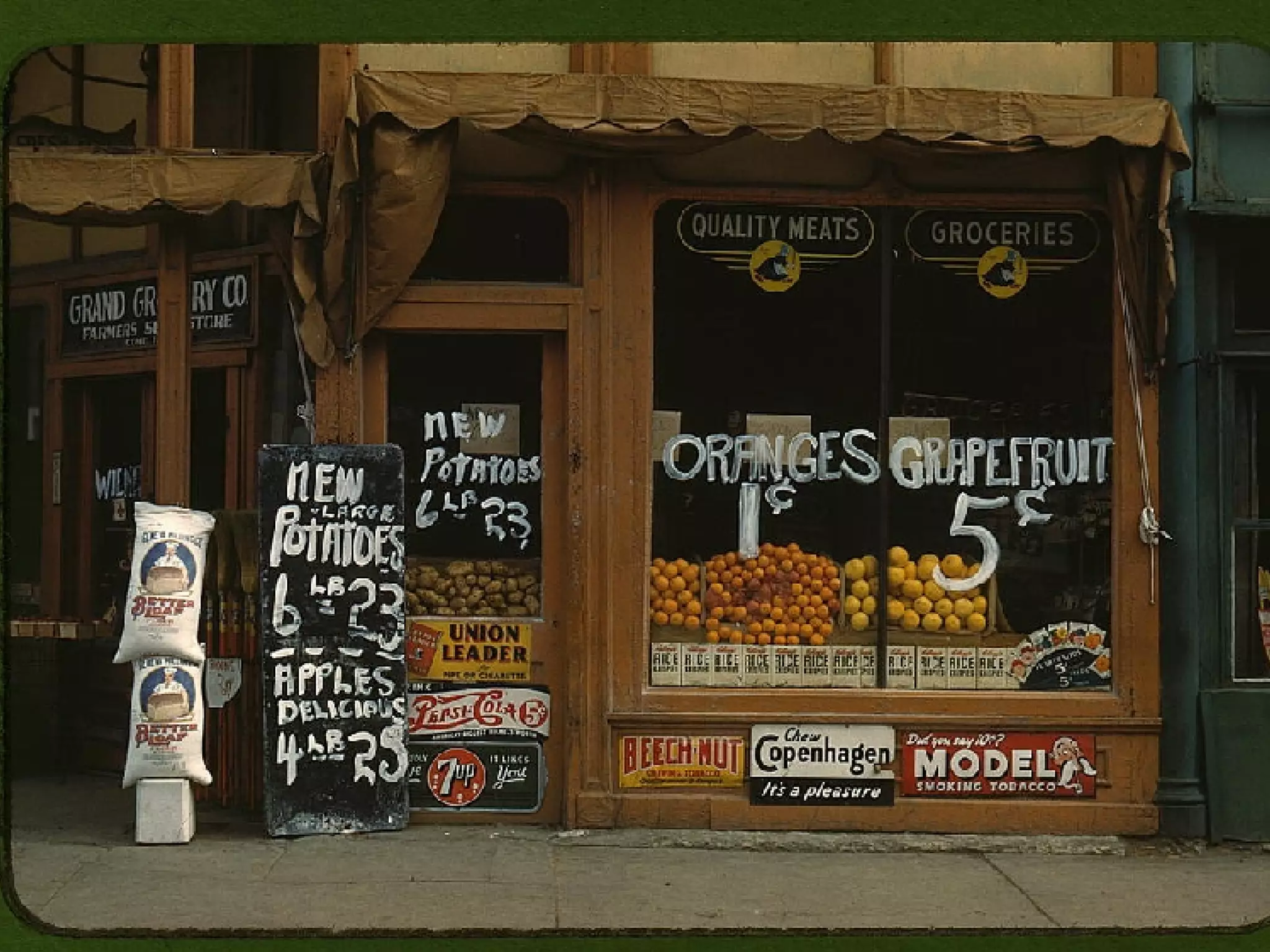
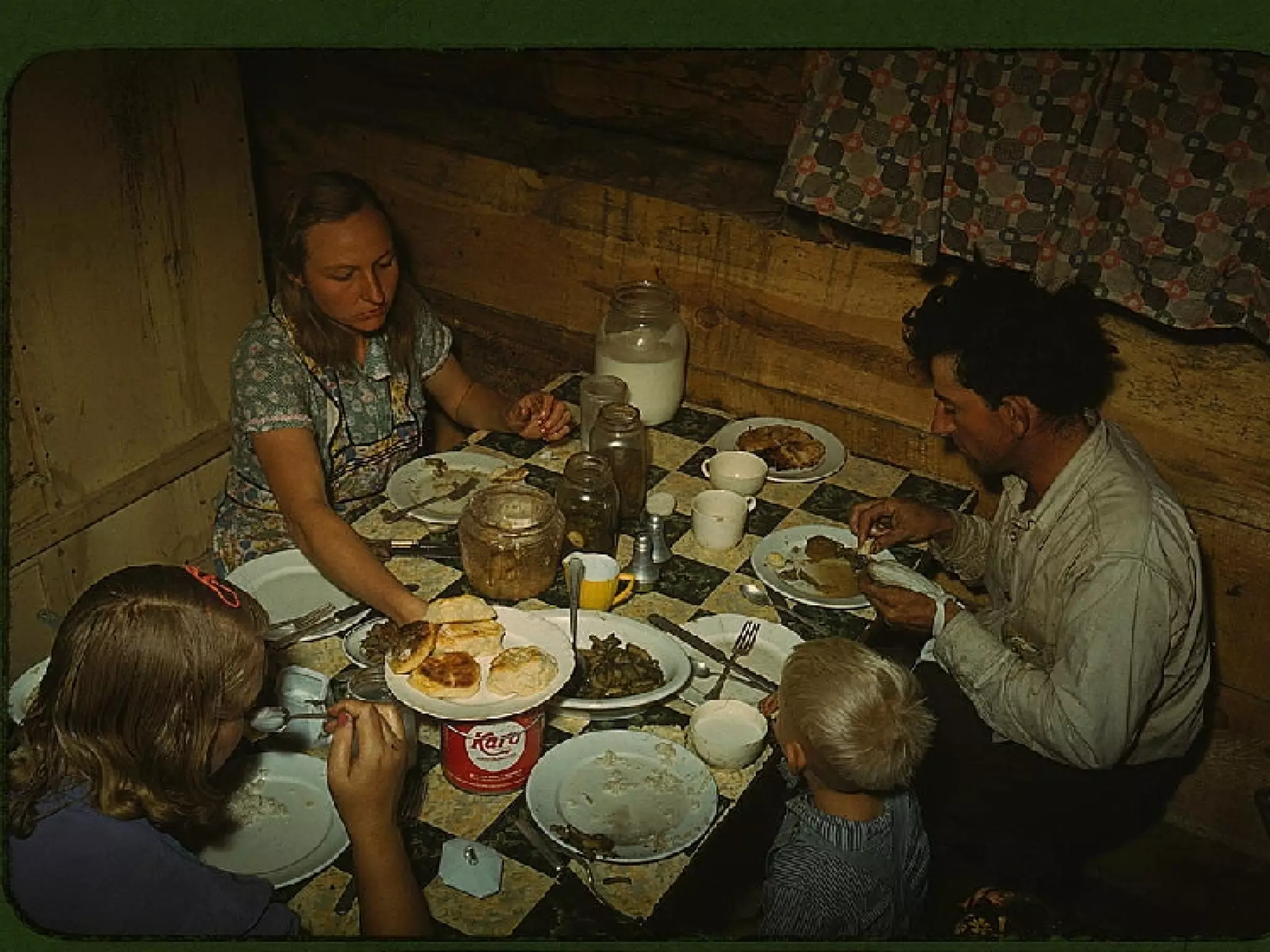
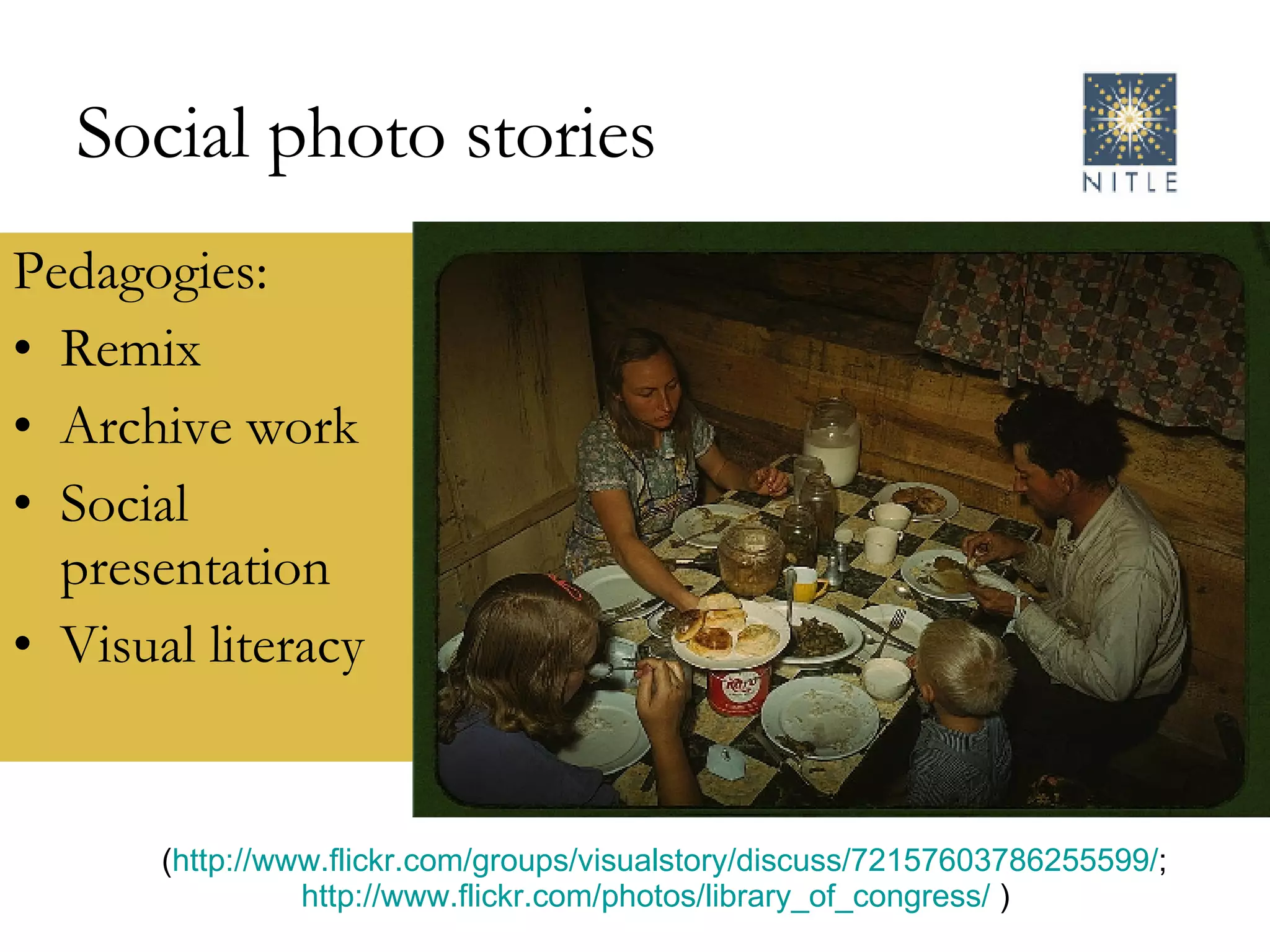
Social photo stories Example: « Farm to Food », Eli the Bearded (2008)
Social photo stories
Flickr, Tell A Story in Five Frames group ( http://www.flickr.com/groups/visualstory/ )
Example: "Food to Farm", Eli the Bearded (2008)
Social photo stories Example: "Food to Farm", Eli the Bearded (2008)
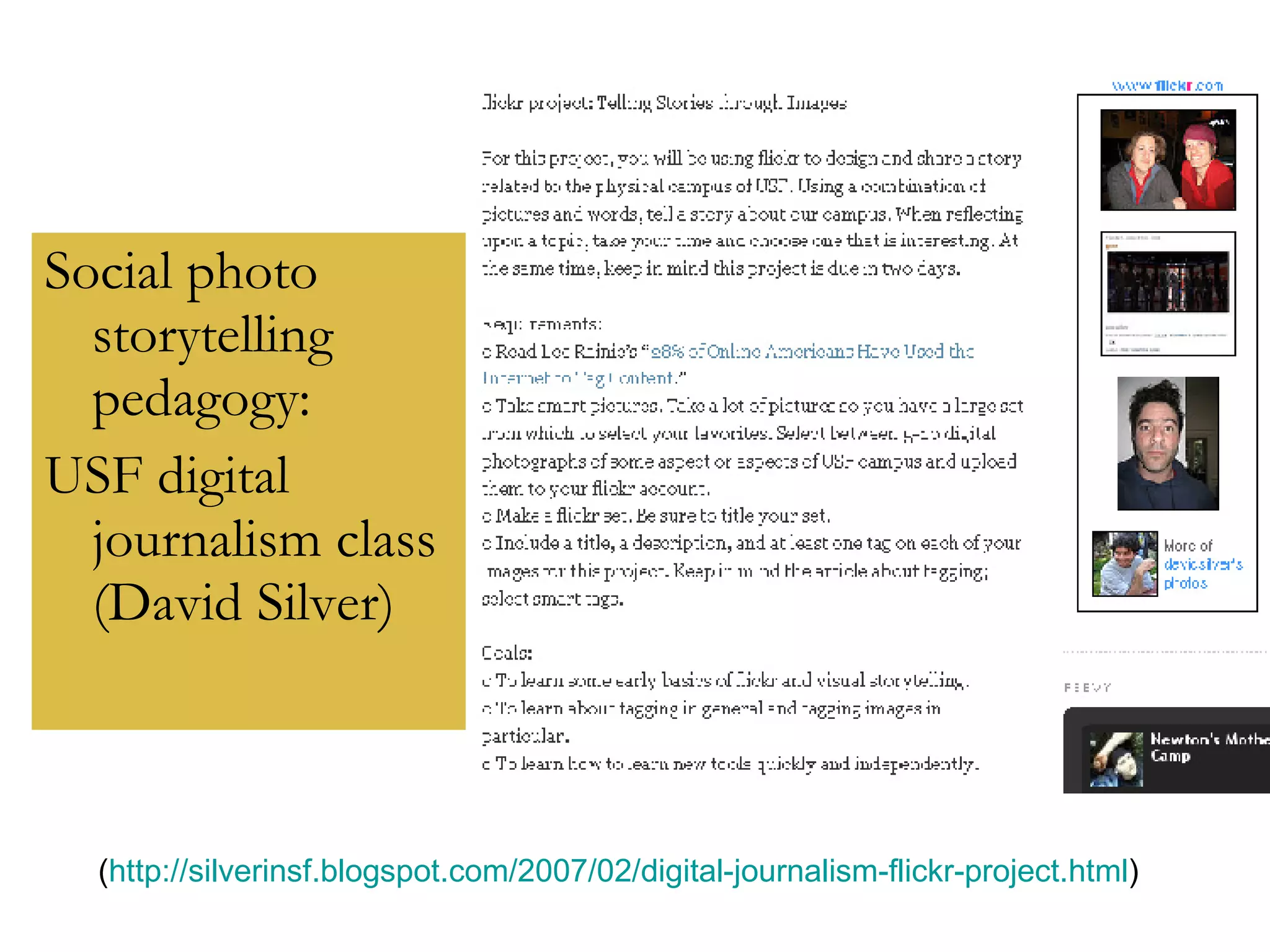
Social photo storytelling pedagogy: USF digital journalism class (David Silver) ( http://silverinsf.blogspot.com/2007/02/digital-journalism-flickr-project.html )
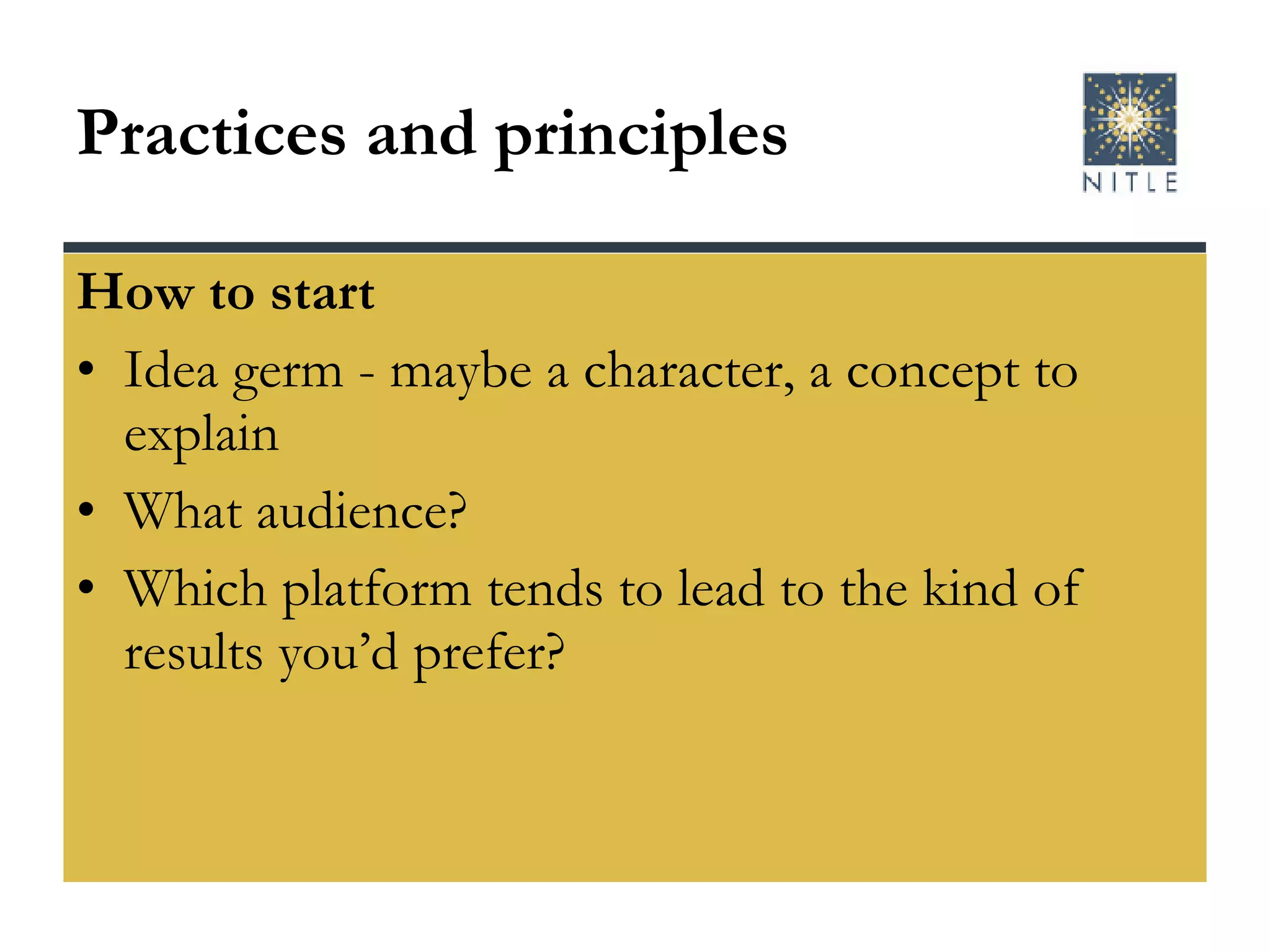
Idea germ - maybe a character, a concept to explain
What audience?
Which platform tends to lead to the kind of results you’d prefer?
Practices and principles
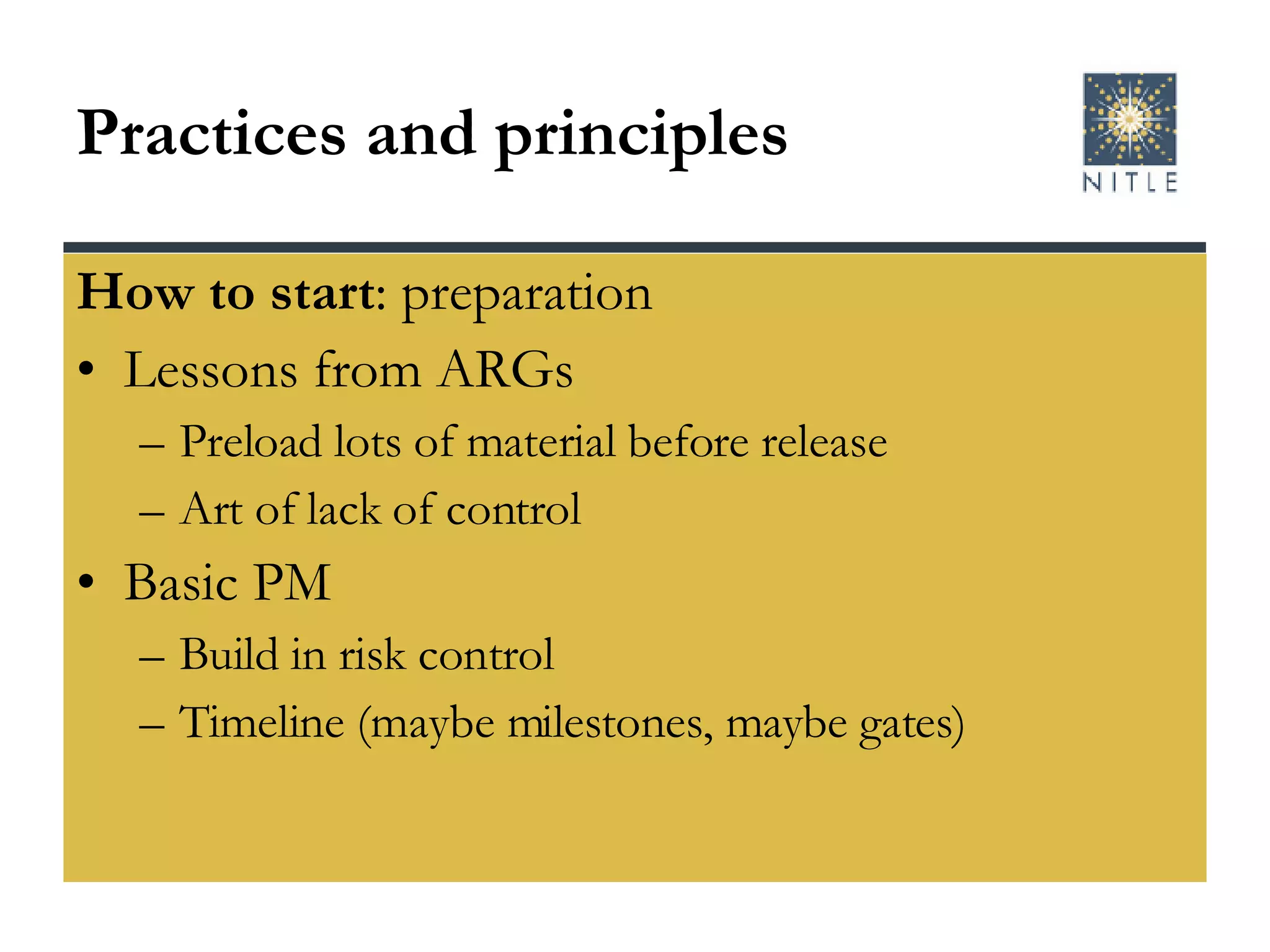
How to start : preparation
Lessons from ARGs
Preload lots of material before release
Art of lack of control
Basic PM
Build in risk control
Timeline (maybe milestones, maybe gates)
Practices and principles
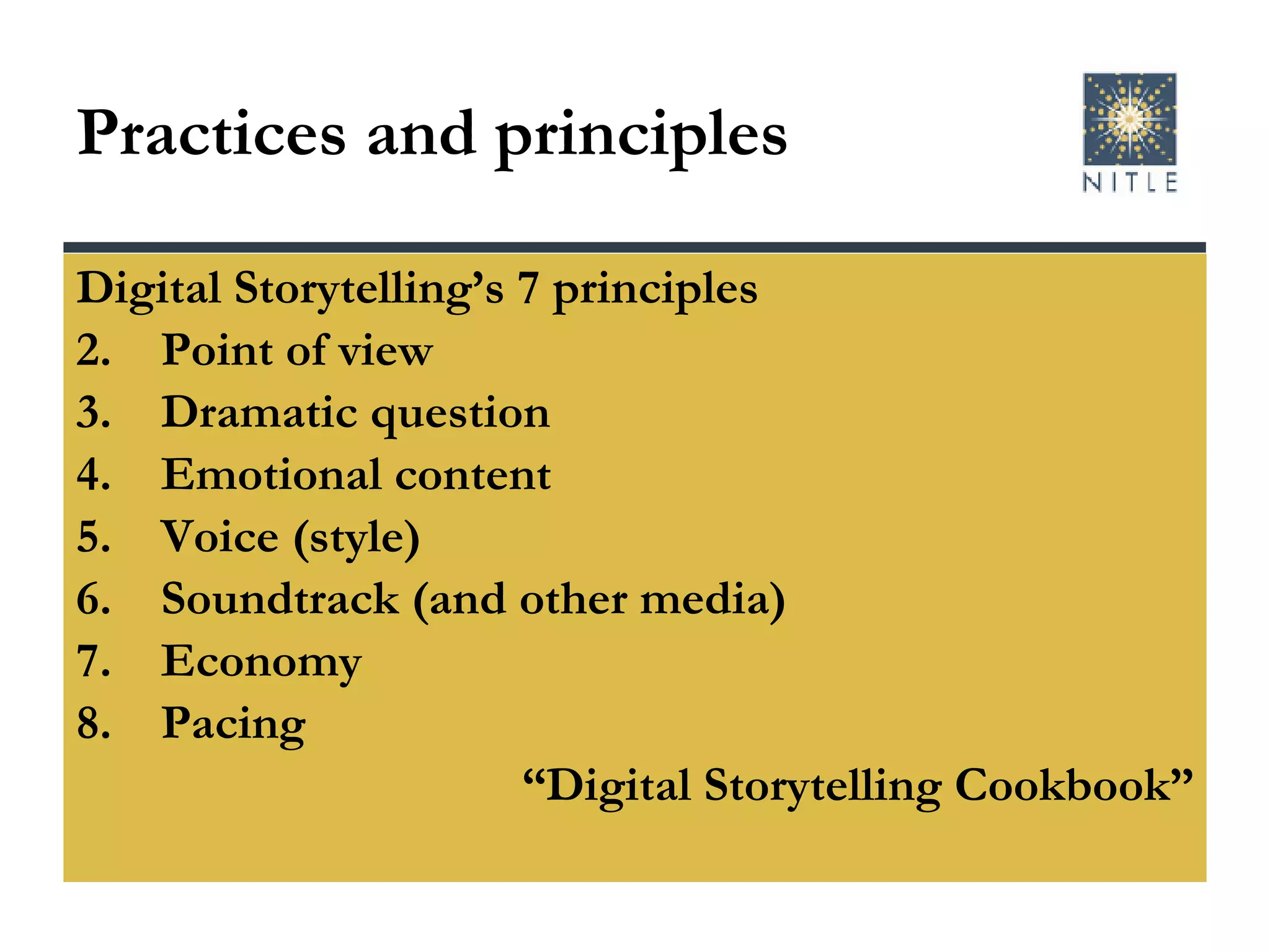
Digital Storytelling’s 7 principles
Point of view
Dramatic question
Emotional content
Voice (style)
Soundtrack (and other media)
Economy
Pacing
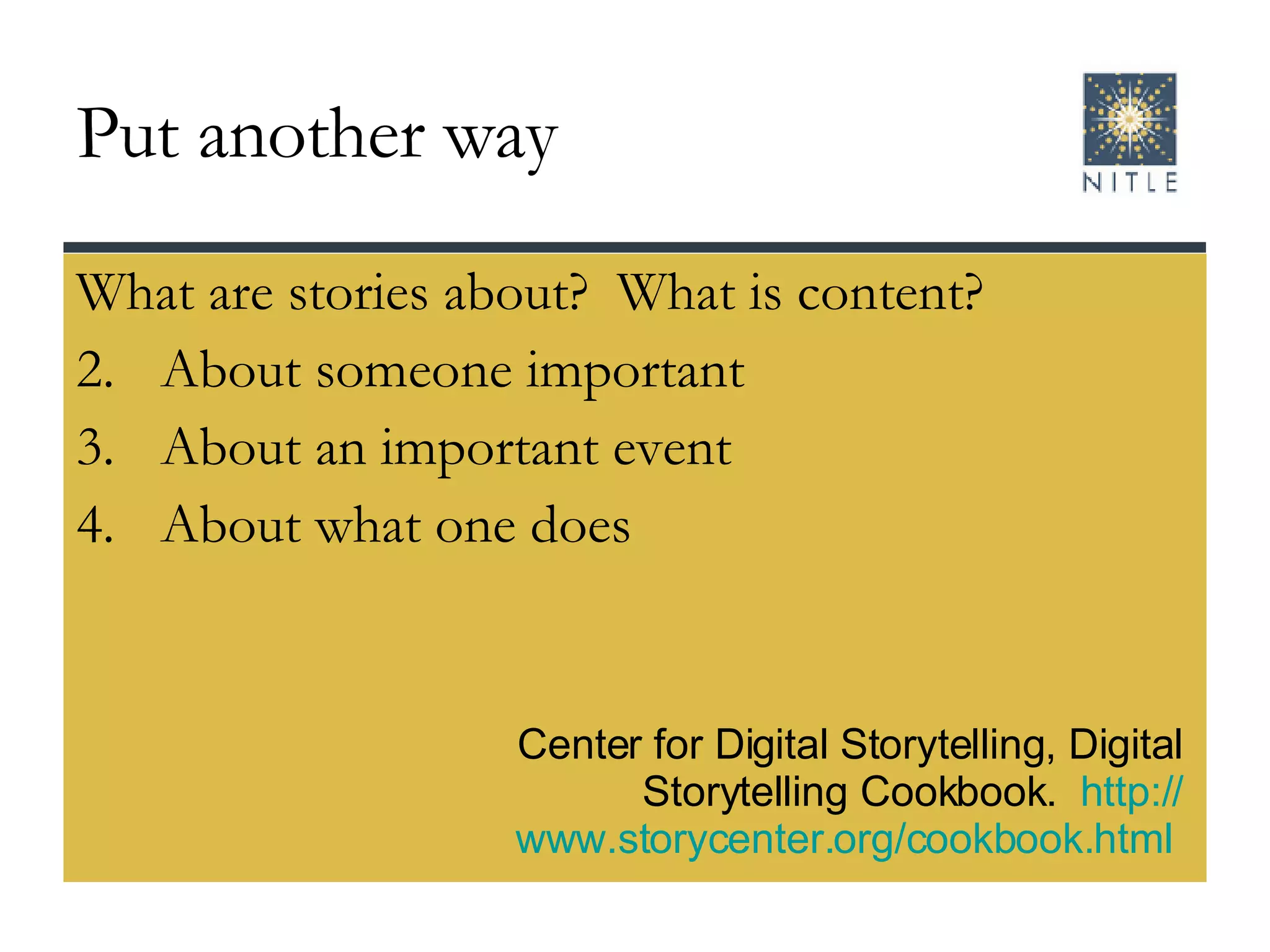
“ Digital Storytelling Cookbook”
Practices and principles
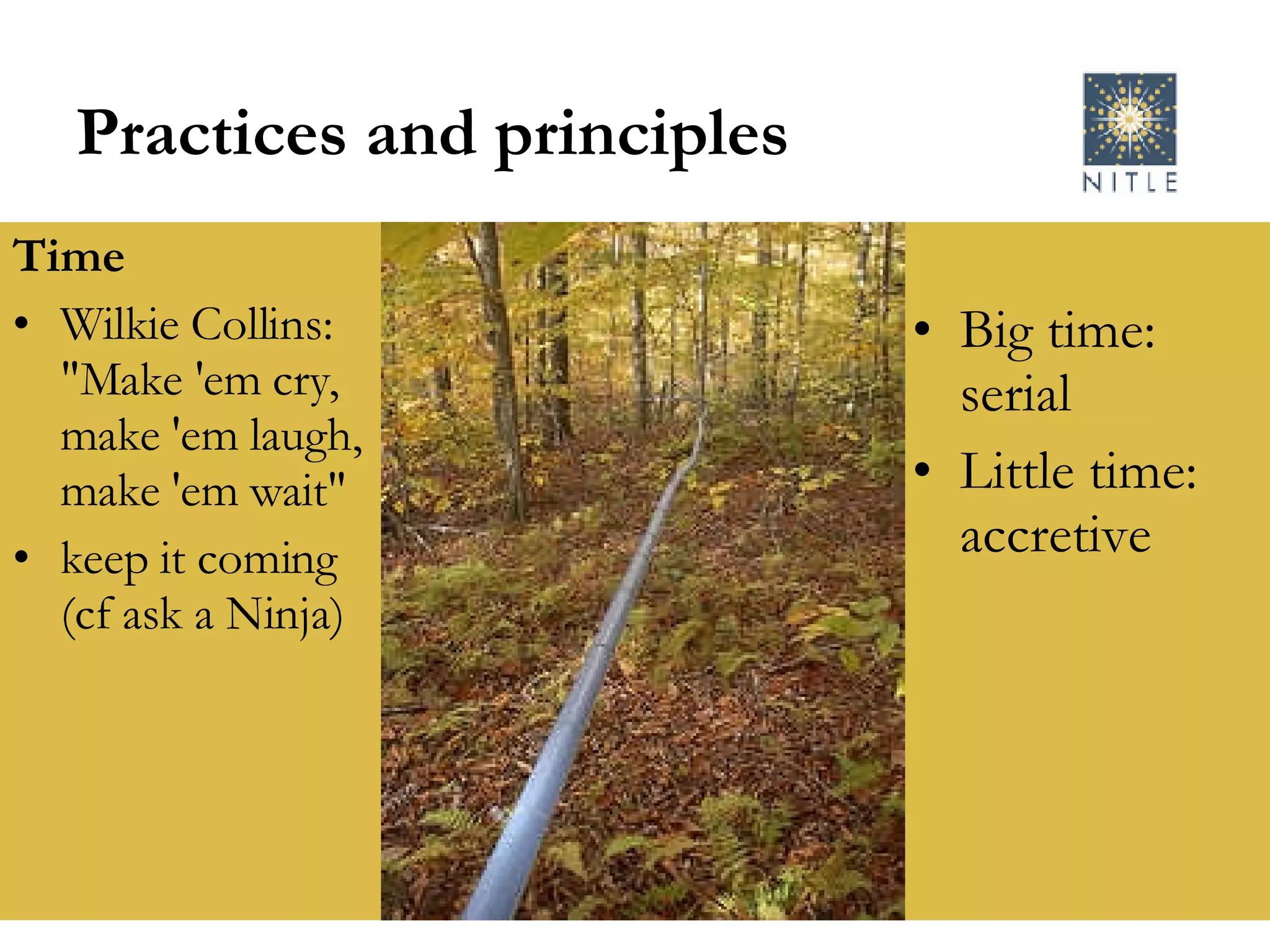
Time
Wilkie Collins: "Make 'em cry, make 'em laugh, make 'em wait"
keep it coming (cf ask a Ninja)
Big time: serial
Little time: accretive
Practices and principles
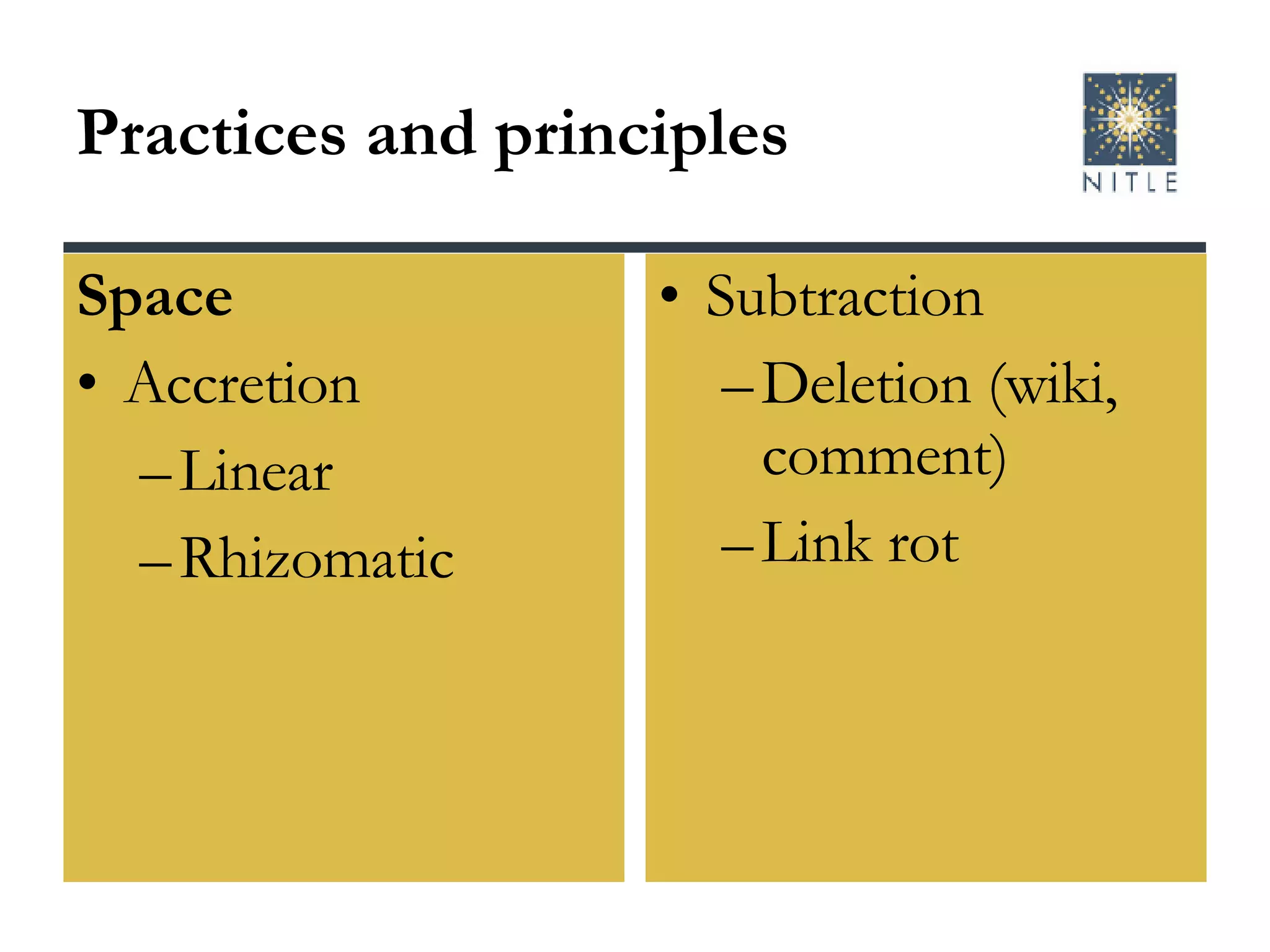
Space
Accretion
Linear
Rhizomatic
Subtraction
Deletion (wiki, comment)
Link rot
Practices and principles
Character
You: persona
Creative or historical character
Blog as character (Kathleen Fitzpatrick)
Twitter as character (Eric Rice)
Practices and principles
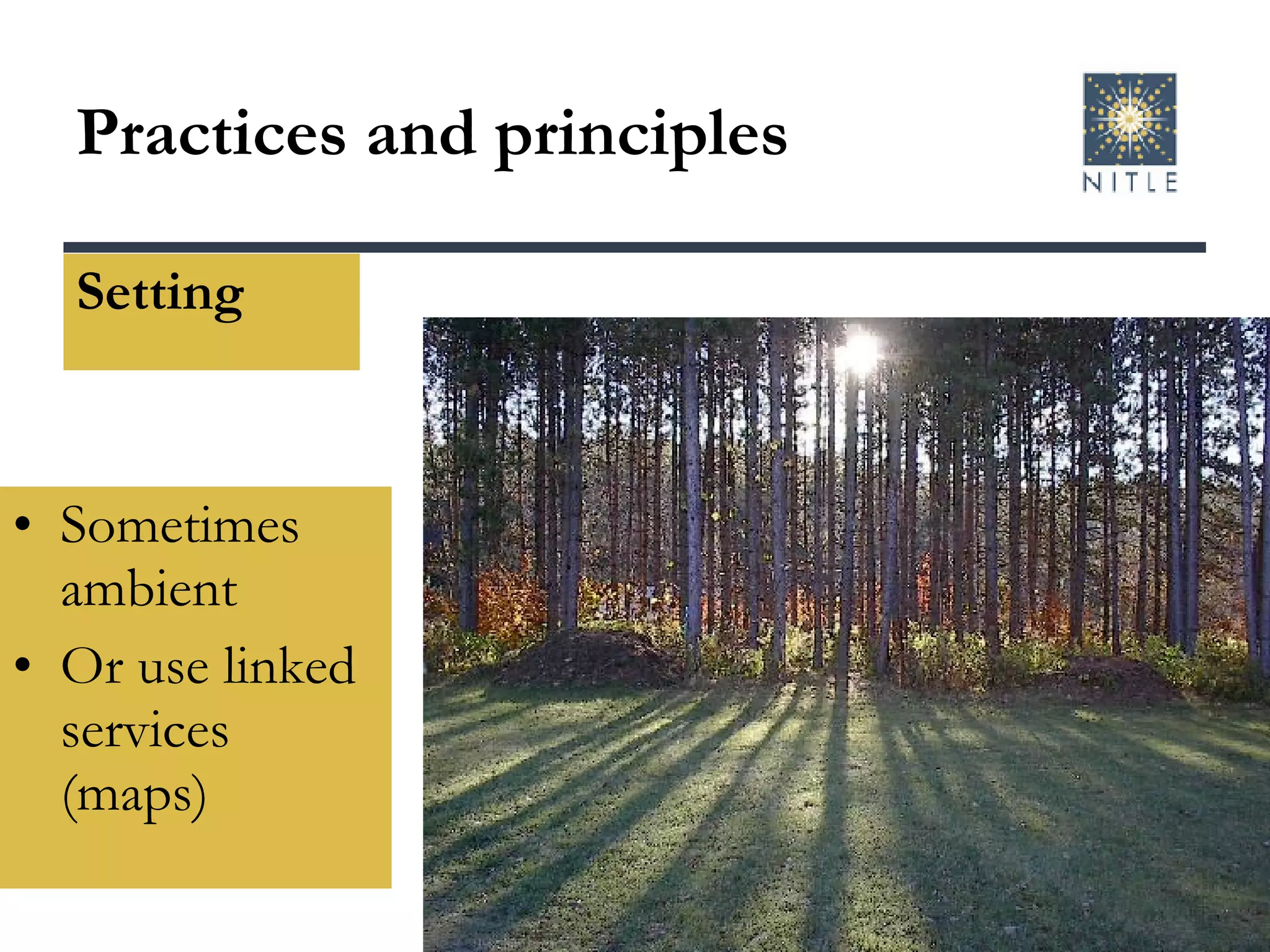
Setting
Sometimes ambient
Or use linked services (maps)
Practices and principles
Triangular desire (Rene Girard, Eve Sedgwick)
Connections between characters
Watch for connections between audience members
Check platform and aura
Practices and principles
Fab your lexia chunks
Recap/summary of story
Cliffhanger
Internal organizing statement
Discrete argument point
Shift in Lego pieces
POV
Timeline
Embedded story
Meta, help, disclaimer
(And they move without you.)
Practices and principles
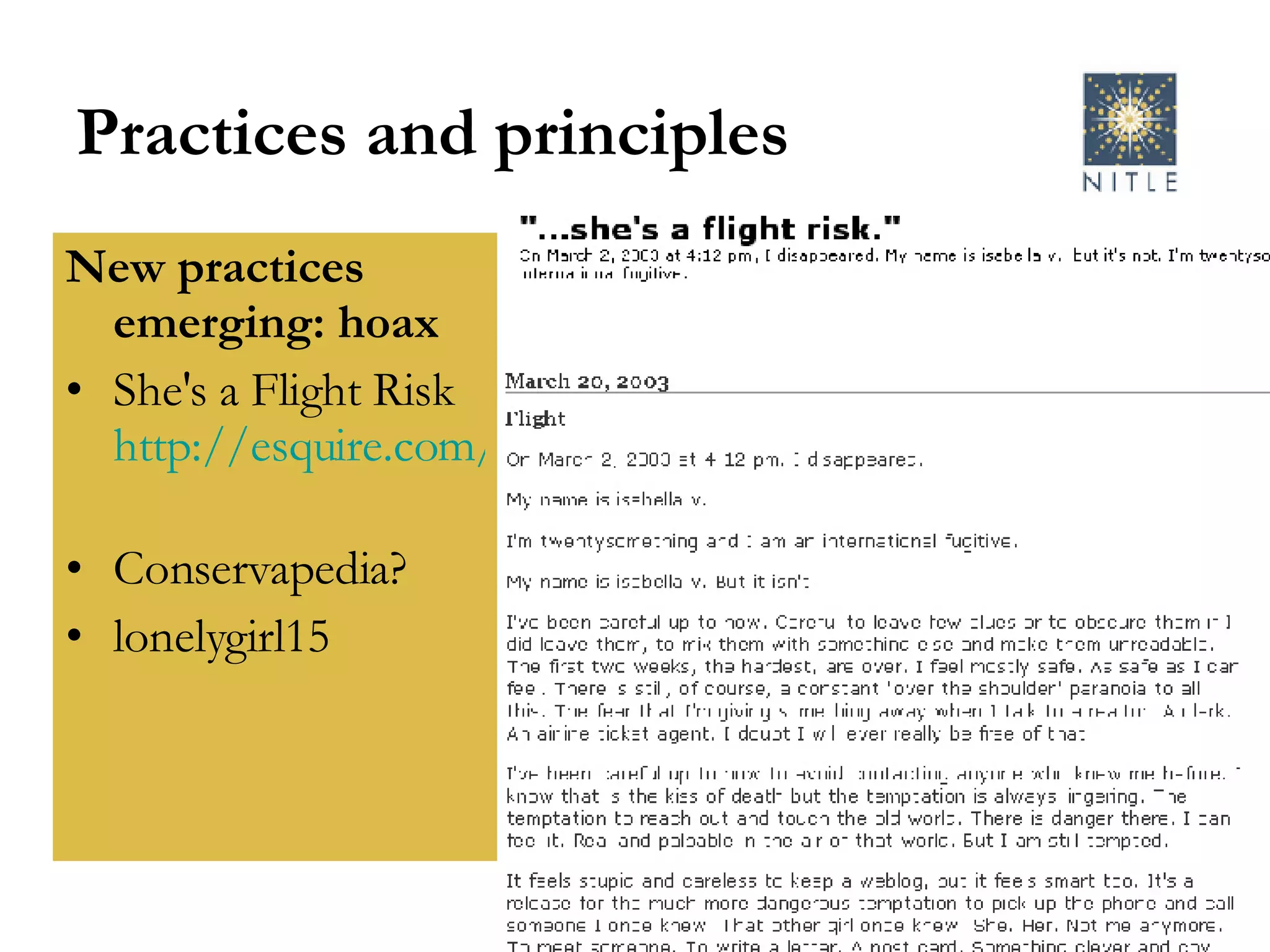
New practices emerging: hoax
She's a Flight Risk http://esquire.com/features/articles/2003/030922_mfe_isabella_1.html
Conservapedia?
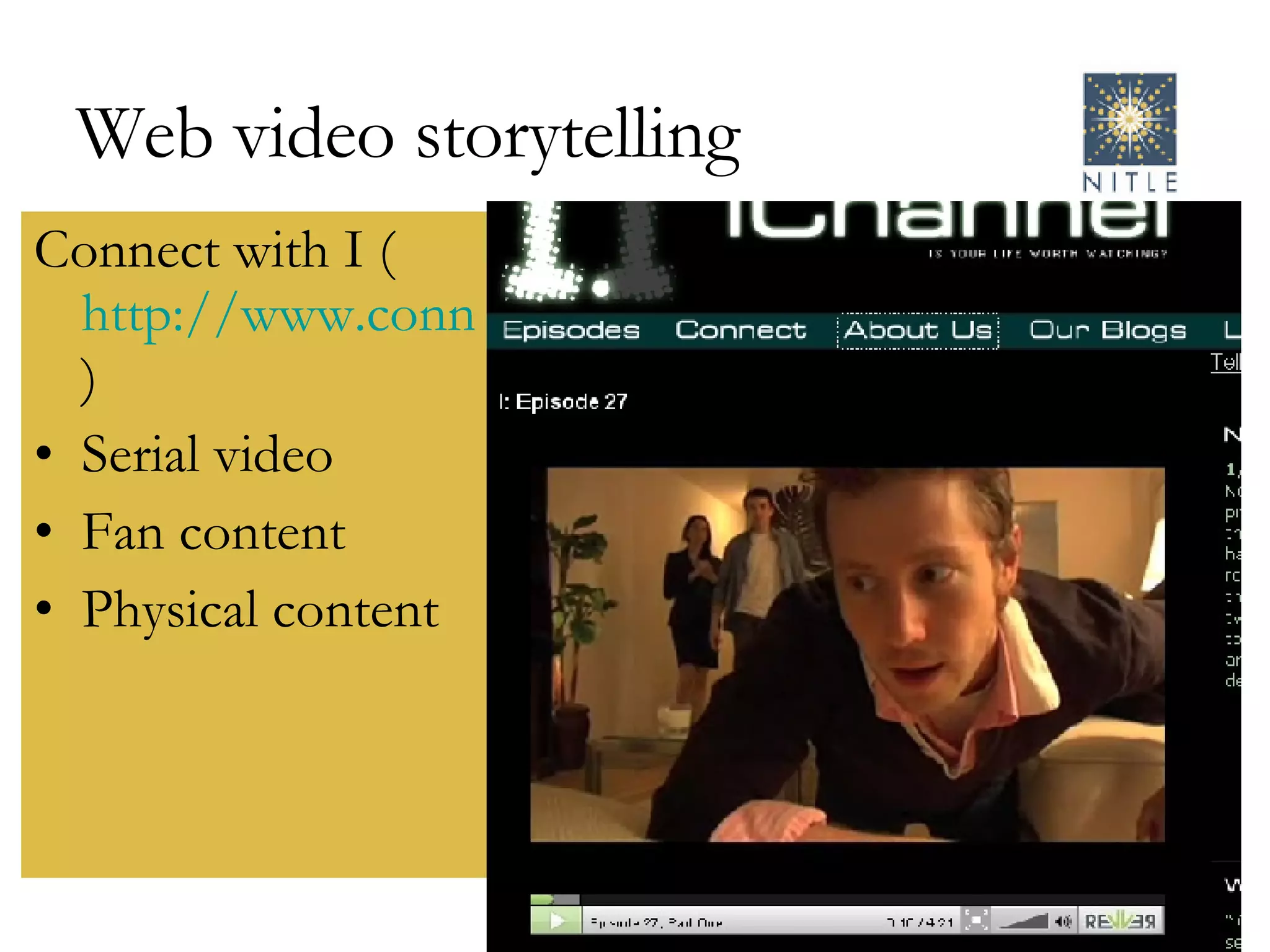
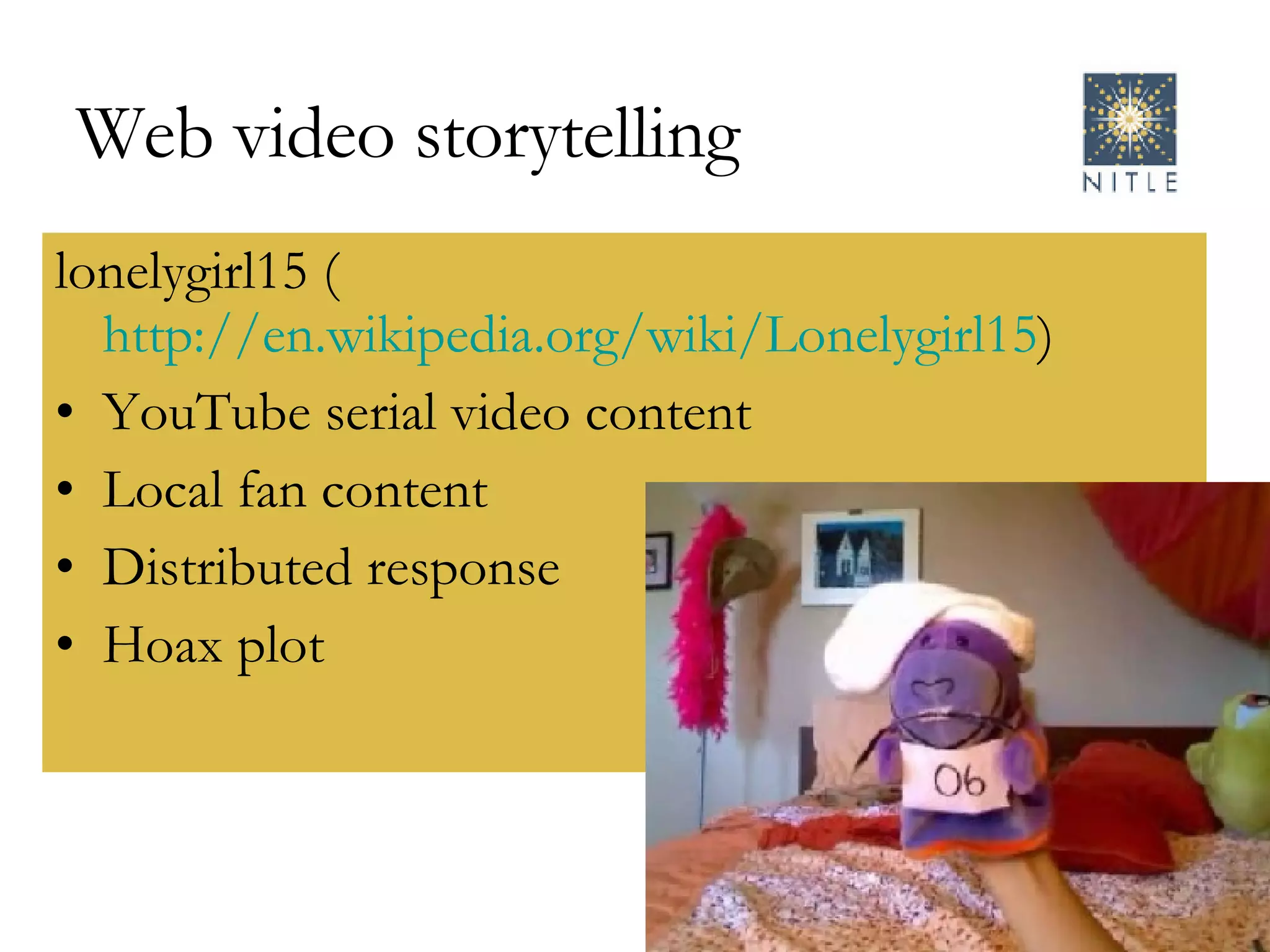
lonelygirl15
Futures
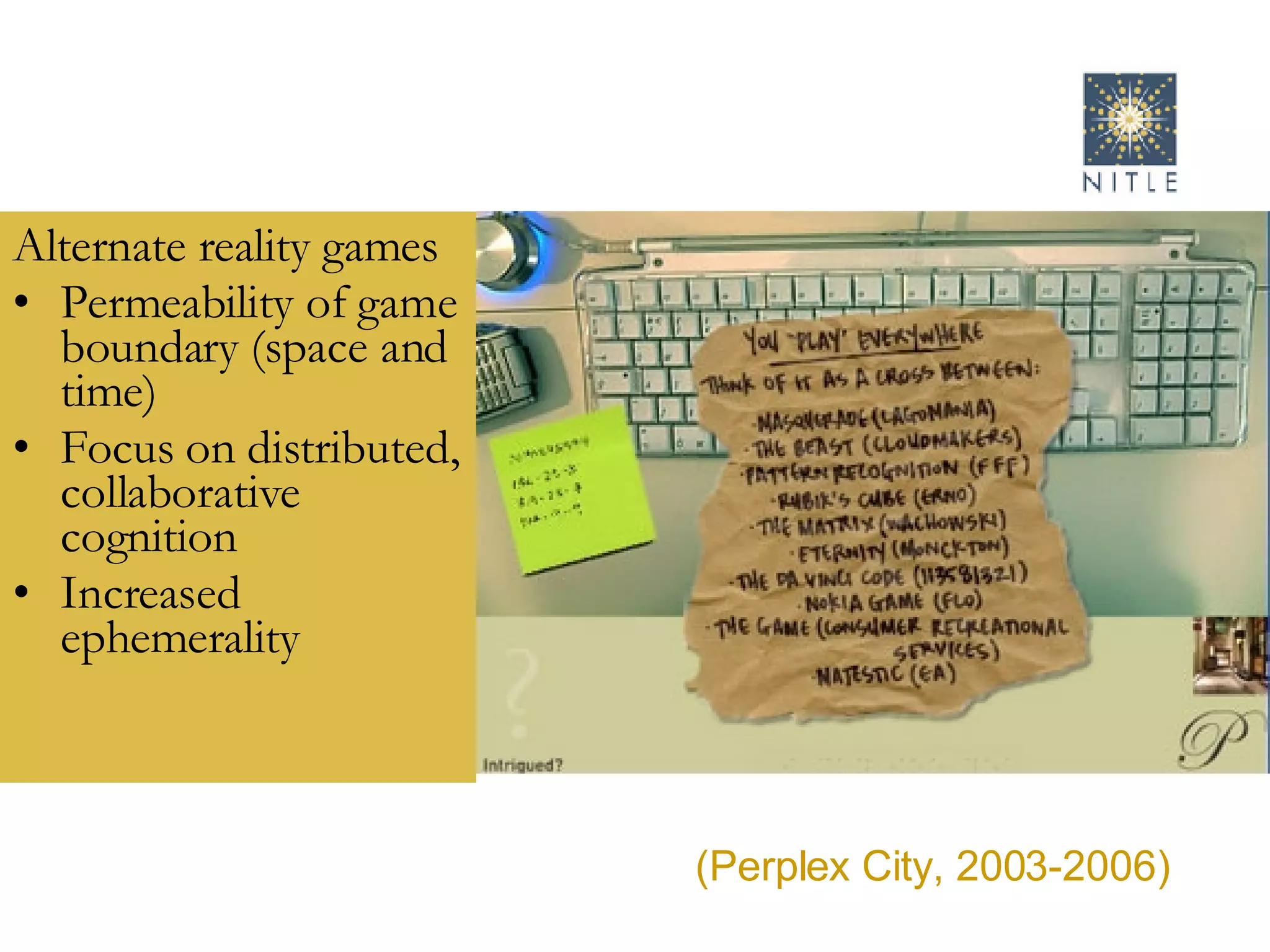
Web 2.0 story content might privilege mysteries, since there needs to be a hook to drive readers from piece to distributed piece. Note, for instance, the predominance of mysteries in alternate reality games.
Futures
Web 2.0 stories are likely to focus on time as a major structural element.
smaller Web 2.0 stories which don't do this
are Web 2.0 stories always in beta?
Futures
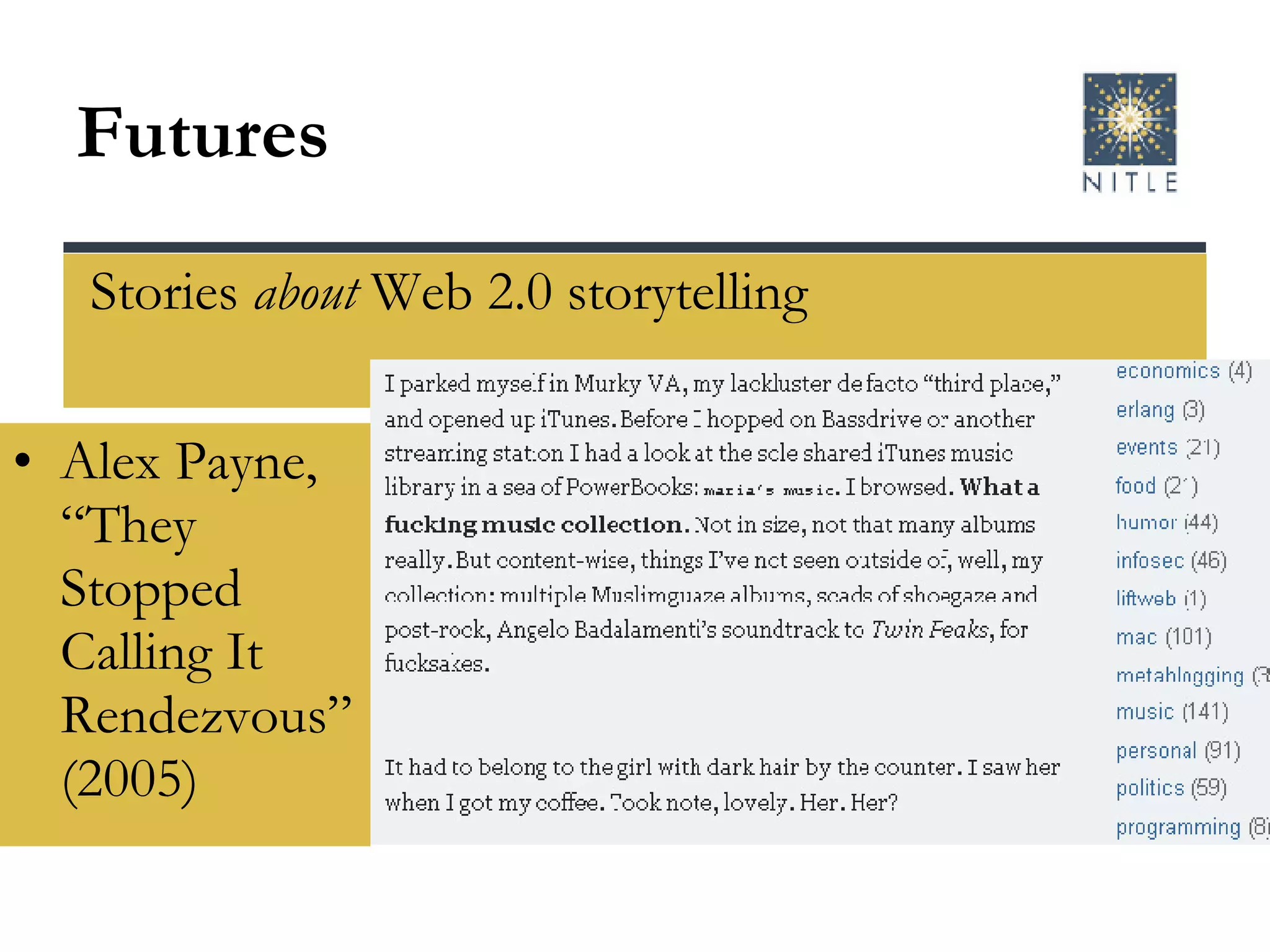
Stories about Web 2.0 storytelling
Alex Payne, “They Stopped Calling It Rendezvous” (2005)
Futures
Await the backlash.
First will come the Rosens and egostorytelling.
Next will be the scary Web update: news media, marketing.
Futures
Quality
Some are lame
Emerging standards, aesthetics?
Reputation as a whole
Futures
Could Web 2.0 storytelling be a minor literature?
Eastgate hypertext
MUDs, MOOs
IFiction
Futures
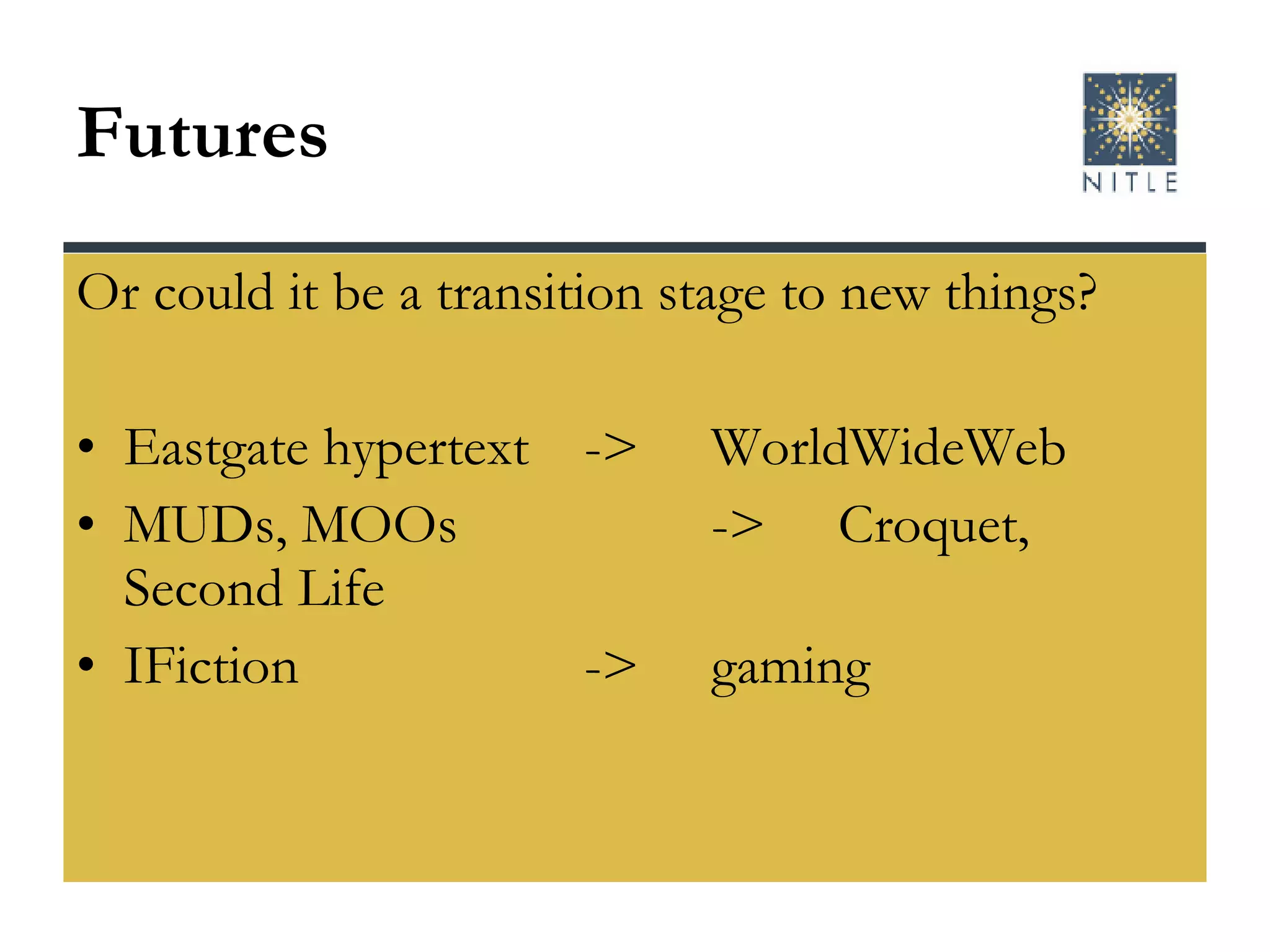
Or could it be a transition stage to new things?
Eastgate hypertext -> WorldWideWeb
MUDs, MOOs -> Croquet, Second Life
IFiction -> gaming
Caveats
Project versus piece versus principle
Framework is not your project
ACKNOWLEDGEMENTS
-blog commentators Andy Havens, Steve Kaye, H Pierce, D'Arcy Norman
-Alan Levine!
-all Web 2.0 storytellers and participants
-ELI 2008 conference workshop participants
(Photos uncredited are mine)
National Institute for Technology and Liberal Education (NITLE)
0 comments
Post a comment