Dr.RENU MAKWANA
Vasundhara
Hospital &
Fertility Research
Centre JODHPUR
INDIA
Antepartum fetal monitoring
• Prevent fetal injury
and death.
• Improve long-term
neurologic outcome
through optimal
timing of delivery
• Avoiding unnecessary
intervention, such as
cesarean delivery or
preterm delivery.
ANTENATAL FETAL TESTING TECHNIQUES
(1) Fetal movement counting,
(2) Non-stress test,
(3) Contraction stress test,
(4) Biophysical profile and/or amniotic fluid
volume,MBPP
(5) Maternal uterine artery Doppler, and
(6) Fetal umbilical artery Doppler along with other
doppler parameters.
DFMC
The only antenatal surveillance technique
recommended for all pregnant women, with and
without risk factors, is maternal awareness of fetal
movements.
Adverse fetal and neonatal outcomes
associated with antepartum asphyxia
Fetal outcome
• Stillbirth
• Metabolic acidosis at birth
Neonatal outcome
• Mortality
• Metabolic acidosis
• Hypoxic renal damage
• Necrotizing enterocolitis
• Intracranial hemorrhage
• Seizures
• Cerebral palsy
• Neonatal encephalopathy
Asphyxia is defined as hypoxia with metabolic acidosis
• Maternal
• Fetal
• Hypertensive disorder of
pregnancy
• Placental abruption
• Intrauterine growth
restriction
• Stillbirth
Obstetrical history associated with increased perinatal
morbidity/mortality where antenatal fetal surveillance
may be beneficial
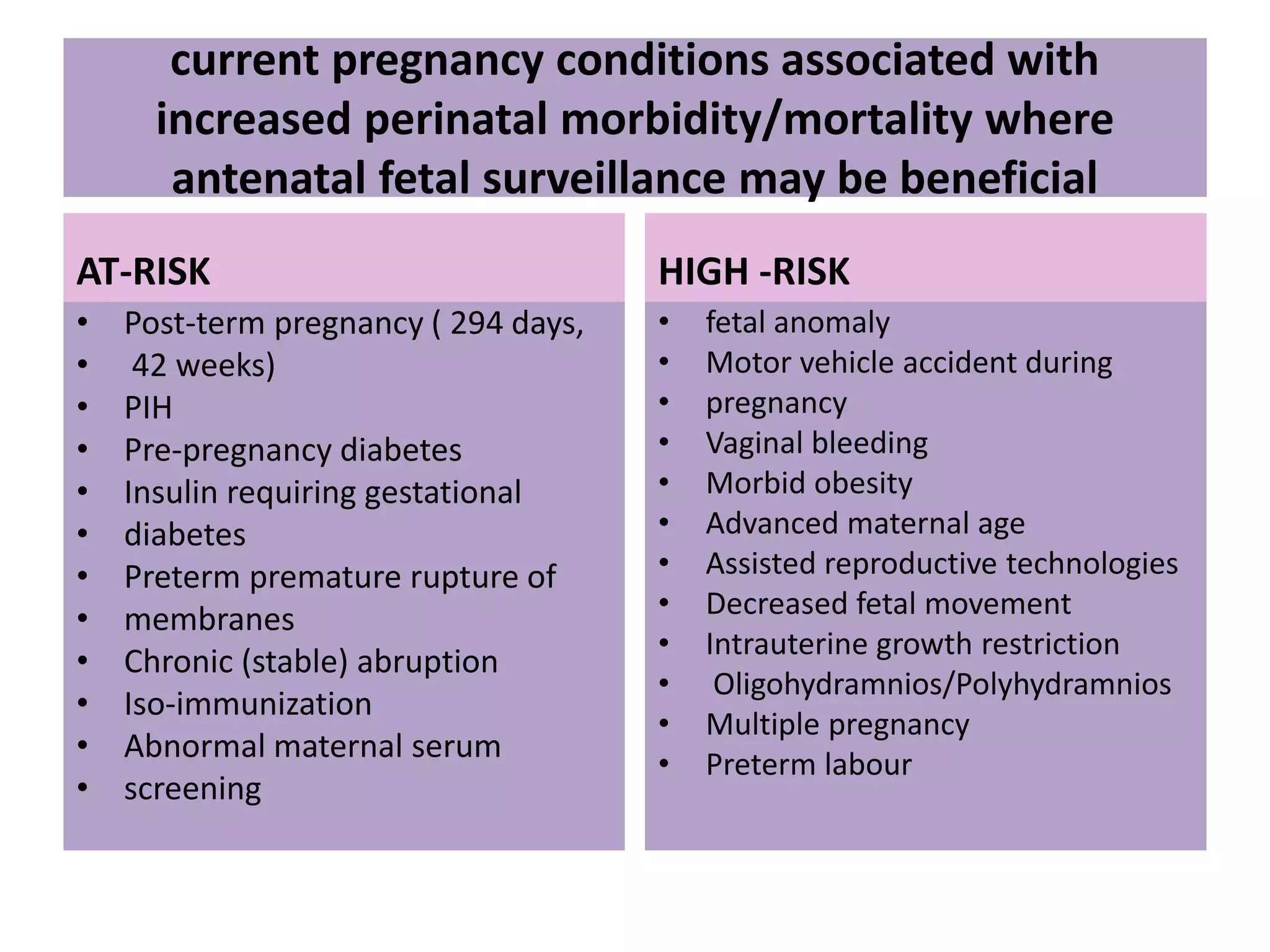
current pregnancy conditions associated with
increased perinatal morbidity/mortality where
antenatal fetal surveillance may be beneficial
AT-RISK
• Post-term pregnancy ( 294 days,
• 42 weeks)
• PIH
• Pre-pregnancy diabetes
• Insulin requiring gestational
• diabetes
• Preterm premature rupture of
• membranes
• Chronic (stable) abruption
• Iso-immunization
• Abnormal maternal serum
• screening
HIGH -RISK
• fetal anomaly
• Motor vehicle accident during
• pregnancy
• Vaginal bleeding
• Morbid obesity
• Advanced maternal age
• Assisted reproductive technologies
• Decreased fetal movement
• Intrauterine growth restriction
• Oligohydramnios/Polyhydramnios
• Multiple pregnancy
• Preterm labour
DFMC
• Sadovsky and Yaffee (1973) pre-eclamptic patients
noticed decreased fetal movement prior to fetal
demise.
• Women perceive most movement when lying down
fewer when sitting and least while standing.
• Busy pregnant women: not concentrating on fetal
activity: often report a misperception of RFM.
Recommendation 1:
Fetal Movement Counting
Non-Stress Test
Despite widespread use, there is poor evidence that
antenatal non-stress testing can reduce perinatal
morbidity or mortality.
Pattison N, McCowan L. Cardiotocography for antepartum fetal assessment [Cochrane review]. In: Cochrane
Database of Systematic Reviews1999 Issue 1. Chichester (UK): John Wiley & Sons, Ltd; 1999. DOI:
10.1002/14651858.CD001068.
In fact, the four blinded randomized trials evaluating
the non-stress test, although small, demonstrated a
trend to an increase in perinatal deaths in the
cardiotocography group (OR 2.85; 95% CI 0.99–
7.12).56
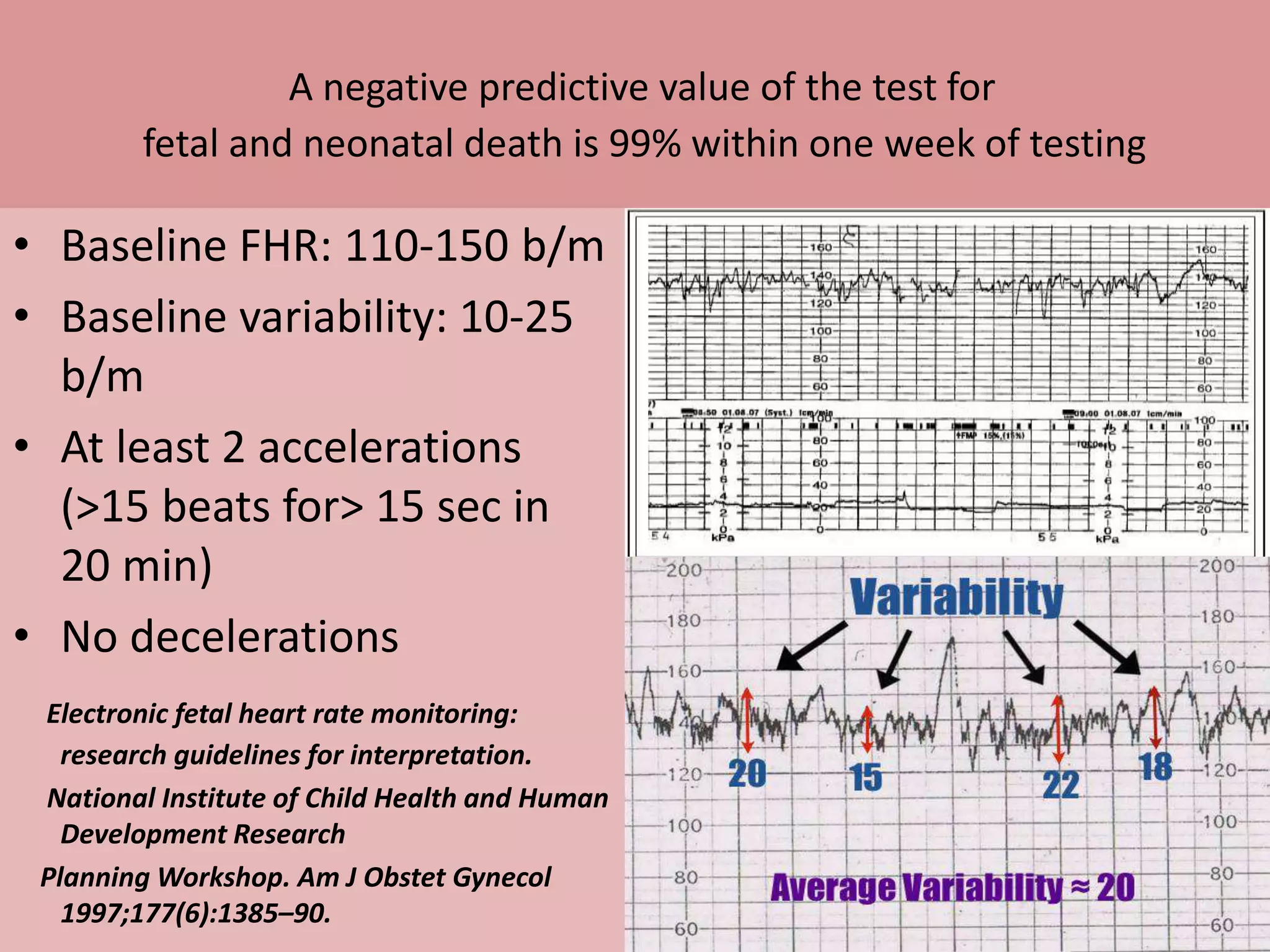
A negative predictive value of the test for
fetal and neonatal death is 99% within one week of testing
• Baseline FHR: 110-150 b/m
• Baseline variability: 10-25
b/m
• At least 2 accelerations
(>15 beats for> 15 sec in
20 min)
• No decelerations
Electronic fetal heart rate monitoring:
research guidelines for interpretation.
National Institute of Child Health and Human
Development Research
Planning Workshop. Am J Obstet Gynecol
1997;177(6):1385–90.
Recommendation : Non-Stress Test
• 1. Antepartum non-stress testing may be considered
when risk factors for adverse perinatal outcome are
present. (III-B)
• 2. In the presence of a normal non-stress test, usual
fetal movement patterns, and absence of suspected
oligohydramnios, it is not necessary to conduct a
biophysical profile or contraction stress test. (III-B)
• 3. A normal non-stress test should be classified and
documented by an appropriately trained and
designated individual as soon as possible, (ideally
within 24 hours).
• Ray M, Freeman R, Pine S, Hesselgesser R. Clinical experience with the oxytocin challenge test. Am J Obstet Gynecol 1972;114(1):1–9.
• . Lagrew DC. The contraction stress test. Clin Obstet Gynecol 1995;38(1):11–25.
• Creasy R, Reznik R, Iams J. Maternal fetal medicine principles and practice 5th ed. Philadelphia: W.B. Saunders; 2003.
Contraction Stress Test
To unmask
poor
placental
function
Biophysical
profile/Modified
BPP and Doppler
interrogation of
uterine or fetal
vessels
Recommendation 3: Contraction Stress Test
1. The contraction stress test should be considered in the
presence of an atypical non-stress test as a proxy for the
adequacy of intrapartum uteroplacental function and,
together with the clinical circumstances, will aid in decision
making about timing and mode of delivery. (III-B)
2. The contraction stress test should not be performed when
vaginal delivery is contraindicated. (III-B)
3. The contraction stress test should be performed in a
setting where emergency Caesarean section is available.
(III-B)
Sonographic Assessment of Fetal Behaviour
and/or Amniotic Fluid Volume
Components of fetal biophysical profile
Inclusion of NST brings the maximum possible score to 10 when the NST
is normal
The modified BPP consists of a non-stress test
and an AFI (> 5 cm is considered adequate)
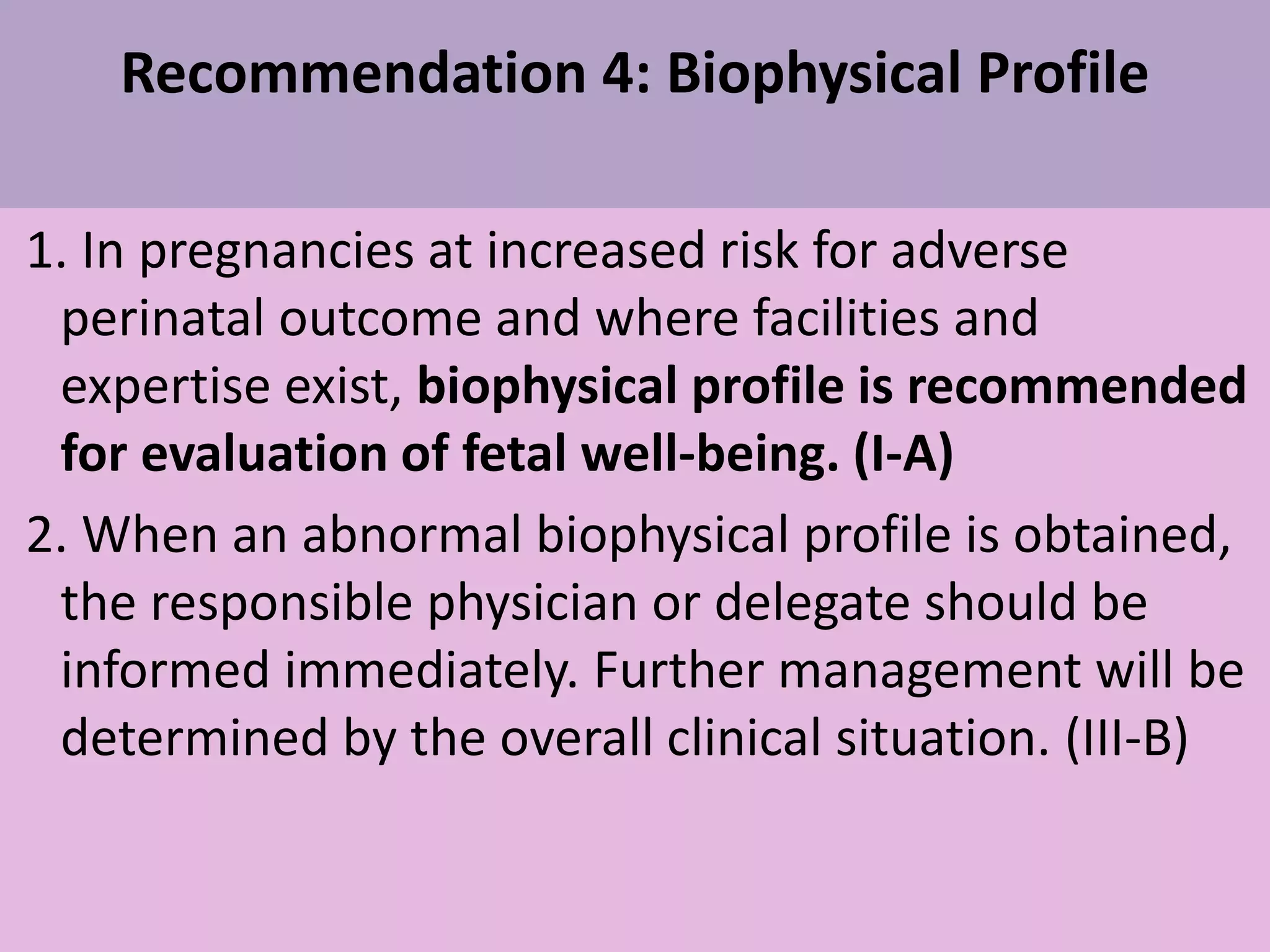
Recommendation 4: Biophysical Profile
1. In pregnancies at increased risk for adverse
perinatal outcome and where facilities and
expertise exist, biophysical profile is recommended
for evaluation of fetal well-being. (I-A)
2. When an abnormal biophysical profile is obtained,
the responsible physician or delegate should be
informed immediately. Further management will be
determined by the overall clinical situation. (III-B)
Recommendation 5:
Uterine Artery Doppler
1. Where facilities and expertise exist,
uterine artery Doppler may be performed
at the time of the 17 to 22 weeks’ gestation
during detailed anatomical ultrasound scan
in women with the following factors for
adverse perinatal outcome. (II-A)
2. Women with a positive uterine artery
Doppler screen should have the following
second uterine artery Doppler at 24 to 26
weeks.
.
Neilson JP, Alfirevic Z. Doppler ultrasound for fetal assessment in high risk pregnancies [Cochrane
review]. In: Cochrane Database of Systematic Reviews 1996 Issue 4. Chichester (UK): John Wiley &
Sons, Ltd; 1996.DOI: 10.1002/14651858.CD000073.
Umbilical Artery Doppler
Cochrane meta-analysis of randomized trials108
on the use of umbilical artery Doppler in
pregnancies with risk factors for adverse
perinatal outcome demonstrates a clear
reduction in perinatal mortality in normally
formed fetuses
Multi vessel Doppler
examination is
indicated(MCA , Aorta and
DV)
Bio Physical Profile Score CNS
Hypoxia and
re distribution
3/3/2015 DR.RENU MAKWANA 21
When Umbilical artery Doppler parameters are
altered
Recommendation 6: Umbilical Artery Doppler
1. Umbilical artery Doppler should not be used as a screening
tool in healthy pregnancies, as it has not been shown
to be of value in this group. (I-A)
2. Umbilical artery Doppler should be available for assessment
of the fetal placental circulation in pregnant women with
suspected placental insufficiency. (I-A)
3. Fetal umbilical artery Doppler assessment should be
considered (1) at time of referral for suspected growth
restriction, or (2) during follow-up for suspected placental
pathology
Recommendation 7: Labour Support During Active
Labour
Women in active labour should receive continuous close support from
an appropriately trained person (I-A)
Recommendation 8: Professional One-to-One Care and
Intrapartum Fetal Surveillance
Intensive fetal surveillance by intermittent
auscultation or electronic fetal monitoring requires
the continuous presence of nursing or midwifery
staff (III-C)
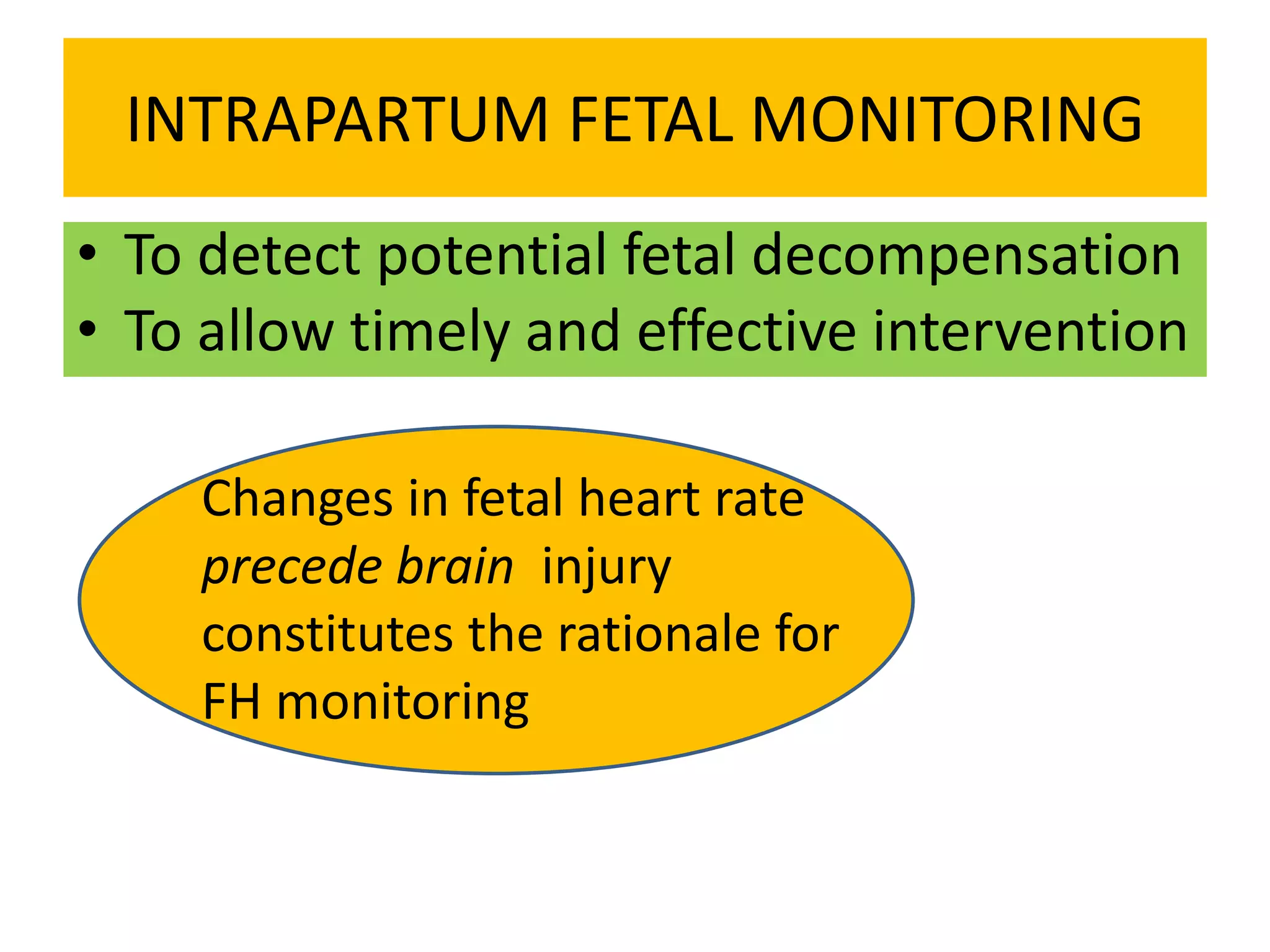
INTRAPARTUM FETAL MONITORING
• To detect potential fetal decompensation
• To allow timely and effective intervention
Changes in fetal heart rate
precede brain injury
constitutes the rationale for
FH monitoring
Recommendation 9:
Intermittent Auscultation in
Labour
• Intermittent auscultation following an established
protocol of surveillance and response is the
recommended method of fetal surveillance;
compared with EFM, it has lower intervention
rates without evidence of compromising neonatal
outcome. (I-B)
• 2. Epidural analgesia and intermittent
auscultation-- every 5 minutes for 30 minutes
after epidural initiation and after bolus top-ups
as long as maternal vital signs are normal). (III-B)
What is not assessed?- Baseline variability and classification of
decelerations
Benefits Limitations
• Difficult to hear a fetal
heart rate in very large
women when Some
women may feel the
technique is more intrusive
because of the frequency
of assessment
Less costly, less
constricting
Freedom of
movement is
increased
Assessments of the
fetal heart rate can
be done with the
woman immersed
in water
Recommended frequency of auscultation
Common indications/contraindications for
intermittent auscultation
Preterm labour
Postdated labour
Epidural analgesia
VBAC
Neilson J. Electronic fetal monitoring plus scalp sampling vs intermittent auscultation
in labour[Revised May 1994]. In: Keirse M, Renfrew MJ, Neilson J, Crowther C,
editors. Cochrane Collaborative Issue 2. Oxford; 1995.
Incidence of other
pathologies is increased ….
So EFM
ELECTRONIC FETAL MONITORING
• EFM compared with IA has not been shown to improve long-term
fetal or neonatal outcomes as measured by a decrease in morbidity
or mortality
• Continuous EFM during labour is associated with a reduction in
neonatal seizures but with no significant differences in long-term
sequelae, including cerebral palsy, infant mortality, and other
standard measures of neonatal well-being.
• EFM is associated with an increase in interventions, including
Caesarean section, vaginal operative delivery, and the use of
anaesthesia
Thacker SB, Stroup D, Chang M. Continuous electronic heart rate monitoring for fetal assessment during labor [Cochrane review]. In:
Cochrane Database of Systematic Reviews 2006 Issue 3. Chichester (UK): John Wiley & Sons, Ltd; 2006. DOI:
10.100214651858.CD000063.pub2.
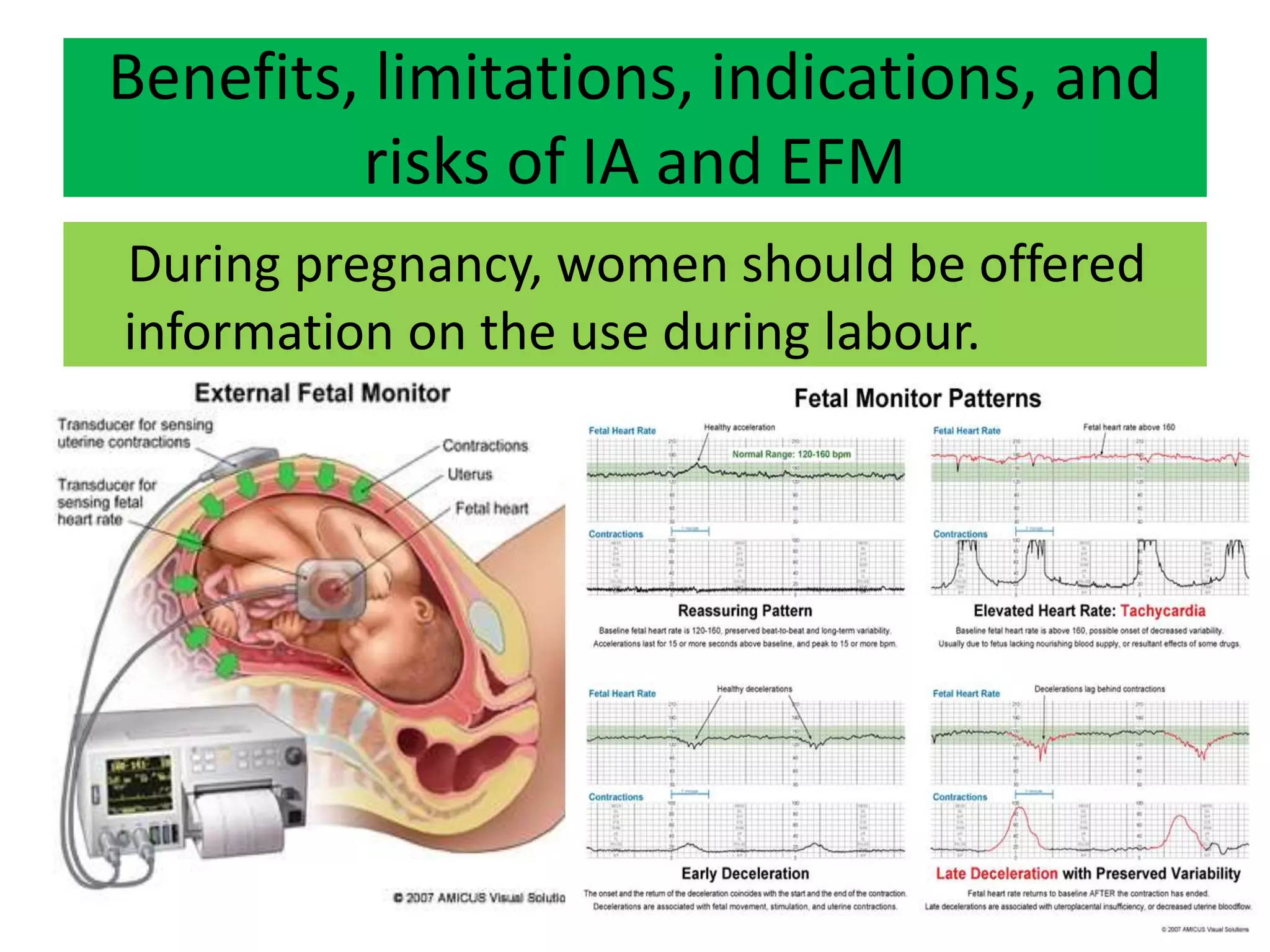
Benefits, limitations, indications, and
risks of IA and EFM
During pregnancy, women should be offered
information on the use during labour.
HIGH LIGHTED BY RESULTS
OF 4’TH CESDI REPORT
There are difficulties in IP
monitoring - detection of hypoxia
LACK OF KNOWLEDGE TO
INTERPRET TRACES
FAILURE TO INCORPORATE
CLINICAL PICTURE
DELAY IN INTERVENTION
COMMUNICATION / COMMON
SENSE ISSUES
EFM – Difficulties in IP EFM &
decision making
CAN WE DETECT HYPOXIA IN TIME?
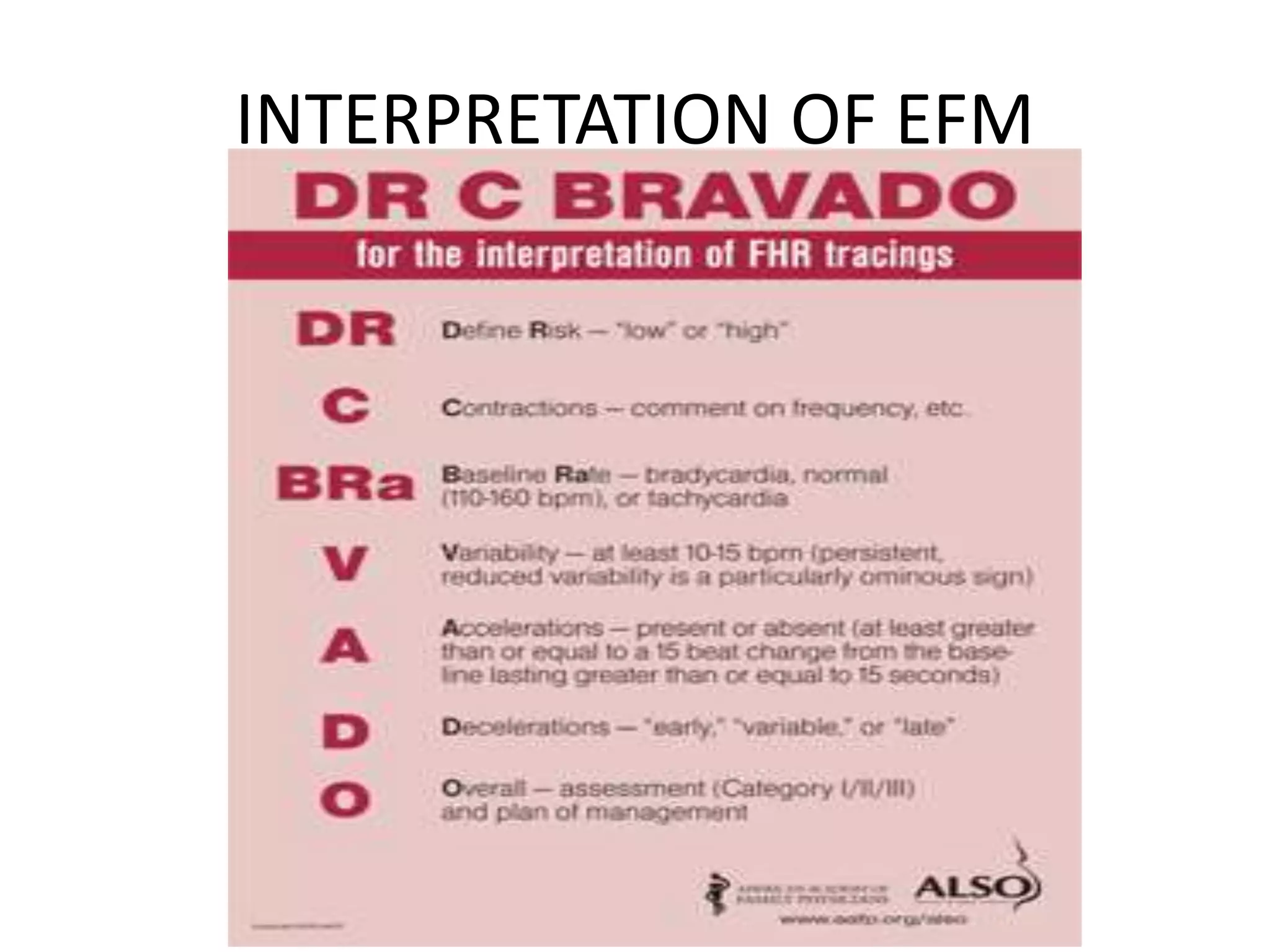
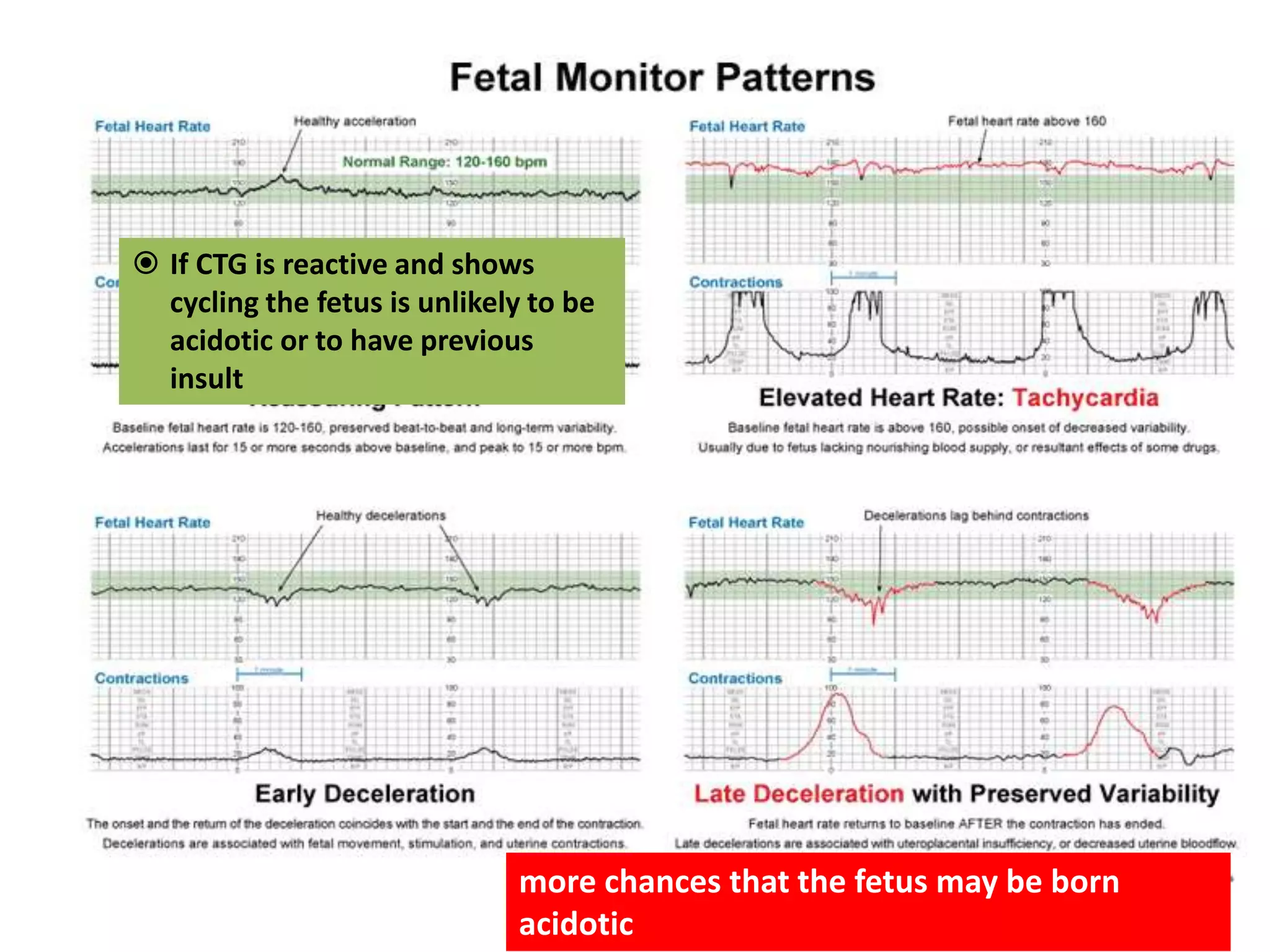
INTERPRETATION OF EFM
 If CTG is reactive and shows
cycling the fetus is unlikely to be
acidotic or to have previous
insult
more chances that the fetus may be born
acidotic
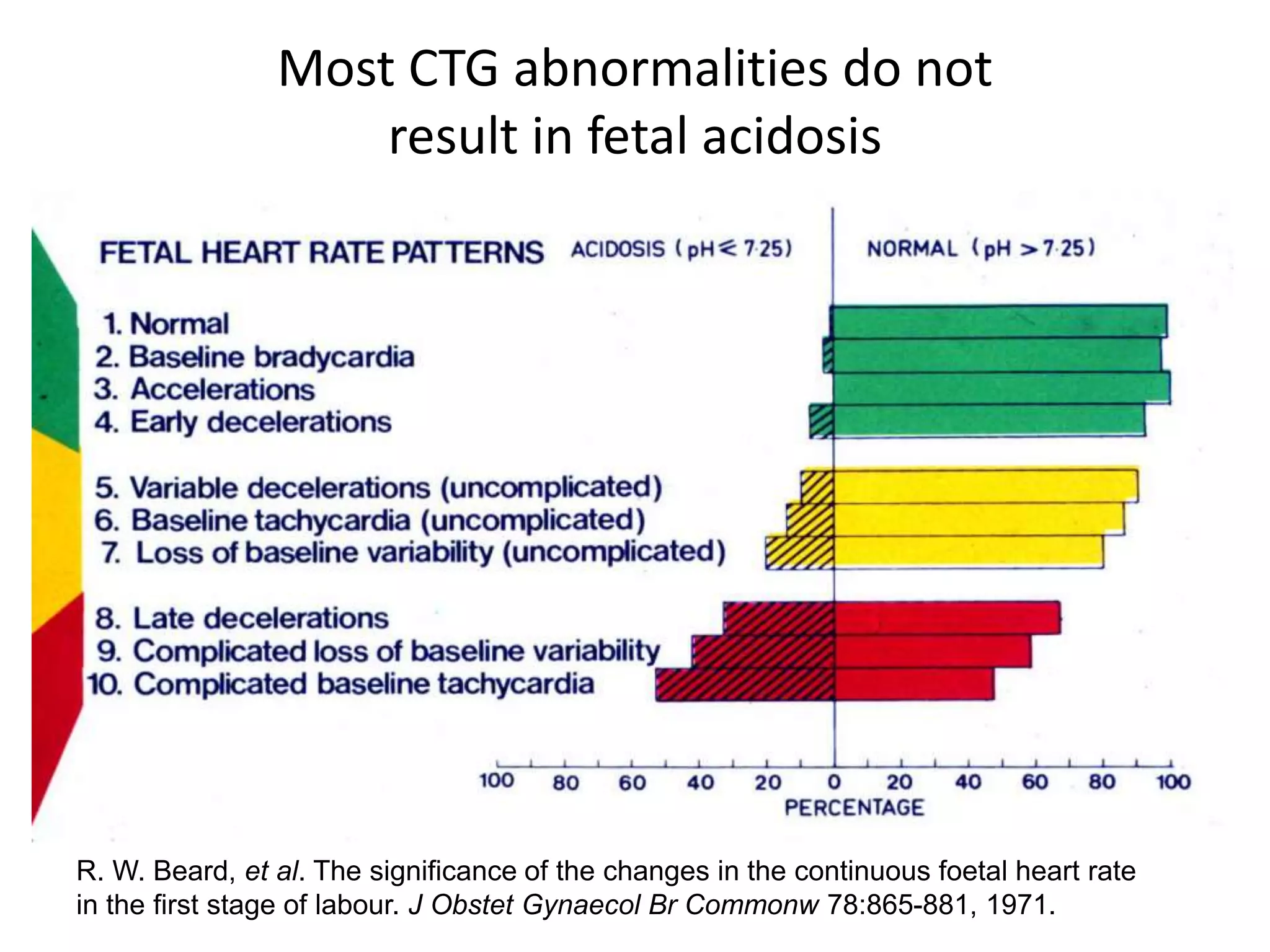
Most CTG abnormalities do not
result in fetal acidosis
R. W. Beard, et al. The significance of the changes in the continuous foetal heart rate
in the first stage of labour. J Obstet Gynaecol Br Commonw 78:865-881, 1971.
Recommendation 10:
Admission Fetal Heart Test
• 1. Admission fetal heart tracings are not
recommended for healthy women at term in
labour in the absence of risk factors for
adverse perinatal outcome, as there is no
evident benefit. (I-A)
2. Admission fetal heart tracings are
recommended for women with risk factors
for adverse perinatal outcome. (III-B)
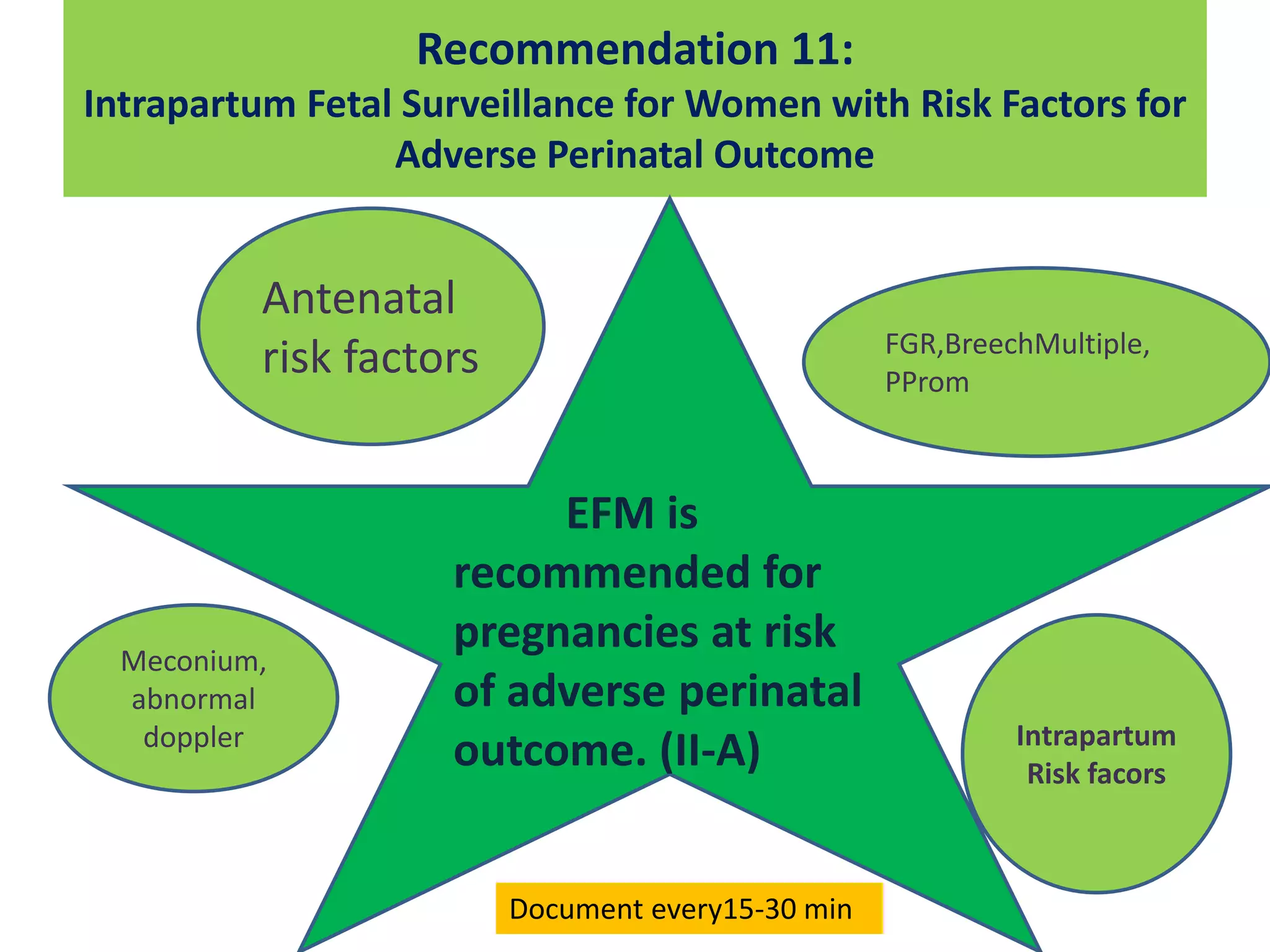
Recommendation 11:
Intrapartum Fetal Surveillance for Women with Risk Factors for
Adverse Perinatal Outcome
EFM is
recommended for
pregnancies at risk
of adverse perinatal
outcome. (II-A)
Meconium,
abnormal
doppler
Antenatal
risk factors FGR,BreechMultiple,
PProm
Intrapartum
Risk facors
Document every15-30 min
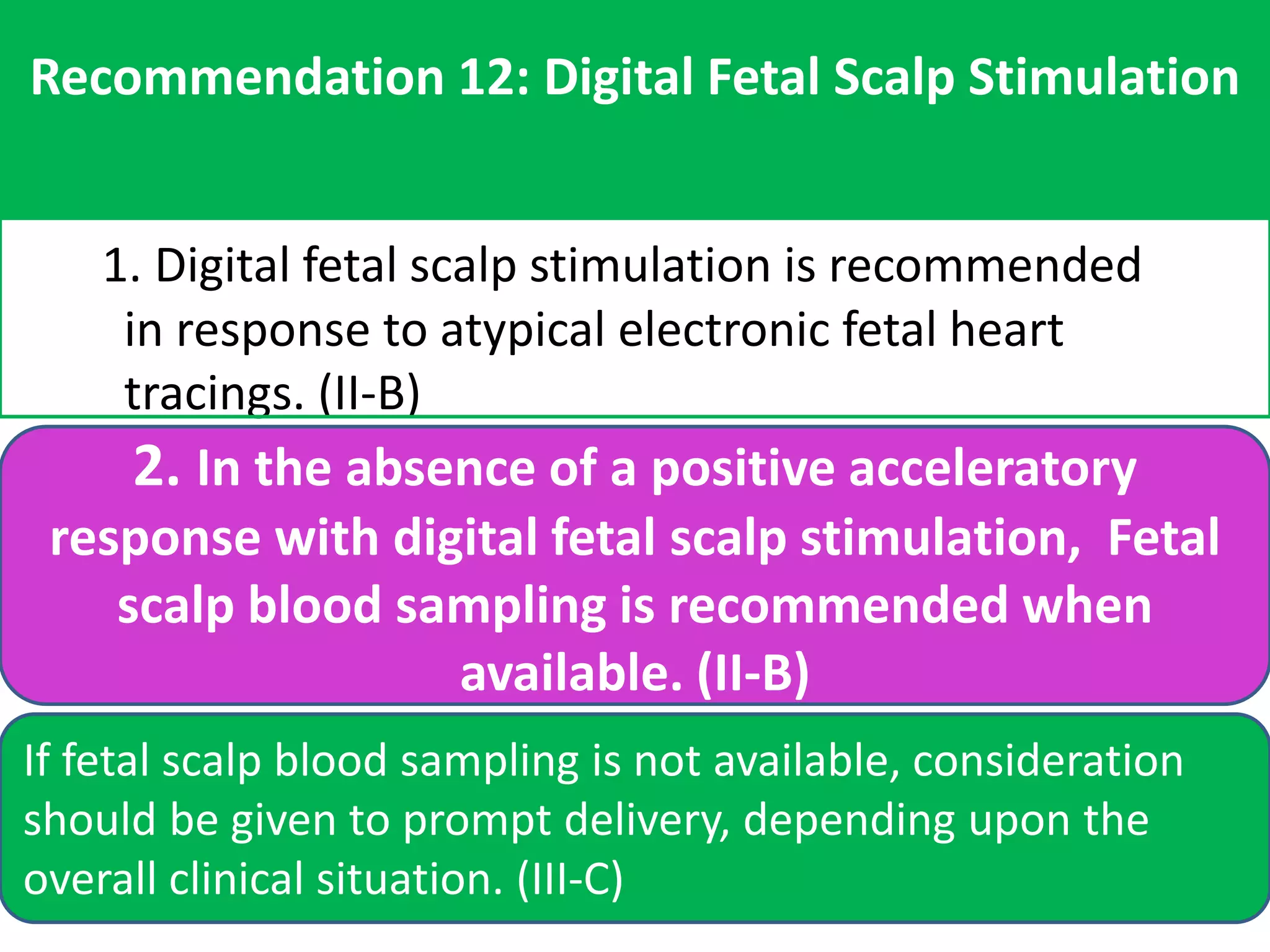
Recommendation 12: Digital Fetal Scalp Stimulation
1. Digital fetal scalp stimulation is recommended
in response to atypical electronic fetal heart
tracings. (II-B)
2. In the absence of a positive acceleratory
response with digital fetal scalp stimulation, Fetal
scalp blood sampling is recommended when
available. (II-B)
If fetal scalp blood sampling is not available, consideration
should be given to prompt delivery, depending upon the
overall clinical situation. (III-C)
Recommendation 13: Fetal
Scalp Blood Sampling
In women with
“atypical/abnormal” fetal
heart tracings at gestations >
34 weeks when delivery is
not imminent, or if digital
fetal scalp stimulation does
not result in an acceleratory
fetal heart rate response.
(III-C)
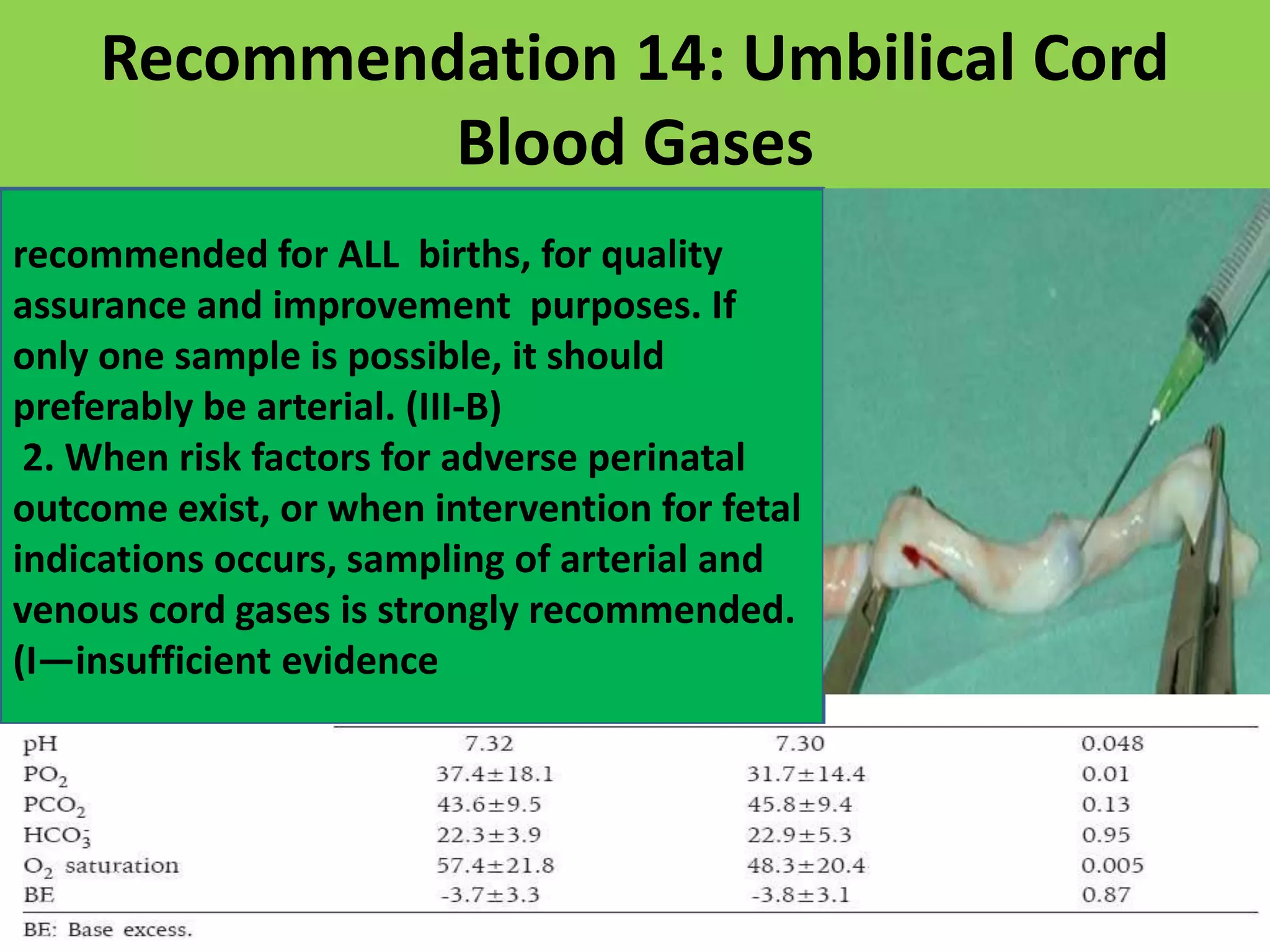
Recommendation 14: Umbilical Cord
Blood Gases
recommended for ALL births, for quality
assurance and improvement purposes. If
only one sample is possible, it should
preferably be arterial. (III-B)
2. When risk factors for adverse perinatal
outcome exist, or when intervention for fetal
indications occurs, sampling of arterial and
venous cord gases is strongly recommended.
(I—insufficient evidence
Recommendation 15:
Fetal Pulse Oximetry
Fetal pulse oximetry, with or without electronic fetal surveillance is
not recommended for routine use at this time
Recommendation 16: ST Waveform Analysis (III-C)
The use of ST waveform analysis for the intrapartum assessment of
the compromised fetus is not recommended for routine use at this
time. (I-A)
Recommendation 17: Intrapartum Fetal Scalp Lactate
Testing
Intrapartum scalp lactate testing is not
recommended for routine use at this time. (III-C)
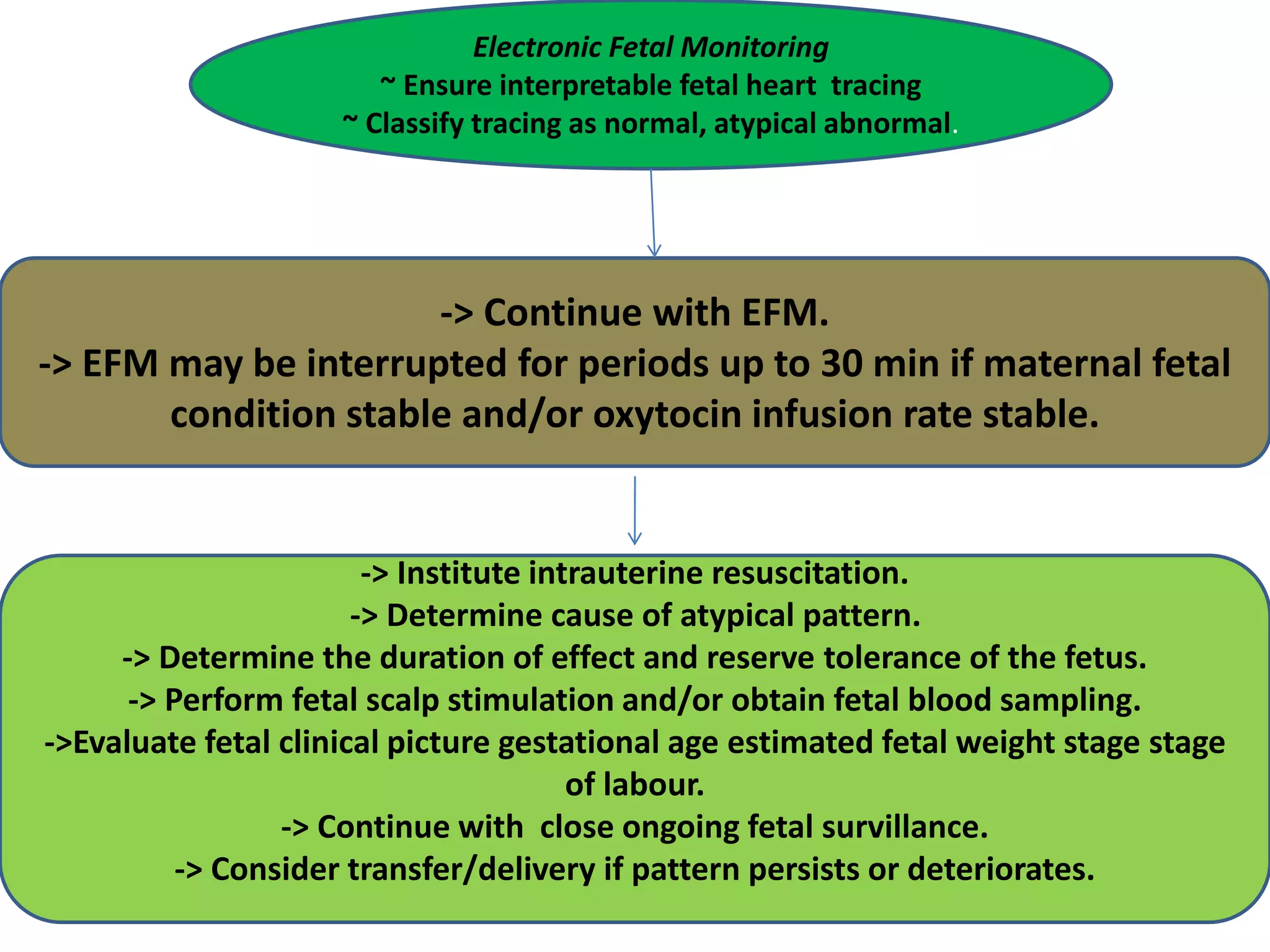
Electronic Fetal Monitoring
~ Ensure interpretable fetal heart tracing
~ Classify tracing as normal, atypical abnormal.
-> Continue with EFM.
-> EFM may be interrupted for periods up to 30 min if maternal fetal
condition stable and/or oxytocin infusion rate stable.
-> Institute intrauterine resuscitation.
-> Determine cause of atypical pattern.
-> Determine the duration of effect and reserve tolerance of the fetus.
-> Perform fetal scalp stimulation and/or obtain fetal blood sampling.
->Evaluate fetal clinical picture gestational age estimated fetal weight stage stage
of labour.
-> Continue with close ongoing fetal survillance.
-> Consider transfer/delivery if pattern persists or deteriorates.
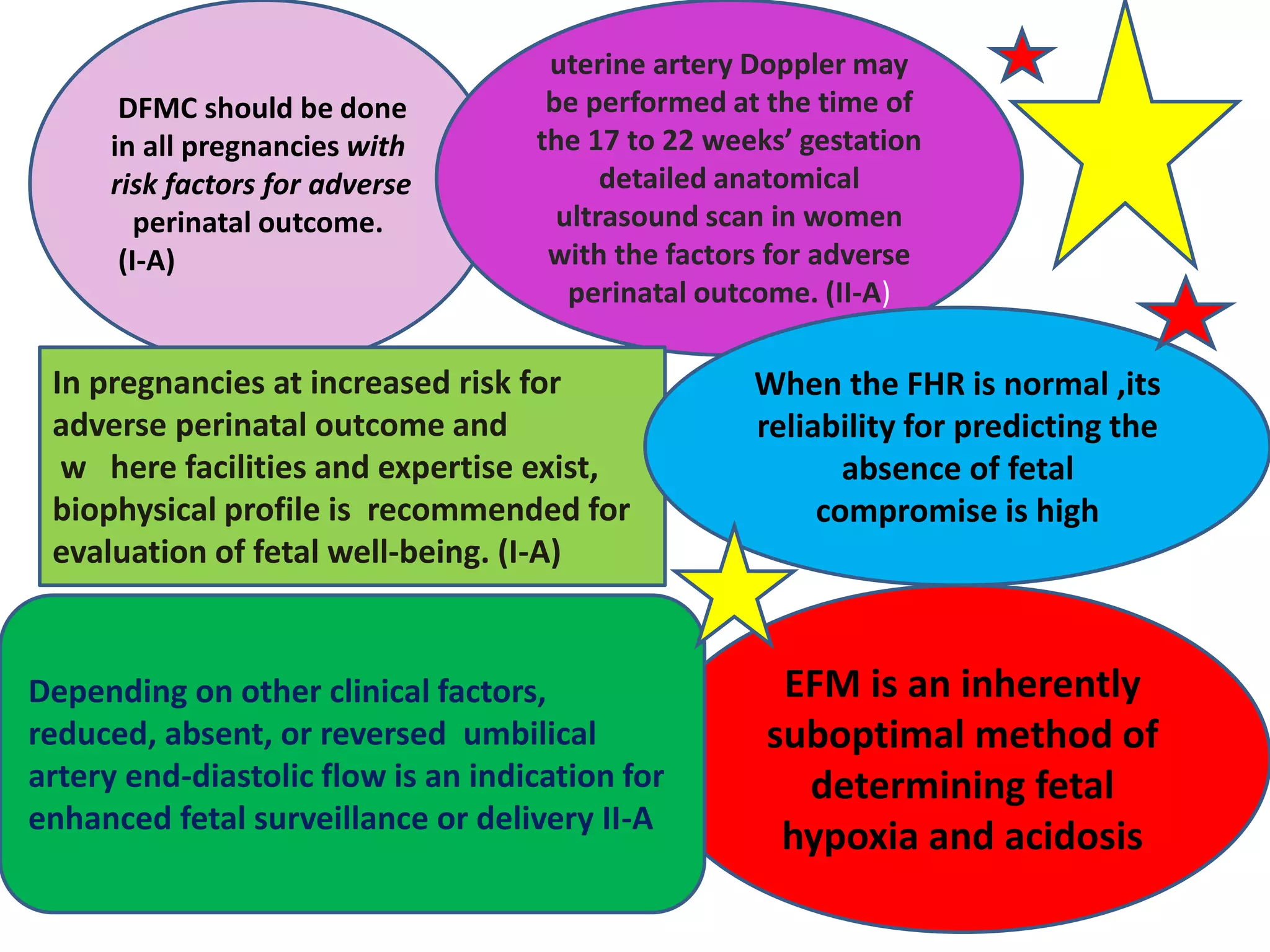
DFMC should be done
in all pregnancies with
risk factors for adverse
perinatal outcome.
(I-A)
uterine artery Doppler may
be performed at the time of
the 17 to 22 weeks’ gestation
detailed anatomical
ultrasound scan in women
with the factors for adverse
perinatal outcome. (II-A)
In pregnancies at increased risk for
adverse perinatal outcome and
w here facilities and expertise exist,
biophysical profile is recommended for
evaluation of fetal well-being. (I-A)
EFM is an inherently
suboptimal method of
determining fetal
hypoxia and acidosis
Depending on other clinical factors,
reduced, absent, or reversed umbilical
artery end-diastolic flow is an indication for
enhanced fetal surveillance or delivery II-A
When the FHR is normal ,its
reliability for predicting the
absence of fetal
compromise is high
May not indicate
the precise time of
injury or asphyxia
prospectively –
Conversion pattern
(may be perfusion
injury) and the
sentinel event may
give the clue to
timing of injury
retrospectively
Onset of asphyxia is related to the
feto-placental reserve & the
duration CTG was abnormal
(Systemic asphyxia Vs local ischaemia)
Lack of
specificity
CTG is sensitive in
identifying
stress/distress to the
fetus
Assessment of fetal wellbeing in pregnancy and labour

Assessment of fetal wellbeing in pregnancy and labour

  • 1.
  • 2.
    Antepartum fetal monitoring •Prevent fetal injury and death. • Improve long-term neurologic outcome through optimal timing of delivery • Avoiding unnecessary intervention, such as cesarean delivery or preterm delivery.
  • 3.
    ANTENATAL FETAL TESTINGTECHNIQUES (1) Fetal movement counting, (2) Non-stress test, (3) Contraction stress test, (4) Biophysical profile and/or amniotic fluid volume,MBPP (5) Maternal uterine artery Doppler, and (6) Fetal umbilical artery Doppler along with other doppler parameters.
  • 4.
    DFMC The only antenatalsurveillance technique recommended for all pregnant women, with and without risk factors, is maternal awareness of fetal movements.
  • 5.
    Adverse fetal andneonatal outcomes associated with antepartum asphyxia Fetal outcome • Stillbirth • Metabolic acidosis at birth Neonatal outcome • Mortality • Metabolic acidosis • Hypoxic renal damage • Necrotizing enterocolitis • Intracranial hemorrhage • Seizures • Cerebral palsy • Neonatal encephalopathy Asphyxia is defined as hypoxia with metabolic acidosis
  • 6.
    • Maternal • Fetal •Hypertensive disorder of pregnancy • Placental abruption • Intrauterine growth restriction • Stillbirth Obstetrical history associated with increased perinatal morbidity/mortality where antenatal fetal surveillance may be beneficial
  • 7.
    current pregnancy conditionsassociated with increased perinatal morbidity/mortality where antenatal fetal surveillance may be beneficial AT-RISK • Post-term pregnancy ( 294 days, • 42 weeks) • PIH • Pre-pregnancy diabetes • Insulin requiring gestational • diabetes • Preterm premature rupture of • membranes • Chronic (stable) abruption • Iso-immunization • Abnormal maternal serum • screening HIGH -RISK • fetal anomaly • Motor vehicle accident during • pregnancy • Vaginal bleeding • Morbid obesity • Advanced maternal age • Assisted reproductive technologies • Decreased fetal movement • Intrauterine growth restriction • Oligohydramnios/Polyhydramnios • Multiple pregnancy • Preterm labour
  • 8.
    DFMC • Sadovsky andYaffee (1973) pre-eclamptic patients noticed decreased fetal movement prior to fetal demise. • Women perceive most movement when lying down fewer when sitting and least while standing. • Busy pregnant women: not concentrating on fetal activity: often report a misperception of RFM.
  • 9.
  • 10.
    Non-Stress Test Despite widespreaduse, there is poor evidence that antenatal non-stress testing can reduce perinatal morbidity or mortality. Pattison N, McCowan L. Cardiotocography for antepartum fetal assessment [Cochrane review]. In: Cochrane Database of Systematic Reviews1999 Issue 1. Chichester (UK): John Wiley & Sons, Ltd; 1999. DOI: 10.1002/14651858.CD001068. In fact, the four blinded randomized trials evaluating the non-stress test, although small, demonstrated a trend to an increase in perinatal deaths in the cardiotocography group (OR 2.85; 95% CI 0.99– 7.12).56
  • 11.
    A negative predictivevalue of the test for fetal and neonatal death is 99% within one week of testing • Baseline FHR: 110-150 b/m • Baseline variability: 10-25 b/m • At least 2 accelerations (>15 beats for> 15 sec in 20 min) • No decelerations Electronic fetal heart rate monitoring: research guidelines for interpretation. National Institute of Child Health and Human Development Research Planning Workshop. Am J Obstet Gynecol 1997;177(6):1385–90.
  • 12.
    Recommendation : Non-StressTest • 1. Antepartum non-stress testing may be considered when risk factors for adverse perinatal outcome are present. (III-B) • 2. In the presence of a normal non-stress test, usual fetal movement patterns, and absence of suspected oligohydramnios, it is not necessary to conduct a biophysical profile or contraction stress test. (III-B) • 3. A normal non-stress test should be classified and documented by an appropriately trained and designated individual as soon as possible, (ideally within 24 hours).
  • 14.
    • Ray M,Freeman R, Pine S, Hesselgesser R. Clinical experience with the oxytocin challenge test. Am J Obstet Gynecol 1972;114(1):1–9. • . Lagrew DC. The contraction stress test. Clin Obstet Gynecol 1995;38(1):11–25. • Creasy R, Reznik R, Iams J. Maternal fetal medicine principles and practice 5th ed. Philadelphia: W.B. Saunders; 2003. Contraction Stress Test To unmask poor placental function Biophysical profile/Modified BPP and Doppler interrogation of uterine or fetal vessels
  • 15.
    Recommendation 3: ContractionStress Test 1. The contraction stress test should be considered in the presence of an atypical non-stress test as a proxy for the adequacy of intrapartum uteroplacental function and, together with the clinical circumstances, will aid in decision making about timing and mode of delivery. (III-B) 2. The contraction stress test should not be performed when vaginal delivery is contraindicated. (III-B) 3. The contraction stress test should be performed in a setting where emergency Caesarean section is available. (III-B)
  • 16.
    Sonographic Assessment ofFetal Behaviour and/or Amniotic Fluid Volume Components of fetal biophysical profile Inclusion of NST brings the maximum possible score to 10 when the NST is normal The modified BPP consists of a non-stress test and an AFI (> 5 cm is considered adequate)
  • 17.
    Recommendation 4: BiophysicalProfile 1. In pregnancies at increased risk for adverse perinatal outcome and where facilities and expertise exist, biophysical profile is recommended for evaluation of fetal well-being. (I-A) 2. When an abnormal biophysical profile is obtained, the responsible physician or delegate should be informed immediately. Further management will be determined by the overall clinical situation. (III-B)
  • 19.
    Recommendation 5: Uterine ArteryDoppler 1. Where facilities and expertise exist, uterine artery Doppler may be performed at the time of the 17 to 22 weeks’ gestation during detailed anatomical ultrasound scan in women with the following factors for adverse perinatal outcome. (II-A) 2. Women with a positive uterine artery Doppler screen should have the following second uterine artery Doppler at 24 to 26 weeks.
  • 20.
    . Neilson JP, AlfirevicZ. Doppler ultrasound for fetal assessment in high risk pregnancies [Cochrane review]. In: Cochrane Database of Systematic Reviews 1996 Issue 4. Chichester (UK): John Wiley & Sons, Ltd; 1996.DOI: 10.1002/14651858.CD000073. Umbilical Artery Doppler Cochrane meta-analysis of randomized trials108 on the use of umbilical artery Doppler in pregnancies with risk factors for adverse perinatal outcome demonstrates a clear reduction in perinatal mortality in normally formed fetuses
  • 21.
    Multi vessel Doppler examinationis indicated(MCA , Aorta and DV) Bio Physical Profile Score CNS Hypoxia and re distribution 3/3/2015 DR.RENU MAKWANA 21 When Umbilical artery Doppler parameters are altered
  • 22.
    Recommendation 6: UmbilicalArtery Doppler 1. Umbilical artery Doppler should not be used as a screening tool in healthy pregnancies, as it has not been shown to be of value in this group. (I-A) 2. Umbilical artery Doppler should be available for assessment of the fetal placental circulation in pregnant women with suspected placental insufficiency. (I-A) 3. Fetal umbilical artery Doppler assessment should be considered (1) at time of referral for suspected growth restriction, or (2) during follow-up for suspected placental pathology
  • 23.
    Recommendation 7: LabourSupport During Active Labour Women in active labour should receive continuous close support from an appropriately trained person (I-A)
  • 24.
    Recommendation 8: ProfessionalOne-to-One Care and Intrapartum Fetal Surveillance Intensive fetal surveillance by intermittent auscultation or electronic fetal monitoring requires the continuous presence of nursing or midwifery staff (III-C)
  • 25.
    INTRAPARTUM FETAL MONITORING •To detect potential fetal decompensation • To allow timely and effective intervention Changes in fetal heart rate precede brain injury constitutes the rationale for FH monitoring
  • 26.
    Recommendation 9: Intermittent Auscultationin Labour • Intermittent auscultation following an established protocol of surveillance and response is the recommended method of fetal surveillance; compared with EFM, it has lower intervention rates without evidence of compromising neonatal outcome. (I-B) • 2. Epidural analgesia and intermittent auscultation-- every 5 minutes for 30 minutes after epidural initiation and after bolus top-ups as long as maternal vital signs are normal). (III-B)
  • 27.
    What is notassessed?- Baseline variability and classification of decelerations Benefits Limitations • Difficult to hear a fetal heart rate in very large women when Some women may feel the technique is more intrusive because of the frequency of assessment Less costly, less constricting Freedom of movement is increased Assessments of the fetal heart rate can be done with the woman immersed in water
  • 28.
  • 29.
    Common indications/contraindications for intermittentauscultation Preterm labour Postdated labour Epidural analgesia VBAC Neilson J. Electronic fetal monitoring plus scalp sampling vs intermittent auscultation in labour[Revised May 1994]. In: Keirse M, Renfrew MJ, Neilson J, Crowther C, editors. Cochrane Collaborative Issue 2. Oxford; 1995. Incidence of other pathologies is increased …. So EFM
  • 31.
    ELECTRONIC FETAL MONITORING •EFM compared with IA has not been shown to improve long-term fetal or neonatal outcomes as measured by a decrease in morbidity or mortality • Continuous EFM during labour is associated with a reduction in neonatal seizures but with no significant differences in long-term sequelae, including cerebral palsy, infant mortality, and other standard measures of neonatal well-being. • EFM is associated with an increase in interventions, including Caesarean section, vaginal operative delivery, and the use of anaesthesia Thacker SB, Stroup D, Chang M. Continuous electronic heart rate monitoring for fetal assessment during labor [Cochrane review]. In: Cochrane Database of Systematic Reviews 2006 Issue 3. Chichester (UK): John Wiley & Sons, Ltd; 2006. DOI: 10.100214651858.CD000063.pub2.
  • 32.
    Benefits, limitations, indications,and risks of IA and EFM During pregnancy, women should be offered information on the use during labour.
  • 33.
    HIGH LIGHTED BYRESULTS OF 4’TH CESDI REPORT There are difficulties in IP monitoring - detection of hypoxia
  • 34.
    LACK OF KNOWLEDGETO INTERPRET TRACES FAILURE TO INCORPORATE CLINICAL PICTURE DELAY IN INTERVENTION COMMUNICATION / COMMON SENSE ISSUES EFM – Difficulties in IP EFM & decision making CAN WE DETECT HYPOXIA IN TIME?
  • 35.
  • 36.
     If CTGis reactive and shows cycling the fetus is unlikely to be acidotic or to have previous insult more chances that the fetus may be born acidotic
  • 37.
    Most CTG abnormalitiesdo not result in fetal acidosis R. W. Beard, et al. The significance of the changes in the continuous foetal heart rate in the first stage of labour. J Obstet Gynaecol Br Commonw 78:865-881, 1971.
  • 38.
    Recommendation 10: Admission FetalHeart Test • 1. Admission fetal heart tracings are not recommended for healthy women at term in labour in the absence of risk factors for adverse perinatal outcome, as there is no evident benefit. (I-A) 2. Admission fetal heart tracings are recommended for women with risk factors for adverse perinatal outcome. (III-B)
  • 39.
    Recommendation 11: Intrapartum FetalSurveillance for Women with Risk Factors for Adverse Perinatal Outcome EFM is recommended for pregnancies at risk of adverse perinatal outcome. (II-A) Meconium, abnormal doppler Antenatal risk factors FGR,BreechMultiple, PProm Intrapartum Risk facors Document every15-30 min
  • 42.
    Recommendation 12: DigitalFetal Scalp Stimulation 1. Digital fetal scalp stimulation is recommended in response to atypical electronic fetal heart tracings. (II-B) 2. In the absence of a positive acceleratory response with digital fetal scalp stimulation, Fetal scalp blood sampling is recommended when available. (II-B) If fetal scalp blood sampling is not available, consideration should be given to prompt delivery, depending upon the overall clinical situation. (III-C)
  • 43.
    Recommendation 13: Fetal ScalpBlood Sampling In women with “atypical/abnormal” fetal heart tracings at gestations > 34 weeks when delivery is not imminent, or if digital fetal scalp stimulation does not result in an acceleratory fetal heart rate response. (III-C)
  • 44.
    Recommendation 14: UmbilicalCord Blood Gases recommended for ALL births, for quality assurance and improvement purposes. If only one sample is possible, it should preferably be arterial. (III-B) 2. When risk factors for adverse perinatal outcome exist, or when intervention for fetal indications occurs, sampling of arterial and venous cord gases is strongly recommended. (I—insufficient evidence
  • 45.
    Recommendation 15: Fetal PulseOximetry Fetal pulse oximetry, with or without electronic fetal surveillance is not recommended for routine use at this time Recommendation 16: ST Waveform Analysis (III-C) The use of ST waveform analysis for the intrapartum assessment of the compromised fetus is not recommended for routine use at this time. (I-A) Recommendation 17: Intrapartum Fetal Scalp Lactate Testing Intrapartum scalp lactate testing is not recommended for routine use at this time. (III-C)
  • 46.
    Electronic Fetal Monitoring ~Ensure interpretable fetal heart tracing ~ Classify tracing as normal, atypical abnormal. -> Continue with EFM. -> EFM may be interrupted for periods up to 30 min if maternal fetal condition stable and/or oxytocin infusion rate stable. -> Institute intrauterine resuscitation. -> Determine cause of atypical pattern. -> Determine the duration of effect and reserve tolerance of the fetus. -> Perform fetal scalp stimulation and/or obtain fetal blood sampling. ->Evaluate fetal clinical picture gestational age estimated fetal weight stage stage of labour. -> Continue with close ongoing fetal survillance. -> Consider transfer/delivery if pattern persists or deteriorates.
  • 47.
    DFMC should bedone in all pregnancies with risk factors for adverse perinatal outcome. (I-A) uterine artery Doppler may be performed at the time of the 17 to 22 weeks’ gestation detailed anatomical ultrasound scan in women with the factors for adverse perinatal outcome. (II-A) In pregnancies at increased risk for adverse perinatal outcome and w here facilities and expertise exist, biophysical profile is recommended for evaluation of fetal well-being. (I-A) EFM is an inherently suboptimal method of determining fetal hypoxia and acidosis Depending on other clinical factors, reduced, absent, or reversed umbilical artery end-diastolic flow is an indication for enhanced fetal surveillance or delivery II-A When the FHR is normal ,its reliability for predicting the absence of fetal compromise is high
  • 48.
    May not indicate theprecise time of injury or asphyxia prospectively – Conversion pattern (may be perfusion injury) and the sentinel event may give the clue to timing of injury retrospectively Onset of asphyxia is related to the feto-placental reserve & the duration CTG was abnormal (Systemic asphyxia Vs local ischaemia) Lack of specificity CTG is sensitive in identifying stress/distress to the fetus

Editor's Notes

  • #3 The goal of antenatal surveillance is toAntenatal testing should …. Those mothers who are at increased risk for IUFD are often referred for antenatal testing.
  • #4 Antenatal fetal testing techniques described into six categories and may be used simultaneously or in a hierarchical fashion. They are
  • #6 A successful antenatal fetal testing program would ideally reduce the fetal and neonatal outcomes of asphyxia listed in
  • #10 Daily monitoring of fetal movements starting at 26 to 32 weeks should be done in
  • #11 There is a need for further study and evaluation of the non-stress test. Despite the evidence from these RCTs, theNST is embedded in clinical practice and for this reason discussion of this testing modality and recommendations about its use are included in this guideline. If it is to be used,it should be used in women with risk factors for adverse perinatal outcome.
  • #13 For atypical or abnormal non-stress tests, the nurse should inform the attending physician (or primary care provider) at the time that the classification is apparent. An abnormal non-stress test should be viewed by the attending physician (or primary care provider) and documented immediately. (III-B)
  • #14 For the purpose of clarity and consistency in interpretation, communication, and management, this guideline classifiesnon-stress tests as (1) normal, (2) atypical, or (3) abnormal(Table 5). A classification of normal refers to what was previouslydescribed as a “reactive” NST, and further testing would be undertaken according to the presence of risk factors and the overall clinical situation.
  • #17 Assessments of amniotic fluid volume by the amniotic fluid index increases care provider intervention rates without demonstrating improved outcomes, when compared with the single largest pocket (maximal vertical depth) approach.
  • #21 A number of randomized trials using umbilical artery Doppler velocimetry to assess pregnancies at risk of placental insufficiency have demonstrated improved perinatal outcome when umbilical Doppler is used to assess fetal
  • #25 One-to-one care of the woman is recommended, recognizing that the nurse/midwife is really caring for two patients, the woman and her unborn baby.
  • #26 to prevent perinatal/neonatal morbidity or mortality; that is, timely response to abnormal fetal heart patterns might be effective in preventing brain injury
  • #27 Intrapartum fetal surveillance for healthy term women in spontaneous labour in the absence of risk factors for adverse perinatal outcome. Intermittent auscultation may be used to monitor the fetus when epidural analgesia is used during labour, provided that a protocol is in place for frequent IA assessment (e.g
  • #28 the results from one RCT comparing women’s responses to auscultation and to EFM during labour revealed no difference between the two groups in their labour experience on the basis of type of monitoring used.173
  • #29 Most of are of opinion that 15-30 minutes in first active phase and every 5 min in second stage.
  • #30 -incidence of other pathologies is increased in preterm labour and the incidence of adverse outcome is increased so EFM…RCOG7 includes epidural analgesia as an indication for continuous EFM. Grant and Halpern recommend using EFM for 30 to 60 minutes following initiation of the epidural to facilitate prompt treatment should FHR decelerations occur.
  • #32 Over the past two decades, research findings have led to challenges about the clinical value of electronic fetal heart monitoring. 1 Meta-analysis of these data has led to two significant observations.
  • #35 TO HELP IN DECISION MAKING ,strengths and weakness of ip monitoring and ctg shd be known.
  • #37  strengths----If CTG is reactive and shows cycling the fetus is unlikely to be acidotic or to have previous insult,, If prolonged bradycardia of <80 bpm for > 15 – 20 mins – more chances that the fetus may be born acidotic
  • #40 Electronic fetal monitoring is recommended for pregnancies at risk of adverse perinatal outcome. (II-A)
  • #44 for assessment of fetal acid–base status is recommended