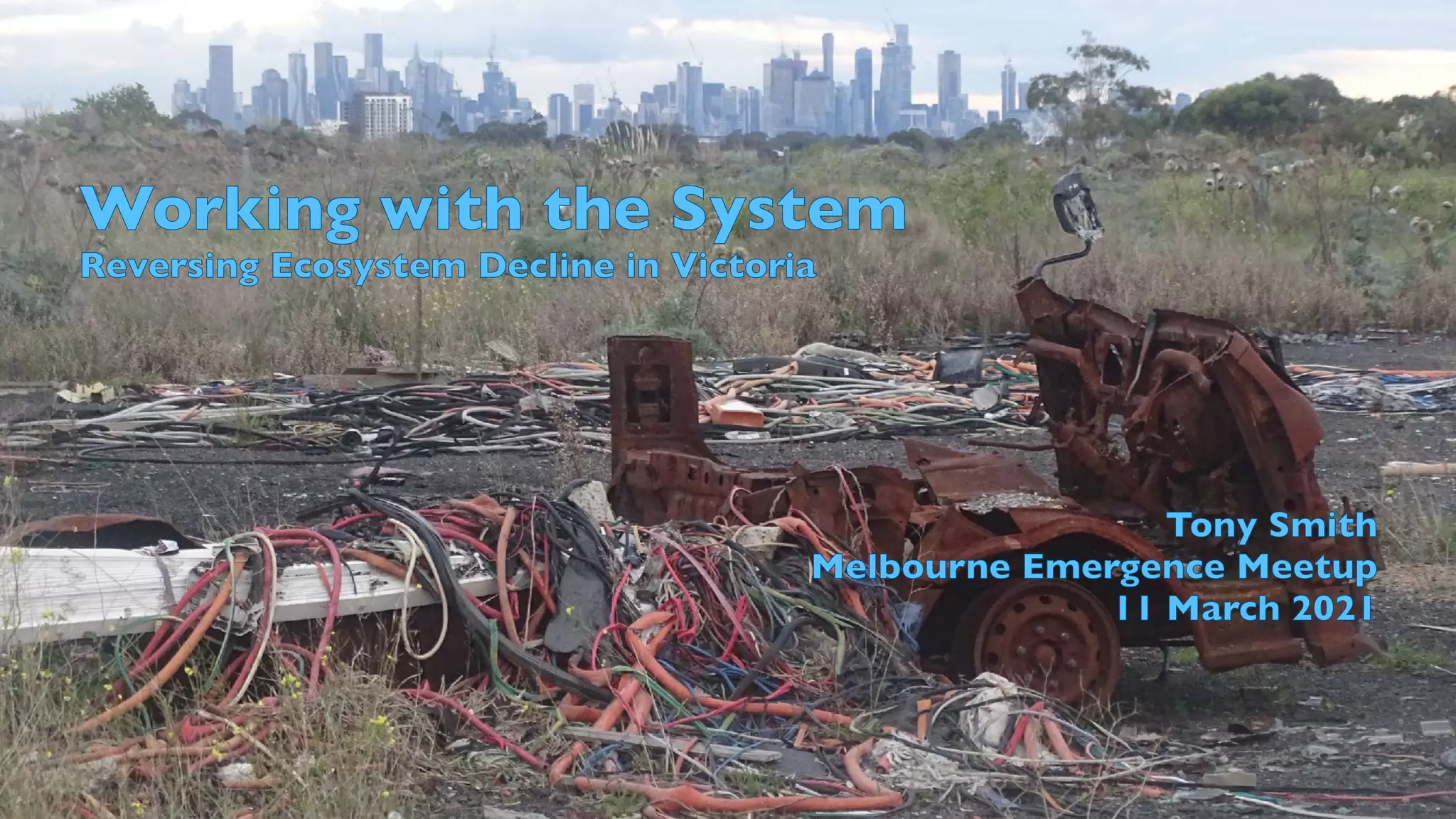
Working with the System
Reversing Ecosystem Decline in Victoria
Tony Smith
Melbourne Emergence Meetup
11 March 2021
Recommendation 1: Context, Complexity, Connectedness
Recognise that ecosystems are best understood through a lens revealed by both long-refined indigenous
oral knowledge and recent complex systems science; that of local context, inherent complexity, and strong
connectedness; avoiding placing too much expectation on fatal oversimplifications enshrined in linguistic
prescriptions, or the even less appropriate approach of relying on tradable scalable estimators of value.
1. How indigenous thinking can save the planet
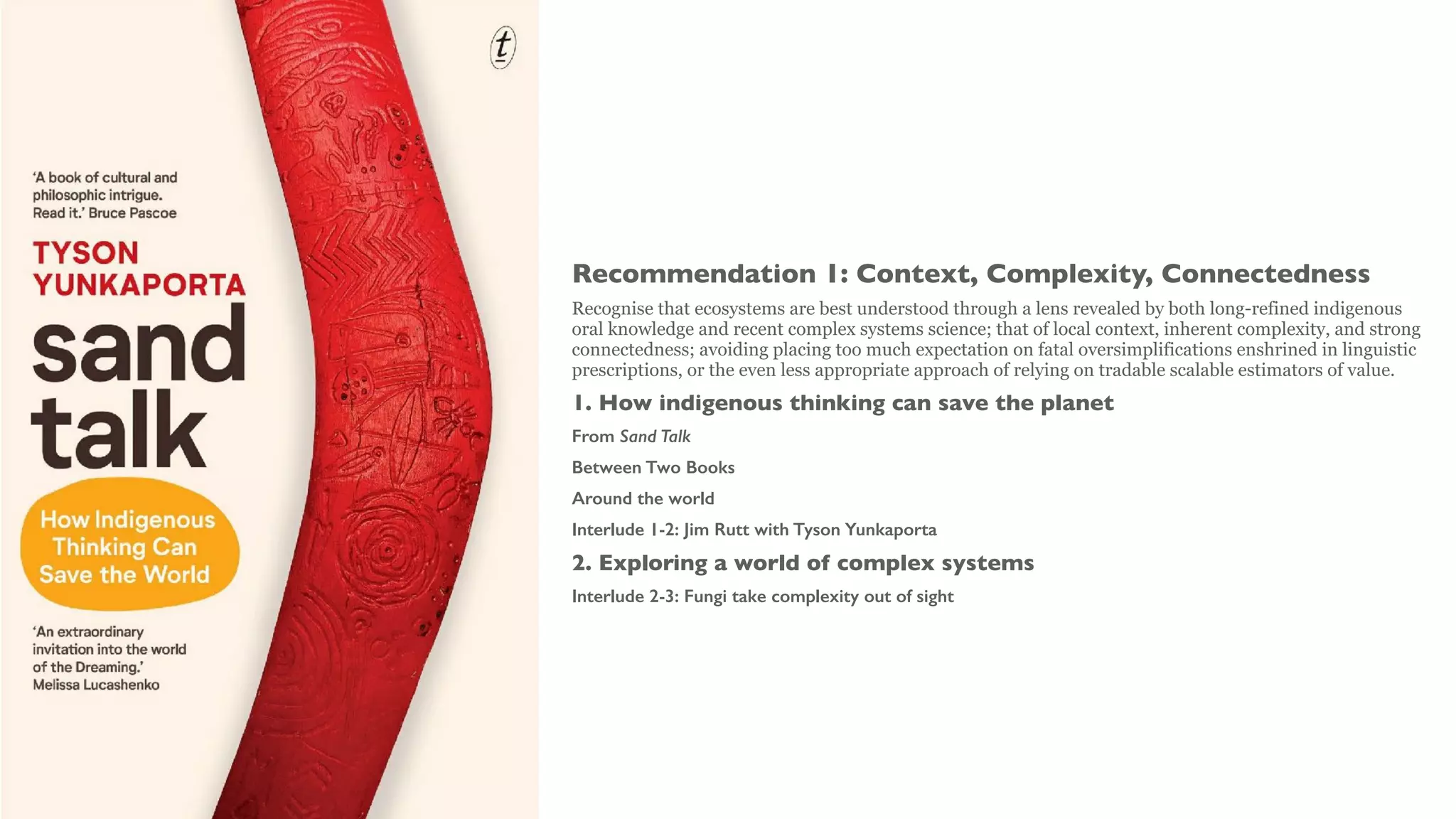
From Sand Talk
Between Two Books
Around the world
Interlude 1-2: Jim Rutt with Tyson Yunkaporta
2. Exploring a world of complex systems
Interlude 2-3: Fungi take complexity out of sight
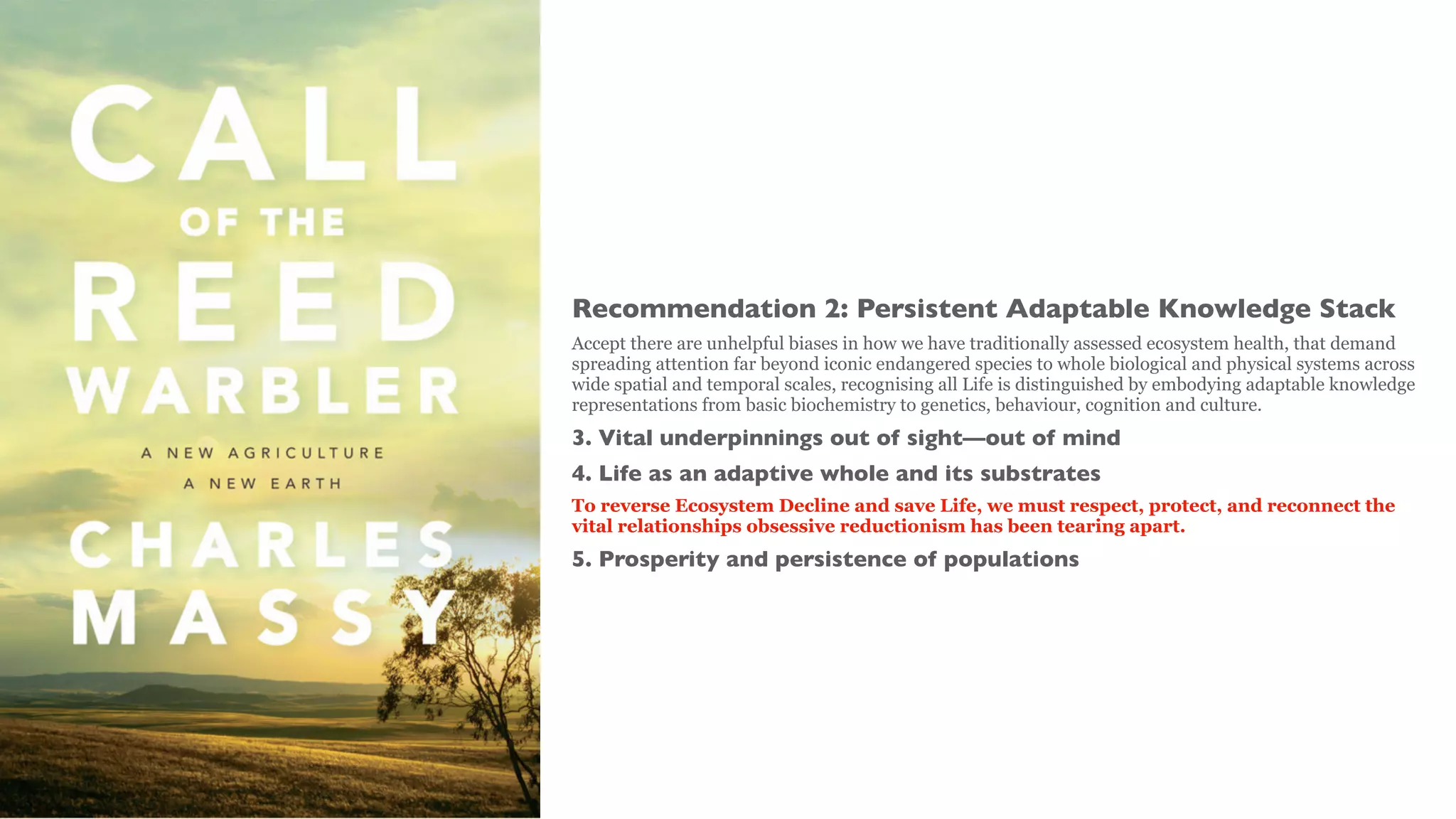
Recommendation 2: Persistent Adaptable Knowledge Stack
Accept there are unhelpful biases in how we have traditionally assessed ecosystem health, that demand
spreading attention far beyond iconic endangered species to whole biological and physical systems across
wide spatial and temporal scales, recognising all Life is distinguished by embodying adaptable knowledge
representations from basic biochemistry to genetics, behaviour, cognition and culture.
3. Vital underpinnings out of sight—out of mind
4. Life as an adaptive whole and its substrates
To reverse Ecosystem Decline and save Life, we must respect, protect, and reconnect the
vital relationships obsessive reductionism has been tearing apart.
5. Prosperity and persistence of populations
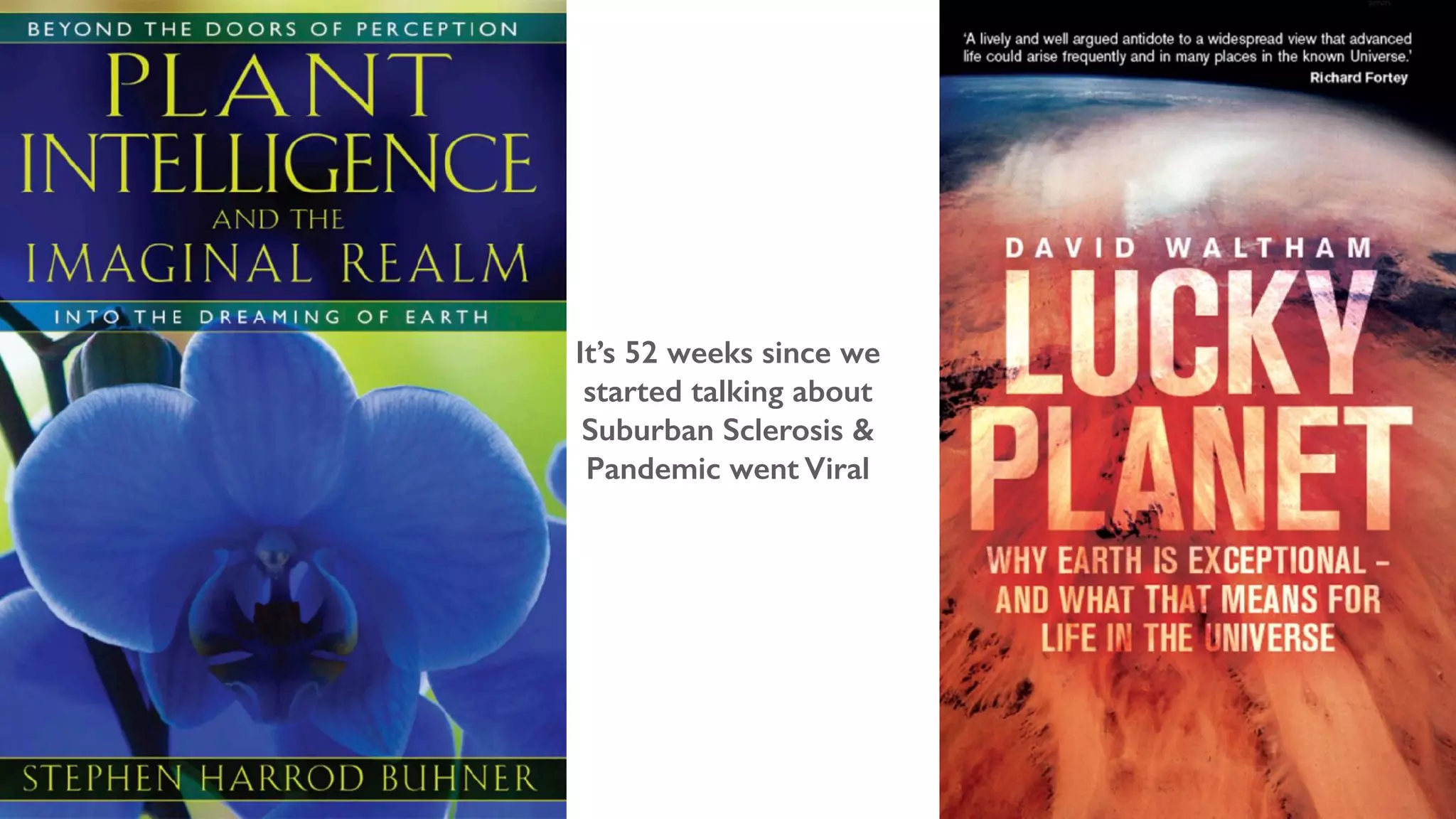
It’s 52 weeks since we
started talking about
Suburban Sclerosis &
Pandemic went Viral
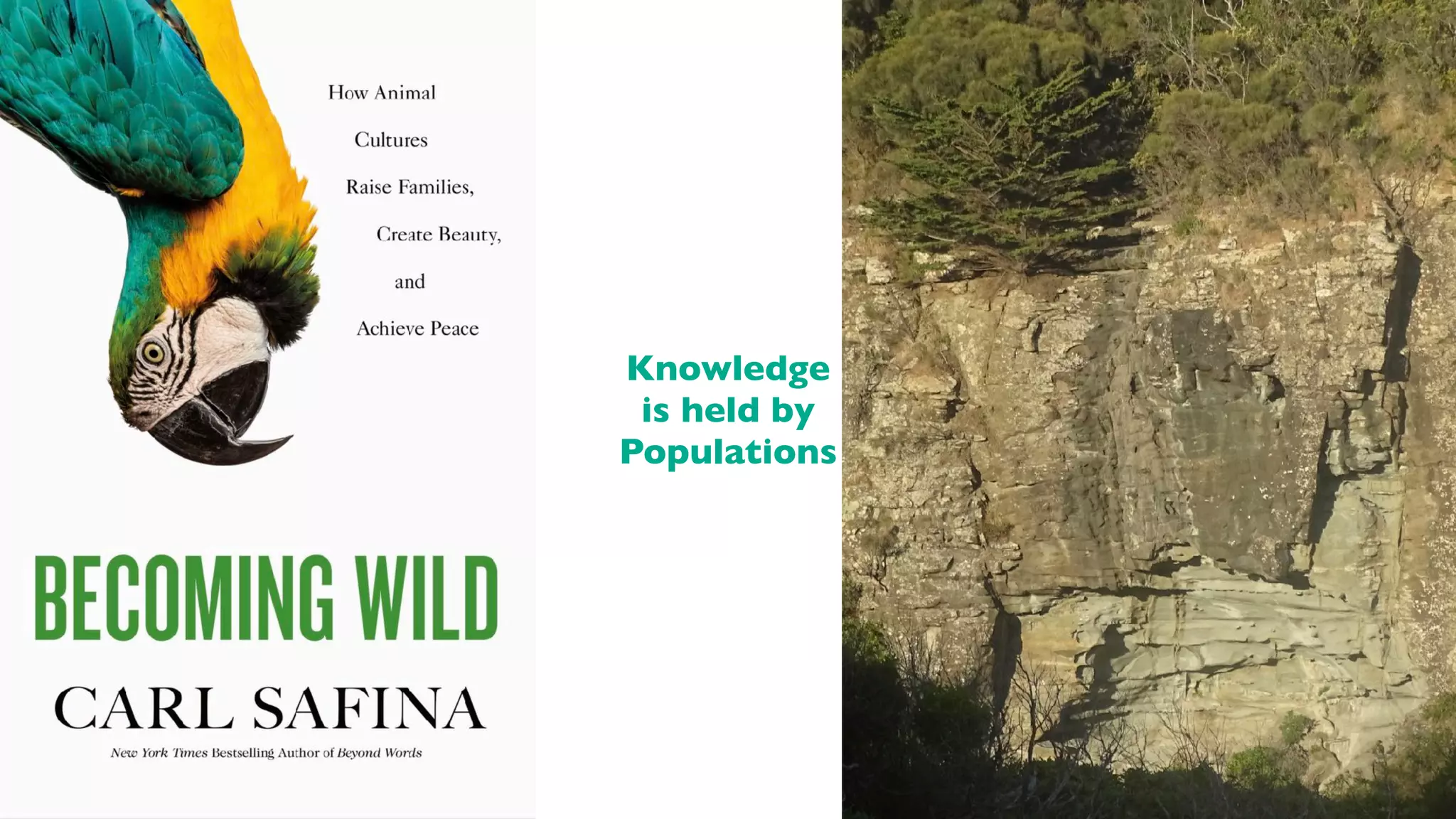
Knowledge
is held by
Populations
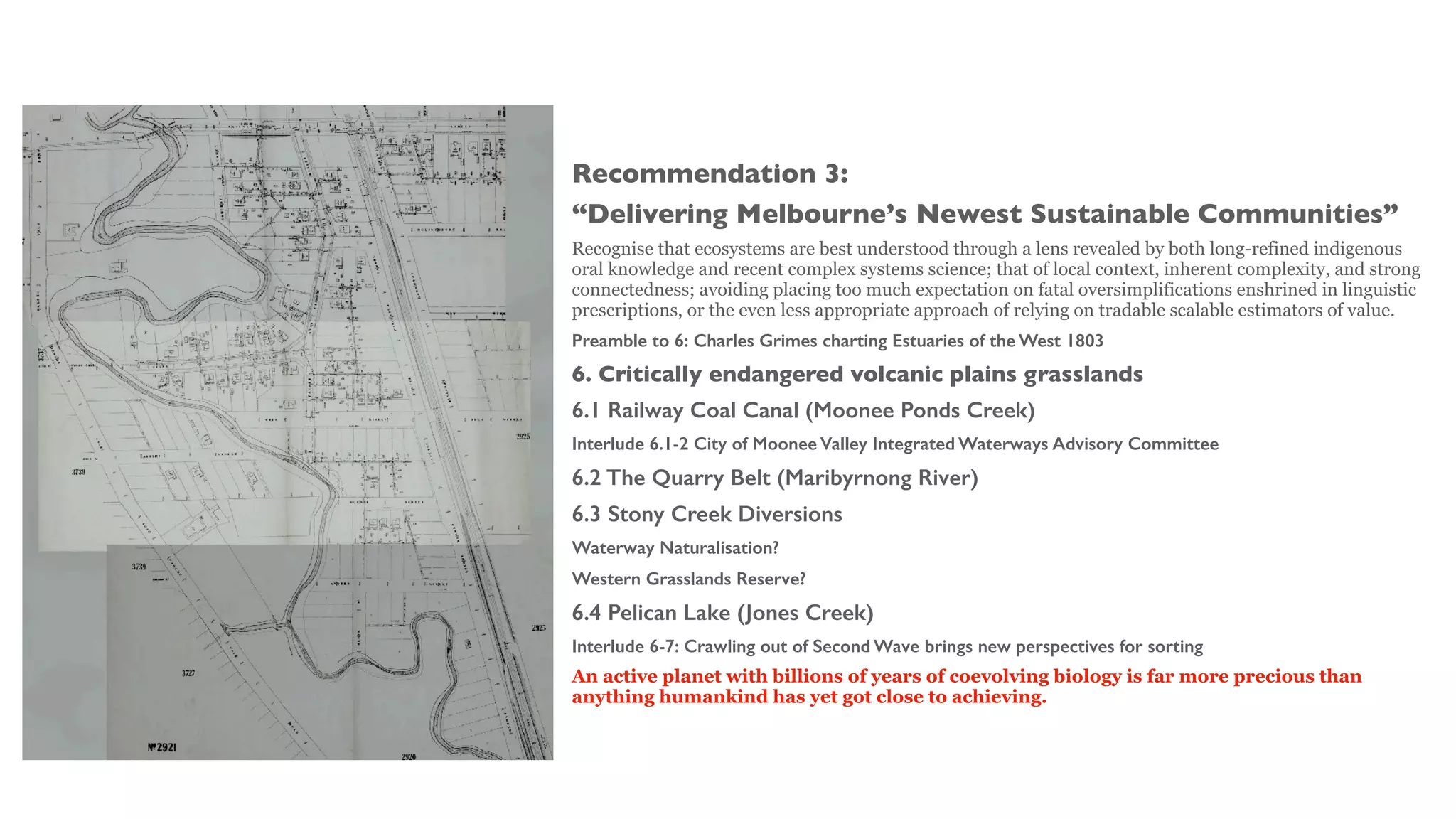
Recommendation 3:
“Delivering Melbourne’s Newest Sustainable Communities”
Recognise that ecosystems are best understood through a lens revealed by both long-refined indigenous
oral knowledge and recent complex systems science; that of local context, inherent complexity, and strong
connectedness; avoiding placing too much expectation on fatal oversimplifications enshrined in linguistic
prescriptions, or the even less appropriate approach of relying on tradable scalable estimators of value.
Preamble to 6: Charles Grimes charting Estuaries of the West 1803
6. Critically endangered volcanic plains grasslands
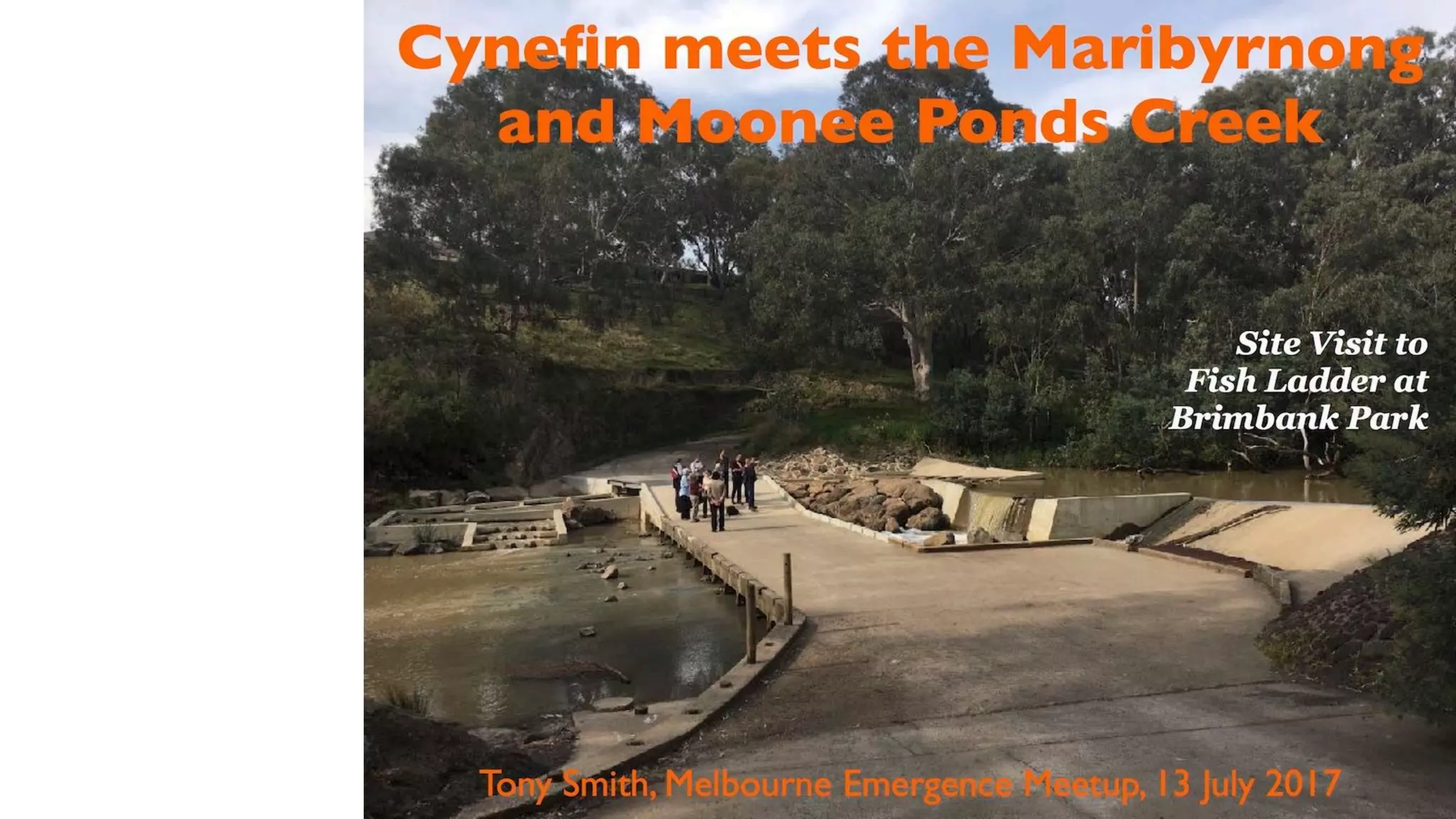
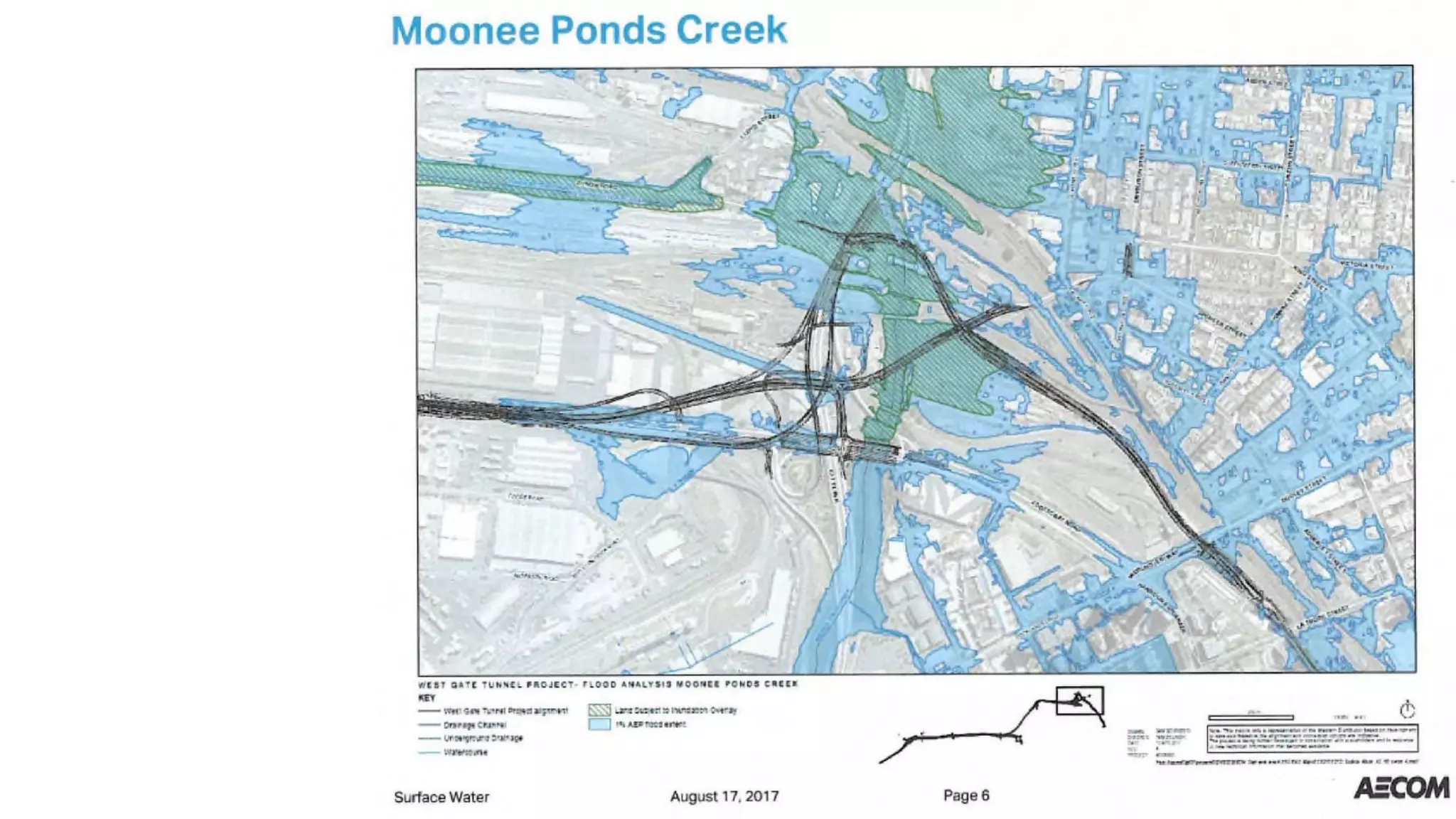
6.1 Railway Coal Canal (Moonee Ponds Creek)
Interlude 6.1-2 City of Moonee Valley Integrated Waterways Advisory Committee
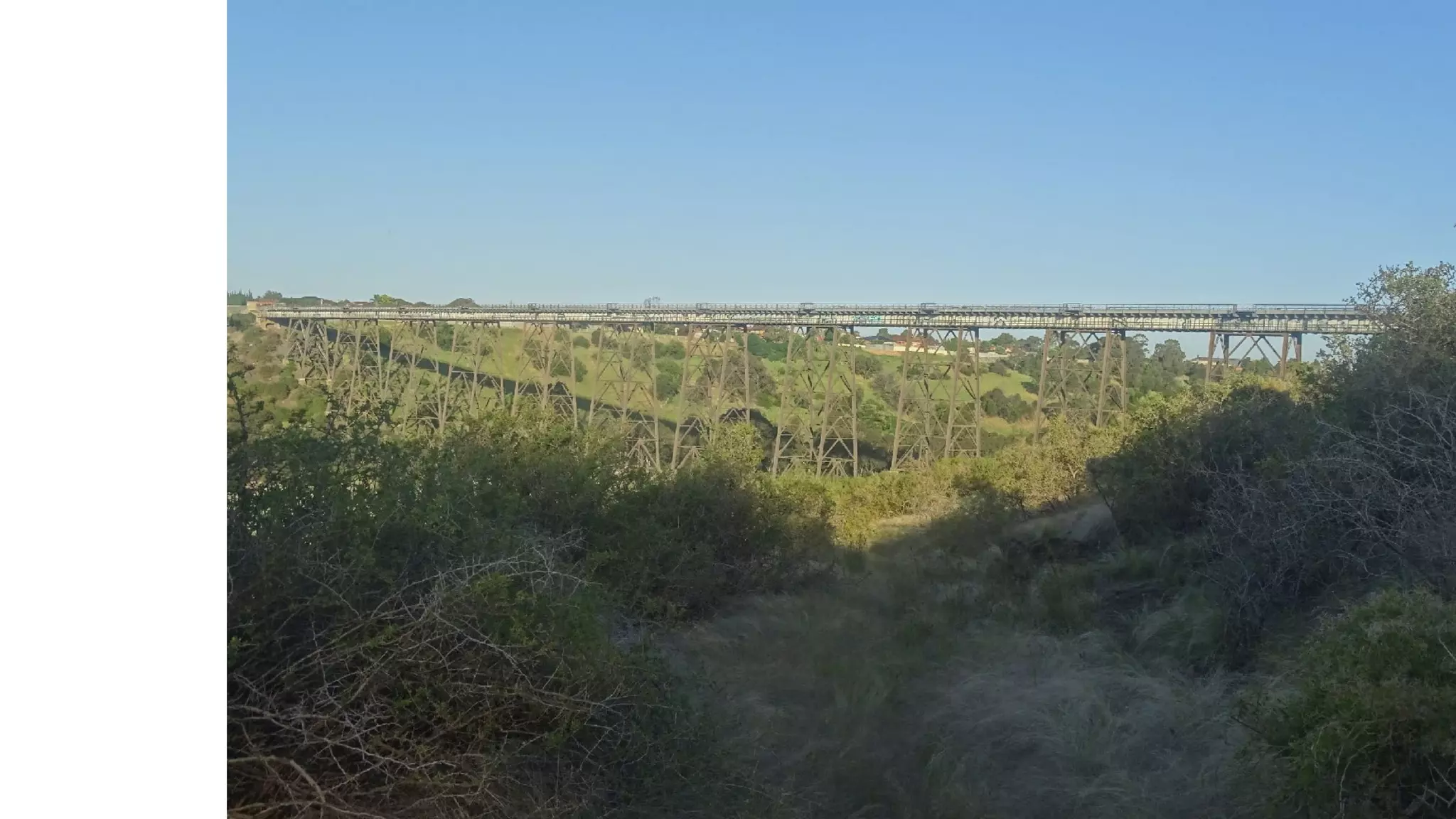
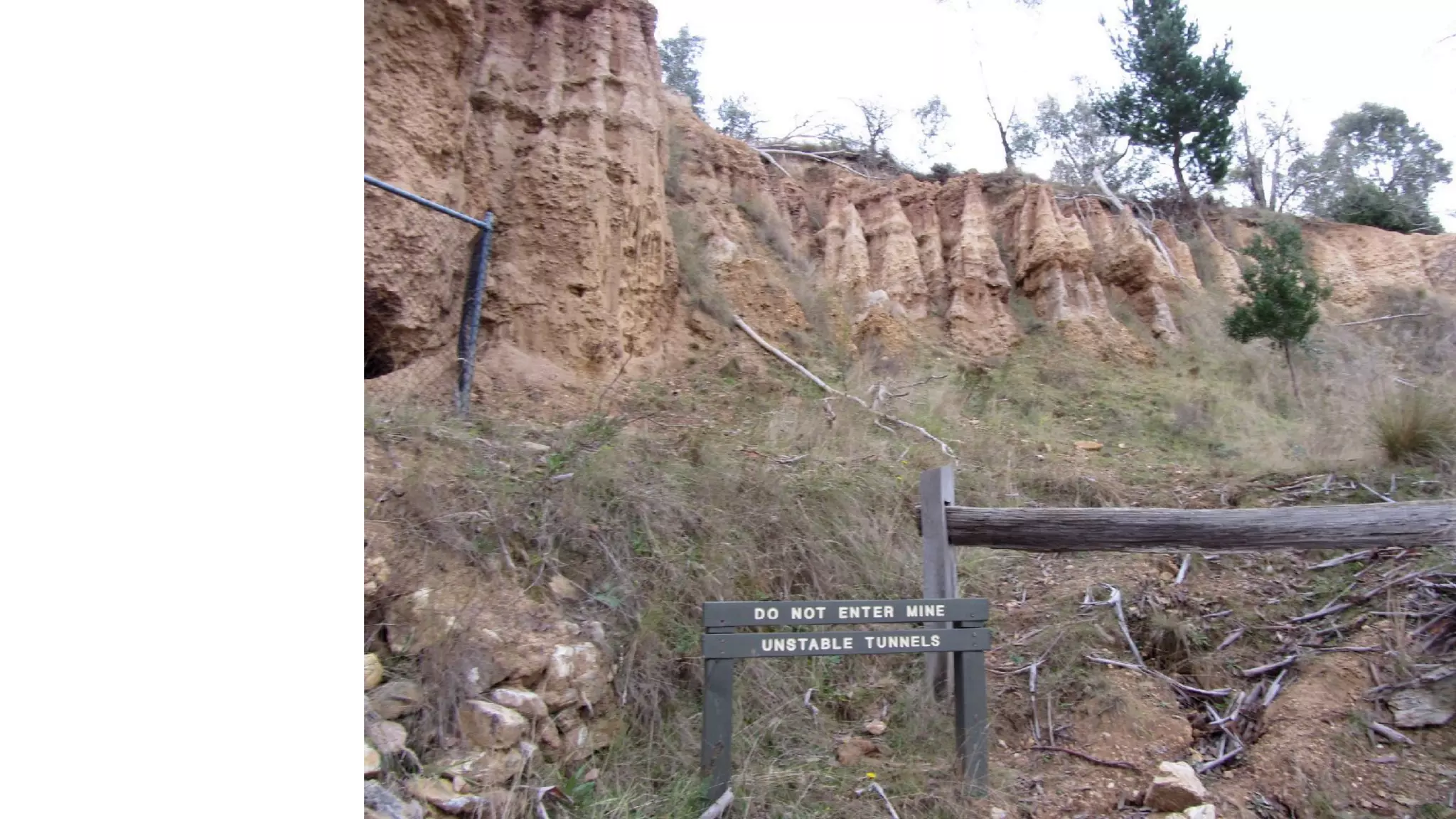
6.2 The Quarry Belt (Maribyrnong River)
6.3 Stony Creek Diversions
Waterway Naturalisation?
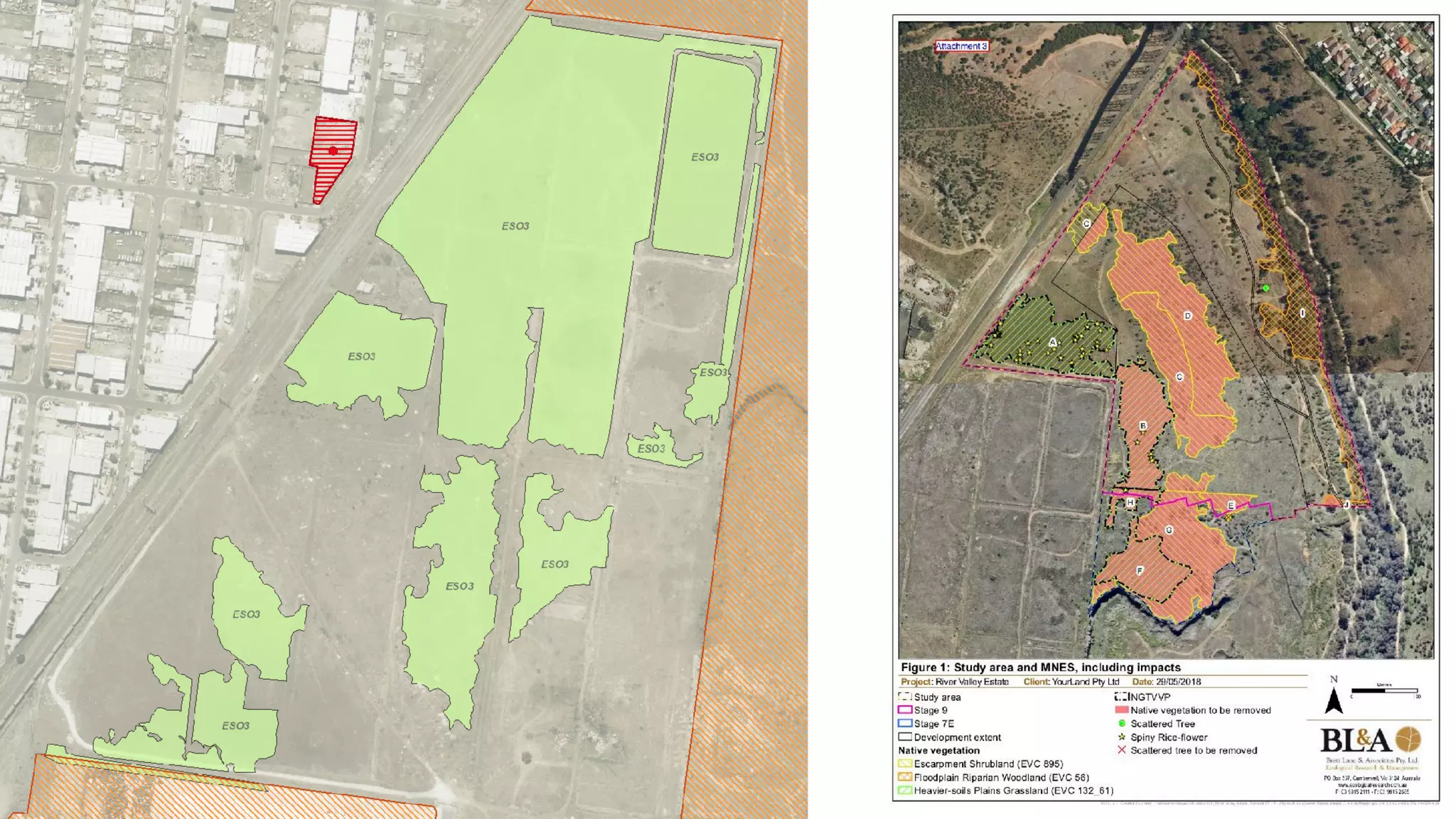
Western Grasslands Reserve?
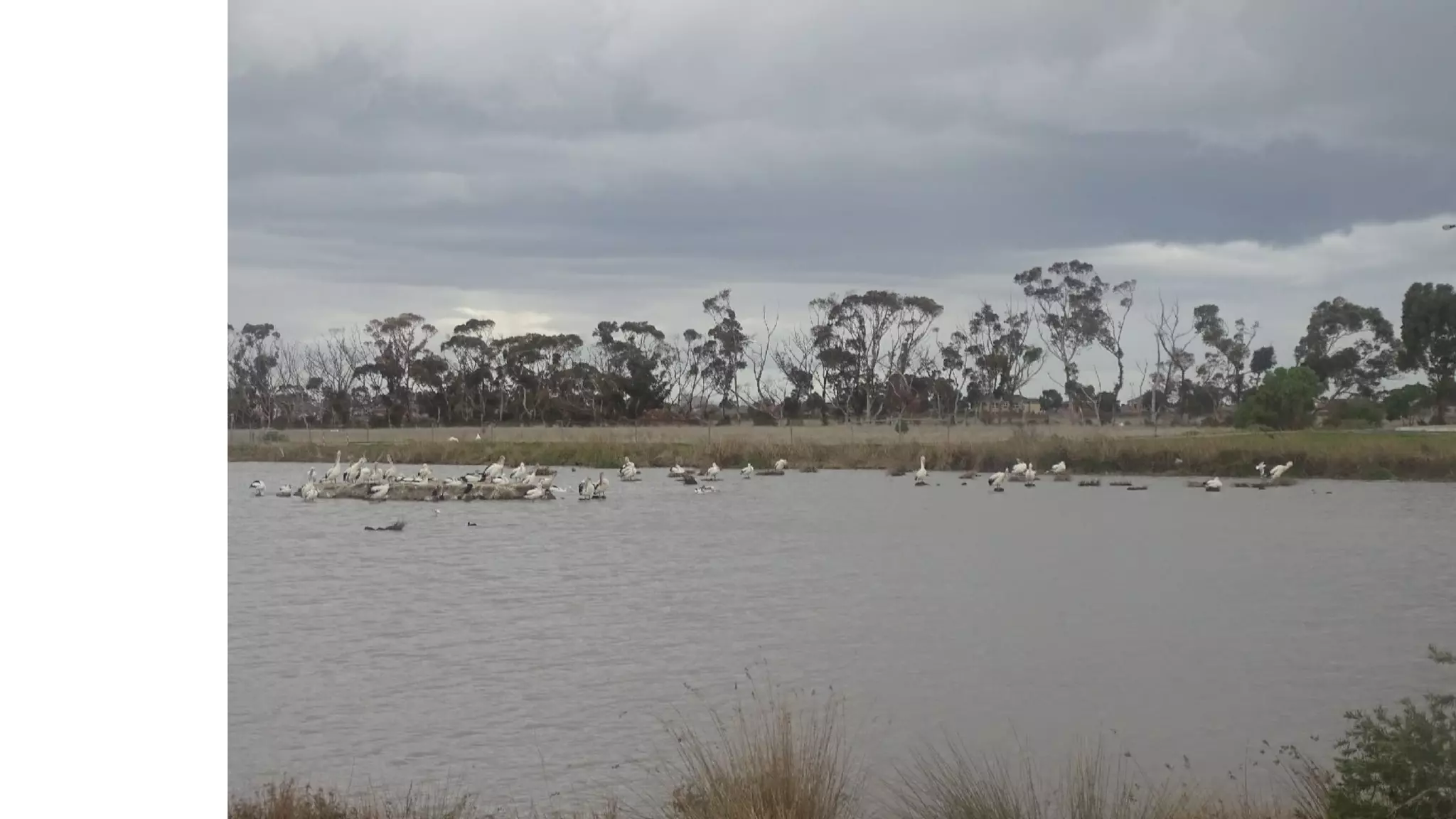
6.4 Pelican Lake (Jones Creek)
Interlude 6-7: Crawling out of Second Wave brings new perspectives for sorting
An active planet with billions of years of coevolving biology is far more precious than
anything humankind has yet got close to achieving.
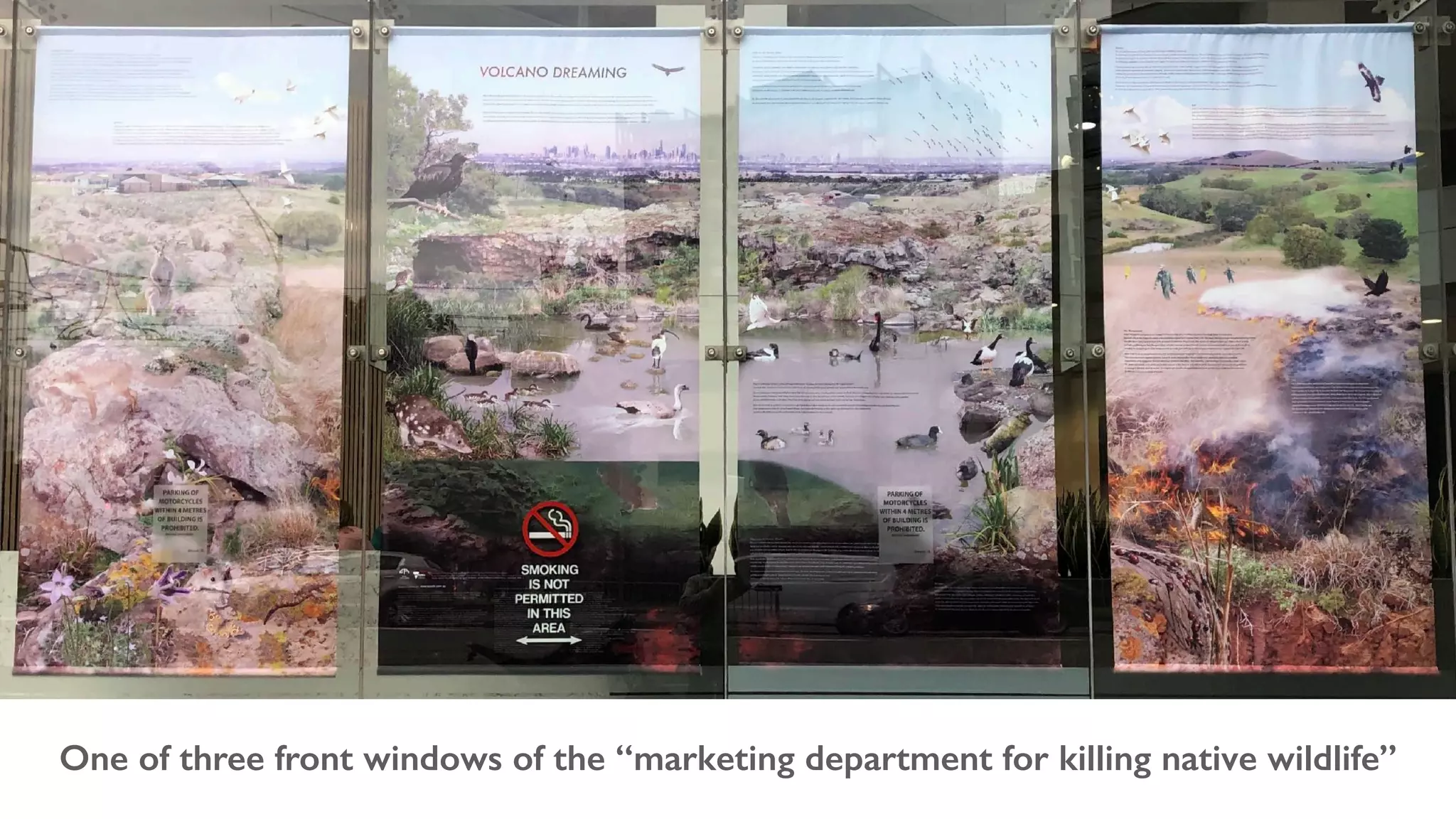
One of three front windows of the “marketing department for killing native wildlife”
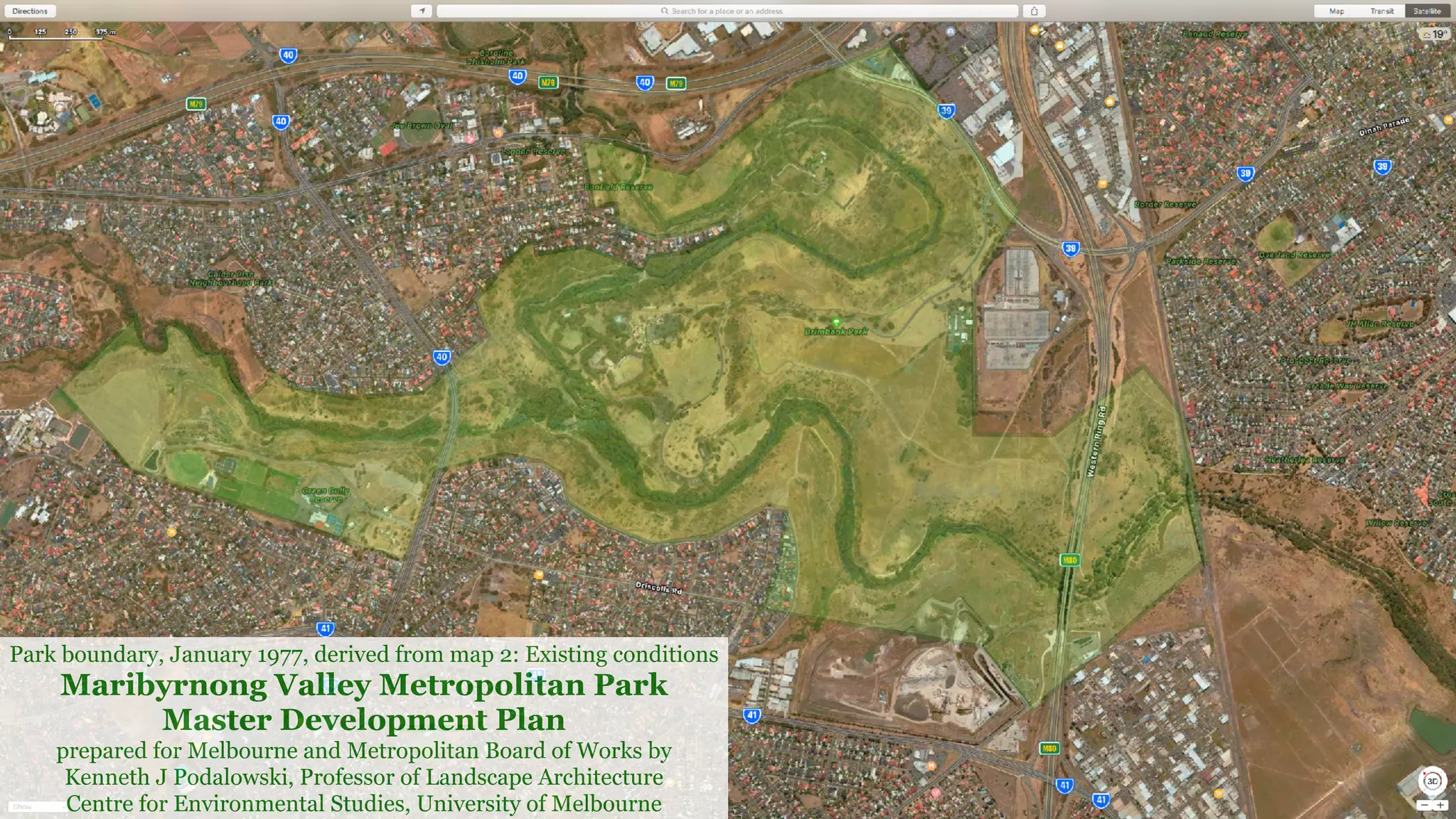
Park boundary, January 1977, derived from map 2: Existing conditions
Maribyrnong Valley Metropolitan Park
Master Development Plan
prepared for Melbourne and Metropolitan Board of Works by
Kenneth J Podalowski, Professor of Landscape Architecture
Centre for Environmental Studies, University of Melbourne
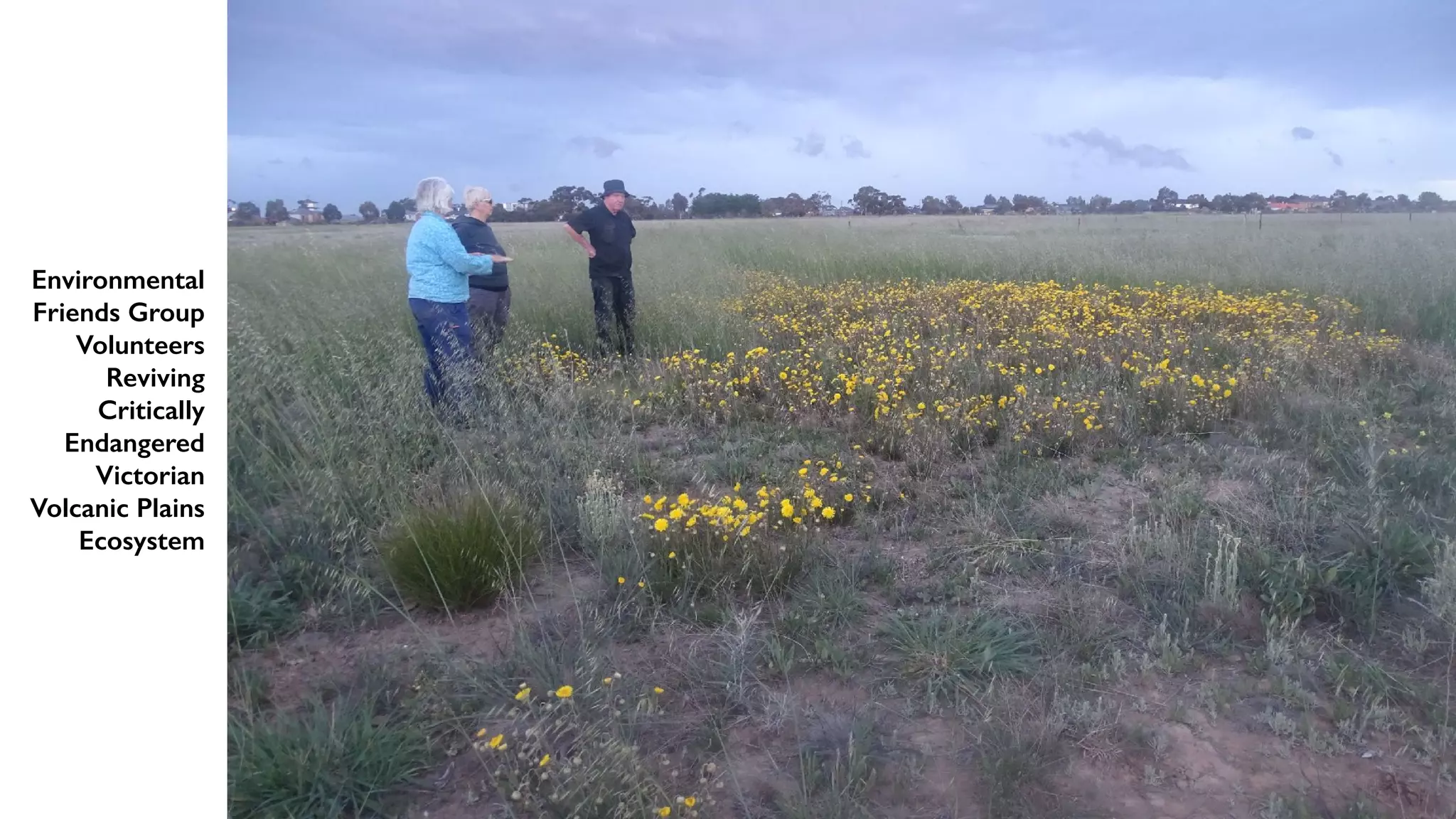
Environmental
Friends Group
Volunteers
Reviving
Critically
Endangered
Victorian
Volcanic Plains
Ecosystem
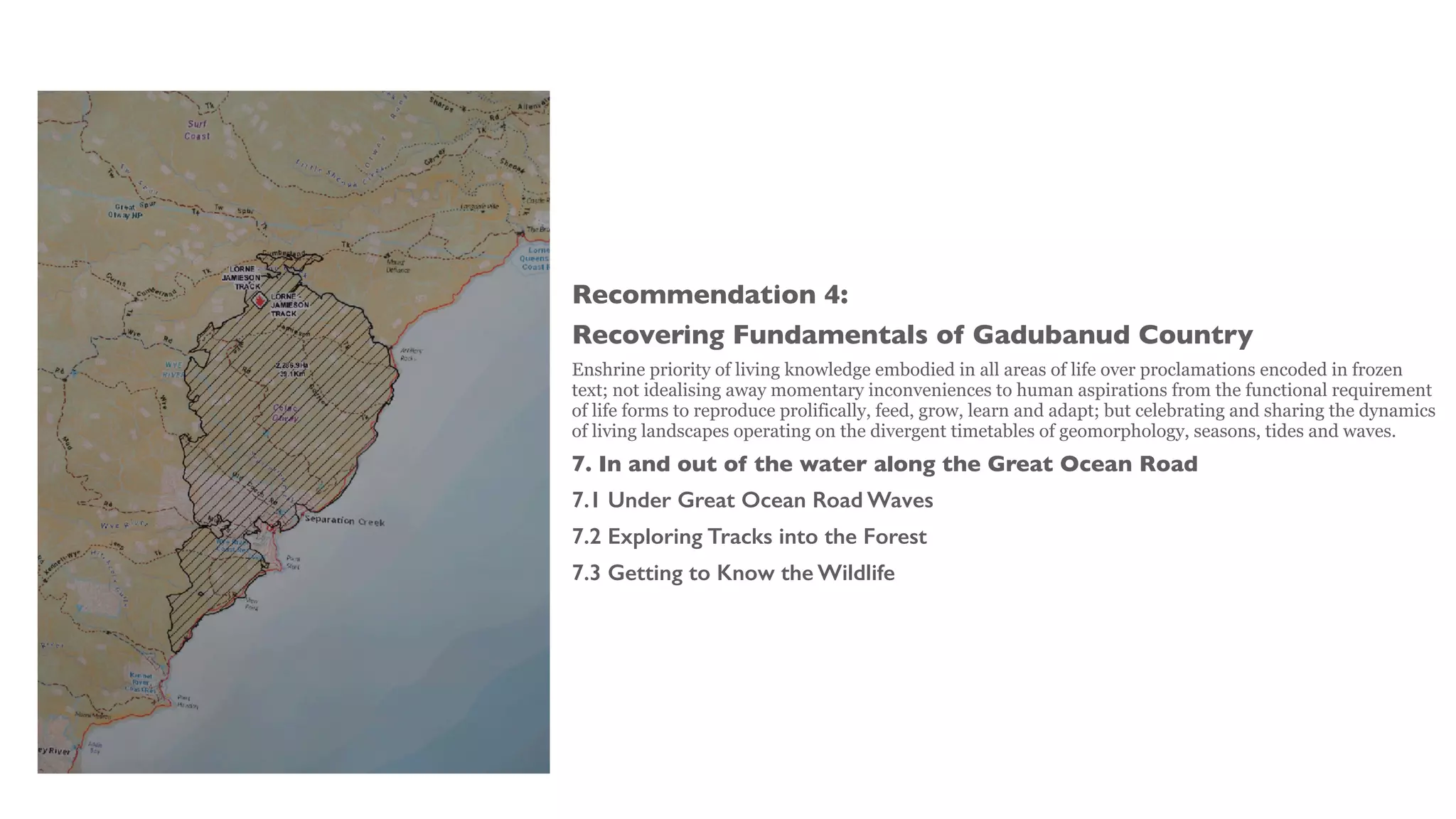
Recommendation 4:
Recovering Fundamentals of Gadubanud Country
Enshrine priority of living knowledge embodied in all areas of life over proclamations encoded in frozen
text; not idealising away momentary inconveniences to human aspirations from the functional requirement
of life forms to reproduce prolifically, feed, grow, learn and adapt; but celebrating and sharing the dynamics
of living landscapes operating on the divergent timetables of geomorphology, seasons, tides and waves.
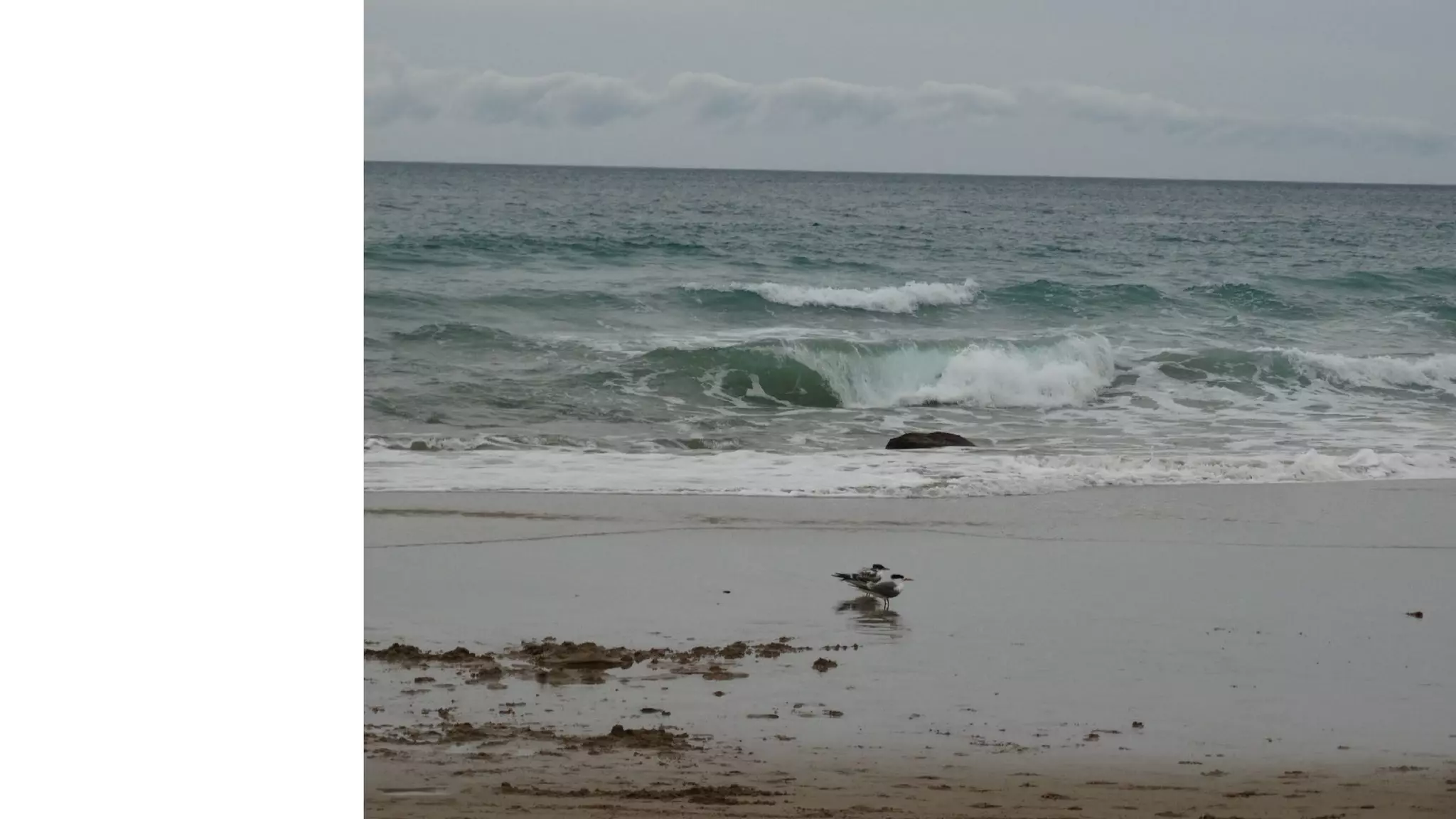
7. In and out of the water along the Great Ocean Road
7.1 Under Great Ocean Road Waves
7.2 Exploring Tracks into the Forest
7.3 Getting to Know the Wildlife
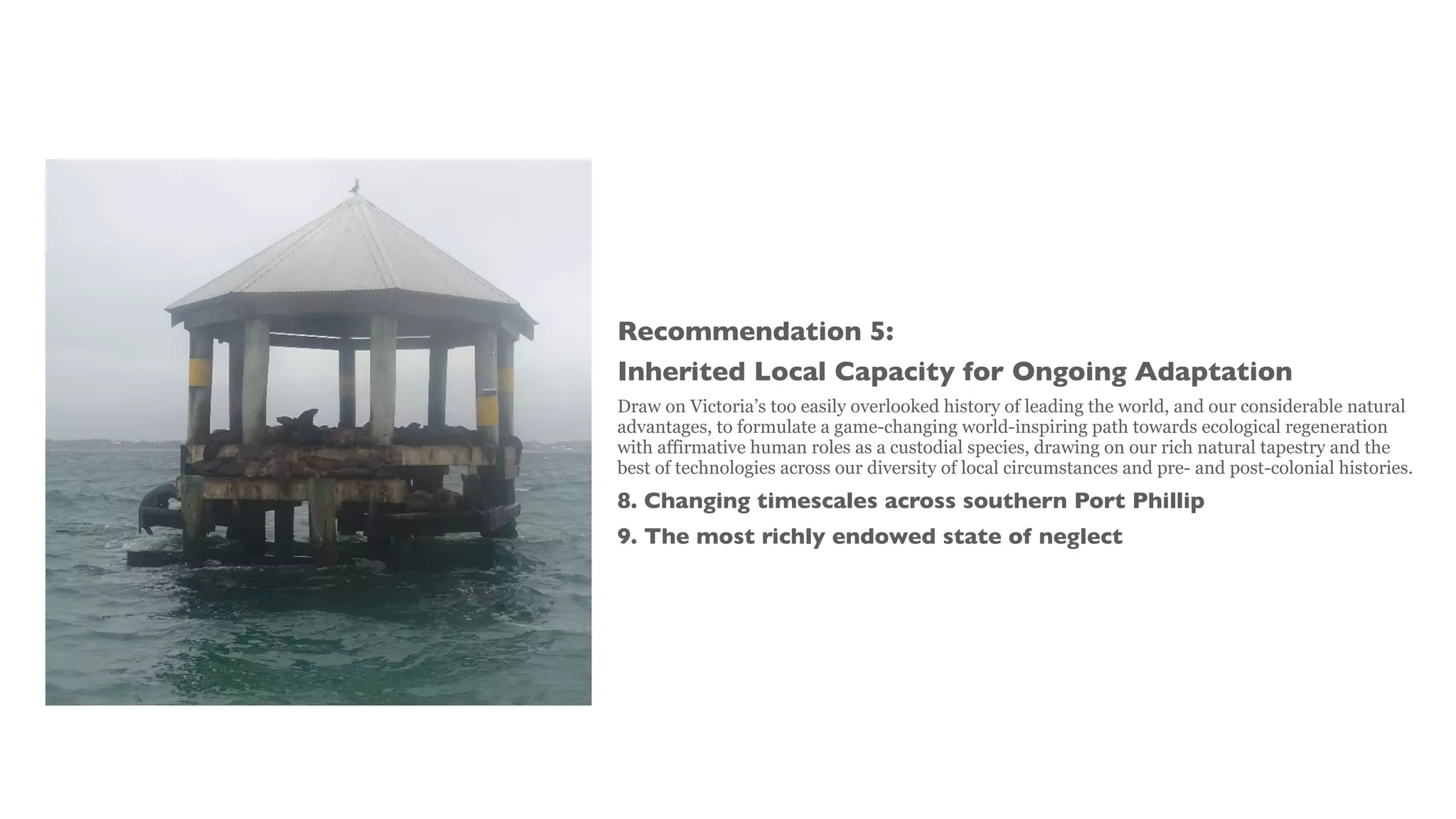
Recommendation 5:
Inherited Local Capacity for Ongoing Adaptation
Draw on Victoria’s too easily overlooked history of leading the world, and our considerable natural
advantages, to formulate a game-changing world-inspiring path towards ecological regeneration
with affirmative human roles as a custodial species, drawing on our rich natural tapestry and the
best of technologies across our diversity of local circumstances and pre- and post-colonial histories.
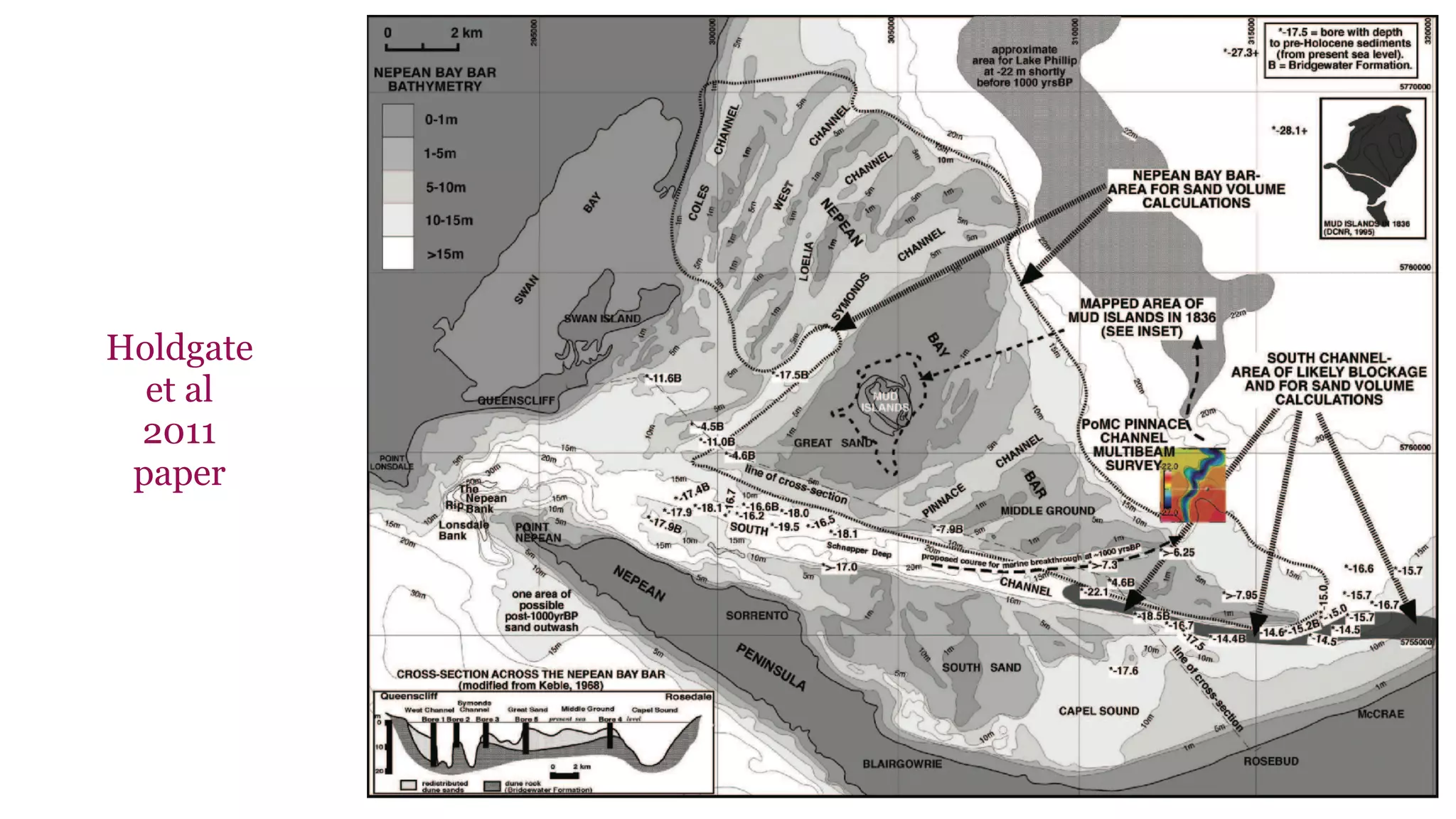
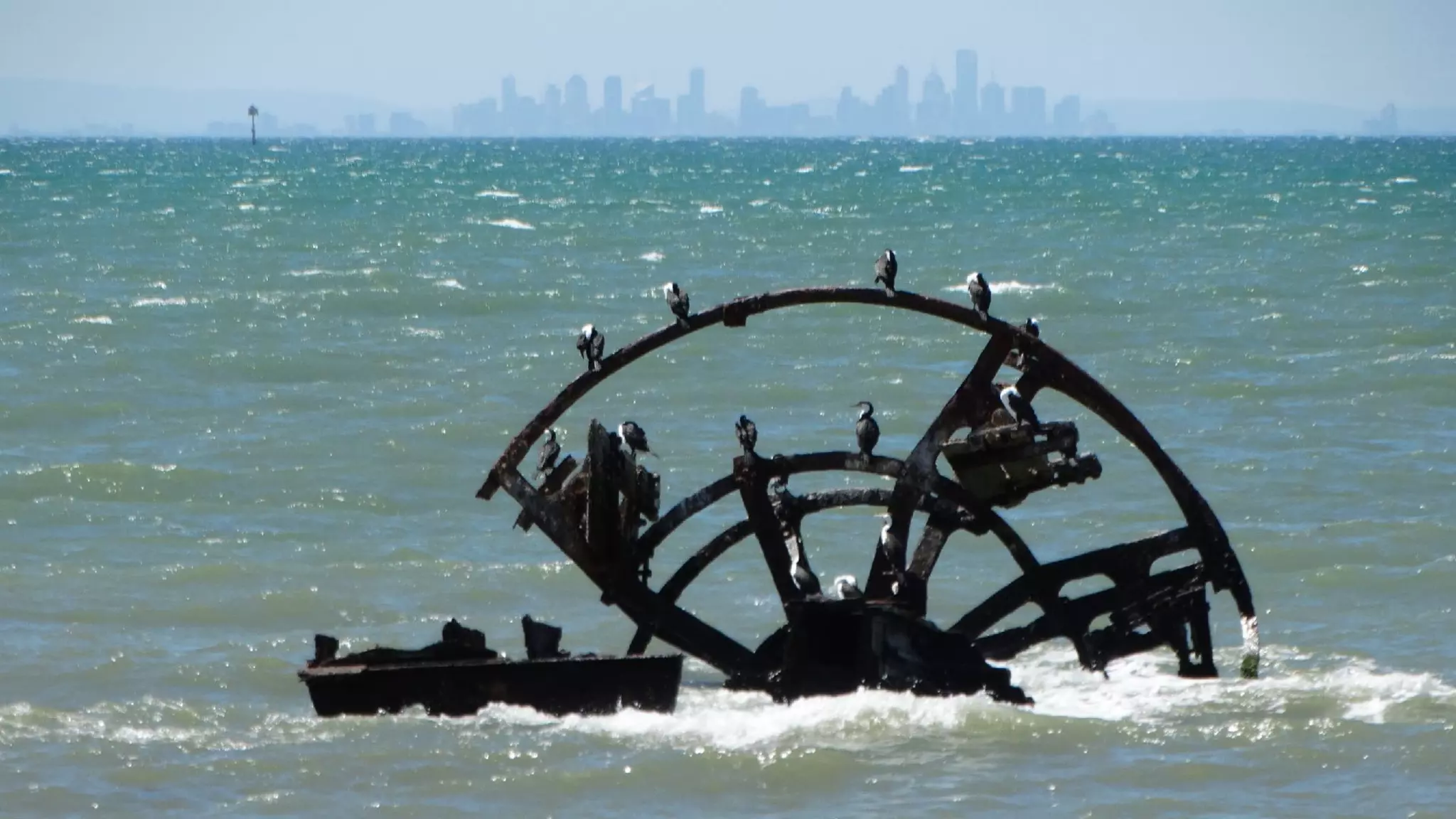
8. Changing timescales across southern Port Phillip
9. The most richly endowed state of neglect
Holdgate
et al
2011
paper
Recommendation 6:
Legislating and Regulating Commercial Incentives
Recognise that human assets tend to be ecological liabilities and that facilitating ecosystem regeneration has
become more urgent than asset accumulation, developing regulatory models with commercial incentives that
encourage priority redirection, aiming for cultural renaissance in which Victorians work within rather than
against Life and its substrates.
10. Business models thriving on wilful ignorance
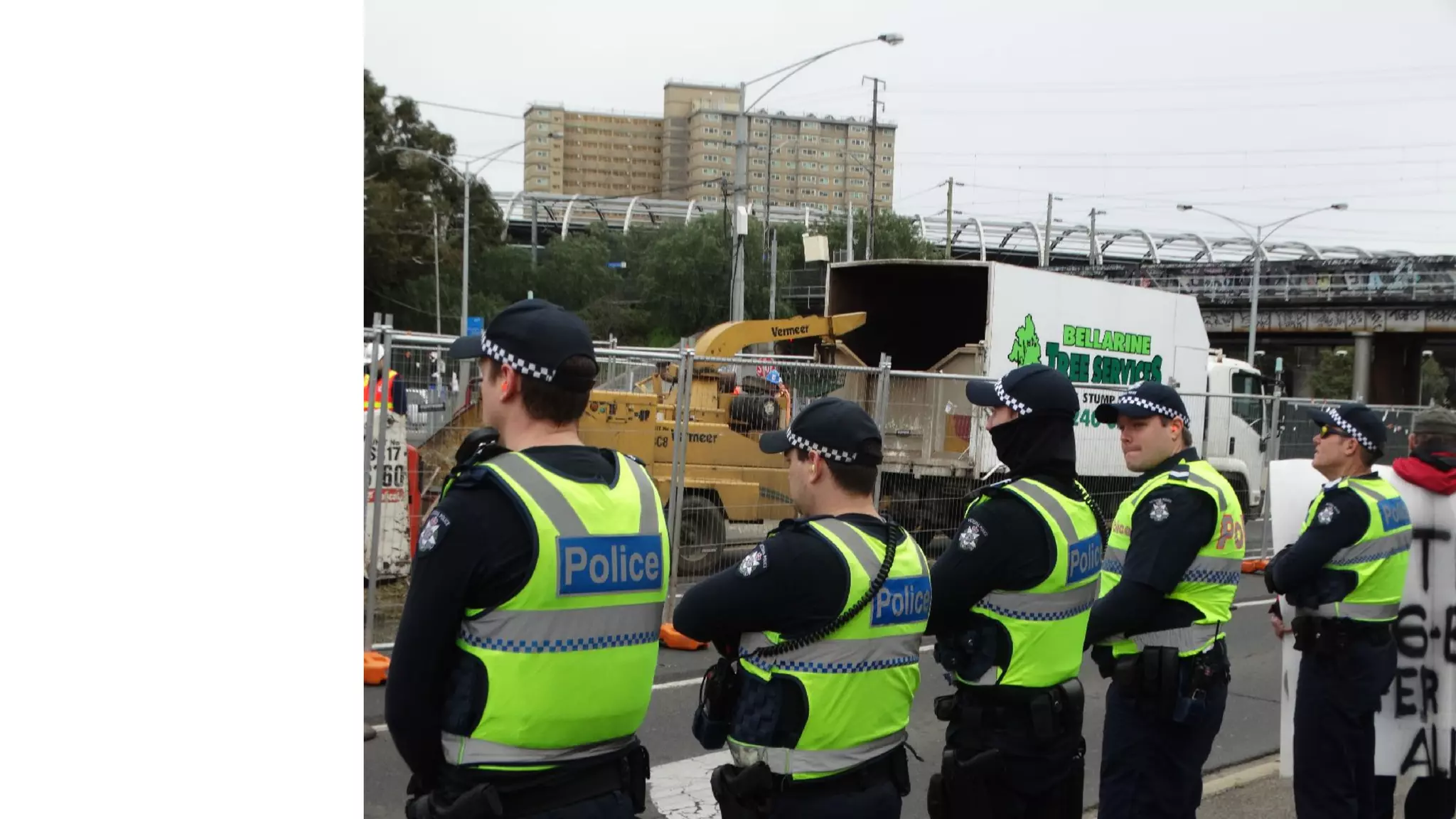
10.1 Arborists murdering healthy trees
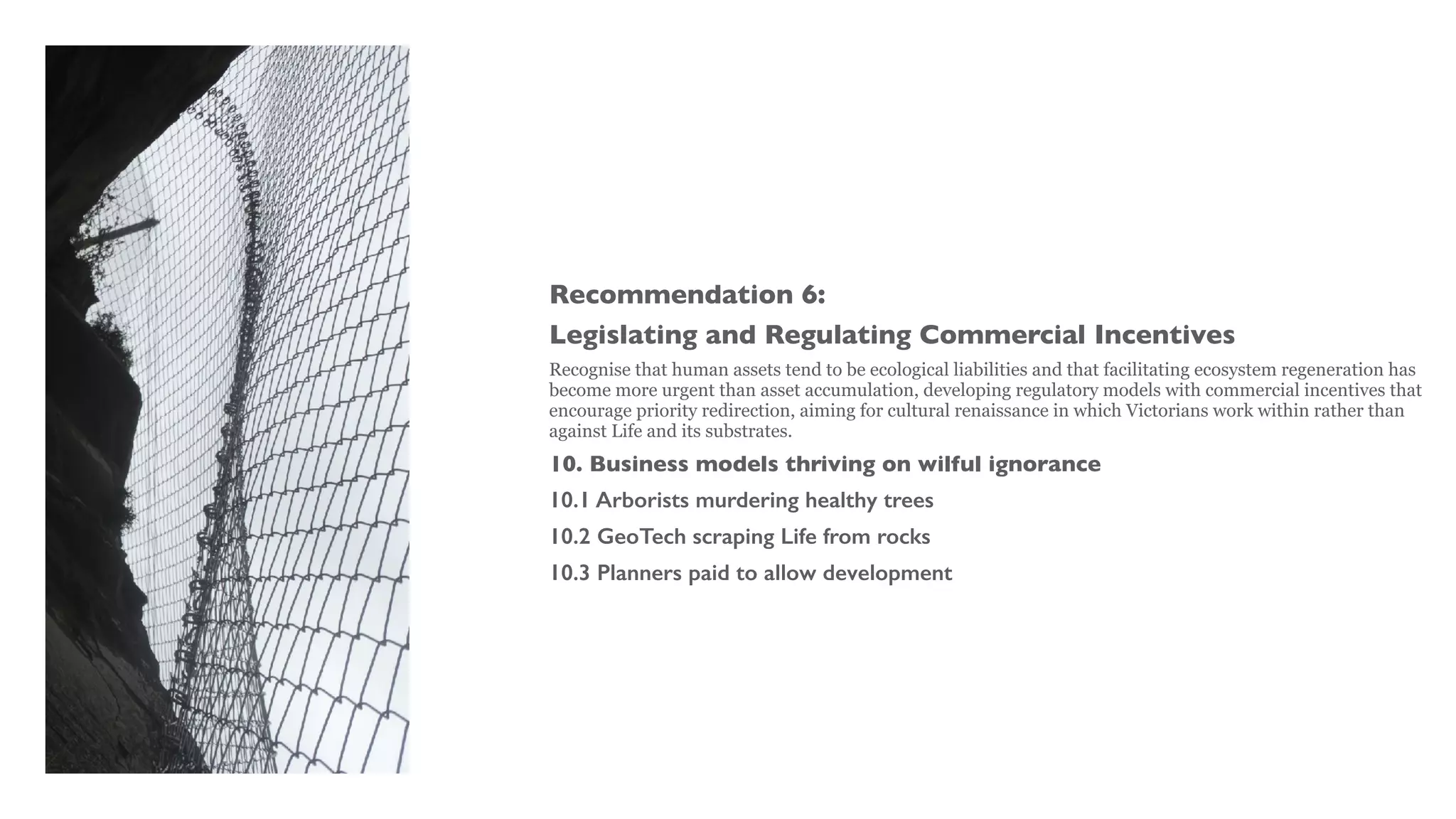
10.2 GeoTech scraping Life from rocks
10.3 Planners paid to allow development
S89-Wathaurung.pdf
S181-Breamlea_Coastcare.pdf
S364-Jessica_Gerger.pdf
S412-Macedon_Ranges_Shire.pdf
S516-Lyn-Hovey_Riddells.pdf
S517-Newham_Landcare.pdf
S520-Kinglake_Friends_of_Forests.pdf
S528-Wyndham_City_Council.pdf
S543-Friends_of_Merri_Creek.pdf
S580-Grassy_Plains_Network.pdf
S615-Ian_Penna.pdf
S624-Newlands_Friends_of_Forest.pdf
S625-Princetown_Wetlands.pdf
S626-Penny_Webb.pdf
S633-David_Redfearn_Merri.pdf
S689-Australian_Dingo_Foundation.pdf
S703-Bruce_McGregor.pdf
S714-Dr_Johanna_Selleck.pdf
S736-Hume_City_Council.pdf
S737-Paul_Handley.pdf
S748-Green_Wedges_Coalition.pdf
S760-Environmental_Justice_Australia.pdf
S761-Green_Wedge_Protection_Group.pdf
S778-Rob_Youl.pdf
S781-RMIT_Centre_for_Urban_Research.pdf
S795-Yarra_Riverkeeper.pdf
S830-Dr_Colin_Hocking.pdf
S852-Port_Phillip_EcoCentre.pdf
S873-Dr_Megan_OShea_VU.pdf
S904-Upper_Maribyrnong_Catchment_Group.pdf
S926-Brimbank.pdf
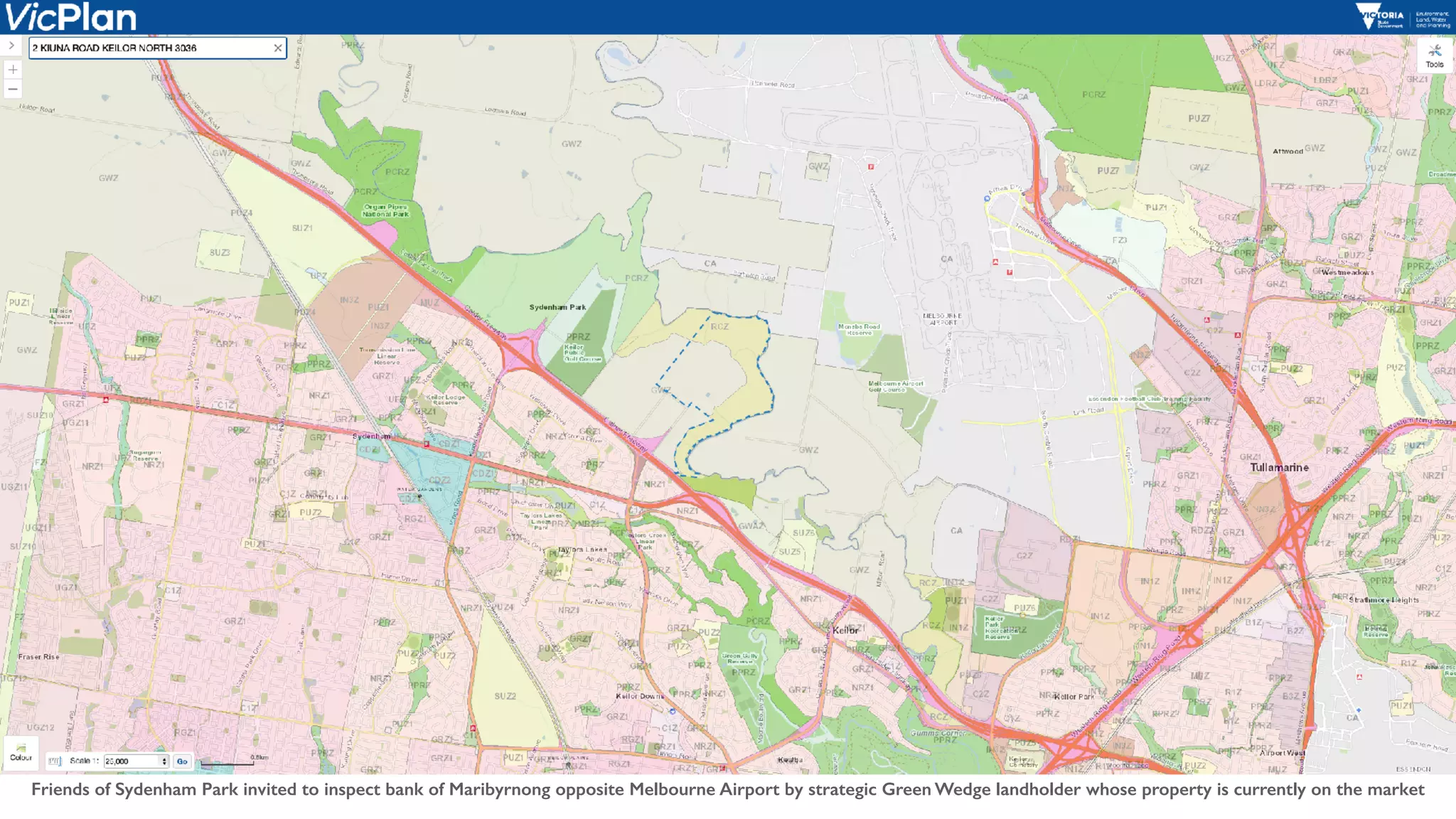
Friends of Sydenham Park invited to inspect bank of Maribyrnong opposite Melbourne Airport by strategic Green Wedge landholder whose property is currently on the market
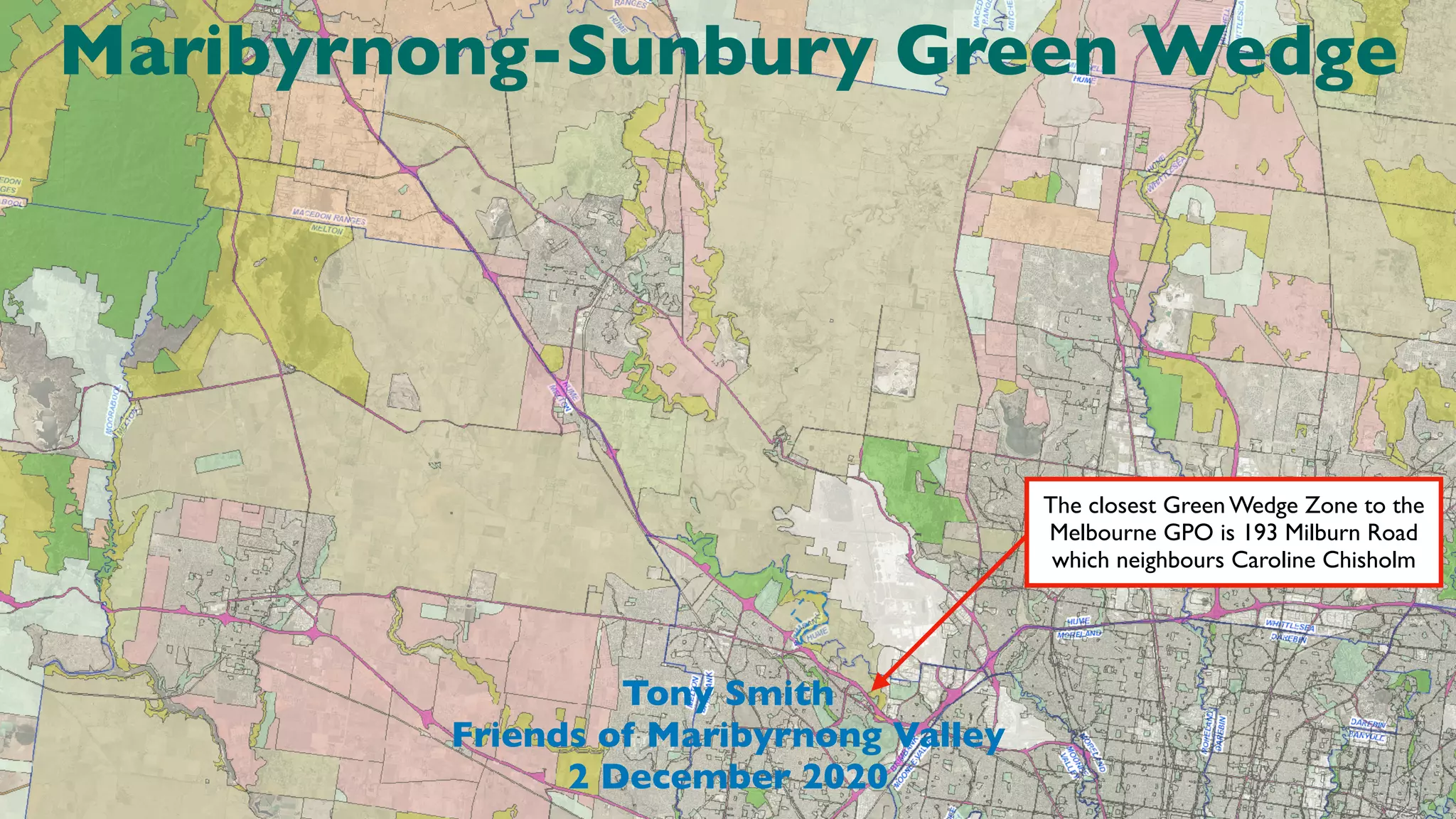
Maribyrnong-Sunbury Green Wedge
Tony Smith
Friends of Maribyrnong Valley
2 December 2020
The closest Green Wedge Zone to the
Melbourne GPO is 193 Milburn Road
which neighbours Caroline Chisholm
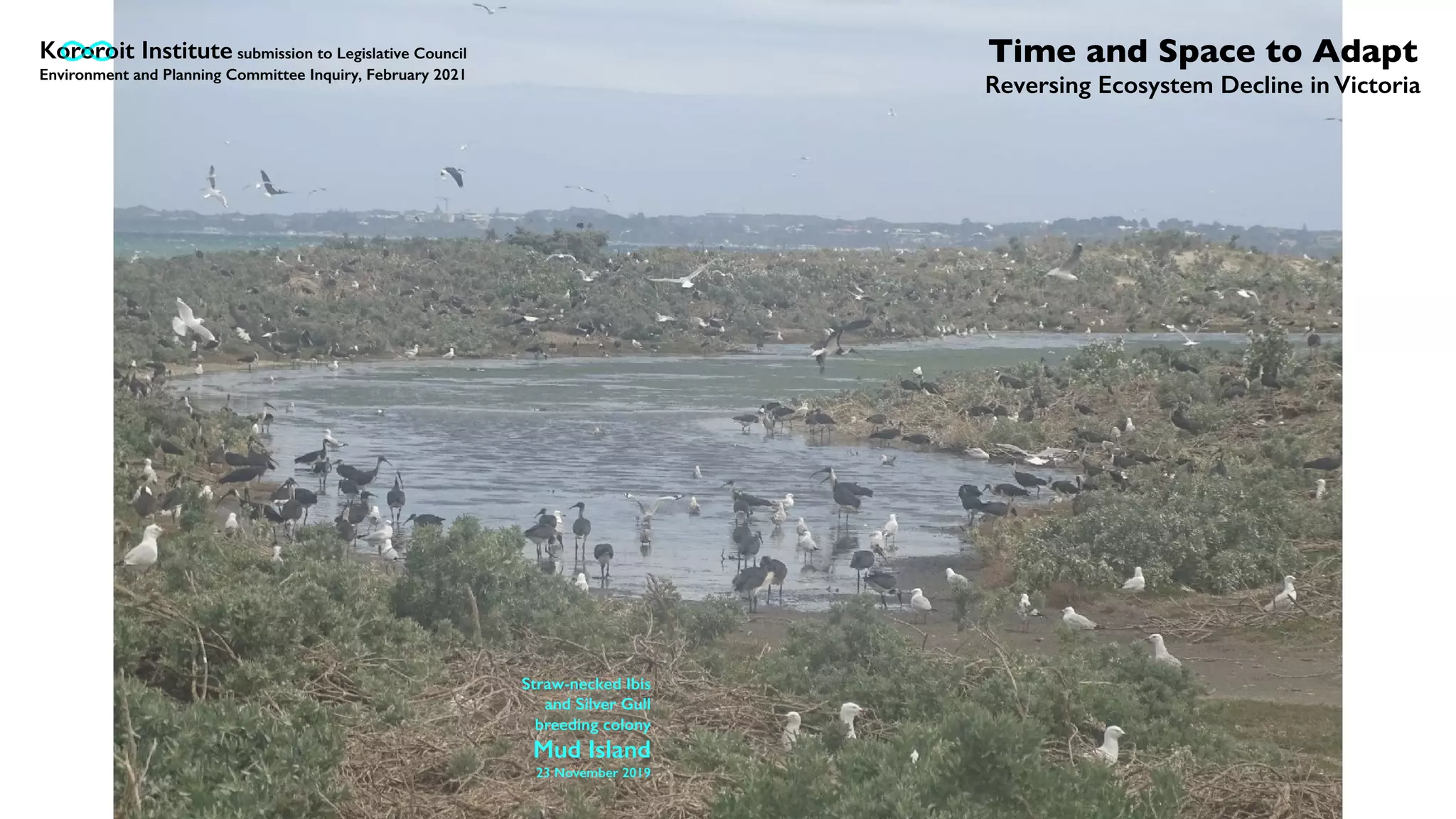
Straw-necked Ibis
and Silver Gull
breeding colony
Mud Island
23 November 2019
Kororoit Institute submission to Legislative Council
Environment and Planning Committee Inquiry, February 2021
Time and Space to Adapt
Reversing Ecosystem Decline in Victoria
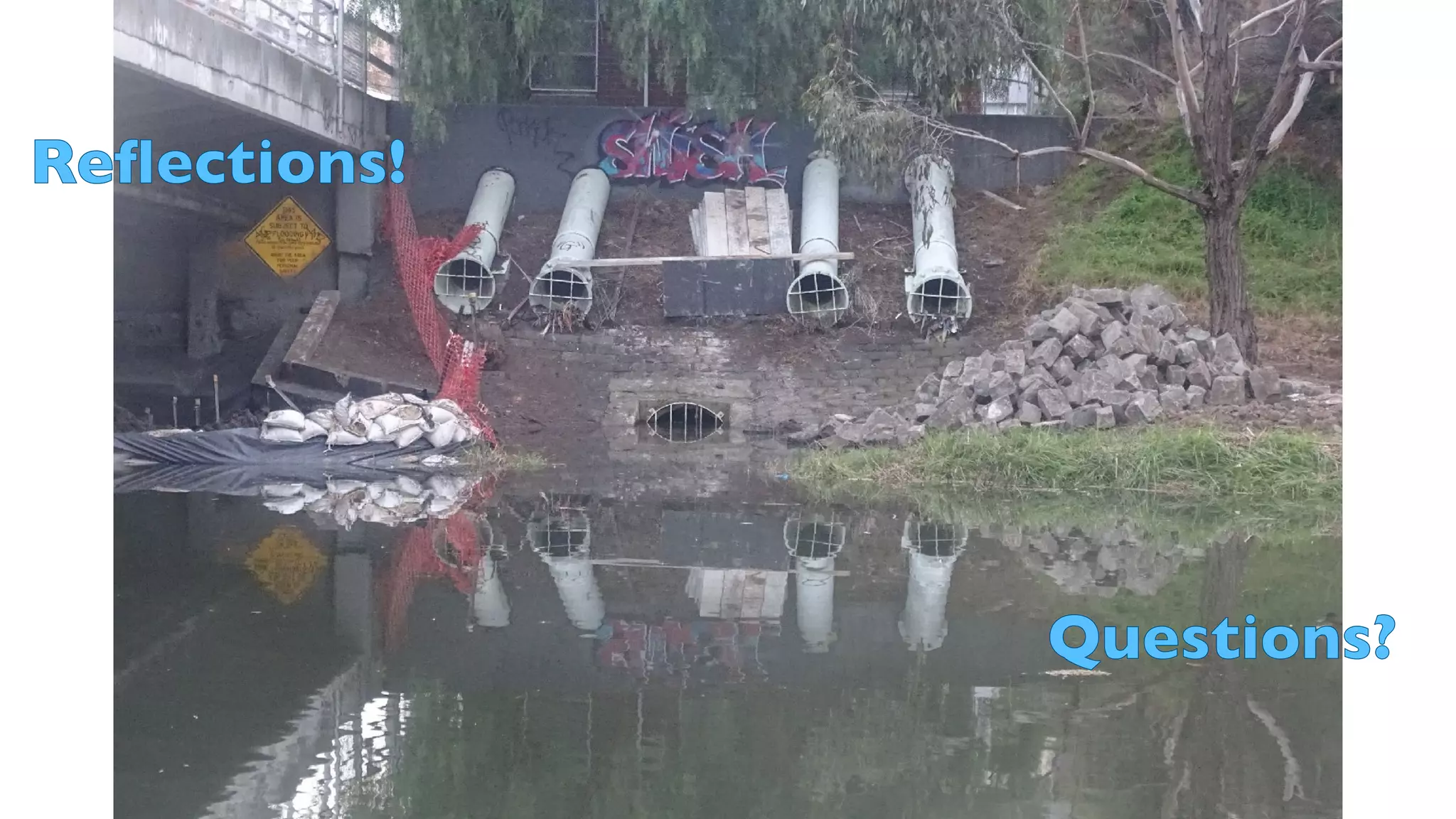
Reflections!
Questions?

Working with the System