
Most presentations fail: Why? By Wahyd Vannoni
Misunderstanding the role of Visual aids
Most presenters confuse  3 concepts: 1- Visual aids 2- Notes 3- Collateral material
For most presenters, the notes, visual aids (usually slides) and the documents they leave behind are one and the same thing. They are not!
Visual aids A visual aid, usually in the form of a powerpoint slide should only be used when an idea cannot be expressed concisely with words. For example…
Presenter:   “ I love Tokyo, I would live there in a heartbeat. I love it because it’s complex and vast. But rather than talk about it for hours, let me show you what I mean with a map of the Tokyo’s metro-system” Here it is…
Tokyo Metro Map
Now take the slide away Presenter: Ok, You have now seen how vast and complex Tokyo is… let me go on with the next idea… The slide needs to go away, otherwise, you can’t command the attention of the audience.
Notes I often hear that “notes” make a presenter look feeble because it shows he doesn’t know his material. Here are 2 reasons why this is wrong and fatal.
Reason 1 Pilots have a checklist they go through before each flight:  would you board a plane knowing the pilot doesn’t have a checklist?  I hope not. So why would you listen to a presenter without notes?
Reason 2 The notes are a roadmap which will tell the presenter what to say and in what order without going off track. The more knowledge able a presenter, the more likely he will go off a tagent, confusing the interesting with the relevant…
Most interesting things are not necessarily relevant to your message. (start-up entrepreneurs make special note of this)
Visual Aids vs Notes So you use your notes to know what to say and in what order. You use the visual aids (in form of powerpoint slides, pictures and videos) to enphasize a point.
Documents Your marketing collaterals, presentations, documents, should be provided at the end and are neither the notes nor the slides. They are yet another kind of documentation in their own right for a specific use.
Additional insight 1 Q: Does it mean I (the presenter) have to produce three kinds of documents? A: Yes: each is optimized for a particular medium.
Additional insight 2 Q: Do I need to put down the visual aids while I present? A: Yes: you can’t compete against visuals. People can’t read the slide AND listen to you at the same time. They will do both badly.
Don’t believe me? Turn a news channel on and try to both  Listen  and  Read   the crawler at the same time.
Additional Insight 3 Contextualize the visuals Tell people what you are going to show them. Show it to them Remove it and tell them what they have seen
Additional insight 4 There are no minimum or maximum number of words per slide. What matters is how you use the slide.
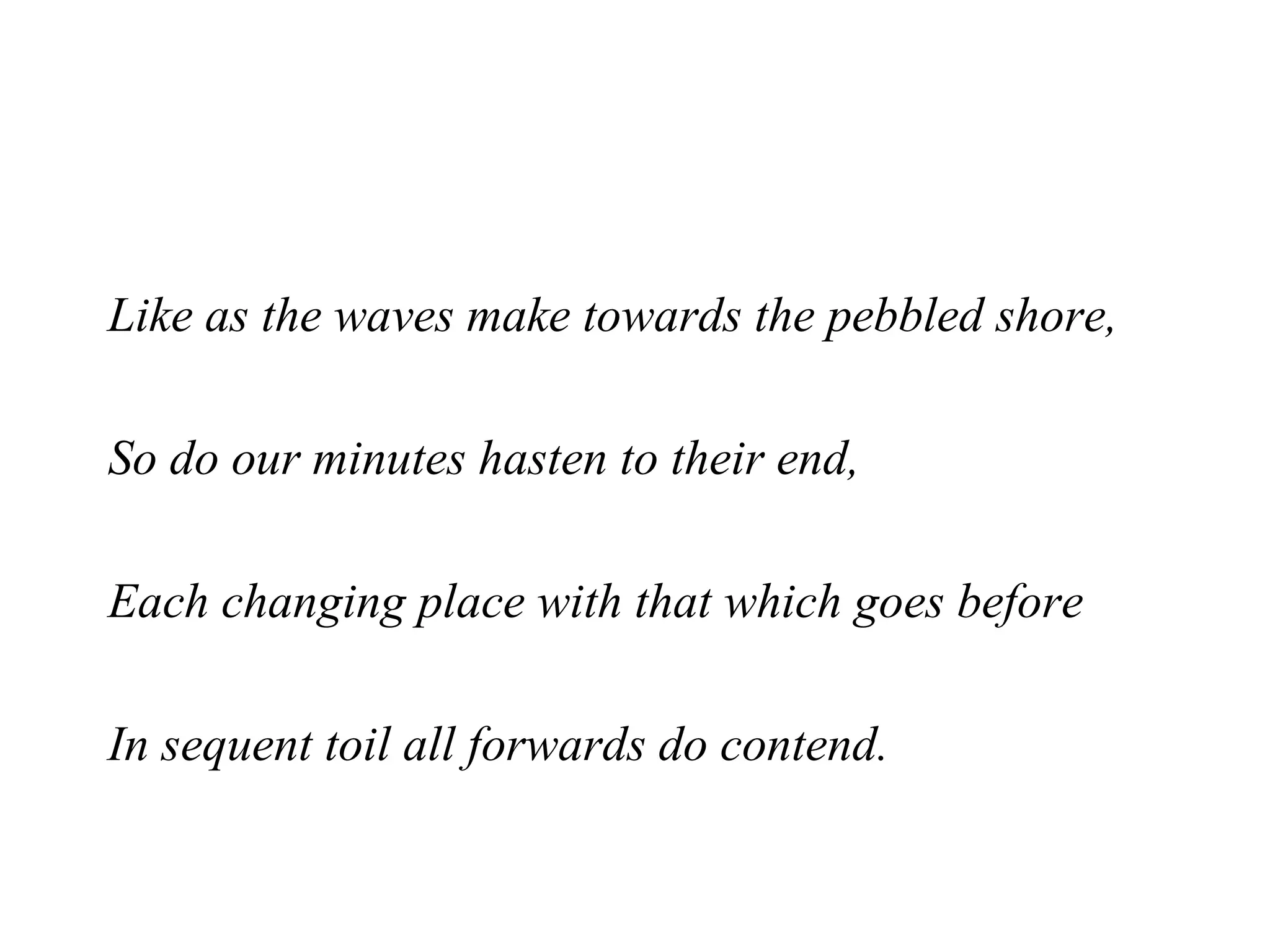
You can, for instance use a slide for a quotation… Presenter:   Shakespeare is very eloquent, here is what I mean…
Like as the waves make towards the pebbled shore, So do our minutes hasten to their end, Each changing place with that which goes before In sequent toil all forwards do contend.
Remember this You don’t take a TV ad and bring it to the radio just by removing the pictures and leaving the sound on.  You don’t take a radio ad and put it verbatim on paper. Each medium needs to be optimized
Last insight That is why, by the way, the best presentations on slideshare, would do poorly on stage… On slideshare, there is no presenter!
Finished for now The confusion regarding visual aids and notes is but one of the sins of presentations. There are others… http://www.linkedin.com/in/vannoni

Why Presentations Fail

  • 1.
    Most presentations fail:Why? By Wahyd Vannoni
  • 2.
  • 3.
    Most presenters confuse 3 concepts: 1- Visual aids 2- Notes 3- Collateral material
  • 4.
    For most presenters,the notes, visual aids (usually slides) and the documents they leave behind are one and the same thing. They are not!
  • 5.
    Visual aids Avisual aid, usually in the form of a powerpoint slide should only be used when an idea cannot be expressed concisely with words. For example…
  • 6.
    Presenter: “ I love Tokyo, I would live there in a heartbeat. I love it because it’s complex and vast. But rather than talk about it for hours, let me show you what I mean with a map of the Tokyo’s metro-system” Here it is…
  • 7.
  • 8.
    Now take theslide away Presenter: Ok, You have now seen how vast and complex Tokyo is… let me go on with the next idea… The slide needs to go away, otherwise, you can’t command the attention of the audience.
  • 9.
    Notes I oftenhear that “notes” make a presenter look feeble because it shows he doesn’t know his material. Here are 2 reasons why this is wrong and fatal.
  • 10.
    Reason 1 Pilotshave a checklist they go through before each flight: would you board a plane knowing the pilot doesn’t have a checklist? I hope not. So why would you listen to a presenter without notes?
  • 11.
    Reason 2 Thenotes are a roadmap which will tell the presenter what to say and in what order without going off track. The more knowledge able a presenter, the more likely he will go off a tagent, confusing the interesting with the relevant…
  • 12.
    Most interesting thingsare not necessarily relevant to your message. (start-up entrepreneurs make special note of this)
  • 13.
    Visual Aids vsNotes So you use your notes to know what to say and in what order. You use the visual aids (in form of powerpoint slides, pictures and videos) to enphasize a point.
  • 14.
    Documents Your marketingcollaterals, presentations, documents, should be provided at the end and are neither the notes nor the slides. They are yet another kind of documentation in their own right for a specific use.
  • 15.
    Additional insight 1Q: Does it mean I (the presenter) have to produce three kinds of documents? A: Yes: each is optimized for a particular medium.
  • 16.
    Additional insight 2Q: Do I need to put down the visual aids while I present? A: Yes: you can’t compete against visuals. People can’t read the slide AND listen to you at the same time. They will do both badly.
  • 17.
    Additional insight 2Q: Do I need to put down the visual aids while I present? A: Yes: you can’t compete against visuals. People can’t read the slide AND listen to you at the same time. They will do both badly.
  • 18.
    Don’t believe me?Turn a news channel on and try to both Listen and Read the crawler at the same time.
  • 19.
    Additional Insight 3Contextualize the visuals Tell people what you are going to show them. Show it to them Remove it and tell them what they have seen
  • 20.
    Additional insight 4There are no minimum or maximum number of words per slide. What matters is how you use the slide.
  • 21.
    You can, forinstance use a slide for a quotation… Presenter: Shakespeare is very eloquent, here is what I mean…
  • 22.
    Like as thewaves make towards the pebbled shore, So do our minutes hasten to their end, Each changing place with that which goes before In sequent toil all forwards do contend.
  • 23.
    Remember this Youdon’t take a TV ad and bring it to the radio just by removing the pictures and leaving the sound on. You don’t take a radio ad and put it verbatim on paper. Each medium needs to be optimized
  • 24.
    Last insight Thatis why, by the way, the best presentations on slideshare, would do poorly on stage… On slideshare, there is no presenter!
  • 25.
    Finished for nowThe confusion regarding visual aids and notes is but one of the sins of presentations. There are others… http://www.linkedin.com/in/vannoni