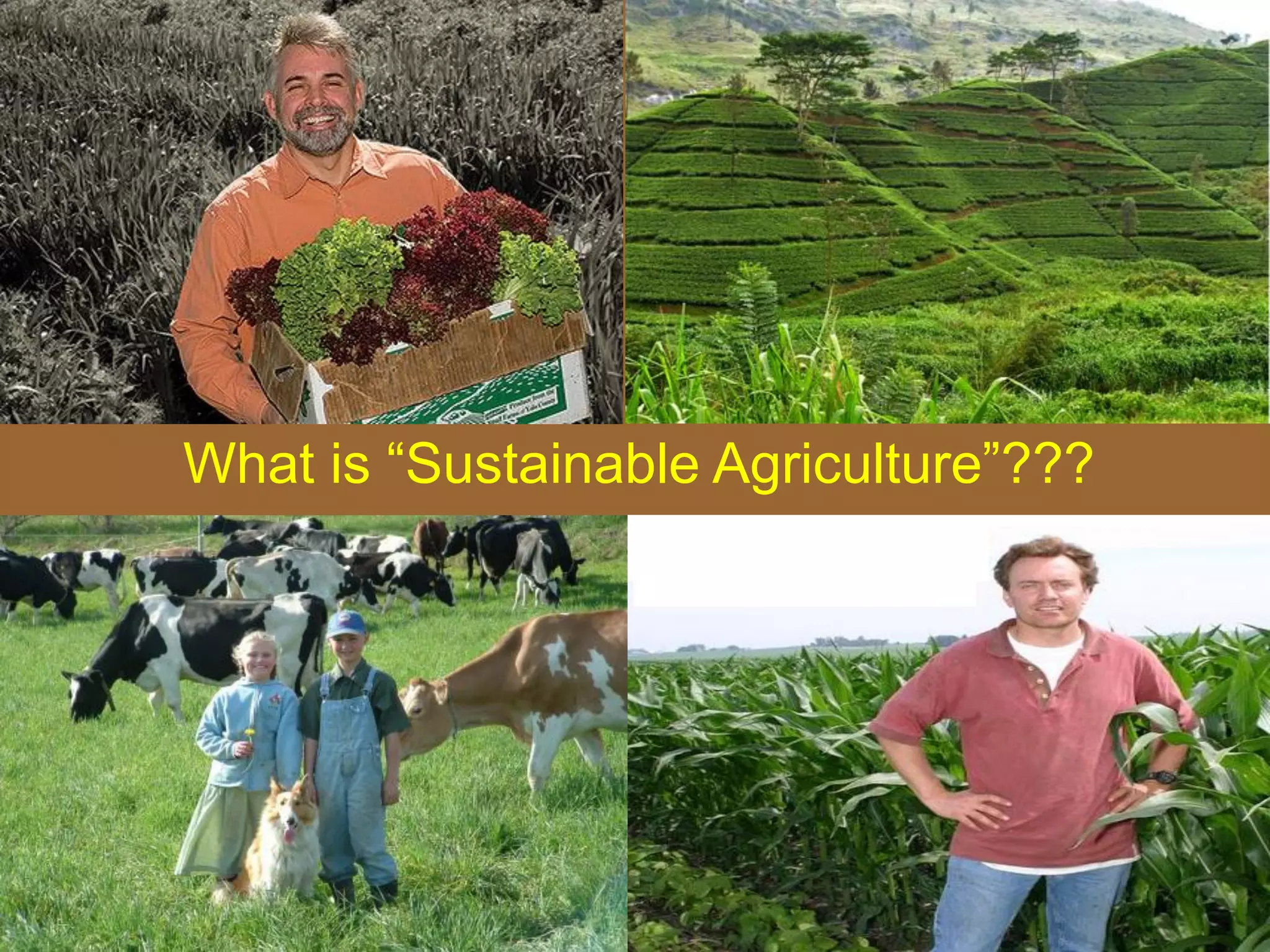
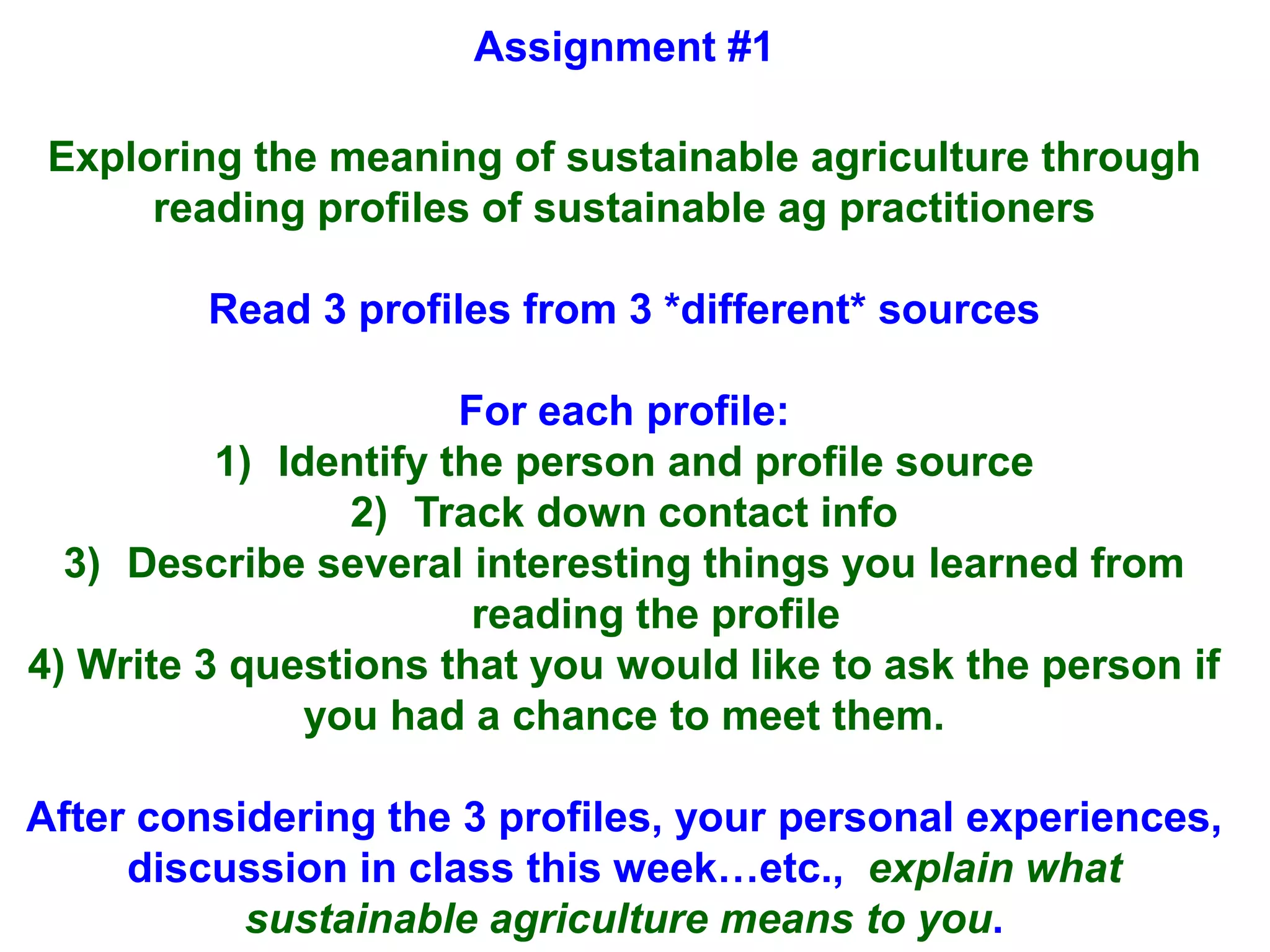
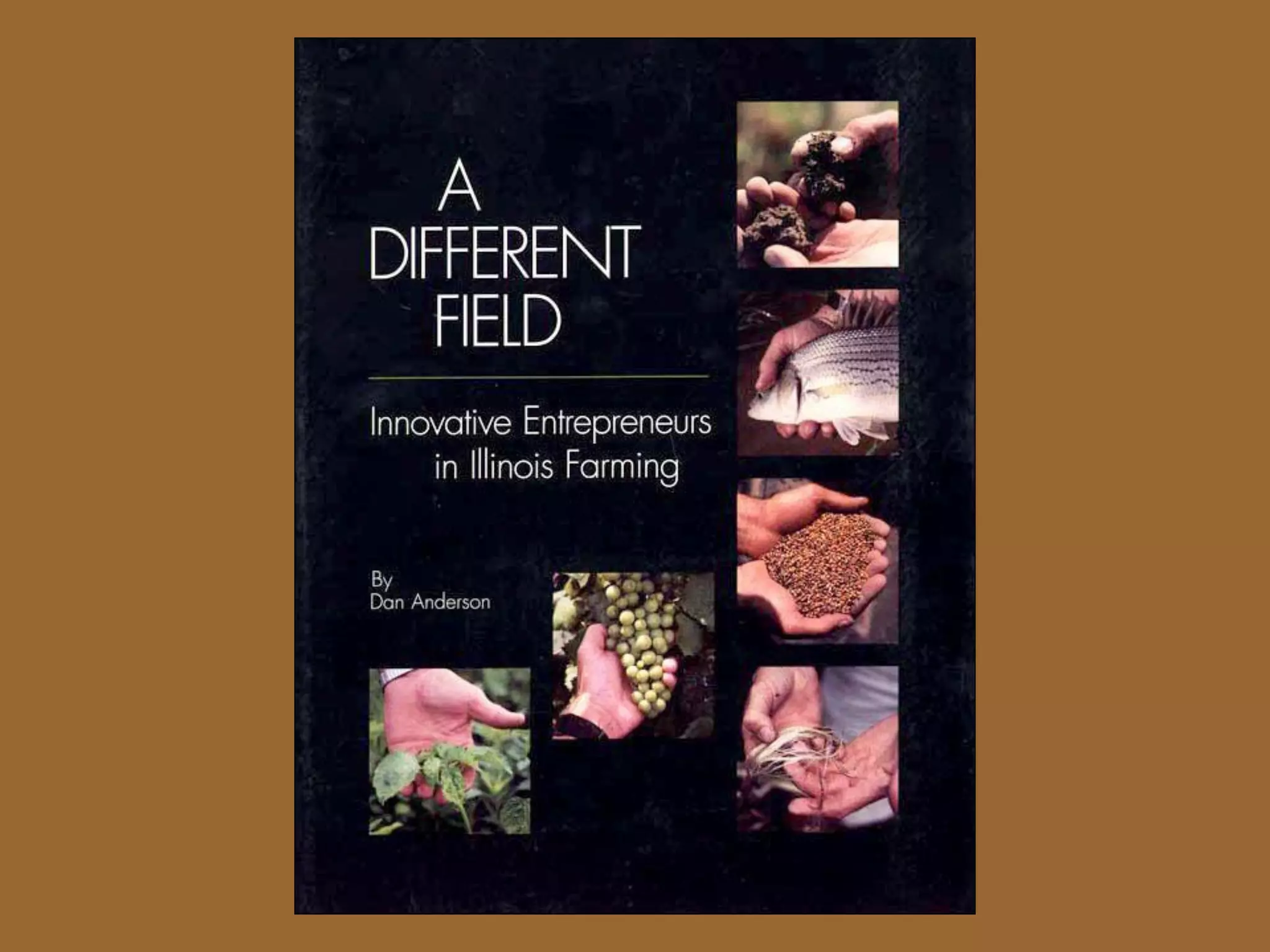
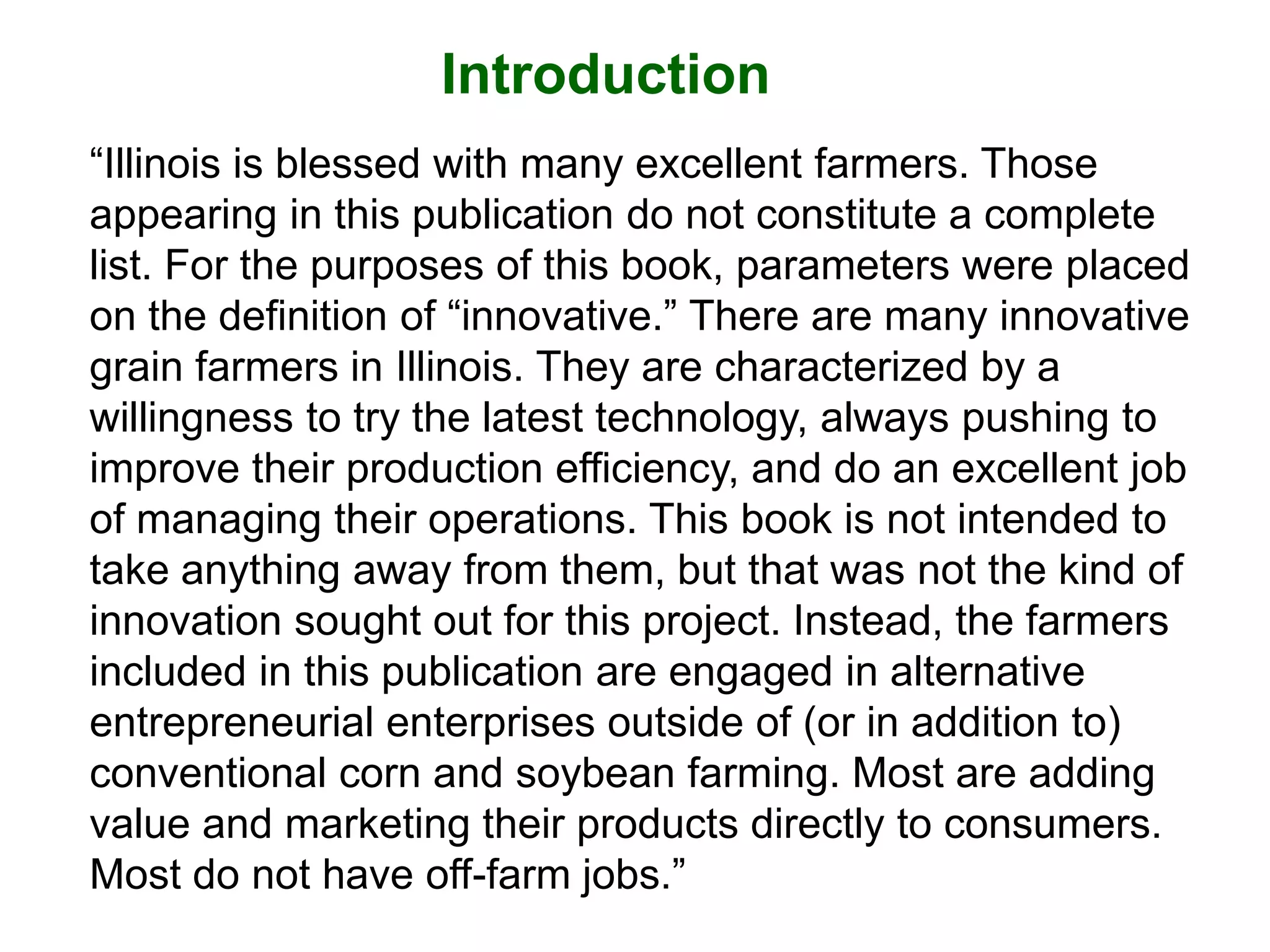
What is “Sustainable Agriculture”???
Assignment #1

 Exploring the meaning of sustainable agriculture through
      reading profiles of sustainable ag practitioners

         Read 3 profiles from 3 *different* sources

                       For each profile:
          1) Identify the person and profile source
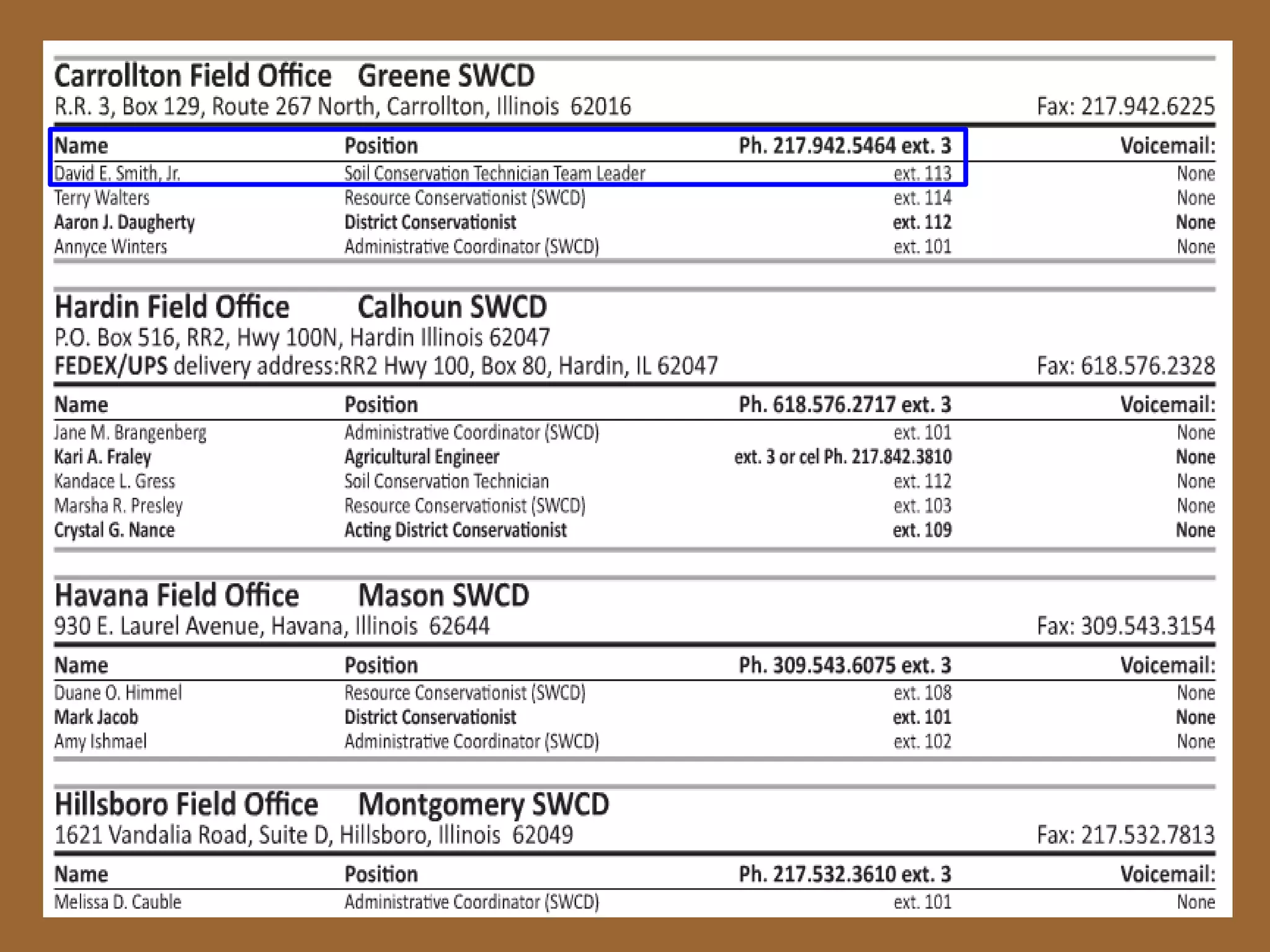
                 2) Track down contact info
  3) Describe several interesting things you learned from
                        reading the profile
4) Write 3 questions that you would like to ask the person if
               you had a chance to meet them.

After considering the 3 profiles, your personal experiences,
     discussion in class this week…etc., explain what
           sustainable agriculture means to you.
Introduction
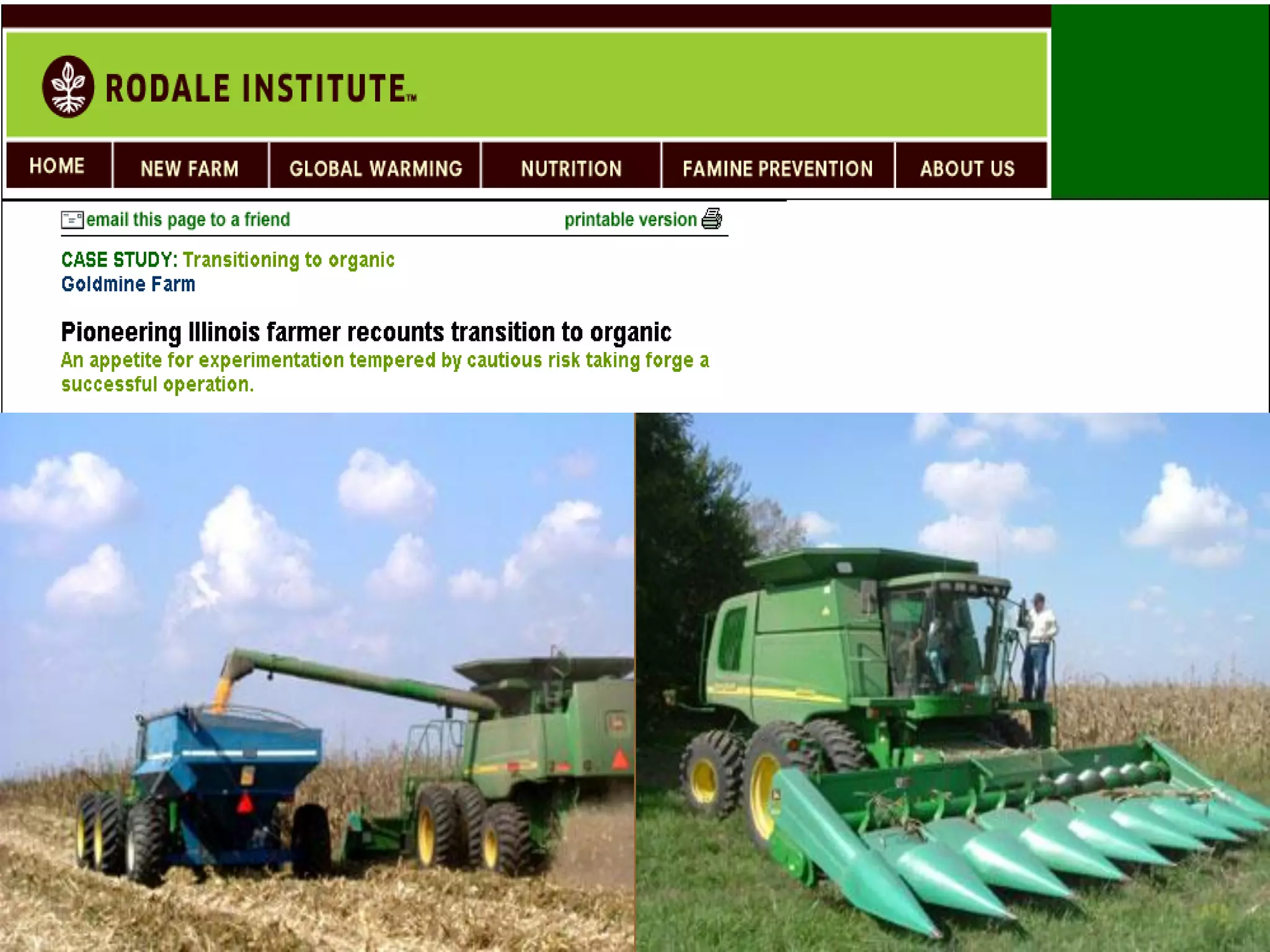
“Illinois is blessed with many excellent farmers. Those
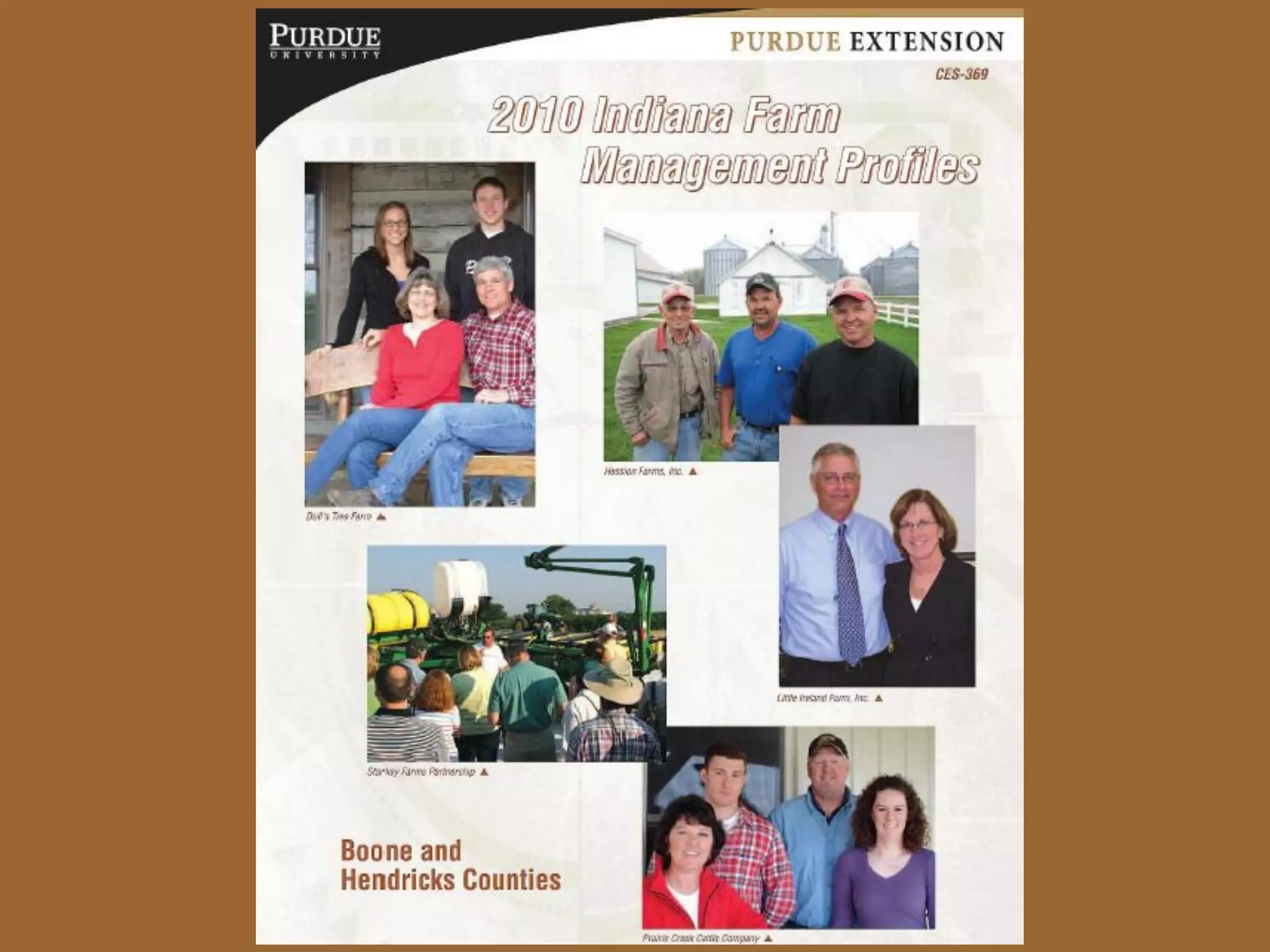
appearing in this publication do not constitute a complete
list. For the purposes of this book, parameters were placed
on the definition of “innovative.” There are many innovative
grain farmers in Illinois. They are characterized by a
willingness to try the latest technology, always pushing to
improve their production efficiency, and do an excellent job
of managing their operations. This book is not intended to
take anything away from them, but that was not the kind of
innovation sought out for this project. Instead, the farmers
included in this publication are engaged in alternative
entrepreneurial enterprises outside of (or in addition to)
conventional corn and soybean farming. Most are adding
value and marketing their products directly to consumers.
Most do not have off-farm jobs.”
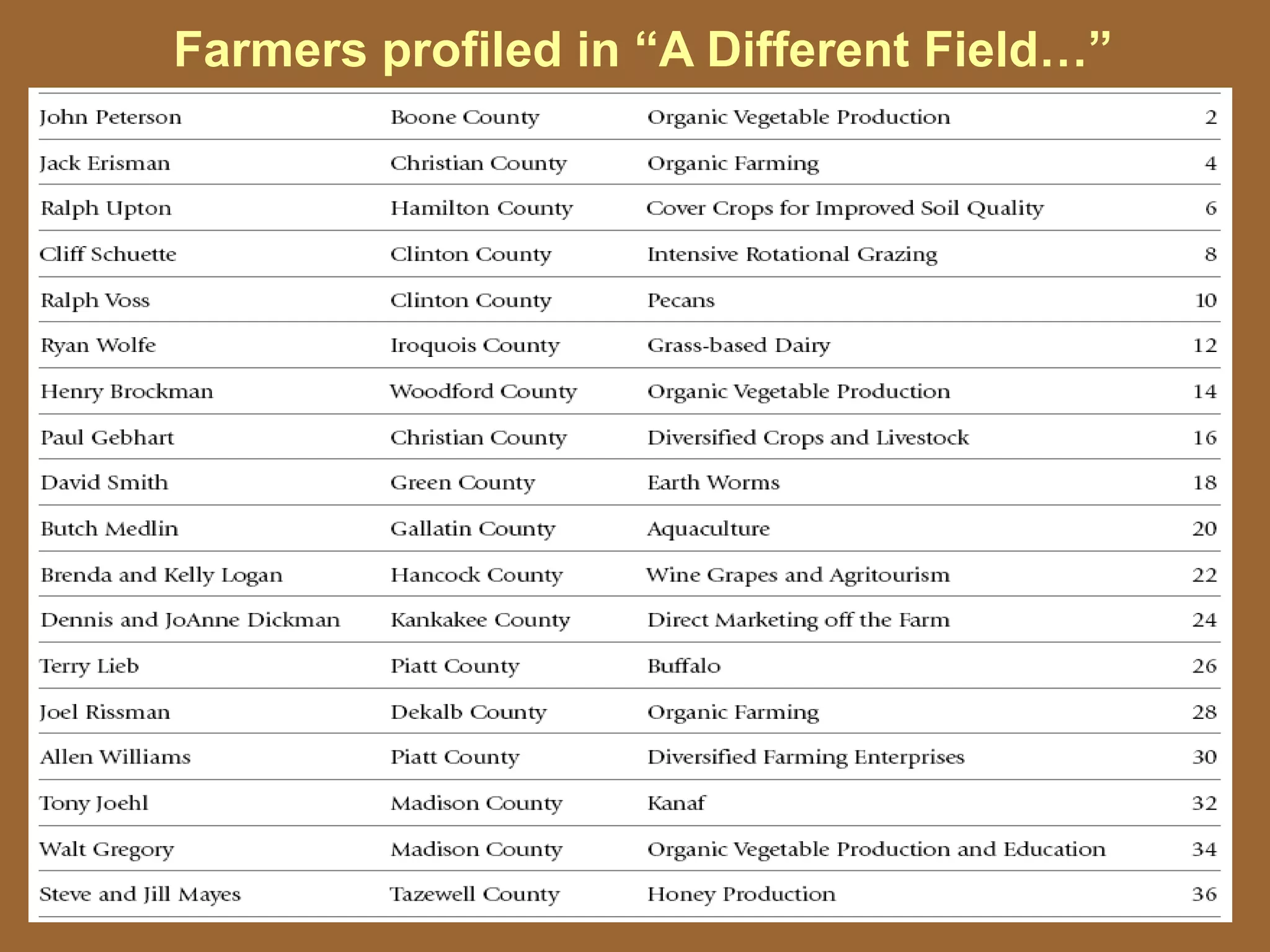
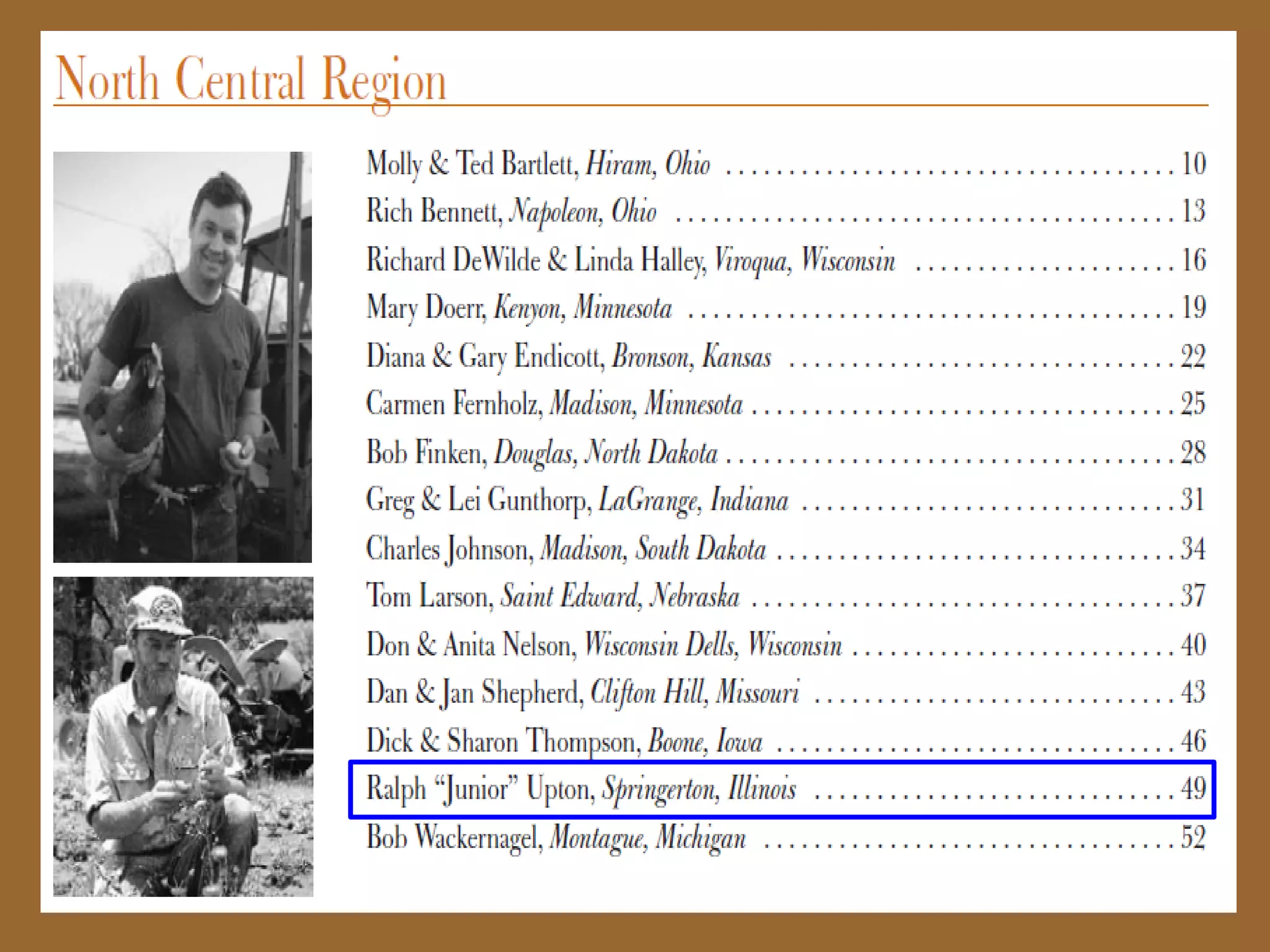
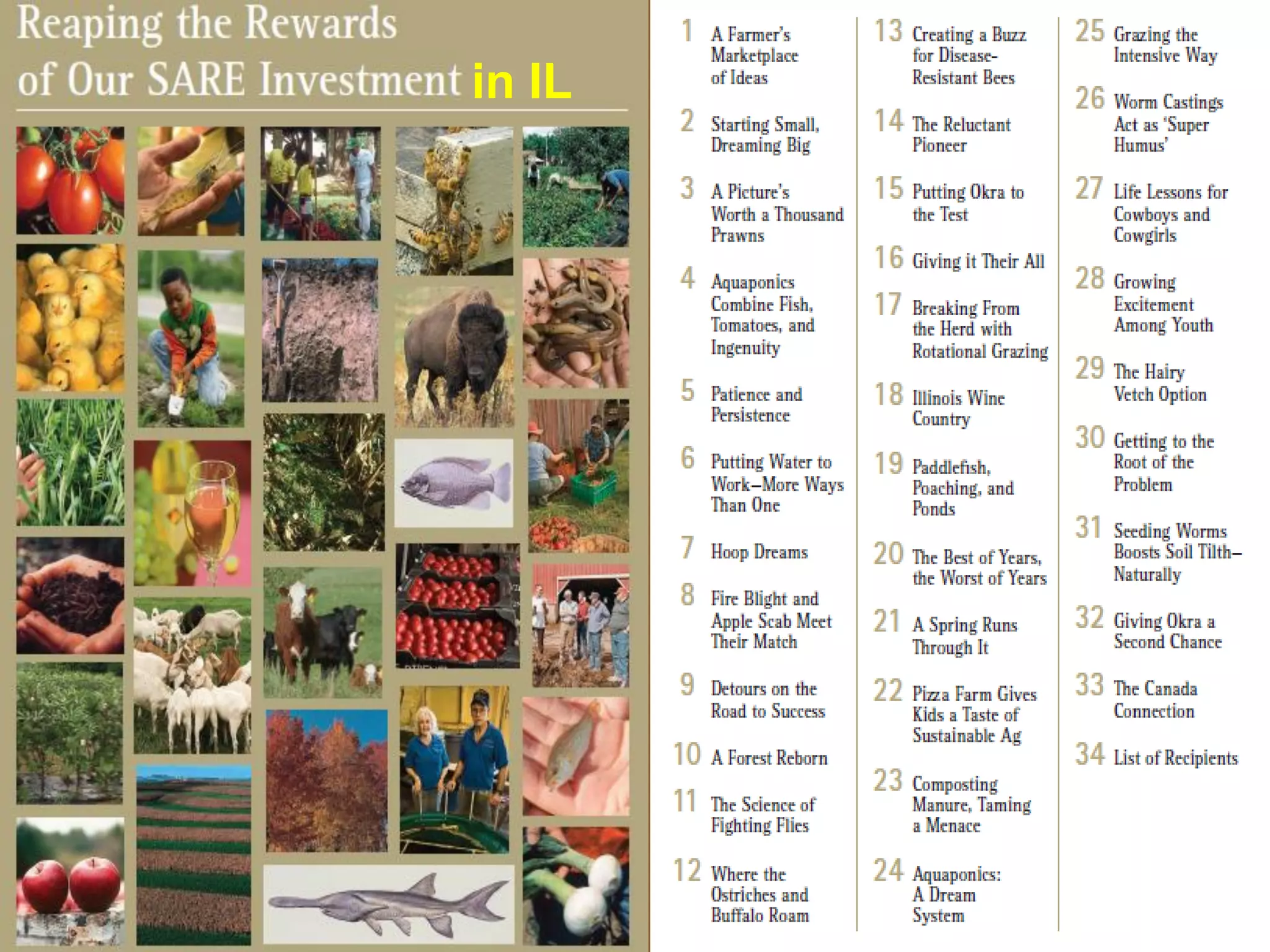
Farmers profiled in “A Different Field…”
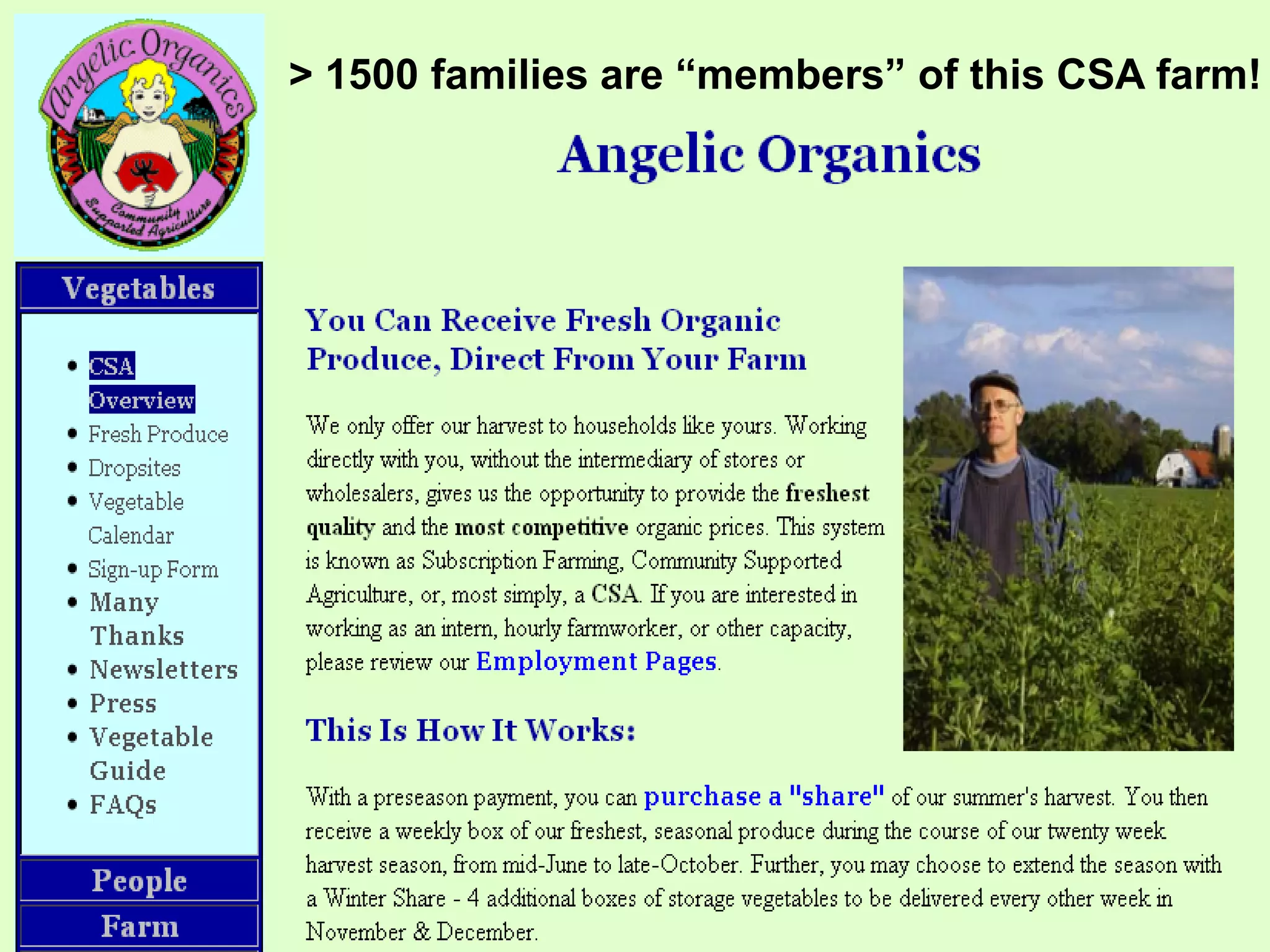
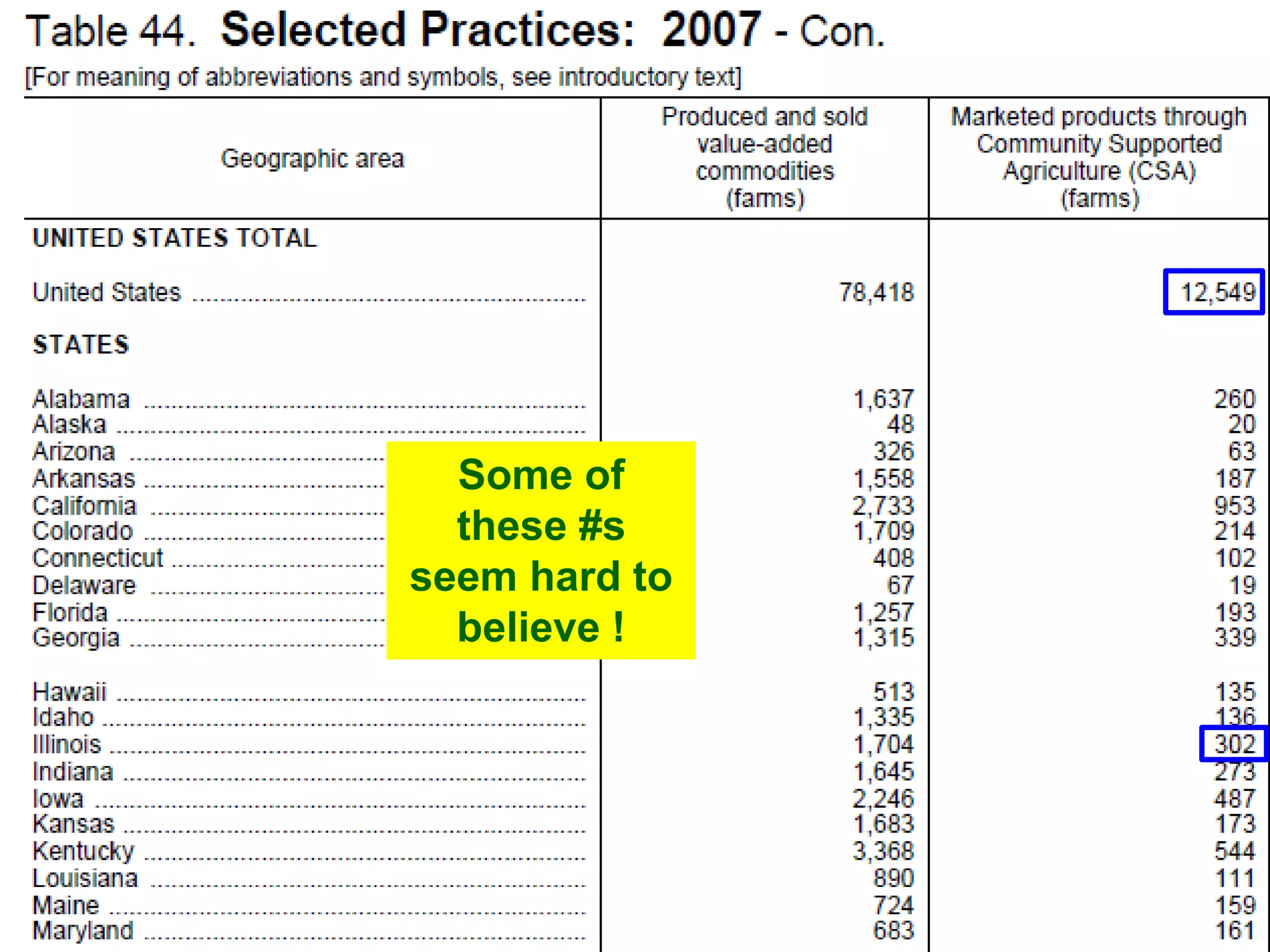
> 1500 families are “members” of this CSA farm!
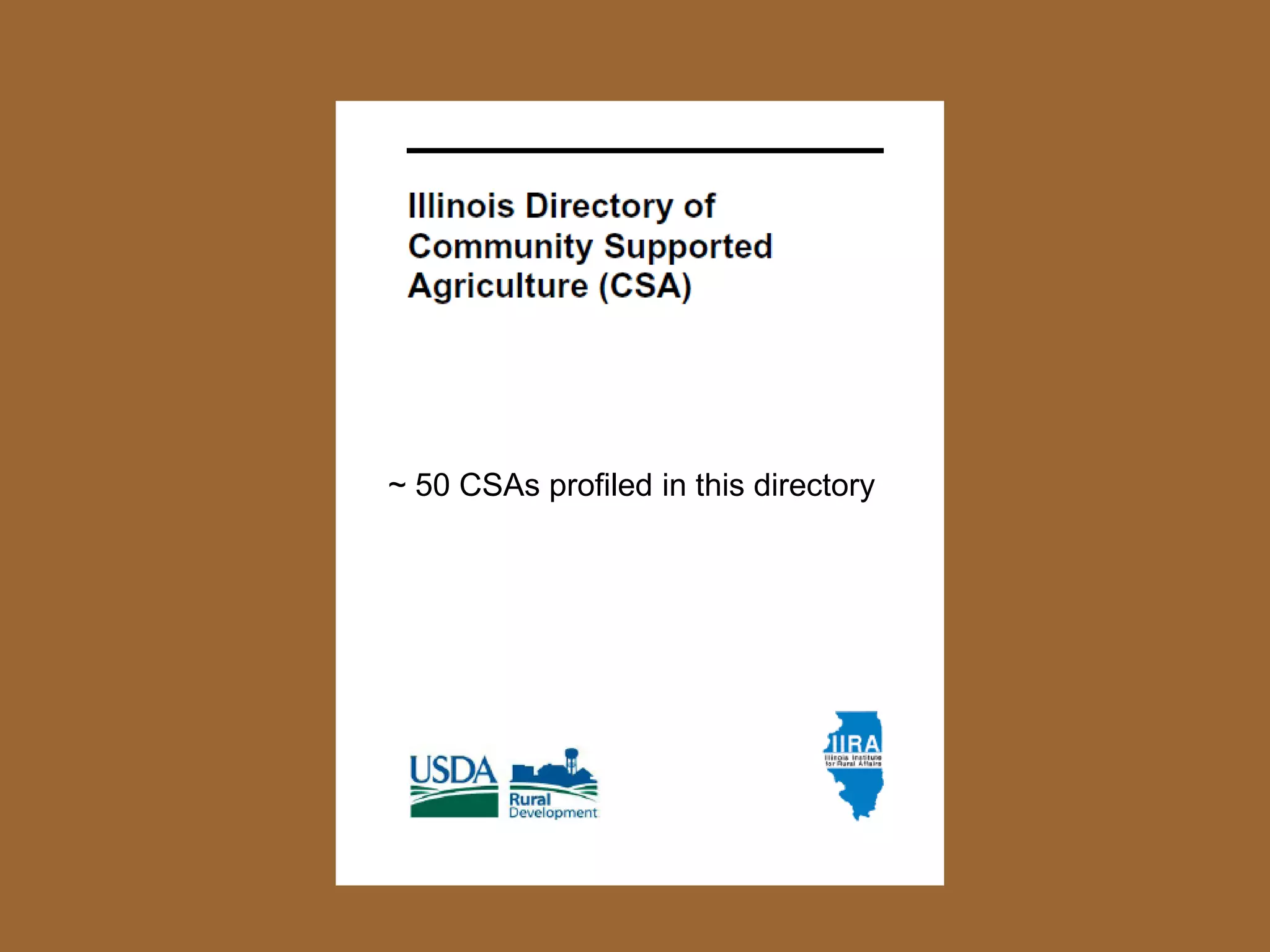
~ 50 CSAs profiled in this directory
Some of
  these #s
seem hard to
  believe !
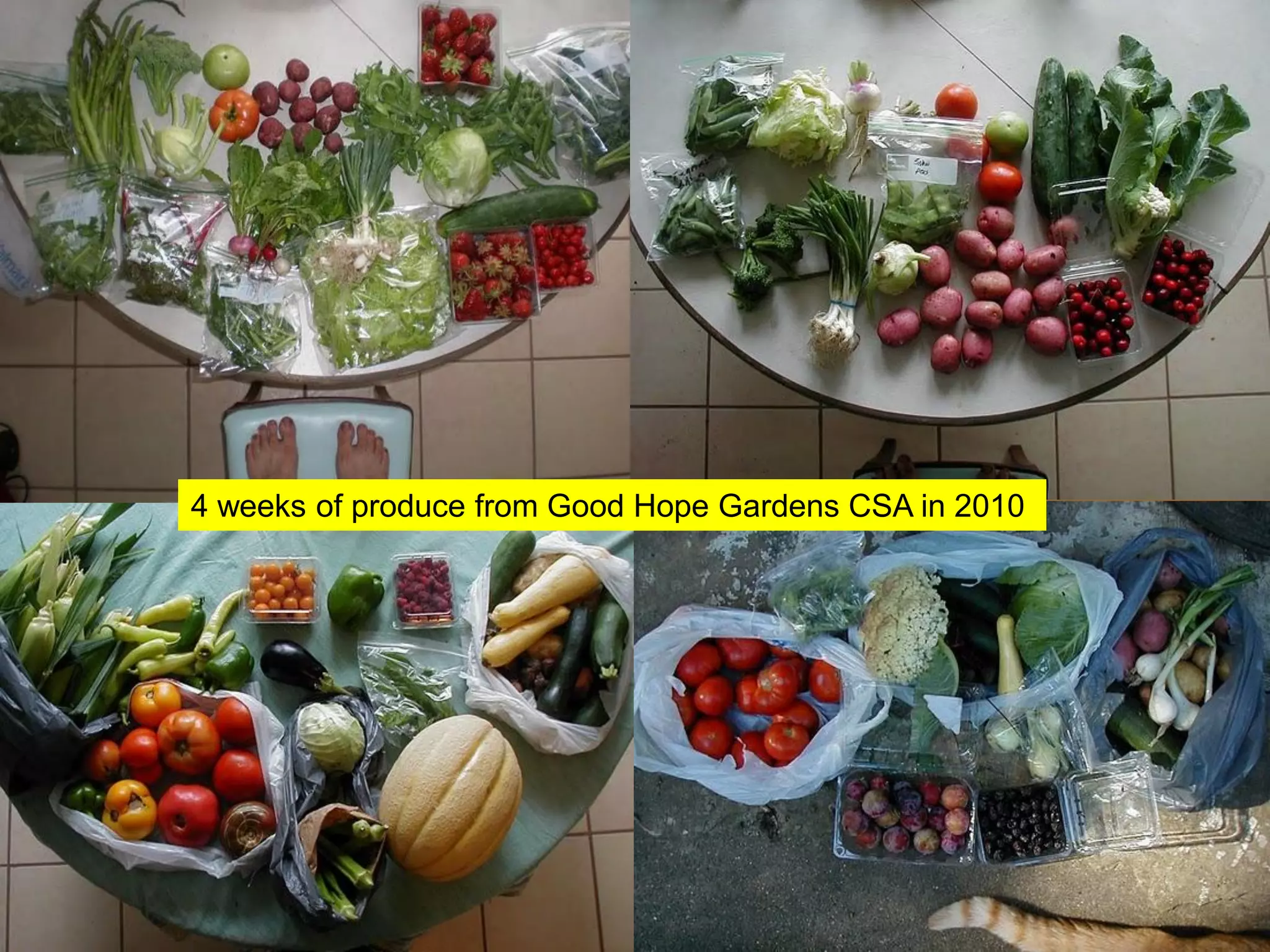
4 weeks of produce from Good Hope Gardens CSA in 2010
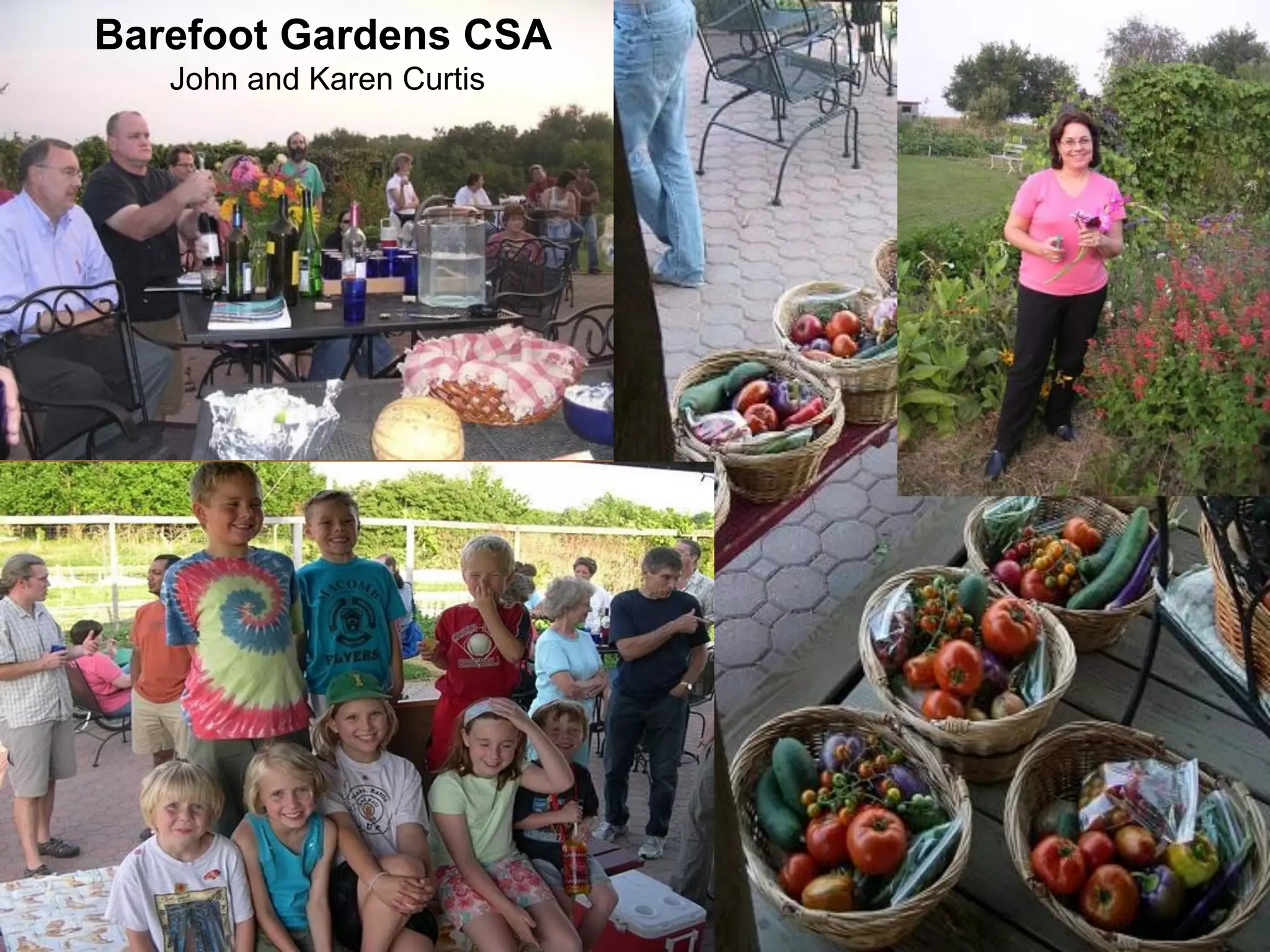
Barefoot Gardens CSA
   John and Karen Curtis
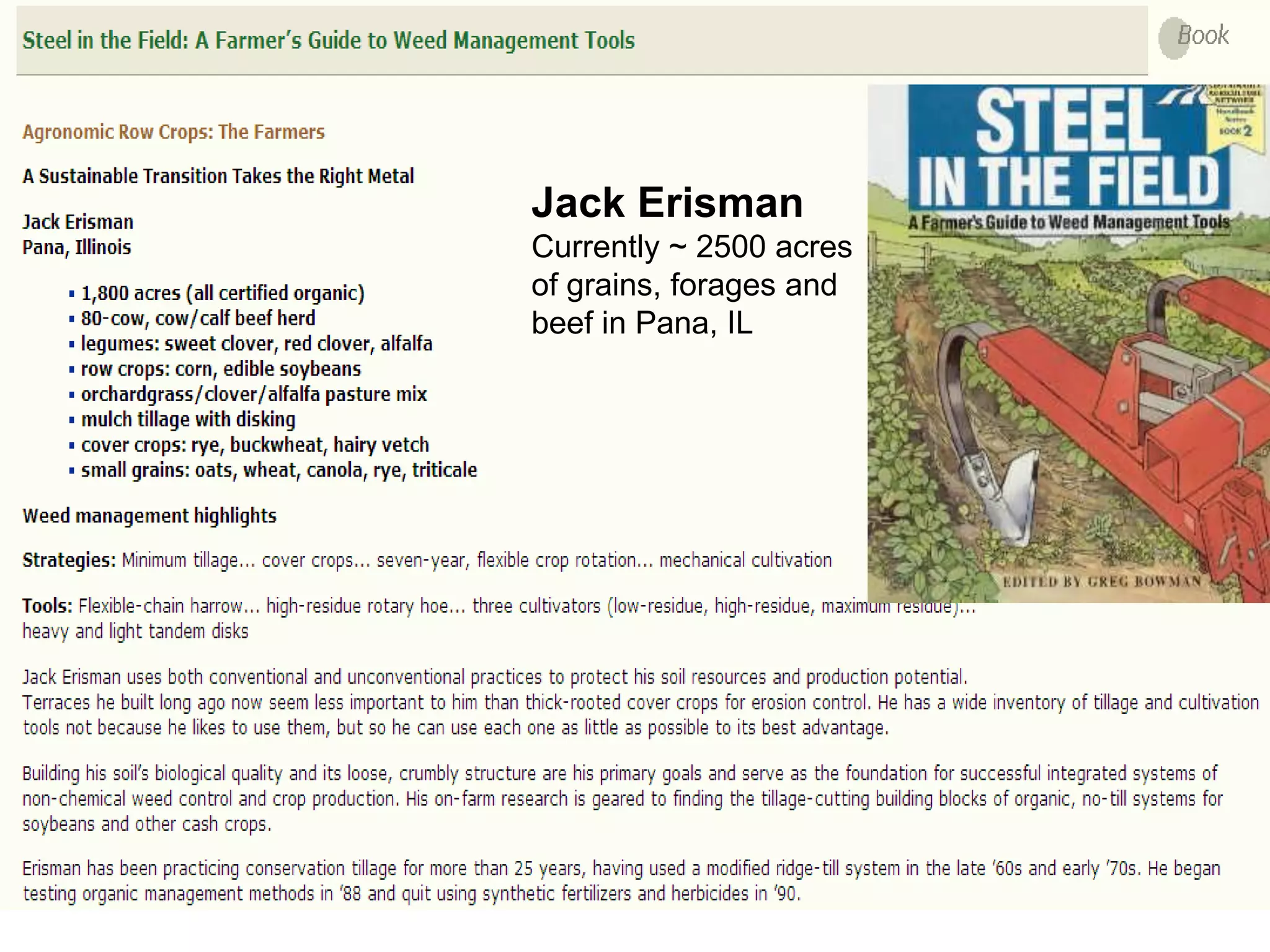
Jack Erisman
Currently ~ 2500 acres
of grains, forages and
beef in Pana, IL
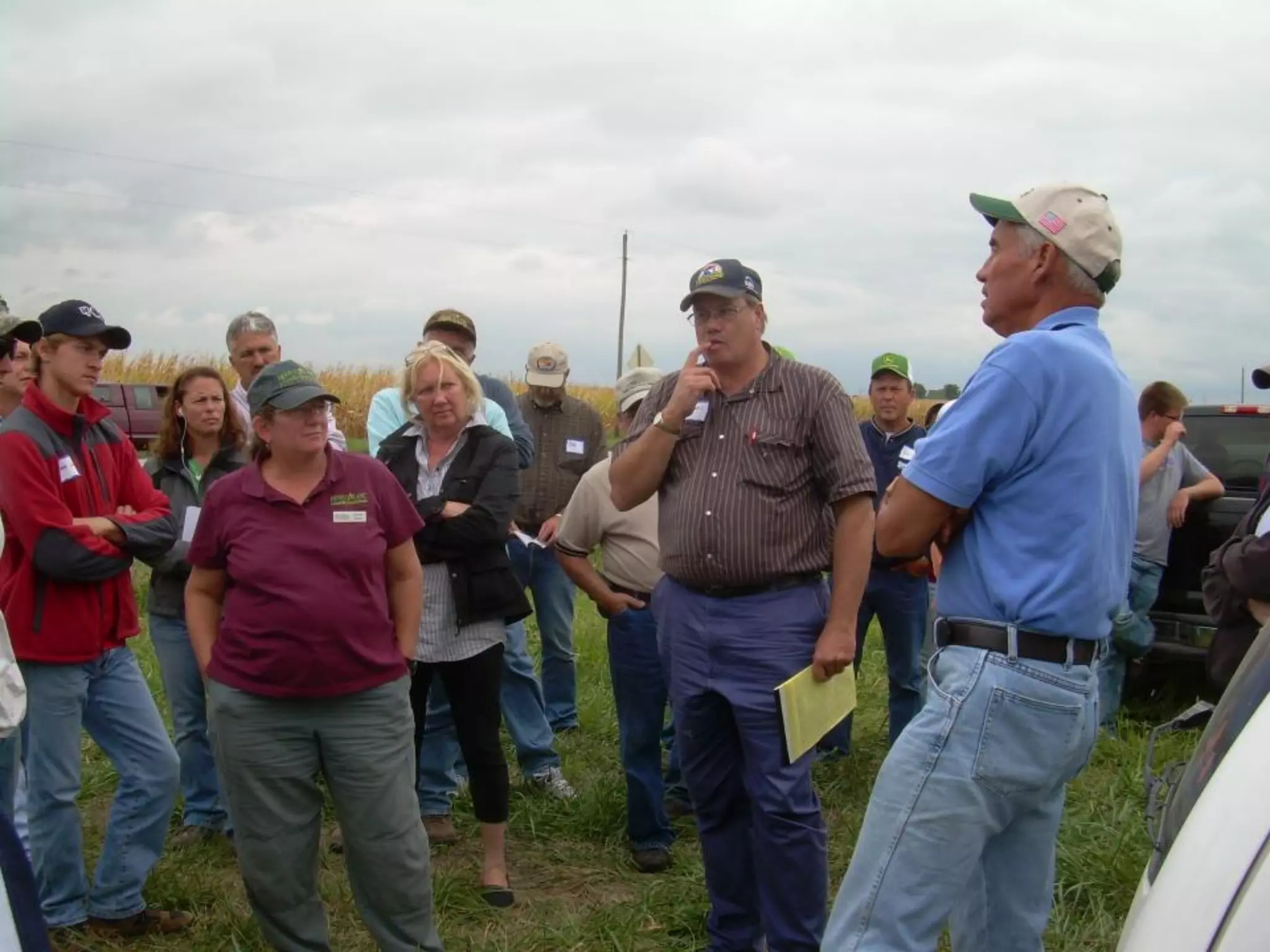
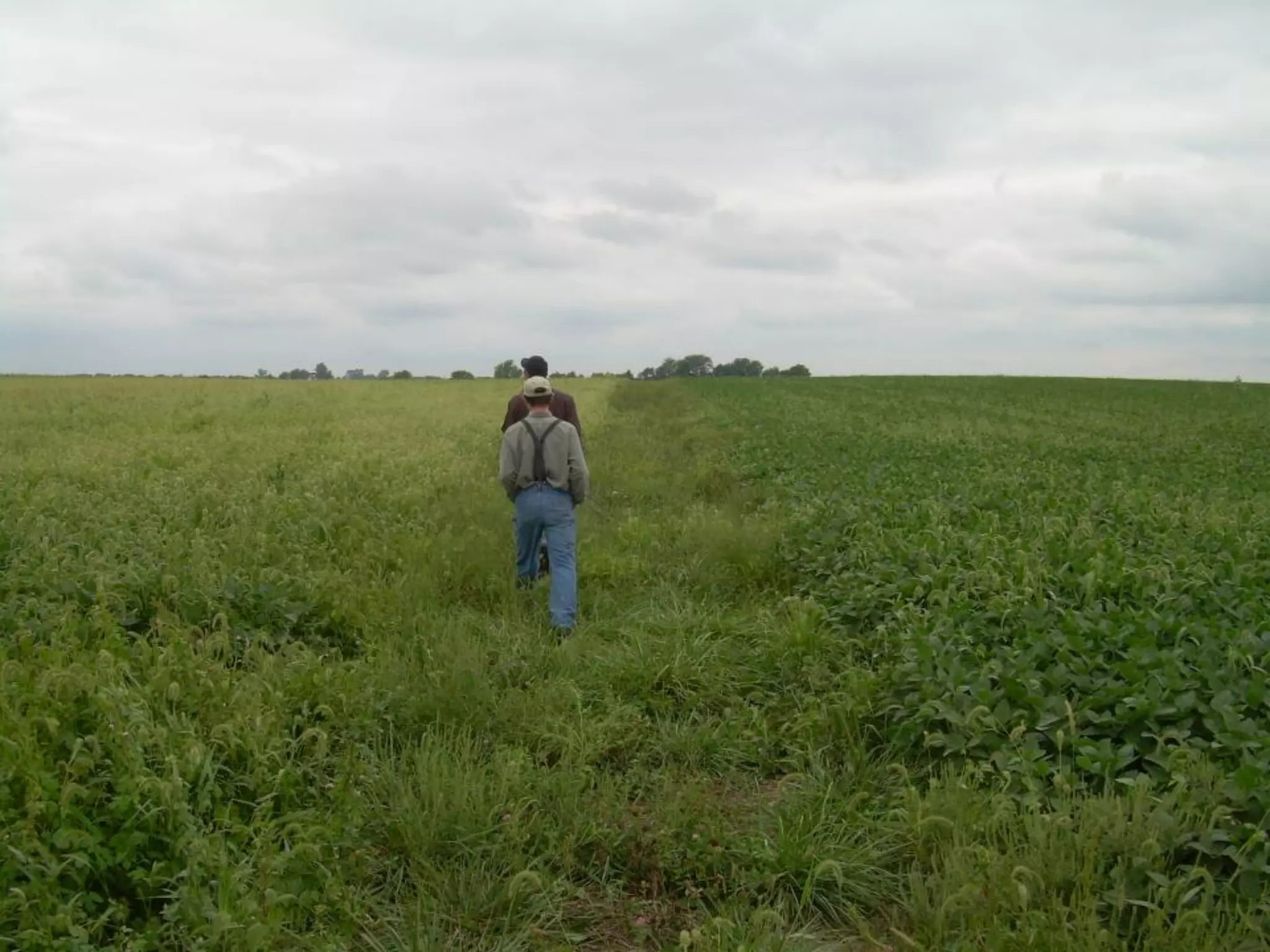
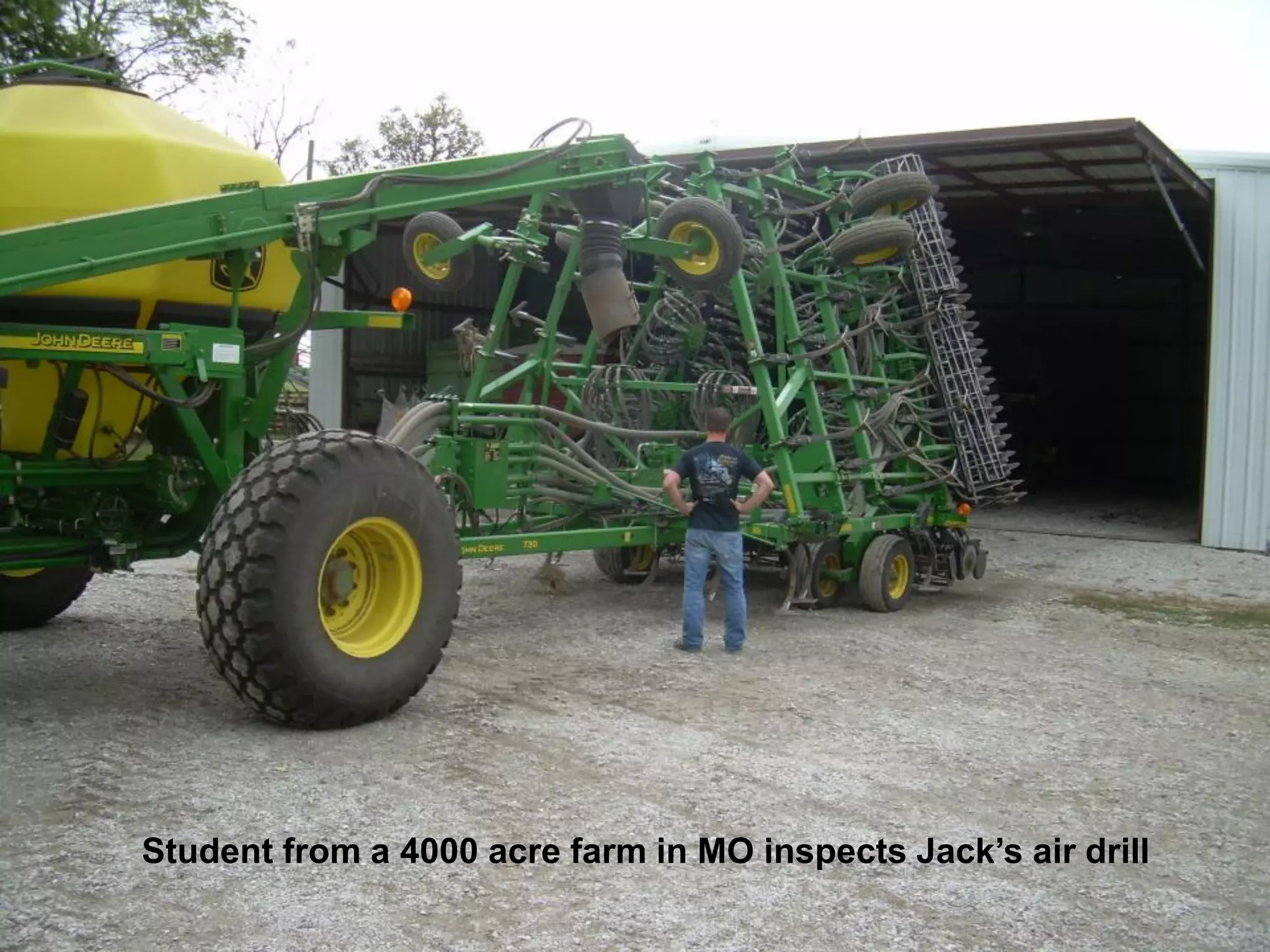
Student from a 4000 acre farm in MO inspects Jack’s air drill
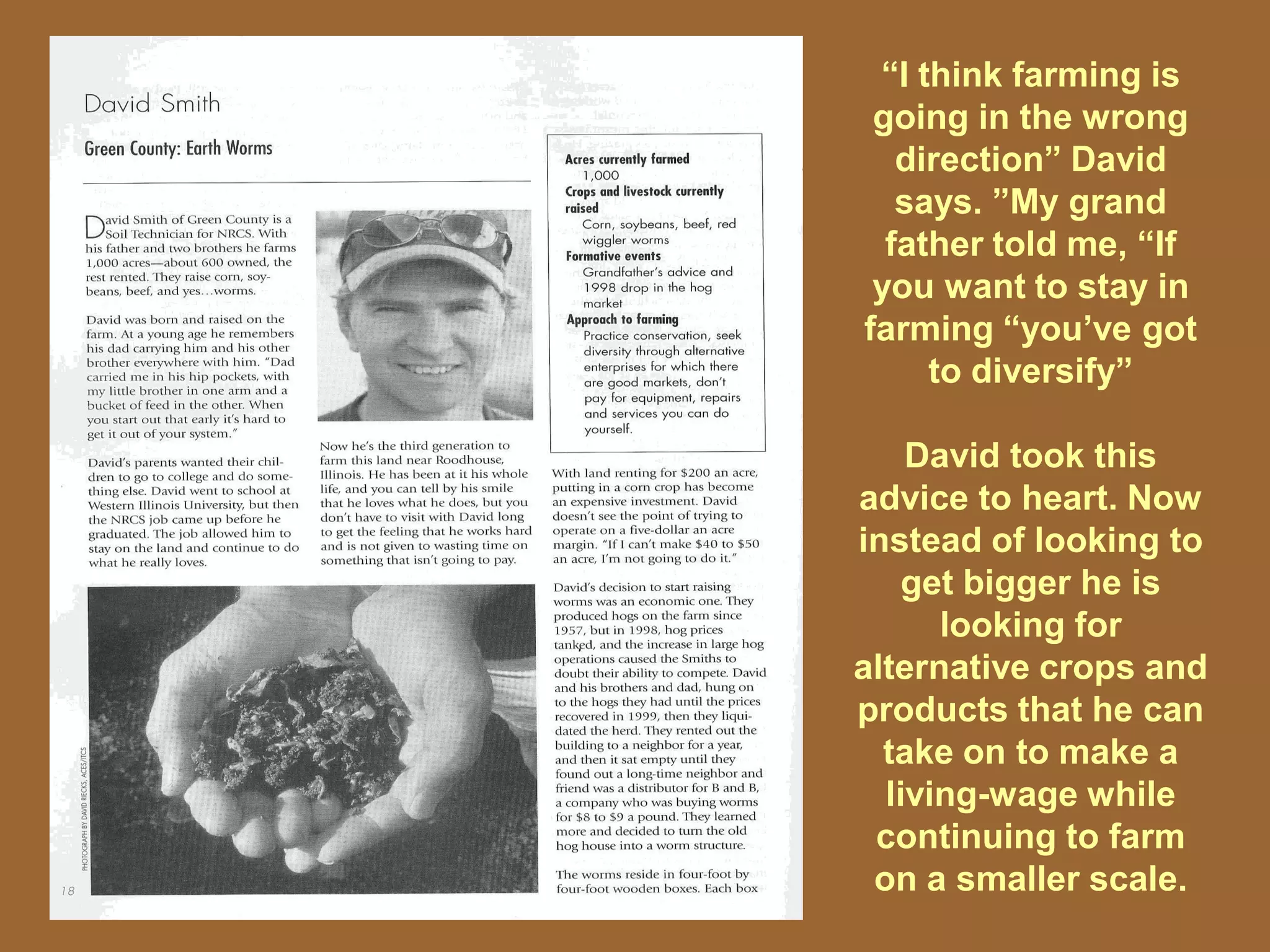
“I think farming is
 going in the wrong
   direction” David
   says. ”My grand
  father told me, “If
 you want to stay in
farming “you’ve got
     to diversify”

    David took this
advice to heart. Now
instead of looking to
    get bigger he is
      looking for
alternative crops and
products that he can
  take on to make a
  living-wage while
 continuing to farm
 on a smaller scale.
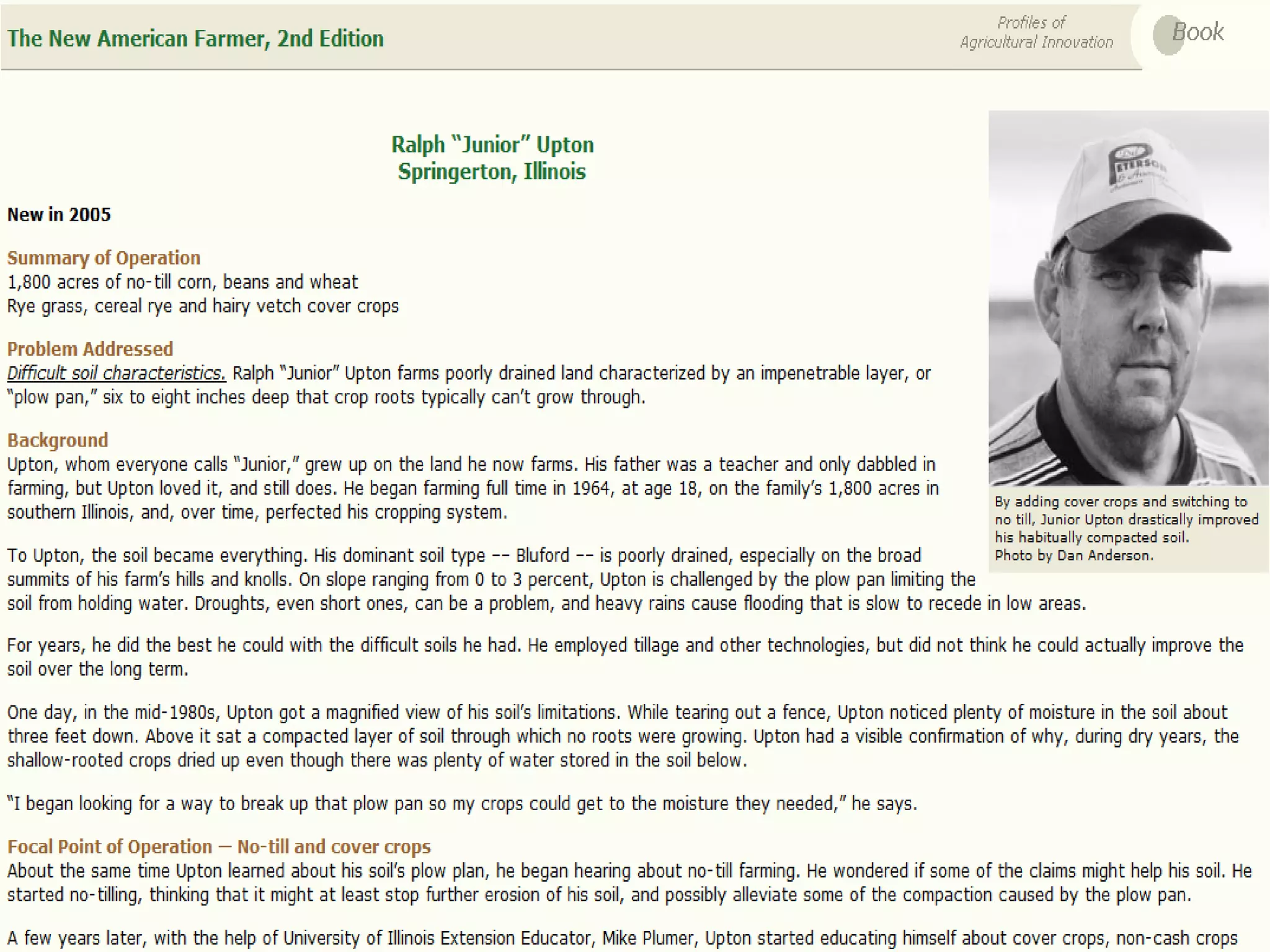
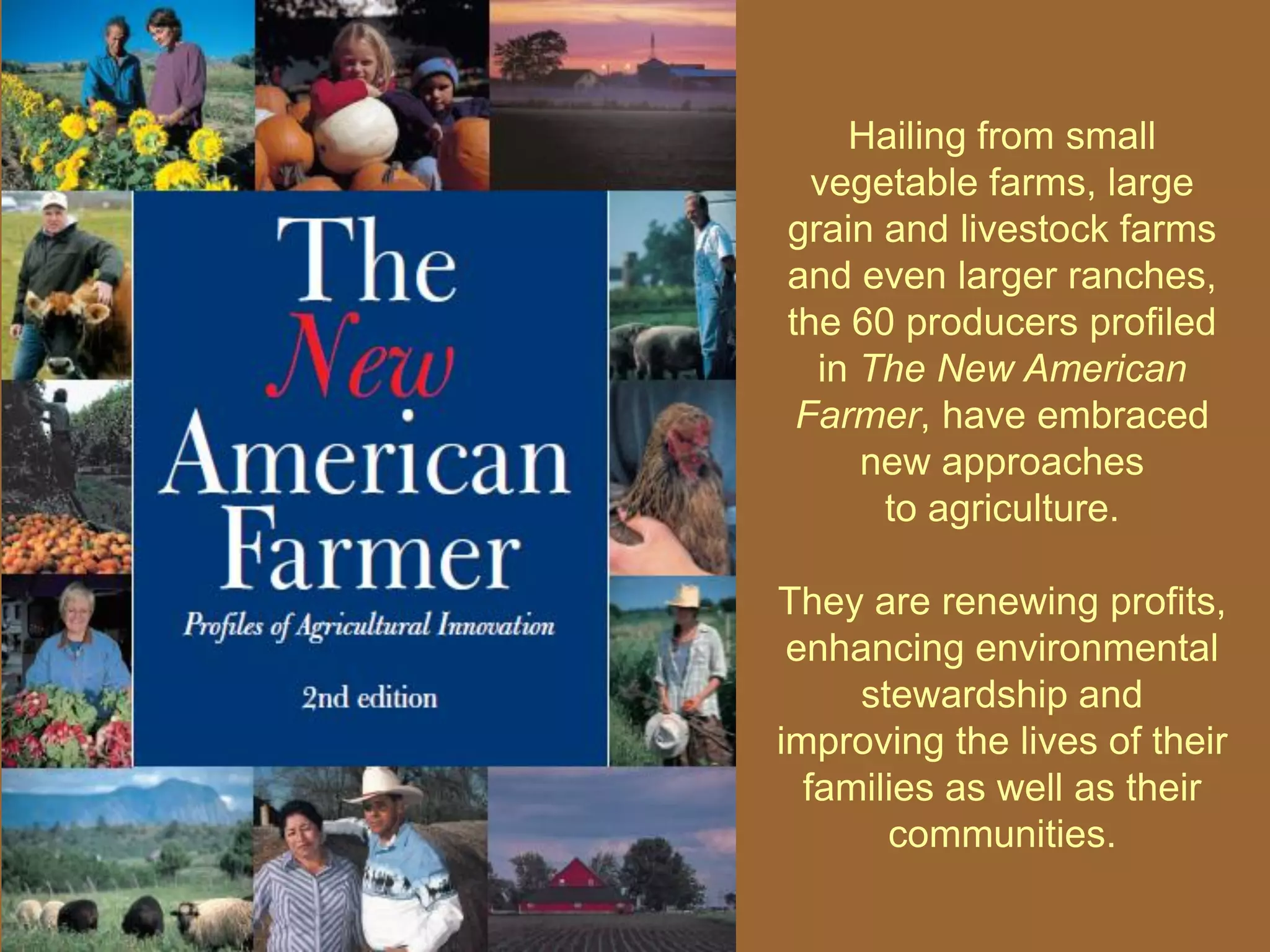
Hailing from small
  vegetable farms, large
grain and livestock farms
and even larger ranches,
the 60 producers profiled
  in The New American
 Farmer, have embraced
     new approaches
      to agriculture.

They are renewing profits,
 enhancing environmental
     stewardship and
improving the lives of their
  families as well as their
       communities.
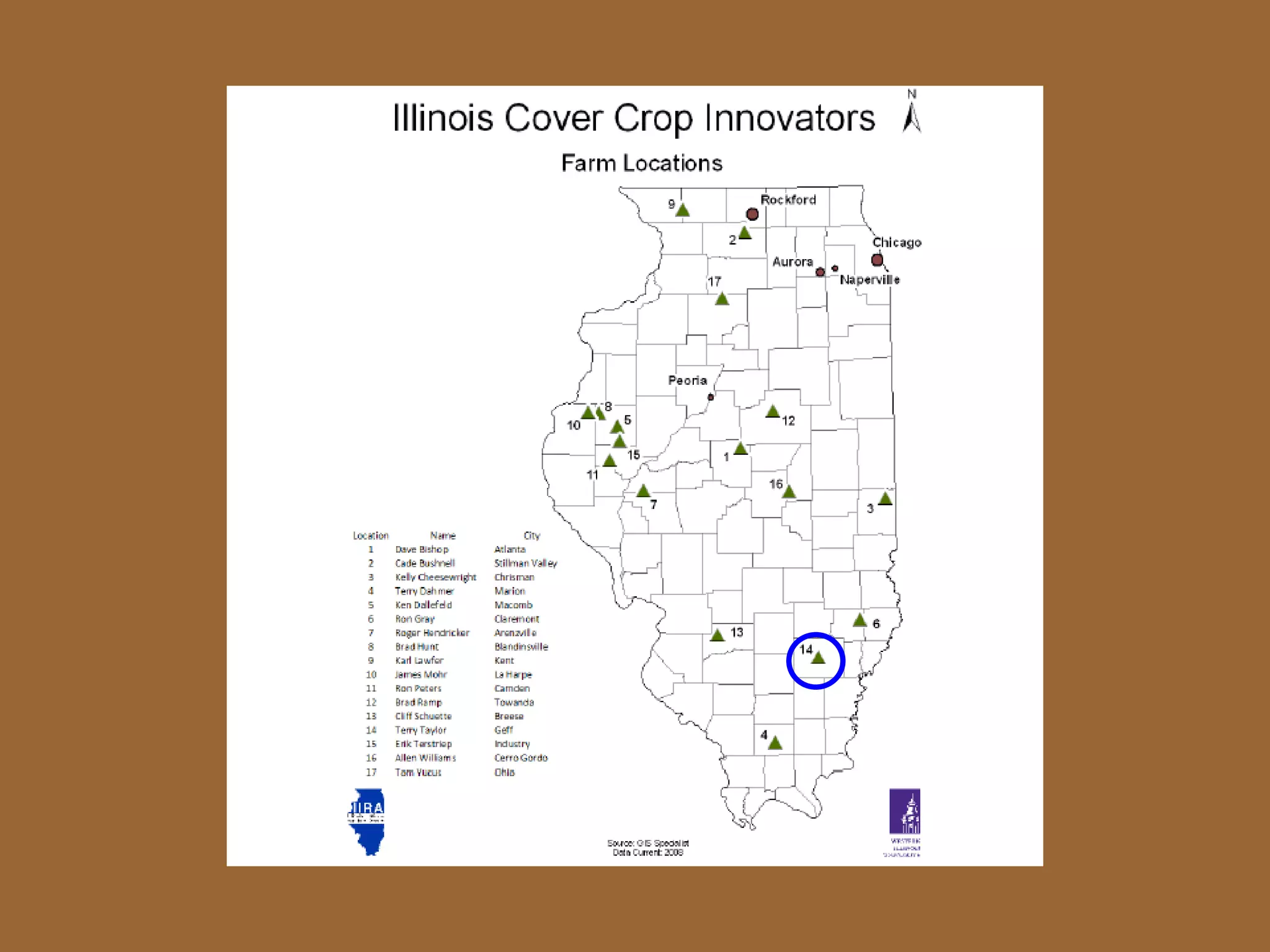
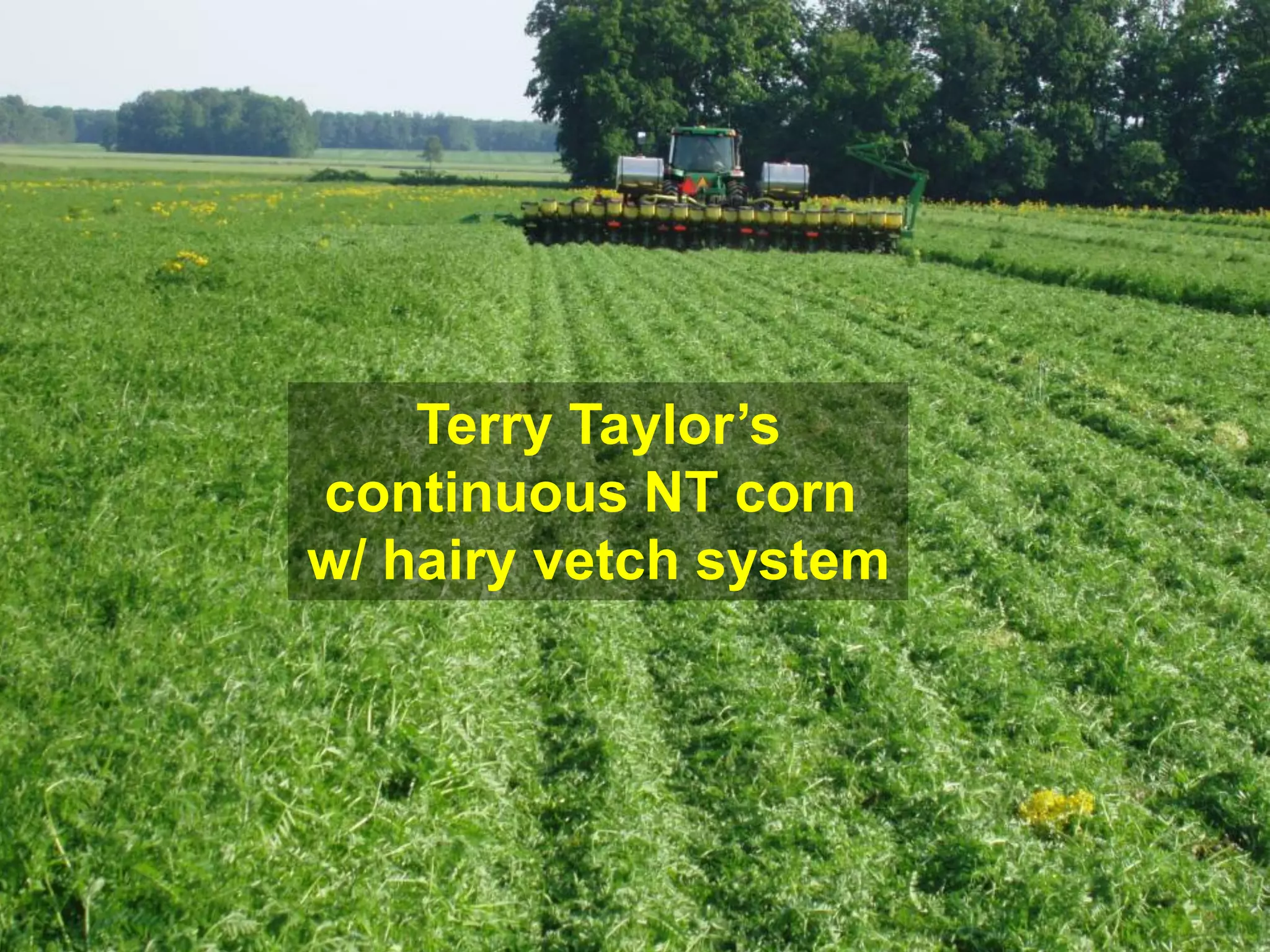
Terry Taylor’s
continuous NT corn
w/ hairy vetch system
in IL
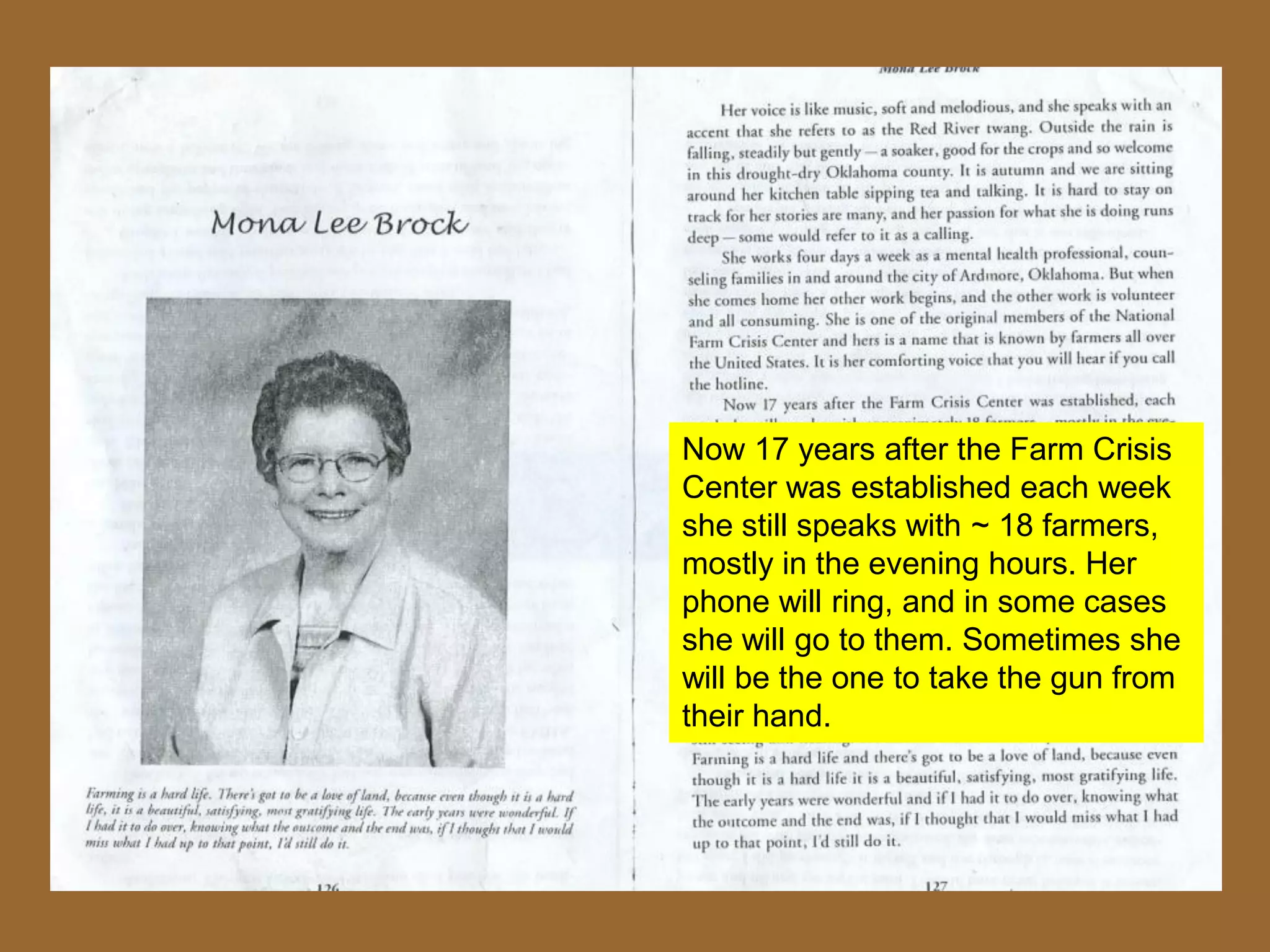
Now 17 years after the Farm Crisis
Center was established each week
she still speaks with ~ 18 farmers,
mostly in the evening hours. Her
phone will ring, and in some cases
she will go to them. Sometimes she
will be the one to take the gun from
their hand.
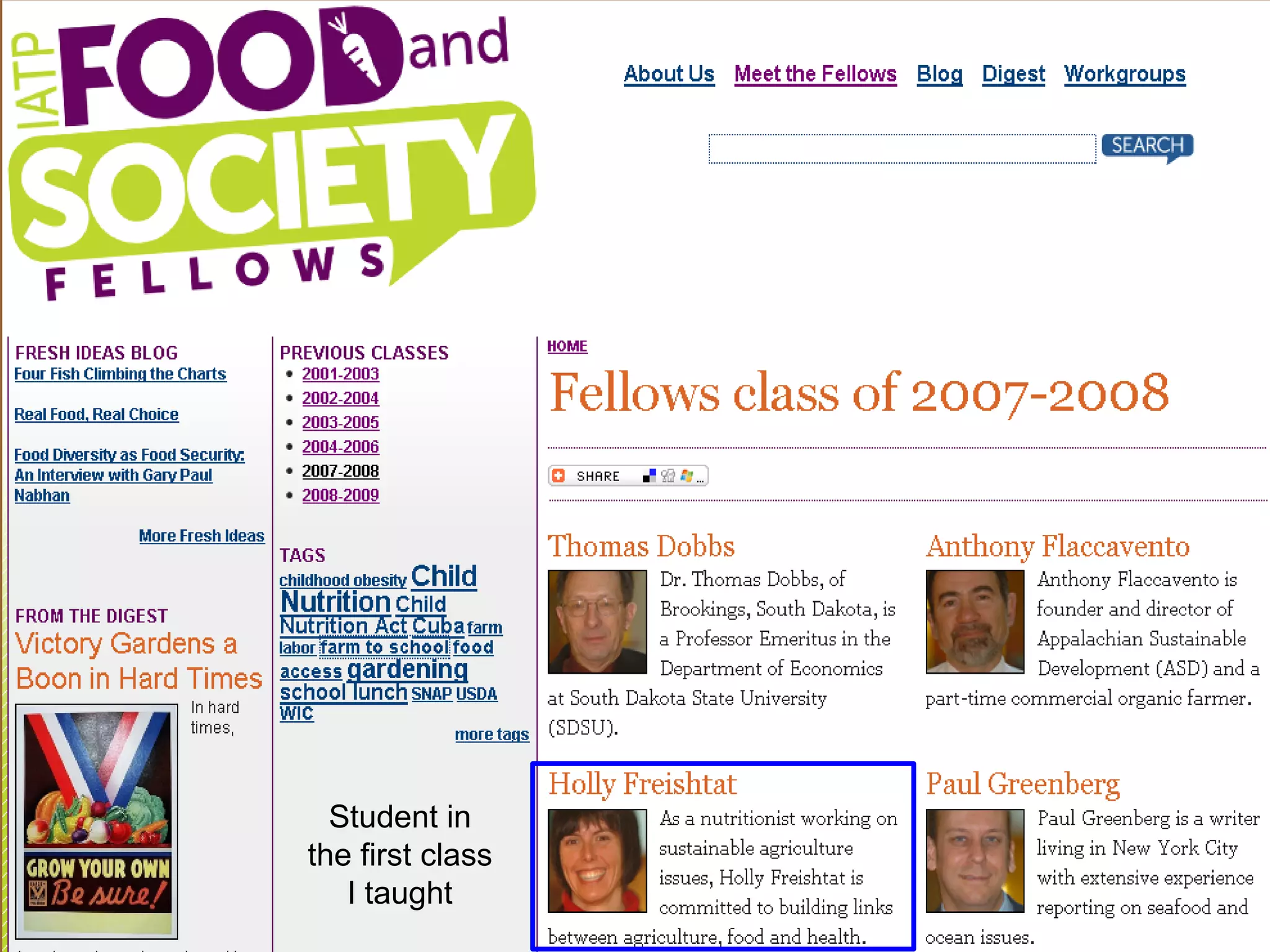
Student in
the first class
   I taught
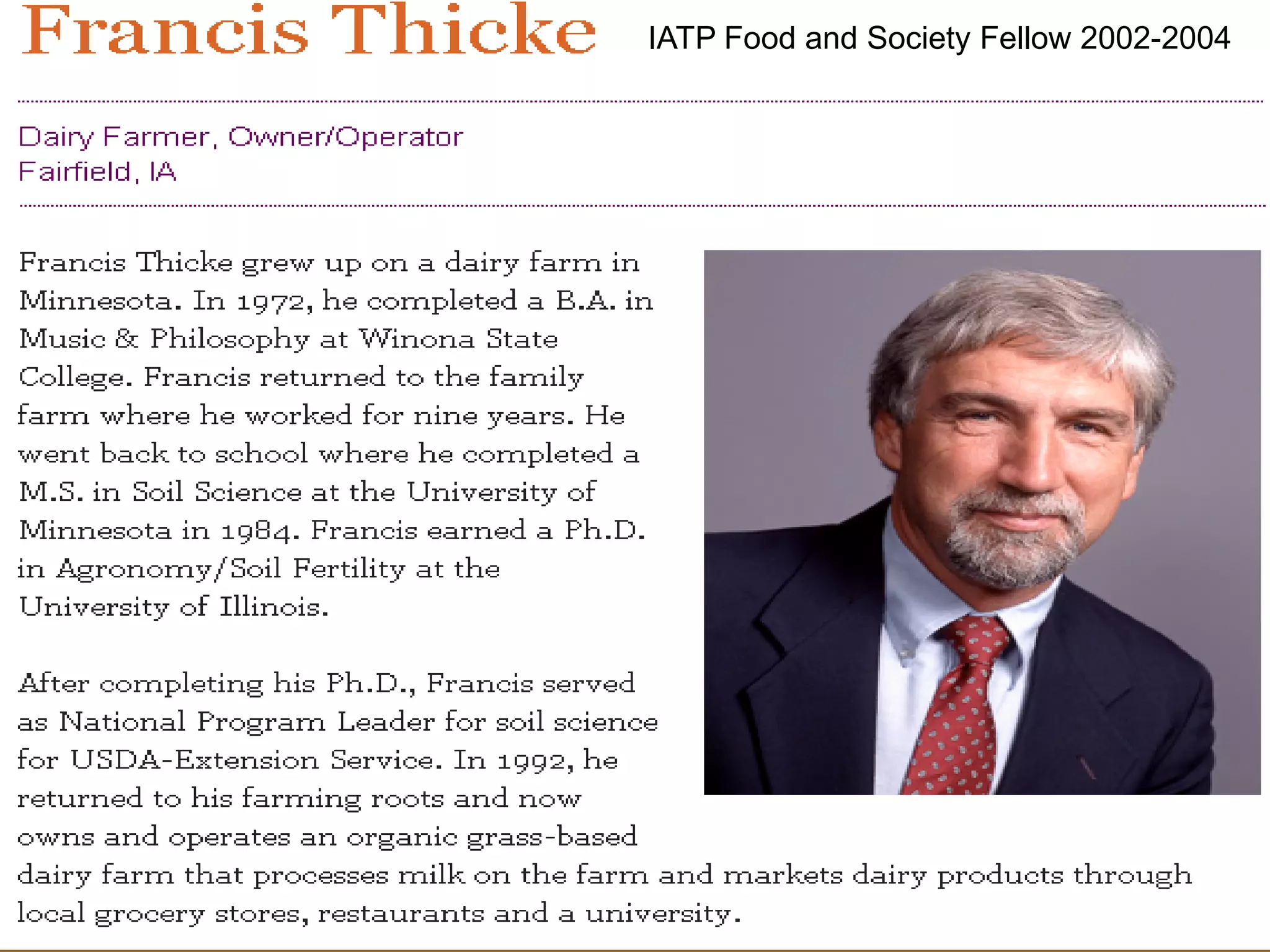
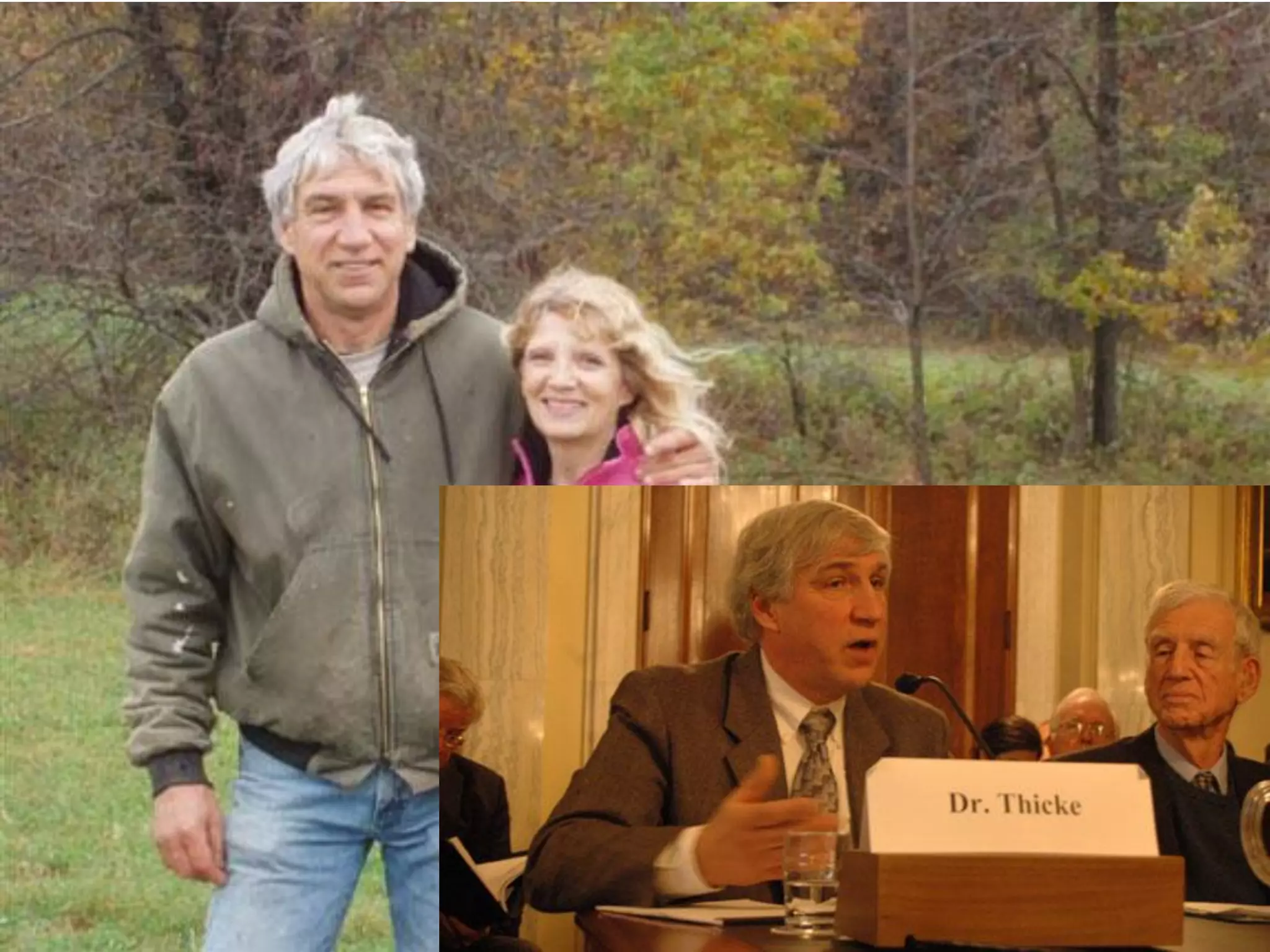
IATP Food and Society Fellow 2002-2004
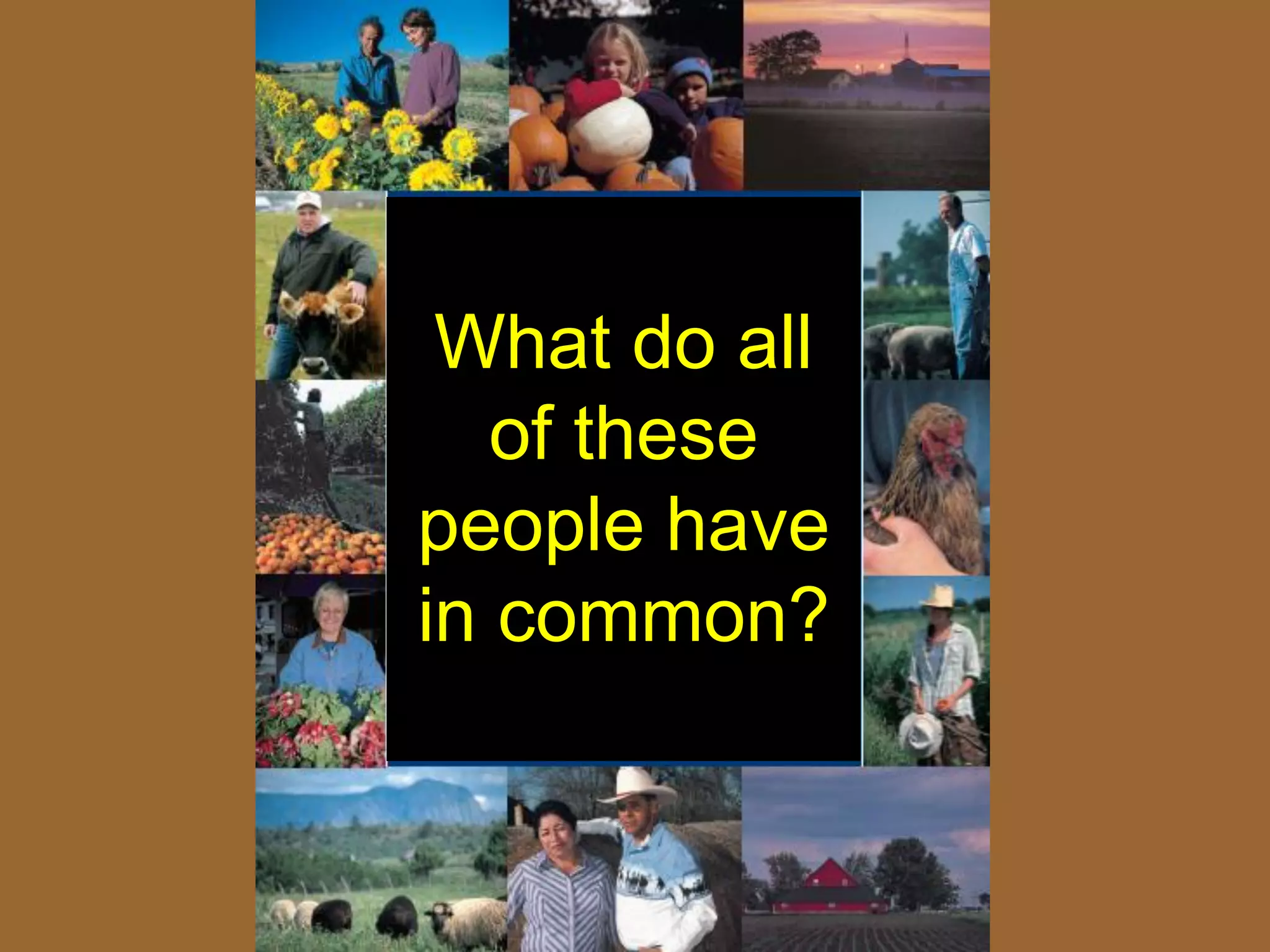
What do all
   of these
people have
in common?
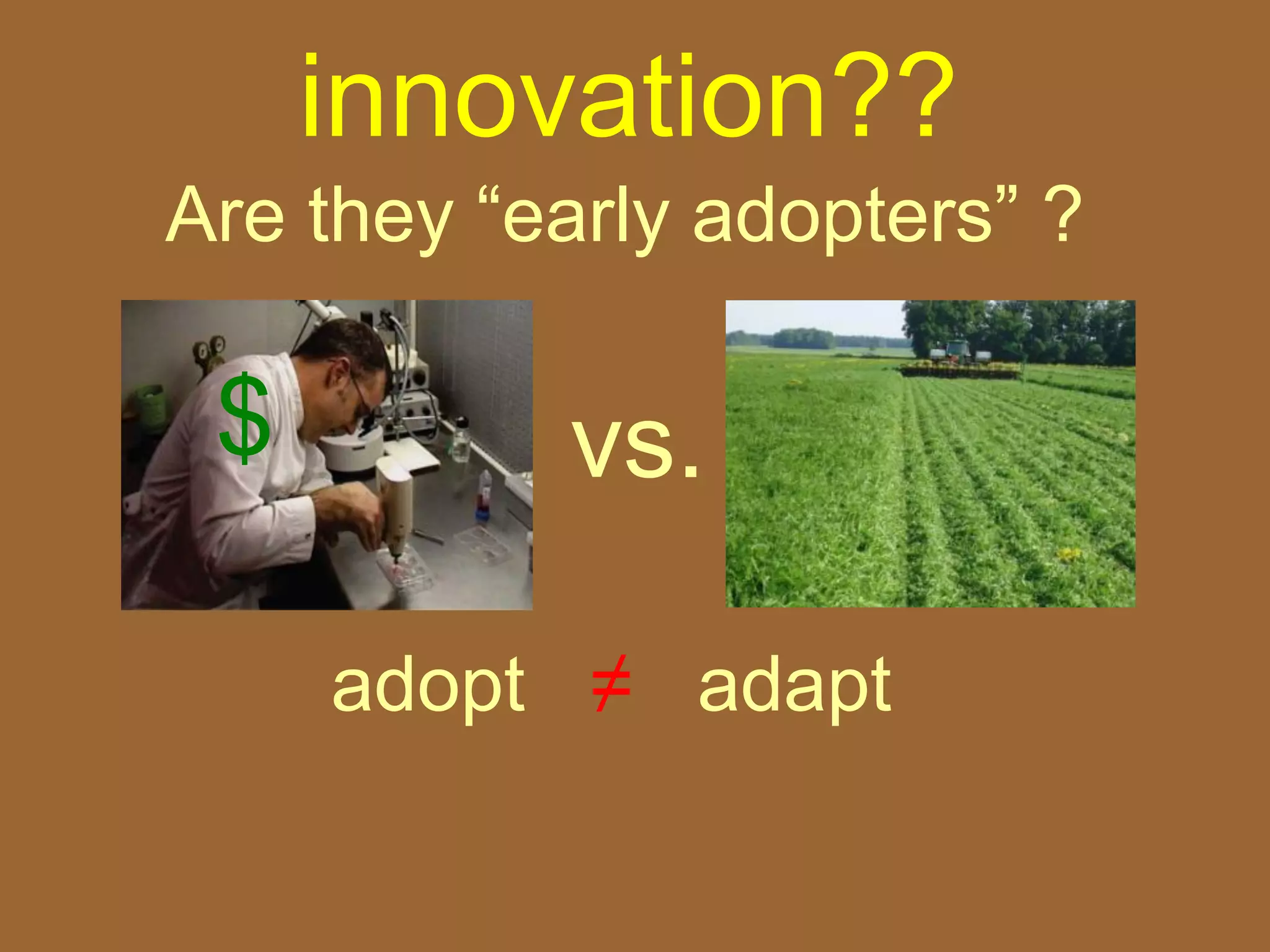
innovation??
Are they “early adopters” ?

 $         vs.

     adopt ≠ adapt
What is
stewardship
  innovation??

     ?
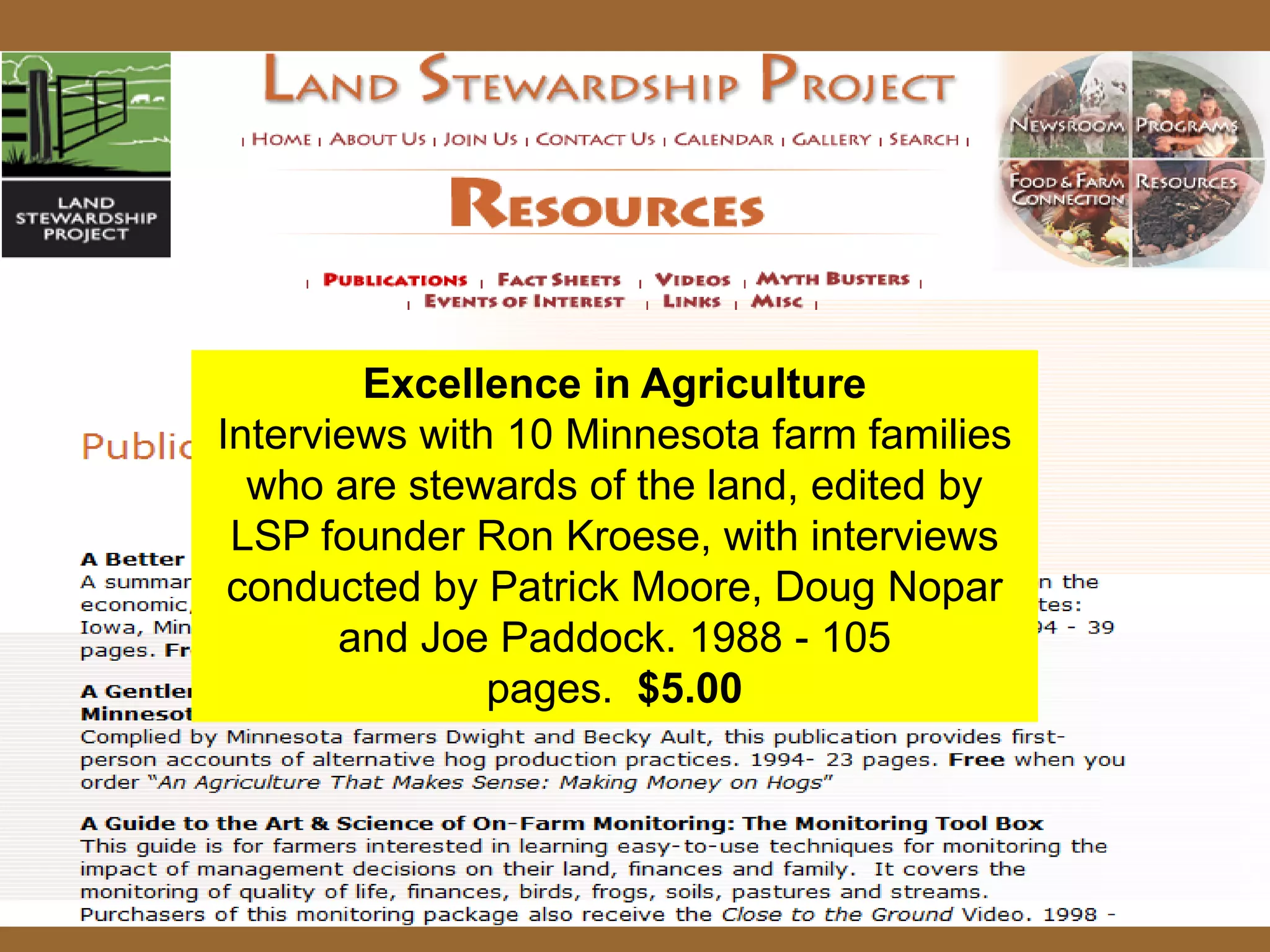
Excellence in Agriculture
Interviews with 10 Minnesota farm families
  who are stewards of the land, edited by
 LSP founder Ron Kroese, with interviews
 conducted by Patrick Moore, Doug Nopar
       and Joe Paddock. 1988 - 105
               pages. $5.00
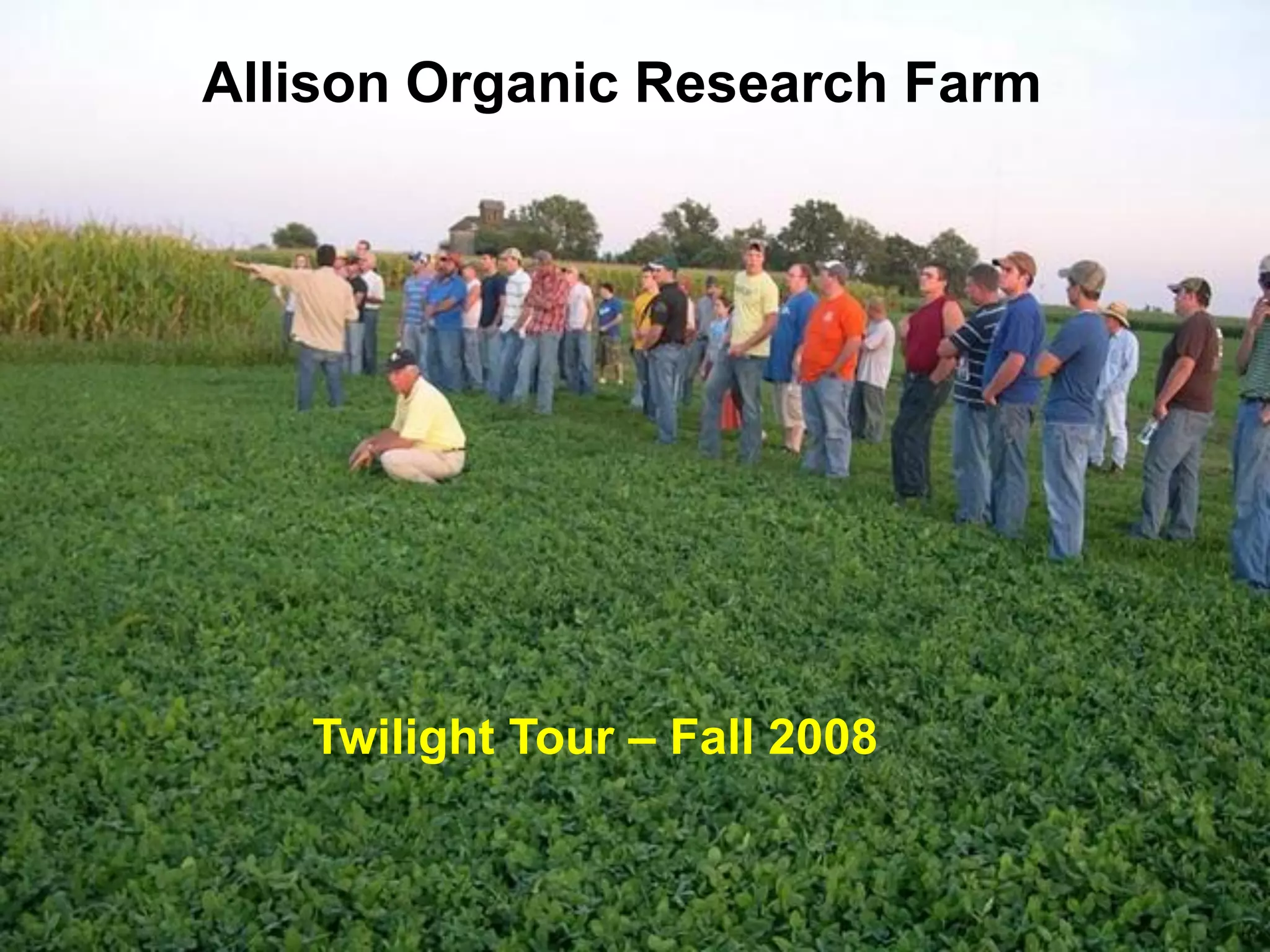
Allison Organic Research Farm


   Twilight Tour – Fall 2008
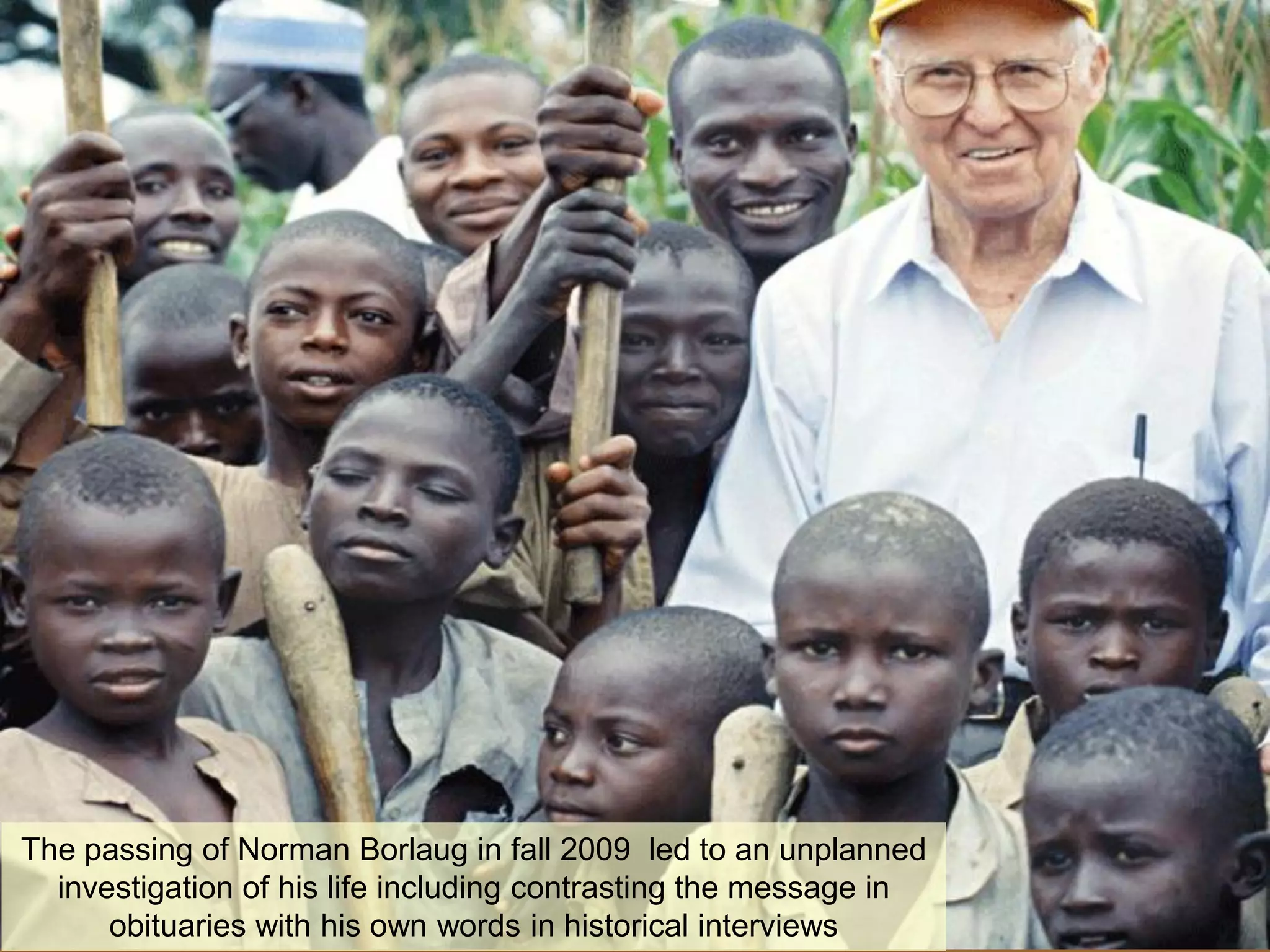
The passing of Norman Borlaug in fall 2009 led to an unplanned
  investigation of his life including contrasting the message in
      obituaries with his own words in historical interviews
Most farmers are using methods which do
 not allow production flexibility. American
 agriculture of the conventional type "works"
 only when the throttle governing energy and
 input flows is pulled all the way out. Farmers
 lack the option of switching-either
 permanently or temporarily-to an alternate
 system that performs well when conventional
 production is not profitable.

Paraphrased Robert Rodale quote that caught my attention back in the 80s
Imagine if you got in your car one
day and discovered that it could
only be driven with the gas pedal
all the way to the floor… you
might be able to get to your
destination really fast… if there
were no curves in the road, no
pedestrians out for a stroll, no
deer, no inclement weather…
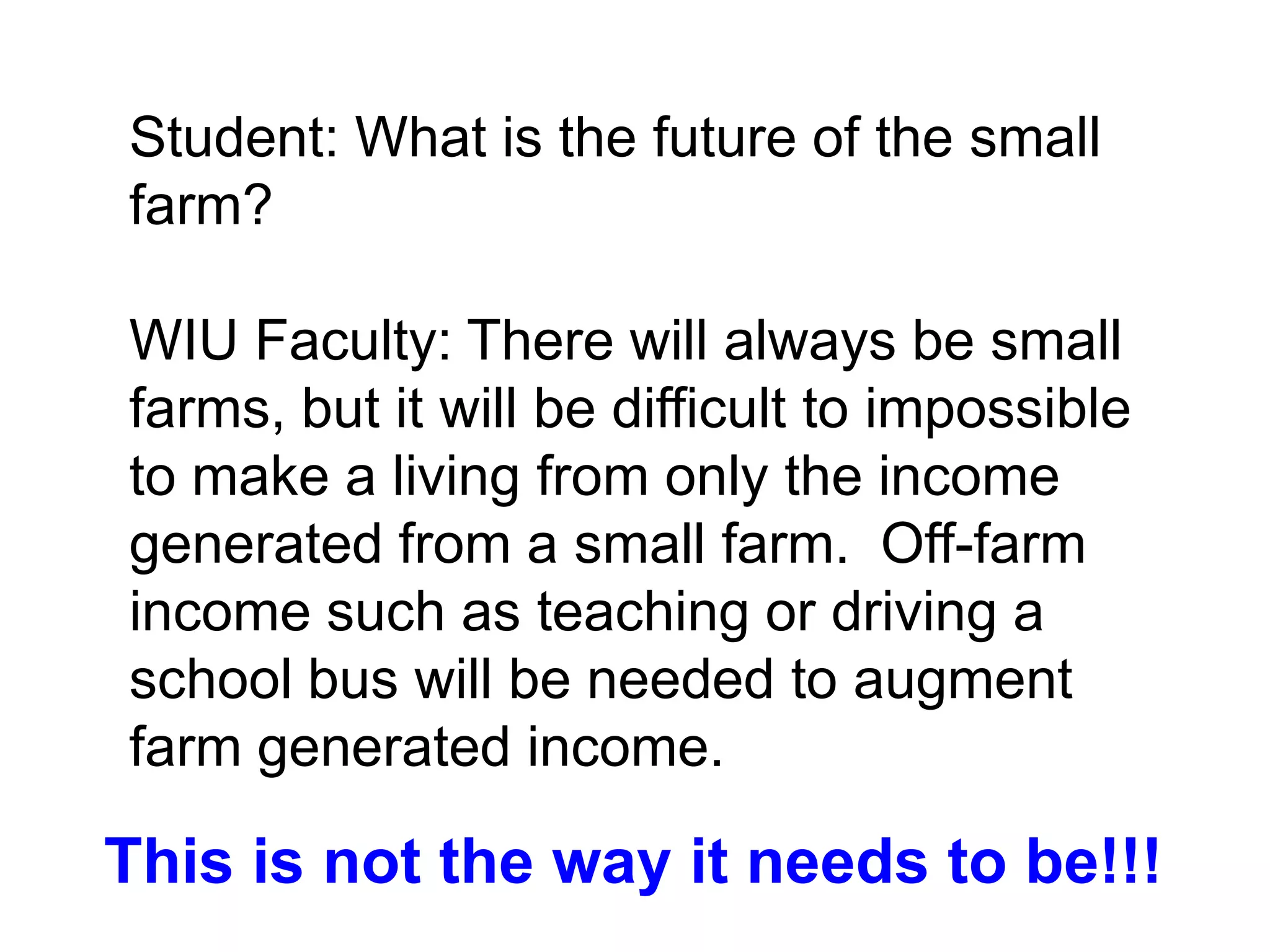
Student: What is the future of the small
farm?

WIU Faculty: There will always be small
farms, but it will be difficult to impossible
to make a living from only the income
generated from a small farm. Off-farm
income such as teaching or driving a
school bus will be needed to augment
farm generated income.

This is not the way it needs to be!!!
Personal farm management problems
                vs.
       farm policy problems

 • When individual farmers have
   financial problems, it may be
   reasonable to conclude that these
   farmers are poor managers
 • When most farmers have financial
   problems, it is reasonable to
   conclude that there are problems
   with farm policy
Rather than recognize the failure of 5
 million farms as a social problem, US
 farm policies have been based upon
 the belief that this was a personal
 problem i.e., that farm failures resulted
 primarily from bad management.
Rather than recognize and address
   the deficiencies in the structure,
conduct, and performance of the farm
 economy, most policies focused on
individual rather than group behavior.
Adoption of new technology by
  individual farmers has been
emphasized with little regard to
 implications for farmers as a
             group.
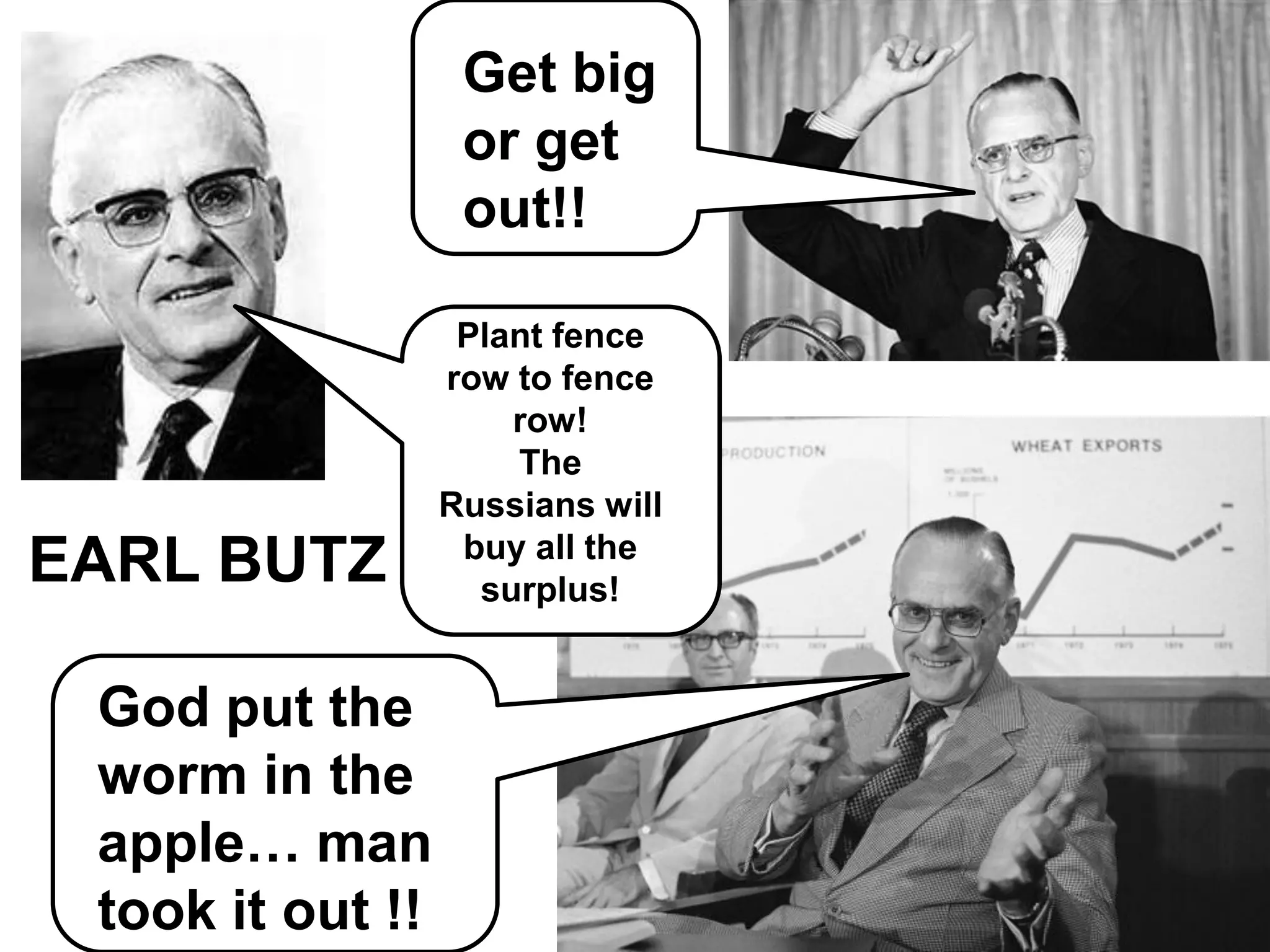
Get big
                   or get
                   out!!

                   Plant fence
                  row to fence
                      row!
                      The
                  Russians will
                   buy all the
EARL BUTZ           surplus!


 God put the
 worm in the
 apple… man
 took it out !!
It is not possible to squeeze the cost of
    production enough to consistently
    generate a profit at all price levels.
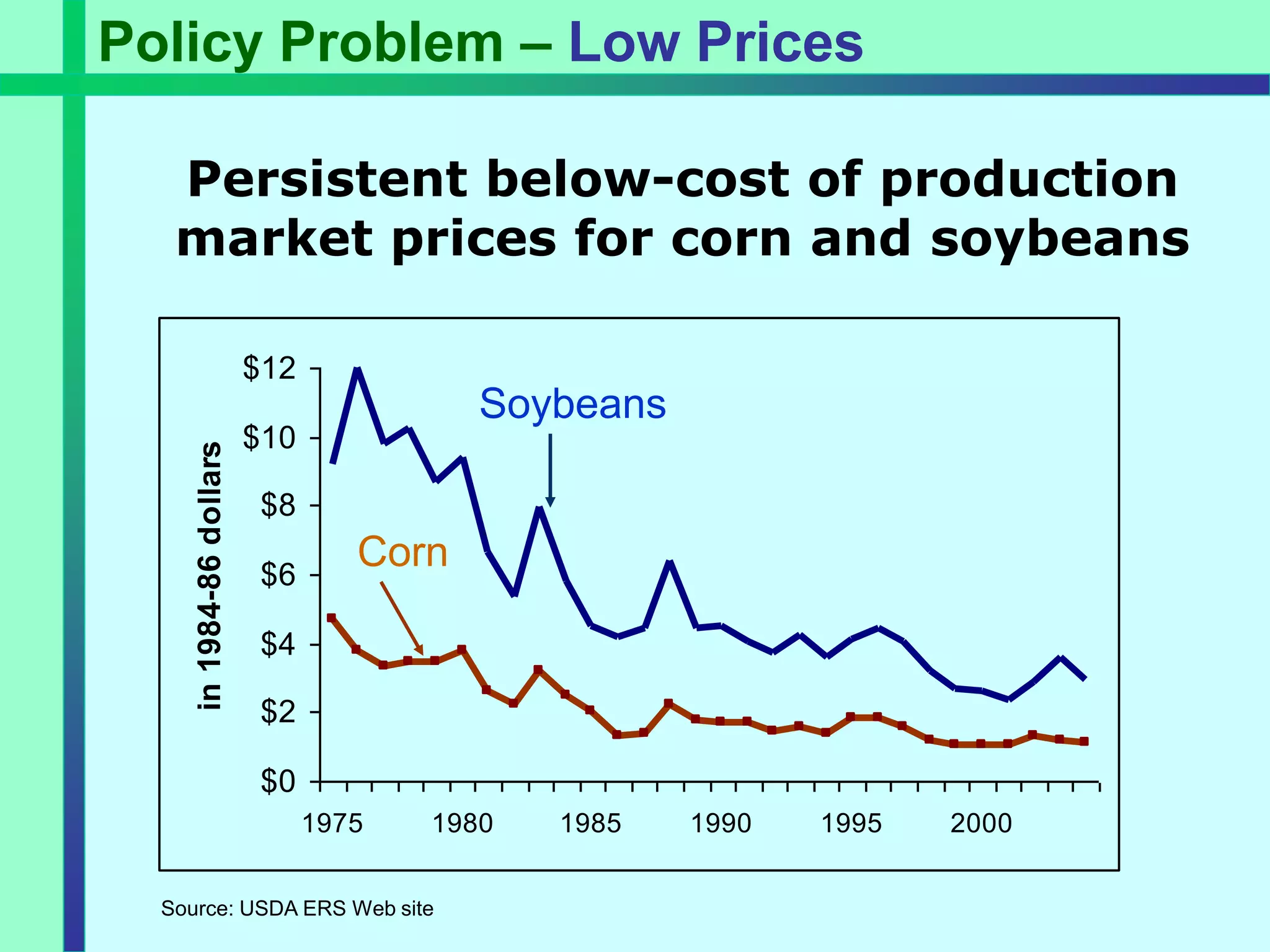
Policy Problem – Low Prices

   Persistent below-cost of production
   market prices for corn and soybeans

                          $12
                                          Soybeans
                          $10
     in 1984-86 dollars


                           $8

                           $6
                                   Corn

                           $4

                           $2

                           $0
                                1975   1980   1985   1990   1995   2000


  Source: USDA ERS Web site
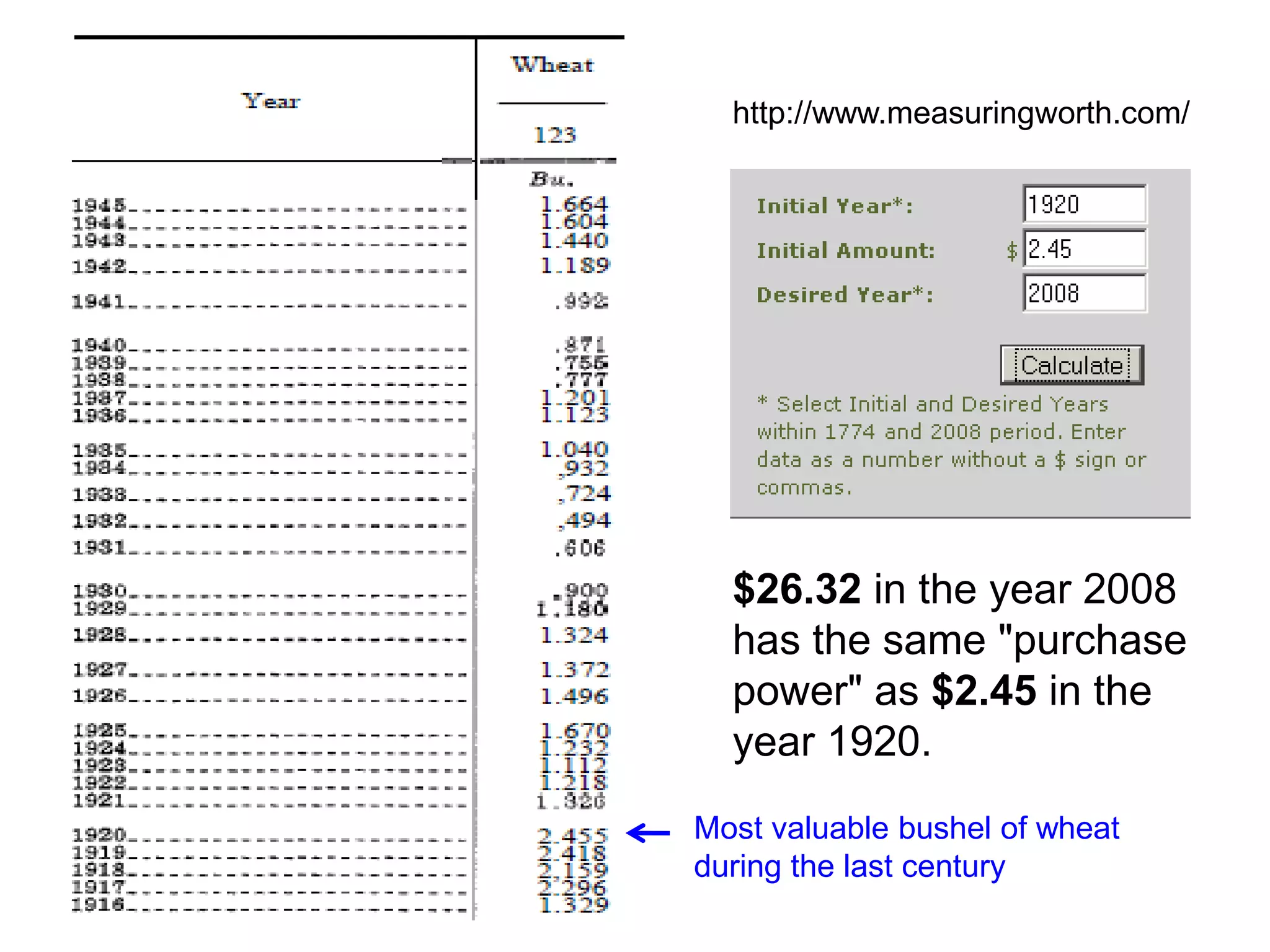
http://www.measuringworth.com/


  $26.32 in the year 2008
  has the same "purchase
  power" as $2.45 in the
  year 1920.
Most valuable bushel of wheat
during the last century
Sustainable
         agriculture


    The
Stewardship
   Spiral

What is sustainable ag?

  • 1.
    What is “SustainableAgriculture”???
  • 2.
    Assignment #1 Exploringthe meaning of sustainable agriculture through reading profiles of sustainable ag practitioners Read 3 profiles from 3 *different* sources For each profile: 1) Identify the person and profile source 2) Track down contact info 3) Describe several interesting things you learned from reading the profile 4) Write 3 questions that you would like to ask the person if you had a chance to meet them. After considering the 3 profiles, your personal experiences, discussion in class this week…etc., explain what sustainable agriculture means to you.
  • 4.
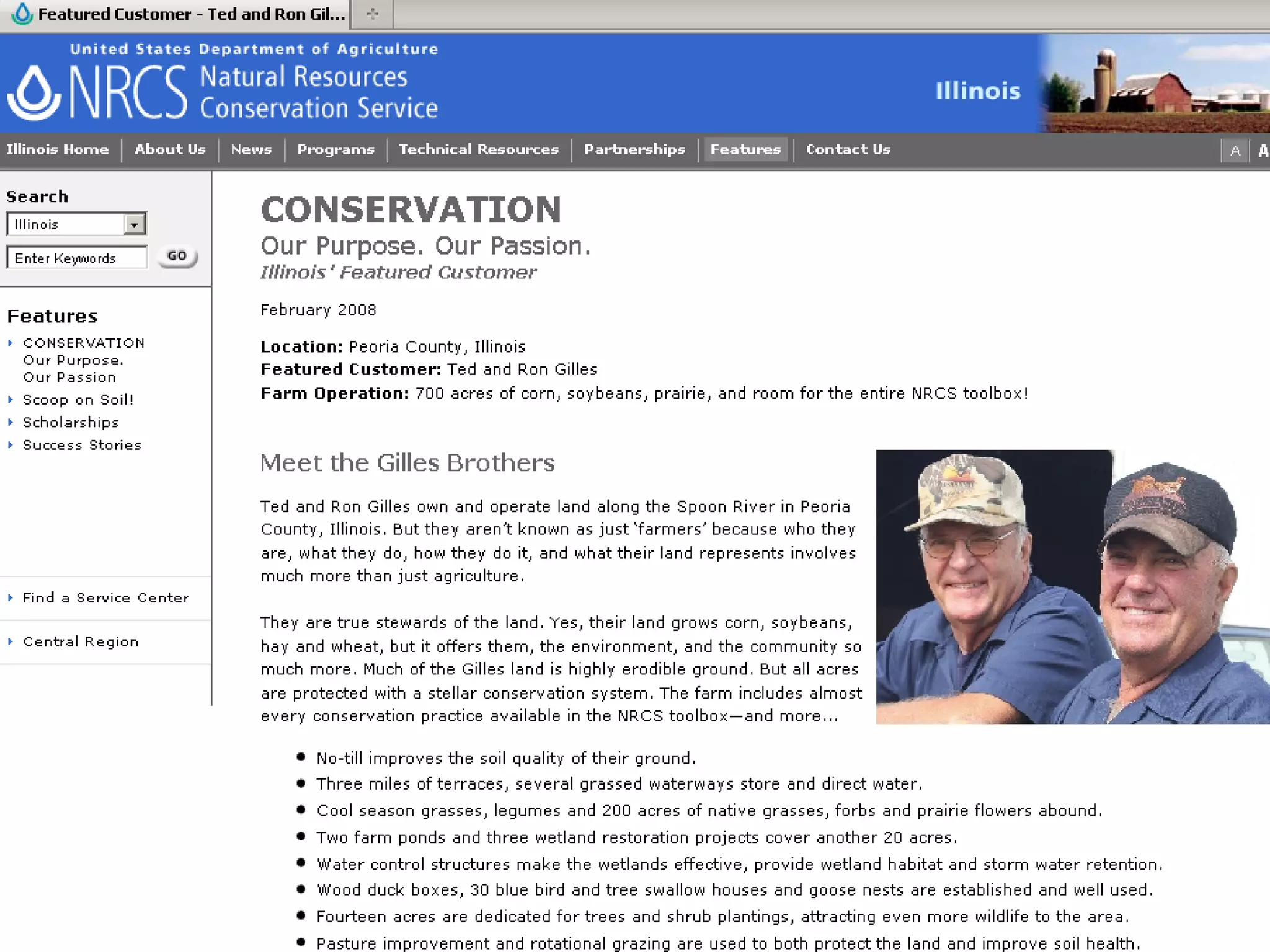
    Introduction “Illinois is blessedwith many excellent farmers. Those appearing in this publication do not constitute a complete list. For the purposes of this book, parameters were placed on the definition of “innovative.” There are many innovative grain farmers in Illinois. They are characterized by a willingness to try the latest technology, always pushing to improve their production efficiency, and do an excellent job of managing their operations. This book is not intended to take anything away from them, but that was not the kind of innovation sought out for this project. Instead, the farmers included in this publication are engaged in alternative entrepreneurial enterprises outside of (or in addition to) conventional corn and soybean farming. Most are adding value and marketing their products directly to consumers. Most do not have off-farm jobs.”
  • 5.
    Farmers profiled in“A Different Field…”
  • 6.
    > 1500 familiesare “members” of this CSA farm!
  • 8.
    ~ 50 CSAsprofiled in this directory
  • 9.
    Some of these #s seem hard to believe !
  • 10.
    4 weeks ofproduce from Good Hope Gardens CSA in 2010
  • 11.
    Barefoot Gardens CSA John and Karen Curtis
  • 14.
    Jack Erisman Currently ~2500 acres of grains, forages and beef in Pana, IL
  • 17.
    Student from a4000 acre farm in MO inspects Jack’s air drill
  • 18.
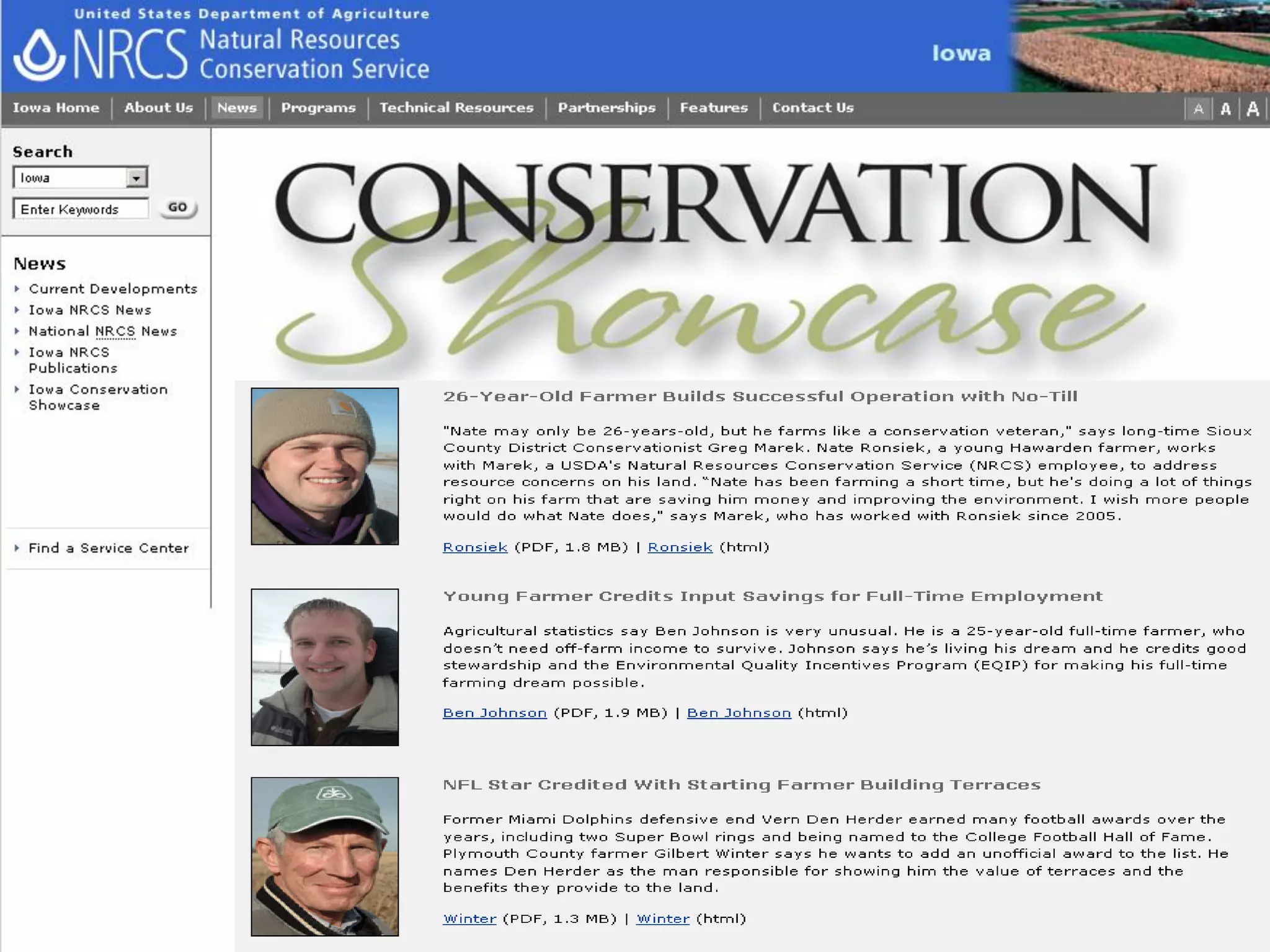
    “I think farmingis going in the wrong direction” David says. ”My grand father told me, “If you want to stay in farming “you’ve got to diversify” David took this advice to heart. Now instead of looking to get bigger he is looking for alternative crops and products that he can take on to make a living-wage while continuing to farm on a smaller scale.
  • 22.
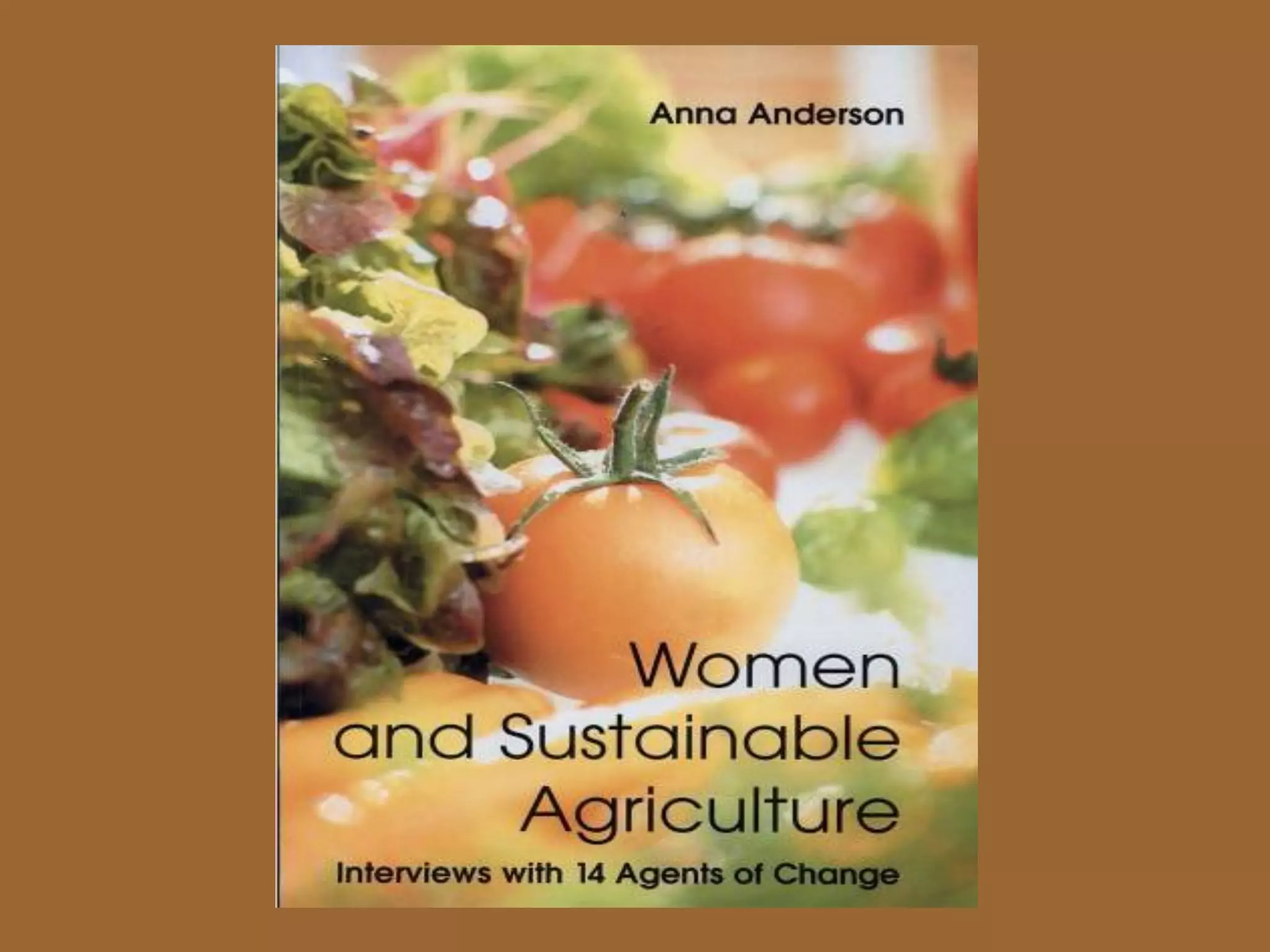
    Hailing from small vegetable farms, large grain and livestock farms and even larger ranches, the 60 producers profiled in The New American Farmer, have embraced new approaches to agriculture. They are renewing profits, enhancing environmental stewardship and improving the lives of their families as well as their communities.
  • 25.
    Terry Taylor’s continuous NTcorn w/ hairy vetch system
  • 26.
  • 32.
    Now 17 yearsafter the Farm Crisis Center was established each week she still speaks with ~ 18 farmers, mostly in the evening hours. Her phone will ring, and in some cases she will go to them. Sometimes she will be the one to take the gun from their hand.
  • 34.
    Student in the firstclass I taught
  • 35.
    IATP Food andSociety Fellow 2002-2004
  • 36.
    IATP Food andSociety Fellow 2002-2004
  • 41.
    What do all of these people have in common?
  • 42.
    innovation?? Are they “earlyadopters” ? $ vs. adopt ≠ adapt
  • 43.
    What is stewardship innovation?? ?
  • 44.
    Excellence in Agriculture Interviewswith 10 Minnesota farm families who are stewards of the land, edited by LSP founder Ron Kroese, with interviews conducted by Patrick Moore, Doug Nopar and Joe Paddock. 1988 - 105 pages. $5.00
  • 47.
    Allison Organic ResearchFarm Twilight Tour – Fall 2008
  • 53.
    The passing ofNorman Borlaug in fall 2009 led to an unplanned investigation of his life including contrasting the message in obituaries with his own words in historical interviews
  • 55.
    Most farmers areusing methods which do not allow production flexibility. American agriculture of the conventional type "works" only when the throttle governing energy and input flows is pulled all the way out. Farmers lack the option of switching-either permanently or temporarily-to an alternate system that performs well when conventional production is not profitable. Paraphrased Robert Rodale quote that caught my attention back in the 80s
  • 56.
    Imagine if yougot in your car one day and discovered that it could only be driven with the gas pedal all the way to the floor… you might be able to get to your destination really fast… if there were no curves in the road, no pedestrians out for a stroll, no deer, no inclement weather…
  • 57.
    Student: What isthe future of the small farm? WIU Faculty: There will always be small farms, but it will be difficult to impossible to make a living from only the income generated from a small farm. Off-farm income such as teaching or driving a school bus will be needed to augment farm generated income. This is not the way it needs to be!!!
  • 60.
    Personal farm managementproblems vs. farm policy problems • When individual farmers have financial problems, it may be reasonable to conclude that these farmers are poor managers • When most farmers have financial problems, it is reasonable to conclude that there are problems with farm policy
  • 61.
    Rather than recognizethe failure of 5 million farms as a social problem, US farm policies have been based upon the belief that this was a personal problem i.e., that farm failures resulted primarily from bad management.
  • 62.
    Rather than recognizeand address the deficiencies in the structure, conduct, and performance of the farm economy, most policies focused on individual rather than group behavior.
  • 63.
    Adoption of newtechnology by individual farmers has been emphasized with little regard to implications for farmers as a group.
  • 64.
    Get big or get out!! Plant fence row to fence row! The Russians will buy all the EARL BUTZ surplus! God put the worm in the apple… man took it out !!
  • 65.
    It is notpossible to squeeze the cost of production enough to consistently generate a profit at all price levels.
  • 66.
    Policy Problem –Low Prices Persistent below-cost of production market prices for corn and soybeans $12 Soybeans $10 in 1984-86 dollars $8 $6 Corn $4 $2 $0 1975 1980 1985 1990 1995 2000 Source: USDA ERS Web site
  • 67.
    http://www.measuringworth.com/ $26.32in the year 2008 has the same "purchase power" as $2.45 in the year 1920. Most valuable bushel of wheat during the last century
  • 68.
    Sustainable agriculture The Stewardship Spiral