The Advent of
Wearable Health
Technology,
Sensors, and the
Quantified Self
Steven Tucker, MD, FACP, FAMS
Novena Specialist Center
Part

1

The scope of

Disease
in 2 minutes
Healthcare is not a
science problem, it’s
an information
problem.
-Thomas Goetz
25

Percent

20
15
10
5
0

13%

17%

21%

2010

2020

2030

Population
aged 65+
Source: U.S Census Bureau, 2012
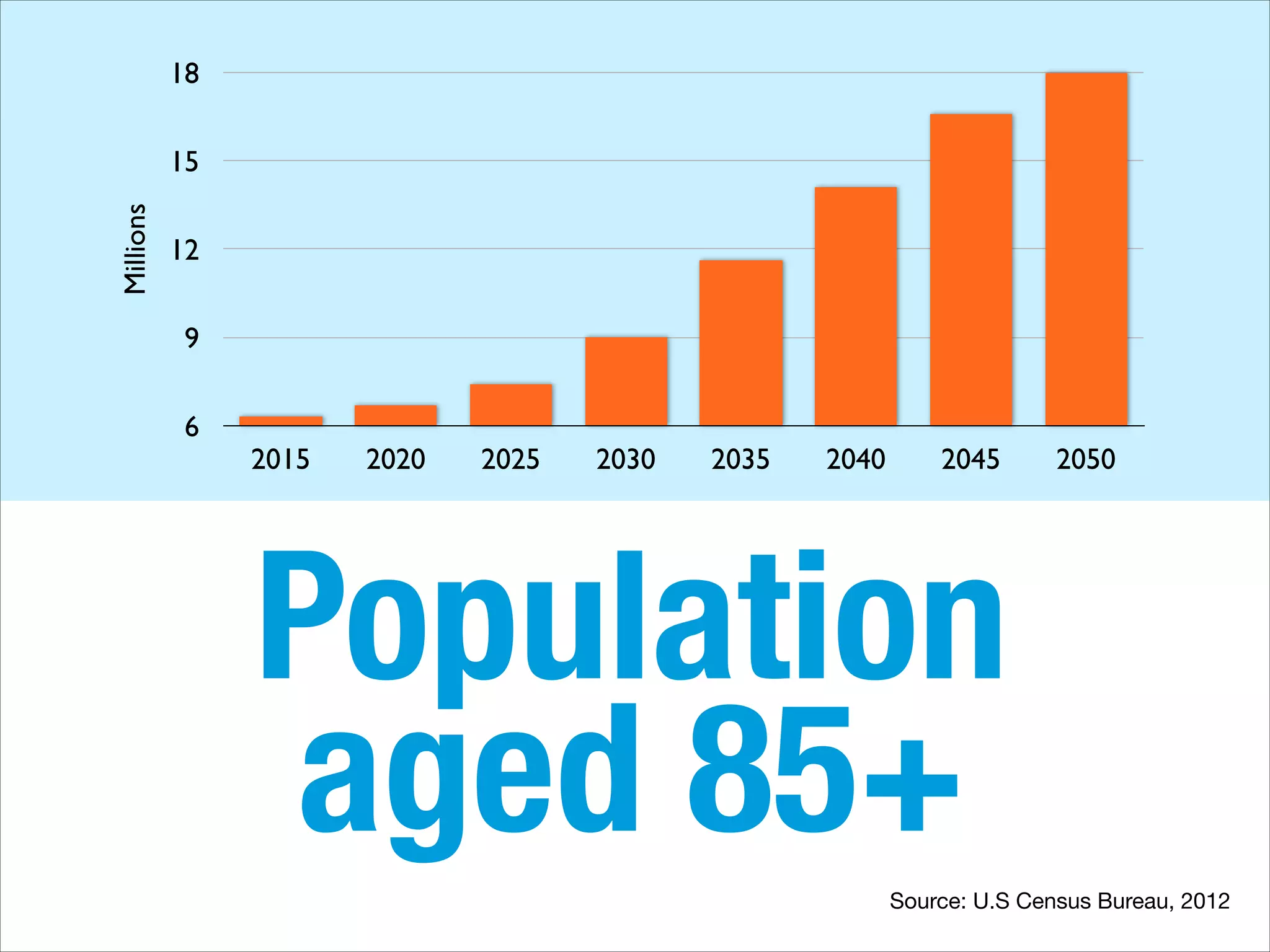
18

Millions

15
12
9
6

2015

2020

2025

2030

2035

2040

2045

2050

Population
aged 85+
Source: U.S Census Bureau, 2012
Chronic Illness
Heart Disease

Asthma

Diabetes

Cancer

Arthritis

Depression
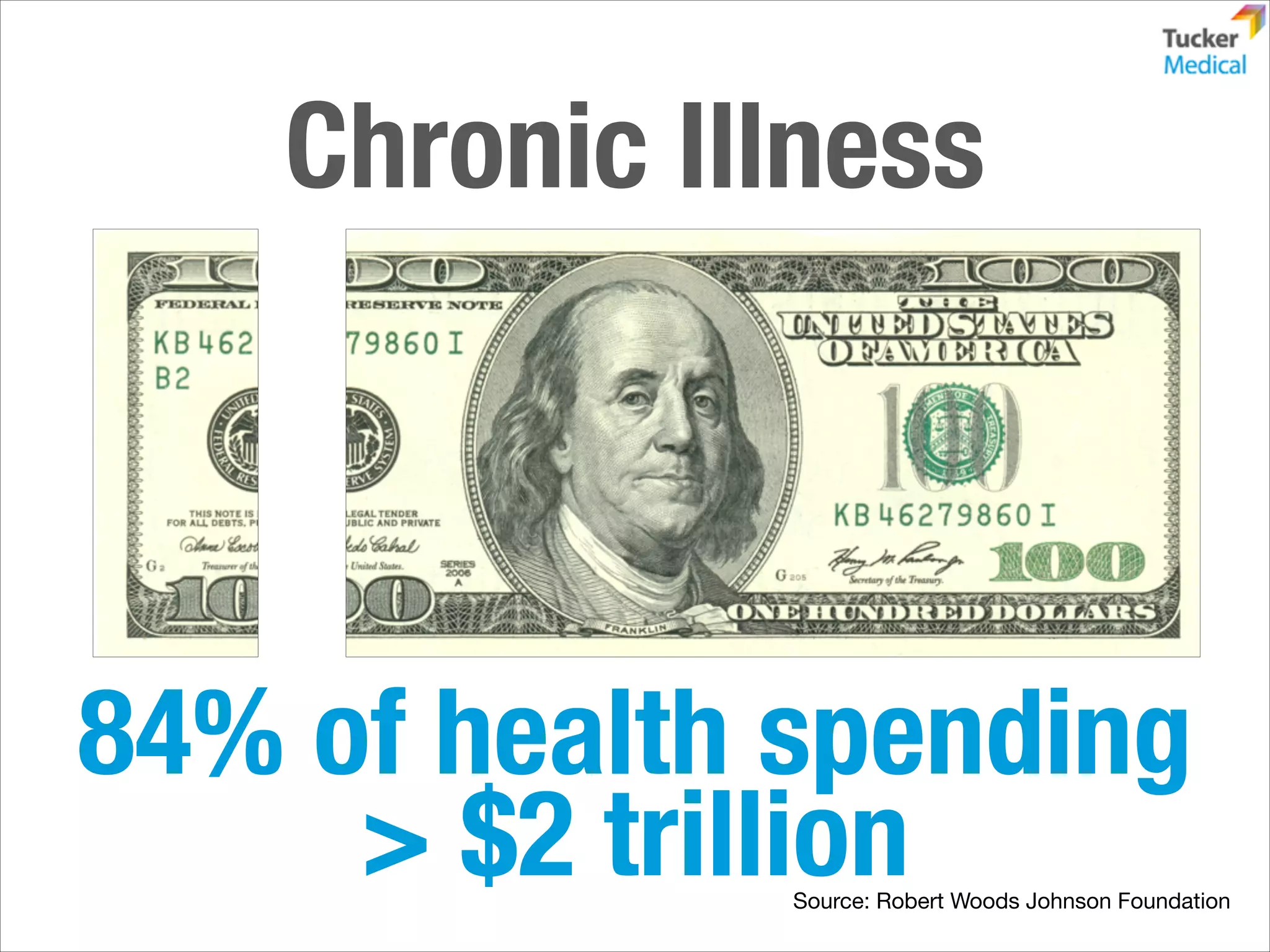
Chronic Illness

84% of health spending
> $2 trillion

Source: Robert Woods Johnson Foundation
25

Percent

20
15
10
5
0

1

2

3

4

5

Multiple Chronic
Conditions
Source: Robert Woods Johnson Foundation
Common Risk Factors
Smoking

Inactivity

High Blood
Pressure

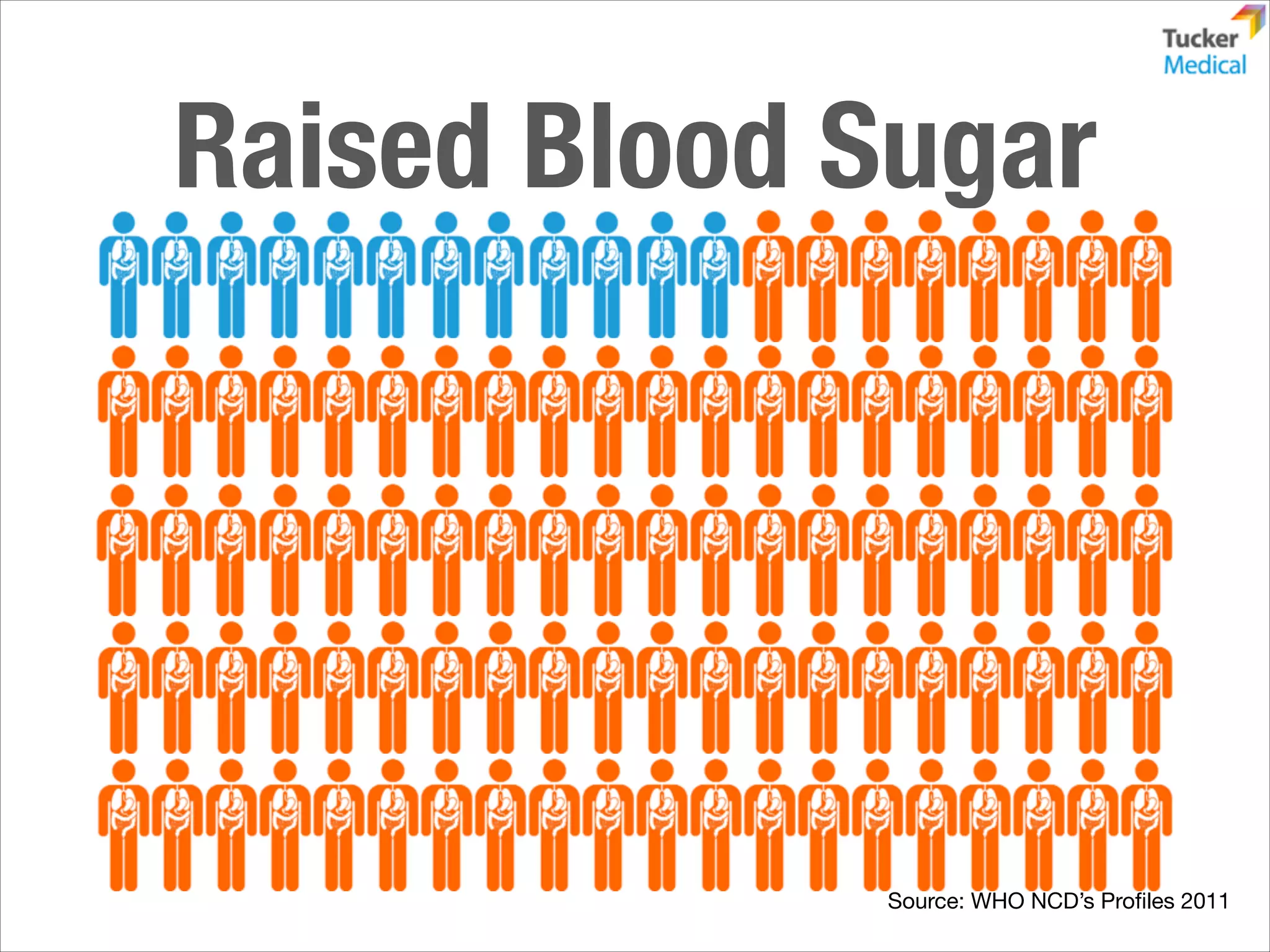
Raised Blood
Sugar
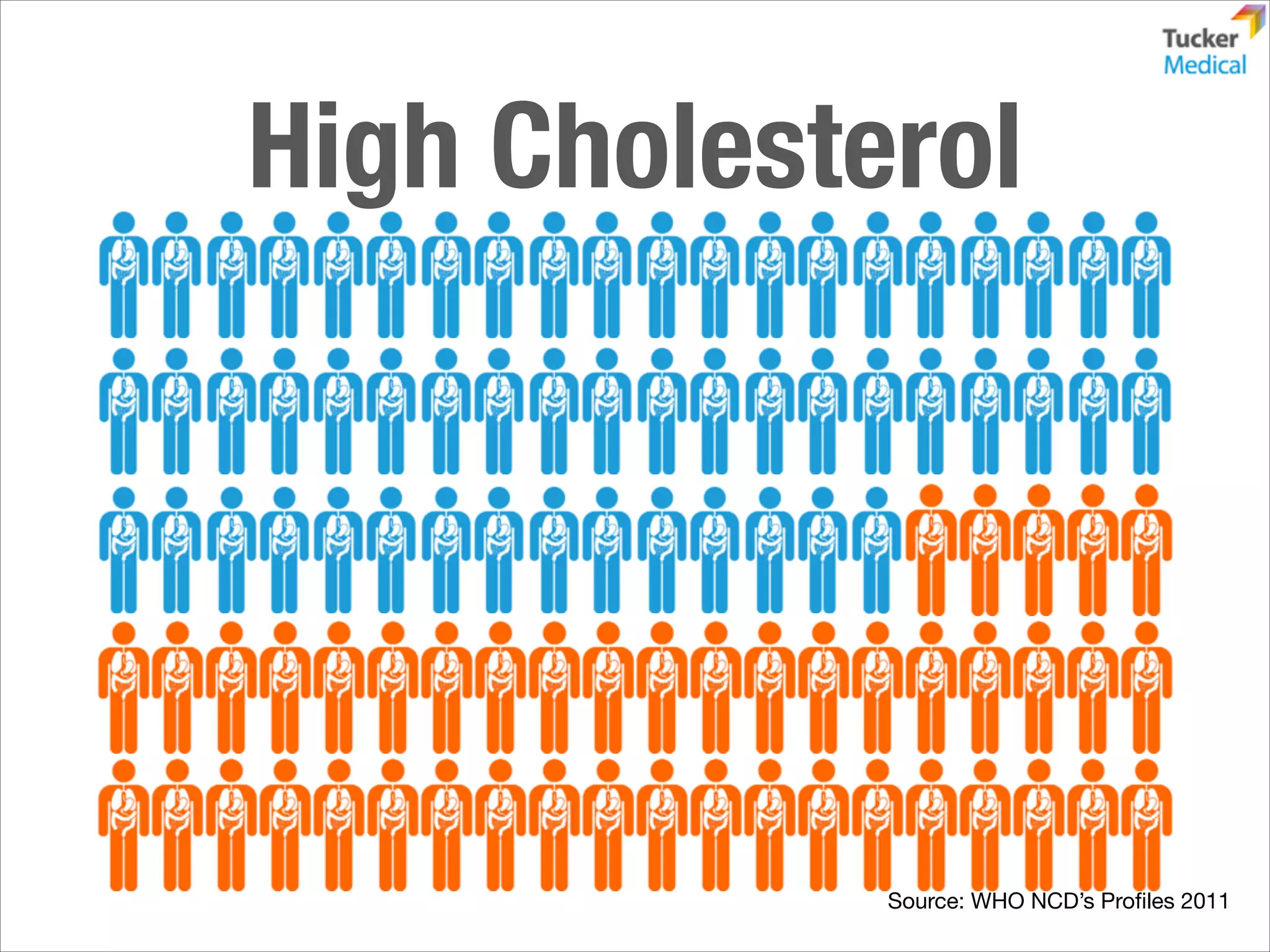
High
Cholesterol

Obesity
Smoking

Source: WHO NCD’s Profiles 2011
Inactivity

Source: WHO NCD’s Profiles 2011
High Blood Pressure

Source: WHO NCD’s Profiles 2011
High Cholesterol

Source: WHO NCD’s Profiles 2011
Raised Blood Sugar

Source: WHO NCD’s Profiles 2011
Obese / Overweight

Source: WHO NCD’s Profiles 2011
1000

$ Billion

800
600
400
200
0

2008

2030

The Rising Cost
of Obesity
Source: Almanac of Chronic Disease, 2013
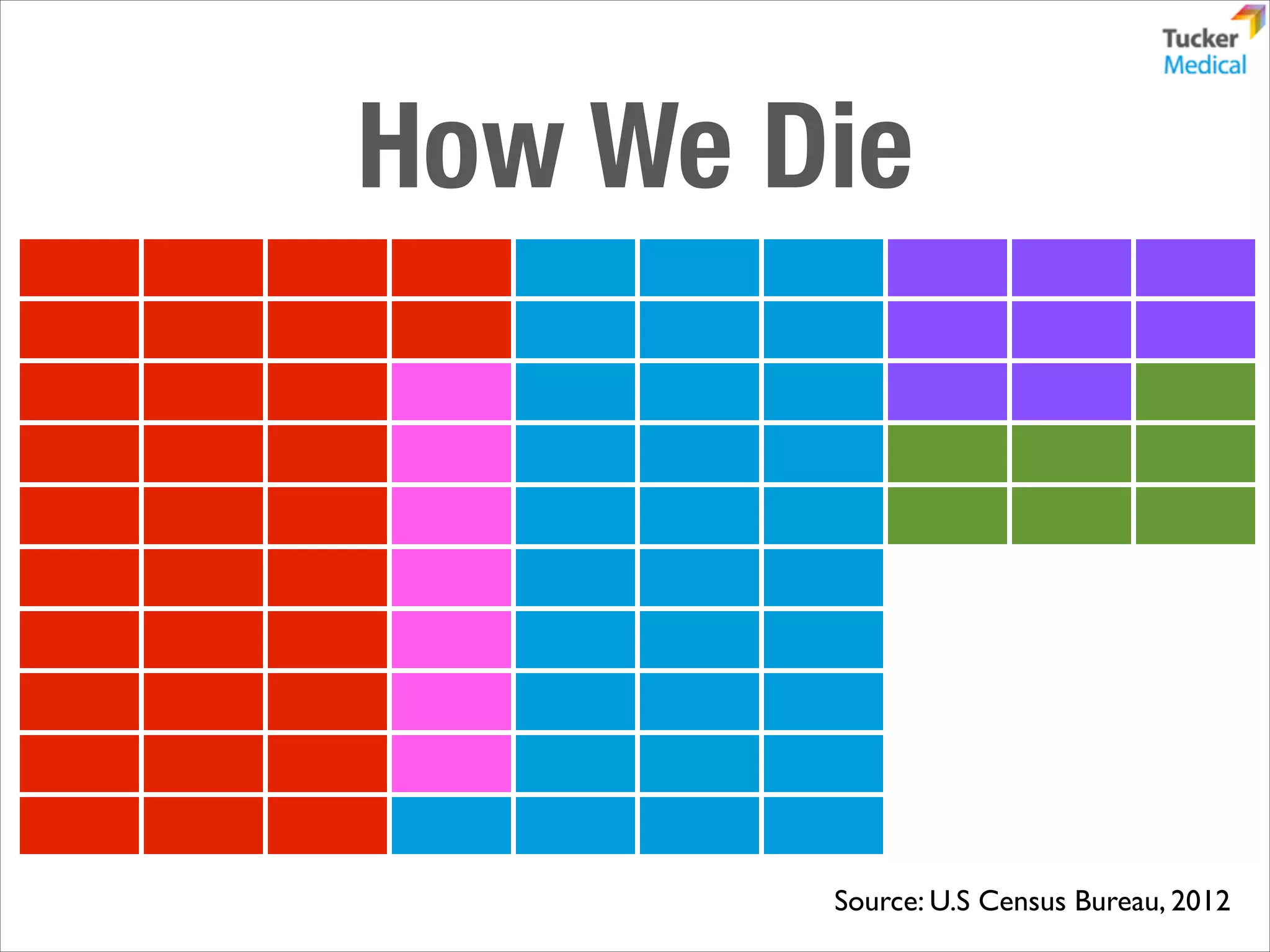
How We Die
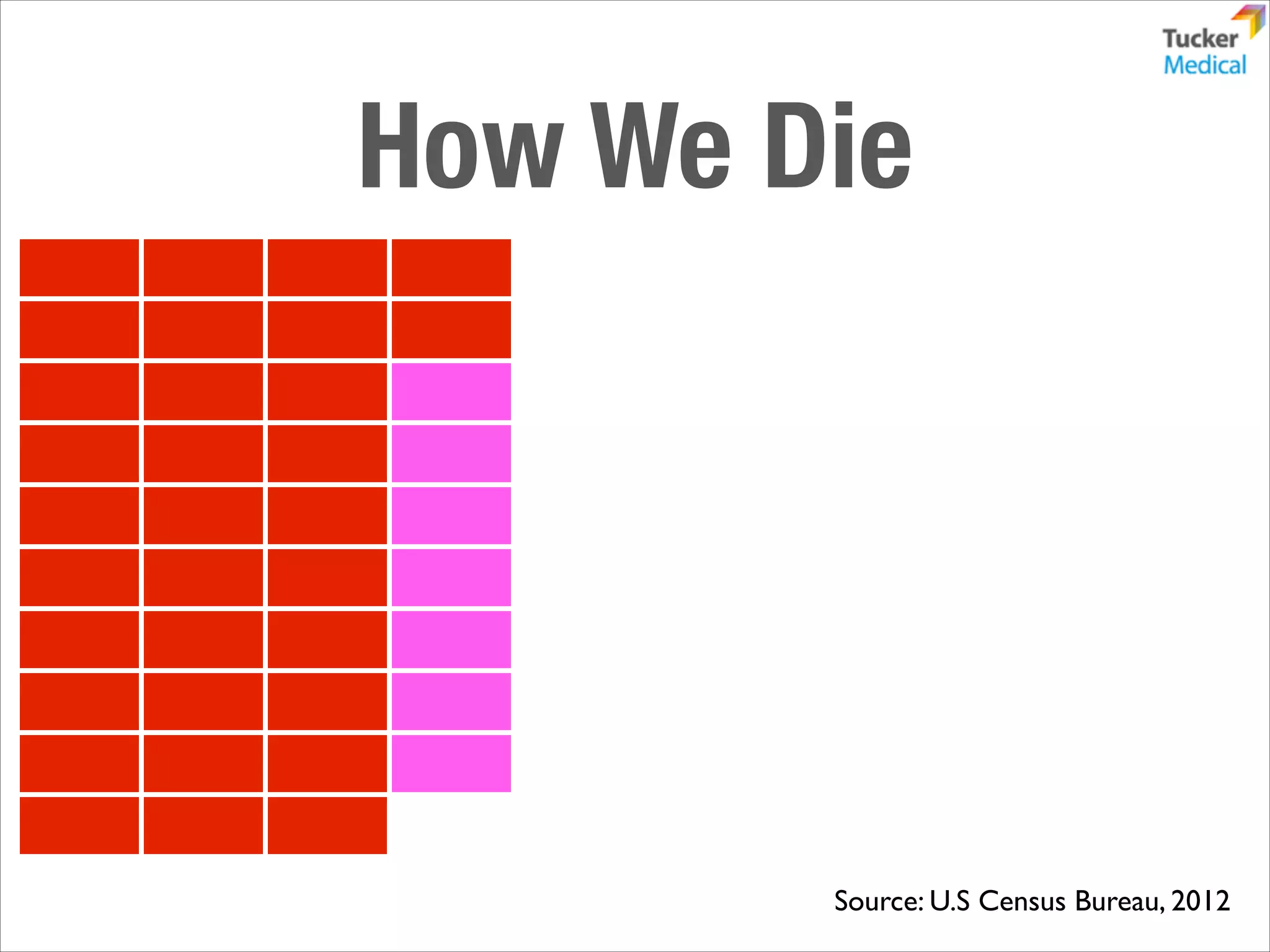
How We Die

Source: U.S Census Bureau, 2012
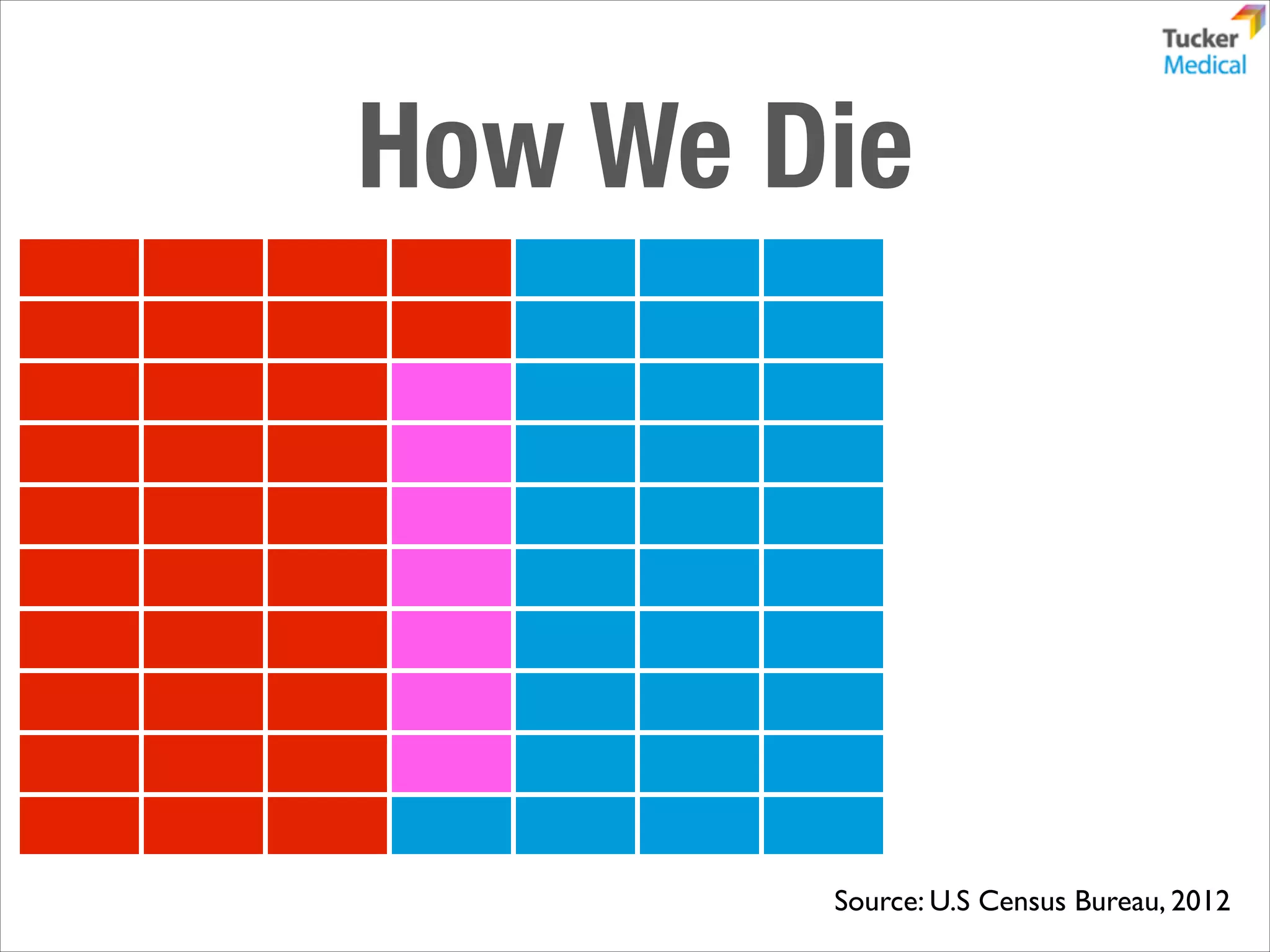
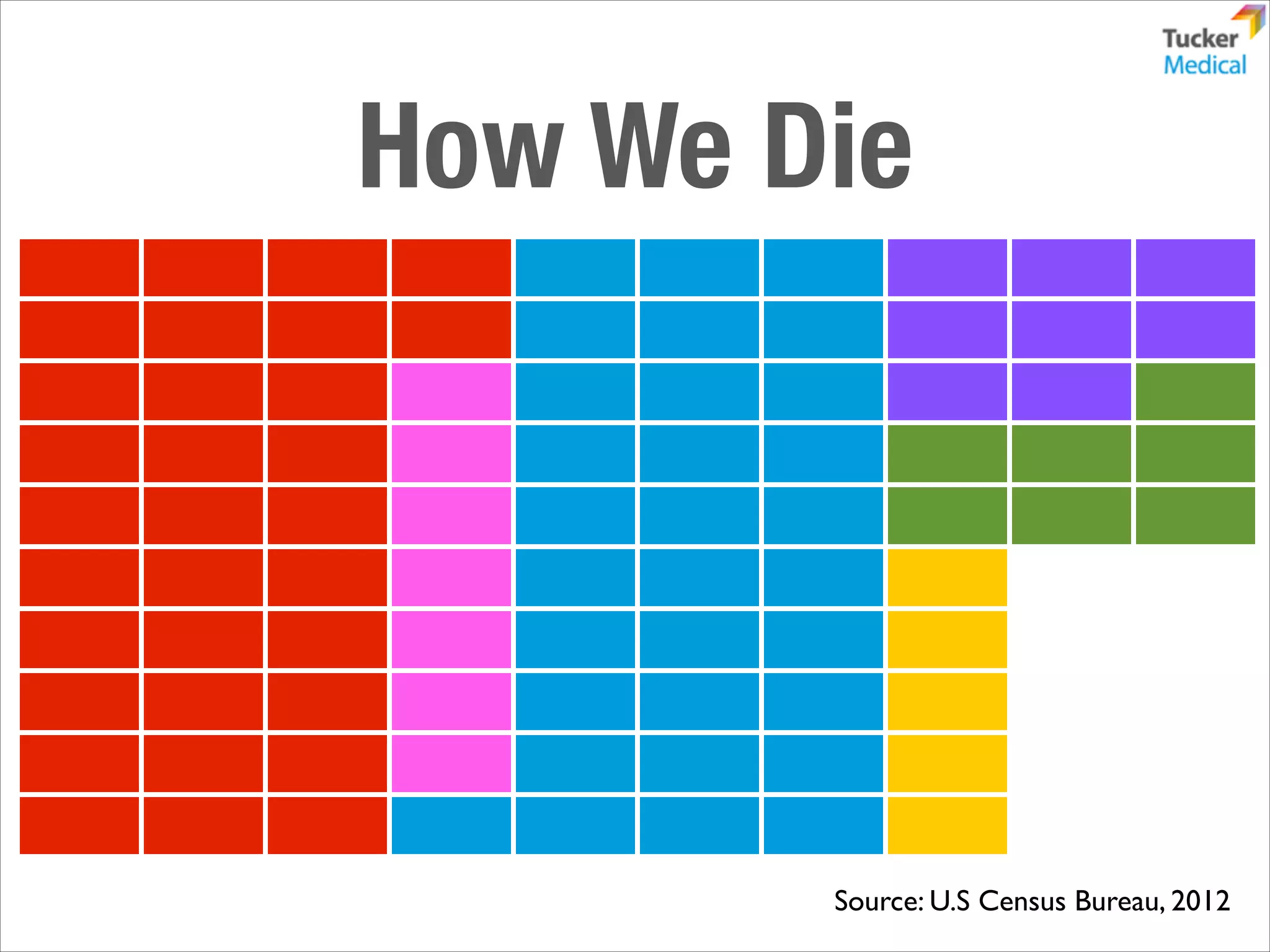
How We Die

Source: U.S Census Bureau, 2012
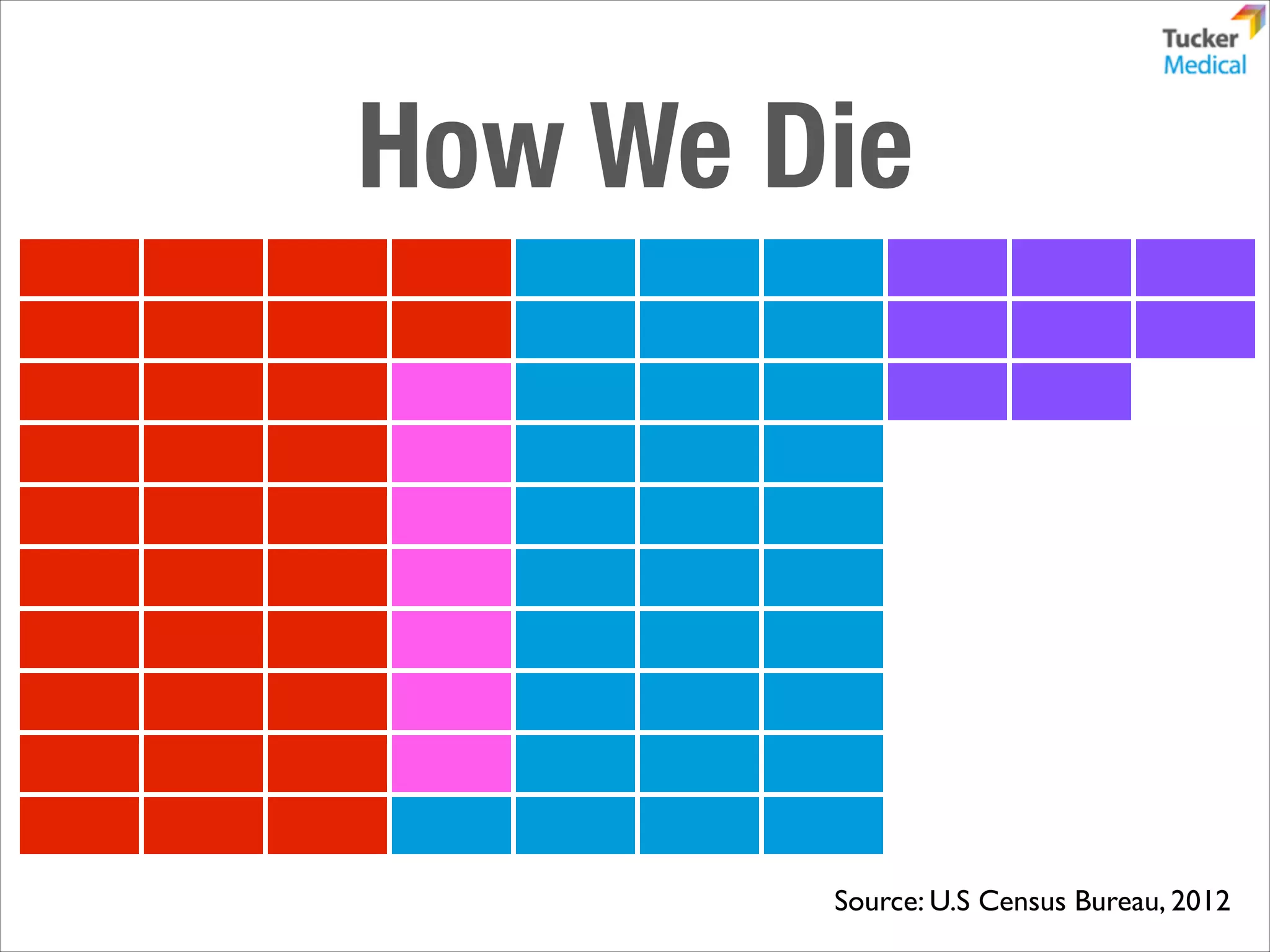
How We Die

Source: U.S Census Bureau, 2012
How We Die

Source: U.S Census Bureau, 2012
How We Die

Source: U.S Census Bureau, 2012
How We Die

Source: U.S Census Bureau, 2012
How We Die

Source: U.S Census Bureau, 2012
How We Die

Source: U.S Census Bureau, 2012
How We Die

Source: U.S Census Bureau, 2012
How We Die

Source: U.S Census Bureau, 2012
Singapore Burden of Disease
Other	

29%

CVD	

19%

Cancer	

18%

CVD
Cancer
Neuro
Mental Health
Diabetes
Other

Diabetes	

10%
Mental Health	

 Neuro	

13%
11%

Singapore Burden of Diseases Study 2007
Part

2

The rise of

Tracking
in 3 minutes
If you cannot
measure it, you
cannot improve it.
-Lord Kelvin
Data

Data is routinely collected to
fine tune performance.
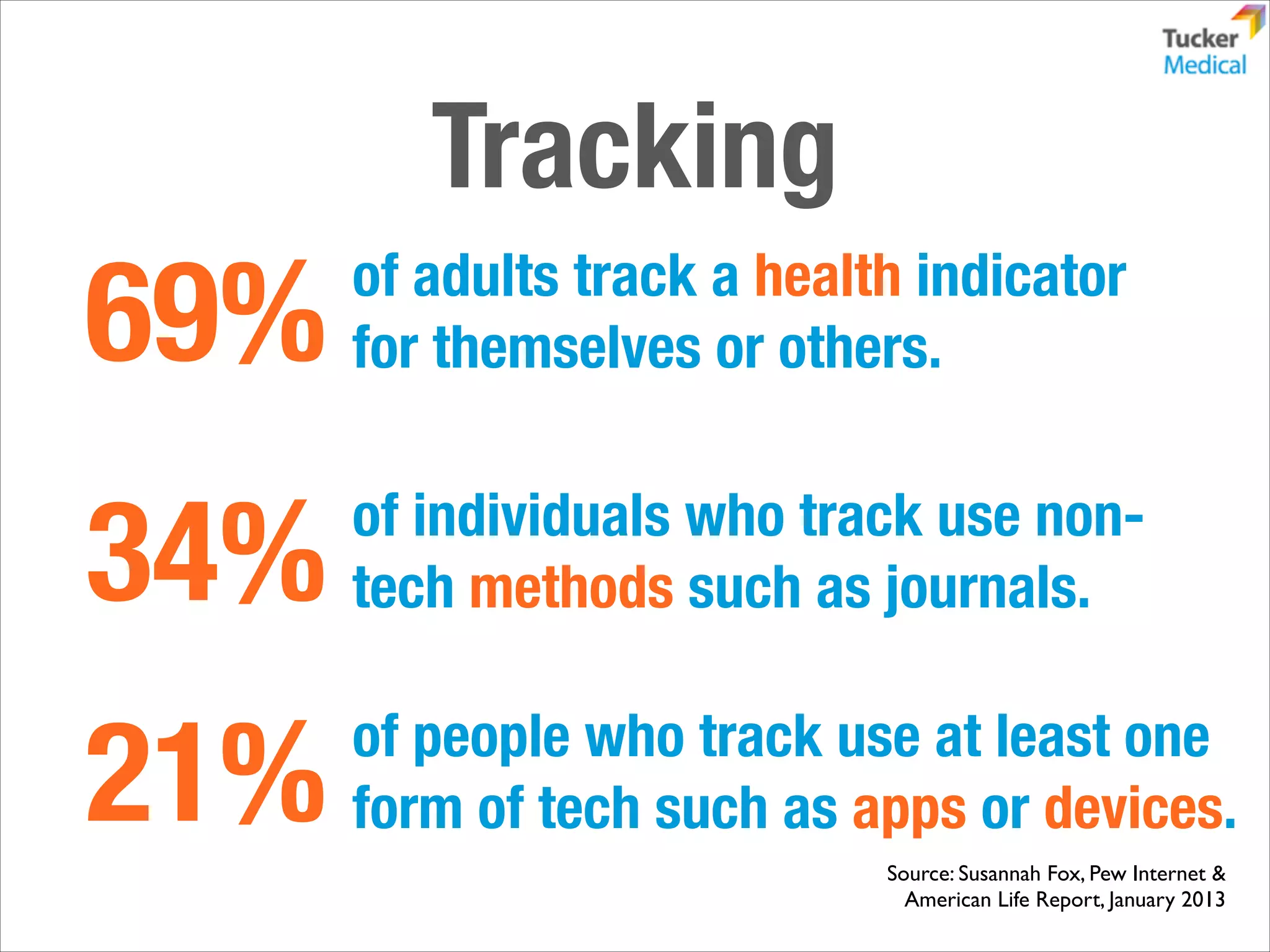
Tracking

69%

of adults track a health indicator
for themselves or others.

34%

of individuals who track use nontech methods such as journals.

21%

of people who track use at least one
form of tech such as apps or devices.
Source: Susannah Fox, Pew Internet & 	

American Life Report, January 2013
Tracking

46%

say this activity has changed their
overall approach to maintaining their
health or another persons health

40%

of trackers say it has led them to ask
a doctor new questions or to get a
2nd opinion.

34%

say it has affected a decision about
how to treat an illness or condition.
Source: Susannah Fox, Pew Internet & 	

American Life Report, January 2013
Tracking
Formal tracking was more
influential when it came to health
decisions than informal tracking.
!

People with chronic conditions
are more likely to track.
Source: Susannah Fox, Pew Internet & 	

American Life Report, January 2013
Quantified Self is an international
collaboration of users and makers
of self-tracking tools.
Quantified Self is an international
collaboration of users and makers
of self-tracking tools.
The aim is to help people get
meaning out of their personal data.
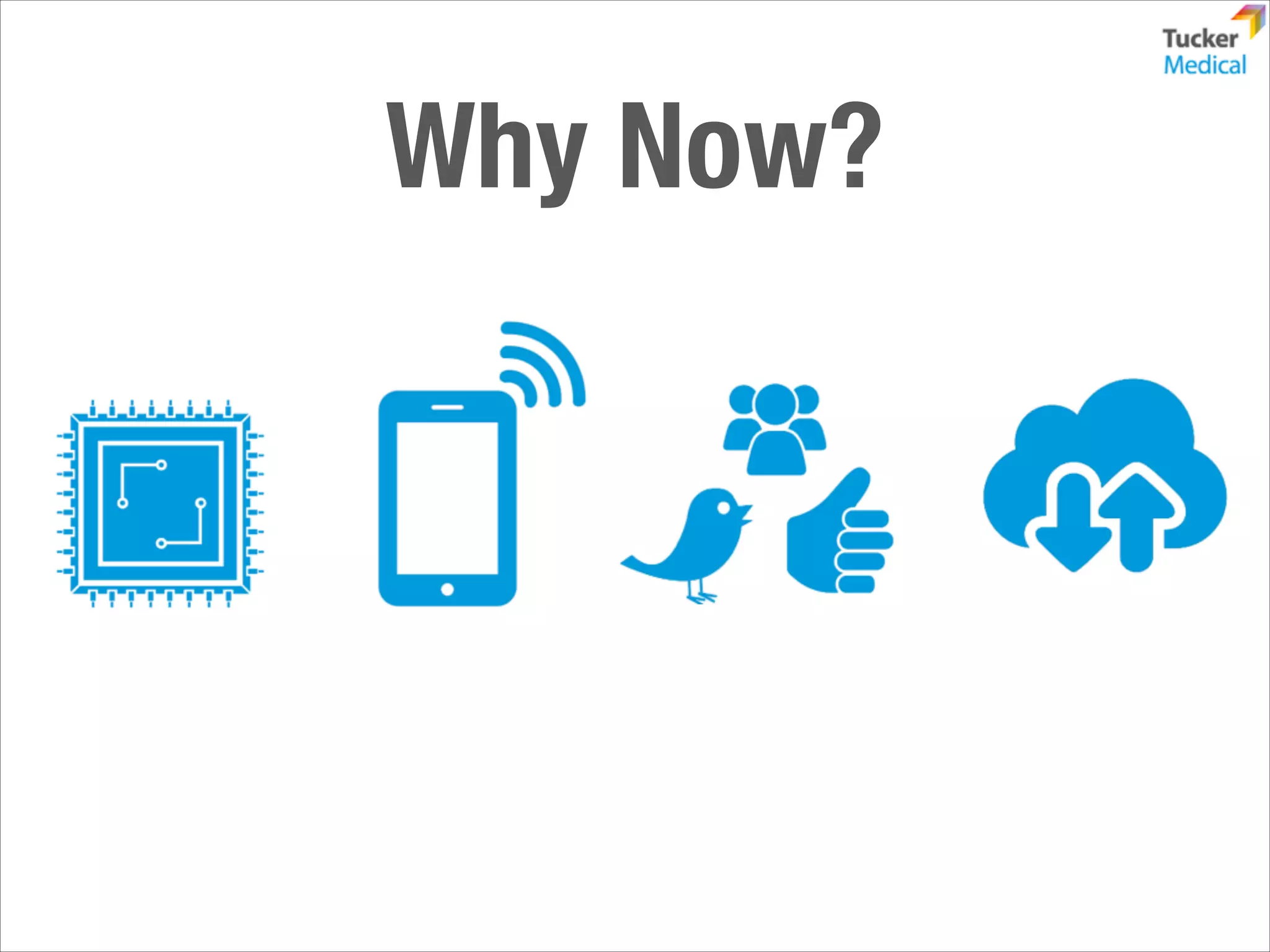
Why Now?
Why Now?
Why Now?
Why Now?
Why Now?
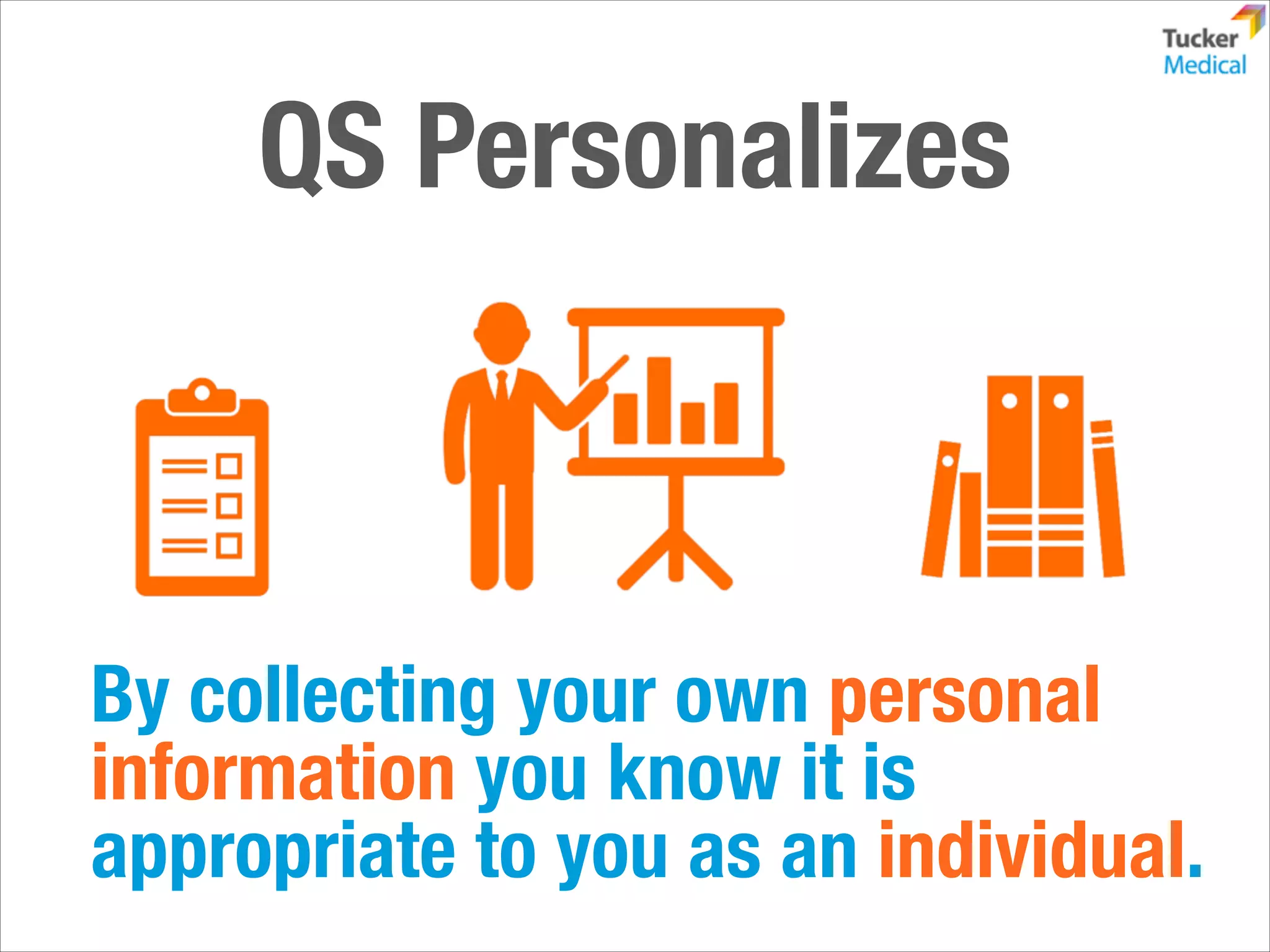
QS Personalizes

By collecting your own personal
information you know it is
appropriate to you as an individual.
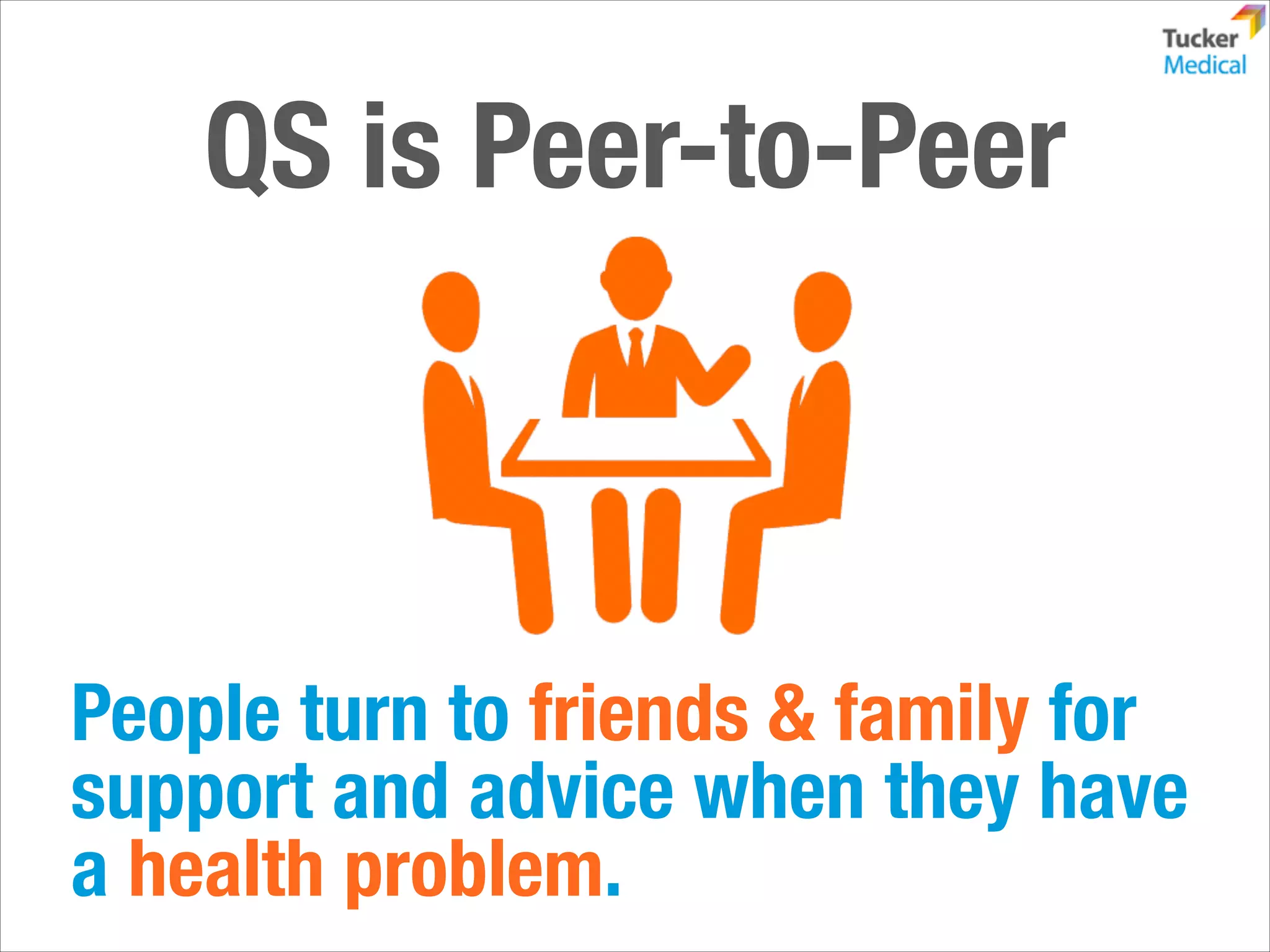
QS is Peer-to-Peer

People turn to friends & family for
support and advice when they have
a health problem.
Peer-to-Peer is
the Future

- "I don’t know, but I can find out"
- "I know, and I want to share my
knowledge"

Source: The Pew Research Center's
Internet & American Life Project
Part

3

Personal Health

Tools

in 4 minutes
Any sufficiently
advanced technology
is indistinguishable
from magic.
-Arthur C. Clarke
Photographic Memory

5 Megapixels
2 day battery

4000 pictures
Always on
Continuous Glucose
Monitoring
TICTRAC
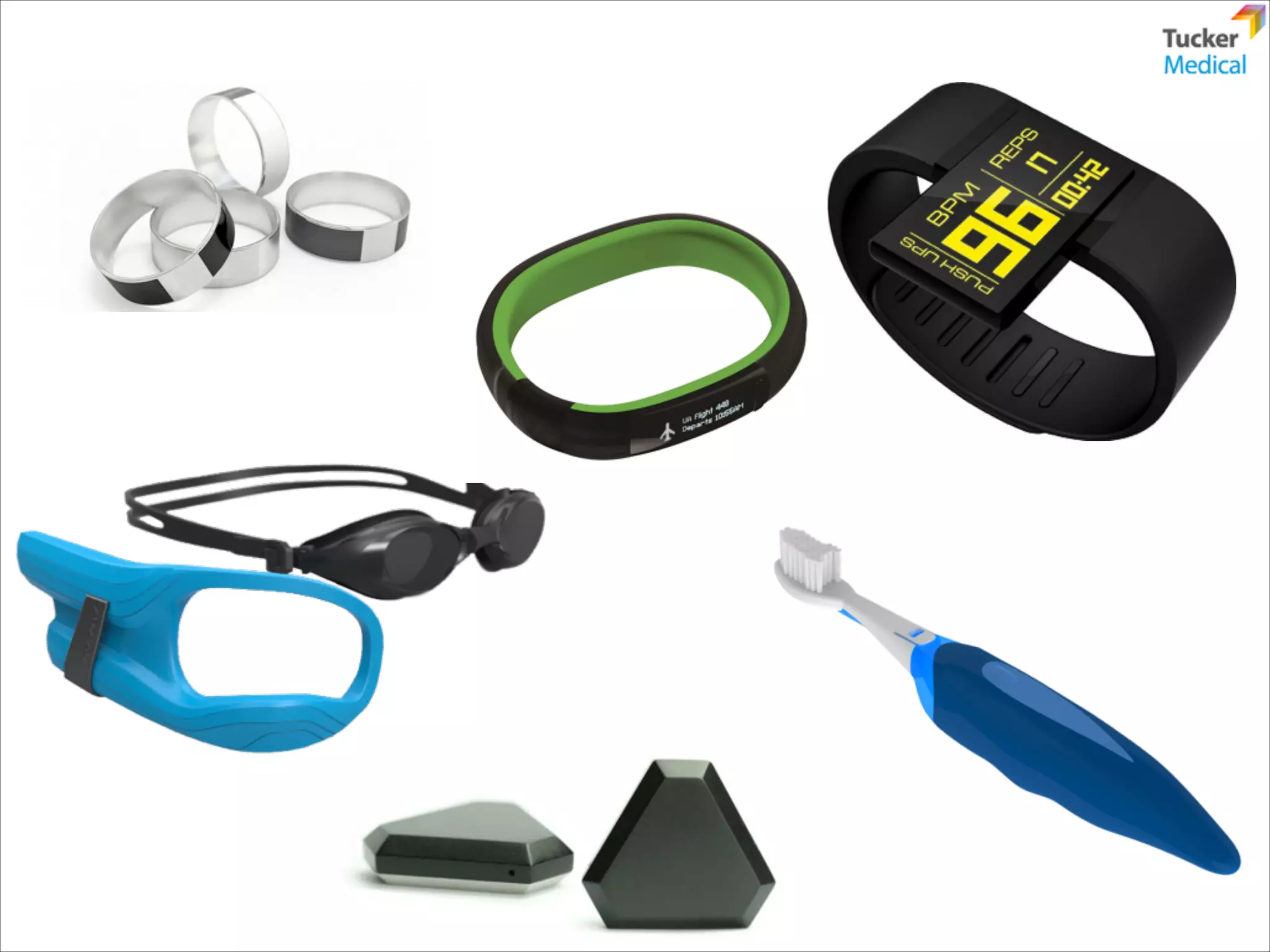
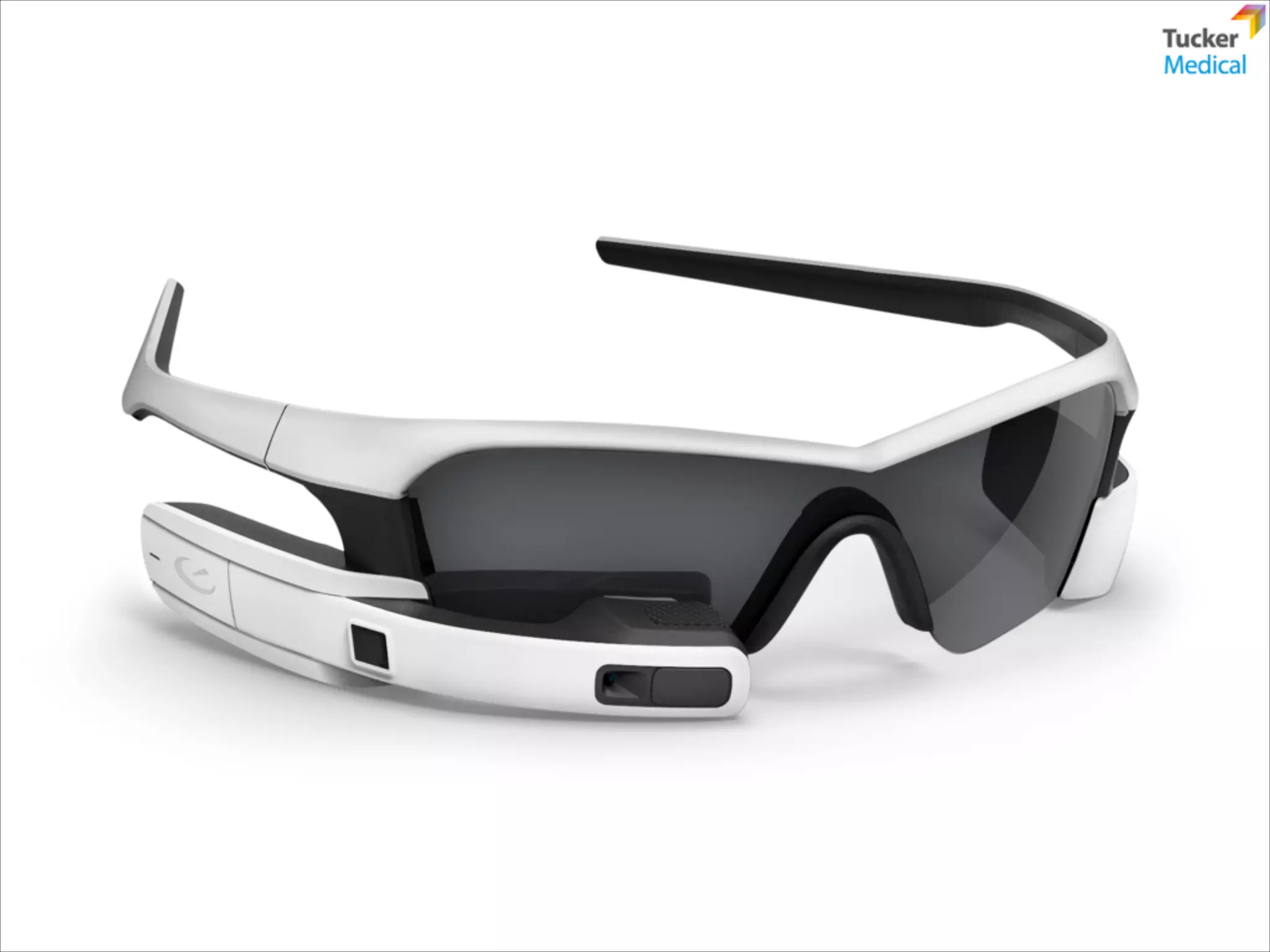
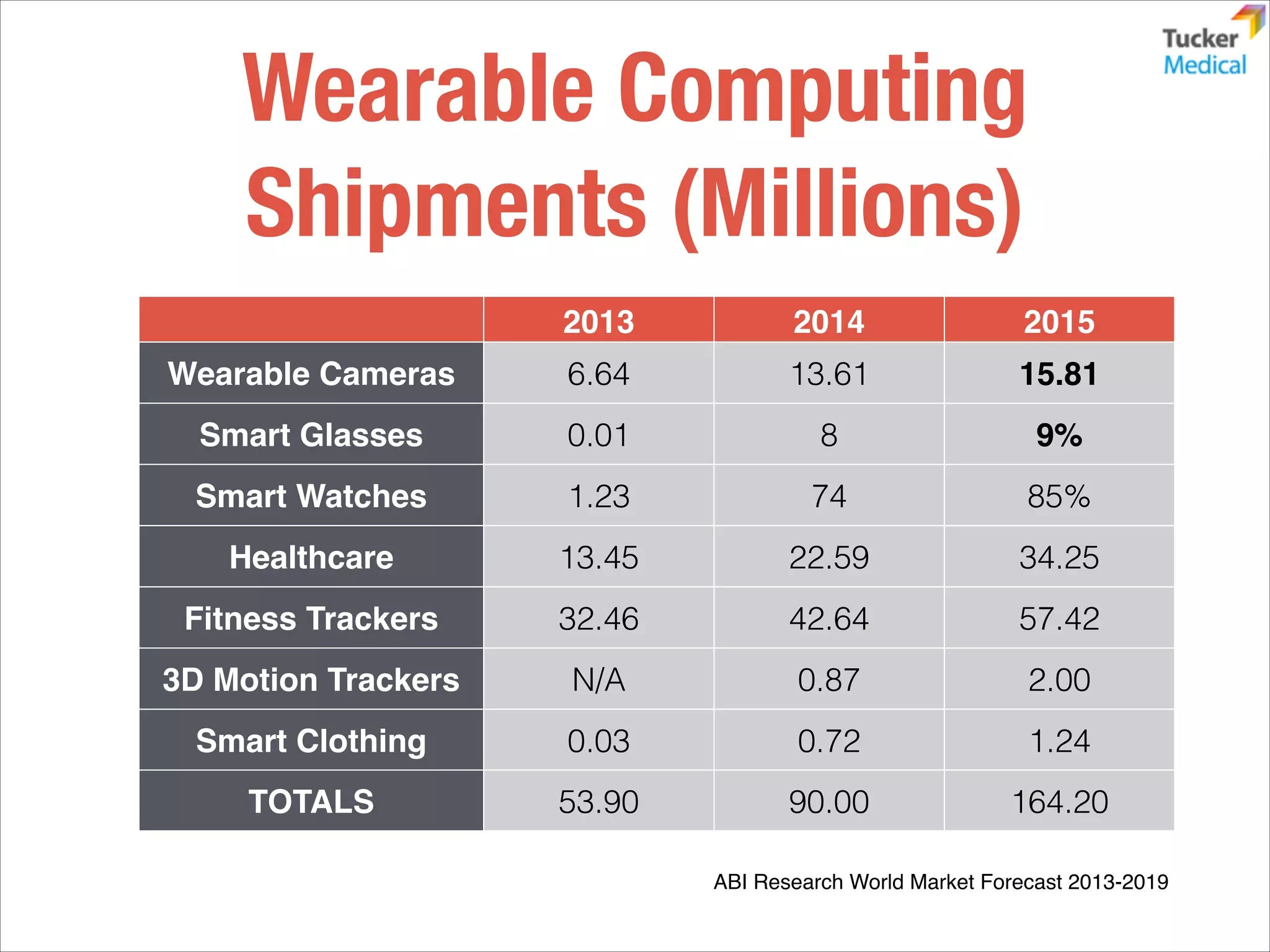
Wearable Computing
Shipments (Millions)
2013

2014

2015

Wearable Cameras

6.64

13.61

15.81

Smart Glasses

0.01

8

9%

Smart Watches

1.23

74

85%

Healthcare

13.45

22.59

34.25

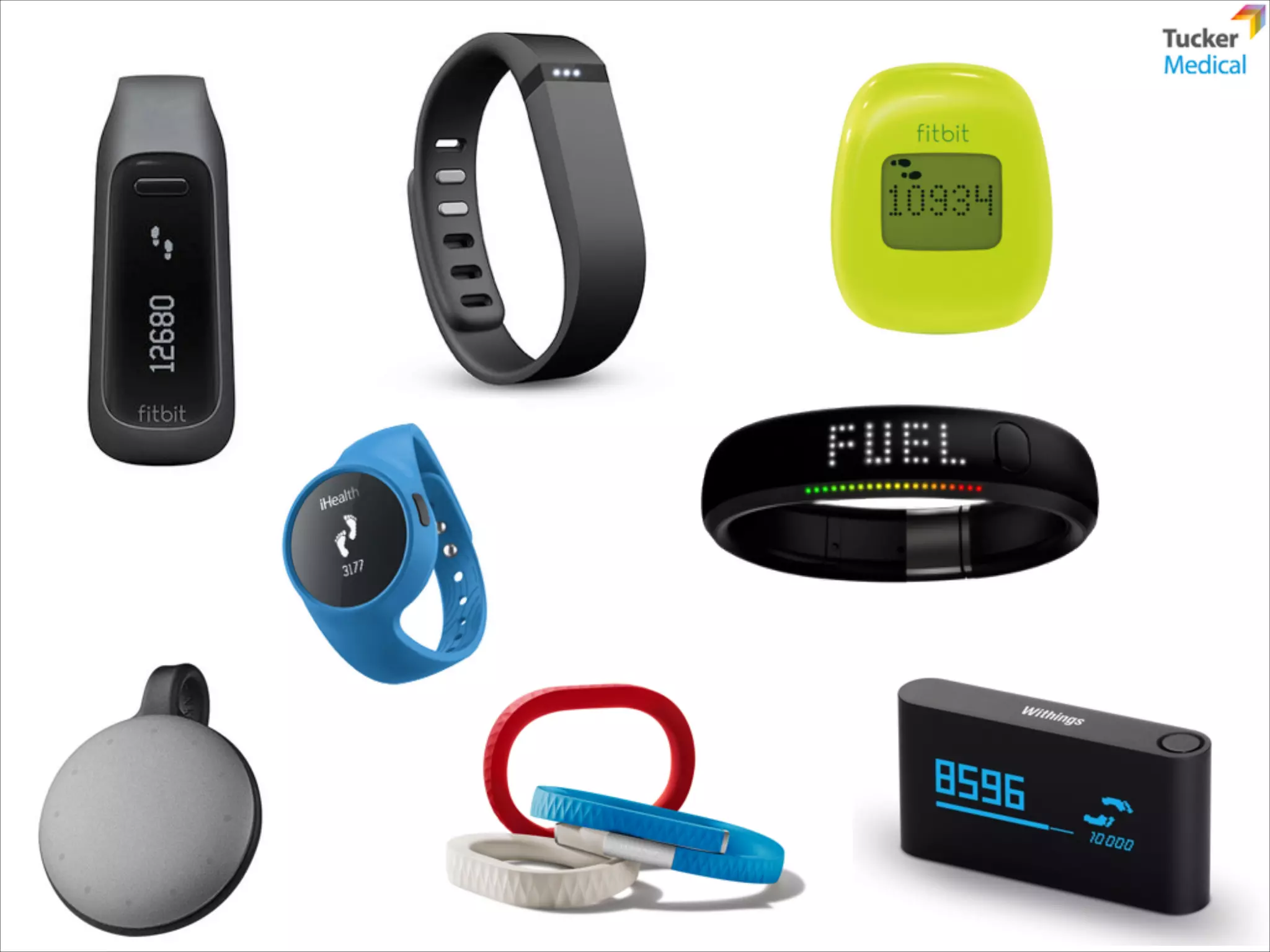
Fitness Trackers

32.46

42.64

57.42

3D Motion Trackers

N/A

0.87

2.00

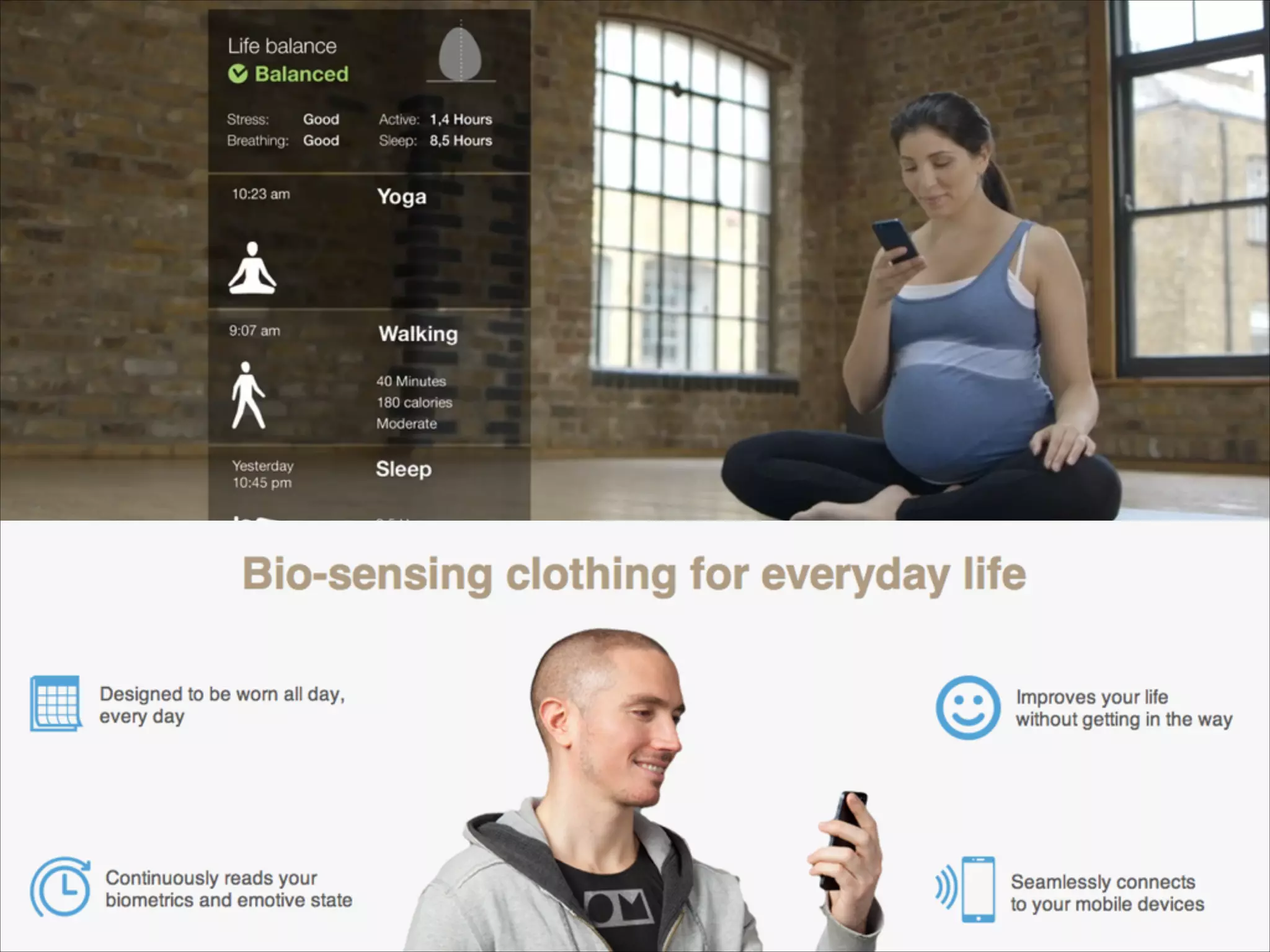
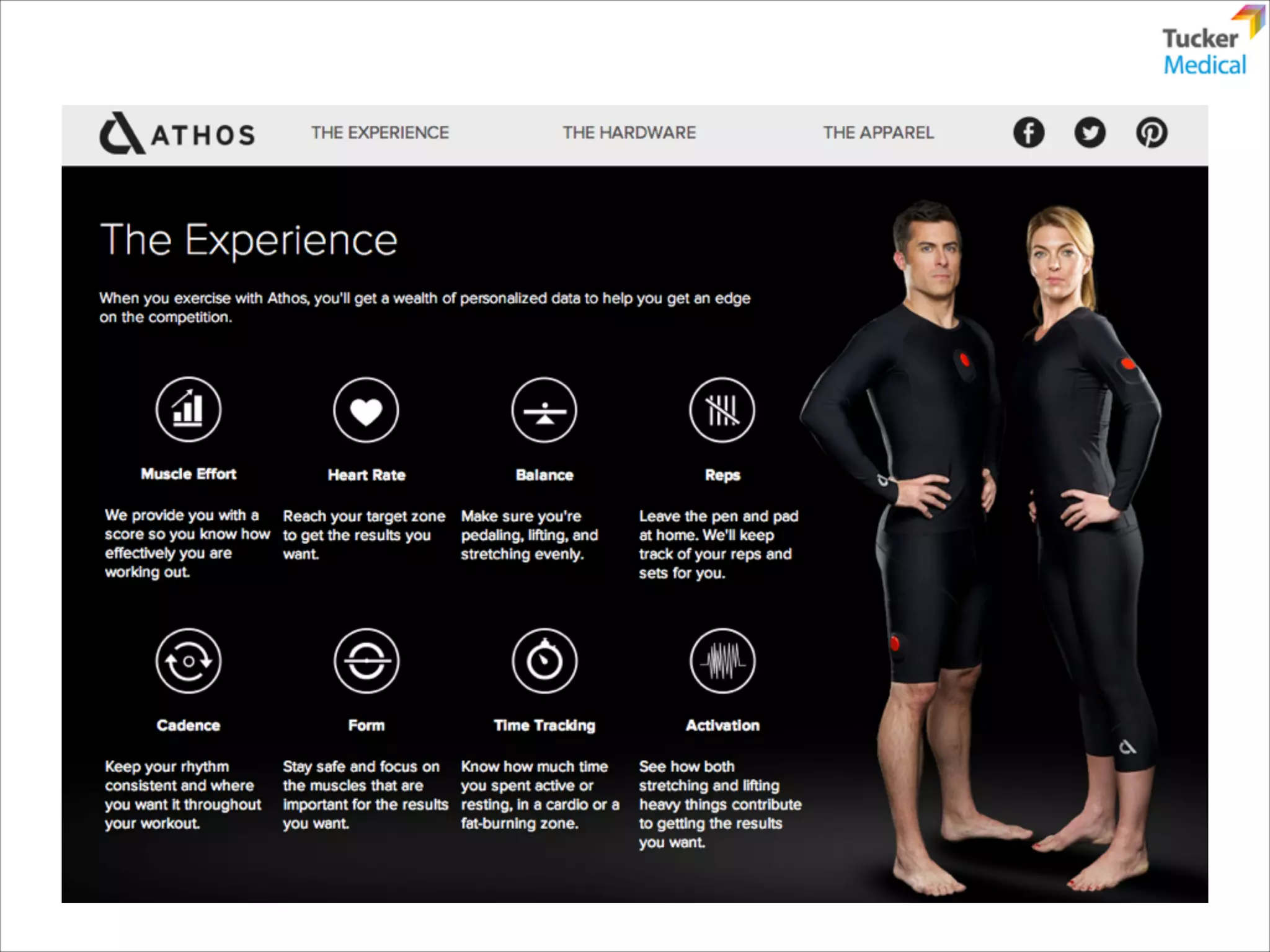
Smart Clothing

0.03

0.72

1.24

TOTALS

53.90

90.00

164.20

ABI Research World Market Forecast 2013-2019
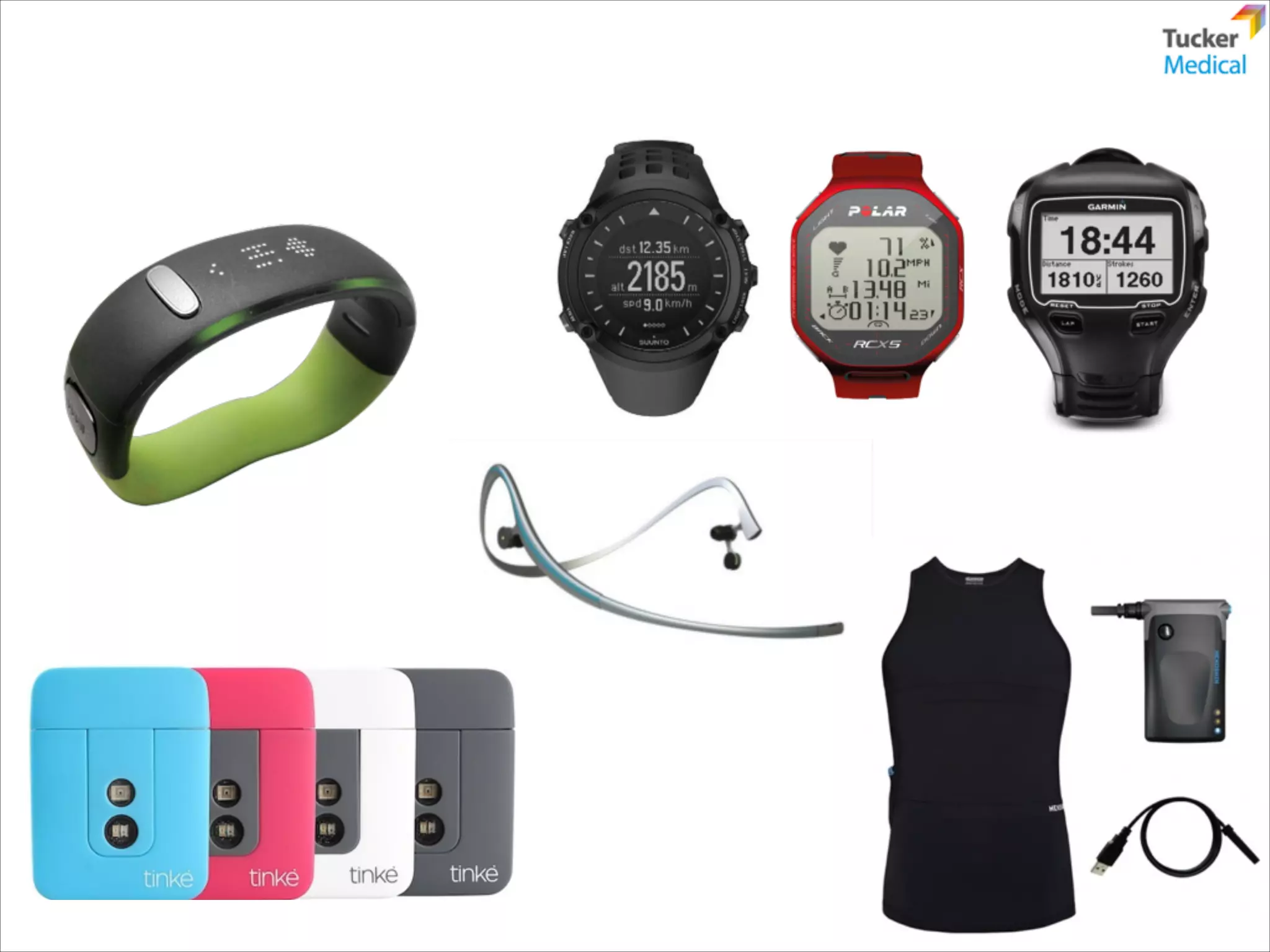
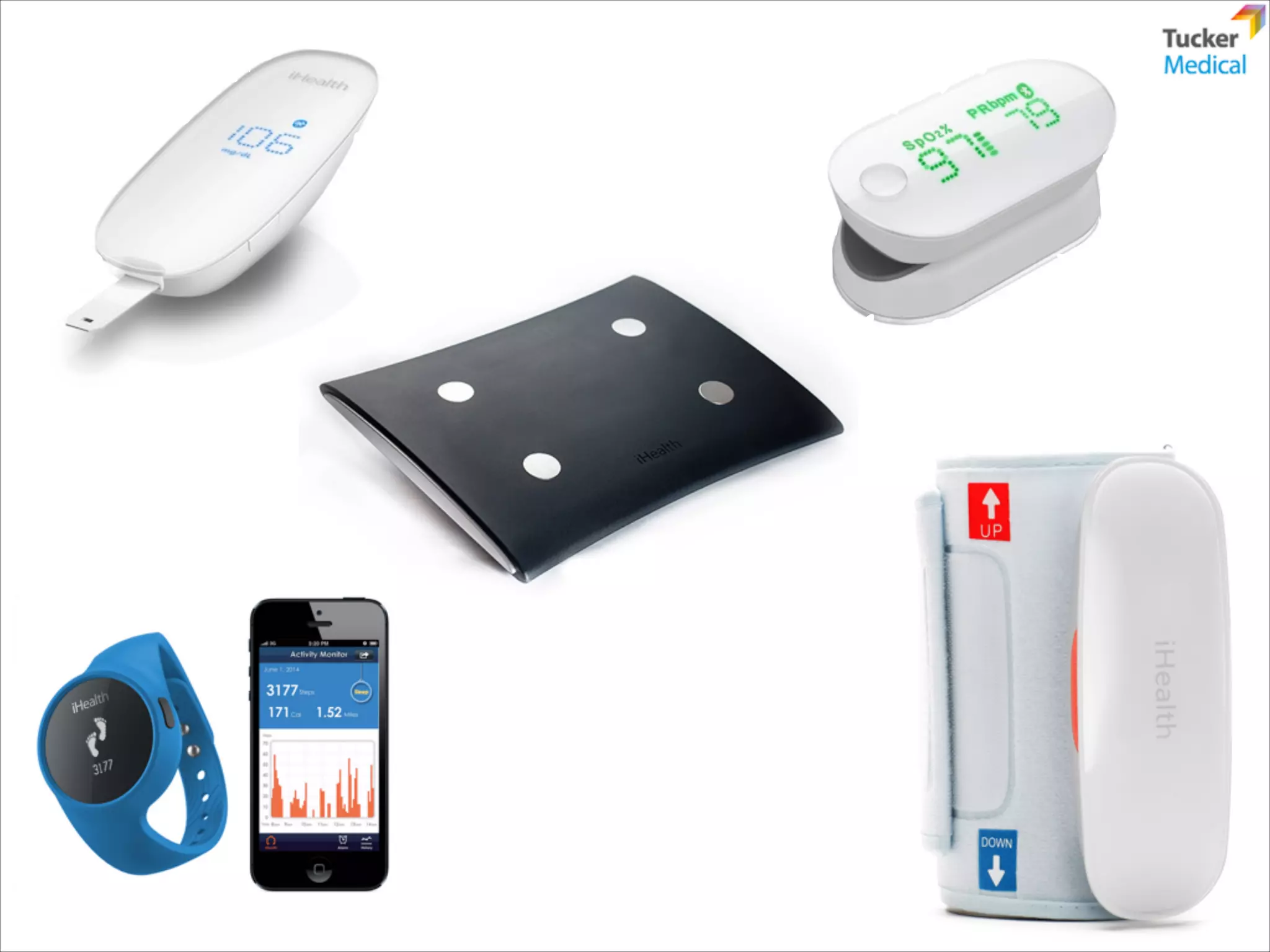
Personal Tools
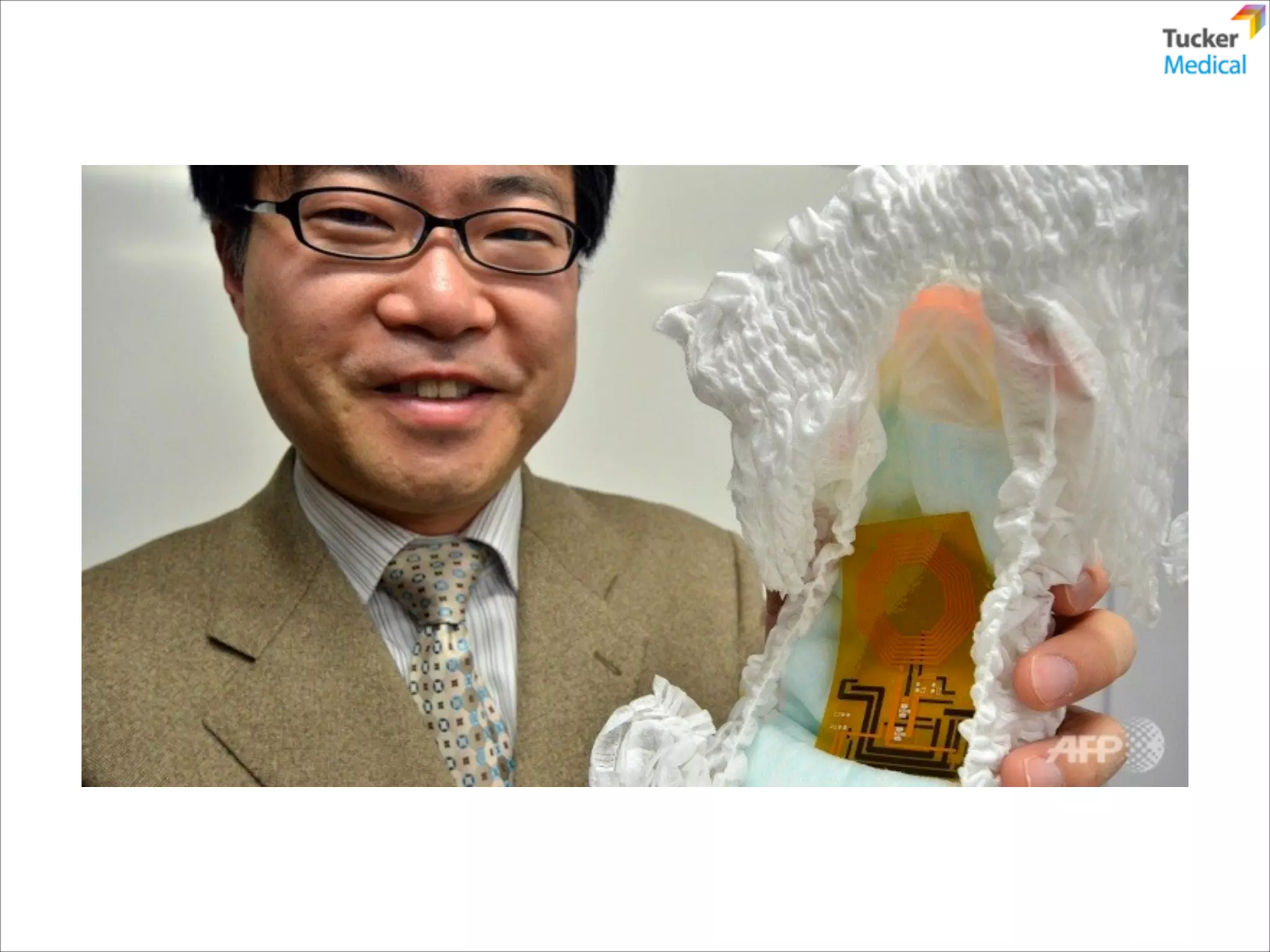
DNA Screen
Data is Cheap
Data is Cheap
Digital Health as a
Google Map
Exposome
Signs & Symptoms
Genome
Epigenetics
Microbiome
Patient Data
Individual
Patient
Part

4

What is

My View
in 1 minute
JPS
2013

500000

Deaths

400000
300000

IOM
1999

200000

OIG
2010

100000
0

Prostate

Breast

Diabetes

Med Errors Med Errors Med Errors

Every time researchers estimate
how often a medical mistake
contributes to a hospital patient’s
death, the numbers come out worse.
Source: ProPublica, September, 2013
Source: Journal of Patient Safety, September, 2013
Technology may
replace up to 80%
of what doctors do.

- Vinod Khosla
Precision Medicine
You would no more take a drug
without knowing the relevant
data from your genome, than you
would get a blood transfusion
without knowing your blood type.
-Esther Dyson 

Former journalist and Wall Street technology analyst, leading
angel investor, entrepreneur, philanthropist, and commentator
focused on breakthrough innovation in healthcare
Health as Arithmetic
Apps +
Tracking = Behavior
Genome +
Exposome +
Microbiome +
Metabolome = Biology

Behavior + Biology = Health
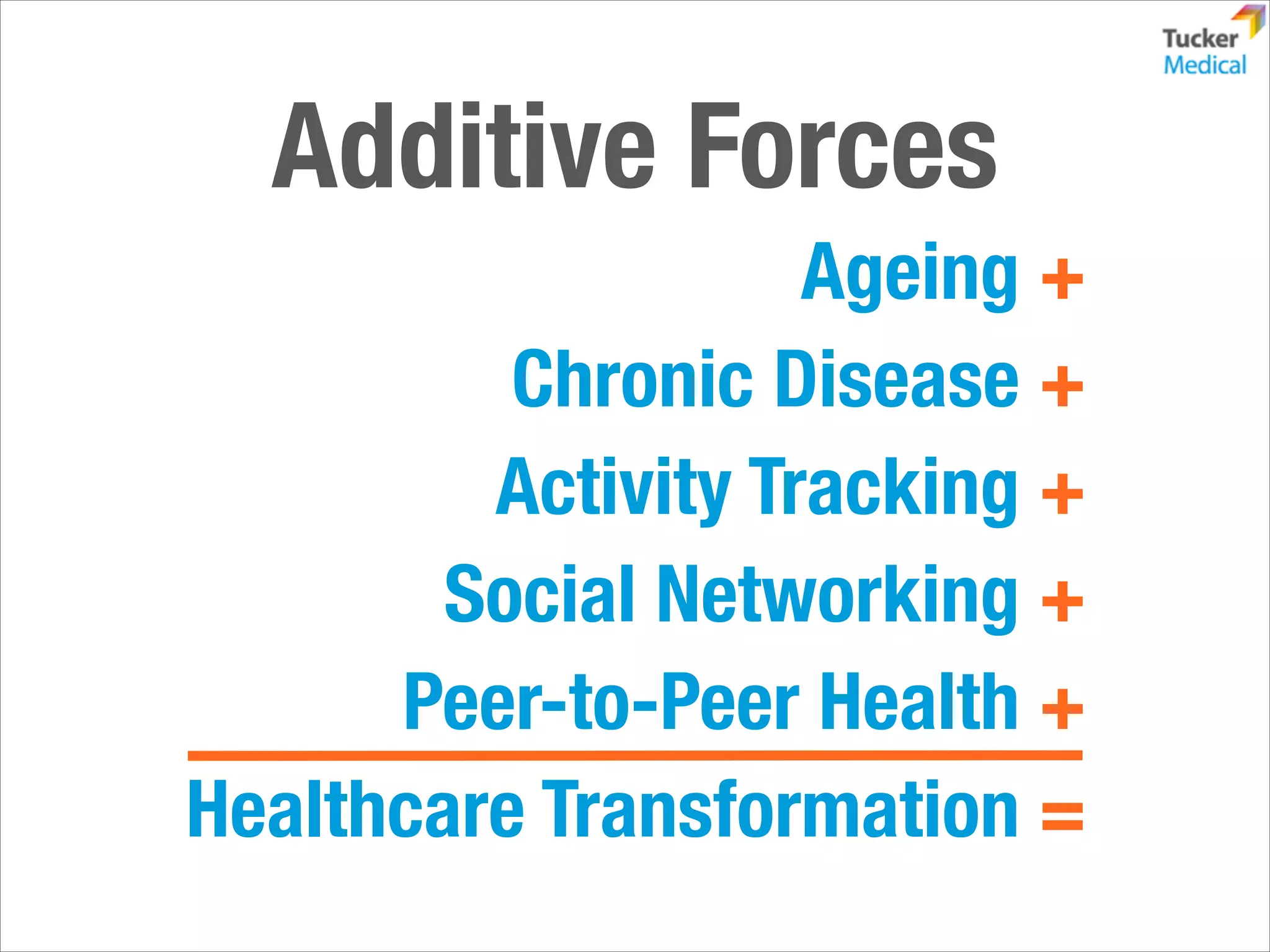
Additive Forces
Ageing +
Chronic Disease +
Activity Tracking +
Social Networking +
Peer-to-Peer Health +
Healthcare Transformation =
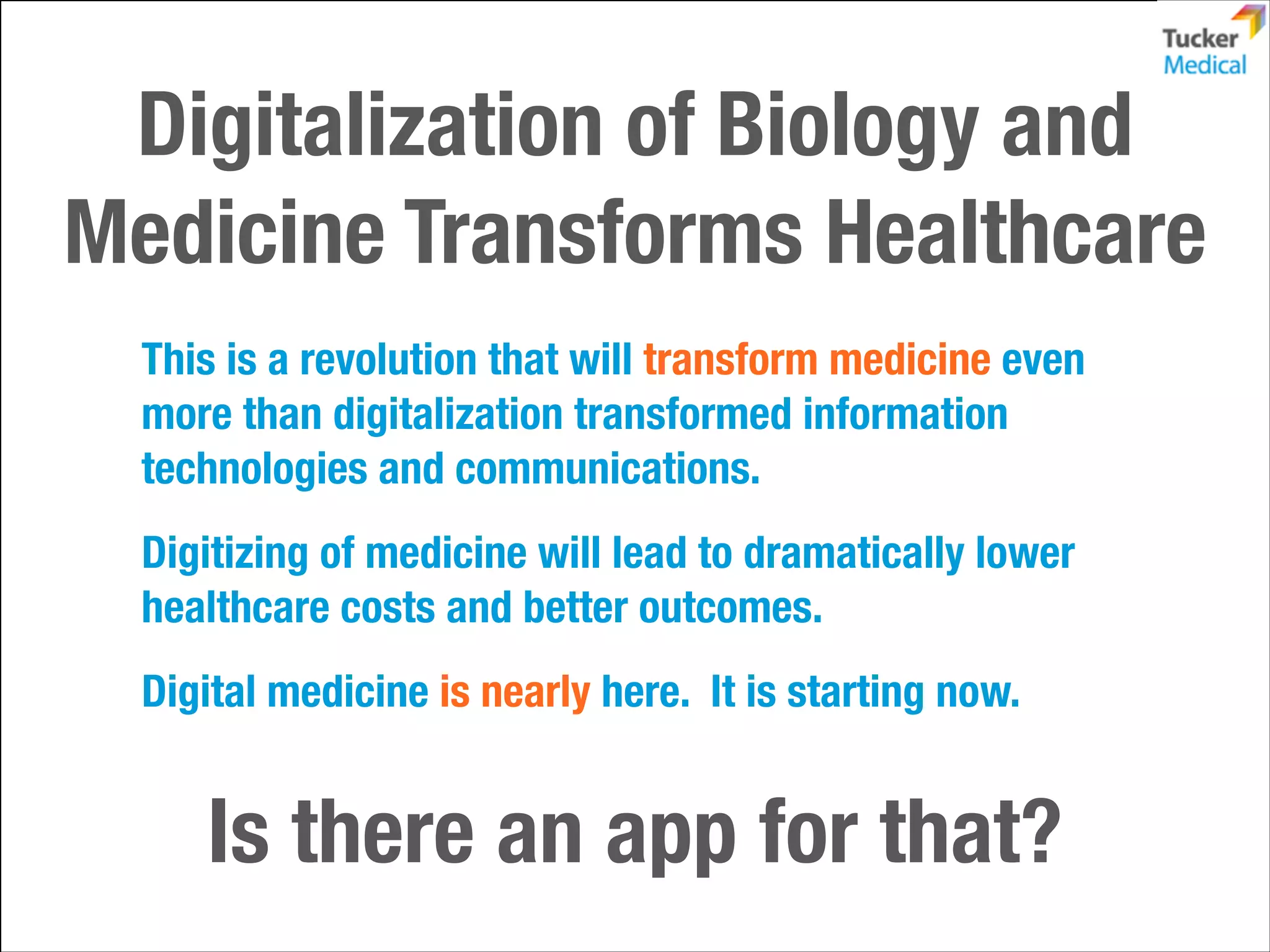
Digitalization of Biology and
Medicine Transforms Healthcare
This is a revolution that will transform medicine even
more than digitalization transformed information
technologies and communications.
Digitizing of medicine will lead to dramatically lower
healthcare costs and better outcomes.
Digital medicine is nearly here. It is starting now.

Is there an app for that?
Dr. Watson
Machines as personal
assistants to doctors, using
big data to aid in physician
decision making.
Reads 200M papers in 3
seconds.
Monitors real-time data and
articles as published.
Digests patient EHR’s,
genomics, clinical data, peerreviewed publications, other
data.
Dr. Siri
Part

4

What is

My 2nd
View
in 1 minute
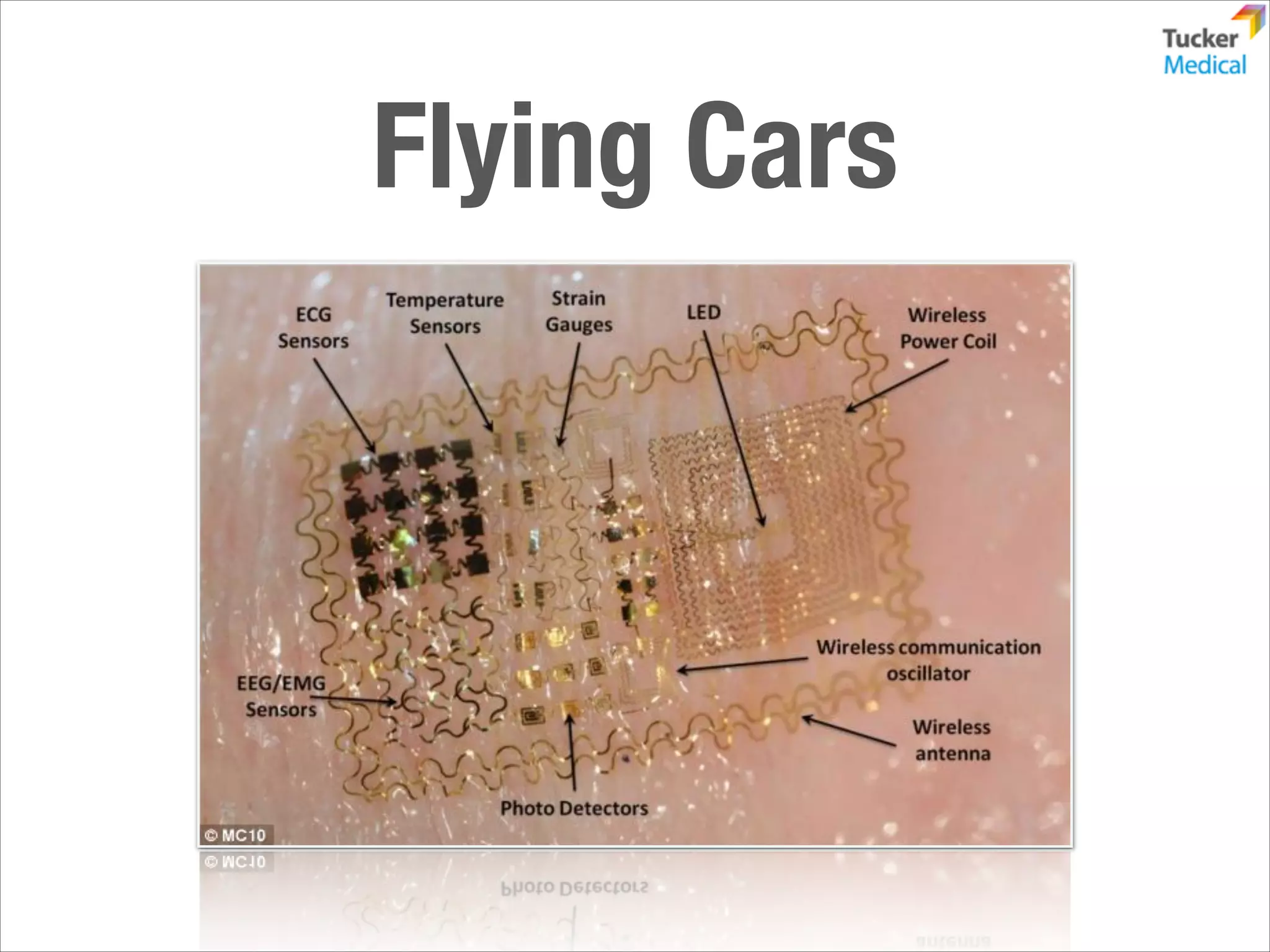
Sensors as Tattoos
Flying Cars
June 2007

29
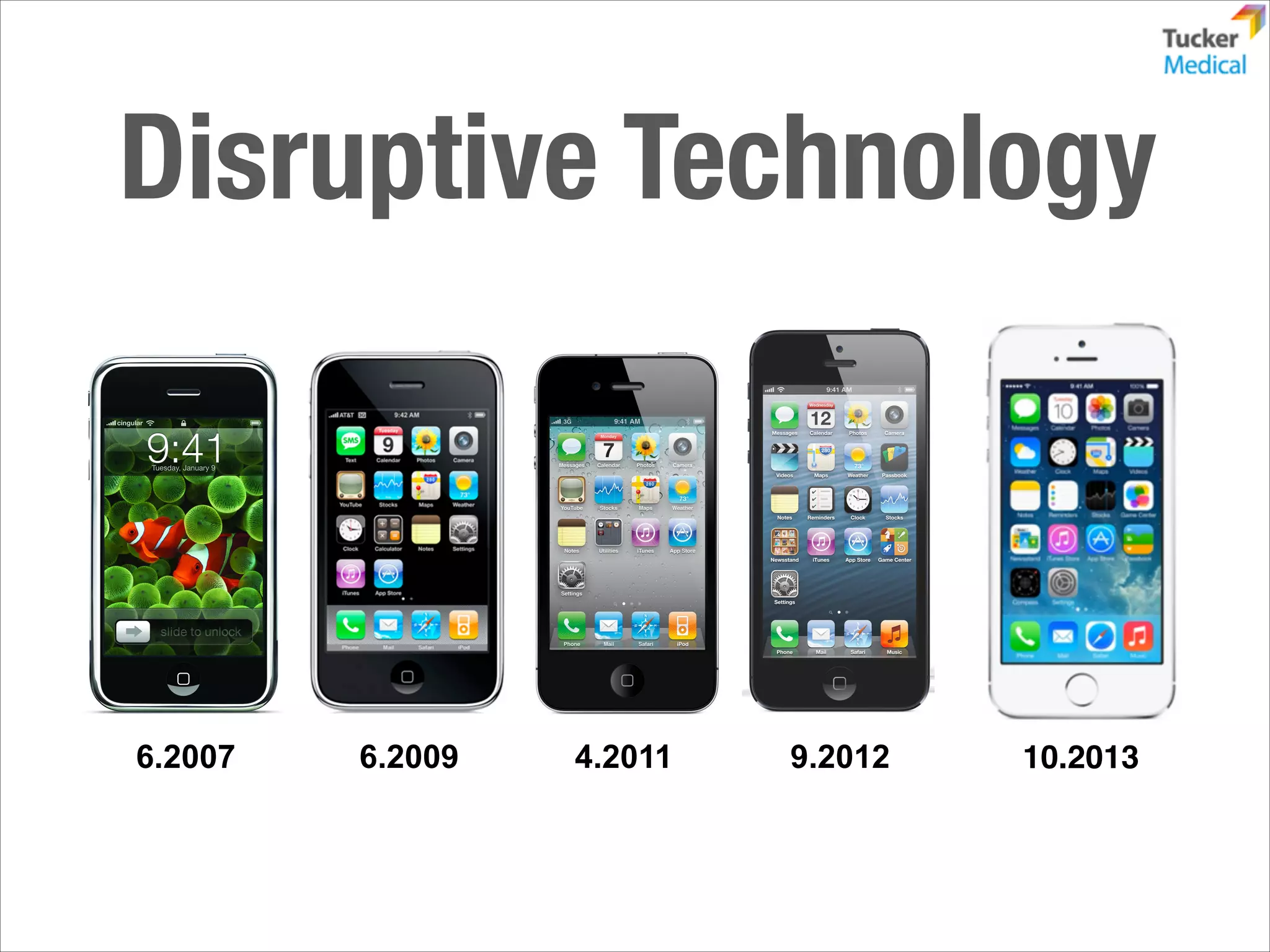
Disruptive Technology

6.2007

6.2009

4.2011

9.2012

10.2013
The App Economy

40 billion apps downloaded
Smartphone Growth
40000

35000

Exabytes

30000
20000
7910

10000
130

0
2005

422

1227

2008

2010

2720

2012

2015

The amount of data is growing

2020

40 TIMES
as fast as the world population
During 2008, the number of things
connected to the Internet exceeded the
number of people on earth.

2003

2010

2015
By 2020 there

will be 50 billion.

These things are not just

smartphones and tablets.
Source: Cisco
?
LEARN MORE
www.tuckermedical.com

@drsteventucker

Wearable Health, Fitness Trackers, and the Quantified Self