Virtual Liberating Structures
Powerful Microstructures for our Remote Reality
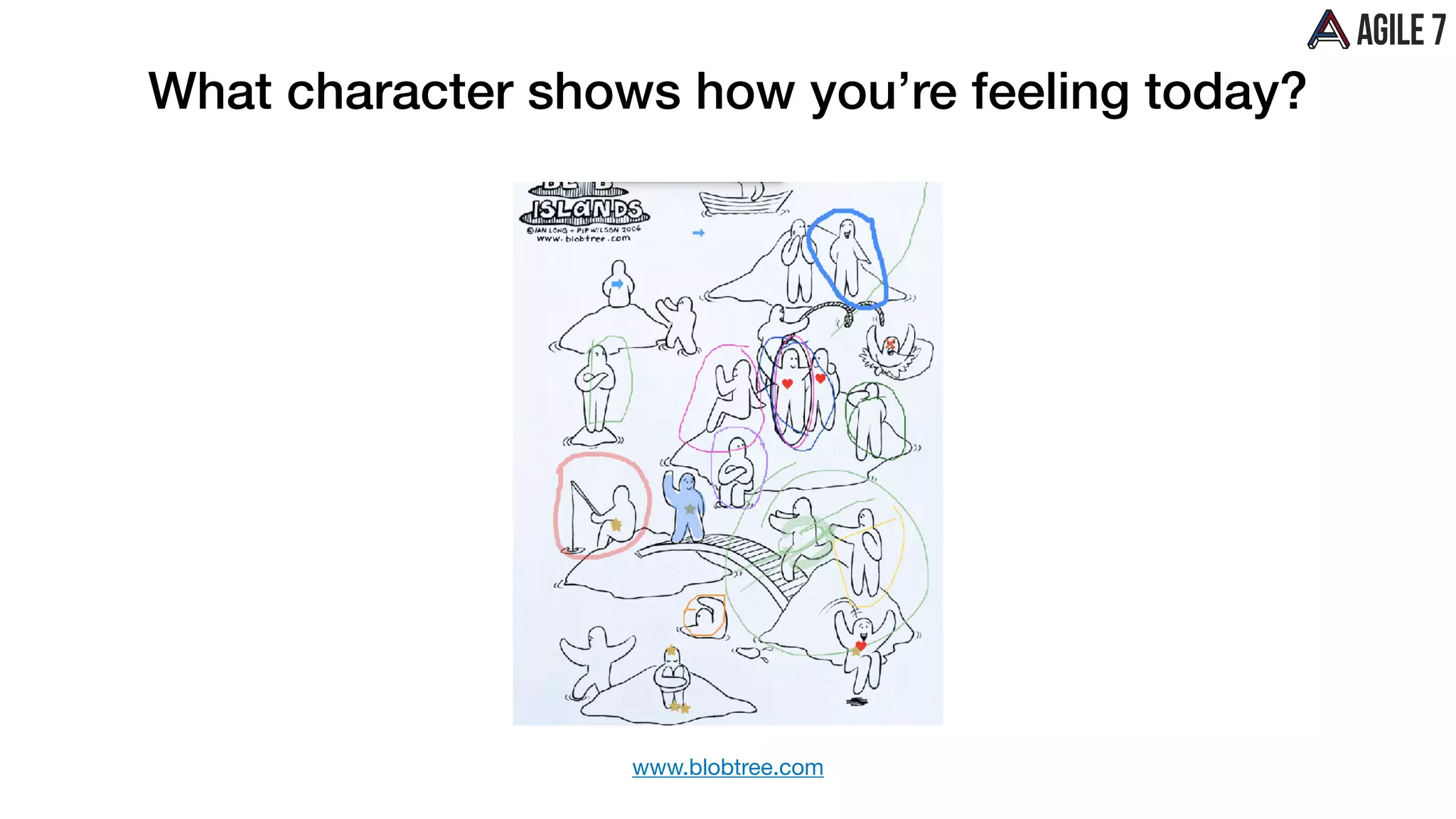
What character shows how you’re feeling today?
www.blobtree.com
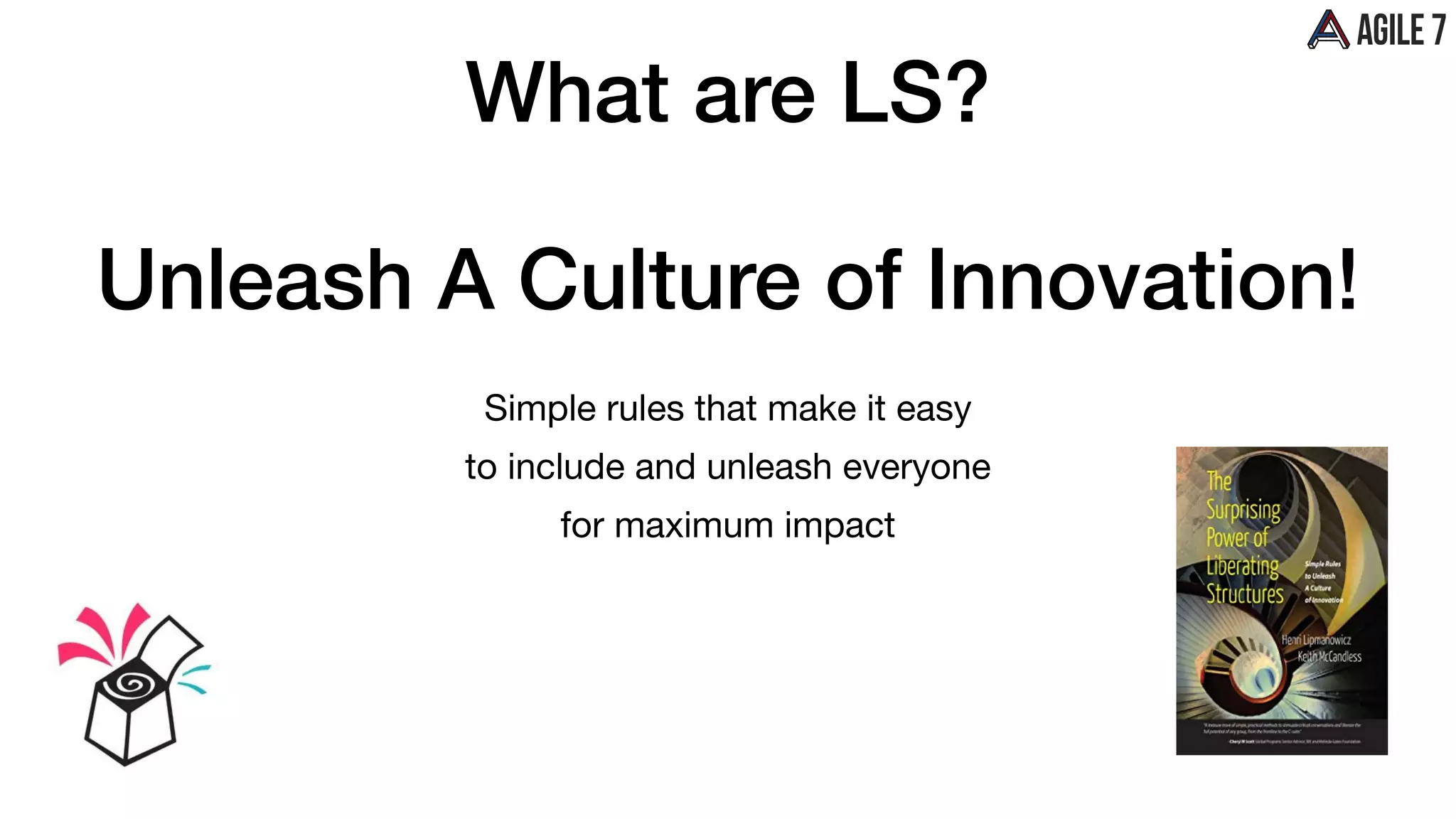
What are LS?
Simple rules that make it easy 

to include and unleash everyone 

for maximum impact
Unleash A Culture of Innovation!
Ready for Practice!
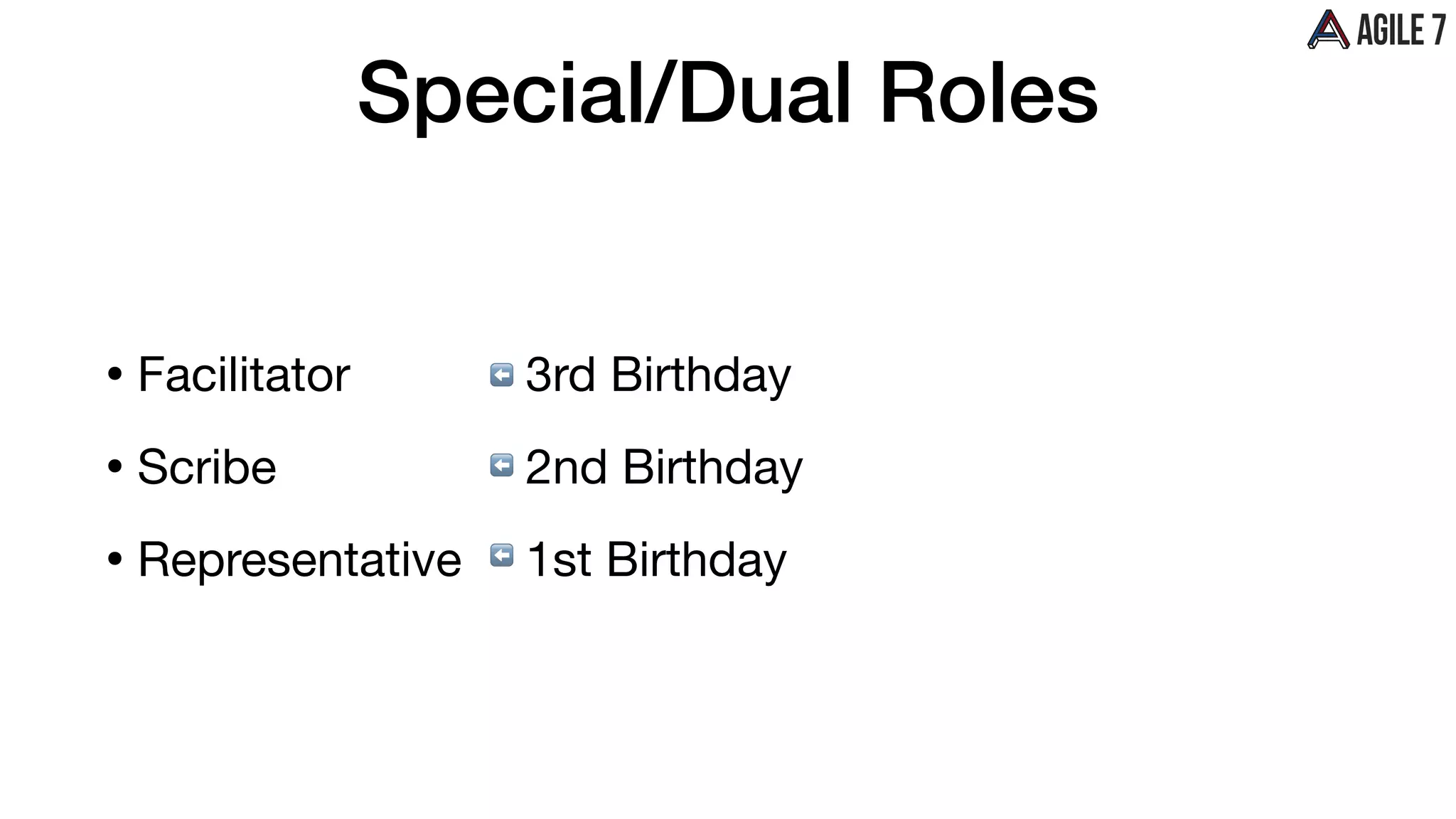
Special/Dual Roles
• Facilitator

• Scribe

• Representative
3rd Birthday

2nd Birthday

1st Birthday
⬅
⬅
⬅
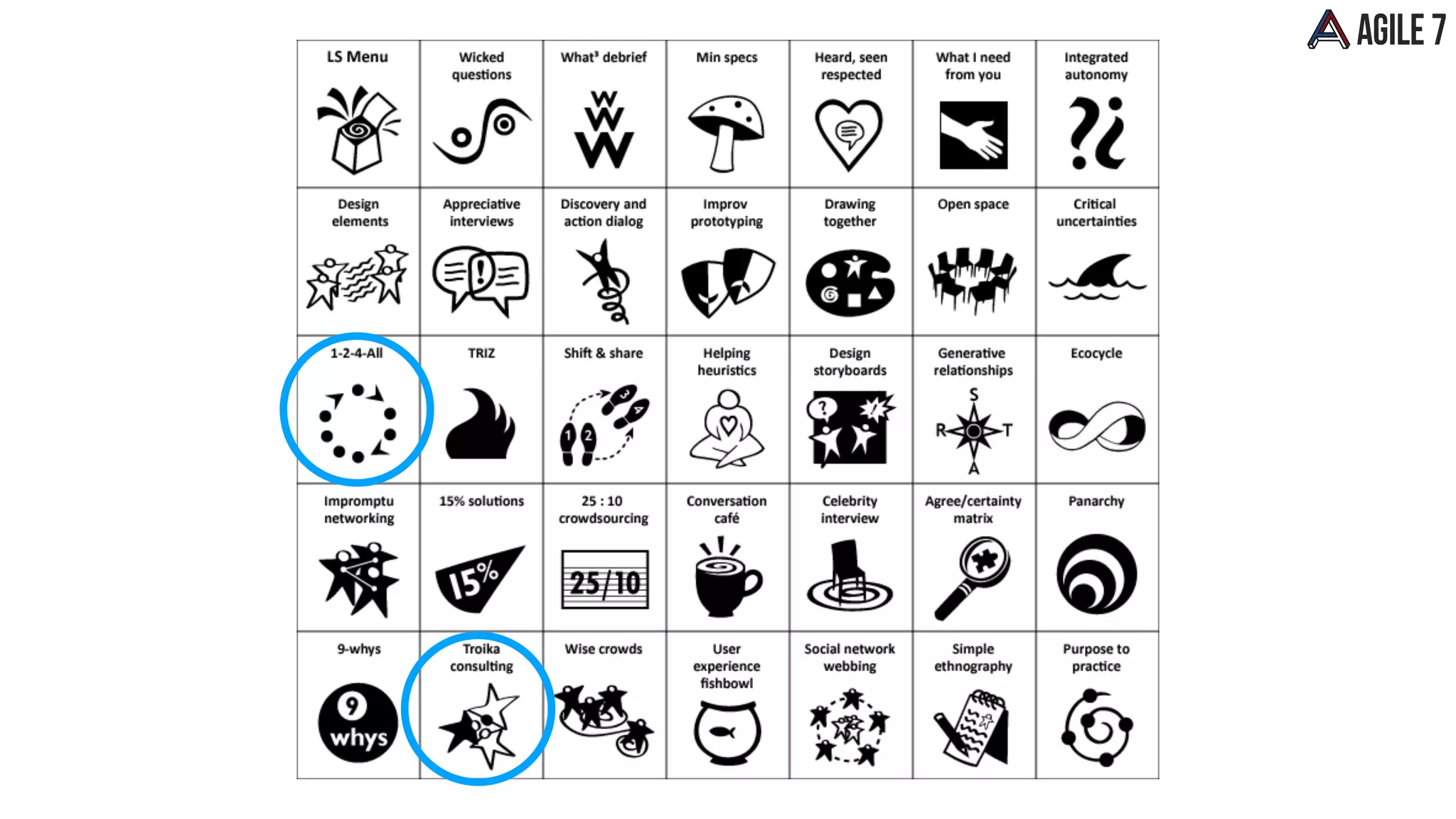
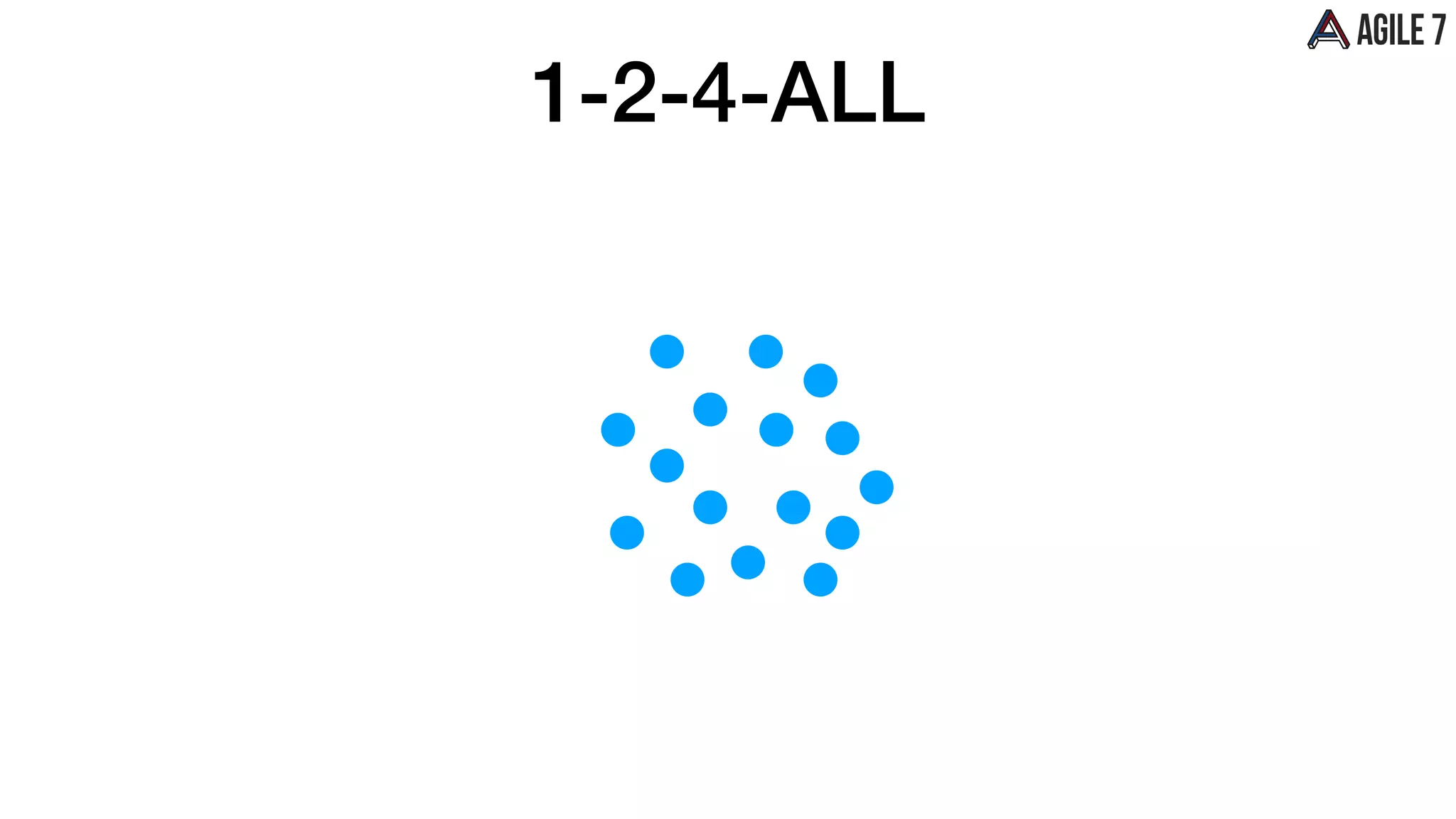
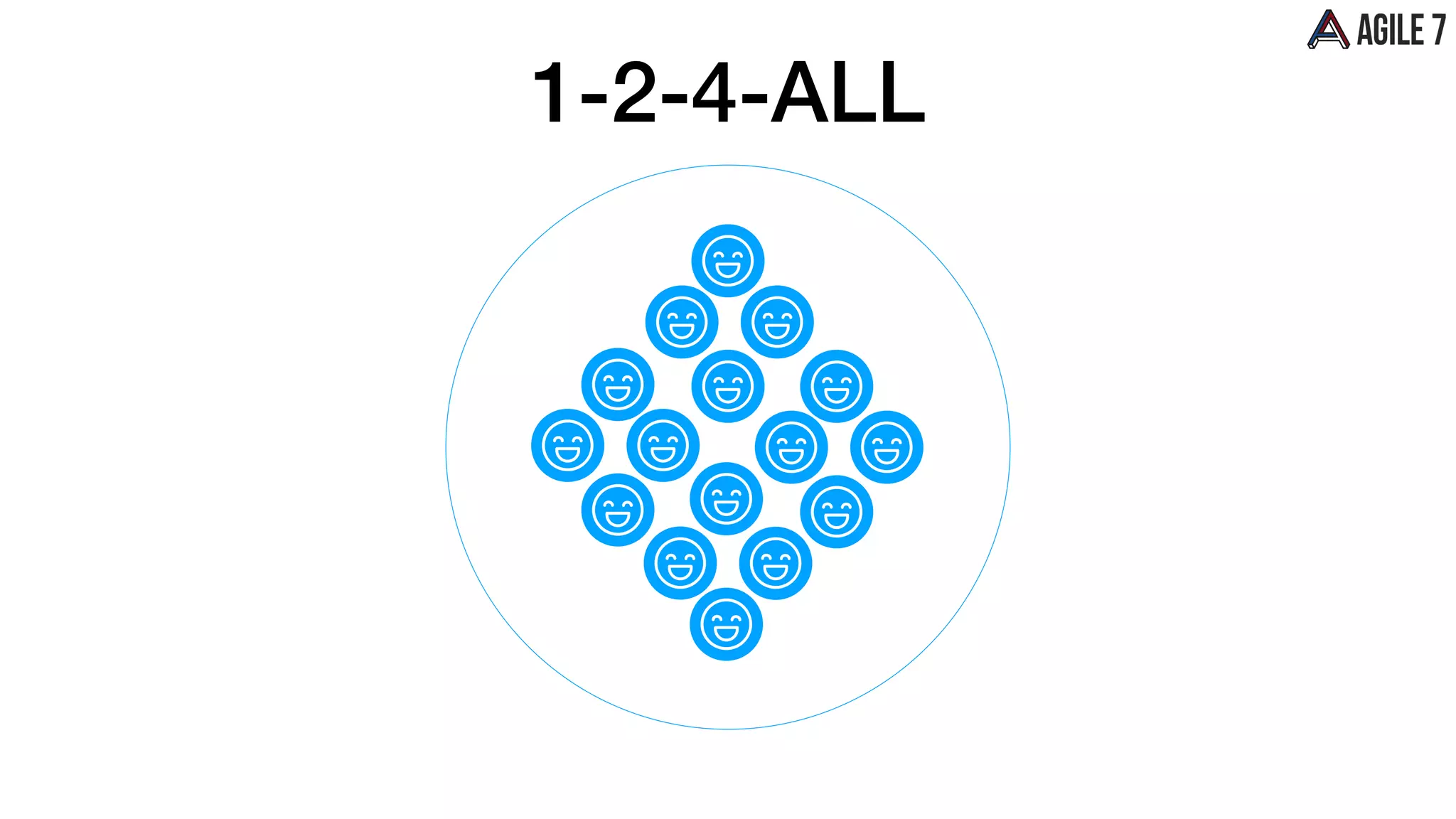
1-2-4-ALL
1-2-4-ALL
1-2-4-ALL
1-2-4-ALL
1-2-4-ALL
1-N-ALL
• Silent self-reflection by individuals on a shared challenge,
framed as a question (1 minute)
• What opportunities do YOU see for making impact?

• What ideas or actions do you recommend?
1-N-ALL
• Generate ideas together, building on ideas from self-
reflection

• Share and develop ideas in your group (notice similarities
and differences) (10 minutes)
1-N-ALL
• Ask, “What is one idea that stood out in your
conversation?” Each group shares one important idea
with all (repeat cycle as needed). 5 min.
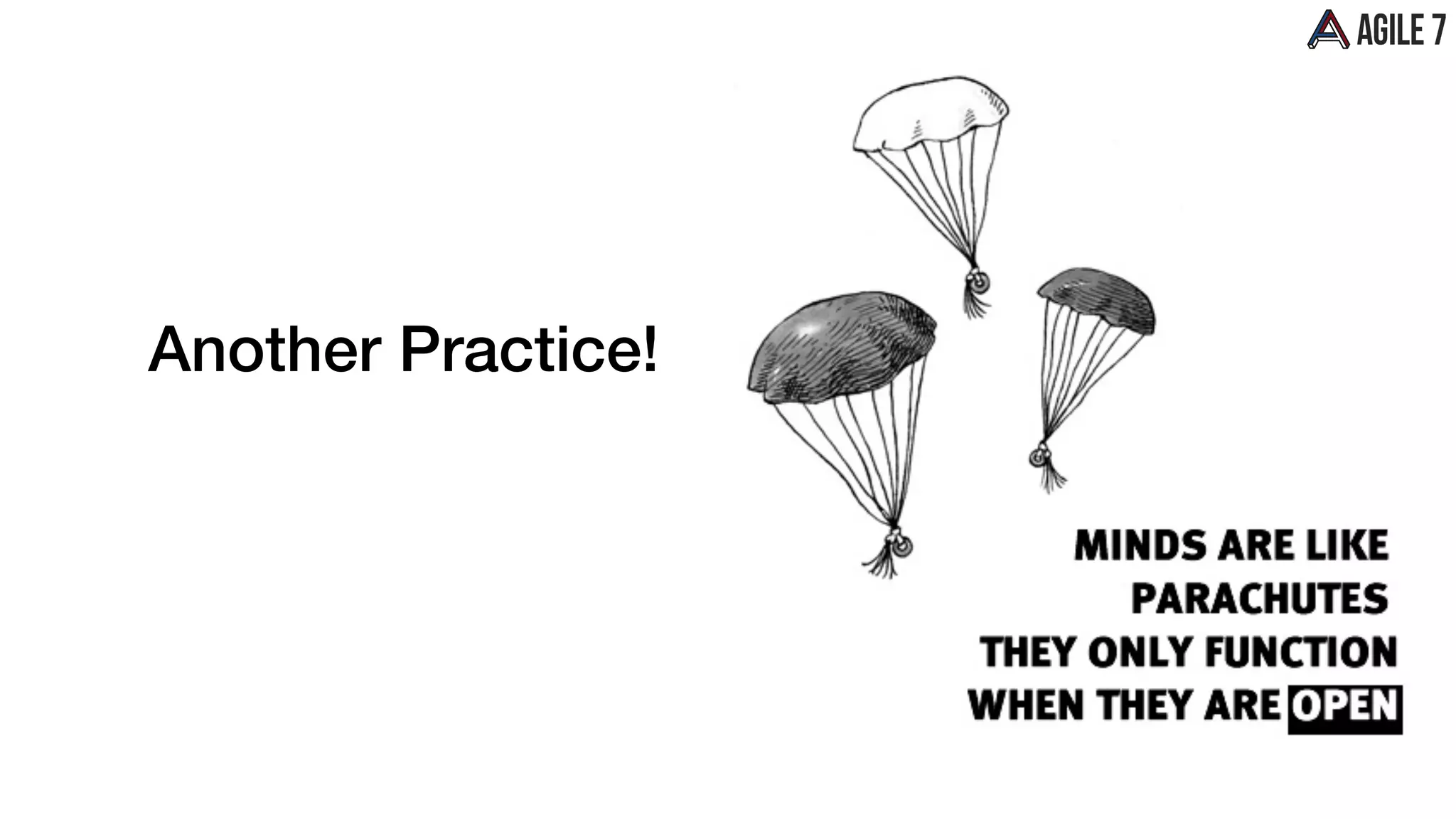
Another Practice!
– Henri Nouwen
“To listen is very hard, because it asks of us so much interior stability
that we no longer need to prove ourselves by speeches, arguments,
statements or declarations. True listeners no longer have an inner
need to make their presence known. They are free to receive,
welcome, to accept.”
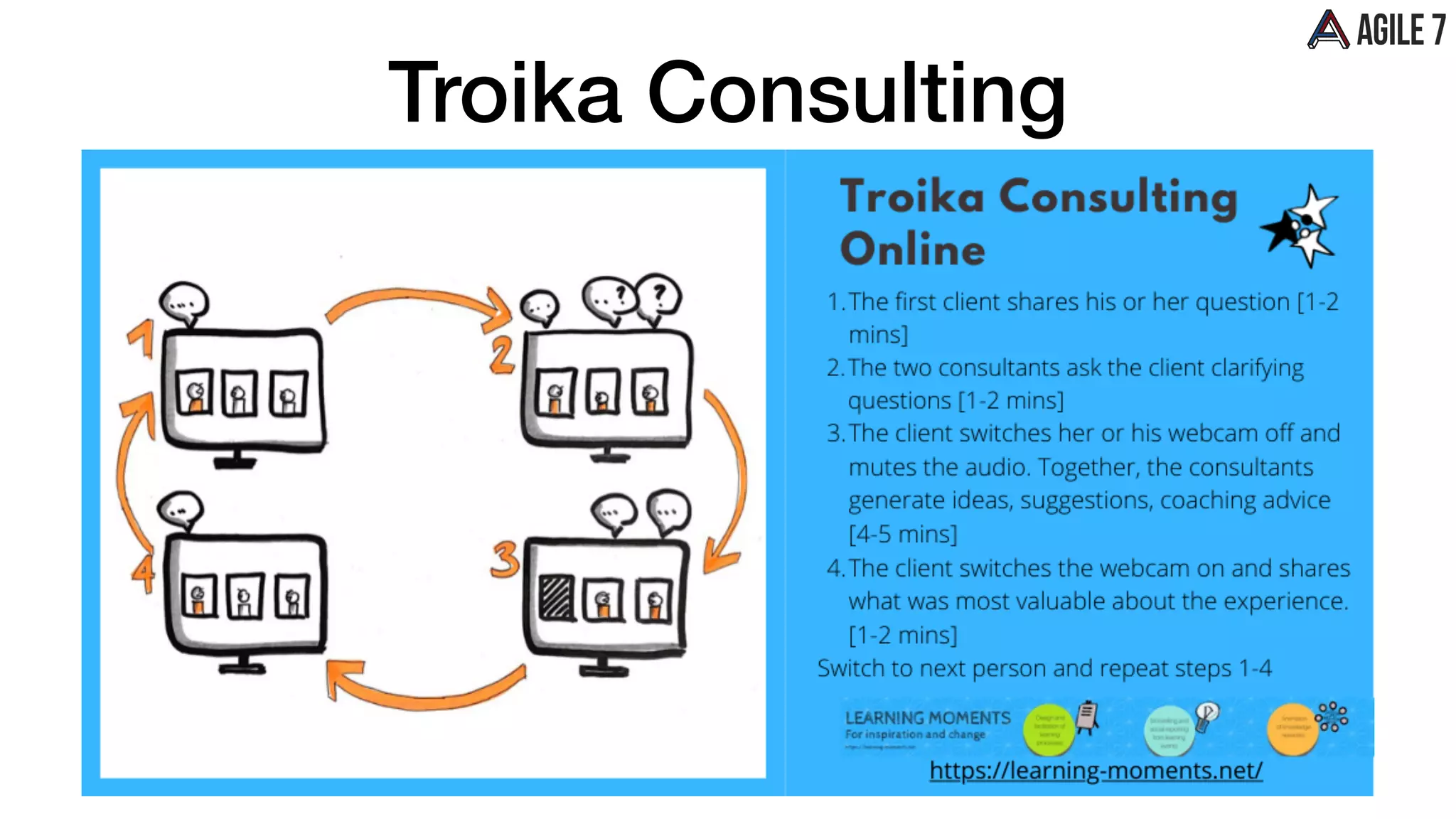
Troika Consulting
Troika Consulting
But, wait, there’s more!
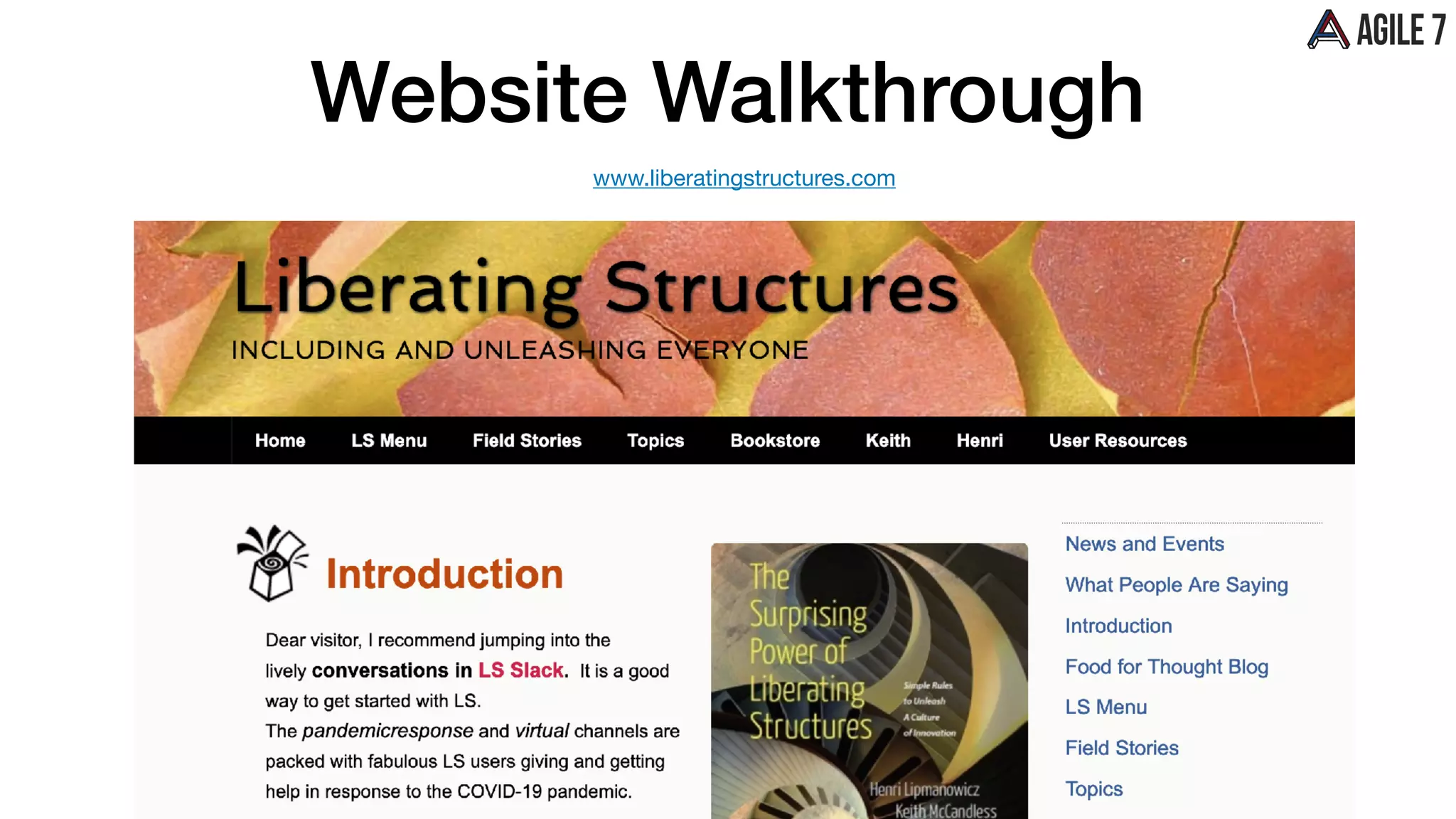
Website Walkthrough
www.liberatingstructures.com
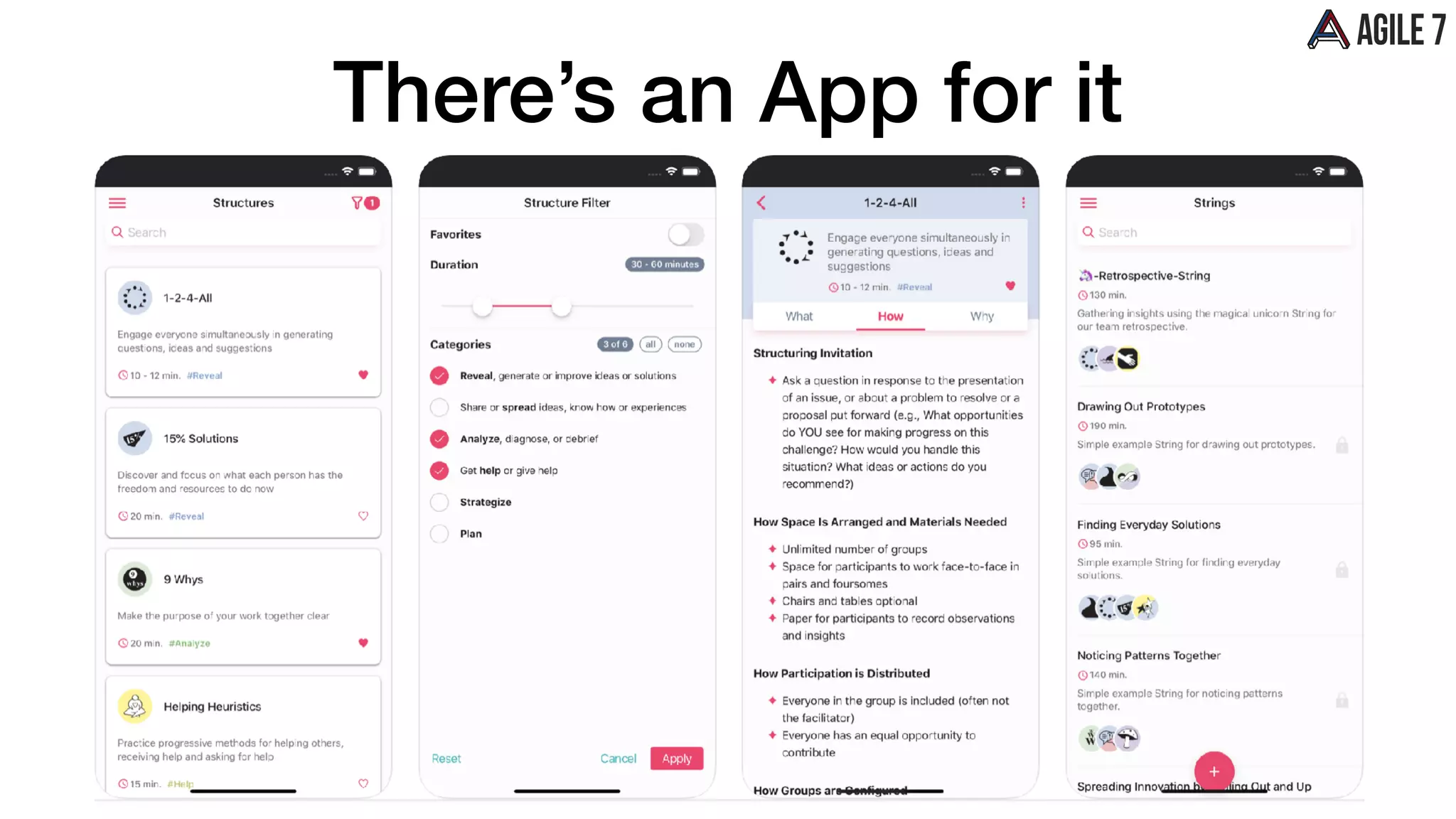
There’s an App for it
Advanced LS Practice
Like DNA, Liberating Structures can be strung

together to achieve a specific purpose
Retrospective
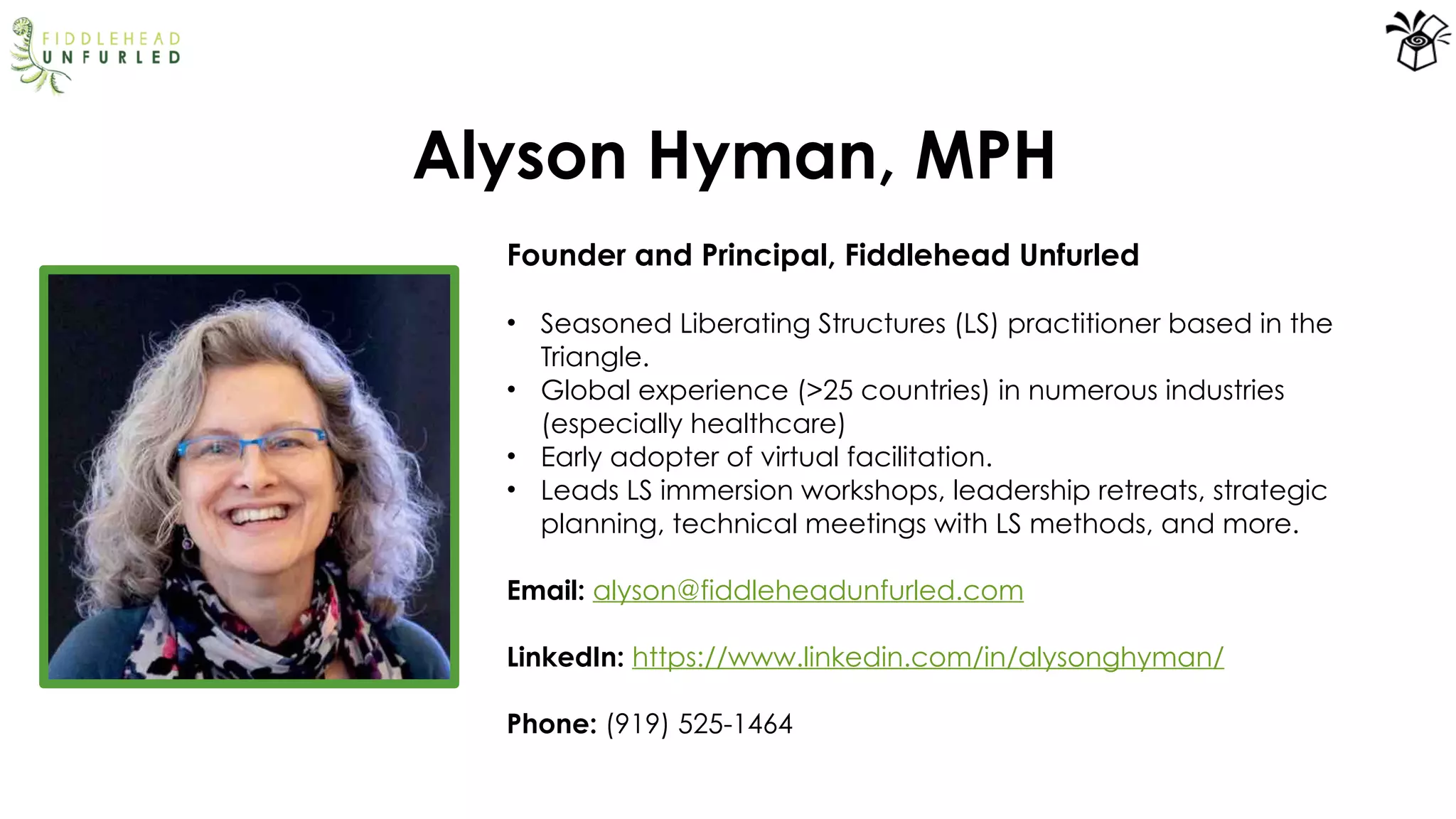
Alyson Hyman, MPH
Founder and Principal, Fiddlehead Unfurled
• Seasoned Liberating Structures (LS) practitioner based in the
Triangle.
• Global experience (>25 countries) in numerous industries
(especially healthcare)
• Early adopter of virtual facilitation.
• Leads LS immersion workshops, leadership retreats, strategic
planning, technical meetings with LS methods, and more.
Email: alyson@fiddleheadunfurled.com
LinkedIn: https://www.linkedin.com/in/alysonghyman/
Phone: (919) 525-1464
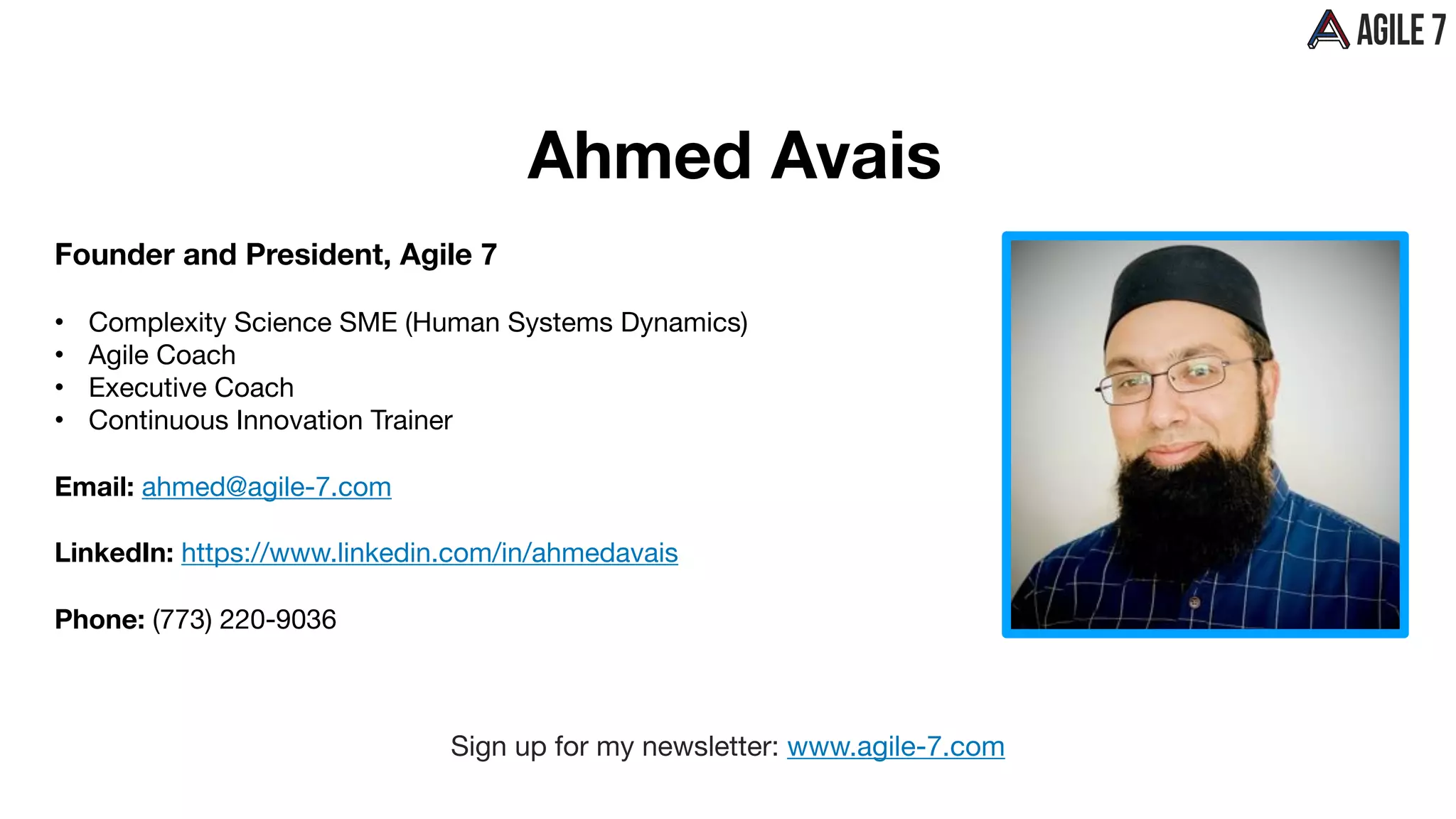
Ahmed Avais
Founder and President, Agile 7
• Complexity Science SME (Human Systems Dynamics) 

• Agile Coach

• Executive Coach

• Continuous Innovation Trainer

Email: ahmed@agile-7.com

LinkedIn: https://www.linkedin.com/in/ahmedavais
Phone: (773) 220-9036
Sign up for my newsletter: www.agile-7.com
Addendum
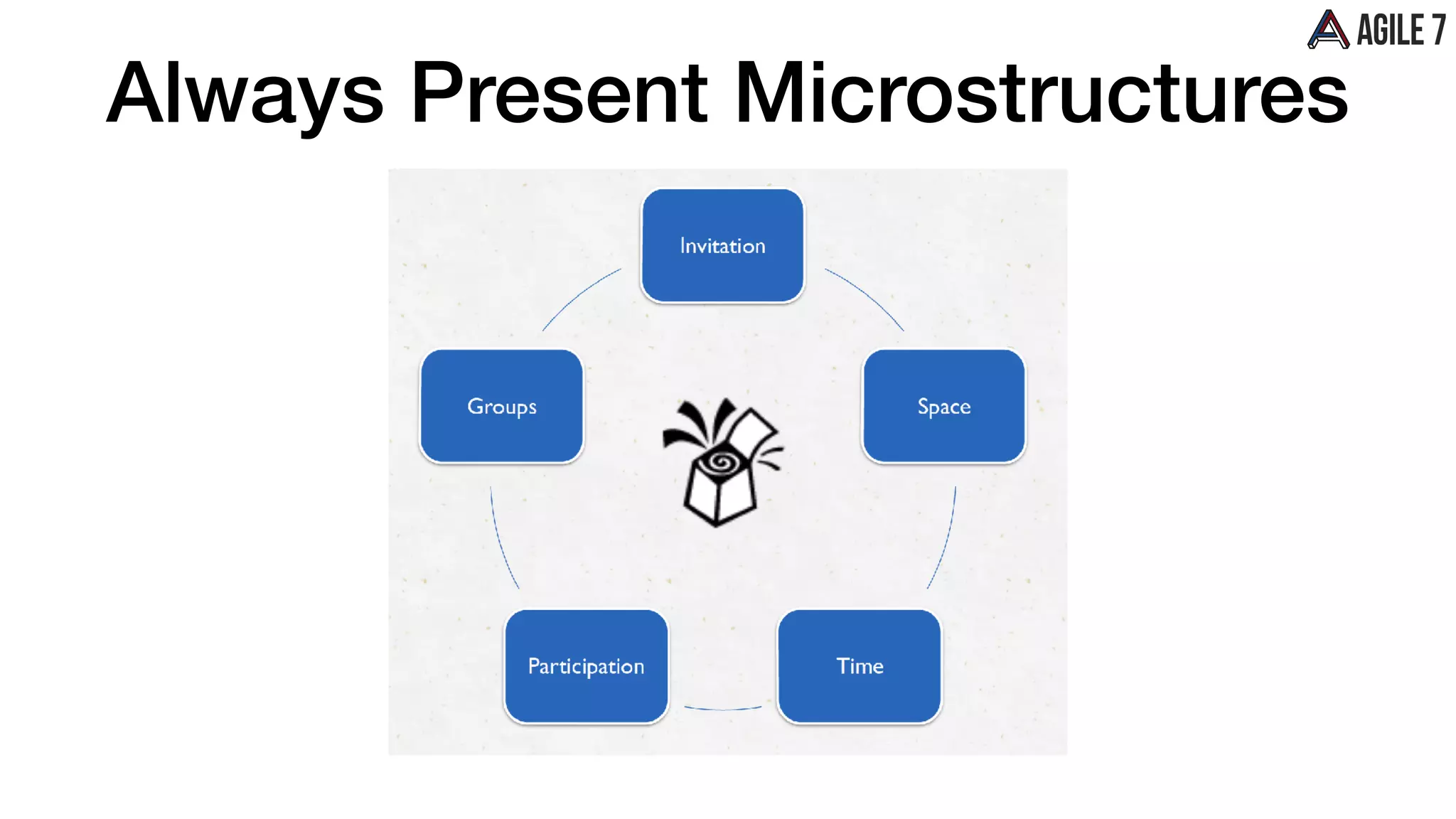
Always Present Microstructures
What are LS?
• Minimum constraints are necessary

• Rapid cycles and many iterations over long, slow methods

• Parallel processing adds agility and enhance effectiveness

• Not all ideas are equal

• Distribute control while staying in charge

• Loose connections are at the root of innovation

• Invite unusual suspects!
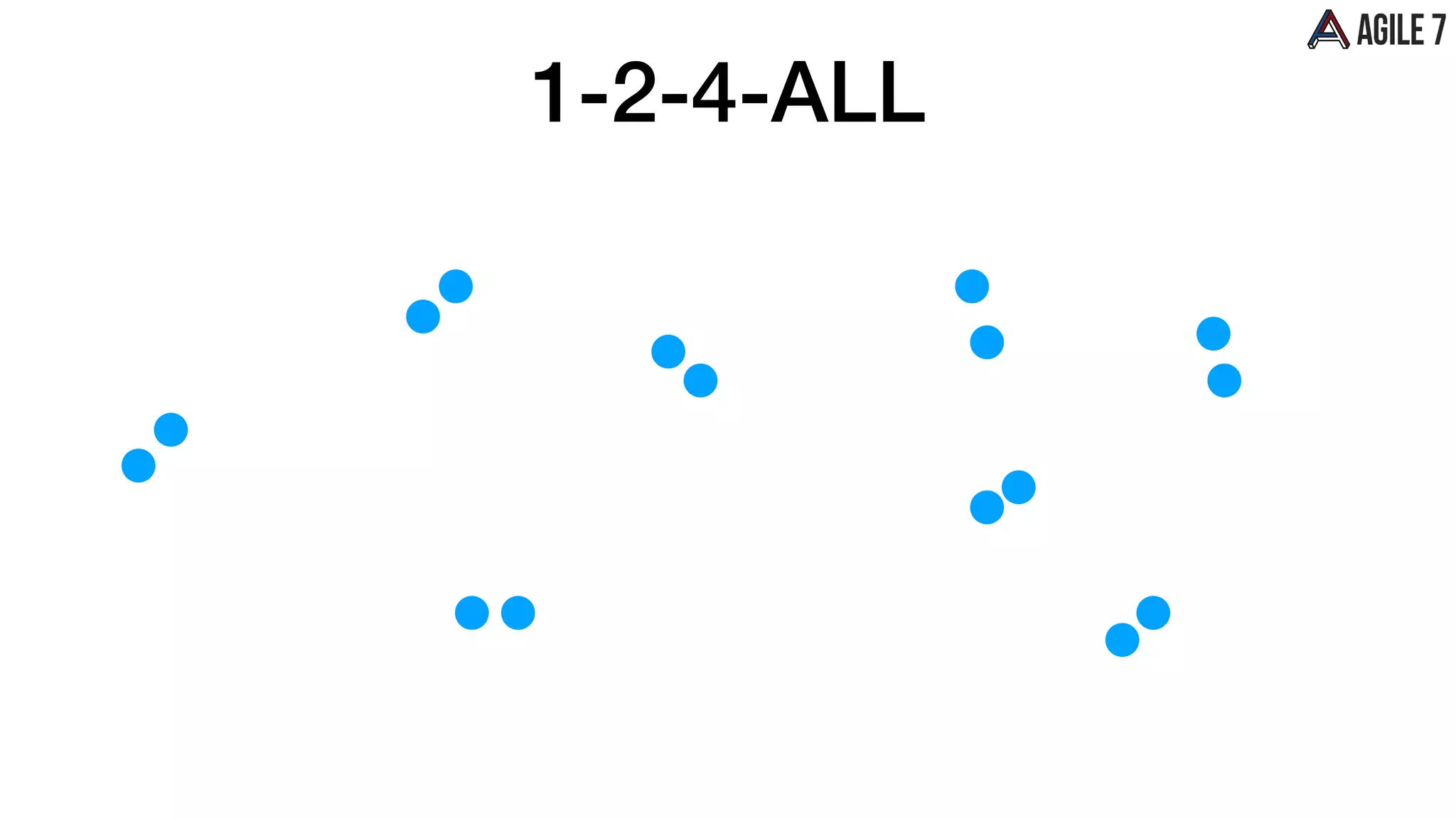
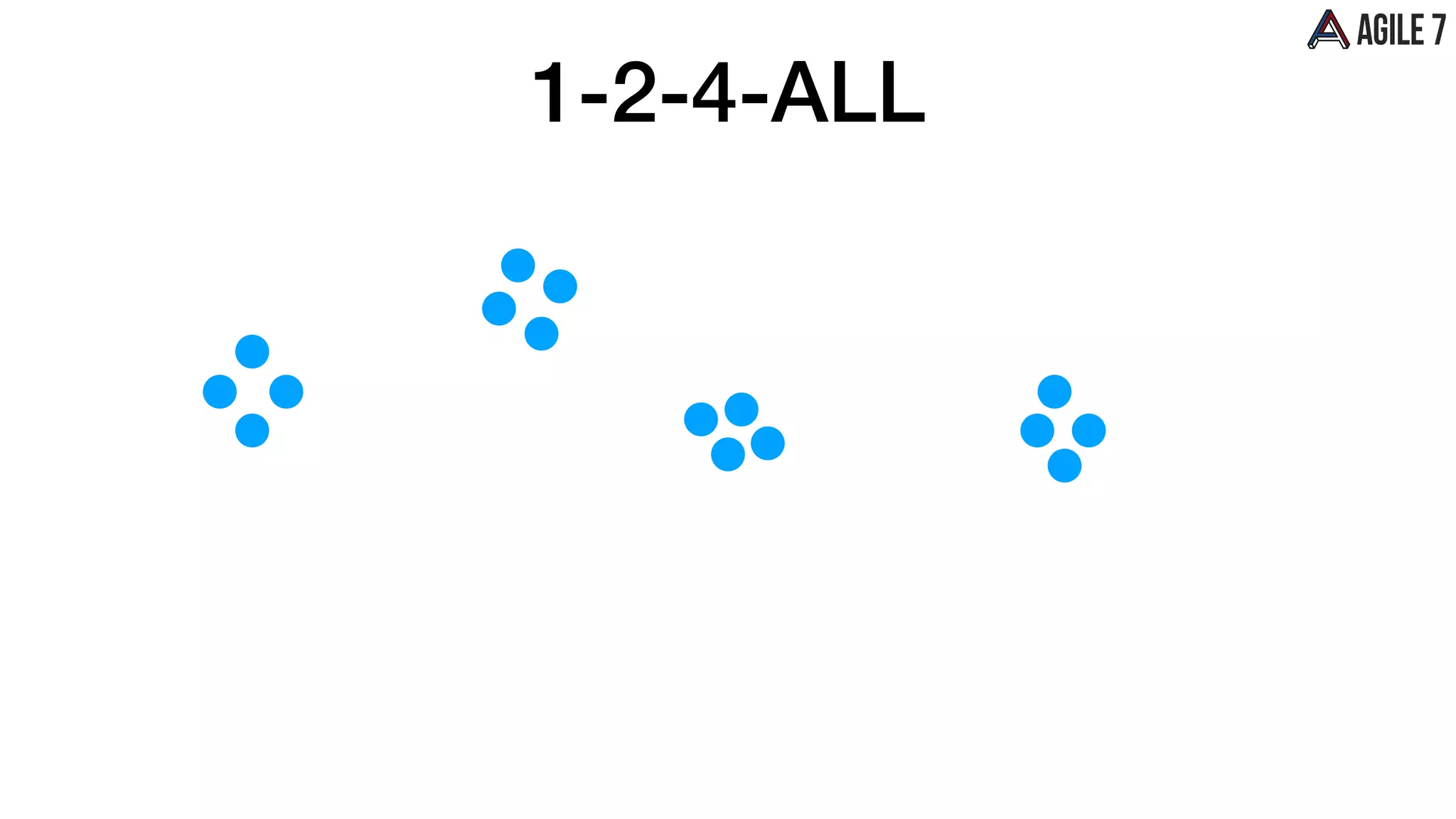
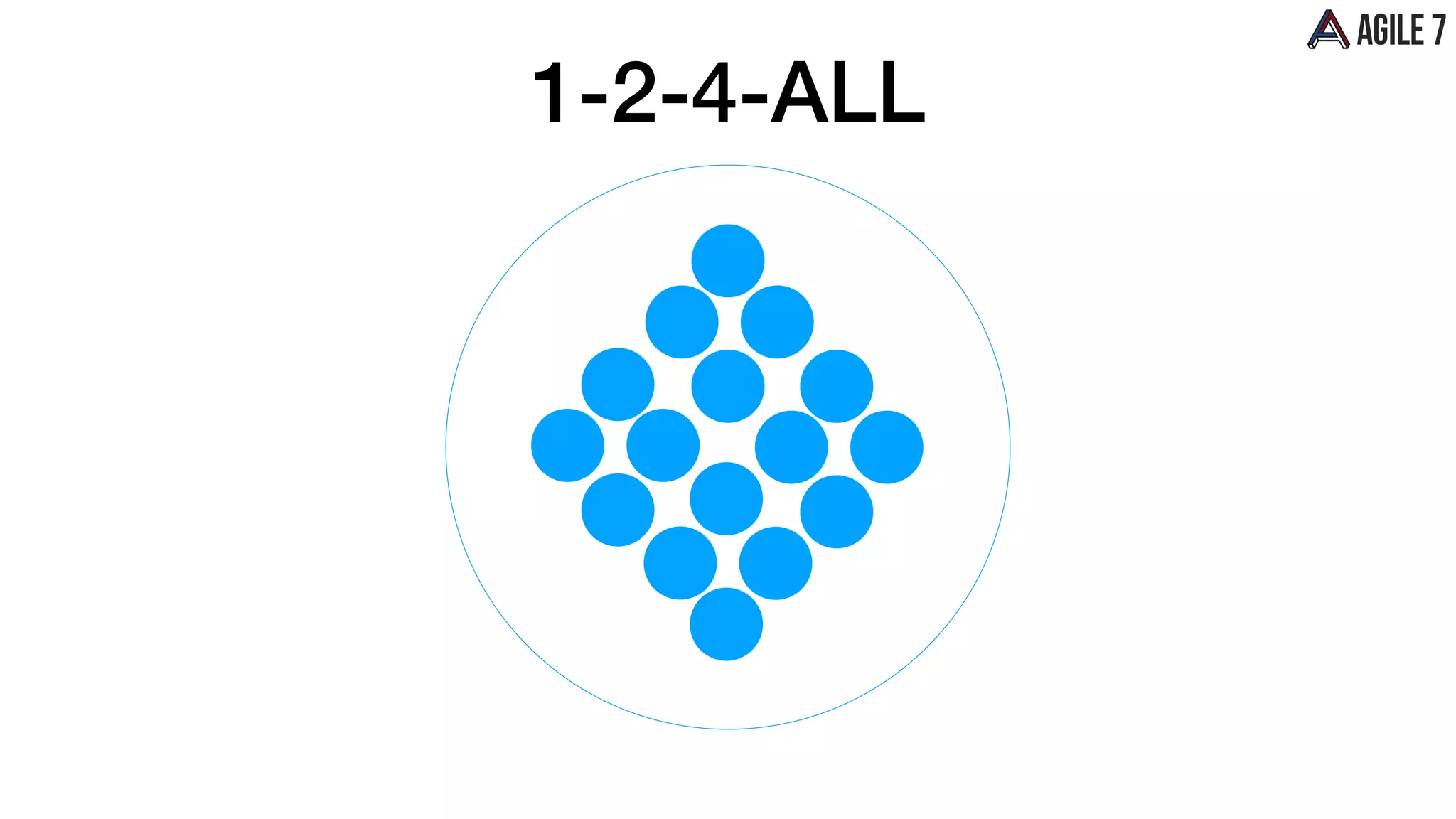
1-2-4-ALL
• Silent self-reflection by individuals on a shared challenge, framed as
a question (e.g., What opportunities do YOU see for making
progress on this challenge? How would you handle this situation?
What ideas or actions do you recommend?) 1 min.

• Generate ideas in pairs, building on ideas from self-reflection. 2 min.

• Share and develop ideas from your pair in foursomes (notice
similarities and differences). 4 min.

• Ask, “What is one idea that stood out in your conversation?” Each
group shares one important idea with all (repeat cycle as needed). 5
min.
Self-Reflection
• What is your most challenging professional
issue?

• How can you make this a success for
everyone involved?

• What would you like to take home from this
session?

Virtual Liberating Structures - RTP Frontier - May 2020

  • 1.
    Virtual Liberating Structures PowerfulMicrostructures for our Remote Reality
  • 2.
    What character showshow you’re feeling today? www.blobtree.com
  • 5.
    What are LS? Simplerules that make it easy to include and unleash everyone for maximum impact Unleash A Culture of Innovation!
  • 7.
  • 8.
    Special/Dual Roles • Facilitator •Scribe • Representative 3rd Birthday 2nd Birthday 1st Birthday ⬅ ⬅ ⬅
  • 9.
  • 10.
  • 11.
  • 12.
  • 13.
  • 14.
    1-N-ALL • Silent self-reflectionby individuals on a shared challenge, framed as a question (1 minute) • What opportunities do YOU see for making impact? • What ideas or actions do you recommend?
  • 15.
    1-N-ALL • Generate ideastogether, building on ideas from self- reflection • Share and develop ideas in your group (notice similarities and differences) (10 minutes)
  • 16.
    1-N-ALL • Ask, “Whatis one idea that stood out in your conversation?” Each group shares one important idea with all (repeat cycle as needed). 5 min.
  • 17.
  • 18.
    – Henri Nouwen “Tolisten is very hard, because it asks of us so much interior stability that we no longer need to prove ourselves by speeches, arguments, statements or declarations. True listeners no longer have an inner need to make their presence known. They are free to receive, welcome, to accept.” Troika Consulting
  • 19.
  • 20.
  • 21.
  • 22.
  • 23.
    Advanced LS Practice LikeDNA, Liberating Structures can be strung together to achieve a specific purpose
  • 24.
  • 27.
    Alyson Hyman, MPH Founderand Principal, Fiddlehead Unfurled • Seasoned Liberating Structures (LS) practitioner based in the Triangle. • Global experience (>25 countries) in numerous industries (especially healthcare) • Early adopter of virtual facilitation. • Leads LS immersion workshops, leadership retreats, strategic planning, technical meetings with LS methods, and more. Email: alyson@fiddleheadunfurled.com LinkedIn: https://www.linkedin.com/in/alysonghyman/ Phone: (919) 525-1464
  • 28.
    Ahmed Avais Founder andPresident, Agile 7 • Complexity Science SME (Human Systems Dynamics) • Agile Coach • Executive Coach • Continuous Innovation Trainer Email: ahmed@agile-7.com LinkedIn: https://www.linkedin.com/in/ahmedavais Phone: (773) 220-9036 Sign up for my newsletter: www.agile-7.com
  • 29.
  • 30.
  • 31.
    What are LS? •Minimum constraints are necessary • Rapid cycles and many iterations over long, slow methods • Parallel processing adds agility and enhance effectiveness • Not all ideas are equal • Distribute control while staying in charge • Loose connections are at the root of innovation • Invite unusual suspects!
  • 32.
    1-2-4-ALL • Silent self-reflectionby individuals on a shared challenge, framed as a question (e.g., What opportunities do YOU see for making progress on this challenge? How would you handle this situation? What ideas or actions do you recommend?) 1 min. • Generate ideas in pairs, building on ideas from self-reflection. 2 min. • Share and develop ideas from your pair in foursomes (notice similarities and differences). 4 min. • Ask, “What is one idea that stood out in your conversation?” Each group shares one important idea with all (repeat cycle as needed). 5 min.
  • 33.
    Self-Reflection • What isyour most challenging professional issue? • How can you make this a success for everyone involved? • What would you like to take home from this session?