
Participatory communication for development in practice:
               the case of community media

                    Roskilde, June 2011


               Prf. Dr. Víctor Manuel Marí Sáez
               Universidad de Cádiz (España)
                      victor.mari@uca.es
1. The genealogy of the term “development”.

2. The different stages that development has gone trough.

3. The central role played by participation.

4. The role of community media.

5. Conclusions.
The controversial and polysemic concept of development


1. It is a historical concept.

2. It is also a future-bound category.
Development and communication for development models


Servaes (2003) proposes three phases in the modern history of
development:

1. Modernization (from 1945 to 1965).

Modernization = to transfer of technology and of a sociopolitical culture
from developed societies to traditional societies.

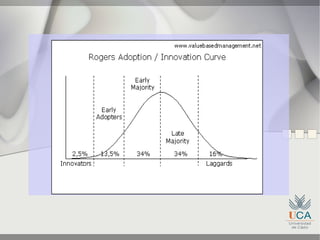
The media and information technologies are a means towards the
Diffusion of Innovations (Everett Rogers)
Development and communication for development models


2. The dependency approach (from 1965 until the mid-1980s).

Modernization processes built development in the center at the
expense of exporting underdevelopment to the periphery.


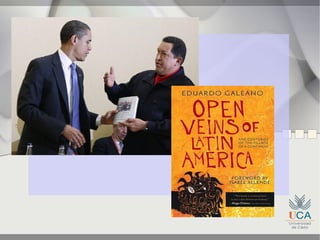
Sub-development in many countries is the historical consequence of
the development of “the few”, the minority (Eduardo Galeano)
Development and communication for development models


Inspired by Paulo Freire's ideas, a new critical understanding of
communication was articulated in Latin America:


1. Overall change in the social structure...

2. Technological advancements do not lead to development per se.

3. Communication does not naturally engender national development.
Development and communication for development models


3. The multiplicity approach (from the 1980s to date).

This new conceptualization of development emphasizes cultural
identity and multidimensionality.


But...and excessive emphasis on culture might lead to escapist
positions that neglect the political and structural dimensions of
communication (Erik Neveu and Armand Mattelart, 2004)
PARTICIPATORY   DEVELOPMENT                  AND   PARTICIPATORY
COMMUNICATION IN THE 1990s


According to Hamelink, the characteristics of “human development”
are:

1. Equitable access to resources.

2. Sustainable resources and institutions.

3. The procurement and dissemination ok knowledge aimed at
rendering human beings responsible.

4. Participation.
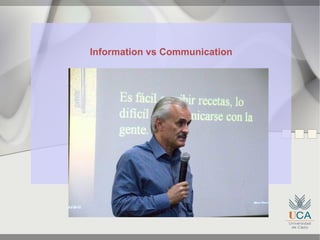
Information vs Communication
COMMUNITY MEDIA AS DRIVERS                   OF    PARTICIPATORY
COMMUNICATION FOR DEVELOPMENT


For Freire, praxis implies reflection upon and action on the world in
order to transform it.


The concept of community media goes beyond the instrumental and
technological connotations of the term.
COMMUNITY MEDIA AS DRIVERS                     OF     PARTICIPATORY
COMMUNICATION FOR DEVELOPMENT


In the face of the mercantilistic logic characteristic of the commercial
media and of state intervention through the govermmental-public
media, community media operate as from the logic of social
appropriation (Sénécal, 1986).
CONCLUSIONS


One of the purposes has been to highlight the strategic relevance of
participation.

Participatory communication for development gained momentum in the
1990s, but cannot be fully understood without linking it back to the so-
called Freirean Connection.

Participation must to beyond the boundaries of the communicational
and technological field and imbue the entirely of transformative social
practices connected to communicational initiatives.

Participatory Communication for Development in practice

  • 1.
    Participatory communication fordevelopment in practice: the case of community media Roskilde, June 2011 Prf. Dr. Víctor Manuel Marí Sáez Universidad de Cádiz (España) victor.mari@uca.es
  • 2.
    1. The genealogyof the term “development”. 2. The different stages that development has gone trough. 3. The central role played by participation. 4. The role of community media. 5. Conclusions.
  • 3.
    The controversial andpolysemic concept of development 1. It is a historical concept. 2. It is also a future-bound category.
  • 5.
    Development and communicationfor development models Servaes (2003) proposes three phases in the modern history of development: 1. Modernization (from 1945 to 1965). Modernization = to transfer of technology and of a sociopolitical culture from developed societies to traditional societies. The media and information technologies are a means towards the Diffusion of Innovations (Everett Rogers)
  • 7.
    Development and communicationfor development models 2. The dependency approach (from 1965 until the mid-1980s). Modernization processes built development in the center at the expense of exporting underdevelopment to the periphery. Sub-development in many countries is the historical consequence of the development of “the few”, the minority (Eduardo Galeano)
  • 9.
    Development and communicationfor development models Inspired by Paulo Freire's ideas, a new critical understanding of communication was articulated in Latin America: 1. Overall change in the social structure... 2. Technological advancements do not lead to development per se. 3. Communication does not naturally engender national development.
  • 10.
    Development and communicationfor development models 3. The multiplicity approach (from the 1980s to date). This new conceptualization of development emphasizes cultural identity and multidimensionality. But...and excessive emphasis on culture might lead to escapist positions that neglect the political and structural dimensions of communication (Erik Neveu and Armand Mattelart, 2004)
  • 11.
    PARTICIPATORY DEVELOPMENT AND PARTICIPATORY COMMUNICATION IN THE 1990s According to Hamelink, the characteristics of “human development” are: 1. Equitable access to resources. 2. Sustainable resources and institutions. 3. The procurement and dissemination ok knowledge aimed at rendering human beings responsible. 4. Participation.
  • 12.
  • 13.
    COMMUNITY MEDIA ASDRIVERS OF PARTICIPATORY COMMUNICATION FOR DEVELOPMENT For Freire, praxis implies reflection upon and action on the world in order to transform it. The concept of community media goes beyond the instrumental and technological connotations of the term.
  • 14.
    COMMUNITY MEDIA ASDRIVERS OF PARTICIPATORY COMMUNICATION FOR DEVELOPMENT In the face of the mercantilistic logic characteristic of the commercial media and of state intervention through the govermmental-public media, community media operate as from the logic of social appropriation (Sénécal, 1986).
  • 15.
    CONCLUSIONS One of thepurposes has been to highlight the strategic relevance of participation. Participatory communication for development gained momentum in the 1990s, but cannot be fully understood without linking it back to the so- called Freirean Connection. Participation must to beyond the boundaries of the communicational and technological field and imbue the entirely of transformative social practices connected to communicational initiatives.