VEGETARIANISM
MAKINDE CELESTINA BISOLA
INTRODUCTION
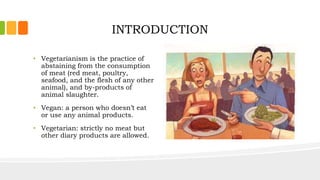
• Vegetarianism is the practice of
abstaining from the consumption
of meat (red meat, poultry,
seafood, and the flesh of any other
animal), and by-products of
animal slaughter.
• Vegan: a person who doesn’t eat
or use any animal products.
• Vegetarian: strictly no meat but
other diary products are allowed.
TYPES OF VEGETARIAN DIET
• When people think about a vegetarian diet, they typically think about a diet that
doesn't include meat, poultry or fish. But vegetarian diets vary in what foods they
include and exclude:
• Lacto-vegetarian diets exclude meat, fish, poultry and eggs, as well as foods that
contain them. Dairy products, such as milk, cheese, yogurt and butter, are included.
• Ovo-vegetarian diets exclude meat, poultry, seafood and dairy products, but allow
eggs.
• Lacto-ovo vegetarian diets exclude meat, fish and poultry, but allow dairy products
and eggs.
• Pescatarian diets exclude meat and poultry, dairy, and eggs, but allow fish.
• Pollotarian diets exclude meat, dairy and fish, but allow poultry.
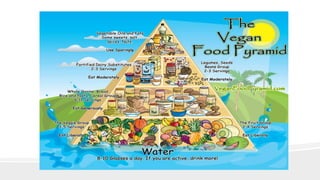
• Vegan diets exclude meat, poultry, fish, eggs and dairy products — and foods that
contain these products.
SOURCES OF NUTRIENTS
• Vegetarian diets tend to be rich in carbohydrates, dietary fiber,
carotenoids, folic acid, vitamin C, vitamin E, potassium and
magnesium. They are generally low in saturated fat, Vitamin
B12, Vitamin D, cholesterol, animal protein and Omega 3 fatty
acids.
• Plant sources of protein include soy beans (and soy products
such as tofu, veggie burgers, soy milk, etc.), other legumes, nuts
and seeds, and grains.
• Cereals, eggs, nuts, seeds, and legumes (including soy foods,
peas, beans, chickpeas, and lentils) are significant sources of
iron.
• Major plant sources of zinc include cooked dried beans, sea
vegetables, fortified cereals, soy foods, nuts, peas, and seeds.
• Vegetarian sources of O3FA include algae, hempseeds and
hempseed oil, walnuts, flaxseeds and flaxseed oil, olive oil,
canola (rapeseed) oil, avocado and chia seeds.
ADVANTAGES OF
VEGETARIANISM
• Vegetarian dieters are more likely to have lower
blood pressure and low-density lipoprotein (LDL)
cholesterol levels than meat eaters. This means
meatless diets can lower your risk for heart disease.
• Vegetarian dieting helps lower cancer risks, which
may be due to fiber, antioxidants, and
phytochemicals found in plant-based foods like
fruits and veggies.
• Vegetarians are at lesser risk of obesity, because
they consumed little or no fat containing foods.
CONT’D
• Arachidonic acid is a substance that usually comes
from dietary animal sources and, no surprise,
vegetarian diets are not high in arachidonic acid.
This can be beneficial, as research has shown a link
between arachidonic acid and mood disturbances.
Therefore they don’t experience a lot of mood swings
and depressions.
• Meats and high-fat diets can cause your body to
become more resistant to the action of insulin, and
lower-fat, plant-based diets improve insulin
sensitivity therefore reducing the chances of
diabetes.
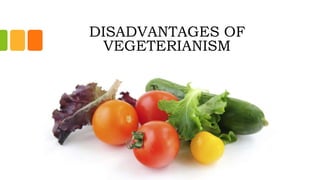
DISADVANTAGES OF
VEGETERIANISM
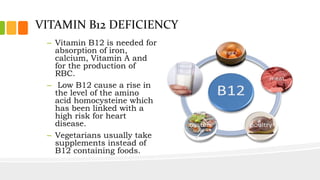
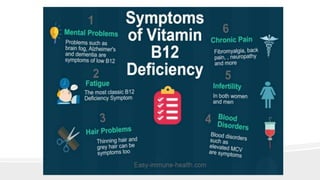
VITAMIN B12 DEFICIENCY
– Vitamin B12 is needed for
absorption of iron,
calcium, Vitamin A and
for the production of
RBC.
– Low B12 cause a rise in
the level of the amino
acid homocysteine which
has been linked with a
high risk for heart
disease.
– Vegetarians usually take
supplements instead of
B12 containing foods.
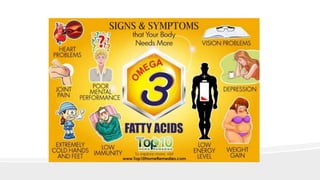
OMEGA 3 FATTY ACID DEFICIENCY
• They are essential fatty acids and cannot be synthesized
by the body but are gotten from fish, sea foods and nut
oils.
• Omega-3 fatty acids have been shown to reduce
inflammation and may help lower risk of chronic
diseases such as heart diseases, cancer and arthritis.
• Infants who do not get O3FA during pregnancy might
develop vision and nerve problems.
• They also reduce triglyceride levels and raise the amount
of HDL (good) cholesterol, two effects which are heart
healthy.
OTHER DISADVANTAGES
• Gluconeogenesis (the conversion of amino and fatty acids to
glucose) is impaired. It increases the storage of glycogen in
the liver cells which can cause hypoglycaemia.
• The principal cause of slow oxidation is a decreased ability
of the body to produce sufficient energy to adequately cope
with stress. This is associated with exhaustion of both the
adrenal and thyroid glands. In other words, the individual
suffers from adrenal insufficiency and hypothyroid-induced
energy depletion
THE END

Vegetarianism

  • 1.
  • 2.
    INTRODUCTION • Vegetarianism isthe practice of abstaining from the consumption of meat (red meat, poultry, seafood, and the flesh of any other animal), and by-products of animal slaughter. • Vegan: a person who doesn’t eat or use any animal products. • Vegetarian: strictly no meat but other diary products are allowed.
  • 4.
    TYPES OF VEGETARIANDIET • When people think about a vegetarian diet, they typically think about a diet that doesn't include meat, poultry or fish. But vegetarian diets vary in what foods they include and exclude: • Lacto-vegetarian diets exclude meat, fish, poultry and eggs, as well as foods that contain them. Dairy products, such as milk, cheese, yogurt and butter, are included. • Ovo-vegetarian diets exclude meat, poultry, seafood and dairy products, but allow eggs. • Lacto-ovo vegetarian diets exclude meat, fish and poultry, but allow dairy products and eggs. • Pescatarian diets exclude meat and poultry, dairy, and eggs, but allow fish. • Pollotarian diets exclude meat, dairy and fish, but allow poultry. • Vegan diets exclude meat, poultry, fish, eggs and dairy products — and foods that contain these products.
  • 6.
    SOURCES OF NUTRIENTS •Vegetarian diets tend to be rich in carbohydrates, dietary fiber, carotenoids, folic acid, vitamin C, vitamin E, potassium and magnesium. They are generally low in saturated fat, Vitamin B12, Vitamin D, cholesterol, animal protein and Omega 3 fatty acids. • Plant sources of protein include soy beans (and soy products such as tofu, veggie burgers, soy milk, etc.), other legumes, nuts and seeds, and grains. • Cereals, eggs, nuts, seeds, and legumes (including soy foods, peas, beans, chickpeas, and lentils) are significant sources of iron. • Major plant sources of zinc include cooked dried beans, sea vegetables, fortified cereals, soy foods, nuts, peas, and seeds. • Vegetarian sources of O3FA include algae, hempseeds and hempseed oil, walnuts, flaxseeds and flaxseed oil, olive oil, canola (rapeseed) oil, avocado and chia seeds.
  • 8.
  • 9.
    • Vegetarian dietersare more likely to have lower blood pressure and low-density lipoprotein (LDL) cholesterol levels than meat eaters. This means meatless diets can lower your risk for heart disease. • Vegetarian dieting helps lower cancer risks, which may be due to fiber, antioxidants, and phytochemicals found in plant-based foods like fruits and veggies. • Vegetarians are at lesser risk of obesity, because they consumed little or no fat containing foods.
  • 10.
    CONT’D • Arachidonic acidis a substance that usually comes from dietary animal sources and, no surprise, vegetarian diets are not high in arachidonic acid. This can be beneficial, as research has shown a link between arachidonic acid and mood disturbances. Therefore they don’t experience a lot of mood swings and depressions. • Meats and high-fat diets can cause your body to become more resistant to the action of insulin, and lower-fat, plant-based diets improve insulin sensitivity therefore reducing the chances of diabetes.
  • 11.
  • 12.
    VITAMIN B12 DEFICIENCY –Vitamin B12 is needed for absorption of iron, calcium, Vitamin A and for the production of RBC. – Low B12 cause a rise in the level of the amino acid homocysteine which has been linked with a high risk for heart disease. – Vegetarians usually take supplements instead of B12 containing foods.
  • 14.
    OMEGA 3 FATTYACID DEFICIENCY • They are essential fatty acids and cannot be synthesized by the body but are gotten from fish, sea foods and nut oils. • Omega-3 fatty acids have been shown to reduce inflammation and may help lower risk of chronic diseases such as heart diseases, cancer and arthritis. • Infants who do not get O3FA during pregnancy might develop vision and nerve problems. • They also reduce triglyceride levels and raise the amount of HDL (good) cholesterol, two effects which are heart healthy.
  • 16.
    OTHER DISADVANTAGES • Gluconeogenesis(the conversion of amino and fatty acids to glucose) is impaired. It increases the storage of glycogen in the liver cells which can cause hypoglycaemia. • The principal cause of slow oxidation is a decreased ability of the body to produce sufficient energy to adequately cope with stress. This is associated with exhaustion of both the adrenal and thyroid glands. In other words, the individual suffers from adrenal insufficiency and hypothyroid-induced energy depletion
  • 18.