PLAN
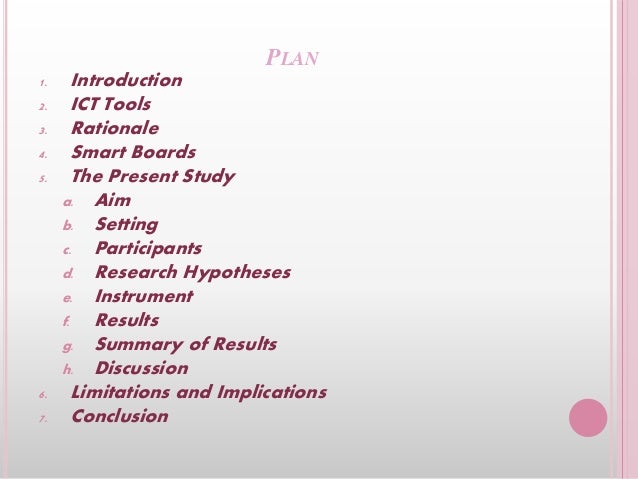
1. Introduction
2. ICT Tools
3. Rationale
4. Smart Boards
5. The Present Study
a. Aim
b. Setting
c. Participants
d. Research Hypotheses
e. Instrument
f. Results
g. Summary of Results
h. Discussion
6. Limitations and Implications
7. Conclusion
INTRODUCTION
 The advent of ICT tools in EFL classrooms
becomes a requisite.
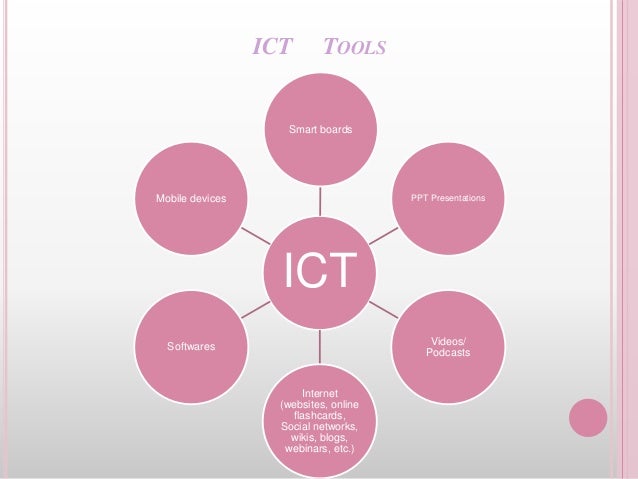
ICT TOOLS
ICT
Smart boards
PPT Presentations
Videos/
Podcasts
Internet
(websites, online
flashcards,
Social networks,
wikis, blogs,
webinars, etc.)
Softwares
Mobile devices
RATIONALE
 Varying teaching methods makes foreign language
learning interesting and motivational, which leads to
successful foreign language learning.
 Variation is characteristic of smart boards.
SMART BOARDS
“The [smart board] is a touch-sensitive electronic
presentation device. Fully-functioning interactive
whiteboards usually comprise four components: a
computer, a projector, appropriate software and the
display panel, which is a large free-standing or wall
mounted screen up to 2 metres by 1 metre in size.”
(Schmid, 2006)
The words « smart boards » and « interactive
white boards » are interchangeably used in the
literature.
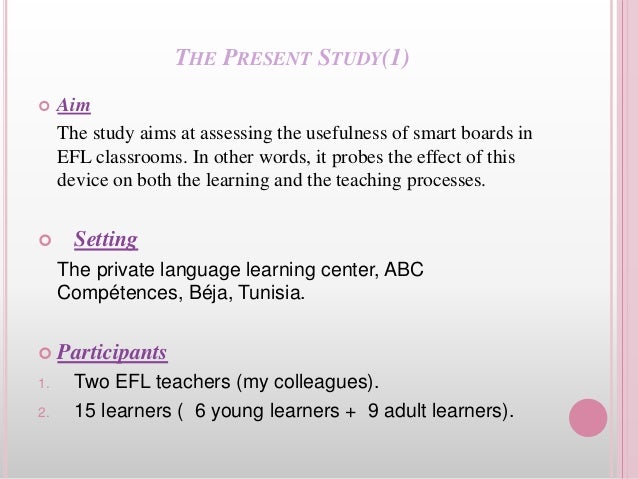
THE PRESENT STUDY(1)
 Aim
The study aims at assessing the usefulness of smart boards in
EFL classrooms. In other words, it probes the effect of this
device on both the learning and the teaching processes.
 Setting
The private language learning center, ABC
Compétences, Béja, Tunisia.
 Participants
1. Two EFL teachers (my colleagues).
2. 15 learners ( 6 young learners + 9 adult learners).
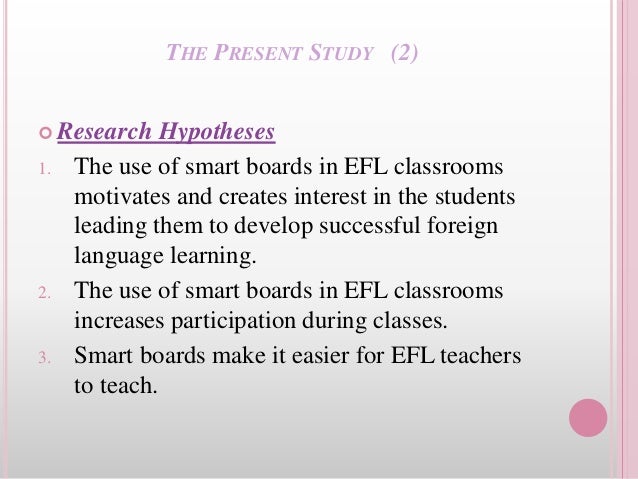
THE PRESENT STUDY (2)
 Research Hypotheses
1. The use of smart boards in EFL classrooms
motivates and creates interest in the students
leading them to develop successful foreign
language learning.
2. The use of smart boards in EFL classrooms
increases participation during classes.
3. Smart boards make it easier for EFL teachers
to teach.
THE PRESENT STUDY(3)
 Instrument
1. Semi-structured interview
2. Interview questions
 Do you think that smart boards increase motivation?
How?
 Do you think that that smart boards rise interest?
How?
 Do you think that smart bords facilitate and improve
EFL learning? How?
 Do yoy think that smart boards suit learning styles?
 Do you think that smart boards facilitate EFL
teaching? What do they add to EFL teaching?
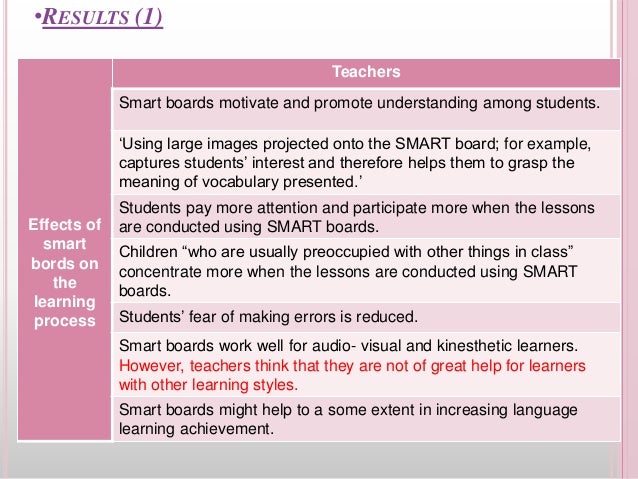
•RESULTS (1)
Effects of
smart
bords on
the
learning
process
Teachers
Smart boards motivate and promote understanding among students.
‘Using large images projected onto the SMART board; for example,
captures students’ interest and therefore helps them to grasp the
meaning of vocabulary presented.’
Students pay more attention and participate more when the lessons
are conducted using SMART boards.
Children “who are usually preoccupied with other things in class”
concentrate more when the lessons are conducted using SMART
boards.
Students’ fear of making errors is reduced.
Smart boards work well for audio- visual and kinesthetic learners.
However, teachers think that they are not of great help for learners
with other learning styles.
Smart boards might help to a some extent in increasing language
learning achievement.
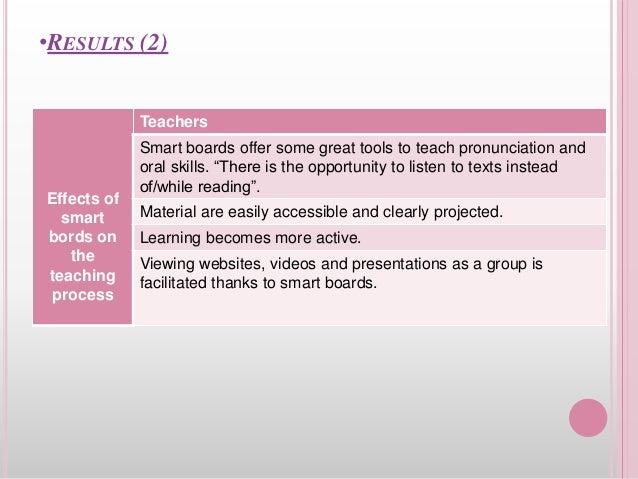
•RESULTS (2)
Effects of
smart
bords on
the
teaching
process
Teachers
Smart boards offer some great tools to teach pronunciation and
oral skills. “There is the opportunity to listen to texts instead
of/while reading”.
Material are easily accessible and clearly projected.
Learning becomes more active.
Viewing websites, videos and presentations as a group is
facilitated thanks to smart boards.
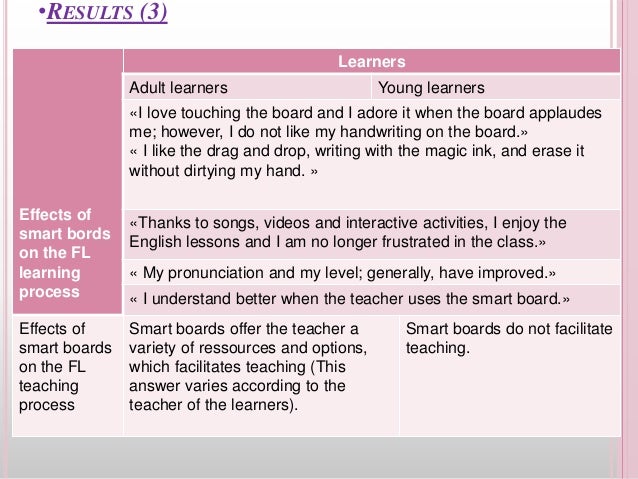
•RESULTS (3)
Effects of
smart bords
on the FL
learning
process
Learners
Adult learners Young learners
«I love touching the board and I adore it when the board applaudes
me; however, I do not like my handwriting on the board.»
« I like the drag and drop, writing with the magic ink, and erase it
without dirtying my hand. »
«Thanks to songs, videos and interactive activities, I enjoy the
English lessons and I am no longer frustrated in the class.»
« My pronunciation and my level; generally, have improved.»
« I understand better when the teacher uses the smart board.»
Effects of
smart boards
on the FL
teaching
process
Smart boards offer the teacher a
variety of ressources and options,
which facilitates teaching (This
answer varies according to the
teacher of the learners).
Smart boards do not facilitate
teaching.
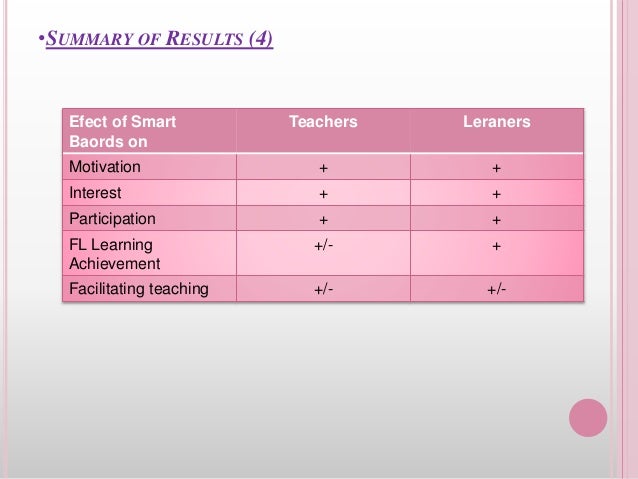
•SUMMARY OF RESULTS (4)
Efect of Smart
Baords on
Teachers Leraners
Motivation + +
Interest + +
Participation + +
FL Learning
Achievement
+/- +
Facilitating teaching +/- +/-
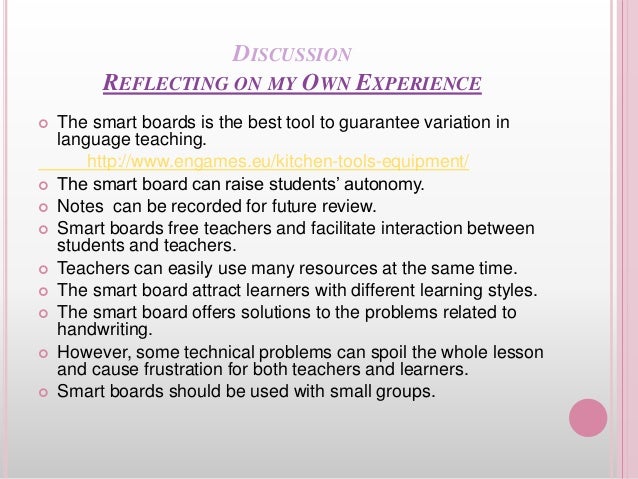
DISCUSSION
REFLECTING ON MY OWN EXPERIENCE
 The smart boards is the best tool to guarantee variation in
language teaching.
http://www.engames.eu/kitchen-tools-equipment/
 The smart board can raise students’ autonomy.
 Notes can be recorded for future review.
 Smart boards free teachers and facilitate interaction between
students and teachers.
 Teachers can easily use many resources at the same time.
 The smart board attract learners with different learning styles.
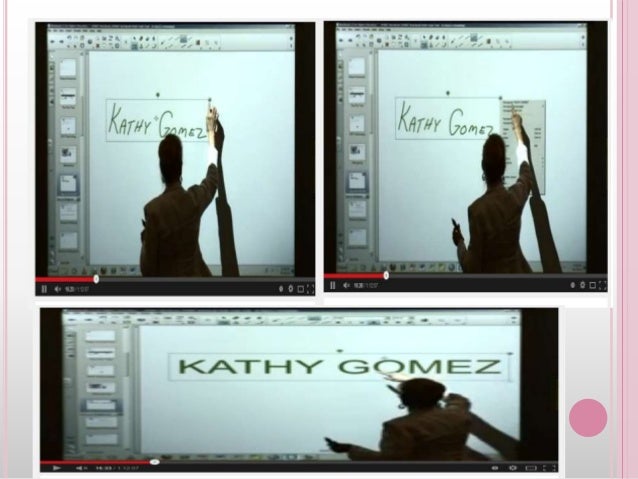
 The smart board offers solutions to the problems related to
handwriting.
 However, some technical problems can spoil the whole lesson
and cause frustration for both teachers and learners.
 Smart boards should be used with small groups.
LIMITATIONS AND IMPLICATIONS
 The teacher as a researcher: Two teachers and 15
students are by no means a representative sample
for the whole country; and therefore, the results in
this presentation have to be regarded as a case
study that can be replicated.
 The results show that it is vital that EFL teachers
embark on a training before using the smart board.
CONCLUSION
1. The present results prove that smart boards make
EFL learning more enjoyable and interesting,
increase student engagement, and facilitate
teaching and make it more creative.
2. Before using smart boards, EFL teachers need
training to be knowledgeable about the full range
of services that such device can provide.
3. Indeed, the smart board is a device that can
combine all the ICT tools altogether.
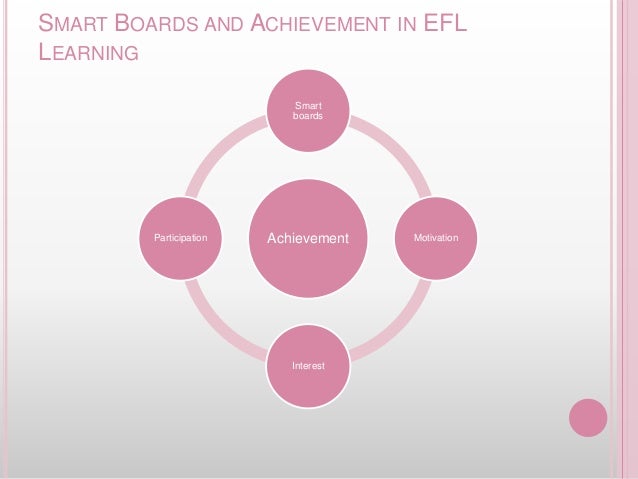
SMART BOARDS AND ACHIEVEMENT IN EFL
LEARNING
Achievement
Smart
boards
Motivation
Interest
Participation
Using Smart Boards in EFL Classrooms

Using Smart Boards in EFL Classrooms

  • 2.
    PLAN 1. Introduction 2. ICTTools 3. Rationale 4. Smart Boards 5. The Present Study a. Aim b. Setting c. Participants d. Research Hypotheses e. Instrument f. Results g. Summary of Results h. Discussion 6. Limitations and Implications 7. Conclusion
  • 3.
    INTRODUCTION  The adventof ICT tools in EFL classrooms becomes a requisite.
  • 4.
    ICT TOOLS ICT Smart boards PPTPresentations Videos/ Podcasts Internet (websites, online flashcards, Social networks, wikis, blogs, webinars, etc.) Softwares Mobile devices
  • 5.
    RATIONALE  Varying teachingmethods makes foreign language learning interesting and motivational, which leads to successful foreign language learning.  Variation is characteristic of smart boards.
  • 6.
    SMART BOARDS “The [smartboard] is a touch-sensitive electronic presentation device. Fully-functioning interactive whiteboards usually comprise four components: a computer, a projector, appropriate software and the display panel, which is a large free-standing or wall mounted screen up to 2 metres by 1 metre in size.” (Schmid, 2006) The words « smart boards » and « interactive white boards » are interchangeably used in the literature.
  • 7.
    THE PRESENT STUDY(1) Aim The study aims at assessing the usefulness of smart boards in EFL classrooms. In other words, it probes the effect of this device on both the learning and the teaching processes.  Setting The private language learning center, ABC Compétences, Béja, Tunisia.  Participants 1. Two EFL teachers (my colleagues). 2. 15 learners ( 6 young learners + 9 adult learners).
  • 8.
    THE PRESENT STUDY(2)  Research Hypotheses 1. The use of smart boards in EFL classrooms motivates and creates interest in the students leading them to develop successful foreign language learning. 2. The use of smart boards in EFL classrooms increases participation during classes. 3. Smart boards make it easier for EFL teachers to teach.
  • 9.
    THE PRESENT STUDY(3) Instrument 1. Semi-structured interview 2. Interview questions  Do you think that smart boards increase motivation? How?  Do you think that that smart boards rise interest? How?  Do you think that smart bords facilitate and improve EFL learning? How?  Do yoy think that smart boards suit learning styles?  Do you think that smart boards facilitate EFL teaching? What do they add to EFL teaching?
  • 10.
    •RESULTS (1) Effects of smart bordson the learning process Teachers Smart boards motivate and promote understanding among students. ‘Using large images projected onto the SMART board; for example, captures students’ interest and therefore helps them to grasp the meaning of vocabulary presented.’ Students pay more attention and participate more when the lessons are conducted using SMART boards. Children “who are usually preoccupied with other things in class” concentrate more when the lessons are conducted using SMART boards. Students’ fear of making errors is reduced. Smart boards work well for audio- visual and kinesthetic learners. However, teachers think that they are not of great help for learners with other learning styles. Smart boards might help to a some extent in increasing language learning achievement.
  • 11.
    •RESULTS (2) Effects of smart bordson the teaching process Teachers Smart boards offer some great tools to teach pronunciation and oral skills. “There is the opportunity to listen to texts instead of/while reading”. Material are easily accessible and clearly projected. Learning becomes more active. Viewing websites, videos and presentations as a group is facilitated thanks to smart boards.
  • 12.
    •RESULTS (3) Effects of smartbords on the FL learning process Learners Adult learners Young learners «I love touching the board and I adore it when the board applaudes me; however, I do not like my handwriting on the board.» « I like the drag and drop, writing with the magic ink, and erase it without dirtying my hand. » «Thanks to songs, videos and interactive activities, I enjoy the English lessons and I am no longer frustrated in the class.» « My pronunciation and my level; generally, have improved.» « I understand better when the teacher uses the smart board.» Effects of smart boards on the FL teaching process Smart boards offer the teacher a variety of ressources and options, which facilitates teaching (This answer varies according to the teacher of the learners). Smart boards do not facilitate teaching.
  • 13.
    •SUMMARY OF RESULTS(4) Efect of Smart Baords on Teachers Leraners Motivation + + Interest + + Participation + + FL Learning Achievement +/- + Facilitating teaching +/- +/-
  • 14.
    DISCUSSION REFLECTING ON MYOWN EXPERIENCE  The smart boards is the best tool to guarantee variation in language teaching. http://www.engames.eu/kitchen-tools-equipment/  The smart board can raise students’ autonomy.  Notes can be recorded for future review.  Smart boards free teachers and facilitate interaction between students and teachers.  Teachers can easily use many resources at the same time.  The smart board attract learners with different learning styles.  The smart board offers solutions to the problems related to handwriting.  However, some technical problems can spoil the whole lesson and cause frustration for both teachers and learners.  Smart boards should be used with small groups.
  • 17.
    LIMITATIONS AND IMPLICATIONS The teacher as a researcher: Two teachers and 15 students are by no means a representative sample for the whole country; and therefore, the results in this presentation have to be regarded as a case study that can be replicated.  The results show that it is vital that EFL teachers embark on a training before using the smart board.
  • 18.
    CONCLUSION 1. The presentresults prove that smart boards make EFL learning more enjoyable and interesting, increase student engagement, and facilitate teaching and make it more creative. 2. Before using smart boards, EFL teachers need training to be knowledgeable about the full range of services that such device can provide. 3. Indeed, the smart board is a device that can combine all the ICT tools altogether.
  • 19.
    SMART BOARDS ANDACHIEVEMENT IN EFL LEARNING Achievement Smart boards Motivation Interest Participation