Understanding The Principles
of Multidisciplinary Approach
to Cancer Treatment
September 29th
, 2018
Alan Dal Pra, MD
Nestor Villamizar, MD
2018 FLASCO Rapid Integration Course | Miami
OUTLINEOUTLINE
Complexity of Cancer Care
Understanding Current Model of Care
Defining Multidisciplinary Model of Care
Importance of Nurse Specialists in Multidisciplinary Care
Tumor Boards / Multidisciplinary clinics
Challenges to Implementation
Take Home Messages
COMPLEXITY OF LUNG CANCER CARECOMPLEXITY OF LUNG CANCER CARE
Lung cancer accounts for almost as many US cancer deaths as
colorectal, breast, prostate and pancreas cancer combined.
5-year survival has improved from 12% in 1975 to 19% in 2012.
Difficulty of lung cancer biology, absence of effective means of
early detection, complexity of care-delivery
Curative intent treatment is risky, and limited to physiologically fit
patients with early stage disease
High degree of variability in performance and interpretation of
staging tests
Clinical Lung Cancer, Vol. 19, No. 4, 294-300
ADVERSE CONSEQUENCES OF COMPLEXITYADVERSE CONSEQUENCES OF COMPLEXITY
Only 4% of eligible Americans get low-dose CT screening
Fewer than 10% of patients have a confirmatory staging biopsy
to establish extent of spread
15% of patients who have surgical resection have NO lymph
nodes examined
The use and outcomes of treatment modalities (surgery,
radiation, chemotherapy, palliative care) varies significantly
Absence of a structure for standardizing access, and for
overseeing planning, coordination and execution of care and
its outcomes
Clinical Lung Cancer, Vol. 19, No. 4, 294-300
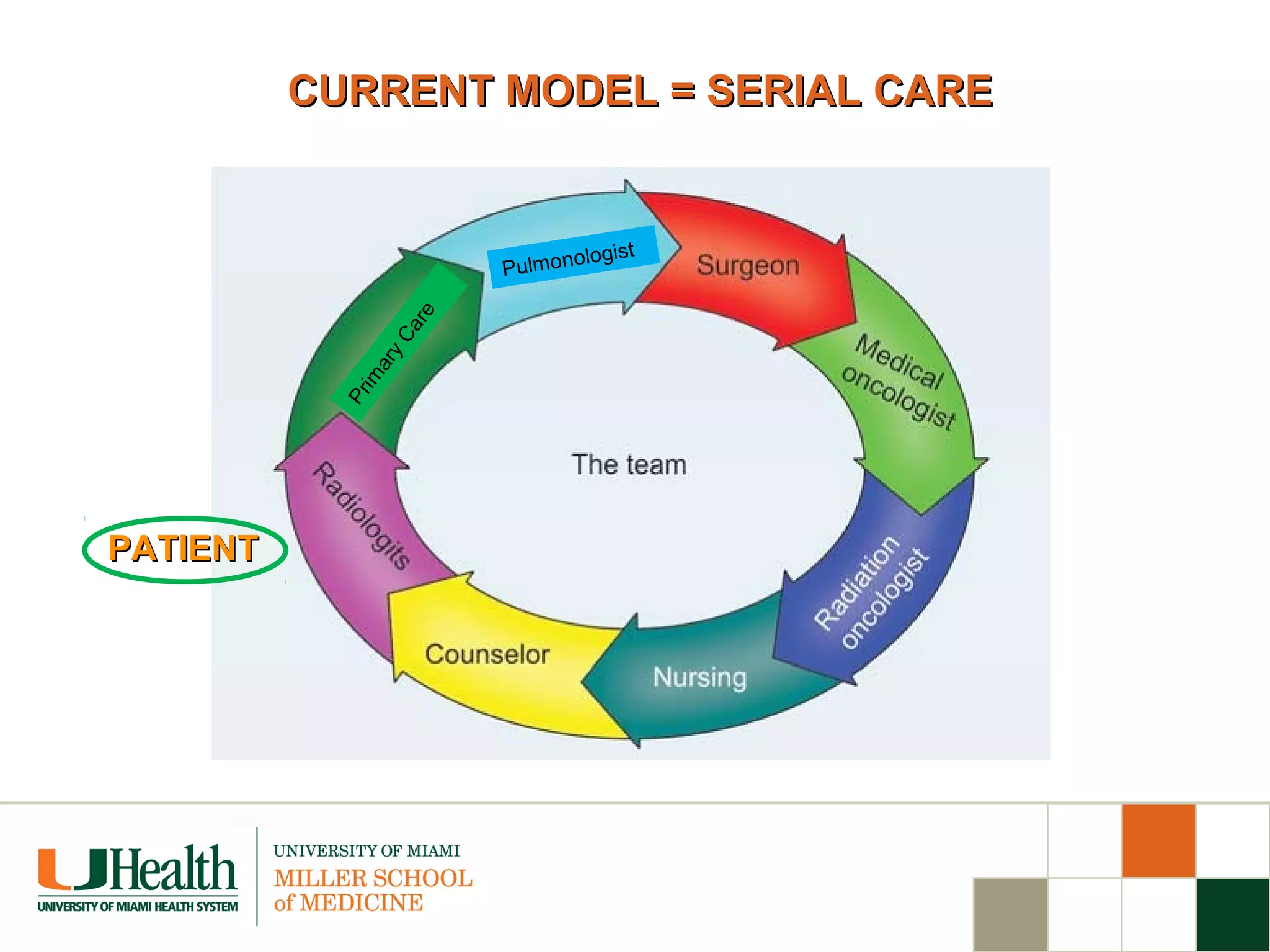
CURRENT MODEL = SERIAL CARECURRENT MODEL = SERIAL CARE
PATIENTPATIENT
Pulmonologist
Prim
aryCare
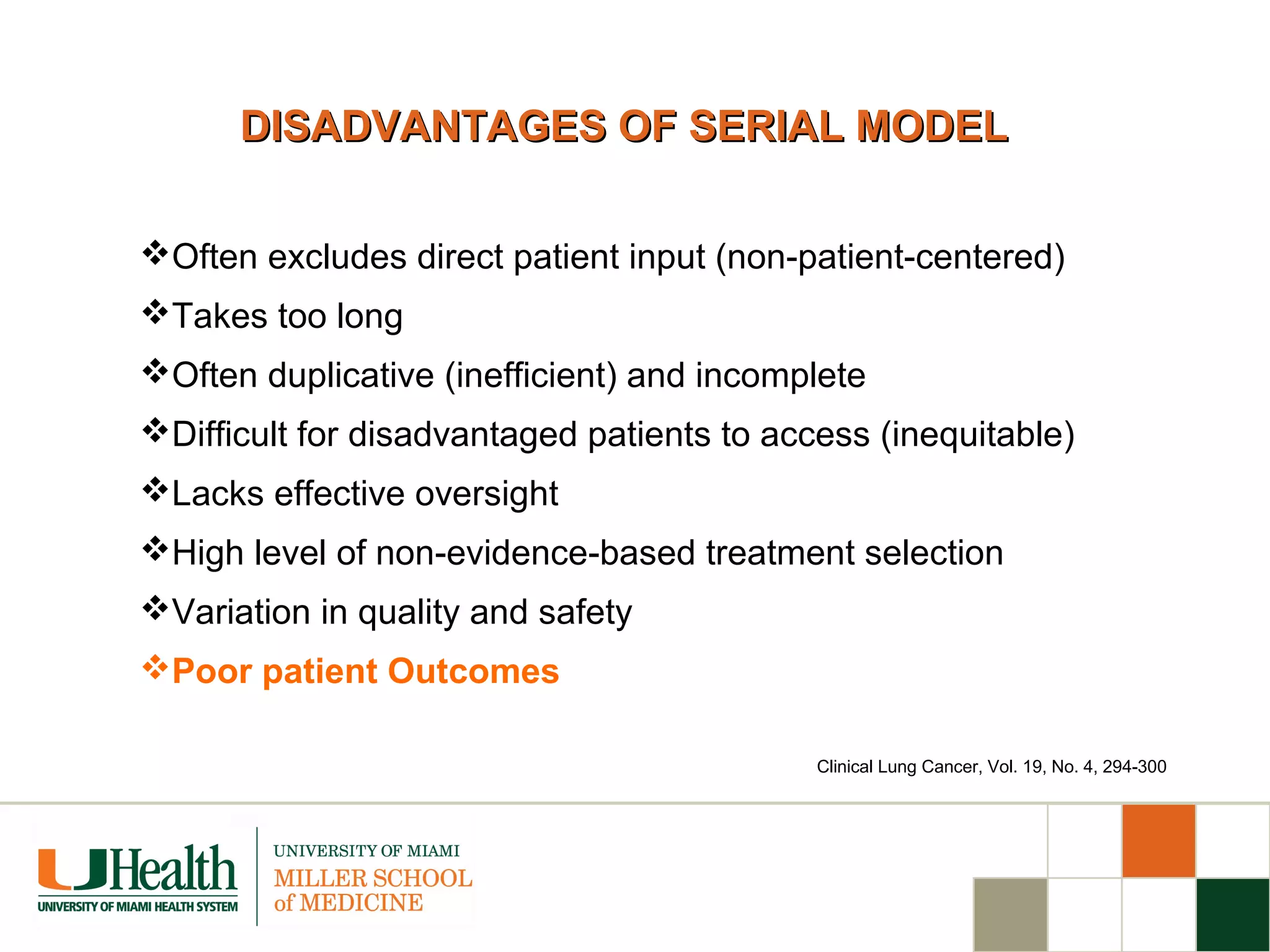
DISADVANTAGES OF SERIAL MODELDISADVANTAGES OF SERIAL MODEL
Often excludes direct patient input (non-patient-centered)
Takes too long
Often duplicative (inefficient) and incomplete
Difficult for disadvantaged patients to access (inequitable)
Lacks effective oversight
High level of non-evidence-based treatment selection
Variation in quality and safety
Poor patient Outcomes
Clinical Lung Cancer, Vol. 19, No. 4, 294-300
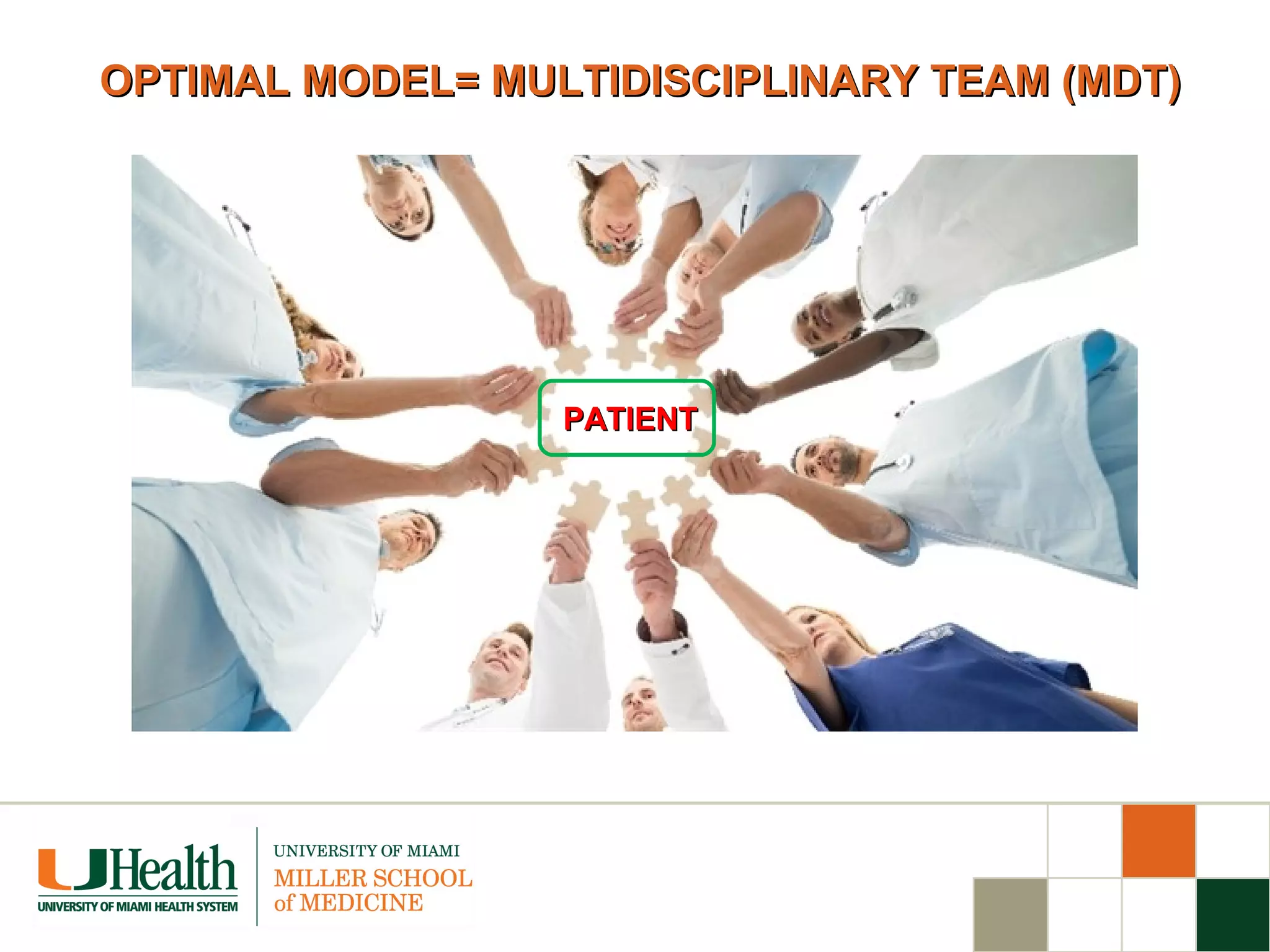
PATIENTPATIENT
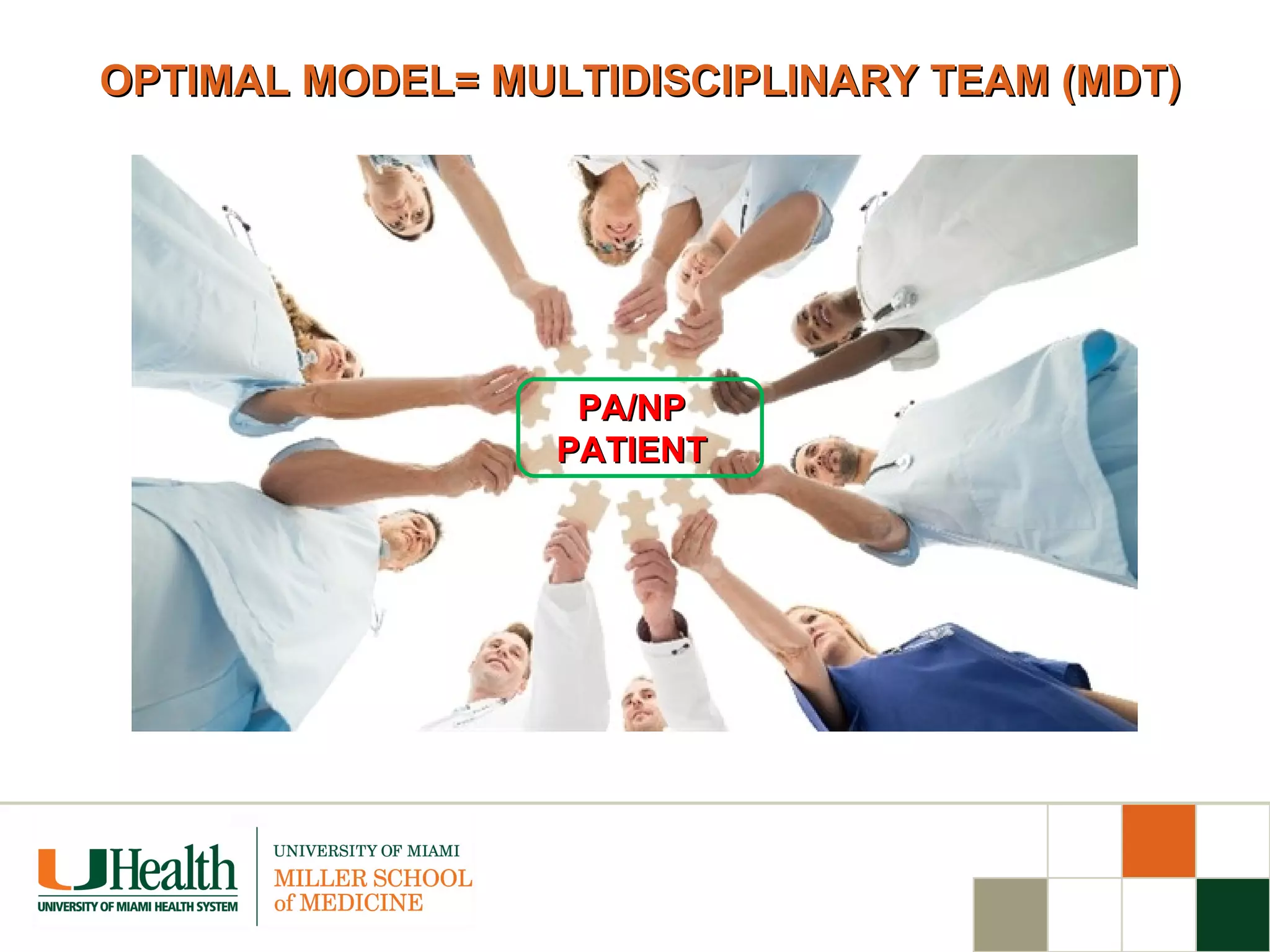
OPTIMAL MODEL= MULTIDISCIPLINARY TEAM (MDT)OPTIMAL MODEL= MULTIDISCIPLINARY TEAM (MDT)
ADVANTAGES OF MDT MODELADVANTAGES OF MDT MODEL
Quickly, efficiently and accurately triage patients into the
treatment pathway most likely to provide the best possible
outcomes
All key specialist provide input early, ideally concurrently, and
execute a consensus plan of care developed in collaboration with
patients and home caregivers
Higher rate of direct patient involvement in decision-making,
more timely care delivery, more accurate staging, higher rate of
stage-appropriate treatment
Clinical Lung Cancer, Vol. 19, No. 4, 294-300
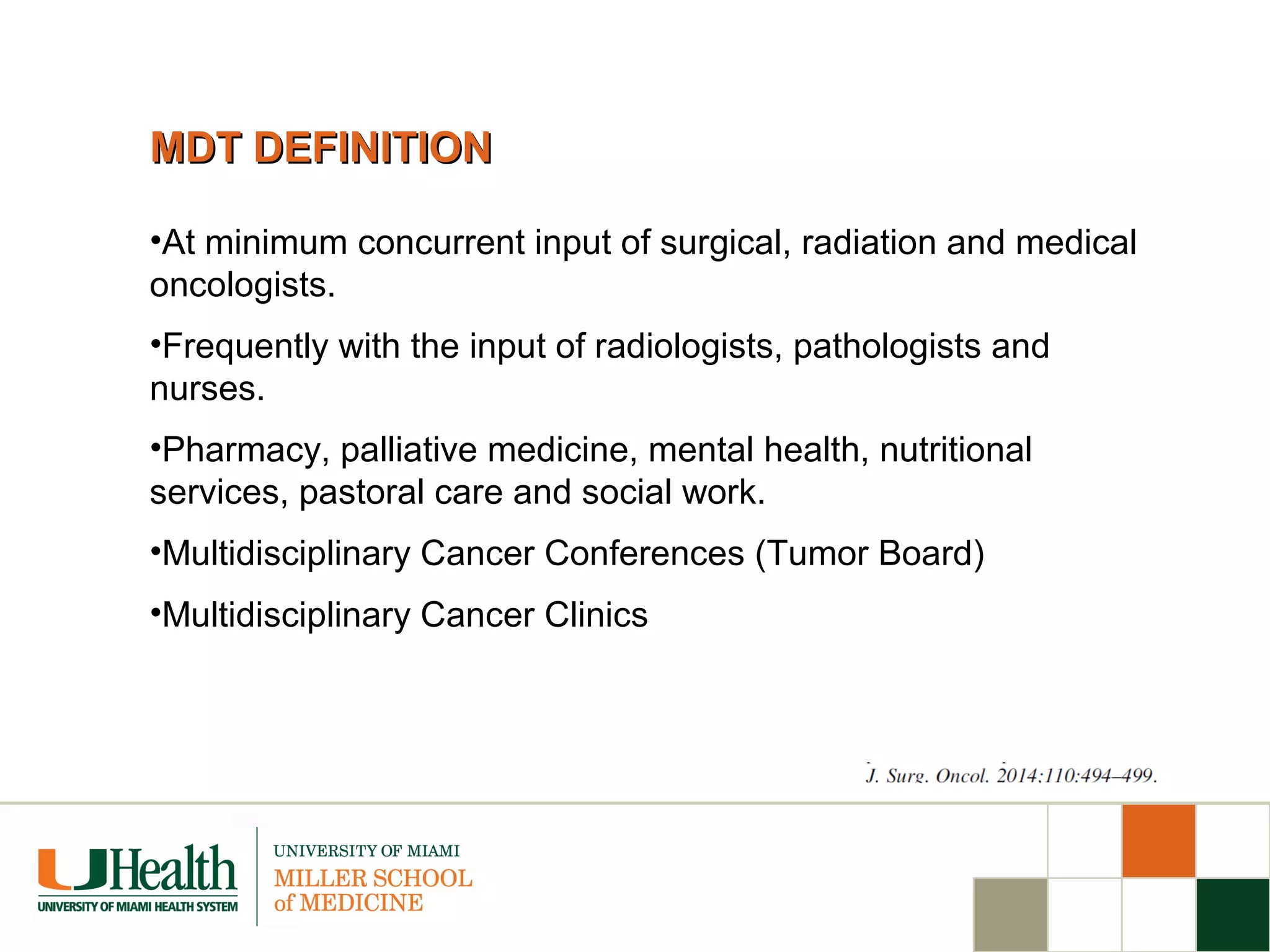
MDT DEFINITIONMDT DEFINITION
•At minimum concurrent input of surgical, radiation and medical
oncologists.
•Frequently with the input of radiologists, pathologists and
nurses.
•Pharmacy, palliative medicine, mental health, nutritional
services, pastoral care and social work.
•Multidisciplinary Cancer Conferences (Tumor Board)
•Multidisciplinary Cancer Clinics
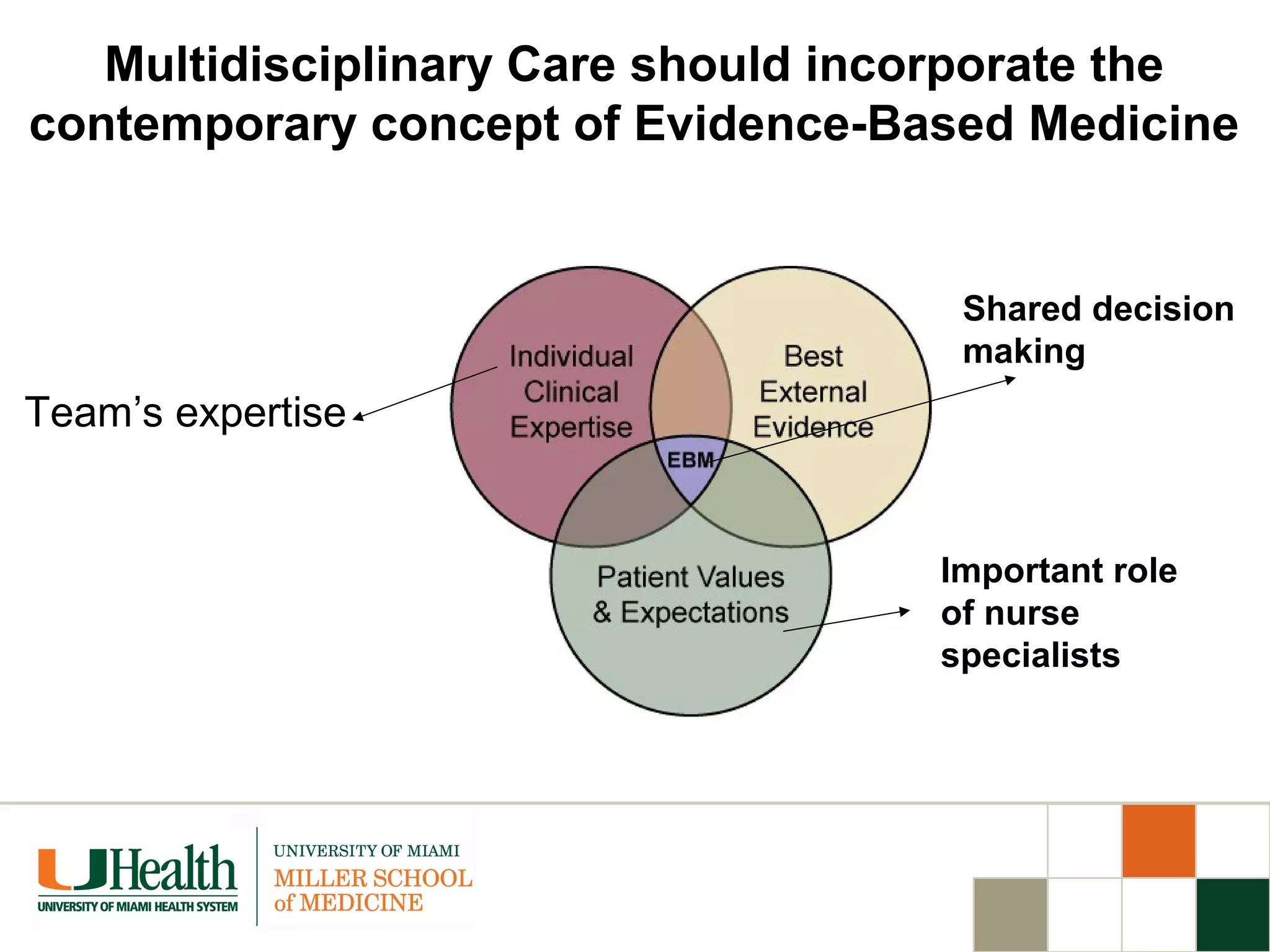
Multidisciplinary Care should incorporate the
contemporary concept of Evidence-Based Medicine
Team’s expertise
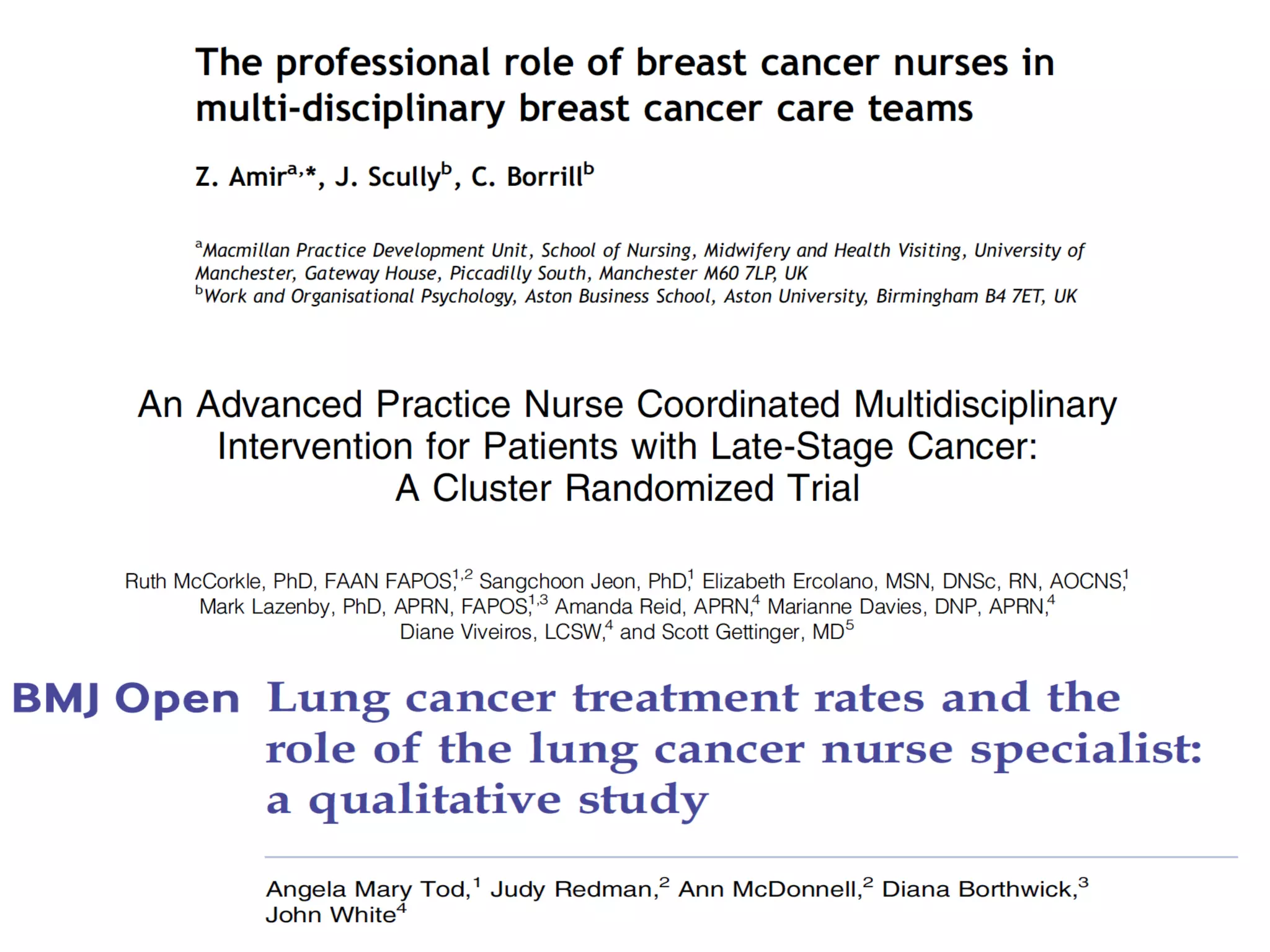
Important role
of nurse
specialists
Shared decision
making
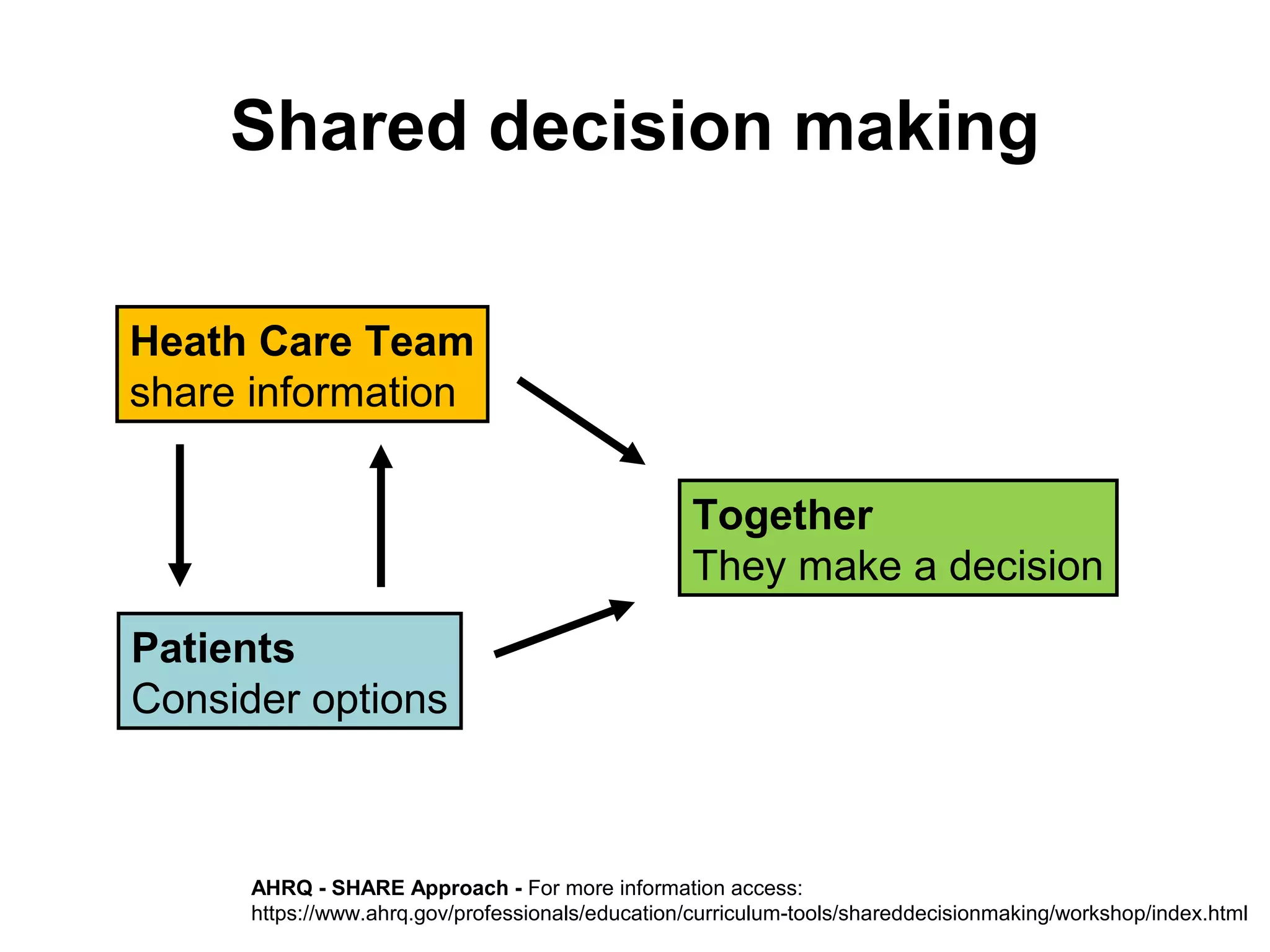
Shared decision making
Heath Care Team
share information
Patients
Consider options
Together
They make a decision
AHRQ - SHARE Approach - For more information access:
https://www.ahrq.gov/professionals/education/curriculum-tools/shareddecisionmaking/workshop/index.html
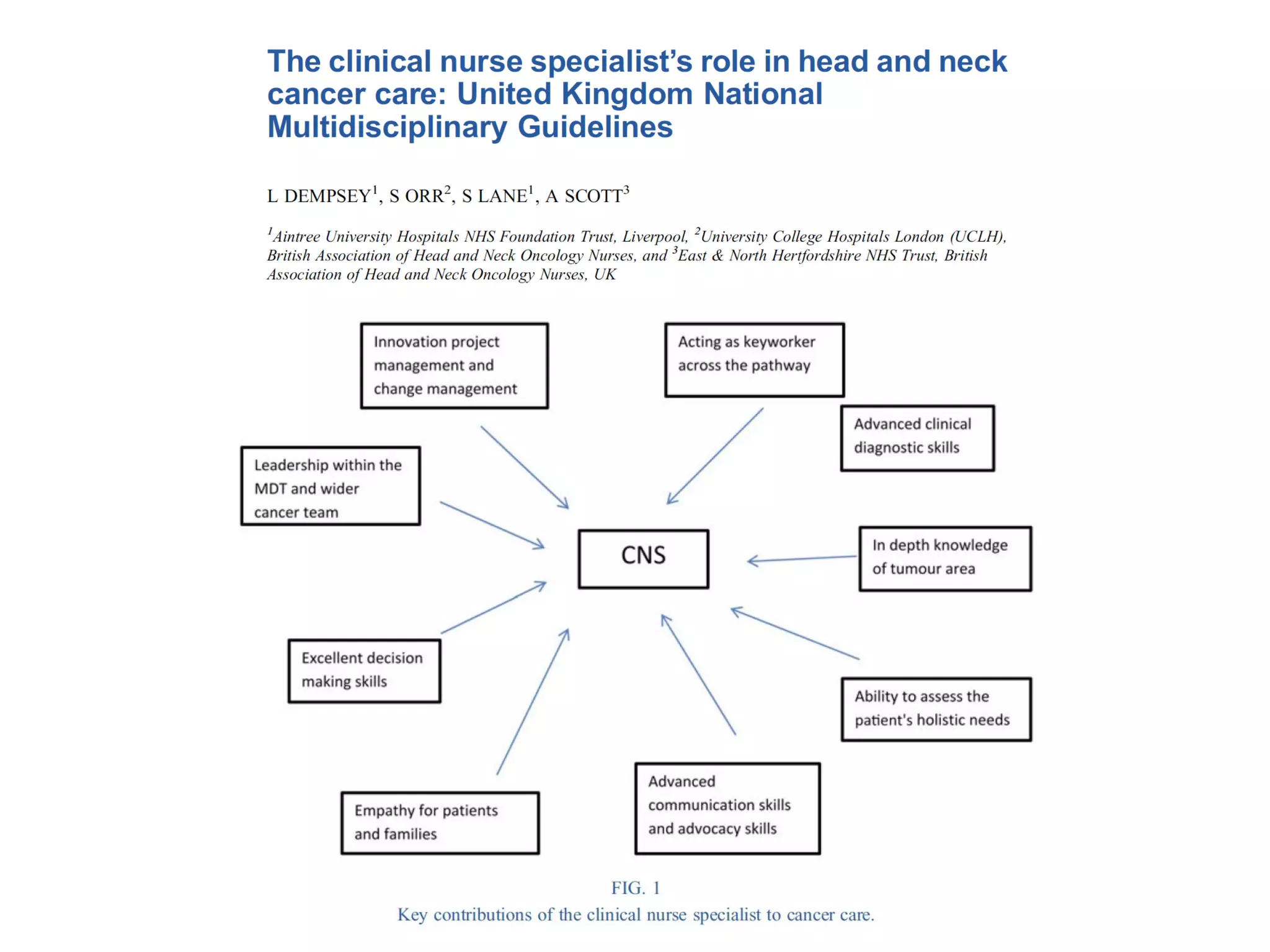
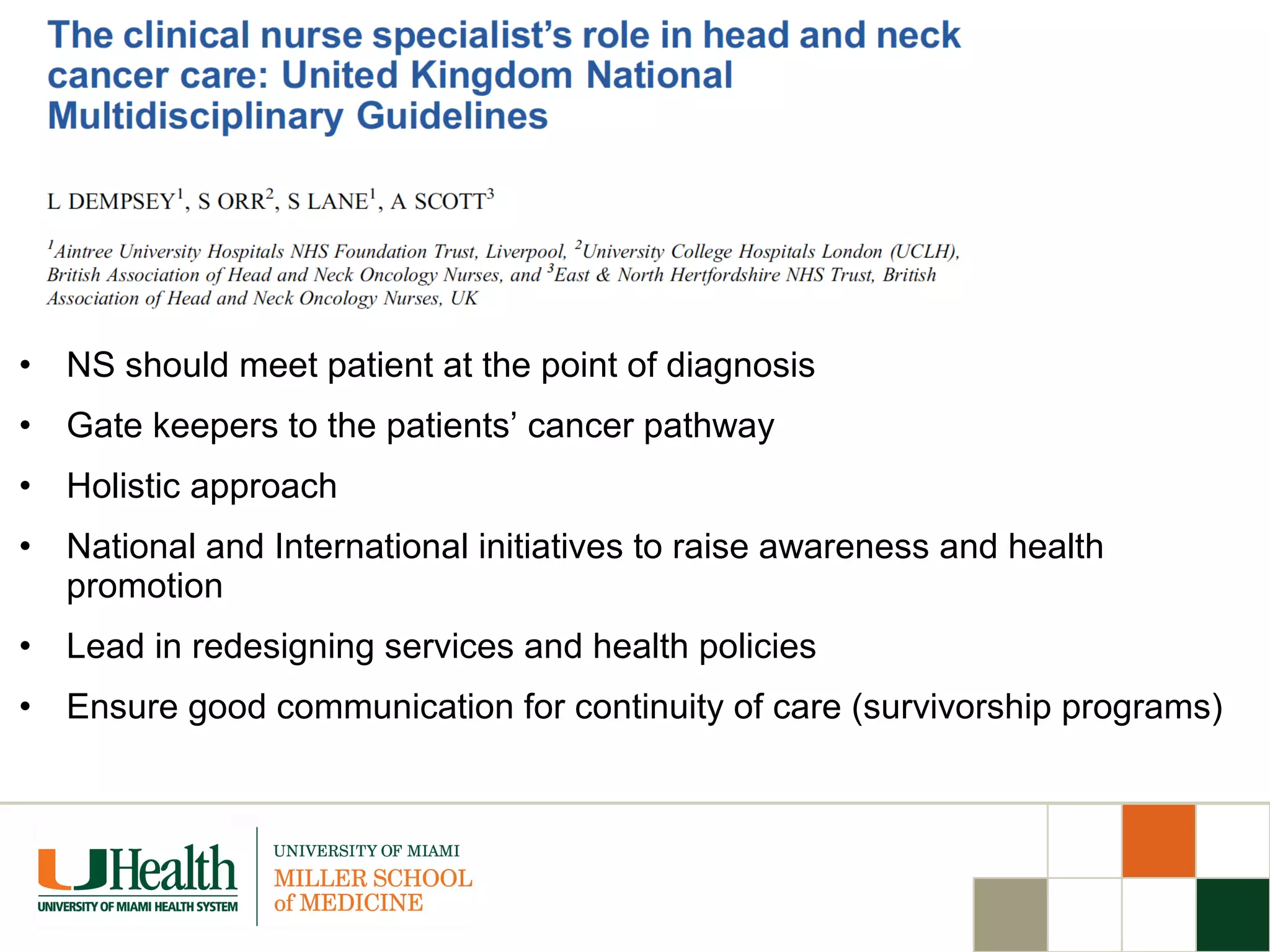
• NS should meet patient at the point of diagnosis
• Gate keepers to the patients’ cancer pathway
• Holistic approach
• National and International initiatives to raise awareness and health
promotion
• Lead in redesigning services and health policies
• Ensure good communication for continuity of care (survivorship programs)
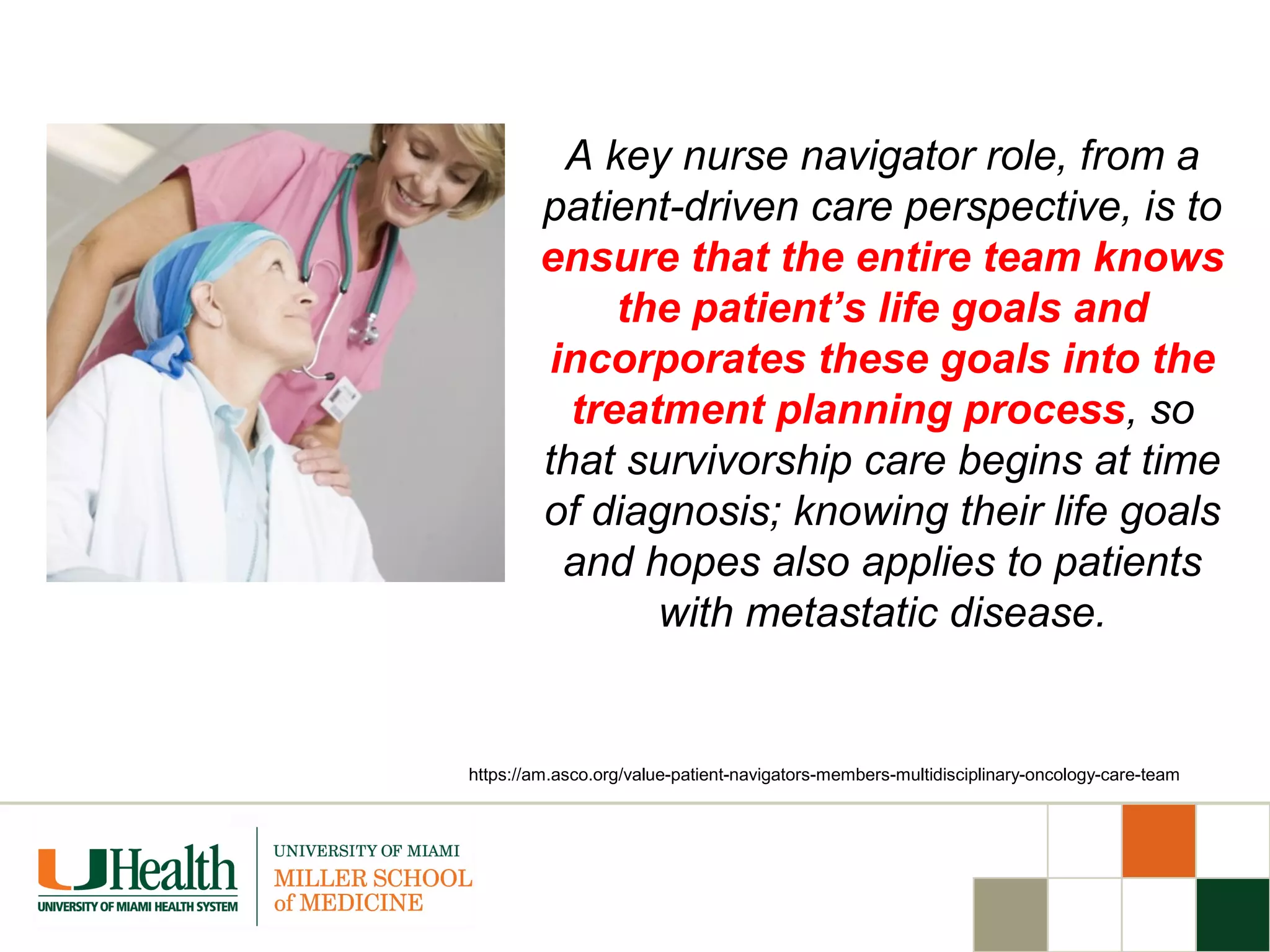
A key nurse navigator role, from a
patient-driven care perspective, is to
ensure that the entire team knows
the patient’s life goals and
incorporates these goals into the
treatment planning process, so
that survivorship care begins at time
of diagnosis; knowing their life goals
and hopes also applies to patients
with metastatic disease.
https://am.asco.org/value-patient-navigators-members-multidisciplinary-oncology-care-team
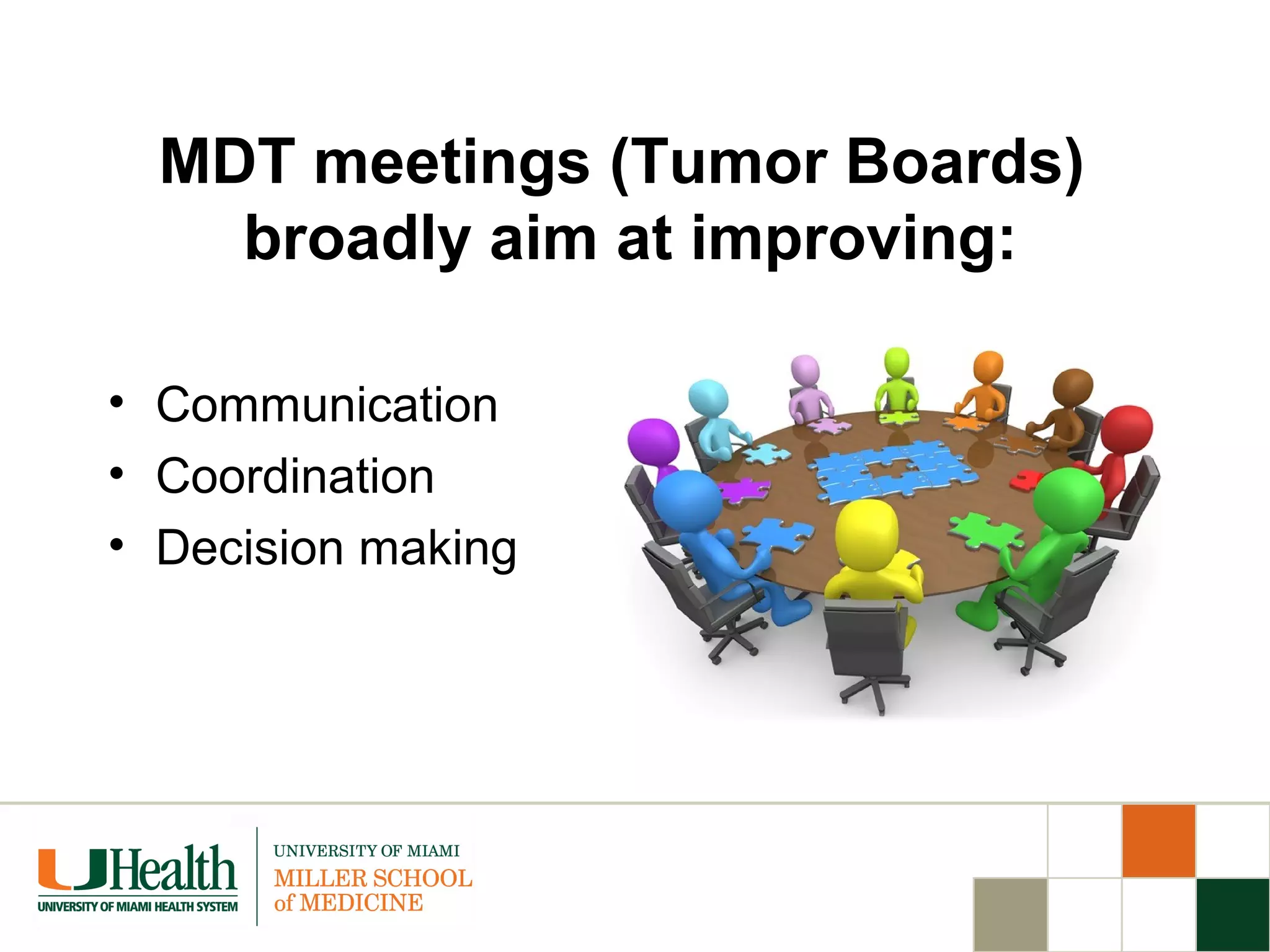
MDT meetings (Tumor Boards)
broadly aim at improving:
• Communication
• Coordination
• Decision making
Benefits of Tumor Boards
• Improved care processes, adherence to clinical and
up-to-date treatment recommendations
• Shorter lead times
• Increased attention to patient-related perspectives
• Competence development
• Training opportunities for younger colleagues
• Identify patients eligible for clinical trials
I. The Team
•  Level of expertise and specialization
•  Attendance of MDT members
•  Leadership
•  Team working and culture
•  Personal development and training
What makes an effective Tumor Board for
cancer patients?
II. Infrastructure
•  Appropriate meeting room
•  Availability of technology and equipment
III. Tumor Board organization
•  Regular meetings
IV. Logistics
•  Preparation for meetings
•  Organization during meetings
•  Post-meeting coordination of services for the patient
What makes an effective Tumor Board for
cancer patients?
V. Patient-centered clinical decision-making
• Who to discuss; should we present all patients?
• Patient-centered care (presented by someone who has met the
patient and knows patients preferences and expectations)
Clinical decision-making process
• Need of complete information for informed
decisions/recommendations at team meetings
• Evidence-based decisions, patient-centered, and in line with standard
treatment protocols (unless there is a good reason against this)
What makes an effective Tumor Board for
cancer patients?
VI. Team governance
• Organizational support (funding and resources)
• Data collection during team meetings, analysis, and audit of outcomes
• Clinical governance (policies, guidelines, and protocols for MDTs;
performance assessment and peer review against similar MDTs using
cancer peer review processes and other tools)
What makes an effective Tumor Board for
cancer patients?
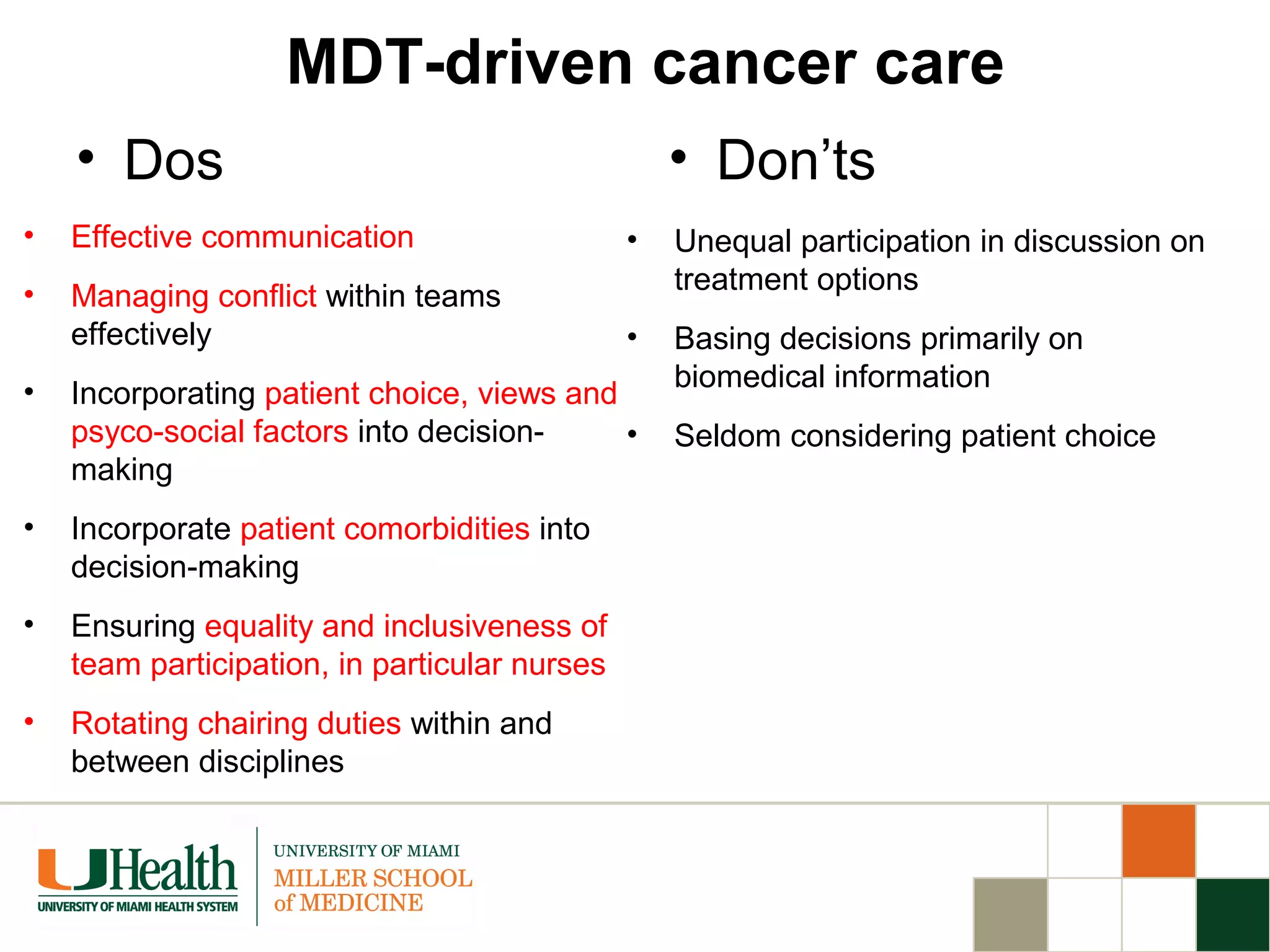
MDT-driven cancer care
• Dos
• Effective communication
• Managing conflict within teams
effectively
• Incorporating patient choice, views and
psyco-social factors into decision-
making
• Incorporate patient comorbidities into
decision-making
• Ensuring equality and inclusiveness of
team participation, in particular nurses
• Rotating chairing duties within and
between disciplines
• Don’ts
• Unequal participation in discussion on
treatment options
• Basing decisions primarily on
biomedical information
• Seldom considering patient choice
A critical view on Tumor Boards:
research opportunities
• Increased financial costs and possible delay in treatment decision
• Tumor boards change in the way cancer patients are assessed and
managed
– Beneficial as they are in accordance with recommended clinical guidelines
– Are there differences in patient experience or QoL?
• Tumor Boards seem to be intuitively beneficial but current research
demonstrates limited impact in hard oncologic endpoints
– prudent and more cost-effective to discuss particularly difficult or
controversial cases
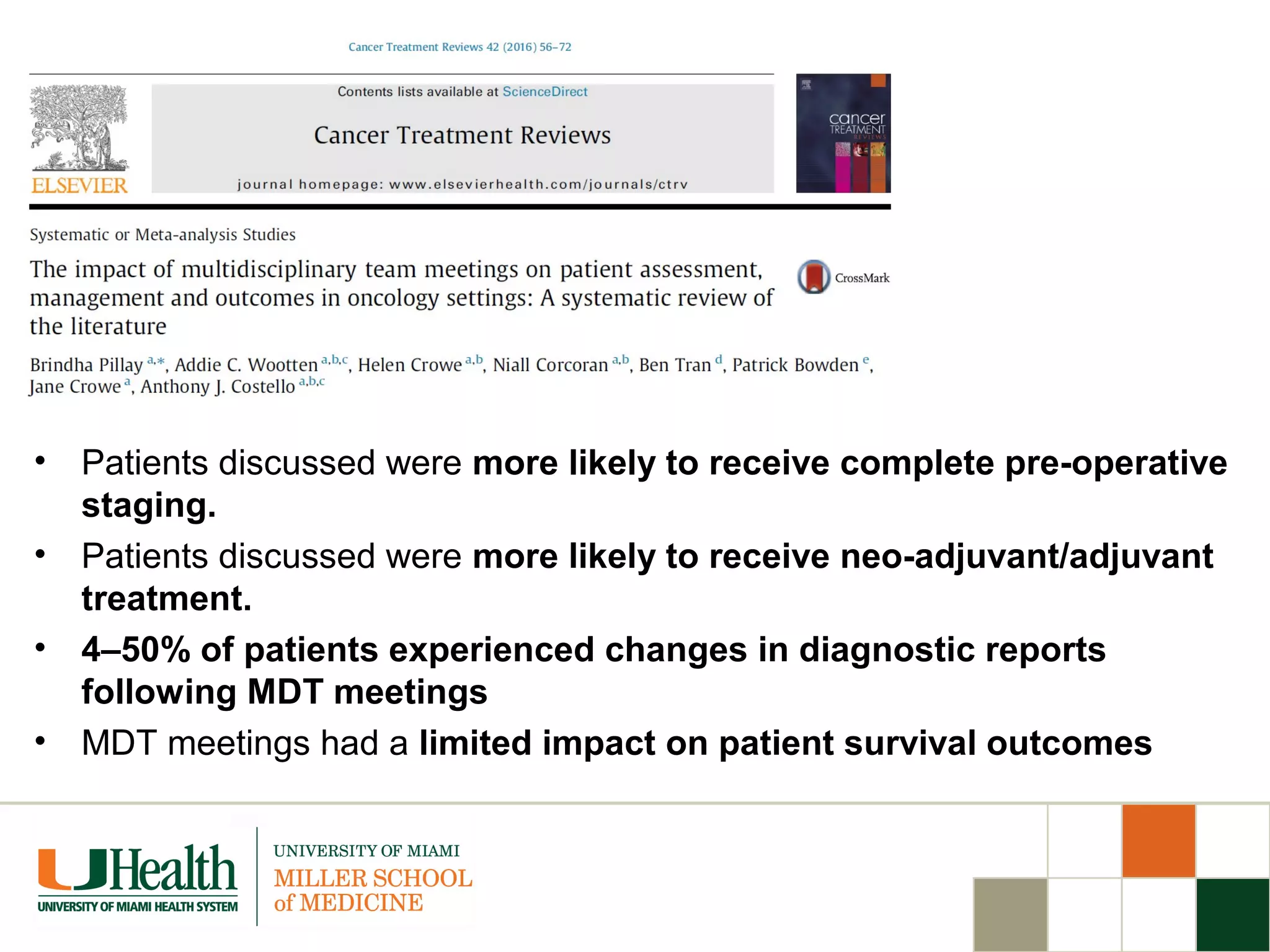
Pilhay et al, Cancer Treatment Reviews 2016
• Patients discussed were more likely to receive complete pre-operative
staging.
• Patients discussed were more likely to receive neo-adjuvant/adjuvant
treatment.
• 4–50% of patients experienced changes in diagnostic reports
following MDT meetings
• MDT meetings had a limited impact on patient survival outcomes
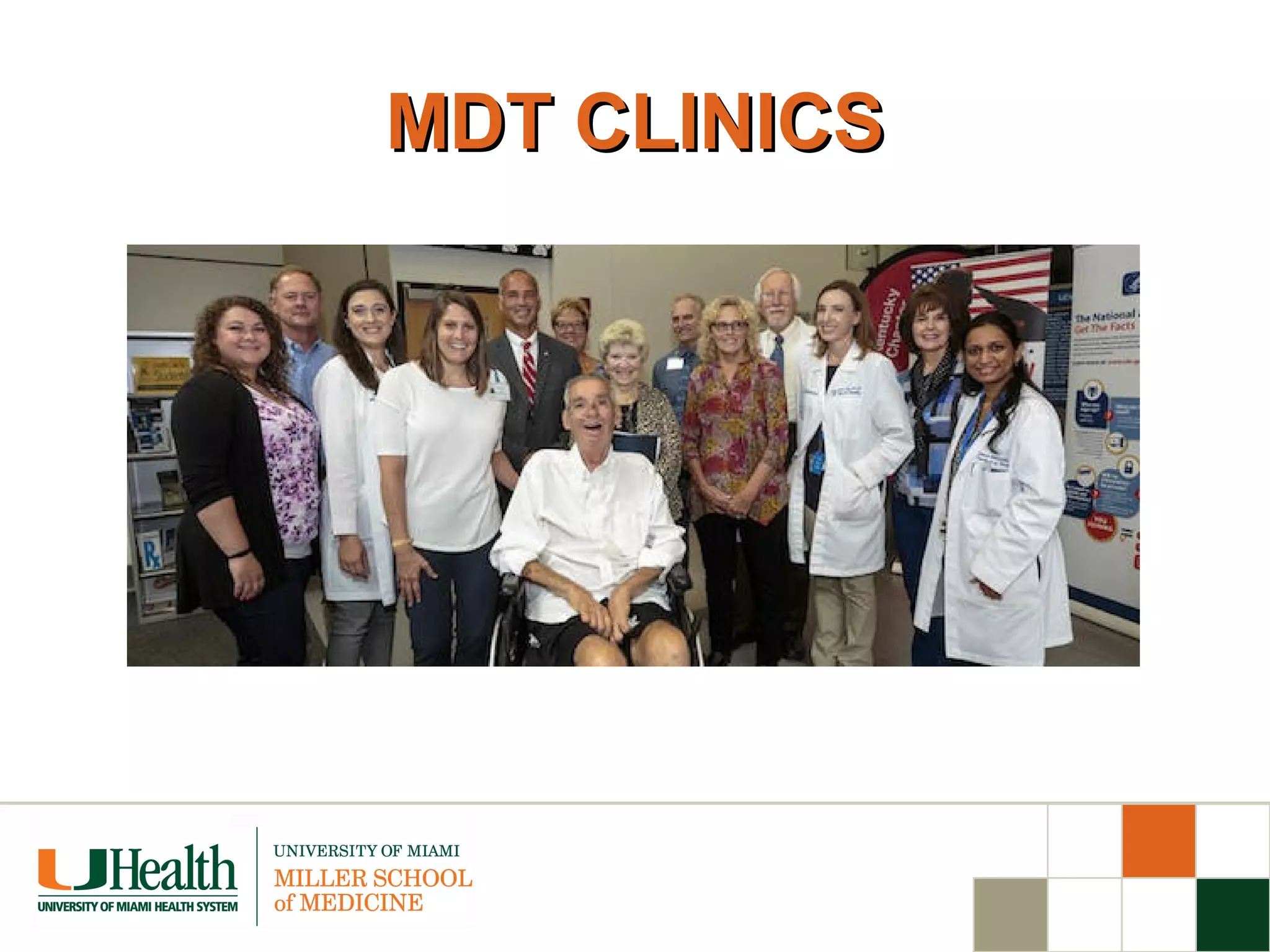
MDT CLINICSMDT CLINICS
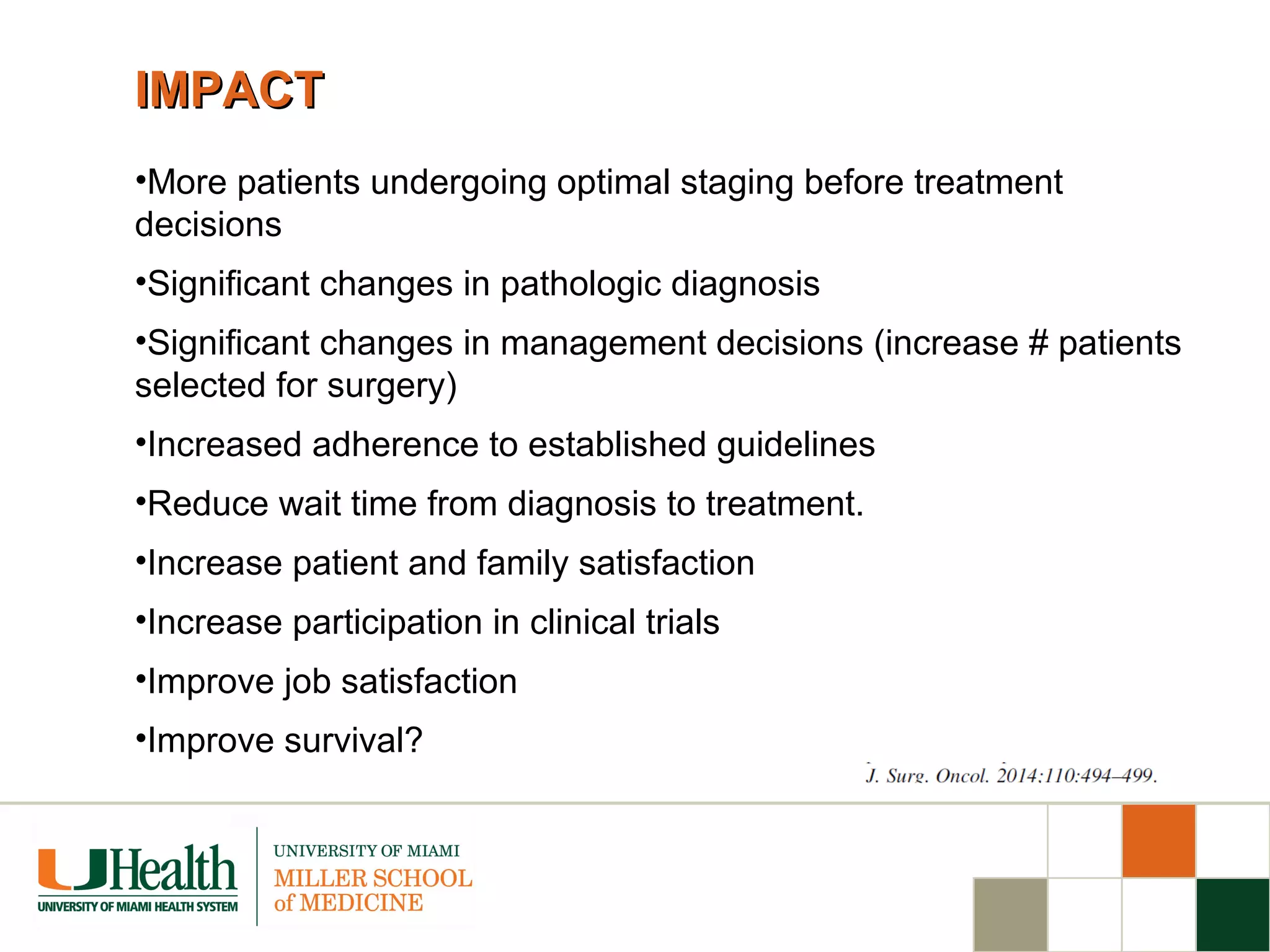
IMPACTIMPACT
•More patients undergoing optimal staging before treatment
decisions
•Significant changes in pathologic diagnosis
•Significant changes in management decisions (increase # patients
selected for surgery)
•Increased adherence to established guidelines
•Reduce wait time from diagnosis to treatment.
•Increase patient and family satisfaction
•Increase participation in clinical trials
•Improve job satisfaction
•Improve survival?
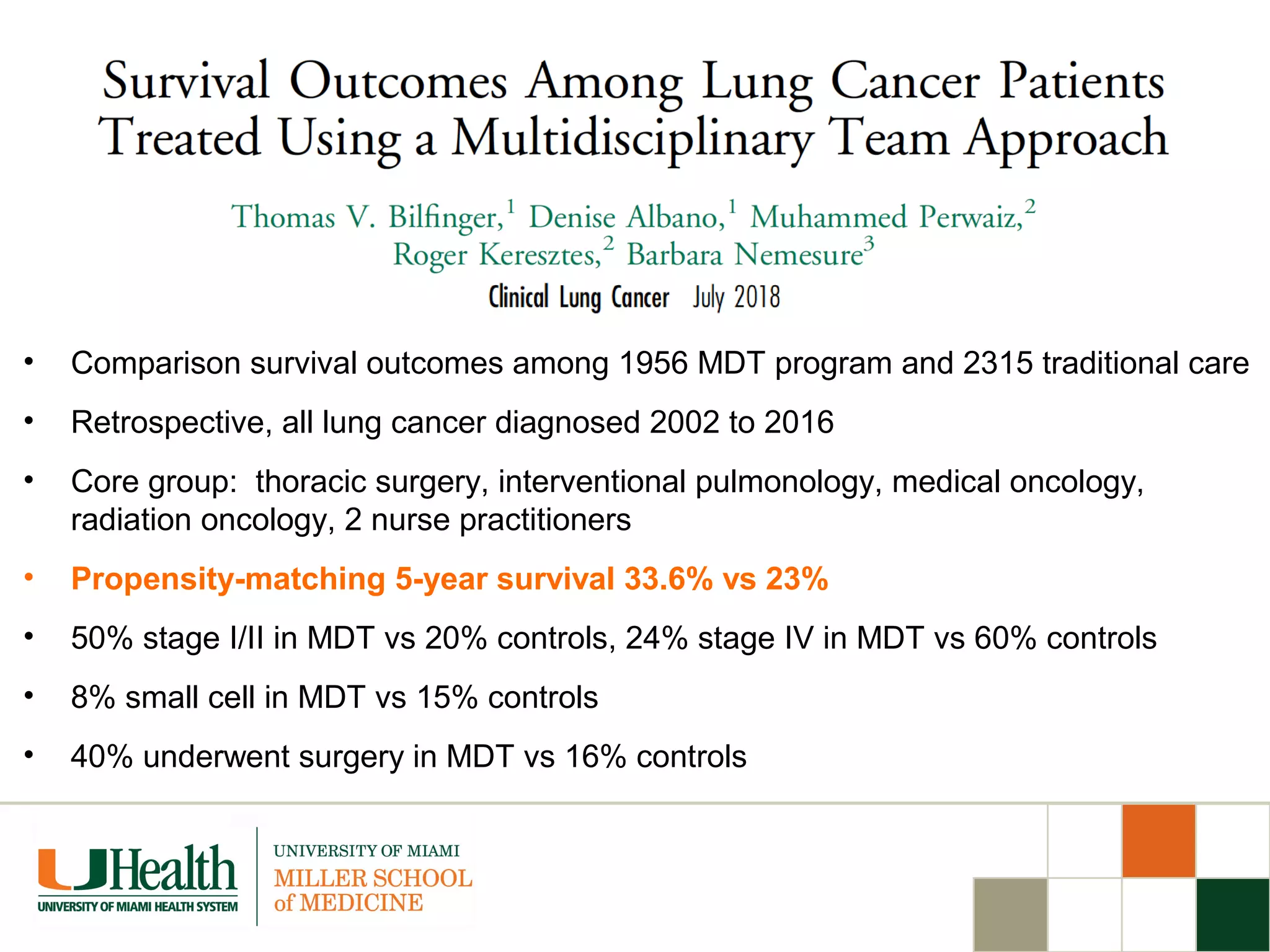
• Comparison survival outcomes among 1956 MDT program and 2315 traditional care
• Retrospective, all lung cancer diagnosed 2002 to 2016
• Core group: thoracic surgery, interventional pulmonology, medical oncology,
radiation oncology, 2 nurse practitioners
• Propensity-matching 5-year survival 33.6% vs 23%
• 50% stage I/II in MDT vs 20% controls, 24% stage IV in MDT vs 60% controls
• 8% small cell in MDT vs 15% controls
• 40% underwent surgery in MDT vs 16% controls
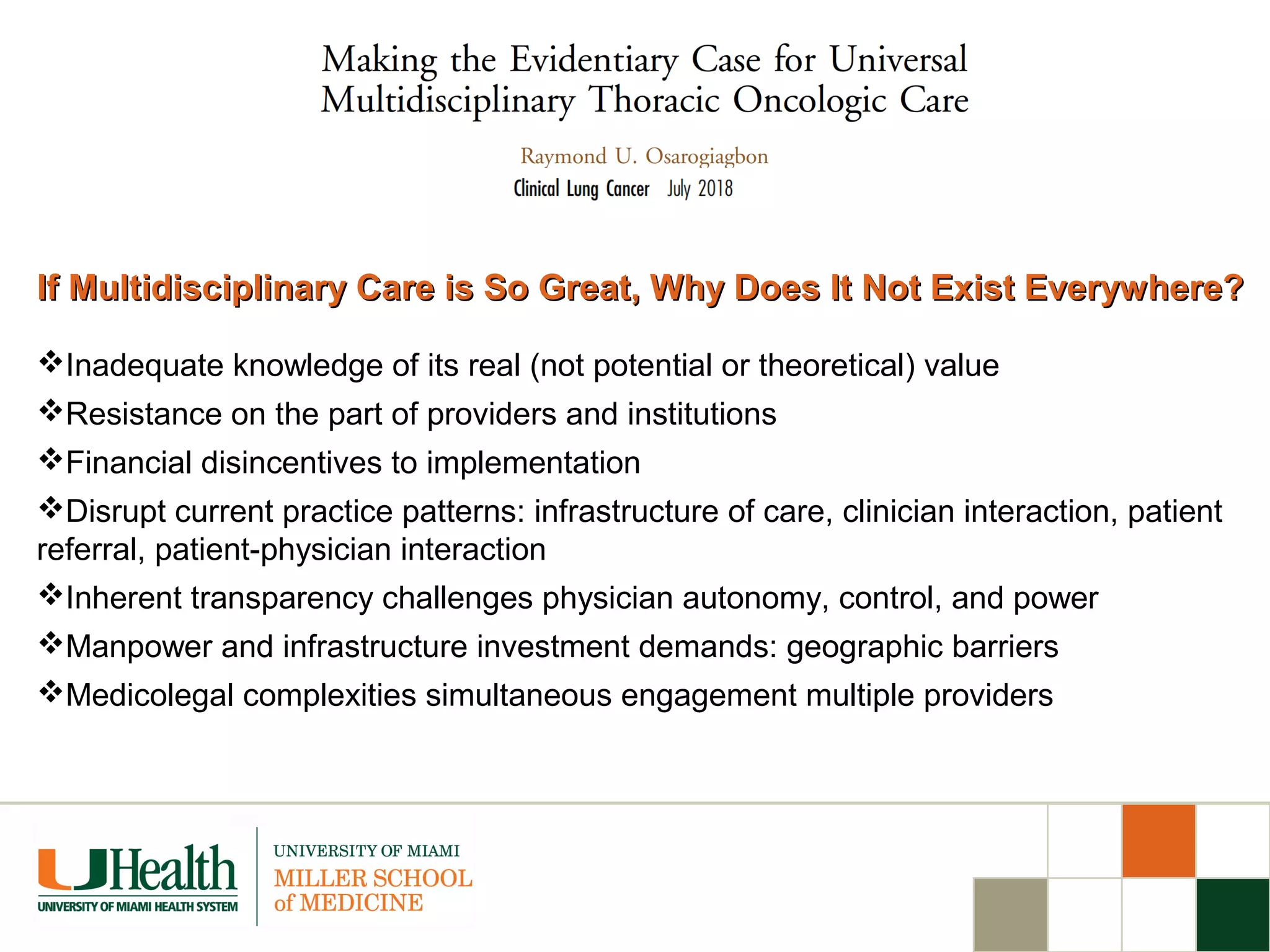
If Multidisciplinary Care is So Great, Why Does It Not Exist Everywhere?If Multidisciplinary Care is So Great, Why Does It Not Exist Everywhere?
Inadequate knowledge of its real (not potential or theoretical) value
Resistance on the part of providers and institutions
Financial disincentives to implementation
Disrupt current practice patterns: infrastructure of care, clinician interaction, patient
referral, patient-physician interaction
Inherent transparency challenges physician autonomy, control, and power
Manpower and infrastructure investment demands: geographic barriers
Medicolegal complexities simultaneous engagement multiple providers
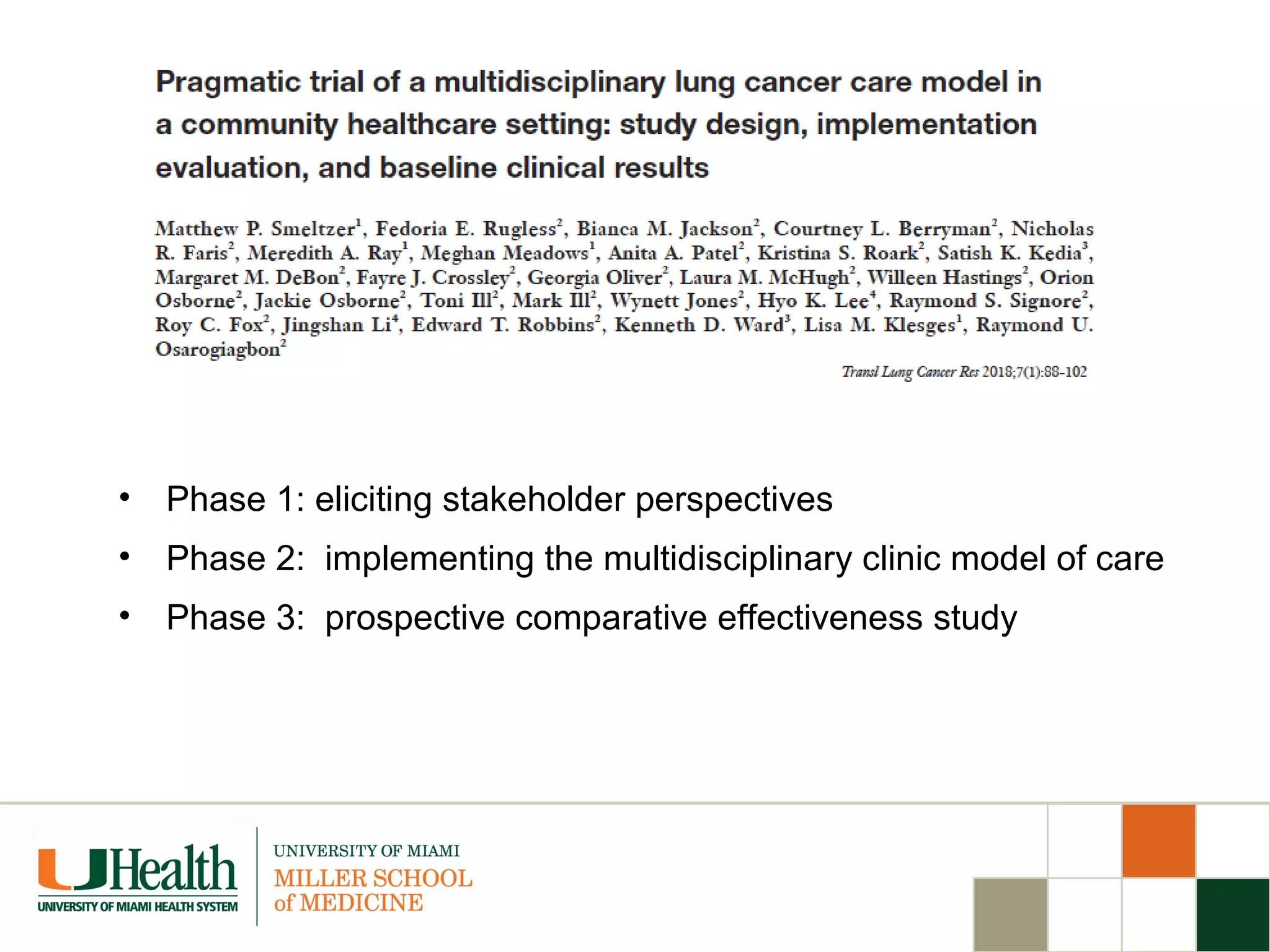
• Phase 1: eliciting stakeholder perspectives
• Phase 2: implementing the multidisciplinary clinic model of care
• Phase 3: prospective comparative effectiveness study
Principles of MDT to Cancer Treatment:
Take Home Messages
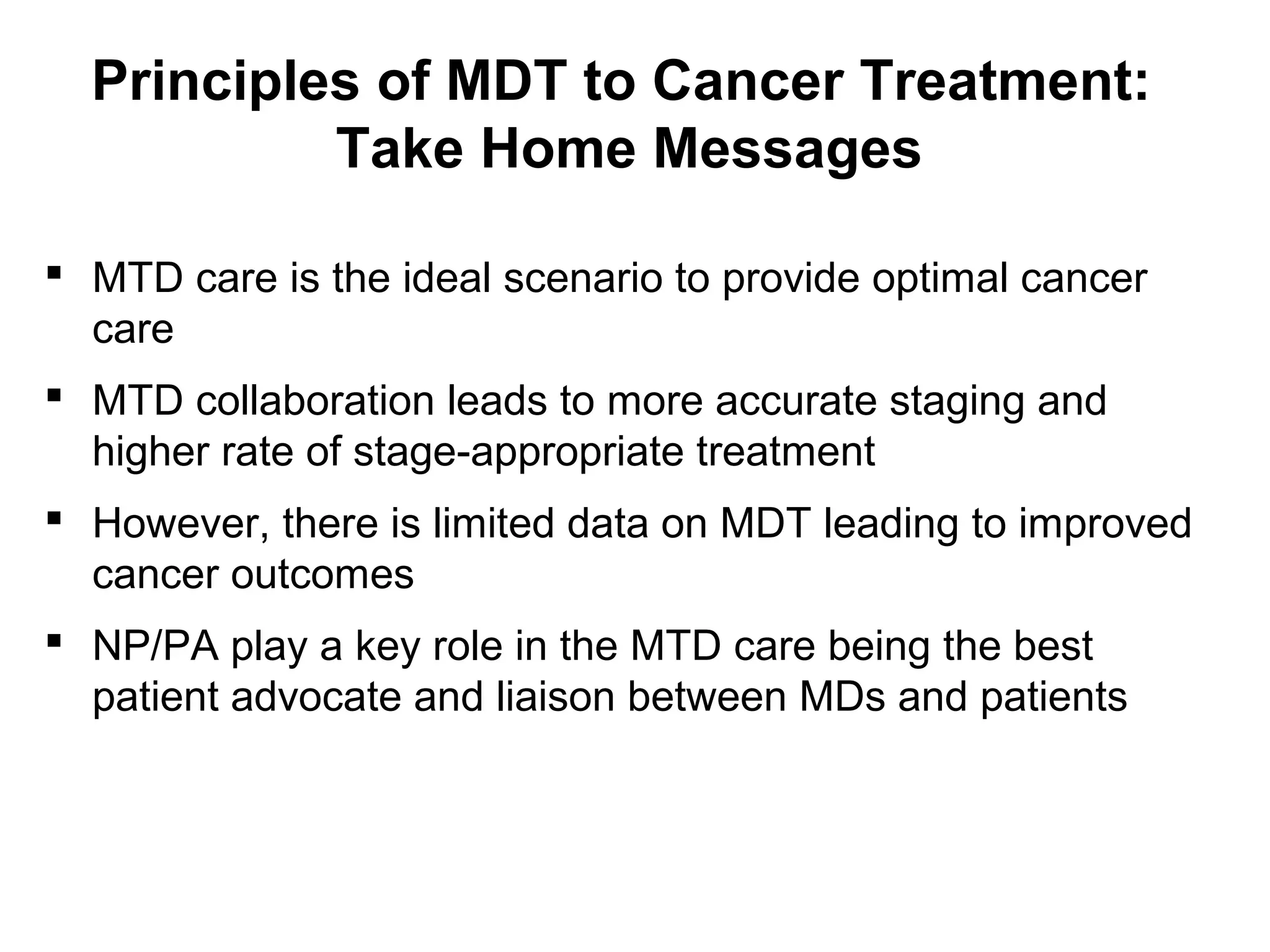
 MTD care is the ideal scenario to provide optimal cancer
care
 MTD collaboration leads to more accurate staging and
higher rate of stage-appropriate treatment
 However, there is limited data on MDT leading to improved
cancer outcomes
 NP/PA play a key role in the MTD care being the best
patient advocate and liaison between MDs and patients
PA/NPPA/NP
PATIENTPATIENT
OPTIMAL MODEL= MULTIDISCIPLINARY TEAM (MDT)OPTIMAL MODEL= MULTIDISCIPLINARY TEAM (MDT)
THANK YOU

Understanding The Principles Multi-Disciplinary Approach To Cancer Treatment Panel

  • 1.
    Understanding The Principles ofMultidisciplinary Approach to Cancer Treatment September 29th , 2018 Alan Dal Pra, MD Nestor Villamizar, MD 2018 FLASCO Rapid Integration Course | Miami
  • 2.
    OUTLINEOUTLINE Complexity of CancerCare Understanding Current Model of Care Defining Multidisciplinary Model of Care Importance of Nurse Specialists in Multidisciplinary Care Tumor Boards / Multidisciplinary clinics Challenges to Implementation Take Home Messages
  • 3.
    COMPLEXITY OF LUNGCANCER CARECOMPLEXITY OF LUNG CANCER CARE Lung cancer accounts for almost as many US cancer deaths as colorectal, breast, prostate and pancreas cancer combined. 5-year survival has improved from 12% in 1975 to 19% in 2012. Difficulty of lung cancer biology, absence of effective means of early detection, complexity of care-delivery Curative intent treatment is risky, and limited to physiologically fit patients with early stage disease High degree of variability in performance and interpretation of staging tests Clinical Lung Cancer, Vol. 19, No. 4, 294-300
  • 4.
    ADVERSE CONSEQUENCES OFCOMPLEXITYADVERSE CONSEQUENCES OF COMPLEXITY Only 4% of eligible Americans get low-dose CT screening Fewer than 10% of patients have a confirmatory staging biopsy to establish extent of spread 15% of patients who have surgical resection have NO lymph nodes examined The use and outcomes of treatment modalities (surgery, radiation, chemotherapy, palliative care) varies significantly Absence of a structure for standardizing access, and for overseeing planning, coordination and execution of care and its outcomes Clinical Lung Cancer, Vol. 19, No. 4, 294-300
  • 5.
    CURRENT MODEL =SERIAL CARECURRENT MODEL = SERIAL CARE PATIENTPATIENT Pulmonologist Prim aryCare
  • 6.
    DISADVANTAGES OF SERIALMODELDISADVANTAGES OF SERIAL MODEL Often excludes direct patient input (non-patient-centered) Takes too long Often duplicative (inefficient) and incomplete Difficult for disadvantaged patients to access (inequitable) Lacks effective oversight High level of non-evidence-based treatment selection Variation in quality and safety Poor patient Outcomes Clinical Lung Cancer, Vol. 19, No. 4, 294-300
  • 7.
    PATIENTPATIENT OPTIMAL MODEL= MULTIDISCIPLINARYTEAM (MDT)OPTIMAL MODEL= MULTIDISCIPLINARY TEAM (MDT)
  • 8.
    ADVANTAGES OF MDTMODELADVANTAGES OF MDT MODEL Quickly, efficiently and accurately triage patients into the treatment pathway most likely to provide the best possible outcomes All key specialist provide input early, ideally concurrently, and execute a consensus plan of care developed in collaboration with patients and home caregivers Higher rate of direct patient involvement in decision-making, more timely care delivery, more accurate staging, higher rate of stage-appropriate treatment Clinical Lung Cancer, Vol. 19, No. 4, 294-300
  • 9.
    MDT DEFINITIONMDT DEFINITION •Atminimum concurrent input of surgical, radiation and medical oncologists. •Frequently with the input of radiologists, pathologists and nurses. •Pharmacy, palliative medicine, mental health, nutritional services, pastoral care and social work. •Multidisciplinary Cancer Conferences (Tumor Board) •Multidisciplinary Cancer Clinics
  • 11.
    Multidisciplinary Care shouldincorporate the contemporary concept of Evidence-Based Medicine Team’s expertise Important role of nurse specialists Shared decision making
  • 12.
    Shared decision making HeathCare Team share information Patients Consider options Together They make a decision AHRQ - SHARE Approach - For more information access: https://www.ahrq.gov/professionals/education/curriculum-tools/shareddecisionmaking/workshop/index.html
  • 13.
    • NS shouldmeet patient at the point of diagnosis • Gate keepers to the patients’ cancer pathway • Holistic approach • National and International initiatives to raise awareness and health promotion • Lead in redesigning services and health policies • Ensure good communication for continuity of care (survivorship programs)
  • 14.
    A key nursenavigator role, from a patient-driven care perspective, is to ensure that the entire team knows the patient’s life goals and incorporates these goals into the treatment planning process, so that survivorship care begins at time of diagnosis; knowing their life goals and hopes also applies to patients with metastatic disease. https://am.asco.org/value-patient-navigators-members-multidisciplinary-oncology-care-team
  • 16.
    MDT meetings (TumorBoards) broadly aim at improving: • Communication • Coordination • Decision making
  • 17.
    Benefits of TumorBoards • Improved care processes, adherence to clinical and up-to-date treatment recommendations • Shorter lead times • Increased attention to patient-related perspectives • Competence development • Training opportunities for younger colleagues • Identify patients eligible for clinical trials
  • 18.
    I. The Team • Level of expertise and specialization •  Attendance of MDT members •  Leadership •  Team working and culture •  Personal development and training What makes an effective Tumor Board for cancer patients?
  • 19.
    II. Infrastructure •  Appropriatemeeting room •  Availability of technology and equipment III. Tumor Board organization •  Regular meetings IV. Logistics •  Preparation for meetings •  Organization during meetings •  Post-meeting coordination of services for the patient What makes an effective Tumor Board for cancer patients?
  • 20.
    V. Patient-centered clinicaldecision-making • Who to discuss; should we present all patients? • Patient-centered care (presented by someone who has met the patient and knows patients preferences and expectations) Clinical decision-making process • Need of complete information for informed decisions/recommendations at team meetings • Evidence-based decisions, patient-centered, and in line with standard treatment protocols (unless there is a good reason against this) What makes an effective Tumor Board for cancer patients?
  • 21.
    VI. Team governance •Organizational support (funding and resources) • Data collection during team meetings, analysis, and audit of outcomes • Clinical governance (policies, guidelines, and protocols for MDTs; performance assessment and peer review against similar MDTs using cancer peer review processes and other tools) What makes an effective Tumor Board for cancer patients?
  • 22.
    MDT-driven cancer care •Dos • Effective communication • Managing conflict within teams effectively • Incorporating patient choice, views and psyco-social factors into decision- making • Incorporate patient comorbidities into decision-making • Ensuring equality and inclusiveness of team participation, in particular nurses • Rotating chairing duties within and between disciplines • Don’ts • Unequal participation in discussion on treatment options • Basing decisions primarily on biomedical information • Seldom considering patient choice
  • 23.
    A critical viewon Tumor Boards: research opportunities • Increased financial costs and possible delay in treatment decision • Tumor boards change in the way cancer patients are assessed and managed – Beneficial as they are in accordance with recommended clinical guidelines – Are there differences in patient experience or QoL? • Tumor Boards seem to be intuitively beneficial but current research demonstrates limited impact in hard oncologic endpoints – prudent and more cost-effective to discuss particularly difficult or controversial cases Pilhay et al, Cancer Treatment Reviews 2016
  • 24.
    • Patients discussedwere more likely to receive complete pre-operative staging. • Patients discussed were more likely to receive neo-adjuvant/adjuvant treatment. • 4–50% of patients experienced changes in diagnostic reports following MDT meetings • MDT meetings had a limited impact on patient survival outcomes
  • 25.
  • 26.
    IMPACTIMPACT •More patients undergoingoptimal staging before treatment decisions •Significant changes in pathologic diagnosis •Significant changes in management decisions (increase # patients selected for surgery) •Increased adherence to established guidelines •Reduce wait time from diagnosis to treatment. •Increase patient and family satisfaction •Increase participation in clinical trials •Improve job satisfaction •Improve survival?
  • 27.
    • Comparison survivaloutcomes among 1956 MDT program and 2315 traditional care • Retrospective, all lung cancer diagnosed 2002 to 2016 • Core group: thoracic surgery, interventional pulmonology, medical oncology, radiation oncology, 2 nurse practitioners • Propensity-matching 5-year survival 33.6% vs 23% • 50% stage I/II in MDT vs 20% controls, 24% stage IV in MDT vs 60% controls • 8% small cell in MDT vs 15% controls • 40% underwent surgery in MDT vs 16% controls
  • 28.
    If Multidisciplinary Careis So Great, Why Does It Not Exist Everywhere?If Multidisciplinary Care is So Great, Why Does It Not Exist Everywhere? Inadequate knowledge of its real (not potential or theoretical) value Resistance on the part of providers and institutions Financial disincentives to implementation Disrupt current practice patterns: infrastructure of care, clinician interaction, patient referral, patient-physician interaction Inherent transparency challenges physician autonomy, control, and power Manpower and infrastructure investment demands: geographic barriers Medicolegal complexities simultaneous engagement multiple providers
  • 29.
    • Phase 1:eliciting stakeholder perspectives • Phase 2: implementing the multidisciplinary clinic model of care • Phase 3: prospective comparative effectiveness study
  • 30.
    Principles of MDTto Cancer Treatment: Take Home Messages  MTD care is the ideal scenario to provide optimal cancer care  MTD collaboration leads to more accurate staging and higher rate of stage-appropriate treatment  However, there is limited data on MDT leading to improved cancer outcomes  NP/PA play a key role in the MTD care being the best patient advocate and liaison between MDs and patients
  • 31.
    PA/NPPA/NP PATIENTPATIENT OPTIMAL MODEL= MULTIDISCIPLINARYTEAM (MDT)OPTIMAL MODEL= MULTIDISCIPLINARY TEAM (MDT)
  • 32.

Editor's Notes

  • #6 Lung cancer detected by imaging study reported to primary care, followed by refrerral to pulmonologist and subsequent referrals to …At each of these steps, the patient and responsibility of care is handed over to the next physician.
  • #7 Slow, fragmented, and poorly coordinated
  • #10 The authors defined basically two different model of MTD care: the MTD conf in which lung cancer experts from multiple specialties meet either in person or via teleconference at a predefined time and interval to discuss cases in a prospective fashion and give management recommendations. And the other one being the MTD clinic in which lung cancer experts from multiple specialties are co-located in the same clinic space and interact with patients at the same time and give management recommendations
  • #19 (e.g., mutual respect and trust, equality, resolution of conflict, constructive discussion, absence of personal agendas, ability to request, and provide clarification)
  • #26 (e.g., mutual respect and trust, equality, resolution of conflict, constructive discussion, absence of personal agendas, ability to request, and provide clarification)
  • #28 At least one visit with MDT and everyone presented at TB Desptie limitation, this study is important because there is sufficient signal to proceed with such studies consistency of direction of survival comparison with increasingly more stringent statistical adjustments
  • #29 surgeons make most of their income from performing surgery, not spending time talking to patients and caregivers; medical oncologists are rewarded for administering chemotherapy drugs, not explaining things in detail to patients and caregivers; pulmonologists make more money working in the Intensive Care Unit, not in outpatient clinics or spending time performing time-consuming outpatient procedures such as navigational bronchoscopy or endobronchial ultrasound-guided biopsies; radiologists are rewarded for reading reports and billing for that work, not interacting with other physicians and patients; pathologists derive no financial benefits whatsoever from in-person clinical interactions