By
Praveen
Roll -96
Guided by -Sipra mam
Types OF Screening
DEFINITION
• It is defined as “the search for unrecognized
disease or defect by means of rapidly applied
tests, examinations or other procedures in
apparently healthy individuals.”
• Historically it means “the detection of hidden
diseases.”
TYPES OF SCREENING
1. Mass screening
2. High risk or selective or targeted screening.
3. Multiphasic screening.
4. Multipurpose screening.
5. Opportunistic and case finding screening.
MASS SCREENING
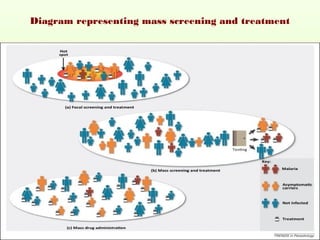
 Mass screening simply means the
screening of a whole population or a sub
group.
E.g. Adults.
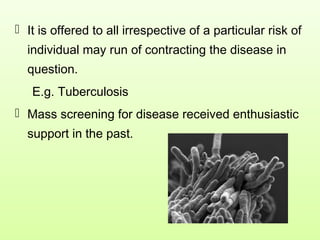
 It is offered to all irrespective of a particular risk of
individual may run of contracting the disease in
question.
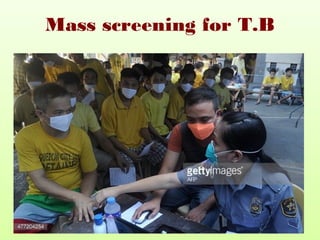
E.g. Tuberculosis
 Mass screening for disease received enthusiastic
support in the past.
Diagram representing mass screening and treatment
•
Contd…
 Mass screening is not useful for
preventive measures but it is useful for a
suitable treatment that will reduce the
duration of illness or alter its final
outcome.
Examples for mass screening:
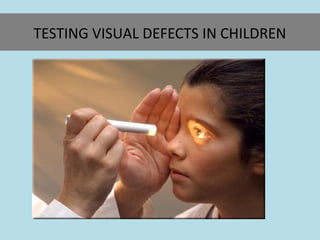
a. Visual defects in school children.
b. Mammography in women aged 40 years.
c. New born screening program in japan.
TESTING VISUAL DEFECTS IN CHILDREN
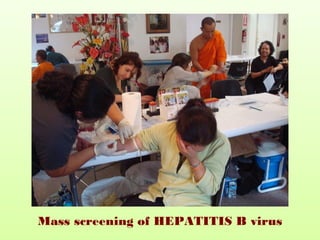
Mass screening of HEPATITIS B virus
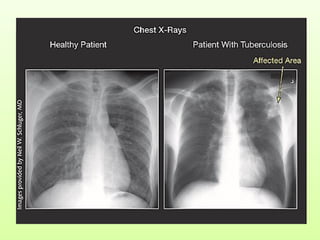
Mass screening for T.B
HIGH-RISK OR SELECTIVE
SCREENING
 It is applied selectively to high risk groups, the
groups defined on the basis of epidemiological
research.
• Examples:
a. Screening foetus for Down’s syndrome in a
mother who already has a baby with Down’s
syndrome.
b. Screening for familiar cancers, HTN and DM.
c. Screening for cancer cervix in low social
groups.
d. Screening for HIV in risk groups.
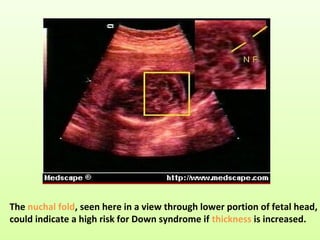
The nuchal fold, seen here in a view through lower portion of fetal head,
could indicate a high risk for Down syndrome if thickness is increased.
MULTIPHASIC SCREENING
 It has been defined as the application of two
or more screening tests in combination to a
large number of people at one time than to
carry out screening tests for single diseases.
 The procedure may also include health
questionnaire, clinical examination and a range
of measurements and investigations.
E.g.
1) Chemical and hematological tests on blood
and urine specimens.
2) Lung function assessment, audiometry and
measurement of visual acuity.
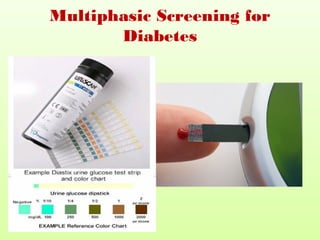
Multiphasic Screening for
Diabetes
MULTI PURPOSE SCREENING
 The screening of a population by more
than one test done simultaneously to
detect more than one disease.
 Example:
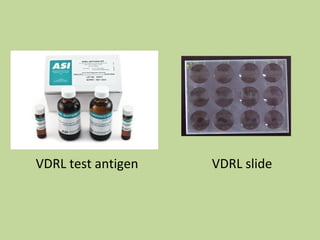
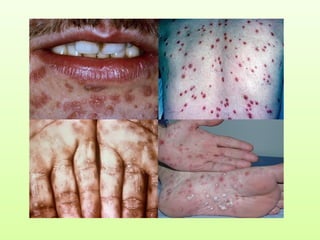
• Screening of a pregnant women for VDRL,
HIV, HBV by serological tests.
VDRL test antigen VDRL slide
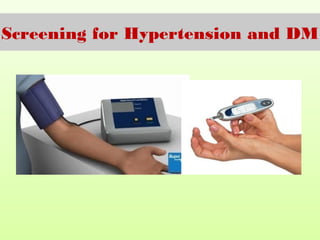
Screening for Hypertension and DM
OPPORTUNISTIC AND CASE FINDING
SCREENING
 There is no accurate or precise diagnostic
test for the disease and where the frequency
of its occurrence in the population is small.
The main objective is to detect disease and
bring patients to treatment.
 Example: RHD in children.
Thank You

Types of Screening

  • 1.
    By Praveen Roll -96 Guided by-Sipra mam Guided by -Sipra mam Guided by -Sipra mam Types OF Screening
  • 2.
    DEFINITION • It isdefined as “the search for unrecognized disease or defect by means of rapidly applied tests, examinations or other procedures in apparently healthy individuals.” • Historically it means “the detection of hidden diseases.”
  • 3.
    TYPES OF SCREENING 1.Mass screening 2. High risk or selective or targeted screening. 3. Multiphasic screening. 4. Multipurpose screening. 5. Opportunistic and case finding screening.
  • 4.
    MASS SCREENING  Massscreening simply means the screening of a whole population or a sub group. E.g. Adults.
  • 5.
     It isoffered to all irrespective of a particular risk of individual may run of contracting the disease in question. E.g. Tuberculosis  Mass screening for disease received enthusiastic support in the past.
  • 7.
    Diagram representing massscreening and treatment •
  • 8.
    Contd…  Mass screeningis not useful for preventive measures but it is useful for a suitable treatment that will reduce the duration of illness or alter its final outcome.
  • 9.
    Examples for massscreening: a. Visual defects in school children. b. Mammography in women aged 40 years. c. New born screening program in japan.
  • 10.
  • 11.
    Mass screening ofHEPATITIS B virus
  • 12.
  • 13.
    HIGH-RISK OR SELECTIVE SCREENING It is applied selectively to high risk groups, the groups defined on the basis of epidemiological research.
  • 14.
    • Examples: a. Screeningfoetus for Down’s syndrome in a mother who already has a baby with Down’s syndrome. b. Screening for familiar cancers, HTN and DM. c. Screening for cancer cervix in low social groups. d. Screening for HIV in risk groups.
  • 15.
    The nuchal fold,seen here in a view through lower portion of fetal head, could indicate a high risk for Down syndrome if thickness is increased.
  • 16.
    MULTIPHASIC SCREENING  Ithas been defined as the application of two or more screening tests in combination to a large number of people at one time than to carry out screening tests for single diseases.
  • 17.
     The proceduremay also include health questionnaire, clinical examination and a range of measurements and investigations. E.g. 1) Chemical and hematological tests on blood and urine specimens. 2) Lung function assessment, audiometry and measurement of visual acuity.
  • 18.
  • 19.
    MULTI PURPOSE SCREENING The screening of a population by more than one test done simultaneously to detect more than one disease.  Example: • Screening of a pregnant women for VDRL, HIV, HBV by serological tests.
  • 20.
  • 22.
  • 23.
    OPPORTUNISTIC AND CASEFINDING SCREENING  There is no accurate or precise diagnostic test for the disease and where the frequency of its occurrence in the population is small. The main objective is to detect disease and bring patients to treatment.  Example: RHD in children.
  • 26.