The Tasmanian Wine 
Industry 
Jeffrey Wang, Nina Barnett, 
Annika Hugo
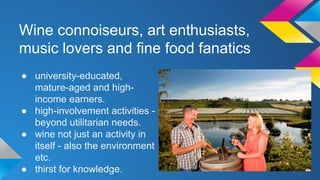
Wine connoiseurs, art enthusiasts, 
music lovers and fine food fanatics 
● university-educated, 
mature-aged and high-income 
earners. 
● high-involvement activities - 
beyond utilitarian needs. 
● wine not just an activity in 
itself - also the environment 
etc. 
● thirst for knowledge.
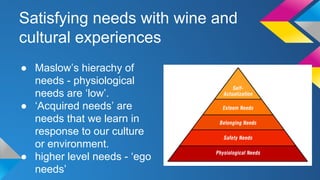
Satisfying needs with wine and 
cultural experiences 
● Maslow’s hierachy of 
needs - physiological 
needs are ‘low’. 
● ‘Acquired needs’ are 
needs that we learn in 
response to our culture 
or environment. 
● higher level needs - ‘ego 
needs’
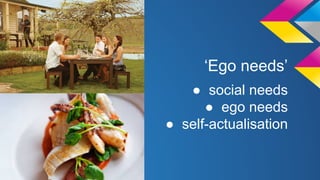
‘Ego needs’ 
● social needs 
● ego needs 
● self-actualisation
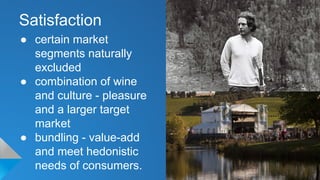
Satisfaction 
● certain market 
segments naturally 
excluded 
● combination of wine 
and culture - pleasure 
and a larger target 
market 
● bundling - value-add 
and meet hedonistic 
needs of consumers.
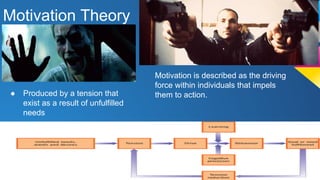
Motivation Theory 
Motivation is described as the driving 
force within individuals that impels 
● Produced by a tension that them to action. 
exist as a result of unfulfilled 
needs
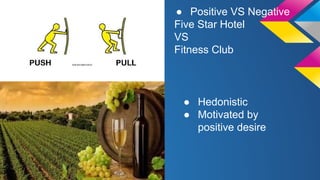
● Positive VS Negative 
Five Star Hotel 
VS 
Fitness Club 
● Hedonistic 
● Motivated by 
positive desire
● Rational------------select on objective criteria 
● Emotional-----------------------select on subjective criteria 
● High psychological need 
● actively advertise the cultural 
winery experience to travel 
agents and the target market 
➢ Unique location, whether, 
convict heritage 
● focus on the quality, exclusivity 
and the prestige of the brand 
and region of the product
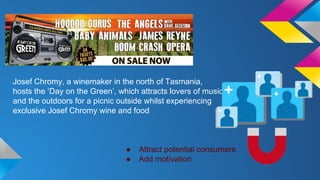
Josef Chromy, a winemaker in the north of Tasmania, 
hosts the ‘Day on the Green’, which attracts lovers of music 
and the outdoors for a picnic outside whilst experiencing 
exclusive Josef Chromy wine and food 
● Attract potential consumers 
● Add motivation
Attracting the cultural consumer 
● What do they value? 
○ High-involvement experiences 
➢ Value-adding at the cellar door. 
○ A naturalistic approach 
➢ Local produce and process involvement. 
○ Novelty and separation from work 
➢ Art, music, fashion
Red Feather Inn 
● Honing in on the production process and 
getting back to nature. 
● Product offerings: 
➢ Cooking classes, accommodation, wedding 
receptions, corporate and other functions, 
gallery, restaurant.
A novelty experience 
● Art prize. 
● Music festival eg. Josef Chromy - Day on the 
Green. 
● Fashion show - showcasing local Tasmanian 
products. 
● Networking events - businesses. 
● Health appeals - promoting health benefits 
and experiences involving activity.
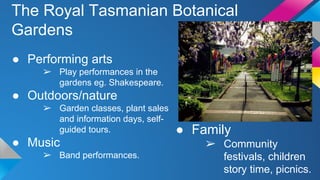
The Royal Tasmanian Botanical 
Gardens 
● Performing arts 
➢ Play performances in the 
gardens eg. Shakespeare. 
● Outdoors/nature 
➢ Garden classes, plant sales 
and information days, self-guided 
tours. 
● Music 
➢ Band performances. 
● Family 
➢ Community 
festivals, children 
story time, picnics.

The Tasmanian Wine Industry - Consumer Behaviour Presentation

  • 1.
    The Tasmanian Wine Industry Jeffrey Wang, Nina Barnett, Annika Hugo
  • 2.
    Wine connoiseurs, artenthusiasts, music lovers and fine food fanatics ● university-educated, mature-aged and high-income earners. ● high-involvement activities - beyond utilitarian needs. ● wine not just an activity in itself - also the environment etc. ● thirst for knowledge.
  • 3.
    Satisfying needs withwine and cultural experiences ● Maslow’s hierachy of needs - physiological needs are ‘low’. ● ‘Acquired needs’ are needs that we learn in response to our culture or environment. ● higher level needs - ‘ego needs’
  • 4.
    ‘Ego needs’ ●social needs ● ego needs ● self-actualisation
  • 5.
    Satisfaction ● certainmarket segments naturally excluded ● combination of wine and culture - pleasure and a larger target market ● bundling - value-add and meet hedonistic needs of consumers.
  • 6.
    Motivation Theory Motivationis described as the driving force within individuals that impels ● Produced by a tension that them to action. exist as a result of unfulfilled needs
  • 7.
    ● Positive VSNegative Five Star Hotel VS Fitness Club ● Hedonistic ● Motivated by positive desire
  • 8.
    ● Rational------------select onobjective criteria ● Emotional-----------------------select on subjective criteria ● High psychological need ● actively advertise the cultural winery experience to travel agents and the target market ➢ Unique location, whether, convict heritage ● focus on the quality, exclusivity and the prestige of the brand and region of the product
  • 9.
    Josef Chromy, awinemaker in the north of Tasmania, hosts the ‘Day on the Green’, which attracts lovers of music and the outdoors for a picnic outside whilst experiencing exclusive Josef Chromy wine and food ● Attract potential consumers ● Add motivation
  • 10.
    Attracting the culturalconsumer ● What do they value? ○ High-involvement experiences ➢ Value-adding at the cellar door. ○ A naturalistic approach ➢ Local produce and process involvement. ○ Novelty and separation from work ➢ Art, music, fashion
  • 11.
    Red Feather Inn ● Honing in on the production process and getting back to nature. ● Product offerings: ➢ Cooking classes, accommodation, wedding receptions, corporate and other functions, gallery, restaurant.
  • 12.
    A novelty experience ● Art prize. ● Music festival eg. Josef Chromy - Day on the Green. ● Fashion show - showcasing local Tasmanian products. ● Networking events - businesses. ● Health appeals - promoting health benefits and experiences involving activity.
  • 13.
    The Royal TasmanianBotanical Gardens ● Performing arts ➢ Play performances in the gardens eg. Shakespeare. ● Outdoors/nature ➢ Garden classes, plant sales and information days, self-guided tours. ● Music ➢ Band performances. ● Family ➢ Community festivals, children story time, picnics.