
The Impact of IoT on Cloud, Big Data & Analytics
Syam Madanapalli | Chair, IEEE P1931.1 | Roof Computing
The Outline
2
Internet of Things The Impact Data Science for IoT
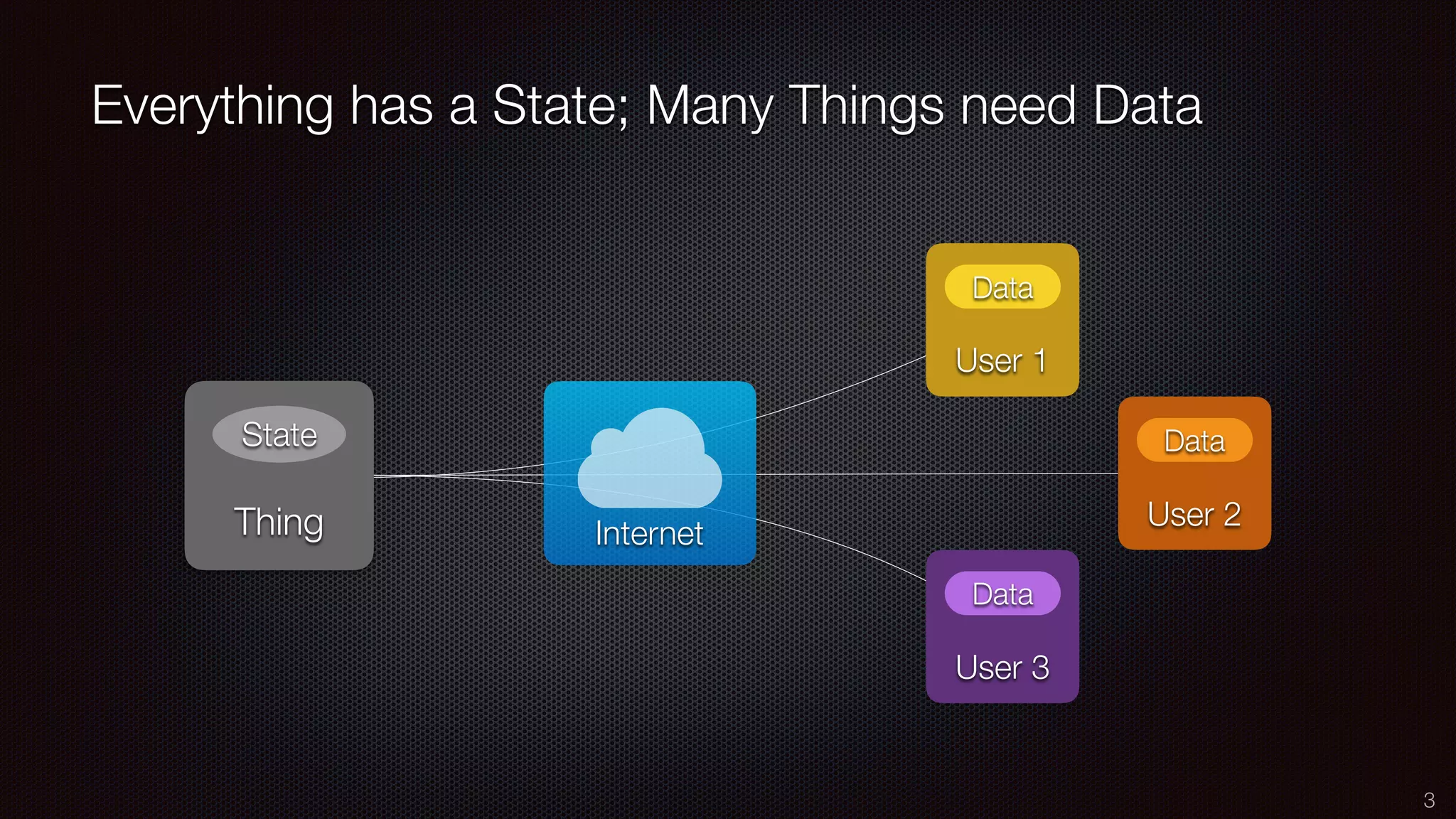
Everything has a State; Many Things need Data
3
User 1
Data
Thing
State
User 2
Data
User 3
Data
Internet
4
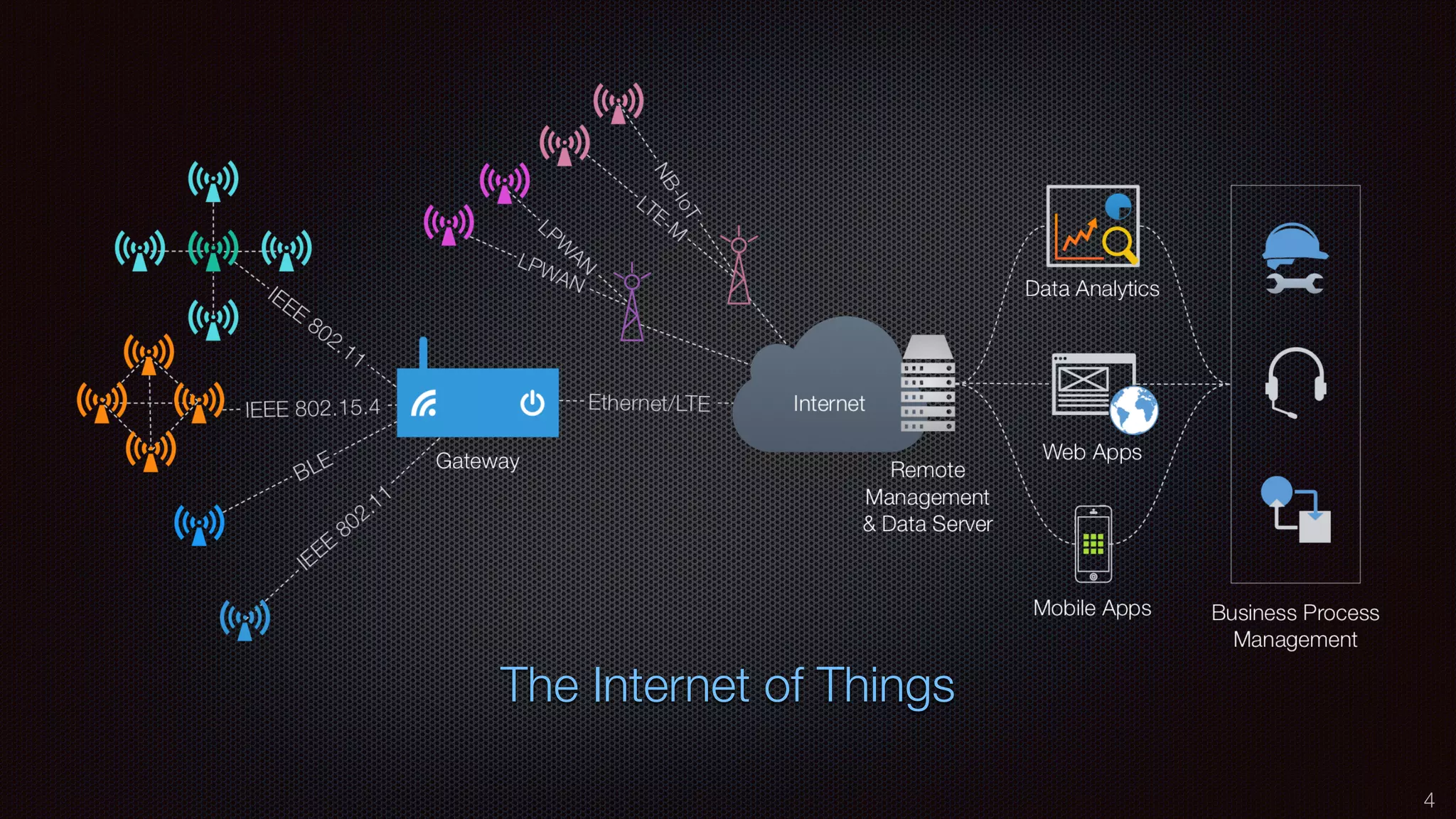
The Internet of Things
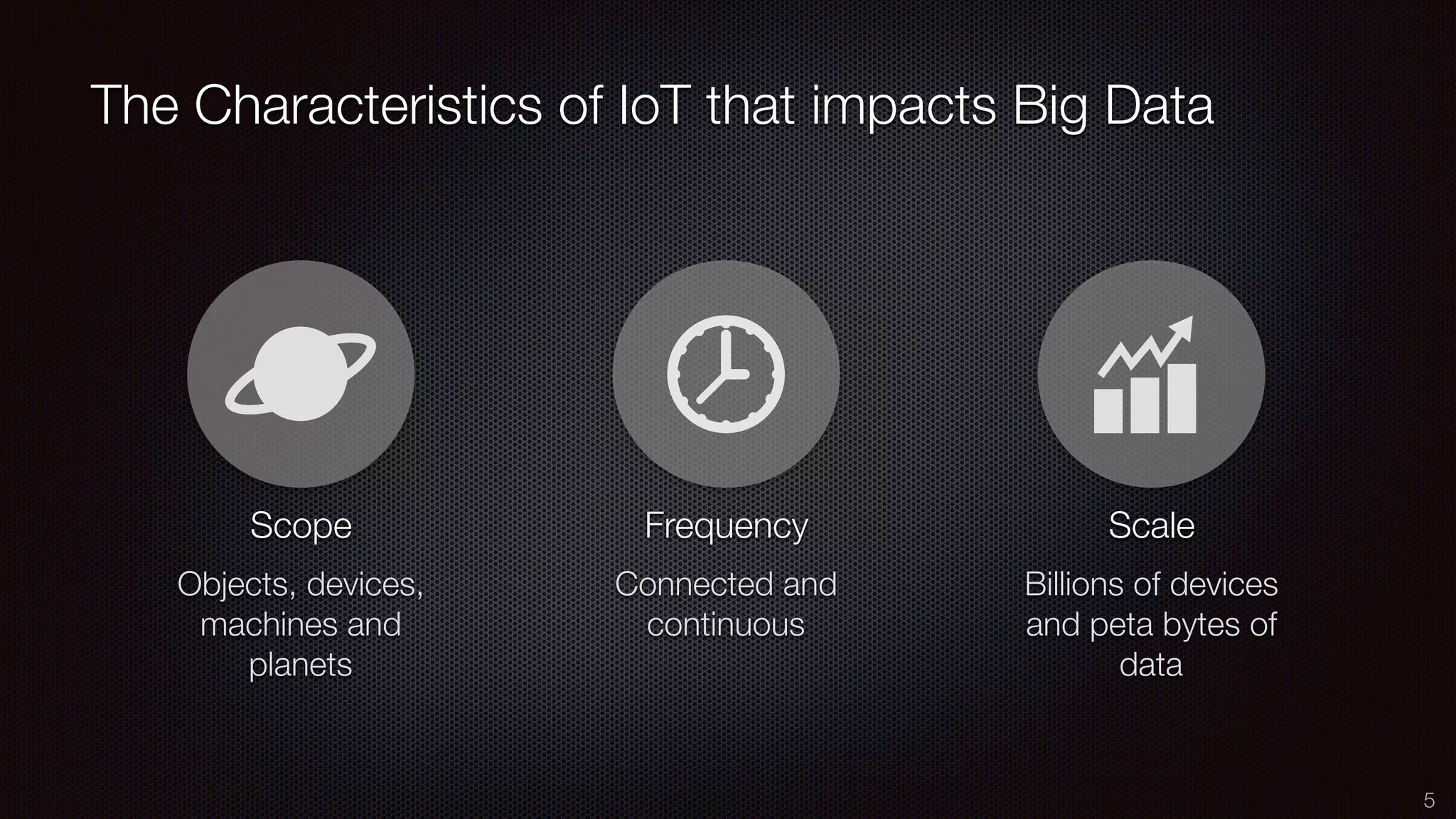
The Characteristics of IoT that impacts Big Data
5
Scope
Objects, devices,
machines and
planets
Frequency
Connected and
continuous
Scale
Billions of devices
and peta bytes of
data
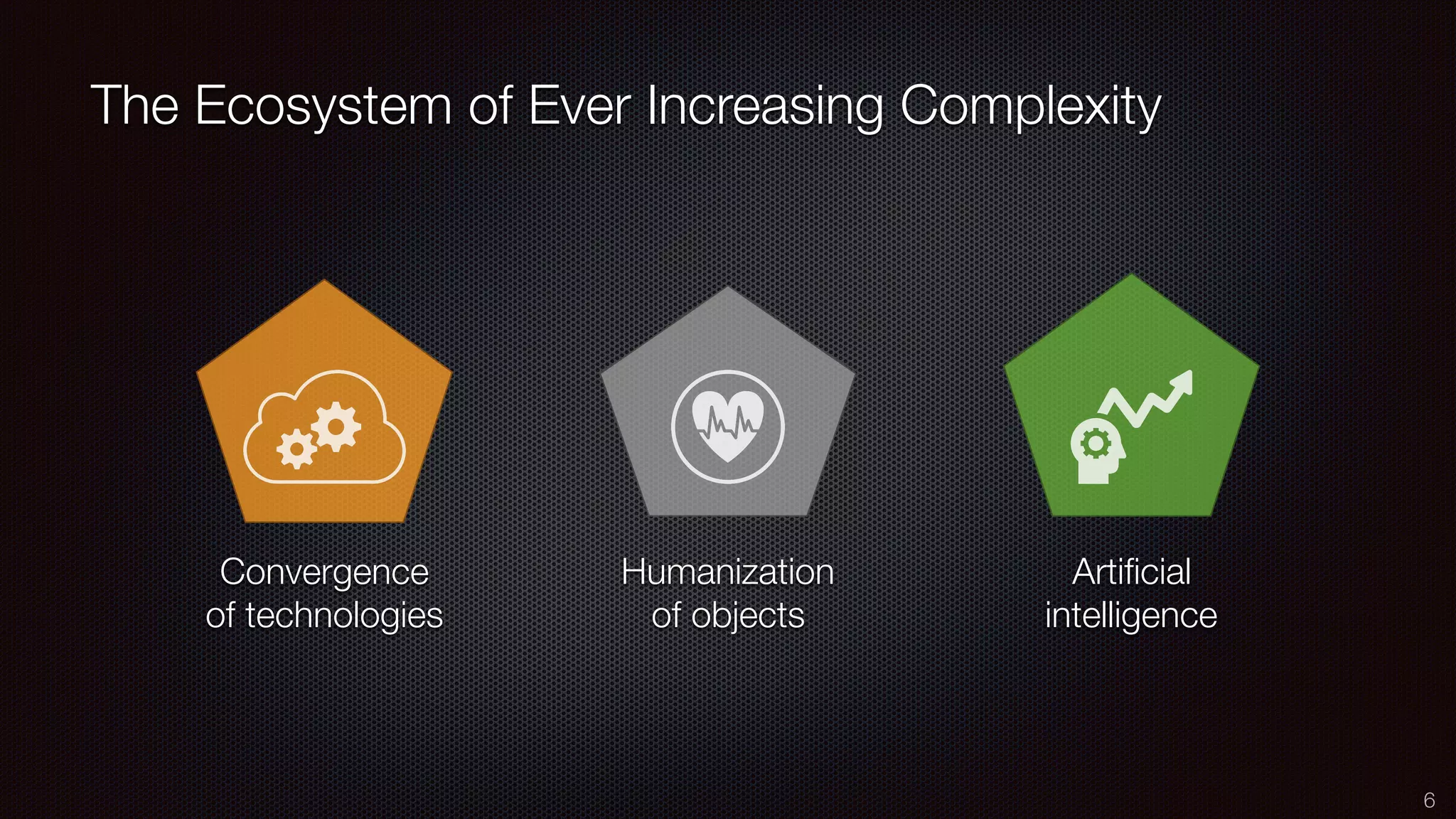
The Ecosystem of Ever Increasing Complexity
6
Convergence
of technologies
Artificial
intelligence
Humanization
of objects
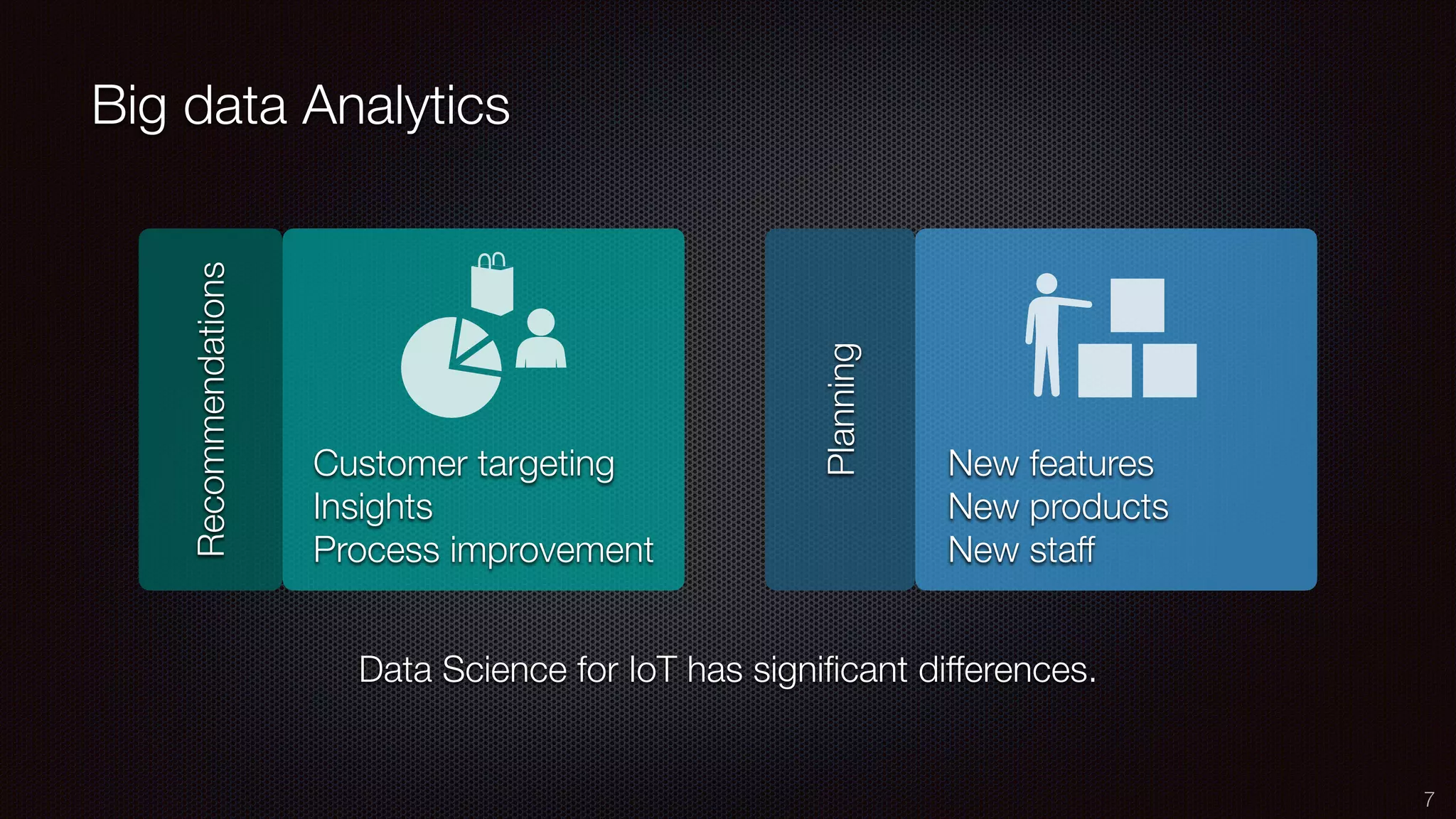
Big data Analytics
7
Data Science for IoT has significant differences.
Recommendations
Planning
New features
New products
New staff
Customer targeting
Insights
Process improvement
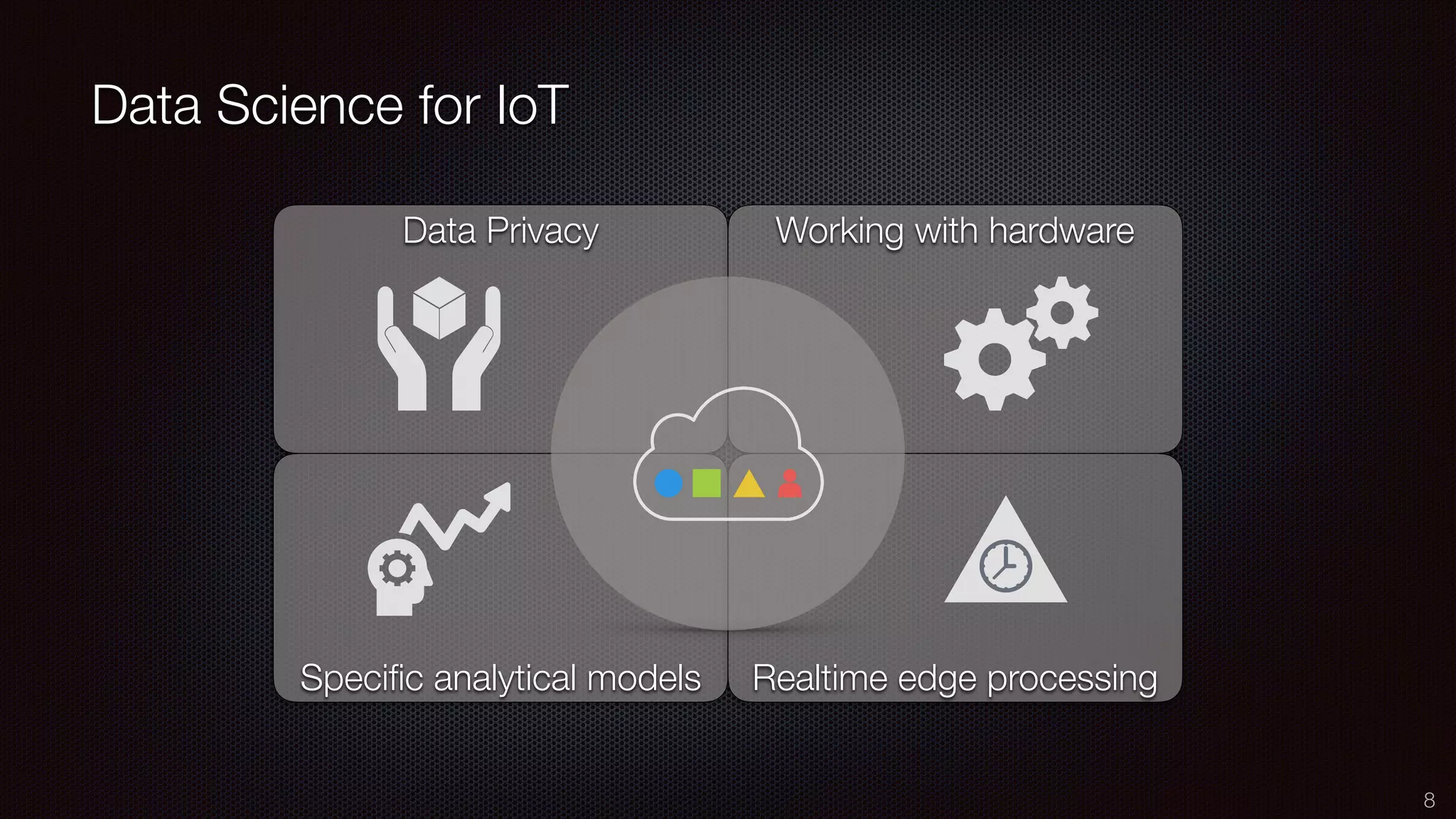
Data Science for IoT
8
Data Privacy Working with hardware
Specific analytical models Realtime edge processing
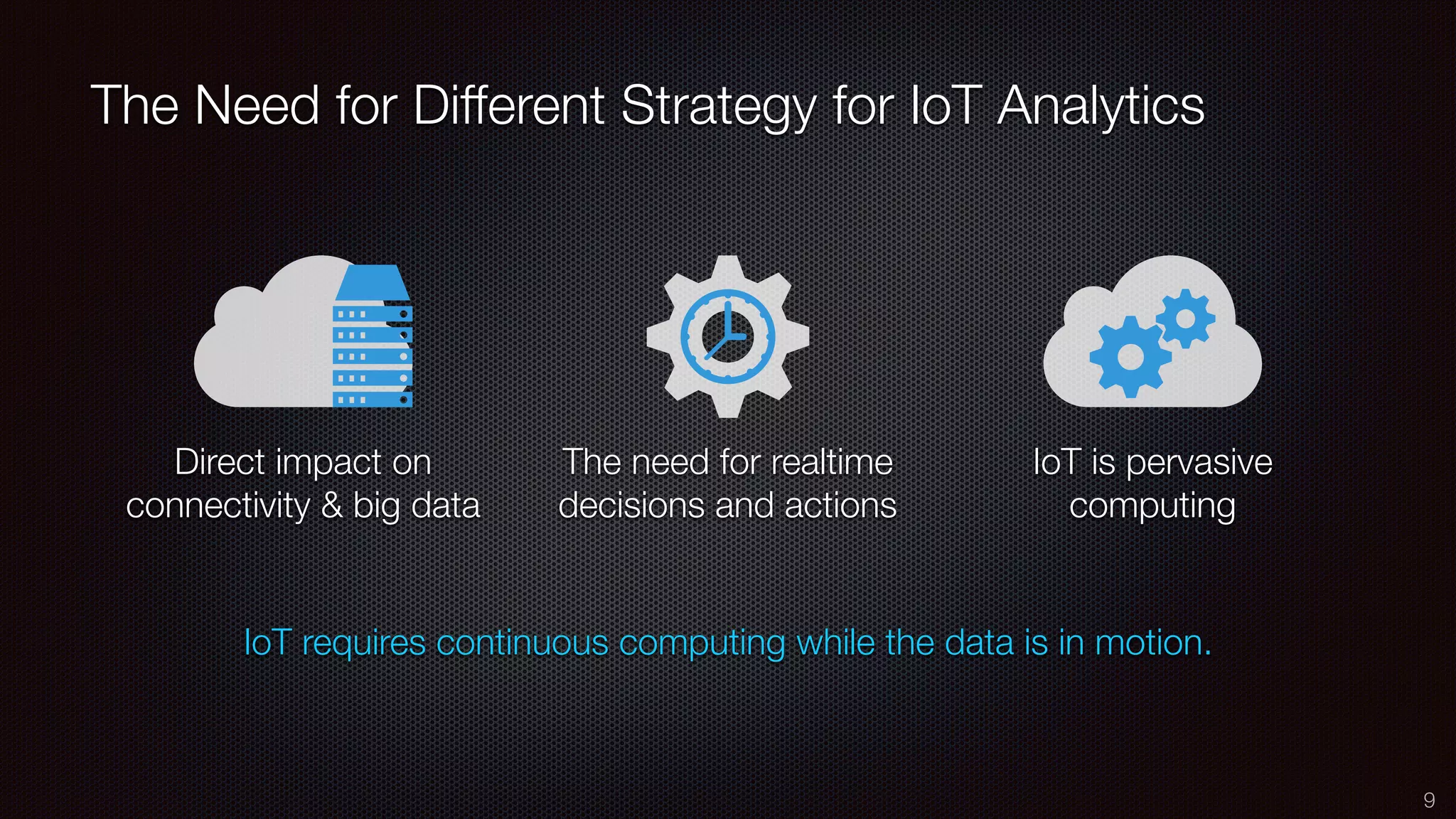
The Need for Different Strategy for IoT Analytics
9
IoT is pervasive
computing
Direct impact on
connectivity & big data
IoT requires continuous computing while the data is in motion.
The need for realtime
decisions and actions
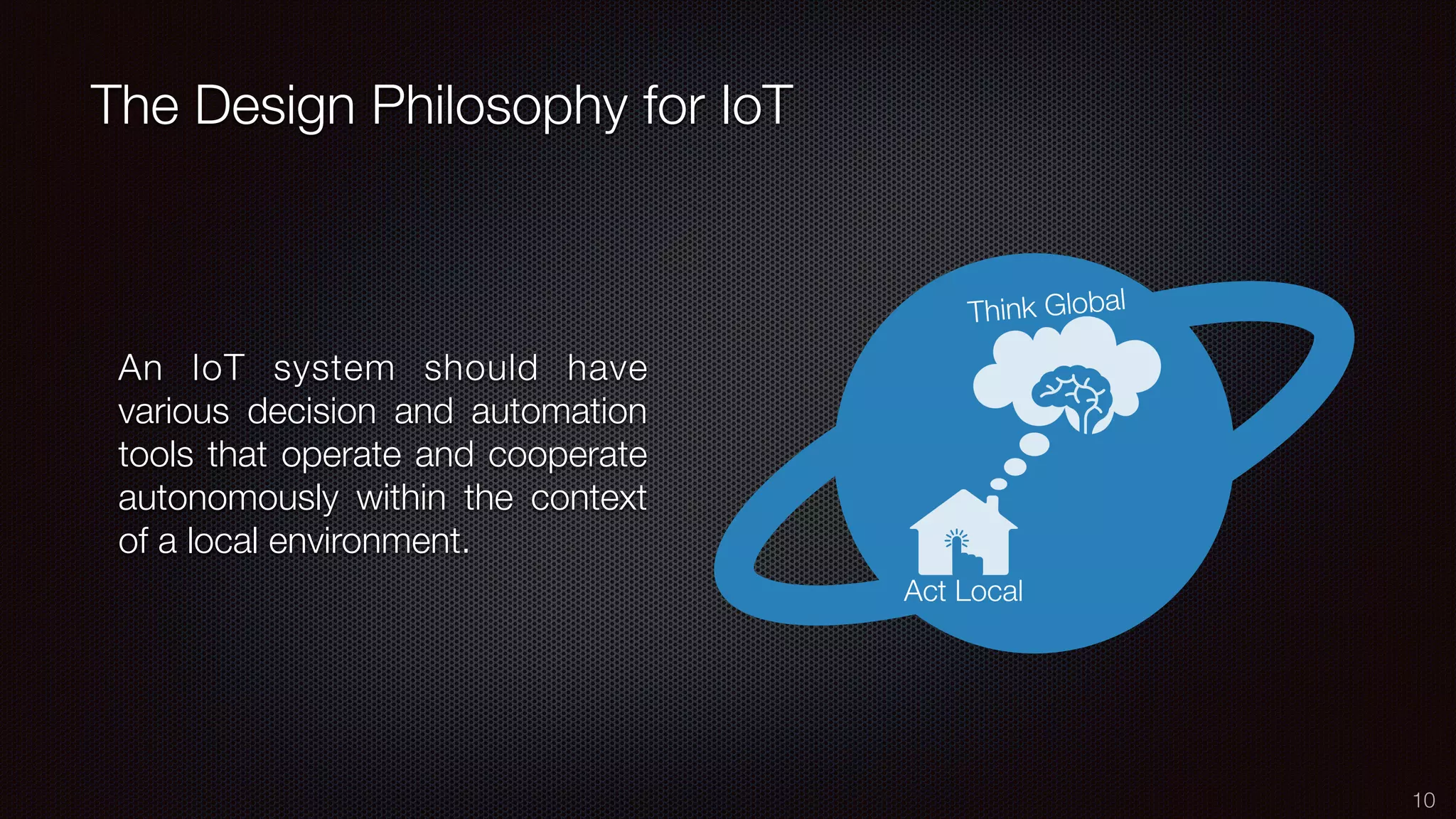
The Design Philosophy for IoT
10
An IoT system should have
various decision and automation
tools that operate and cooperate
autonomously within the context
of a local environment.
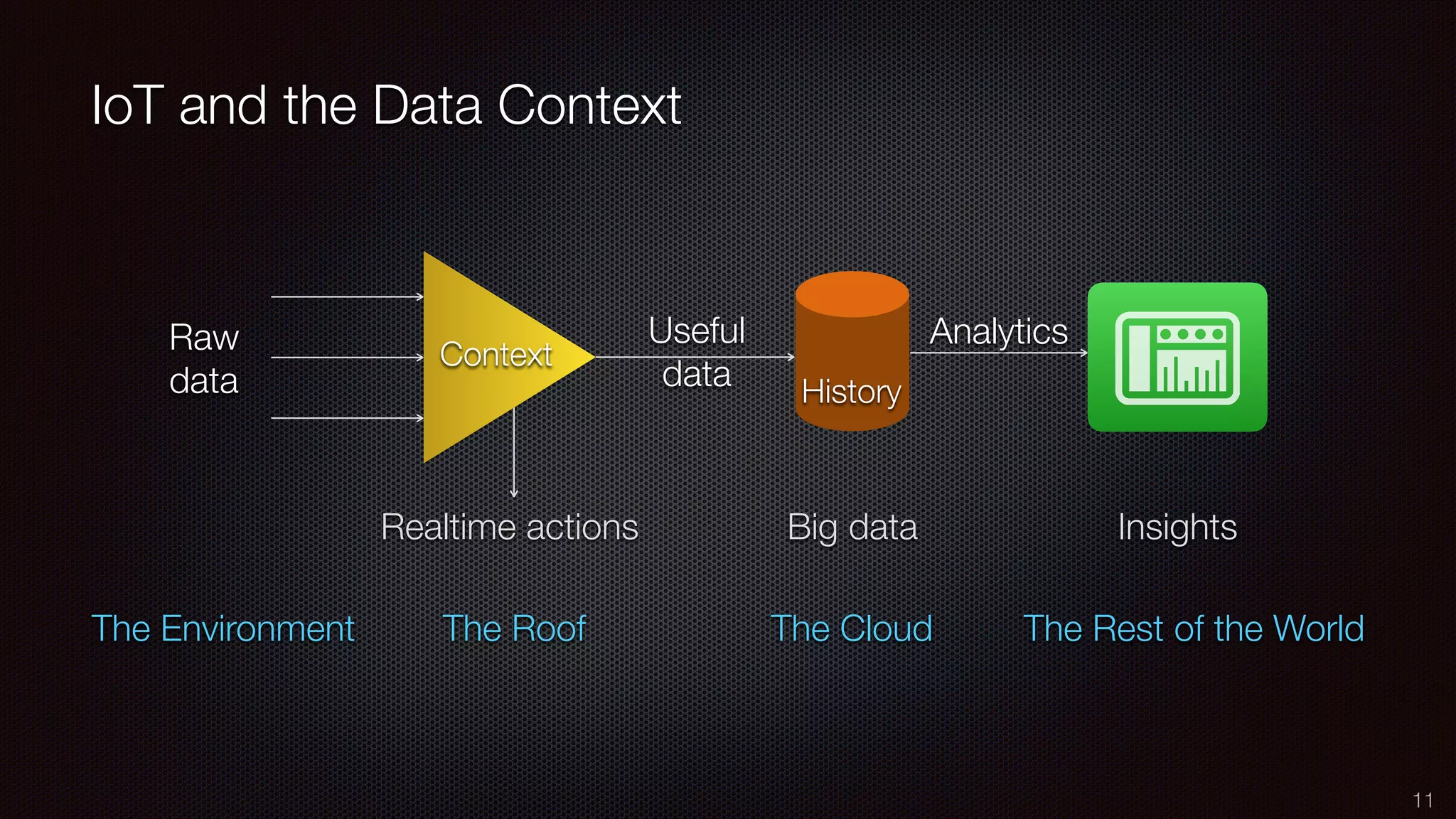
IoT and the Data Context
11
Context
History
Raw
data
InsightsRealtime actions
The Environment The Roof The Cloud The Rest of the World
Useful
data
Big data
Analytics
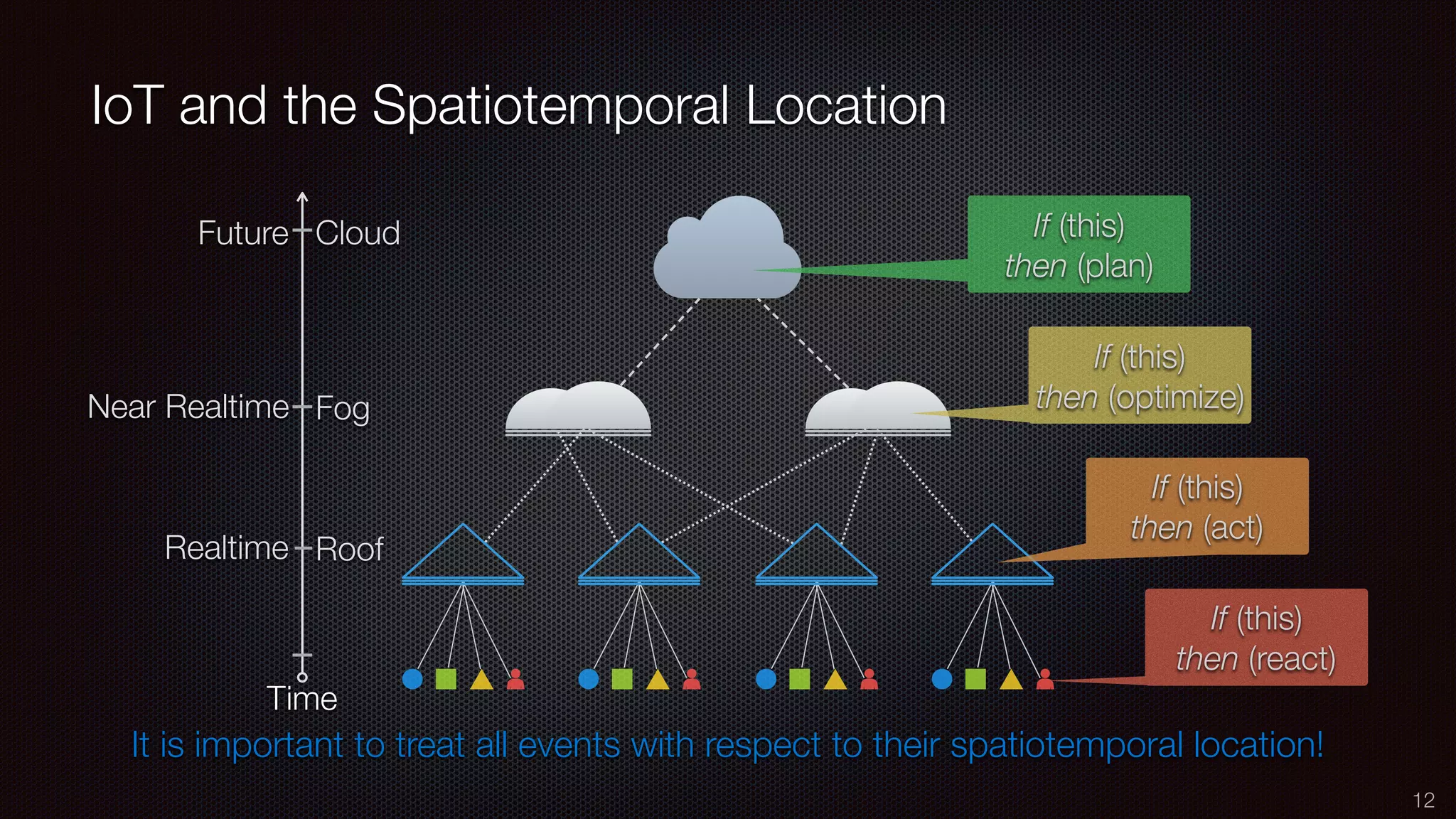
IoT and the Spatiotemporal Location
12
It is important to treat all events with respect to their spatiotemporal location!
If (this)
then (plan)
Time
Realtime
Near Realtime
Future
Roof
Fog
Cloud
If (this)
then (optimize)
If (this)
then (act)
If (this)
then (react)
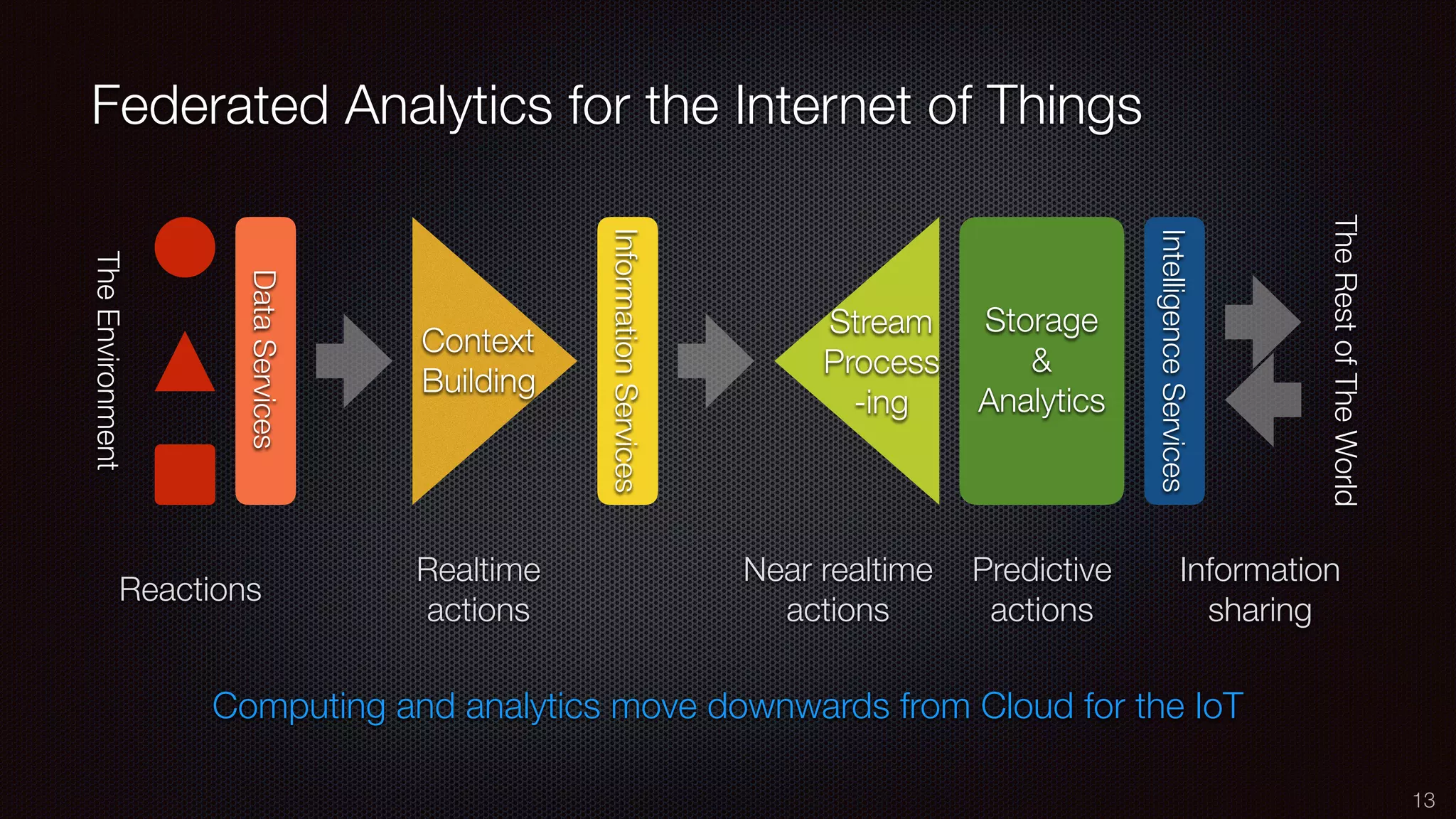
Federated Analytics for the Internet of Things
13
Computing and analytics move downwards from Cloud for the IoT
DataServices
InformationServices
IntelligenceServices
TheEnvironment
TheRestofTheWorld
Context
Building
Storage
&
Analytics
Stream
Process
-ing
Reactions
Realtime
actions
Near realtime
actions
Predictive
actions
Information
sharing
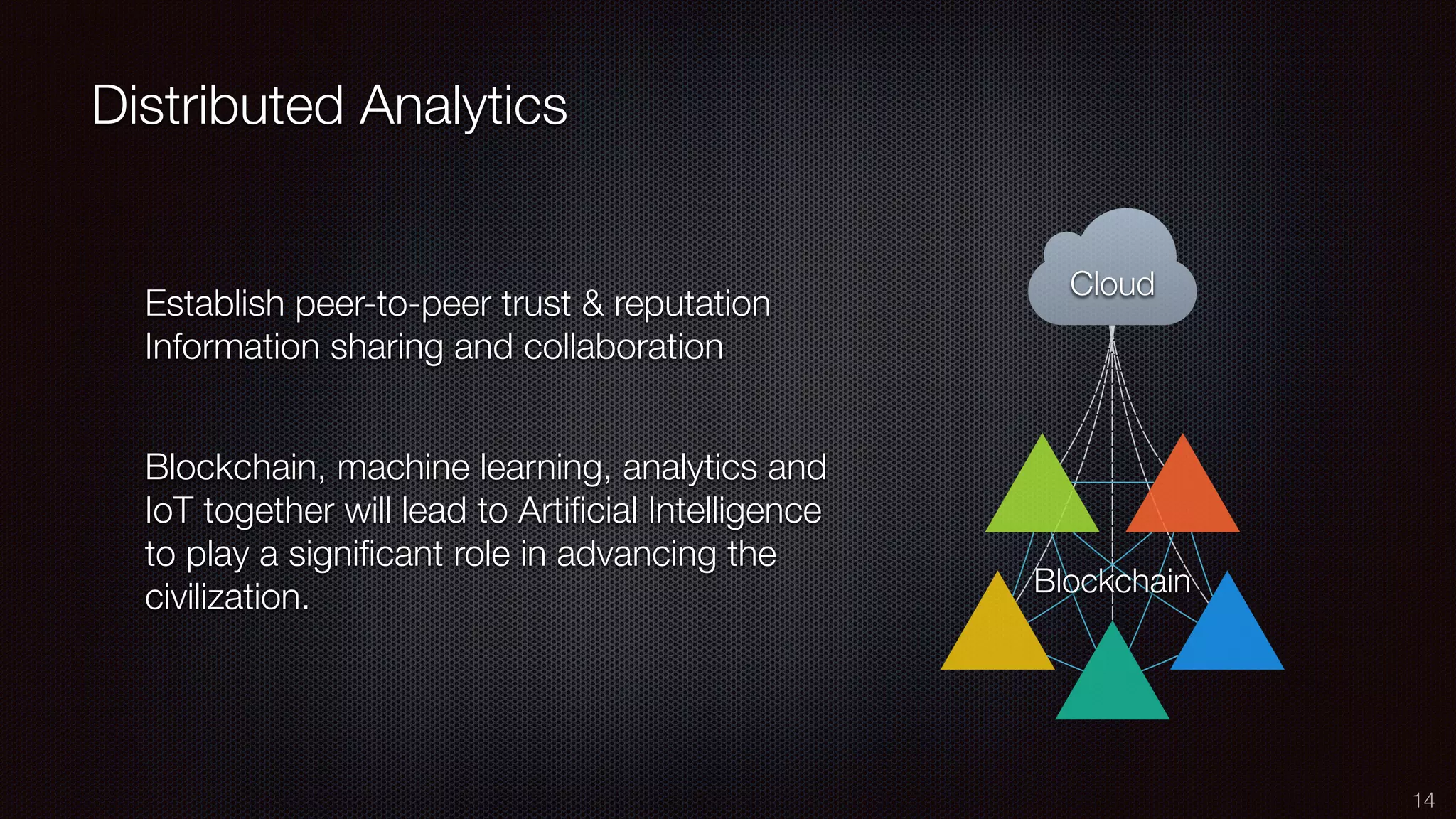
Distributed Analytics
14
Establish peer-to-peer trust & reputation
Information sharing and collaboration
Cloud
Blockchain
Blockchain, machine learning, analytics and
IoT together will lead to Artificial Intelligence
to play a significant role in advancing the
civilization.
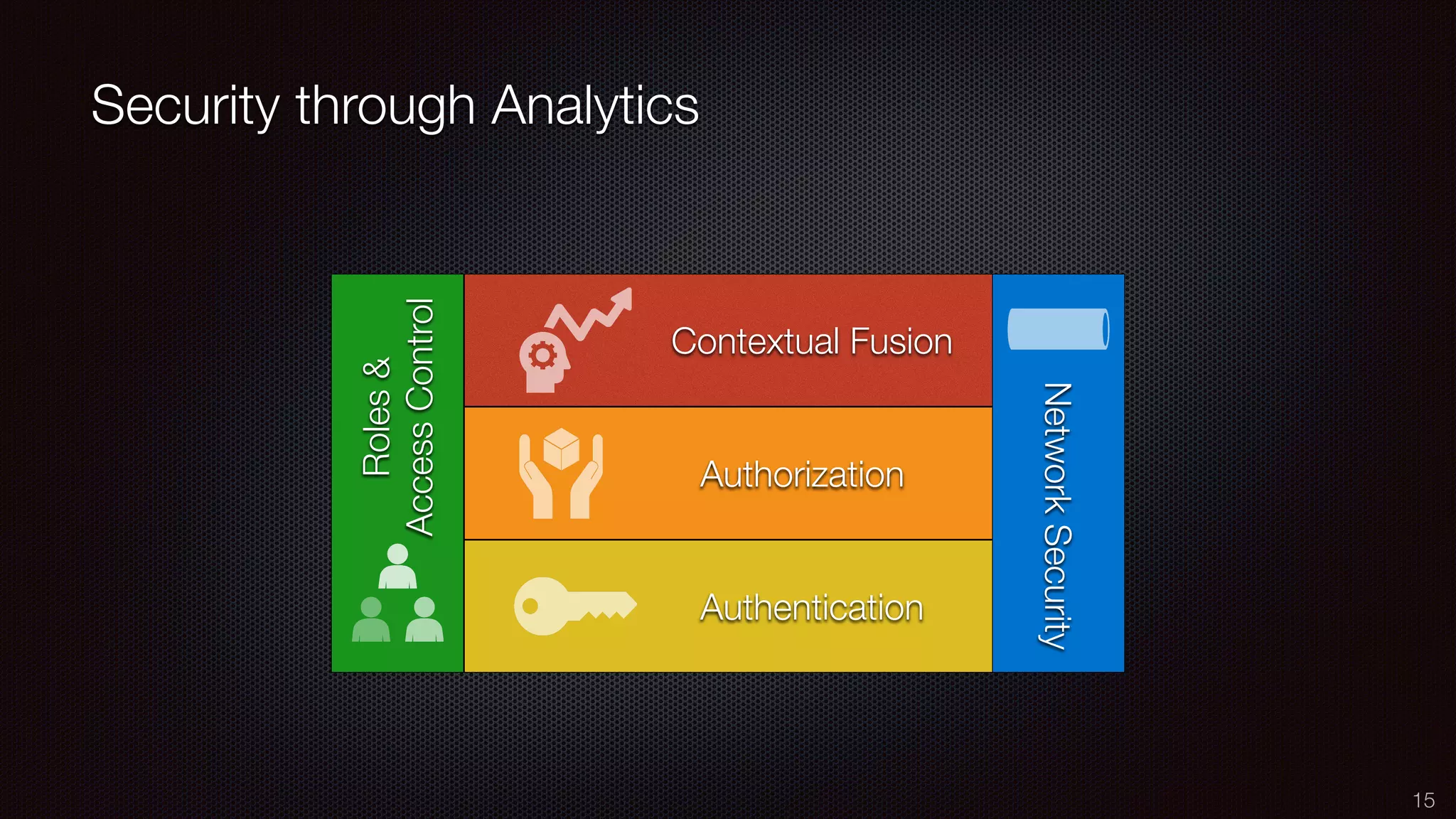
Security through Analytics
15
Roles&
AccessControl
NetworkSecurity
Contextual Fusion
Authorization
Authentication
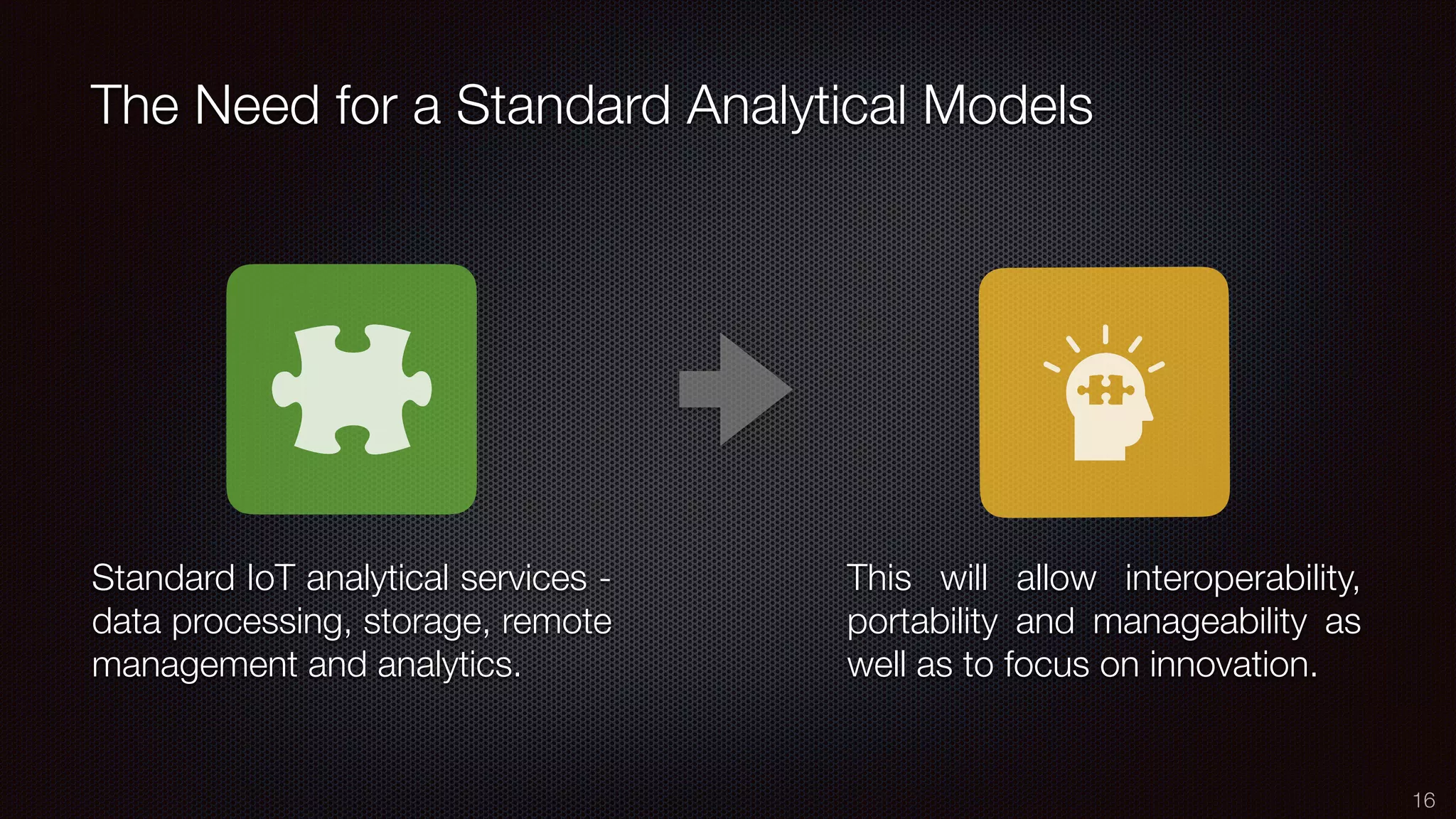
The Need for a Standard Analytical Models
16
Standard IoT analytical services -
data processing, storage, remote
management and analytics.
This will allow interoperability,
portability and manageability as
well as to focus on innovation.
smadanapalli@gmail.com | @smpalli
Thank you!

The Impact of IoT on Cloud Computing, Big Data & Analytics

  • 1.
    The Impact ofIoT on Cloud, Big Data & Analytics Syam Madanapalli | Chair, IEEE P1931.1 | Roof Computing
  • 2.
    The Outline 2 Internet ofThings The Impact Data Science for IoT
  • 3.
    Everything has aState; Many Things need Data 3 User 1 Data Thing State User 2 Data User 3 Data Internet
  • 4.
  • 5.
    The Characteristics ofIoT that impacts Big Data 5 Scope Objects, devices, machines and planets Frequency Connected and continuous Scale Billions of devices and peta bytes of data
  • 6.
    The Ecosystem ofEver Increasing Complexity 6 Convergence of technologies Artificial intelligence Humanization of objects
  • 7.
    Big data Analytics 7 DataScience for IoT has significant differences. Recommendations Planning New features New products New staff Customer targeting Insights Process improvement
  • 8.
    Data Science forIoT 8 Data Privacy Working with hardware Specific analytical models Realtime edge processing
  • 9.
    The Need forDifferent Strategy for IoT Analytics 9 IoT is pervasive computing Direct impact on connectivity & big data IoT requires continuous computing while the data is in motion. The need for realtime decisions and actions
  • 10.
    The Design Philosophyfor IoT 10 An IoT system should have various decision and automation tools that operate and cooperate autonomously within the context of a local environment.
  • 11.
    IoT and theData Context 11 Context History Raw data InsightsRealtime actions The Environment The Roof The Cloud The Rest of the World Useful data Big data Analytics
  • 12.
    IoT and theSpatiotemporal Location 12 It is important to treat all events with respect to their spatiotemporal location! If (this) then (plan) Time Realtime Near Realtime Future Roof Fog Cloud If (this) then (optimize) If (this) then (act) If (this) then (react)
  • 13.
    Federated Analytics forthe Internet of Things 13 Computing and analytics move downwards from Cloud for the IoT DataServices InformationServices IntelligenceServices TheEnvironment TheRestofTheWorld Context Building Storage & Analytics Stream Process -ing Reactions Realtime actions Near realtime actions Predictive actions Information sharing
  • 14.
    Distributed Analytics 14 Establish peer-to-peertrust & reputation Information sharing and collaboration Cloud Blockchain Blockchain, machine learning, analytics and IoT together will lead to Artificial Intelligence to play a significant role in advancing the civilization.
  • 15.
  • 16.
    The Need fora Standard Analytical Models 16 Standard IoT analytical services - data processing, storage, remote management and analytics. This will allow interoperability, portability and manageability as well as to focus on innovation.
  • 17.