H O W T H E O R G A N S O F E A C H O R G A N S Y S T E M
W O R K T O G E T H E R
THE HUMAN BODY
SYSTEM
Do you wonder how our body
systems work? Are you familiar
with the organs of the different
body systems or which body
systems the different organs
belong?
In this lesson, you will study
about Respiratory System. Its
parts and functions of each part
and understand how the organs
of Respiratory system work
together.
Respiratory system is made up of
different organs possible for making
the body take oxygen and give off
carbon dioxide and moisture. The
main function of the nose and the
nasal cavity is to filter, warm and
moisten the air that enters the body.
Before starting to study about
the Respiratory System, do the
activity to determine if you are
familiar with the organs of the
Respiratory system.
ACTIVITY 1: Arrange Me
https://docs.google.com/forms/
d/e/1FAIpQLSf87Id4Hr1kmyxL
Duo7KrUbrtaDbnFllFHf0yoRmh
RZy-
q2AQ/viewform?usp=sf_link
What was your score?
If you got all the answers correct,
Congratulations!
It shows that you are already familiar with the
different organs of the respiratory system.
If you didn’t get a high score, no worries. This
module will help you learn more about the
Respiratory system as well as the different parts
and function of each part. Study carefully this
topic and you will be able to answer all the
questions in the activities that lie ahead.
Are you ready?
ACTIVITY 2: INHALE EXHALE
Objective: Perform an activity that enables the
learner to experience breathing in and breathing out
air.
Procedure:
1.Take a deep breathes and holds it for a
while.
2. Exhale once you feel discomfort.
3. Repeat for 5 times.
Guide Questions:
1. How did you feel when you held your
breath?
2. What organs are involved in breathing?
3. What do you think will happen if one stops
breathing?
4. Why do you breathe?
5. What do you call the activity of breathing?
The Respiratory system is made up of the
organs in the body that help us to breathe.
Just remember that the word respiration is
linked to breathing.
Can you identify the parts and functions of
the Respiratory system? Let’s find out by
doing the next activity.
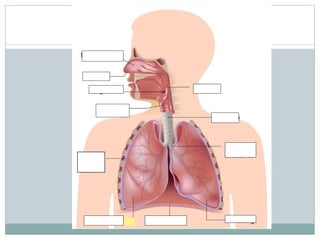
ACTIVITY 3
Title: Labeling the Human Respiratory System
Objective: Identify the different parts of the
Respiratory system
Procedure: Look at the diagram and label each part
in the corresponding box.
Guide Questions:
1. What are the different organs of the
Respiratory system?
2. How will you describe the pathway of
oxygen in the breathing system?
3. What will happen if one part of the
system fails to carry out its function?
The nose is the outer part of the
Respiratory system. It is mostly made up
of cartilage, which makes the nose
flexible and strong. That has two
openings called nostrils which lead to
the nasal cavity. The Pharynx is
connected to both the nose and mouth
and acts as passageway for both air and
food.
The Larynx is found at the lower end of the
pharynx. When you talk, the vocal cords in the
Larynx vibrate and sound is produced.
Epiglottis is found covering the larynx.
When you breathe, the epiglottis is raised and
air flows into the larynx and to the lungs.
When you swallow, the epiglottis is pressed
down the opening of the larynx to prevent
food from entering.
Choking happens when food accidentally goes
into the trachea. The Trachea or windpipe is
a tube at the bottom of the larynx. It is lined
with mucus that helps prevent dust particles
and other things from entering the lungs. The
Lungs are enclosed in a coating called pleura,
which allows the lungs to slide freely as they
expand and contract when you breathe. We
have the right lung and left lung.
On the next lesson, we will
find out how the
respiratory system works
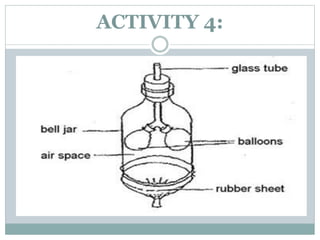
ACTIVITY 4:
Title: Create a Lung Model
Objective: Perform an activity that shows how
respiratory system works
Materials: a 2- liter plastic bottle,3 balloons, plastic
tubing, y-shaped tube connector, rubber bands,
electric tape, scissors or cutter
Procedure:
1. Mark about 5 cm from the bottom of the plastic
bottle. Cut the bottom off on the 5 cm mark.
2. Line the uneven edges of the cut part with electric
tape.
3. Connect the plastic tubing to the Y- shaped tube
connector. Seal the junction with electric tape.
4. Place a balloon on each remaining end of the Y-
tube connector. Fasten the balloon tightly with
rubber bands.
5) Put the tubes and balloons in the bottle. Leave a part of
the tubing sticking through the open mouth of the
bottle.
6) Cover the mouth of the bottle with electric tape. Make
sure it is air tight save for the plastic tubing going
through it.
7) Tie a knot at the closed end of the last balloon. Cut the
balloon horizontally in half.
8) Stretch the half balloon with the knot over the open
bottom of the bottle. The knot should be outside.
Secure it with rubber bands.
9) Gently pull the knot. Release the knot.
Guide Questions:
1. What happen to the balloon inside the bottle?
2. What happened to the balloons once you released
the knot?
3. What does each of the part represent in the
respiratory system?
a. bottle
b. connector
c. balloons inside the bottle
d. balloon with knot at the bottom of the bottle
e. plastic tubing
The primary function of the Respiratory
system is to allow the exchange of gases
in the body. Specifically, it distributes
oxygen to the different parts of the body
and releases carbon dioxide out of the
body. The respiratory system has an
upper tract and lower tract. The upper
tract consists of the nose, nasal cavity
and pharynx.
The lower tract consists of the larynx, trachea,
bronchial tubes and the lungs. Breathing
refers to the processes of alternate inhaling
and exhaling movements. During the
inhalation, the chest cavity becomes bigger
and as the ribs and diaphragm contract. Air
rushes into the lungs. During exhalation, the
ribs and diaphragm relax and the chest cavity
becomes smaller. The air rushes out of the
lungs.
ACTIVITY 5: MULTIPLE CHOICE
https://docs.google.com/form
s/d/e/1FAIpQLSdhuIfygQAJL
oRXruivvY8tVFw4BgcmSewo
eptPBlddmwCc_g/viewform?
usp=sf_link
The learners, in their journal, or portfolio will write
their personal insights about the lesson using the
prompts below.
I understand that _________
I realize that ____________

The human body system

  • 1.
    H O WT H E O R G A N S O F E A C H O R G A N S Y S T E M W O R K T O G E T H E R THE HUMAN BODY SYSTEM
  • 2.
    Do you wonderhow our body systems work? Are you familiar with the organs of the different body systems or which body systems the different organs belong?
  • 3.
    In this lesson,you will study about Respiratory System. Its parts and functions of each part and understand how the organs of Respiratory system work together.
  • 4.
    Respiratory system ismade up of different organs possible for making the body take oxygen and give off carbon dioxide and moisture. The main function of the nose and the nasal cavity is to filter, warm and moisten the air that enters the body.
  • 5.
    Before starting tostudy about the Respiratory System, do the activity to determine if you are familiar with the organs of the Respiratory system.
  • 6.
    ACTIVITY 1: ArrangeMe https://docs.google.com/forms/ d/e/1FAIpQLSf87Id4Hr1kmyxL Duo7KrUbrtaDbnFllFHf0yoRmh RZy- q2AQ/viewform?usp=sf_link
  • 7.
    What was yourscore? If you got all the answers correct, Congratulations! It shows that you are already familiar with the different organs of the respiratory system. If you didn’t get a high score, no worries. This module will help you learn more about the Respiratory system as well as the different parts and function of each part. Study carefully this topic and you will be able to answer all the questions in the activities that lie ahead. Are you ready?
  • 8.
    ACTIVITY 2: INHALEEXHALE Objective: Perform an activity that enables the learner to experience breathing in and breathing out air. Procedure: 1.Take a deep breathes and holds it for a while. 2. Exhale once you feel discomfort. 3. Repeat for 5 times.
  • 9.
    Guide Questions: 1. Howdid you feel when you held your breath? 2. What organs are involved in breathing? 3. What do you think will happen if one stops breathing? 4. Why do you breathe? 5. What do you call the activity of breathing?
  • 10.
    The Respiratory systemis made up of the organs in the body that help us to breathe. Just remember that the word respiration is linked to breathing. Can you identify the parts and functions of the Respiratory system? Let’s find out by doing the next activity.
  • 11.
    ACTIVITY 3 Title: Labelingthe Human Respiratory System Objective: Identify the different parts of the Respiratory system Procedure: Look at the diagram and label each part in the corresponding box.
  • 13.
    Guide Questions: 1. Whatare the different organs of the Respiratory system? 2. How will you describe the pathway of oxygen in the breathing system? 3. What will happen if one part of the system fails to carry out its function?
  • 14.
    The nose isthe outer part of the Respiratory system. It is mostly made up of cartilage, which makes the nose flexible and strong. That has two openings called nostrils which lead to the nasal cavity. The Pharynx is connected to both the nose and mouth and acts as passageway for both air and food.
  • 15.
    The Larynx isfound at the lower end of the pharynx. When you talk, the vocal cords in the Larynx vibrate and sound is produced. Epiglottis is found covering the larynx. When you breathe, the epiglottis is raised and air flows into the larynx and to the lungs. When you swallow, the epiglottis is pressed down the opening of the larynx to prevent food from entering.
  • 16.
    Choking happens whenfood accidentally goes into the trachea. The Trachea or windpipe is a tube at the bottom of the larynx. It is lined with mucus that helps prevent dust particles and other things from entering the lungs. The Lungs are enclosed in a coating called pleura, which allows the lungs to slide freely as they expand and contract when you breathe. We have the right lung and left lung.
  • 17.
    On the nextlesson, we will find out how the respiratory system works
  • 18.
  • 19.
    Title: Create aLung Model Objective: Perform an activity that shows how respiratory system works Materials: a 2- liter plastic bottle,3 balloons, plastic tubing, y-shaped tube connector, rubber bands, electric tape, scissors or cutter
  • 20.
    Procedure: 1. Mark about5 cm from the bottom of the plastic bottle. Cut the bottom off on the 5 cm mark. 2. Line the uneven edges of the cut part with electric tape. 3. Connect the plastic tubing to the Y- shaped tube connector. Seal the junction with electric tape. 4. Place a balloon on each remaining end of the Y- tube connector. Fasten the balloon tightly with rubber bands.
  • 21.
    5) Put thetubes and balloons in the bottle. Leave a part of the tubing sticking through the open mouth of the bottle. 6) Cover the mouth of the bottle with electric tape. Make sure it is air tight save for the plastic tubing going through it. 7) Tie a knot at the closed end of the last balloon. Cut the balloon horizontally in half. 8) Stretch the half balloon with the knot over the open bottom of the bottle. The knot should be outside. Secure it with rubber bands. 9) Gently pull the knot. Release the knot.
  • 22.
    Guide Questions: 1. Whathappen to the balloon inside the bottle? 2. What happened to the balloons once you released the knot? 3. What does each of the part represent in the respiratory system? a. bottle b. connector c. balloons inside the bottle d. balloon with knot at the bottom of the bottle e. plastic tubing
  • 23.
    The primary functionof the Respiratory system is to allow the exchange of gases in the body. Specifically, it distributes oxygen to the different parts of the body and releases carbon dioxide out of the body. The respiratory system has an upper tract and lower tract. The upper tract consists of the nose, nasal cavity and pharynx.
  • 24.
    The lower tractconsists of the larynx, trachea, bronchial tubes and the lungs. Breathing refers to the processes of alternate inhaling and exhaling movements. During the inhalation, the chest cavity becomes bigger and as the ribs and diaphragm contract. Air rushes into the lungs. During exhalation, the ribs and diaphragm relax and the chest cavity becomes smaller. The air rushes out of the lungs.
  • 25.
    ACTIVITY 5: MULTIPLECHOICE https://docs.google.com/form s/d/e/1FAIpQLSdhuIfygQAJL oRXruivvY8tVFw4BgcmSewo eptPBlddmwCc_g/viewform? usp=sf_link
  • 26.
    The learners, intheir journal, or portfolio will write their personal insights about the lesson using the prompts below. I understand that _________ I realize that ____________