THE ALCHEMY OF OPEN:
IDEAS, DISCOVERY AND
ACTION
Stephanie Davis-Kahl
Minnesota Academic and Research Library Division
Minnesota Library Association
April 24, 2015
Many years ago I began
an expedition and am still
making my way.
- Dwight Lang
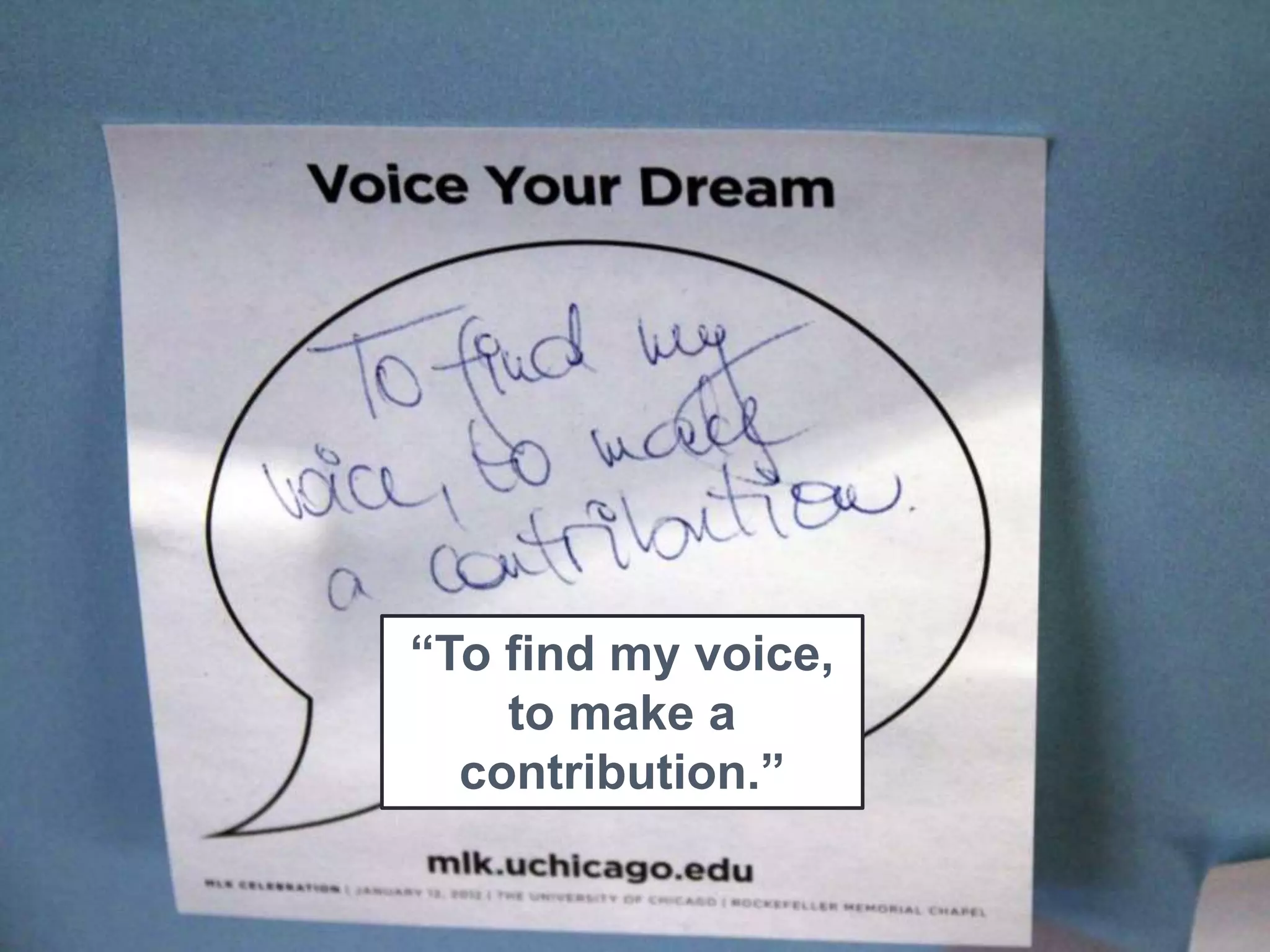
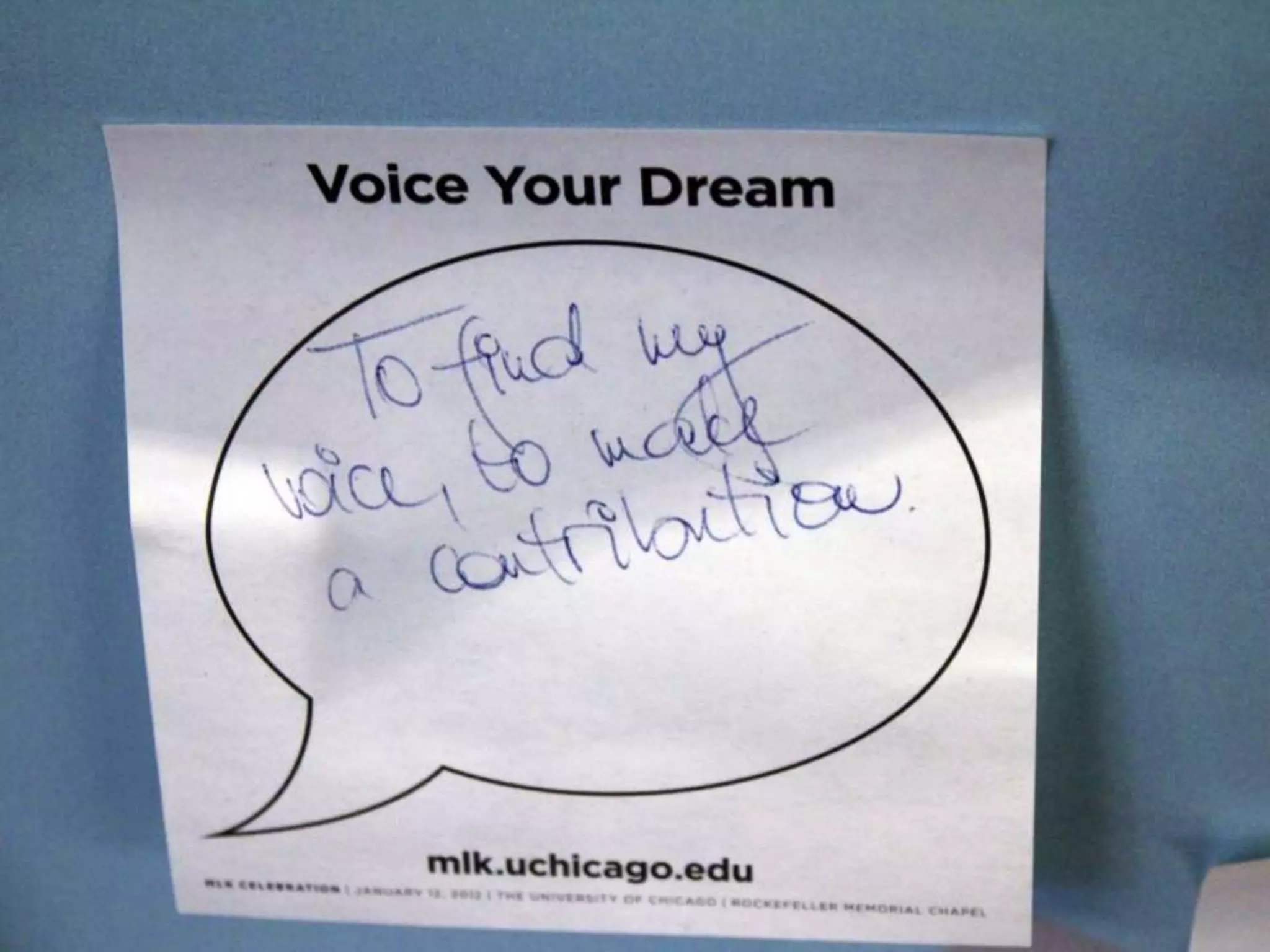
“To find my voice,
to make a
contribution.”
ALCHEMY
OPEN
Intellectual Entrepreneurship
“The aim of Intellectual Entrepreneurs is to
educate “citizen-scholars” – individuals who
own and are accountable for their education
and who utilize their intellectual assets to add
to disciplinary knowledge and as a lever for
social good.”
Professor Richard Cherwitz, 2000 (emphasis mine)
“Intellectual Entrepreneurship
changes the model and metaphor
of higher education from one of
"apprenticeship-certification-
entitlement" to one of "discovery-
ownership-accountability.””
Clark Terry
imitate
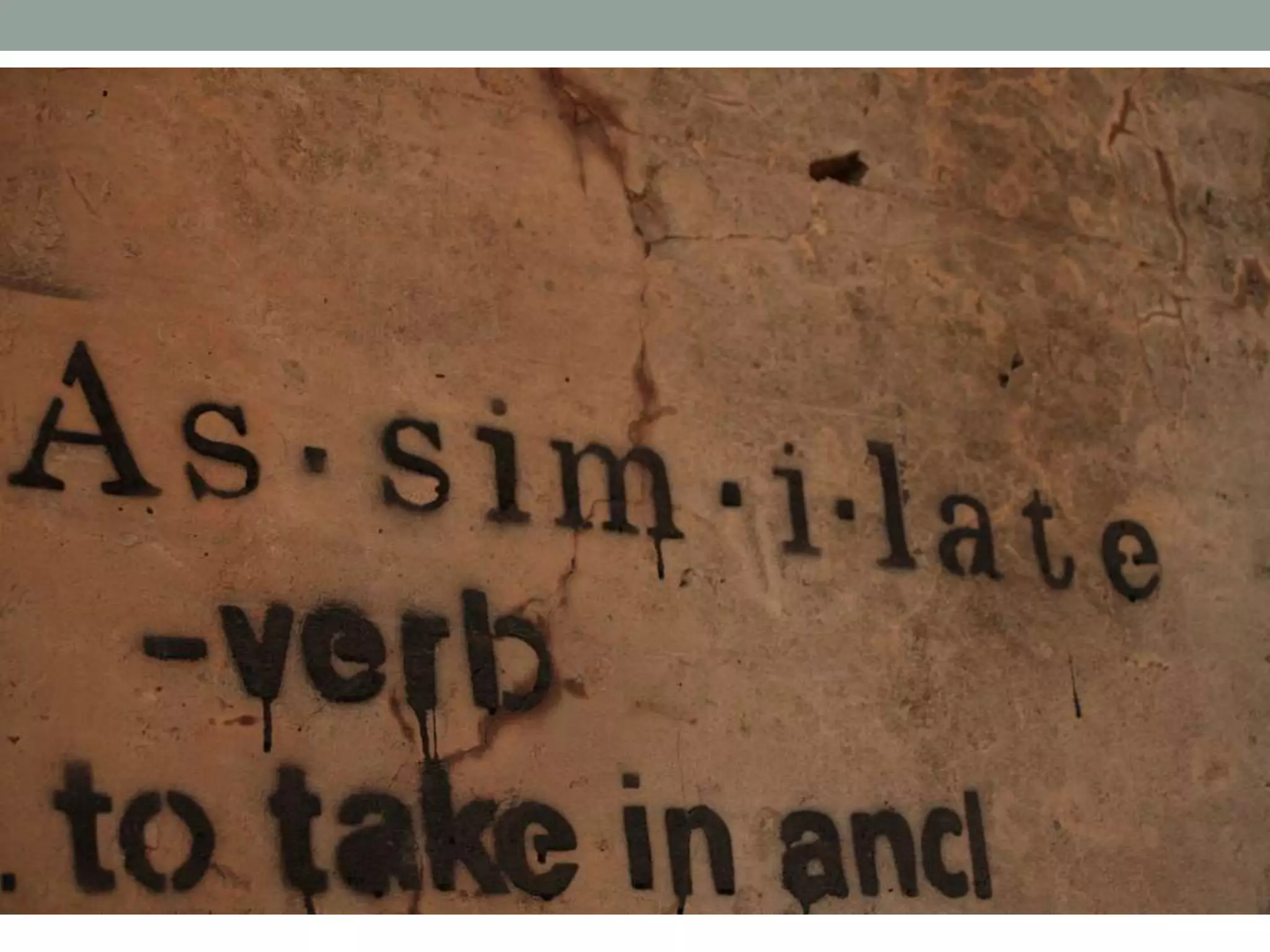
assimilate
innovate
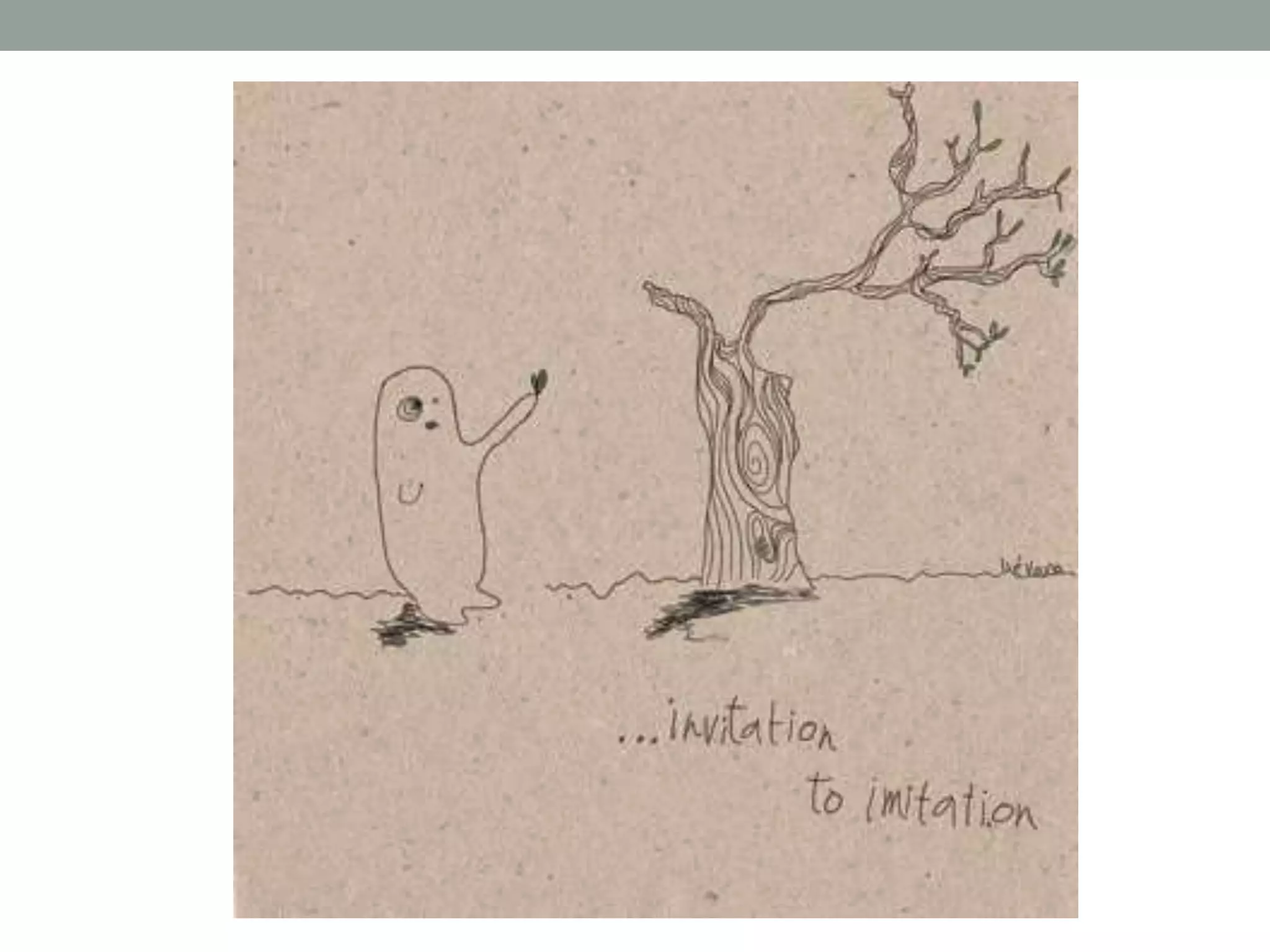
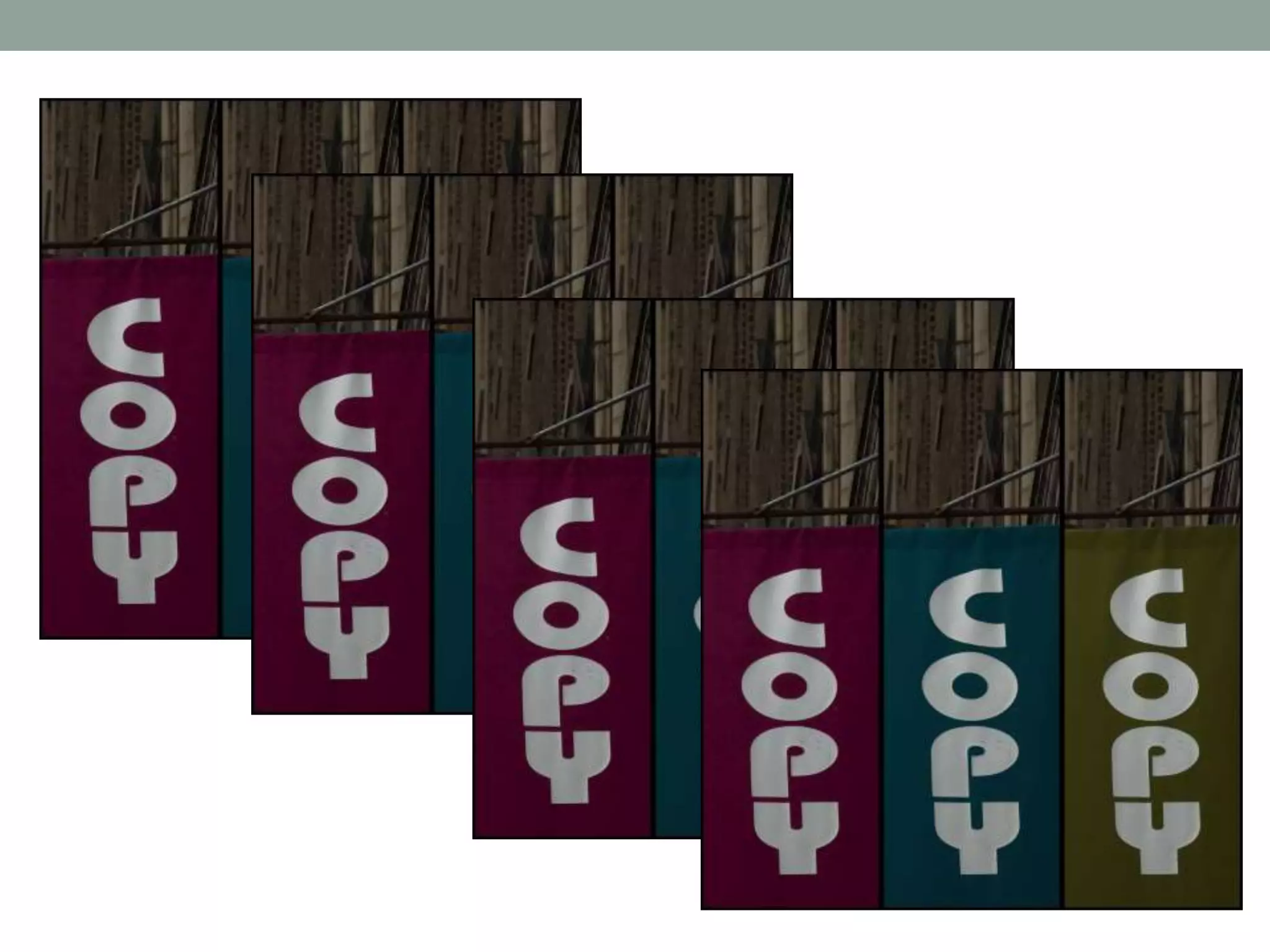
IMITATE
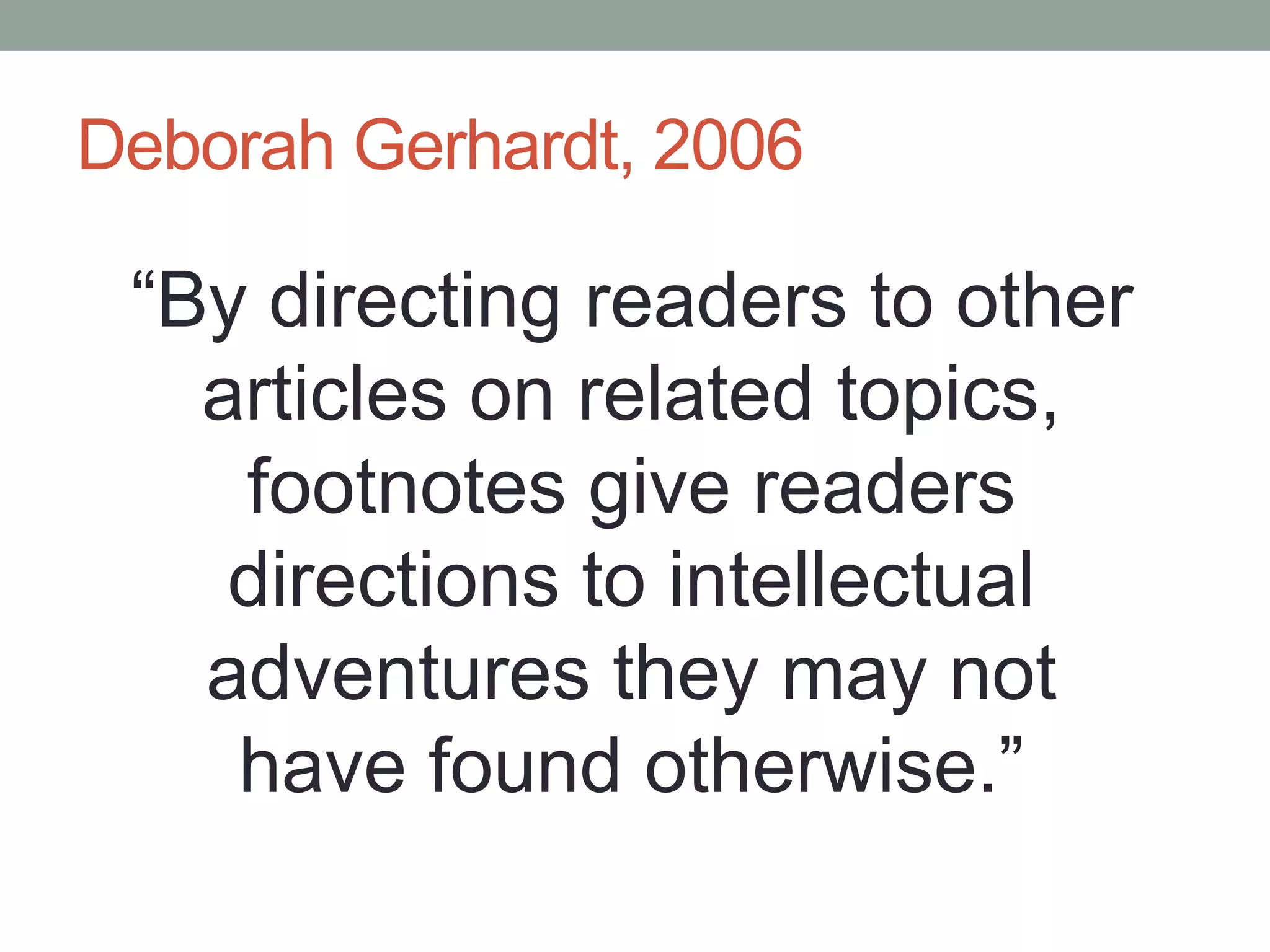
Deborah Gerhardt, 2006
“By directing readers to other
articles on related topics,
footnotes give readers
directions to intellectual
adventures they may not
have found otherwise.”
ASSIMILATE
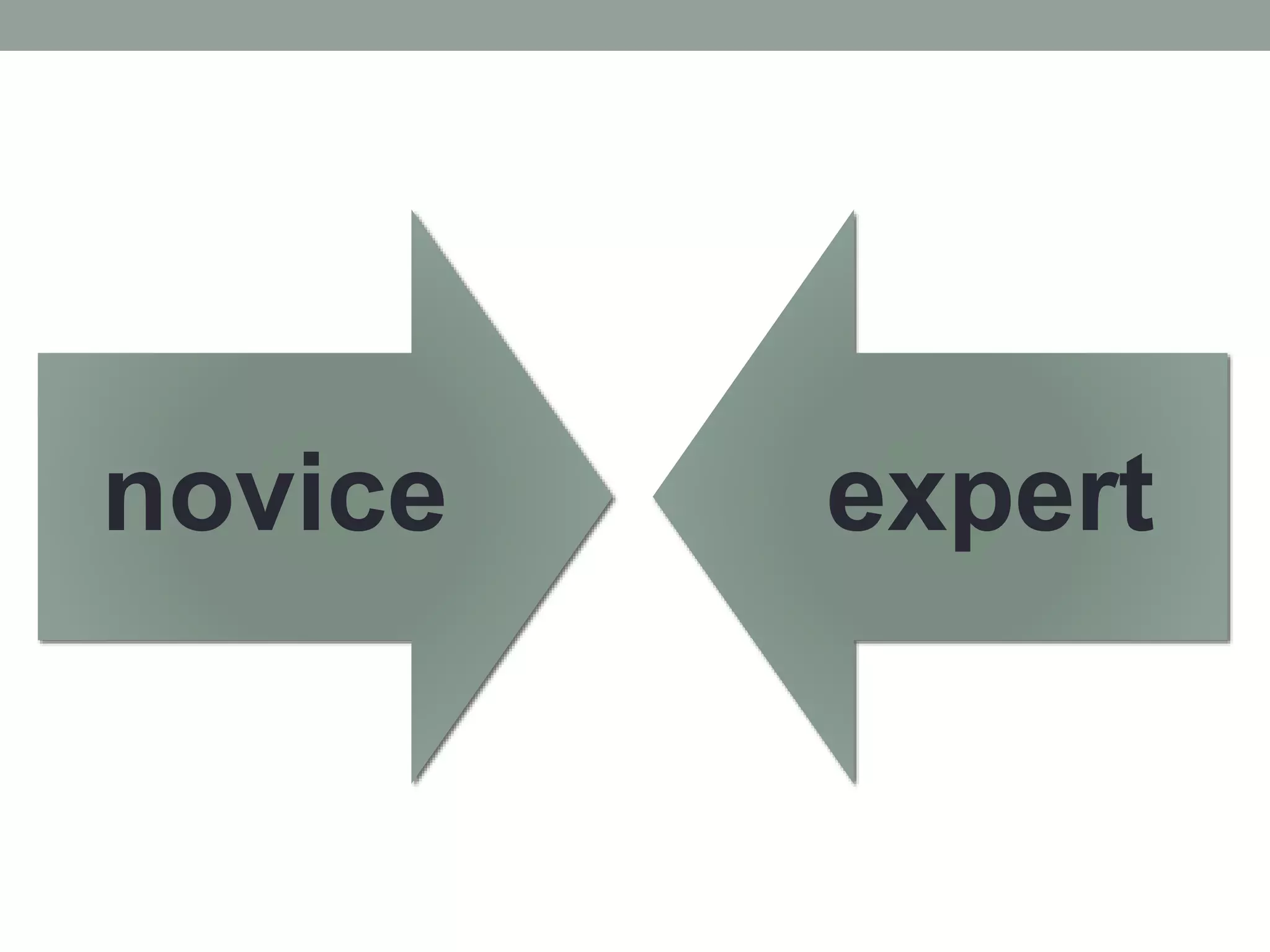
novice expert
INNOVATE
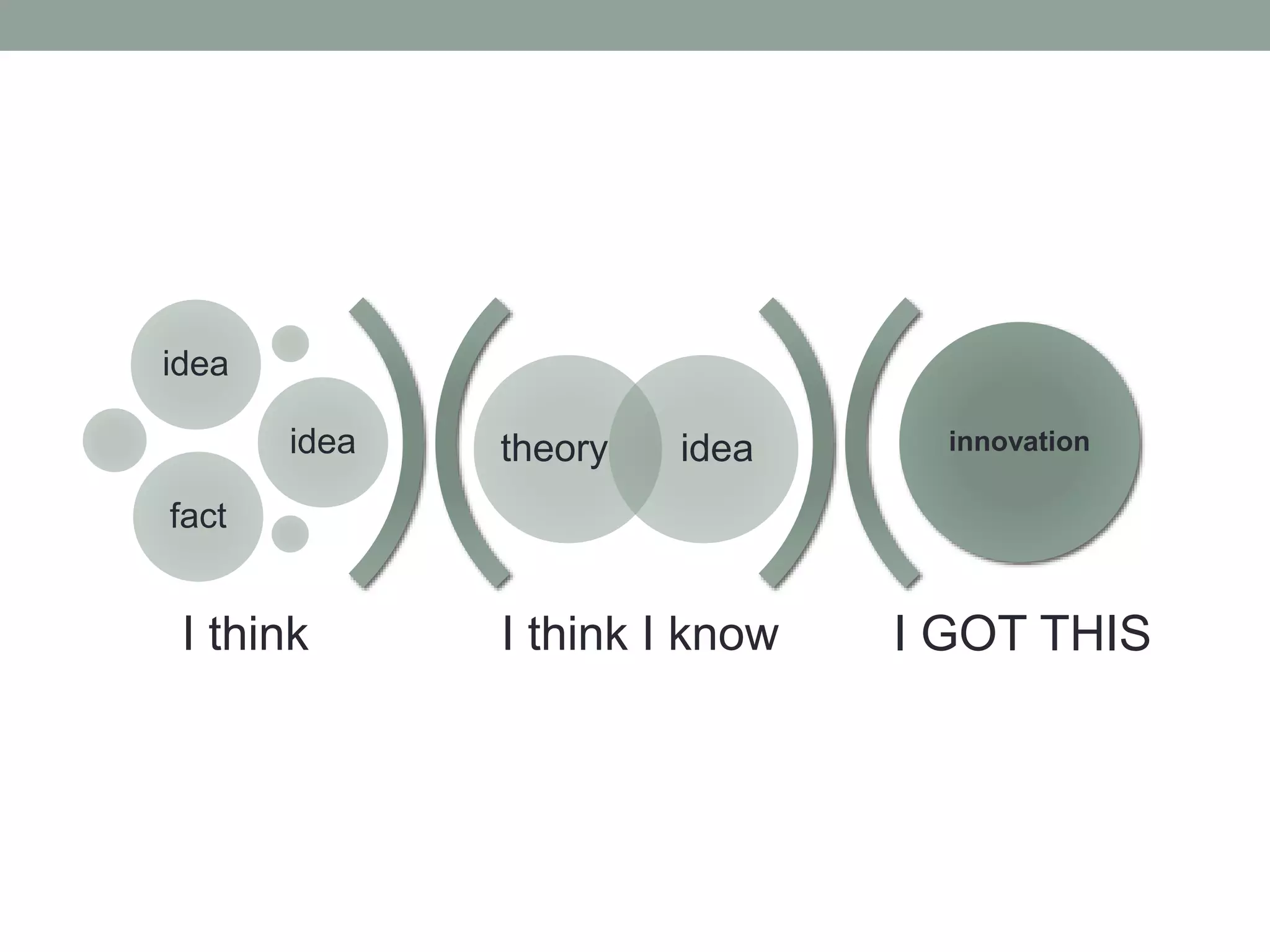
I think I know I GOT THIS
theory idea
idea
idea
fact
innovation
I think
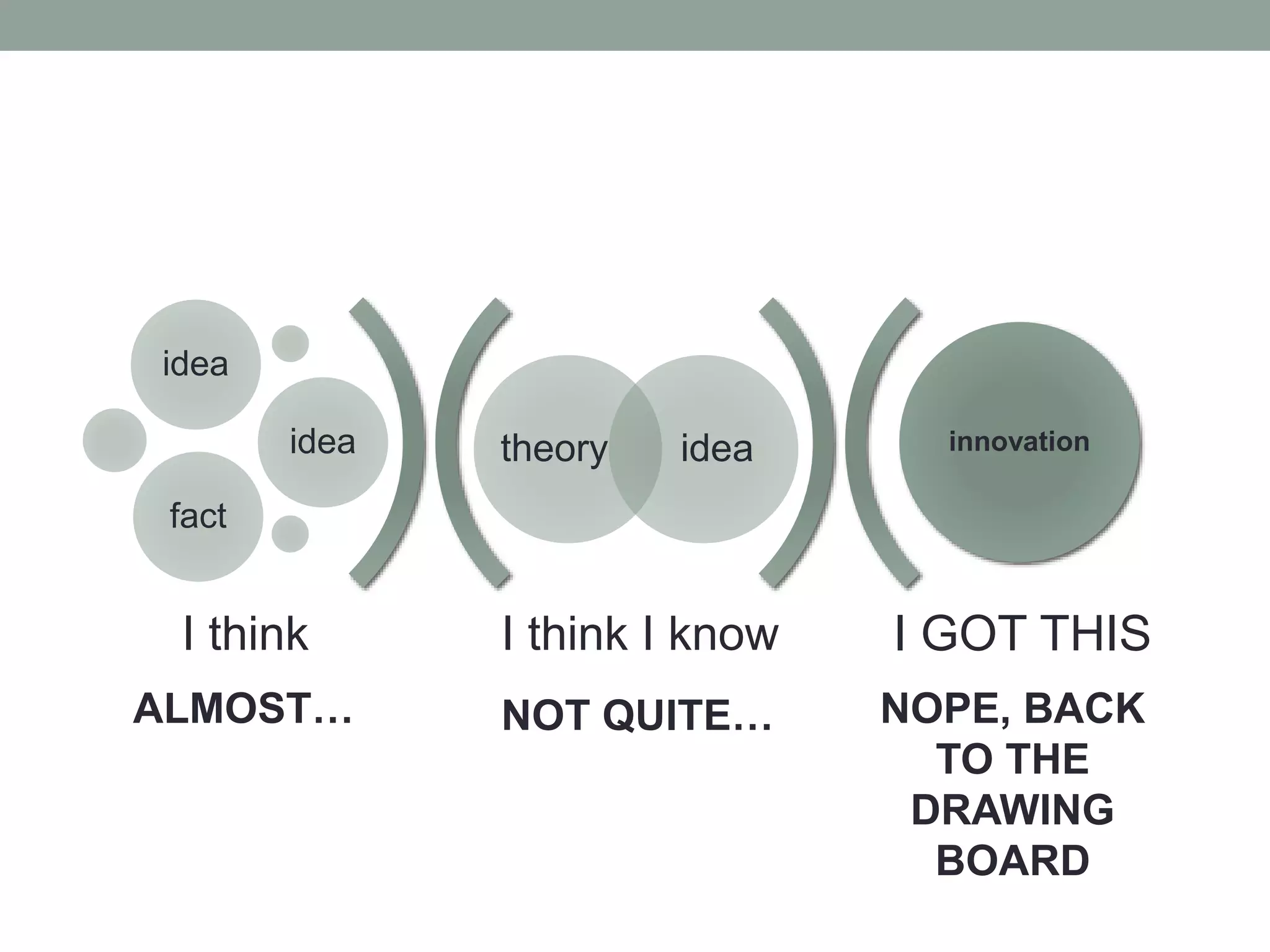
I think I know I GOT THIS
theory idea
idea
idea
fact
innovation
I think
ALMOST… NOT QUITE… NOPE, BACK
TO THE
DRAWING
BOARD
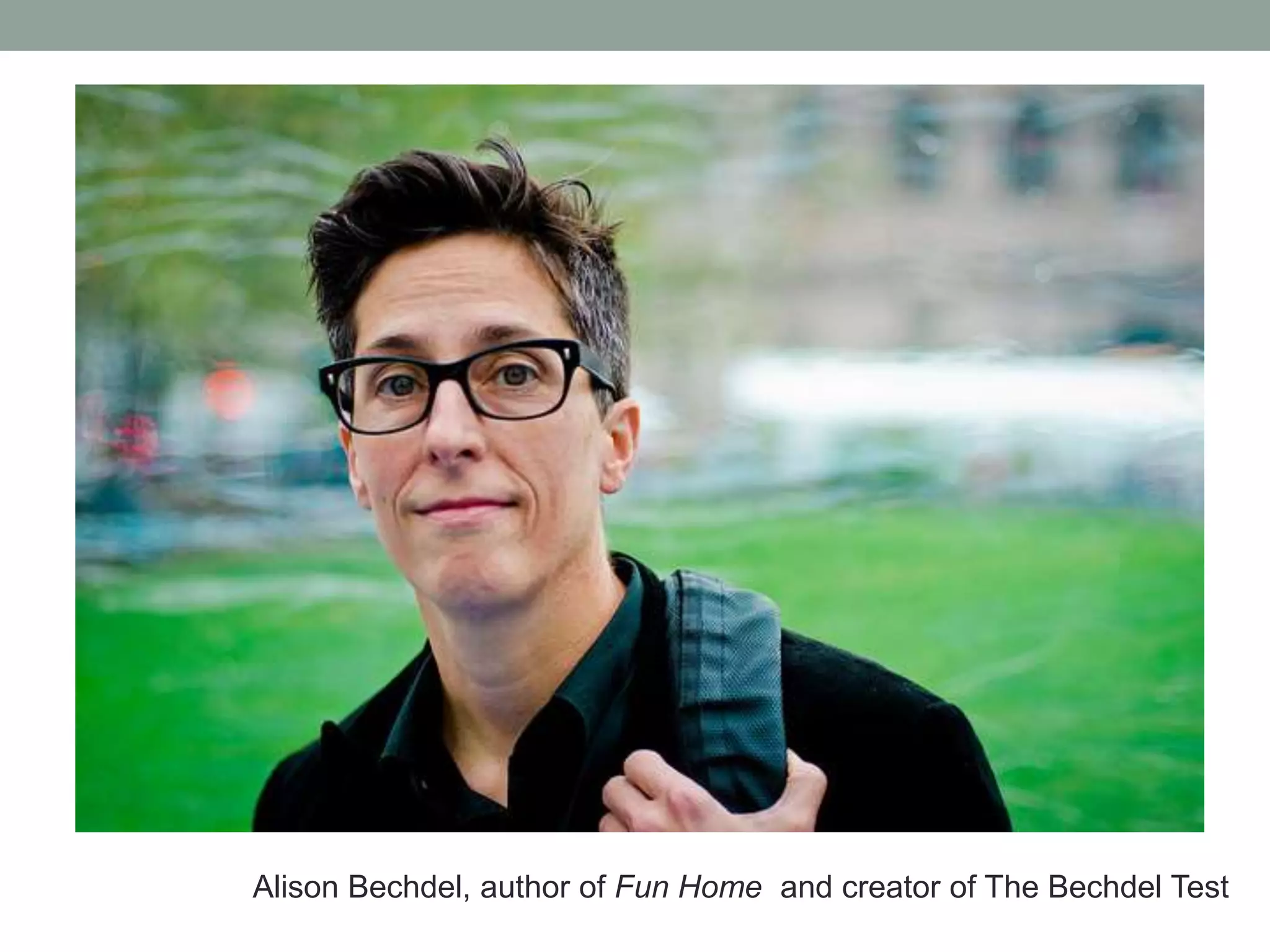
Alison Bechdel, author of Fun Home and creator of The Bechdel Test
Kimberly Bryant, Founder
Mike Rowe, Host, Dirty Jobs
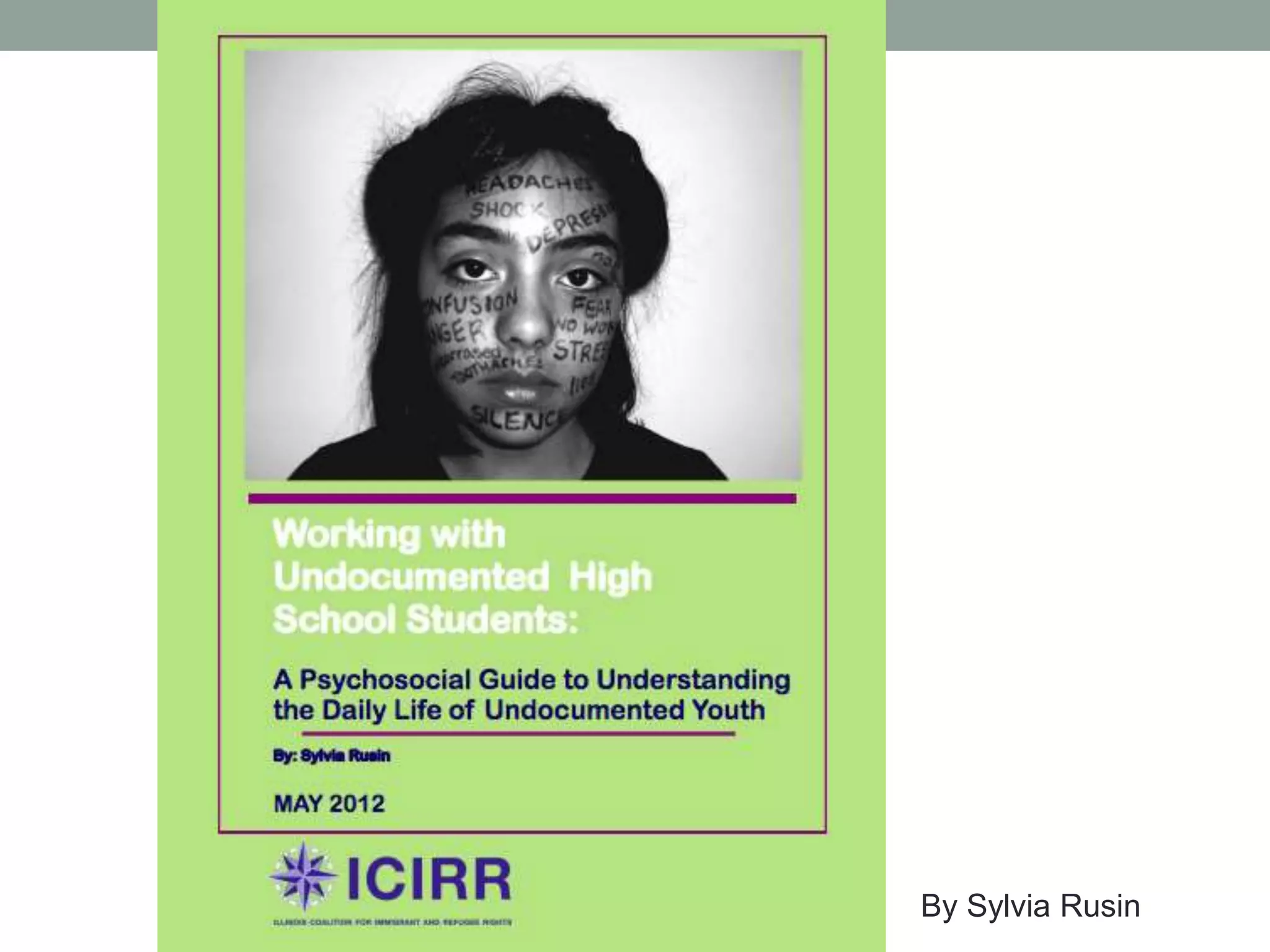
By Sylvia Rusin
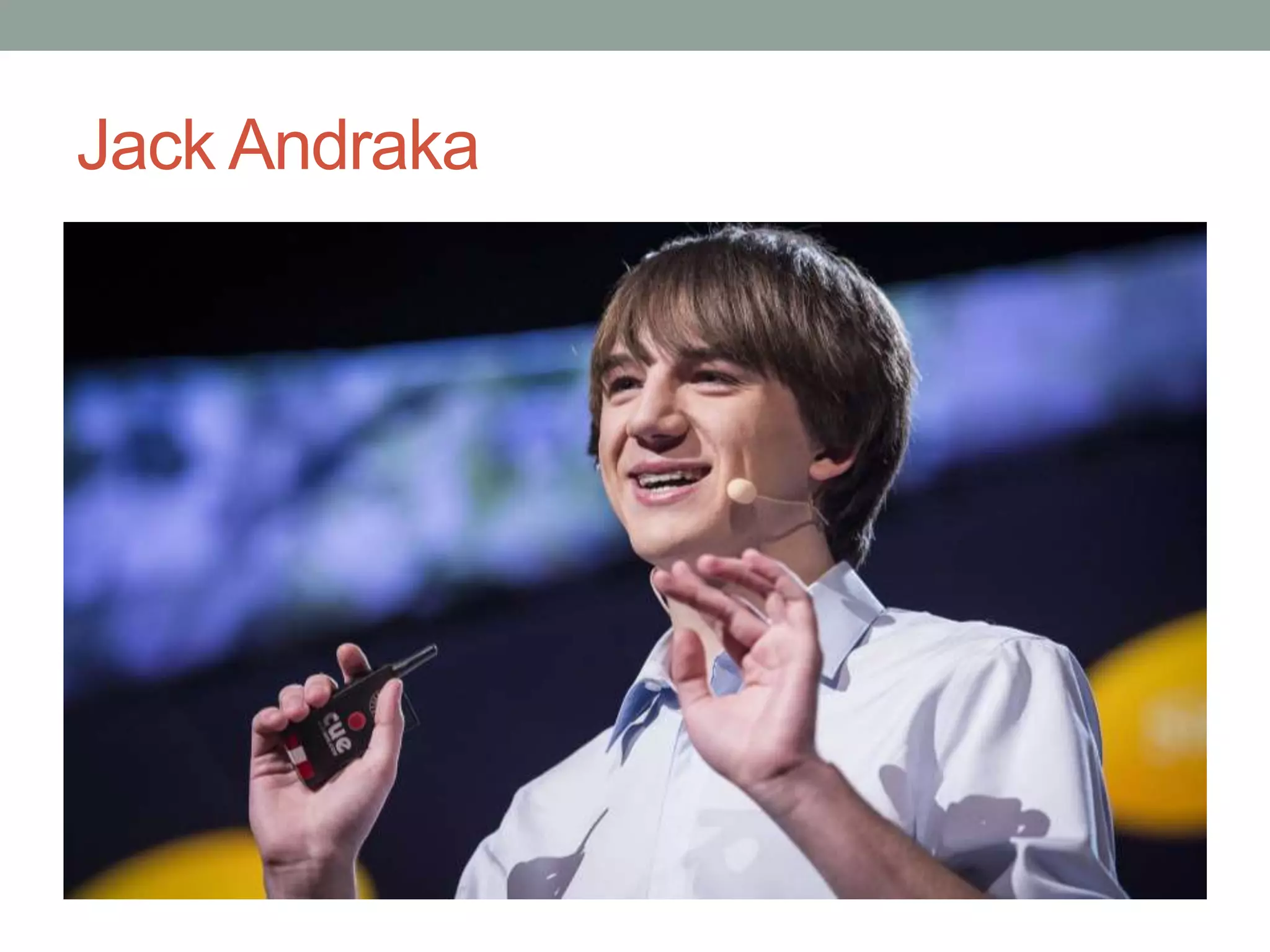
Jack Andraka
THANK YOU!
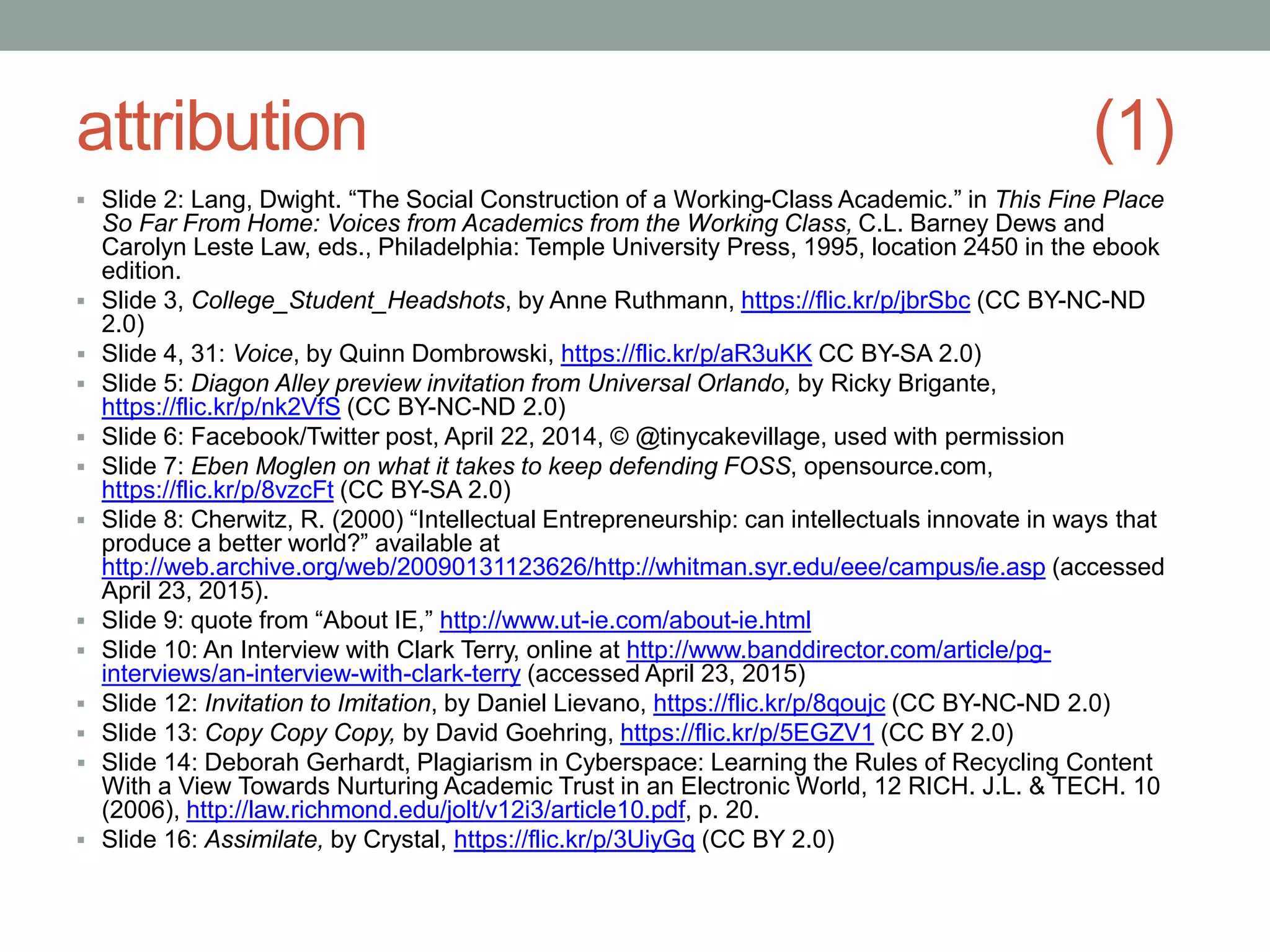
attribution (1)
 Slide 2: Lang, Dwight. “The Social Construction of a Working-Class Academic.” in This Fine Place
So Far From Home: Voices from Academics from the Working Class, C.L. Barney Dews and
Carolyn Leste Law, eds., Philadelphia: Temple University Press, 1995, location 2450 in the ebook
edition.
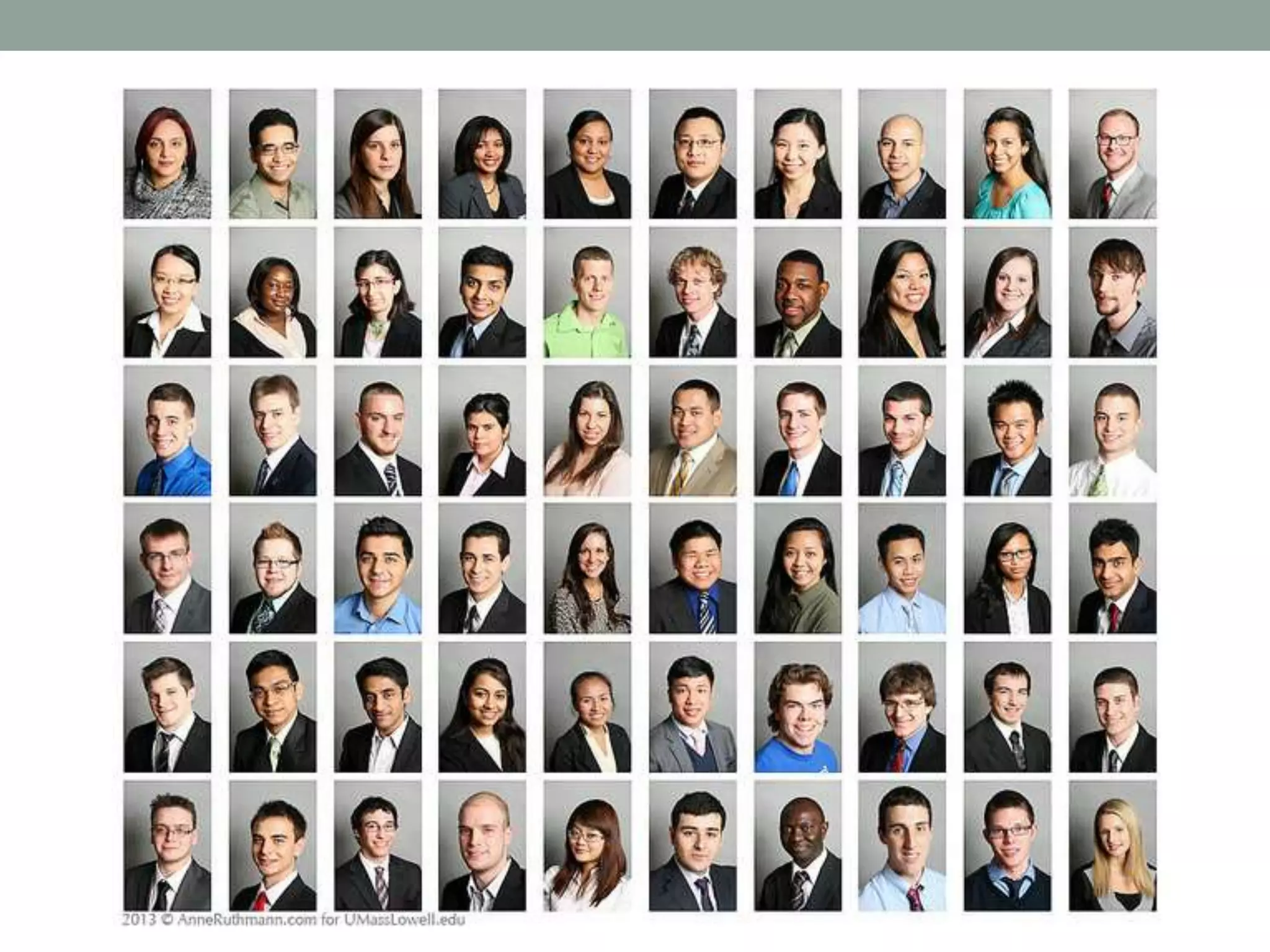
 Slide 3, College_Student_Headshots, by Anne Ruthmann, https://flic.kr/p/jbrSbc (CC BY-NC-ND
2.0)
 Slide 4, 31: Voice, by Quinn Dombrowski, https://flic.kr/p/aR3uKK CC BY-SA 2.0)
 Slide 5: Diagon Alley preview invitation from Universal Orlando, by Ricky Brigante,
https://flic.kr/p/nk2VfS (CC BY-NC-ND 2.0)
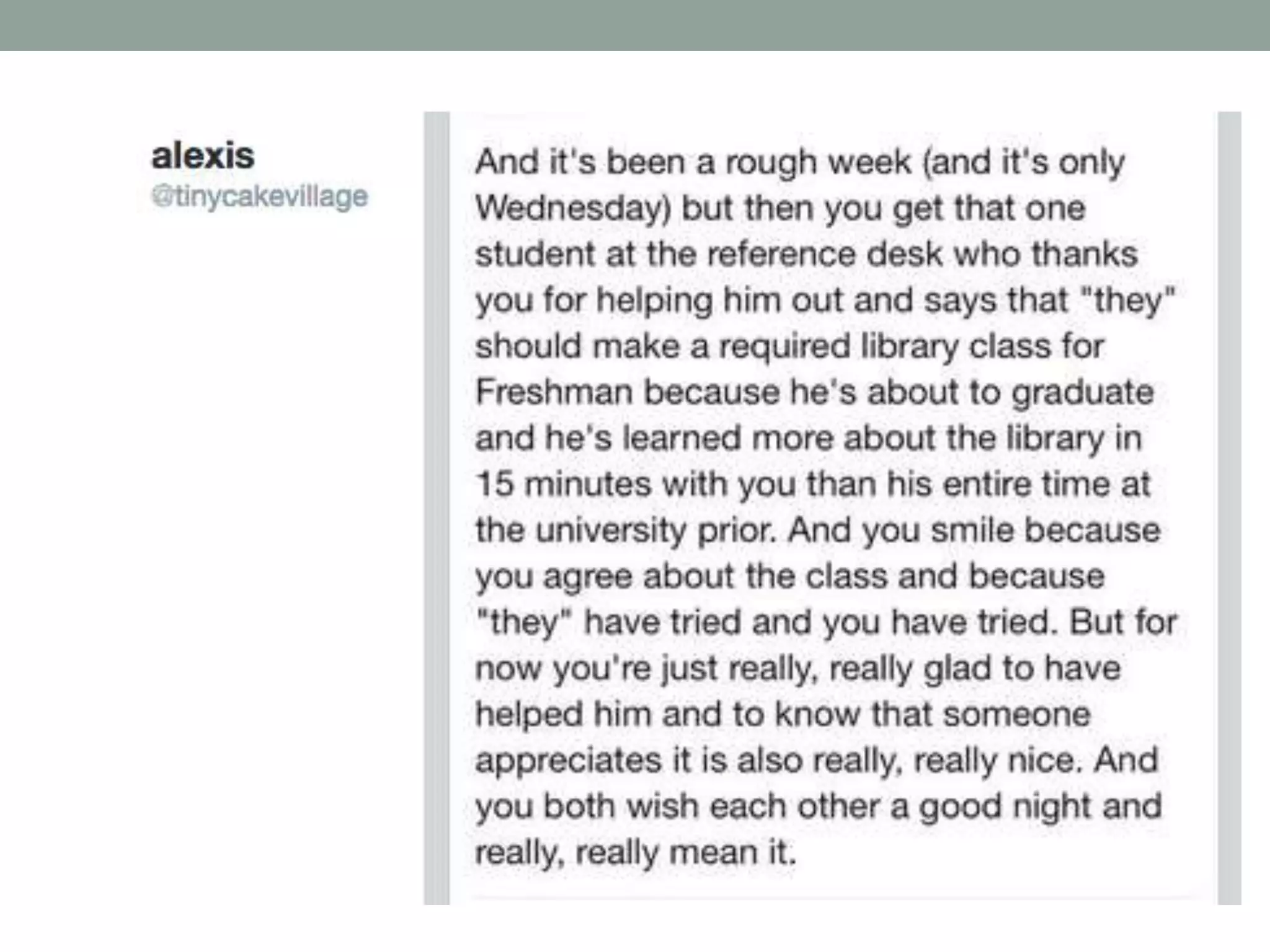
 Slide 6: Facebook/Twitter post, April 22, 2014, © @tinycakevillage, used with permission
 Slide 7: Eben Moglen on what it takes to keep defending FOSS, opensource.com,
https://flic.kr/p/8vzcFt (CC BY-SA 2.0)
 Slide 8: Cherwitz, R. (2000) “Intellectual Entrepreneurship: can intellectuals innovate in ways that
produce a better world?” available at
http://web.archive.org/web/20090131123626/http://whitman.syr.edu/eee/campus/ie.asp (accessed
April 23, 2015).
 Slide 9: quote from “About IE,” http://www.ut-ie.com/about-ie.html
 Slide 10: An Interview with Clark Terry, online at http://www.banddirector.com/article/pg-
interviews/an-interview-with-clark-terry (accessed April 23, 2015)
 Slide 12: Invitation to Imitation, by Daniel Lievano, https://flic.kr/p/8qoujc (CC BY-NC-ND 2.0)
 Slide 13: Copy Copy Copy, by David Goehring, https://flic.kr/p/5EGZV1 (CC BY 2.0)
 Slide 14: Deborah Gerhardt, Plagiarism in Cyberspace: Learning the Rules of Recycling Content
With a View Towards Nurturing Academic Trust in an Electronic World, 12 RICH. J.L. & TECH. 10
(2006), http://law.richmond.edu/jolt/v12i3/article10.pdf, p. 20.
 Slide 16: Assimilate, by Crystal, https://flic.kr/p/3UiyGq (CC BY 2.0)
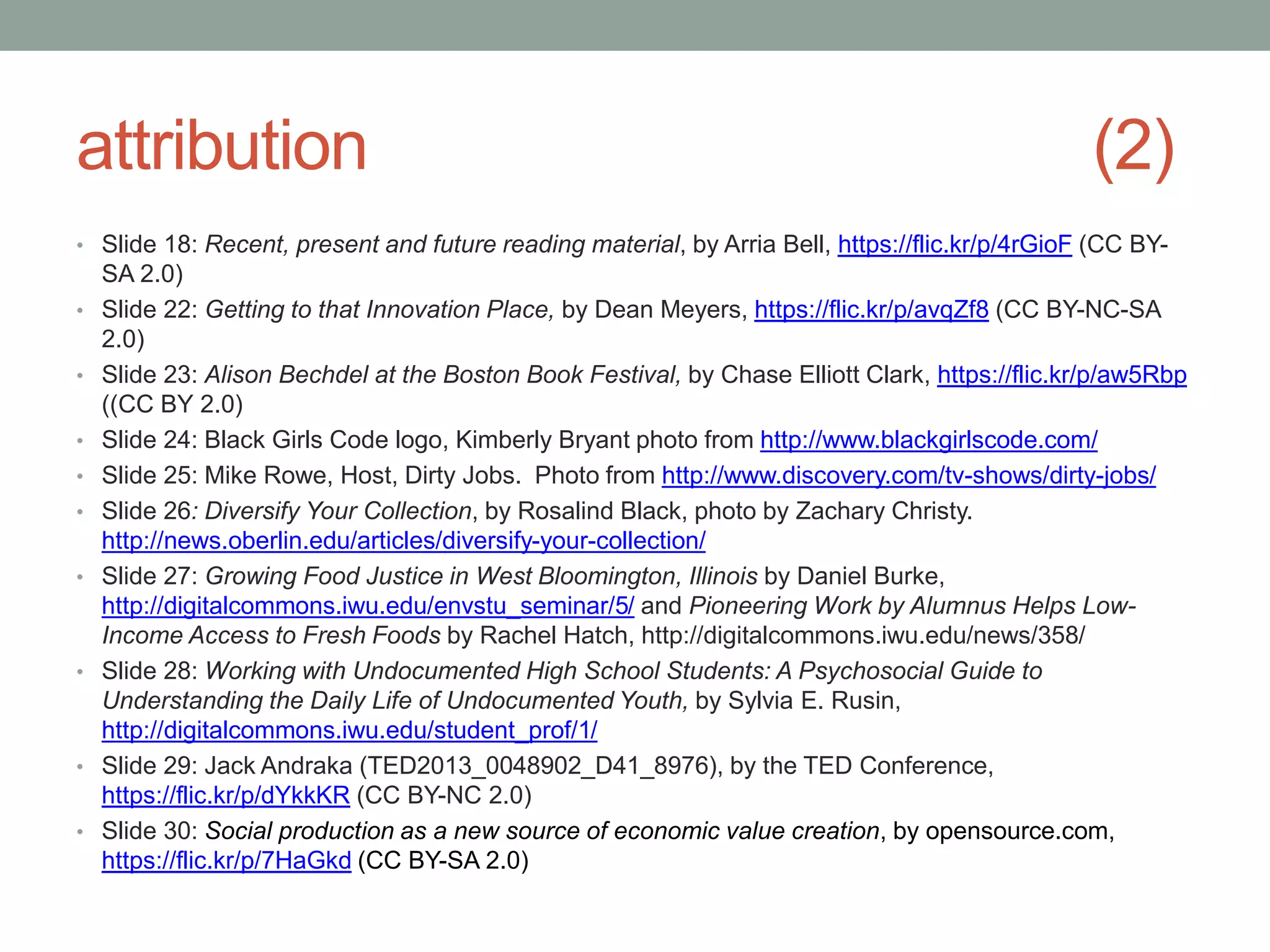
attribution (2)
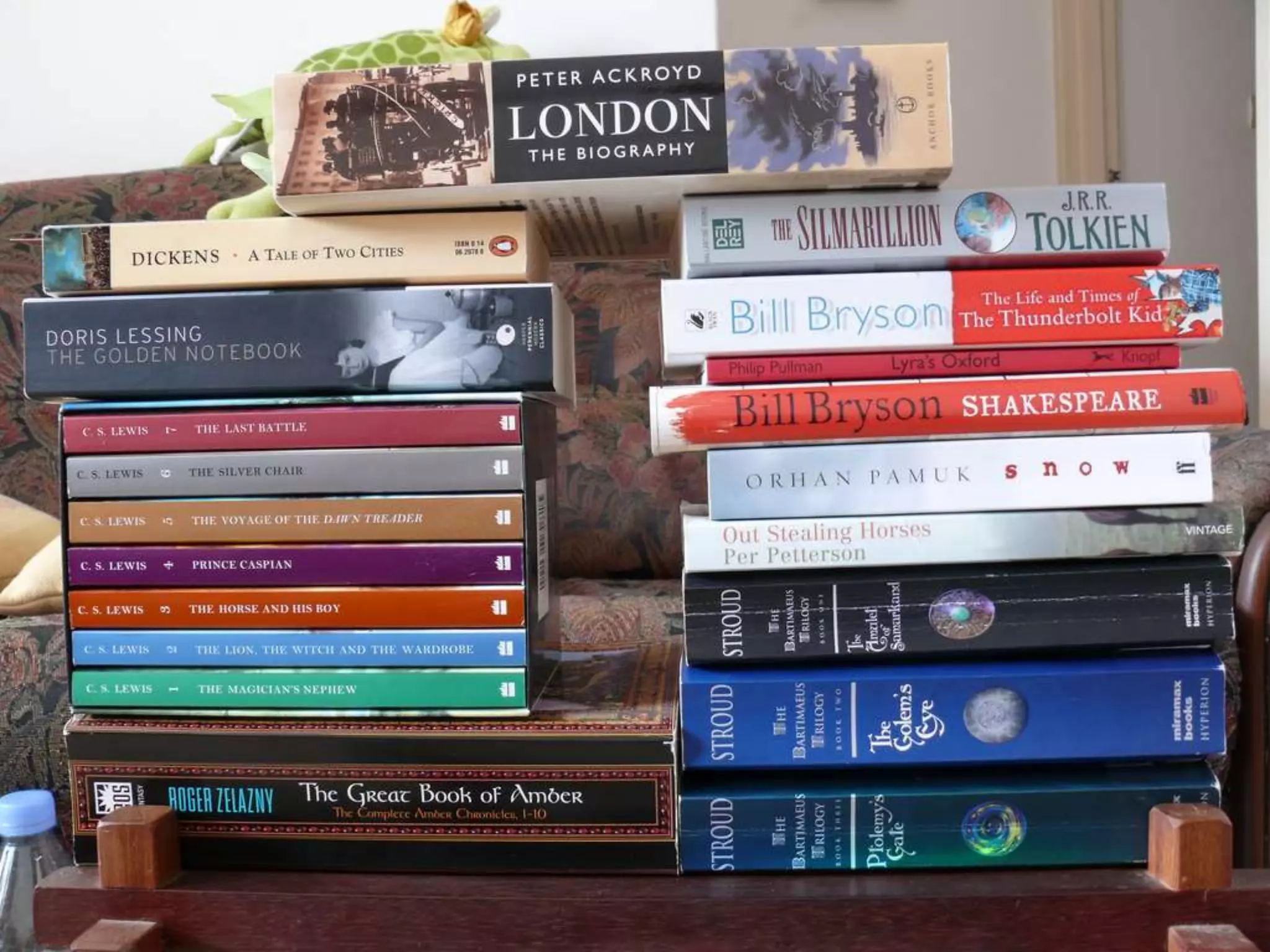
• Slide 18: Recent, present and future reading material, by Arria Bell, https://flic.kr/p/4rGioF (CC BY-
SA 2.0)
• Slide 22: Getting to that Innovation Place, by Dean Meyers, https://flic.kr/p/avqZf8 (CC BY-NC-SA
2.0)
• Slide 23: Alison Bechdel at the Boston Book Festival, by Chase Elliott Clark, https://flic.kr/p/aw5Rbp
((CC BY 2.0)
• Slide 24: Black Girls Code logo, Kimberly Bryant photo from http://www.blackgirlscode.com/
• Slide 25: Mike Rowe, Host, Dirty Jobs. Photo from http://www.discovery.com/tv-shows/dirty-jobs/
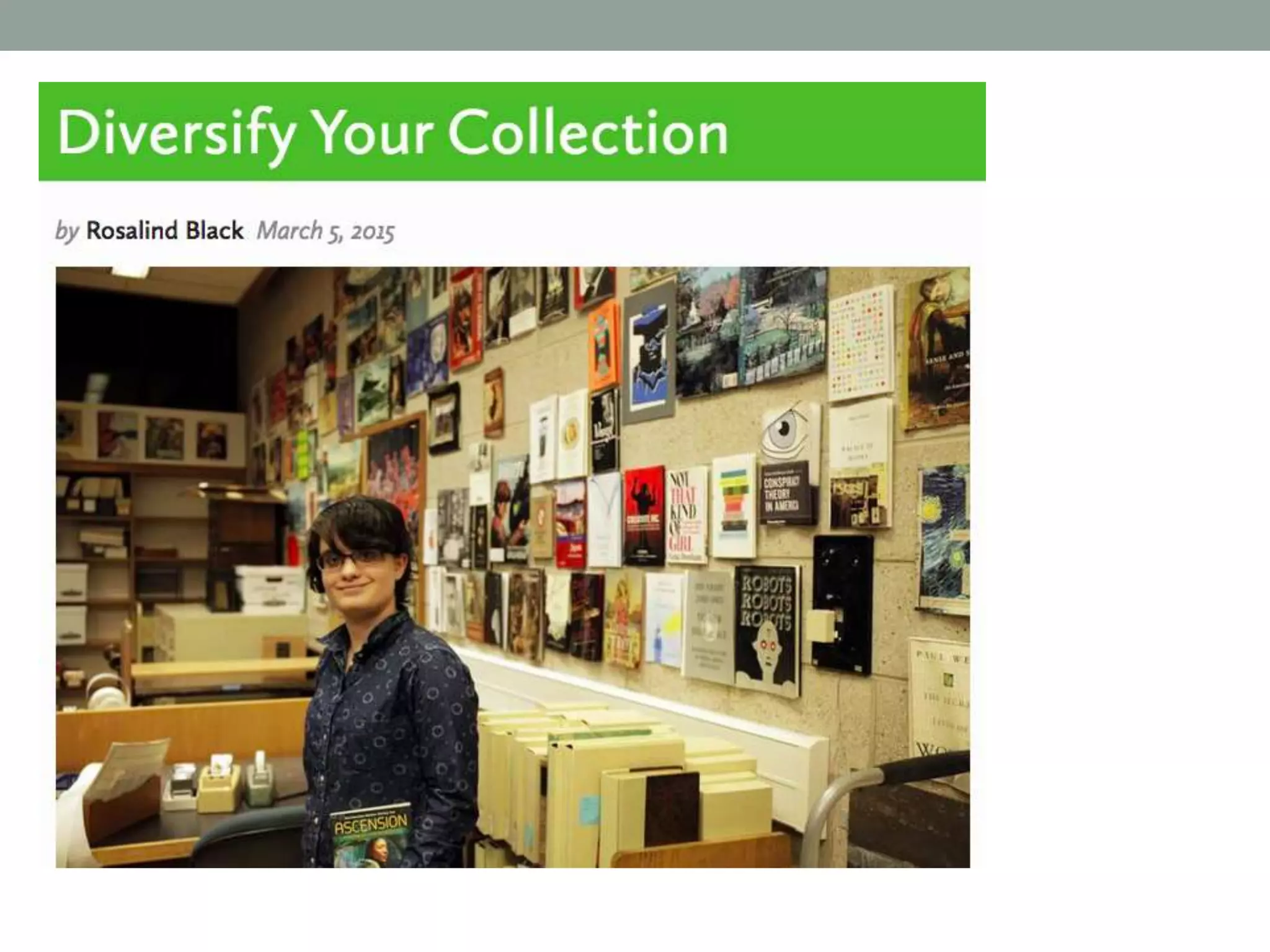
• Slide 26: Diversify Your Collection, by Rosalind Black, photo by Zachary Christy.
http://news.oberlin.edu/articles/diversify-your-collection/
• Slide 27: Growing Food Justice in West Bloomington, Illinois by Daniel Burke,
http://digitalcommons.iwu.edu/envstu_seminar/5/ and Pioneering Work by Alumnus Helps Low-
Income Access to Fresh Foods by Rachel Hatch, http://digitalcommons.iwu.edu/news/358/
• Slide 28: Working with Undocumented High School Students: A Psychosocial Guide to
Understanding the Daily Life of Undocumented Youth, by Sylvia E. Rusin,
http://digitalcommons.iwu.edu/student_prof/1/
• Slide 29: Jack Andraka (TED2013_0048902_D41_8976), by the TED Conference,
https://flic.kr/p/dYkkKR (CC BY-NC 2.0)
• Slide 30: Social production as a new source of economic value creation, by opensource.com,
https://flic.kr/p/7HaGkd (CC BY-SA 2.0)
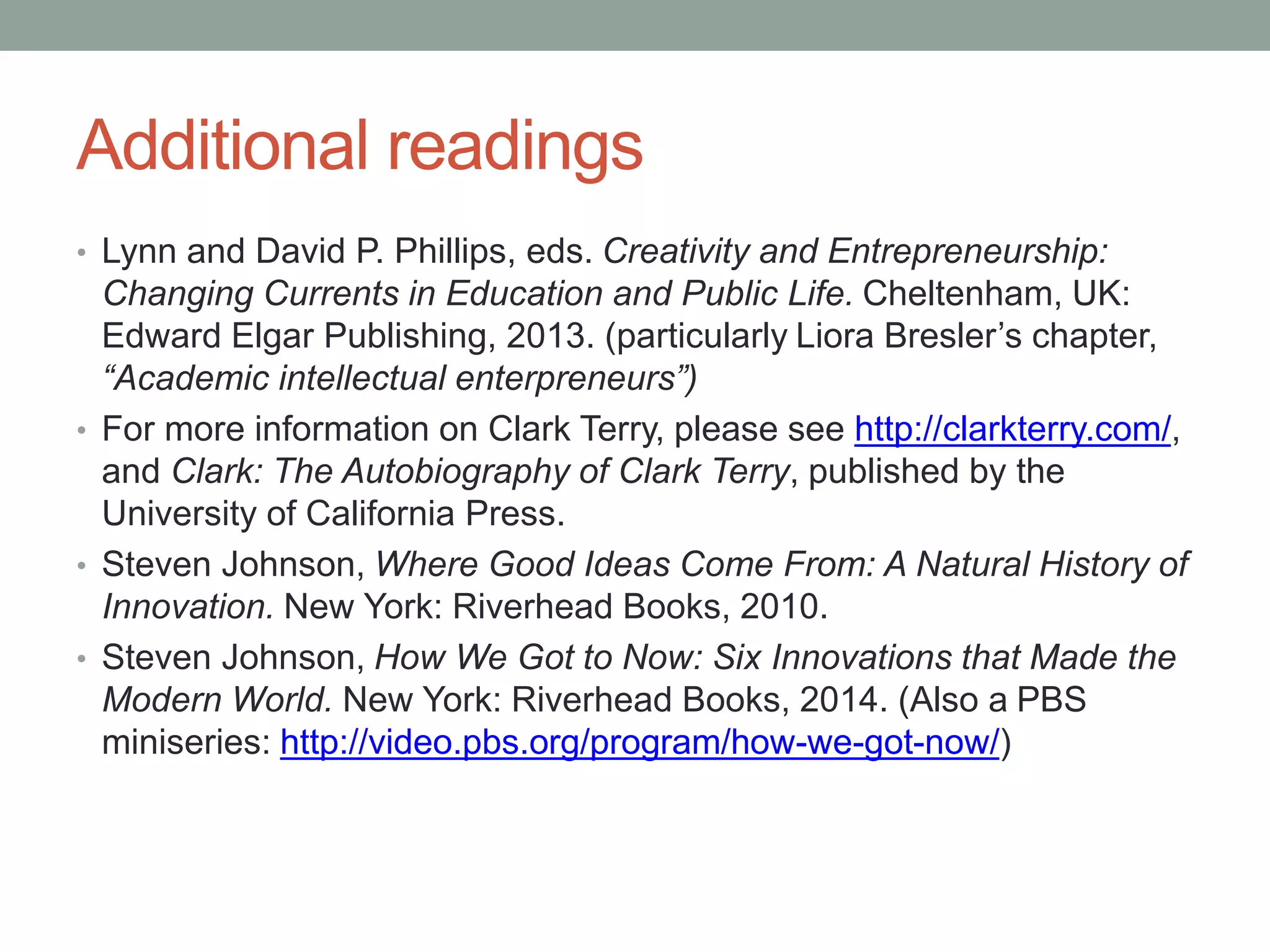
Additional readings
• Lynn and David P. Phillips, eds. Creativity and Entrepreneurship:
Changing Currents in Education and Public Life. Cheltenham, UK:
Edward Elgar Publishing, 2013. (particularly Liora Bresler’s chapter,
“Academic intellectual enterpreneurs”)
• For more information on Clark Terry, please see http://clarkterry.com/,
and Clark: The Autobiography of Clark Terry, published by the
University of California Press.
• Steven Johnson, Where Good Ideas Come From: A Natural History of
Innovation. New York: Riverhead Books, 2010.
• Steven Johnson, How We Got to Now: Six Innovations that Made the
Modern World. New York: Riverhead Books, 2014. (Also a PBS
miniseries: http://video.pbs.org/program/how-we-got-now/)
Stephanie Davis-Kahl
sdaviska@iwu.edu
@StephDK
http://works.bepress.com/stephanie_davis_kahl
This work is licensed under a CC BY license with the exception of materials listed on slides 33-34.

The Alchemy of Open: Ideas, Discovery and Action

  • 1.
    THE ALCHEMY OFOPEN: IDEAS, DISCOVERY AND ACTION Stephanie Davis-Kahl Minnesota Academic and Research Library Division Minnesota Library Association April 24, 2015
  • 2.
    Many years agoI began an expedition and am still making my way. - Dwight Lang
  • 4.
    “To find myvoice, to make a contribution.”
  • 5.
  • 7.
  • 8.
    Intellectual Entrepreneurship “The aimof Intellectual Entrepreneurs is to educate “citizen-scholars” – individuals who own and are accountable for their education and who utilize their intellectual assets to add to disciplinary knowledge and as a lever for social good.” Professor Richard Cherwitz, 2000 (emphasis mine)
  • 9.
    “Intellectual Entrepreneurship changes themodel and metaphor of higher education from one of "apprenticeship-certification- entitlement" to one of "discovery- ownership-accountability.””
  • 10.
  • 11.
  • 14.
    Deborah Gerhardt, 2006 “Bydirecting readers to other articles on related topics, footnotes give readers directions to intellectual adventures they may not have found otherwise.”
  • 15.
  • 17.
  • 19.
  • 20.
    I think Iknow I GOT THIS theory idea idea idea fact innovation I think
  • 21.
    I think Iknow I GOT THIS theory idea idea idea fact innovation I think ALMOST… NOT QUITE… NOPE, BACK TO THE DRAWING BOARD
  • 23.
    Alison Bechdel, authorof Fun Home and creator of The Bechdel Test
  • 24.
  • 25.
    Mike Rowe, Host,Dirty Jobs
  • 28.
  • 29.
  • 32.
  • 33.
    attribution (1)  Slide2: Lang, Dwight. “The Social Construction of a Working-Class Academic.” in This Fine Place So Far From Home: Voices from Academics from the Working Class, C.L. Barney Dews and Carolyn Leste Law, eds., Philadelphia: Temple University Press, 1995, location 2450 in the ebook edition.  Slide 3, College_Student_Headshots, by Anne Ruthmann, https://flic.kr/p/jbrSbc (CC BY-NC-ND 2.0)  Slide 4, 31: Voice, by Quinn Dombrowski, https://flic.kr/p/aR3uKK CC BY-SA 2.0)  Slide 5: Diagon Alley preview invitation from Universal Orlando, by Ricky Brigante, https://flic.kr/p/nk2VfS (CC BY-NC-ND 2.0)  Slide 6: Facebook/Twitter post, April 22, 2014, © @tinycakevillage, used with permission  Slide 7: Eben Moglen on what it takes to keep defending FOSS, opensource.com, https://flic.kr/p/8vzcFt (CC BY-SA 2.0)  Slide 8: Cherwitz, R. (2000) “Intellectual Entrepreneurship: can intellectuals innovate in ways that produce a better world?” available at http://web.archive.org/web/20090131123626/http://whitman.syr.edu/eee/campus/ie.asp (accessed April 23, 2015).  Slide 9: quote from “About IE,” http://www.ut-ie.com/about-ie.html  Slide 10: An Interview with Clark Terry, online at http://www.banddirector.com/article/pg- interviews/an-interview-with-clark-terry (accessed April 23, 2015)  Slide 12: Invitation to Imitation, by Daniel Lievano, https://flic.kr/p/8qoujc (CC BY-NC-ND 2.0)  Slide 13: Copy Copy Copy, by David Goehring, https://flic.kr/p/5EGZV1 (CC BY 2.0)  Slide 14: Deborah Gerhardt, Plagiarism in Cyberspace: Learning the Rules of Recycling Content With a View Towards Nurturing Academic Trust in an Electronic World, 12 RICH. J.L. & TECH. 10 (2006), http://law.richmond.edu/jolt/v12i3/article10.pdf, p. 20.  Slide 16: Assimilate, by Crystal, https://flic.kr/p/3UiyGq (CC BY 2.0)
  • 34.
    attribution (2) • Slide18: Recent, present and future reading material, by Arria Bell, https://flic.kr/p/4rGioF (CC BY- SA 2.0) • Slide 22: Getting to that Innovation Place, by Dean Meyers, https://flic.kr/p/avqZf8 (CC BY-NC-SA 2.0) • Slide 23: Alison Bechdel at the Boston Book Festival, by Chase Elliott Clark, https://flic.kr/p/aw5Rbp ((CC BY 2.0) • Slide 24: Black Girls Code logo, Kimberly Bryant photo from http://www.blackgirlscode.com/ • Slide 25: Mike Rowe, Host, Dirty Jobs. Photo from http://www.discovery.com/tv-shows/dirty-jobs/ • Slide 26: Diversify Your Collection, by Rosalind Black, photo by Zachary Christy. http://news.oberlin.edu/articles/diversify-your-collection/ • Slide 27: Growing Food Justice in West Bloomington, Illinois by Daniel Burke, http://digitalcommons.iwu.edu/envstu_seminar/5/ and Pioneering Work by Alumnus Helps Low- Income Access to Fresh Foods by Rachel Hatch, http://digitalcommons.iwu.edu/news/358/ • Slide 28: Working with Undocumented High School Students: A Psychosocial Guide to Understanding the Daily Life of Undocumented Youth, by Sylvia E. Rusin, http://digitalcommons.iwu.edu/student_prof/1/ • Slide 29: Jack Andraka (TED2013_0048902_D41_8976), by the TED Conference, https://flic.kr/p/dYkkKR (CC BY-NC 2.0) • Slide 30: Social production as a new source of economic value creation, by opensource.com, https://flic.kr/p/7HaGkd (CC BY-SA 2.0)
  • 35.
    Additional readings • Lynnand David P. Phillips, eds. Creativity and Entrepreneurship: Changing Currents in Education and Public Life. Cheltenham, UK: Edward Elgar Publishing, 2013. (particularly Liora Bresler’s chapter, “Academic intellectual enterpreneurs”) • For more information on Clark Terry, please see http://clarkterry.com/, and Clark: The Autobiography of Clark Terry, published by the University of California Press. • Steven Johnson, Where Good Ideas Come From: A Natural History of Innovation. New York: Riverhead Books, 2010. • Steven Johnson, How We Got to Now: Six Innovations that Made the Modern World. New York: Riverhead Books, 2014. (Also a PBS miniseries: http://video.pbs.org/program/how-we-got-now/)
  • 36.
    Stephanie Davis-Kahl sdaviska@iwu.edu @StephDK http://works.bepress.com/stephanie_davis_kahl This workis licensed under a CC BY license with the exception of materials listed on slides 33-34.

Editor's Notes

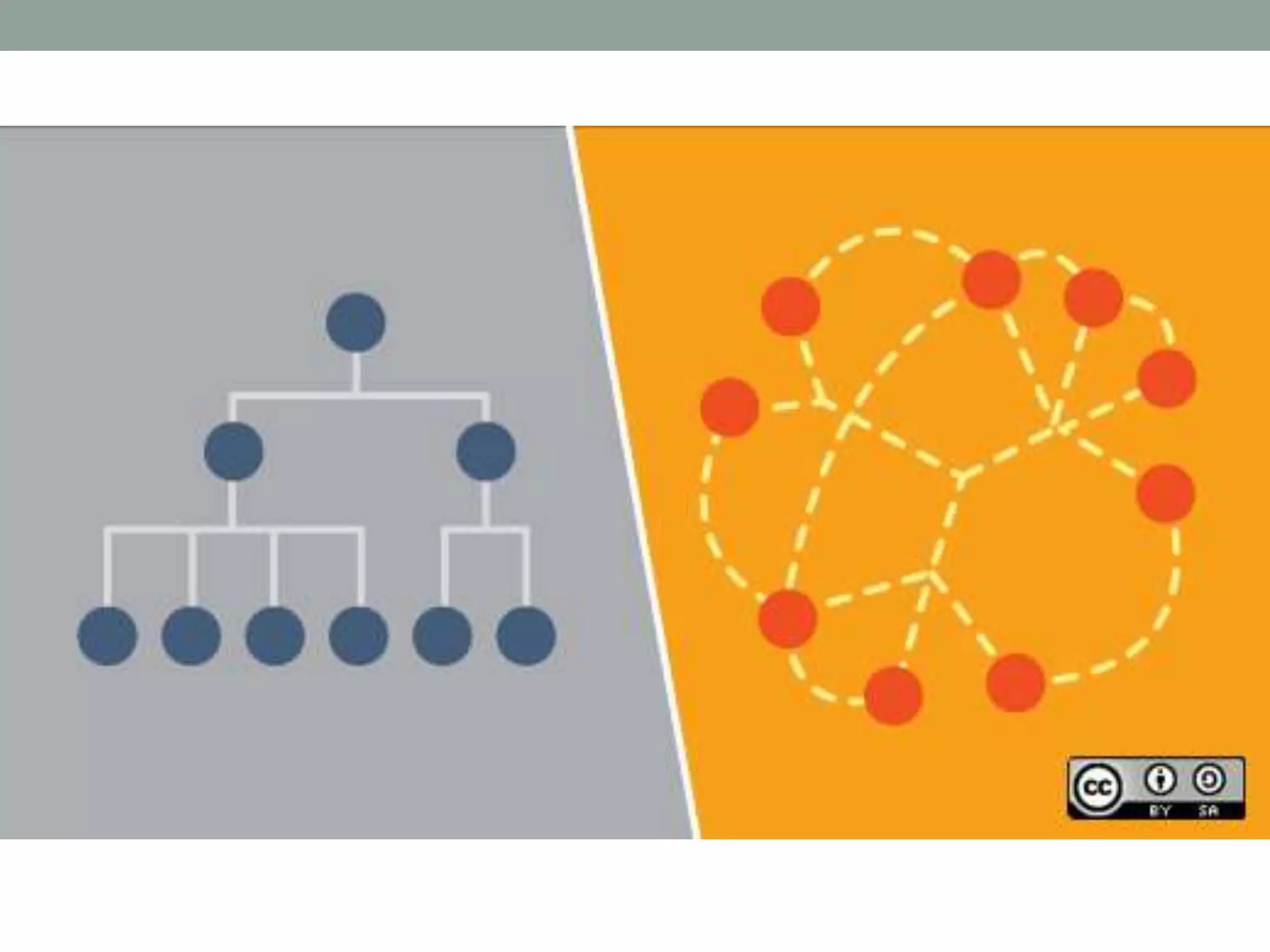
  • #31 So hopefully our students see the world as a connected network in which they can play a role and leverage their knowledge for good.