The private strategy enables
the public strategy
Textiles Industry
Market Entry Strategy
Mindmap by
David Lipschitz
7 July 2021
Short Term Strategy
(Generate cash flow
To support L/T strategy)
“10 garments” Basic theme
All year round
track suit
Pants
Underpants
T shirt
Track tops
Hoody?
Pockets?
Zip?
Any colour as long
as it’s ecru?
Production line
Managers of
different processes
Eg CMT
Or use 2 machinists in an
existing CMT factory
Cash flow and
investments
Why?
To generate cash
flow Asap
And with minimal risk
Who helps us?
Long Term Strategy
Our initial investments
Warehouse
Shorten supply chain
from China, India, etc
Need Eg knitting factory “discovery” and 12
months projected orders. This can be based on
monthly orders for the past 3 years averaged
over months or seasons
Night perceived value products
The current situation Lead time 6 to 8 weeks
Using DyeFin in Durban because it’s cheaper than
Rotex in Cape Town, but big companies are buying out
DyeFin’s production and DyeFin also has in house work
with Ninian and Leicester
Migra and Samfos are
expensive dye houses in CT
Check import duties on fabrics,
yarns, other imports
Buy existing
and expand?
Start from scratch?
Our warehouse feeds Our CMT
Knitting
Printing
Our warehouse can store
downstream stocks
From Eg dyeing or printing and held
ready for the next process
And the products that CW used to
supply to JM’s clients
Dye House
Garments
Business model construction
Business model
IRR
ROI
Cash flow
Marketing
requirements
Route to market
Due diligence and forensic
audit, paid by investee
“fast fashion” Start at 2 weeks from
measure to delivery
Or even an immediate range
available in “coffee shops”
TFG, the fastest in South Africa
at the moment: 53 days
Zara and H&M: 14 days
Funding
Internal
Slower, iterative, direct
investments and returns
Lower risk
External
49/51
Partnerships
Joint ventures
Forensic audits
Shared accounts
Underwriter
Upstream and
downstream
investments
Direct investments
Shareholder
agreements
Make sure no
loss of control
Opportunities
The Little Tailor Shop
Modeled on the
Hong Kong Model
Threats and problems
Ours and theirs
Import duties Greige 0%
Yarn 25%?
Knitted 22%
Grey Goods Importers bypassing
the regulations
And stuffing up
minimum wages
And employment
Questions
Warehouse
Size
Stock
Systems
Customers
Suppliers
Place(s)
CMT
Outsourced
Ours
What will our start
up range be?
Investment required
How quickly to positive,
or any, cash flow
Research
Knitting mill
Printing
Warehousing
Our operations Warehousing
Dye houses
Garments
Company names
to research
Ninian and Leicester
Shabani knitting in
Madagascar
When do we get to a point to start a
spinning or weaving factory?
Labour (costs)
Rules
Can we tell the
government what we
need?
Can we tell the government to give
us the same benefits as India gives
its textile industry?
Why is Cape Town more expensive
than the rest of the country?
It was about quality
Payments based on piece production
and quality, rather than hourly
We can add in lots
of incentives
Eg production bonus, attendance
bonus, transport allowance
People can work towards
more and more benefits
The business should be a cooperative and
everyone should be able to get shares and
eventually not be wage slaves
We can also use our buying
power to help our employees
with their costs
Electricity
Water
Water tanks, rain tanks
NPO
Training
Government
incentives and
rebates
FET colleges
General business
process objectives
We won’t finance
our customers
Unless we own them
We will incentivize our staff,
contractors, suppliers,
clients, all stakeholders

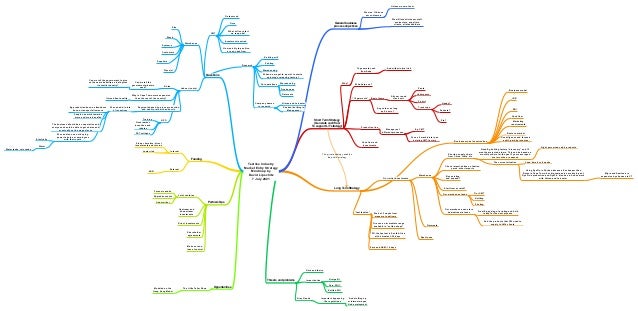
Textiles Industry Market Entry Strategy Mindmap

  • 1.
    The private strategyenables the public strategy Textiles Industry Market Entry Strategy Mindmap by David Lipschitz 7 July 2021 Short Term Strategy (Generate cash flow To support L/T strategy) “10 garments” Basic theme All year round track suit Pants Underpants T shirt Track tops Hoody? Pockets? Zip? Any colour as long as it’s ecru? Production line Managers of different processes Eg CMT Or use 2 machinists in an existing CMT factory Cash flow and investments Why? To generate cash flow Asap And with minimal risk Who helps us? Long Term Strategy Our initial investments Warehouse Shorten supply chain from China, India, etc Need Eg knitting factory “discovery” and 12 months projected orders. This can be based on monthly orders for the past 3 years averaged over months or seasons Night perceived value products The current situation Lead time 6 to 8 weeks Using DyeFin in Durban because it’s cheaper than Rotex in Cape Town, but big companies are buying out DyeFin’s production and DyeFin also has in house work with Ninian and Leicester Migra and Samfos are expensive dye houses in CT Check import duties on fabrics, yarns, other imports Buy existing and expand? Start from scratch? Our warehouse feeds Our CMT Knitting Printing Our warehouse can store downstream stocks From Eg dyeing or printing and held ready for the next process And the products that CW used to supply to JM’s clients Dye House Garments Business model construction Business model IRR ROI Cash flow Marketing requirements Route to market Due diligence and forensic audit, paid by investee “fast fashion” Start at 2 weeks from measure to delivery Or even an immediate range available in “coffee shops” TFG, the fastest in South Africa at the moment: 53 days Zara and H&M: 14 days Funding Internal Slower, iterative, direct investments and returns Lower risk External 49/51 Partnerships Joint ventures Forensic audits Shared accounts Underwriter Upstream and downstream investments Direct investments Shareholder agreements Make sure no loss of control Opportunities The Little Tailor Shop Modeled on the Hong Kong Model Threats and problems Ours and theirs Import duties Greige 0% Yarn 25%? Knitted 22% Grey Goods Importers bypassing the regulations And stuffing up minimum wages And employment Questions Warehouse Size Stock Systems Customers Suppliers Place(s) CMT Outsourced Ours What will our start up range be? Investment required How quickly to positive, or any, cash flow Research Knitting mill Printing Warehousing Our operations Warehousing Dye houses Garments Company names to research Ninian and Leicester Shabani knitting in Madagascar When do we get to a point to start a spinning or weaving factory? Labour (costs) Rules Can we tell the government what we need? Can we tell the government to give us the same benefits as India gives its textile industry? Why is Cape Town more expensive than the rest of the country? It was about quality Payments based on piece production and quality, rather than hourly We can add in lots of incentives Eg production bonus, attendance bonus, transport allowance People can work towards more and more benefits The business should be a cooperative and everyone should be able to get shares and eventually not be wage slaves We can also use our buying power to help our employees with their costs Electricity Water Water tanks, rain tanks NPO Training Government incentives and rebates FET colleges General business process objectives We won’t finance our customers Unless we own them We will incentivize our staff, contractors, suppliers, clients, all stakeholders