Submitted by:-
Meenal Jain,
Nandini Khatri,
Nirupama
Jangir ,
Shivani
Sharma,
Reena
Shekhawat
SUBMITTE
D TO :-
MR.
AMARESH
TYAGI
STRATEGY
IMPLEMENTATION
According to Mc Carthy , “Strategy
implementation may be said to consist of
securing resources organising these
resources and directing the use of these
resources within and outside the
organisation.”
 Resources Allocation
 Project Implementation
 Procedural Implementation
 Structural Implementation
 Behavioural Implementation
 Functional Policies and
Implementation
 Basic Organisational Structure :-
 Simple Structure
Functional Organisation
Divisional Structure
Conglomerate Structure
Matrix Organisation
Team – Based Organisation Structure
Network Organisation Structure
Boundary- less Organisation Structure
Cellular/Modular Organisation
Strategy and Staffing
According to Theo Haimann,
“Staffing pertains to recruitment ,
selection , and compensation of
subordinates.”
Staffing is very important function
of the management.
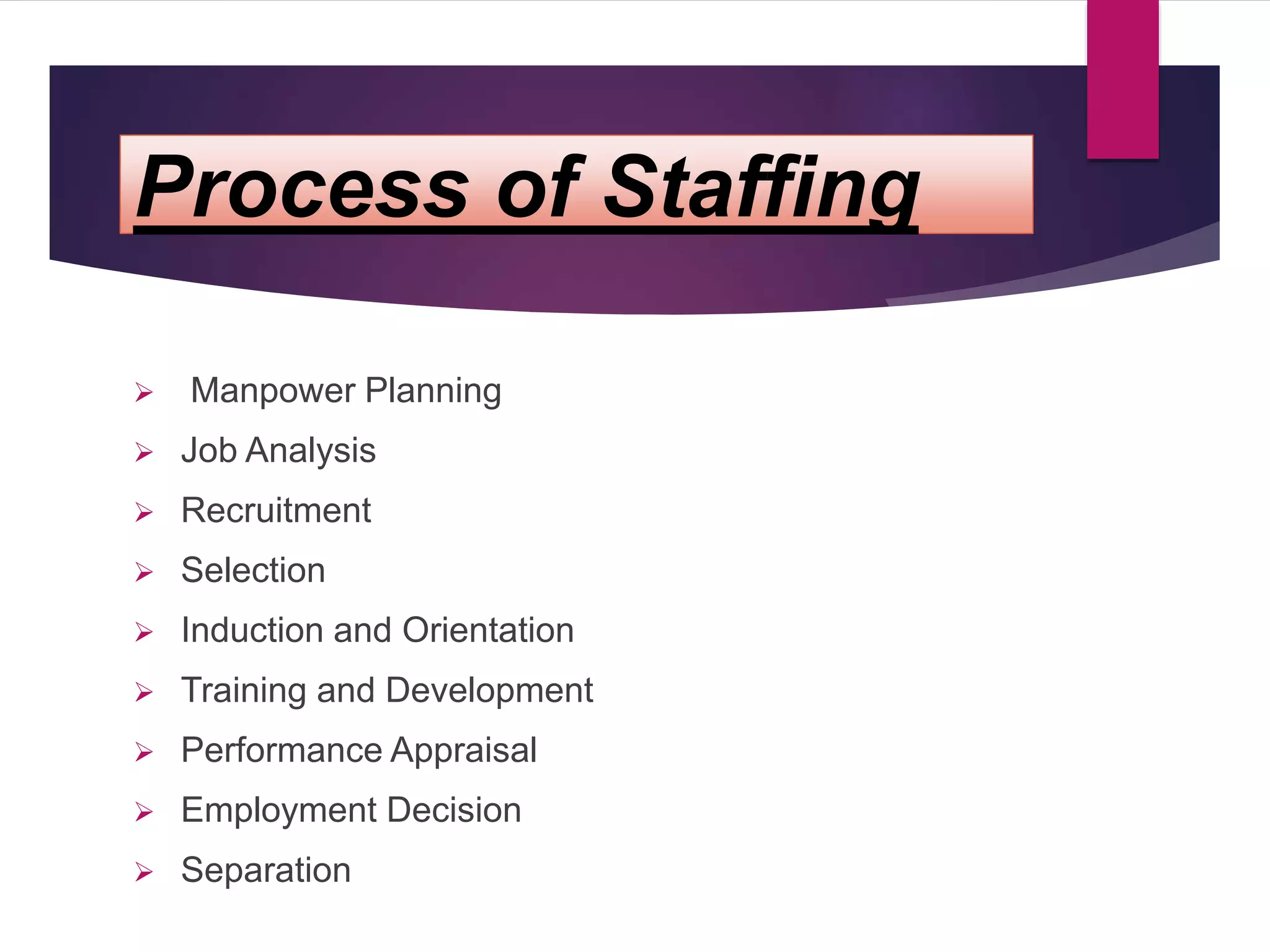
Process of Staffing
 Manpower Planning
 Job Analysis
 Recruitment
 Selection
 Induction and Orientation
 Training and Development
 Performance Appraisal
 Employment Decision
 Separation
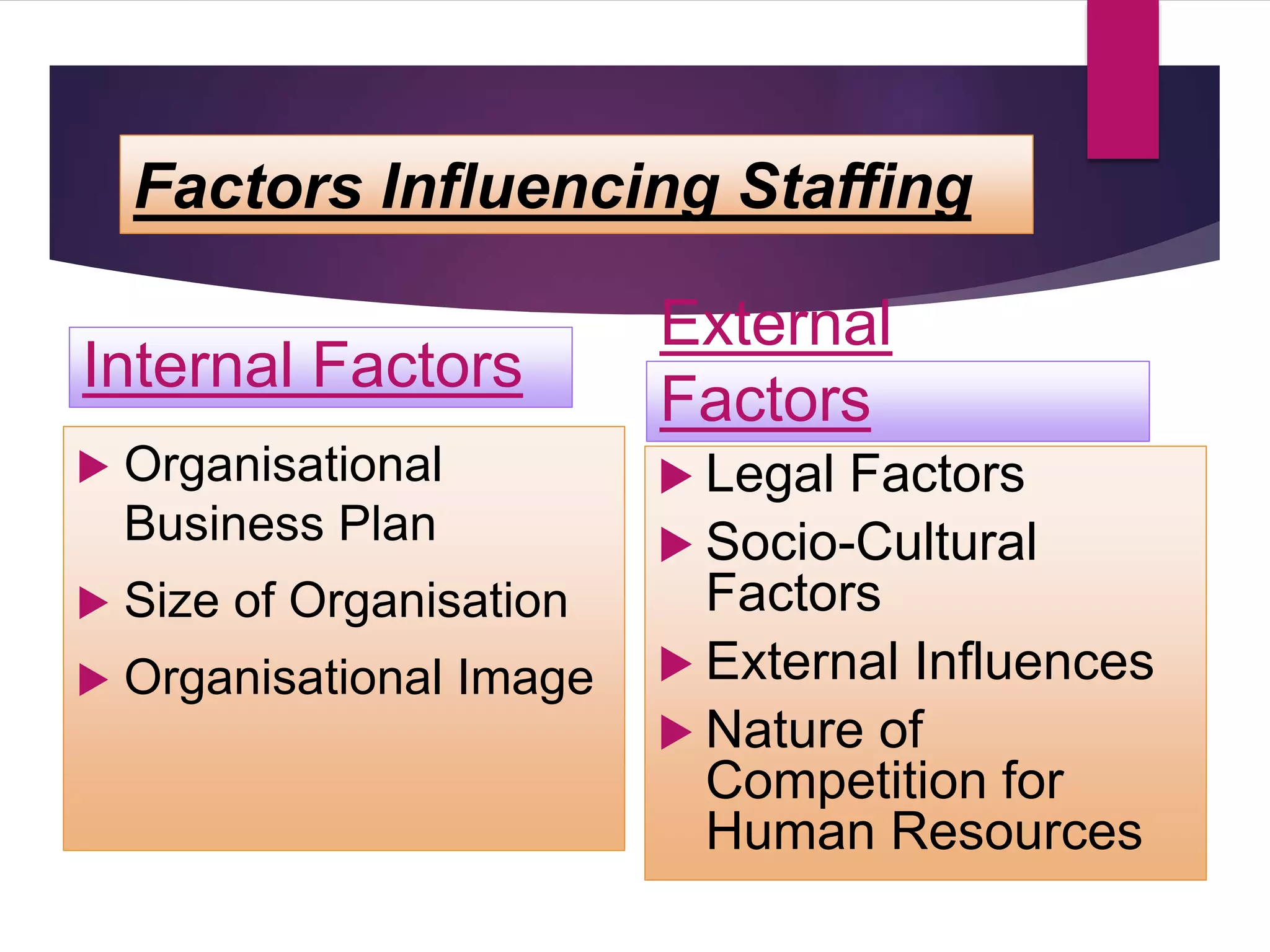
Factors Influencing Staffing
Internal Factors
 Organisational
Business Plan
 Size of Organisation
 Organisational Image
External
Factors
 Legal Factors
 Socio-Cultural
Factors
 External Influences
 Nature of
Competition for
Human Resources
Strategy And Directing
According to Koontz and
O’Donnel, “Direction is a complex
function that includes all those
activities which are designed to
encourage subordinates to work
effectively and efficiently in both
the short and long run.”
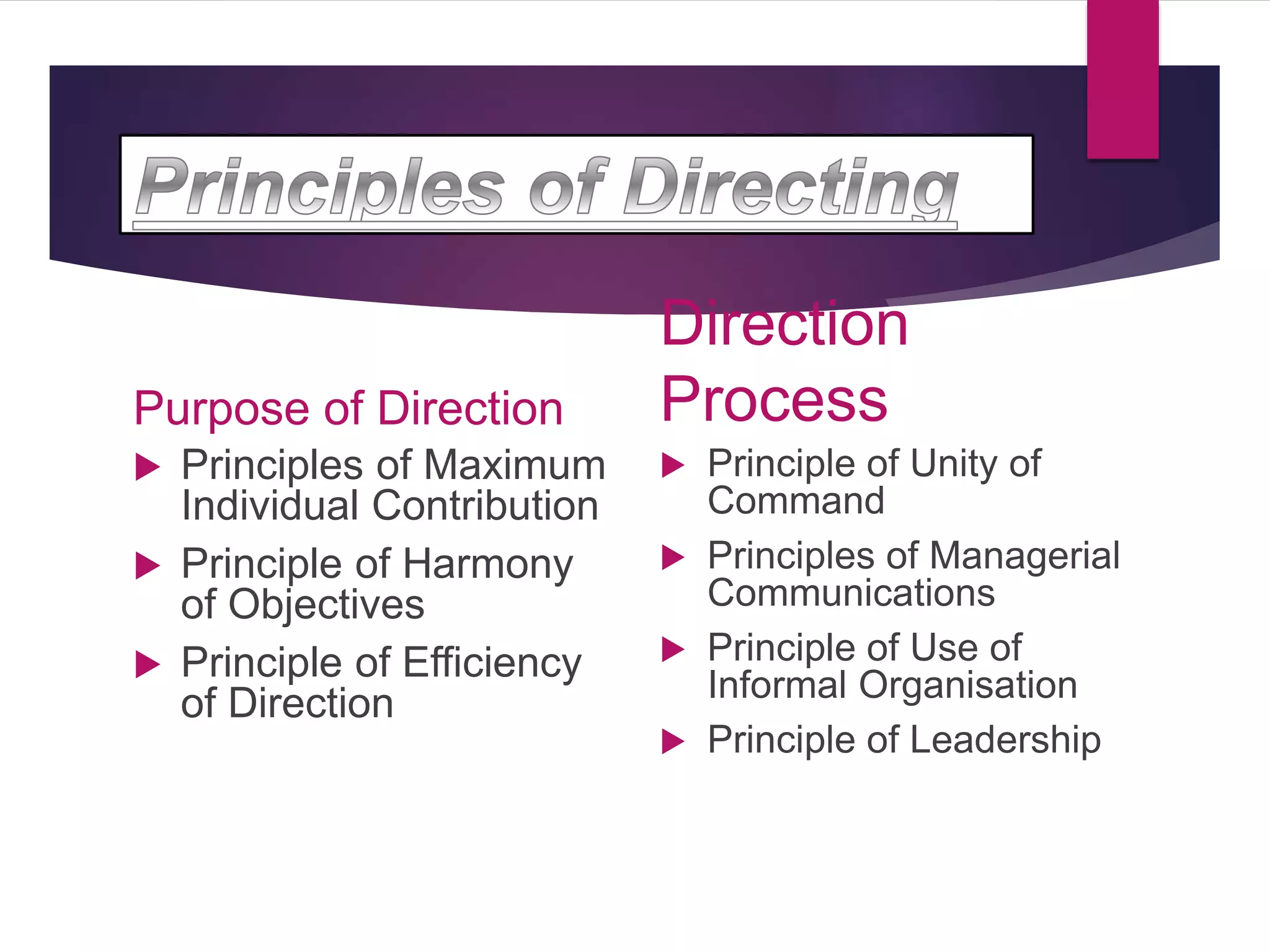
Purpose of Direction
 Principles of Maximum
Individual Contribution
 Principle of Harmony
of Objectives
 Principle of Efficiency
of Direction
Direction
Process
 Principle of Unity of
Command
 Principles of Managerial
Communications
 Principle of Use of
Informal Organisation
 Principle of Leadership
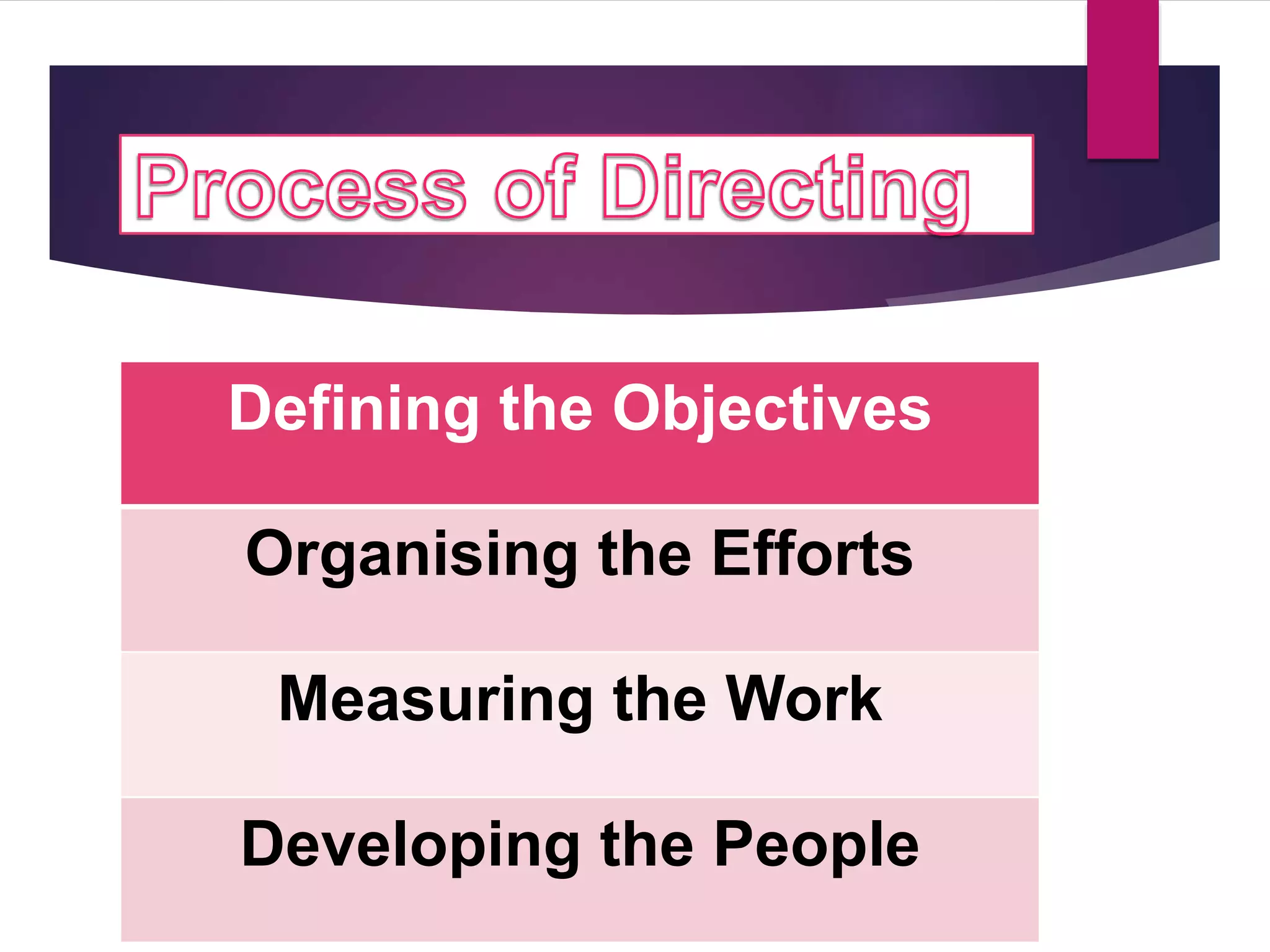
Defining the Objectives
Organising the Efforts
Measuring the Work
Developing the People
Strategy implementation

Strategy implementation

  • 2.
    Submitted by:- Meenal Jain, NandiniKhatri, Nirupama Jangir , Shivani Sharma, Reena Shekhawat SUBMITTE D TO :- MR. AMARESH TYAGI
  • 4.
    STRATEGY IMPLEMENTATION According to McCarthy , “Strategy implementation may be said to consist of securing resources organising these resources and directing the use of these resources within and outside the organisation.”
  • 6.
     Resources Allocation Project Implementation  Procedural Implementation  Structural Implementation  Behavioural Implementation  Functional Policies and Implementation
  • 7.
     Basic OrganisationalStructure :-  Simple Structure Functional Organisation Divisional Structure Conglomerate Structure
  • 8.
    Matrix Organisation Team –Based Organisation Structure Network Organisation Structure Boundary- less Organisation Structure Cellular/Modular Organisation
  • 10.
    Strategy and Staffing Accordingto Theo Haimann, “Staffing pertains to recruitment , selection , and compensation of subordinates.” Staffing is very important function of the management.
  • 11.
    Process of Staffing Manpower Planning  Job Analysis  Recruitment  Selection  Induction and Orientation  Training and Development  Performance Appraisal  Employment Decision  Separation
  • 12.
    Factors Influencing Staffing InternalFactors  Organisational Business Plan  Size of Organisation  Organisational Image External Factors  Legal Factors  Socio-Cultural Factors  External Influences  Nature of Competition for Human Resources
  • 13.
    Strategy And Directing Accordingto Koontz and O’Donnel, “Direction is a complex function that includes all those activities which are designed to encourage subordinates to work effectively and efficiently in both the short and long run.”
  • 14.
    Purpose of Direction Principles of Maximum Individual Contribution  Principle of Harmony of Objectives  Principle of Efficiency of Direction Direction Process  Principle of Unity of Command  Principles of Managerial Communications  Principle of Use of Informal Organisation  Principle of Leadership
  • 15.
    Defining the Objectives Organisingthe Efforts Measuring the Work Developing the People