EMPATHY PROCESS-STEPS
Dr.T.Navaneetha, MBA Department, Annamacharya University,
Rajampet, Annamayya Distcrict, Andhra Pradesh
Step 1 – Recognize Emotions
Understand what the other person is feeling, which is the foundation of
empathy.
• How to Recognize Emotions:
Pay attention to non-verbal cues: body language, facial expressions,
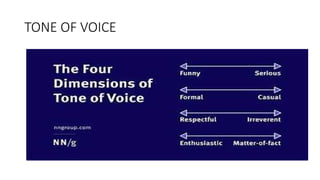
gestures, and tone of voice.
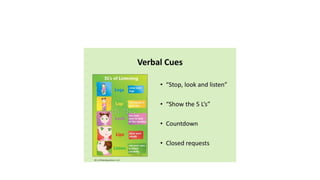
Verbal cues also reveal emotions—notice changes in speech patterns or the
intensity of words.
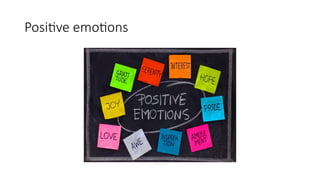
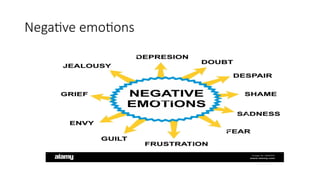
Try to identify whether emotions are positive (happiness, contentment) or
negative (anger, frustration, sadness).
*Empathy starts with awareness. Without recognizing someone’s emotions,
it’s impossible to respond with understanding.
B.L
F.E
GESTURES
TONE OF VOICE
Positive emotions
Negative emotions
Step 2 – Active Listening
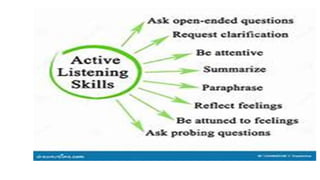
•Active Listening involves fully concentrating, understanding, responding, and then
remembering what is being said.
•Key Aspects:
•Avoid Interrupting: Let the speaker finish their thoughts. Interrupting can make
people feel unheard.
•Focus on the Message: Don’t just listen to the words, but try to grasp the emotion
behind the message.
•Ask Questions for Clarity: Gently asking for clarification shows you’re truly listening
and want to understand better.
•Avoid Preparing a Response While Listening: This can distract you from the other
person's message.
*Why It’s Important: Active listening builds trust and rapport. When people feel listened
to, they are more open and comfortable sharing their true feelings.
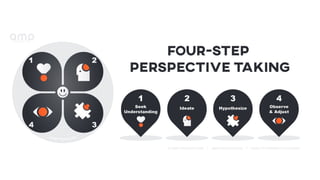
Step 3 – Perspective Taking
•Perspective Taking is imagining how another person perceives a situation, trying to
step into their shoes.
•How to Apply Perspective Taking:
•Ask yourself: "How would I feel in this situation?" This helps in understanding their
viewpoint.
•Consider their background, experiences, and personality. Different people can react
very differently to the same situation based on these factors.
•Avoid assumptions: Even if you think you would feel a certain way, recognize that the
other person may not share your reactions.
•Why It’s Important: Perspective-taking helps in understanding why someone feels the
way they do. This step moves empathy beyond simply recognizing emotions to truly
comprehending them.
Step 4 – Responding with Empathy
• After you have recognized and understood the emotions, the next step is to respond in a way that reflects
your understanding.
• How to Respond:
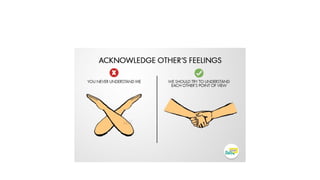
• Acknowledge their feelings: Statements like "It sounds like you're really frustrated" show that you
understand.
• Validate their emotions: Phrases like "It's understandable to feel that way" help confirm that their
feelings are normal and legitimate.
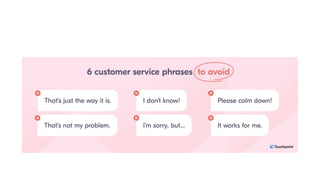
• Avoid dismissive statements: Avoid phrases like "Don't worry" or "You'll be fine," which can make
someone feel belittled.
• Offer support: Ask if they need help or if there’s something you can do to make things easier.
• Why It’s Important: Empathetic responses deepen connections and demonstrate that you truly care about
the other person’s well-being.
Step 5 – Take Action (When Appropriate)
•Taking Action involves offering practical help if the situation calls for it. Sometimes
empathy means going beyond just listening and actually doing something to improve
the situation.
•When to Take Action:
•If the person is seeking help or guidance, provide suggestions or assistance.
•Offer solutions only if they are ready or willing to accept them.
•Sometimes action might simply mean being present for the person or offering
resources they need.
•Why It’s Important: Taking action shows that you are not only empathetic but also
willing to contribute positively to the other person's situation. However, it’s important to
balance this and not impose help if it’s not requested.
1. Recognizing Emotions Scenario: A colleague at work has
been unusually quiet during meetings and seems
withdrawn.Example: You notice their body language—slumped
posture, minimal eye contact, and a lack of enthusiasm in their
voice. This suggests they may be feeling stressed, tired, or
upset.
2. Active Listening
•Scenario: A friend calls to share that they are going through a
tough breakup.
•Example: Instead of offering immediate advice or interrupting,
you give them your full attention, letting them speak without
interruption. You listen carefully to their words and the
emotions behind them (pain, sadness, frustration) while giving
verbal nods like "I see" or "That sounds really tough."
3. Perspective TakingScenario: A co-worker is upset because
they didn't get a promotion they were hoping for, even though
you know the decision was based on merit.Example: Instead of
thinking "They should understand why they didn’t get it," you
try to imagine how you would feel in their shoes. Even if the
decision was fair, you realize they may feel disappointed,
rejected, and undervalued. You acknowledge that those
emotions are valid regardless of the outcome.
4. Responding with Empathy
•Scenario: Your sibling is stressed because they’re struggling to
balance work and family responsibilities.
•Example: Instead of dismissing their concerns by saying, "You'll
figure it out, it's not that hard," you respond empathetically
with: "It sounds like you're feeling really overwhelmed right
now. It must be exhausting to try to juggle everything. Is there
anything I can do to help, or do you want to talk more about
it?"
5. Taking Action (When Appropriate)
•Scenario: A classmate expresses that they’re anxious about an
upcoming exam and aren’t sure they’ve prepared well.
•Example: After listening and understanding their anxiety, you
offer to study together or share notes with them. This small
action demonstrates that you’re not just hearing their concerns
but actively helping to reduce their stress.
6. Empathy in Customer Service
•Scenario: A customer calls in angrily complaining about a
product that doesn’t work as expected.
•Example: Instead of defending the product right away, the
customer service representative says, "I understand how
frustrating it must be to receive something that doesn’t work
the way you expected. Let me take care of this for you and see
how I can resolve the issue." The rep listens, validates the
customer's frustration, and offers a solution.
7. Empathy in Healthcare
•Scenario: A patient is worried about an upcoming surgery.
•Example: Instead of brushing off their fears with "It’s a routine
procedure, nothing to worry about," the doctor or nurse says:
"I can see that you're feeling anxious about the surgery. It's
completely normal to feel this way. Let me walk you through
the process and address any concerns you may have."
8. Empathy in Parenting
•Scenario: Your child is upset because they didn’t get invited to
a friend’s birthday party.
•Example: Instead of saying, "You’ll make new friends," you sit
with your child and say, "I can see you’re feeling hurt and left
out. It’s really hard when we don’t get included in things. Do
you want to talk about it?"
9. Empathy in Conflict Resolution
•Scenario: You and your partner had an argument about
household responsibilities.
•Example: Instead of defending yourself right away, you take a
moment to listen to their perspective. You say, "I can see how
you’re feeling frustrated because it seems like I haven’t been
contributing enough. Let’s figure out a way to balance things
better."
10. Empathy in Leadership
•Scenario: An employee is underperforming and missing
deadlines, but they’ve recently had some personal issues.
•Example: Instead of reprimanding them right away, you have a
conversation. "I’ve noticed that you’ve been struggling with
deadlines lately. I understand that you’ve been going through a
difficult time. How can we support you to get back on track?"

steps in Empathy in Design Thinking Process.pptx

  • 1.
    EMPATHY PROCESS-STEPS Dr.T.Navaneetha, MBADepartment, Annamacharya University, Rajampet, Annamayya Distcrict, Andhra Pradesh
  • 2.
    Step 1 –Recognize Emotions Understand what the other person is feeling, which is the foundation of empathy. • How to Recognize Emotions: Pay attention to non-verbal cues: body language, facial expressions, gestures, and tone of voice. Verbal cues also reveal emotions—notice changes in speech patterns or the intensity of words. Try to identify whether emotions are positive (happiness, contentment) or negative (anger, frustration, sadness). *Empathy starts with awareness. Without recognizing someone’s emotions, it’s impossible to respond with understanding.
  • 3.
  • 4.
  • 5.
  • 6.
  • 8.
  • 9.
  • 11.
    Step 2 –Active Listening •Active Listening involves fully concentrating, understanding, responding, and then remembering what is being said. •Key Aspects: •Avoid Interrupting: Let the speaker finish their thoughts. Interrupting can make people feel unheard. •Focus on the Message: Don’t just listen to the words, but try to grasp the emotion behind the message. •Ask Questions for Clarity: Gently asking for clarification shows you’re truly listening and want to understand better. •Avoid Preparing a Response While Listening: This can distract you from the other person's message. *Why It’s Important: Active listening builds trust and rapport. When people feel listened to, they are more open and comfortable sharing their true feelings.
  • 13.
    Step 3 –Perspective Taking •Perspective Taking is imagining how another person perceives a situation, trying to step into their shoes. •How to Apply Perspective Taking: •Ask yourself: "How would I feel in this situation?" This helps in understanding their viewpoint. •Consider their background, experiences, and personality. Different people can react very differently to the same situation based on these factors. •Avoid assumptions: Even if you think you would feel a certain way, recognize that the other person may not share your reactions. •Why It’s Important: Perspective-taking helps in understanding why someone feels the way they do. This step moves empathy beyond simply recognizing emotions to truly comprehending them.
  • 16.
    Step 4 –Responding with Empathy • After you have recognized and understood the emotions, the next step is to respond in a way that reflects your understanding. • How to Respond: • Acknowledge their feelings: Statements like "It sounds like you're really frustrated" show that you understand. • Validate their emotions: Phrases like "It's understandable to feel that way" help confirm that their feelings are normal and legitimate. • Avoid dismissive statements: Avoid phrases like "Don't worry" or "You'll be fine," which can make someone feel belittled. • Offer support: Ask if they need help or if there’s something you can do to make things easier. • Why It’s Important: Empathetic responses deepen connections and demonstrate that you truly care about the other person’s well-being.
  • 21.
    Step 5 –Take Action (When Appropriate) •Taking Action involves offering practical help if the situation calls for it. Sometimes empathy means going beyond just listening and actually doing something to improve the situation. •When to Take Action: •If the person is seeking help or guidance, provide suggestions or assistance. •Offer solutions only if they are ready or willing to accept them. •Sometimes action might simply mean being present for the person or offering resources they need. •Why It’s Important: Taking action shows that you are not only empathetic but also willing to contribute positively to the other person's situation. However, it’s important to balance this and not impose help if it’s not requested.
  • 24.
    1. Recognizing EmotionsScenario: A colleague at work has been unusually quiet during meetings and seems withdrawn.Example: You notice their body language—slumped posture, minimal eye contact, and a lack of enthusiasm in their voice. This suggests they may be feeling stressed, tired, or upset.
  • 25.
    2. Active Listening •Scenario:A friend calls to share that they are going through a tough breakup. •Example: Instead of offering immediate advice or interrupting, you give them your full attention, letting them speak without interruption. You listen carefully to their words and the emotions behind them (pain, sadness, frustration) while giving verbal nods like "I see" or "That sounds really tough."
  • 26.
    3. Perspective TakingScenario:A co-worker is upset because they didn't get a promotion they were hoping for, even though you know the decision was based on merit.Example: Instead of thinking "They should understand why they didn’t get it," you try to imagine how you would feel in their shoes. Even if the decision was fair, you realize they may feel disappointed, rejected, and undervalued. You acknowledge that those emotions are valid regardless of the outcome.
  • 27.
    4. Responding withEmpathy •Scenario: Your sibling is stressed because they’re struggling to balance work and family responsibilities. •Example: Instead of dismissing their concerns by saying, "You'll figure it out, it's not that hard," you respond empathetically with: "It sounds like you're feeling really overwhelmed right now. It must be exhausting to try to juggle everything. Is there anything I can do to help, or do you want to talk more about it?"
  • 28.
    5. Taking Action(When Appropriate) •Scenario: A classmate expresses that they’re anxious about an upcoming exam and aren’t sure they’ve prepared well. •Example: After listening and understanding their anxiety, you offer to study together or share notes with them. This small action demonstrates that you’re not just hearing their concerns but actively helping to reduce their stress.
  • 29.
    6. Empathy inCustomer Service •Scenario: A customer calls in angrily complaining about a product that doesn’t work as expected. •Example: Instead of defending the product right away, the customer service representative says, "I understand how frustrating it must be to receive something that doesn’t work the way you expected. Let me take care of this for you and see how I can resolve the issue." The rep listens, validates the customer's frustration, and offers a solution.
  • 30.
    7. Empathy inHealthcare •Scenario: A patient is worried about an upcoming surgery. •Example: Instead of brushing off their fears with "It’s a routine procedure, nothing to worry about," the doctor or nurse says: "I can see that you're feeling anxious about the surgery. It's completely normal to feel this way. Let me walk you through the process and address any concerns you may have."
  • 31.
    8. Empathy inParenting •Scenario: Your child is upset because they didn’t get invited to a friend’s birthday party. •Example: Instead of saying, "You’ll make new friends," you sit with your child and say, "I can see you’re feeling hurt and left out. It’s really hard when we don’t get included in things. Do you want to talk about it?"
  • 32.
    9. Empathy inConflict Resolution •Scenario: You and your partner had an argument about household responsibilities. •Example: Instead of defending yourself right away, you take a moment to listen to their perspective. You say, "I can see how you’re feeling frustrated because it seems like I haven’t been contributing enough. Let’s figure out a way to balance things better."
  • 33.
    10. Empathy inLeadership •Scenario: An employee is underperforming and missing deadlines, but they’ve recently had some personal issues. •Example: Instead of reprimanding them right away, you have a conversation. "I’ve noticed that you’ve been struggling with deadlines lately. I understand that you’ve been going through a difficult time. How can we support you to get back on track?"