Download to read offline
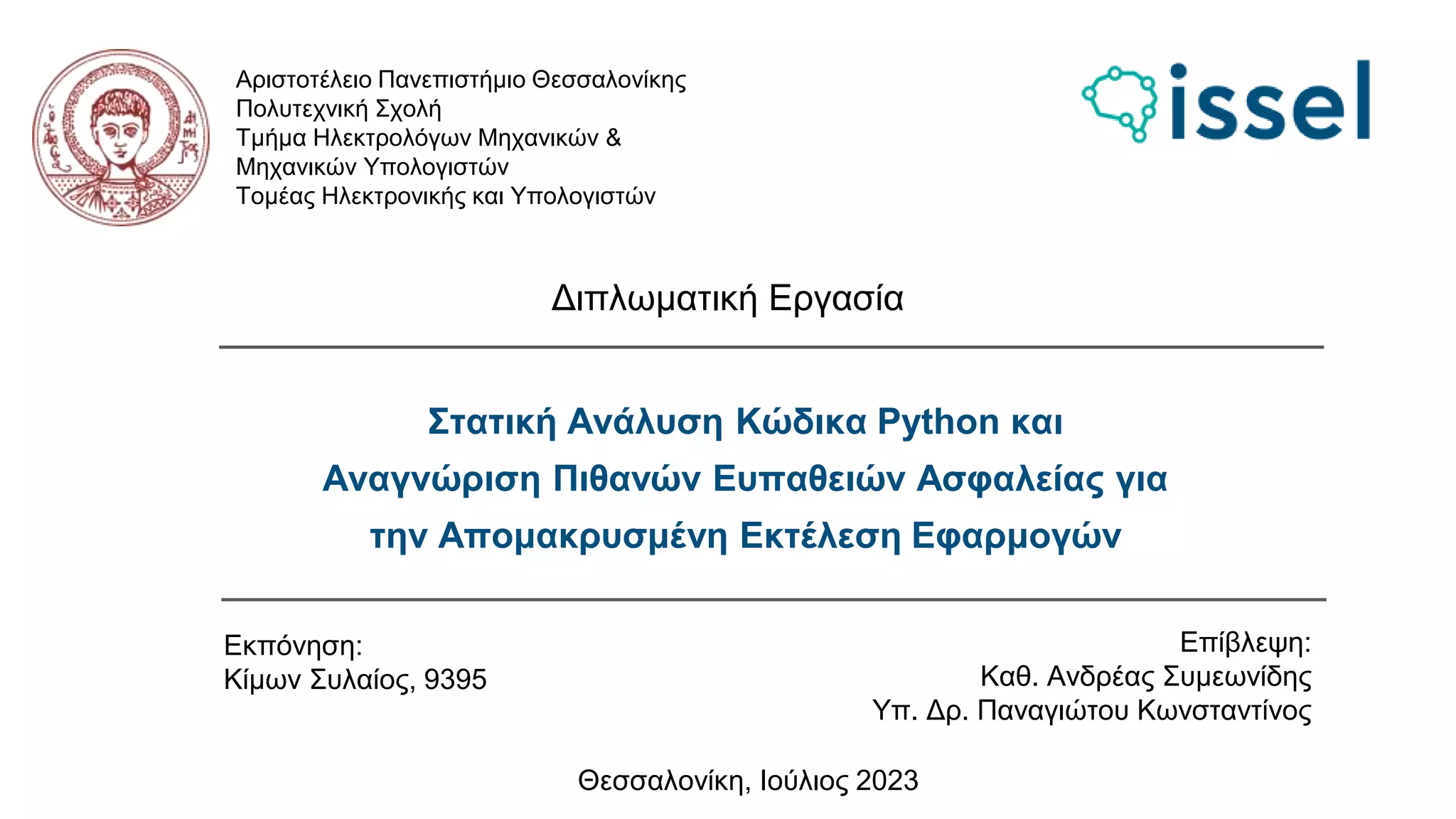
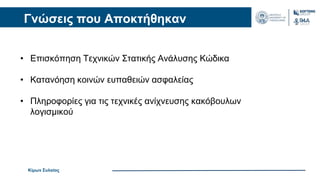
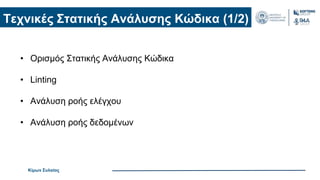
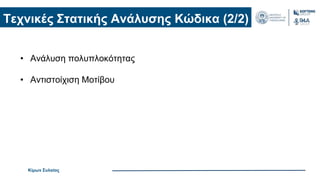
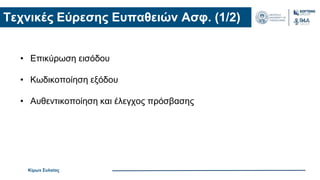
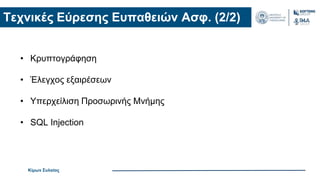
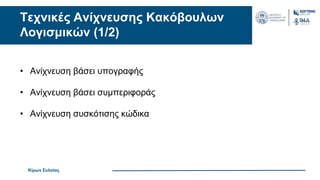
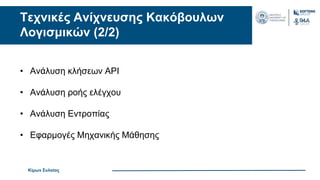
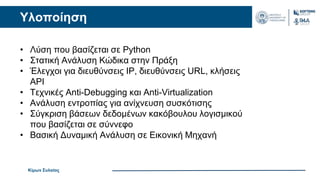
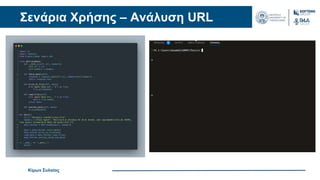
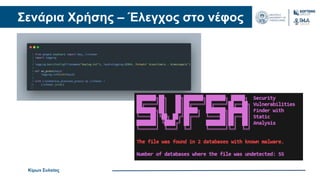
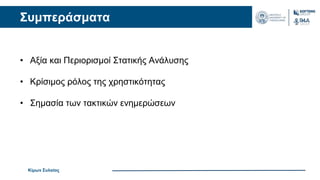
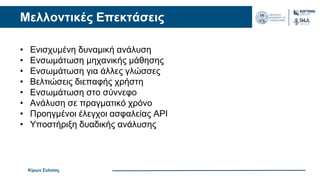

The advent of computational systems has brought forth significant advancements, but concurrently, it has accentuated the urgency for secure and robust software. Security analysis techniques, specifically static code analysis, have been at the forefront of this pursuit. Inspired by the ability to examine code without executing it, these techniques offer the potential to detect vulnerabilities in systems effectively, including data flow issues, control flow complications, and complex security vulnerabilities. Compared to their traditional counterparts, modern computational systems present unique challenges. These systems often operate in environments where system integrity is paramount and any potential security vulnerability could lead to significant damage. This necessitates the implementation of mechanisms that provide rigorous vulnerability detection while maintaining system performance. The focal point of the present thesis is the application of static Python code analysis for the detection of security vulnerabilities in computational systems. A variety of techniques have been explored, including linting, control flow analysis, data flow analysis, complexity analysis, and pattern matching. Various methodologies for identifying security vulnerabilities are also investigated, such as input validation, output encoding, authentication and access control, cryptography, exception handling, buffer overflow, SQL injection, and file handling. A Python-based program is developed, utilizing these static code analysis techniques for comprehensive security evaluation. This tool probes IP addresses, URLs, API calls, and deploys anti-debugging and anti-virtualization strategies. Further, it scrutinizes the entropy of a file for potential obfuscation and contrasts the file against databases of known viruses via a cloud-based solution. It concludes with a basic dynamic analysis of the application’s source code, performed in a virtual environment. The outcomes of this research emphasize the significant role of Python static code analysis in maintaining the integrity of computational systems. The effective implementation of these techniques, along with appropriate software and a series of optimization steps, have the potential to provide solutions to prevalent security issues in computational systems, solidifying their place in a rapidly evolving digital landscape.


