Does this ever
happen to you
Ok, class. Today we are going to discuss...
Um......excuse me.
                     Can you
                     please pay
                     attention?
Am I
boring
you?
What is THAT you are reading exactly?
Oh, a graphic novel.
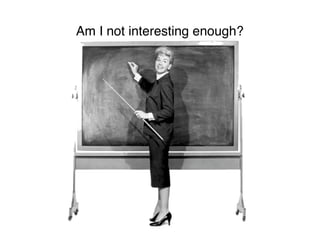
Am I not interesting enough?
Ever wonder how you can engage
 your students through reading?
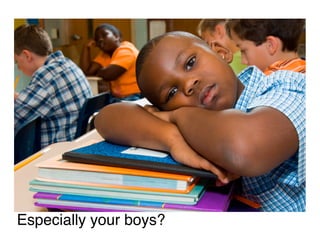
Especially your boys?
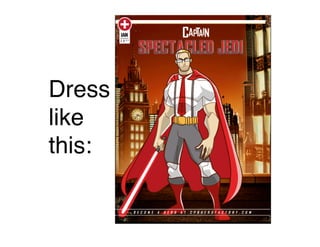
Dress
like
this:
Just kidding!
There is a way to engage
ALL of your students.
Use Graphic Novels!
Interested?


              ???
I thought so.
You're
probably
wondering...
Why graphic
 novels?
??


Aren't graphic novels and
 comics the same thing?
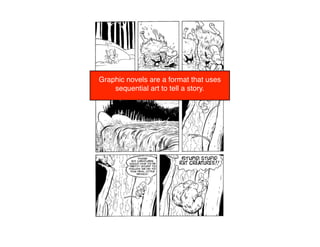
Graphic novels are a format that uses
    sequential art to tell a story.
Will Eisner
popularized
the term after
he published:
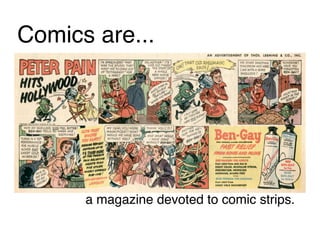
Comics are...


      a magazine devoted to comic strips.
Ok, but why use them?
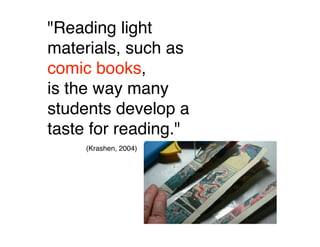
"Reading light
materials, such as
comic books,
is the way many
students develop a
taste for reading."
     (Krashen, 2004)
Kids LOVE them!
They motivate
boys to read.
Graphic novels contain
20% MORE rare vocabulary
than a typical chapter book.
                   (Krashen, 1993)
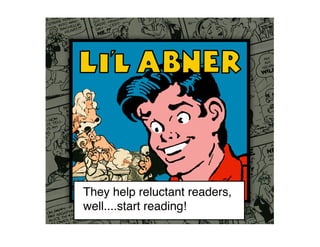
They help reluctant readers,
well....start reading!
Graphic novels
contain 40% MORE
vocabulary than a
typical conversation
between a child and
an adult.
     (Krashen, 1993)
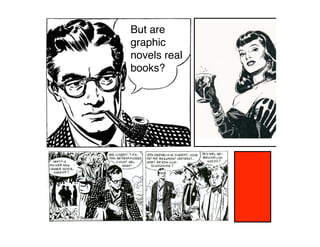
But are
graphic
novels real
books?
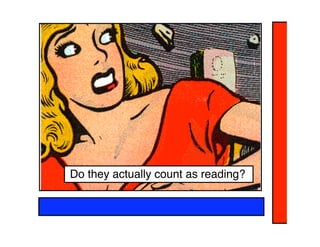
Do they actually count as reading?
YES!!!
All reading is
good reading.
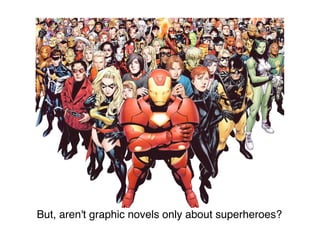
But, aren't graphic novels only about superheroes?
Graphic novels have
a variety of themes.


  For example...
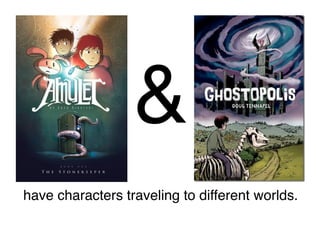
&
have characters traveling to different worlds.
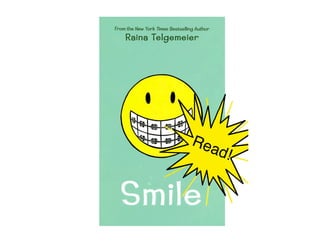
Struggling to fit in?
Rea
      d!
An
  un immi
     ive      g
for      rsa rant
    be      l se 's
       lon
           gin arch
               g.
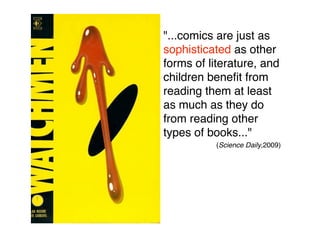
"...comics are just as
sophisticated as other
forms of literature, and
children benefit from
reading them at least
as much as they do
from reading other
types of books..."
          (Science Daily,2009)
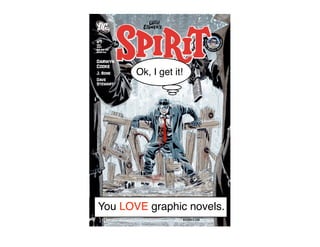
Ok, I get it!


You LOVE graphic novels.
wh at
B ut,
        the ay?
    es h s
 do
     se arc
  re
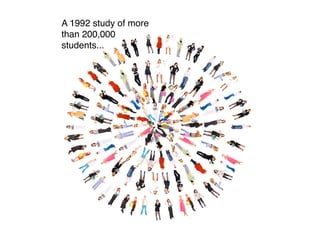
A 1992 study of more
than 200,000
students...
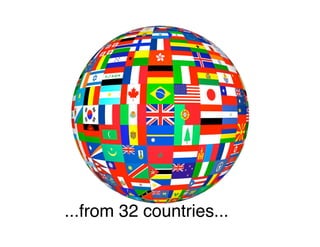
...from 32 countries...
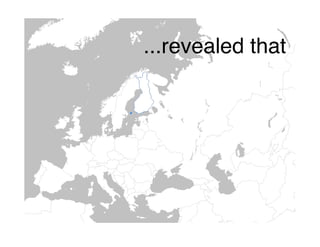
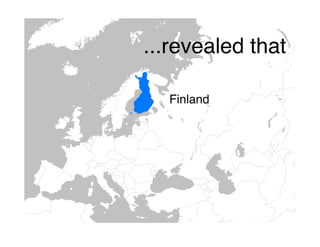
...revealed that
...revealed that

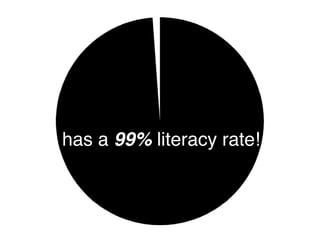
  Finland
has a 99% literacy rate!
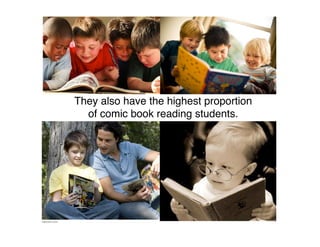
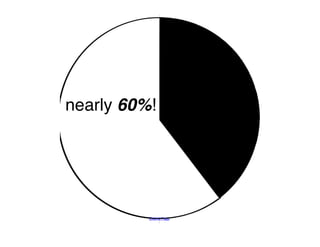
They also have the highest proportion
  of comic book reading students.

nearly 60%!
w !
 o
W
Need
more?
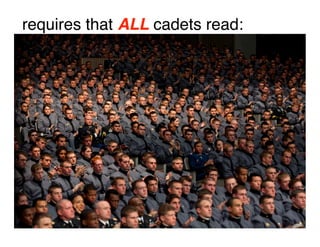
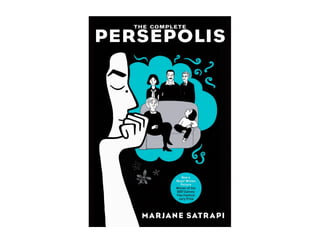
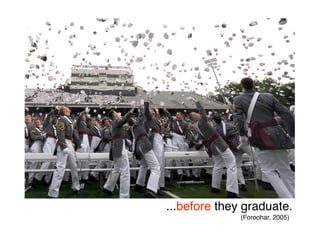
The U.S. Military Academy at West Point
requires that ALL cadets read:
...before they graduate.
              (Foroohar, 2005)
Maybe I should rethink
my literacy instruction.
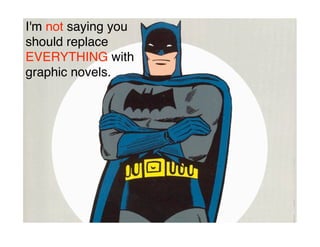
I'm not saying you
should replace
EVERYTHING with
graphic novels.
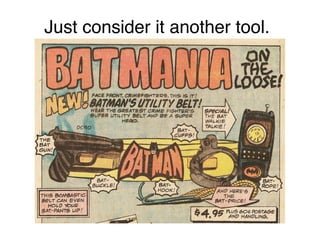
Just consider it another tool.
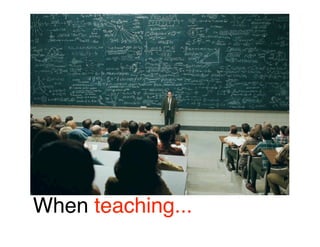
When teaching...
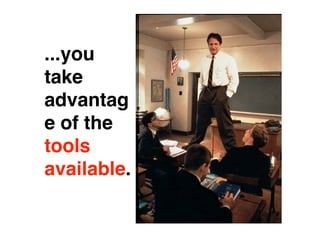
...you
take
advantag
e of the
tools
available.
Even if it means using:
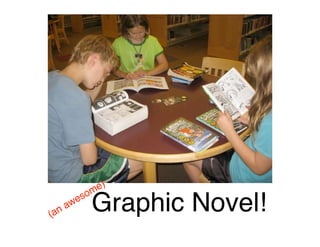
m e)
        so
(an aw
      e
             Graphic Novel!
Works Cited:
Brunnel, V., & Linnakyla, P. (1994). Swedish speakers' literacy in the Finnish society.
 Journal of Reading, 37(5), pp. 368-375.


Foroohar, R. (2005, August 25) Comic Relief. Newsweek, 146(8), 50-54. Retrieved from
   http://web.ebscohost.com

Krashen, Stephen D. 2004. The Power of Reading: Insights from the Research.
   Portsmouth, NH: Heinemann.

Krashen, Stephen D. 1993. The Power of Reading. Englewood: Libraries Unlimited,
   Inc.

McCloud, S. (2006). Making Comics: Storytelling Secrets of Comics, Manga and
  Graphic Novels. New York: Harper.


University of Illinois at Urbana-Champaign (2009, November 5). For Improving Early
   Literacy, Reading Comics Is No Child's Play. Science Daily. Retrieved
   from http://www.sciencedaily.com
Images Cited:
Corlett, M.L., Fine, R.E., & Lichenstein, R. (2002). The Prints of Roy Lichtenstein:
 A Catalogue Raisonne 1948-1997. Hudson Hills Press.

Eisner, Will. A Contract with God And Other Tenement Stories. W.W. Norton &
   Company, 2006.

Kibuishi, Kazu. The Stonekeeper (Amulet, Book 1). GRAPHIX, 2008.


Moore, Alan. The Watchmen. DC Comics, 1995.

Tan, Shaun. The Arrival. Arthur A. Levine Books, 2007.

Telgemeier, Raina. Smile. GRAPHIX, 2010.

Tennapel, Doug. Ghostopolis. GRAPHIX, 2010.

All other images are care of Marvel Comics, DC Comics, and Harvey Comics
 Creative Commons Licensing.

Stand Alone Presentation