Guided by- Prepared By
Prof. Blessy Antony Mr. Adwin Anand
Verma
HOD Psychiatric Nursing M.Sc. Nursing Final
Year
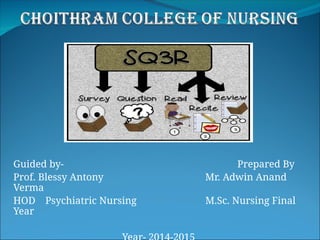
 Survey
 Question
 Read
 Recite
 Review
The very first step is survey or Skim, advices that one
should resist the temptation to read the book and
instead glance through a chapter in order to identify
headings, sub-headings and outer outstanding features
in the texts. This is in order to identify the ideas and
formulate questions about the content of the chapter.
Survey: Steps
Look over the material
 Title
 Preview or introduction
 Headings or subheadings
 Visuals
 Summary
 Questions
Why Survey?
 Get the big picture
 Decide importance
 Know important points
 Connect known to unknown
 Prepare to read
Step 2 Question
The second step is to formulate the question
about the content of the reading. For eg – convert
heading and sub headings into questions and
then look for answers in the content of the text.
How to Question
 Turn headings into questions
 Ask what
 Ask who
 Ask why
 Ask how
Why Question?
 Helps students to stay focused
 Gives reader a purpose to read
 Creates interest
 Forces reader to pay attention
 Asking questions gives you motivation
 Can help you decide which information is important in
the text.
Example of Questioning?
 Heading: Circulation of Blood
 Think: What might be contained in
this paragraph?
 Question: How the circulation of
blood takes place?
You Try Questioning
 Heading: cardiac cycle.
 Think: ______________________
 Question:
How to Read Actively
 Look for answers to questions
 Talk
 Write in margins
 Highlight
 Stand up
 Pay attention to the meanings of boldfaced
terms.
Cont..
 Do not stop to take notes while you read.
 Strive to understand how ideas relate to each
other.
 Use mnemonics to ease your reading and recalling.
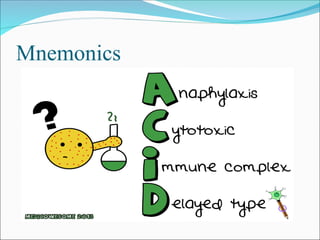
Mnemonics
What are Mnemonics?
 First letter- take out every first letter from the
points need to be learned for eg-
 Describe the structure of heart?
 Heart is a hollow muscular organ
 It pumps blood
 There are 4 chambers in heart
 An average weight of a human heart is 250-
300 gms.
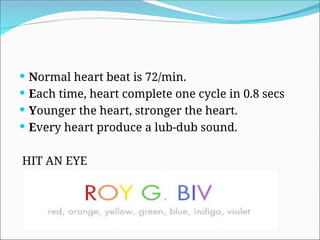
 Normal heart beat is 72/min.
 Each time, heart complete one cycle in 0.8 secs
 Younger the heart, stronger the heart.
 Every heart produce a lub-dub sound.
HIT AN EYE
First word…
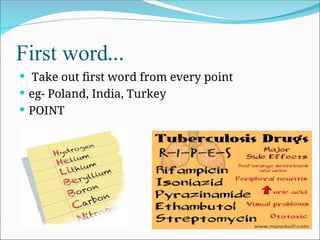
 Take out first word from every point
 eg- Poland, India, Turkey
 POINT
Chunking
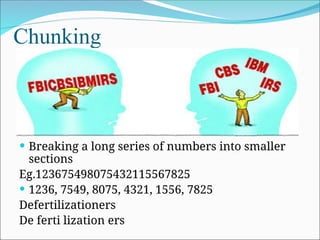
 Breaking a long series of numbers into smaller
sections
Eg.123675498075432115567825
 1236, 7549, 8075, 4321, 1556, 7825
Defertilizationers
De ferti lization ers
Rhyming
 Read the Paragraph in a
Rhyming way like kinder
garten..
Why Read
 To gain information
 To prepare for lecture
 To prepare for discussion
 To prepare for tests
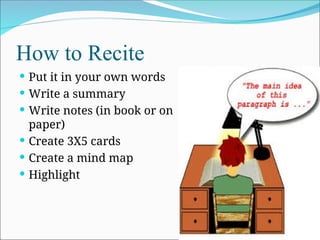
How to Recite
 Put it in your own words
 Write a summary
 Write notes (in book or on
paper)
 Create 3X5 cards
 Create a mind map
 Highlight
Why Recite?
 Retain information
 Check understanding
 Final R is review which instruct diligent student
to review all sections pertaining to any key
words forgotten.
How to
 Check over notes
 Re-read highlights
 Immediately after
reading
 Weekly
 Before tests
SQ3R_presentation to be kept after module.ppt

SQ3R_presentation to be kept after module.ppt

  • 1.
    Guided by- PreparedBy Prof. Blessy Antony Mr. Adwin Anand Verma HOD Psychiatric Nursing M.Sc. Nursing Final Year
  • 2.
     Survey  Question Read  Recite  Review
  • 3.
    The very firststep is survey or Skim, advices that one should resist the temptation to read the book and instead glance through a chapter in order to identify headings, sub-headings and outer outstanding features in the texts. This is in order to identify the ideas and formulate questions about the content of the chapter.
  • 4.
    Survey: Steps Look overthe material  Title  Preview or introduction  Headings or subheadings  Visuals  Summary  Questions
  • 5.
    Why Survey?  Getthe big picture  Decide importance  Know important points  Connect known to unknown  Prepare to read
  • 6.
  • 7.
    The second stepis to formulate the question about the content of the reading. For eg – convert heading and sub headings into questions and then look for answers in the content of the text.
  • 8.
    How to Question Turn headings into questions  Ask what  Ask who  Ask why  Ask how
  • 9.
    Why Question?  Helpsstudents to stay focused  Gives reader a purpose to read  Creates interest  Forces reader to pay attention  Asking questions gives you motivation  Can help you decide which information is important in the text.
  • 10.
    Example of Questioning? Heading: Circulation of Blood  Think: What might be contained in this paragraph?  Question: How the circulation of blood takes place?
  • 11.
    You Try Questioning Heading: cardiac cycle.  Think: ______________________  Question:
  • 13.
    How to ReadActively  Look for answers to questions  Talk  Write in margins  Highlight  Stand up  Pay attention to the meanings of boldfaced terms.
  • 14.
    Cont..  Do notstop to take notes while you read.  Strive to understand how ideas relate to each other.  Use mnemonics to ease your reading and recalling.
  • 15.
  • 16.
    What are Mnemonics? First letter- take out every first letter from the points need to be learned for eg-  Describe the structure of heart?  Heart is a hollow muscular organ  It pumps blood  There are 4 chambers in heart  An average weight of a human heart is 250- 300 gms.
  • 17.
     Normal heartbeat is 72/min.  Each time, heart complete one cycle in 0.8 secs  Younger the heart, stronger the heart.  Every heart produce a lub-dub sound. HIT AN EYE
  • 18.
    First word…  Takeout first word from every point  eg- Poland, India, Turkey  POINT
  • 19.
    Chunking  Breaking along series of numbers into smaller sections Eg.123675498075432115567825  1236, 7549, 8075, 4321, 1556, 7825 Defertilizationers De ferti lization ers

  • 20.
    Rhyming  Read theParagraph in a Rhyming way like kinder garten..
  • 21.
    Why Read  Togain information  To prepare for lecture  To prepare for discussion  To prepare for tests
  • 23.
    How to Recite Put it in your own words  Write a summary  Write notes (in book or on paper)  Create 3X5 cards  Create a mind map  Highlight
  • 24.
    Why Recite?  Retaininformation  Check understanding
  • 25.
     Final Ris review which instruct diligent student to review all sections pertaining to any key words forgotten.
  • 26.
    How to  Checkover notes  Re-read highlights  Immediately after reading  Weekly  Before tests