

Unite the world through Music.
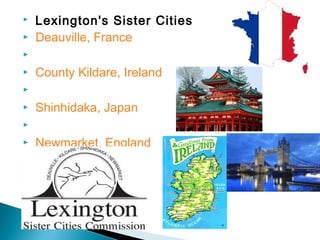
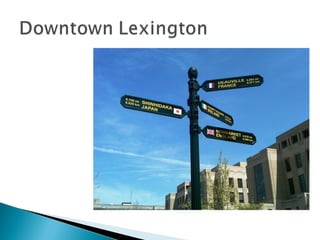
 Lexington's Sister Cities
  Deauville, France


 
  County Kildare, Ireland
 
  Shinhidaka, Japan
 
  Newmarket, England

Different
Cultures of the
World
United Through
Art
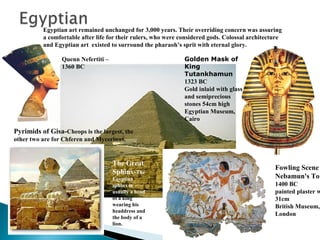
Egyptian art remained unchanged for 3,000 years. Their overriding concern was assuring
a comfortable after life for their rulers, who were considered gods. Colossal architecture
and Egyptian art existed to surround the pharaoh’s sprit with eternal glory.
Golden Mask of
King
Tutankhamun
1323 BC
Gold inlaid with glass
and semiprecious
stones 54cm high
Egyptian Museum,
Cairo

Quenn Nefertiti –
1360 BC

Pyrimids of Gisa-Cheops is the largest, the
other two are for Chferen and Mycerinus.

The Great
Sphinx-The
Egyptian
sphinx is
usually a head
of a king
wearing his
headdress and
the body of a
lion.

Fowling Scene
Nebamun's Tom

1400 BC
painted plaster w
31cm
British Museum,
London
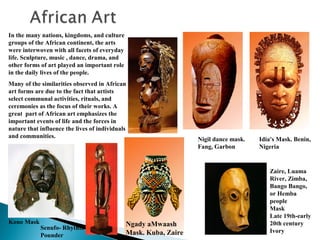
In the many nations, kingdoms, and culture
groups of the African continent, the arts
were interwoven with all facets of everyday
life. Sculpture, music , dance, drama, and
other forms of art played an important role
in the daily lives of the people.
Many of the similarities observed in African
art forms are due to the fact that artists
select communal activities, rituals, and
ceremonies as the focus of their works. A
great part of African art emphasizes the
important events of life and the forces in
nature that influence the lives of individuals
and communities.

Kono Mask

Senufo- Rhythm
Pounder

Ngady aMwaash
Mask. Kuba, Zaire

Nigil dance mask.
Fang, Garbon

Idia's Mask. Benin,
Nigeria

Zaire, Luama
River, Zimba,
Bango Bango,
or Hemba
people
Mask
Late 19th-early
20th century
Ivory
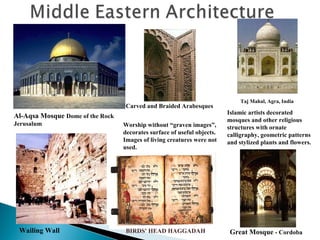
Carved and Braided Arabesques

Al-Aqsa Mosque Dome of the Rock
Jerusalum

Wailing Wall

Worship without “graven images”,
decorates surface of useful objects.
Images of living creatures were not
used.

BIRDS' HEAD HAGGADAH

Taj Mahal, Agra, India

Islamic artists decorated
mosques and other religious
structures with ornate
calligraphy, geometric patterns
and stylized plants and flowers.

Great Mosque - Cordoba
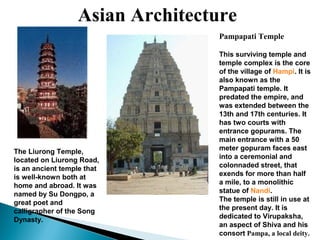
Asian Architecture
Pampapati Temple

The Liurong Temple,
located on Liurong Road,
is an ancient temple that
is well-known both at
home and abroad. It was
named by Su Dongpo, a
great poet and
calligrapher of the Song
Dynasty.

This surviving temple and
temple complex is the core
of the village of Hampi. It is
also known as the
Pampapati temple. It
predated the empire, and
was extended between the
13th and 17th centuries. It
has two courts with
entrance gopurams. The
main entrance with a 50
meter gopuram faces east
into a ceremonial and
colonnaded street, that
exends for more than half
a mile, to a monolithic
statue of Nandi.
The temple is still in use at
the present day. It is
dedicated to Virupaksha,
an aspect of Shiva and his
consort Pampa, a local deity.
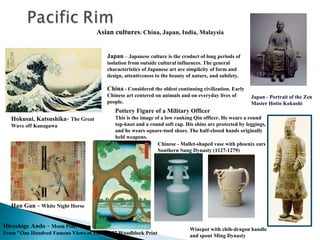
Asian cultures: China, Japan, India, Malaysia
Japan – Japanese culture is the croduct of long periods of
isolation from outside cultural influences. The general
characteristics of Japanese art are simplicity of form and
design, attentiveness to the beauty of nature, and subtlety.

China - Considered the oldest continuing civilization. Early
Chinese art centered on animals and on everyday lives of
people.

Japan - Portrait of the Zen
Master Hotto Kokushi

Pottery Figure of a Military Officer
Hokusai, Katsushika- The Great
Wave off Kanagawa

This is the image of a low ranking Qin officer. He wears a round
top-knot and a round soft cap. His shins are protected by leggings,
and he wears square-toed shoes. The half-closed hands originally
held weapons.
Chinese - Mallet-shaped vase with phoenix ears
Southern Sung Dynasty (1127-1279)

Han Gan - White Night Horse
Hiroshige Ando - Moon Pine, Ueno
From "One Hundred Famous Views of Edo“ 1857 Woodblock Print

Winepot with chih-dragon handle
and spout Ming Dynasty
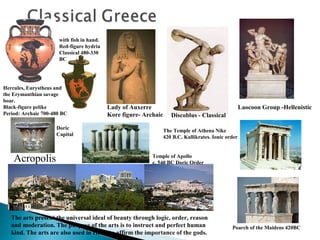
with fish in hand.
Red-figure hydria
Classical 480-330
BC

Hercules, Eurystheus and
the Erymanthian savage
boar.
Black-figure pelike
Period: Archaic 700-480 BC
Doric
Capital

Acropolis

Lady of Auxerre
Kore figure- Archaic

Laocoon Group -Hellenistic
Discoblus - Classical
The Temple of Athena Nike
420 B.C. Kallikrates. Ionic order

Temple of Apollo
c. 540 BC Doric Order

The arts present the universal ideal of beauty through logic, order, reason
and moderation. The purpose of the arts is to instruct and perfect human
kind. The arts are also used in ritual to affirm the importance of the gods.

Poarch of the Maidens 420BC
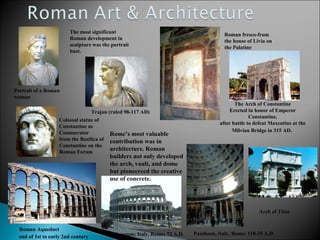
The most significant
Roman development in
sculpture was the portrait
bust.

Roman fresco-from
the house of Livia on
the Palatine
Portrait of a Roman
woman
Trajan (ruled 98-117 AD)
Colossal statue of
Constantine as
Cosmocrator
Rome’s most valuable
from the Basilica of contribution was in
Constantine on the
architecture. Roman
Roman Forum

The Arch of Constantine
Erected in honor of Emperor
Constantine,
after battle to defeat Maxentius at the
Milvian Bridge in 315 AD.

builders not only developed
the arch, vault, and dome
but pioneereed the creative
use of concrete.

Arch of Titus
Roman Aqueduct
end of 1st to early 2nd century

Colosseum; Italy, Rome; 72 A.D.

Pantheon, Italy, Rome; 118-35 A.D
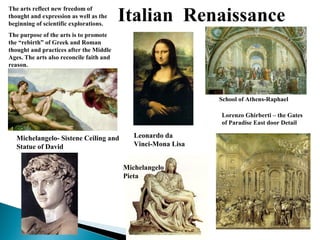
The arts reflect new freedom of
thought and expression as well as the
beginning of scientific explorations.

Italian Renaissance

The purpose of the arts is to promote
the “rebirth” of Greek and Roman
thought and practices after the Middle
Ages. The arts also reconcile faith and
reason.

School of Athens-Raphael
Lorenzo Ghirberti – the Gates
of Paradise East door Detail

Michelangelo- Sistene Ceiling and
Statue of David

Leonardo da
Vinci-Mona Lisa
Michelangelo
Pieta
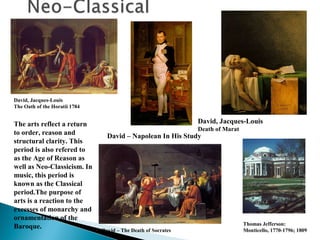
David, Jacques-Louis
The Oath of the Horatii 1784

The arts reflect a return
to order, reason and
structural clarity. This
period is also refered to
as the Age of Reason as
well as Neo-Classicism. In
music, this period is
known as the Classical
period.The purpose of
arts is a reaction to the
excesses of monarchy and
ornamentation of the
Baroque.

David, Jacques-Louis
Death of Marat

David – Napolean In His Study

David – The Death of Socrates

Thomas Jefferson:
Monticello, 1770-1796; 1809
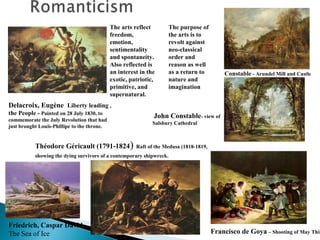
The arts reflect
freedom,
emotion,
sentimentality
and spontaneity.
Also reflected is
an interest in the
exotic, patriotic,
primitive, and
supernatural.

The purpose of
the arts is to
revolt against
neo-classical
order and
reason as well
as a return to
nature and
imagination

Constable - Arundel Mill and Castle
1837

Delacroix, Eugène Liberty leading .
the People - Painted on 28 July 1830, to
commemorate the July Revolution that had
just brought Louis-Phillipe to the throne.

Théodore Géricault (1791-1824)

John Constable- view of
Salsbury Cathedral

Raft of the Medusa (1818-1819,

showing the dying survivors of a contemporary shipwreck.

Friedrich, Caspar David
The Sea of Ice

Francisco de Goya – Shooting of May Thir
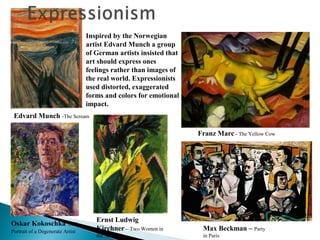
Inspired by the Norwegian
artist Edvard Munch a group
of German artists insisted that
art should express ones
feelings rather than images of
the real world. Expressionists
used distorted, exaggerated
forms and colors for emotional
impact.
Edvard Munch -The Scream
Franz Marc - The Yellow Cow

Oskar Kokoschka

Self
Portrait of a Degenerate Artist

Ernst Ludwig
Kirchner – Two Women in

Max Beckman – Party

the Street

in Paris
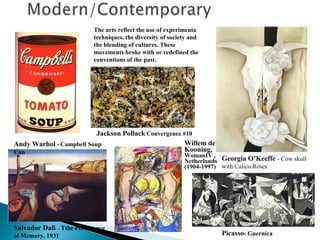
The arts reflect the use of experimenta
techniques, the diversity of society and
the blending of cultures. These
movements broke with or redefined the
conventions of the past.

Jackson Pollack Convergence #10
Willem de
Andy Warhol - Campbell Soup
Kooning,
Can

WomanIV ,
Netherlands Georgia O’Keeffe - Cow skull
(1904-1997) with Calico Roses

Salvador Dali – Tthe Persistance
of Memory, 1931

Picasso- Guernica
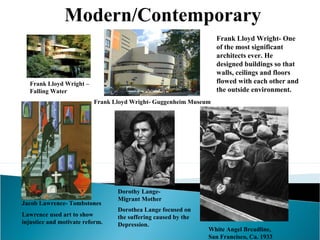
Modern/Contemporary
Frank Lloyd Wright- One
of the most significant
architects ever. He
designed buildings so that
walls, ceilings and floors
flowed with each other and
the outside environment.

Frank Lloyd Wright –
Falling Water
Frank Lloyd Wright- Guggenheim Museum

Jacob Lawrence- Tombstones
Lawrence used art to show
injustice and motivate reform.

Dorothy LangeMigrant Mother
Dorothea Lange focused on
the suffering caused by the
Depression.

White Angel Breadline,
San Francisco, Ca. 1933


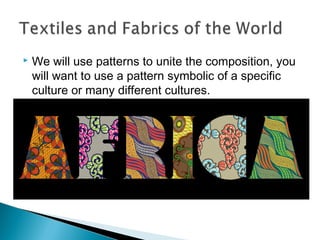
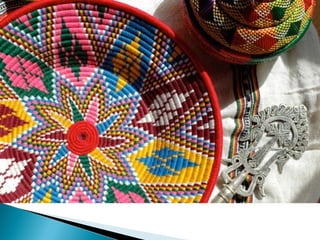
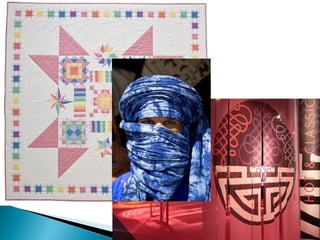
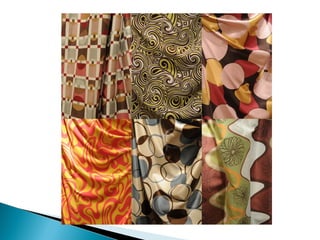
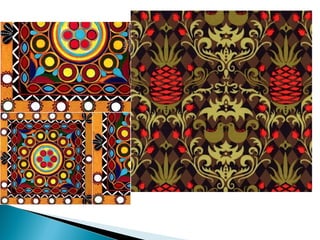
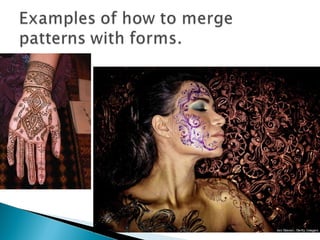
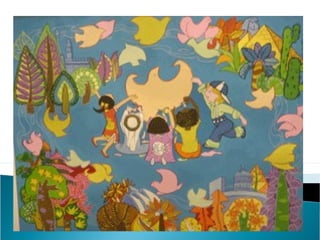
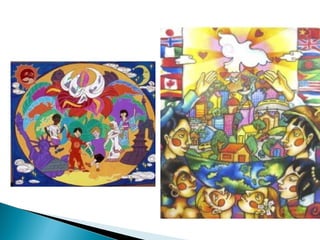
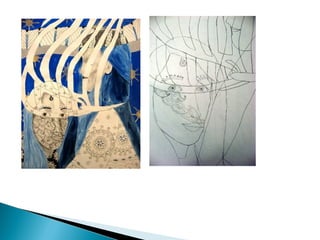
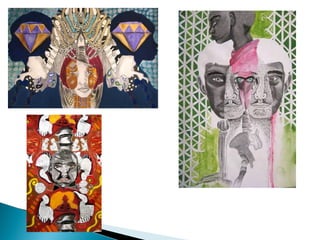
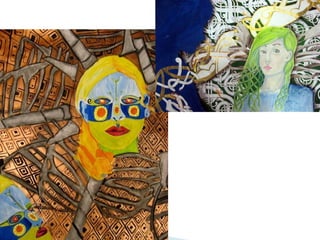
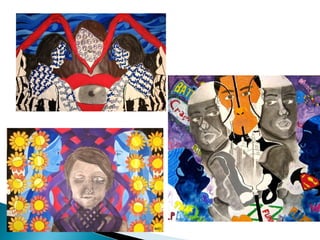
We will use patterns to unite the composition, you
will want to use a pattern symbolic of a specific
culture or many different cultures.


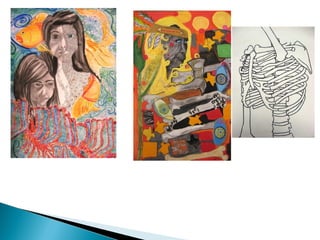
Pay attention to the
symbolism and the ideas
behind the work.
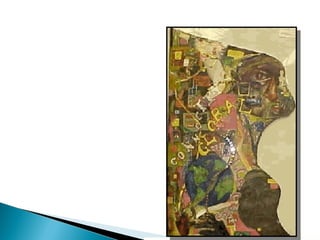
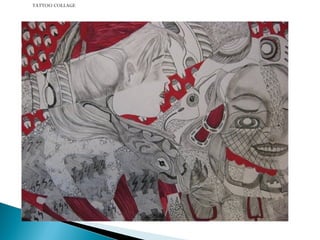
TATTOO COLLAGE
Sister cities ppt
Sister cities ppt
Sister cities ppt
Sister cities ppt
Sister cities ppt

Sister cities ppt

  • 2.
     Unite the worldthrough Music.
  • 3.
     Lexington's Sister Cities  Deauville, France      County Kildare, Ireland     Shinhidaka, Japan     Newmarket, England 
  • 5.
  • 6.
    Egyptian art remainedunchanged for 3,000 years. Their overriding concern was assuring a comfortable after life for their rulers, who were considered gods. Colossal architecture and Egyptian art existed to surround the pharaoh’s sprit with eternal glory. Golden Mask of King Tutankhamun 1323 BC Gold inlaid with glass and semiprecious stones 54cm high Egyptian Museum, Cairo Quenn Nefertiti – 1360 BC Pyrimids of Gisa-Cheops is the largest, the other two are for Chferen and Mycerinus. The Great Sphinx-The Egyptian sphinx is usually a head of a king wearing his headdress and the body of a lion. Fowling Scene Nebamun's Tom 1400 BC painted plaster w 31cm British Museum, London
  • 7.
    In the manynations, kingdoms, and culture groups of the African continent, the arts were interwoven with all facets of everyday life. Sculpture, music , dance, drama, and other forms of art played an important role in the daily lives of the people. Many of the similarities observed in African art forms are due to the fact that artists select communal activities, rituals, and ceremonies as the focus of their works. A great part of African art emphasizes the important events of life and the forces in nature that influence the lives of individuals and communities. Kono Mask Senufo- Rhythm Pounder Ngady aMwaash Mask. Kuba, Zaire Nigil dance mask. Fang, Garbon Idia's Mask. Benin, Nigeria Zaire, Luama River, Zimba, Bango Bango, or Hemba people Mask Late 19th-early 20th century Ivory
  • 8.
    Carved and BraidedArabesques Al-Aqsa Mosque Dome of the Rock Jerusalum Wailing Wall Worship without “graven images”, decorates surface of useful objects. Images of living creatures were not used. BIRDS' HEAD HAGGADAH Taj Mahal, Agra, India Islamic artists decorated mosques and other religious structures with ornate calligraphy, geometric patterns and stylized plants and flowers. Great Mosque - Cordoba
  • 9.
    Asian Architecture Pampapati Temple TheLiurong Temple, located on Liurong Road, is an ancient temple that is well-known both at home and abroad. It was named by Su Dongpo, a great poet and calligrapher of the Song Dynasty. This surviving temple and temple complex is the core of the village of Hampi. It is also known as the Pampapati temple. It predated the empire, and was extended between the 13th and 17th centuries. It has two courts with entrance gopurams. The main entrance with a 50 meter gopuram faces east into a ceremonial and colonnaded street, that exends for more than half a mile, to a monolithic statue of Nandi. The temple is still in use at the present day. It is dedicated to Virupaksha, an aspect of Shiva and his consort Pampa, a local deity.
  • 10.
    Asian cultures: China,Japan, India, Malaysia Japan – Japanese culture is the croduct of long periods of isolation from outside cultural influences. The general characteristics of Japanese art are simplicity of form and design, attentiveness to the beauty of nature, and subtlety. China - Considered the oldest continuing civilization. Early Chinese art centered on animals and on everyday lives of people. Japan - Portrait of the Zen Master Hotto Kokushi Pottery Figure of a Military Officer Hokusai, Katsushika- The Great Wave off Kanagawa This is the image of a low ranking Qin officer. He wears a round top-knot and a round soft cap. His shins are protected by leggings, and he wears square-toed shoes. The half-closed hands originally held weapons. Chinese - Mallet-shaped vase with phoenix ears Southern Sung Dynasty (1127-1279) Han Gan - White Night Horse Hiroshige Ando - Moon Pine, Ueno From "One Hundred Famous Views of Edo“ 1857 Woodblock Print Winepot with chih-dragon handle and spout Ming Dynasty
  • 11.
    with fish inhand. Red-figure hydria Classical 480-330 BC Hercules, Eurystheus and the Erymanthian savage boar. Black-figure pelike Period: Archaic 700-480 BC Doric Capital Acropolis Lady of Auxerre Kore figure- Archaic Laocoon Group -Hellenistic Discoblus - Classical The Temple of Athena Nike 420 B.C. Kallikrates. Ionic order Temple of Apollo c. 540 BC Doric Order The arts present the universal ideal of beauty through logic, order, reason and moderation. The purpose of the arts is to instruct and perfect human kind. The arts are also used in ritual to affirm the importance of the gods. Poarch of the Maidens 420BC
  • 12.
    The most significant Romandevelopment in sculpture was the portrait bust. Roman fresco-from the house of Livia on the Palatine Portrait of a Roman woman Trajan (ruled 98-117 AD) Colossal statue of Constantine as Cosmocrator Rome’s most valuable from the Basilica of contribution was in Constantine on the architecture. Roman Roman Forum The Arch of Constantine Erected in honor of Emperor Constantine, after battle to defeat Maxentius at the Milvian Bridge in 315 AD. builders not only developed the arch, vault, and dome but pioneereed the creative use of concrete. Arch of Titus Roman Aqueduct end of 1st to early 2nd century Colosseum; Italy, Rome; 72 A.D. Pantheon, Italy, Rome; 118-35 A.D
  • 13.
    The arts reflectnew freedom of thought and expression as well as the beginning of scientific explorations. Italian Renaissance The purpose of the arts is to promote the “rebirth” of Greek and Roman thought and practices after the Middle Ages. The arts also reconcile faith and reason. School of Athens-Raphael Lorenzo Ghirberti – the Gates of Paradise East door Detail Michelangelo- Sistene Ceiling and Statue of David Leonardo da Vinci-Mona Lisa Michelangelo Pieta
  • 14.
    David, Jacques-Louis The Oathof the Horatii 1784 The arts reflect a return to order, reason and structural clarity. This period is also refered to as the Age of Reason as well as Neo-Classicism. In music, this period is known as the Classical period.The purpose of arts is a reaction to the excesses of monarchy and ornamentation of the Baroque. David, Jacques-Louis Death of Marat David – Napolean In His Study David – The Death of Socrates Thomas Jefferson: Monticello, 1770-1796; 1809
  • 15.
    The arts reflect freedom, emotion, sentimentality andspontaneity. Also reflected is an interest in the exotic, patriotic, primitive, and supernatural. The purpose of the arts is to revolt against neo-classical order and reason as well as a return to nature and imagination Constable - Arundel Mill and Castle 1837 Delacroix, Eugène Liberty leading . the People - Painted on 28 July 1830, to commemorate the July Revolution that had just brought Louis-Phillipe to the throne. Théodore Géricault (1791-1824) John Constable- view of Salsbury Cathedral Raft of the Medusa (1818-1819, showing the dying survivors of a contemporary shipwreck. Friedrich, Caspar David The Sea of Ice Francisco de Goya – Shooting of May Thir
  • 16.
    Inspired by theNorwegian artist Edvard Munch a group of German artists insisted that art should express ones feelings rather than images of the real world. Expressionists used distorted, exaggerated forms and colors for emotional impact. Edvard Munch -The Scream Franz Marc - The Yellow Cow Oskar Kokoschka Self Portrait of a Degenerate Artist Ernst Ludwig Kirchner – Two Women in Max Beckman – Party the Street in Paris
  • 17.
    The arts reflectthe use of experimenta techniques, the diversity of society and the blending of cultures. These movements broke with or redefined the conventions of the past. Jackson Pollack Convergence #10 Willem de Andy Warhol - Campbell Soup Kooning, Can WomanIV , Netherlands Georgia O’Keeffe - Cow skull (1904-1997) with Calico Roses Salvador Dali – Tthe Persistance of Memory, 1931 Picasso- Guernica
  • 18.
    Modern/Contemporary Frank Lloyd Wright-One of the most significant architects ever. He designed buildings so that walls, ceilings and floors flowed with each other and the outside environment. Frank Lloyd Wright – Falling Water Frank Lloyd Wright- Guggenheim Museum Jacob Lawrence- Tombstones Lawrence used art to show injustice and motivate reform. Dorothy LangeMigrant Mother Dorothea Lange focused on the suffering caused by the Depression. White Angel Breadline, San Francisco, Ca. 1933
  • 19.
     We will usepatterns to unite the composition, you will want to use a pattern symbolic of a specific culture or many different cultures.
  • 25.
     Pay attention tothe symbolism and the ideas behind the work.
  • 31.