A QUANTITATIVE STUDY ONTHE PERCEPTION
OF COMMUNITY COLLEGES PROFESSORS AND
STAFF OF ADMINISTRATORS’
TRANSFORMATIONAL LEADERSHIP STYLE AT A
SELECTED COMMUNITY COLLEGE DISTRICT IN
TEXAS
A Dissertation Defense
Simone A. Gardiner
William Allan Kritsonis, PhD
Dissertation Chair
1
Dissertation Committee Members
• Dr.William Allan Kritsonis
Dissertation Chair
• Dr. Patricia Hoffman-Miller
• Dr. Deborah Harris
• Dr. Gbolahan Solomon Osho
2
Chapter 1
Background of the Problem
 Since their establishment in 1901, community colleges
have grown into a unique educational system that have
proven to be of vital importance not only to the
communities they serve, but to the
social, economic, and intellectual development of the
United States (Sullivan, 2001).
Statement of the Problem
 Limited research has been conducted on leadership in
academic departments.Within community
colleges, chairpersons have the authority to make
departmental decisions, but rarely does formal training
exist for this position.
4
 There was a need to study and focus on how the
leadership style among administrators at the
community college level may be affected by perceptions
of others.This focus was through the eyes of deans and
chairpersons with close emphasis on administrators’
transformational leadership style at a selected
Community College District in Texas.
5
Purpose of the Study
 The purpose of the study was to examine
differences between selected community
college district administrators’ and
faculty/staff’s perceptions of the
administrator transformational leadership
style.
6
Research Questions
The research questions guiding this study were as follows:
1. Is there a statistically significant difference between faculty
and staff perception of administrators and self-evaluation of
administrators?
2. Is there a statistically significant difference based on gender
of the rater between faculty and staff perceptions of the
extent to which administrators at a selected Community
College District demonstrate a transformational leadership
style?
3. Is there a statistically significant difference based on gender
of the selected community college administrators regarding
the extent they have a transformational leadership style?
7
Research Questions Continued …
4. Is there a statistically significant difference based on ethnicity
regarding the extent to which faculty and staff perceive selected
community college administrators to have a transformational
Leadership style?
5.Is there statistically difference based on ethnicity between
administrators’ self-perceptions of the extent to which they
consider themselves to have a transformational leadership style?
6. Is there a statistically significant difference based on length of
service to the selected Community College District regarding
the extent to which faculty and staff perceive administrators to
have a transformational leadership style?
8
Research Questions Continued …
7. Is there a statistically significant difference based on
length of service between administrators’ self-perceptions
of the extent to which they consider themselves to have a
transformational leadership style?
9
Null Hypothesis
 H01 - There is no statistical significant difference between faculty
and staff perception of administrators and self-evaluation of
administrators.
 H02a – There is no statistically significant difference based on
gender of the rater between faculty and staff perceptions of the
extent to which administrators at a selected Community College
District demonstrate a transformational leadership style.
 H02b – There is no statistically significant difference based on
gender of selected Community College administrators regarding
the extent to which they have a transformational leadership style.
 H03a - There is no statistically significant difference based on
ethnicity regarding the extent to which faculty and staff perceive
selected Community College administrators have a
transformational leadership style.
10
Null Hypothesis continued . . .
H03b – There is no statistically significant difference based on ethnicity
between administrators’ self-perceptions of the extent to which they
consider themselves to have a transformational leadership style.
H04a - There is no statistically significant difference based on length of
service to the selected Community College District regarding the
extent to which faculty and staff perceive administrators to have a
transformational leadership style.
H04b - There is no statistically significant difference based on length of
service between administrators’ self-perceptions of the extent to which
they consider themselves to have a transformational leadership style.
11
Theoretical Framework
 The theoretical model used for this study included the
Augmentation Model of Transactional and
Transformational Leadership.
12
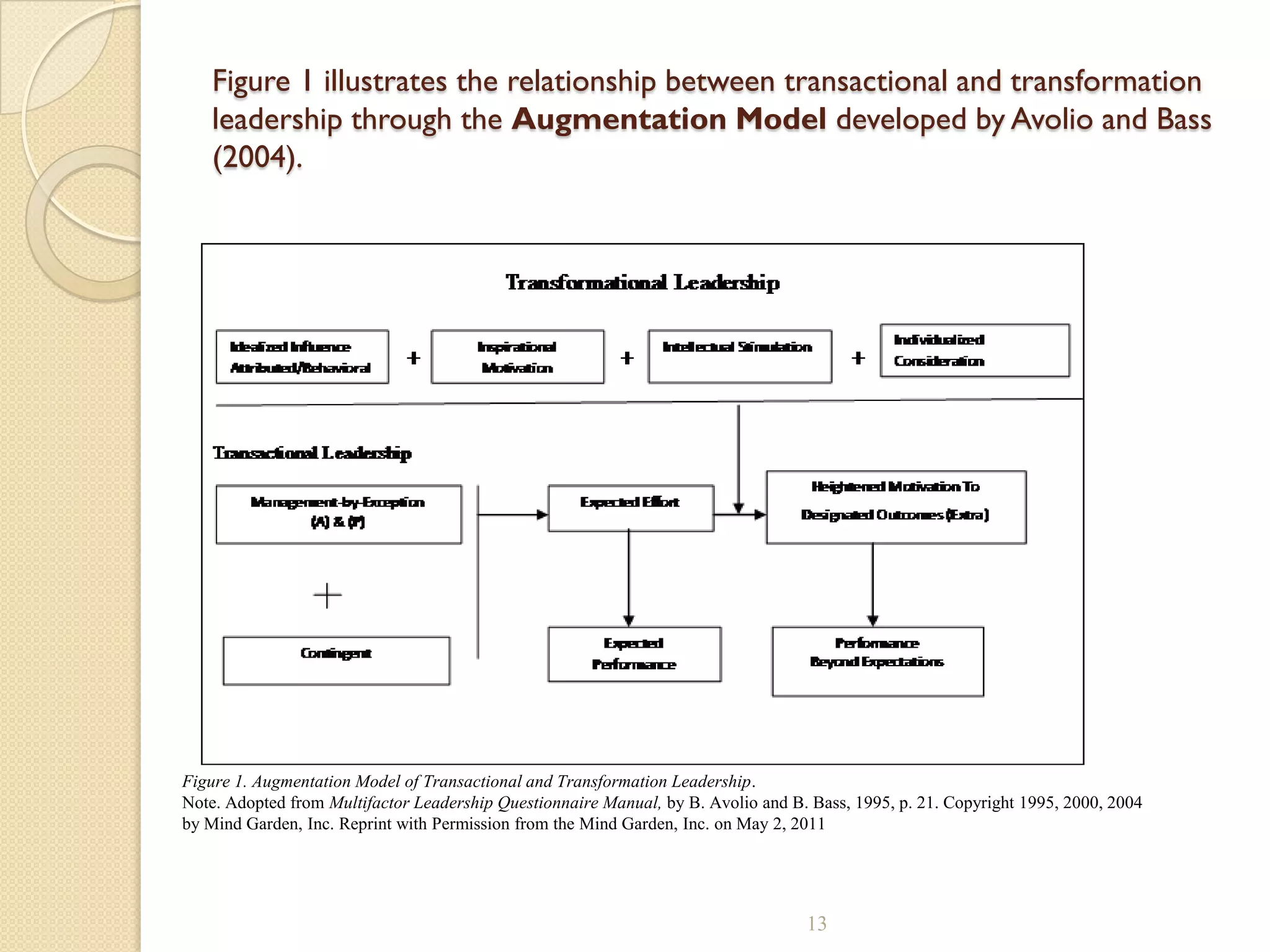
Figure 1 illustrates the relationship between transactional and transformation
leadership through the Augmentation Model developed by Avolio and Bass
(2004).
13
Figure 1. Augmentation Model of Transactional and Transformation Leadership.
Note. Adopted from Multifactor Leadership Questionnaire Manual, by B. Avolio and B. Bass, 1995, p. 21. Copyright 1995, 2000, 2004
by Mind Garden, Inc. Reprint with Permission from the Mind Garden, Inc. on May 2, 2011
 Based on the findings of the study, community
college professors, administrators, and presidents
should be provided with an insight on the various
patterns and characteristics of effective leadership
beginning at the presidential level at the selected
Community College District in Texas.
14
 The data provides college administrators
with the higher order of leadership styles
that can be recognized as being
transformational and innovative, thus
contributing to effective organizational
change and educational reform.
15
CHAPTER II
16
Literature Review
 Addressing Community College Administrators
 TheTransformation of Higher Education
 The Economic Engines for the Nation
 Diverse and Inclusiveness
 Meeting the Challenge of Student Completion
 An Investment towards Student Success
 Leadership
 Leadership Prospective
 Leadership Revitalized
 LeadershipTheories
 Trait theory
 Behavioral
 Contingency theories
 Transformational Leadership
 Transformational Leadership Styles
 Division Chairs/Deans as Leaders
17
CHAPTER III
18
Research Design
 The research design for this study was primarily
survey research.This involved the collection of data
via surveys. Descriptive and inferential analyses of
the data were used to answer the research
questions.
19
Participants
 The target population for this study consisted of
community college deans, chairpersons’ faculty, and staff
of a selected Community College District inTexas.The
total number of participants was approximately 1485
persons.
20
Sample
 A random sample was selected from the target
population.The random sample consisted of 80
community college administrators, 60 community
college deans and chairpersons, and 100 faculty and staff
members from all the selected community colleges in
the study.
21
Sample continued…
 The four community colleges within the selected
Community College District were chosen because of
the large number of colleges within each segment.To
help facilitate an optimal survey return rate, the
researcher contacted the Presidents andVice
Chancellors of the Community Colleges to obtain
approval.
22
Instrumentation
 This research study utilized the Multifactor Leadership
Questionnaire (MLQ) which includes three new
components in leadership styles and behaviors.The
MLQ instrument was used to measure the leadership
styles of the community college administrators based on
a five-point Likert-scale representing the relative
frequency of each behavior.
23
A numerical value was assigned for each of the
responses as the following:
 0 = Not at all;
 1 = Once in a while;
 2 = Sometimes;
 3 = Fairly often; and
 4 = Frequently, if not always.
24
 The questionnaire consisted of 45 items
that are classified into 12 subcategories and
matched to the four leadership styles
categories:
transformational, transactional, laissez-
faire, and augmentation of transformational
with transactional leadership.
25
 The specific inferential statistic in the study was the
One-Way ANOVA to ascertain whether there was a
statistically significant difference in perceptions of
leader transformational leadership styles between
leaders and subordinates at the selected Community
College District. Differences in perceptions of the
levels of transformational leadership based on
gender, ethnicity, and length of service with respect to
administrator self-perception were also analyzed.
These same characteristics were examined with
respect to whether there was a statistically significant
difference in faculty/staff perceptions of administrative
transformational leadership.
26
Chapter IV
27
Data Analysis
RQ1: Is there a statistically significant difference
between faculty and staff perception of
administrators and self-evaluation of
administrators?
H01 -There is no statistical significant difference
between faculty and staff perception of
administrators and self-evaluation of
administrators.
There was a statistically significant difference between
Transformational Leadership self-ratings by the selected
Community College administrators andTransformational
Leadership ratings of the selected Community College
administrators given by faculty and staff. Null Hypothesis 01
was rejected.
28
RQ2: Is there a statistically significant difference based on
gender of the rater between faculty and staff perceptions of
the extent to which administrators at a selected Community
College District demonstrate a transformational leadership
style?
H02a -There is no statistically significant difference based on
gender of the rater between faculty and staff perceptions of
the extent to which administrators at a selected Community
College District demonstrate a transformational leadership
style.
There was no statistically significant difference between faculty and
staff ratings of the level of Transformational Leadership in selected
Community College administrators that they rated based on gender of
the rater. Null Hypothesis 02a failed to be rejected.
29
RQ3: Is there a statistically significant difference based on
gender of the selected Community College administrators
regarding the extent they have a transformational leadership
style?
H02b -There is no statistically significant difference based on
gender of selected Community College administrators
regarding the extent to which they have a transformational
leadership style.
There was no statistically significant difference between
Transformational Leadership self-ratings among the selected
Community College administrators based on gender of the
administrator. Null Hypothesis 02b failed to be rejected.
30
RQ4: Is there a statistically significant difference based on
ethnicity regarding the extent to which faculty and staff
perceive selected Community College administrators to have
a transformational leadership style?
H03a -There is no statistically significant difference based on
ethnicity regarding the extent to which faculty and staff
perceive selected Community College administrators have a
transformational leadership style.
There was no statistically significant difference based on ethnicity of
the faculty/staff regarding theTransformational Leadership Style of the
selected Community College administrators. Null Hypothesis 03a
failed to be rejected.
31
RQ5: Is there statistically difference based on ethnicity
between administrators’ self-perceptions of the extent to
which they consider themselves to have a transformational
leadership style?
H03b – There is no statistically significant difference based on
ethnicity between administrators’ self-perceptions of the
extent to which they consider themselves to have a
transformational leadership style.
There was no statistically significant difference between mean
Transformational Leadership self-ratings among selected Community
College administrators based on ethnicity of the administrator.Null
Hypothesis 03b failed to be rejected.
32
RQ 6: Is there a statistically significant difference based on length of
service to the selected Community College District regarding the
extent to which faculty and staff perceive administrators to have a
transformational leadership style?
H04a -There is no statistically significant difference based on length
of service to the selected Community College District regarding the
extent to which faculty and staff perceive administrators to have a
transformational leadership style.
There was no statistically significant difference between faculty/staff
ratings of the level ofTransformational Leadership in selected
Community College administrators that they rated based on
faculty/staff length of service. Null Hypothesis 04a failed to be rejected.
33
RQ7: Is there a statistically significant difference based on
length of service between administrators’ self-perceptions of
the extent to which they consider themselves to have a
transformational leadership style?
H04b -There is no statistically significant difference based on
length of service between administrators’ self-perceptions of
the extent to which they consider themselves to have a
transformational leadership style.
There was no statistically significant difference between
Transformational Leadership self-ratings among the selected
Community College administrators based on length of service of the
administrator. Null Hypothesis 04b failed to be rejected.
34
ChapterV
35
Conclusions and Recommendations
1.The findings of this study suggest that leaders within the selected
Community College District do value transformational leadership style
with many aspiring to achieve at varying levels of success.
2. Subordinates also prefer transformational leadership among their
leaders but do not sense it as strongly as the leaders believe that they
demonstrate this important leadership style.
3. Greater awareness by administrators of what is perceived by
subordinates as truly transformational and what is not perceived as
transformational would be an important step in addressing the
disconnect found in this study.
36
4.The fact that gender differences, ethnic differences (five ethnicities were
involved in this study), and length of service (1, 2, and 3 or more years) were
not significant factors is indicative that there is a culture within the selected
Community College District in which faculty members and staff who are of
different genders, different ethnicities, and are individuals with varying years of
service actually do not differ in how they rate their leaders.
5. Leaders do not differ based on gender differences, ethnic differences, and
length of service on how they rate themselves.
6.Transformational leadership, when effective, removes any historic advantages
that gender, ethnicity, or seniority normally provide to some individuals.
37
Recommendations for Further Study
38
1. A similar study could be conducted at other community colleges
within the state ofTexas.
2. A similar study could be conducted at other community colleges in
other states.
3. A similar study could be conducted at four year colleges and
universities within the state ofTexas.
4. A similar study could be conducted at four year colleges and
universities in other states.
5. A national study could be conducted comparing the results among
community colleges between states.
6. A national study could be conducted comparing the results among
four year universities between states.
39
Some References
 Antonakis, J.,Avolio, B., & Sivasubramaniam, N. (2003).
Context and leadership:An examination of the nine-
factor full-range leadership theory using the
Multifactor Leadership Questionnaire. Leadership
Quarterly, 14, 261-295.
 Avolio, B. J., & Bass, B. M. (2004). Multifactor Leadership
Questionnaire (3rd ed.). Palo Alto, CA: Mind Garden.
 Burns, J. M. (1978). Leadership. NewYork, NY: Harper
& Row.
40
 Cohen,A. M., & Brawer, F. B. (2003). The American community
college (4th ed.). San Francisco, CA: Jossey Bass.
 Fraenkel, J.R. & Wallen, N. E. (2009). How to design and
evaluate research in education. NewYork, NY: McGraw-Hill
Companies.
 Lashway, L. (2002). Developing instructional leaders (ERIC
Digest, 160). Retrieved from
http://eric.uoregon.edu/publications/digests/digest160.html
 Lumina Foundation for Education. (2010). Goal 2025.
Retrieved from
www.luminafoundation.org/goal_2025/
41
 Lunenburg,F. C., & Ornstein,A.A. (2004). Educational
administration: Concepts and practices (4th ed.). Belmont, CA:
Wadsworth/Thomason.
 SPSS (2010). SPSS base 18.0 forWindows user's guide. Chicago, IL:
Author.
 Sullivan,L.G. (2001). Four generations of community college
leadership. Community College Journal of Research and Practice,
25(8), 559-571.
 Texas Higher Education Coordinating Board. (2008). Closing the
gaps by 2015: Progress report. Retrieved from
www.thecb.state.tx.us/Board/PressRelease.cfm
42
 Uhl-Bien, M., Marion, R., & McKelvey, B. (2008). Complexity
leadership theory: Shifting leadership from the industrial age to
the knowledge era. In M. Uhl-Bien & R. Marion (Eds.), Complexity
leadership: Part 1 conceptual foundations (pp. 185-224). Charlotte,
NC: Information Age Publishing.
43
ThankYou

Dr. William Allan Kritsonis, Dissertation Chair for Simone A. Gardiner, Dissertation Defense PPT.

  • 1.
    A QUANTITATIVE STUDYONTHE PERCEPTION OF COMMUNITY COLLEGES PROFESSORS AND STAFF OF ADMINISTRATORS’ TRANSFORMATIONAL LEADERSHIP STYLE AT A SELECTED COMMUNITY COLLEGE DISTRICT IN TEXAS A Dissertation Defense Simone A. Gardiner William Allan Kritsonis, PhD Dissertation Chair 1
  • 2.
    Dissertation Committee Members •Dr.William Allan Kritsonis Dissertation Chair • Dr. Patricia Hoffman-Miller • Dr. Deborah Harris • Dr. Gbolahan Solomon Osho 2
  • 3.
    Chapter 1 Background ofthe Problem  Since their establishment in 1901, community colleges have grown into a unique educational system that have proven to be of vital importance not only to the communities they serve, but to the social, economic, and intellectual development of the United States (Sullivan, 2001).
  • 4.
    Statement of theProblem  Limited research has been conducted on leadership in academic departments.Within community colleges, chairpersons have the authority to make departmental decisions, but rarely does formal training exist for this position. 4
  • 5.
     There wasa need to study and focus on how the leadership style among administrators at the community college level may be affected by perceptions of others.This focus was through the eyes of deans and chairpersons with close emphasis on administrators’ transformational leadership style at a selected Community College District in Texas. 5
  • 6.
    Purpose of theStudy  The purpose of the study was to examine differences between selected community college district administrators’ and faculty/staff’s perceptions of the administrator transformational leadership style. 6
  • 7.
    Research Questions The researchquestions guiding this study were as follows: 1. Is there a statistically significant difference between faculty and staff perception of administrators and self-evaluation of administrators? 2. Is there a statistically significant difference based on gender of the rater between faculty and staff perceptions of the extent to which administrators at a selected Community College District demonstrate a transformational leadership style? 3. Is there a statistically significant difference based on gender of the selected community college administrators regarding the extent they have a transformational leadership style? 7
  • 8.
    Research Questions Continued… 4. Is there a statistically significant difference based on ethnicity regarding the extent to which faculty and staff perceive selected community college administrators to have a transformational Leadership style? 5.Is there statistically difference based on ethnicity between administrators’ self-perceptions of the extent to which they consider themselves to have a transformational leadership style? 6. Is there a statistically significant difference based on length of service to the selected Community College District regarding the extent to which faculty and staff perceive administrators to have a transformational leadership style? 8
  • 9.
    Research Questions Continued… 7. Is there a statistically significant difference based on length of service between administrators’ self-perceptions of the extent to which they consider themselves to have a transformational leadership style? 9
  • 10.
    Null Hypothesis  H01- There is no statistical significant difference between faculty and staff perception of administrators and self-evaluation of administrators.  H02a – There is no statistically significant difference based on gender of the rater between faculty and staff perceptions of the extent to which administrators at a selected Community College District demonstrate a transformational leadership style.  H02b – There is no statistically significant difference based on gender of selected Community College administrators regarding the extent to which they have a transformational leadership style.  H03a - There is no statistically significant difference based on ethnicity regarding the extent to which faculty and staff perceive selected Community College administrators have a transformational leadership style. 10
  • 11.
    Null Hypothesis continued. . . H03b – There is no statistically significant difference based on ethnicity between administrators’ self-perceptions of the extent to which they consider themselves to have a transformational leadership style. H04a - There is no statistically significant difference based on length of service to the selected Community College District regarding the extent to which faculty and staff perceive administrators to have a transformational leadership style. H04b - There is no statistically significant difference based on length of service between administrators’ self-perceptions of the extent to which they consider themselves to have a transformational leadership style. 11
  • 12.
    Theoretical Framework  Thetheoretical model used for this study included the Augmentation Model of Transactional and Transformational Leadership. 12
  • 13.
    Figure 1 illustratesthe relationship between transactional and transformation leadership through the Augmentation Model developed by Avolio and Bass (2004). 13 Figure 1. Augmentation Model of Transactional and Transformation Leadership. Note. Adopted from Multifactor Leadership Questionnaire Manual, by B. Avolio and B. Bass, 1995, p. 21. Copyright 1995, 2000, 2004 by Mind Garden, Inc. Reprint with Permission from the Mind Garden, Inc. on May 2, 2011
  • 14.
     Based onthe findings of the study, community college professors, administrators, and presidents should be provided with an insight on the various patterns and characteristics of effective leadership beginning at the presidential level at the selected Community College District in Texas. 14
  • 15.
     The dataprovides college administrators with the higher order of leadership styles that can be recognized as being transformational and innovative, thus contributing to effective organizational change and educational reform. 15
  • 16.
  • 17.
    Literature Review  AddressingCommunity College Administrators  TheTransformation of Higher Education  The Economic Engines for the Nation  Diverse and Inclusiveness  Meeting the Challenge of Student Completion  An Investment towards Student Success  Leadership  Leadership Prospective  Leadership Revitalized  LeadershipTheories  Trait theory  Behavioral  Contingency theories  Transformational Leadership  Transformational Leadership Styles  Division Chairs/Deans as Leaders 17
  • 18.
  • 19.
    Research Design  Theresearch design for this study was primarily survey research.This involved the collection of data via surveys. Descriptive and inferential analyses of the data were used to answer the research questions. 19
  • 20.
    Participants  The targetpopulation for this study consisted of community college deans, chairpersons’ faculty, and staff of a selected Community College District inTexas.The total number of participants was approximately 1485 persons. 20
  • 21.
    Sample  A randomsample was selected from the target population.The random sample consisted of 80 community college administrators, 60 community college deans and chairpersons, and 100 faculty and staff members from all the selected community colleges in the study. 21
  • 22.
    Sample continued…  Thefour community colleges within the selected Community College District were chosen because of the large number of colleges within each segment.To help facilitate an optimal survey return rate, the researcher contacted the Presidents andVice Chancellors of the Community Colleges to obtain approval. 22
  • 23.
    Instrumentation  This researchstudy utilized the Multifactor Leadership Questionnaire (MLQ) which includes three new components in leadership styles and behaviors.The MLQ instrument was used to measure the leadership styles of the community college administrators based on a five-point Likert-scale representing the relative frequency of each behavior. 23
  • 24.
    A numerical valuewas assigned for each of the responses as the following:  0 = Not at all;  1 = Once in a while;  2 = Sometimes;  3 = Fairly often; and  4 = Frequently, if not always. 24
  • 25.
     The questionnaireconsisted of 45 items that are classified into 12 subcategories and matched to the four leadership styles categories: transformational, transactional, laissez- faire, and augmentation of transformational with transactional leadership. 25
  • 26.
     The specificinferential statistic in the study was the One-Way ANOVA to ascertain whether there was a statistically significant difference in perceptions of leader transformational leadership styles between leaders and subordinates at the selected Community College District. Differences in perceptions of the levels of transformational leadership based on gender, ethnicity, and length of service with respect to administrator self-perception were also analyzed. These same characteristics were examined with respect to whether there was a statistically significant difference in faculty/staff perceptions of administrative transformational leadership. 26
  • 27.
  • 28.
    Data Analysis RQ1: Isthere a statistically significant difference between faculty and staff perception of administrators and self-evaluation of administrators? H01 -There is no statistical significant difference between faculty and staff perception of administrators and self-evaluation of administrators. There was a statistically significant difference between Transformational Leadership self-ratings by the selected Community College administrators andTransformational Leadership ratings of the selected Community College administrators given by faculty and staff. Null Hypothesis 01 was rejected. 28
  • 29.
    RQ2: Is therea statistically significant difference based on gender of the rater between faculty and staff perceptions of the extent to which administrators at a selected Community College District demonstrate a transformational leadership style? H02a -There is no statistically significant difference based on gender of the rater between faculty and staff perceptions of the extent to which administrators at a selected Community College District demonstrate a transformational leadership style. There was no statistically significant difference between faculty and staff ratings of the level of Transformational Leadership in selected Community College administrators that they rated based on gender of the rater. Null Hypothesis 02a failed to be rejected. 29
  • 30.
    RQ3: Is therea statistically significant difference based on gender of the selected Community College administrators regarding the extent they have a transformational leadership style? H02b -There is no statistically significant difference based on gender of selected Community College administrators regarding the extent to which they have a transformational leadership style. There was no statistically significant difference between Transformational Leadership self-ratings among the selected Community College administrators based on gender of the administrator. Null Hypothesis 02b failed to be rejected. 30
  • 31.
    RQ4: Is therea statistically significant difference based on ethnicity regarding the extent to which faculty and staff perceive selected Community College administrators to have a transformational leadership style? H03a -There is no statistically significant difference based on ethnicity regarding the extent to which faculty and staff perceive selected Community College administrators have a transformational leadership style. There was no statistically significant difference based on ethnicity of the faculty/staff regarding theTransformational Leadership Style of the selected Community College administrators. Null Hypothesis 03a failed to be rejected. 31
  • 32.
    RQ5: Is therestatistically difference based on ethnicity between administrators’ self-perceptions of the extent to which they consider themselves to have a transformational leadership style? H03b – There is no statistically significant difference based on ethnicity between administrators’ self-perceptions of the extent to which they consider themselves to have a transformational leadership style. There was no statistically significant difference between mean Transformational Leadership self-ratings among selected Community College administrators based on ethnicity of the administrator.Null Hypothesis 03b failed to be rejected. 32
  • 33.
    RQ 6: Isthere a statistically significant difference based on length of service to the selected Community College District regarding the extent to which faculty and staff perceive administrators to have a transformational leadership style? H04a -There is no statistically significant difference based on length of service to the selected Community College District regarding the extent to which faculty and staff perceive administrators to have a transformational leadership style. There was no statistically significant difference between faculty/staff ratings of the level ofTransformational Leadership in selected Community College administrators that they rated based on faculty/staff length of service. Null Hypothesis 04a failed to be rejected. 33
  • 34.
    RQ7: Is therea statistically significant difference based on length of service between administrators’ self-perceptions of the extent to which they consider themselves to have a transformational leadership style? H04b -There is no statistically significant difference based on length of service between administrators’ self-perceptions of the extent to which they consider themselves to have a transformational leadership style. There was no statistically significant difference between Transformational Leadership self-ratings among the selected Community College administrators based on length of service of the administrator. Null Hypothesis 04b failed to be rejected. 34
  • 35.
  • 36.
    Conclusions and Recommendations 1.Thefindings of this study suggest that leaders within the selected Community College District do value transformational leadership style with many aspiring to achieve at varying levels of success. 2. Subordinates also prefer transformational leadership among their leaders but do not sense it as strongly as the leaders believe that they demonstrate this important leadership style. 3. Greater awareness by administrators of what is perceived by subordinates as truly transformational and what is not perceived as transformational would be an important step in addressing the disconnect found in this study. 36
  • 37.
    4.The fact thatgender differences, ethnic differences (five ethnicities were involved in this study), and length of service (1, 2, and 3 or more years) were not significant factors is indicative that there is a culture within the selected Community College District in which faculty members and staff who are of different genders, different ethnicities, and are individuals with varying years of service actually do not differ in how they rate their leaders. 5. Leaders do not differ based on gender differences, ethnic differences, and length of service on how they rate themselves. 6.Transformational leadership, when effective, removes any historic advantages that gender, ethnicity, or seniority normally provide to some individuals. 37
  • 38.
  • 39.
    1. A similarstudy could be conducted at other community colleges within the state ofTexas. 2. A similar study could be conducted at other community colleges in other states. 3. A similar study could be conducted at four year colleges and universities within the state ofTexas. 4. A similar study could be conducted at four year colleges and universities in other states. 5. A national study could be conducted comparing the results among community colleges between states. 6. A national study could be conducted comparing the results among four year universities between states. 39
  • 40.
    Some References  Antonakis,J.,Avolio, B., & Sivasubramaniam, N. (2003). Context and leadership:An examination of the nine- factor full-range leadership theory using the Multifactor Leadership Questionnaire. Leadership Quarterly, 14, 261-295.  Avolio, B. J., & Bass, B. M. (2004). Multifactor Leadership Questionnaire (3rd ed.). Palo Alto, CA: Mind Garden.  Burns, J. M. (1978). Leadership. NewYork, NY: Harper & Row. 40
  • 41.
     Cohen,A. M.,& Brawer, F. B. (2003). The American community college (4th ed.). San Francisco, CA: Jossey Bass.  Fraenkel, J.R. & Wallen, N. E. (2009). How to design and evaluate research in education. NewYork, NY: McGraw-Hill Companies.  Lashway, L. (2002). Developing instructional leaders (ERIC Digest, 160). Retrieved from http://eric.uoregon.edu/publications/digests/digest160.html  Lumina Foundation for Education. (2010). Goal 2025. Retrieved from www.luminafoundation.org/goal_2025/ 41
  • 42.
     Lunenburg,F. C.,& Ornstein,A.A. (2004). Educational administration: Concepts and practices (4th ed.). Belmont, CA: Wadsworth/Thomason.  SPSS (2010). SPSS base 18.0 forWindows user's guide. Chicago, IL: Author.  Sullivan,L.G. (2001). Four generations of community college leadership. Community College Journal of Research and Practice, 25(8), 559-571.  Texas Higher Education Coordinating Board. (2008). Closing the gaps by 2015: Progress report. Retrieved from www.thecb.state.tx.us/Board/PressRelease.cfm 42
  • 43.
     Uhl-Bien, M.,Marion, R., & McKelvey, B. (2008). Complexity leadership theory: Shifting leadership from the industrial age to the knowledge era. In M. Uhl-Bien & R. Marion (Eds.), Complexity leadership: Part 1 conceptual foundations (pp. 185-224). Charlotte, NC: Information Age Publishing. 43
  • 44.

Editor's Notes

  • #3 TETRAHEDRON:The word "Tetra" is a Greek word and it has something to do with the number "four."  Now, with a tetrahedron you have an equileteral triangle as its base.  Then you place an equilateral triangle at each edge of the base then they all come up to a point, apex, or vertex if you will.  So, with "tetra" meaning "four",  you have four surfaces.  The tetrahedron was also associated somehow with "Fire" in Plato's day.
  • #4 Q? and A.Well, any?