





Shift Left Security: What, Why & How
Joshua Thorngren, VP Marketing, Twistlock
What we’re
covering
today:
• What is shift-left security?
• Why is it important?
• How do you enable it?
• Q & A
Software is eating the world
• Every org is becoming a software org
• Software orgs need modern tools
• DevOps, containers, and cloud native are
those tools
The world is dangerous
• ‘Democratization’ of sophisticated attacks
• Security teams and SOCs overloaded
• Your own software is the softest target
TWISTLOCK | © 2017 | Confidential
Only 20% of organizations following
DevOps practices consistently
integrate security into the
development process.
Source: HPE | True State of Application Security & DevOps
TWISTLOCK | © 2017 | Confidential
Traditional Security Can’t Keep Up
• Only 15% of organizations can remediate security vulnerabilities or
address compliance issues within a day
• Organizations have to either shift cycles away from innovation, or
leave risks unaddressed.
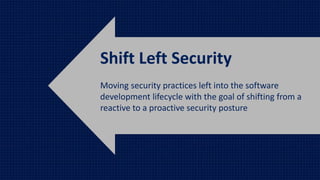
Shift Left Security
Moving security practices left into the software
development lifecycle with the goal of shifting from a
reactive to a proactive security posture
TWISTLOCK | © 2017 | Confidential
Simple concept – difficult execution.
• Traditional security practices of manual policy creation don’t translate
to agile workflows well
• Developers and security have very different domain expertise – it’s
not just integrating the practices – it’s finding ways to communicate
• Security tooling doesn’t lend itself to dev-oriented information
surfacing.
1. Security by design – establish criteria up front
2. Automate, automate, automate
3. Control gates are your friend
4. Use dev learns for better production protection
TWISTLOCK | © 2017 | Confidential
Containers empower security teams to
shift left more successfully than
traditional architectures
© 2017
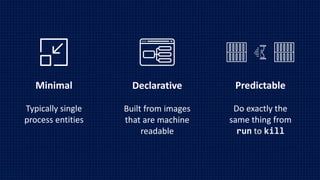
Minimal
Typically single
process entities
Declarative
Built from images
that are machine
readable
Predictable
Do exactly the
same thing from
run to kill
1. The minimal nature simplifies security requirements for
each artifact
2. The declarative nature allows automated analysis of
vulnerabilities and compliance
3. The predictable nature simplifies automation of policy
creation and enforcement
TWISTLOCK | © 2017 | Confidential
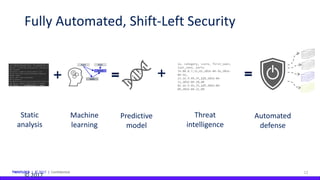
Fully Automated, Shift-Left Security
Machine
learning
Predictive
model
Automated
defense
Static
analysis
ip, category, score, first_seen,
last_seen, ports
74.88.8.7,31,65,2016-04-16,2016-
04-16,
23.16.9.49,35,125,2016-04-
11,2016-04-20,80
82.16.9.65,35,127,2016-04-
09,2016-04-21,80
Threat
intelligence
12
cache
data
fe01 fe02
© 2017
TWISTLOCK | © 2017 | Confidential
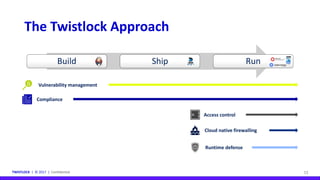
The Twistlock Approach
13
Build Ship Run
Compliance
Runtime defense
Access control
Cloud native firewalling
Vulnerability management
Questions?
Thank you
@twistlocklabs
@twistlockteam
josh@twistlock.com

Shift Left Security - The What, Why and How

  • 1.
    Shift Left Security:What, Why & How Joshua Thorngren, VP Marketing, Twistlock
  • 2.
    What we’re covering today: • Whatis shift-left security? • Why is it important? • How do you enable it? • Q & A
  • 3.
    Software is eatingthe world • Every org is becoming a software org • Software orgs need modern tools • DevOps, containers, and cloud native are those tools The world is dangerous • ‘Democratization’ of sophisticated attacks • Security teams and SOCs overloaded • Your own software is the softest target
  • 4.
    TWISTLOCK | ©2017 | Confidential Only 20% of organizations following DevOps practices consistently integrate security into the development process. Source: HPE | True State of Application Security & DevOps
  • 5.
    TWISTLOCK | ©2017 | Confidential Traditional Security Can’t Keep Up • Only 15% of organizations can remediate security vulnerabilities or address compliance issues within a day • Organizations have to either shift cycles away from innovation, or leave risks unaddressed.
  • 6.
    Shift Left Security Movingsecurity practices left into the software development lifecycle with the goal of shifting from a reactive to a proactive security posture
  • 7.
    TWISTLOCK | ©2017 | Confidential Simple concept – difficult execution. • Traditional security practices of manual policy creation don’t translate to agile workflows well • Developers and security have very different domain expertise – it’s not just integrating the practices – it’s finding ways to communicate • Security tooling doesn’t lend itself to dev-oriented information surfacing.
  • 8.
    1. Security bydesign – establish criteria up front 2. Automate, automate, automate 3. Control gates are your friend 4. Use dev learns for better production protection
  • 9.
    TWISTLOCK | ©2017 | Confidential Containers empower security teams to shift left more successfully than traditional architectures
  • 10.
    © 2017 Minimal Typically single processentities Declarative Built from images that are machine readable Predictable Do exactly the same thing from run to kill
  • 11.
    1. The minimalnature simplifies security requirements for each artifact 2. The declarative nature allows automated analysis of vulnerabilities and compliance 3. The predictable nature simplifies automation of policy creation and enforcement
  • 12.
    TWISTLOCK | ©2017 | Confidential Fully Automated, Shift-Left Security Machine learning Predictive model Automated defense Static analysis ip, category, score, first_seen, last_seen, ports 74.88.8.7,31,65,2016-04-16,2016- 04-16, 23.16.9.49,35,125,2016-04- 11,2016-04-20,80 82.16.9.65,35,127,2016-04- 09,2016-04-21,80 Threat intelligence 12 cache data fe01 fe02 © 2017
  • 13.
    TWISTLOCK | ©2017 | Confidential The Twistlock Approach 13 Build Ship Run Compliance Runtime defense Access control Cloud native firewalling Vulnerability management
  • 14.
  • 15.