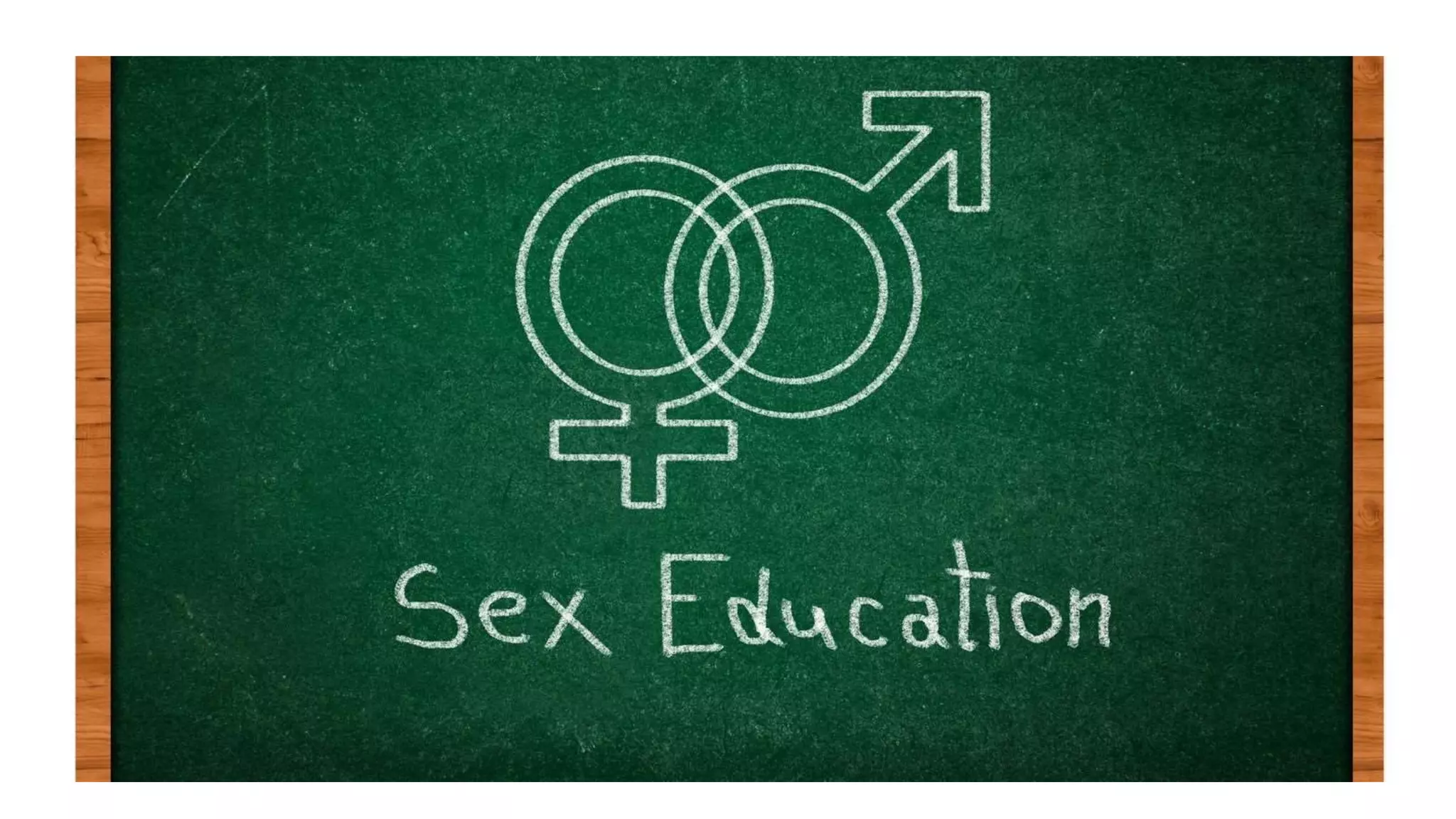
Sex education is instruction on issues relating
to human sexuality, including emotional relations
and responsibilities, human sexual
anatomy, sexual activity, sexual reproduction, age
of consent, reproductive health, reproductive
rights, safe sex, birth control and sexual
abstinence. Sex education that covers all of these
aspects is known as comprehensive sex
education. Common avenues for sex education
are parents or caregivers, formal school programs,
and public health campaigns.
Traditionally, adolescents in many cultures were not given any information on
sexual matters, with the discussion of these issues being considered taboo.
Such instruction, as was given, was traditionally left to a child's parents, and
often this was put off until just before a child's marriage. The progressive
education movement of the late 19th century, however, led to the introduction of
"social hygiene" in North American school curricula and the advent of school-
based sex education.[1] Despite early inroads of school-based sex education,
most of the information on sexual matters in the mid-20th century was obtained
informally from friends and the media, and much of this information was deficient
or of dubious value, especially during the period following puberty, when
curiosity about sexual matters was the most acute. This deficiency was
heightened by the increasing incidence of teenage pregnancies, particularly in
Western countries after the 1960s. As part of each country's efforts to reduce
such pregnancies, programs of sex education were introduced, initially over
strong opposition from parent and religious groups.
According to SIECUS, the Sexuality Information and Education
Council of the United States, 93% of adults they surveyed support
sexuality education in high school and 84% support it in junior high
school.[4] In fact, 88% of parents of junior high school students and
80% of parents of secondary school students believe that sex
education in school makes it easier for them to talk to their
adolescents about sex.[5] Also, 92% of adolescents report that they
want both to talk to their parents about sex and to have
comprehensive in-school sex education.[6] Furthermore, a "study,
conducted by Mathematica Policy Research on behalf of the U.S.
Department of Health and Human Services, found that abstinence-
only-until-marriage programs are ineffective.
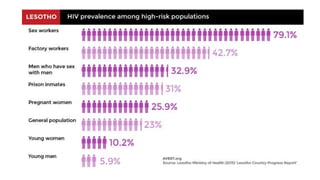
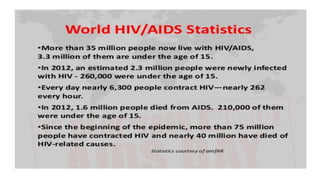
The outbreak of AIDS has given a new sense of urgency to sex
education. In many African countries, where AIDS is at
epidemic levels (see HIV/AIDS in Africa), sex education is seen
by most scientists as a vital public health strategy.[2] Some
international organizations such as Planned
Parenthood consider that broad sex education programs have
global benefits, such as controlling the risk
of overpopulation and the advancement of women's rights (see
also reproductive rights). The use of mass media campaigns
has sometimes resulted in high levels of "awareness" coupled
with essentially superficial knowledge of HIV transmission.
FOR YOUTH
Youth as Trainers — When young people
take train-the-trainer courses in sex ed, and
then become engaged in training their peers,
younger people and adults, they can be
powerful agents of social change. In addition
to learning facilitation skills, young people in
these roles also develop their knowledge of
human relations, community building and
social interactions that can help them
throughout life.
Education — In order to learn about sex education, young people need to
become educated. Every young person in every community around the
entire world should have meaningful, substantive and empowering
experiences learning about the issues that will directly affect them for the
rest of their lives.
Oftentimes, communities wait to teach sex education until they experience
catastrophic outcomes, including deaths from HIV/AIDs and mass disease
transmissions. Instead of looking to those occurrences for inspiration,
young people can learn indirect stories, experience powerful teaching, and
engage in meaningful activities that move them to expand their knowledge
and skills through sex education.
Sex education may be taught informally, such as when someone
receives information from a conversation with a parent, friend,
religious leader, or through the media.[17] It may also be delivered
through sex self-help authors, magazine advice columnists, sex
columnists, or sex education web sites. Formal sex education
occurs when schools or health care providers offer sex education.
Slyer stated that sex education teaches the young person what he
or she should know for his or her personal conduct and relationship
with others.[18] Gruenberg also stated that sex education is
necessary to prepare the young for the task ahead. According to
him, officials generally agree that some kind of planned sex
education is necessary.
Wilhelm Reich commented that sex education of his time
was a work of deception, focusing on biology while
concealing excitement-arousal, which is what
a pubescent individual is mostly interested in. Reich
added that this emphasis obscures what he believed to
be a basic psychological principle: that all worries and
difficulties originate from unsatisfied sexual
impulses.[21] Leepson asserted that the majority of people
favor some sort of sex instruction in public schools, and
this has become an intensely controversial issue
because, unlike most subjects, sex education is
concerned with an especially sensitive and highly
personal part of human life.
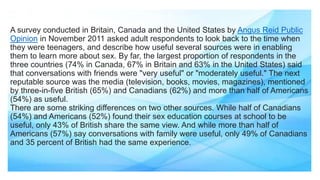
A survey conducted in Britain, Canada and the United States by Angus Reid Public
Opinion in November 2011 asked adult respondents to look back to the time when
they were teenagers, and describe how useful several sources were in enabling
them to learn more about sex. By far, the largest proportion of respondents in the
three countries (74% in Canada, 67% in Britain and 63% in the United States) said
that conversations with friends were "very useful" or "moderately useful." The next
reputable source was the media (television, books, movies, magazines), mentioned
by three-in-five British (65%) and Canadians (62%) and more than half of Americans
(54%) as useful.
There are some striking differences on two other sources. While half of Canadians
(54%) and Americans (52%) found their sex education courses at school to be
useful, only 43% of British share the same view. And while more than half of
Americans (57%) say conversations with family were useful, only 49% of Canadians
and 35 percent of British had the same experience.
LGBT
sex education
Pro-LGBT[edit]
Proponents of LGBT sex education argue that encompassing homosexuality into the
curricula would provide LGBT students with the sexual health information they need,[119] and
help to ameliorate problems such as low self-esteem and depression that research has
shown can be present in LGBT individuals.[120] They also claim that it could reduce
homophobic bullying.[120][121]
An example of LGBT-inclusive curriculum is introduced by the National Sexuality Education
Standards set forth by the Future of Sex Education Initiative. These education standards
outline seven core topics that must be addressed in sex education; one of those core topics
is identity. The identity topic presents lesbian, gay, bisexual and transgender identities as
possibilities for students as they progress through life and come to understand who they
are. These standards, the Future of Sex Education argues, will start in kindergarten and will
evolve into more complex topics throughout schooling as the students mature and
age.[122] In the UK, BigTalk Education's Growing Up Safe programme includes LGBT
relationship education from Primary School age, was awarded the 2017 Pamela Sheridan
award for innovation and good practice in relationships and sex education (RSE), services
and projects for young people.
Anti-LGBT[edit]
Opponents often argue that teaching LGBT sex
education would be disrespectful to some religions[20] and
expose students to inappropriate topics.[117] They say that
including homosexuality in the curriculum would violate
parents’ rights to control what their children are exposed
to and that schools should not inflict a particular political
view on students.[124]Currently, many sex education
curricula do not include LGBT topics, and research has
reported that students often feel that they do not receive
adequate instruction in LGBT sex topics.
Sex education
Sex education
Sex education

Sex education

  • 2.
    Sex education isinstruction on issues relating to human sexuality, including emotional relations and responsibilities, human sexual anatomy, sexual activity, sexual reproduction, age of consent, reproductive health, reproductive rights, safe sex, birth control and sexual abstinence. Sex education that covers all of these aspects is known as comprehensive sex education. Common avenues for sex education are parents or caregivers, formal school programs, and public health campaigns.
  • 3.
    Traditionally, adolescents inmany cultures were not given any information on sexual matters, with the discussion of these issues being considered taboo. Such instruction, as was given, was traditionally left to a child's parents, and often this was put off until just before a child's marriage. The progressive education movement of the late 19th century, however, led to the introduction of "social hygiene" in North American school curricula and the advent of school- based sex education.[1] Despite early inroads of school-based sex education, most of the information on sexual matters in the mid-20th century was obtained informally from friends and the media, and much of this information was deficient or of dubious value, especially during the period following puberty, when curiosity about sexual matters was the most acute. This deficiency was heightened by the increasing incidence of teenage pregnancies, particularly in Western countries after the 1960s. As part of each country's efforts to reduce such pregnancies, programs of sex education were introduced, initially over strong opposition from parent and religious groups.
  • 4.
    According to SIECUS,the Sexuality Information and Education Council of the United States, 93% of adults they surveyed support sexuality education in high school and 84% support it in junior high school.[4] In fact, 88% of parents of junior high school students and 80% of parents of secondary school students believe that sex education in school makes it easier for them to talk to their adolescents about sex.[5] Also, 92% of adolescents report that they want both to talk to their parents about sex and to have comprehensive in-school sex education.[6] Furthermore, a "study, conducted by Mathematica Policy Research on behalf of the U.S. Department of Health and Human Services, found that abstinence- only-until-marriage programs are ineffective.
  • 5.
    The outbreak ofAIDS has given a new sense of urgency to sex education. In many African countries, where AIDS is at epidemic levels (see HIV/AIDS in Africa), sex education is seen by most scientists as a vital public health strategy.[2] Some international organizations such as Planned Parenthood consider that broad sex education programs have global benefits, such as controlling the risk of overpopulation and the advancement of women's rights (see also reproductive rights). The use of mass media campaigns has sometimes resulted in high levels of "awareness" coupled with essentially superficial knowledge of HIV transmission.
  • 6.
  • 7.
    Youth as Trainers— When young people take train-the-trainer courses in sex ed, and then become engaged in training their peers, younger people and adults, they can be powerful agents of social change. In addition to learning facilitation skills, young people in these roles also develop their knowledge of human relations, community building and social interactions that can help them throughout life.
  • 8.
    Education — Inorder to learn about sex education, young people need to become educated. Every young person in every community around the entire world should have meaningful, substantive and empowering experiences learning about the issues that will directly affect them for the rest of their lives. Oftentimes, communities wait to teach sex education until they experience catastrophic outcomes, including deaths from HIV/AIDs and mass disease transmissions. Instead of looking to those occurrences for inspiration, young people can learn indirect stories, experience powerful teaching, and engage in meaningful activities that move them to expand their knowledge and skills through sex education.
  • 10.
    Sex education maybe taught informally, such as when someone receives information from a conversation with a parent, friend, religious leader, or through the media.[17] It may also be delivered through sex self-help authors, magazine advice columnists, sex columnists, or sex education web sites. Formal sex education occurs when schools or health care providers offer sex education. Slyer stated that sex education teaches the young person what he or she should know for his or her personal conduct and relationship with others.[18] Gruenberg also stated that sex education is necessary to prepare the young for the task ahead. According to him, officials generally agree that some kind of planned sex education is necessary.
  • 11.
    Wilhelm Reich commentedthat sex education of his time was a work of deception, focusing on biology while concealing excitement-arousal, which is what a pubescent individual is mostly interested in. Reich added that this emphasis obscures what he believed to be a basic psychological principle: that all worries and difficulties originate from unsatisfied sexual impulses.[21] Leepson asserted that the majority of people favor some sort of sex instruction in public schools, and this has become an intensely controversial issue because, unlike most subjects, sex education is concerned with an especially sensitive and highly personal part of human life.
  • 12.
    A survey conductedin Britain, Canada and the United States by Angus Reid Public Opinion in November 2011 asked adult respondents to look back to the time when they were teenagers, and describe how useful several sources were in enabling them to learn more about sex. By far, the largest proportion of respondents in the three countries (74% in Canada, 67% in Britain and 63% in the United States) said that conversations with friends were "very useful" or "moderately useful." The next reputable source was the media (television, books, movies, magazines), mentioned by three-in-five British (65%) and Canadians (62%) and more than half of Americans (54%) as useful. There are some striking differences on two other sources. While half of Canadians (54%) and Americans (52%) found their sex education courses at school to be useful, only 43% of British share the same view. And while more than half of Americans (57%) say conversations with family were useful, only 49% of Canadians and 35 percent of British had the same experience.
  • 13.
  • 14.
    Pro-LGBT[edit] Proponents of LGBTsex education argue that encompassing homosexuality into the curricula would provide LGBT students with the sexual health information they need,[119] and help to ameliorate problems such as low self-esteem and depression that research has shown can be present in LGBT individuals.[120] They also claim that it could reduce homophobic bullying.[120][121] An example of LGBT-inclusive curriculum is introduced by the National Sexuality Education Standards set forth by the Future of Sex Education Initiative. These education standards outline seven core topics that must be addressed in sex education; one of those core topics is identity. The identity topic presents lesbian, gay, bisexual and transgender identities as possibilities for students as they progress through life and come to understand who they are. These standards, the Future of Sex Education argues, will start in kindergarten and will evolve into more complex topics throughout schooling as the students mature and age.[122] In the UK, BigTalk Education's Growing Up Safe programme includes LGBT relationship education from Primary School age, was awarded the 2017 Pamela Sheridan award for innovation and good practice in relationships and sex education (RSE), services and projects for young people.
  • 15.
    Anti-LGBT[edit] Opponents often arguethat teaching LGBT sex education would be disrespectful to some religions[20] and expose students to inappropriate topics.[117] They say that including homosexuality in the curriculum would violate parents’ rights to control what their children are exposed to and that schools should not inflict a particular political view on students.[124]Currently, many sex education curricula do not include LGBT topics, and research has reported that students often feel that they do not receive adequate instruction in LGBT sex topics.