MULTIFACETED
   BENEFITS OF
  STUDIO BASED
SERVICE LEARNING

   Jennifer Blanchard Belk
     Winthrop University
Faculty Concerns
(what prevents us from incorporating service learning
           when we know it is beneficial?)


      “It is difficult to align client needs and
          expectations with required course
                      competencies”

     “Pro-bono work involves some sensitive
        clientele. I am concerned about the
        beliefs/preferences of my students”

“There is too much preliminary planning for me,
               the instructor, to do”
Senior Commercial Studio
           Description: Space planning and design of environments used in retailing, hospitality
           and related non-office spaces.

           Project: Utilizing a local non-profit organization as the client for a full term senior ID
           studio project as a method of service learning


Objectives of the course
List condensed to include only those pertinent to the inclusion of and interaction with a tangible
client. Primary course competencies include those related to the schematic, design development and
documentation phases of an upper level commercial (non-corporate) ID studio.

Upon successful completion of the course, the student should be able to:

           Demonstrate programming skills, including problem identification, identification of client
           and user needs, information gathering research and analysis.

           Demonstrate understanding of theories of human behavior in interior environments
           including human factors and the relationship between human behavior and the built
           environment.

           Demonstrate critical, analytical, strategic, and creative thinking as well as the ability to
           think visually and volumetrically.

           Demonstrate professional discipline and active listening skills.

           Express ideas clearly in oral presentations and critiques, communicate visually through
           the presentation of color, materials, and furnishings, as well as communicate clearly in
           written specifications, schedules, project programs, and concept statements.
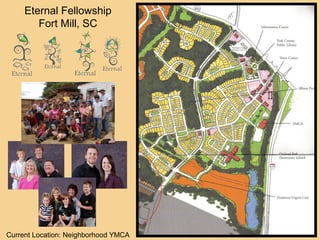
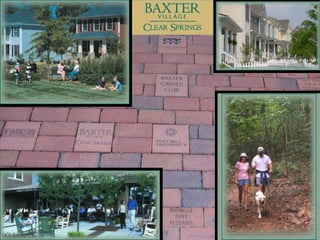
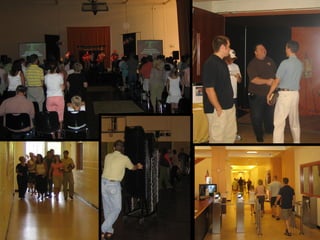
Eternal Fellowship
        Fort Mill, SC


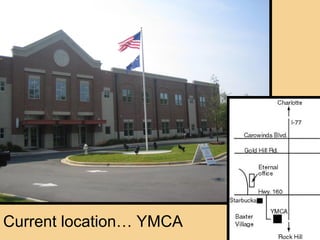
Current Location: Neighborhood YMCA
Current location… YMCA
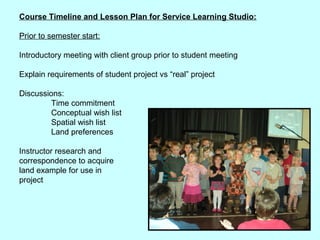
Course Timeline and Lesson Plan for Service Learning Studio:

Prior to semester start:

Introductory meeting with client group prior to student meeting

Explain requirements of student project vs “real” project

Discussions:
         Time commitment
         Conceptual wish list
         Spatial wish list
         Land preferences

Instructor research and
correspondence to acquire
land example for use in
project
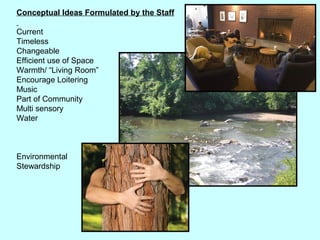
Conceptual Ideas Formulated by the Staff

Current
Timeless
Changeable
Efficient use of Space
Warmth/ “Living Room”
Encourage Loitering
Music
Part of Community
Multi sensory
Water


Environmental
Stewardship
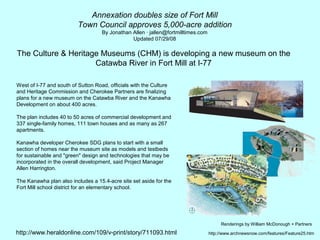
Annexation doubles size of Fort Mill
                         Town Council approves 5,000-acre addition
                                    By Jonathan Allen · jallen@fortmilltimes.com
                                                Updated 07/29/08

The Culture & Heritage Museums (CHM) is developing a new museum on the
                     Catawba River in Fort Mill at I-77

West of I-77 and south of Sutton Road, officials with the Culture
and Heritage Commission and Cherokee Partners are finalizing
plans for a new museum on the Catawba River and the Kanawha
Development on about 400 acres.

The plan includes 40 to 50 acres of commercial development and
337 single-family homes, 111 town houses and as many as 267
apartments.

Kanawha developer Cherokee SDG plans to start with a small
section of homes near the museum site as models and testbeds
for sustainable and "green" design and technologies that may be
incorporated in the overall development, said Project Manager
Allen Harrington.

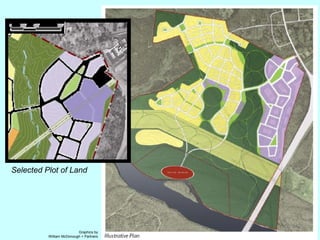
The Kanawha plan also includes a 15.4-acre site set aside for the
Fort Mill school district for an elementary school.


                                                                                        Renderings by William McDonough + Partners

http://www.heraldonline.com/109/v-print/story/711093.html                          http://www.archnewsnow.com/features/Feature25.htm
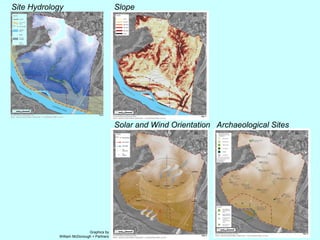
Site Hydrology                             Slope


                                           Solar and Wind Orientation Archaeological Sites


                            Graphics by
            William McDonough + Partners
Selected Plot of Land


                          Graphics by
          William McDonough + Partners
THE SET-UP:
Introduce students to term project
       Introduction of students to neighborhood, current church mission and issues
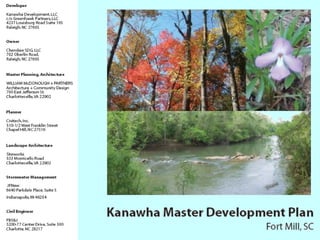
       Introduction to Kanawha Development and Master Plan
       Discussions regarding preconceived notions and spiritual experiences
       Ask students to develop 5 reasons why this project will help them be a
            better designer

Literature review
Development of programming questions for initial client interview

Introductory meeting of students and church representatives
(Instructor continuing to act as link throughout rest of semester)

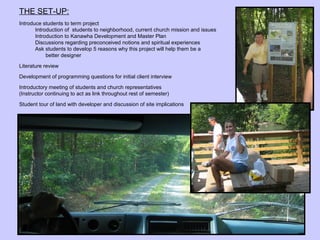
Student tour of land with developer and discussion of site implications
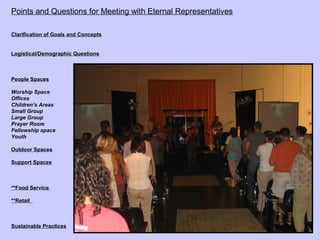
Points and Questions for Meeting with Eternal Representatives

Clarification of Goals and Concepts


Logistical/Demographic Questions


People Spaces

Worship Space
Offices
Children’s Areas
Small Group
Large Group
Prayer Room
Fellowship space
Youth

Outdoor Spaces

Support Spaces


**Food Service

**Retail


Sustainable Practices
MEETING THE COURSE COMPETENCIES
Class discussions of implications of this type of building, user group, and occupancy type on:
                    Space Planning and Zoning
                    Codes and Standards
                    Multi-use and Multi-Occupancy (homework activity and field trip)
                    FF&E
                    Mechanical/Plumbing, PVD design
                    Maintenance and Security issues
                    RCP and Lighting
                    Green design & LEED (what are attainable goals for this project?)

Guidance for graphic and verbal presentation for mixed groups (client, end users and professional jurors)

Guest speaker on specialty area (Sanctuary and Acoustical Design)

Utilization of IIDA continuing education opportunities related to subject (Retail/Hospitality Forum)


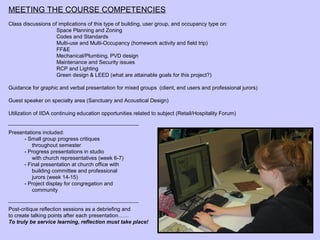
Presentations included:
      - Small group progress critiques
          throughout semester
      - Progress presentations in studio
          with church representatives (week 6-7)
      - Final presentation at church office with
          building committee and professional
          jurors (week 14-15)
      - Project display for congregation and
          community


Post-critique reflection sessions as a debriefing and
to create talking points after each presentation……
To truly be service learning, reflection must take place!
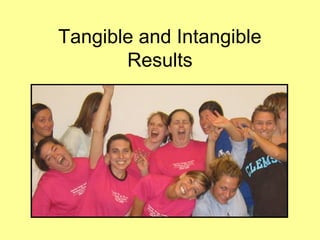
Tangible and Intangible
       Results
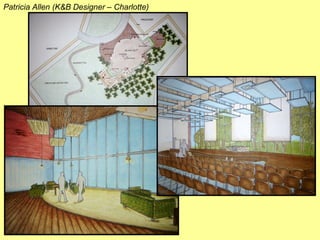
Patricia Allen (K&B Designer – Charlotte)
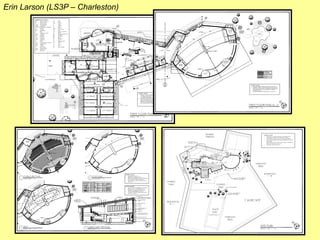
Erin Larson (LS3P – Charleston)
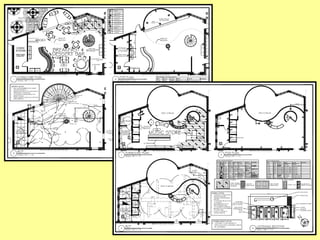
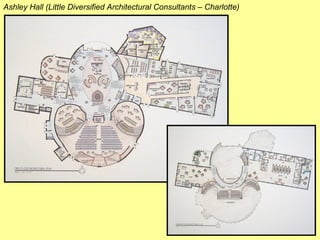
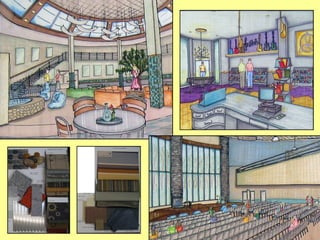
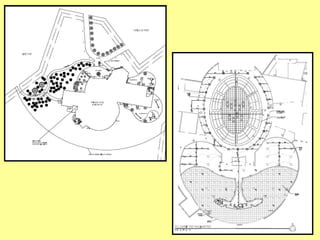
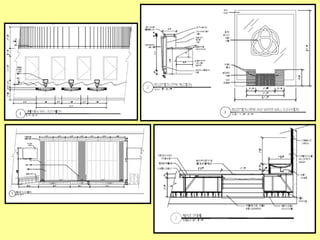
Ashley Hall (Little Diversified Architectural Consultants – Charlotte)
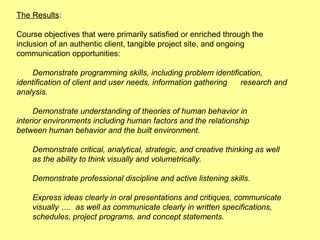
The Results:

Course objectives that were primarily satisfied or enriched through the
inclusion of an authentic client, tangible project site, and ongoing
communication opportunities:

    Demonstrate programming skills, including problem identification,
identification of client and user needs, information gathering research and
analysis.

     Demonstrate understanding of theories of human behavior in
interior environments including human factors and the relationship
between human behavior and the built environment.

    Demonstrate critical, analytical, strategic, and creative thinking as well
    as the ability to think visually and volumetrically.

    Demonstrate professional discipline and active listening skills.

    Express ideas clearly in oral presentations and critiques, communicate
    visually …. as well as communicate clearly in written specifications,
    schedules, project programs, and concept statements.
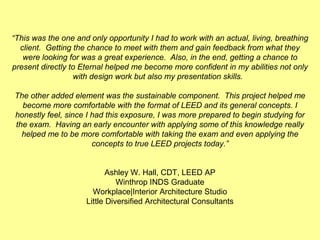
“This was the one and only opportunity I had to work with an actual, living, breathing
  client. Getting the chance to meet with them and gain feedback from what they
   were looking for was a great experience. Also, in the end, getting a chance to
present directly to Eternal helped me become more confident in my abilities not only
                  with design work but also my presentation skills.

The other added element was the sustainable component. This project helped me
  become more comfortable with the format of LEED and its general concepts. I
honestly feel, since I had this exposure, I was more prepared to begin studying for
the exam. Having an early encounter with applying some of this knowledge really
  helped me to be more comfortable with taking the exam and even applying the
                       concepts to true LEED projects today.”


                            Ashley W. Hall, CDT, LEED AP
                               Winthrop INDS Graduate
                       Workplace|Interior Architecture Studio
                     Little Diversified Architectural Consultants
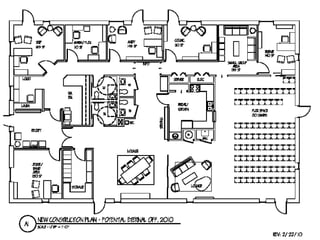
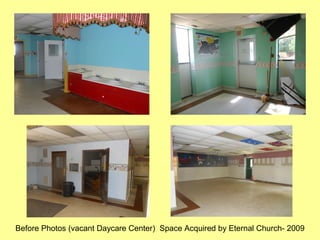
Before Photos (vacant Daycare Center) Space Acquired by Eternal Church- 2009
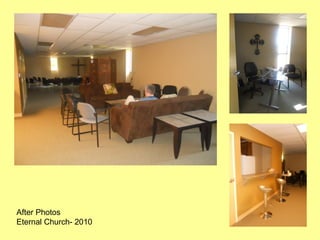
After Photos
Eternal Church- 2010
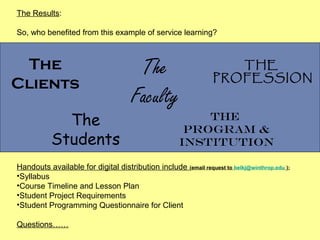
The Results:

So, who benefited from this example of service learning?


 The                                   The                          THE
                                                                 PROFESSION
Clients
                                      Faculty
             The                                          The
                                                       program &
           Students                                   institution

Handouts available for digital distribution include (email request to belkj@winthrop.edu ):
•Syllabus
•Course Timeline and Lesson Plan
•Student Project Requirements
•Student Programming Questionnaire for Client

Questions……

Multifaceted Benefits of Studio Based Service Learning

  • 1.
    MULTIFACETED BENEFITS OF STUDIO BASED SERVICE LEARNING Jennifer Blanchard Belk Winthrop University
  • 2.
    Faculty Concerns (what preventsus from incorporating service learning when we know it is beneficial?) “It is difficult to align client needs and expectations with required course competencies” “Pro-bono work involves some sensitive clientele. I am concerned about the beliefs/preferences of my students” “There is too much preliminary planning for me, the instructor, to do”
  • 3.
    Senior Commercial Studio Description: Space planning and design of environments used in retailing, hospitality and related non-office spaces. Project: Utilizing a local non-profit organization as the client for a full term senior ID studio project as a method of service learning Objectives of the course List condensed to include only those pertinent to the inclusion of and interaction with a tangible client. Primary course competencies include those related to the schematic, design development and documentation phases of an upper level commercial (non-corporate) ID studio. Upon successful completion of the course, the student should be able to: Demonstrate programming skills, including problem identification, identification of client and user needs, information gathering research and analysis. Demonstrate understanding of theories of human behavior in interior environments including human factors and the relationship between human behavior and the built environment. Demonstrate critical, analytical, strategic, and creative thinking as well as the ability to think visually and volumetrically. Demonstrate professional discipline and active listening skills. Express ideas clearly in oral presentations and critiques, communicate visually through the presentation of color, materials, and furnishings, as well as communicate clearly in written specifications, schedules, project programs, and concept statements.
  • 4.
    Eternal Fellowship Fort Mill, SC Current Location: Neighborhood YMCA
  • 6.
  • 8.
    Course Timeline andLesson Plan for Service Learning Studio: Prior to semester start: Introductory meeting with client group prior to student meeting Explain requirements of student project vs “real” project Discussions: Time commitment Conceptual wish list Spatial wish list Land preferences Instructor research and correspondence to acquire land example for use in project
  • 9.
    Conceptual Ideas Formulatedby the Staff Current Timeless Changeable Efficient use of Space Warmth/ “Living Room” Encourage Loitering Music Part of Community Multi sensory Water Environmental Stewardship
  • 10.
    Annexation doubles sizeof Fort Mill Town Council approves 5,000-acre addition By Jonathan Allen · jallen@fortmilltimes.com Updated 07/29/08 The Culture & Heritage Museums (CHM) is developing a new museum on the Catawba River in Fort Mill at I-77 West of I-77 and south of Sutton Road, officials with the Culture and Heritage Commission and Cherokee Partners are finalizing plans for a new museum on the Catawba River and the Kanawha Development on about 400 acres. The plan includes 40 to 50 acres of commercial development and 337 single-family homes, 111 town houses and as many as 267 apartments. Kanawha developer Cherokee SDG plans to start with a small section of homes near the museum site as models and testbeds for sustainable and "green" design and technologies that may be incorporated in the overall development, said Project Manager Allen Harrington. The Kanawha plan also includes a 15.4-acre site set aside for the Fort Mill school district for an elementary school. Renderings by William McDonough + Partners http://www.heraldonline.com/109/v-print/story/711093.html http://www.archnewsnow.com/features/Feature25.htm
  • 12.
    Site Hydrology Slope Solar and Wind Orientation Archaeological Sites Graphics by William McDonough + Partners
  • 13.
    Selected Plot ofLand Graphics by William McDonough + Partners
  • 14.
    THE SET-UP: Introduce studentsto term project Introduction of students to neighborhood, current church mission and issues Introduction to Kanawha Development and Master Plan Discussions regarding preconceived notions and spiritual experiences Ask students to develop 5 reasons why this project will help them be a better designer Literature review Development of programming questions for initial client interview Introductory meeting of students and church representatives (Instructor continuing to act as link throughout rest of semester) Student tour of land with developer and discussion of site implications
  • 15.
    Points and Questionsfor Meeting with Eternal Representatives Clarification of Goals and Concepts Logistical/Demographic Questions People Spaces Worship Space Offices Children’s Areas Small Group Large Group Prayer Room Fellowship space Youth Outdoor Spaces Support Spaces **Food Service **Retail Sustainable Practices
  • 16.
    MEETING THE COURSECOMPETENCIES Class discussions of implications of this type of building, user group, and occupancy type on: Space Planning and Zoning Codes and Standards Multi-use and Multi-Occupancy (homework activity and field trip) FF&E Mechanical/Plumbing, PVD design Maintenance and Security issues RCP and Lighting Green design & LEED (what are attainable goals for this project?) Guidance for graphic and verbal presentation for mixed groups (client, end users and professional jurors) Guest speaker on specialty area (Sanctuary and Acoustical Design) Utilization of IIDA continuing education opportunities related to subject (Retail/Hospitality Forum) Presentations included: - Small group progress critiques throughout semester - Progress presentations in studio with church representatives (week 6-7) - Final presentation at church office with building committee and professional jurors (week 14-15) - Project display for congregation and community Post-critique reflection sessions as a debriefing and to create talking points after each presentation…… To truly be service learning, reflection must take place!
  • 17.
  • 18.
    Patricia Allen (K&BDesigner – Charlotte)
  • 19.
    Erin Larson (LS3P– Charleston)
  • 21.
    Ashley Hall (LittleDiversified Architectural Consultants – Charlotte)
  • 25.
    The Results: Course objectivesthat were primarily satisfied or enriched through the inclusion of an authentic client, tangible project site, and ongoing communication opportunities: Demonstrate programming skills, including problem identification, identification of client and user needs, information gathering research and analysis. Demonstrate understanding of theories of human behavior in interior environments including human factors and the relationship between human behavior and the built environment. Demonstrate critical, analytical, strategic, and creative thinking as well as the ability to think visually and volumetrically. Demonstrate professional discipline and active listening skills. Express ideas clearly in oral presentations and critiques, communicate visually …. as well as communicate clearly in written specifications, schedules, project programs, and concept statements.
  • 26.
    “This was theone and only opportunity I had to work with an actual, living, breathing client. Getting the chance to meet with them and gain feedback from what they were looking for was a great experience. Also, in the end, getting a chance to present directly to Eternal helped me become more confident in my abilities not only with design work but also my presentation skills. The other added element was the sustainable component. This project helped me become more comfortable with the format of LEED and its general concepts. I honestly feel, since I had this exposure, I was more prepared to begin studying for the exam. Having an early encounter with applying some of this knowledge really helped me to be more comfortable with taking the exam and even applying the concepts to true LEED projects today.” Ashley W. Hall, CDT, LEED AP Winthrop INDS Graduate Workplace|Interior Architecture Studio Little Diversified Architectural Consultants
  • 30.
    Before Photos (vacantDaycare Center) Space Acquired by Eternal Church- 2009
  • 31.
  • 32.
    The Results: So, whobenefited from this example of service learning? The The THE PROFESSION Clients Faculty The The program & Students institution Handouts available for digital distribution include (email request to belkj@winthrop.edu ): •Syllabus •Course Timeline and Lesson Plan •Student Project Requirements •Student Programming Questionnaire for Client Questions……